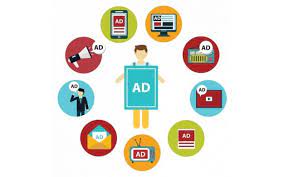
sem in digital marketing

Unlocking the Power of SEM in Digital Marketing Strategies

Search Engine Marketing in Digital Marketing

The Role of Search Engine Marketing in Digital Marketing

Search Engine Marketing (SEM) is a crucial component of any comprehensive digital marketing strategy. It involves promoting websites by increasing their visibility in search engine results pages through paid advertising methods such as pay-per-click (PPC) campaigns.

Key Aspects of SEM:

Pay-Per-Click Advertising (PPC): PPC campaigns allow businesses to bid on specific keywords relevant to their target audience. When users search for these keywords, the ads appear at the top of the search results, driving targeted traffic to the website.

Ad Extensions: SEM also includes ad extensions that provide additional information to users, such as contact details, location, and links to specific pages on the website. These extensions enhance the visibility and relevance of ads.

Benefits of SEM:

Increased Visibility: By investing in SEM, businesses can ensure that their ads appear prominently in search results, increasing brand visibility and attracting potential customers.

Targeted Advertising: SEM allows for precise targeting based on factors like location, device type, and user behaviour. This targeted approach ensures that ads reach the right audience at the right time.

SEM Best Practices:

  • Keyword Research: Conduct thorough keyword research to identify relevant terms that your target audience is searching for.
  • Landing Page Optimization: Ensure that landing pages are well-designed and optimized for conversion to maximise the impact of your SEM campaigns.
  • A/B Testing: Test different ad creatives, keywords, and landing page elements to refine your SEM strategy and improve performance over time.

In conclusion, Search Engine Marketing plays a vital role in driving targeted traffic to websites and achieving marketing objectives effectively. By implementing SEM best practices and staying abreast of industry trends, businesses can harness the power of search engines to enhance their online presence and reach a wider audience.


Understanding SEM in Digital Marketing: 12 Frequently Asked Questions

  1. What is SEM and types?
  2. What is difference between SEM and SEO?
  3. What are the three types of SEM?
  4. What is SEO vs SEM?
  5. What is SEM with an example?
  6. Which is paid, SEO or SEM?
  7. What is the concept of SEM?
  8. Is SEM or SEO better?
  9. How do you explain SEM?
  10. What is difference between SEO and SEM?
  11. What is SEM and PPC?
  12. What is SEM marketing for?

What is SEM and types?

Search Engine Marketing (SEM) is a fundamental aspect of digital marketing that revolves around enhancing a website’s visibility in search engine results pages through paid advertising strategies. SEM encompasses various types, with the most common being Pay-Per-Click (PPC) advertising, where businesses bid on keywords to display their ads at the top of search results. Other types of SEM include display advertising, remarketing, and shopping ads. Each type serves a unique purpose in targeting and engaging specific audiences to drive traffic and conversions for businesses online. Understanding the different types of SEM allows marketers to tailor their strategies effectively to achieve desired outcomes in the competitive digital landscape.

What is difference between SEM and SEO?

In the realm of digital marketing, a common query often arises regarding the distinction between Search Engine Marketing (SEM) and Search Engine Optimisation (SEO). While both SEM and SEO aim to enhance a website’s visibility in search engine results, they employ different strategies to achieve this goal. SEM involves paid advertising methods like pay-per-click campaigns to drive immediate traffic to a website, while SEO focuses on improving organic search rankings through content optimisation, keyword research, and other techniques. In essence, SEM offers quick results through paid promotions, whereas SEO focuses on long-term strategies to boost organic visibility and attract relevant traffic over time.

What are the three types of SEM?

In the realm of Search Engine Marketing (SEM) in digital marketing, one frequently asked question is about the three main types of SEM. The three primary types of SEM are Search Engine Advertising, Paid Placement Advertising, and Contextual Advertising. Search Engine Advertising involves bidding on keywords to display ads in search engine results pages. Paid Placement Advertising focuses on paying for ad placement on specific websites or platforms. Contextual Advertising targets users based on the content they are viewing online. Understanding these different types of SEM can help businesses tailor their strategies to effectively reach their target audience and achieve their marketing goals.

What is SEO vs SEM?

In the realm of digital marketing, a common query often arises regarding the distinction between SEO (Search Engine Optimization) and SEM (Search Engine Marketing). While both strategies aim to enhance a website’s visibility in search engine results, they differ in their approaches. SEO focuses on organic methods to improve a site’s ranking, such as optimizing content and meta tags, while SEM encompasses paid advertising tactics like PPC campaigns to drive immediate traffic. Understanding the nuances between SEO and SEM is crucial for businesses looking to develop a comprehensive online marketing strategy that effectively targets both organic and paid search opportunities.

What is SEM with an example?

Search Engine Marketing (SEM) is a digital marketing strategy that involves promoting websites by increasing their visibility in search engine results pages through paid advertising methods. A common example of SEM is running a pay-per-click (PPC) campaign on Google Ads. For instance, a company selling fitness equipment may bid on keywords like “best home gym equipment” to have their ads displayed at the top of Google search results when users search for those terms. Through SEM, businesses can target specific keywords relevant to their products or services, drive targeted traffic to their websites, and ultimately increase brand awareness and conversions.

Which is paid, SEO or SEM?

In digital marketing, the distinction between paid search engine marketing (SEM) and organic search engine optimisation (SEO) is often a common query. While SEO focuses on improving a website’s visibility in search engine results through organic means without direct payment for clicks, SEM involves paid advertising methods like pay-per-click (PPC) campaigns to increase a website’s visibility. Therefore, SEM is the paid component of digital marketing, whereas SEO primarily relies on optimising content and website structure to improve ranking organically in search engine results pages. Understanding the difference between these two strategies is essential for businesses looking to enhance their online presence effectively.

What is the concept of SEM?

The concept of Search Engine Marketing (SEM) in digital marketing revolves around the strategic use of paid advertising to increase a website’s visibility in search engine results pages. SEM involves techniques such as pay-per-click (PPC) campaigns and ad extensions to target specific keywords and attract relevant traffic to a website. By leveraging SEM effectively, businesses can enhance their online presence, reach a targeted audience, and drive conversions. SEM is a dynamic and essential component of digital marketing that enables organisations to boost their visibility on search engines and achieve their marketing goals efficiently.

Is SEM or SEO better?

In the realm of digital marketing, the question of whether Search Engine Marketing (SEM) or Search Engine Optimization (SEO) is better often arises. While both SEM and SEO are essential strategies for improving a website’s visibility in search engine results, they serve different purposes. SEM involves paid advertising to drive immediate traffic to a website, offering quick results but requiring ongoing investment. On the other hand, SEO focuses on organic methods to improve a website’s ranking over time, providing long-term benefits without the need for continuous ad spend. Ultimately, the choice between SEM and SEO depends on specific goals, budget considerations, and the desired timeline for achieving results in a digital marketing strategy.

How do you explain SEM?

When asked to explain SEM in the context of digital marketing, it refers to Search Engine Marketing, a strategic approach that involves promoting websites by enhancing their visibility in search engine results pages through paid advertising methods. SEM encompasses techniques such as pay-per-click (PPC) campaigns and ad extensions to drive targeted traffic to websites. By utilising SEM effectively, businesses can increase brand visibility, reach their target audience with precision, and achieve specific marketing goals through strategic online advertising efforts.

What is difference between SEO and SEM?

In the realm of digital marketing, a common question that arises is the distinction between Search Engine Optimization (SEO) and Search Engine Marketing (SEM). While both strategies aim to enhance a website’s visibility in search engine results, they differ in their approaches. SEO focuses on organic methods to improve a site’s ranking through content optimization, keyword research, and link building. On the other hand, SEM involves paid advertising efforts, such as pay-per-click campaigns, to increase a website’s visibility in search results. Essentially, SEO is about improving organic search rankings over time, while SEM provides immediate visibility through paid advertisements. Understanding the nuances between SEO and SEM is crucial for developing a well-rounded digital marketing strategy that effectively targets both organic and paid search channels.

What is SEM and PPC?

In the realm of digital marketing, Search Engine Marketing (SEM) encompasses various strategies aimed at enhancing a website’s visibility in search engine results pages. One key aspect of SEM is Pay-Per-Click (PPC) advertising, where businesses bid on specific keywords to display their ads at the top of search results. With PPC campaigns, companies pay only when users click on their ads, allowing for targeted and cost-effective marketing efforts. SEM and PPC are integral tools for driving traffic to websites, increasing brand awareness, and ultimately achieving marketing goals in the competitive online landscape.

What is SEM marketing for?

Search Engine Marketing (SEM) serves a crucial purpose in digital marketing by helping businesses increase their online visibility and attract targeted traffic to their websites. SEM marketing aims to drive relevant users to a website through paid advertising methods like pay-per-click (PPC) campaigns. By bidding on specific keywords related to their products or services, businesses can ensure that their ads appear prominently in search engine results pages, reaching potential customers at the moment they are actively searching for relevant information. Ultimately, SEM marketing is instrumental in boosting brand awareness, generating leads, and ultimately driving conversions for businesses looking to succeed in the competitive online landscape.

display advertising

Mastering the Art of Display Advertising: Strategies for Success in the Digital Landscape

The Power of Display Advertising

The Power of Display Advertising

Display advertising is a powerful marketing tool that helps businesses reach their target audience in a visually engaging way. Unlike text-based ads, display ads incorporate images, videos, and interactive elements to capture the attention of potential customers.

One of the key benefits of display advertising is its ability to increase brand visibility. By placing ads on relevant websites and platforms, businesses can raise awareness of their products or services among a wider audience. This increased visibility can lead to higher brand recognition and customer engagement.

Display advertising also offers precise targeting options, allowing businesses to reach specific demographics based on factors such as age, location, interests, and online behaviour. This targeted approach ensures that ads are shown to the most relevant audience, increasing the likelihood of conversions and sales.

Furthermore, display advertising provides valuable insights into campaign performance through metrics such as click-through rates, impressions, and conversions. By analysing these data points, businesses can refine their ad strategies and improve ROI over time.

In today’s digital age, display advertising plays a crucial role in the marketing mix by complementing other channels such as search engine marketing and social media advertising. When used effectively, display ads can drive traffic to websites, generate leads, and ultimately contribute to business growth.

Whether you are looking to increase brand awareness or drive conversions, display advertising offers a versatile and impactful solution for reaching your target audience online.


6 Essential Tips for Effective Display Advertising Campaigns

  1. Use eye-catching visuals to grab attention
  2. Include a clear call-to-action for viewers
  3. Ensure your ad is relevant to your target audience
  4. Test different ad formats and placements for effectiveness
  5. Monitor and analyse performance metrics regularly
  6. Optimise campaigns based on data insights

Use eye-catching visuals to grab attention

In the realm of display advertising, a key tip for success is to utilise eye-catching visuals that captivate and engage your audience. By incorporating visually appealing images, graphics, or videos in your ads, you can instantly grab the attention of viewers and make a memorable impression. These striking visuals not only help your ads stand out in a crowded digital space but also entice users to explore further and learn more about your brand or offerings. Remember, in the world of display advertising, a picture truly is worth a thousand words.

Include a clear call-to-action for viewers

Including a clear call-to-action in your display advertising is essential for driving viewer engagement and encouraging them to take the desired action. Whether it’s prompting viewers to visit your website, sign up for a newsletter, or make a purchase, a compelling call-to-action guides their next steps and increases the likelihood of conversion. By clearly outlining what you want viewers to do, you make it easier for them to respond to your ad and move further along the customer journey. Remember, a strong call-to-action can make all the difference in turning ad impressions into valuable interactions with your brand.

Ensure your ad is relevant to your target audience

Ensuring that your display ad is relevant to your target audience is crucial for the success of your advertising campaign. By tailoring your ad content to resonate with the interests, needs, and preferences of your audience, you can capture their attention and increase the likelihood of engagement. Relevance not only improves the effectiveness of your ad but also helps build a stronger connection with potential customers, leading to higher conversion rates and a more impactful return on investment. Remember, understanding your audience and crafting ads that speak directly to them can make all the difference in achieving your marketing goals through display advertising.

Test different ad formats and placements for effectiveness

Testing different ad formats and placements is a crucial tip in display advertising to maximise effectiveness. By experimenting with various formats, such as static images, animated banners, or video ads, businesses can determine which type resonates best with their target audience. Similarly, testing different placements across websites and platforms helps identify the most lucrative channels for reaching potential customers. Through continuous testing and analysis, businesses can refine their display advertising strategy to optimise performance and achieve better results in driving engagement and conversions.

Monitor and analyse performance metrics regularly

Monitoring and analysing performance metrics regularly is essential for the success of any display advertising campaign. By keeping a close eye on metrics such as click-through rates, impressions, conversions, and return on investment, businesses can gain valuable insights into the effectiveness of their ads. This data allows them to identify what is working well and what may need adjustment, enabling them to optimise their campaigns for maximum impact. Regular monitoring and analysis ensure that businesses stay informed about the performance of their display ads and make informed decisions to improve results over time.

Optimise campaigns based on data insights

Optimising display advertising campaigns based on data insights is essential for maximising their effectiveness and ROI. By analysing metrics such as click-through rates, impressions, and conversions, businesses can gain valuable information about their target audience’s preferences and behaviour. This data-driven approach allows advertisers to make informed decisions about ad placement, messaging, and targeting to improve campaign performance. By continuously monitoring and adjusting campaigns based on data insights, businesses can ensure that their display ads are reaching the right audience at the right time with the right message, ultimately driving better results and achieving marketing objectives.

online advertising solutions

Unlocking the Potential: Effective Online Advertising Solutions for Your Business

Online Advertising Solutions

The Power of Online Advertising Solutions

In today’s digital age, online advertising has become a crucial component of any successful marketing strategy. With the vast reach and targeting capabilities of online platforms, businesses have the opportunity to connect with their target audience in a more direct and effective way than ever before.

Types of Online Advertising Solutions

There are various types of online advertising solutions available to businesses, each offering unique benefits and targeting options:

  • Search Engine Marketing (SEM): SEM involves placing ads on search engine results pages to drive traffic to your website based on relevant keywords.
  • Social Media Advertising: Platforms like Facebook, Instagram, and LinkedIn offer targeted advertising options to reach specific demographics and interests.
  • Display Advertising: Display ads appear on websites, apps, or social media platforms in the form of banners or interactive multimedia content.
  • Video Advertising: Video ads can be displayed on platforms like YouTube or social media channels to engage users with visual content.
  • Native Advertising: Native ads blend in with the content of a website or platform, providing a seamless user experience while promoting your brand.

The Benefits of Online Advertising

Online advertising solutions offer numerous advantages for businesses looking to increase their online visibility and drive conversions:

  • Targeted Reach: With detailed targeting options, you can reach specific audiences based on demographics, interests, behaviour, and more.
  • Data-driven Insights: Online advertising provides valuable data and analytics that allow you to track performance metrics and optimise your campaigns for better results.
  • Creative Flexibility: From text-based ads to immersive multimedia experiences, online advertising offers a range of creative formats to engage your audience effectively.
  • Cost-effective Solutions: Compared to traditional advertising methods, online advertising often offers cost-effective options with flexible budgets and measurable ROI.

In Conclusion

Online advertising solutions play a vital role in helping businesses connect with their target audience, increase brand awareness, and drive conversions. By utilising the diverse range of online advertising platforms and strategies available today, businesses can create impactful campaigns that deliver tangible results in the digital landscape.


8 Essential Tips for Effective Online Advertising Strategies

  1. Define your target audience clearly to maximise the effectiveness of your ads.
  2. Use compelling visuals and concise, engaging copy to grab users’ attention.
  3. Optimise your ads for mobile devices as a significant portion of users browse on smartphones and tablets.
  4. Regularly monitor and analyse the performance of your ads to make data-driven decisions for improvements.
  5. Consider using retargeting strategies to reach users who have previously shown interest in your products or services.
  6. Utilise A/B testing to compare different ad variations and determine which ones resonate best with your audience.
  7. Explore different online advertising platforms such as Google Ads, Facebook Ads, and LinkedIn Ads to diversify your reach.
  8. Stay updated on industry trends and algorithm changes to adapt your online advertising strategies accordingly.

Define your target audience clearly to maximise the effectiveness of your ads.

Defining your target audience clearly is a crucial tip when it comes to online advertising solutions. By understanding who your ideal customers are in terms of demographics, interests, and behaviour, you can tailor your ads to resonate with them effectively. This targeted approach not only increases the relevance of your ads but also maximises the chances of engaging and converting potential customers. By defining your target audience clearly, you can ensure that your online advertising efforts are focused and yield the best results for your business.

Use compelling visuals and concise, engaging copy to grab users’ attention.

To maximise the impact of your online advertising campaigns, it is essential to utilise compelling visuals and concise, engaging copy that captivates users’ attention from the outset. By combining visually appealing graphics with clear and persuasive messaging, you can create ads that stand out in a crowded digital space and entice users to take action. Remember, first impressions are key in online advertising, so make sure your visuals and copy work together harmoniously to grab users’ attention and drive engagement effectively.

Optimise your ads for mobile devices as a significant portion of users browse on smartphones and tablets.

To maximise the effectiveness of your online advertising campaigns, it is crucial to optimise your ads for mobile devices. With a significant portion of users accessing the internet through smartphones and tablets, ensuring that your ads are mobile-friendly can greatly enhance engagement and conversion rates. By designing ads that are visually appealing, load quickly, and provide a seamless user experience on mobile devices, you can effectively reach and connect with a larger audience in today’s mobile-centric digital landscape.

Regularly monitor and analyse the performance of your ads to make data-driven decisions for improvements.

Regularly monitoring and analysing the performance of your online ads is essential for making informed, data-driven decisions to enhance their effectiveness. By tracking key metrics such as click-through rates, conversion rates, and engagement levels, you can gain valuable insights into what is working well and where adjustments may be needed. This proactive approach allows you to optimise your ad campaigns in real time, ensuring that your advertising efforts are targeted, relevant, and ultimately more successful in achieving your marketing goals.

Consider using retargeting strategies to reach users who have previously shown interest in your products or services.

Consider incorporating retargeting strategies into your online advertising solutions to effectively reach users who have previously expressed interest in your products or services. By targeting these engaged users with tailored ads as they continue to browse the web, you can remind them of your offerings and encourage them to revisit your website or make a purchase. Retargeting can help increase brand recall, drive conversions, and maximise the impact of your digital marketing efforts by keeping your brand top-of-mind for potential customers.

Utilise A/B testing to compare different ad variations and determine which ones resonate best with your audience.

Utilising A/B testing in your online advertising strategy can be a game-changer. By comparing different ad variations, you gain valuable insights into what resonates best with your target audience. This data-driven approach allows you to refine your ads based on real performance metrics, ultimately improving engagement and conversion rates. A/B testing empowers you to make informed decisions that maximise the impact of your online advertising campaigns and drive better results.

Explore different online advertising platforms such as Google Ads, Facebook Ads, and LinkedIn Ads to diversify your reach.

To maximise the effectiveness of your online advertising strategy, it is essential to explore various online advertising platforms such as Google Ads, Facebook Ads, and LinkedIn Ads. Diversifying your reach across these platforms allows you to target different audiences and engage with potential customers in diverse online environments. Each platform offers unique targeting options and features that can help you tailor your campaigns to specific demographics, interests, and behaviours. By utilising a mix of online advertising platforms, you can enhance your brand visibility and increase the chances of reaching your target audience effectively.

Staying updated on industry trends and algorithm changes is essential for adapting online advertising strategies effectively. In the dynamic digital landscape, keeping abreast of the latest developments allows businesses to remain competitive and maximise the impact of their campaigns. By understanding industry trends and algorithm updates, businesses can make informed decisions on targeting, messaging, and ad formats to ensure their online advertising efforts resonate with their target audience and drive optimal results.