seo digital marketing agency

Unlocking Online Success: The Power of an SEO Digital Marketing Agency

SEO Digital Marketing Agency

The Role of an SEO Digital Marketing Agency in Boosting Online Visibility

In today’s digital age, having a strong online presence is crucial for businesses to succeed. This is where SEO digital marketing agencies play a vital role in helping companies improve their visibility and reach their target audience effectively.

Search Engine Optimization (SEO) is a key component of digital marketing that focuses on increasing a website’s visibility in search engine results. An SEO digital marketing agency employs strategies and techniques to enhance a website’s ranking on search engines like Google, Yahoo, and Bing.

By implementing SEO best practices such as keyword research, on-page optimization, link building, and content creation, these agencies help businesses improve their organic search rankings and drive more traffic to their websites.

Furthermore, an SEO digital marketing agency analyses website performance metrics, conducts competitor research, and stays updated on search engine algorithm changes to ensure that their clients’ websites remain competitive in the ever-evolving online landscape.

The Benefits of Working with an SEO Digital Marketing Agency:

  • Increased Online Visibility: By improving search engine rankings, businesses can attract more organic traffic to their websites.
  • Targeted Audience Reach: SEO strategies help businesses reach their target audience by optimising content for relevant keywords and phrases.
  • Improved Website Authority: High-quality backlinks generated through SEO efforts can enhance a website’s authority and credibility in the eyes of search engines.
  • Measurable Results: SEO agencies provide detailed analytics reports that track website performance and measure the effectiveness of implemented strategies.
  • Cost-Effective Marketing: Compared to traditional advertising methods, investing in SEO offers long-term benefits at a lower cost.

In conclusion, partnering with an SEO digital marketing agency can significantly impact a business’s online success by increasing visibility, driving targeted traffic, and improving overall website performance. By leveraging the expertise of professionals in the field of SEO, businesses can stay ahead of the competition and achieve sustainable growth in the digital realm.


Top 20 FAQs About SEO and Digital Marketing Agencies in the UK

  1. What is the 70 20 10 rule in digital marketing?
  2. How much does it cost to hire an SEO agency?
  3. What is a SEO digital marketing agency?
  4. What are the 4 types of SEO?
  5. What is SEO in digital marketing?
  6. Is SEO included in digital marketing?
  7. What is the cost of SEO in digital marketing?
  8. What company has the best SEO?
  9. How much to charge for SEO in the UK?
  10. Who are the best SEO agencies in the UK?
  11. What is the difference between SEO and digital marketing?
  12. What is the cost of SEO?
  13. How is SEO used in digital marketing?
  14. Are SEO agencies profitable?
  15. How do I do SEO in digital marketing?
  16. What is digital marketing SEO?
  17. How much does an agency charge for SEO?
  18. Which is the 1 SEO company in the world?
  19. Who is the best SEO in Australia?
  20. What is SEO digital marketing agency?

What is the 70 20 10 rule in digital marketing?

The 70 20 10 rule in digital marketing is a strategy that suggests allocating budget and resources across different types of content creation. According to this rule, 70% of the budget should be spent on proven and successful content, 20% on innovative and new content related to what works well, and the remaining 10% on experimental or risky content that may yield high rewards. By following the 70 20 10 rule, digital marketing agencies can strike a balance between maintaining consistency with proven strategies and exploring new ideas to stay competitive in the ever-evolving online landscape.

How much does it cost to hire an SEO agency?

One of the most frequently asked questions regarding SEO digital marketing agencies is, “How much does it cost to hire an SEO agency?” The cost of hiring an SEO agency can vary depending on several factors, including the scope of services required, the size of the business, and the level of competition in the industry. Generally, SEO agencies offer a range of pricing models, such as monthly retainers, project-based fees, or performance-based pricing. It is essential for businesses to discuss their specific needs and goals with potential agencies to receive a tailored quote that aligns with their budget and objectives. Investing in professional SEO services can yield significant returns in terms of improved online visibility, increased website traffic, and enhanced brand reputation.

What is a SEO digital marketing agency?

A SEO digital marketing agency is a specialised firm that focuses on improving a website’s visibility in search engine results through strategic Search Engine Optimization (SEO) techniques. These agencies work to enhance a website’s organic search rankings by implementing various SEO practices such as keyword research, on-page optimization, link building, and content creation. By leveraging their expertise in digital marketing and SEO, these agencies help businesses attract more targeted traffic, increase online visibility, and ultimately drive growth and success in the competitive online landscape.

What are the 4 types of SEO?

When considering the question “What are the 4 types of SEO?” in the context of a digital marketing agency, it typically refers to the different categories of Search Engine Optimization strategies that are commonly employed to improve a website’s visibility and ranking on search engine results pages. The four main types of SEO include on-page SEO, off-page SEO, technical SEO, and local SEO. On-page SEO focuses on optimizing individual web pages with relevant content, keywords, and meta tags. Off-page SEO involves building backlinks from reputable sources to enhance a site’s authority. Technical SEO deals with website structure, speed, and mobile-friendliness for better user experience. Local SEO targets geographically specific searches to help businesses attract local customers. Understanding and implementing these various types of SEO techniques can help digital marketing agencies effectively enhance their clients’ online presence and drive organic traffic to their websites.

What is SEO in digital marketing?

SEO, or Search Engine Optimization, is a fundamental aspect of digital marketing that focuses on improving a website’s visibility in search engine results. In essence, SEO involves employing strategic techniques and best practices to enhance a website’s ranking on search engines like Google, Yahoo, and Bing. By conducting keyword research, optimizing on-page content, building quality backlinks, and creating relevant and engaging content, SEO helps businesses attract organic traffic to their websites. Ultimately, SEO in digital marketing aims to increase online visibility, drive targeted traffic, and improve website performance to achieve long-term success in the competitive online landscape.

Is SEO included in digital marketing?

Yes, SEO (Search Engine Optimization) is a fundamental component of digital marketing. SEO plays a crucial role in enhancing a website’s visibility and ranking on search engine results pages, thereby driving organic traffic to the site. In the realm of digital marketing, SEO is considered an essential strategy for improving online presence, increasing brand awareness, and reaching target audiences effectively. By incorporating SEO practices such as keyword optimization, content creation, and link building into their digital marketing efforts, businesses can boost their online visibility and attract more potential customers.

What is the cost of SEO in digital marketing?

One frequently asked question regarding SEO in digital marketing is, “What is the cost of SEO?” The cost of SEO services can vary depending on various factors such as the scope of work, competitiveness of keywords, and the experience of the SEO agency. Typically, SEO costs can range from monthly retainers to one-time project fees. It’s important for businesses to understand that investing in SEO is a long-term strategy that yields sustainable results over time. By partnering with a reputable SEO digital marketing agency, businesses can expect to see a return on investment through increased online visibility, targeted traffic, and improved search engine rankings.

What company has the best SEO?

When it comes to determining which company has the best SEO, it is important to understand that the effectiveness of SEO strategies can vary depending on various factors such as industry, target audience, and competition level. While some companies may excel in certain aspects of SEO, there is no one-size-fits-all answer to identifying the absolute best SEO company. It is recommended for businesses to conduct thorough research, read reviews, and consider case studies to find an SEO digital marketing agency that aligns with their specific goals and requirements. Ultimately, the best SEO company for one business may not necessarily be the best for another, making it essential to choose a company that can tailor its services to suit individual needs and deliver measurable results.

How much to charge for SEO in the UK?

One of the most frequently asked questions regarding SEO digital marketing agencies in the UK is, “How much to charge for SEO services?” The cost of SEO services in the UK can vary depending on several factors, including the scope of work, the competitiveness of the industry, and the specific goals of the client. SEO pricing models may range from monthly retainers to project-based fees or performance-based pricing. It is essential for businesses to consult with reputable SEO agencies to receive customised quotes based on their unique requirements and budget constraints. By investing in professional SEO services tailored to their needs, businesses can expect to see a significant return on investment through improved online visibility and increased website traffic.

Who are the best SEO agencies in the UK?

When seeking the best SEO agencies in the UK, it is essential to consider factors such as industry reputation, proven track record of success, expertise in the latest SEO techniques, and client testimonials. Several top SEO agencies in the UK have garnered recognition for their exceptional services and results-driven approach. Conducting thorough research, reading reviews, and requesting consultations can help businesses identify the best SEO agency that aligns with their specific goals and requirements. Ultimately, the best SEO agency for one business may not necessarily be the same for another, as individual needs and objectives play a significant role in determining the ideal partnership for achieving online success.

What is the difference between SEO and digital marketing?

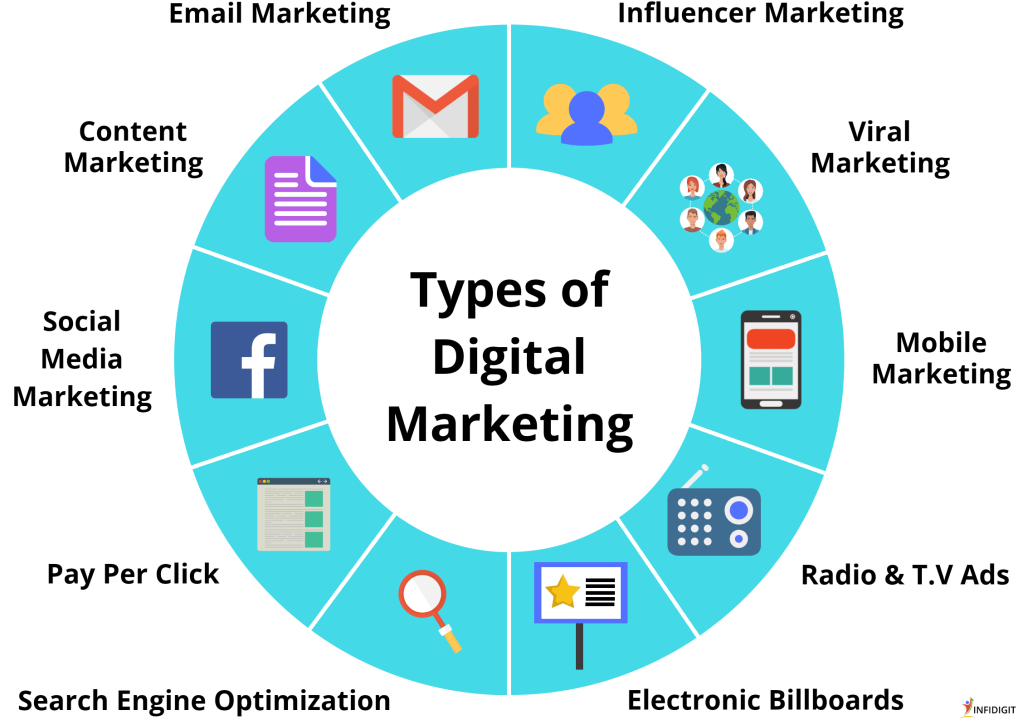
The difference between SEO and digital marketing lies in their focus and scope within the broader realm of online marketing. SEO, or Search Engine Optimization, is a specific subset of digital marketing that primarily deals with improving a website’s visibility in search engine results through organic tactics such as keyword optimization, content creation, and link building. On the other hand, digital marketing encompasses a wider range of strategies beyond just SEO, including social media marketing, email marketing, pay-per-click advertising, and more. While SEO is a crucial component of digital marketing, the latter encompasses a holistic approach to promoting a brand online through various channels and tactics to reach and engage with target audiences effectively.

What is the cost of SEO?

When it comes to the cost of SEO services provided by a digital marketing agency, the pricing can vary depending on several factors. The cost of SEO is influenced by the scope of work required, the competitiveness of the industry, the size of the website, and the specific goals of the business. SEO pricing structures may include monthly retainers, project-based fees, or performance-based models. It is essential for businesses to understand that investing in quality SEO services can yield significant long-term benefits in terms of increased organic traffic, improved search engine rankings, and enhanced online visibility. By partnering with a reputable SEO digital marketing agency, businesses can receive customised solutions tailored to their needs and budget constraints.

How is SEO used in digital marketing?

SEO plays a crucial role in digital marketing by enhancing a website’s visibility and driving organic traffic through search engine results. SEO strategies involve optimising website content, meta tags, and images with relevant keywords to improve search engine rankings. By focusing on on-page and off-page optimisation techniques, SEO helps businesses attract targeted audiences searching for products or services online. Additionally, SEO contributes to building website authority through quality backlinks and providing a seamless user experience. Overall, integrating SEO into digital marketing efforts is essential for increasing online presence, reaching the right audience, and achieving long-term success in the competitive digital landscape.

Are SEO agencies profitable?

The profitability of SEO agencies can vary depending on various factors such as the agency’s expertise, client base, pricing structure, and market demand. In general, SEO agencies have the potential to be profitable for both themselves and their clients when they deliver effective strategies that improve search engine rankings, drive organic traffic, and generate leads or sales. By demonstrating tangible results and providing value-added services, SEO agencies can build long-term relationships with clients and establish a reputation for delivering measurable returns on investment. However, like any business, success in the SEO industry requires continuous adaptation to algorithm changes, staying updated on industry trends, and providing exceptional service to maintain profitability and sustain growth over time.

How do I do SEO in digital marketing?

To effectively implement SEO in digital marketing, businesses can follow a strategic approach that involves several key steps. Firstly, conducting thorough keyword research to identify relevant search terms that align with the business’s offerings is essential. Next, optimising website content with these keywords and ensuring proper on-page SEO elements such as meta tags, headings, and image alt text are in place can improve search engine visibility. Additionally, building high-quality backlinks from reputable websites and regularly creating fresh, engaging content can further enhance SEO efforts. Monitoring website performance using analytics tools and adapting strategies based on data insights is crucial for ongoing success in SEO digital marketing. By following these best practices and staying informed about industry trends, businesses can effectively boost their online presence and reach their target audience through SEO.

What is digital marketing SEO?

Digital marketing SEO, often referred to as search engine optimisation, is a fundamental aspect of online marketing that focuses on enhancing a website’s visibility in search engine results pages. By implementing various strategies and techniques such as keyword research, on-page optimisation, link building, and content creation, digital marketing SEO aims to improve a website’s organic search rankings and attract more targeted traffic. Essentially, digital marketing SEO is about tailoring a website’s content and structure to align with search engine algorithms, ultimately helping businesses increase their online presence and reach their desired audience effectively.

How much does an agency charge for SEO?

When it comes to the cost of SEO services provided by a digital marketing agency, pricing can vary depending on several factors. SEO agencies typically offer a range of packages tailored to suit different budgets and requirements. The cost of SEO services may be influenced by the scope of work involved, the competitiveness of the industry, the size of the website, and the level of expertise required. Some agencies may charge a fixed monthly fee, while others may offer customised pricing based on specific goals and objectives. It is essential for businesses to discuss their needs with an SEO agency to receive a tailored quote that aligns with their budget and expectations.

Which is the 1 SEO company in the world?

When it comes to determining the top SEO company in the world, it is important to note that rankings and perceptions may vary based on individual experiences and industry standards. There are several highly reputable SEO companies globally that have earned recognition for their expertise, innovative strategies, and proven track record of delivering results for clients. Conducting thorough research, reading reviews, and considering factors such as services offered, client satisfaction, and industry accolades can help businesses identify the best SEO company that aligns with their specific needs and goals. Ultimately, the “number one” SEO company may differ for each organisation based on their unique requirements and objectives in the digital marketing landscape.

Who is the best SEO in Australia?

When it comes to the frequently asked question, “Who is the best SEO in Australia?”, the answer may vary depending on specific needs and preferences. In Australia, there are several reputable SEO digital marketing agencies known for their expertise, experience, and successful track records in enhancing online visibility for businesses. To determine the best SEO agency for your requirements, it is advisable to research and compare different agencies based on factors such as client reviews, case studies, industry recognition, and the range of services offered. Ultimately, selecting the best SEO agency in Australia involves finding a partner that aligns with your goals and can deliver tailored solutions to boost your online presence effectively.

What is SEO digital marketing agency?

A SEO digital marketing agency is a specialised firm that focuses on enhancing a company’s online visibility and reach through strategic Search Engine Optimization (SEO) techniques. These agencies employ a range of tactics such as keyword research, content optimization, link building, and performance analysis to improve a website’s ranking on search engine results pages. By partnering with an SEO digital marketing agency, businesses can benefit from targeted audience reach, increased organic traffic, and measurable results that contribute to their overall online success and growth in the competitive digital landscape.

paid social media advertising

Unlocking the Potential of Paid Social Media Advertising for Your Business

The Power of Paid Social Media Advertising

The Power of Paid Social Media Advertising

Social media has become an integral part of our daily lives, with billions of people worldwide engaging on platforms such as Facebook, Instagram, Twitter, and LinkedIn. For businesses, this presents a valuable opportunity to reach their target audience in a more direct and engaging way through paid social media advertising.

What is Paid Social Media Advertising?

Paid social media advertising involves businesses paying to display ads or sponsored messages on social media platforms. These ads can be targeted to specific demographics, interests, behaviours, and locations, allowing businesses to reach their ideal customers with precision.

The Benefits of Paid Social Media Advertising

Targeted Reach: With paid social media advertising, businesses can target their ads to specific audiences based on demographics and interests, ensuring that their message reaches the right people.

Increased Brand Awareness: By appearing in users’ social media feeds, businesses can increase brand visibility and awareness among potential customers who may not have been exposed to the brand otherwise.

Enhanced Engagement: Paid social media ads are designed to be visually appealing and engaging, encouraging users to interact with the content through likes, comments, shares, and clicks.

Measurable Results: One of the key advantages of paid social media advertising is the ability to track and measure the performance of ad campaigns in real-time. Businesses can analyse metrics such as impressions, clicks, conversions, and ROI to evaluate the effectiveness of their ads.

Getting Started with Paid Social Media Advertising

To get started with paid social media advertising, businesses should define their goals, identify their target audience, create compelling ad creatives that resonate with their audience, set a budget that aligns with their objectives, and monitor and optimise their campaigns for maximum results.

In conclusion, paid social media advertising offers businesses a powerful tool to reach and engage with their target audience effectively. By leveraging the targeting capabilities and engagement opportunities provided by social media platforms, businesses can drive brand awareness, increase website traffic, generate leads, and ultimately boost sales.


8 Essential Tips for Effective Paid Social Media Advertising

  1. Define clear objectives for your paid social media campaigns.
  2. Target the right audience based on demographics, interests, and behaviours.
  3. Create engaging and visually appealing ad creatives to capture attention.
  4. Test different ad formats and copies to see what resonates best with your audience.
  5. Monitor your ad performance regularly and make adjustments as needed to improve results.
  6. Set a budget that aligns with your goals and track your spending carefully.
  7. Utilise retargeting strategies to reach users who have already shown interest in your brand or products.
  8. Analyse data and metrics to understand the effectiveness of your campaigns and optimize for better ROI.

Define clear objectives for your paid social media campaigns.

It is crucial to define clear objectives for your paid social media campaigns to ensure their effectiveness and success. By establishing specific goals such as increasing brand awareness, driving website traffic, generating leads, or boosting sales, businesses can create targeted and focused campaigns that align with their overall marketing strategy. Clear objectives provide a roadmap for campaign planning, execution, and evaluation, allowing businesses to measure the impact of their paid social media advertising efforts and make informed decisions to optimise future campaigns.

Target the right audience based on demographics, interests, and behaviours.

To maximise the effectiveness of paid social media advertising, it is crucial to target the right audience based on demographics, interests, and behaviours. By identifying and focusing on specific demographic segments that align with the brand’s target market, businesses can tailor their ads to resonate with the interests and preferences of their ideal customers. Understanding the behaviours and online activities of the target audience further enhances the relevance of the ads, increasing the likelihood of engagement and conversion. This strategic approach ensures that ad spend is optimised towards reaching those most likely to respond positively to the message, ultimately driving better results for the campaign.

Create engaging and visually appealing ad creatives to capture attention.

To maximise the impact of paid social media advertising, it is crucial to create ad creatives that are not only visually appealing but also engaging. By crafting compelling visuals that stand out in users’ feeds, businesses can capture the attention of their target audience and drive higher levels of interaction. Creative and eye-catching ad content is more likely to resonate with users, encourage them to stop scrolling, and prompt them to take action, ultimately leading to improved campaign performance and better results.

Test different ad formats and copies to see what resonates best with your audience.

Testing different ad formats and copies is a crucial tip in paid social media advertising. By experimenting with various formats and messaging styles, businesses can gain valuable insights into what resonates best with their target audience. This testing process allows businesses to refine their advertising strategies, improve engagement rates, and ultimately drive better results. Understanding what captures the attention of your audience can lead to more effective campaigns and increased success in reaching your marketing goals.

Monitor your ad performance regularly and make adjustments as needed to improve results.

Monitoring your ad performance regularly and making adjustments as needed is crucial for maximising the effectiveness of your paid social media advertising campaigns. By analysing key metrics such as click-through rates, conversions, and engagement levels, you can gain valuable insights into what is working well and what may need refinement. Making timely adjustments based on this data allows you to optimise your ads for better results, ensuring that your investment in paid social media advertising yields the desired outcomes.

Set a budget that aligns with your goals and track your spending carefully.

Setting a budget that aligns with your goals is crucial when it comes to paid social media advertising. By determining how much you are willing to invest in your campaigns, you can ensure that your resources are allocated effectively to achieve the desired results. Tracking your spending carefully allows you to monitor the performance of your ads, identify areas for improvement, and make informed decisions to maximise the return on investment. This disciplined approach not only helps you stay within budget but also enables you to optimise your advertising strategy for better outcomes in reaching and engaging with your target audience.

Utilise retargeting strategies to reach users who have already shown interest in your brand or products.

To maximise the effectiveness of your paid social media advertising efforts, consider implementing retargeting strategies to reconnect with users who have previously shown interest in your brand or products. By targeting these warm leads, you can tailor your ads to their specific preferences and behaviours, increasing the likelihood of conversion. Retargeting allows you to stay top-of-mind with potential customers and guide them through the purchasing journey, ultimately boosting engagement and driving sales.

Analyse data and metrics to understand the effectiveness of your campaigns and optimize for better ROI.

To maximise the impact of your paid social media advertising campaigns, it is crucial to analyse data and metrics meticulously. By delving into the insights provided by these analytics, businesses can gain a deeper understanding of the performance of their ads and make informed decisions to enhance their return on investment (ROI). Through continuous monitoring and optimisation based on these findings, businesses can refine their strategies, target the right audience more effectively, and ultimately achieve better results from their social media advertising efforts.

biggest digital marketing agencies

Unveiling the Powerhouses: Exploring the World’s Biggest Digital Marketing Agencies

The Biggest Digital Marketing Agencies Making Waves in the Industry

Digital marketing has become an essential component of modern business strategies, driving growth and success for companies across various industries. As the digital landscape continues to evolve, the role of digital marketing agencies has become increasingly important. These agencies are at the forefront of innovation, helping businesses navigate the complex world of online marketing to reach their target audiences effectively.

WPP

WPP is one of the largest advertising and marketing services conglomerates in the world, with a global presence and a diverse portfolio of agencies under its umbrella. Known for its creativity and strategic approach, WPP offers a wide range of services, including advertising, media planning, public relations, and digital marketing.

Ogilvy

Ogilvy is a renowned global marketing agency that has been shaping brands and driving results for over 70 years. With a focus on creativity and storytelling, Ogilvy helps clients create impactful campaigns that resonate with their target audiences across various digital channels.

Publicis Groupe

Publicis Groupe is a leading communications group that offers a comprehensive range of services, including advertising, media planning, digital marketing, and technology solutions. With a strong focus on data-driven insights and innovation, Publicis Groupe helps clients deliver personalised experiences to their customers.

Dentsu Group

Dentsu Group is a Japanese multinational advertising and public relations company that operates one of the largest digital marketing agency networks in the world. With expertise in data analytics, creative design, and media planning, Dentsu Group helps clients drive engagement and achieve measurable results in their digital campaigns.

Omnicom Group

Omnicom Group is a global marketing communications company that houses some of the most well-known advertising agencies in the industry. With a focus on collaboration and creativity, Omnicom Group provides integrated marketing solutions that help brands connect with consumers in meaningful ways across all digital platforms.

These are just a few examples of some of the biggest digital marketing agencies making waves in the industry today. By partnering with these agencies, businesses can tap into their expertise and experience to develop effective strategies that drive growth and success in an increasingly competitive digital landscape.


Top UK Digital Marketing Agencies: FAQs on Selection, Services, and Costs

  1. 1. What are the biggest digital marketing agencies in the UK?
  2. 2. How do I choose the right digital marketing agency for my business?
  3. 3. What services do the biggest digital marketing agencies offer?
  4. 4. How can digital marketing agencies help my business grow?
  5. 5. What sets the biggest digital marketing agencies apart from smaller ones?
  6. 6. How much does it cost to hire a top digital marketing agency?

1. What are the biggest digital marketing agencies in the UK?

When it comes to the biggest digital marketing agencies in the UK, several prominent names stand out for their expertise and influence in the industry. Companies such as WPP, Ogilvy, Publicis Groupe, Dentsu Group, and Omnicom Group are among the key players known for their innovative strategies and successful campaigns. These agencies have a strong presence in the UK market and offer a wide range of services, including advertising, media planning, digital marketing, and technology solutions. By partnering with these leading agencies, businesses can leverage their experience and creativity to enhance their online presence and reach their target audiences effectively in the competitive digital landscape of the UK.

2. How do I choose the right digital marketing agency for my business?

When selecting the right digital marketing agency for your business, it is essential to consider several factors to ensure a successful partnership. Start by defining your goals and objectives clearly, as this will help you find an agency that aligns with your specific needs. Evaluate the agency’s expertise and experience in your industry, as well as their track record of delivering results for clients. Consider the range of services they offer and whether they can provide a tailored approach to meet your unique requirements. Communication and transparency are also key factors to consider, as you want to work with an agency that keeps you informed and involved throughout the process. By conducting thorough research, asking for references, and discussing your expectations openly, you can make an informed decision when choosing the right digital marketing agency for your business.

3. What services do the biggest digital marketing agencies offer?

The biggest digital marketing agencies offer a comprehensive range of services to help businesses navigate the complex world of online marketing effectively. These services typically include strategic planning, market research, branding, social media management, search engine optimisation (SEO), pay-per-click (PPC) advertising, content creation, email marketing, website design and development, analytics and reporting, and more. By leveraging their expertise in these areas, digital marketing agencies can create tailored strategies that drive engagement, increase brand visibility, and ultimately generate measurable results for their clients in the ever-evolving digital landscape.

4. How can digital marketing agencies help my business grow?

Digital marketing agencies play a crucial role in helping businesses grow by leveraging their expertise in online marketing strategies. These agencies have the knowledge and experience to create tailored digital campaigns that target specific audiences, increase brand visibility, drive website traffic, and ultimately generate leads and conversions. By utilising a mix of SEO, social media marketing, content creation, email campaigns, and other digital tactics, digital marketing agencies can enhance brand awareness, engage with potential customers, and ultimately boost sales and revenue for businesses of all sizes. Their data-driven approach allows for continuous monitoring and optimisation of campaigns to ensure maximum effectiveness and return on investment.

5. What sets the biggest digital marketing agencies apart from smaller ones?

The biggest digital marketing agencies stand out from smaller ones due to their extensive resources, global reach, and diverse expertise. These agencies often have access to cutting-edge technology and data analytics tools that enable them to deliver highly targeted and effective campaigns on a large scale. Additionally, their established reputation and track record of success give them a competitive edge in attracting top talent and securing high-profile clients. The ability to offer a wide range of services under one roof, including creative design, media planning, and digital strategy, sets them apart as comprehensive solutions providers for businesses looking to make a significant impact in the digital space.

6. How much does it cost to hire a top digital marketing agency?

The cost of hiring a top digital marketing agency can vary significantly depending on various factors such as the scope of services required, the size of the agency, the level of expertise, and the specific goals of the marketing campaign. Generally, top digital marketing agencies may charge a retainer fee or work on a project basis, with costs ranging from a few thousand pounds to tens of thousands per month. It is essential for businesses to carefully consider their budget and objectives when selecting a digital marketing agency to ensure that they receive a tailored strategy that delivers measurable results within their financial constraints.

best digital marketing agencies

Unveiling the Best Digital Marketing Agencies: Elevating Your Online Presence

Best Digital Marketing Agencies

The Top Digital Marketing Agencies Transforming Businesses

In today’s competitive digital landscape, businesses need to partner with the best digital marketing agencies to stand out and reach their target audiences effectively. These agencies utilise cutting-edge strategies, innovative technologies, and creative approaches to help businesses thrive in the online world.

What Makes a Digital Marketing Agency the Best?

The best digital marketing agencies share common characteristics that set them apart from the rest. They have a deep understanding of digital trends, consumer behaviour, and emerging technologies. These agencies are results-driven, data-driven, and customer-focused.

Top Digital Marketing Agencies to Consider:

  1. Digital Giants: Known for their expertise in SEO, PPC, social media marketing, and content creation.
  2. Creative Minds: Specialising in innovative branding strategies, design solutions, and engaging multimedia content.
  3. Data Wizards: Masters of analytics, conversion rate optimisation, and performance tracking to drive ROI.
  4. Social Butterflies: Experts in influencer marketing, community management, and viral campaigns on social platforms.
  5. E-commerce Gurus: Focused on maximising online sales through targeted advertising and conversion optimisation.

The Impact of Choosing the Right Agency

Partnering with the best digital marketing agency can transform your business by increasing brand visibility, driving website traffic, generating leads, and boosting conversions. These agencies have the expertise to develop customised strategies that align with your business goals and deliver measurable results.

Final Thoughts

In conclusion, selecting the right digital marketing agency is crucial for achieving success in today’s competitive marketplace. By choosing a top agency that aligns with your business objectives and values innovation, creativity, and results-driven approaches, you can elevate your brand presence and achieve sustainable growth in the digital realm.


Top 8 Advantages of Leading Digital Marketing Agencies: Expertise, Innovation, and Results

  1. Expertise in the latest digital trends and technologies
  2. Data-driven strategies for targeted marketing campaigns
  3. Creative and innovative approaches to engage audiences
  4. Proven track record of delivering measurable results
  5. Customised solutions tailored to meet specific business needs
  6. Increased brand visibility and online presence
  7. Access to a team of skilled professionals with diverse backgrounds
  8. Continuous monitoring and optimisation for ongoing success


Challenges of Engaging Top Digital Marketing Agencies: Costs, Competition, and More

  1. High costs
  2. Competition
  3. Cookie-cutter solutions
  4. Limited availability
  5. Overwhelming options
  6. Dependency risk

Best digital marketing agencies excel in their expertise in the latest digital trends and technologies, allowing them to stay ahead of the curve and implement cutting-edge strategies for their clients. By staying informed about emerging technologies and industry trends, these agencies can offer innovative solutions that leverage the power of digital platforms to drive engagement, reach target audiences effectively, and achieve measurable results. Their deep knowledge of the digital landscape enables them to adapt quickly to changes and deliver campaigns that are both current and impactful.

Data-driven strategies for targeted marketing campaigns

One significant advantage of partnering with the best digital marketing agencies is their implementation of data-driven strategies for targeted marketing campaigns. By leveraging data analytics and insights, these agencies can precisely identify and reach the right audience segments with tailored messages and offers. This approach not only enhances campaign effectiveness but also maximises return on investment by focusing resources on the most promising opportunities. Data-driven strategies enable businesses to make informed decisions, optimise their marketing efforts, and achieve measurable results in today’s competitive digital landscape.

Creative and innovative approaches to engage audiences

Best digital marketing agencies excel in employing creative and innovative approaches to engage audiences effectively. By thinking outside the box and pushing boundaries, these agencies captivate and resonate with target audiences in unique ways. Whether through compelling storytelling, interactive campaigns, or visually stunning content, their creativity sparks interest and fosters meaningful connections with consumers. This pro sets the best digital marketing agencies apart, allowing them to craft memorable brand experiences that leave a lasting impression on audiences.

Proven track record of delivering measurable results

One significant advantage of partnering with the best digital marketing agencies is their proven track record of delivering measurable results. These agencies have a demonstrated history of implementing effective strategies that drive tangible outcomes for their clients, such as increased website traffic, higher conversion rates, and improved ROI. By leveraging their expertise and experience, businesses can trust that their investment in digital marketing will yield concrete and quantifiable results that contribute to their overall success in the online landscape.

Customised solutions tailored to meet specific business needs

Best digital marketing agencies offer a significant advantage by providing customised solutions tailored to meet specific business needs. By understanding the unique requirements and goals of each client, these agencies can develop targeted strategies that address specific challenges and maximise opportunities for growth. This personalised approach ensures that businesses receive tailored solutions that align with their brand identity, target audience, and overall objectives, ultimately leading to more effective and impactful digital marketing campaigns.

Increased brand visibility and online presence

One significant advantage of partnering with the best digital marketing agencies is the substantial increase in brand visibility and online presence that they can deliver. These agencies have the expertise and tools to strategically position your brand across various digital channels, reaching a wider audience and enhancing brand recognition. By implementing targeted strategies tailored to your business goals, they can help elevate your online visibility, attract more potential customers, and ultimately strengthen your brand’s presence in the competitive digital landscape.

Access to a team of skilled professionals with diverse backgrounds

One significant advantage of partnering with the best digital marketing agencies is gaining access to a team of skilled professionals with diverse backgrounds. These experts bring a wealth of knowledge and experience from various fields such as design, marketing, technology, and analytics. Their diverse perspectives and expertise allow them to develop innovative strategies tailored to meet the unique needs of clients, ensuring a comprehensive approach to digital marketing that drives success and delivers exceptional results.

Continuous monitoring and optimisation for ongoing success

Best digital marketing agencies excel in continuous monitoring and optimisation for ongoing success. By closely tracking campaign performance, analysing data, and making strategic adjustments in real-time, these agencies ensure that your digital marketing efforts remain effective and yield optimal results. This proactive approach allows businesses to stay ahead of the competition, adapt to changing market trends, and maximise their return on investment over time. The commitment to continuous monitoring and optimisation demonstrates the dedication of top digital marketing agencies to delivering sustained growth and long-term success for their clients.

High costs

One significant drawback of opting for the best digital marketing agencies is the high costs associated with their premium services. While these agencies offer top-notch expertise, cutting-edge strategies, and proven results, their price tags may be prohibitive for many businesses, especially smaller enterprises or startups with limited budgets. The expense of engaging the services of the best digital marketing agencies can pose a challenge for businesses seeking to maximise their online presence and reach their target audience effectively while balancing financial constraints.

Competition

Competition can be a significant drawback when considering the best digital marketing agencies. The reputation and popularity of these top agencies often result in a high demand for their services, leading to longer waiting times for clients seeking their expertise. This increased competition can sometimes make it challenging for businesses to secure timely assistance from these sought-after agencies, potentially impacting their ability to execute time-sensitive marketing campaigns or initiatives efficiently.

Some of the best digital marketing agencies may fall into the trap of offering cookie-cutter solutions, which can be a significant drawback. While these agencies may excel in certain areas, relying on standardised approaches may not always cater to the individual and unique needs of each client. This lack of customisation can result in strategies that fail to resonate with target audiences or address specific business challenges effectively. It is essential for businesses to be cautious and seek agencies that prioritise tailored solutions to ensure optimal results and long-term success in the digital landscape.

Limited availability

One significant drawback of the best digital marketing agencies is their limited availability. Due to their reputation for excellence, these agencies may have restricted capacity to onboard new clients promptly, leading to potential delays in project kick-off times. This limitation can be frustrating for businesses seeking immediate assistance with their digital marketing needs and may require careful planning and patience when engaging with these high-demand agencies.

Overwhelming options

With numerous top digital marketing agencies available, choosing the right one can be a daunting task for businesses. The overwhelming options can lead to decision paralysis and uncertainty, making it challenging for companies to identify the agency that best suits their specific needs and goals. It requires thorough research, careful consideration, and a clear understanding of what each agency offers to make an informed choice. This abundance of choices can create confusion and complexity in the selection process, potentially delaying or hindering businesses from leveraging the expertise of a reputable digital marketing agency.

Dependency risk

Dependency risk is a significant con associated with relying on the services of the best digital marketing agencies. Businesses that place excessive dependence on a single top agency for their digital marketing requirements run the risk of encountering challenges if the agency’s performance falters or its availability changes unexpectedly. This over-reliance can leave businesses vulnerable to disruptions in their marketing strategies and may hinder their ability to adapt swiftly to evolving market conditions. Diversifying partnerships and considering contingency plans can help mitigate the potential impact of such dependency risks on businesses’ long-term success in the digital realm.

advertising agency internet marketing

Unlocking Success: The Role of an Advertising Agency in Internet Marketing Strategies

Article: Advertising Agency Internet Marketing

The Power of Internet Marketing in the Hands of an Advertising Agency

In today’s digital age, the role of advertising agencies in internet marketing has become more crucial than ever. With the vast reach and influence of the internet, businesses are constantly seeking innovative ways to connect with their target audience and drive meaningful engagement.

Advertising agencies specialising in internet marketing play a pivotal role in helping businesses navigate the complex online landscape. These agencies leverage a combination of creativity, data-driven insights, and strategic planning to craft compelling digital campaigns that resonate with consumers.

The Benefits of Partnering with an Advertising Agency for Internet Marketing

Expertise: Advertising agencies bring a wealth of expertise and experience in digital marketing strategies, ensuring that your brand is positioned effectively in the online space.

Targeted Approach: By understanding your target audience and their online behaviour, advertising agencies can tailor campaigns to reach the right people at the right time, maximising impact and ROI.

Creative Solutions: From engaging content creation to eye-catching visuals, advertising agencies have the creative talent to develop captivating campaigns that capture attention and drive results.

The Evolution of Internet Marketing

Gone are the days of traditional advertising methods being sufficient to reach consumers. Internet marketing has revolutionised how brands interact with their audience, offering unprecedented opportunities for personalised messaging and real-time engagement.

Advertising agencies at the forefront of internet marketing are constantly adapting to new trends and technologies to stay ahead of the curve. Whether it’s harnessing the power of social media, optimising for search engines, or exploring emerging platforms, these agencies are always exploring innovative ways to elevate their clients’ online presence.

In Conclusion

As businesses continue to embrace digital transformation, partnering with an advertising agency that excels in internet marketing is essential for staying competitive in today’s fast-paced market. By leveraging the expertise and creativity of these agencies, brands can unlock new opportunities for growth and connect with their audience in meaningful ways.


Top 5 Internet Marketing Tips for Advertising Agencies: Boost Engagement and Visibility

  1. Focus on creating engaging and relevant content for your target audience.
  2. Utilize social media platforms to reach a wider audience and interact with potential clients.
  3. Invest in search engine optimization (SEO) to improve your agency’s visibility online.
  4. Consider using pay-per-click (PPC) advertising to drive targeted traffic to your website.
  5. Track and analyze the performance of your campaigns to make data-driven decisions for future marketing strategies.

Focus on creating engaging and relevant content for your target audience.

When it comes to internet marketing through an advertising agency, a key tip is to focus on creating engaging and relevant content tailored to your target audience. By understanding the interests and preferences of your audience, you can develop content that resonates with them, captures their attention, and drives meaningful engagement. High-quality, valuable content not only helps establish your brand as a thought leader in your industry but also encourages interaction and fosters long-term relationships with your customers.

Utilize social media platforms to reach a wider audience and interact with potential clients.

Utilising social media platforms is a valuable tip for advertising agencies looking to enhance their internet marketing strategies. By leveraging the power of platforms such as Facebook, Instagram, Twitter, and LinkedIn, agencies can expand their reach to a wider audience and engage with potential clients in a more interactive and personalised manner. Social media provides a direct channel for showcasing creative campaigns, sharing compelling content, and fostering meaningful connections with target demographics, ultimately driving brand awareness and customer engagement to new heights.

Invest in search engine optimization (SEO) to improve your agency’s visibility online.

Investing in search engine optimization (SEO) is a crucial tip for advertising agencies looking to enhance their online visibility and reach a wider audience. By implementing effective SEO strategies, such as optimizing website content, improving site structure, and targeting relevant keywords, agencies can improve their search engine rankings and attract more organic traffic. This not only increases the agency’s visibility online but also helps establish credibility and trust with potential clients searching for digital marketing services. SEO is a powerful tool that can drive long-term success for advertising agencies in the competitive digital landscape.

Consider using pay-per-click (PPC) advertising to drive targeted traffic to your website.

Consider utilising pay-per-click (PPC) advertising as a strategic approach to drive targeted traffic to your website. With PPC campaigns, you have the ability to reach potential customers who are actively searching for products or services similar to yours. By carefully selecting keywords and crafting compelling ad copy, you can attract relevant traffic to your site and increase the likelihood of conversions. PPC advertising offers a cost-effective way to reach a specific audience and achieve measurable results in your internet marketing efforts.

Track and analyze the performance of your campaigns to make data-driven decisions for future marketing strategies.

Tracking and analysing the performance of your campaigns is a crucial tip in advertising agency internet marketing. By monitoring key metrics such as click-through rates, conversion rates, and engagement levels, you can gain valuable insights into what resonates with your audience and what areas may need improvement. This data-driven approach allows you to make informed decisions for future marketing strategies, optimising your efforts for maximum impact and return on investment. Embracing analytics empowers advertising agencies to continuously refine their tactics and deliver more targeted, effective campaigns that drive results in the competitive online landscape.

online marketing and advertising

Maximising Your Reach: The Essentials of Online Marketing and Advertising

The Power of Online Marketing and Advertising

The Power of Online Marketing and Advertising

In today’s digital age, online marketing and advertising have become essential tools for businesses looking to reach their target audience effectively. With the vast reach of the internet and the ability to target specific demographics, online marketing offers unparalleled opportunities for businesses to promote their products or services.

Benefits of Online Marketing and Advertising

One of the key benefits of online marketing is its cost-effectiveness compared to traditional forms of advertising. With online marketing, businesses can reach a larger audience at a fraction of the cost, making it ideal for companies with limited marketing budgets.

Furthermore, online marketing allows businesses to track and measure the effectiveness of their campaigns in real-time. This data-driven approach enables businesses to make informed decisions about their marketing strategies and optimise their campaigns for better results.

Types of Online Marketing Strategies

There are various online marketing strategies that businesses can utilise to promote their products or services:

  • Search Engine Optimisation (SEO): SEO involves optimising a website’s content to improve its visibility on search engines like Google. By ranking higher in search results, businesses can attract more organic traffic to their websites.
  • Pay-Per-Click (PPC) Advertising: PPC advertising allows businesses to display ads on search engines or other platforms and pay only when users click on them. This targeted approach ensures that businesses reach users who are actively searching for their products or services.
  • Social Media Marketing: Social media platforms like Facebook, Instagram, and Twitter offer powerful tools for businesses to engage with their audience, build brand awareness, and drive traffic to their websites.
  • Email Marketing: Email marketing remains a popular strategy for nurturing leads and converting them into customers. By sending personalised emails to subscribers, businesses can promote their products or services directly to interested individuals.

The Future of Online Marketing

As technology continues to evolve, so too will the landscape of online marketing and advertising. Businesses that embrace new trends and technologies will be well-positioned to stay ahead of the competition and connect with their target audience in meaningful ways.

In conclusion, online marketing and advertising offer immense potential for businesses looking to expand their reach, drive sales, and build brand loyalty. By leveraging the power of digital channels effectively, businesses can achieve remarkable results in today’s competitive marketplace.


Understanding Online Marketing and Advertising: Answers to 20 Common Questions

  1. How do I become an online advertising marketer?
  2. What is online advertising with example?
  3. What is the difference between advertising and online marketing?
  4. What is the difference between marketing and advertising?
  5. What is the difference between advertising and marketing?
  6. What is the difference between advertising and digital marketing?
  7. Which is an example of online advertising?
  8. What are online marketing and advertising tools?
  9. What is online advertising strategy?
  10. What are the two types of online advertising?
  11. What are the 4 types of online marketing?
  12. What are types of online marketing?
  13. What is the 7 times 7 rule in marketing?
  14. What is the advantage of online marketing and advertising?
  15. What is an example of online advertising and marketing?
  16. What is online marketing and advertising explain in detail?
  17. What are 8 types of online advertising?
  18. Is online marketing and online advertising same?
  19. What are online advertising services?
  20. What is the main purpose of online advertising?

How do I become an online advertising marketer?

To become an online advertising marketer, it is essential to acquire a combination of relevant skills and experience in the digital marketing field. Start by gaining a solid understanding of online advertising platforms such as Google Ads, social media advertising, and display advertising. Familiarise yourself with key concepts like targeting, bidding strategies, and ad copywriting. Consider pursuing certifications or courses in digital marketing to enhance your knowledge and credibility. Practical experience through internships or freelance projects can also be invaluable in honing your skills as an online advertising marketer. Stay updated on industry trends and best practices to adapt to the ever-changing landscape of online marketing effectively.

What is online advertising with example?

Online advertising refers to the practice of promoting products or services on the internet through various digital channels to reach a targeted audience. An example of online advertising is display advertising, where businesses create visual ads that are displayed on websites, apps, or social media platforms. These ads can be in the form of banners, videos, or interactive content and are strategically placed to attract the attention of potential customers. Display advertising allows businesses to increase brand visibility, drive traffic to their websites, and ultimately generate leads or sales by reaching users who are likely to be interested in their offerings.

What is the difference between advertising and online marketing?

In the realm of digital marketing, the distinction between advertising and online marketing lies in their scope and approach. Advertising typically refers to the promotion of products or services through paid channels, such as TV commercials, print ads, or online display ads. On the other hand, online marketing encompasses a broader range of strategies aimed at promoting businesses digitally, including activities like search engine optimisation (SEO), social media marketing, content marketing, email campaigns, and more. While advertising is a subset of online marketing that focuses on paid promotions, online marketing involves a holistic approach to reaching and engaging with target audiences through various digital channels.

What is the difference between marketing and advertising?

When it comes to online marketing and advertising, a common question that arises is the difference between marketing and advertising. While both terms are often used interchangeably, there is a distinct contrast between the two. Marketing encompasses a broader set of activities that involve identifying customer needs, creating products or services to meet those needs, pricing strategies, distribution channels, and promotional efforts. On the other hand, advertising specifically refers to the paid promotion of products or services through various channels to reach a target audience. In essence, marketing is a comprehensive strategy that includes advertising as one of its components to achieve business goals effectively in the digital realm.

What is the difference between advertising and marketing?

In the realm of online marketing and advertising, a frequently asked question often revolves around understanding the distinction between advertising and marketing. While advertising is a specific component of marketing, marketing encompasses a broader range of activities aimed at promoting and selling products or services. Advertising refers to the paid promotion of products or services through various channels, such as online ads, TV commercials, or sponsored content. On the other hand, marketing involves a strategic approach that includes market research, branding, pricing, distribution, and customer engagement to achieve long-term business goals. Understanding the nuanced differences between advertising and marketing is crucial for businesses looking to develop comprehensive strategies that effectively reach their target audience and drive success in the digital landscape.

What is the difference between advertising and digital marketing?

When discussing the difference between advertising and digital marketing, it is important to understand that advertising is a component of digital marketing. Advertising refers to the promotion of products or services through paid channels such as TV commercials, print ads, and online banners. On the other hand, digital marketing encompasses a broader range of activities beyond traditional advertising, including strategies like search engine optimisation (SEO), social media marketing, email marketing, and content creation. Digital marketing leverages various online platforms to engage with target audiences, build brand awareness, drive traffic, and ultimately achieve business goals in a more holistic and interactive manner compared to traditional advertising methods.

Which is an example of online advertising?

An example of online advertising is display advertising, where businesses create visual ads in various formats such as banners, images, or videos to promote their products or services on websites and apps. These ads are strategically placed on relevant websites that attract the target audience, allowing businesses to reach potential customers while they browse the internet. Display advertising is a common form of online marketing that helps businesses increase brand visibility and drive traffic to their websites.

What are online marketing and advertising tools?

Online marketing and advertising tools encompass a wide range of digital resources and platforms designed to help businesses promote their products or services online. These tools include but are not limited to search engine optimisation (SEO) tools for improving website visibility, pay-per-click (PPC) advertising platforms for targeted ad placements, social media management tools for engaging with audiences across various platforms, email marketing software for sending personalised campaigns, and analytics tools for tracking and measuring the effectiveness of marketing efforts. By leveraging these diverse tools effectively, businesses can enhance their online presence, reach their target audience, and achieve their marketing goals in the digital realm.

What is online advertising strategy?

An online advertising strategy refers to a comprehensive plan that outlines how a business will use digital channels to promote its products or services to target audiences. This strategy typically involves identifying specific goals, defining target demographics, selecting appropriate online advertising platforms (such as social media, search engines, or display networks), creating engaging ad content, setting budgets and timelines, and measuring the effectiveness of campaigns through key performance indicators (KPIs). A well-crafted online advertising strategy is crucial for businesses to maximise their online presence, drive traffic to their websites, generate leads, and ultimately achieve their marketing objectives in the competitive digital landscape.

What are the two types of online advertising?

In the realm of online marketing and advertising, businesses commonly utilise two main types of online advertising: display advertising and search advertising. Display advertising involves the placement of visual ads, such as banners or videos, on websites to attract the attention of users. On the other hand, search advertising focuses on displaying text ads within search engine results pages, targeting users who are actively searching for specific keywords related to the advertiser’s products or services. Both types of online advertising play crucial roles in reaching and engaging target audiences effectively in the digital landscape.

What are the 4 types of online marketing?

When it comes to online marketing, there are four main types of strategies that businesses commonly utilise to promote their products or services. These include Search Engine Optimisation (SEO), Pay-Per-Click (PPC) Advertising, Social Media Marketing, and Email Marketing. Each type of online marketing strategy offers unique benefits and allows businesses to reach their target audience in different ways. By incorporating a mix of these strategies into their marketing efforts, businesses can enhance their online presence, engage with customers effectively, and drive conversions for their products or services.

What are types of online marketing?

When it comes to online marketing, there are various types of strategies that businesses can utilise to promote their products or services effectively. Some common types of online marketing include Search Engine Optimisation (SEO), which focuses on improving a website’s visibility on search engines; Pay-Per-Click (PPC) Advertising, where businesses pay for ads only when users click on them; Social Media Marketing, using platforms like Facebook and Instagram to engage with the audience; and Email Marketing, which involves sending targeted emails to subscribers to promote products or services. Each type of online marketing strategy offers unique benefits and can be tailored to suit the specific goals and target audience of a business.

What is the 7 times 7 rule in marketing?

The “7 times 7 rule” in marketing refers to the idea that a potential customer needs to see or hear a marketing message at least seven times before they take action or make a purchase. This rule emphasises the importance of repetition and consistency in marketing campaigns to build brand awareness, establish trust, and ultimately drive conversions. By reinforcing the message multiple times through various channels, businesses can increase their chances of capturing the attention of their target audience and influencing their buying decisions effectively.

What is the advantage of online marketing and advertising?

The advantage of online marketing and advertising lies in its ability to provide businesses with cost-effective and targeted strategies to reach their desired audience. Unlike traditional forms of advertising, online marketing offers precise targeting options that allow businesses to tailor their campaigns to specific demographics, interests, and behaviours. This level of targeting ensures that businesses can maximise their return on investment by reaching the right people at the right time. Additionally, online marketing provides real-time analytics and insights that enable businesses to track the performance of their campaigns and make data-driven decisions to optimise results. Overall, the advantage of online marketing and advertising is its efficiency, effectiveness, and ability to deliver measurable results for businesses of all sizes.

What is an example of online advertising and marketing?

An example of online advertising and marketing is display advertising, where businesses promote their products or services through visual ads on websites, apps, or social media platforms. These ads can be in the form of banners, videos, or interactive content and are strategically placed to reach the target audience. Display advertising allows businesses to increase brand visibility, drive traffic to their websites, and generate leads by capturing the attention of users as they browse online. By tracking metrics such as click-through rates and conversions, businesses can evaluate the effectiveness of their display advertising campaigns and make data-driven decisions to enhance their online marketing strategies.

What is online marketing and advertising explain in detail?

Online marketing and advertising encompass a range of strategies and techniques used by businesses to promote their products or services on digital platforms. Online marketing involves activities such as search engine optimisation (SEO), pay-per-click (PPC) advertising, social media marketing, email marketing, and content marketing. These strategies aim to increase brand visibility, drive website traffic, generate leads, and ultimately boost sales. Online advertising, on the other hand, refers to the paid promotion of products or services through various online channels like search engines, social media platforms, display ads, and sponsored content. By combining these approaches strategically, businesses can effectively reach their target audience, engage with potential customers, and achieve their marketing objectives in the ever-evolving digital landscape.

What are 8 types of online advertising?

When it comes to online marketing and advertising, there are various types of online advertising strategies that businesses can leverage to promote their products or services effectively. Some common types include display advertising, search engine marketing (SEM), social media advertising, native advertising, video advertising, email marketing, influencer marketing, and affiliate marketing. Each of these types offers unique opportunities for businesses to reach their target audience and drive engagement, ultimately contributing to the success of their digital marketing campaigns.

Is online marketing and online advertising same?

Online marketing and online advertising are related concepts but not exactly the same. Online marketing encompasses a broader range of strategies aimed at promoting a business or brand on digital platforms, including online advertising. While online advertising specifically refers to paid promotional activities such as display ads, search engine marketing, social media ads, and sponsored content. Online marketing, on the other hand, includes both paid and organic methods to drive traffic, engage audiences, and ultimately achieve business goals through various online channels. In essence, online advertising is a subset of online marketing that focuses on paid promotional efforts to reach target audiences effectively.

What are online advertising services?

Online advertising services encompass a range of strategies and tools used to promote products or services on digital platforms. These services typically include activities such as pay-per-click (PPC) advertising, display advertising, social media advertising, search engine marketing (SEM), and email marketing. By leveraging these services, businesses can target specific audiences, increase brand visibility, drive website traffic, and ultimately boost sales. Online advertising services play a crucial role in helping businesses reach their marketing goals in the competitive online landscape by providing tailored solutions to connect with potential customers effectively.

What is the main purpose of online advertising?

The main purpose of online advertising is to promote products or services using digital channels to reach a targeted audience. By leveraging the internet and various online platforms, businesses aim to increase brand awareness, drive website traffic, generate leads, and ultimately boost sales. Online advertising allows businesses to precisely target their desired demographic, track campaign performance in real-time, and adjust strategies accordingly for optimal results. Overall, the primary goal of online advertising is to engage with potential customers in a cost-effective and measurable way to achieve specific marketing objectives.

digital marketing ads

Unlocking the Potential of Digital Marketing Ads: Strategies for Success

The Power of Digital Marketing Ads

The Power of Digital Marketing Ads

In today’s digital age, the landscape of advertising has shifted dramatically towards online platforms. Digital marketing ads have become a powerful tool for businesses to reach their target audience effectively and efficiently. With the ability to target specific demographics, interests, and behaviours, digital marketing ads offer a level of precision that traditional advertising methods simply cannot match.

Benefits of Digital Marketing Ads

Targeted Reach: One of the key advantages of digital marketing ads is the ability to target specific audiences based on various criteria such as age, location, interests, and online behaviour. This targeted approach ensures that your ads are seen by the right people at the right time.

Cost-Effective: Compared to traditional advertising channels like print or television, digital marketing ads are often more cost-effective. Businesses can set their budget and only pay when their ads are clicked or viewed, making it a cost-efficient option for reaching a large audience.

Measurable Results: Digital marketing ads provide detailed analytics that allow businesses to track the performance of their campaigns in real-time. Metrics such as click-through rates, conversion rates, and return on investment (ROI) can be easily monitored and analysed to optimise ad campaigns for better results.

Trends in Digital Marketing Ads

Video Advertising: Video content continues to dominate the digital landscape, with video ads proving to be highly engaging and effective in capturing audience attention. Short-form videos on platforms like YouTube and social media have become popular choices for advertisers looking to make an impact.

Personalisation: Personalised ads that cater to individual preferences and behaviours are gaining traction in digital marketing. By delivering tailored content to consumers based on their browsing history or interactions with a brand, businesses can create more meaningful connections with their audience.

Mobile Advertising: With the increasing use of smartphones and mobile devices, mobile advertising has become a critical component of digital marketing strategies. Mobile-optimised ads that are designed for smaller screens and quick interactions are essential for reaching consumers on-the-go.

The Future of Digital Marketing Ads

The evolution of technology and consumer behaviour will continue to shape the future of digital marketing ads. Artificial intelligence (AI), augmented reality (AR), and voice search are just a few trends that are expected to influence how businesses create and deliver digital ads in the years to come.

As businesses adapt to these changes and embrace innovative approaches in digital advertising, one thing remains clear – digital marketing ads will remain a vital tool for connecting with audiences in an increasingly competitive online marketplace.


9 Essential Tips for Crafting Effective Digital Marketing Ads

  1. Understand your target audience thoroughly before creating ads.
  2. Use compelling and relevant visuals to grab attention.
  3. Craft concise and clear ad copy that conveys your message effectively.
  4. Include a strong call-to-action (CTA) to prompt user engagement.
  5. Utilize A/B testing to optimize ad performance and effectiveness.
  6. Ensure your ads are mobile-friendly for a seamless user experience.
  7. Monitor and analyse ad metrics regularly to make data-driven decisions.
  8. Consider retargeting strategies to reach users who have shown interest in your products/services.
  9. Stay updated with digital marketing trends and adjust your ad strategies accordingly.

Understand your target audience thoroughly before creating ads.

To maximise the effectiveness of your digital marketing ads, it is essential to have a deep understanding of your target audience before creating any campaigns. By thoroughly researching and analysing the demographics, interests, behaviours, and preferences of your audience, you can tailor your ads to resonate with them on a more personal level. This targeted approach not only increases the chances of engaging potential customers but also enhances the overall impact and success of your advertising efforts. Understanding your target audience allows you to create compelling ad content that speaks directly to their needs and interests, ultimately leading to higher conversion rates and a more significant return on investment for your digital marketing campaigns.

Use compelling and relevant visuals to grab attention.

In the realm of digital marketing ads, using compelling and relevant visuals is a crucial tip to capture the audience’s attention effectively. Visual content has the power to convey messages quickly and engage viewers on a deeper level. By incorporating eye-catching imagery, graphics, or videos that resonate with your target audience, you can create a lasting impact and increase the likelihood of driving conversions. Remember, in the fast-paced online world, captivating visuals are key to standing out amidst the noise and making a memorable impression.

Craft concise and clear ad copy that conveys your message effectively.

Crafting concise and clear ad copy is essential in digital marketing ads to effectively convey your message to your target audience. By keeping your messaging succinct and to the point, you can capture the attention of users quickly and communicate your value proposition clearly. Clear ad copy helps to eliminate any confusion and ensures that potential customers understand the benefits of your product or service at a glance. Remember, in the fast-paced digital world, brevity is key – so make every word count in your ad copy to drive engagement and conversions.

Include a strong call-to-action (CTA) to prompt user engagement.

In the realm of digital marketing ads, incorporating a compelling call-to-action (CTA) is paramount in driving user engagement and encouraging desired actions from your audience. A strong CTA serves as a clear directive that prompts users to take the next step, whether it be making a purchase, signing up for a newsletter, or requesting more information. By crafting an enticing CTA that resonates with your target audience and aligns with your campaign objectives, you can effectively guide users towards conversion and maximise the impact of your digital marketing efforts.

Utilize A/B testing to optimize ad performance and effectiveness.

Utilizing A/B testing is a valuable strategy in digital marketing ads to optimize ad performance and effectiveness. By testing different variations of your ads with small changes in elements such as copy, images, or calls-to-action, you can gather valuable data on what resonates best with your target audience. This data-driven approach allows you to make informed decisions on which ad elements are most effective in driving engagement and conversions, ultimately leading to improved campaign results and a higher return on investment.

Ensure your ads are mobile-friendly for a seamless user experience.

To maximise the effectiveness of your digital marketing ads, it is crucial to ensure that they are mobile-friendly. With the increasing use of smartphones and tablets for browsing the internet, creating ads that are optimised for mobile devices is essential for providing users with a seamless and engaging experience. By designing ads that load quickly, display properly on smaller screens, and have clear call-to-action buttons, businesses can enhance user engagement and drive better results from their mobile advertising campaigns.

Monitor and analyse ad metrics regularly to make data-driven decisions.

Monitoring and analysing ad metrics regularly is crucial in digital marketing ads to make informed, data-driven decisions. By tracking key performance indicators such as click-through rates, conversion rates, and return on investment, businesses can gain valuable insights into the effectiveness of their ad campaigns. This data allows marketers to identify trends, optimise strategies, and allocate resources more efficiently to maximise results. Ultimately, by leveraging data analytics in this way, businesses can refine their digital marketing efforts and achieve greater success in reaching and engaging their target audience.

Consider retargeting strategies to reach users who have shown interest in your products/services.

Consider implementing retargeting strategies as part of your digital marketing ads campaign to effectively reach users who have already shown interest in your products or services. By targeting these potential customers who have visited your website or interacted with your brand in some way, you can stay top-of-mind and encourage them to take the next step towards making a purchase. Retargeting allows you to tailor your ads specifically to this audience segment, increasing the likelihood of conversion and maximising the impact of your advertising efforts.

To maximise the effectiveness of your digital marketing ads, it is crucial to stay informed about the latest trends in the ever-evolving digital landscape and be willing to adapt your advertising strategies accordingly. By keeping abreast of emerging technologies, consumer behaviours, and industry best practices, you can ensure that your ad campaigns remain relevant and impactful. Remember, staying updated with digital marketing trends allows you to stay ahead of the curve and maintain a competitive edge in reaching and engaging your target audience effectively.

advertising company

Elevate Your Brand with a Leading Advertising Company

The Power of Advertising Companies in Driving Business Success

The Power of Advertising Companies in Driving Business Success

Advertising companies play a crucial role in helping businesses reach their target audience and achieve their marketing goals. These companies are experts in creating compelling campaigns that capture the attention of consumers and drive brand awareness. In today’s competitive market, having a strong advertising strategy is essential for standing out from the crowd and attracting customers.

What Do Advertising Companies Do?

Advertising companies offer a range of services to help businesses promote their products or services effectively. These services may include:

  • Developing creative advertising concepts
  • Designing eye-catching visuals and graphics
  • Planning and executing advertising campaigns across various platforms
  • Analysing campaign performance and making adjustments to improve results
  • Providing strategic advice on reaching target audiences

The Benefits of Working with an Advertising Company

Collaborating with an advertising company can offer numerous benefits to businesses, including:

  • Expertise: Advertising companies have a team of professionals with expertise in marketing, design, and communication, ensuring that your campaigns are well-executed.
  • Creative Solutions: These companies bring fresh ideas and innovative approaches to help your brand stand out in a crowded marketplace.
  • Time-Saving: By outsourcing your advertising needs to a company, you can focus on other aspects of your business while professionals handle the marketing efforts.
  • Measurable Results: Advertising companies use data and analytics to track the performance of campaigns, allowing for continuous improvement and better ROI.

In Conclusion

In conclusion, advertising companies play a vital role in helping businesses connect with their target audience and achieve success in today’s competitive landscape. By leveraging the expertise and creativity of these companies, businesses can create impactful campaigns that drive brand awareness, increase sales, and build lasting customer relationships.


Essential FAQs About Partnering with an Advertising Company

  1. What services do advertising companies offer?
  2. How can an advertising company help my business stand out in a competitive market?
  3. What is the typical process of working with an advertising company?
  4. How do advertising companies measure the success of their campaigns?
  5. What are the benefits of outsourcing advertising efforts to a professional company?
  6. Do advertising companies work with businesses of all sizes and industries?
  7. How can I choose the right advertising company for my specific marketing needs?

What services do advertising companies offer?

Advertising companies offer a comprehensive range of services to assist businesses in promoting their products or services effectively. These services typically include developing creative advertising concepts, designing visually appealing graphics and visuals, planning and executing advertising campaigns across various platforms, analysing campaign performance to make necessary adjustments for better results, and providing strategic guidance on reaching target audiences. By leveraging the expertise of advertising companies, businesses can benefit from tailored solutions that enhance brand visibility, engage consumers, and drive tangible results in today’s competitive market.

How can an advertising company help my business stand out in a competitive market?

An advertising company can help your business stand out in a competitive market by leveraging its expertise in creating unique and compelling campaigns that resonate with your target audience. Through strategic planning, creative concepts, and effective execution across various platforms, an advertising company can position your brand in a way that sets it apart from competitors. By understanding consumer behaviour and market trends, advertising companies can tailor campaigns to showcase your brand’s strengths and differentiate it in the crowded marketplace, ultimately boosting brand awareness, attracting customers, and driving business growth.

What is the typical process of working with an advertising company?

When working with an advertising company, the typical process involves several key steps to ensure a successful collaboration. Initially, the client and the advertising company will engage in thorough discussions to understand the client’s goals, target audience, and brand identity. The agency will then develop a creative strategy tailored to meet these objectives, including concept development, design creation, and campaign planning. Throughout the process, there will be regular communication and feedback exchange between the client and the agency to ensure alignment with expectations. Once the campaign is launched, the agency will monitor its performance, analyse data metrics, and make necessary adjustments to optimise results. This iterative approach helps in delivering effective advertising campaigns that resonate with the target audience and drive business success.

How do advertising companies measure the success of their campaigns?

Advertising companies measure the success of their campaigns through a variety of metrics and key performance indicators (KPIs). These may include tracking website traffic, click-through rates, conversion rates, engagement levels on social media platforms, lead generation, and ultimately, return on investment (ROI). By analysing these data points, advertising companies can evaluate the effectiveness of their campaigns in reaching the target audience, driving brand awareness, and generating desired outcomes for their clients. Additionally, customer feedback and surveys may also be used to gauge the overall impact and perception of the advertising efforts.

What are the benefits of outsourcing advertising efforts to a professional company?

Outsourcing advertising efforts to a professional company offers a range of benefits for businesses seeking to enhance their marketing strategies. By partnering with an advertising company, businesses can tap into the expertise of skilled professionals who specialise in creating impactful campaigns that resonate with target audiences. These companies bring fresh ideas, creative solutions, and industry insights that can help businesses stand out in a competitive market. Additionally, outsourcing advertising allows businesses to save time and resources by entrusting their marketing needs to experienced professionals, freeing up internal teams to focus on core business activities. Moreover, working with a professional advertising company enables businesses to benefit from measurable results through data-driven analysis and continuous campaign optimization, ultimately leading to improved return on investment and long-term success.

Do advertising companies work with businesses of all sizes and industries?

Advertising companies typically work with businesses of all sizes and industries. Whether you are a small startup looking to establish your brand presence or a large corporation aiming to launch a nationwide campaign, advertising companies can tailor their services to meet your specific needs. These companies have the expertise and resources to create customised advertising strategies that resonate with diverse audiences across various sectors. By collaborating with an advertising company, businesses, regardless of their size or industry, can benefit from professional guidance and creative solutions to elevate their marketing efforts and achieve their goals effectively.

How can I choose the right advertising company for my specific marketing needs?

When selecting the right advertising company for your specific marketing needs, it is essential to consider several factors to ensure a successful partnership. Start by defining your marketing goals and objectives clearly. Look for an advertising company with experience in your industry or niche, as they will have insights into what strategies work best. Consider the range of services offered by the company and whether they align with your requirements, such as creative design, digital marketing, or social media management. It is also crucial to assess the track record of the advertising company by reviewing case studies or client testimonials to gauge their effectiveness and reliability. Finally, communication and collaboration are key elements in choosing the right partner, so ensure that there is a good fit in terms of working style and approach to achieve your marketing goals effectively.

ad agency

Unlocking Success: The Vital Role of Your Trusted Ad Agency

The Role of an Advertising Agency in Today’s Business World

The Role of an Advertising Agency in Today’s Business World

Advertising agencies play a crucial role in helping businesses promote their products and services to target audiences effectively. These agencies are experts in creating and executing advertising campaigns across various channels to reach and engage potential customers. Let’s explore the key functions and benefits of working with an advertising agency:

Strategic Planning

One of the primary responsibilities of an ad agency is strategic planning. They conduct market research, analyse consumer behaviour, and identify target demographics to develop effective advertising strategies that resonate with the audience. By understanding the client’s goals and objectives, ad agencies can create tailored campaigns that deliver results.

Creative Development

Ad agencies have teams of creative professionals, including copywriters, graphic designers, and art directors, who collaborate to produce compelling advertising materials. From catchy slogans to visually stunning graphics, these creatives work together to bring the client’s brand to life and capture the attention of consumers.

Media Buying and Placement

Advertising agencies have expertise in media planning and buying, ensuring that ads are placed strategically across various channels such as TV, radio, print, digital, and social media. By negotiating with media outlets on behalf of their clients, ad agencies can secure optimal placement for ads that maximise reach and engagement.

Performance Tracking

After launching an advertising campaign, ad agencies monitor its performance closely to evaluate its effectiveness. By analysing key metrics such as reach, engagement, conversions, and ROI, agencies can make data-driven decisions to optimise future campaigns for better results.

Collaboration with Clients

Effective communication and collaboration between ad agencies and clients are essential for successful campaigns. Agencies work closely with clients to understand their brand identity, values, and objectives, ensuring that all advertising efforts align with the client’s vision for their business.

Conclusion

In today’s competitive business landscape, partnering with an advertising agency can give companies a competitive edge by leveraging expertise in strategic planning, creative development, media buying, performance tracking, and client collaboration. By entrusting their advertising needs to professionals who understand the intricacies of effective marketing communications, businesses can achieve greater visibility and engagement among their target audience.


Six Essential Tips for Success in an Ad Agency

  1. Understand your client’s brand and target audience thoroughly.
  2. Stay updated with the latest trends in advertising and marketing.
  3. Communicate clearly and regularly with clients to ensure alignment on goals and expectations.
  4. Be creative and innovative in your approach to campaigns and strategies.
  5. Track and analyse campaign performance to make data-driven decisions for improvement.
  6. Build strong relationships with clients to foster long-term partnerships.

Understand your client’s brand and target audience thoroughly.

To maximise the effectiveness of your advertising campaign, it is crucial to have a deep understanding of your client’s brand identity and target audience. By thoroughly comprehending the essence of the brand and the preferences, behaviours, and demographics of the target audience, an advertising agency can create tailored strategies that resonate with potential customers. This knowledge serves as the foundation for developing compelling messaging and visuals that not only capture attention but also build meaningful connections with the intended audience, ultimately driving engagement and conversions.

To stay ahead in the dynamic world of advertising and marketing, it is essential for ad agencies to stay updated with the latest trends. By keeping abreast of emerging technologies, consumer preferences, and industry innovations, agencies can adapt their strategies to remain relevant and effective in reaching target audiences. Whether it’s embracing new digital platforms, incorporating interactive experiences, or leveraging data-driven insights, staying informed about current trends allows ad agencies to deliver cutting-edge campaigns that resonate with consumers and drive business growth.

Communicate clearly and regularly with clients to ensure alignment on goals and expectations.

Clear and regular communication with clients is essential for maintaining alignment on goals and expectations when working with an advertising agency. By fostering open dialogue, both parties can ensure that the advertising strategies and campaigns are in line with the client’s vision and objectives. Regular updates and feedback exchanges help to address any concerns promptly, make necessary adjustments, and ultimately drive the success of the advertising efforts. Effective communication builds trust and strengthens the partnership between the ad agency and the client, leading to more impactful and successful marketing outcomes.

Be creative and innovative in your approach to campaigns and strategies.

To succeed in the dynamic world of advertising, it is essential for ad agencies to embrace creativity and innovation in their campaigns and strategies. By thinking outside the box and exploring new ideas, agencies can create memorable and impactful advertising that resonates with audiences. Whether it’s through unique storytelling, cutting-edge technology, or unconventional marketing tactics, a creative and innovative approach can set an ad agency apart from the competition and drive success for their clients in today’s ever-evolving market.

Track and analyse campaign performance to make data-driven decisions for improvement.

Tracking and analysing campaign performance is a crucial tip for any business working with an advertising agency. By monitoring key metrics such as reach, engagement, conversions, and ROI, companies can gain valuable insights into the effectiveness of their advertising efforts. This data-driven approach allows businesses to make informed decisions for improving future campaigns, identifying what works well and where adjustments are needed to optimise results. By leveraging performance data, businesses can refine their strategies and allocate resources more efficiently, ultimately driving better outcomes and maximising the impact of their advertising investments.

Build strong relationships with clients to foster long-term partnerships.

Building strong relationships with clients is essential for ad agencies to foster long-term partnerships and ensure mutual success. By understanding the client’s needs, goals, and preferences, agencies can tailor their services to deliver customised solutions that meet and exceed expectations. Open communication, transparency, and a collaborative approach are key in building trust and rapport with clients, leading to lasting relationships built on mutual respect and shared achievements. Strong client relationships not only enhance the quality of work but also contribute to the agency’s reputation and credibility in the industry.

advertising campaign

Maximising Impact: Crafting an Effective Advertising Campaign Strategy

The Power of an Effective Advertising Campaign

The Power of an Effective Advertising Campaign

Advertising campaigns play a crucial role in promoting products, services, and brands to target audiences. A well-executed campaign can significantly impact consumer behaviour, brand perception, and ultimately drive sales.

Key Components of a Successful Advertising Campaign

Clear Objectives: A successful advertising campaign starts with clearly defined goals. Whether it’s increasing brand awareness, driving website traffic, or boosting sales, having specific objectives helps guide the campaign strategy.

Target Audience: Understanding your target audience is essential for crafting messages that resonate with them. By identifying demographics, interests, and behaviours, you can tailor your advertising to reach the right people at the right time.

Compelling Creatives: Creative elements such as visuals, copywriting, and design are critical in capturing audience attention and conveying your message effectively. Eye-catching creatives can make your campaign memorable and stand out from the competition.

Multichannel Approach: Leveraging multiple channels such as social media, print ads, TV commercials, and online platforms can help maximise reach and engagement. A cohesive multichannel strategy ensures consistent messaging across different touchpoints.

The Impact of an Effective Advertising Campaign

An effective advertising campaign can yield numerous benefits for businesses:

  • Increased Brand Awareness: By reaching a wide audience through strategic advertising placements, businesses can raise awareness about their brand and offerings.
  • Improved Customer Engagement: Engaging ad creatives and compelling messaging can drive customer interest and interaction with the brand.
  • Boosted Sales and Conversions: Well-targeted campaigns that resonate with consumers have the potential to drive sales and conversions, ultimately impacting the bottom line.
  • Bolstered Brand Reputation: Consistent and positive brand messaging in advertising can enhance brand reputation and build trust among consumers.

In Conclusion

An effective advertising campaign is a powerful tool for businesses looking to connect with their target audience, drive engagement, and achieve marketing objectives. By carefully planning and executing campaigns that align with business goals and resonate with consumers, businesses can harness the full potential of advertising to grow their brand.


Understanding Advertising Campaigns: Key Questions and Insights

  1. What is an advertising campaign?
  2. Why are advertising campaigns important?
  3. How do you create an effective advertising campaign?
  4. What are the key components of a successful advertising campaign?
  5. How do you measure the success of an advertising campaign?
  6. What is the role of target audience in an advertising campaign?
  7. How can social media be integrated into an advertising campaign?

What is an advertising campaign?

An advertising campaign is a strategic marketing initiative designed to promote a product, service, or brand through various channels to reach a specific target audience. It involves a series of coordinated advertisements and promotional activities with the aim of achieving specific objectives, such as increasing brand awareness, driving sales, or changing consumer perceptions. A well-planned advertising campaign typically includes elements such as clear messaging, creative visuals, targeted placement, and measurable goals to effectively communicate the intended message and engage with the desired audience.

Why are advertising campaigns important?

Advertising campaigns are crucial for businesses as they serve multiple vital purposes. Firstly, advertising campaigns help increase brand awareness by reaching a wider audience and making the brand more recognisable. Secondly, these campaigns play a significant role in influencing consumer behaviour and driving sales by showcasing products or services in a compelling way. Additionally, advertising campaigns help businesses stay competitive in the market by maintaining visibility and relevance among target audiences. Overall, the importance of advertising campaigns lies in their ability to create brand recognition, drive sales, and maintain a strong market presence for businesses.

How do you create an effective advertising campaign?

Creating an effective advertising campaign requires a strategic approach that encompasses several key elements. Firstly, clearly defining the campaign objectives is essential to guide the direction of the advertising efforts. Understanding the target audience and their preferences enables tailored messaging that resonates with them. Compelling creatives, including visuals and copywriting, play a crucial role in capturing audience attention. Leveraging a multichannel approach to reach consumers across various platforms maximises campaign visibility. Regular monitoring and analysis of campaign performance allow for adjustments to optimise results and ensure effectiveness. By integrating these components cohesively, businesses can create impactful advertising campaigns that drive engagement, boost brand awareness, and ultimately achieve desired outcomes.

What are the key components of a successful advertising campaign?

When considering the key components of a successful advertising campaign, several crucial elements come to light. Clear objectives are fundamental, as they provide a roadmap for the campaign’s direction and success metrics. Understanding the target audience is equally vital, as tailoring messages to resonate with them can significantly impact engagement. Compelling creatives, encompassing visuals and copywriting, play a pivotal role in capturing audience attention and conveying the intended message effectively. Additionally, adopting a multichannel approach can maximise reach and engagement by ensuring consistent messaging across various platforms. By integrating these components cohesively, businesses can create impactful advertising campaigns that resonate with their audience and drive desired outcomes.

How do you measure the success of an advertising campaign?

Measuring the success of an advertising campaign is crucial for evaluating its impact and effectiveness. Key performance indicators (KPIs) such as reach, engagement, conversions, and return on investment (ROI) are commonly used to assess the campaign’s performance. Tracking metrics like website traffic, click-through rates, social media interactions, and sales data can provide valuable insights into the campaign’s reach and influence on consumer behaviour. Additionally, conducting surveys, focus groups, and analysing customer feedback can offer qualitative data to gauge audience perception and sentiment towards the campaign. By analysing both quantitative and qualitative data, businesses can determine the success of their advertising campaigns and make informed decisions for future marketing strategies.

What is the role of target audience in an advertising campaign?

The role of the target audience in an advertising campaign is paramount to its success. Understanding the demographics, preferences, behaviours, and needs of the target audience allows advertisers to tailor their messages and creatives effectively. By targeting the right audience, advertisers can ensure that their campaigns resonate with the intended viewers, leading to higher engagement and conversion rates. The target audience serves as the foundation for crafting compelling and relevant advertising content that connects with consumers on a personal level, ultimately driving brand awareness, loyalty, and sales.

How can social media be integrated into an advertising campaign?

Integrating social media into an advertising campaign can greatly enhance its reach and effectiveness. By leveraging the power of platforms like Facebook, Instagram, Twitter, and LinkedIn, businesses can engage with their target audience in a more interactive and personalised way. Social media offers opportunities for targeted advertising, real-time engagement, influencer partnerships, and user-generated content to amplify brand messaging. Incorporating social media into an advertising campaign allows businesses to connect with consumers on a deeper level, foster brand loyalty, and drive conversions through compelling content and strategic communication strategies.