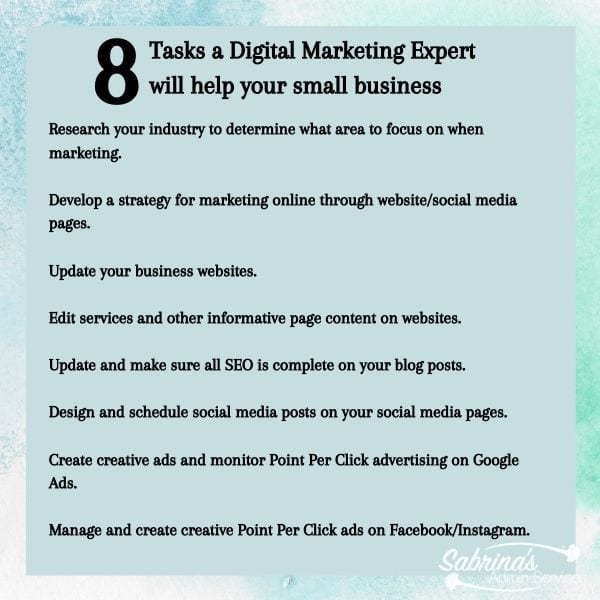
online marketing help

Unlocking Success: How Online Marketing Help Can Transform Your Business

How Online Marketing Help Can Transform Your Business

How Online Marketing Help Can Transform Your Business

In today’s digital age, having a strong online presence is crucial for the success of any business. Online marketing help can be the key to unlocking your business’s full potential and reaching a wider audience. Whether you are a small start-up or an established company, leveraging online marketing strategies can make a significant difference in your growth and profitability.

Benefits of Online Marketing Help

Online marketing help offers a range of benefits that can propel your business forward:

  • Increased Visibility: By implementing effective online marketing strategies, you can increase your brand’s visibility and reach a larger audience.
  • Targeted Advertising: Online marketing allows you to target specific demographics, interests, and behaviours, ensuring that your message reaches the right people.
  • Cost-Effective Solutions: Compared to traditional marketing methods, online marketing is often more cost-effective and provides better ROI.
  • Data-Driven Insights: With online marketing tools, you can gather valuable data and insights about your target audience, allowing you to refine your strategies for better results.
  • Improved Engagement: Engaging with your audience through social media, email campaigns, and other online channels can build stronger relationships and foster customer loyalty.

Types of Online Marketing Help

There are various avenues of online marketing help that businesses can explore to achieve their goals:

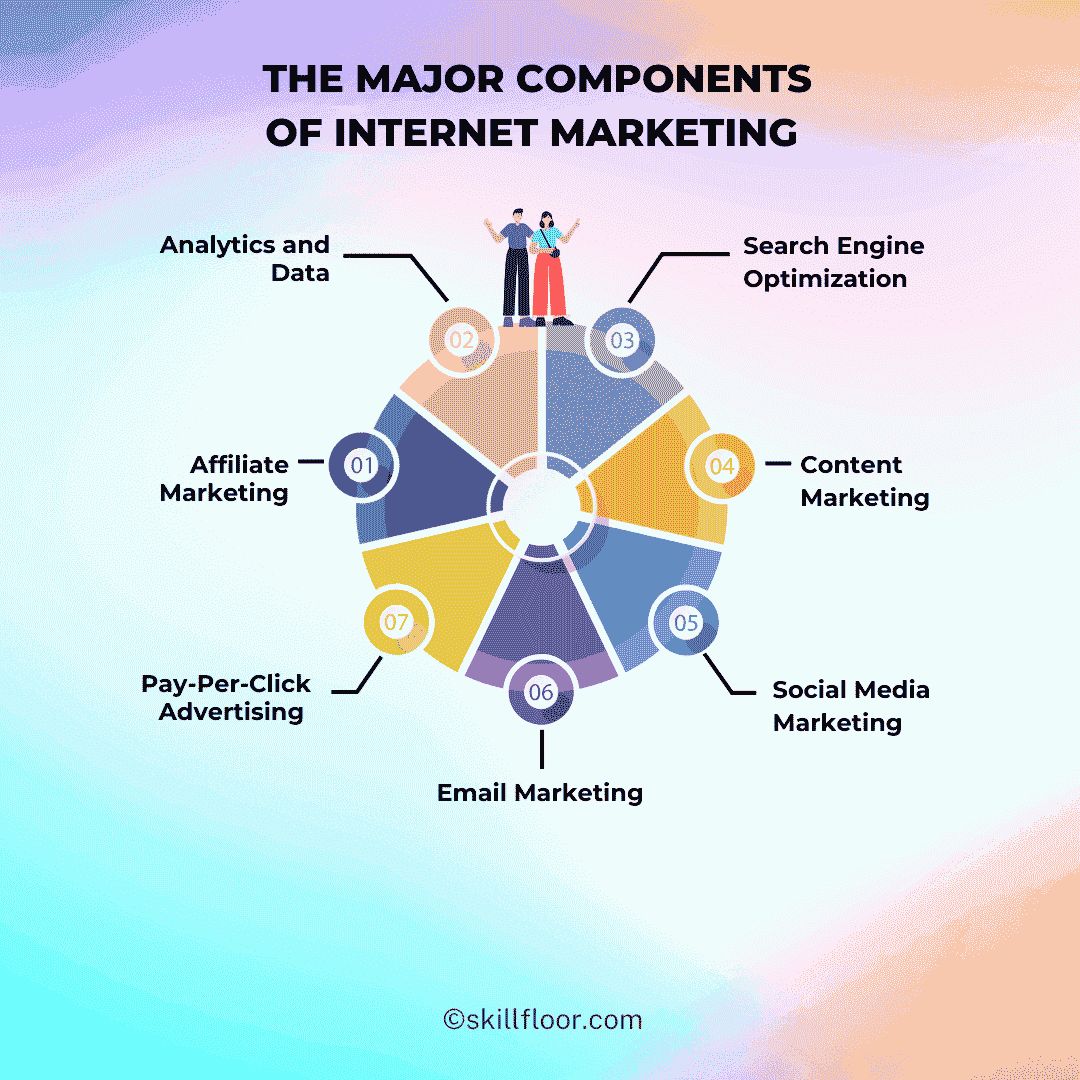
  1. Search Engine Optimization (SEO): Optimising your website for search engines can improve your organic visibility and drive more traffic to your site.
  2. Social Media Marketing: Leveraging popular social media platforms to connect with customers, promote products/services, and build brand awareness.
  3. Email Marketing: Sending targeted emails to subscribers to nurture leads, promote offers, and stay connected with customers.
  4. Paid Advertising: Running paid campaigns on search engines or social media platforms to reach a larger audience quickly.
  5. Content Marketing: Creating valuable content such as blogs, videos, infographics etc., to attract and engage with potential customers.

In conclusion, investing in online marketing help is essential for businesses looking to thrive in today’s competitive landscape. By utilising the right strategies and tools, you can enhance your brand’s visibility, engage with customers effectively, and drive growth. If you’re ready to take your business to the next level, consider seeking professional online marketing help to guide you towards success.


18 Frequently Asked Questions About Online Marketing: Strategies, Benefits, and Tools

  1. What is the 3-3-3 rule in marketing?
  2. How can I make my online marketing successful?
  3. How does online marketing help students?
  4. How is online marketing helpful?
  5. What is the best online marketing?
  6. How can I do internet marketing?
  7. How can I get better at online marketing?
  8. How to do online marketing?
  9. What are the benefits of online marketing?
  10. What are the 7 C’s of digital marketing?
  11. How do I start online marketing?
  12. What are the 7 C’s of online marketing?
  13. How does online marketing help a business?
  14. How can I improve online marketing?
  15. What are the 4 types of digital marketing?
  16. How do I get involved in online marketing?
  17. What are the 4 P’s of online marketing?
  18. What is the best tool for online marketing?

What is the 3-3-3 rule in marketing?

The 3-3-3 rule in marketing refers to a strategy where businesses aim to deliver their message clearly, concisely, and consistently across three different platforms, three times a day, for three weeks. This approach emphasises the importance of maintaining a strong and repetitive presence in the digital space to capture and retain audience attention effectively. By adhering to the 3-3-3 rule, businesses can enhance brand visibility, engage with their target audience consistently, and ultimately drive better results in their marketing efforts.

How can I make my online marketing successful?

To make your online marketing successful, it is essential to develop a comprehensive strategy tailored to your business goals and target audience. Start by identifying your target market and understanding their needs and preferences. Utilise a mix of online marketing tools such as search engine optimisation (SEO), social media marketing, email campaigns, and content creation to reach and engage with your audience effectively. Consistent monitoring and analysis of key performance indicators will help you refine your strategies for optimal results. Remember that building trust with your audience through valuable content and personalised interactions is key to long-term success in online marketing.

How does online marketing help students?

Online marketing can be a valuable resource for students looking to enhance their academic and professional pursuits. Through online marketing, students can develop essential skills such as digital communication, content creation, and data analysis, which are highly sought after in today’s job market. Additionally, online marketing provides students with opportunities to showcase their creativity, build personal branding, and even earn income through freelance projects or internships. By leveraging online marketing strategies, students can gain practical experience, expand their networks, and position themselves for success in a competitive digital world.

How is online marketing helpful?

Online marketing is incredibly helpful for businesses in today’s digital landscape. By leveraging online marketing strategies, businesses can significantly boost their visibility, reach a larger audience, and engage with customers on various platforms. Online marketing allows for targeted advertising, cost-effective solutions, and data-driven insights that enable businesses to refine their strategies for optimal results. Through techniques such as search engine optimisation (SEO), social media marketing, email campaigns, and paid advertising, businesses can enhance their online presence and effectively promote their products or services to the right audience. Ultimately, online marketing help empowers businesses to connect with customers in meaningful ways and drive growth in a competitive market environment.

What is the best online marketing?

When it comes to the frequently asked question, “What is the best online marketing?” the answer may vary depending on the specific goals and target audience of a business. The effectiveness of online marketing strategies can be influenced by factors such as industry, budget, and desired outcomes. Some businesses may find success with search engine optimisation (SEO) to improve their website’s visibility, while others may benefit more from social media marketing to engage with their audience. Ultimately, the best online marketing approach is one that aligns with a business’s objectives and resonates with its target market, leading to increased brand awareness, customer engagement, and ultimately, business growth.

How can I do internet marketing?

To embark on internet marketing, it is essential to start by defining your goals and target audience. Conduct research to understand your market and competitors, then develop a comprehensive strategy that utilises various online marketing channels such as SEO, social media, email campaigns, and content marketing. Consistent monitoring and analysis of your campaigns’ performance will help you refine your approach and maximise results. Seeking guidance from experts or online resources can also provide valuable insights to navigate the dynamic landscape of internet marketing effectively.

How can I get better at online marketing?

To improve your online marketing skills and effectiveness, it is essential to stay informed about the latest trends and strategies in the digital landscape. Start by conducting research, attending webinars, and following industry experts to gain valuable insights. Experiment with different online marketing tools and techniques to understand what works best for your business. Analyse data and metrics to track the performance of your campaigns and make data-driven decisions. Continuous learning, adaptation, and testing are key to getting better at online marketing and achieving success in reaching your target audience effectively.

How to do online marketing?

When it comes to the frequently asked question, “How to do online marketing?” the answer lies in understanding the various strategies and tools available to promote your business effectively on digital platforms. Online marketing encompasses a range of techniques such as search engine optimisation (SEO), social media marketing, email campaigns, paid advertising, and content creation. By developing a comprehensive online marketing strategy tailored to your business goals and target audience, you can enhance your brand’s visibility, engage with customers, drive traffic to your website, and ultimately achieve success in the competitive online landscape.

What are the benefits of online marketing?

One of the most frequently asked questions about online marketing is, “What are the benefits of online marketing?” Online marketing offers a multitude of advantages for businesses seeking to expand their reach and engage with their target audience effectively. From increased brand visibility and targeted advertising to cost-effective solutions and data-driven insights, online marketing can transform a business’s growth trajectory. By leveraging various online marketing strategies such as SEO, social media marketing, email campaigns, paid advertising, and content marketing, businesses can enhance their online presence, connect with customers on a deeper level, and drive sustainable growth in today’s digital landscape.

What are the 7 C’s of digital marketing?

The 7 C’s of digital marketing are a comprehensive framework that outlines key principles for successful online marketing strategies. These include Customer, Cost, Convenience, Communication, Consistency, Creativity, and Culture. Understanding and applying these principles can help businesses effectively engage with their target audience, deliver value-driven content, maintain brand consistency across channels, and foster a positive brand culture in the digital landscape. By incorporating the 7 C’s into their digital marketing efforts, businesses can enhance customer relationships, drive engagement, and achieve sustainable growth in the competitive online market.

How do I start online marketing?

To embark on your online marketing journey, the first step is to define your goals and target audience. Conduct thorough research to understand your market and competition. Establish a strong online presence through a well-designed website and active social media profiles. Utilise search engine optimisation (SEO) techniques to improve your website’s visibility. Develop a content strategy that resonates with your audience and showcases your expertise. Consider email marketing campaigns to engage with potential customers. Monitor and analyse your results to refine your strategies for continuous improvement. Remember, starting online marketing is about taking consistent actions towards building brand awareness, driving traffic, and converting leads into customers.

What are the 7 C’s of online marketing?

The 7 C’s of online marketing are crucial principles that guide businesses in creating effective digital strategies. These include Customer-centricity, Content, Consistency, Clarity, Creativity, Credibility, and Conversion. Customer-centricity emphasises understanding and meeting the needs of the target audience. Content focuses on delivering valuable and engaging information to attract and retain customers. Consistency ensures a unified brand message across all online channels. Clarity involves clear communication to convey the brand’s message effectively. Creativity helps businesses stand out in a crowded digital landscape. Credibility builds trust with customers through authentic and reliable content. Conversion aims to turn leads into loyal customers through strategic marketing tactics. Mastering these 7 C’s can significantly enhance a business’s online marketing efforts and drive success in the digital realm.

How does online marketing help a business?

Online marketing plays a crucial role in helping businesses thrive in the digital landscape. By leveraging various online marketing strategies such as search engine optimisation (SEO), social media marketing, email campaigns, and paid advertising, businesses can significantly increase their online visibility, attract targeted traffic, engage with their audience effectively, and ultimately drive growth and profitability. Online marketing help enables businesses to reach a wider audience, build brand awareness, generate leads, and establish strong customer relationships in a cost-effective and measurable way. It empowers businesses to stay competitive, adapt to changing market trends, and achieve their marketing goals efficiently in today’s highly digitalised world.

How can I improve online marketing?

To improve your online marketing efforts, it is essential to focus on a few key areas. Start by conducting a thorough analysis of your current online presence, including your website, social media channels, and digital advertising campaigns. Identify areas for improvement and set clear goals for what you want to achieve with your online marketing strategy. Utilise tools such as search engine optimisation (SEO) to enhance your website’s visibility in search results, engage with your target audience through compelling content and social media interactions, and track the performance of your campaigns to make data-driven decisions for continuous improvement. By staying informed about the latest trends and best practices in online marketing, you can refine your approach and drive better results for your business.

What are the 4 types of digital marketing?

In the realm of online marketing help, understanding the four main types of digital marketing is essential for devising effective strategies to promote businesses in the digital space. The four primary types of digital marketing include Search Engine Optimization (SEO), Social Media Marketing, Email Marketing, and Paid Advertising. Each type plays a crucial role in reaching and engaging with target audiences, driving website traffic, and ultimately, boosting brand visibility and growth. By harnessing the power of these digital marketing channels, businesses can enhance their online presence and connect with customers in meaningful ways.

How do I get involved in online marketing?

To get involved in online marketing, start by educating yourself on the various aspects of digital marketing, such as search engine optimisation (SEO), social media marketing, email marketing, and content creation. Consider taking online courses or attending workshops to gain a solid understanding of these concepts. Next, create a strong online presence for yourself by building a professional website and engaging with social media platforms relevant to your target audience. Networking with industry professionals and seeking mentorship can also provide valuable insights and guidance as you navigate the world of online marketing. Remember to stay updated on industry trends and best practices to ensure your online marketing efforts are effective and successful.

What are the 4 P’s of online marketing?

The 4 P’s of online marketing, also known as the marketing mix, refer to Product, Price, Place, and Promotion. These fundamental elements play a crucial role in shaping a successful online marketing strategy. Product focuses on what you offer to your target audience, Price involves setting competitive pricing strategies, Place determines where and how you make your product or service available online, and Promotion involves the tactics used to communicate with and attract customers. By understanding and effectively implementing the 4 P’s of online marketing, businesses can create a comprehensive plan to drive engagement, generate leads, and ultimately achieve their marketing goals in the digital realm.

What is the best tool for online marketing?

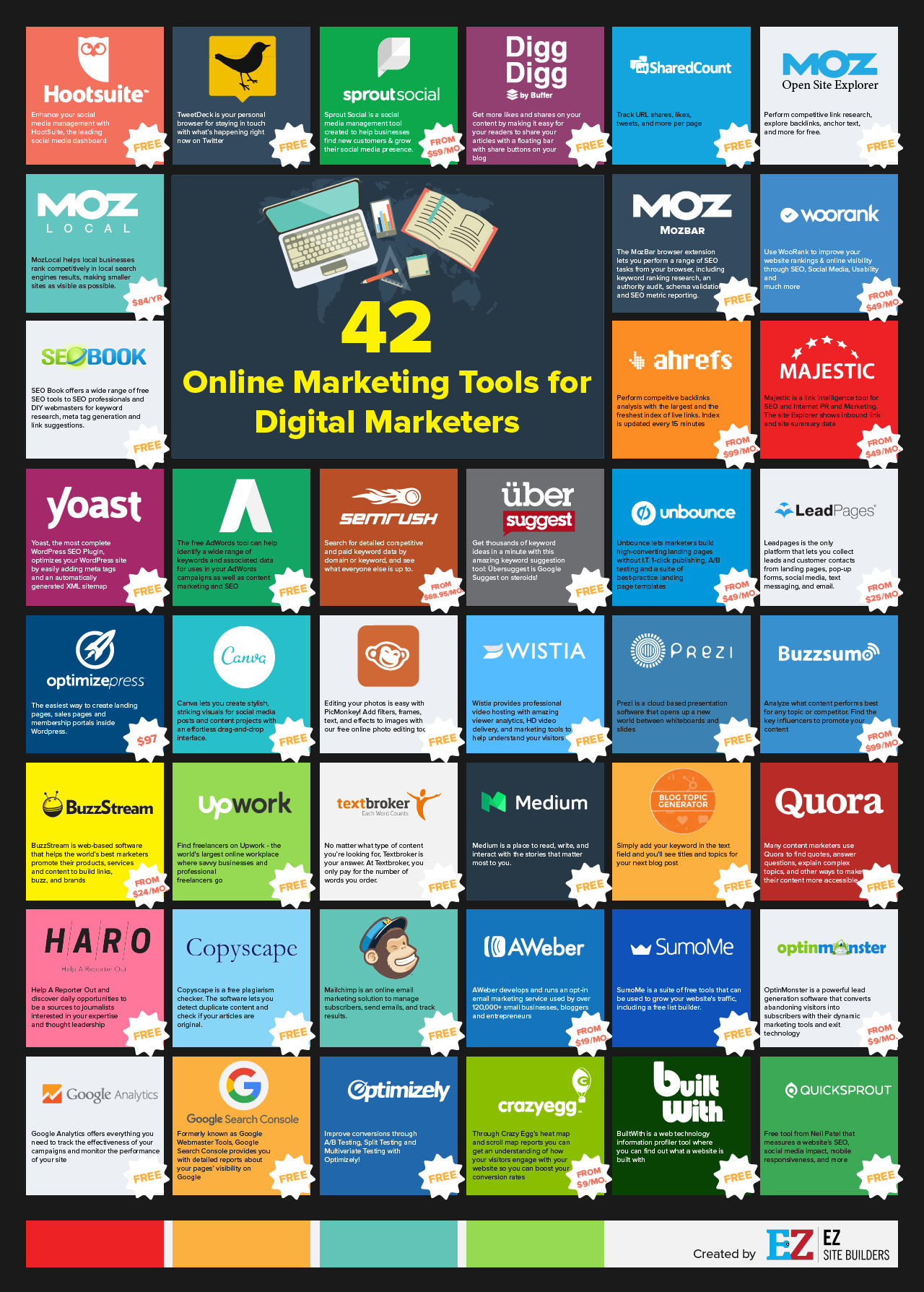
When it comes to online marketing, the question of the best tool is a common one among businesses seeking to enhance their digital presence. The answer to this question largely depends on the specific goals and needs of each individual business. There is a wide range of tools available for online marketing, including email marketing platforms, social media management tools, analytics software, SEO tools, and more. The best tool for online marketing is often one that aligns closely with the business’s objectives and allows for effective targeting, measurement, and engagement with the target audience. Conducting thorough research and seeking expert advice can help businesses identify the most suitable tool to achieve their online marketing goals successfully.

digital strategy agency

Elevate Your Online Presence with a Leading Digital Strategy Agency

The Role of a Digital Strategy Agency in Transforming Businesses

In today’s fast-paced digital landscape, businesses are constantly seeking ways to stay ahead of the competition and connect with their target audience effectively. This is where a digital strategy agency plays a crucial role. These agencies are dedicated to helping businesses navigate the complex world of digital marketing and develop strategies that drive growth and success.

Understanding Digital Strategy

Digital strategy involves leveraging various online channels and tools to achieve business objectives, such as increasing brand awareness, generating leads, and driving sales. A digital strategy agency works closely with clients to understand their goals, target audience, and market dynamics in order to create a tailored plan that aligns with their vision.

The Services Offered by Digital Strategy Agencies

From website development and search engine optimisation (SEO) to social media marketing and pay-per-click (PPC) advertising, digital strategy agencies offer a wide range of services to help businesses establish a strong online presence. These agencies have experts in different areas of digital marketing who collaborate to deliver integrated solutions that deliver results.

The Benefits of Working with a Digital Strategy Agency

Partnering with a digital strategy agency brings several benefits for businesses looking to enhance their online performance. These benefits include:

  • Expertise: Digital strategy agencies have professionals with specialised knowledge in various aspects of digital marketing, ensuring that clients receive top-notch services.
  • Data-Driven Approach: By analysing data and metrics, digital strategy agencies can measure the effectiveness of campaigns and make data-driven decisions to optimise performance.
  • Innovation: Digital strategy agencies stay abreast of the latest trends and technologies in the industry, enabling them to implement innovative strategies that give clients a competitive edge.
  • Cost-Effective Solutions: Outsourcing digital marketing activities to an agency can be more cost-effective than hiring an in-house team, especially for small and medium-sized businesses.

Conclusion

In conclusion, a digital strategy agency plays a vital role in helping businesses thrive in the digital age by creating customised strategies that drive growth and engagement. By leveraging the expertise and resources of these agencies, businesses can unlock their full potential online and achieve sustainable success.


8 Essential Tips for Crafting a Successful Digital Strategy in the UK

  1. Understand the client’s business goals and target audience thoroughly.
  2. Stay updated with the latest digital trends and technologies.
  3. Create a comprehensive digital strategy that aligns with the client’s objectives.
  4. Focus on delivering measurable results and ROI for the client.
  5. Collaborate closely with clients to ensure transparency and effective communication.
  6. Regularly analyse data and metrics to track performance and make informed decisions.
  7. Adapt quickly to changes in the digital landscape to stay ahead of the competition.
  8. Provide excellent customer service and support throughout the partnership.

Understand the client’s business goals and target audience thoroughly.

To create a successful digital strategy, it is essential for a digital strategy agency to thoroughly understand the client’s business goals and target audience. By gaining a deep insight into the client’s objectives and the preferences of their target audience, the agency can develop a tailored strategy that aligns with the client’s vision and resonates with their audience. This understanding forms the foundation for effective decision-making and ensures that all digital initiatives are strategically aligned to drive meaningful results for the client.

To succeed in the ever-evolving digital landscape, it is essential for businesses working with a digital strategy agency to stay updated with the latest digital trends and technologies. By staying current with emerging technologies and industry trends, businesses can ensure that their digital strategies remain relevant and effective. This proactive approach not only helps businesses stay ahead of the competition but also enables them to leverage new opportunities for growth and innovation in the online space.

Create a comprehensive digital strategy that aligns with the client’s objectives.

Creating a comprehensive digital strategy that aligns with the client’s objectives is essential for the success of any digital strategy agency. By understanding the client’s goals, target audience, and market landscape, the agency can develop a tailored plan that not only meets but exceeds expectations. This strategic approach ensures that all digital marketing efforts are cohesive, effective, and ultimately contribute to achieving the client’s desired outcomes.

Focus on delivering measurable results and ROI for the client.

When partnering with a digital strategy agency, it is essential to focus on delivering measurable results and return on investment (ROI) for the client. By setting clear objectives and tracking key performance indicators, the agency can demonstrate the impact of their strategies and tactics on the client’s business goals. This data-driven approach not only ensures transparency and accountability but also allows for continuous improvement and optimisation to maximise the effectiveness of digital marketing efforts. Ultimately, prioritising measurable results and ROI enables both the agency and the client to make informed decisions that drive success in the digital landscape.

Collaborate closely with clients to ensure transparency and effective communication.

To maximise the effectiveness of digital strategies, it is essential for digital strategy agencies to collaborate closely with their clients, fostering transparency and maintaining effective communication throughout the process. By involving clients in decision-making and providing regular updates on progress, agencies can ensure that the strategies align with the client’s goals and expectations. This collaborative approach not only builds trust but also allows for adjustments to be made in real-time, leading to more successful outcomes and long-lasting partnerships.

Regularly analyse data and metrics to track performance and make informed decisions.

Regularly analysing data and metrics is a fundamental practice for any digital strategy agency aiming to deliver effective results for their clients. By tracking key performance indicators and interpreting data insights, agencies can gain valuable information about the success of their campaigns and strategies. This data-driven approach enables them to make informed decisions, identify areas for improvement, and optimise future initiatives to maximise impact and ROI.

Adapt quickly to changes in the digital landscape to stay ahead of the competition.

To stay ahead of the competition in the digital landscape, it is crucial for businesses to adapt quickly to changes. A proactive approach to embracing new trends, technologies, and consumer behaviours can give a digital strategy agency a competitive edge. By staying agile and responsive to shifts in the digital landscape, these agencies can effectively pivot strategies, optimise campaigns, and seize opportunities that arise. This adaptability not only ensures relevance and visibility but also positions businesses for long-term success in an ever-evolving digital environment.

Provide excellent customer service and support throughout the partnership.

Providing excellent customer service and support throughout the partnership is essential for a digital strategy agency to build long-lasting relationships with clients. By offering responsive communication, timely assistance, and proactive solutions, the agency demonstrates its commitment to meeting the client’s needs and exceeding expectations. Clear and transparent communication fosters trust and collaboration, ensuring that both parties are aligned towards achieving shared goals. Ultimately, exceptional customer service not only enhances the client experience but also reinforces the agency’s reputation as a reliable partner in driving digital success.

social media marketing companies for small business

Elevate Your Small Business with Expert Social Media Marketing Companies

Social Media Marketing Companies for Small Business

Social Media Marketing Companies for Small Business

Social media has become a powerful tool for businesses of all sizes to reach and engage with their target audience. For small businesses, having a strong presence on social media can be a game-changer in terms of brand awareness, customer engagement, and lead generation. However, managing social media effectively requires time, expertise, and resources that many small businesses may not have.

Enter Social Media Marketing Companies

Social media marketing companies specialise in helping businesses create and execute effective social media strategies to achieve their marketing goals. These companies have the knowledge, experience, and tools to navigate the ever-changing landscape of social media platforms and maximise their clients’ online presence.

Benefits for Small Businesses

For small businesses looking to harness the power of social media, partnering with a social media marketing company can offer several key benefits:

  • Expertise: Social media marketing companies have professionals who understand the nuances of each platform and can create tailored strategies that resonate with your target audience.
  • Time Savings: Outsourcing your social media management allows you to focus on other aspects of your business while experts handle your online presence.
  • Cost-Effective Solutions: Many social media marketing companies offer affordable packages designed specifically for small businesses, making professional services accessible.
  • Data-Driven Results: These companies use analytics tools to track performance metrics and adjust strategies accordingly to ensure maximum ROI.

Choosing the Right Partner

When selecting a social media marketing company for your small business, consider factors such as their track record, client testimonials, range of services offered, and alignment with your brand values. Communication is key – make sure you have a clear understanding of what they will deliver and how success will be measured.

In Conclusion

Social media marketing companies can be invaluable allies for small businesses looking to establish a strong online presence and connect with their target audience effectively. By leveraging the expertise and resources of these professionals, small businesses can level the playing field in the competitive digital landscape.

Contact a reputable social media marketing company today to explore how they can help your small business thrive in the world of social media.


7 Essential Tips for Small Businesses: Maximising Success with Social Media Marketing Companies

  1. Define your target audience clearly to tailor your content effectively.
  2. Create a content calendar to ensure consistent posting and engagement.
  3. Utilize various social media platforms to reach a wider audience.
  4. Engage with your followers by responding to comments and messages promptly.
  5. Monitor analytics regularly to track the performance of your campaigns.
  6. Collaborate with influencers or other businesses for cross-promotion opportunities.
  7. Stay updated on social media trends and adjust your strategies accordingly.

Define your target audience clearly to tailor your content effectively.

Defining your target audience clearly is a crucial step in maximising the effectiveness of your social media marketing efforts as a small business. By understanding the demographics, interests, and behaviours of your audience, you can tailor your content to resonate with them on a deeper level. This targeted approach not only increases engagement but also enhances the likelihood of converting followers into customers. Identifying and addressing the specific needs and preferences of your target audience through strategic content creation can help you build stronger relationships and drive meaningful results for your business in the competitive social media landscape.

Create a content calendar to ensure consistent posting and engagement.

Creating a content calendar is a crucial tip for small businesses working with social media marketing companies. By planning and scheduling your content in advance, you can ensure a consistent posting schedule that keeps your audience engaged. A content calendar helps you maintain a strategic approach to your social media efforts, allowing for better organisation, timely responses to trends, and the ability to track the performance of your posts effectively. Consistency in posting not only boosts visibility but also fosters a stronger connection with your followers, ultimately driving growth and success for your small business on social media platforms.

Utilize various social media platforms to reach a wider audience.

To maximise your small business’s online presence, it is essential to utilise a variety of social media platforms effectively. By diversifying your presence across platforms such as Facebook, Instagram, Twitter, LinkedIn, and others, you can reach a broader audience and engage with potential customers who may frequent different channels. Each platform offers unique features and demographics, allowing you to tailor your content and messaging to appeal to a wider range of users. Embracing multiple social media platforms can enhance brand visibility and increase opportunities for growth in the competitive digital landscape.

Engage with your followers by responding to comments and messages promptly.

Engaging with your followers by responding to comments and messages promptly is a crucial aspect of effective social media marketing for small businesses. By actively interacting with your audience, you not only show that you value their input and feedback but also build a sense of community and trust around your brand. Prompt responses demonstrate professionalism and attentiveness, fostering positive relationships with your followers and potentially turning them into loyal customers. Consistent engagement can lead to increased brand visibility, improved customer satisfaction, and ultimately, business growth in the competitive digital landscape.

Monitor analytics regularly to track the performance of your campaigns.

Monitoring analytics regularly is crucial for small businesses working with social media marketing companies. By tracking the performance of your campaigns, you can gain valuable insights into what strategies are working effectively and where adjustments may be needed. Analyzing metrics such as engagement rates, click-through rates, and conversion rates allows you to make data-driven decisions to optimise your social media efforts and maximise your return on investment. Consistent monitoring of analytics ensures that you stay informed about the impact of your campaigns and enables you to refine your approach for greater success in reaching your target audience.

Collaborate with influencers or other businesses for cross-promotion opportunities.

Collaborating with influencers or other businesses for cross-promotion opportunities can be a strategic move for small businesses looking to expand their reach on social media. By partnering with influencers who have a relevant audience or complementary businesses in your industry, you can tap into new demographics and increase brand visibility. These collaborations not only help in reaching a wider audience but also build credibility and trust among potential customers. Leveraging the network and influence of others through cross-promotion can be a cost-effective way to amplify your marketing efforts and drive engagement on social media platforms.

In the realm of social media marketing for small businesses, staying abreast of the latest trends is paramount to success. By continuously monitoring and adapting to evolving social media landscapes, businesses can ensure their strategies remain relevant and effective. Whether it involves embracing new features on platforms or responding to shifting user behaviours, the ability to adjust strategies accordingly allows small businesses to stay competitive and engage with their target audience in meaningful ways.

internet marketing services

Elevate Your Business with Expert Internet Marketing Services

Internet Marketing Services

The Power of Internet Marketing Services

In today’s digital age, having a strong online presence is crucial for businesses looking to reach their target audience effectively. Internet marketing services play a vital role in helping companies promote their products or services, engage with customers, and drive growth.

What Are Internet Marketing Services?

Internet marketing services encompass a wide range of strategies and techniques aimed at promoting a business online. This includes search engine optimisation (SEO), pay-per-click advertising (PPC), social media marketing, email marketing, content marketing, and more. These services are designed to increase brand visibility, attract website traffic, generate leads, and ultimately boost sales.

The Benefits of Internet Marketing Services

Utilising internet marketing services offers several advantages for businesses:

  • Increased Online Visibility: By implementing SEO strategies and engaging in online advertising, businesses can improve their visibility in search engine results and reach a larger audience.
  • Targeted Advertising: Internet marketing allows businesses to target specific demographics, interests, and behaviours of potential customers, ensuring that marketing efforts are focused on the right audience.
  • Cost-Effective Solutions: Compared to traditional forms of advertising, internet marketing services often provide a more cost-effective way to promote products and services while delivering measurable results.
  • Data-Driven Insights: With internet marketing tools and analytics, businesses can track the performance of their campaigns in real-time, gather valuable data on customer behaviour, and make informed decisions to optimise their strategies.
  • Improved Customer Engagement: Through social media platforms and email marketing campaigns, businesses can interact with customers directly, build relationships, and foster brand loyalty.

Choosing the Right Internet Marketing Service Provider

When selecting an internet marketing service provider for your business, it’s essential to consider their expertise, experience, track record of success, and alignment with your business goals. A reputable provider will work closely with you to develop a customised strategy that meets your needs and helps you achieve your online marketing objectives.

In conclusion, internet marketing services offer businesses valuable opportunities to enhance their online presence, connect with customers on a deeper level, drive traffic to their websites, and ultimately increase revenue. By leveraging the power of internet marketing strategies effectively, businesses can stay competitive in today’s digital landscape.


Essential Tips for Effective Internet Marketing: Strategies to Boost Your Online Presence

  1. 1. Define your target audience clearly to tailor your internet marketing strategies effectively.
  2. 2. Create a user-friendly website that is easy to navigate and provides valuable content.
  3. 3. Utilize search engine optimization (SEO) techniques to improve your website’s visibility on search engines.
  4. 4. Engage with your audience through social media platforms to build relationships and increase brand awareness.
  5. 5. Invest in online advertising campaigns, such as pay-per-click (PPC) ads, to reach a wider audience.
  6. 6. Monitor and analyse key metrics, such as website traffic and conversion rates, to measure the success of your campaigns.
  7. 7. Implement email marketing campaigns to nurture leads and maintain communication with existing customers.
  8. 8. Stay updated on industry trends and changes in algorithms to adapt your strategies accordingly.
  9. 9. Test different approaches and strategies regularly to identify what works best for your business.

1. Define your target audience clearly to tailor your internet marketing strategies effectively.

Defining your target audience clearly is a crucial tip in internet marketing services as it allows businesses to tailor their strategies effectively. By understanding the demographics, preferences, and behaviours of their target customers, companies can create personalised and targeted marketing campaigns that resonate with their audience. This approach not only increases the chances of reaching the right people but also enhances engagement and conversion rates, ultimately leading to a more successful online marketing effort.

2. Create a user-friendly website that is easy to navigate and provides valuable content.

To maximise the effectiveness of internet marketing services, it is essential to create a user-friendly website that offers a seamless navigation experience and valuable content to visitors. A well-designed website that is easy to navigate not only enhances user engagement but also improves search engine visibility. By providing valuable and relevant content, businesses can establish credibility, attract and retain customers, and ultimately drive conversions. Prioritising user experience through a user-friendly website can significantly impact the success of online marketing efforts.

3. Utilize search engine optimization (SEO) techniques to improve your website’s visibility on search engines.

To enhance your online presence and attract more potential customers, it is essential to utilise search engine optimisation (SEO) techniques. By implementing SEO strategies effectively, you can improve your website’s visibility on search engines like Google, making it easier for users to find your business when searching for relevant keywords. Optimising your website’s content, meta tags, and backlinks can help boost your search engine rankings and drive organic traffic to your site, ultimately increasing your chances of reaching a wider audience and achieving online success.

4. Engage with your audience through social media platforms to build relationships and increase brand awareness.

Engaging with your audience through social media platforms is a crucial tip in internet marketing services. By actively interacting with your followers, responding to comments, and sharing valuable content, you can build strong relationships with your audience. This engagement not only helps foster brand loyalty but also increases brand awareness as satisfied customers are likely to share their positive experiences with others. Social media provides a platform for businesses to humanise their brand, showcase their personality, and create a sense of community among their followers, ultimately leading to higher engagement and long-term customer relationships.

5. Invest in online advertising campaigns, such as pay-per-click (PPC) ads, to reach a wider audience.

To enhance your online visibility and attract a broader audience, consider investing in online advertising campaigns, such as pay-per-click (PPC) ads. By utilising PPC advertising, businesses have the opportunity to target specific demographics, interests, and behaviours of potential customers effectively. This strategy not only increases brand exposure but also drives relevant traffic to your website, ultimately leading to potential conversions and business growth.

6. Monitor and analyse key metrics, such as website traffic and conversion rates, to measure the success of your campaigns.

To ensure the effectiveness of your internet marketing campaigns, it is essential to monitor and analyse key metrics such as website traffic and conversion rates. By tracking these metrics closely, you can gain valuable insights into the performance of your campaigns and determine their impact on your business goals. Monitoring website traffic helps you understand how users interact with your site, while analysing conversion rates provides valuable data on the effectiveness of your marketing strategies in converting visitors into customers. By regularly assessing these key metrics, you can make informed decisions to optimise your campaigns and maximise their success in reaching and engaging your target audience.

7. Implement email marketing campaigns to nurture leads and maintain communication with existing customers.

Implementing email marketing campaigns is a strategic approach to nurturing leads and fostering lasting relationships with current customers. By sending targeted and personalised emails, businesses can engage with their audience, provide valuable content, promote products or services, and drive conversions. Through consistent communication via email, companies can stay top-of-mind with potential leads and encourage repeat business from existing customers. Email marketing campaigns serve as a powerful tool in building brand loyalty and generating long-term customer engagement in the competitive landscape of internet marketing services.

To succeed in internet marketing services, it is crucial to stay informed about industry trends and keep abreast of changes in algorithms. By staying updated, businesses can adapt their strategies effectively to align with the latest developments. This proactive approach not only helps businesses remain competitive but also ensures that their marketing efforts are relevant and impactful in reaching their target audience. Embracing change and staying ahead of the curve are key factors in achieving success in the dynamic world of online marketing.

9. Test different approaches and strategies regularly to identify what works best for your business.

To maximise the effectiveness of your internet marketing efforts, it is crucial to regularly test different approaches and strategies. By experimenting with various techniques, you can gain valuable insights into what resonates most with your target audience and drives the best results for your business. Continuous testing allows you to refine your marketing tactics, optimise performance, and ultimately identify the strategies that work best in achieving your goals. Embracing a culture of experimentation and adaptation can lead to significant improvements in your online marketing campaigns and help you stay ahead in the ever-evolving digital landscape.

digital marketing products

Unlocking the Potential of Cutting-Edge Digital Marketing Products

The Power of Digital Marketing Products

The Power of Digital Marketing Products

In today’s fast-paced digital world, businesses are constantly seeking innovative ways to reach and engage with their target audience. Digital marketing products have emerged as powerful tools to help companies enhance their online presence, drive traffic, and boost conversion rates.

What are Digital Marketing Products?

Digital marketing products encompass a wide range of tools and strategies designed to promote products or services through online channels. These products can include:

  • Search Engine Optimization (SEO): Optimising website content to improve search engine rankings and increase organic traffic.
  • Pay-Per-Click (PPC) Advertising: Running targeted ads on search engines or social media platforms to drive relevant traffic to a website.
  • Email Marketing: Sending personalised emails to nurture leads, build relationships, and promote products or services.
  • Social Media Marketing: Utilising social media platforms to engage with followers, share content, and attract new customers.
  • Content Marketing: Creating valuable and relevant content to attract and retain a specific audience.

The Benefits of Digital Marketing Products

Implementing digital marketing products can offer businesses numerous advantages, including:

  • Increased Visibility: By utilising SEO and PPC advertising, businesses can improve their online visibility and reach a wider audience.
  • Targeted Advertising: With digital marketing products, companies can target specific demographics based on interests, behaviour, location, and more.
  • Data-Driven Insights: Digital marketing products provide valuable data and analytics that allow businesses to track performance, measure success, and make informed decisions.
  • Cost-Effective Solutions: Compared to traditional marketing methods, digital marketing products often offer a higher return on investment (ROI) at a lower cost.

The Future of Digital Marketing Products

As technology continues to evolve, the landscape of digital marketing products is constantly changing. Businesses must stay informed about the latest trends and innovations in order to remain competitive in the digital marketplace. By embracing new technologies and strategies, companies can leverage the power of digital marketing products to achieve their goals and grow their business online.


Essential FAQs About Digital Marketing Products: Understanding Their Benefits, Types, and Trends

  1. What are digital marketing products?
  2. How can digital marketing products benefit my business?
  3. What types of digital marketing products are available?
  4. What is the difference between SEO and PPC advertising?
  5. How can social media marketing help promote my brand?
  6. What role does content marketing play in digital marketing?
  7. How do I measure the success of my digital marketing campaigns?
  8. Are email marketing campaigns still effective in the age of social media?
  9. What trends should I be aware of in the field of digital marketing products?

What are digital marketing products?

Digital marketing products encompass a diverse array of tools and strategies used by businesses to promote their products or services through online channels. These products can include search engine optimization (SEO) techniques to improve website visibility, pay-per-click (PPC) advertising for targeted online ads, email marketing campaigns to engage with customers, social media marketing efforts to connect with audiences, and content marketing initiatives to provide valuable information. These digital marketing products play a crucial role in enhancing online presence, driving traffic, and ultimately boosting conversion rates for businesses in the ever-evolving digital landscape.

How can digital marketing products benefit my business?

Digital marketing products can benefit your business in numerous ways. By leveraging tools such as search engine optimisation (SEO), pay-per-click (PPC) advertising, email marketing, social media marketing, and content marketing, you can enhance your online visibility, attract targeted audiences, generate leads, and ultimately drive conversions. These products provide valuable data insights that enable you to track performance, measure success, and make informed decisions to optimise your marketing strategies. With the cost-effective nature of digital marketing products compared to traditional methods, businesses can achieve a higher return on investment and reach a wider audience effectively. Embracing digital marketing products can help propel your business forward in the competitive online landscape.

What types of digital marketing products are available?

In the realm of digital marketing, a diverse array of products exists to cater to the varying needs and objectives of businesses seeking to enhance their online presence. Common types of digital marketing products include Search Engine Optimization (SEO) services, Pay-Per-Click (PPC) advertising solutions, Email Marketing platforms, Social Media Marketing tools, and Content Marketing services. Each product serves a unique purpose in helping businesses reach their target audience, drive engagement, and ultimately achieve their marketing goals in the digital landscape. By leveraging these different digital marketing products strategically, businesses can create comprehensive and effective online marketing campaigns tailored to their specific requirements.

What is the difference between SEO and PPC advertising?

When it comes to digital marketing products, a common question that arises is the difference between SEO (Search Engine Optimization) and PPC (Pay-Per-Click) advertising. SEO involves optimising website content and structure to improve organic search engine rankings, aiming to drive traffic naturally without direct payment for clicks. On the other hand, PPC advertising involves creating targeted ads that appear on search engine results pages or social media platforms, with businesses paying each time a user clicks on their ad. While SEO focuses on long-term visibility and organic growth, PPC offers immediate visibility and control over ad placement based on specific targeting criteria. Both strategies play vital roles in a comprehensive digital marketing campaign, each with its unique benefits and objectives tailored to meet different marketing goals.

How can social media marketing help promote my brand?

Social media marketing can significantly enhance brand promotion by providing a platform to engage with a vast audience, build brand awareness, and foster customer relationships. Through strategic social media campaigns, businesses can create compelling content that resonates with their target demographic, drive traffic to their website, and generate leads. By leveraging the power of social media platforms to share updates, promotions, and valuable information, brands can increase visibility, establish credibility, and ultimately boost brand loyalty. The interactive nature of social media allows for direct communication with customers, enabling brands to receive feedback, address concerns promptly, and tailor their marketing efforts to meet consumer needs effectively.

What role does content marketing play in digital marketing?

Content marketing plays a crucial role in digital marketing by serving as the foundation for engaging and connecting with target audiences. Through strategic content creation and distribution, businesses can provide valuable information, establish authority in their industry, and build relationships with customers. High-quality content not only attracts and retains the attention of users but also drives organic traffic to websites, improves search engine rankings, and ultimately contributes to conversions. In essence, content marketing is an essential component of a comprehensive digital marketing strategy that helps businesses showcase their expertise, foster trust with consumers, and achieve long-term success in the online landscape.

How do I measure the success of my digital marketing campaigns?

Measuring the success of digital marketing campaigns is essential for evaluating their effectiveness and making informed decisions for future strategies. Key performance indicators (KPIs) such as website traffic, conversion rates, click-through rates, and return on investment (ROI) are commonly used to assess the impact of digital marketing efforts. Tracking these metrics provides valuable insights into the performance of campaigns, allowing businesses to identify what is working well and where improvements can be made. By analysing data and metrics, businesses can gauge the success of their digital marketing campaigns and make data-driven adjustments to optimise results.

Are email marketing campaigns still effective in the age of social media?

In the age of social media, a frequently asked question is whether email marketing campaigns are still effective. Despite the rise of social media platforms, email marketing remains a powerful tool for businesses to engage with their audience. Email campaigns offer a direct and personalised way to communicate with customers, nurture leads, and drive conversions. With targeted messaging, automation tools, and advanced analytics, email marketing can deliver high ROI and complement a company’s overall digital marketing strategy. When integrated strategically with social media efforts, email campaigns can effectively reach and resonate with audiences in a more personalised manner.

Staying abreast of the latest trends in the field of digital marketing products is crucial for businesses looking to stay ahead in the competitive online landscape. Some key trends to be aware of include the increasing importance of artificial intelligence and machine learning in personalising customer experiences, the rise of voice search and smart speakers shaping SEO strategies, the growing significance of video content across social media platforms, and the emphasis on data privacy and compliance with regulations such as GDPR. By keeping up-to-date with these trends and adapting digital marketing strategies accordingly, businesses can effectively engage their target audience and drive meaningful results in today’s dynamic digital environment.

online advertising companies

Empowering Your Brand: The Impact of Online Advertising Companies in the Digital Era

Article: Online Advertising Companies

The Role of Online Advertising Companies in the Digital Age

In today’s digital landscape, online advertising has become a crucial component of marketing strategies for businesses looking to reach their target audience effectively. Online advertising companies play a significant role in helping businesses navigate the complex world of digital marketing and maximise their online presence.

What Do Online Advertising Companies Do?

Online advertising companies specialise in creating and implementing digital advertising campaigns across various online platforms such as search engines, social media, websites, and mobile apps. These companies use a range of techniques including pay-per-click (PPC) advertising, display ads, social media marketing, and search engine optimisation (SEO) to help businesses increase brand visibility and drive traffic to their websites.

The Benefits of Working with an Online Advertising Company

Collaborating with an online advertising company offers several advantages for businesses:

  • Expertise: Online advertising companies have a team of experts with in-depth knowledge of digital marketing trends and strategies.
  • Targeted Campaigns: They can create targeted campaigns that reach specific demographics based on factors such as location, interests, and online behaviour.
  • Data Analysis: These companies use data analytics tools to track the performance of campaigns and make data-driven decisions for optimal results.
  • Cost-Effective Solutions: By leveraging their expertise and technology, online advertising companies can provide cost-effective solutions that deliver a high return on investment (ROI).

The Future of Online Advertising Companies

As technology continues to evolve and consumer behaviour shifts towards digital channels, the role of online advertising companies will only grow in importance. These companies will need to adapt to emerging trends such as artificial intelligence, voice search, and influencer marketing to stay ahead in the competitive digital landscape.

In conclusion, online advertising companies play a vital role in helping businesses succeed in the digital age by providing tailored solutions that drive results and enhance brand visibility. By partnering with an experienced online advertising company, businesses can unlock new opportunities for growth and stand out in the crowded online marketplace.


Maximising Business Success: The 7 Key Advantages of Online Advertising Companies

  1. Targeted advertising allows reaching specific demographics
  2. Cost-effective solutions for businesses of all sizes
  3. Access to expert knowledge and digital marketing strategies
  4. Data-driven decisions based on campaign performance analysis
  5. Enhanced brand visibility across various online platforms
  6. Ability to track and measure the effectiveness of advertising campaigns
  7. Opportunity to reach a global audience with tailored messaging


Challenges Facing Online Advertising Companies: From High Competition to Budget Constraints

  1. 1. High Competition
  2. 2. Ad Blindness
  3. 3. Ad Fraud
  4. 4. Privacy Concerns
  5. 5. Ad Blocking
  6. 6. Inaccurate Targeting
  7. 7. Budget Constraints

Targeted advertising allows reaching specific demographics

One of the key advantages of online advertising companies is their ability to leverage targeted advertising, enabling businesses to reach specific demographics with precision. By utilising data analytics and audience segmentation techniques, these companies can tailor advertising campaigns to resonate with particular groups based on factors such as age, location, interests, and online behaviour. This targeted approach not only increases the relevance of the ads but also enhances the likelihood of engaging with the right audience, ultimately leading to higher conversion rates and a more efficient use of marketing resources.

Cost-effective solutions for businesses of all sizes

Online advertising companies offer cost-effective solutions for businesses of all sizes, making digital marketing accessible and affordable. Whether you are a small startup or a large corporation, these companies can tailor advertising campaigns to suit your budget and goals. By leveraging their expertise and technology, online advertising companies can maximise the impact of your marketing budget, ensuring that you get the most out of every pound spent. This affordability allows businesses to reach a wider audience, drive traffic to their websites, and ultimately increase sales and brand awareness without breaking the bank.

Access to expert knowledge and digital marketing strategies

Online advertising companies offer businesses a valuable advantage through their access to expert knowledge and cutting-edge digital marketing strategies. By collaborating with these companies, businesses can tap into the wealth of expertise possessed by professionals who are well-versed in the latest trends and techniques in the digital marketing landscape. This access allows businesses to leverage proven strategies that drive results, enhance brand visibility, and ultimately maximise their online presence. With the guidance of these experts, businesses can navigate the complexities of digital advertising with confidence and implement targeted campaigns that resonate with their target audience effectively.

Data-driven decisions based on campaign performance analysis

One significant advantage of partnering with online advertising companies is their ability to make data-driven decisions by analysing the performance of advertising campaigns. By utilising advanced data analytics tools, these companies can track key metrics such as click-through rates, conversion rates, and return on investment. This in-depth analysis allows them to identify what strategies are working effectively and where adjustments may be needed to optimise campaign performance. By leveraging data insights, online advertising companies can continuously refine and improve marketing strategies to ensure maximum impact and return on investment for their clients.

Enhanced brand visibility across various online platforms

Online advertising companies offer businesses the invaluable benefit of enhanced brand visibility across a multitude of online platforms. By strategically placing ads on search engines, social media channels, websites, and mobile apps, these companies ensure that the brand is consistently in front of the target audience. This increased visibility not only boosts brand recognition but also helps to create a strong online presence that can drive traffic and engagement. With expertly crafted campaigns tailored to reach specific demographics, businesses can effectively amplify their brand’s visibility and make a lasting impact in the competitive digital landscape.

Ability to track and measure the effectiveness of advertising campaigns

One significant advantage of online advertising companies is their ability to track and measure the effectiveness of advertising campaigns. Through advanced analytics tools and data-driven insights, these companies can monitor key performance metrics such as click-through rates, conversion rates, and return on investment. This allows businesses to gain valuable insights into the impact of their advertising efforts, identify areas for improvement, and make informed decisions to optimise future campaigns for better results. The ability to track and measure campaign effectiveness in real-time is a powerful asset that helps businesses maximise their marketing budget and achieve tangible outcomes in the competitive online landscape.

Opportunity to reach a global audience with tailored messaging

Online advertising companies offer businesses the invaluable opportunity to reach a global audience with tailored messaging. By leveraging advanced targeting capabilities and data analytics, these companies can create bespoke advertising campaigns that resonate with specific demographics across different regions and cultures. This personalised approach allows businesses to connect with their target audience on a deeper level, increasing engagement and driving conversions on a global scale. This pro of online advertising companies not only enhances brand visibility but also maximises the impact of marketing efforts in the competitive digital landscape.

1. High Competition

In the realm of online advertising, one significant drawback is the intense competition that online advertising companies face. In this fiercely competitive market, businesses often struggle to distinguish themselves amidst a sea of digital noise. The saturation of online advertising services can make it challenging for businesses to stand out and capture the attention of their target audience effectively. As a result, companies may find it difficult to achieve their desired marketing goals and see a return on their investment in such a crowded and competitive landscape.

2. Ad Blindness

One significant drawback of online advertising companies is the phenomenon of ad blindness. As internet users are exposed to a growing number of online ads, they are developing a resistance to traditional advertising methods. This trend results in lower click-through rates and decreased engagement with online ads, making it challenging for businesses to effectively capture the attention of their target audience. Ad blindness poses a significant hurdle for online advertising companies seeking to deliver impactful campaigns that resonate with consumers in an oversaturated digital environment.

3. Ad Fraud

In the realm of online advertising companies, a significant drawback is the prevalence of ad fraud. The digital advertising industry is vulnerable to deceptive practices like click fraud and bot traffic, leading to a substantial waste of ad budgets. Advertisers may unknowingly pay for interactions that have no genuine value, diminishing the effectiveness and credibility of online advertising campaigns. This issue underscores the importance of implementing robust measures to combat ad fraud and ensure that marketing investments yield meaningful results for businesses.

4. Privacy Concerns

Privacy concerns are a significant con associated with online advertising companies. These companies often collect user data to create targeted advertising campaigns, which can lead to privacy issues and raise concerns among consumers. The collection of personal information for marketing purposes without explicit consent can erode trust and lead to apprehensions about how data is being used and shared in the online space. As consumers become more aware of their digital footprint and the potential risks associated with data collection, addressing privacy concerns has become a critical challenge for online advertising companies in maintaining consumer trust and compliance with data protection regulations.

5. Ad Blocking

One significant drawback of online advertising companies is the prevalence of ad blocking software, which poses a challenge to reaching the intended audience effectively. The increasing use of ad blockers by internet users diminishes the visibility and impact of online ads, ultimately hindering the reach and engagement potential of digital marketing campaigns. This trend highlights the need for online advertising companies to explore alternative strategies and innovative approaches to overcome the limitations imposed by ad blockers and ensure that their messages resonate with audiences amidst evolving digital behaviours.

6. Inaccurate Targeting

Inaccurate targeting poses a significant challenge for online advertising companies, even with sophisticated targeting tools at their disposal. Despite efforts to reach specific audiences, online ads can sometimes miss the mark and reach irrelevant viewers due to inaccuracies in data collection or flaws in algorithms. This can result in wasted resources and diminished campaign effectiveness, highlighting the importance of continuous monitoring and refinement of targeting strategies to ensure that ads are reaching the right audience with precision and relevance.

7. Budget Constraints

Budget constraints can be a significant drawback when it comes to utilising the services of online advertising companies. To run effective online advertising campaigns that yield substantial results, businesses typically need to allocate significant budgets. This can be particularly challenging for small businesses with limited financial resources, as they may struggle to compete with larger companies that have more substantial advertising budgets. As a result, budget constraints can hinder the ability of small businesses to fully leverage the benefits of online advertising and reach their target audience effectively.

online marketing site

Unlocking Success: The Essential Guide to Maximising Your Online Marketing Site

The Power of Online Marketing Sites

In today’s digital age, online marketing sites play a crucial role in helping businesses reach their target audience and achieve their marketing goals. These platforms provide a variety of tools and strategies to promote products or services effectively in the online space.

Benefits of Online Marketing Sites

One of the key benefits of using online marketing sites is the ability to reach a global audience. With the internet connecting people from all corners of the world, businesses can expand their reach beyond geographical boundaries and engage with potential customers on a larger scale.

Moreover, online marketing sites offer cost-effective solutions compared to traditional advertising methods. Businesses can run targeted campaigns at a fraction of the cost, allowing them to allocate their marketing budget more efficiently and see a higher return on investment.

Features of Effective Online Marketing Sites

Successful online marketing sites incorporate various features to maximise their impact. These may include:

  • SEO Optimization: Ensuring that the site is search engine optimized to improve visibility and attract organic traffic.
  • Social Media Integration: Integrating social media platforms for enhanced engagement and sharing capabilities.
  • Email Marketing Tools: Allowing businesses to create and send targeted email campaigns to nurture leads and drive conversions.
  • Analytics and Reporting: Providing insights into campaign performance to track progress and make data-driven decisions.

The Future of Online Marketing Sites

As technology continues to evolve, online marketing sites will also adapt to meet changing consumer behaviours and preferences. Personalization, artificial intelligence, and interactive content are just some trends shaping the future of digital marketing platforms.

In conclusion, online marketing sites are indispensable tools for businesses looking to thrive in the digital landscape. By leveraging these platforms effectively, businesses can connect with their target audience, drive engagement, and ultimately achieve success in the competitive online marketplace.


Essential Tips for Enhancing Your Online Marketing Site’s Success

  1. Create a user-friendly website with easy navigation.
  2. Optimize your site for search engines to improve visibility.
  3. Utilize social media platforms to promote your site and engage with customers.
  4. Regularly update your content to keep it fresh and relevant.
  5. Implement email marketing campaigns to reach out to potential customers.
  6. Monitor analytics to track the performance of your online marketing efforts.

Create a user-friendly website with easy navigation.

To enhance the effectiveness of your online marketing site, it is essential to create a user-friendly website with easy navigation. A well-structured and intuitive layout not only improves the overall user experience but also encourages visitors to explore your content further. By ensuring that information is easily accessible and navigation is straightforward, you can increase engagement, reduce bounce rates, and ultimately drive conversions. Remember, a user-friendly website not only benefits your visitors but also contributes to the success of your online marketing efforts by providing a seamless and enjoyable browsing experience.

Optimize your site for search engines to improve visibility.

To enhance your online presence and attract more organic traffic, it is essential to optimise your website for search engines. By implementing SEO best practices such as keyword research, meta tags optimisation, quality content creation, and mobile responsiveness, you can improve your site’s visibility in search engine results pages. This strategic approach not only helps potential customers find your site more easily but also boosts your overall online marketing efforts by increasing brand awareness and driving targeted traffic to your website.

Utilize social media platforms to promote your site and engage with customers.

To enhance your online marketing site’s visibility and foster customer relationships, it is essential to leverage social media platforms effectively. By utilising platforms such as Facebook, Instagram, Twitter, and LinkedIn, you can promote your site to a wider audience and engage with customers in a more interactive and personal manner. Regularly sharing valuable content, responding to inquiries promptly, and running targeted ad campaigns on social media can significantly boost brand awareness and drive traffic to your site. Embracing social media as a key component of your online marketing strategy can help you build a strong online presence and cultivate lasting connections with your audience.

Regularly update your content to keep it fresh and relevant.

To maintain a strong online presence and engage your audience effectively, it is essential to regularly update your content on your marketing site. By keeping your content fresh and relevant, you demonstrate to visitors that your site is active and up-to-date, which can help build trust and credibility. Additionally, updating your content allows you to reflect any changes in your products or services, industry trends, or customer preferences, ensuring that your site remains informative and valuable to users. Consistent updates also signal to search engines that your site is active, potentially improving its visibility in search results.

Implement email marketing campaigns to reach out to potential customers.

Implementing email marketing campaigns is a strategic approach to connect with potential customers and nurture relationships effectively. By leveraging the power of personalised emails, businesses can deliver targeted messages, promotions, and valuable content directly to the inbox of their audience. This direct communication channel not only helps in building brand awareness but also in driving conversions and fostering customer loyalty. With the right email marketing strategy in place, businesses can engage with their prospects at various stages of the buyer’s journey and ultimately boost their online presence and sales performance.

Monitor analytics to track the performance of your online marketing efforts.

Monitoring analytics is a crucial tip for any online marketing site to track the performance of your digital campaigns effectively. By analysing key metrics such as website traffic, conversion rates, and user engagement, you can gain valuable insights into what strategies are working well and where improvements may be needed. This data-driven approach allows you to make informed decisions, optimize your marketing efforts, and ultimately achieve better results in reaching your target audience and achieving your business goals.

performance marketing companies

Unlocking Success: The Impact of Performance Marketing Companies on Business Growth

The Impact of Performance Marketing Companies on Business Growth

Performance marketing companies play a crucial role in today’s competitive digital landscape. These companies are experts in driving measurable results and maximising ROI for businesses of all sizes. By focusing on performance-based strategies, they help businesses reach their target audiences effectively and efficiently.

What is Performance Marketing?

Performance marketing is a type of online advertising where businesses only pay for specific actions that are directly linked to their goals, such as clicks, leads, or sales. This pay-for-performance model ensures that companies get value for their investment and can track the effectiveness of their campaigns accurately.

The Benefits of Working with Performance Marketing Companies

There are several benefits to partnering with performance marketing companies:

  • Measurable Results: Performance marketing companies focus on delivering tangible outcomes, allowing businesses to track the success of their campaigns in real-time.
  • Targeted Approach: These companies use data-driven strategies to target specific audiences most likely to convert, resulting in higher engagement and conversion rates.
  • Cost-Effective Solutions: With performance-based pricing models, businesses can optimise their marketing budgets and ensure they are getting the best return on investment.
  • Ongoing Optimisation: Performance marketing companies continuously analyse campaign performance and make adjustments to improve results over time, ensuring maximum efficiency.

The Role of Data in Performance Marketing

Data is at the core of performance marketing strategies. By leveraging data analytics and insights, performance marketing companies can identify trends, understand consumer behaviour, and refine targeting strategies for optimal results. This data-driven approach enables businesses to make informed decisions and adapt quickly to changing market conditions.

In Conclusion

Performance marketing companies offer a valuable service to businesses looking to enhance their online presence and drive growth. By focusing on measurable results, targeted approaches, and data-driven strategies, these companies help businesses achieve their objectives efficiently and effectively in today’s competitive digital landscape.

If you are looking to boost your business’s performance online, partnering with a reputable performance marketing company could be the key to unlocking your full potential.


Understanding Performance Marketing: Key Questions Answered for Businesses

  1. What is performance marketing and how does it differ from traditional marketing?
  2. How can performance marketing companies help businesses improve their ROI?
  3. What are the key benefits of partnering with a performance marketing company?
  4. What metrics do performance marketing companies use to measure campaign success?
  5. How do performance marketing companies target specific audiences effectively?
  6. Can small businesses benefit from working with performance marketing companies?

What is performance marketing and how does it differ from traditional marketing?

Performance marketing is a form of online advertising where businesses pay for specific actions, such as clicks, leads, or sales, rather than simply for ad placement. This performance-based model allows companies to track and measure the effectiveness of their campaigns more accurately. In contrast, traditional marketing typically involves paying for ad space without a direct correlation to specific outcomes. Performance marketing focuses on driving measurable results and targeting specific audiences based on data insights, while traditional marketing often relies on broader audience reach and brand awareness. The key difference lies in the pay-for-performance aspect of performance marketing, which ensures that businesses only pay for desired actions that align with their objectives.

How can performance marketing companies help businesses improve their ROI?

Performance marketing companies can help businesses improve their ROI by implementing targeted and data-driven strategies that focus on delivering measurable results. By leveraging advanced analytics and tracking tools, these companies can identify the most effective channels and tactics to reach the right audience at the right time. This precision targeting not only increases engagement and conversions but also optimises marketing spend, ensuring that businesses get the best return on their investment. Additionally, performance marketing companies continuously monitor campaign performance, analyse data insights, and make strategic adjustments to maximise ROI over time. By partnering with a performance marketing company, businesses can enhance their online presence, drive growth, and achieve tangible results that positively impact their bottom line.

What are the key benefits of partnering with a performance marketing company?

Partnering with a performance marketing company offers a range of key benefits for businesses seeking to enhance their online presence and drive growth. One of the primary advantages is the ability to achieve measurable results, as performance marketing companies focus on delivering tangible outcomes tied directly to business goals. Additionally, these companies employ targeted strategies based on data analysis to reach specific audiences most likely to convert, leading to higher engagement and conversion rates. By adopting a pay-for-performance model, businesses can also benefit from cost-effective solutions that maximise their marketing budget and ensure a strong return on investment. Furthermore, partnering with a performance marketing company allows for ongoing optimisation of campaigns through continuous analysis and adjustments, ultimately driving long-term success in the competitive digital landscape.

What metrics do performance marketing companies use to measure campaign success?

Performance marketing companies utilise a variety of metrics to measure the success of their campaigns effectively. These metrics often include key performance indicators (KPIs) such as click-through rates, conversion rates, return on ad spend (ROAS), cost per acquisition (CPA), and customer lifetime value (CLV). By analysing these metrics, performance marketing companies can assess the impact of their campaigns, optimise strategies for better results, and demonstrate the tangible value they bring to their clients’ businesses.

How do performance marketing companies target specific audiences effectively?

Performance marketing companies target specific audiences effectively by utilising data-driven strategies and advanced targeting techniques. They leverage consumer insights, demographic information, online behaviour patterns, and other relevant data to create highly tailored audience profiles. By analysing this data, performance marketing companies can identify the most relevant audience segments for a particular campaign and deliver personalised messages that resonate with their interests and preferences. Through continuous optimisation and testing, these companies ensure that their targeting strategies remain precise and effective, ultimately driving higher engagement and conversion rates for their clients.

Can small businesses benefit from working with performance marketing companies?

Small businesses can greatly benefit from working with performance marketing companies. These companies offer cost-effective solutions tailored to suit the specific needs and budgets of small businesses. By leveraging performance-based strategies, small businesses can reach their target audiences effectively, drive measurable results, and maximise their return on investment. Performance marketing companies provide expertise in targeting the right audience segments, optimising campaigns for efficiency, and delivering tangible outcomes that directly impact business growth. With their data-driven approach and focus on results, performance marketing companies can help small businesses compete in the digital landscape and achieve success in a competitive market environment.

digital marketing agency for small business

Empowering Small Businesses: The Role of a Digital Marketing Agency in Driving Growth

Digital Marketing Agency for Small Business

The Importance of a Digital Marketing Agency for Small Businesses

In today’s digital age, having a strong online presence is crucial for the success of any business, especially for small businesses looking to compete in a crowded marketplace. This is where a digital marketing agency can play a vital role in helping small businesses thrive and grow.

Expertise and Knowledge

A digital marketing agency brings expertise and knowledge in various aspects of online marketing, including search engine optimisation (SEO), social media marketing, pay-per-click advertising, content creation, and more. Small businesses may not have the resources or expertise to effectively navigate these complex digital marketing strategies on their own.

Cost-Effective Solutions

For small businesses with limited budgets, outsourcing their digital marketing efforts to an agency can be a cost-effective solution. Digital marketing agencies can tailor their services to suit the specific needs and budget constraints of small businesses, providing a more affordable alternative to hiring an in-house marketing team.

Targeted Campaigns

Digital marketing agencies have the tools and resources to create targeted campaigns that reach the right audience at the right time. By leveraging data analytics and consumer insights, they can develop personalised strategies that drive engagement, generate leads, and ultimately increase sales for small businesses.

Measurable Results

One of the key advantages of working with a digital marketing agency is the ability to track and measure the performance of your campaigns in real-time. Agencies use advanced analytics tools to monitor key performance indicators (KPIs) and provide detailed reports on the effectiveness of your digital marketing efforts, allowing small businesses to make informed decisions based on data-driven insights.

Building Brand Awareness

Establishing a strong brand presence online is essential for small businesses looking to stand out from competitors and attract new customers. A digital marketing agency can help create compelling content, manage social media channels, optimise website performance, and implement other strategies that enhance brand visibility and credibility in the digital space.

Conclusion

In conclusion, partnering with a digital marketing agency can give small businesses a competitive edge in today’s fast-paced digital landscape. By leveraging the expertise, resources, and innovative strategies offered by these agencies, small businesses can maximise their online potential, reach their target audience effectively, and achieve sustainable growth in the long run.


Eight Key Advantages of Hiring a Digital Marketing Agency for Small Businesses

  1. Expertise in various digital marketing strategies
  2. Cost-effective solutions tailored to small business budgets
  3. Access to advanced tools and technologies
  4. Targeted campaigns that reach the right audience
  5. Measurable results with real-time analytics
  6. Enhanced online visibility and brand awareness
  7. Creative content creation for engaging marketing campaigns
  8. Professional support and guidance for digital marketing efforts


Challenges Small Businesses Face with Digital Marketing Agencies: Cost, Control, and More

  1. 1. Cost
  2. 2. Lack of Control
  3. 3. Communication Challenges
  4. 4. Dependency
  5. 5. Limited Understanding
  6. 6. Long-Term Commitment

Expertise in various digital marketing strategies

Having access to expertise in various digital marketing strategies is a significant advantage for small businesses working with a digital marketing agency. These agencies bring specialised knowledge in areas such as search engine optimisation (SEO), social media marketing, pay-per-click advertising, content creation, and more. By tapping into this diverse skill set, small businesses can benefit from tailored and effective digital marketing campaigns that help them reach their target audience, increase brand visibility, and drive business growth in the competitive online landscape.

Cost-effective solutions tailored to small business budgets

Digital marketing agencies offer a significant advantage to small businesses by providing cost-effective solutions that are tailored to fit within their limited budgets. Outsourcing digital marketing efforts to an agency allows small businesses to access professional expertise and resources without the high costs associated with hiring an in-house team. By customising their services to suit the specific needs and financial constraints of small businesses, digital marketing agencies enable these enterprises to maximise their online presence and reach their target audience effectively while staying within budget.

Access to advanced tools and technologies

Small businesses benefit significantly from partnering with a digital marketing agency due to the access to advanced tools and technologies that enhance their online presence. These agencies utilise cutting-edge software and analytics platforms to conduct market research, track campaign performance, and optimise strategies for maximum results. By leveraging such tools, small businesses can gain valuable insights into consumer behaviour, target their audience more effectively, and stay ahead of the competition in the ever-evolving digital landscape.

Targeted campaigns that reach the right audience

One significant advantage of utilising a digital marketing agency for small businesses is the ability to create targeted campaigns that effectively reach the right audience. By leveraging data analytics and consumer insights, these agencies can develop tailored strategies that resonate with specific demographics, interests, and behaviours. This targeted approach ensures that marketing efforts are directed towards those most likely to engage with the brand, resulting in higher conversion rates and a more efficient use of resources for small businesses striving to maximise their online impact.

Measurable results with real-time analytics

A significant advantage of utilising a digital marketing agency for small businesses is the ability to obtain measurable results through real-time analytics. By leveraging advanced analytics tools, these agencies can track key performance indicators (KPIs) and provide detailed insights into the effectiveness of digital marketing campaigns. This data-driven approach allows small businesses to make informed decisions, optimise their strategies on the go, and ultimately achieve better ROI by focusing on what works best for their target audience.

Enhanced online visibility and brand awareness

Enhanced online visibility and brand awareness are crucial benefits that a digital marketing agency can provide for small businesses. By implementing targeted strategies such as search engine optimisation (SEO), social media marketing, and content creation, these agencies can significantly improve a small business’s online presence. This increased visibility not only helps attract more potential customers but also strengthens the brand’s credibility and recognition in the competitive digital landscape. With the expertise and tools offered by a digital marketing agency, small businesses can effectively boost their visibility, engage with their target audience, and establish a strong brand identity that resonates with consumers.

Creative content creation for engaging marketing campaigns

Creative content creation is a standout benefit that digital marketing agencies offer to small businesses. By crafting engaging and compelling content tailored to the target audience, these agencies can breathe life into marketing campaigns and drive meaningful interactions with potential customers. From captivating social media posts to informative blog articles and visually appealing graphics, creative content creation plays a pivotal role in establishing brand identity, building customer relationships, and ultimately boosting brand awareness and loyalty in the competitive online landscape.

Professional support and guidance for digital marketing efforts

Small businesses benefit greatly from the professional support and guidance provided by digital marketing agencies. These agencies offer expertise in developing and executing effective digital marketing strategies tailored to the specific needs of small businesses. By leveraging their knowledge and experience, digital marketing agencies can help small businesses navigate the complexities of online marketing, identify opportunities for growth, and stay ahead of the competition in the ever-evolving digital landscape. With dedicated professionals guiding their digital marketing efforts, small businesses can achieve measurable results and maximise their online presence effectively.

1. Cost

For small businesses with constrained budgets, one significant drawback of hiring a digital marketing agency is the cost involved. The fees charged by such agencies can sometimes be prohibitive, making it challenging for small businesses to afford comprehensive digital marketing services. This financial burden may force small businesses to explore more cost-effective alternatives or limit the scope of their digital marketing efforts, potentially hindering their ability to compete effectively in the online marketplace.

2. Lack of Control

Small businesses may encounter a significant drawback of working with a digital marketing agency in the form of a lack of control over their marketing strategies. Entrusting their online marketing efforts to an external agency can lead to small businesses feeling disconnected from the decision-making process and implementation of campaigns. This loss of control may result in concerns about aligning marketing activities with the business’s core values and objectives, as well as potential challenges in maintaining brand consistency and messaging coherence across various digital channels.

3. Communication Challenges

Communication challenges can pose a significant con for small businesses working with digital marketing agencies. Miscommunication or a lack of clear communication between the business and the agency can result in ineffective campaigns. Without proper alignment on goals, strategies, and expectations, there is a risk of campaigns not delivering the desired results or missing the target audience. It is crucial for both parties to establish open and transparent communication channels to ensure that the digital marketing efforts are aligned with the business objectives and effectively reach the intended audience.

4. Dependency

One significant drawback of relying on a digital marketing agency for small businesses is the risk of dependency. While agencies can provide valuable expertise and support, there is a concern that small businesses may become overly reliant on external help, which could hinder their ability to develop in-house marketing capabilities. This dependency may limit the business’s autonomy and strategic decision-making, potentially leading to a lack of internal expertise and control over their own marketing efforts in the long term. It is essential for small businesses to strike a balance between outsourcing to agencies and investing in building internal marketing skills to ensure sustainable growth and independence in the competitive digital landscape.

5. Limited Understanding

Some digital marketing agencies may present a con for small businesses due to their limited understanding of the unique challenges and needs that small businesses face. This lack of insight can result in the delivery of generic or ineffective solutions that do not address the specific requirements of small businesses. Without a tailored approach that takes into account the nuances of operating on a smaller scale, these agencies may struggle to provide meaningful results and fail to truly support the growth and success of small business clients.

6. Long-Term Commitment

For small businesses, one significant drawback of working with digital marketing agencies is the long-term commitment typically involved in their contracts. These agreements often require businesses to commit to a certain duration of services, which may not align with the flexible and dynamic nature of small enterprises. Such long-term commitments can pose challenges for small businesses that prefer more short-term or project-based arrangements, limiting their ability to adapt quickly to changing market conditions or budget constraints.

digital marketing overview

Navigating the Digital Marketing Landscape: An Overview of Strategies and Trends

Digital Marketing Overview

The Power of Digital Marketing: An Overview

In today’s digital age, marketing has evolved significantly with the rise of digital platforms and technologies. Digital marketing encompasses a wide range of strategies and techniques aimed at promoting products or services using online channels. It has become an essential component for businesses looking to reach their target audiences effectively and efficiently.

Key Components of Digital Marketing

Digital marketing includes various components such as:

  • Search Engine Optimization (SEO): Optimising websites to improve search engine rankings and increase organic traffic.
  • Pay-Per-Click (PPC) Advertising: Running paid advertising campaigns on search engines or social media platforms to drive targeted traffic.
  • Social Media Marketing: Utilising social media platforms to engage with audiences, build brand awareness, and drive conversions.
  • Email Marketing: Sending targeted emails to prospects and customers to promote products or services and nurture relationships.
  • Content Marketing: Creating valuable and relevant content to attract and retain a specific audience, ultimately driving profitable customer action.
  • Analytics and Data Analysis: Monitoring and analysing campaign performance to make data-driven decisions for continuous improvement.

The Benefits of Digital Marketing

Digital marketing offers numerous benefits for businesses, including:

  • Increased Reach: With the vast reach of the internet, businesses can connect with a global audience regardless of geographical boundaries.
  • Targeted Advertising: Digital marketing allows businesses to target specific demographics, interests, behaviours, and locations with precision.
  • Cost-Effective Solutions: Compared to traditional marketing methods, digital marketing often provides a more cost-effective way to reach a larger audience.
  • Data-Driven Insights: Through analytics tools, businesses can gain valuable insights into customer behaviour, preferences, and campaign performance for informed decision-making.
  • Innovative Strategies: The dynamic nature of digital marketing allows businesses to adapt quickly to changing trends and consumer preferences for better engagement.

In Conclusion

Digital marketing has revolutionised the way businesses promote their products or services in the digital landscape. By leveraging the power of online channels and data-driven strategies, businesses can enhance their visibility, engage with their target audiences effectively, and drive measurable results. Embracing digital marketing is essential for staying competitive in today’s fast-paced business environment.


9 Essential Tips for Mastering Digital Marketing Strategies

  1. Understand your target audience
  2. Create a strong online presence
  3. Utilize social media effectively
  4. Optimize your website for search engines (SEO)
  5. Invest in pay-per-click advertising (PPC)
  6. Use email marketing to engage with customers
  7. Analyse data to track and improve performance
  8. Focus on quality content creation
  9. Stay updated with the latest digital marketing trends

Understand your target audience

Understanding your target audience is a crucial aspect of digital marketing. By gaining insights into the demographics, behaviours, preferences, and needs of your audience, you can tailor your marketing strategies to effectively engage and connect with them. This understanding allows you to create relevant and compelling content that resonates with your target audience, leading to increased brand awareness, customer loyalty, and ultimately, driving conversions. Investing time in understanding your target audience ensures that your digital marketing efforts are targeted and impactful, resulting in a more successful and sustainable marketing campaign.

Create a strong online presence

Creating a strong online presence is crucial in the realm of digital marketing. By establishing a cohesive and engaging presence across various online platforms, businesses can effectively connect with their target audience, build brand credibility, and increase visibility. A strong online presence not only enhances brand awareness but also fosters trust among consumers, ultimately driving traffic and conversions. Through consistent branding, valuable content creation, and active engagement with followers, businesses can solidify their position in the digital landscape and stand out amidst competition.

Utilize social media effectively

To maximise the impact of your digital marketing efforts, it is crucial to utilise social media effectively. Social media platforms offer a powerful avenue for engaging with your target audience, building brand awareness, and driving conversions. By creating compelling content tailored to each platform, actively interacting with followers, and leveraging analytics to refine your strategy, you can harness the full potential of social media to enhance your brand presence and achieve your marketing goals.

Optimize your website for search engines (SEO)

To maximise your online visibility and attract organic traffic, it is crucial to optimise your website for search engines through effective Search Engine Optimization (SEO) practices. By incorporating relevant keywords, creating high-quality content, improving site speed and user experience, and obtaining backlinks from reputable sources, you can enhance your website’s search engine rankings and increase its chances of being discovered by potential customers. SEO plays a vital role in driving targeted traffic to your site and improving your overall digital marketing performance.

Invest in pay-per-click advertising (PPC)

Investing in pay-per-click advertising (PPC) is a crucial component of a comprehensive digital marketing strategy. With PPC, businesses have the opportunity to target specific audiences, drive relevant traffic to their websites, and achieve measurable results in a cost-effective manner. By carefully selecting keywords, creating compelling ad copy, and monitoring campaign performance, businesses can maximise their ROI and reach potential customers at the right moment in their buying journey. PPC offers a level of control and flexibility that allows businesses to adjust their campaigns in real-time based on data insights, ensuring optimal performance and driving conversions effectively.

Use email marketing to engage with customers

Utilising email marketing is a powerful strategy to engage with customers and nurture relationships effectively. By sending targeted and personalised emails, businesses can communicate directly with their audience, providing valuable content, promotions, and updates. Email marketing allows for direct interaction, encouraging customer loyalty and driving conversions. With the ability to segment email lists based on customer preferences and behaviours, businesses can tailor their messages to resonate with different segments of their audience, ultimately enhancing engagement and fostering long-term relationships.

Analyse data to track and improve performance

In digital marketing, analysing data to track and improve performance is a crucial tip for achieving success. By monitoring key metrics such as website traffic, conversion rates, click-through rates, and engagement levels, businesses can gain valuable insights into the effectiveness of their marketing campaigns. This data-driven approach allows businesses to identify areas for improvement, make informed decisions, and optimise their strategies for better results. Continuous analysis of data enables businesses to adapt to changing trends, refine their tactics, and ultimately enhance their overall digital marketing performance.

Focus on quality content creation

In the realm of digital marketing, a key tip to remember is to focus on quality content creation. Content is the cornerstone of any successful digital marketing strategy, as it serves to engage and resonate with your target audience. By creating high-quality and valuable content that addresses the needs and interests of your audience, you can establish credibility, build trust, and drive meaningful interactions. Whether it’s informative blog posts, engaging social media updates, or compelling videos, prioritising quality content creation can set you apart in a crowded online landscape and help you achieve your marketing goals effectively.

To stay ahead in the ever-evolving landscape of digital marketing, it is crucial to stay updated with the latest trends and innovations. By keeping abreast of emerging technologies, consumer behaviours, and industry developments, businesses can adapt their strategies to remain relevant and competitive. Whether it’s exploring new social media platforms, implementing cutting-edge tools for data analysis, or embracing innovative content formats, staying informed about digital marketing trends is key to driving successful campaigns and engaging with target audiences effectively.