advertising agency internet marketing

Unlocking Success: The Role of an Advertising Agency in Internet Marketing Strategies

Article: Advertising Agency Internet Marketing

The Power of Internet Marketing in the Hands of an Advertising Agency

In today’s digital age, the role of advertising agencies in internet marketing has become more crucial than ever. With the vast reach and influence of the internet, businesses are constantly seeking innovative ways to connect with their target audience and drive meaningful engagement.

Advertising agencies specialising in internet marketing play a pivotal role in helping businesses navigate the complex online landscape. These agencies leverage a combination of creativity, data-driven insights, and strategic planning to craft compelling digital campaigns that resonate with consumers.

The Benefits of Partnering with an Advertising Agency for Internet Marketing

Expertise: Advertising agencies bring a wealth of expertise and experience in digital marketing strategies, ensuring that your brand is positioned effectively in the online space.

Targeted Approach: By understanding your target audience and their online behaviour, advertising agencies can tailor campaigns to reach the right people at the right time, maximising impact and ROI.

Creative Solutions: From engaging content creation to eye-catching visuals, advertising agencies have the creative talent to develop captivating campaigns that capture attention and drive results.

The Evolution of Internet Marketing

Gone are the days of traditional advertising methods being sufficient to reach consumers. Internet marketing has revolutionised how brands interact with their audience, offering unprecedented opportunities for personalised messaging and real-time engagement.

Advertising agencies at the forefront of internet marketing are constantly adapting to new trends and technologies to stay ahead of the curve. Whether it’s harnessing the power of social media, optimising for search engines, or exploring emerging platforms, these agencies are always exploring innovative ways to elevate their clients’ online presence.

In Conclusion

As businesses continue to embrace digital transformation, partnering with an advertising agency that excels in internet marketing is essential for staying competitive in today’s fast-paced market. By leveraging the expertise and creativity of these agencies, brands can unlock new opportunities for growth and connect with their audience in meaningful ways.


Top 5 Internet Marketing Tips for Advertising Agencies: Boost Engagement and Visibility

  1. Focus on creating engaging and relevant content for your target audience.
  2. Utilize social media platforms to reach a wider audience and interact with potential clients.
  3. Invest in search engine optimization (SEO) to improve your agency’s visibility online.
  4. Consider using pay-per-click (PPC) advertising to drive targeted traffic to your website.
  5. Track and analyze the performance of your campaigns to make data-driven decisions for future marketing strategies.

Focus on creating engaging and relevant content for your target audience.

When it comes to internet marketing through an advertising agency, a key tip is to focus on creating engaging and relevant content tailored to your target audience. By understanding the interests and preferences of your audience, you can develop content that resonates with them, captures their attention, and drives meaningful engagement. High-quality, valuable content not only helps establish your brand as a thought leader in your industry but also encourages interaction and fosters long-term relationships with your customers.

Utilize social media platforms to reach a wider audience and interact with potential clients.

Utilising social media platforms is a valuable tip for advertising agencies looking to enhance their internet marketing strategies. By leveraging the power of platforms such as Facebook, Instagram, Twitter, and LinkedIn, agencies can expand their reach to a wider audience and engage with potential clients in a more interactive and personalised manner. Social media provides a direct channel for showcasing creative campaigns, sharing compelling content, and fostering meaningful connections with target demographics, ultimately driving brand awareness and customer engagement to new heights.

Invest in search engine optimization (SEO) to improve your agency’s visibility online.

Investing in search engine optimization (SEO) is a crucial tip for advertising agencies looking to enhance their online visibility and reach a wider audience. By implementing effective SEO strategies, such as optimizing website content, improving site structure, and targeting relevant keywords, agencies can improve their search engine rankings and attract more organic traffic. This not only increases the agency’s visibility online but also helps establish credibility and trust with potential clients searching for digital marketing services. SEO is a powerful tool that can drive long-term success for advertising agencies in the competitive digital landscape.

Consider using pay-per-click (PPC) advertising to drive targeted traffic to your website.

Consider utilising pay-per-click (PPC) advertising as a strategic approach to drive targeted traffic to your website. With PPC campaigns, you have the ability to reach potential customers who are actively searching for products or services similar to yours. By carefully selecting keywords and crafting compelling ad copy, you can attract relevant traffic to your site and increase the likelihood of conversions. PPC advertising offers a cost-effective way to reach a specific audience and achieve measurable results in your internet marketing efforts.

Track and analyze the performance of your campaigns to make data-driven decisions for future marketing strategies.

Tracking and analysing the performance of your campaigns is a crucial tip in advertising agency internet marketing. By monitoring key metrics such as click-through rates, conversion rates, and engagement levels, you can gain valuable insights into what resonates with your audience and what areas may need improvement. This data-driven approach allows you to make informed decisions for future marketing strategies, optimising your efforts for maximum impact and return on investment. Embracing analytics empowers advertising agencies to continuously refine their tactics and deliver more targeted, effective campaigns that drive results in the competitive online landscape.

online marketing and advertising

Maximising Your Reach: The Essentials of Online Marketing and Advertising

The Power of Online Marketing and Advertising

The Power of Online Marketing and Advertising

In today’s digital age, online marketing and advertising have become essential tools for businesses looking to reach their target audience effectively. With the vast reach of the internet and the ability to target specific demographics, online marketing offers unparalleled opportunities for businesses to promote their products or services.

Benefits of Online Marketing and Advertising

One of the key benefits of online marketing is its cost-effectiveness compared to traditional forms of advertising. With online marketing, businesses can reach a larger audience at a fraction of the cost, making it ideal for companies with limited marketing budgets.

Furthermore, online marketing allows businesses to track and measure the effectiveness of their campaigns in real-time. This data-driven approach enables businesses to make informed decisions about their marketing strategies and optimise their campaigns for better results.

Types of Online Marketing Strategies

There are various online marketing strategies that businesses can utilise to promote their products or services:

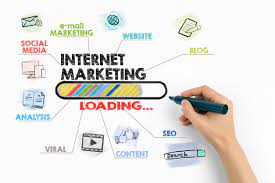
  • Search Engine Optimisation (SEO): SEO involves optimising a website’s content to improve its visibility on search engines like Google. By ranking higher in search results, businesses can attract more organic traffic to their websites.
  • Pay-Per-Click (PPC) Advertising: PPC advertising allows businesses to display ads on search engines or other platforms and pay only when users click on them. This targeted approach ensures that businesses reach users who are actively searching for their products or services.
  • Social Media Marketing: Social media platforms like Facebook, Instagram, and Twitter offer powerful tools for businesses to engage with their audience, build brand awareness, and drive traffic to their websites.
  • Email Marketing: Email marketing remains a popular strategy for nurturing leads and converting them into customers. By sending personalised emails to subscribers, businesses can promote their products or services directly to interested individuals.

The Future of Online Marketing

As technology continues to evolve, so too will the landscape of online marketing and advertising. Businesses that embrace new trends and technologies will be well-positioned to stay ahead of the competition and connect with their target audience in meaningful ways.

In conclusion, online marketing and advertising offer immense potential for businesses looking to expand their reach, drive sales, and build brand loyalty. By leveraging the power of digital channels effectively, businesses can achieve remarkable results in today’s competitive marketplace.


Understanding Online Marketing and Advertising: Answers to 20 Common Questions

  1. How do I become an online advertising marketer?
  2. What is online advertising with example?
  3. What is the difference between advertising and online marketing?
  4. What is the difference between marketing and advertising?
  5. What is the difference between advertising and marketing?
  6. What is the difference between advertising and digital marketing?
  7. Which is an example of online advertising?
  8. What are online marketing and advertising tools?
  9. What is online advertising strategy?
  10. What are the two types of online advertising?
  11. What are the 4 types of online marketing?
  12. What are types of online marketing?
  13. What is the 7 times 7 rule in marketing?
  14. What is the advantage of online marketing and advertising?
  15. What is an example of online advertising and marketing?
  16. What is online marketing and advertising explain in detail?
  17. What are 8 types of online advertising?
  18. Is online marketing and online advertising same?
  19. What are online advertising services?
  20. What is the main purpose of online advertising?

How do I become an online advertising marketer?

To become an online advertising marketer, it is essential to acquire a combination of relevant skills and experience in the digital marketing field. Start by gaining a solid understanding of online advertising platforms such as Google Ads, social media advertising, and display advertising. Familiarise yourself with key concepts like targeting, bidding strategies, and ad copywriting. Consider pursuing certifications or courses in digital marketing to enhance your knowledge and credibility. Practical experience through internships or freelance projects can also be invaluable in honing your skills as an online advertising marketer. Stay updated on industry trends and best practices to adapt to the ever-changing landscape of online marketing effectively.

What is online advertising with example?

Online advertising refers to the practice of promoting products or services on the internet through various digital channels to reach a targeted audience. An example of online advertising is display advertising, where businesses create visual ads that are displayed on websites, apps, or social media platforms. These ads can be in the form of banners, videos, or interactive content and are strategically placed to attract the attention of potential customers. Display advertising allows businesses to increase brand visibility, drive traffic to their websites, and ultimately generate leads or sales by reaching users who are likely to be interested in their offerings.

What is the difference between advertising and online marketing?

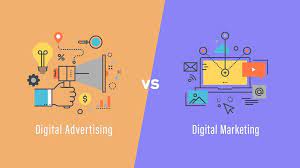
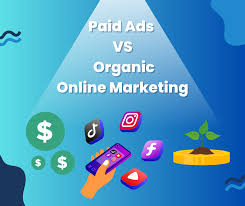
In the realm of digital marketing, the distinction between advertising and online marketing lies in their scope and approach. Advertising typically refers to the promotion of products or services through paid channels, such as TV commercials, print ads, or online display ads. On the other hand, online marketing encompasses a broader range of strategies aimed at promoting businesses digitally, including activities like search engine optimisation (SEO), social media marketing, content marketing, email campaigns, and more. While advertising is a subset of online marketing that focuses on paid promotions, online marketing involves a holistic approach to reaching and engaging with target audiences through various digital channels.

What is the difference between marketing and advertising?

When it comes to online marketing and advertising, a common question that arises is the difference between marketing and advertising. While both terms are often used interchangeably, there is a distinct contrast between the two. Marketing encompasses a broader set of activities that involve identifying customer needs, creating products or services to meet those needs, pricing strategies, distribution channels, and promotional efforts. On the other hand, advertising specifically refers to the paid promotion of products or services through various channels to reach a target audience. In essence, marketing is a comprehensive strategy that includes advertising as one of its components to achieve business goals effectively in the digital realm.

What is the difference between advertising and marketing?

In the realm of online marketing and advertising, a frequently asked question often revolves around understanding the distinction between advertising and marketing. While advertising is a specific component of marketing, marketing encompasses a broader range of activities aimed at promoting and selling products or services. Advertising refers to the paid promotion of products or services through various channels, such as online ads, TV commercials, or sponsored content. On the other hand, marketing involves a strategic approach that includes market research, branding, pricing, distribution, and customer engagement to achieve long-term business goals. Understanding the nuanced differences between advertising and marketing is crucial for businesses looking to develop comprehensive strategies that effectively reach their target audience and drive success in the digital landscape.

What is the difference between advertising and digital marketing?

When discussing the difference between advertising and digital marketing, it is important to understand that advertising is a component of digital marketing. Advertising refers to the promotion of products or services through paid channels such as TV commercials, print ads, and online banners. On the other hand, digital marketing encompasses a broader range of activities beyond traditional advertising, including strategies like search engine optimisation (SEO), social media marketing, email marketing, and content creation. Digital marketing leverages various online platforms to engage with target audiences, build brand awareness, drive traffic, and ultimately achieve business goals in a more holistic and interactive manner compared to traditional advertising methods.

Which is an example of online advertising?

An example of online advertising is display advertising, where businesses create visual ads in various formats such as banners, images, or videos to promote their products or services on websites and apps. These ads are strategically placed on relevant websites that attract the target audience, allowing businesses to reach potential customers while they browse the internet. Display advertising is a common form of online marketing that helps businesses increase brand visibility and drive traffic to their websites.

What are online marketing and advertising tools?

Online marketing and advertising tools encompass a wide range of digital resources and platforms designed to help businesses promote their products or services online. These tools include but are not limited to search engine optimisation (SEO) tools for improving website visibility, pay-per-click (PPC) advertising platforms for targeted ad placements, social media management tools for engaging with audiences across various platforms, email marketing software for sending personalised campaigns, and analytics tools for tracking and measuring the effectiveness of marketing efforts. By leveraging these diverse tools effectively, businesses can enhance their online presence, reach their target audience, and achieve their marketing goals in the digital realm.

What is online advertising strategy?

An online advertising strategy refers to a comprehensive plan that outlines how a business will use digital channels to promote its products or services to target audiences. This strategy typically involves identifying specific goals, defining target demographics, selecting appropriate online advertising platforms (such as social media, search engines, or display networks), creating engaging ad content, setting budgets and timelines, and measuring the effectiveness of campaigns through key performance indicators (KPIs). A well-crafted online advertising strategy is crucial for businesses to maximise their online presence, drive traffic to their websites, generate leads, and ultimately achieve their marketing objectives in the competitive digital landscape.

What are the two types of online advertising?

In the realm of online marketing and advertising, businesses commonly utilise two main types of online advertising: display advertising and search advertising. Display advertising involves the placement of visual ads, such as banners or videos, on websites to attract the attention of users. On the other hand, search advertising focuses on displaying text ads within search engine results pages, targeting users who are actively searching for specific keywords related to the advertiser’s products or services. Both types of online advertising play crucial roles in reaching and engaging target audiences effectively in the digital landscape.

What are the 4 types of online marketing?

When it comes to online marketing, there are four main types of strategies that businesses commonly utilise to promote their products or services. These include Search Engine Optimisation (SEO), Pay-Per-Click (PPC) Advertising, Social Media Marketing, and Email Marketing. Each type of online marketing strategy offers unique benefits and allows businesses to reach their target audience in different ways. By incorporating a mix of these strategies into their marketing efforts, businesses can enhance their online presence, engage with customers effectively, and drive conversions for their products or services.

What are types of online marketing?

When it comes to online marketing, there are various types of strategies that businesses can utilise to promote their products or services effectively. Some common types of online marketing include Search Engine Optimisation (SEO), which focuses on improving a website’s visibility on search engines; Pay-Per-Click (PPC) Advertising, where businesses pay for ads only when users click on them; Social Media Marketing, using platforms like Facebook and Instagram to engage with the audience; and Email Marketing, which involves sending targeted emails to subscribers to promote products or services. Each type of online marketing strategy offers unique benefits and can be tailored to suit the specific goals and target audience of a business.

What is the 7 times 7 rule in marketing?

The “7 times 7 rule” in marketing refers to the idea that a potential customer needs to see or hear a marketing message at least seven times before they take action or make a purchase. This rule emphasises the importance of repetition and consistency in marketing campaigns to build brand awareness, establish trust, and ultimately drive conversions. By reinforcing the message multiple times through various channels, businesses can increase their chances of capturing the attention of their target audience and influencing their buying decisions effectively.

What is the advantage of online marketing and advertising?

The advantage of online marketing and advertising lies in its ability to provide businesses with cost-effective and targeted strategies to reach their desired audience. Unlike traditional forms of advertising, online marketing offers precise targeting options that allow businesses to tailor their campaigns to specific demographics, interests, and behaviours. This level of targeting ensures that businesses can maximise their return on investment by reaching the right people at the right time. Additionally, online marketing provides real-time analytics and insights that enable businesses to track the performance of their campaigns and make data-driven decisions to optimise results. Overall, the advantage of online marketing and advertising is its efficiency, effectiveness, and ability to deliver measurable results for businesses of all sizes.

What is an example of online advertising and marketing?

An example of online advertising and marketing is display advertising, where businesses promote their products or services through visual ads on websites, apps, or social media platforms. These ads can be in the form of banners, videos, or interactive content and are strategically placed to reach the target audience. Display advertising allows businesses to increase brand visibility, drive traffic to their websites, and generate leads by capturing the attention of users as they browse online. By tracking metrics such as click-through rates and conversions, businesses can evaluate the effectiveness of their display advertising campaigns and make data-driven decisions to enhance their online marketing strategies.

What is online marketing and advertising explain in detail?

Online marketing and advertising encompass a range of strategies and techniques used by businesses to promote their products or services on digital platforms. Online marketing involves activities such as search engine optimisation (SEO), pay-per-click (PPC) advertising, social media marketing, email marketing, and content marketing. These strategies aim to increase brand visibility, drive website traffic, generate leads, and ultimately boost sales. Online advertising, on the other hand, refers to the paid promotion of products or services through various online channels like search engines, social media platforms, display ads, and sponsored content. By combining these approaches strategically, businesses can effectively reach their target audience, engage with potential customers, and achieve their marketing objectives in the ever-evolving digital landscape.

What are 8 types of online advertising?

When it comes to online marketing and advertising, there are various types of online advertising strategies that businesses can leverage to promote their products or services effectively. Some common types include display advertising, search engine marketing (SEM), social media advertising, native advertising, video advertising, email marketing, influencer marketing, and affiliate marketing. Each of these types offers unique opportunities for businesses to reach their target audience and drive engagement, ultimately contributing to the success of their digital marketing campaigns.

Is online marketing and online advertising same?

Online marketing and online advertising are related concepts but not exactly the same. Online marketing encompasses a broader range of strategies aimed at promoting a business or brand on digital platforms, including online advertising. While online advertising specifically refers to paid promotional activities such as display ads, search engine marketing, social media ads, and sponsored content. Online marketing, on the other hand, includes both paid and organic methods to drive traffic, engage audiences, and ultimately achieve business goals through various online channels. In essence, online advertising is a subset of online marketing that focuses on paid promotional efforts to reach target audiences effectively.

What are online advertising services?

Online advertising services encompass a range of strategies and tools used to promote products or services on digital platforms. These services typically include activities such as pay-per-click (PPC) advertising, display advertising, social media advertising, search engine marketing (SEM), and email marketing. By leveraging these services, businesses can target specific audiences, increase brand visibility, drive website traffic, and ultimately boost sales. Online advertising services play a crucial role in helping businesses reach their marketing goals in the competitive online landscape by providing tailored solutions to connect with potential customers effectively.

What is the main purpose of online advertising?

The main purpose of online advertising is to promote products or services using digital channels to reach a targeted audience. By leveraging the internet and various online platforms, businesses aim to increase brand awareness, drive website traffic, generate leads, and ultimately boost sales. Online advertising allows businesses to precisely target their desired demographic, track campaign performance in real-time, and adjust strategies accordingly for optimal results. Overall, the primary goal of online advertising is to engage with potential customers in a cost-effective and measurable way to achieve specific marketing objectives.

internet marketing advertising

Unlocking the Potential of Internet Marketing Advertising Strategies

Internet Marketing Advertising

The Power of Internet Marketing Advertising

In today’s digital age, internet marketing advertising has become a crucial strategy for businesses looking to reach their target audience and drive growth. With the vast reach and accessibility of the internet, businesses can now connect with potential customers on a global scale like never before.

Benefits of Internet Marketing Advertising

1.Targeted Reach: Internet marketing allows businesses to target specific demographics, interests, and behaviours of their audience, ensuring that their message reaches the right people.

2.Cost-Effective: Compared to traditional advertising methods, internet marketing can be more cost-effective, allowing businesses of all sizes to run campaigns within their budget.

3.Data-Driven Insights: With internet marketing advertising, businesses can track and analyse data in real-time to measure the effectiveness of their campaigns and make informed decisions for future strategies.

Types of Internet Marketing Advertising

Search Engine Marketing (SEM): SEM involves promoting websites by increasing visibility in search engine results pages through paid advertising methods like Google Ads.

Social Media Advertising: Platforms like Facebook, Instagram, and LinkedIn offer targeted advertising options to reach specific audiences based on demographics, interests, and behaviours.

Display Advertising: Display ads appear on websites or apps in various formats such as banners or pop-ups to increase brand awareness and drive traffic to a website.

The Future of Internet Marketing Advertising

As technology continues to evolve, internet marketing advertising will also undergo transformations. Artificial intelligence, machine learning, and personalisation will play key roles in creating more tailored and engaging experiences for consumers.

In conclusion, internet marketing advertising is a dynamic and essential tool for businesses looking to stay competitive in today’s digital landscape. By leveraging the power of the internet effectively, businesses can connect with their target audience in meaningful ways and achieve their marketing objectives.


Six Essential Tips for Effective Internet Marketing Advertising

  1. Identify your target audience to tailor your advertising efforts effectively.
  2. Use compelling and relevant visuals to capture the attention of potential customers.
  3. Utilise social media platforms for targeted advertising and engaging with your audience.
  4. Monitor and analyse data regularly to refine your strategies and improve performance.
  5. Implement SEO techniques to increase visibility and drive organic traffic to your website or content.
  6. Consider partnerships with influencers or other brands to expand reach and credibility.

Identify your target audience to tailor your advertising efforts effectively.

To maximise the impact of your internet marketing advertising campaigns, it is essential to identify your target audience accurately. By understanding the demographics, interests, and behaviours of your potential customers, you can tailor your advertising efforts effectively to resonate with them. This targeted approach not only increases the relevance of your ads but also enhances the likelihood of attracting and engaging with the right audience, ultimately leading to improved campaign performance and better return on investment.

Use compelling and relevant visuals to capture the attention of potential customers.

In the realm of internet marketing advertising, utilising compelling and relevant visuals is a powerful strategy to captivate the interest of potential customers. Visual content has the ability to convey messages quickly and effectively, making it essential for grabbing the attention of online audiences. By incorporating visually appealing images, videos, infographics, and other multimedia elements into marketing campaigns, businesses can create a memorable and engaging experience that resonates with their target audience, ultimately driving higher engagement and conversion rates.

Utilise social media platforms for targeted advertising and engaging with your audience.

To maximise the impact of your internet marketing advertising efforts, it is crucial to leverage social media platforms for targeted advertising and engaging with your audience. Social media provides a powerful channel to reach specific demographics, interests, and behaviours of your target audience through tailored advertising campaigns. By actively engaging with your audience on platforms like Facebook, Instagram, and LinkedIn, you can build relationships, foster brand loyalty, and create a community around your brand. This two-way communication not only enhances brand visibility but also allows for valuable insights into customer preferences and feedback, ultimately driving better results for your marketing campaigns.

Monitor and analyse data regularly to refine your strategies and improve performance.

Monitoring and analysing data regularly is a crucial tip in internet marketing advertising. By tracking key metrics and performance indicators, businesses can gain valuable insights into the effectiveness of their campaigns. This data-driven approach allows for informed decision-making, enabling businesses to refine their strategies, target the right audience more effectively, and ultimately improve overall performance. Continuous analysis of data helps businesses stay agile in the ever-evolving digital landscape, ensuring that their internet marketing efforts remain relevant and impactful.

Implement SEO techniques to increase visibility and drive organic traffic to your website or content.

By implementing SEO techniques, businesses can enhance their online visibility and attract organic traffic to their website or content. Search Engine Optimization (SEO) strategies such as keyword research, on-page optimization, and link building can help improve a website’s ranking on search engine results pages. By focusing on SEO, businesses can increase their chances of being discovered by users actively searching for relevant information or products, ultimately driving valuable organic traffic to their online platforms.

Consider partnerships with influencers or other brands to expand reach and credibility.

Consider partnerships with influencers or other brands to expand reach and credibility in your internet marketing advertising strategy. Collaborating with influencers who have a strong following and align with your brand values can help you tap into their audience and build trust with potential customers. Similarly, partnering with established brands can lend credibility to your own brand and open up new opportunities for exposure. By leveraging these partnerships, you can reach a wider audience and establish a reputation as a reputable and trustworthy business in the digital landscape.

online advertising

Unlocking Success: The Impact of Online Advertising Strategies in the Digital Age

The Power of Online Advertising

The Power of Online Advertising

In today’s digital age, online advertising has revolutionised the way businesses promote their products and services. With the vast reach of the internet, companies can connect with their target audience in ways never before possible.

Targeted Marketing

One of the key advantages of online advertising is its ability to target specific demographics and interests. Through data analytics and user behaviour tracking, businesses can tailor their ads to reach the most relevant audience, increasing the likelihood of conversion.

Cost-Effective Solutions

Compared to traditional forms of advertising such as print or TV, online advertising offers cost-effective solutions for businesses of all sizes. With pay-per-click (PPC) models, companies only pay when users interact with their ads, making it a measurable and efficient way to allocate marketing budgets.

Real-Time Performance Tracking

Online advertising provides real-time performance tracking tools that allow businesses to monitor the effectiveness of their campaigns instantly. By analysing metrics such as click-through rates, conversion rates, and engagement levels, companies can adjust their strategies on the fly to maximise results.

Global Reach

Through online advertising, businesses can reach a global audience without geographical limitations. Whether targeting local customers or expanding into new markets abroad, digital platforms offer unparalleled access to potential customers around the world.

Interactive Engagement

Interactive formats such as video ads, social media promotions, and immersive experiences enable businesses to engage with their audience in dynamic ways. By creating compelling content that resonates with users, companies can build brand loyalty and drive customer retention.

In conclusion, online advertising has transformed the marketing landscape by providing targeted, cost-effective, and measurable solutions for businesses seeking to connect with their audience in meaningful ways. Embracing digital platforms opens up a world of opportunities for companies looking to grow their brand presence and drive success in today’s competitive marketplace.


Essential FAQs on Online Advertising: Understanding, Benefits, and Best Practices

  1. What is online advertising?
  2. How does online advertising work?
  3. What are the benefits of online advertising?
  4. What are the different types of online advertising?
  5. How can businesses measure the effectiveness of online advertising campaigns?
  6. What is retargeting in online advertising?
  7. What are some best practices for creating successful online ads?
  8. How can businesses target specific audiences with online advertising?

What is online advertising?

Online advertising refers to the practice of promoting products, services, or brands on digital platforms such as websites, social media, search engines, and mobile apps. It encompasses various formats including display ads, video ads, sponsored content, and social media promotions. Online advertising allows businesses to reach their target audience in a more targeted and measurable way compared to traditional forms of advertising. By leveraging data analytics and user behaviour tracking, companies can tailor their ad campaigns to specific demographics and interests, ultimately driving engagement, conversions, and brand awareness in the digital realm.

How does online advertising work?

Online advertising operates through a variety of channels and strategies to reach target audiences on the internet. It typically involves businesses creating ads that are displayed on websites, search engines, social media platforms, or mobile apps. These ads can take various forms, such as banner ads, sponsored content, or video promotions. The key mechanism behind online advertising is targeting – using data analytics and user behaviour tracking to deliver relevant ads to specific demographics or interests. Through pay-per-click (PPC) models, businesses only pay when users interact with their ads, making it a cost-effective and measurable way to drive traffic and conversions. Overall, online advertising works by leveraging digital platforms to connect businesses with their desired audience and drive engagement with their products or services.

What are the benefits of online advertising?

Online advertising offers a multitude of benefits for businesses looking to enhance their marketing strategies. One key advantage is the ability to target specific demographics and interests, ensuring that ads reach the most relevant audience for increased conversion rates. Additionally, online advertising provides cost-effective solutions through pay-per-click models, allowing companies to allocate their marketing budgets efficiently. Real-time performance tracking tools enable businesses to monitor campaign effectiveness instantly and make adjustments for optimal results. With a global reach and interactive engagement opportunities, online advertising empowers businesses to connect with a vast audience and build brand loyalty in today’s digital landscape.

What are the different types of online advertising?

When exploring the realm of online advertising, it’s common to ponder about the various types available to businesses. Online advertising encompasses a diverse range of formats and strategies, including display ads, search engine marketing (SEM), social media advertising, video ads, influencer partnerships, email marketing, and native advertising. Each type offers unique benefits and caters to different goals, whether it’s increasing brand awareness, driving website traffic, or boosting conversions. Understanding the nuances of these different online advertising avenues can empower businesses to craft targeted campaigns that resonate with their target audience and yield optimal results in the digital landscape.

How can businesses measure the effectiveness of online advertising campaigns?

Businesses can measure the effectiveness of online advertising campaigns through a variety of key performance indicators (KPIs) that provide valuable insights into the impact and success of their digital strategies. Metrics such as click-through rates, conversion rates, return on investment (ROI), cost per acquisition (CPA), and engagement levels help businesses evaluate the performance of their ads and assess the overall effectiveness of their campaigns. By tracking these KPIs in real-time and analysing the data collected, businesses can make informed decisions, optimise their marketing efforts, and achieve measurable results that align with their objectives.

What is retargeting in online advertising?

Retargeting in online advertising is a powerful strategy that involves targeting users who have previously interacted with a brand’s website or products. This technique allows businesses to display tailored ads to these users as they browse the internet, reminding them of their interest and encouraging them to revisit the site or complete a desired action. By keeping their brand top of mind and re-engaging with potential customers, retargeting helps businesses increase conversion rates and drive meaningful engagement with their target audience.

What are some best practices for creating successful online ads?

When it comes to creating successful online ads, several best practices can help maximise their effectiveness. Firstly, it is crucial to clearly define the target audience and tailor the ad content to resonate with their interests and needs. Compelling visuals and concise, engaging copy are essential to capture users’ attention in the competitive digital landscape. Utilising strong calls-to-action that prompt immediate action can drive conversions. Regularly testing and optimising ad performance based on data analytics ensures continuous improvement. Lastly, maintaining consistency across all elements of the ad campaign, from messaging to branding, contributes to building a strong and recognisable online presence that resonates with the audience. By following these best practices, businesses can create online ads that stand out and deliver measurable results.

How can businesses target specific audiences with online advertising?

Businesses can target specific audiences with online advertising through a variety of sophisticated targeting options available on digital platforms. By leveraging data analytics and user behaviour tracking, businesses can define their target audience based on demographics, interests, online activities, and purchasing behaviour. Utilising tools such as geotargeting, device targeting, and retargeting, businesses can tailor their ads to reach the most relevant audience segments. Additionally, platforms like social media and search engines offer advanced targeting features that allow businesses to refine their audience selection based on factors such as age, gender, location, and even specific interests or behaviours. By utilising these targeted advertising capabilities effectively, businesses can maximise the impact of their campaigns and improve the likelihood of engaging with the right audience for their products or services.