Internet Marketing Online: A Practical Guide for Businesses

Internet Marketing Online: A Practical Guide for Businesses

Internet marketing online helps businesses reach, engage and serve customers through digital channels. From appearing in search results to sharing useful content on social media, it gives organisations practical ways to build awareness and encourage people to take action.

A successful approach is not simply about being present on every platform. It starts with understanding your audience, setting clear goals and choosing the channels that make sense for your business.

What is internet marketing?

Internet marketing, also known as online or digital marketing, is the promotion of a business, product or service using the internet. It can include:

  • Search engine optimisation (SEO)
  • Paid search and online advertising
  • Content marketing, such as articles, guides and videos
  • Social media marketing
  • Email marketing
  • Affiliate and influencer marketing

These methods can work together. For example, a helpful article may attract visitors through search engines, while an email newsletter encourages readers to return to your website.

Start with clear goals

Before investing time or budget, decide what you want your marketing to achieve. Your goals might include increasing relevant website visits, generating enquiries, growing online sales or building awareness of a new service.

Clear goals make it easier to select suitable channels and measure progress. They also help distinguish useful activity from marketing that may look busy but is not contributing to your business objectives.

Understand your audience

Effective online marketing speaks to the people most likely to need what you offer. Consider their priorities, questions and challenges, as well as how they search for information and which platforms they use.

Customer conversations, sales enquiries and website analytics can all provide useful insight. Use what you learn to create relevant messages and content, rather than relying on assumptions or trying to appeal to everyone at once.

Make your website work harder

Your website is often the place where online marketing leads people to learn more or take the next step. It should be easy to use on mobile devices, quick to navigate and clear about what your business offers.

Make important information straightforward to find, including contact details, service descriptions and pricing information where appropriate. Each page should also have a clear purpose, such as encouraging visitors to make an enquiry, book a consultation or purchase a product.

Use search marketing to reach people with intent

SEO helps improve the visibility of your website in unpaid search results. It involves creating useful, well-organised content and making sure search engines can understand and access your pages. SEO is a long-term activity, so results may take time.

Paid search advertising can provide visibility more quickly by placing adverts alongside relevant search results. It can be useful for testing demand or promoting a specific offer, but campaigns need careful targeting and ongoing monitoring to make sure the budget is being used effectively.

Create useful content

Content marketing gives potential customers information that helps them make decisions. This might include how-to articles, frequently asked questions, case studies, videos or product guides.

Good content is accurate, relevant and easy to understand. Rather than focusing only on keywords, answer the questions your audience is likely to ask. Over time, useful content can support search visibility, build trust and give your business something valuable to share through other channels.

Choose social media channels thoughtfully

Social media can help businesses share updates, take part in conversations and direct people to useful resources. The right platforms depend on your audience and the nature of your business; there is no need to maintain a presence everywhere.

Plan a realistic posting schedule and focus on useful, engaging communication. Social media works best as part of a wider marketing plan, rather than as a replacement for a well-built website or other channels.

Build relationships with email marketing

Email marketing gives you a direct way to communicate with people who have chosen to hear from your business. Newsletters, service updates and relevant offers can help keep your audience informed and encourage repeat engagement.

Keep emails useful and concise, and make it easy for subscribers to manage their preferences or unsubscribe. Businesses in the UK should also follow applicable data protection and electronic marketing rules, including requirements around consent.

Measure and improve your marketing

Use analytics to understand how people find and use your website, and whether your marketing is contributing to your goals. Useful measures may include relevant visits, enquiry rates, purchases, email engagement and the cost of acquiring a customer.

Review performance regularly, but avoid making decisions based on one number alone. A high number of clicks, for example, does not necessarily mean a campaign is reaching the right people. Look at the quality of the traffic and the actions visitors take.

Bring your channels together

Internet marketing online is most effective when its different parts support one another. Search, content, social media, email and advertising can each play a role in helping customers discover your business and decide what to do next.

Start with a clear plan, focus on the channels that suit your audience and keep improving based on evidence. A consistent, customer-focused approach can help your business build a stronger online presence over time.


Top 8 FAQs on Internet Marketing: A Guide for Small Businesses

  1. What is internet marketing?
  2. How does online marketing work?
  3. Which online marketing channels are best for a small business?
  4. How much does internet marketing cost?
  5. How long does it take to see results from online marketing?
  6. What is the difference between SEO and paid advertising?
  7. How can I measure the success of an online marketing campaign?
  8. Do I need a website to market my business online?

What is internet marketing?

Internet marketing is the promotion of a business, product or service through the internet. It includes activities such as search engine optimisation (SEO), online advertising, social media, email campaigns and content marketing. These channels help businesses reach potential customers, share useful information, build relationships and encourage actions such as making an enquiry or purchasing a product.

How does online marketing work?

Online marketing works by using digital channels such as search engines, websites, social media and email to connect a business with potential customers. It starts with understanding your audience and setting clear goals, then choosing suitable channels and creating relevant content or campaigns to reach people. Performance is measured using data such as website visits, enquiries and sales, so businesses can refine their approach and focus on what works best.

Which online marketing channels are best for a small business?

The best online marketing channels depend on your customers, goals and budget. Many small businesses benefit from a clear, mobile-friendly website, local SEO and a well-maintained Google Business Profile to help nearby customers find them. Social media can build awareness and relationships when your audience uses those platforms, while email marketing is useful for keeping in touch with people who have opted in. Paid search or social advertising can help reach customers more quickly, but start with a modest budget and track enquiries or sales to see what works. It is usually better to focus on a few relevant channels than to spread resources too thinly.

How much does internet marketing cost?

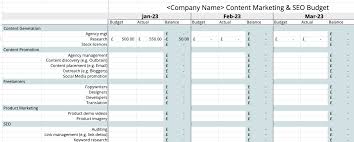
The cost of internet marketing varies depending on your goals, the channels you use and the level of support you need. A small business might begin with a modest budget for content, social media or a focused advertising campaign, while a broader strategy involving SEO, paid ads, email marketing and specialist support will usually cost more. When setting a budget, consider both agency or management fees and advertising spend, and review results regularly to see what is delivering value.

How long does it take to see results from online marketing?

The time it takes to see results from online marketing depends on the channels you use, your goals and the competitiveness of your market. Paid advertising can generate visits or enquiries soon after a campaign launches, while SEO and content marketing usually take longer to build momentum and may need several months of consistent work. Track meaningful measures, such as qualified enquiries or sales, and review performance regularly so you can refine your approach.

What is the difference between SEO and paid advertising?

SEO (search engine optimisation) aims to improve your website’s visibility in unpaid search results by making its content and structure more useful to people and easier for search engines to understand. It can build lasting visibility, but results usually take time. Paid advertising places sponsored listings or adverts on search engines and other platforms, often providing quicker exposure while you pay for clicks or impressions. SEO focuses on earning organic visibility; paid advertising buys placement, and many businesses use both as part of their online marketing strategy.

How can I measure the success of an online marketing campaign?

Measure an online marketing campaign against the goals you set before it launched. Track relevant metrics such as website visits, click-through rates, enquiries, sales, conversion rates and cost per lead or sale, using tools such as website analytics and advertising dashboards. Compare results with your targets and, where possible, with previous campaigns, then consider whether the outcomes justify the time and budget spent. The most useful measures are those that show real progress towards your business goals, not simply high numbers of views or clicks.

Do I need a website to market my business online?

You don’t necessarily need a website to start marketing your business online. Social media profiles, online directories and marketplace listings can help you reach customers, but they offer less control over how your business is presented and how customer data is managed. A website gives you a central place to explain your services, share useful information and invite people to get in touch or buy. For many businesses, it’s a valuable long-term foundation, even if you begin with other online channels.

local internet marketing company

How a Local Internet Marketing Company Can Help Your Business Grow

Why Choose a Local Internet Marketing Company?

For businesses looking to grow online, finding the right internet marketing partner can make a real difference. A local internet marketing company can offer the digital expertise you need, alongside a strong understanding of the area, its customers and its business community.

Local knowledge, tailored marketing

Marketing works best when it speaks to the people a business wants to reach. A local agency may understand regional search habits, familiar landmarks, seasonal events and the needs of nearby customers. That knowledge can help shape campaigns that feel relevant rather than generic.

Whether you serve one town or several surrounding areas, a local marketing strategy can help your business appear in front of people who are more likely to visit, call or make an enquiry. This might include local search optimisation, location-focused website content and accurate business listings.

Services to support online growth

A good internet marketing company can help bring different parts of your digital presence together. Depending on your goals, this could include:

  • Search engine optimisation: improving your website’s visibility for relevant searches.
  • Local SEO: helping nearby customers find your business through local search results and maps.
  • Website design and development: creating a clear, accessible website that works well on mobile devices.
  • Content marketing: publishing useful pages and articles that answer customers’ questions.
  • Paid advertising: reaching specific audiences through carefully managed online campaigns.
  • Analytics and reporting: measuring performance and identifying opportunities to improve.

The right mix depends on your business, audience and budget. A considered plan should connect each activity to a clear objective, such as increasing relevant website visits, generating enquiries or encouraging repeat business.

The value of working with a nearby team

Working with a local company can make communication more straightforward. You may be able to meet face to face, discuss projects in the same time zone and build an ongoing relationship with people who understand your market. Local does not automatically mean better, of course, but proximity can be useful when collaboration and regular conversations matter to you.

Look for a company that takes time to understand your services and customers, explains its recommendations in plain English and sets realistic expectations. A trustworthy partner should be open about what it will do, how progress will be measured and when results may take time to develop.

How to choose the right internet marketing company

Before making a decision, ask potential providers about their experience, process and approach to reporting. Review examples of previous work where available, and find out who will manage your account. It is also sensible to clarify fees, deliverables and contract terms before work begins.

Be cautious of promises of instant rankings or guaranteed results. Search visibility and customer behaviour can be affected by many factors, and sustainable marketing usually requires consistent effort. A credible agency will explain both the opportunities and the limitations of a proposed campaign.

Build a stronger local presence

A local internet marketing company can help your business make better use of its online channels, reach more relevant customers and build a stronger presence in the areas it serves. The best results come from a strategy shaped around your goals, supported by clear communication and reviewed regularly.

If you are considering digital marketing support, start by identifying what you want to achieve. With a clear brief and the right partner, your online activity can become a more focused and effective part of your business growth.


19 Common Questions About Local Internet Marketing Companies Answered

  1. What does internet marketing do?
  2. What are 3 examples of internet marketing?
  3. Which is the best online marketing company?
  4. What do Internet marketing companies do?
  5. What is the cost of Internet marketing?
  6. Who is the best online marketing company?
  7. What is Internet marketing service?
  8. What is a digital marketing company?
  9. What does IAG media do?
  10. What is an Internet marketing company?
  11. How to do local online marketing?
  12. Which company is best for Internet marketing?
  13. How much does LocaliQ cost?
  14. What is the Internet marketing business?
  15. What is an online marketing company?
  16. How much does it cost to hire an online marketer?
  17. How do I find a good digital marketing agency?
  18. What is local marketing with examples?
  19. Who is the No 1 digital marketer?

What does internet marketing do?

Internet marketing helps businesses reach and engage potential customers online. It can include search engine optimisation (SEO), paid advertising, social media, email campaigns and useful website content. A local internet marketing company can tailor these activities to your audience and area, helping improve your visibility, attract relevant visitors and encourage more enquiries or sales.

What are 3 examples of internet marketing?

Three common examples of internet marketing are search engine optimisation (SEO), which helps a website appear in relevant search results; social media marketing, which uses platforms such as Instagram, Facebook or LinkedIn to reach and engage customers; and email marketing, which shares updates, offers or useful content directly with subscribers. A local internet marketing company can help choose and combine these approaches to suit your business goals and target audience.

Which is the best online marketing company?

There’s no single “best” online marketing company for every business: the right choice depends on your goals, budget, audience and the services you need. Look for a company with relevant experience, clear and realistic recommendations, transparent pricing and regular reporting. If you want to reach customers in a particular area, a local internet marketing company may also bring useful knowledge of the local market. Before choosing, compare a few providers and ask how they’ll measure progress towards your goals.

What do Internet marketing companies do?

Internet marketing companies help businesses attract and engage customers online. Their services may include search engine optimisation (SEO), website design, content creation, social media marketing, email campaigns, online advertising and performance reporting. A local internet marketing company may also focus on helping nearby customers find your business through local search listings, location-based content and targeted campaigns. The services offered vary, so it’s worth choosing a company that understands your goals and can explain how its work will be measured.

What is the cost of Internet marketing?

The cost of internet marketing varies depending on your goals, the services you need and how competitive your market is. A local campaign focused on SEO or managing business listings may cost less than a wider strategy that includes website work, content, social media and paid advertising. Advertising spend is often separate from agency fees, so ask for a clear breakdown of what is included, any additional costs and how results will be measured. A reputable local internet marketing company should tailor its proposal to your budget and priorities rather than promise a one-size-fits-all price.

Who is the best online marketing company?

There’s no single “best” online marketing company for every business. The right choice depends on your goals, budget, industry and the customers you want to reach. Look for a company with relevant experience, a clear plan, transparent pricing and regular, easy-to-understand reporting. Ask how it will measure success, who will manage your work and what results are realistic. A good local marketing partner will take time to understand your business and recommend services that suit your needs, rather than promising guaranteed results or a one-size-fits-all solution.

What is Internet marketing service?

An internet marketing service helps a business promote its products or services online and reach potential customers. It may include search engine optimisation (SEO), paid advertising, social media marketing, email campaigns, content creation and website improvements. A local internet marketing company can tailor these services to reach customers in specific areas, helping people nearby find and choose your business.

What is a digital marketing company?

A digital marketing company helps businesses promote their products or services online. It may provide services such as search engine optimisation (SEO), website design, social media marketing, paid advertising, email campaigns and content creation. The aim is to reach the right audience, strengthen a business’s online presence and support goals such as increasing enquiries or sales. The services offered vary, so it is worth choosing a company whose expertise matches your needs.

What does IAG media do?

IAG Media helps businesses improve their online presence and reach more customers through digital marketing. Its work may include services such as website design, search engine optimisation, content and online advertising, depending on each client’s needs. For details of its current services and the areas it covers, contact IAG Media directly.

What is an Internet marketing company?

An internet marketing company helps businesses promote their products or services online and reach the right audience. Its services may include search engine optimisation (SEO), website design, content creation, social media marketing, email campaigns and online advertising. The company can develop a strategy around your goals, manage campaigns and track results to help improve your online visibility and generate enquiries or sales.

How to do local online marketing?

To do local online marketing, make it easy for nearby customers to find and choose your business. Create or update your Google Business Profile, keep your name, address and phone number consistent across online directories, and encourage genuine customer reviews. Add useful location-specific information to your website, including the areas you serve, and make sure your site works well on mobile phones. You can also reach local audiences through social media, community partnerships and targeted online adverts. Track calls, enquiries and website visits regularly so you can see what is working and improve your approach.

Which company is best for Internet marketing?

The best company for internet marketing is one that understands your business, audience and goals, rather than simply promising quick results. If you’re targeting customers in a particular area, look for a local internet marketing company with relevant experience, clear pricing and a practical plan covering services such as local SEO, website content and online advertising. Ask how it measures progress, who will manage your work and what results are realistic for your budget and timescale.

How much does LocaliQ cost?

The cost of LocaliQ depends on the services you need, your campaign goals, target locations and budget. As packages and pricing can vary, contact LocaliQ for a tailored quote and ask for a clear breakdown of management fees, advertising spend and any contract terms before you commit.

What is the Internet marketing business?

An internet marketing business helps companies promote their products or services online and reach the right customers. Its work may include search engine optimisation (SEO), paid advertising, social media, email marketing, content creation and website design. A local internet marketing company can also focus on helping businesses connect with customers in nearby areas. The services offered vary, so it is worth choosing a provider whose experience and approach suit your goals.

What is an online marketing company?

An online marketing company helps businesses promote their products or services across digital channels. Its work may include search engine optimisation (SEO), website design, content marketing, social media, email campaigns and online advertising. A local online marketing company can tailor these services to reach customers in a specific area, helping a business improve its visibility, attract relevant visitors and generate enquiries or sales.

How much does it cost to hire an online marketer?

The cost of hiring an online marketer depends on the work involved, the experience of the provider and whether you choose a freelancer or an agency. Some charge an hourly rate or a one-off fee for a specific project, while ongoing services such as SEO, social media or paid advertising are often priced monthly. Ask for a clear quote setting out what’s included, any additional costs and how results will be measured, then compare proposals against your goals and budget.

How do I find a good digital marketing agency?

To find a good digital marketing agency, start by defining your goals, budget and the support you need. Look for an agency with relevant experience, a clear process and examples of work for businesses like yours. Check how it measures success, what its fees include and how often it reports on progress. A reliable agency will listen to your needs, explain its recommendations plainly and set realistic expectations rather than promise guaranteed results. If local knowledge matters to your business, ask about its experience reaching customers in your area.

What is local marketing with examples?

Local marketing is the promotion of a business to customers in a specific town, city or surrounding area. For example, a café might optimise its website and Google Business Profile so it appears when people search for “coffee near me”, while a plumber could create service pages for the areas they cover. Other examples include running location-targeted social media adverts, sponsoring a local event, distributing flyers nearby and encouraging satisfied customers to leave online reviews. A local internet marketing company can help choose the channels that best reach customers in your area.

Who is the No 1 digital marketer?

There is no single “No. 1” digital marketer for every business: the right choice depends on your goals, industry, budget and location. Look for a marketer or agency with relevant experience, clear case studies, transparent reporting and a strategy tailored to your needs. For local businesses, knowledge of the area and its customers can be just as important as technical expertise.

digital media marketing agency

How to Choose the Right Digital Media Marketing Agency

Choosing the Right Digital Media Marketing Agency

For businesses looking to build their online presence, a digital media marketing agency can bring together the strategy, creative work and specialist knowledge needed to reach customers online. From social media and content to paid advertising and search, the right agency can help turn marketing activity into a more joined-up effort.

What is a digital media marketing agency?

A digital media marketing agency helps businesses plan and deliver marketing across digital channels. Depending on its services, an agency may support areas such as:

  • Social media strategy, content and community management
  • Paid social and pay-per-click advertising
  • Search engine optimisation (SEO)
  • Website design and development
  • Copywriting, photography and video production
  • Email marketing and customer journeys
  • Analytics, reporting and campaign optimisation

Some agencies offer a broad range of services, while others focus on particular channels or industries. The right fit depends on your goals, internal resources and the kind of support you need.

How can an agency support your business?

Digital marketing can involve many platforms, tools and types of content. An agency can help bring these activities together, so each channel supports a clear business objective. That might mean increasing awareness, generating enquiries, growing online sales or encouraging existing customers to return.

Agencies can also provide access to skills that may be difficult to maintain in-house. A team might include strategists, designers, writers, developers and paid media specialists. Working with these professionals can help a business test ideas, produce better-targeted campaigns and make more informed decisions.

What to look for when choosing an agency

A clear understanding of your objectives

A good working relationship starts with clear goals. Look for an agency that takes time to understand your audience, products, challenges and priorities before recommending channels or tactics. The proposed work should connect to outcomes that matter to your business.

Relevant experience

Ask about the agency’s experience with businesses like yours, but look beyond industry names alone. Examples of previous work can show how the agency approaches planning, creative development and measurement. Ask what the agency contributed and what results were achieved, while bearing in mind that past performance cannot guarantee future outcomes.

Transparent communication

Agree how often you will meet, who your main contact will be and how progress will be reported. You should understand what work is being delivered, what it costs and how success will be assessed. Clear communication makes it easier to raise concerns and adjust a campaign when circumstances change.

A suitable approach to measurement

Useful reporting goes further than listing activity. Depending on your goals, an agency may track measures such as qualified leads, conversion rate, cost per acquisition, website engagement or revenue. Make sure the chosen measures reflect business objectives and that you understand how they are calculated.

Questions to ask before you appoint an agency

  • How would you approach our marketing objectives?
  • Which channels do you recommend, and why?
  • What will you need from our team?
  • Who will manage the account and deliver the work?
  • How will results be measured and reported?
  • What is included in the fee, and what may cost extra?
  • Who owns the creative work, data and advertising accounts?

Getting the most from the relationship

An agency partnership works best when both sides are involved. Share accurate information about your business, provide timely feedback and make sure the agency has access to the people and resources it needs. In turn, expect clear recommendations, thoughtful delivery and honest reporting.

It is also worth reviewing your plans regularly. Customer behaviour, platforms and business priorities can change, so campaigns should be assessed and refined rather than left untouched. A strong agency will explain what is working, identify opportunities and discuss practical next steps.

Finding the right fit

The best digital media marketing agency is not necessarily the largest or the one offering the most services. It is the one that understands your objectives, communicates clearly and can provide the right expertise for your needs. Take time to compare proposals, ask specific questions and agree what success looks like before work begins.

With a clear brief and a collaborative approach, an agency can help your business make better use of digital media and build marketing activity around meaningful goals.


8 Essential Tips for Choosing and Collaborating with a Digital Media Marketing Agency

  1. Set clear goals before starting.
  2. Choose an agency with relevant experience.
  3. Check case studies and client reviews.
  4. Agree budgets and deliverables upfront.
  5. Keep communication regular and open.
  6. Use data to guide campaign decisions.
  7. Make sure content suits each platform.
  8. Review results and refine your strategy.

Set clear goals before starting.

Before working with a digital media marketing agency, set clear goals for what you want to achieve. Whether you aim to increase brand awareness, generate more enquiries, grow online sales or improve customer engagement, specific objectives help the agency recommend the right channels and shape an effective strategy. Agree how progress will be measured from the outset, so you can assess results and make informed adjustments.

Choose an agency with relevant experience.

Choose a digital media marketing agency with experience that’s relevant to your business, audience and goals. Ask to see examples of similar projects and discuss the agency’s role, approach and results. Relevant experience can help the team understand your challenges and make informed recommendations, although previous results are not a guarantee of future success.

Check case studies and client reviews.

Before choosing a digital media marketing agency, check its case studies and client reviews to get a clearer picture of how it works and what it may be able to achieve. Look for examples relevant to your industry, audience or goals, and see whether the agency explains its role, approach and results. Client reviews can offer useful insight into communication and day-to-day service, but consider them alongside other evidence and remember that past results do not guarantee future success.

Agree budgets and deliverables upfront.

Agreeing budgets and deliverables upfront helps set clear expectations and keeps your digital marketing work on track. Before a campaign begins, confirm what’s included, when each item will be delivered, who is responsible and whether costs such as advertising spend, software or additional revisions are charged separately. A clear agreement makes it easier to manage resources, review progress and avoid unexpected costs as the partnership develops.

Keep communication regular and open.

Keep communication regular and open when working with a digital media marketing agency. Schedule check-ins to discuss progress, share feedback promptly and raise questions before small issues become bigger ones. Clear, honest conversations help both teams stay aligned on priorities, respond to changes and make sure the work continues to support your business goals.

Use data to guide campaign decisions.

Use data to guide campaign decisions rather than relying on guesswork. A digital media marketing agency can track metrics such as engagement, website visits, leads and conversions to understand what is working and where improvements are needed. Reviewing results regularly helps refine targeting, creative and spend, so campaigns stay focused on your business goals.

Make sure content suits each platform.

Make sure your content suits each platform rather than sharing the same post everywhere. Audiences use each channel differently, so adapt the format, tone and length to fit: a concise, eye-catching video may work well on social media, while a detailed article could be better suited to your website or LinkedIn. Tailoring content to the platform helps it feel relevant, encourages engagement and makes better use of each channel.

Review results and refine your strategy.

Reviewing results regularly helps a digital media marketing agency understand what is working and where there is room to improve. Track performance against clear objectives, using relevant measures such as engagement, website visits, enquiries or sales. Use these insights to refine your audience, creative content, channels and budget, then test changes and monitor their impact. This ongoing process helps keep your strategy responsive to customer behaviour and focused on meaningful business outcomes.

affordable digital marketing agency

How to Choose an Affordable Digital Marketing Agency for Your Business

How to Choose an Affordable Digital Marketing Agency

Digital marketing can help businesses reach new customers, build brand awareness and grow sales. But for small businesses and start-ups, the cost of getting started can feel daunting. The good news is that working with an affordable digital marketing agency does not have to mean settling for poor-quality work. With the right approach, you can find a partner that fits your budget and focuses on the results that matter to your business.

What does “affordable” really mean?

An affordable agency is not necessarily the one with the lowest price. It is one that offers a clear, relevant service at a cost your business can sustain, and can explain how that work supports your goals.

Marketing needs vary. A local business may benefit most from improving its visibility in local search, while an online retailer might prioritise paid advertising, email marketing or product-page optimisation. Paying for services you do not need can be just as wasteful as choosing a package that is too limited to make a difference.

Start with your business goals

Before approaching agencies, think about what you want your marketing to achieve. For example, you may want to:

  • Increase relevant traffic to your website
  • Generate more enquiries or sales
  • Improve your visibility in search results
  • Reach a specific audience on social media
  • Encourage existing customers to return

Clear goals help an agency recommend the right services and give you a more useful way to assess progress. “More followers” or “more traffic” can be useful indicators, but they should connect to a wider business objective.

Choose services that match your priorities

Digital marketing covers a range of activities, and not every business needs them all at once. A focused plan might include:

  • Search engine optimisation (SEO): Improving your website and content so potential customers can find you through search engines.
  • Paid search and social advertising: Promoting your business to selected audiences through paid campaigns.
  • Content marketing: Creating useful articles, guides and other content that answers customers’ questions.
  • Social media marketing: Building awareness and engaging with customers on relevant platforms.
  • Email marketing: Sharing useful updates and offers with people who have chosen to hear from you.
  • Website optimisation: Making your website clearer, easier to use and better at encouraging visitors to take action.

A good agency should be willing to explain why it recommends particular services, how they work together and what can reasonably be achieved within your budget.

Look for transparency and clear reporting

Before you agree to work together, ask what is included in the fee. Find out how often the agency will communicate with you, who will carry out the work and how results will be reported. Make sure you understand any additional costs, such as advertising spend, software or website development.

Reports should be understandable and relevant to your goals. Rather than relying only on impressive-looking figures, look for an explanation of what has changed, what the agency has learned and what it plans to do next.

Check the agency’s approach, not just its price

When comparing agencies, consider how well they understand your business and customers. A useful first conversation should include questions about your aims, audience, previous marketing and available budget. Be cautious of anyone promising guaranteed rankings, instant success or a fixed number of sales. Digital marketing takes time, and outcomes depend on factors such as competition, your offer, your website and the quality of your data.

Ask for relevant examples of previous work, but remember that past results do not guarantee future performance. Look for a thoughtful process, realistic expectations and a willingness to adapt the strategy as evidence comes in.

Make the most of a limited budget

You do not need to do everything at once. Start with the activity most closely connected to your immediate business needs, then review the results before expanding your plan. You can also make your budget go further by:

  • Sharing your business priorities and knowledge of your customers with the agency
  • Making sure your website is ready to turn visitors into enquiries or customers
  • Reusing strong content across relevant channels
  • Agreeing a manageable scope of work and reviewing it regularly
  • Tracking meaningful outcomes, such as qualified enquiries, sales or repeat purchases

Good collaboration can save time and help an agency make better-informed decisions. You remain the expert on your business; the agency brings the specialist skills and structured approach to help communicate its value.

Questions to ask a digital marketing agency

  • What would you prioritise for a business like mine, and why?
  • What is included in your fee, and what costs extra?
  • How will we measure progress?
  • Who will manage the work and be my main point of contact?
  • How often will we review the strategy and results?
  • Will I retain access to my website, advertising accounts and marketing data?
  • Are there minimum terms or cancellation requirements?

Find an affordable digital marketing agency that fits

The right affordable digital marketing agency should offer more than a low monthly fee. It should understand your objectives, recommend a practical plan and be open about the work, costs and expected timescales. By focusing on the services your business needs most and reviewing progress regularly, you can invest in digital marketing with greater confidence.

Take time to compare your options, ask clear questions and choose a partner whose approach feels suited to your business. A sensible, well-managed plan can provide a strong foundation for sustainable growth.


Affordable Digital Marketing Agencies: 7 Benefits for Small Businesses

  1. Fits smaller business budgets.
  2. Provides access to specialist expertise.
  3. Helps reach more potential customers.
  4. Offers flexible services to suit your needs.
  5. Supports measurable marketing goals.
  6. Can improve online visibility over time.
  7. Lets you focus on running your business.


Considerations When Choosing an Affordable Digital Marketing Agency: Limited Services, Slower Progress, and Hidden Costs

  1. Lower-cost packages may offer a limited range of services.
  2. Smaller budgets can mean slower progress or fewer campaign tests.
  3. Check for extra fees, minimum terms and unclear reporting.

Fits smaller business budgets.

An affordable digital marketing agency can make professional marketing support accessible to smaller businesses without putting too much pressure on cash flow. By offering flexible packages or prioritising the services your business needs most, it helps you make better use of your budget while building your online presence and reaching potential customers.

Provides access to specialist expertise.

An affordable digital marketing agency gives your business access to specialist expertise without the cost of building a full in-house team. From SEO and paid advertising to content and social media, experienced professionals can bring the right skills to your campaigns and help you make informed decisions. This means you can benefit from specialist knowledge while keeping your marketing costs manageable.

Helps reach more potential customers.

An affordable digital marketing agency can help your business reach more potential customers without stretching your budget. By using channels such as search engines, social media and email, the agency can help put your products or services in front of people who are more likely to be interested. This wider, more targeted reach can build awareness, attract relevant visitors to your website and create more opportunities to win new customers.

Offers flexible services to suit your needs.

An affordable digital marketing agency can offer flexible services that adapt to your business’s needs, goals and budget. Rather than paying for a fixed package of services you may not use, you can focus on the areas that matter most right now—whether that’s SEO, social media, paid advertising or content creation. As your business grows or priorities change, your marketing support can evolve with it, helping you make the most of your budget at every stage.

Supports measurable marketing goals.

An affordable digital marketing agency can help your business set clear, measurable marketing goals without stretching your budget. By tracking relevant results such as website visits, qualified enquiries, sales or email sign-ups, the agency can show what is working and where improvements are needed. This makes it easier to focus your investment on activity that supports your business objectives and review progress over time.

Can improve online visibility over time.

An affordable digital marketing agency can help improve your online visibility over time by building a consistent strategy around channels such as search engine optimisation, useful content and social media. Rather than relying on costly, short-term campaigns, steady work can help more potential customers discover your business, strengthen your presence in search results and build recognition with your target audience. Results may take time, but regular reviews and adjustments can help ensure your budget is focused on activity that supports lasting growth.

Lets you focus on running your business.

Working with an affordable digital marketing agency gives you more time to focus on running your business. Instead of managing campaigns, updating your website and keeping up with changing online trends yourself, you can leave the marketing work to experienced professionals. This frees you to concentrate on serving customers, supporting your team and handling day-to-day operations, while keeping your marketing moving forward within a budget that works for you.

Lower-cost packages may offer a limited range of services.

Lower-cost digital marketing packages may cover only a limited range of services, such as basic social media posting or occasional SEO work. If your business needs a broader strategy, you may have to pay extra for services such as content creation, paid advertising or detailed reporting. This can make it harder to coordinate your marketing and may mean the package does not fully address your goals, so check exactly what is included before signing up.

Smaller budgets can mean slower progress or fewer campaign tests.

A smaller budget can mean slower progress, as there may be less time or resource available to build, optimise and expand campaigns. It can also limit how many ideas an agency can test at once, making it harder to quickly identify which messages, audiences or channels perform best. This does not mean an affordable campaign cannot deliver results, but it may require realistic timescales, clear priorities and a gradual approach to testing.

Check for extra fees, minimum terms and unclear reporting.

One potential drawback of an affordable digital marketing agency is that the headline price may not tell the whole story. Check whether services such as advertising spend, content creation or website updates cost extra, and make sure you understand any minimum contract term or cancellation fees. Reporting should also be clear and easy to understand, showing what work has been completed and how it relates to your goals. Before signing, ask for all costs, terms and reporting arrangements in writing so you know exactly what to expect.

internet marketing agency near me

How to Choose the Right Internet Marketing Agency Near Me

Looking for an Internet Marketing Agency Near Me?

Searching for an “internet marketing agency near me” is a good first step towards finding support with your online growth. Whether you run a local shop, a growing service business or an established company, the right agency can help you reach more of the people who are looking for what you offer.

But choosing an agency involves more than finding one nearby. You’ll want a team that understands your goals, communicates clearly and can show how its work will contribute to your business.

What does an internet marketing agency do?

An internet marketing agency helps businesses attract and convert customers online. Depending on your needs, its services may include:

  • Search engine optimisation (SEO): improving your website’s visibility in search results.
  • Pay-per-click advertising (PPC): managing paid campaigns on platforms such as Google Ads.
  • Social media marketing: planning content and campaigns to connect with audiences on social platforms.
  • Content marketing: creating useful articles, landing pages and other content for your customers.
  • Website design and development: building or improving a website so it works well for visitors and supports your goals.
  • Email marketing: developing campaigns that help you build relationships with customers and encourage repeat business.
  • Analytics and reporting: measuring performance and using the results to guide future activity.

Some agencies offer a broad range of services, while others specialise in areas such as SEO or paid advertising. The best fit depends on what your business needs most.

Why work with a local agency?

A nearby agency may offer the opportunity to meet in person and develop a closer working relationship. It may also have experience working with businesses in your area and understand local audiences, competitors and search behaviour.

However, location is only one factor. Many agencies work effectively with clients across the UK through video calls and online project tools. Consider the agency’s expertise, communication style and approach alongside its location.

How to choose the right agency

Start with your goals

Be clear about what you want to achieve. You might be looking to increase relevant website traffic, generate more enquiries, improve online sales or raise awareness in a particular area. Clear goals make it easier to assess whether an agency’s recommendations are right for you.

Look for relevant experience

Ask whether the agency has worked with businesses facing similar challenges. Case studies and examples can help you understand its approach, but look beyond impressive-sounding claims. Ask what the agency did, how success was measured and what the results meant for the client.

Ask how results will be measured

A trustworthy agency should explain which measures matter and how often it will report on progress. Depending on your goals, useful measures could include qualified enquiries, sales, conversion rates or visibility for relevant searches. Website visits alone may not tell you whether marketing is helping your business.

Understand what is included

Before signing an agreement, check exactly what the proposed service covers. Ask about fees, timescales, reporting, account ownership and any additional costs. Make sure you understand who will do the work and how you’ll communicate with them.

Choose clear communication

Good marketing depends on collaboration. Look for a team that listens to your priorities, explains its recommendations in plain English and is realistic about what can be achieved. Be cautious of guaranteed rankings or promises of instant results, as outcomes depend on many factors and often take time.

Questions to ask before you get started

  • Which services do you recommend for my business, and why?
  • How will you tailor your approach to my audience and objectives?
  • Who will manage my account and carry out the work?
  • How will you report on progress?
  • What will you need from my team?
  • How long might it take to see meaningful results?
  • What happens if my priorities change?

Find an agency that fits your business

Searching for an internet marketing agency near you can help you build a shortlist, but the right choice is the agency that understands your business and can provide a clear, considered plan. Take time to compare expertise, communication and value before making a decision.

With the right support, your online marketing can become a more focused part of your business growth. Start with your goals, ask thoughtful questions and choose a team you can work with confidently.


Advantages of Choosing a Local Internet Marketing Agency: Harnessing Local Expertise and Building Stronger Connections

  1. Local market knowledge
  2. Face-to-face meetings
  3. Faster communication
  4. Tailored marketing strategies
  5. Support for local SEO
  6. Closer working relationships


Potential Drawbacks of Choosing a Local Internet Marketing Agency

  1. A nearby agency may charge higher fees.
  2. Local options may have limited specialist skills.
  3. Proximity doesn’t guarantee better results.
  4. Some agencies may lack experience in your sector.
  5. Small local teams may have limited capacity.
  6. Travel and meetings can add time and cost.
  7. Marketing results can take time to appear.

Local market knowledge

Local market knowledge is a valuable benefit of working with an internet marketing agency near you. A local team may have a better understanding of the area’s customers, competitors, events and regional search habits, helping shape campaigns that feel relevant to your audience. This insight can support more targeted messaging and help your business stand out in the local market.

Face-to-face meetings

Face-to-face meetings: Working with a nearby internet marketing agency makes it easier to meet in person, discuss your goals and build a strong working relationship. A face-to-face conversation can help you explain your business in detail, review ideas together and make sure everyone is clear on the next steps. While many projects can be managed online, having the option to meet locally can make collaboration feel more personal and straightforward.

Faster communication

Faster communication

Working with an internet marketing agency near you can make communication quicker and more straightforward. Being in a similar time zone makes it easier to arrange calls, get timely answers and resolve questions without long delays. If needed, you may also be able to meet face to face to discuss priorities, review campaign progress or make decisions together, helping projects keep moving smoothly.

Tailored marketing strategies

A local internet marketing agency can create tailored marketing strategies around your business goals, audience and local market. Rather than relying on a one-size-fits-all plan, the team can consider what makes your business distinctive, which channels are most relevant and how local customers search for your services. This helps ensure your marketing budget is focused on activities that suit your needs and can be adjusted as your business grows.

Support for local SEO

A nearby internet marketing agency can help your business improve its visibility in local search results. With knowledge of your area and audience, the team can support tasks such as optimising your Google Business Profile, targeting location-specific keywords and building consistent local listings. This can make it easier for nearby customers to find your business when they’re searching for relevant products or services.

Closer working relationships

Closer working relationships

Working with an internet marketing agency near you can make it easier to build a strong, collaborative relationship. Being in the same area may allow for face-to-face meetings, quicker conversations and a better understanding of your local market. Regular, straightforward communication helps the agency get to know your business, respond to changing priorities and shape its marketing support around your goals.

A nearby agency may charge higher fees.

A nearby internet marketing agency may charge higher fees than a provider based further afield, particularly if it has higher operating costs or strong demand for its services. Location alone does not guarantee better value, so compare quotes, check exactly what each package includes and consider the agency’s experience and likely contribution to your business goals. A remote agency could offer similar expertise at a lower cost, while still providing regular support online.

Local options may have limited specialist skills.

One drawback of choosing an internet marketing agency near you is that local options may have limited specialist skills. A nearby agency might offer a convenient, face-to-face service but lack experience in a particular area, such as technical SEO, paid social advertising or marketing automation. Before deciding, check that the team has the expertise your business needs, and consider agencies outside your area if they offer a stronger specialist fit.

Proximity doesn’t guarantee better results.

Choosing an internet marketing agency nearby can make meetings more convenient, but proximity doesn’t guarantee better results. What matters most is the agency’s expertise, understanding of your audience, quality of its strategy and ability to measure progress. A local provider may not be the right fit if its experience or services don’t match your goals, so compare its track record and approach with those of agencies further afield before making a decision.

Some agencies may lack experience in your sector.

A nearby internet marketing agency may not have experience in your sector, even if it understands the local market. This can mean it takes time to learn about your customers, competitors and industry-specific requirements, potentially slowing progress or leading to strategies that don’t quite fit. Before choosing an agency, ask about its experience with businesses like yours and how it would adapt its approach to your sector.

Small local teams may have limited capacity.

A potential drawback of choosing a nearby internet marketing agency is that a small local team may have limited capacity. If several clients need support at the same time, delivery can be slower, and the agency may have fewer specialists available for areas such as SEO, paid advertising or content creation. Before committing, ask who will work on your account, how the team manages busy periods and whether it has the resources to meet your needs as your business grows.

Travel and meetings can add time and cost.

Choosing an internet marketing agency near you can make face-to-face collaboration easier, but travel and in-person meetings may add time and cost for both sides. Regular trips can take time away from day-to-day work, while travel expenses may be reflected in the agency’s fees. Before committing, consider whether meetings need to be held in person or whether video calls and shared online tools could keep communication efficient and costs manageable.

Marketing results can take time to appear.

One potential drawback of working with an internet marketing agency near you is that results can take time to appear. Strategies such as SEO and content marketing often need several months to build momentum, while paid campaigns also require testing and refinement before they perform well. This means your business may not see an immediate increase in enquiries or sales, so it’s important to set realistic expectations, agree on clear progress measures and give the strategy time to develop.

How to Choose a PPC Digital Marketing Agency for Sustainable Growth

How a PPC Digital Marketing Agency Can Help Your Business Grow

Pay-per-click advertising can put your business in front of potential customers when they are actively searching for products or services like yours. But getting strong results takes more than setting a budget and writing a few adverts. A PPC digital marketing agency can help plan, manage and improve your campaigns so your advertising spend is working towards clear business goals.

What is PPC digital marketing?

PPC stands for pay-per-click. It is a form of online advertising where an advertiser typically pays when someone clicks on an advert. PPC campaigns can appear on search engines, social media platforms and other websites. Common examples include Google Ads search campaigns, shopping adverts and paid social campaigns.

Unlike organic marketing, PPC can provide visibility without waiting for search rankings to improve. However, visibility alone is not the same as success. Campaigns need to reach the right people, encourage useful actions and be measured against meaningful outcomes, such as enquiries, sales or bookings.

What does a PPC digital marketing agency do?

A PPC agency helps businesses plan and manage paid advertising. The work may include:

  • Strategy and planning: Setting campaign objectives, identifying audiences and deciding which platforms are suitable.
  • Keyword research: Finding the search terms potential customers use and assessing their relevance and likely cost.
  • Campaign setup: Structuring campaigns, selecting targeting options, setting budgets and configuring adverts.
  • Ad copy and creative: Writing and testing messages, images or other assets to encourage relevant clicks.
  • Landing page recommendations: Reviewing the pages people reach after clicking and suggesting ways to make them clearer and more effective.
  • Tracking and measurement: Setting up conversion tracking to understand which campaigns are generating valuable actions.
  • Ongoing optimisation: Reviewing performance and making informed adjustments to targeting, bids, budgets and creative.
  • Reporting: Explaining what the data shows and how it relates to your business objectives.

Why work with a PPC agency?

Paid advertising platforms offer many settings and features, and they change regularly. An experienced agency can bring structure to campaign management and help avoid common issues, such as targeting too broadly, measuring the wrong actions or spending money on irrelevant clicks.

An agency can also provide an outside perspective. By reviewing your offer, audience and website alongside campaign data, it can help identify practical opportunities to improve performance. The value of this work should be assessed against your objectives, not simply by the number of clicks or impressions an advert receives.

Choosing the right PPC agency

The right agency will depend on your budget, sector, in-house expertise and growth plans. When comparing providers, consider the following questions:

  • How will success be measured? Look for objectives connected to business outcomes, such as qualified leads or profitable sales.
  • What will the agency manage? Confirm which platforms, campaign tasks and reporting are included in its service.
  • Who owns the advertising accounts? Ideally, your business should retain access and ownership of its accounts and data.
  • How often will performance be reviewed? Ask how frequently the team will optimise campaigns and communicate findings.
  • How are fees structured? Agency fees may be fixed, based on a percentage of media spend, or arranged in another way. Make sure you understand what is included.
  • Can the agency explain its approach? A good partner should be able to describe its recommendations clearly, without promising guaranteed results.

What to expect from a PPC campaign

PPC is not always an instant route to profitable growth. Results depend on factors including competition, audience demand, your offer, the quality of your website and the amount of data available. A new campaign may need time to gather useful information before its performance can be assessed properly.

Before launch, agree the campaign’s goals, budget, reporting arrangements and conversion tracking. Once it is running, review both the advertising data and what happens after a click. For example, a high click-through rate may be encouraging, but it will not tell the whole story if visitors are not completing enquiries or purchases.

Making PPC part of a wider marketing strategy

PPC can work alongside search engine optimisation, email marketing, content and social media activity. Paid campaigns may help test which messages or offers attract interest, while insights from other channels can inform audience and keyword choices. A joined-up approach can also make it easier to understand how different marketing activities contribute to a customer’s decision.

Is a PPC digital marketing agency right for your business?

A PPC digital marketing agency may be a good fit if you want specialist support, need to improve existing campaigns or do not have the time or expertise to manage advertising in-house. Before committing, clarify what you want to achieve and how much you can invest in both advertising and agency support.

With clear goals, reliable measurement and regular optimisation, PPC can become a valuable part of your digital marketing mix. The best agency relationship is built on transparent communication, realistic expectations and a shared focus on outcomes that matter to your business.


7 Essential Tips for Selecting a PPC Digital Marketing Agency in the UK

  1. Choose an agency with proven PPC results in your industry.
  2. Set clear goals before launching campaigns.
  3. Ask how the agency measures conversions and return on ad spend.
  4. Check that reports are regular and easy to understand.
  5. Agree on fees, budgets and account ownership upfront.
  6. Look for ongoing testing of keywords, adverts and landing pages.
  7. Ensure the agency follows UK advertising and data protection rules.

Choose an agency with proven PPC results in your industry.

Choose a PPC digital marketing agency with proven results in your industry. A team familiar with your sector is more likely to understand your audience, competitive landscape and sales cycle, helping it develop campaigns that are relevant to your business. Ask for case studies or examples of previous work, and look for evidence of outcomes such as qualified leads, sales or improved return on ad spend—not just clicks and impressions.

Set clear goals before launching campaigns.

Set clear goals before launching a PPC campaign so you know what success looks like and can make informed decisions about your budget. Decide whether you want to generate qualified leads, increase online sales, encourage bookings or raise awareness, then choose measurable targets that support that aim. A PPC digital marketing agency can use these goals to shape campaign settings, select the right metrics and report on results that matter to your business—not just clicks and impressions.

Ask how the agency measures conversions and return on ad spend.

When choosing a PPC digital marketing agency, ask how it tracks conversions and measures return on ad spend (ROAS). A reliable agency should explain which actions count as conversions—such as enquiries, bookings or purchases—and how tracking is set up to record them accurately. It should also show how campaign revenue is compared with advertising costs, while accounting for factors such as lead quality and sales value. Clear, consistent reporting helps you understand whether your campaigns are contributing to meaningful business results, rather than simply generating clicks.

Check that reports are regular and easy to understand.

Choose a PPC digital marketing agency that provides regular, easy-to-understand reports. Clear updates should show how campaigns are performing against your goals, explain key metrics in plain English and highlight what the agency plans to do next. This helps you see where your advertising budget is going, understand what is working and make informed decisions without having to decipher complicated data.

Agree on fees, budgets and account ownership upfront.

Before launching a campaign, agree in writing how the agency’s fees are calculated, what they include and how much will be allocated to advertising spend. Set clear budget limits and confirm who must approve any changes, so there are no surprises. It is also important to establish account ownership upfront: your business should retain access to its advertising accounts and campaign data, even if you later change agency. Clear agreements help build trust and keep control of your PPC investment in your hands.

Look for ongoing testing of keywords, adverts and landing pages.

Look for a PPC digital marketing agency that continually tests keywords, adverts and landing pages rather than relying on a one-off setup. Regular testing helps reveal which search terms attract relevant visitors, which messages encourage people to click and which landing pages turn visits into enquiries or sales. Ask how the agency plans and reports on these tests, and how it uses the findings to improve your campaigns over time.

Ensure the agency follows UK advertising and data protection rules.

When choosing a PPC digital marketing agency, check that it understands and follows UK advertising and data protection requirements. Campaigns should comply with relevant ASA and CAP rules, while personal data must be handled lawfully under UK GDPR and the Data Protection Act 2018. Ask how the agency manages consent, tracking technologies and customer data, and make sure responsibilities are clearly set out in your agreement. This helps protect your business, supports transparent advertising and gives customers greater confidence in how their information is used.

seo internet marketing

SEO Internet Marketing: A Practical Guide to Growing Your Business Online

SEO and Internet Marketing: A Practical Guide to Growing Your Online Presence

SEO and internet marketing help businesses reach people online, attract potential customers and build lasting relationships with their audiences. Used together, they can make it easier for customers to find your business, understand what you offer and take the next step.

What is SEO?

Search engine optimisation (SEO) is the process of improving a website so that it can appear more prominently in relevant, unpaid search results. It involves understanding what people are searching for and making sure your website provides useful, accessible information in response.

SEO is not a quick fix or a guarantee of a particular position in search results. It is an ongoing process that combines sound technical foundations, helpful content and a positive experience for visitors.

What does internet marketing include?

Internet marketing is a broad term for promoting a business through online channels. Depending on your goals and audience, it may include:

  • SEO: Improving visibility in unpaid search results.
  • Content marketing: Creating useful articles, guides, videos and other resources.
  • Paid search advertising: Paying to show adverts for selected search terms.
  • Social media marketing: Sharing content and engaging with audiences on social platforms.
  • Email marketing: Sending relevant updates and offers to people who have chosen to hear from you.
  • Conversion optimisation: Making it easier for website visitors to enquire, subscribe or buy.

These channels work best when they support a clear strategy rather than being treated as separate activities.

How SEO supports your wider marketing

SEO can help your business connect with people who are already looking for information, products or services like yours. Search insights can also reveal the questions customers ask and the language they use. That information can guide your website content, advertising and social media activity.

At the same time, other marketing channels can strengthen your SEO efforts. For example, a useful article promoted through email or social media may reach more readers and earn attention from relevant websites. The aim is not simply to generate clicks, but to offer a consistent and helpful experience wherever people encounter your business.

Key elements of an effective SEO strategy

Understand your audience and search intent

Start by identifying the people you want to reach and what they hope to achieve. Someone searching for general advice may need an informative guide, while someone comparing providers may be looking for clear service details, pricing information or customer reviews.

Choose topics based on genuine customer needs, not just search phrases with high estimated traffic. Relevant visitors are more valuable than large numbers of people who are unlikely to need what you offer.

Create helpful, trustworthy content

Write for people first. Provide clear answers, explain unfamiliar terms and make your content easy to scan. Use descriptive headings and organise information in a logical order. Keep details accurate and review important pages when your services or advice change.

Each page should have a clear purpose. Avoid repeating the same information across multiple pages or adding content solely to include keywords. Search engines aim to surface useful results, and visitors are more likely to trust content that is genuinely relevant to them.

Build a sound technical foundation

Technical SEO helps search engines access and understand your website. Important considerations include:

  • A site structure that is easy to navigate.
  • Pages that work well on mobile devices.
  • Fast, reliable page loading.
  • Secure browsing using HTTPS.
  • Clear page titles and descriptions.
  • Working internal links and helpful error pages.
  • Accessible content, including meaningful image descriptions where appropriate.

Technical improvements should also benefit your visitors. A fast, accessible website is easier for people to use as well as easier for search engines to process.

Earn relevant links and recognition

Links from other websites can help people discover your content and provide useful context about your business. Focus on creating resources worth referencing and building genuine relationships within your sector. Avoid schemes that promise large numbers of links or rely on manipulative tactics, which can put your website at risk.

Measuring results

Choose measures that reflect your business goals. These might include relevant organic visits, enquiries, online sales, newsletter sign-ups or visits to key service pages. Rankings and traffic can offer useful context, but they do not always show whether marketing is contributing to business growth.

Use analytics and search performance tools to identify patterns, check which pages are working and find opportunities to improve. Results can take time, so assess progress over a suitable period rather than reacting to every short-term change.

Common mistakes to avoid

  • Expecting SEO to deliver immediate results.
  • Choosing keywords without considering the visitor’s needs.
  • Publishing large amounts of thin or repetitive content.
  • Ignoring mobile usability, accessibility or page speed.
  • Focusing on rankings while overlooking enquiries and sales.
  • Using misleading claims or buying links to manipulate search results.

Bringing it all together

SEO is an important part of internet marketing, but it is most effective when connected to a broader plan. Begin with clear objectives, understand your audience and create a website that offers useful information and a straightforward experience. Then use relevant marketing channels to help the right people find it.

With regular measurement and thoughtful improvements, SEO and internet marketing can support steady, sustainable growth for your business.


Top 6 Benefits of SEO Internet Marketing for Business Success

  1. Improves visibility in search results.
  2. Attracts relevant website visitors.
  3. Builds trust in your brand.
  4. Supports long-term business growth.
  5. Helps generate more enquiries and sales.
  6. Makes marketing performance measurable.


Challenges in SEO Internet Marketing: Delayed Results, Unpredictable Rankings, Costly Campaigns, and Reputation Risks

  1. SEO can take time to deliver results.
  2. Search rankings can change unexpectedly.
  3. Paid campaigns may become costly.
  4. Poor tactics can harm your website’s reputation.

Improves visibility in search results.

SEO internet marketing can improve your visibility in search results, helping more potential customers discover your business when they look for products, services or information you offer. By creating relevant content and making your website easy for search engines to understand, you can increase the chances of appearing for useful searches and attract more people to your site.

Attracts relevant website visitors.

One of the key benefits of SEO internet marketing is its ability to attract relevant visitors to your website. By creating useful content around the words and questions your potential customers search for, your business can appear when people are actively looking for the products, services or information you provide. This can bring in visitors who are more likely to engage, enquire or make a purchase.

Builds trust in your brand.

SEO internet marketing can help build trust in your brand by making your business easier to find when people search for relevant information, products or services. Helpful, accurate content, a professional website and a positive user experience show potential customers that your business understands their needs. Over time, consistently appearing in relevant search results can strengthen brand recognition and give people greater confidence in choosing you.

Supports long-term business growth.

SEO internet marketing supports long-term business growth by helping your website attract relevant visitors over time. By creating useful content, improving your site and building visibility in search results, you can keep reaching potential customers without relying solely on paid advertising. As your online presence grows, it can generate more enquiries, strengthen trust in your brand and provide a lasting foundation for future growth.

Helps generate more enquiries and sales.

SEO internet marketing can help generate more enquiries and sales by making your business easier to find when potential customers are searching for relevant products or services. By bringing the right people to useful, clear pages—and making it simple for them to get in touch or make a purchase—SEO can turn online visibility into valuable business opportunities.

Makes marketing performance measurable.

One of the key benefits of SEO internet marketing is that its performance can be measured. Analytics tools can show how people find your website, which pages they visit and whether they go on to enquire or make a purchase. By tracking these results over time, businesses can see what is working, identify areas for improvement and make more informed decisions about their marketing budget.

SEO can take time to deliver results.

One drawback of SEO internet marketing is that it can take time to deliver results. Search engines need to discover and assess changes to your website, while building visibility and trust often requires consistent effort over several months. This means SEO may not suit businesses looking for an immediate increase in enquiries or sales, so it’s important to set realistic expectations and consider short-term marketing activity alongside your longer-term SEO work.

Search rankings can change unexpectedly.

One drawback of SEO internet marketing is that search rankings can change unexpectedly. Search engines regularly update their algorithms, and competitors may improve their websites or content, causing your pages to move up or down in results. This can affect website traffic and enquiries, even when you have not made any changes yourself. Regularly reviewing performance and keeping your content useful and up to date can help, but rankings can never be guaranteed.

Paid campaigns can help businesses reach customers quickly, but costs may rise rapidly in competitive markets. If budgets, audience targeting and performance are not monitored carefully, a campaign can spend money without generating enough enquiries or sales to justify the investment. Regularly reviewing results and setting clear spending limits can help keep costs under control.

Poor tactics can harm your website’s reputation.

Poor SEO tactics can harm your website’s reputation and make it harder for customers to trust your business. Practices such as keyword stuffing, buying low-quality links or publishing misleading content may lead to a poor user experience and damage your credibility. Search engines may also reduce a site’s visibility if they consider its methods manipulative. Focusing instead on useful content, honest communication and sustainable optimisation helps protect your reputation over the long term.

leading digital marketing agency

How to Choose a Leading Digital Marketing Agency for Your Business

What Makes a Leading Digital Marketing Agency?

Choosing a digital marketing agency is an important decision for any business looking to grow online. The right partner can help you reach the people who matter, strengthen your brand and turn digital activity into meaningful results. But what sets a leading digital marketing agency apart?

A strategy built around your business

Effective digital marketing starts with understanding your business: your goals, your audience and the challenges you face. Rather than relying on a one-size-fits-all package, a strong agency develops a strategy that reflects your priorities and gives every activity a clear purpose.

That means setting realistic objectives, choosing the right channels and agreeing how progress will be measured. Whether the focus is building awareness, generating enquiries or increasing online sales, the plan should connect your marketing activity to your wider business goals.

Joined-up digital expertise

Digital channels work best when they support one another. Search engine optimisation, paid advertising, content and social media can each play a valuable role, but disconnected campaigns may lead to inconsistent messaging and missed opportunities.

A leading digital marketing agency looks at the bigger picture. It considers how customers discover a brand, what information they need and what might encourage them to take the next step. This joined-up approach can create a clearer, more consistent experience across your website and marketing channels.

Clear communication and useful reporting

Good communication is essential to a successful agency relationship. You should know what work is being done, why it matters and how it is performing. Reports should do more than list figures: they should explain what the results mean and what could be improved next.

Transparency also means being realistic. Digital marketing takes time, and results can vary depending on factors such as competition, budget and the condition of your website. A trustworthy agency will set clear expectations and discuss both progress and challenges openly.

Continual improvement

The digital landscape changes constantly. Search behaviour evolves, platforms introduce new features and customer expectations shift. A leading agency keeps learning, tests ideas thoughtfully and adapts its recommendations as new information becomes available.

Rather than treating a campaign as a set-and-forget activity, the agency should review performance regularly. This helps identify what is working, where there is room to improve and how marketing investment can be used more effectively.

Finding the right agency for you

The best digital marketing agency is not necessarily the biggest or the one making the boldest promises. Look for a team that takes time to understand your business, explains its approach clearly and can show how its work will support your objectives.

Ask how success will be measured, who will manage your account and how often you will review progress. A strong working relationship is built on shared goals, honest conversations and a clear understanding of what happens next.

Choose a partner focused on progress

A leading digital marketing agency combines strategic thinking, practical expertise and clear communication. Most importantly, it focuses on helping your business make steady, measurable progress online.

When you find an agency that understands your ambitions and is prepared to work collaboratively, digital marketing can become a valuable part of your long-term growth.


Top 7 Strategies for Leading a Successful Digital Marketing Agency

  1. Set clear goals and priorities.
  2. Hire curious, adaptable people.
  3. Keep clients informed and involved.
  4. Use data to guide decisions.
  5. Encourage creativity and testing.
  6. Invest in ongoing training.
  7. Measure results and share learnings.

Set clear goals and priorities.

Set clear goals and priorities before choosing a leading digital marketing agency. Be specific about what you want to achieve, whether that is increasing brand awareness, generating more enquiries or improving online sales. Agree which goals matter most, how success will be measured and what timescales are realistic. This gives the agency a clear direction, helps focus your budget on the work with the greatest potential impact and makes it easier to assess progress together.

Hire curious, adaptable people.

A leading digital marketing agency hires curious, adaptable people who are keen to learn and comfortable responding to change. Digital platforms, customer behaviour and marketing techniques evolve constantly, so a team that asks questions, explores new ideas and learns from results is better placed to spot opportunities and solve problems. Adaptability also helps the agency tailor its approach to each client, rather than relying on the same formula for every brief.

Keep clients informed and involved.

A leading digital marketing agency keeps clients informed and involved at every stage of a campaign. Regular updates, clear reporting and open conversations help clients understand what work is being done, how it is performing and what the next steps are. By inviting feedback and involving clients in key decisions, an agency can keep its strategy aligned with changing business goals and build a stronger, more collaborative partnership.

Use data to guide decisions.

A leading digital marketing agency uses data to guide decisions, not guesswork. By tracking relevant measures such as website visits, enquiries, conversions and campaign costs, it can see what is working and where improvements are needed. The agency should interpret these insights in the context of your business goals, then use them to refine campaigns, focus investment and make informed recommendations. Regular, clear reporting helps everyone understand progress and decide on the next steps.

Encourage creativity and testing.

Encourage creativity and testing by giving your digital marketing team room to explore fresh ideas while measuring what works. A leading agency doesn’t rely on assumptions or repeat the same approach indefinitely; it tests different messages, creative formats and channels, then uses the results to refine campaigns. This balance of imagination and evidence can uncover new ways to engage your audience, improve performance and make better use of your marketing budget.

Invest in ongoing training.

Investing in ongoing training helps a leading digital marketing agency keep its skills and knowledge up to date as platforms, technologies and customer behaviour change. By making time for professional development, its team can apply current best practice, explore new opportunities and make informed recommendations. This benefits clients through more relevant strategies and a stronger ability to adapt when the digital landscape shifts.

Measure results and share learnings.

A leading digital marketing agency measures results against clear objectives and shares what it learns along the way. Regular, easy-to-understand reporting shows which activities are working, where there is room to improve and how performance compares with your goals. By using these insights to refine campaigns and explain the next steps, an agency helps your business make informed decisions and get more value from its marketing investment.

hotel internet marketing

Hotel Internet Marketing: A Practical Guide to Attracting More Guests

Hotel Internet Marketing: A Practical Guide to Attracting More Guests

Hotel internet marketing is the way a hotel uses online channels to reach potential guests, build trust and encourage bookings. It covers everything from a well-designed website and search engine visibility to social media, email and online reviews.

A strong marketing plan helps a hotel stand out in a crowded market. It can also encourage more guests to book directly, while supporting visibility on online travel agencies (OTAs) and other booking platforms. The key is to make each part of the online experience useful, consistent and easy to act on.

Build a website that turns visits into bookings

A hotel website is often the first place a potential guest goes after discovering a property. It should quickly answer the questions that matter: where the hotel is, what the rooms are like, what facilities are available and how much a stay might cost.

Make sure the website:

  • Works smoothly on mobile phones, tablets and desktop computers.
  • Displays clear, up-to-date room descriptions, photographs and facilities.
  • Makes rates, availability and booking options easy to find.
  • Explains the hotel’s location, transport links and nearby attractions.
  • Includes clear contact details and answers to common questions.
  • Loads quickly and offers a straightforward, secure booking process.

Strong photography can help guests imagine their stay, but it should accurately represent the property. Clear information and an uncomplicated booking journey build confidence and reduce the chance that a visitor will leave to look elsewhere.

Improve visibility in search engines

Search engine optimisation (SEO) helps a hotel appear when people search for relevant accommodation. That might include searches for a hotel in a particular town, a place to stay near a venue, or accommodation with specific facilities.

Start by identifying the phrases prospective guests are likely to use. Create useful pages around the hotel’s location, rooms, facilities and guest needs. For example, a hotel could provide practical information about parking, family stays, accessible rooms or nearby event venues—where these are genuinely relevant.

Local SEO is especially important for hotels. Keep the hotel’s name, address and telephone number consistent across its website and business listings. Complete and maintain its Google Business Profile, including opening information, photographs and a link to the official website. Encourage guests to leave honest reviews and respond to them professionally.

SEO takes time. Focus on accurate information and helpful content rather than trying to repeat keywords unnaturally or promising instant results.

Use online travel agencies strategically

OTAs can introduce a hotel to people who may not otherwise have discovered it. They can be particularly useful for reaching international travellers and guests comparing several properties. However, bookings through third-party platforms may involve commission and give the hotel less control over the guest relationship.

Rather than treating OTAs and direct bookings as an either-or choice, consider how they can work together. Keep listings accurate, use compelling imagery and monitor performance by channel. Make the hotel’s own website an attractive option too, with clear information, a reliable booking experience and benefits that are genuinely available to direct customers.

Any direct-booking offer should be clear and easy to understand. Depending on the hotel, this could include a flexible rate, a small added extra or a package tailored to a particular type of stay. Check the terms of third-party agreements before advertising rate comparisons or exclusive offers.

Make reviews part of the marketing plan

Reviews influence how prospective guests assess a hotel. They also offer useful insight into what guests value and where the experience could improve.

Invite guests to share feedback after their stay without pressuring them to leave a positive review. Reply to reviews in a timely, considered way. Thank guests for positive feedback and address criticism calmly, acknowledging the concern and explaining any appropriate next steps. Avoid sharing personal or booking details in a public response.

Patterns in reviews can be valuable. If guests repeatedly mention a particular strength, consider featuring it in relevant marketing. If they raise the same concern, work with the team to address the underlying issue rather than relying on a response alone.

Share the hotel’s story on social media

Social media can help a hotel showcase its atmosphere, people and surroundings. Useful content might include room and restaurant photography, local recommendations, seasonal events, behind-the-scenes moments and updates about facilities.

Choose platforms that suit the hotel and its audience instead of trying to post everywhere. A consistent schedule is more useful than a burst of activity followed by long periods of silence. Use captions that provide context, check image permissions and respond to genuine questions and comments.

Social media is not only a sales channel. It can help potential guests understand what makes the hotel distinctive and give past guests a reason to stay connected.

Use email to encourage repeat stays

Email marketing can keep a hotel in touch with past guests and people who have chosen to receive updates. Messages could include seasonal packages, local events, new facilities or ideas for a return visit.

Keep emails relevant and focused. Use clear subject lines, make the main offer easy to understand and include a direct route to find out more or book. Follow UK data protection and electronic marketing rules, including obtaining the appropriate consent and providing a simple way to unsubscribe.

Where possible, tailor messages to guests’ interests or previous stays, while using personal information responsibly. A thoughtful, occasional email is more likely to be welcomed than frequent messages with little value.

Consider paid search and social advertising

Paid advertising can help a hotel reach people who are actively looking for accommodation or are likely to be interested in a particular type of stay. Search adverts may be useful for location-based searches, while social advertising can promote packages, facilities or seasonal campaigns.

Set a clear objective before spending money. Decide whether the campaign is intended to generate bookings, promote an event or increase awareness of a new offer. Use relevant landing pages, define a budget and track what happens after someone clicks. Review performance regularly and adjust targeting, creative and spend based on results.

Measure what matters

Website visits alone do not show whether marketing is working. Choose measures that connect to business goals, such as:

  • Website enquiries and completed direct bookings.
  • Conversion rates and booking abandonment.
  • Revenue and average booking value by marketing channel.
  • Performance of specific offers or campaigns.
  • Review volume, ratings and common feedback themes.
  • Repeat bookings and email engagement.

Use analytics and booking-system data to understand how guests discover the hotel and what helps them make a decision. Ensure tracking is set up appropriately and respects privacy requirements. Comparing results over time can reveal which activities deserve more attention and which need to change.

Bring the guest experience and marketing together

The most effective hotel internet marketing reflects the real experience of staying at the property. Promises in adverts, website copy and social posts should match what guests find on arrival. When marketing and service are aligned, it is easier to earn positive feedback, repeat visits and recommendations.

Begin with the basics: a helpful website, accurate listings, a considered review process and a clear way to measure bookings. Then build on those foundations with relevant content, email and carefully managed advertising. A consistent approach can help a hotel reach the right guests, communicate what makes it special and turn online interest into a rewarding stay.


8 Essential Tips for Enhancing Hotel Internet Marketing Success

  1. Optimise the hotel website for mobile bookings.
  2. Use local keywords to improve search visibility.
  3. Keep room rates and availability up to date.
  4. Showcase guest reviews across key channels.
  5. Post fresh photos and offers on social media.
  6. Make booking simple with clear calls to action.
  7. Use email campaigns to encourage repeat stays.
  8. Track campaign results and adjust your approach.

Optimise the hotel website for mobile bookings.

Optimise the hotel website for mobile bookings by making it fast, easy to navigate and simple to use on a smaller screen. Keep room details, prices and availability clear, and make the booking button easy to find without excessive scrolling. Use short forms, mobile-friendly payment options and clear confirmation messages to reduce friction at every step. Regularly test the full booking journey on different devices so guests can reserve a stay quickly and confidently, wherever they are.

Use local keywords to improve search visibility.

Use local keywords to help your hotel appear in searches from people planning a stay in your area. Include your town, neighbourhood and nearby landmarks naturally in your website copy, page titles and descriptions—for example, “boutique hotel in Bath” or “accommodation near Edinburgh Waverley Station”. Focus on phrases that reflect what guests are actually looking for, and make sure the information is accurate and useful rather than simply repeating place names.

Keep room rates and availability up to date.

Keep room rates and availability up to date across your website and booking platforms so guests can see accurate information and book with confidence. Check that prices, room types, restrictions and availability match across channels, and update them promptly when circumstances change. Inconsistencies can frustrate potential guests, lead to abandoned bookings or create avoidable problems after a reservation is made.

Showcase guest reviews across key channels.

Showcase genuine guest reviews across your website, social media and other relevant marketing channels to help prospective visitors feel confident about booking. Choose recent, representative feedback that reflects what makes your hotel special, and always present it accurately and with permission where required. Respond to reviews professionally, including constructive criticism, to show that you value guest feedback and are committed to improving the experience.

Post fresh photos and offers on social media.

Post fresh photos and offers on social media to give potential guests a timely glimpse of what makes your hotel worth visiting. Share authentic images of rooms, dining, facilities and nearby attractions, alongside seasonal packages or special events. Keep details accurate, make the offer easy to understand and include a clear link to find out more or book. Regular, relevant updates help keep your hotel visible and give followers a reason to engage.

Make booking simple with clear calls to action.

Make booking simple by showing guests exactly what to do next. Use clear, visible calls to action such as “Check availability” or “Book your stay”, and place them where visitors are likely to need them, including on room pages and mobile screens. Keep the booking process straightforward, with as few steps as possible and no unexpected costs, so guests can move from browsing to confirming their stay with confidence.

Use email campaigns to encourage repeat stays.

Use email campaigns to keep your hotel in touch with past guests and encourage them to book again. Send occasional, relevant updates featuring seasonal offers, local events or experiences that suit their interests, with a clear link to your booking page. Make each message useful rather than overly sales-focused, and ensure recipients have agreed to receive marketing emails and can unsubscribe easily.

Track campaign results and adjust your approach.

Track the results of each marketing campaign to understand what is attracting guests and generating bookings. Monitor useful measures such as website visits, enquiries, booking conversions and revenue, and compare performance across channels. Use these insights to refine your approach: invest more in activities that deliver results, improve underperforming campaigns and test changes to messaging, offers or targeting. Regular reviews help ensure your marketing stays relevant and makes the best use of your budget.

online marketing help

Unlocking Success: How Online Marketing Help Can Transform Your Business

How Online Marketing Help Can Transform Your Business

How Online Marketing Help Can Transform Your Business

In today’s digital age, having a strong online presence is crucial for the success of any business. Online marketing help can be the key to unlocking your business’s full potential and reaching a wider audience. Whether you are a small start-up or an established company, leveraging online marketing strategies can make a significant difference in your growth and profitability.

Benefits of Online Marketing Help

Online marketing help offers a range of benefits that can propel your business forward:

  • Increased Visibility: By implementing effective online marketing strategies, you can increase your brand’s visibility and reach a larger audience.
  • Targeted Advertising: Online marketing allows you to target specific demographics, interests, and behaviours, ensuring that your message reaches the right people.
  • Cost-Effective Solutions: Compared to traditional marketing methods, online marketing is often more cost-effective and provides better ROI.
  • Data-Driven Insights: With online marketing tools, you can gather valuable data and insights about your target audience, allowing you to refine your strategies for better results.
  • Improved Engagement: Engaging with your audience through social media, email campaigns, and other online channels can build stronger relationships and foster customer loyalty.

Types of Online Marketing Help

There are various avenues of online marketing help that businesses can explore to achieve their goals:

  1. Search Engine Optimization (SEO): Optimising your website for search engines can improve your organic visibility and drive more traffic to your site.
  2. Social Media Marketing: Leveraging popular social media platforms to connect with customers, promote products/services, and build brand awareness.
  3. Email Marketing: Sending targeted emails to subscribers to nurture leads, promote offers, and stay connected with customers.
  4. Paid Advertising: Running paid campaigns on search engines or social media platforms to reach a larger audience quickly.
  5. Content Marketing: Creating valuable content such as blogs, videos, infographics etc., to attract and engage with potential customers.

In conclusion, investing in online marketing help is essential for businesses looking to thrive in today’s competitive landscape. By utilising the right strategies and tools, you can enhance your brand’s visibility, engage with customers effectively, and drive growth. If you’re ready to take your business to the next level, consider seeking professional online marketing help to guide you towards success.


18 Frequently Asked Questions About Online Marketing: Strategies, Benefits, and Tools

  1. What is the 3-3-3 rule in marketing?
  2. How can I make my online marketing successful?
  3. How does online marketing help students?
  4. How is online marketing helpful?
  5. What is the best online marketing?
  6. How can I do internet marketing?
  7. How can I get better at online marketing?
  8. How to do online marketing?
  9. What are the benefits of online marketing?
  10. What are the 7 C’s of digital marketing?
  11. How do I start online marketing?
  12. What are the 7 C’s of online marketing?
  13. How does online marketing help a business?
  14. How can I improve online marketing?
  15. What are the 4 types of digital marketing?
  16. How do I get involved in online marketing?
  17. What are the 4 P’s of online marketing?
  18. What is the best tool for online marketing?

What is the 3-3-3 rule in marketing?

The 3-3-3 rule in marketing refers to a strategy where businesses aim to deliver their message clearly, concisely, and consistently across three different platforms, three times a day, for three weeks. This approach emphasises the importance of maintaining a strong and repetitive presence in the digital space to capture and retain audience attention effectively. By adhering to the 3-3-3 rule, businesses can enhance brand visibility, engage with their target audience consistently, and ultimately drive better results in their marketing efforts.

How can I make my online marketing successful?

To make your online marketing successful, it is essential to develop a comprehensive strategy tailored to your business goals and target audience. Start by identifying your target market and understanding their needs and preferences. Utilise a mix of online marketing tools such as search engine optimisation (SEO), social media marketing, email campaigns, and content creation to reach and engage with your audience effectively. Consistent monitoring and analysis of key performance indicators will help you refine your strategies for optimal results. Remember that building trust with your audience through valuable content and personalised interactions is key to long-term success in online marketing.

How does online marketing help students?

Online marketing can be a valuable resource for students looking to enhance their academic and professional pursuits. Through online marketing, students can develop essential skills such as digital communication, content creation, and data analysis, which are highly sought after in today’s job market. Additionally, online marketing provides students with opportunities to showcase their creativity, build personal branding, and even earn income through freelance projects or internships. By leveraging online marketing strategies, students can gain practical experience, expand their networks, and position themselves for success in a competitive digital world.

How is online marketing helpful?

Online marketing is incredibly helpful for businesses in today’s digital landscape. By leveraging online marketing strategies, businesses can significantly boost their visibility, reach a larger audience, and engage with customers on various platforms. Online marketing allows for targeted advertising, cost-effective solutions, and data-driven insights that enable businesses to refine their strategies for optimal results. Through techniques such as search engine optimisation (SEO), social media marketing, email campaigns, and paid advertising, businesses can enhance their online presence and effectively promote their products or services to the right audience. Ultimately, online marketing help empowers businesses to connect with customers in meaningful ways and drive growth in a competitive market environment.

What is the best online marketing?

When it comes to the frequently asked question, “What is the best online marketing?” the answer may vary depending on the specific goals and target audience of a business. The effectiveness of online marketing strategies can be influenced by factors such as industry, budget, and desired outcomes. Some businesses may find success with search engine optimisation (SEO) to improve their website’s visibility, while others may benefit more from social media marketing to engage with their audience. Ultimately, the best online marketing approach is one that aligns with a business’s objectives and resonates with its target market, leading to increased brand awareness, customer engagement, and ultimately, business growth.

How can I do internet marketing?

To embark on internet marketing, it is essential to start by defining your goals and target audience. Conduct research to understand your market and competitors, then develop a comprehensive strategy that utilises various online marketing channels such as SEO, social media, email campaigns, and content marketing. Consistent monitoring and analysis of your campaigns’ performance will help you refine your approach and maximise results. Seeking guidance from experts or online resources can also provide valuable insights to navigate the dynamic landscape of internet marketing effectively.

How can I get better at online marketing?

To improve your online marketing skills and effectiveness, it is essential to stay informed about the latest trends and strategies in the digital landscape. Start by conducting research, attending webinars, and following industry experts to gain valuable insights. Experiment with different online marketing tools and techniques to understand what works best for your business. Analyse data and metrics to track the performance of your campaigns and make data-driven decisions. Continuous learning, adaptation, and testing are key to getting better at online marketing and achieving success in reaching your target audience effectively.

How to do online marketing?

When it comes to the frequently asked question, “How to do online marketing?” the answer lies in understanding the various strategies and tools available to promote your business effectively on digital platforms. Online marketing encompasses a range of techniques such as search engine optimisation (SEO), social media marketing, email campaigns, paid advertising, and content creation. By developing a comprehensive online marketing strategy tailored to your business goals and target audience, you can enhance your brand’s visibility, engage with customers, drive traffic to your website, and ultimately achieve success in the competitive online landscape.

What are the benefits of online marketing?

One of the most frequently asked questions about online marketing is, “What are the benefits of online marketing?” Online marketing offers a multitude of advantages for businesses seeking to expand their reach and engage with their target audience effectively. From increased brand visibility and targeted advertising to cost-effective solutions and data-driven insights, online marketing can transform a business’s growth trajectory. By leveraging various online marketing strategies such as SEO, social media marketing, email campaigns, paid advertising, and content marketing, businesses can enhance their online presence, connect with customers on a deeper level, and drive sustainable growth in today’s digital landscape.

What are the 7 C’s of digital marketing?

The 7 C’s of digital marketing are a comprehensive framework that outlines key principles for successful online marketing strategies. These include Customer, Cost, Convenience, Communication, Consistency, Creativity, and Culture. Understanding and applying these principles can help businesses effectively engage with their target audience, deliver value-driven content, maintain brand consistency across channels, and foster a positive brand culture in the digital landscape. By incorporating the 7 C’s into their digital marketing efforts, businesses can enhance customer relationships, drive engagement, and achieve sustainable growth in the competitive online market.

How do I start online marketing?

To embark on your online marketing journey, the first step is to define your goals and target audience. Conduct thorough research to understand your market and competition. Establish a strong online presence through a well-designed website and active social media profiles. Utilise search engine optimisation (SEO) techniques to improve your website’s visibility. Develop a content strategy that resonates with your audience and showcases your expertise. Consider email marketing campaigns to engage with potential customers. Monitor and analyse your results to refine your strategies for continuous improvement. Remember, starting online marketing is about taking consistent actions towards building brand awareness, driving traffic, and converting leads into customers.

What are the 7 C’s of online marketing?

The 7 C’s of online marketing are crucial principles that guide businesses in creating effective digital strategies. These include Customer-centricity, Content, Consistency, Clarity, Creativity, Credibility, and Conversion. Customer-centricity emphasises understanding and meeting the needs of the target audience. Content focuses on delivering valuable and engaging information to attract and retain customers. Consistency ensures a unified brand message across all online channels. Clarity involves clear communication to convey the brand’s message effectively. Creativity helps businesses stand out in a crowded digital landscape. Credibility builds trust with customers through authentic and reliable content. Conversion aims to turn leads into loyal customers through strategic marketing tactics. Mastering these 7 C’s can significantly enhance a business’s online marketing efforts and drive success in the digital realm.

How does online marketing help a business?

Online marketing plays a crucial role in helping businesses thrive in the digital landscape. By leveraging various online marketing strategies such as search engine optimisation (SEO), social media marketing, email campaigns, and paid advertising, businesses can significantly increase their online visibility, attract targeted traffic, engage with their audience effectively, and ultimately drive growth and profitability. Online marketing help enables businesses to reach a wider audience, build brand awareness, generate leads, and establish strong customer relationships in a cost-effective and measurable way. It empowers businesses to stay competitive, adapt to changing market trends, and achieve their marketing goals efficiently in today’s highly digitalised world.

How can I improve online marketing?

To improve your online marketing efforts, it is essential to focus on a few key areas. Start by conducting a thorough analysis of your current online presence, including your website, social media channels, and digital advertising campaigns. Identify areas for improvement and set clear goals for what you want to achieve with your online marketing strategy. Utilise tools such as search engine optimisation (SEO) to enhance your website’s visibility in search results, engage with your target audience through compelling content and social media interactions, and track the performance of your campaigns to make data-driven decisions for continuous improvement. By staying informed about the latest trends and best practices in online marketing, you can refine your approach and drive better results for your business.

What are the 4 types of digital marketing?

In the realm of online marketing help, understanding the four main types of digital marketing is essential for devising effective strategies to promote businesses in the digital space. The four primary types of digital marketing include Search Engine Optimization (SEO), Social Media Marketing, Email Marketing, and Paid Advertising. Each type plays a crucial role in reaching and engaging with target audiences, driving website traffic, and ultimately, boosting brand visibility and growth. By harnessing the power of these digital marketing channels, businesses can enhance their online presence and connect with customers in meaningful ways.

How do I get involved in online marketing?

To get involved in online marketing, start by educating yourself on the various aspects of digital marketing, such as search engine optimisation (SEO), social media marketing, email marketing, and content creation. Consider taking online courses or attending workshops to gain a solid understanding of these concepts. Next, create a strong online presence for yourself by building a professional website and engaging with social media platforms relevant to your target audience. Networking with industry professionals and seeking mentorship can also provide valuable insights and guidance as you navigate the world of online marketing. Remember to stay updated on industry trends and best practices to ensure your online marketing efforts are effective and successful.

What are the 4 P’s of online marketing?

The 4 P’s of online marketing, also known as the marketing mix, refer to Product, Price, Place, and Promotion. These fundamental elements play a crucial role in shaping a successful online marketing strategy. Product focuses on what you offer to your target audience, Price involves setting competitive pricing strategies, Place determines where and how you make your product or service available online, and Promotion involves the tactics used to communicate with and attract customers. By understanding and effectively implementing the 4 P’s of online marketing, businesses can create a comprehensive plan to drive engagement, generate leads, and ultimately achieve their marketing goals in the digital realm.

What is the best tool for online marketing?

When it comes to online marketing, the question of the best tool is a common one among businesses seeking to enhance their digital presence. The answer to this question largely depends on the specific goals and needs of each individual business. There is a wide range of tools available for online marketing, including email marketing platforms, social media management tools, analytics software, SEO tools, and more. The best tool for online marketing is often one that aligns closely with the business’s objectives and allows for effective targeting, measurement, and engagement with the target audience. Conducting thorough research and seeking expert advice can help businesses identify the most suitable tool to achieve their online marketing goals successfully.