seo and digital marketing company

Leading SEO and Digital Marketing Company Driving Online Success

SEO and Digital Marketing Company

The Power of SEO and Digital Marketing Companies

In today’s digital age, having a strong online presence is crucial for businesses to succeed. This is where SEO (Search Engine Optimization) and digital marketing companies play a vital role. These companies specialise in enhancing a brand’s visibility, driving traffic to their website, and ultimately increasing conversions.

What Does an SEO Company Do?

An SEO company focuses on improving a website’s search engine rankings through various strategies such as keyword research, on-page optimization, link building, and content creation. By implementing these tactics effectively, they help businesses appear higher in search engine results pages (SERPs), making it easier for potential customers to find them online.

The Role of Digital Marketing Companies

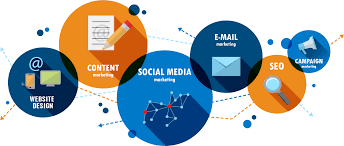
Digital marketing companies offer a broader range of services beyond SEO. They utilise various online channels such as social media, email marketing, pay-per-click advertising, and more to promote a brand and engage with its target audience. These companies create comprehensive digital marketing campaigns tailored to meet specific business goals and objectives.

Benefits of Hiring an SEO and Digital Marketing Company

By partnering with an experienced SEO and digital marketing company, businesses can benefit in several ways:

  • Increased Online Visibility: Improved search engine rankings and targeted digital marketing efforts can significantly boost a brand’s online visibility.
  • Enhanced Brand Awareness: Effective digital marketing campaigns help create brand awareness and establish a strong online presence.
  • Higher Website Traffic: By driving quality traffic to the website through SEO and digital marketing strategies, businesses can generate more leads and conversions.
  • Measurable Results: These companies provide detailed analytics and reports that allow businesses to track the performance of their online campaigns accurately.

In Conclusion

In conclusion, the services offered by SEO and digital marketing companies are essential for any business looking to thrive in the competitive online landscape. By harnessing the power of these companies’ expertise, businesses can reach their target audience effectively, drive growth, and achieve long-term success in the digital realm.


Maximising Online Success: The Benefits of Partnering with an SEO and Digital Marketing Company

  1. Increased online visibility through improved search engine rankings
  2. Enhanced brand awareness and recognition
  3. Higher website traffic leading to more leads and conversions
  4. Targeted digital marketing campaigns tailored to specific business goals
  5. Access to detailed analytics for measuring campaign performance
  6. Expertise in a range of online marketing strategies for comprehensive brand promotion


Challenges of SEO and Digital Marketing Companies: High Costs, External Reliance, and Long-Term Commitments

  1. Costly Investment
  2. Dependency on External Expertise
  3. Long-Term Commitment

Increased online visibility through improved search engine rankings

Enhancing online visibility through improved search engine rankings is a key advantage of partnering with an SEO and digital marketing company. By implementing effective SEO strategies, businesses can climb higher in search engine results pages, making it easier for potential customers to discover their website. Increased online visibility not only drives more organic traffic but also boosts brand recognition and credibility in the competitive digital landscape. This heightened visibility lays a strong foundation for businesses to attract and engage with their target audience, ultimately leading to improved lead generation and conversions.

Enhanced brand awareness and recognition

Enhanced brand awareness and recognition are key benefits of partnering with an SEO and digital marketing company. By implementing targeted strategies across various online channels, these companies help businesses establish a strong online presence, reach a wider audience, and build credibility within their industry. Through consistent branding and engaging content, businesses can increase visibility, foster trust with customers, and ultimately stand out in a competitive market. This heightened brand awareness not only attracts new customers but also reinforces loyalty among existing ones, leading to long-term success and growth for the business.

Higher website traffic leading to more leads and conversions

One significant advantage of partnering with an SEO and digital marketing company is the potential for increased website traffic, ultimately resulting in more leads and conversions for businesses. By implementing effective strategies to enhance online visibility and drive targeted traffic to the website, these companies can significantly boost the number of visitors engaging with the brand. This higher volume of traffic not only improves brand awareness but also increases the likelihood of converting visitors into valuable leads, ultimately leading to higher conversion rates and business growth.

Targeted digital marketing campaigns tailored to specific business goals

One significant advantage of partnering with an SEO and digital marketing company is their ability to create targeted digital marketing campaigns that are specifically tailored to meet a business’s unique goals and objectives. By understanding the intricacies of the business, its target audience, and industry dynamics, these companies can develop strategic campaigns that resonate with the right audience segments. This tailored approach not only increases the effectiveness of marketing efforts but also ensures that resources are optimally allocated for maximum impact, ultimately driving meaningful results and contributing to the overall success of the business in the digital landscape.

Access to detailed analytics for measuring campaign performance

One significant advantage of partnering with an SEO and digital marketing company is gaining access to detailed analytics for measuring campaign performance. These analytics provide valuable insights into the effectiveness of various strategies deployed, allowing businesses to track key performance indicators, monitor progress, and make data-driven decisions. By leveraging this information, companies can optimise their campaigns in real-time, identify areas for improvement, and ultimately achieve better results in reaching their target audience and meeting their marketing objectives.

Expertise in a range of online marketing strategies for comprehensive brand promotion

An invaluable pro of partnering with an SEO and digital marketing company is their expertise in a diverse range of online marketing strategies aimed at achieving comprehensive brand promotion. These professionals possess the knowledge and skills to implement various tactics, including SEO, social media marketing, email campaigns, pay-per-click advertising, and more. By leveraging this expertise, businesses can benefit from a holistic approach to online promotion that enhances brand visibility, engages target audiences across different platforms, and ultimately drives growth and success in the digital realm.

Costly Investment

For small businesses with constrained budgets, investing in an SEO and digital marketing company can pose a considerable financial challenge. The cost associated with hiring such services may be prohibitive, making it a daunting prospect for businesses operating on limited resources. Despite the potential benefits that SEO and digital marketing companies offer, the upfront investment required can be a barrier for smaller enterprises looking to enhance their online presence and reach a wider audience. Careful consideration and budget planning are essential to ensure that the cost of these services aligns with the business’s financial capabilities and expected returns on investment.

Dependency on External Expertise

Dependency on External Expertise can be a significant drawback of hiring an SEO and digital marketing company. Relying on an external firm for these services may lead to a lack of in-house expertise and control over the strategies being implemented. Businesses may find themselves dependent on the knowledge and decisions of the external company, which could limit their ability to adapt quickly to changing market conditions or make immediate adjustments to their digital marketing efforts. This lack of direct control can sometimes hinder the flexibility and agility required in today’s fast-paced digital landscape.

Long-Term Commitment

One notable drawback of partnering with an SEO and digital marketing company is the long-term commitment required to see tangible results. Success in these areas typically demands a sustained and consistent effort over an extended period. This necessitates a commitment to the company’s services for the long term, which may not align with some businesses’ preferences for quick, immediate outcomes.

ecommerce ppc agency

Unlocking Success: The Role of an Ecommerce PPC Agency in Driving Online Sales

The Power of Ecommerce PPC Agencies in Driving Online Sales

The Power of Ecommerce PPC Agencies in Driving Online Sales

In the competitive landscape of ecommerce, having a strong online presence is crucial for success. One effective way to boost your visibility and drive sales is through Pay-Per-Click (PPC) advertising. Ecommerce PPC agencies specialise in creating and managing targeted PPC campaigns that help businesses reach their target audience and generate valuable leads.

Why Choose an Ecommerce PPC Agency?

Running successful PPC campaigns requires expertise and knowledge of the digital advertising landscape. Ecommerce PPC agencies have the skills and experience to maximise your ROI by creating customised strategies tailored to your business goals.

These agencies conduct thorough keyword research, create compelling ad copy, and monitor campaign performance to ensure optimal results. By leveraging data-driven insights and industry best practices, ecommerce PPC agencies can help you achieve higher conversion rates and increase revenue.

The Benefits of Working with an Ecommerce PPC Agency

  • Targeted Advertising: Ecommerce PPC agencies can target specific demographics, locations, and interests to reach potential customers who are more likely to convert.
  • Improved Visibility: By appearing at the top of search engine results pages, your business gains increased visibility and attracts qualified traffic to your website.
  • Cost-Effective Solutions: With PPC advertising, you only pay when users click on your ads, making it a cost-effective way to drive traffic and generate leads.
  • Data-Driven Decisions: Ecommerce PPC agencies analyse campaign data in real-time to make informed decisions that optimise performance and deliver measurable results.

In Conclusion

Partnering with an ecommerce PPC agency can give your online business a competitive edge by enhancing brand awareness, increasing website traffic, and driving conversions. By entrusting your digital advertising efforts to experts in the field, you can focus on what you do best while reaping the benefits of a targeted and efficient marketing strategy.


Understanding Ecommerce PPC Agencies: Key FAQs Answered

  1. What is Amazon PPC agency?
  2. What is PPC ecommerce?
  3. How much do PPC consultants charge?
  4. What is a PPC agency?
  5. What is PPC in eCommerce?
  6. How much does an agency charge for PPC?
  7. What are PPC agencies?
  8. Is PPC good for ecommerce?

What is Amazon PPC agency?

An Amazon PPC agency is a specialised service provider that helps businesses advertise and promote their products on the Amazon platform through Pay-Per-Click (PPC) campaigns. These agencies have expertise in creating and managing targeted advertising strategies specifically for Amazon, aiming to increase product visibility, drive traffic, and boost sales for sellers on the e-commerce giant. By leveraging data-driven insights and industry best practices, an Amazon PPC agency can help businesses maximise their return on investment (ROI) and achieve their sales goals within the competitive marketplace of Amazon.

What is PPC ecommerce?

PPC ecommerce, or Pay-Per-Click ecommerce, refers to a digital advertising model where businesses pay a fee each time their ad is clicked by online users. In the context of ecommerce, PPC advertising is a strategic approach used by businesses to promote their products or services online and drive traffic to their websites. By bidding on relevant keywords and targeting specific audiences, businesses can display ads on search engine results pages and other online platforms to attract potential customers. PPC ecommerce allows businesses to reach their target audience effectively, increase brand visibility, and generate valuable leads that can lead to increased sales and revenue.

How much do PPC consultants charge?

When it comes to the cost of hiring PPC consultants for ecommerce campaigns, pricing can vary depending on several factors. PPC consultants typically charge based on the scope of work involved, the complexity of the campaign, and the level of expertise required. Some consultants may offer hourly rates, while others may provide package deals or performance-based pricing models. It’s important to discuss your specific needs and budget with potential consultants to get a clear understanding of their pricing structure and ensure that it aligns with your goals and expectations for your ecommerce PPC strategy.

What is a PPC agency?

A PPC agency, short for Pay-Per-Click agency, is a professional service provider that specialises in creating and managing online advertising campaigns for businesses. PPC advertising involves placing ads on digital platforms such as search engines and social media channels, and businesses pay a fee each time a user clicks on their ad. A PPC agency helps businesses maximise the effectiveness of their campaigns by conducting keyword research, crafting compelling ad copy, setting budgets, monitoring performance metrics, and making data-driven adjustments to optimise results. By partnering with a PPC agency, businesses can increase their online visibility, drive targeted traffic to their websites, and ultimately boost conversions and sales.

What is PPC in eCommerce?

In the realm of ecommerce, PPC (Pay-Per-Click) advertising plays a pivotal role in driving targeted traffic to online stores and generating sales. PPC in ecommerce refers to a digital marketing strategy where businesses pay a fee each time their ad is clicked by a potential customer. This form of online advertising allows ecommerce retailers to bid on relevant keywords that are likely to be used by their target audience when searching for products or services. By leveraging PPC campaigns, ecommerce businesses can increase their visibility on search engine results pages, attract qualified leads, and ultimately boost conversions. The effectiveness of PPC in ecommerce lies in its ability to deliver measurable results and provide a cost-effective way to reach potential customers at the right moment in their buying journey.

How much does an agency charge for PPC?

When it comes to the cost of PPC services provided by an agency, the pricing can vary depending on various factors such as the scope of the campaign, the competitiveness of the industry, and the specific goals of the client. Ecommerce PPC agencies typically offer different pricing models, including flat fees, percentage of ad spend, or performance-based pricing. It is essential for businesses to discuss their budget and objectives with the agency to determine a tailored pricing structure that aligns with their needs and ensures a successful PPC campaign that maximises return on investment.

What are PPC agencies?

PPC agencies, short for Pay-Per-Click agencies, are specialised firms that offer services to create and manage online advertising campaigns for businesses. These agencies focus on leveraging paid search platforms, such as Google Ads and Bing Ads, to drive targeted traffic to a company’s website. Through strategic keyword research, ad creation, and campaign optimisation, PPC agencies help businesses increase their online visibility, attract potential customers, and ultimately boost conversions. By utilising data-driven insights and industry expertise, PPC agencies play a vital role in maximising return on investment for businesses looking to enhance their digital marketing efforts.

Is PPC good for ecommerce?

Many businesses in the ecommerce industry often wonder, “Is PPC good for ecommerce?” The answer is a resounding yes. Pay-Per-Click (PPC) advertising is highly beneficial for ecommerce businesses looking to increase online visibility, drive targeted traffic to their websites, and boost sales. With PPC campaigns, businesses can target specific keywords related to their products or services, reach a relevant audience, and only pay when users click on their ads. This cost-effective advertising method allows ecommerce companies to track performance metrics, refine their strategies based on data insights, and achieve measurable results in terms of conversions and revenue generation. Overall, leveraging PPC for ecommerce can be a powerful tool in enhancing brand awareness, attracting potential customers, and ultimately growing online sales.

seo digital marketing company

Unlocking Success: The Role of an SEO Digital Marketing Company

The Power of SEO Digital Marketing Companies

The Power of SEO Digital Marketing Companies

In the digital age, having a strong online presence is crucial for businesses to succeed. One of the key components of a successful digital marketing strategy is Search Engine Optimization (SEO). SEO helps businesses improve their visibility on search engines like Google, driving more organic traffic to their websites.

This is where SEO digital marketing companies come into play. These companies specialise in helping businesses optimise their online content to rank higher in search engine results pages. By leveraging the expertise of an SEO digital marketing company, businesses can attract more qualified leads and increase their online visibility.

What Can an SEO Digital Marketing Company Offer?

SEO digital marketing companies offer a range of services to help businesses improve their search engine rankings. These services may include:

  • Keyword Research: Identifying relevant keywords that potential customers are searching for.
  • On-Page Optimisation: Optimising website content, meta tags, and images for better search engine visibility.
  • Off-Page Optimisation: Building quality backlinks to improve domain authority and credibility.
  • Content Creation: Developing high-quality, engaging content that resonates with target audiences.
  • Performance Monitoring: Tracking key metrics and adjusting strategies based on performance data.

The Benefits of Working with an SEO Digital Marketing Company

Collaborating with an SEO digital marketing company offers several benefits for businesses looking to enhance their online presence:

  • Expertise: Access to experienced professionals who understand the complexities of search engine algorithms and best practices.
  • Saves Time and Effort: Outsourcing SEO tasks allows businesses to focus on core operations while experts handle the technical aspects of digital marketing.
  • Measurable Results: SEO digital marketing companies provide detailed reports on performance metrics, allowing businesses to track progress and ROI.
  • Ongoing Support: Continuous monitoring and optimisation ensure that strategies remain effective in the ever-evolving digital landscape.

In Conclusion

In today’s competitive online environment, partnering with an SEO digital marketing company can give businesses a significant advantage. By implementing targeted SEO strategies, businesses can improve their search engine rankings, drive quality traffic to their websites, and ultimately increase conversions and revenue. Consider working with an SEO digital marketing company to unlock the full potential of your online presence.


Enhancing Business Success: The Top 6 Advantages of an SEO Digital Marketing Company

  1. Increased online visibility
  2. Higher search engine rankings
  3. Targeted traffic generation
  4. Expertise in SEO best practices
  5. Customised strategies for each business
  6. Measurable results and ROI tracking


Seven Drawbacks of Hiring an SEO Digital Marketing Company

  1. Costly investment for small businesses with limited budgets
  2. Results may take time to show, requiring patience and ongoing effort
  3. Risk of relying too heavily on organic search traffic, neglecting other marketing channels
  4. Quality of services can vary among different SEO digital marketing companies
  5. Potential for unethical practices such as black hat SEO techniques that could harm reputation
  6. Dependency on search engine algorithms which are constantly evolving and unpredictable
  7. Difficulty in measuring direct ROI from SEO efforts, making it challenging to assess effectiveness

Increased online visibility

One of the key advantages of partnering with an SEO digital marketing company is the substantial increase in online visibility that businesses can achieve. By implementing strategic SEO tactics, such as keyword optimisation, content enhancement, and link building, businesses can improve their search engine rankings and appear more prominently in search results. This heightened online visibility not only drives more organic traffic to their websites but also enhances brand recognition and credibility among target audiences, ultimately leading to greater opportunities for engagement and conversions.

Higher search engine rankings

Achieving higher search engine rankings is a significant advantage of partnering with an SEO digital marketing company. By implementing effective SEO strategies, businesses can improve their visibility on search engine results pages, making it easier for potential customers to find them online. Higher search engine rankings not only drive more organic traffic to a website but also enhance brand credibility and trustworthiness in the eyes of consumers. With the expertise and guidance of an SEO digital marketing company, businesses can climb the search engine rankings ladder and stand out among competitors in the crowded digital landscape.

Targeted traffic generation

One significant advantage of partnering with an SEO digital marketing company is the ability to generate targeted traffic to your website. By conducting in-depth keyword research and implementing strategic SEO tactics, these companies can attract users who are actively searching for products or services that align with your business offerings. This targeted approach not only increases the quantity of traffic to your site but also enhances its quality, leading to higher conversion rates and improved overall performance in the competitive online landscape.

Expertise in SEO best practices

Having expertise in SEO best practices is a significant advantage of partnering with an SEO digital marketing company. These professionals possess in-depth knowledge of search engine algorithms and industry trends, allowing them to develop and implement effective strategies to improve a business’s online visibility. By leveraging their expertise, businesses can benefit from targeted keyword research, on-page optimisation techniques, and off-page strategies that drive organic traffic and enhance search engine rankings. This specialised knowledge ensures that SEO efforts are aligned with current best practices, maximising the impact on a company’s digital marketing performance.

Customised strategies for each business

One of the key advantages of partnering with an SEO digital marketing company is the ability to receive customised strategies tailored to the unique needs and goals of each business. These companies understand that a one-size-fits-all approach does not work in the dynamic digital landscape. By crafting bespoke SEO strategies, businesses can effectively target their specific audience, enhance their online visibility, and achieve sustainable growth. Customised strategies ensure that businesses maximise their digital marketing efforts and stand out in a competitive online environment.

Measurable results and ROI tracking

One significant advantage of partnering with an SEO digital marketing company is the ability to track measurable results and monitor Return on Investment (ROI) effectively. By leveraging sophisticated analytics tools and performance metrics, businesses can gain valuable insights into the impact of their SEO strategies. This data-driven approach allows companies to assess the effectiveness of their digital marketing efforts, identify areas for improvement, and make informed decisions to optimise their online presence for greater success.

Costly investment for small businesses with limited budgets

For small businesses with limited budgets, one significant drawback of hiring an SEO digital marketing company is the potentially high cost involved. SEO services can be a costly investment, especially for businesses operating on tight financial constraints. The fees charged by SEO companies for their expertise and services may not always align with the budgetary limitations of small businesses, making it challenging for them to afford comprehensive SEO strategies. This financial barrier can hinder small businesses from fully utilising the benefits of professional SEO services and achieving optimal online visibility and growth within their means.

Results may take time to show, requiring patience and ongoing effort

One potential drawback of partnering with an SEO digital marketing company is that results may not be immediate and could take time to materialise. Achieving significant improvements in search engine rankings and organic traffic requires patience and ongoing effort. Businesses must understand that SEO is a long-term strategy that involves consistent monitoring, adjustments, and content optimisation to see tangible results. While the wait for results can be challenging, the investment in time and effort can yield substantial benefits in the form of sustained online visibility and increased website traffic over time.

Risk of relying too heavily on organic search traffic, neglecting other marketing channels

One potential downside of relying too heavily on an SEO digital marketing company is the risk of neglecting other essential marketing channels. While organic search traffic is valuable for driving targeted visitors to a website, overemphasis on SEO strategies may lead to a lack of diversity in marketing efforts. By focusing solely on organic search, businesses may miss out on opportunities to engage with audiences through other channels such as social media, paid advertising, email marketing, or influencer partnerships. It is important for businesses to maintain a balanced approach to their marketing mix to ensure comprehensive reach and engagement across various platforms and channels.

Quality of services can vary among different SEO digital marketing companies

When considering SEO digital marketing companies, one notable drawback is the variability in the quality of services offered across different providers. Due to the diverse expertise, resources, and approaches employed by various companies, businesses may encounter inconsistencies in the level of service and results achieved. It is essential for businesses to conduct thorough research and due diligence to select a reputable SEO digital marketing company that aligns with their specific needs and expectations to ensure a successful partnership.

Potential for unethical practices such as black hat SEO techniques that could harm reputation

One significant drawback of working with an SEO digital marketing company is the potential for unethical practices, such as employing black hat SEO techniques. These tactics may include keyword stuffing, cloaking, or buying backlinks to manipulate search engine rankings artificially. Engaging in such practices can not only harm a business’s reputation but also lead to penalties from search engines like Google, resulting in a significant drop in visibility and credibility online. It is essential for businesses to carefully vet SEO digital marketing companies and ensure they adhere to ethical and sustainable strategies to protect their brand integrity and long-term success.

Dependency on search engine algorithms which are constantly evolving and unpredictable

An inherent drawback of relying on an SEO digital marketing company is the dependency on search engine algorithms that are constantly evolving and unpredictable. As search engines like Google frequently update their algorithms to enhance user experience and combat spammy tactics, businesses may find it challenging to keep up with these changes. This unpredictability can lead to fluctuations in search rankings and organic traffic, requiring continuous adaptation of SEO strategies to maintain visibility and relevance in the ever-changing digital landscape.

Difficulty in measuring direct ROI from SEO efforts, making it challenging to assess effectiveness

One significant challenge associated with SEO digital marketing companies is the difficulty in measuring direct Return on Investment (ROI) from SEO efforts. Unlike some marketing strategies that offer immediate and easily quantifiable results, the impact of SEO on a business’s bottom line can be more nuanced and long-term. This complexity makes it challenging for businesses to accurately assess the effectiveness of their SEO initiatives and determine the direct financial benefits derived from their investment in SEO services.

seo digital marketing agency

Unlocking Online Success: The Power of an SEO Digital Marketing Agency

SEO Digital Marketing Agency

The Role of an SEO Digital Marketing Agency in Boosting Online Visibility

In today’s digital age, having a strong online presence is crucial for businesses to succeed. This is where SEO digital marketing agencies play a vital role in helping companies improve their visibility and reach their target audience effectively.

Search Engine Optimization (SEO) is a key component of digital marketing that focuses on increasing a website’s visibility in search engine results. An SEO digital marketing agency employs strategies and techniques to enhance a website’s ranking on search engines like Google, Yahoo, and Bing.

By implementing SEO best practices such as keyword research, on-page optimization, link building, and content creation, these agencies help businesses improve their organic search rankings and drive more traffic to their websites.

Furthermore, an SEO digital marketing agency analyses website performance metrics, conducts competitor research, and stays updated on search engine algorithm changes to ensure that their clients’ websites remain competitive in the ever-evolving online landscape.

The Benefits of Working with an SEO Digital Marketing Agency:

  • Increased Online Visibility: By improving search engine rankings, businesses can attract more organic traffic to their websites.
  • Targeted Audience Reach: SEO strategies help businesses reach their target audience by optimising content for relevant keywords and phrases.
  • Improved Website Authority: High-quality backlinks generated through SEO efforts can enhance a website’s authority and credibility in the eyes of search engines.
  • Measurable Results: SEO agencies provide detailed analytics reports that track website performance and measure the effectiveness of implemented strategies.
  • Cost-Effective Marketing: Compared to traditional advertising methods, investing in SEO offers long-term benefits at a lower cost.

In conclusion, partnering with an SEO digital marketing agency can significantly impact a business’s online success by increasing visibility, driving targeted traffic, and improving overall website performance. By leveraging the expertise of professionals in the field of SEO, businesses can stay ahead of the competition and achieve sustainable growth in the digital realm.


Top 20 FAQs About SEO and Digital Marketing Agencies in the UK

  1. What is the 70 20 10 rule in digital marketing?
  2. How much does it cost to hire an SEO agency?
  3. What is a SEO digital marketing agency?
  4. What are the 4 types of SEO?
  5. What is SEO in digital marketing?
  6. Is SEO included in digital marketing?
  7. What is the cost of SEO in digital marketing?
  8. What company has the best SEO?
  9. How much to charge for SEO in the UK?
  10. Who are the best SEO agencies in the UK?
  11. What is the difference between SEO and digital marketing?
  12. What is the cost of SEO?
  13. How is SEO used in digital marketing?
  14. Are SEO agencies profitable?
  15. How do I do SEO in digital marketing?
  16. What is digital marketing SEO?
  17. How much does an agency charge for SEO?
  18. Which is the 1 SEO company in the world?
  19. Who is the best SEO in Australia?
  20. What is SEO digital marketing agency?

What is the 70 20 10 rule in digital marketing?

The 70 20 10 rule in digital marketing is a strategy that suggests allocating budget and resources across different types of content creation. According to this rule, 70% of the budget should be spent on proven and successful content, 20% on innovative and new content related to what works well, and the remaining 10% on experimental or risky content that may yield high rewards. By following the 70 20 10 rule, digital marketing agencies can strike a balance between maintaining consistency with proven strategies and exploring new ideas to stay competitive in the ever-evolving online landscape.

How much does it cost to hire an SEO agency?

One of the most frequently asked questions regarding SEO digital marketing agencies is, “How much does it cost to hire an SEO agency?” The cost of hiring an SEO agency can vary depending on several factors, including the scope of services required, the size of the business, and the level of competition in the industry. Generally, SEO agencies offer a range of pricing models, such as monthly retainers, project-based fees, or performance-based pricing. It is essential for businesses to discuss their specific needs and goals with potential agencies to receive a tailored quote that aligns with their budget and objectives. Investing in professional SEO services can yield significant returns in terms of improved online visibility, increased website traffic, and enhanced brand reputation.

What is a SEO digital marketing agency?

A SEO digital marketing agency is a specialised firm that focuses on improving a website’s visibility in search engine results through strategic Search Engine Optimization (SEO) techniques. These agencies work to enhance a website’s organic search rankings by implementing various SEO practices such as keyword research, on-page optimization, link building, and content creation. By leveraging their expertise in digital marketing and SEO, these agencies help businesses attract more targeted traffic, increase online visibility, and ultimately drive growth and success in the competitive online landscape.

What are the 4 types of SEO?

When considering the question “What are the 4 types of SEO?” in the context of a digital marketing agency, it typically refers to the different categories of Search Engine Optimization strategies that are commonly employed to improve a website’s visibility and ranking on search engine results pages. The four main types of SEO include on-page SEO, off-page SEO, technical SEO, and local SEO. On-page SEO focuses on optimizing individual web pages with relevant content, keywords, and meta tags. Off-page SEO involves building backlinks from reputable sources to enhance a site’s authority. Technical SEO deals with website structure, speed, and mobile-friendliness for better user experience. Local SEO targets geographically specific searches to help businesses attract local customers. Understanding and implementing these various types of SEO techniques can help digital marketing agencies effectively enhance their clients’ online presence and drive organic traffic to their websites.

What is SEO in digital marketing?

SEO, or Search Engine Optimization, is a fundamental aspect of digital marketing that focuses on improving a website’s visibility in search engine results. In essence, SEO involves employing strategic techniques and best practices to enhance a website’s ranking on search engines like Google, Yahoo, and Bing. By conducting keyword research, optimizing on-page content, building quality backlinks, and creating relevant and engaging content, SEO helps businesses attract organic traffic to their websites. Ultimately, SEO in digital marketing aims to increase online visibility, drive targeted traffic, and improve website performance to achieve long-term success in the competitive online landscape.

Is SEO included in digital marketing?

Yes, SEO (Search Engine Optimization) is a fundamental component of digital marketing. SEO plays a crucial role in enhancing a website’s visibility and ranking on search engine results pages, thereby driving organic traffic to the site. In the realm of digital marketing, SEO is considered an essential strategy for improving online presence, increasing brand awareness, and reaching target audiences effectively. By incorporating SEO practices such as keyword optimization, content creation, and link building into their digital marketing efforts, businesses can boost their online visibility and attract more potential customers.

What is the cost of SEO in digital marketing?

One frequently asked question regarding SEO in digital marketing is, “What is the cost of SEO?” The cost of SEO services can vary depending on various factors such as the scope of work, competitiveness of keywords, and the experience of the SEO agency. Typically, SEO costs can range from monthly retainers to one-time project fees. It’s important for businesses to understand that investing in SEO is a long-term strategy that yields sustainable results over time. By partnering with a reputable SEO digital marketing agency, businesses can expect to see a return on investment through increased online visibility, targeted traffic, and improved search engine rankings.

What company has the best SEO?

When it comes to determining which company has the best SEO, it is important to understand that the effectiveness of SEO strategies can vary depending on various factors such as industry, target audience, and competition level. While some companies may excel in certain aspects of SEO, there is no one-size-fits-all answer to identifying the absolute best SEO company. It is recommended for businesses to conduct thorough research, read reviews, and consider case studies to find an SEO digital marketing agency that aligns with their specific goals and requirements. Ultimately, the best SEO company for one business may not necessarily be the best for another, making it essential to choose a company that can tailor its services to suit individual needs and deliver measurable results.

How much to charge for SEO in the UK?

One of the most frequently asked questions regarding SEO digital marketing agencies in the UK is, “How much to charge for SEO services?” The cost of SEO services in the UK can vary depending on several factors, including the scope of work, the competitiveness of the industry, and the specific goals of the client. SEO pricing models may range from monthly retainers to project-based fees or performance-based pricing. It is essential for businesses to consult with reputable SEO agencies to receive customised quotes based on their unique requirements and budget constraints. By investing in professional SEO services tailored to their needs, businesses can expect to see a significant return on investment through improved online visibility and increased website traffic.

Who are the best SEO agencies in the UK?

When seeking the best SEO agencies in the UK, it is essential to consider factors such as industry reputation, proven track record of success, expertise in the latest SEO techniques, and client testimonials. Several top SEO agencies in the UK have garnered recognition for their exceptional services and results-driven approach. Conducting thorough research, reading reviews, and requesting consultations can help businesses identify the best SEO agency that aligns with their specific goals and requirements. Ultimately, the best SEO agency for one business may not necessarily be the same for another, as individual needs and objectives play a significant role in determining the ideal partnership for achieving online success.

What is the difference between SEO and digital marketing?

The difference between SEO and digital marketing lies in their focus and scope within the broader realm of online marketing. SEO, or Search Engine Optimization, is a specific subset of digital marketing that primarily deals with improving a website’s visibility in search engine results through organic tactics such as keyword optimization, content creation, and link building. On the other hand, digital marketing encompasses a wider range of strategies beyond just SEO, including social media marketing, email marketing, pay-per-click advertising, and more. While SEO is a crucial component of digital marketing, the latter encompasses a holistic approach to promoting a brand online through various channels and tactics to reach and engage with target audiences effectively.

What is the cost of SEO?

When it comes to the cost of SEO services provided by a digital marketing agency, the pricing can vary depending on several factors. The cost of SEO is influenced by the scope of work required, the competitiveness of the industry, the size of the website, and the specific goals of the business. SEO pricing structures may include monthly retainers, project-based fees, or performance-based models. It is essential for businesses to understand that investing in quality SEO services can yield significant long-term benefits in terms of increased organic traffic, improved search engine rankings, and enhanced online visibility. By partnering with a reputable SEO digital marketing agency, businesses can receive customised solutions tailored to their needs and budget constraints.

How is SEO used in digital marketing?

SEO plays a crucial role in digital marketing by enhancing a website’s visibility and driving organic traffic through search engine results. SEO strategies involve optimising website content, meta tags, and images with relevant keywords to improve search engine rankings. By focusing on on-page and off-page optimisation techniques, SEO helps businesses attract targeted audiences searching for products or services online. Additionally, SEO contributes to building website authority through quality backlinks and providing a seamless user experience. Overall, integrating SEO into digital marketing efforts is essential for increasing online presence, reaching the right audience, and achieving long-term success in the competitive digital landscape.

Are SEO agencies profitable?

The profitability of SEO agencies can vary depending on various factors such as the agency’s expertise, client base, pricing structure, and market demand. In general, SEO agencies have the potential to be profitable for both themselves and their clients when they deliver effective strategies that improve search engine rankings, drive organic traffic, and generate leads or sales. By demonstrating tangible results and providing value-added services, SEO agencies can build long-term relationships with clients and establish a reputation for delivering measurable returns on investment. However, like any business, success in the SEO industry requires continuous adaptation to algorithm changes, staying updated on industry trends, and providing exceptional service to maintain profitability and sustain growth over time.

How do I do SEO in digital marketing?

To effectively implement SEO in digital marketing, businesses can follow a strategic approach that involves several key steps. Firstly, conducting thorough keyword research to identify relevant search terms that align with the business’s offerings is essential. Next, optimising website content with these keywords and ensuring proper on-page SEO elements such as meta tags, headings, and image alt text are in place can improve search engine visibility. Additionally, building high-quality backlinks from reputable websites and regularly creating fresh, engaging content can further enhance SEO efforts. Monitoring website performance using analytics tools and adapting strategies based on data insights is crucial for ongoing success in SEO digital marketing. By following these best practices and staying informed about industry trends, businesses can effectively boost their online presence and reach their target audience through SEO.

What is digital marketing SEO?

Digital marketing SEO, often referred to as search engine optimisation, is a fundamental aspect of online marketing that focuses on enhancing a website’s visibility in search engine results pages. By implementing various strategies and techniques such as keyword research, on-page optimisation, link building, and content creation, digital marketing SEO aims to improve a website’s organic search rankings and attract more targeted traffic. Essentially, digital marketing SEO is about tailoring a website’s content and structure to align with search engine algorithms, ultimately helping businesses increase their online presence and reach their desired audience effectively.

How much does an agency charge for SEO?

When it comes to the cost of SEO services provided by a digital marketing agency, pricing can vary depending on several factors. SEO agencies typically offer a range of packages tailored to suit different budgets and requirements. The cost of SEO services may be influenced by the scope of work involved, the competitiveness of the industry, the size of the website, and the level of expertise required. Some agencies may charge a fixed monthly fee, while others may offer customised pricing based on specific goals and objectives. It is essential for businesses to discuss their needs with an SEO agency to receive a tailored quote that aligns with their budget and expectations.

Which is the 1 SEO company in the world?

When it comes to determining the top SEO company in the world, it is important to note that rankings and perceptions may vary based on individual experiences and industry standards. There are several highly reputable SEO companies globally that have earned recognition for their expertise, innovative strategies, and proven track record of delivering results for clients. Conducting thorough research, reading reviews, and considering factors such as services offered, client satisfaction, and industry accolades can help businesses identify the best SEO company that aligns with their specific needs and goals. Ultimately, the “number one” SEO company may differ for each organisation based on their unique requirements and objectives in the digital marketing landscape.

Who is the best SEO in Australia?

When it comes to the frequently asked question, “Who is the best SEO in Australia?”, the answer may vary depending on specific needs and preferences. In Australia, there are several reputable SEO digital marketing agencies known for their expertise, experience, and successful track records in enhancing online visibility for businesses. To determine the best SEO agency for your requirements, it is advisable to research and compare different agencies based on factors such as client reviews, case studies, industry recognition, and the range of services offered. Ultimately, selecting the best SEO agency in Australia involves finding a partner that aligns with your goals and can deliver tailored solutions to boost your online presence effectively.

What is SEO digital marketing agency?

A SEO digital marketing agency is a specialised firm that focuses on enhancing a company’s online visibility and reach through strategic Search Engine Optimization (SEO) techniques. These agencies employ a range of tactics such as keyword research, content optimization, link building, and performance analysis to improve a website’s ranking on search engine results pages. By partnering with an SEO digital marketing agency, businesses can benefit from targeted audience reach, increased organic traffic, and measurable results that contribute to their overall online success and growth in the competitive digital landscape.

digital marketing seo agency

Unlocking Online Success: The Role of a Digital Marketing SEO Agency

The Role of a Digital Marketing SEO Agency in Boosting Online Visibility

In today’s digital age, having a strong online presence is crucial for businesses looking to reach their target audience and stay ahead of the competition. This is where a Digital Marketing SEO Agency plays a vital role in helping businesses improve their visibility and attract more customers through strategic online marketing efforts.

What is SEO?

SEO, or Search Engine Optimisation, is the practice of enhancing a website’s visibility on search engines like Google. By optimising various elements such as keywords, content, and backlinks, SEO helps websites rank higher in search engine results pages (SERPs), making them more likely to be seen by potential customers.

The Benefits of Hiring a Digital Marketing SEO Agency

Expertise and Experience: A reputable SEO agency has a team of professionals with extensive knowledge and experience in implementing effective SEO strategies. They stay up-to-date with the latest trends and algorithms to ensure your website remains competitive.

Customised Strategies: An SEO agency will tailor their approach to suit your specific business goals and target audience. They will conduct thorough research to identify the most relevant keywords and create content that resonates with your target market.

Improved Website Performance: By optimising your website for search engines, an SEO agency can enhance its speed, user experience, and overall performance. This not only improves your search engine rankings but also enhances the user experience for visitors.

Increased Traffic and Conversions: With higher search engine rankings comes increased organic traffic to your website. This targeted traffic is more likely to convert into leads or sales, ultimately boosting your bottom line.

Choosing the Right SEO Agency

When selecting an SEO agency for your business, consider factors such as their track record, client testimonials, and transparency in their processes. Look for an agency that communicates effectively and provides regular reports on the progress of your campaigns.

By partnering with a reputable Digital Marketing SEO Agency, businesses can unlock the full potential of their online presence and reach new heights in the digital landscape.


Top 5 FAQs About Hiring a Digital Marketing SEO Agency

  1. 1. What services does a digital marketing SEO agency offer?
  2. 2. How can an SEO agency help improve my website’s search engine rankings?
  3. 3. What is the typical cost of hiring a digital marketing SEO agency?
  4. 4. How long does it take to see results from SEO efforts with an agency?
  5. 5. What sets a top digital marketing SEO agency apart from others in the industry?

1. What services does a digital marketing SEO agency offer?

A digital marketing SEO agency offers a wide range of services aimed at improving a business’s online visibility and driving organic traffic to their website. These services typically include keyword research, on-page and off-page SEO optimisation, content creation and optimisation, link building, technical SEO audits, local SEO strategies, and performance tracking and reporting. By utilising these services, a digital marketing SEO agency helps businesses enhance their search engine rankings, attract more qualified leads, increase website traffic, and ultimately boost their online presence and revenue potential.

2. How can an SEO agency help improve my website’s search engine rankings?

An SEO agency can help improve your website’s search engine rankings through a variety of strategic techniques and best practices. They conduct in-depth keyword research to identify relevant terms that your target audience is searching for, optimise on-page elements such as meta tags, headings, and content to align with these keywords, and build high-quality backlinks from authoritative websites to increase your site’s authority. Additionally, they may perform technical SEO audits to ensure that your website meets search engine guidelines and is easily crawlable and indexable. By implementing these strategies effectively, an SEO agency can enhance your website’s visibility in search engine results pages and drive organic traffic to your site.

3. What is the typical cost of hiring a digital marketing SEO agency?

When considering the cost of hiring a digital marketing SEO agency, it is essential to understand that pricing can vary depending on several factors. The typical cost of engaging an SEO agency may be influenced by the scope of services required, the size and complexity of the project, as well as the level of expertise and reputation of the agency. Some agencies offer pricing packages based on specific services such as keyword research, content creation, link building, and ongoing maintenance. It is advisable to request quotes from multiple agencies and compare their offerings to find a solution that aligns with your budget and business goals.

4. How long does it take to see results from SEO efforts with an agency?

The timeline for seeing results from SEO efforts with a digital marketing SEO agency can vary depending on various factors such as the competitiveness of your industry, the current state of your website, and the strategies implemented. Typically, it may take a few months to start seeing noticeable improvements in search engine rankings and organic traffic. However, it’s important to understand that SEO is a long-term investment that requires ongoing effort and patience to achieve sustainable results that can drive significant growth for your business over time.

5. What sets a top digital marketing SEO agency apart from others in the industry?

When considering what sets a top digital marketing SEO agency apart from others in the industry, several key factors come into play. Firstly, top agencies demonstrate a deep understanding of the ever-evolving landscape of SEO and digital marketing trends, allowing them to adapt quickly and effectively to changes. They also have a proven track record of delivering tangible results for their clients, showcasing their expertise and commitment to driving success. Additionally, top agencies often offer customised strategies tailored to each client’s unique needs and goals, providing a personalised approach that sets them apart in delivering exceptional value and impact in the competitive digital marketing arena.

digital marketing techniques

Mastering Effective Digital Marketing Techniques for Online Success

The Power of Digital Marketing Techniques in Today’s Business Landscape

In the fast-paced digital age, traditional marketing strategies are no longer sufficient to capture the attention of modern consumers. Businesses must adapt and embrace innovative digital marketing techniques to stay relevant and competitive in the ever-evolving online landscape.

Search Engine Optimization (SEO)

SEO is a fundamental digital marketing technique that focuses on improving a website’s visibility in search engine results. By optimising website content, keywords, and meta tags, businesses can increase their organic traffic and reach a wider audience. A strong SEO strategy is essential for driving quality traffic and boosting online presence.

Content Marketing

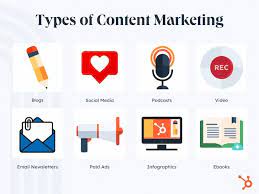
Content marketing involves creating and distributing valuable, relevant content to attract and engage target audiences. From blog posts and videos to social media updates and infographics, compelling content can help businesses build brand awareness, establish authority in their industry, and drive customer engagement.

Social Media Marketing

Social media platforms have become powerful tools for connecting with customers and building brand loyalty. Through targeted social media campaigns, businesses can reach specific demographics, drive website traffic, generate leads, and foster meaningful interactions with their audience. Engaging content that resonates with followers is key to successful social media marketing.

Email Marketing

Email marketing remains a highly effective digital marketing technique for nurturing leads and converting prospects into customers. Personalised email campaigns that deliver relevant content, promotions, and updates can help businesses build relationships with their audience, drive sales conversions, and increase customer retention.

Pay-Per-Click Advertising (PPC)

PPC advertising allows businesses to bid on keywords to display targeted ads on search engines or websites. With PPC campaigns, businesses pay only when users click on their ads, making it a cost-effective way to drive immediate traffic to websites and generate leads. Strategic keyword selection and ad placement are essential for maximising the ROI of PPC campaigns.

Data Analytics

Data analytics plays a crucial role in measuring the effectiveness of digital marketing techniques. By analysing key metrics such as website traffic, conversion rates, click-through rates, and engagement levels, businesses can gain valuable insights into consumer behaviour and preferences. Data-driven decisions enable businesses to refine their digital marketing strategies for optimal results.

In conclusion, digital marketing techniques offer endless possibilities for businesses looking to expand their online reach, engage with customers effectively, and drive business growth. By leveraging the power of SEO, content marketing, social media marketing, email campaigns…


Essential FAQs on Digital Marketing Techniques: A Comprehensive Guide

  1. What is digital marketing and why is it important?
  2. How can search engine optimization (SEO) benefit my business?
  3. What are the key components of a successful content marketing strategy?
  4. How can social media marketing help me reach my target audience?
  5. What are the best practices for email marketing campaigns?
  6. How does pay-per-click (PPC) advertising work and when should I use it?
  7. What role does data analytics play in digital marketing strategies?
  8. How can I measure the success of my digital marketing efforts?
  9. What are some emerging trends in digital marketing techniques?

What is digital marketing and why is it important?

Digital marketing encompasses a range of online strategies and tactics aimed at promoting products or services through digital channels such as websites, social media, email, search engines, and more. It is essential in today’s digital age as it allows businesses to reach a global audience, engage with customers in real-time, track and measure results accurately, and adapt campaigns quickly based on data insights. Digital marketing offers cost-effective ways to connect with target audiences, build brand awareness, drive website traffic, generate leads, and ultimately increase sales conversions. Embracing digital marketing techniques is crucial for businesses to stay competitive, establish a strong online presence, and achieve long-term success in the ever-evolving digital landscape.

How can search engine optimization (SEO) benefit my business?

Search engine optimization (SEO) can greatly benefit your business by improving your online visibility and driving organic traffic to your website. By implementing effective SEO strategies, you can enhance your website’s ranking in search engine results pages, making it easier for potential customers to find you online. Increased visibility means more opportunities for your business to attract qualified leads and convert them into customers. Additionally, a strong SEO presence can help establish credibility and trust with your target audience, ultimately leading to long-term success and sustainable growth for your business in the competitive digital landscape.

What are the key components of a successful content marketing strategy?

A successful content marketing strategy comprises several key components that work together to drive engagement, build brand awareness, and attract and retain customers. Firstly, understanding the target audience is crucial in creating content that resonates with their interests and needs. High-quality, relevant, and valuable content is essential for establishing credibility and authority in the industry. Consistency in publishing content across various platforms helps maintain audience interest and visibility. Utilising SEO techniques to optimise content for search engines enhances discoverability. Moreover, incorporating a mix of formats such as blog posts, videos, infographics, and social media updates can cater to different preferences and increase engagement levels. Monitoring performance metrics and analysing data allows for continuous improvement and adjustment of the content strategy to achieve desired outcomes.

How can social media marketing help me reach my target audience?

Social media marketing is a powerful tool that can help businesses effectively reach their target audience in today’s digital landscape. By leveraging social media platforms such as Facebook, Instagram, Twitter, and LinkedIn, businesses can connect with specific demographics, engage with potential customers, and build brand awareness. Through targeted content creation, strategic ad campaigns, and interactive engagement with followers, businesses can tailor their messaging to resonate with their target audience and drive meaningful interactions. Social media marketing enables businesses to reach a wider audience, increase website traffic, generate leads, and ultimately convert followers into loyal customers by fostering relationships and building trust through authentic communication.

What are the best practices for email marketing campaigns?

When it comes to email marketing campaigns, implementing best practices is essential for achieving success and driving engagement with your audience. Some key best practices include personalisation to make emails more relevant and tailored to individual recipients, segmenting your email lists based on demographics or behaviours to deliver targeted content, creating compelling subject lines that grab attention and encourage opens, ensuring mobile responsiveness for optimal viewing on all devices, and regularly testing and analysing campaign performance to refine strategies and improve results. By following these best practices, businesses can maximise the effectiveness of their email marketing campaigns and enhance customer relationships.

How does pay-per-click (PPC) advertising work and when should I use it?

Pay-per-click (PPC) advertising is a digital marketing technique where businesses bid on keywords to display targeted ads on search engines or websites. When users search for relevant terms, these ads appear prominently, and businesses pay a fee each time someone clicks on their ad. PPC advertising is effective for generating immediate traffic to websites, increasing brand visibility, and driving conversions. Businesses should consider using PPC when they want to reach a specific audience quickly, promote new products or services, increase website traffic, or complement their organic search efforts. By strategically selecting keywords, monitoring campaign performance, and refining ad targeting, businesses can maximise the impact of their PPC campaigns and achieve their marketing goals efficiently.

What role does data analytics play in digital marketing strategies?

Data analytics plays a pivotal role in digital marketing strategies by providing valuable insights into consumer behaviour, preferences, and trends. By analysing data metrics such as website traffic, conversion rates, click-through rates, and engagement levels, businesses can make informed decisions to optimise their marketing campaigns for maximum effectiveness. Data analytics enables businesses to track the performance of their digital marketing efforts, identify areas for improvement, and refine their strategies to better target their audience and achieve measurable results. In today’s competitive online landscape, leveraging data analytics is essential for driving successful digital marketing campaigns and staying ahead of the curve.

How can I measure the success of my digital marketing efforts?

Measuring the success of your digital marketing efforts is essential for evaluating the effectiveness of your strategies and identifying areas for improvement. Key performance indicators (KPIs) such as website traffic, conversion rates, click-through rates, engagement metrics, and return on investment (ROI) can provide valuable insights into the performance of your campaigns. By tracking and analysing these metrics using tools like Google Analytics and social media analytics platforms, you can assess the impact of your digital marketing activities, identify what is working well, and make data-driven decisions to optimise your future strategies for greater success.

In the dynamic realm of digital marketing, businesses are constantly seeking to stay ahead by embracing emerging trends that shape the industry. Some of the key emerging trends in digital marketing techniques include the rise of artificial intelligence and machine learning for personalised customer experiences, the increasing importance of voice search optimization to cater to voice-activated devices, the growing significance of influencer marketing for authentic brand promotion, the adoption of interactive content such as quizzes and polls to enhance user engagement, and the evolution of augmented reality (AR) and virtual reality (VR) experiences for immersive brand storytelling. Embracing these emerging trends can help businesses navigate the ever-changing digital landscape and connect with their target audience in innovative ways.

digital marketing techniques

Maximising Business Growth Through Effective Digital Marketing Techniques

Digital Marketing Techniques

The Power of Digital Marketing Techniques

In today’s digital age, businesses are constantly seeking innovative ways to reach and engage with their target audience. Digital marketing techniques have become essential tools for companies looking to expand their online presence and drive growth. Let’s explore some effective strategies that can help businesses succeed in the digital realm:

Search Engine Optimization (SEO)

SEO is crucial for improving a website’s visibility in search engine results. By optimising website content and structure, businesses can increase organic traffic and attract more qualified leads.

Content Marketing

Creating valuable and relevant content helps businesses establish authority in their industry and build trust with their audience. Content marketing includes blogs, videos, infographics, and social media posts that engage users and drive conversions.

Social Media Marketing

Social media platforms provide a powerful channel for businesses to connect with their target audience, build brand awareness, and drive traffic to their website. Engaging content, targeted ads, and influencer partnerships can all enhance a company’s social media presence.

Email Marketing

Email marketing remains a cost-effective way to nurture leads and retain customers. Personalised email campaigns can deliver tailored messages to subscribers, promoting products or services and driving conversions.

Pay-Per-Click (PPC) Advertising

PPC advertising allows businesses to reach a specific audience through targeted ads on search engines or social media platforms. By paying only when users click on the ad, companies can maximise their ROI and track campaign performance effectively.

Data Analytics

Data analytics play a crucial role in evaluating the success of digital marketing campaigns. By analysing key metrics such as website traffic, conversion rates, and customer behaviour, businesses can refine their strategies for better results.

In conclusion, digital marketing techniques offer endless possibilities for businesses to connect with consumers in the digital landscape. By leveraging these strategies effectively, companies can enhance brand visibility, drive engagement, and achieve sustainable growth in today’s competitive market.


Exploring the Advantages of Digital Marketing: Enhancing Visibility, Targeting Audiences, and Levelling the Playing Field

  1. Increased brand visibility and awareness in the digital space.
  2. Targeted reach to specific audiences based on demographics, interests, and behaviour.
  3. Cost-effective compared to traditional marketing methods like print or TV ads.
  4. Real-time tracking and analytics to measure campaign performance and ROI.
  5. Ability to engage with customers in a personalised and interactive manner.
  6. Opportunity for small businesses to compete with larger competitors on a level playing field.


Exploring the Drawbacks of Digital Marketing: From Saturation to Measurement Challenges

  1. 1. Saturation
  2. 2. Information Overload
  3. 3. Ad Blindness
  4. 4. Privacy Concerns
  5. 5. Rapid Changes
  6. 6. Budget Constraints
  7. 7. Measurement Challenges

Increased brand visibility and awareness in the digital space.

One significant advantage of utilising digital marketing techniques is the enhanced brand visibility and awareness it offers in the vast digital space. By strategically implementing tactics such as search engine optimisation, social media marketing, and content creation, businesses can boost their online presence and reach a wider audience. This increased visibility not only helps in attracting potential customers but also reinforces brand recognition and credibility, ultimately leading to improved brand awareness among target demographics. In today’s competitive market, establishing a strong digital footprint is essential for standing out amidst the noise and capturing the attention of consumers.

Targeted reach to specific audiences based on demographics, interests, and behaviour.

Digital marketing techniques offer businesses the invaluable advantage of targeted reach to specific audiences based on demographics, interests, and behaviour. By leveraging data analytics and sophisticated targeting tools, companies can tailor their marketing messages to resonate with the right audience segments. This personalised approach not only increases the likelihood of engaging potential customers but also enhances overall campaign effectiveness by delivering relevant content that aligns with the preferences and behaviours of the target audience. Ultimately, this precision targeting capability empowers businesses to maximise their marketing ROI and drive meaningful interactions with their desired customer base.

Cost-effective compared to traditional marketing methods like print or TV ads.

Digital marketing techniques offer a significant advantage in terms of cost-effectiveness when compared to traditional marketing methods such as print or TV ads. With digital marketing, businesses can reach a wider audience at a fraction of the cost, making it an attractive option for companies with limited budgets. By utilising online channels like social media, email campaigns, and search engine optimisation, businesses can achieve targeted results without the hefty price tag associated with traditional advertising mediums. This affordability factor allows businesses of all sizes to compete on a level playing field in the digital arena and maximise their return on investment.

Real-time tracking and analytics to measure campaign performance and ROI.

One significant advantage of digital marketing techniques is the ability to utilise real-time tracking and analytics to measure campaign performance and return on investment (ROI). By monitoring key metrics such as website traffic, click-through rates, conversions, and customer engagement in real-time, businesses can gain valuable insights into the effectiveness of their marketing efforts. This data-driven approach allows companies to make informed decisions, optimise campaigns on the fly, and allocate resources more efficiently to maximise ROI.

Ability to engage with customers in a personalised and interactive manner.

Digital marketing techniques offer businesses the invaluable advantage of engaging with customers in a personalised and interactive manner. Through targeted content, tailored email campaigns, and interactive social media posts, companies can establish meaningful connections with their audience on a one-to-one level. This personalised approach not only enhances customer satisfaction but also fosters brand loyalty and encourages active participation, ultimately leading to increased conversions and long-term relationships with customers.

Opportunity for small businesses to compete with larger competitors on a level playing field.

Digital marketing techniques level the playing field for small businesses, offering them the opportunity to compete with larger competitors on equal footing. Through targeted strategies such as SEO, social media marketing, and email campaigns, small businesses can reach their target audience effectively and build brand awareness without the need for a large advertising budget. This accessibility to a global market allows small businesses to showcase their unique offerings and compete based on the quality of their products or services rather than sheer financial resources. In this digital landscape, creativity and innovation can help small businesses stand out and thrive alongside industry giants.

1. Saturation

In the realm of digital marketing, one significant drawback is the issue of saturation. The online landscape is overflowing with businesses vying for attention, making it increasingly difficult for companies to distinguish themselves from their competitors. With countless brands utilising similar digital marketing techniques, standing out and capturing the target audience’s interest poses a considerable challenge. This saturation can lead to fierce competition, diminishing the effectiveness of marketing efforts and requiring businesses to devise innovative strategies to break through the noise and make a lasting impact on consumers.

2. Information Overload

In the realm of digital marketing techniques, a significant drawback is the issue of information overload. With the constant bombardment of online content and advertisements, consumers often find themselves overwhelmed with a surplus of information, ultimately resulting in reduced attention spans. This saturation of digital material can make it challenging for businesses to capture and maintain the focus of their target audience amidst the sea of competing messages vying for attention. As a consequence, companies must navigate this conundrum strategically to ensure that their marketing efforts cut through the noise and resonate effectively with consumers in an increasingly crowded digital landscape.

3. Ad Blindness

In the realm of digital marketing techniques, one significant drawback is the phenomenon of ad blindness. As technology advances and online advertising becomes more prevalent, many users have grown accustomed to ignoring or even actively blocking digital ads. This trend poses a challenge for businesses trying to reach their target audience effectively, as ad blindness diminishes the impact and effectiveness of advertising efforts in capturing users’ attention and driving engagement. Marketers must find creative ways to overcome this hurdle and deliver compelling content that resonates with audiences amidst the sea of digital noise.

4. Privacy Concerns

Privacy concerns have emerged as a significant drawback of digital marketing techniques. With the increasing focus on data privacy, consumers have become more cautious about how their personal information is collected and used online. This heightened awareness has prompted stricter regulations and limitations on targeted advertising practices, impacting the way businesses can reach and engage with their target audience. As a result, companies must navigate these privacy concerns carefully to build trust with consumers and ensure compliance with evolving data protection laws.

5. Rapid Changes

One significant drawback of digital marketing techniques is the rapid pace at which trends and technologies change. Businesses must continuously adjust their strategies to keep up with the ever-evolving digital landscape. This constant need for adaptation can be challenging and time-consuming, as what works today may not be effective tomorrow. Staying relevant in the face of rapid changes requires businesses to invest significant resources in monitoring trends, experimenting with new approaches, and staying ahead of the competition. Failure to adapt swiftly can result in missed opportunities and decreased effectiveness of marketing efforts.

6. Budget Constraints

Budget constraints pose a significant challenge for small businesses looking to implement effective digital marketing campaigns. The investment required for successful digital marketing strategies can be substantial, making it difficult for smaller companies with limited financial resources to compete with larger corporations. This financial barrier may hinder small businesses from fully utilising the potential of digital marketing techniques to reach their target audience and achieve their business objectives. Finding cost-effective solutions or alternative strategies becomes essential for overcoming this con and maximising the impact of digital marketing within budget limitations.

7. Measurement Challenges

One significant drawback of digital marketing techniques is the challenge of measurement. Evaluating the effectiveness of digital marketing campaigns can be daunting due to the vast array of metrics available and the necessity for precise data analysis. Businesses often struggle to interpret these metrics accurately, leading to uncertainty about the true impact of their digital marketing efforts. Inaccurate measurement can hinder decision-making processes and make it difficult to assess the return on investment, ultimately affecting the overall success of a digital marketing strategy.

digital marketing overview

Navigating the Digital Marketing Landscape: An Overview of Strategies and Trends

Digital Marketing Overview

The Power of Digital Marketing: An Overview

In today’s digital age, marketing has evolved significantly with the rise of digital platforms and technologies. Digital marketing encompasses a wide range of strategies and techniques aimed at promoting products or services using online channels. It has become an essential component for businesses looking to reach their target audiences effectively and efficiently.

Key Components of Digital Marketing

Digital marketing includes various components such as:

  • Search Engine Optimization (SEO): Optimising websites to improve search engine rankings and increase organic traffic.
  • Pay-Per-Click (PPC) Advertising: Running paid advertising campaigns on search engines or social media platforms to drive targeted traffic.
  • Social Media Marketing: Utilising social media platforms to engage with audiences, build brand awareness, and drive conversions.
  • Email Marketing: Sending targeted emails to prospects and customers to promote products or services and nurture relationships.
  • Content Marketing: Creating valuable and relevant content to attract and retain a specific audience, ultimately driving profitable customer action.
  • Analytics and Data Analysis: Monitoring and analysing campaign performance to make data-driven decisions for continuous improvement.

The Benefits of Digital Marketing

Digital marketing offers numerous benefits for businesses, including:

  • Increased Reach: With the vast reach of the internet, businesses can connect with a global audience regardless of geographical boundaries.
  • Targeted Advertising: Digital marketing allows businesses to target specific demographics, interests, behaviours, and locations with precision.
  • Cost-Effective Solutions: Compared to traditional marketing methods, digital marketing often provides a more cost-effective way to reach a larger audience.
  • Data-Driven Insights: Through analytics tools, businesses can gain valuable insights into customer behaviour, preferences, and campaign performance for informed decision-making.
  • Innovative Strategies: The dynamic nature of digital marketing allows businesses to adapt quickly to changing trends and consumer preferences for better engagement.

In Conclusion

Digital marketing has revolutionised the way businesses promote their products or services in the digital landscape. By leveraging the power of online channels and data-driven strategies, businesses can enhance their visibility, engage with their target audiences effectively, and drive measurable results. Embracing digital marketing is essential for staying competitive in today’s fast-paced business environment.


9 Essential Tips for Mastering Digital Marketing Strategies

  1. Understand your target audience
  2. Create a strong online presence
  3. Utilize social media effectively
  4. Optimize your website for search engines (SEO)
  5. Invest in pay-per-click advertising (PPC)
  6. Use email marketing to engage with customers
  7. Analyse data to track and improve performance
  8. Focus on quality content creation
  9. Stay updated with the latest digital marketing trends

Understand your target audience

Understanding your target audience is a crucial aspect of digital marketing. By gaining insights into the demographics, behaviours, preferences, and needs of your audience, you can tailor your marketing strategies to effectively engage and connect with them. This understanding allows you to create relevant and compelling content that resonates with your target audience, leading to increased brand awareness, customer loyalty, and ultimately, driving conversions. Investing time in understanding your target audience ensures that your digital marketing efforts are targeted and impactful, resulting in a more successful and sustainable marketing campaign.

Create a strong online presence

Creating a strong online presence is crucial in the realm of digital marketing. By establishing a cohesive and engaging presence across various online platforms, businesses can effectively connect with their target audience, build brand credibility, and increase visibility. A strong online presence not only enhances brand awareness but also fosters trust among consumers, ultimately driving traffic and conversions. Through consistent branding, valuable content creation, and active engagement with followers, businesses can solidify their position in the digital landscape and stand out amidst competition.

Utilize social media effectively

To maximise the impact of your digital marketing efforts, it is crucial to utilise social media effectively. Social media platforms offer a powerful avenue for engaging with your target audience, building brand awareness, and driving conversions. By creating compelling content tailored to each platform, actively interacting with followers, and leveraging analytics to refine your strategy, you can harness the full potential of social media to enhance your brand presence and achieve your marketing goals.

Optimize your website for search engines (SEO)

To maximise your online visibility and attract organic traffic, it is crucial to optimise your website for search engines through effective Search Engine Optimization (SEO) practices. By incorporating relevant keywords, creating high-quality content, improving site speed and user experience, and obtaining backlinks from reputable sources, you can enhance your website’s search engine rankings and increase its chances of being discovered by potential customers. SEO plays a vital role in driving targeted traffic to your site and improving your overall digital marketing performance.

Invest in pay-per-click advertising (PPC)

Investing in pay-per-click advertising (PPC) is a crucial component of a comprehensive digital marketing strategy. With PPC, businesses have the opportunity to target specific audiences, drive relevant traffic to their websites, and achieve measurable results in a cost-effective manner. By carefully selecting keywords, creating compelling ad copy, and monitoring campaign performance, businesses can maximise their ROI and reach potential customers at the right moment in their buying journey. PPC offers a level of control and flexibility that allows businesses to adjust their campaigns in real-time based on data insights, ensuring optimal performance and driving conversions effectively.

Use email marketing to engage with customers

Utilising email marketing is a powerful strategy to engage with customers and nurture relationships effectively. By sending targeted and personalised emails, businesses can communicate directly with their audience, providing valuable content, promotions, and updates. Email marketing allows for direct interaction, encouraging customer loyalty and driving conversions. With the ability to segment email lists based on customer preferences and behaviours, businesses can tailor their messages to resonate with different segments of their audience, ultimately enhancing engagement and fostering long-term relationships.

Analyse data to track and improve performance

In digital marketing, analysing data to track and improve performance is a crucial tip for achieving success. By monitoring key metrics such as website traffic, conversion rates, click-through rates, and engagement levels, businesses can gain valuable insights into the effectiveness of their marketing campaigns. This data-driven approach allows businesses to identify areas for improvement, make informed decisions, and optimise their strategies for better results. Continuous analysis of data enables businesses to adapt to changing trends, refine their tactics, and ultimately enhance their overall digital marketing performance.

Focus on quality content creation

In the realm of digital marketing, a key tip to remember is to focus on quality content creation. Content is the cornerstone of any successful digital marketing strategy, as it serves to engage and resonate with your target audience. By creating high-quality and valuable content that addresses the needs and interests of your audience, you can establish credibility, build trust, and drive meaningful interactions. Whether it’s informative blog posts, engaging social media updates, or compelling videos, prioritising quality content creation can set you apart in a crowded online landscape and help you achieve your marketing goals effectively.

To stay ahead in the ever-evolving landscape of digital marketing, it is crucial to stay updated with the latest trends and innovations. By keeping abreast of emerging technologies, consumer behaviours, and industry developments, businesses can adapt their strategies to remain relevant and competitive. Whether it’s exploring new social media platforms, implementing cutting-edge tools for data analysis, or embracing innovative content formats, staying informed about digital marketing trends is key to driving successful campaigns and engaging with target audiences effectively.

digital marketing overview

Navigating the Digital Marketing Landscape: An Overview

Digital Marketing Overview

The Power of Digital Marketing: An Overview

In today’s digital age, businesses are constantly seeking ways to reach and engage with their target audiences online. This is where digital marketing plays a crucial role. Digital marketing encompasses a wide range of strategies and tactics aimed at promoting products or services through various online channels.

Key Components of Digital Marketing

Digital marketing includes but is not limited to the following key components:

  • Search Engine Optimization (SEO): Optimising websites to improve search engine rankings and increase organic traffic.
  • Pay-Per-Click (PPC) Advertising: Running targeted ads on search engines or social media platforms to drive traffic and conversions.
  • Social Media Marketing: Leveraging social media platforms to build brand awareness, engage with customers, and drive website traffic.
  • Email Marketing: Sending targeted emails to nurture leads, promote products, and maintain customer relationships.
  • Content Marketing: Creating valuable and relevant content to attract and retain a specific audience.
  • Analytics and Reporting: Measuring the performance of digital marketing campaigns through data analysis to make informed decisions.

The Benefits of Digital Marketing

Digital marketing offers several benefits for businesses looking to establish a strong online presence:

  • Increased Reach: Reach a global audience beyond geographical boundaries.
  • Cost-Effective: Digital marketing can be more cost-effective than traditional advertising methods.
  • Precise Targeting: Target specific demographics, interests, or behaviours for better engagement.
  • Data-Driven Insights: Obtain valuable insights into consumer behaviour and campaign performance for continuous improvement.
  • Multimedia Capabilities: Utilise various forms of content such as text, images, videos, and infographics to engage with audiences effectively.

In Conclusion

Digital marketing is an essential tool for businesses looking to thrive in the competitive online landscape. By leveraging the power of digital channels and strategies, businesses can connect with their target audiences, drive conversions, and ultimately achieve their marketing goals in a measurable way.


Frequently Asked Questions: An Overview of Digital Marketing Essentials

  1. What is digital marketing?
  2. Why is digital marketing important for businesses?
  3. What are the key components of digital marketing?
  4. How does SEO contribute to digital marketing strategies?
  5. What role does social media play in digital marketing?
  6. How can businesses benefit from email marketing?
  7. Why is data analysis crucial in measuring the success of digital marketing campaigns?

What is digital marketing?

Digital marketing refers to the use of various online channels and strategies to promote products or services, engage with target audiences, and drive conversions. It encompasses a wide range of tactics such as search engine optimisation (SEO), pay-per-click (PPC) advertising, social media marketing, email marketing, content creation, and data analytics. In essence, digital marketing leverages the power of the internet and digital technologies to reach a broader audience, build brand awareness, and achieve marketing objectives in a measurable way.

Why is digital marketing important for businesses?

In today’s digital era, the importance of digital marketing for businesses cannot be overstated. Digital marketing offers a cost-effective and efficient way for businesses to reach their target audiences, build brand awareness, and drive conversions. With the majority of consumers turning to online channels to research products and services, having a strong digital presence is crucial for staying competitive in the market. Digital marketing allows businesses to precisely target their ideal customers, track campaign performance in real-time, and adapt strategies based on data-driven insights. By embracing digital marketing strategies, businesses can effectively engage with their audience, increase brand visibility, and ultimately achieve their marketing objectives in a rapidly evolving digital landscape.

What are the key components of digital marketing?

When exploring the digital marketing landscape, it is essential to understand the key components that shape its effectiveness. The key components of digital marketing encompass a diverse range of strategies and tactics aimed at enhancing online visibility and engagement. These components include Search Engine Optimization (SEO) to improve website rankings, Pay-Per-Click (PPC) Advertising for targeted promotion, Social Media Marketing for audience engagement, Email Marketing for personalised communication, Content Marketing for valuable content creation, and Analytics and Reporting for data-driven insights. By leveraging these key components effectively, businesses can create impactful digital marketing campaigns that resonate with their target audience and drive meaningful results.

How does SEO contribute to digital marketing strategies?

Search Engine Optimization (SEO) plays a vital role in digital marketing strategies by enhancing a website’s visibility and driving organic traffic from search engines. By optimising website content, structure, and keywords, SEO helps improve search engine rankings, making it easier for potential customers to find the site when searching for relevant products or services. This increased visibility not only boosts website traffic but also enhances brand credibility and trust among users. Additionally, SEO complements other digital marketing tactics such as content marketing and social media by ensuring that the website is easily discoverable and accessible to target audiences, ultimately contributing to a holistic and effective digital marketing strategy.

What role does social media play in digital marketing?

Social media plays a pivotal role in digital marketing by providing businesses with a powerful platform to engage and connect with their target audience on a personal level. Through social media channels, businesses can build brand awareness, drive website traffic, generate leads, and foster customer relationships. Social media enables businesses to create and share content that resonates with their audience, encouraging likes, shares, comments, and ultimately increasing brand visibility. Additionally, social media platforms offer valuable insights into consumer behaviour and preferences, allowing businesses to tailor their marketing strategies for maximum impact. In essence, social media is an integral component of digital marketing that facilitates meaningful interactions between brands and consumers in the online space.

How can businesses benefit from email marketing?

Businesses can benefit significantly from email marketing as it offers a direct and personalised way to engage with their target audience. By sending targeted and relevant emails, businesses can nurture leads, build brand loyalty, promote products or services, and drive conversions. Email marketing allows businesses to reach a large number of people at a relatively low cost compared to traditional marketing methods. With the ability to track open rates, click-through rates, and other metrics, businesses can gain valuable insights into customer behaviour and preferences, enabling them to tailor their campaigns for better results. Overall, email marketing is a powerful tool that can help businesses strengthen relationships with customers and achieve their marketing objectives effectively.

Why is data analysis crucial in measuring the success of digital marketing campaigns?

Data analysis is crucial in measuring the success of digital marketing campaigns for several reasons. By analysing data collected from various online channels, businesses can gain valuable insights into the performance of their campaigns. This analysis helps in understanding customer behaviour, identifying trends, and determining the effectiveness of different marketing strategies. With data-driven insights, businesses can make informed decisions to optimise their campaigns, allocate resources more effectively, and ultimately achieve better results in reaching and engaging with their target audience.

digital advertising strategy

Mastering the Art of a Strategic Digital Advertising Strategy

The Power of a Strategic Digital Advertising Strategy

In today’s fast-paced digital landscape, having a well-thought-out digital advertising strategy is crucial for businesses looking to stand out and reach their target audience effectively. With the rise of online platforms and social media channels, the opportunities for reaching potential customers have never been greater. However, without a clear strategy in place, businesses may find themselves lost in the vast sea of digital noise.

Understanding Your Audience

One of the key elements of a successful digital advertising strategy is understanding your target audience. By conducting thorough market research and analysing data, businesses can gain valuable insights into the preferences, behaviours, and demographics of their potential customers. This information allows businesses to create targeted ads that resonate with their audience and drive engagement.

Choosing the Right Platforms

With so many digital advertising platforms available, from social media to search engines to display networks, it can be challenging to determine where to invest your advertising budget. A strategic approach involves selecting the platforms that align with your business goals and target audience. For example, if you are targeting a younger demographic, platforms like Instagram or Snapchat may be more effective than traditional display ads.

Crafting Compelling Ad Creative

The success of a digital advertising campaign often hinges on the quality of the ad creative. Eye-catching visuals, compelling copywriting, and a clear call-to-action are essential components of an effective ad. By testing different variations of ad creative and analysing performance metrics, businesses can refine their approach and maximise results.

Optimising Performance Through Data Analysis

An integral part of any digital advertising strategy is ongoing monitoring and analysis of campaign performance. By tracking key metrics such as click-through rates, conversion rates, and return on investment, businesses can identify what is working well and where improvements can be made. This data-driven approach allows businesses to optimise their campaigns in real-time for better results.

Conclusion

In conclusion, a strategic digital advertising strategy is essential for businesses looking to succeed in today’s competitive online environment. By understanding your audience, choosing the right platforms, crafting compelling ad creative, and optimising performance through data analysis, businesses can create impactful campaigns that drive results. With the right approach and ongoing refinement, digital advertising can be a powerful tool for reaching new customers and growing your business.


Exploring Digital Advertising Strategy: Key Questions and Insights

  1. What is a digital advertising strategy?
  2. What are the four digital marketing strategies?
  3. How does it work a digital advertising strategy?
  4. What are the 5 main strategies of digital marketing?
  5. What is digital strategy in advertising?
  6. What are the four types of digital advertising?
  7. What are the 7 C’s of digital marketing?
  8. How do you create a digital advertising strategy?

What is a digital advertising strategy?

A digital advertising strategy is a comprehensive plan that outlines how a business will use digital channels to reach its target audience, promote its products or services, and achieve its marketing objectives. It involves identifying the most effective platforms for reaching the target audience, creating engaging ad creative, setting clear goals and KPIs, and continuously monitoring and optimising campaign performance. A well-defined digital advertising strategy is essential for businesses to maximise their online presence, drive brand awareness, generate leads, and ultimately increase conversions. By leveraging data-driven insights and staying abreast of industry trends, businesses can develop strategic digital advertising campaigns that deliver tangible results in today’s competitive digital landscape.

What are the four digital marketing strategies?

When it comes to digital marketing strategies, there are four key approaches that businesses often leverage to enhance their online presence and reach their target audience effectively. These strategies include search engine optimisation (SEO), social media marketing, email marketing, and pay-per-click advertising (PPC). SEO focuses on improving a website’s visibility in search engine results, while social media marketing involves engaging with audiences on platforms like Facebook, Instagram, and Twitter. Email marketing allows businesses to communicate directly with customers through personalised messages, and PPC advertising enables businesses to target specific audiences through paid ads. By incorporating these four strategies into a cohesive digital marketing plan, businesses can maximise their online reach and drive meaningful results.

How does it work a digital advertising strategy?

A digital advertising strategy works by leveraging various online platforms and channels to promote a business or product to a specific target audience. It involves identifying the goals and objectives of the campaign, understanding the target audience through data analysis, selecting the most suitable advertising platforms, creating engaging ad content, and continuously monitoring and optimising performance based on key metrics. By strategically planning and implementing digital advertising campaigns, businesses can effectively reach their target audience, drive engagement, and ultimately achieve their desired outcomes in the competitive digital landscape.

What are the 5 main strategies of digital marketing?

When it comes to digital marketing strategies, there are five main approaches that businesses often employ to maximise their online presence and reach their target audience effectively. These strategies include search engine optimisation (SEO) to improve website visibility in search engine results, social media marketing to engage with customers on popular platforms, content marketing to provide valuable and relevant content to attract and retain customers, pay-per-click (PPC) advertising for targeted ad placements, and email marketing for direct communication with customers. By utilising a combination of these strategies strategically, businesses can enhance their digital marketing efforts and achieve their goals in the competitive online landscape.

What is digital strategy in advertising?

Digital strategy in advertising refers to the comprehensive plan and approach that businesses develop to leverage digital channels for promoting their products or services. It encompasses a range of tactics, including selecting the most suitable digital platforms, defining target audiences, creating engaging ad content, and analysing performance metrics to optimise campaign effectiveness. A well-crafted digital advertising strategy aims to maximise reach, engagement, and ultimately conversions by aligning business objectives with the unique opportunities offered by online marketing channels. By strategically utilising digital tools and techniques, businesses can enhance brand visibility, drive traffic to their websites, and cultivate meaningful relationships with their target audience in the ever-evolving digital landscape.

What are the four types of digital advertising?

In the realm of digital advertising strategy, understanding the four main types of digital advertising is crucial for businesses aiming to maximise their online presence and engage with their target audience effectively. The four primary types of digital advertising include display advertising, search advertising, social media advertising, and video advertising. Display advertising involves visually appealing banner ads placed on websites to attract users’ attention. Search advertising utilises pay-per-click (PPC) campaigns to appear prominently in search engine results. Social media advertising leverages platforms like Facebook and Instagram to target specific demographics with tailored ads. Video advertising engages audiences through compelling video content across various online platforms. By incorporating these diverse forms of digital advertising into their strategies, businesses can enhance brand visibility and drive meaningful engagement with their audience.

What are the 7 C’s of digital marketing?

The 7 C’s of digital marketing encompass key principles that guide a successful digital advertising strategy. These include Customer-centricity, Content, Context, Consistency, Creativity, Channels, and Conversion. Customer-centricity emphasises understanding and meeting the needs of the target audience. Content refers to creating engaging and valuable content that resonates with customers. Context involves delivering the right message at the right time and place. Consistency ensures a cohesive brand experience across all touchpoints. Creativity encourages innovative approaches to capture audience attention. Channels focus on selecting the most effective platforms to reach customers. Conversion aims at turning leads into loyal customers through strategic actions. By incorporating these 7 C’s into their digital marketing strategies, businesses can enhance their online presence and drive meaningful engagement with their audience.

How do you create a digital advertising strategy?

Creating a successful digital advertising strategy involves several key steps. Firstly, it is essential to define clear objectives and goals for your campaign, whether it’s increasing brand awareness, driving website traffic, or generating leads. Next, understanding your target audience through thorough research is crucial in crafting tailored messaging that resonates with them. Selecting the right digital advertising platforms based on your audience demographics and behaviour is also vital. Additionally, creating compelling ad creative that captures attention and includes a strong call-to-action can significantly impact campaign performance. Regularly monitoring and analysing campaign data allows for ongoing optimisation to ensure the strategy remains effective and delivers the desired results.