digital marketing advertising

Unlocking Success: The Evolution of Digital Marketing Advertising

The Power of Digital Marketing Advertising

In today’s fast-paced digital world, businesses are increasingly turning to digital marketing advertising to reach their target audiences. This dynamic approach to marketing leverages the internet and online-based technologies to promote products and services, offering a range of benefits that traditional marketing strategies simply cannot match.

What is Digital Marketing Advertising?

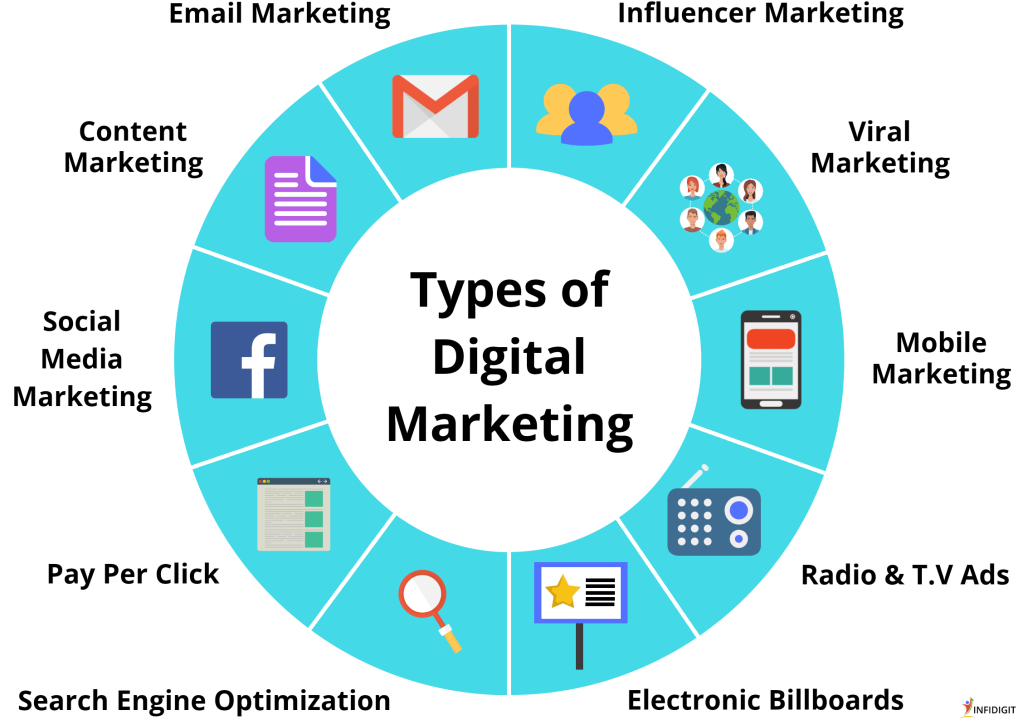
Digital marketing advertising encompasses a variety of strategies designed to connect with consumers online. It includes search engine optimisation (SEO), pay-per-click (PPC) advertising, social media marketing, email campaigns, and content marketing, among others. These techniques allow businesses to engage with potential customers in a more personalised and interactive manner.

Benefits of Digital Marketing Advertising

  • Cost-Effectiveness: Compared to traditional media such as television or print, digital marketing often requires a smaller budget while reaching a wider audience.
  • Targeted Reach: Digital platforms allow businesses to target specific demographics based on age, location, interests, and behaviours. This ensures that the message reaches the most relevant audience.
  • Measurable Results: Analytics tools provide detailed insights into campaign performance. Businesses can track metrics such as click-through rates, conversion rates, and return on investment (ROI) in real-time.
  • Flexibility and Adaptability: Campaigns can be adjusted quickly based on performance data. This flexibility allows for ongoing optimisation and improvement.
  • Enhanced Engagement: Through interactive content like videos, quizzes, and polls, brands can engage users more effectively than static advertisements.

The Future of Digital Marketing Advertising

The future of digital marketing advertising looks promising as technology continues to evolve. Emerging trends such as artificial intelligence (AI), machine learning, and augmented reality (AR) are set to revolutionise how brands interact with their audiences. Personalisation will become even more sophisticated, offering consumers tailored experiences that resonate on an individual level.

The rise of voice search and smart devices is also expected to shape the landscape further. Marketers will need to adapt their strategies to accommodate these new technologies by optimising content for voice queries and creating seamless experiences across multiple devices.

Conclusion

Digital marketing advertising is an essential component of any modern business strategy. Its ability to deliver precise targeting, measurable results, and engaging content makes it an invaluable tool for reaching today’s tech-savvy consumers. As technology advances, those who embrace these changes will be well-positioned for success in the ever-evolving digital marketplace.

If your business hasn’t yet explored the potential of digital marketing advertising, now is the time to start harnessing its power for growth and success.


Exploring Digital Marketing and Advertising: Answers to 23 Common Questions

  1. What are the top 7 types of digital marketing?
  2. Is digital marketing part of advertising?
  3. Is advertising part of digital marketing?
  4. What is digital marketing vs digital advertising?
  5. How is digital advertising done?
  6. What is digital advertising types?
  7. Is advertising a digital marketing?
  8. Does digital marketing include advertising?
  9. What is the process of digital advertising?
  10. What is digital advertising vs digital marketing?
  11. What are digital marketing ads?
  12. What is an example of digital marketing?
  13. How to do digital advertising?
  14. How do I advertise on digital marketing?
  15. How do you do digital advertising?
  16. What are the 5 methods of digital marketing?
  17. What are the types of advertisement in digital marketing?
  18. What are ads in digital marketing?
  19. How to advertise for digital marketing?
  20. What is the 3 3 3 rule in marketing?
  21. What is digital marketing in advertising?
  22. What is digital marketing advertising?
  23. What is digital marketing and advertising?

What are the top 7 types of digital marketing?

In the realm of digital marketing, there are seven key types that businesses often leverage to reach their target audiences effectively. These include search engine optimisation (SEO), pay-per-click (PPC) advertising, social media marketing, content marketing, email marketing, affiliate marketing, and influencer marketing. Each type offers unique benefits and plays a crucial role in a comprehensive digital marketing strategy. From improving search engine rankings to engaging with customers on social platforms and leveraging the credibility of influencers, these diverse approaches allow businesses to connect with their audience in meaningful ways and drive results in the competitive online landscape.

Is digital marketing part of advertising?

The relationship between digital marketing and advertising is often a topic of discussion among businesses and marketers. While advertising is a broader term that encompasses various promotional activities aimed at reaching and engaging audiences, digital marketing is a specific subset of advertising that focuses on leveraging online channels and technologies to achieve marketing objectives. In essence, digital marketing is indeed part of the larger umbrella of advertising, but it distinguishes itself by its reliance on digital platforms such as social media, search engines, email, and websites to deliver targeted messages to consumers in a more interactive and measurable way. This distinction highlights the importance of incorporating digital strategies into overall advertising efforts to stay relevant in today’s increasingly online-centric landscape.

Is advertising part of digital marketing?

The relationship between advertising and digital marketing is often a topic of discussion among businesses and marketers. Advertising is indeed a fundamental component of digital marketing, encompassing various online strategies such as pay-per-click (PPC) ads, social media promotions, display advertising, and more. In the context of digital marketing, advertising plays a crucial role in reaching target audiences, driving traffic to websites, generating leads, and ultimately converting prospects into customers. By leveraging the power of digital platforms for advertising purposes, businesses can enhance their visibility, engage with consumers in meaningful ways, and achieve their marketing objectives effectively in the digital realm.

What is digital marketing vs digital advertising?

Digital marketing and digital advertising are often used interchangeably, but they refer to distinct aspects of online promotion. Digital marketing encompasses a broader strategy that includes various online tactics to engage and interact with audiences, such as SEO, content marketing, email campaigns, and social media management. On the other hand, digital advertising specifically focuses on paid promotional activities across digital channels like search engines, social media platforms, and display networks to reach targeted audiences efficiently. While digital marketing aims to build brand awareness and nurture customer relationships over time, digital advertising is more immediate in driving conversions and generating leads through paid placements. Both components are essential in a comprehensive online marketing strategy to achieve optimal results and meet specific business objectives effectively.

How is digital advertising done?

Digital advertising is executed through a variety of online channels and platforms to reach and engage with target audiences. The process typically involves creating compelling ad content, selecting the appropriate digital channels such as social media, search engines, display networks, or email marketing, and setting specific targeting parameters based on demographics, interests, behaviours, and other relevant factors. Additionally, digital advertising often utilises data analytics and tracking tools to measure the effectiveness of campaigns in real-time, allowing for continuous optimisation and refinement to maximise results. By leveraging the capabilities of digital technology, businesses can strategically deliver their messages to the right people at the right time in a cost-effective and measurable way.

What is digital advertising types?

Digital advertising encompasses various types of strategies and approaches to reach and engage with audiences online. Some common types of digital advertising include search engine marketing (SEM), which involves placing ads on search engine results pages to drive traffic to websites; display advertising, where visual ads are placed on websites or social media platforms; social media advertising, which involves promoting content or products on popular social networks like Facebook, Instagram, and Twitter; and video advertising, where video content is used to capture the attention of viewers on platforms like YouTube. Each type of digital advertising offers unique benefits and opportunities for businesses to connect with their target audience in a meaningful way.

Is advertising a digital marketing?

The distinction between advertising and digital marketing lies in their scope and approach. Advertising is a component of digital marketing, encompassing the promotion of products or services through various channels such as online display ads, social media ads, search engine marketing, and email campaigns. Digital marketing, on the other hand, includes a broader range of strategies beyond advertising, such as content marketing, SEO, social media management, and data analytics. While advertising is a key element of digital marketing, the latter involves a more comprehensive approach to engaging with audiences and driving business growth in the online space.

Does digital marketing include advertising?

The question of whether digital marketing includes advertising is a common one in the realm of online marketing strategies. In essence, digital marketing encompasses a broad range of tactics aimed at promoting products or services through digital channels. Advertising, as a subset of digital marketing, plays a crucial role in reaching and engaging target audiences effectively. From pay-per-click campaigns to social media ads and display advertising, these promotional efforts are integral to any comprehensive digital marketing strategy. Therefore, it can be said that advertising is indeed a key component of digital marketing, working hand in hand with other techniques to achieve desired outcomes and drive business growth in the digital landscape.

What is the process of digital advertising?

The process of digital advertising involves several key steps to effectively reach and engage target audiences online. It typically begins with defining campaign objectives and identifying the target demographic. Research is conducted to understand consumer behaviour and preferences, which informs the selection of appropriate digital channels such as social media, search engines, or display networks. Next, compelling ad creatives are developed to capture the audience’s attention and convey the brand message. Once the ads are live, performance metrics are closely monitored to assess the campaign’s effectiveness, allowing for adjustments to be made in real-time for optimal results. Continuous analysis and refinement are essential components of the process to ensure that digital advertising efforts drive meaningful engagement and deliver a positive return on investment for businesses.

What is digital advertising vs digital marketing?

Digital advertising and digital marketing are often used interchangeably, but they refer to slightly different aspects of online promotion. Digital advertising specifically focuses on paid promotional activities that aim to reach a targeted audience through various channels such as display ads, social media ads, search engine marketing, and more. On the other hand, digital marketing encompasses a broader spectrum of strategies that not only include advertising but also involve organic methods like content marketing, email campaigns, SEO, social media engagement, and website optimisation. While digital advertising is a subset of digital marketing, the latter encompasses a comprehensive approach to building brand awareness, engaging with customers, and driving conversions through both paid and non-paid online tactics.

What are digital marketing ads?

Digital marketing ads refer to the promotional messages and content displayed on digital platforms to promote products or services. These ads can take various forms, including banner ads, social media ads, search engine ads, video ads, and native advertising. The primary goal of digital marketing ads is to attract the attention of target audiences online and drive them to take a specific action, such as visiting a website, making a purchase, or signing up for a newsletter. By leveraging the vast reach and targeting capabilities of digital channels, businesses can effectively connect with their desired demographic in a more personalised and interactive way compared to traditional advertising methods.

What is an example of digital marketing?

An example of digital marketing is social media advertising, where businesses promote their products or services on platforms like Facebook, Instagram, or Twitter. Through targeted ads, businesses can reach specific demographics based on users’ interests, behaviours, and online activities. These ads can include compelling visuals, engaging copy, and interactive elements to capture the audience’s attention and drive them to take action, such as visiting a website or making a purchase. Social media advertising is just one of the many examples of how digital marketing leverages online channels to connect with consumers in a more direct and impactful way.

How to do digital advertising?

When it comes to digital advertising, a common question that arises is, “How to do digital advertising?” Digital advertising involves a range of strategies and techniques aimed at promoting products or services online. To embark on successful digital advertising campaigns, businesses typically start by defining their target audience, setting clear objectives, selecting the right digital platforms for reaching their audience, creating compelling ad content, and monitoring campaign performance through analytics. By understanding the intricacies of digital advertising and utilising the available tools effectively, businesses can engage with their target market in a meaningful way and drive desired outcomes for their brand.

How do I advertise on digital marketing?

To advertise on digital marketing, businesses can utilise a variety of channels and strategies to reach their target audience effectively. Firstly, businesses can invest in search engine marketing (SEM) through platforms like Google Ads to display ads in search results based on relevant keywords. Social media advertising on platforms such as Facebook, Instagram, and LinkedIn allows for highly targeted campaigns based on user demographics and interests. Email marketing is another powerful tool where businesses can promote products or services directly to their subscribers. Content marketing through blogs, videos, and infographics also plays a crucial role in engaging audiences and driving traffic to websites. By incorporating a mix of these digital marketing channels, businesses can create comprehensive advertising campaigns that maximise reach and engagement with their desired audience.

How do you do digital advertising?

Digital advertising involves a strategic approach to reaching and engaging with target audiences online. To do digital advertising effectively, businesses typically start by defining their goals and identifying their target market. They then select the most appropriate digital advertising channels, such as social media platforms, search engines, or display networks, based on where their audience is most active. Creating compelling ad creatives that resonate with the target audience is crucial for capturing attention and driving engagement. Monitoring and analysing key performance metrics allow businesses to refine their campaigns for optimal results. By continuously testing and iterating on strategies, businesses can fine-tune their digital advertising efforts to achieve maximum impact and return on investment.

What are the 5 methods of digital marketing?

In the realm of digital marketing, there are five key methods that businesses commonly utilise to engage with their target audiences and promote their products or services. These methods include search engine optimisation (SEO), which focuses on improving a website’s visibility in search engine results; pay-per-click (PPC) advertising, where businesses pay for ad placements based on user clicks; social media marketing, which involves leveraging social platforms to connect with customers; email marketing, a direct communication channel for promoting offers and updates to subscribers; and content marketing, the creation and distribution of valuable content to attract and retain customers. Each of these methods plays a vital role in a comprehensive digital marketing strategy, offering unique opportunities to reach and resonate with consumers in today’s competitive online landscape.

What are the types of advertisement in digital marketing?

In digital marketing, there are various types of advertisements that businesses can utilise to reach their target audience effectively. Some common types of digital marketing advertisements include search engine marketing (SEM), display advertising, social media advertising, video advertising, email marketing, influencer marketing, and native advertising. Each type offers unique advantages and can be tailored to suit specific goals and target demographics. By leveraging a combination of these advertisement types strategically, businesses can enhance their online presence, engage with customers, and drive conversions in the competitive digital landscape.

What are ads in digital marketing?

In the realm of digital marketing, ads play a crucial role in reaching and engaging target audiences online. These advertisements are promotional messages displayed on various digital platforms such as websites, social media networks, search engines, and mobile apps. They are designed to attract the attention of users and encourage them to take a specific action, whether it’s clicking through to a website, making a purchase, signing up for a newsletter, or engaging with content. Ads in digital marketing come in various formats, including display ads, video ads, search ads, social media ads, and native ads, each tailored to suit different marketing objectives and audience preferences. By leveraging the power of targeted messaging and strategic placement, digital ads help businesses increase brand visibility, drive traffic to their websites, generate leads, and ultimately boost conversions.

How to advertise for digital marketing?

When it comes to advertising for digital marketing, the key lies in crafting a comprehensive strategy that leverages the various channels and tools available in the digital landscape. Start by defining your target audience and goals to tailor your message effectively. Utilise search engine optimisation (SEO) to improve visibility on search engines, invest in pay-per-click (PPC) advertising for targeted reach, engage with audiences through social media platforms, and create compelling content that resonates with your target demographic. Regularly monitor and analyse campaign performance using analytics tools to make data-driven decisions and optimise your advertising efforts for maximum impact. By combining these elements strategically, businesses can create a robust digital marketing advertising campaign that drives results and enhances brand visibility online.

What is the 3 3 3 rule in marketing?

The 3 3 3 rule in marketing refers to a strategy that suggests dividing your content creation efforts into three equal parts: one-third for promoting your products or services directly, one-third for sharing industry-related content or valuable information, and one-third for engaging with your audience on a personal level. This approach aims to strike a balance between promotional content, educational material, and building relationships with your target audience. By following the 3 3 3 rule, businesses can create a well-rounded marketing strategy that resonates with customers and drives meaningful interactions across digital channels.

What is digital marketing in advertising?

Digital marketing in advertising refers to the use of online platforms and technologies to promote products or services to a targeted audience. It encompasses a wide range of strategies, such as search engine optimisation (SEO), social media marketing, email campaigns, pay-per-click (PPC) advertising, and content marketing. By leveraging digital channels like websites, social media platforms, search engines, and email, businesses can reach potential customers in a more personalised and interactive way compared to traditional advertising methods. Digital marketing in advertising allows companies to tailor their messaging to specific demographics, track campaign performance in real-time, and engage with consumers on a deeper level through various forms of multimedia content.

What is digital marketing advertising?

Digital marketing advertising refers to the use of online platforms and technologies to promote products or services to a target audience. It encompasses a wide range of strategies, including search engine optimisation (SEO), pay-per-click (PPC) advertising, social media marketing, email campaigns, and content marketing. By leveraging digital channels such as websites, social media platforms, search engines, and email, businesses can engage with consumers in a more targeted and interactive way compared to traditional marketing methods. Digital marketing advertising allows companies to reach specific demographics based on factors like location, interests, and online behaviour, ultimately driving brand awareness, engagement, and conversions in the digital realm.

What is digital marketing and advertising?

Digital marketing and advertising encompass a range of online strategies and techniques used by businesses to promote their products or services to a targeted audience. It involves leveraging digital channels such as social media, search engines, email, and websites to reach potential customers in a more interactive and personalised way. From creating engaging content to running targeted ads, digital marketing aims to increase brand awareness, drive website traffic, generate leads, and ultimately boost sales. In essence, digital marketing and advertising are the modern tools that businesses use to connect with their audiences in the digital age.

seo internet marketing services

Unlocking the Potential of SEO Internet Marketing Services for Your Business

SEO Internet Marketing Services

The Power of SEO Internet Marketing Services

In today’s digital age, having a strong online presence is crucial for businesses looking to succeed in the competitive market. Search Engine Optimization (SEO) plays a vital role in improving a website’s visibility and driving organic traffic. This is where SEO internet marketing services come into play.

What are SEO Internet Marketing Services?

SEO internet marketing services encompass a range of strategies and techniques aimed at enhancing a website’s search engine rankings. These services focus on improving the website’s content, structure, and performance to make it more appealing to search engines like Google.

The Benefits of SEO Internet Marketing Services

Increased Visibility: By optimising your website for relevant keywords, SEO internet marketing services can help improve your site’s visibility in search engine results pages.

Targeted Traffic: By targeting specific keywords related to your business, you can attract high-quality traffic that is more likely to convert into leads or sales.

Improved User Experience: SEO services focus on creating a user-friendly website that loads quickly and provides valuable information to visitors, enhancing their overall experience.

Choosing the Right SEO Internet Marketing Service Provider

When selecting an SEO internet marketing service provider, it is essential to consider their experience, track record, and approach to SEO. Look for a provider that offers customised solutions tailored to your business goals and objectives.

In Conclusion

SEO internet marketing services are essential for businesses looking to establish a strong online presence and reach their target audience effectively. By investing in quality SEO services, you can improve your website’s visibility, attract targeted traffic, and ultimately achieve your business objectives in the digital realm.


Comprehensive Guide to Frequently Asked Questions About SEO Internet Marketing Services

  1. What is SEO and how it works?
  2. What are examples of SEO services?
  3. What are the services of SEO?
  4. What is SEO Marketing Service?
  5. What are the 3 types of SEO?
  6. What are the SEO services?
  7. What is SEO services and how does it work?
  8. What is SEO marketing with example?
  9. What is SEO and its services?
  10. What are basic SEO services?
  11. What is SEO marketing services?
  12. What are the 3 types of SEO services?
  13. What does an SEO service do?
  14. What is the best SEO service?
  15. What are examples of SEO marketing?
  16. What are SEO services?
  17. What is a SEO company?
  18. How much does it cost for SEO services?

What is SEO and how it works?

Search Engine Optimization (SEO) is a fundamental aspect of internet marketing services that focuses on improving a website’s visibility in search engine results pages. SEO works by optimising various elements of a website, including content, keywords, meta tags, and backlinks, to make it more relevant and authoritative in the eyes of search engines like Google. By implementing SEO strategies effectively, websites can rank higher in search results for specific keywords related to their business, driving organic traffic and increasing online visibility. Ultimately, SEO aims to enhance user experience and provide valuable information to visitors while meeting the criteria set by search engine algorithms for better ranking outcomes.

What are examples of SEO services?

When considering SEO internet marketing services, it is important to understand the various strategies and techniques that fall under this umbrella. Examples of SEO services include keyword research and analysis, on-page optimisation (such as meta tags, headings, and content optimisation), off-page optimisation (including link building and social media marketing), technical SEO (improving site speed, mobile-friendliness, and site structure), local SEO (optimising for local search results), and regular performance tracking and reporting. These services work together to improve a website’s visibility in search engine results pages and drive organic traffic to the site.

What are the services of SEO?

When it comes to SEO (Search Engine Optimization), the services offered typically revolve around improving a website’s visibility and ranking on search engine results pages. Some common SEO services include keyword research and optimization, on-page and off-page optimization, content creation and optimization, technical SEO audits, link building, local SEO strategies, and performance tracking and reporting. These services are designed to enhance a website’s online presence, attract organic traffic, and ultimately drive conversions for businesses looking to succeed in the digital landscape.

What is SEO Marketing Service?

SEO marketing services, also known as Search Engine Optimization marketing services, refer to strategies and techniques aimed at improving a website’s visibility in search engine results pages. These services involve optimizing various aspects of a website, such as content, keywords, and backlinks, to rank higher in search engine listings. By enhancing a website’s SEO, businesses can attract more organic traffic from search engines like Google, ultimately leading to increased online visibility, brand awareness, and potential customer engagement. SEO marketing services play a crucial role in helping businesses reach their target audience and achieve their digital marketing goals effectively.

What are the 3 types of SEO?

When it comes to SEO internet marketing services, understanding the three main types of SEO is crucial for implementing an effective strategy. The three types of SEO are on-page SEO, off-page SEO, and technical SEO. On-page SEO focuses on optimizing individual web pages to improve their search engine rankings and attract organic traffic. Off-page SEO involves activities outside the website, such as link building and social media marketing, to enhance the site’s authority and relevance. Technical SEO deals with the backend elements of a website, ensuring that it is technically optimized for search engines to crawl and index efficiently. By incorporating these three types of SEO into your digital marketing efforts, you can enhance your online visibility and drive meaningful results for your business.

What are the SEO services?

SEO services encompass a range of strategies and techniques aimed at improving a website’s visibility and search engine rankings. These services typically include keyword research, on-page optimization, content creation, link building, and technical SEO enhancements. SEO experts work to ensure that a website is easily discoverable by search engines like Google, resulting in increased organic traffic and better online visibility. By implementing effective SEO services, businesses can enhance their online presence, attract targeted traffic, and ultimately drive growth and success in the digital landscape.

What is SEO services and how does it work?

Search Engine Optimization (SEO) services are a set of strategies and techniques aimed at improving a website’s visibility in search engine results pages. SEO works by optimising various aspects of a website, including its content, structure, and performance, to make it more attractive to search engines like Google. This involves keyword research, on-page optimization, link building, and other tactics to help the website rank higher for relevant search queries. Ultimately, SEO services aim to drive organic traffic to a website and improve its online presence, leading to increased visibility, targeted traffic, and better user experience.

What is SEO marketing with example?

SEO marketing, also known as Search Engine Optimization marketing, is a digital marketing strategy focused on improving a website’s visibility in search engine results pages. By optimising various elements such as content, keywords, and backlinks, SEO marketing aims to attract organic traffic and enhance online presence. An example of SEO marketing in action is when a local bakery implements keyword-optimised content on its website to rank higher in search results for terms like “best cakes in [city].” This strategy helps the bakery attract more customers looking for baked goods in their area by appearing prominently in relevant search queries. Ultimately, SEO marketing helps businesses connect with their target audience effectively and drive quality traffic to their websites.

What is SEO and its services?

Search Engine Optimization (SEO) is a fundamental aspect of digital marketing that focuses on improving a website’s visibility in search engine results pages. SEO services encompass a variety of strategies and techniques aimed at enhancing a website’s organic search rankings. These services typically include keyword research, on-page optimization, link building, content creation, and technical SEO enhancements. By implementing effective SEO practices, businesses can increase their online presence, attract targeted traffic, and ultimately drive conversions.

What are basic SEO services?

Basic SEO services typically include fundamental strategies aimed at improving a website’s search engine visibility and ranking. These services often involve keyword research to identify relevant terms for targeting, on-page optimization to enhance the website’s content and structure, and technical SEO to ensure the site is easily accessible and indexable by search engines. Additionally, basic SEO services may encompass tasks such as meta tag optimization, internal linking, and regular monitoring of performance metrics to track progress and make necessary adjustments. By implementing these foundational SEO techniques, businesses can lay a solid groundwork for enhancing their online presence and attracting organic traffic to their website.

What is SEO marketing services?

SEO marketing services, often referred to as Search Engine Optimization marketing services, encompass a range of strategies and techniques aimed at enhancing a website’s visibility and search engine rankings. These services focus on improving the content, structure, and performance of a website to make it more appealing to search engines like Google. By targeting specific keywords related to a business, SEO marketing services help drive organic traffic to the website, ultimately increasing its online presence and attracting potential customers who are actively searching for products or services offered by the business.

What are the 3 types of SEO services?

When it comes to SEO internet marketing services, there are three main types that businesses often consider: on-page SEO, off-page SEO, and technical SEO. On-page SEO involves optimising the content and structure of a website to improve its search engine rankings. Off-page SEO focuses on building external links and enhancing the website’s authority in the online domain. Technical SEO deals with the backend aspects of a website, such as site speed, mobile-friendliness, and indexing issues. Each type of SEO service plays a crucial role in enhancing a website’s visibility and performance in search engine results pages.

What does an SEO service do?

An SEO service plays a crucial role in enhancing a website’s visibility and performance on search engines like Google. SEO services involve a range of strategies and techniques aimed at optimising various aspects of a website, including content, structure, and technical elements. By conducting keyword research, on-page optimisation, link building, and other SEO practices, an SEO service helps improve a website’s search engine rankings, driving organic traffic and increasing its online presence. Ultimately, the goal of an SEO service is to attract quality traffic to the website, enhance user experience, and boost overall business growth in the digital landscape.

What is the best SEO service?

When it comes to the question of “What is the best SEO service?”, the answer may vary depending on the specific needs and goals of a business. The best SEO service is one that is tailored to meet the unique requirements of a website, considering factors such as industry competition, target audience, and desired outcomes. It should encompass a comprehensive strategy that includes keyword research, on-page optimization, link building, content creation, and performance tracking. Ultimately, the best SEO service is one that delivers tangible results in terms of improved search engine rankings, increased organic traffic, and enhanced online visibility.

What are examples of SEO marketing?

When exploring the realm of SEO internet marketing services, it is common to ponder over the question: “What are examples of SEO marketing?” Examples of SEO marketing include keyword research and optimisation, on-page SEO strategies such as meta tags and content optimisation, off-page SEO techniques like link building and social media engagement, local SEO practices to target specific geographic areas, and technical SEO improvements such as site speed optimisation and mobile responsiveness. These examples showcase the diverse range of strategies that fall under the umbrella of SEO marketing, all aimed at enhancing a website’s visibility and driving organic traffic from search engines.

What are SEO services?

SEO services, short for Search Engine Optimization services, are a range of strategies and techniques aimed at improving a website’s visibility on search engine results pages. These services involve optimising various aspects of a website, such as its content, structure, and performance, to make it more appealing to search engines like Google. By targeting specific keywords related to the business or industry, SEO services help increase organic traffic to the website and enhance its chances of ranking higher in search engine results. Overall, SEO services play a crucial role in enhancing online visibility, attracting targeted traffic, and ultimately driving business growth in the digital landscape.

What is a SEO company?

A SEO company, or Search Engine Optimization company, is a professional service provider that specialises in improving a website’s visibility and search engine rankings through strategic techniques and practices. SEO companies employ experts who analyse website content, structure, and performance to enhance its relevance to specific search queries. By implementing tailored SEO strategies, a SEO company helps businesses attract organic traffic, increase online visibility, and ultimately drive conversions. Partnering with a reputable SEO company can significantly boost a website’s online presence and contribute to its overall digital marketing success.

How much does it cost for SEO services?

When it comes to the cost of SEO services, pricing can vary depending on several factors such as the scope of work, the competitiveness of the industry, and the experience of the service provider. Typically, SEO services are offered as monthly retainers or one-time project fees. It is essential to consider that investing in quality SEO services can yield long-term benefits for your online presence and business growth. To determine the most suitable pricing for your specific needs, it is recommended to consult with reputable SEO service providers who can offer customised solutions tailored to your goals and budget.

internet marketing companies near me

Discover Top Internet Marketing Companies Near Me for Enhanced Online Presence

Internet Marketing Companies Near Me

Internet Marketing Companies Near Me: Boost Your Online Presence

In today’s digital age, having a strong online presence is crucial for the success of any business. Internet marketing companies play a vital role in helping businesses reach their target audience and grow their brand online. If you’re looking to enhance your online visibility and drive more traffic to your website, partnering with an internet marketing company near you can be a game-changer.

Why Choose a Local Internet Marketing Company?

Working with a local internet marketing company offers several advantages. Firstly, they have a better understanding of the local market dynamics and can tailor their strategies to suit your specific needs. Additionally, being in close proximity allows for more efficient communication and collaboration, ensuring that your goals are met effectively.

Services Offered by Internet Marketing Companies

Internet marketing companies offer a wide range of services to help businesses succeed online. These services may include:

  • Search Engine Optimization (SEO): Improving your website’s visibility on search engines like Google to attract more organic traffic.
  • Pay-Per-Click (PPC) Advertising: Creating targeted ad campaigns to drive immediate traffic to your website.
  • Social Media Marketing: Engaging with your audience on platforms like Facebook, Instagram, and Twitter to build brand awareness and customer loyalty.
  • Email Marketing: Sending targeted emails to nurture leads and convert them into customers.
  • Content Marketing: Creating valuable content such as blogs, videos, and infographics to attract and engage your target audience.

Choosing the Right Internet Marketing Company

When selecting an internet marketing company near you, consider the following factors:

  • Experience: Look for a company with a proven track record of success in delivering results for their clients.
  • Services Offered: Ensure that the company offers the services that align with your business goals.
  • Client Reviews: Read reviews and testimonials from previous clients to gauge the company’s reputation.
  • Budget: Discuss pricing options upfront to ensure they fit within your budget constraints.

Contact Your Local Internet Marketing Company Today

If you’re ready to take your online presence to the next level, reach out to an internet marketing company near you today. By leveraging their expertise and tailored strategies, you can boost your brand’s visibility, attract more customers, and ultimately achieve greater success in the digital realm.


Choosing the Right Internet Marketing Company Near You: 9 Essential Tips for Success

  1. Research and compare internet marketing companies near you to find the best fit for your business.
  2. Read reviews and testimonials from past clients to gauge the reputation of the companies.
  3. Look for internet marketing companies that specialise in your industry or niche for targeted strategies.
  4. Consider the range of services offered by each company, such as SEO, social media marketing, and PPC advertising.
  5. Inquire about case studies or previous work examples to assess the quality of their campaigns.
  6. Ask about their communication process and how frequently they provide updates on your marketing campaigns.
  7. Discuss pricing structures upfront to ensure it aligns with your budget and expected ROI.
  8. Meet with representatives from different companies in person if possible to get a feel for their professionalism and expertise.
  9. Trust your instincts when choosing an internet marketing company near you, as a good rapport is essential for a successful partnership.

Research and compare internet marketing companies near you to find the best fit for your business.

Researching and comparing internet marketing companies near you is essential to finding the best fit for your business. By evaluating their services, expertise, and track record, you can make an informed decision that aligns with your specific goals and budget. Take the time to explore different options, read client reviews, and schedule consultations to ensure that you partner with a company that can effectively enhance your online presence and drive success for your business.

Read reviews and testimonials from past clients to gauge the reputation of the companies.

To assess the reputation of internet marketing companies near you, it is advisable to read reviews and testimonials from their past clients. By delving into the experiences shared by others, you can gain valuable insights into the quality of service, reliability, and effectiveness of these companies. Reviews and testimonials serve as a window into the company’s track record and can help you make an informed decision when selecting a partner to enhance your online presence and achieve your digital marketing goals.

Look for internet marketing companies that specialise in your industry or niche for targeted strategies.

When searching for internet marketing companies near you, it’s beneficial to seek out those that specialise in your industry or niche. By partnering with a company that understands the specific nuances and challenges of your sector, you can benefit from targeted strategies tailored to resonate with your target audience. Industry-specific expertise allows for a deeper understanding of your market landscape, enabling the implementation of effective digital marketing campaigns that drive meaningful results for your business.

Consider the range of services offered by each company, such as SEO, social media marketing, and PPC advertising.

When exploring internet marketing companies near you, it is essential to consider the range of services they offer. Look for companies that provide comprehensive solutions, including search engine optimisation (SEO) to improve your website’s visibility, social media marketing for engaging with your audience on various platforms, and pay-per-click (PPC) advertising to drive targeted traffic. By choosing a company that offers a diverse set of services like SEO, social media marketing, and PPC advertising, you can ensure a well-rounded digital marketing strategy tailored to meet your specific business objectives and maximise your online presence effectively.

Inquire about case studies or previous work examples to assess the quality of their campaigns.

When considering internet marketing companies near you, it is advisable to inquire about case studies or previous work examples to evaluate the effectiveness and quality of their campaigns. By reviewing their past projects and success stories, you can gain valuable insights into their capabilities and see tangible results they have achieved for their clients. This information can help you make an informed decision when selecting an internet marketing company that aligns with your business goals and expectations.

Ask about their communication process and how frequently they provide updates on your marketing campaigns.

When considering internet marketing companies near you, it is essential to inquire about their communication process and the frequency of updates on your marketing campaigns. Clear and consistent communication is key to a successful partnership, ensuring that you are kept informed about the progress of your campaigns and any adjustments made along the way. By understanding how the company communicates and how often they provide updates, you can establish a transparent working relationship that aligns with your expectations and goals.

Discuss pricing structures upfront to ensure it aligns with your budget and expected ROI.

When considering internet marketing companies near you, it is essential to discuss pricing structures upfront to ensure that it aligns with your budget and expected return on investment (ROI). By having transparent discussions about costs and expected outcomes from the beginning, you can make informed decisions that will benefit your business in the long run. Understanding the pricing structure allows you to assess the value of the services offered and ensures that you are investing wisely in strategies that will yield positive results for your online presence.

Meet with representatives from different companies in person if possible to get a feel for their professionalism and expertise.

To make an informed decision when choosing an internet marketing company near you, consider meeting with representatives from different companies in person, if possible. This face-to-face interaction allows you to gauge their professionalism and expertise firsthand. By meeting with them, you can get a feel for their communication style, industry knowledge, and overall approach to digital marketing. Building a personal connection with the representatives can also help establish trust and ensure that they understand your business needs effectively.

Trust your instincts when choosing an internet marketing company near you, as a good rapport is essential for a successful partnership.

When selecting an internet marketing company near you, trust your instincts as they play a crucial role in forming a successful partnership. Building a good rapport with the company is vital for effective communication and collaboration. Your intuition can guide you towards a company that not only meets your business needs but also aligns with your values and goals. By establishing trust from the outset, you pave the way for a fruitful relationship that can drive your online success.

digital branding

Mastering the Art of Digital Branding: A Guide to Online Success

The Power of Digital Branding

The Power of Digital Branding

In today’s digital age, establishing a strong brand presence online is essential for businesses looking to succeed and stand out in a crowded marketplace. Digital branding goes beyond just having a logo or a website – it encompasses the entire digital experience that customers have with your brand.

One of the key benefits of digital branding is the ability to reach a wider audience. With the rise of social media and online platforms, businesses can connect with customers from all around the world in real-time. This allows for greater visibility and engagement, ultimately leading to increased brand awareness and loyalty.

Moreover, digital branding offers businesses the opportunity to create a consistent and cohesive brand identity across various digital channels. From website design to social media content, every touchpoint with your audience is an opportunity to reinforce your brand values and messaging.

Another advantage of digital branding is the ability to track and measure your brand’s performance online. Through analytics tools, businesses can gain valuable insights into customer behaviour, preferences, and trends. This data-driven approach enables brands to make informed decisions and optimise their digital strategies for better results.

Furthermore, digital branding allows for greater flexibility and agility in adapting to changing market conditions. With the ability to quickly update content, respond to customer feedback, and launch targeted campaigns, businesses can stay relevant and competitive in today’s dynamic business environment.

In conclusion, digital branding is not just about creating a visual identity – it is about building meaningful connections with your audience, driving engagement, and ultimately driving business growth. By investing in a strong digital branding strategy, businesses can position themselves for success in the ever-evolving digital landscape.


Mastering Digital Branding: 8 Essential Tips for Building a Strong Online Presence

  1. 1. Define your brand identity clearly to maintain consistency across all digital platforms.
  2. 2. Create a visually appealing and professional logo that represents your brand effectively.
  3. 3. Develop a strong online presence through social media channels relevant to your target audience.
  4. 4. Consistently engage with your audience by sharing valuable content and responding to comments and messages.
  5. 5. Utilize search engine optimization (SEO) techniques to improve visibility and reach online audiences.
  6. 6. Collaborate with influencers or other brands to increase brand awareness and credibility.
  7. 7. Monitor online feedback and reviews to address any issues promptly and maintain a positive reputation.
  8. 8. Analyse data regularly to track the performance of your digital branding efforts and make informed decisions for improvement.

1. Define your brand identity clearly to maintain consistency across all digital platforms.

To ensure a strong digital branding strategy, it is crucial to define your brand identity clearly and maintain consistency across all digital platforms. By establishing clear brand guidelines, including visual elements, tone of voice, and messaging, you can create a cohesive and recognisable brand image that resonates with your target audience. Consistency in branding helps build trust and credibility with customers, reinforces brand values, and enhances brand recall. Whether it’s your website, social media profiles, or email marketing campaigns, maintaining a unified brand identity across all digital touchpoints is key to creating a memorable and impactful online presence.

2. Create a visually appealing and professional logo that represents your brand effectively.

Creating a visually appealing and professional logo is a crucial aspect of digital branding. Your logo serves as the visual representation of your brand and is often the first thing that customers associate with your business. A well-designed logo that effectively communicates your brand’s values and identity can leave a lasting impression on your audience, helping to build recognition and trust. By investing in a high-quality logo that reflects the essence of your brand, you can enhance your overall digital presence and establish a strong foundation for successful branding efforts.

3. Develop a strong online presence through social media channels relevant to your target audience.

To enhance your digital branding efforts, it is crucial to develop a robust online presence by utilising social media channels that resonate with your target audience. By identifying and engaging with the platforms where your potential customers are most active, you can establish meaningful connections, share valuable content, and build brand awareness. Consistent and strategic use of social media can help you foster relationships, drive engagement, and ultimately strengthen your brand’s position in the digital landscape.

4. Consistently engage with your audience by sharing valuable content and responding to comments and messages.

To effectively enhance your digital branding strategy, it is crucial to consistently engage with your audience by sharing valuable content and actively responding to comments and messages. By providing relevant and informative content, you not only establish yourself as an authority in your industry but also build trust and loyalty with your audience. Additionally, engaging with comments and messages shows that you value customer feedback and are committed to fostering meaningful interactions, which can lead to increased brand awareness and customer satisfaction. By prioritising consistent engagement, you can strengthen your brand presence online and create a positive impact on your target audience.

5. Utilize search engine optimization (SEO) techniques to improve visibility and reach online audiences.

To enhance your digital branding efforts, it is crucial to leverage search engine optimization (SEO) techniques effectively. By implementing SEO strategies, such as keyword research, on-page optimization, and link building, you can improve your brand’s visibility in search engine results and reach a wider online audience. Optimising your website and content for search engines not only increases organic traffic but also enhances your brand’s credibility and authority in the digital space. Embracing SEO best practices is key to ensuring that your brand remains competitive and relevant in today’s digital landscape.

6. Collaborate with influencers or other brands to increase brand awareness and credibility.

Collaborating with influencers or other brands can be a powerful strategy to boost brand awareness and credibility in the digital realm. By partnering with individuals or companies that have a strong online presence and a loyal following, businesses can tap into new audiences and leverage the trust and authority that these influencers or brands have built. This collaborative approach not only helps in expanding reach but also enhances the brand’s credibility by association, ultimately strengthening its position in the competitive digital landscape.

7. Monitor online feedback and reviews to address any issues promptly and maintain a positive reputation.

Monitoring online feedback and reviews is a crucial aspect of digital branding. By staying attentive to what customers are saying about your brand online, businesses can address any issues promptly and effectively. This proactive approach not only helps in resolving customer concerns but also demonstrates a commitment to customer satisfaction. By actively managing online feedback, businesses can maintain a positive reputation, build trust with their audience, and ultimately strengthen their brand presence in the digital landscape.

8. Analyse data regularly to track the performance of your digital branding efforts and make informed decisions for improvement.

Analyse data regularly to track the performance of your digital branding efforts and make informed decisions for improvement. By monitoring key metrics such as website traffic, social media engagement, and conversion rates, you can gain valuable insights into the effectiveness of your branding strategies. This data-driven approach allows you to identify areas of strength and opportunities for enhancement, enabling you to optimise your digital branding efforts and achieve better results. Regular analysis of data ensures that you stay on top of trends, understand customer behaviour, and make informed decisions to continually enhance your brand’s online presence.

b2b digital agency

Empowering B2B Success: The Role of a Digital Agency in Today’s Business Landscape

The Role of a B2B Digital Agency in Today’s Business Landscape

The Role of a B2B Digital Agency in Today’s Business Landscape

In the digital age, businesses are constantly seeking ways to stay ahead of the competition and reach their target audience effectively. This is where a B2B digital agency plays a crucial role. Specialising in serving business-to-business (B2B) clients, these agencies offer a range of services designed to help companies thrive in the online realm.

Understanding B2B Digital Agency Services

A B2B digital agency provides tailored solutions to businesses looking to enhance their online presence and generate leads from other businesses. These agencies typically offer services such as:

  • Website Development: Creating professional and user-friendly websites that showcase a company’s products or services effectively.
  • Digital Marketing: Implementing targeted strategies to increase brand visibility, drive traffic, and generate leads through channels like SEO, PPC, email marketing, and social media.
  • Content Creation: Developing engaging and informative content that resonates with B2B audiences and positions the company as an industry leader.
  • Data Analytics: Monitoring and analysing key performance metrics to measure the success of campaigns and make data-driven decisions for future strategies.

The Benefits of Partnering with a B2B Digital Agency

Collaborating with a B2B digital agency offers numerous advantages for businesses operating in today’s competitive landscape. Some key benefits include:

  • Expertise: Access to a team of professionals with expertise in various digital disciplines, ensuring that your online efforts are executed with precision.
  • Tailored Solutions: Customised strategies that align with your business goals and target audience, maximising your ROI.
  • Innovation: Keeping up-to-date with the latest trends and technologies to implement innovative solutions that give you a competitive edge.
  • Data-Driven Decisions: Utilising analytics tools to track performance metrics and make informed decisions for continuous improvement.

In Conclusion

A B2B digital agency serves as a valuable partner for businesses looking to navigate the complexities of the online world successfully. By leveraging their expertise, tailored solutions, and innovative approaches, companies can establish a strong digital presence, attract quality leads, and drive sustainable growth in today’s dynamic business environment.


Essential Strategies for a Successful B2B Digital Agency: 8 Expert Tips

  1. Understand the needs and pain points of your B2B clients.
  2. Offer tailored solutions that address specific business challenges.
  3. Focus on building long-term relationships with your B2B clients.
  4. Stay updated on the latest digital marketing trends and technologies.
  5. Provide clear and transparent communication throughout the project lifecycle.
  6. Track and measure the performance of your campaigns to demonstrate ROI to clients.
  7. Invest in continuous learning and development to enhance your agency’s capabilities.
  8. Collaborate with other businesses or professionals to offer comprehensive services.

Understand the needs and pain points of your B2B clients.

To succeed in the competitive B2B landscape, it is crucial for a digital agency to deeply understand the needs and pain points of their B2B clients. By taking the time to empathise with their clients’ challenges and objectives, a B2B digital agency can tailor their strategies and solutions to address specific pain points effectively. This approach not only fosters stronger client relationships but also ensures that the agency delivers valuable and impactful results that align closely with the client’s business goals.

Offer tailored solutions that address specific business challenges.

To maximise the effectiveness of a B2B digital agency, it is essential to offer tailored solutions that directly address the unique challenges faced by businesses. By understanding the specific needs and goals of each client, these agencies can develop customised strategies that resonate with their target audience and drive meaningful results. This personalised approach not only enhances brand relevance but also fosters long-term relationships built on trust and mutual success.

Focus on building long-term relationships with your B2B clients.

In the realm of B2B digital agencies, it is paramount to focus on cultivating enduring relationships with your B2B clients. By prioritising long-term partnerships built on trust, communication, and mutual success, agencies can establish a solid foundation for sustained growth and client loyalty. Investing time and effort in understanding the unique needs and goals of each client fosters a collaborative environment that leads to impactful results and establishes the agency as a trusted advisor in the ever-evolving digital landscape.

To thrive in the competitive landscape of B2B digital marketing, it is crucial for businesses to stay updated on the latest trends and technologies. By keeping abreast of industry developments, companies can adapt their strategies to leverage new opportunities and stay ahead of the curve. Whether it’s embracing emerging platforms, implementing innovative techniques, or refining existing practices, staying informed allows B2B digital agencies to deliver cutting-edge solutions that drive results for their clients.

Provide clear and transparent communication throughout the project lifecycle.

In the realm of B2B digital agencies, a crucial tip for success is to maintain clear and transparent communication throughout the project lifecycle. By fostering open dialogue and keeping all stakeholders informed at every stage, businesses can ensure alignment on goals, expectations, and progress. This approach not only builds trust and confidence but also minimises misunderstandings and delays, ultimately leading to a smoother and more successful project outcome.

Track and measure the performance of your campaigns to demonstrate ROI to clients.

Tracking and measuring the performance of your campaigns is essential for a B2B digital agency to demonstrate return on investment (ROI) to clients. By analysing key metrics such as website traffic, lead generation, conversion rates, and engagement levels, agencies can provide tangible evidence of the effectiveness of their strategies. This data-driven approach not only showcases the impact of the campaigns but also allows for informed decision-making and continuous improvement to achieve optimal results for clients in the competitive digital landscape.

Invest in continuous learning and development to enhance your agency’s capabilities.

To thrive in the competitive landscape of B2B digital agencies, it is essential to prioritise continuous learning and development. By investing in ongoing training and upskilling initiatives, agencies can enhance their capabilities, stay abreast of industry trends, and deliver cutting-edge solutions to their clients. Embracing a culture of learning not only fosters innovation within the agency but also ensures that teams are equipped with the latest knowledge and skills to tackle complex challenges effectively. This commitment to continuous improvement ultimately positions the agency as a trusted partner capable of driving success in the ever-evolving digital realm.

Collaborate with other businesses or professionals to offer comprehensive services.

To maximise the impact of your B2B digital agency, consider collaborating with other businesses or professionals to broaden your service offerings and provide comprehensive solutions to clients. By partnering with experts in complementary fields, you can offer a more diverse range of services, enhance the value you deliver to customers, and create unique opportunities for growth and success in the competitive digital landscape. Collaboration fosters innovation and allows you to tap into additional resources and expertise, ultimately strengthening your position as a trusted partner for businesses seeking comprehensive digital solutions.

web marketing agency

Elevate Your Online Presence with a Leading Web Marketing Agency

The Role of a Web Marketing Agency in Boosting Your Online Presence

The Role of a Web Marketing Agency in Boosting Your Online Presence

In today’s digital age, having a strong online presence is crucial for the success of any business. A web marketing agency plays a vital role in helping businesses navigate the complexities of the online world and reach their target audience effectively.

What Does a Web Marketing Agency Do?

A web marketing agency specialises in creating and implementing digital marketing strategies to promote businesses online. This includes a range of services such as search engine optimisation (SEO), pay-per-click advertising (PPC), social media marketing, content creation, email marketing, and more.

The Benefits of Hiring a Web Marketing Agency

By partnering with a web marketing agency, businesses can benefit in several ways:

  • Expertise: Web marketing agencies have the knowledge and experience to develop effective strategies that drive results.
  • Time-Saving: Outsourcing your digital marketing efforts to an agency allows you to focus on other aspects of your business.
  • Increased Visibility: A web marketing agency can help improve your search engine rankings and increase your online visibility.
  • Targeted Campaigns: Agencies can create targeted campaigns that reach your specific audience, leading to higher conversion rates.
  • Data-Driven Approach: Web marketing agencies use data and analytics to track performance and make informed decisions for continuous improvement.

Choosing the Right Web Marketing Agency

When selecting a web marketing agency for your business, consider factors such as their track record, expertise in your industry, communication style, and pricing. It’s essential to choose an agency that aligns with your goals and values to ensure a successful partnership.

In Conclusion

A web marketing agency can be a valuable asset for businesses looking to establish or enhance their online presence. By leveraging the expertise and resources of an agency, businesses can effectively connect with their target audience, drive traffic to their website, and ultimately increase revenue.


Essential Tips for Success in a Web Marketing Agency

  1. Understand your target audience and tailor your marketing strategies to appeal to them.
  2. Utilise various digital marketing channels such as social media, SEO, and email marketing to reach a wider audience.
  3. Create high-quality and engaging content that showcases your expertise and attracts potential clients.
  4. Stay updated with the latest trends in web marketing to remain competitive in the industry.
  5. Build strong relationships with clients by providing excellent customer service and delivering results.
  6. Track your performance metrics regularly to measure the success of your campaigns and make necessary adjustments.

Understand your target audience and tailor your marketing strategies to appeal to them.

To maximise the effectiveness of your web marketing efforts, it is crucial to have a deep understanding of your target audience. By identifying their preferences, behaviours, and needs, you can tailor your marketing strategies to resonate with them effectively. This personalised approach not only helps in capturing their attention but also in building lasting relationships with your audience, leading to higher engagement and conversions.

Utilise various digital marketing channels such as social media, SEO, and email marketing to reach a wider audience.

To maximise your online visibility and engage a broader audience, it is essential to leverage a variety of digital marketing channels offered by a web marketing agency. By incorporating strategies across platforms like social media, search engine optimisation (SEO), and email marketing, businesses can effectively target different segments of their audience and enhance their overall online presence. This multi-channel approach not only increases brand awareness but also boosts engagement and drives traffic to your website, ultimately leading to improved conversion rates and business growth.

Create high-quality and engaging content that showcases your expertise and attracts potential clients.

Creating high-quality and engaging content is a cornerstone of successful digital marketing strategies. A web marketing agency can help businesses showcase their expertise and attract potential clients by crafting compelling content that resonates with their target audience. By sharing valuable insights, industry knowledge, and unique perspectives through various channels such as blogs, social media, and videos, businesses can establish credibility, build trust with customers, and ultimately drive conversions. Quality content not only educates and informs but also serves as a powerful tool to differentiate a brand in a competitive online landscape.

To stay competitive in the industry, it is essential for businesses to stay updated with the latest trends in web marketing. The digital landscape is constantly evolving, and new technologies and strategies emerge regularly. By keeping abreast of these developments, a web marketing agency can adapt its approach to meet changing consumer behaviours and preferences. This proactive approach not only ensures that businesses remain relevant in the online space but also allows them to capitalise on emerging opportunities for growth and success.

Build strong relationships with clients by providing excellent customer service and delivering results.

To build strong relationships with clients, a web marketing agency must prioritise excellent customer service and consistently deliver tangible results. By actively listening to clients’ needs, offering transparent communication, and exceeding expectations with successful outcomes, the agency can establish trust and loyalty. Providing exceptional customer service not only fosters long-term partnerships but also showcases the agency’s commitment to client satisfaction and success in the competitive digital landscape.

Track your performance metrics regularly to measure the success of your campaigns and make necessary adjustments.

Tracking your performance metrics regularly is essential when working with a web marketing agency. By monitoring key indicators such as website traffic, conversion rates, and engagement levels, you can effectively evaluate the success of your campaigns and identify areas for improvement. This data-driven approach allows you to make informed decisions and implement necessary adjustments to optimise your online marketing efforts for better results. Regularly analysing performance metrics ensures that your strategies remain aligned with your business goals and helps you stay ahead in the competitive digital landscape.

content marketing firm

Unlocking Success: The Impact of a Leading Content Marketing Firm on Your Business

The Power of Content Marketing: How a Content Marketing Firm Can Transform Your Business

The Power of Content Marketing: How a Content Marketing Firm Can Transform Your Business

In today’s digital age, content is king. Businesses are constantly seeking ways to engage with their target audience and drive meaningful connections that lead to conversions. This is where a content marketing firm can make all the difference.

What is Content Marketing?

Content marketing involves creating and distributing valuable, relevant, and consistent content to attract and retain a clearly defined audience. This content can take various forms, including blog posts, videos, social media posts, infographics, and more. The goal is to provide information that resonates with your audience and ultimately drives profitable customer action.

The Role of a Content Marketing Firm

A content marketing firm specialises in crafting strategic content that aligns with your business goals and resonates with your target audience. These firms have the expertise and resources to develop compelling content that not only attracts attention but also builds trust and credibility for your brand.

Services Offered by Content Marketing Firms:

  • Content Strategy: Developing a tailored content strategy that outlines the types of content to create, where to distribute it, and how to measure its effectiveness.
  • Content Creation: Producing high-quality and engaging content across various platforms that speaks directly to your audience.
  • Content Distribution: Sharing your content through appropriate channels to maximise its reach and impact.
  • Content Performance Analysis: Monitoring the performance of your content campaigns and making data-driven decisions for continuous improvement.

The Benefits of Hiring a Content Marketing Firm

By partnering with a reputable content marketing firm, you can unlock a range of benefits for your business:

  • Increased Brand Visibility: Strategic content creation can help boost your brand’s visibility online and attract more potential customers.
  • Better Engagement: Compelling content can drive higher engagement levels with your target audience, leading to increased interactions and conversions.
  • Improved SEO Performance: Quality content plays a crucial role in boosting your search engine rankings and driving organic traffic to your website.
  • Elevated Brand Authority: Consistent delivery of valuable content positions your brand as an authority in your industry, fostering trust among consumers.
  • Tailored Solutions: A content marketing firm can customise their services to meet the unique needs of your business and help you achieve specific objectives.

In Conclusion

A well-executed content marketing strategy can be a game-changer for businesses looking to stand out in today’s competitive landscape. By enlisting the expertise of a reputable content marketing firm, you can harness the power of compelling storytelling and strategic distribution to connect with your audience on a deeper level and drive tangible results for your business.


Understanding Content Marketing Firms: Your Top 8 Questions Answered

  1. What is a content marketing firm?
  2. How can a content marketing firm help my business?
  3. What services do content marketing firms offer?
  4. How do I choose the right content marketing firm for my business?
  5. What are the benefits of hiring a content marketing firm?
  6. How much does it cost to hire a content marketing firm?
  7. What results can I expect from working with a content marketing firm?
  8. How can I measure the success of my content marketing campaigns?

What is a content marketing firm?

A content marketing firm is a specialised agency that focuses on creating and distributing valuable, relevant, and consistent content to attract and engage a specific target audience. These firms work closely with businesses to develop strategic content strategies that align with their objectives and resonate with their customers. From crafting compelling blog posts and social media campaigns to producing informative videos and infographics, a content marketing firm plays a crucial role in helping businesses build brand awareness, drive customer engagement, and ultimately achieve their marketing goals through the power of storytelling and strategic content distribution.

How can a content marketing firm help my business?

A content marketing firm can help your business in numerous ways by leveraging its expertise in creating strategic and engaging content tailored to your target audience. From developing a comprehensive content strategy that aligns with your business goals to producing high-quality content across various platforms, such as blog posts, videos, and social media posts, a content marketing firm can enhance your brand visibility, drive better engagement with your audience, improve your SEO performance, and establish your brand as an authority in your industry. By partnering with a reputable content marketing firm, you can benefit from customised solutions that meet the unique needs of your business and ultimately drive meaningful connections that lead to increased conversions and business growth.

What services do content marketing firms offer?

Content marketing firms offer a comprehensive range of services to help businesses create and distribute engaging content that resonates with their target audience. These services typically include developing bespoke content strategies tailored to clients’ specific goals, creating high-quality and relevant content across various platforms such as blogs, social media, and videos, distributing content through optimal channels for maximum reach and engagement, and analysing the performance of content campaigns to make data-driven improvements. By offering a holistic approach to content creation and distribution, content marketing firms play a vital role in enhancing brand visibility, driving audience engagement, improving SEO performance, establishing brand authority, and delivering tailored solutions to meet the unique needs of each client.

How do I choose the right content marketing firm for my business?

When selecting the ideal content marketing firm for your business, it is crucial to consider several key factors. Firstly, assess the firm’s track record and portfolio to ensure they have experience in creating content that aligns with your industry and target audience. Additionally, look for a firm that offers a tailored approach, taking the time to understand your specific goals and objectives. Transparency, communication, and a collaborative working style are also essential qualities to seek in a content marketing partner. By conducting thorough research, seeking recommendations, and engaging in detailed discussions with potential firms, you can make an informed decision that will benefit your business in the long run.

What are the benefits of hiring a content marketing firm?

When considering the benefits of hiring a content marketing firm, businesses can expect a range of advantages that can significantly impact their online presence and overall marketing strategy. From increased brand visibility and improved engagement with target audiences to enhanced SEO performance and elevated brand authority, a content marketing firm offers tailored solutions that help businesses stand out in a competitive digital landscape. By leveraging the expertise and resources of a reputable content marketing firm, businesses can expect to see tangible results in terms of brand recognition, customer engagement, and long-term growth opportunities.

How much does it cost to hire a content marketing firm?

When considering the cost of hiring a content marketing firm, it is important to understand that pricing can vary based on several factors such as the scope of services required, the level of expertise of the firm, and the complexity of the project. Content marketing firms typically offer a range of pricing models including hourly rates, project-based fees, or retainer agreements. It is recommended to discuss your specific needs with potential firms to receive tailored quotes and determine a budget that aligns with your objectives for a successful content marketing strategy.

What results can I expect from working with a content marketing firm?

When partnering with a content marketing firm, you can expect to see a range of positive outcomes for your business. These may include increased brand visibility, higher levels of audience engagement, improved search engine rankings, enhanced brand authority within your industry, and tailored solutions that align with your specific business goals. By leveraging the expertise and resources of a content marketing firm, you can anticipate tangible results that drive meaningful connections with your target audience and ultimately lead to increased conversions and business growth.

How can I measure the success of my content marketing campaigns?

Measuring the success of your content marketing campaigns is essential to understand their impact and effectiveness. There are several key metrics you can use to gauge the performance of your campaigns, such as website traffic, engagement rates, conversion rates, social shares, and lead generation. By tracking these metrics and analysing the data, you can gain valuable insights into what is working well and where there may be room for improvement in your content strategy. Additionally, setting clear goals and KPIs at the outset of your campaigns can help you measure progress towards achieving your objectives and determine the overall success of your content marketing efforts.

law firm internet marketing

Unlocking Success: The Power of Law Firm Internet Marketing Strategies

Law Firm Internet Marketing

The Importance of Internet Marketing for Law Firms

Internet marketing has become an essential tool for law firms looking to expand their reach and attract new clients in today’s digital age. With the majority of people turning to the internet to search for legal services, having a strong online presence is crucial for success.

Benefits of Internet Marketing for Law Firms

Increased Visibility: By implementing effective internet marketing strategies such as search engine optimization (SEO) and pay-per-click (PPC) advertising, law firms can improve their visibility in search engine results pages and reach a wider audience.

Targeted Advertising: Internet marketing allows law firms to target specific demographics and geographic locations, ensuring that their message reaches the right audience at the right time.

Brand Building: Consistent online branding through social media, content marketing, and email campaigns helps law firms establish credibility and build trust with potential clients.

Key Strategies for Law Firm Internet Marketing

Website Optimization: A well-designed and user-friendly website is the cornerstone of any successful internet marketing campaign for a law firm. It should be mobile-responsive, easy to navigate, and contain relevant information about services offered.

Content Marketing: Creating high-quality, informative content such as blog posts, articles, and videos not only helps attract visitors to the website but also positions the law firm as an authority in its field.

Social Media Engagement: Leveraging social media platforms like LinkedIn, Twitter, and Facebook can help law firms engage with their audience, share valuable insights, and drive traffic to their website.

Conclusion

In conclusion, internet marketing plays a vital role in helping law firms connect with potential clients and stand out in a competitive market. By adopting a strategic approach to online promotion and staying abreast of industry trends, law firms can enhance their reputation, generate leads, and ultimately grow their business.


Top 6 Internet Marketing Strategies for Law Firms: Boost Your Online Presence and Client Engagement

  1. Create a professional and user-friendly website for your law firm.
  2. Optimize your website for search engines to improve online visibility.
  3. Produce high-quality content that showcases your expertise in legal matters.
  4. Utilize social media platforms to engage with potential clients and share valuable information.
  5. Implement online advertising strategies, such as Google Ads, to reach a wider audience.
  6. Collect and showcase client testimonials to build trust and credibility.

Create a professional and user-friendly website for your law firm.

Creating a professional and user-friendly website for your law firm is essential in today’s digital landscape. A well-designed website not only showcases your expertise and services but also serves as a powerful tool to attract and engage potential clients. By ensuring that your website is visually appealing, easy to navigate, and provides valuable information, you can establish credibility, build trust with visitors, and ultimately convert them into clients. Investing in a high-quality website reflects the professionalism of your law firm and sets a strong foundation for successful internet marketing efforts.

Optimize your website for search engines to improve online visibility.

To enhance your law firm’s online visibility, it is crucial to optimise your website for search engines. By implementing effective search engine optimisation (SEO) strategies such as using relevant keywords, creating high-quality content, and improving site speed and user experience, you can increase your chances of appearing higher in search engine results pages. This not only helps potential clients find your website more easily but also establishes your firm as a credible and authoritative source in the legal industry.

Producing high-quality content that showcases your expertise in legal matters is a crucial tip for law firm internet marketing. By creating informative and well-researched content such as blog posts, articles, and case studies, law firms can demonstrate their knowledge and credibility to potential clients. This not only helps in attracting visitors to the website but also establishes the firm as a trusted authority in the legal field. Quality content not only educates and engages the audience but also plays a significant role in building brand reputation and fostering client trust.

Utilize social media platforms to engage with potential clients and share valuable information.

To maximise the impact of law firm internet marketing, it is crucial to leverage social media platforms effectively. By actively engaging with potential clients on platforms such as LinkedIn, Twitter, and Facebook, law firms can establish meaningful connections and share valuable information about their services and expertise. This approach not only helps in building credibility but also allows firms to showcase their knowledge and engage with a wider audience, ultimately driving traffic to their website and increasing client acquisition opportunities.

Implement online advertising strategies, such as Google Ads, to reach a wider audience.

By implementing online advertising strategies, such as Google Ads, law firms can effectively expand their reach and connect with a broader audience. Google Ads allows firms to target specific demographics and geographical locations, ensuring that their services are visible to potential clients actively searching for legal assistance online. This targeted approach not only increases visibility but also enhances the firm’s chances of attracting relevant leads and converting them into valuable clients.

Collect and showcase client testimonials to build trust and credibility.

Collecting and showcasing client testimonials is a powerful strategy in law firm internet marketing to establish trust and credibility. By sharing positive feedback from satisfied clients, potential customers gain valuable insights into the quality of service provided by the firm. Testimonials serve as social proof, reassuring prospective clients that they are making the right choice in selecting the law firm for their legal needs. Building a collection of authentic testimonials can significantly enhance the firm’s reputation and influence decision-making processes, ultimately leading to increased client trust and loyalty.

online advertising companies

Empowering Your Brand: The Impact of Online Advertising Companies in the Digital Era

Article: Online Advertising Companies

The Role of Online Advertising Companies in the Digital Age

In today’s digital landscape, online advertising has become a crucial component of marketing strategies for businesses looking to reach their target audience effectively. Online advertising companies play a significant role in helping businesses navigate the complex world of digital marketing and maximise their online presence.

What Do Online Advertising Companies Do?

Online advertising companies specialise in creating and implementing digital advertising campaigns across various online platforms such as search engines, social media, websites, and mobile apps. These companies use a range of techniques including pay-per-click (PPC) advertising, display ads, social media marketing, and search engine optimisation (SEO) to help businesses increase brand visibility and drive traffic to their websites.

The Benefits of Working with an Online Advertising Company

Collaborating with an online advertising company offers several advantages for businesses:

  • Expertise: Online advertising companies have a team of experts with in-depth knowledge of digital marketing trends and strategies.
  • Targeted Campaigns: They can create targeted campaigns that reach specific demographics based on factors such as location, interests, and online behaviour.
  • Data Analysis: These companies use data analytics tools to track the performance of campaigns and make data-driven decisions for optimal results.
  • Cost-Effective Solutions: By leveraging their expertise and technology, online advertising companies can provide cost-effective solutions that deliver a high return on investment (ROI).

The Future of Online Advertising Companies

As technology continues to evolve and consumer behaviour shifts towards digital channels, the role of online advertising companies will only grow in importance. These companies will need to adapt to emerging trends such as artificial intelligence, voice search, and influencer marketing to stay ahead in the competitive digital landscape.

In conclusion, online advertising companies play a vital role in helping businesses succeed in the digital age by providing tailored solutions that drive results and enhance brand visibility. By partnering with an experienced online advertising company, businesses can unlock new opportunities for growth and stand out in the crowded online marketplace.


Maximising Business Success: The 7 Key Advantages of Online Advertising Companies

  1. Targeted advertising allows reaching specific demographics
  2. Cost-effective solutions for businesses of all sizes
  3. Access to expert knowledge and digital marketing strategies
  4. Data-driven decisions based on campaign performance analysis
  5. Enhanced brand visibility across various online platforms
  6. Ability to track and measure the effectiveness of advertising campaigns
  7. Opportunity to reach a global audience with tailored messaging


Challenges Facing Online Advertising Companies: From High Competition to Budget Constraints

  1. 1. High Competition
  2. 2. Ad Blindness
  3. 3. Ad Fraud
  4. 4. Privacy Concerns
  5. 5. Ad Blocking
  6. 6. Inaccurate Targeting
  7. 7. Budget Constraints

Targeted advertising allows reaching specific demographics

One of the key advantages of online advertising companies is their ability to leverage targeted advertising, enabling businesses to reach specific demographics with precision. By utilising data analytics and audience segmentation techniques, these companies can tailor advertising campaigns to resonate with particular groups based on factors such as age, location, interests, and online behaviour. This targeted approach not only increases the relevance of the ads but also enhances the likelihood of engaging with the right audience, ultimately leading to higher conversion rates and a more efficient use of marketing resources.

Cost-effective solutions for businesses of all sizes

Online advertising companies offer cost-effective solutions for businesses of all sizes, making digital marketing accessible and affordable. Whether you are a small startup or a large corporation, these companies can tailor advertising campaigns to suit your budget and goals. By leveraging their expertise and technology, online advertising companies can maximise the impact of your marketing budget, ensuring that you get the most out of every pound spent. This affordability allows businesses to reach a wider audience, drive traffic to their websites, and ultimately increase sales and brand awareness without breaking the bank.

Access to expert knowledge and digital marketing strategies

Online advertising companies offer businesses a valuable advantage through their access to expert knowledge and cutting-edge digital marketing strategies. By collaborating with these companies, businesses can tap into the wealth of expertise possessed by professionals who are well-versed in the latest trends and techniques in the digital marketing landscape. This access allows businesses to leverage proven strategies that drive results, enhance brand visibility, and ultimately maximise their online presence. With the guidance of these experts, businesses can navigate the complexities of digital advertising with confidence and implement targeted campaigns that resonate with their target audience effectively.

Data-driven decisions based on campaign performance analysis

One significant advantage of partnering with online advertising companies is their ability to make data-driven decisions by analysing the performance of advertising campaigns. By utilising advanced data analytics tools, these companies can track key metrics such as click-through rates, conversion rates, and return on investment. This in-depth analysis allows them to identify what strategies are working effectively and where adjustments may be needed to optimise campaign performance. By leveraging data insights, online advertising companies can continuously refine and improve marketing strategies to ensure maximum impact and return on investment for their clients.

Enhanced brand visibility across various online platforms

Online advertising companies offer businesses the invaluable benefit of enhanced brand visibility across a multitude of online platforms. By strategically placing ads on search engines, social media channels, websites, and mobile apps, these companies ensure that the brand is consistently in front of the target audience. This increased visibility not only boosts brand recognition but also helps to create a strong online presence that can drive traffic and engagement. With expertly crafted campaigns tailored to reach specific demographics, businesses can effectively amplify their brand’s visibility and make a lasting impact in the competitive digital landscape.

Ability to track and measure the effectiveness of advertising campaigns

One significant advantage of online advertising companies is their ability to track and measure the effectiveness of advertising campaigns. Through advanced analytics tools and data-driven insights, these companies can monitor key performance metrics such as click-through rates, conversion rates, and return on investment. This allows businesses to gain valuable insights into the impact of their advertising efforts, identify areas for improvement, and make informed decisions to optimise future campaigns for better results. The ability to track and measure campaign effectiveness in real-time is a powerful asset that helps businesses maximise their marketing budget and achieve tangible outcomes in the competitive online landscape.

Opportunity to reach a global audience with tailored messaging

Online advertising companies offer businesses the invaluable opportunity to reach a global audience with tailored messaging. By leveraging advanced targeting capabilities and data analytics, these companies can create bespoke advertising campaigns that resonate with specific demographics across different regions and cultures. This personalised approach allows businesses to connect with their target audience on a deeper level, increasing engagement and driving conversions on a global scale. This pro of online advertising companies not only enhances brand visibility but also maximises the impact of marketing efforts in the competitive digital landscape.

1. High Competition

In the realm of online advertising, one significant drawback is the intense competition that online advertising companies face. In this fiercely competitive market, businesses often struggle to distinguish themselves amidst a sea of digital noise. The saturation of online advertising services can make it challenging for businesses to stand out and capture the attention of their target audience effectively. As a result, companies may find it difficult to achieve their desired marketing goals and see a return on their investment in such a crowded and competitive landscape.

2. Ad Blindness

One significant drawback of online advertising companies is the phenomenon of ad blindness. As internet users are exposed to a growing number of online ads, they are developing a resistance to traditional advertising methods. This trend results in lower click-through rates and decreased engagement with online ads, making it challenging for businesses to effectively capture the attention of their target audience. Ad blindness poses a significant hurdle for online advertising companies seeking to deliver impactful campaigns that resonate with consumers in an oversaturated digital environment.

3. Ad Fraud

In the realm of online advertising companies, a significant drawback is the prevalence of ad fraud. The digital advertising industry is vulnerable to deceptive practices like click fraud and bot traffic, leading to a substantial waste of ad budgets. Advertisers may unknowingly pay for interactions that have no genuine value, diminishing the effectiveness and credibility of online advertising campaigns. This issue underscores the importance of implementing robust measures to combat ad fraud and ensure that marketing investments yield meaningful results for businesses.

4. Privacy Concerns

Privacy concerns are a significant con associated with online advertising companies. These companies often collect user data to create targeted advertising campaigns, which can lead to privacy issues and raise concerns among consumers. The collection of personal information for marketing purposes without explicit consent can erode trust and lead to apprehensions about how data is being used and shared in the online space. As consumers become more aware of their digital footprint and the potential risks associated with data collection, addressing privacy concerns has become a critical challenge for online advertising companies in maintaining consumer trust and compliance with data protection regulations.

5. Ad Blocking

One significant drawback of online advertising companies is the prevalence of ad blocking software, which poses a challenge to reaching the intended audience effectively. The increasing use of ad blockers by internet users diminishes the visibility and impact of online ads, ultimately hindering the reach and engagement potential of digital marketing campaigns. This trend highlights the need for online advertising companies to explore alternative strategies and innovative approaches to overcome the limitations imposed by ad blockers and ensure that their messages resonate with audiences amidst evolving digital behaviours.

6. Inaccurate Targeting

Inaccurate targeting poses a significant challenge for online advertising companies, even with sophisticated targeting tools at their disposal. Despite efforts to reach specific audiences, online ads can sometimes miss the mark and reach irrelevant viewers due to inaccuracies in data collection or flaws in algorithms. This can result in wasted resources and diminished campaign effectiveness, highlighting the importance of continuous monitoring and refinement of targeting strategies to ensure that ads are reaching the right audience with precision and relevance.

7. Budget Constraints

Budget constraints can be a significant drawback when it comes to utilising the services of online advertising companies. To run effective online advertising campaigns that yield substantial results, businesses typically need to allocate significant budgets. This can be particularly challenging for small businesses with limited financial resources, as they may struggle to compete with larger companies that have more substantial advertising budgets. As a result, budget constraints can hinder the ability of small businesses to fully leverage the benefits of online advertising and reach their target audience effectively.