digital marketing course online

Master Digital Marketing Skills with an Online Course

The Benefits of Taking a Digital Marketing Course Online

In today’s digital age, the importance of digital marketing skills cannot be overstated. Whether you are a business owner looking to promote your products or services online, a marketing professional aiming to enhance your career prospects, or simply someone interested in learning about the latest trends in digital marketing, taking a digital marketing course online can offer numerous benefits.

Flexibility and Convenience

One of the key advantages of online digital marketing courses is the flexibility they provide. You can access course materials and lectures at any time that suits you, allowing you to study around your existing commitments. Whether you prefer to learn early in the morning, during your lunch break, or late at night, online courses give you the freedom to create a study schedule that works for you.

Cost-Effective Learning

Online courses are often more affordable than traditional classroom-based courses. With no need to commute to a physical location or pay for accommodation, online learning can help you save money while still gaining valuable knowledge and skills in digital marketing.

Access to Expertise

Many online digital marketing courses are taught by industry experts who have real-world experience in the field. By enrolling in an online course, you can benefit from their insights, practical tips, and up-to-date knowledge of the latest trends and best practices in digital marketing.

Interactive Learning Experience

Online courses often use a variety of multimedia tools and interactive exercises to engage learners and enhance their understanding of key concepts. From video lectures and quizzes to discussion forums and case studies, online learning platforms offer a dynamic and immersive learning experience that can help you retain information more effectively.

Career Advancement Opportunities

By completing a digital marketing course online, you can demonstrate your commitment to professional development and enhance your credentials in the eyes of potential employers. Whether you are looking to start a career in digital marketing or advance within your current role, acquiring new skills through online learning can open up exciting opportunities for career growth.

In conclusion, taking a digital marketing course online offers numerous benefits, including flexibility, cost-effectiveness, access to expertise, interactive learning experiences, and career advancement opportunities. If you are looking to boost your knowledge and skills in digital marketing, enrolling in an online course could be the perfect way to achieve your goals.


Top 12 FAQs About Choosing and Learning Digital Marketing Courses Online

  1. Which certification is best for digital marketing?
  2. Which course is best for digital marketing?
  3. Which is the best digital marketing online course?
  4. Which is the best digital marketing course free?
  5. Is 3 months enough to learn digital marketing?
  6. Can we do digital marketing course online?
  7. Can we learn digital marketing online for free?
  8. Can I learn digital marketing in 1 month?
  9. How can I start digital marketing?
  10. What are the 4 types of digital marketing?
  11. Can I learn digital marketing in 2 weeks?
  12. Can I study digital marketing online?

Which certification is best for digital marketing?

When considering which certification is best for digital marketing, it is essential to look for reputable and recognised qualifications that align with your career goals. Popular certifications in digital marketing include those offered by Google (Google Ads, Google Analytics), HubSpot (Inbound Marketing, Content Marketing), Facebook Blueprint, and the Digital Marketing Institute. Each certification provides valuable insights and skills that can enhance your expertise in specific areas of digital marketing, such as search engine optimisation (SEO), social media marketing, email marketing, and data analytics. Ultimately, the best certification for you will depend on your interests, industry focus, and desired level of proficiency in digital marketing practices.

Which course is best for digital marketing?

When considering which course is best for digital marketing, it’s essential to evaluate your specific learning goals, level of expertise, and preferred learning style. The best digital marketing course for one individual may not necessarily be the best for another. Factors to consider include the course content, teaching methodology, accreditation, industry relevance, and reviews from past students. It’s advisable to research different courses thoroughly, compare their features and benefits, and choose one that aligns closely with your professional aspirations and personal preferences. Ultimately, the best digital marketing course is one that equips you with the knowledge and skills needed to excel in the dynamic field of digital marketing.

Which is the best digital marketing online course?

When searching for the best digital marketing online course, it is essential to consider your specific learning goals, level of expertise, and preferred learning style. The best course for one individual may not necessarily be the best for another. Factors to consider include the course content, instructor credentials, reviews from past students, accreditation, and any additional resources or support provided. It is advisable to research multiple courses, compare their offerings, and choose one that aligns closely with your learning objectives and preferences to make the most of your online learning experience in digital marketing.

Which is the best digital marketing course free?

When it comes to finding the best free digital marketing course online, there are several options available that cater to different learning preferences and objectives. Platforms like Google Digital Garage, HubSpot Academy, and Coursera offer high-quality digital marketing courses at no cost, covering a wide range of topics such as SEO, social media marketing, email marketing, and more. The best course for you will depend on your specific interests and goals within the field of digital marketing. It is recommended to explore multiple free courses to find the one that aligns best with your learning style and professional aspirations.

Is 3 months enough to learn digital marketing?

The duration of 3 months for learning digital marketing can be sufficient for acquiring a foundational understanding of key concepts and strategies in the field. While it may not make one an expert in every aspect of digital marketing, a well-structured course spanning 3 months can cover essential topics such as social media marketing, search engine optimisation (SEO), pay-per-click (PPC) advertising, content marketing, and analytics. It provides a solid starting point for individuals looking to kickstart their journey in the digital marketing realm and gain practical skills that can be applied in real-world scenarios. Continuous learning and hands-on experience beyond the initial 3 months period are crucial for mastering the nuances of digital marketing and staying abreast of industry developments.

Can we do digital marketing course online?

Yes, you can definitely do a digital marketing course online. In fact, online digital marketing courses have become increasingly popular due to their convenience, flexibility, and accessibility. By enrolling in an online course, you can learn essential digital marketing skills from the comfort of your own home or any location with an internet connection. Online courses offer a wide range of resources, including video lectures, interactive exercises, and access to industry experts, allowing you to acquire valuable knowledge and practical experience in digital marketing at your own pace. Whether you are a beginner looking to explore the fundamentals of digital marketing or a professional seeking to enhance your existing skills, doing a digital marketing course online can be a convenient and effective way to advance your career or business goals.

Can we learn digital marketing online for free?

When it comes to learning digital marketing online for free, there are indeed numerous resources available that can help you acquire basic knowledge and skills in the field. Many online platforms offer free courses, tutorials, webinars, and resources on digital marketing topics such as social media marketing, search engine optimization (SEO), email marketing, and more. While these free resources can provide a good starting point for beginners, it’s important to note that comprehensive and in-depth digital marketing courses may often come at a cost. Paid courses typically offer structured learning paths, expert guidance, practical exercises, and certifications that can enhance your credibility and career prospects in the competitive world of digital marketing.

Can I learn digital marketing in 1 month?

The question of whether one can learn digital marketing in just one month is a common query among individuals eager to acquire new skills quickly. While it is possible to gain a basic understanding of digital marketing concepts and tools within a month, mastering the intricacies of this dynamic field typically requires more time and consistent effort. A one-month digital marketing course can provide a solid foundation and introduction to key principles, but ongoing practice, learning, and real-world application are essential for developing proficiency in digital marketing strategies, analytics, and campaign management. Ultimately, the duration needed to become proficient in digital marketing varies depending on individual learning pace, dedication, and practical experience gained over time.

How can I start digital marketing?

To start a career in digital marketing, it is advisable to begin by gaining a solid understanding of the fundamentals through online courses or training programmes. These courses cover essential topics such as search engine optimisation (SEO), social media marketing, email marketing, and content creation. By familiarising yourself with these key areas, you can build a strong foundation of knowledge and skills to kickstart your digital marketing journey. Additionally, gaining practical experience through internships, freelance projects, or personal branding efforts can help you apply what you have learned and further develop your expertise in the field. Networking with industry professionals and staying updated on the latest trends and technologies in digital marketing are also crucial steps towards establishing a successful career in this dynamic and rapidly evolving industry.

What are the 4 types of digital marketing?

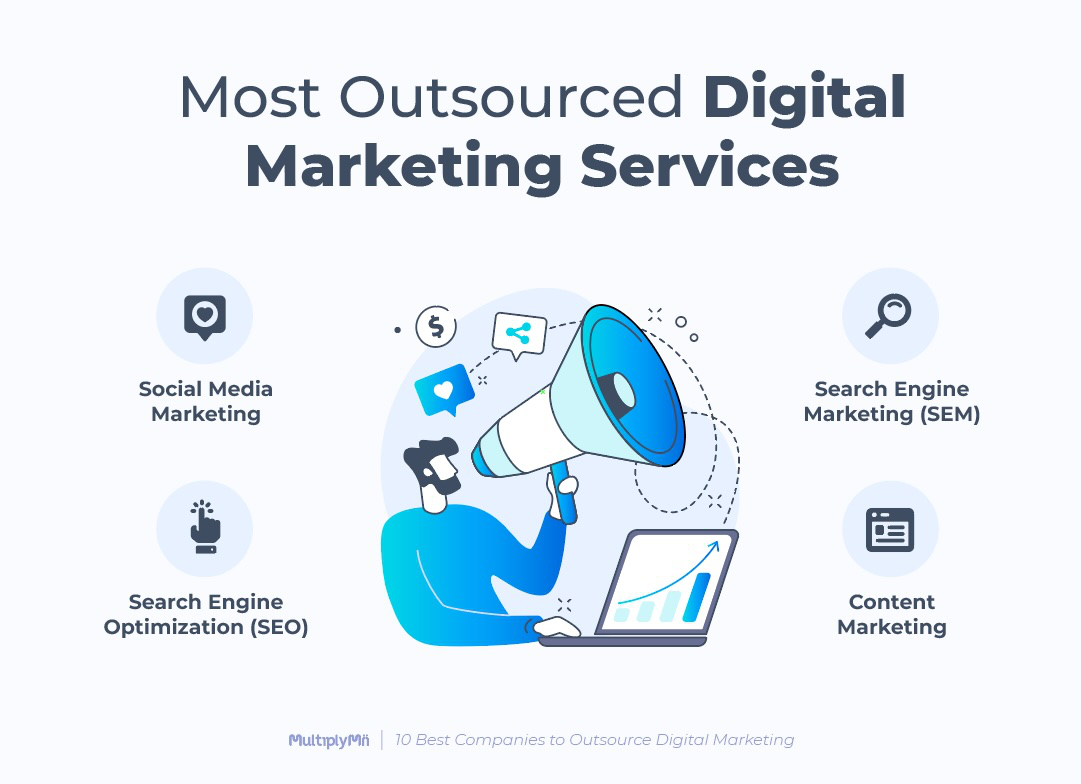
In the realm of digital marketing, there are four key types that encompass various strategies and tactics to reach and engage target audiences effectively. These include search engine optimization (SEO), which focuses on improving a website’s visibility in search engine results; social media marketing, where brands leverage platforms like Facebook, Instagram, and Twitter to connect with users; pay-per-click (PPC) advertising, involving paid ads displayed on search engines and social media platforms; and email marketing, a direct communication channel to nurture leads and build relationships with customers. Understanding these four types of digital marketing is essential for crafting comprehensive online campaigns that drive results and achieve marketing objectives.

Can I learn digital marketing in 2 weeks?

Learning digital marketing in just 2 weeks can provide you with a basic understanding of the key concepts and strategies in the field. However, mastering digital marketing requires continuous learning, practice, and real-world application. While a short course can introduce you to the fundamentals, it is important to remember that digital marketing is a dynamic and evolving field that demands ongoing education and experience. To truly excel in digital marketing, consider pursuing longer-term courses or engaging in hands-on projects to deepen your knowledge and skills over time. Remember, Rome wasn’t built in a day, and becoming proficient in digital marketing is a journey that requires dedication and commitment beyond a mere two-week timeframe.

Can I study digital marketing online?

Yes, you can definitely study digital marketing online. Many reputable institutions and online learning platforms offer comprehensive digital marketing courses that can be completed entirely online. Whether you are a busy professional looking to upskill, a student seeking to enhance your career prospects, or an entrepreneur aiming to promote your business effectively in the digital realm, studying digital marketing online provides a flexible and convenient way to acquire valuable skills and knowledge. With access to expert instructors, interactive learning materials, and practical exercises, online digital marketing courses offer a dynamic educational experience that can help you succeed in the ever-evolving world of digital marketing.

online marketing seo services

Unlocking Success: Maximising Your Business Potential with Professional Online Marketing SEO Services

Article: Online Marketing SEO Services

The Power of Online Marketing SEO Services

In today’s digital age, having a strong online presence is crucial for businesses to succeed. One of the key components of a successful online marketing strategy is Search Engine Optimization (SEO). SEO services play a vital role in improving a website’s visibility and driving organic traffic from search engines.

What are SEO Services?

SEO services encompass a range of techniques and strategies aimed at improving a website’s search engine rankings. This includes keyword research, on-page optimization, link building, content creation, and more. By implementing SEO best practices, businesses can increase their online visibility and attract more potential customers.

The Benefits of SEO Services

Investing in professional SEO services offers numerous benefits for businesses:

  • Increased Online Visibility: By ranking higher in search engine results pages (SERPs), businesses can reach a larger audience and attract more organic traffic to their website.
  • Improved User Experience: SEO focuses on creating a seamless user experience by optimizing website speed, mobile responsiveness, and content relevance.
  • Higher Conversion Rates: Targeted SEO strategies help businesses connect with users actively searching for their products or services, leading to higher conversion rates.
  • Long-Term Results: While it may take time to see the full impact of SEO efforts, the long-term benefits include sustainable online visibility and continuous growth.

Choosing the Right SEO Service Provider

When selecting an online marketing agency for SEO services, it is essential to consider their expertise, experience, and track record of success. A reputable provider will conduct thorough keyword research, implement ethical SEO practices, and provide regular performance reports to track progress.

In conclusion, investing in professional SEO services is essential for businesses looking to enhance their online presence and drive sustainable growth. By leveraging the power of SEO techniques, businesses can improve their search engine rankings, attract more organic traffic, and ultimately increase their revenue.


Frequently Asked Questions About SEO Services in Online Marketing

  1. How much do SEO services cost?
  2. What is SEO in Fiverr?
  3. What does SEO cost per month?
  4. Is SEO part of online marketing?
  5. What do SEO services do?
  6. What is the monthly cost of SEO?
  7. How to use SEO in online marketing?
  8. What is SEO in online marketing?
  9. Should I pay someone to do SEO?
  10. What are SEO marketing services?
  11. Is SEO marketing worth it?
  12. What do SEO services include?
  13. What is SEO online marketing?
  14. Which SEO service is best?

How much do SEO services cost?

When considering SEO services for your online marketing strategy, the cost can vary depending on several factors such as the scope of work, the competitiveness of your industry, and the experience of the SEO service provider. Pricing models for SEO services may include monthly retainers, project-based fees, or hourly rates. It is important to work closely with a reputable SEO agency to discuss your specific goals and budget constraints to determine a tailored pricing structure that aligns with your needs and delivers measurable results in improving your website’s search engine visibility and driving organic traffic.

What is SEO in Fiverr?

SEO in Fiverr refers to the search engine optimization services offered by freelancers on the popular online marketplace, Fiverr. SEO services on Fiverr typically involve tasks such as keyword research, on-page optimization, backlink building, and content creation aimed at improving a website’s visibility in search engine results. Freelancers on Fiverr provide a range of SEO packages tailored to different needs and budgets, allowing businesses to enhance their online presence and attract more organic traffic. It is important for businesses to carefully review the expertise and reviews of freelancers offering SEO services on Fiverr to ensure they choose a provider who can deliver effective results for their digital marketing strategy.

What does SEO cost per month?

When considering the cost of SEO services per month, it is important to understand that pricing can vary depending on several factors. The cost of SEO services is influenced by the scope of work required, the competitiveness of the industry, the size of the website, and the level of expertise provided by the SEO service provider. Typically, SEO services can range from a few hundred pounds to several thousand pounds per month. It is crucial for businesses to work closely with a reputable SEO agency to determine a customised plan that aligns with their specific goals and budget while ensuring a solid return on investment in terms of improved online visibility and organic traffic.

Is SEO part of online marketing?

Yes, SEO (Search Engine Optimization) is an integral part of online marketing. SEO plays a crucial role in improving a website’s visibility and driving organic traffic from search engines. By optimising a website’s content, structure, and technical elements according to search engine algorithms, businesses can enhance their online presence and attract more potential customers. Incorporating SEO into an online marketing strategy helps businesses reach a wider audience, increase brand awareness, and ultimately achieve better results in terms of website traffic and conversions.

What do SEO services do?

SEO services play a crucial role in enhancing a website’s visibility and performance on search engines. Essentially, SEO services involve a range of strategies and techniques aimed at improving a website’s search engine rankings. This includes keyword research, on-page optimization, link building, content creation, and more. By implementing these best practices, SEO services help businesses attract organic traffic, increase online visibility, and ultimately drive growth by connecting them with their target audience effectively.

What is the monthly cost of SEO?

One frequently asked question in the realm of online marketing SEO services is, “What is the monthly cost of SEO?” The answer to this question can vary significantly depending on various factors such as the scope of services required, the competitiveness of the industry, the current state of the website, and the goals of the business. SEO pricing structures can range from fixed monthly retainers to customised packages tailored to specific needs. It is crucial for businesses to work closely with experienced SEO service providers to determine a budget that aligns with their objectives and delivers measurable results in terms of increased online visibility and organic traffic growth.

How to use SEO in online marketing?

To effectively utilise SEO in online marketing, businesses should start by conducting comprehensive keyword research to identify relevant terms and phrases that their target audience is likely to search for. Once keywords are identified, they should be strategically incorporated into website content, meta tags, and URLs to improve organic search visibility. Additionally, creating high-quality, engaging content that aligns with user intent and includes targeted keywords can help boost search engine rankings. Regular monitoring of website performance through analytics tools is essential to track the impact of SEO efforts and make necessary adjustments to optimise online marketing strategies for long-term success.

What is SEO in online marketing?

SEO, or Search Engine Optimization, is a fundamental aspect of online marketing that focuses on improving a website’s visibility and ranking on search engine results pages (SERPs). By implementing SEO strategies such as keyword research, on-page optimization, link building, and content creation, businesses aim to increase organic traffic to their websites. SEO plays a crucial role in helping businesses connect with their target audience, enhance user experience, and ultimately drive conversions. In essence, SEO in online marketing is about optimising a website to attract more relevant traffic from search engines and improve its overall online presence.

Should I pay someone to do SEO?

When considering whether to pay someone to do SEO, it is important to weigh the potential benefits against the costs involved. While some businesses may have the resources and expertise to handle SEO in-house, many find that outsourcing this task to professionals yields better results. Hiring an experienced SEO service provider can save time and effort, as they have the knowledge and tools to implement effective strategies that drive organic traffic and improve search engine rankings. Ultimately, investing in professional SEO services can lead to long-term growth and a stronger online presence for your business.

What are SEO marketing services?

SEO marketing services encompass a range of strategies and techniques aimed at improving a website’s visibility and search engine rankings. These services focus on enhancing a website’s online presence through activities such as keyword research, on-page optimization, link building, content creation, and technical improvements. By utilising SEO marketing services, businesses can attract more organic traffic from search engines, increase their online visibility, and ultimately drive targeted leads to their website. Effective SEO marketing services play a crucial role in helping businesses establish a strong digital presence and reach their target audience effectively.

Is SEO marketing worth it?

The question of whether SEO marketing is worth it is a common one in the realm of online marketing. The answer lies in the significant impact that SEO can have on a business’s online visibility, traffic, and ultimately, its bottom line. By investing in SEO services, businesses can improve their search engine rankings, attract more targeted traffic, and enhance their overall online presence. While SEO efforts may take time to yield tangible results, the long-term benefits of increased visibility and sustained growth make it a worthwhile investment for any business looking to thrive in the competitive digital landscape.

What do SEO services include?

SEO services encompass a comprehensive range of strategies and techniques aimed at improving a website’s visibility and search engine rankings. These services typically include keyword research to identify relevant search terms, on-page optimization to enhance website content and structure, link building to establish authority and credibility, technical SEO to improve site performance and user experience, as well as regular monitoring and reporting to track progress. By combining these elements, SEO services work towards increasing organic traffic, enhancing online visibility, and ultimately driving business growth in the competitive digital landscape.

What is SEO online marketing?

SEO online marketing, commonly known as Search Engine Optimization, is a fundamental aspect of digital marketing aimed at enhancing a website’s visibility and organic traffic through search engines. SEO strategies involve various techniques such as keyword research, on-page optimization, link building, and content creation to improve a website’s ranking in search engine results pages (SERPs). By implementing SEO best practices, businesses can attract more relevant traffic to their websites, increase brand awareness, and ultimately drive conversions. SEO online marketing plays a crucial role in helping businesses establish a strong online presence and reach their target audience effectively.

Which SEO service is best?

When considering the question “Which SEO service is best?”, it is important to understand that the effectiveness of an SEO service can vary depending on the specific needs and goals of a business. The best SEO service for one company may not necessarily be the best for another. It is recommended to look for an SEO service provider that offers a tailored approach, conducts thorough research, follows ethical practices, and provides transparent reporting on performance metrics. Ultimately, the best SEO service is one that aligns closely with the unique requirements of a business and delivers tangible results in terms of improved online visibility, organic traffic growth, and overall digital marketing success.

online marketing and seo services

Unlocking Success: Maximising Your Potential with Online Marketing and SEO Services

Online Marketing and SEO Services

The Power of Online Marketing and SEO Services

In today’s digital age, having a strong online presence is crucial for businesses to succeed. Online marketing and Search Engine Optimization (SEO) services play a key role in helping businesses reach their target audience and drive growth.

Online Marketing

Online marketing encompasses a wide range of strategies aimed at promoting products or services on the internet. From social media marketing and email campaigns to content creation and pay-per-click advertising, online marketing allows businesses to connect with their customers in meaningful ways.

By leveraging online marketing techniques, businesses can increase brand awareness, generate leads, and ultimately boost sales. The ability to target specific demographics and track the performance of campaigns in real-time makes online marketing a powerful tool for driving business growth.

SEO Services

SEO services are essential for improving a website’s visibility on search engines like Google. By optimising website content, implementing relevant keywords, and building quality backlinks, businesses can improve their search engine rankings and attract organic traffic.

A strong SEO strategy not only helps businesses appear higher in search results but also enhances user experience by making websites more user-friendly and accessible. With the majority of users clicking on the top search results, investing in SEO services can significantly impact a business’s online visibility and credibility.

Conclusion

In conclusion, online marketing and SEO services are invaluable tools for businesses looking to establish a strong online presence and compete in today’s digital landscape. By utilising these strategies effectively, businesses can reach their target audience, drive traffic to their websites, and ultimately achieve long-term success.


15 Common Questions About Online Marketing and SEO Services Answered

  1. What is a marketing SEO services?
  2. What do SEO services do?
  3. What is SEO in online marketing?
  4. What is online marketing and SEO?
  5. How is SEO used in digital marketing?
  6. What are the 3 types of SEO?
  7. How to use SEO in online marketing?
  8. Can I hire someone to do my SEO?
  9. What is SEO and its services?
  10. What is SEO marketing services?
  11. What is SEO on Fiverr?
  12. Is SEO part of online marketing?
  13. What are the 7 types of SEO?
  14. What is SEO in online advertising?
  15. What is difference between SEO and online marketing?

What is a marketing SEO services?

A marketing SEO service refers to a specialised offering that focuses on improving a website’s visibility and ranking on search engine results pages through strategic search engine optimisation techniques. These services involve enhancing various aspects of a website, such as content, keywords, and backlinks, to align with search engine algorithms and increase organic traffic. By implementing effective SEO strategies, marketing SEO services aim to boost a website’s online presence, drive targeted traffic, and ultimately improve its overall performance in search engine rankings.

What do SEO services do?

SEO services play a crucial role in improving a website’s visibility and ranking on search engines like Google. SEO professionals utilise various strategies such as keyword research, on-page optimization, link building, and content creation to enhance a website’s relevance and authority in search results. By implementing SEO best practices, these services aim to attract organic traffic to websites, increase brand visibility, and ultimately drive business growth. In essence, SEO services work towards ensuring that a website is easily discoverable by users searching for relevant information or products online.

What is SEO in online marketing?

SEO, which stands for Search Engine Optimization, plays a crucial role in online marketing by enhancing a website’s visibility and ranking on search engine results pages. In essence, SEO involves implementing strategies to improve a website’s relevance and authority in the eyes of search engines like Google. By optimising various elements such as content, keywords, meta tags, and backlinks, SEO helps businesses attract organic traffic and reach their target audience effectively. Ultimately, SEO is a fundamental component of online marketing that drives website visibility, increases brand awareness, and boosts overall digital presence.

What is online marketing and SEO?

Online marketing encompasses a range of strategies aimed at promoting products or services on the internet, including social media marketing, email campaigns, content creation, and pay-per-click advertising. It allows businesses to connect with their target audience, increase brand awareness, generate leads, and boost sales through targeted digital campaigns. On the other hand, SEO (Search Engine Optimization) services focus on improving a website’s visibility on search engines like Google by optimising content, implementing relevant keywords, and building quality backlinks. By enhancing search engine rankings and attracting organic traffic, SEO helps businesses improve online visibility and user experience. Together, online marketing and SEO form essential components of a successful digital strategy for businesses looking to thrive in the competitive online landscape.

How is SEO used in digital marketing?

SEO, or Search Engine Optimization, plays a crucial role in digital marketing by enhancing a website’s visibility and ranking on search engine results pages. By strategically incorporating relevant keywords, optimizing website content, and building quality backlinks, SEO helps businesses attract organic traffic and improve their online presence. Through effective SEO techniques, businesses can increase their chances of being discovered by potential customers searching for products or services related to their industry. Ultimately, SEO is a fundamental aspect of digital marketing that enables businesses to drive traffic to their websites and enhance their overall online performance.

What are the 3 types of SEO?

When it comes to Search Engine Optimization (SEO), there are three main types that businesses can utilise to improve their online visibility and rankings. The first type is on-page SEO, which involves optimising individual web pages with relevant keywords, meta tags, and high-quality content to make them more search engine-friendly. The second type is off-page SEO, which focuses on building backlinks from reputable sites to increase a website’s authority and credibility in the eyes of search engines. Lastly, there is technical SEO, which involves optimising the technical aspects of a website, such as site speed, mobile-friendliness, and schema markup, to enhance its performance and user experience. By incorporating all three types of SEO into their digital strategy, businesses can maximise their online presence and attract more organic traffic.

How to use SEO in online marketing?

To effectively utilise SEO in online marketing, businesses must first conduct thorough keyword research to identify relevant search terms that their target audience is likely to use. By strategically incorporating these keywords into website content, meta tags, and URLs, businesses can improve their search engine rankings and attract organic traffic. Additionally, creating high-quality, engaging content that provides value to users not only enhances SEO but also helps build trust and credibility with customers. Regularly monitoring and analysing SEO performance metrics is essential to fine-tune strategies and ensure continuous improvement in online visibility and reach. By integrating SEO seamlessly into their online marketing efforts, businesses can enhance brand visibility, drive website traffic, and ultimately achieve their digital marketing goals.

Can I hire someone to do my SEO?

Many businesses often ask the question, “Can I hire someone to do my SEO?” The answer is yes, hiring a professional SEO service provider can be a smart investment for businesses looking to improve their online visibility and rankings. SEO experts have the knowledge and experience to implement effective strategies that can help boost a website’s search engine performance. By entrusting SEO tasks to a skilled professional, businesses can focus on other aspects of their operations while benefiting from the expertise of someone dedicated to enhancing their online presence.

What is SEO and its services?

SEO, or Search Engine Optimization, is a fundamental aspect of online marketing that focuses on improving a website’s visibility in search engine results pages. SEO services encompass a range of strategies and techniques aimed at enhancing a website’s organic search performance. This includes keyword research, on-page optimization, link building, and technical SEO to ensure that a website ranks higher in search engine results for relevant queries. By implementing effective SEO services, businesses can attract more organic traffic, increase their online presence, and ultimately drive growth by reaching their target audience more effectively.

What is SEO marketing services?

SEO marketing services refer to the strategies and techniques employed to improve a website’s visibility on search engines like Google. SEO, which stands for Search Engine Optimization, involves optimising website content, keywords, and backlinks to enhance search engine rankings and attract organic traffic. By utilising SEO marketing services, businesses can increase their online presence, drive targeted traffic to their websites, and ultimately boost their visibility and credibility in the competitive digital landscape. Effective SEO marketing services play a crucial role in helping businesses reach their target audience and achieve long-term success online.

What is SEO on Fiverr?

SEO on Fiverr refers to the search engine optimization services offered on the popular freelance platform, Fiverr. Businesses and individuals can find a wide range of SEO experts on Fiverr who provide services such as keyword research, website analysis, backlink building, and content optimisation to improve their online visibility and search engine rankings. SEO services on Fiverr cater to clients looking for affordable and specialised solutions to enhance their digital presence and drive organic traffic to their websites. By utilising SEO services on Fiverr, clients can benefit from the expertise of skilled professionals in the field of search engine optimisation to help them achieve their online marketing goals effectively.

Is SEO part of online marketing?

In the realm of digital marketing, Search Engine Optimization (SEO) is indeed a fundamental component of online marketing strategies. SEO plays a crucial role in enhancing a website’s visibility and ranking on search engine results pages, thereby driving organic traffic and improving overall online presence. By optimising website content, implementing relevant keywords, and building quality backlinks, businesses can effectively boost their online visibility and attract valuable traffic. Therefore, SEO is intricately intertwined with online marketing efforts as it serves as a cornerstone for achieving long-term success in the competitive digital landscape.

What are the 7 types of SEO?

When it comes to Search Engine Optimization (SEO), there are seven main types that businesses can utilise to improve their online visibility and rankings. These include on-page SEO, off-page SEO, technical SEO, local SEO, mobile SEO, e-commerce SEO, and voice search SEO. Each type focuses on different aspects of a website’s structure, content, and performance to enhance its chances of ranking higher in search engine results pages. By implementing a comprehensive SEO strategy that incorporates these different types, businesses can effectively optimise their online presence and attract more organic traffic.

What is SEO in online advertising?

In the realm of online advertising, SEO, which stands for Search Engine Optimization, plays a pivotal role in enhancing the visibility and ranking of a website on search engine results pages. SEO in online advertising involves the strategic implementation of techniques such as keyword research, content optimisation, and link building to improve a website’s organic search performance. By focusing on SEO in online advertising efforts, businesses can increase their website’s chances of being discovered by potential customers when they search for relevant products or services online. Ultimately, integrating SEO into online advertising strategies is essential for driving targeted traffic to websites and maximising the effectiveness of digital marketing campaigns.

What is difference between SEO and online marketing?

In the realm of digital marketing, the distinction between SEO and online marketing lies in their specific focuses and strategies. SEO, or Search Engine Optimization, is a subset of online marketing that specifically deals with improving a website’s visibility on search engine results pages through organic tactics such as keyword optimization, content creation, and link building. On the other hand, online marketing encompasses a broader range of strategies beyond SEO, including social media marketing, email campaigns, pay-per-click advertising, and more. While SEO is primarily concerned with enhancing search engine rankings to drive organic traffic, online marketing encompasses various channels and approaches to promote products or services online and engage with target audiences across different platforms.

seo and online marketing

Mastering the Art of SEO and Online Marketing: A Guide to Digital Success

SEO and Online Marketing

The Power of SEO and Online Marketing

In today’s digital age, having a strong online presence is crucial for businesses to succeed. Search Engine Optimization (SEO) and online marketing play key roles in helping businesses reach their target audience, increase visibility, and drive traffic to their websites.

SEO: Enhancing Visibility

SEO is the practice of optimizing your website to rank higher in search engine results pages (SERPs). By using relevant keywords, creating high-quality content, and improving website performance, businesses can improve their visibility online. This increased visibility not only drives more organic traffic to the website but also builds credibility and trust with potential customers.

Online Marketing: Reaching Your Audience

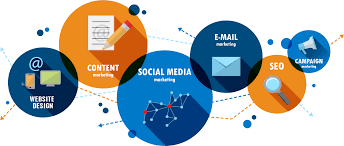
Online marketing encompasses various strategies such as social media marketing, email marketing, pay-per-click advertising, and content marketing. These techniques help businesses connect with their target audience on different digital platforms. By creating engaging content and targeted campaigns, businesses can effectively reach potential customers and drive conversions.

The Synergy of SEO and Online Marketing

When combined, SEO and online marketing create a powerful synergy that maximizes results for businesses. SEO helps improve website visibility and organic traffic, while online marketing strategies amplify this visibility through targeted campaigns on social media and other platforms. This integrated approach not only boosts brand awareness but also drives lead generation and sales.

Conclusion

In conclusion, SEO and online marketing are essential components of a successful digital strategy. By investing in these practices, businesses can enhance their online presence, attract more customers, and ultimately grow their revenue. Embracing the power of SEO and online marketing is key to staying competitive in today’s digital landscape.


Essential FAQs on SEO and Online Marketing: Strategies, Impact, and Measurement

  1. What is SEO and why is it important for online marketing?
  2. How can I improve my website’s SEO?
  3. What are the key elements of a successful SEO strategy?
  4. What is the difference between organic and paid search results?
  5. How does social media marketing impact SEO?
  6. What role does content marketing play in online marketing?
  7. How can email marketing contribute to an effective digital strategy?
  8. What are the benefits of investing in pay-per-click (PPC) advertising?
  9. How can businesses measure the success of their SEO and online marketing efforts?

What is SEO and why is it important for online marketing?

Search Engine Optimization (SEO) is a fundamental aspect of online marketing that focuses on improving a website’s visibility and ranking in search engine results pages. By strategically using relevant keywords, optimizing website content, and enhancing user experience, SEO helps businesses attract organic traffic and reach their target audience more effectively. In the competitive digital landscape, having a strong SEO strategy is crucial for businesses to increase online visibility, build credibility, and drive conversions. Ultimately, SEO plays a vital role in ensuring that businesses can maximise their online presence and achieve long-term success in the ever-evolving world of digital marketing.

How can I improve my website’s SEO?

To enhance your website’s SEO, it is essential to focus on several key areas. Firstly, conducting thorough keyword research and strategically incorporating relevant keywords into your website’s content can improve its visibility in search engine results. Additionally, optimizing meta tags, headers, and image alt text with targeted keywords can further boost your site’s SEO performance. Creating high-quality, engaging content that is valuable to your audience not only improves user experience but also increases the likelihood of earning backlinks from reputable sites. Regularly monitoring and analysing your website’s performance through tools like Google Analytics can help identify areas for improvement and track the effectiveness of your SEO efforts. By implementing these strategies consistently and staying up-to-date with SEO best practices, you can enhance your website’s SEO and drive more organic traffic to your site.

What are the key elements of a successful SEO strategy?

When it comes to developing a successful SEO strategy, several key elements are essential for achieving optimal results. Firstly, thorough keyword research is crucial to identify relevant search terms that align with your target audience’s intent. Creating high-quality, engaging content that incorporates these keywords naturally is another vital element. Additionally, ensuring your website is technically sound, mobile-friendly, and user-friendly plays a significant role in improving search engine rankings. Building high-quality backlinks from reputable sources and regularly monitoring and analysing performance metrics are also critical components of a successful SEO strategy. By integrating these key elements effectively, businesses can enhance their online visibility, attract more organic traffic, and ultimately drive meaningful results in their digital marketing efforts.

What is the difference between organic and paid search results?

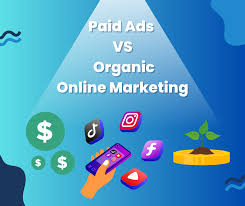
When it comes to SEO and online marketing, understanding the difference between organic and paid search results is crucial. Organic search results are listings that appear naturally on search engine results pages (SERPs) based on their relevance to the user’s query. These results are not influenced by payment and are earned through effective SEO practices such as keyword optimization and quality content creation. On the other hand, paid search results are advertisements that appear at the top or bottom of SERPs, marked as “Ad.” Advertisers pay for these placements based on specific keywords or targeting criteria. While organic results provide long-term visibility and credibility, paid results offer immediate visibility and can be a valuable part of a comprehensive online marketing strategy. Understanding how to leverage both organic and paid search results can help businesses effectively reach their target audience and achieve their marketing goals.

How does social media marketing impact SEO?

Social media marketing plays a significant role in impacting SEO by enhancing brand visibility, driving website traffic, and increasing engagement. When businesses actively engage with their audience on social media platforms, they create opportunities for users to share their content, which can lead to backlinks and increased referral traffic to their website. Additionally, social signals such as likes, shares, and comments are considered by search engines as indicators of content relevance and popularity, which can positively influence search engine rankings. By incorporating social media marketing strategies into their SEO efforts, businesses can strengthen their online presence and improve their overall digital marketing performance.

What role does content marketing play in online marketing?

Content marketing plays a pivotal role in online marketing by serving as the foundation for engaging and attracting target audiences. Through strategic creation and distribution of valuable, relevant content, businesses can establish credibility, build brand awareness, and foster relationships with their customers. High-quality content not only helps improve search engine rankings through SEO but also drives traffic to websites, increases conversions, and ultimately contributes to the overall success of online marketing efforts. In essence, content marketing acts as a powerful tool in connecting businesses with their audience and driving meaningful engagement in the digital landscape.

How can email marketing contribute to an effective digital strategy?

Email marketing plays a pivotal role in enhancing an effective digital strategy by providing a direct and personalised channel to engage with customers. Through targeted email campaigns, businesses can deliver relevant content, promotions, and updates to their audience, nurturing relationships and driving conversions. By leveraging email marketing tools to segment subscribers based on their preferences and behaviour, businesses can tailor their messaging for maximum impact. This strategic approach not only helps in building brand loyalty but also contributes to increasing website traffic, generating leads, and ultimately boosting sales. Email marketing’s ability to deliver timely and tailored messages makes it a valuable asset in any comprehensive digital strategy.

What are the benefits of investing in pay-per-click (PPC) advertising?

Investing in pay-per-click (PPC) advertising offers a range of benefits for businesses looking to enhance their online marketing efforts. One key advantage of PPC advertising is its ability to deliver immediate results by driving targeted traffic to a website. With PPC, businesses only pay when a user clicks on their ad, making it a cost-effective way to reach potential customers. Additionally, PPC allows for precise targeting, enabling businesses to tailor their ads to specific demographics, locations, and interests. This level of targeting helps increase the likelihood of conversions and maximise return on investment (ROI) for businesses investing in PPC advertising.

How can businesses measure the success of their SEO and online marketing efforts?

Businesses can measure the success of their SEO and online marketing efforts through various key performance indicators (KPIs) such as website traffic, conversion rates, keyword rankings, and return on investment (ROI). Monitoring website traffic allows businesses to track the number of visitors to their site and identify trends over time. Conversion rates indicate how effectively visitors are being converted into customers or leads. Keyword rankings show where the business ranks in search engine results for specific terms, reflecting the effectiveness of SEO strategies. Finally, ROI analysis helps businesses assess the profitability of their online marketing campaigns by comparing the costs incurred with the revenue generated. By regularly evaluating these metrics, businesses can gain valuable insights into the impact of their SEO and online marketing activities and make informed decisions to optimise their strategies for greater success.

google digital marketing course

Mastering Digital Marketing with Google’s Comprehensive Course

The Benefits of Taking Google’s Digital Marketing Course

In today’s digital age, having a strong understanding of digital marketing is essential for anyone looking to succeed in the online world. Google, one of the leading tech giants, offers a comprehensive digital marketing course that provides valuable insights and skills to help individuals and businesses thrive in the digital landscape.

What Does the Course Cover?

Google’s digital marketing course covers a wide range of topics essential for anyone looking to excel in online marketing. From search engine optimisation (SEO) and pay-per-click advertising to social media marketing and email campaigns, the course delves into various aspects of digital marketing strategies and best practices.

Key Benefits of Taking the Course

Industry-Recognised Certification: Upon successful completion of the course, participants receive a certification from Google, which is highly regarded in the industry and can enhance your credibility as a digital marketer.

Practical Knowledge: The course is designed to provide practical skills that you can immediately apply to real-world digital marketing campaigns. Whether you are a beginner or have some experience in the field, you will gain valuable insights that can help you succeed.

Updated Content: Given Google’s position at the forefront of technology and innovation, you can be assured that the course content is up-to-date with the latest trends and best practices in digital marketing.

Flexibility: The course is available online, allowing you to study at your own pace and schedule. This flexibility makes it convenient for working professionals or those with busy schedules to pursue their learning goals.

Who Can Benefit from the Course?

The Google digital marketing course is ideal for aspiring marketers, business owners looking to expand their online presence, freelancers seeking to enhance their skill set, or anyone interested in learning more about digital marketing strategies.

In Conclusion

By enrolling in Google’s digital marketing course, you not only gain valuable knowledge and skills but also open up new opportunities for career advancement and business growth. Embrace the power of digital marketing with Google’s comprehensive course and take your online presence to new heights.


Top 10 FAQs About Google’s Digital Marketing Course: What You Need to Know

  1. How many hours is Google digital marketing course?
  2. Is Google digital marketing exam difficult?
  3. Is Google digital marketing Class worth it?
  4. How do I become a digital marketer on Google?
  5. Can you get a job with Google digital marketing certificate?
  6. Can Google digital marketing certificate get you a job?
  7. Is digital marketing by Google is free?
  8. Is Google’s digital marketing course good?
  9. How much is Google digital marketing professional certificate?
  10. Is Google digital marketing course legit?

How many hours is Google digital marketing course?

The duration of Google’s digital marketing course can vary depending on the individual’s pace of learning and commitment. On average, the course is designed to be completed in around 40 hours. However, participants have the flexibility to study at their own convenience and progress through the material at a speed that suits their schedule. Whether you choose to dedicate a few hours each day or complete it in a more intensive timeframe, the course offers a comprehensive learning experience that equips you with valuable skills in digital marketing.

Is Google digital marketing exam difficult?

The difficulty level of the Google digital marketing exam can vary depending on an individual’s level of experience and preparation. For those with a solid understanding of digital marketing concepts and practical experience, the exam may be challenging but manageable with thorough study and practice. However, for beginners or those new to the field, the exam may pose a greater level of difficulty requiring more time and effort to prepare adequately. Overall, with dedication and commitment to learning the material, individuals can overcome the challenges posed by the Google digital marketing exam and achieve success in obtaining their certification.

Is Google digital marketing Class worth it?

When considering whether the Google digital marketing course is worth it, it’s important to weigh the benefits it offers. With industry-recognised certification, practical knowledge that can be applied immediately, up-to-date content reflecting the latest trends, and the flexibility of online learning, the course provides valuable insights for aspiring marketers, business owners, freelancers, and anyone interested in digital marketing. The credibility of a certification from Google and the potential for career advancement make the course a worthwhile investment in enhancing your skills and expanding your opportunities in the digital marketing landscape.

How do I become a digital marketer on Google?

To become a digital marketer on Google, individuals can start by enrolling in Google’s digital marketing course to gain valuable knowledge and skills in the field. This course covers essential topics such as search engine optimisation (SEO), pay-per-click advertising, social media marketing, and email campaigns, providing a solid foundation for aspiring digital marketers. Additionally, gaining practical experience through internships, freelance projects, or working with digital marketing agencies can help individuals apply their learning in real-world scenarios. Networking with industry professionals and staying updated on the latest trends and tools in digital marketing are also crucial steps towards becoming a successful digital marketer on Google.

Can you get a job with Google digital marketing certificate?

Obtaining a Google digital marketing certificate can significantly enhance your job prospects in the digital marketing industry. While the certificate itself does not guarantee a job at Google specifically, it holds substantial value and credibility in the industry. Employers recognise Google’s certification as a testament to your expertise and commitment to mastering digital marketing skills. With this certification, you demonstrate your proficiency in various aspects of digital marketing, making you a more attractive candidate for job opportunities across different organisations and sectors within the field.

Can Google digital marketing certificate get you a job?

The Google digital marketing certificate can indeed enhance your job prospects in the competitive digital marketing industry. While holding this certification may not guarantee a job outright, it demonstrates to potential employers your commitment to learning and mastering essential digital marketing skills. Employers often value certifications from reputable sources like Google, as they signify a certain level of expertise and proficiency in the field. By showcasing your Google digital marketing certificate on your resume or LinkedIn profile, you can differentiate yourself from other candidates and increase your chances of securing a job in digital marketing.

Is digital marketing by Google is free?

When it comes to Google’s digital marketing course, one of the frequently asked questions is whether it is free of charge. The answer is yes – Google’s digital marketing course is indeed free to enrol in and access. This accessibility makes it a valuable resource for individuals looking to enhance their digital marketing skills without any financial barriers. By offering this course for free, Google aims to empower aspiring marketers, business owners, and anyone interested in the world of digital marketing with the knowledge and tools needed to succeed in the online landscape.

Is Google’s digital marketing course good?

Many individuals often wonder, “Is Google’s digital marketing course good?” The answer is a resounding yes. Google’s digital marketing course is highly regarded in the industry for its comprehensive content, practical approach, and industry-recognised certification. With up-to-date content, flexible online learning options, and a focus on practical knowledge that can be applied to real-world scenarios, the course equips participants with valuable skills and insights to excel in the ever-evolving digital marketing landscape. Whether you are a beginner looking to kickstart your career in digital marketing or a seasoned professional seeking to enhance your expertise, Google’s digital marketing course is an excellent choice for anyone looking to upskill and stay ahead in the competitive online marketplace.

How much is Google digital marketing professional certificate?

The cost of obtaining the Google Digital Marketing Professional Certificate varies depending on the platform through which you choose to undertake the course. Typically, the course fee ranges from £39 to £99. However, Google often offers financial assistance and scholarships to make the course more accessible to individuals from diverse backgrounds. It is advisable to check Google’s official website for the most up-to-date information on pricing and any available discounts or financial aid options.

Is Google digital marketing course legit?

The legitimacy of Google’s digital marketing course is a common concern among individuals considering enrolling in the program. Rest assured, Google’s digital marketing course is indeed legitimate and highly reputable in the industry. With Google being a leading authority in the digital realm, the course offers valuable insights, practical skills, and an industry-recognised certification upon completion. By choosing to undertake this course, you can be confident in the quality of education and expertise you will gain to excel in the dynamic field of digital marketing.

online marketing and advertising

Maximising Your Reach: The Essentials of Online Marketing and Advertising

The Power of Online Marketing and Advertising

The Power of Online Marketing and Advertising

In today’s digital age, online marketing and advertising have become essential tools for businesses looking to reach their target audience effectively. With the vast reach of the internet and the ability to target specific demographics, online marketing offers unparalleled opportunities for businesses to promote their products or services.

Benefits of Online Marketing and Advertising

One of the key benefits of online marketing is its cost-effectiveness compared to traditional forms of advertising. With online marketing, businesses can reach a larger audience at a fraction of the cost, making it ideal for companies with limited marketing budgets.

Furthermore, online marketing allows businesses to track and measure the effectiveness of their campaigns in real-time. This data-driven approach enables businesses to make informed decisions about their marketing strategies and optimise their campaigns for better results.

Types of Online Marketing Strategies

There are various online marketing strategies that businesses can utilise to promote their products or services:

  • Search Engine Optimisation (SEO): SEO involves optimising a website’s content to improve its visibility on search engines like Google. By ranking higher in search results, businesses can attract more organic traffic to their websites.
  • Pay-Per-Click (PPC) Advertising: PPC advertising allows businesses to display ads on search engines or other platforms and pay only when users click on them. This targeted approach ensures that businesses reach users who are actively searching for their products or services.
  • Social Media Marketing: Social media platforms like Facebook, Instagram, and Twitter offer powerful tools for businesses to engage with their audience, build brand awareness, and drive traffic to their websites.
  • Email Marketing: Email marketing remains a popular strategy for nurturing leads and converting them into customers. By sending personalised emails to subscribers, businesses can promote their products or services directly to interested individuals.

The Future of Online Marketing

As technology continues to evolve, so too will the landscape of online marketing and advertising. Businesses that embrace new trends and technologies will be well-positioned to stay ahead of the competition and connect with their target audience in meaningful ways.

In conclusion, online marketing and advertising offer immense potential for businesses looking to expand their reach, drive sales, and build brand loyalty. By leveraging the power of digital channels effectively, businesses can achieve remarkable results in today’s competitive marketplace.


Understanding Online Marketing and Advertising: Answers to 20 Common Questions

  1. How do I become an online advertising marketer?
  2. What is online advertising with example?
  3. What is the difference between advertising and online marketing?
  4. What is the difference between marketing and advertising?
  5. What is the difference between advertising and marketing?
  6. What is the difference between advertising and digital marketing?
  7. Which is an example of online advertising?
  8. What are online marketing and advertising tools?
  9. What is online advertising strategy?
  10. What are the two types of online advertising?
  11. What are the 4 types of online marketing?
  12. What are types of online marketing?
  13. What is the 7 times 7 rule in marketing?
  14. What is the advantage of online marketing and advertising?
  15. What is an example of online advertising and marketing?
  16. What is online marketing and advertising explain in detail?
  17. What are 8 types of online advertising?
  18. Is online marketing and online advertising same?
  19. What are online advertising services?
  20. What is the main purpose of online advertising?

How do I become an online advertising marketer?

To become an online advertising marketer, it is essential to acquire a combination of relevant skills and experience in the digital marketing field. Start by gaining a solid understanding of online advertising platforms such as Google Ads, social media advertising, and display advertising. Familiarise yourself with key concepts like targeting, bidding strategies, and ad copywriting. Consider pursuing certifications or courses in digital marketing to enhance your knowledge and credibility. Practical experience through internships or freelance projects can also be invaluable in honing your skills as an online advertising marketer. Stay updated on industry trends and best practices to adapt to the ever-changing landscape of online marketing effectively.

What is online advertising with example?

Online advertising refers to the practice of promoting products or services on the internet through various digital channels to reach a targeted audience. An example of online advertising is display advertising, where businesses create visual ads that are displayed on websites, apps, or social media platforms. These ads can be in the form of banners, videos, or interactive content and are strategically placed to attract the attention of potential customers. Display advertising allows businesses to increase brand visibility, drive traffic to their websites, and ultimately generate leads or sales by reaching users who are likely to be interested in their offerings.

What is the difference between advertising and online marketing?

In the realm of digital marketing, the distinction between advertising and online marketing lies in their scope and approach. Advertising typically refers to the promotion of products or services through paid channels, such as TV commercials, print ads, or online display ads. On the other hand, online marketing encompasses a broader range of strategies aimed at promoting businesses digitally, including activities like search engine optimisation (SEO), social media marketing, content marketing, email campaigns, and more. While advertising is a subset of online marketing that focuses on paid promotions, online marketing involves a holistic approach to reaching and engaging with target audiences through various digital channels.

What is the difference between marketing and advertising?

When it comes to online marketing and advertising, a common question that arises is the difference between marketing and advertising. While both terms are often used interchangeably, there is a distinct contrast between the two. Marketing encompasses a broader set of activities that involve identifying customer needs, creating products or services to meet those needs, pricing strategies, distribution channels, and promotional efforts. On the other hand, advertising specifically refers to the paid promotion of products or services through various channels to reach a target audience. In essence, marketing is a comprehensive strategy that includes advertising as one of its components to achieve business goals effectively in the digital realm.

What is the difference between advertising and marketing?

In the realm of online marketing and advertising, a frequently asked question often revolves around understanding the distinction between advertising and marketing. While advertising is a specific component of marketing, marketing encompasses a broader range of activities aimed at promoting and selling products or services. Advertising refers to the paid promotion of products or services through various channels, such as online ads, TV commercials, or sponsored content. On the other hand, marketing involves a strategic approach that includes market research, branding, pricing, distribution, and customer engagement to achieve long-term business goals. Understanding the nuanced differences between advertising and marketing is crucial for businesses looking to develop comprehensive strategies that effectively reach their target audience and drive success in the digital landscape.

What is the difference between advertising and digital marketing?

When discussing the difference between advertising and digital marketing, it is important to understand that advertising is a component of digital marketing. Advertising refers to the promotion of products or services through paid channels such as TV commercials, print ads, and online banners. On the other hand, digital marketing encompasses a broader range of activities beyond traditional advertising, including strategies like search engine optimisation (SEO), social media marketing, email marketing, and content creation. Digital marketing leverages various online platforms to engage with target audiences, build brand awareness, drive traffic, and ultimately achieve business goals in a more holistic and interactive manner compared to traditional advertising methods.

Which is an example of online advertising?

An example of online advertising is display advertising, where businesses create visual ads in various formats such as banners, images, or videos to promote their products or services on websites and apps. These ads are strategically placed on relevant websites that attract the target audience, allowing businesses to reach potential customers while they browse the internet. Display advertising is a common form of online marketing that helps businesses increase brand visibility and drive traffic to their websites.

What are online marketing and advertising tools?

Online marketing and advertising tools encompass a wide range of digital resources and platforms designed to help businesses promote their products or services online. These tools include but are not limited to search engine optimisation (SEO) tools for improving website visibility, pay-per-click (PPC) advertising platforms for targeted ad placements, social media management tools for engaging with audiences across various platforms, email marketing software for sending personalised campaigns, and analytics tools for tracking and measuring the effectiveness of marketing efforts. By leveraging these diverse tools effectively, businesses can enhance their online presence, reach their target audience, and achieve their marketing goals in the digital realm.

What is online advertising strategy?

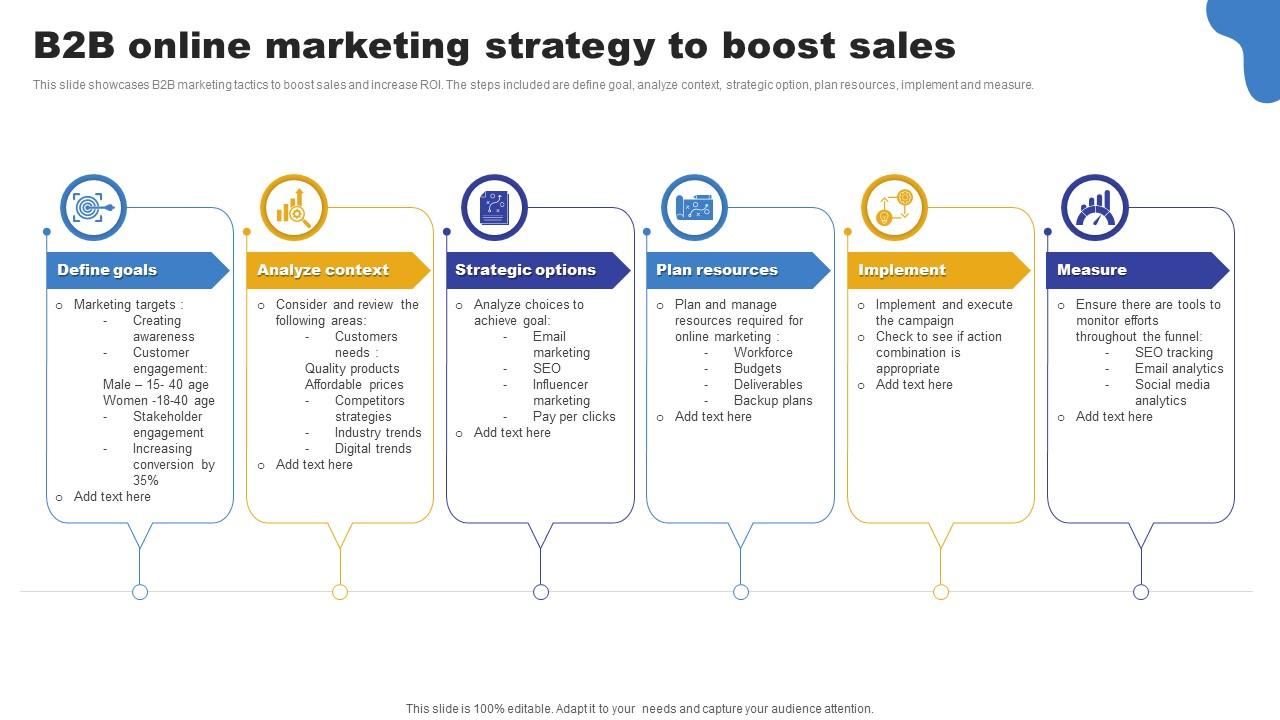
An online advertising strategy refers to a comprehensive plan that outlines how a business will use digital channels to promote its products or services to target audiences. This strategy typically involves identifying specific goals, defining target demographics, selecting appropriate online advertising platforms (such as social media, search engines, or display networks), creating engaging ad content, setting budgets and timelines, and measuring the effectiveness of campaigns through key performance indicators (KPIs). A well-crafted online advertising strategy is crucial for businesses to maximise their online presence, drive traffic to their websites, generate leads, and ultimately achieve their marketing objectives in the competitive digital landscape.

What are the two types of online advertising?

In the realm of online marketing and advertising, businesses commonly utilise two main types of online advertising: display advertising and search advertising. Display advertising involves the placement of visual ads, such as banners or videos, on websites to attract the attention of users. On the other hand, search advertising focuses on displaying text ads within search engine results pages, targeting users who are actively searching for specific keywords related to the advertiser’s products or services. Both types of online advertising play crucial roles in reaching and engaging target audiences effectively in the digital landscape.

What are the 4 types of online marketing?

When it comes to online marketing, there are four main types of strategies that businesses commonly utilise to promote their products or services. These include Search Engine Optimisation (SEO), Pay-Per-Click (PPC) Advertising, Social Media Marketing, and Email Marketing. Each type of online marketing strategy offers unique benefits and allows businesses to reach their target audience in different ways. By incorporating a mix of these strategies into their marketing efforts, businesses can enhance their online presence, engage with customers effectively, and drive conversions for their products or services.

What are types of online marketing?

When it comes to online marketing, there are various types of strategies that businesses can utilise to promote their products or services effectively. Some common types of online marketing include Search Engine Optimisation (SEO), which focuses on improving a website’s visibility on search engines; Pay-Per-Click (PPC) Advertising, where businesses pay for ads only when users click on them; Social Media Marketing, using platforms like Facebook and Instagram to engage with the audience; and Email Marketing, which involves sending targeted emails to subscribers to promote products or services. Each type of online marketing strategy offers unique benefits and can be tailored to suit the specific goals and target audience of a business.

What is the 7 times 7 rule in marketing?

The “7 times 7 rule” in marketing refers to the idea that a potential customer needs to see or hear a marketing message at least seven times before they take action or make a purchase. This rule emphasises the importance of repetition and consistency in marketing campaigns to build brand awareness, establish trust, and ultimately drive conversions. By reinforcing the message multiple times through various channels, businesses can increase their chances of capturing the attention of their target audience and influencing their buying decisions effectively.

What is the advantage of online marketing and advertising?

The advantage of online marketing and advertising lies in its ability to provide businesses with cost-effective and targeted strategies to reach their desired audience. Unlike traditional forms of advertising, online marketing offers precise targeting options that allow businesses to tailor their campaigns to specific demographics, interests, and behaviours. This level of targeting ensures that businesses can maximise their return on investment by reaching the right people at the right time. Additionally, online marketing provides real-time analytics and insights that enable businesses to track the performance of their campaigns and make data-driven decisions to optimise results. Overall, the advantage of online marketing and advertising is its efficiency, effectiveness, and ability to deliver measurable results for businesses of all sizes.

What is an example of online advertising and marketing?

An example of online advertising and marketing is display advertising, where businesses promote their products or services through visual ads on websites, apps, or social media platforms. These ads can be in the form of banners, videos, or interactive content and are strategically placed to reach the target audience. Display advertising allows businesses to increase brand visibility, drive traffic to their websites, and generate leads by capturing the attention of users as they browse online. By tracking metrics such as click-through rates and conversions, businesses can evaluate the effectiveness of their display advertising campaigns and make data-driven decisions to enhance their online marketing strategies.

What is online marketing and advertising explain in detail?

Online marketing and advertising encompass a range of strategies and techniques used by businesses to promote their products or services on digital platforms. Online marketing involves activities such as search engine optimisation (SEO), pay-per-click (PPC) advertising, social media marketing, email marketing, and content marketing. These strategies aim to increase brand visibility, drive website traffic, generate leads, and ultimately boost sales. Online advertising, on the other hand, refers to the paid promotion of products or services through various online channels like search engines, social media platforms, display ads, and sponsored content. By combining these approaches strategically, businesses can effectively reach their target audience, engage with potential customers, and achieve their marketing objectives in the ever-evolving digital landscape.

What are 8 types of online advertising?

When it comes to online marketing and advertising, there are various types of online advertising strategies that businesses can leverage to promote their products or services effectively. Some common types include display advertising, search engine marketing (SEM), social media advertising, native advertising, video advertising, email marketing, influencer marketing, and affiliate marketing. Each of these types offers unique opportunities for businesses to reach their target audience and drive engagement, ultimately contributing to the success of their digital marketing campaigns.

Is online marketing and online advertising same?

Online marketing and online advertising are related concepts but not exactly the same. Online marketing encompasses a broader range of strategies aimed at promoting a business or brand on digital platforms, including online advertising. While online advertising specifically refers to paid promotional activities such as display ads, search engine marketing, social media ads, and sponsored content. Online marketing, on the other hand, includes both paid and organic methods to drive traffic, engage audiences, and ultimately achieve business goals through various online channels. In essence, online advertising is a subset of online marketing that focuses on paid promotional efforts to reach target audiences effectively.

What are online advertising services?

Online advertising services encompass a range of strategies and tools used to promote products or services on digital platforms. These services typically include activities such as pay-per-click (PPC) advertising, display advertising, social media advertising, search engine marketing (SEM), and email marketing. By leveraging these services, businesses can target specific audiences, increase brand visibility, drive website traffic, and ultimately boost sales. Online advertising services play a crucial role in helping businesses reach their marketing goals in the competitive online landscape by providing tailored solutions to connect with potential customers effectively.

What is the main purpose of online advertising?

The main purpose of online advertising is to promote products or services using digital channels to reach a targeted audience. By leveraging the internet and various online platforms, businesses aim to increase brand awareness, drive website traffic, generate leads, and ultimately boost sales. Online advertising allows businesses to precisely target their desired demographic, track campaign performance in real-time, and adjust strategies accordingly for optimal results. Overall, the primary goal of online advertising is to engage with potential customers in a cost-effective and measurable way to achieve specific marketing objectives.

best digital marketing campaigns 2020

Exploring the Best Digital Marketing Campaigns of 2020

Best Digital Marketing Campaigns of 2020

The Top Digital Marketing Campaigns of 2020

In the ever-evolving world of digital marketing, 2020 saw some remarkable campaigns that captivated audiences, drove engagement, and set new standards for creativity and innovation. Let’s take a look at some of the standout campaigns that made a splash in the digital sphere last year.

Nike: “You Can’t Stop Us”

Nike’s “You Can’t Stop Us” campaign took the world by storm with its powerful message of unity and resilience. Through a series of visually stunning videos featuring athletes from diverse backgrounds, Nike inspired viewers to overcome challenges and push beyond their limits.

Burger King: “Moldy Whopper”

Burger King made waves with its unconventional “Moldy Whopper” campaign, which showcased the beauty of natural ingredients by featuring a decaying Whopper in time-lapse footage. This bold move challenged industry norms and sparked conversations about food quality and freshness.

Dove: “Courage Is Beautiful”

Dove’s “Courage Is Beautiful” campaign celebrated frontline healthcare workers during the COVID-19 pandemic by showcasing their resilience and dedication. Through poignant images and heartfelt messages, Dove honoured these heroes and highlighted the importance of self-care and compassion.

Coca-Cola: “Open Like Never Before”

Coca-Cola’s “Open Like Never Before” campaign encouraged people to embrace change and seize new opportunities in a post-pandemic world. By emphasising unity, optimism, and adaptability, Coca-Cola connected with audiences on a deeper emotional level and inspired hope for the future.

Spotify: “2020 Wrapped”

Spotify’s annual “2020 Wrapped” campaign leveraged user data to create personalised summaries of listeners’ music preferences throughout the year. By offering insights into their listening habits and recommending new content, Spotify engaged users in a fun and interactive way while celebrating their unique tastes.

These are just a few examples of the outstanding digital marketing campaigns that left a lasting impression in 20

As we look ahead to new trends and strategies in the digital landscape, these campaigns serve as inspiration for brands seeking to connect with audiences in meaningful ways.


Top 7 Tips for Crafting Successful Digital Marketing Campaigns in 2020

  1. Focus on creating high-quality and engaging content that resonates with your target audience.
  2. Utilize social media platforms effectively to connect with your audience and build brand awareness.
  3. Implement video marketing strategies as videos have proven to be highly engaging for users.
  4. Optimize your website for mobile devices to ensure a seamless user experience for mobile users.
  5. Personalize your marketing campaigns to cater to the specific needs and preferences of individual customers.
  6. Invest in influencer partnerships to reach a wider audience through trusted personalities in your industry.
  7. Use data analytics to track the performance of your campaigns and make data-driven decisions for better results.

Focus on creating high-quality and engaging content that resonates with your target audience.

To excel in digital marketing campaigns in 2020, it is crucial to prioritise the creation of high-quality and engaging content that truly connects with your target audience. By crafting compelling and relevant content that resonates with the interests, needs, and preferences of your audience, you can capture their attention, build trust, and drive meaningful engagement. In a landscape saturated with information, focusing on delivering valuable and captivating content is key to standing out and forging lasting relationships with your customers.

Utilize social media platforms effectively to connect with your audience and build brand awareness.

To excel in the realm of digital marketing campaigns in 2020, it is crucial to harness the power of social media platforms effectively. By leveraging platforms such as Facebook, Instagram, Twitter, and LinkedIn, businesses can establish direct connections with their target audience, foster engagement, and enhance brand visibility. Through strategic content creation, community engagement, and targeted advertising, brands can not only reach a wider audience but also cultivate a loyal following and strengthen brand awareness in the competitive digital landscape of 2020.

Implement video marketing strategies as videos have proven to be highly engaging for users.

In the realm of digital marketing campaigns in 2020, one key tip that stood out was the effectiveness of implementing video marketing strategies. Videos have emerged as a powerful tool for engaging users and capturing their attention in a crowded online landscape. With their ability to convey messages visually, evoke emotions, and tell compelling stories, videos have become a preferred medium for brands looking to connect with their audiences on a deeper level. By incorporating video content into their digital marketing efforts, businesses can enhance engagement, increase brand visibility, and create memorable experiences that resonate with users long after they have viewed the content.

Optimize your website for mobile devices to ensure a seamless user experience for mobile users.

Optimising your website for mobile devices is crucial to delivering a seamless user experience for mobile users in the realm of digital marketing campaigns in 2020. With the increasing use of smartphones and tablets, ensuring that your website is responsive and user-friendly on mobile platforms is essential for engaging and retaining visitors. By prioritising mobile optimisation, you can enhance accessibility, improve loading times, and ultimately drive higher conversion rates by catering to the needs and preferences of on-the-go users.

Personalize your marketing campaigns to cater to the specific needs and preferences of individual customers.

In the realm of digital marketing campaigns in 2020, a key tip that stood out was the emphasis on personalisation. By tailoring marketing efforts to align with the unique needs and preferences of individual customers, brands were able to forge deeper connections and drive engagement. This approach not only enhances customer experience but also increases the likelihood of conversions and brand loyalty. Personalisation allows businesses to deliver targeted messaging that resonates with consumers on a more personal level, ultimately leading to more meaningful interactions and long-term relationships.

Invest in influencer partnerships to reach a wider audience through trusted personalities in your industry.

Investing in influencer partnerships proved to be a successful strategy for many brands looking to enhance their digital marketing campaigns in 2020. By collaborating with trusted personalities in the industry, businesses were able to expand their reach and connect with a wider audience authentically. Influencers played a key role in building credibility, driving engagement, and creating meaningful connections with consumers, showcasing the power of leveraging influential voices to amplify brand messages effectively.

Use data analytics to track the performance of your campaigns and make data-driven decisions for better results.

Utilising data analytics to monitor the effectiveness of your digital marketing campaigns is crucial for achieving success in 2020. By tracking key performance metrics and analysing data insights, businesses can make informed, data-driven decisions to optimise their strategies and enhance campaign performance. This approach allows marketers to identify what works well, understand audience behaviour, and adjust their tactics accordingly to drive better results and maximise ROI. In a competitive digital landscape, leveraging data analytics is a powerful tool for staying ahead of the curve and achieving measurable success in marketing efforts.

best digital marketing campaigns 2019

Top 5 Best Digital Marketing Campaigns of 2019

Best Digital Marketing Campaigns of 2019

The Best Digital Marketing Campaigns of 2019

Digital marketing has become an essential tool for businesses looking to reach and engage with their target audiences. In 2019, several standout campaigns captured the attention of consumers worldwide with their creativity, innovation, and effectiveness. Let’s take a closer look at some of the best digital marketing campaigns of the year:

Nike: Dream Crazy

Nike’s “Dream Crazy” campaign featuring Colin Kaepernick was a bold and impactful move that generated significant buzz. By taking a stand on social issues, Nike successfully connected with its audience and reinforced its brand values of empowerment and perseverance.

Burger King: The Whopper Detour

Burger King’s innovative “Whopper Detour” campaign used geofencing technology to drive customers to rival McDonald’s locations to unlock a special deal on the Burger King app. This clever strategy not only boosted sales but also garnered widespread media coverage.

Spotify: Wrapped 2019

Spotify’s annual “Wrapped” campaign personalised users’ listening habits and created shareable content that resonated with music lovers. By tapping into user data in a creative way, Spotify engaged its audience and encouraged social sharing.

Greggs: Vegan Sausage Roll Launch

Greggs’ viral marketing campaign around the launch of its vegan sausage roll drove conversation and excitement on social media platforms. The clever use of humour and timely responses to online chatter helped Greggs capitalise on the trend towards plant-based eating.

Amazon: #Deliveringsmiles

Amazon’s #Deliveringsmiles campaign highlighted heartwarming stories of how its delivery services impacted people’s lives in positive ways. By focusing on real-life experiences, Amazon humanised its brand and connected emotionally with consumers.

In conclusion, the best digital marketing campaigns of 2019 demonstrated the power of creativity, authenticity, and strategic thinking in capturing audience attention and driving business results. As we look ahead to future trends in digital marketing, these successful campaigns serve as inspiration for brands seeking to make an impact in an increasingly competitive landscape.


Exploring the Most Impactful Digital Marketing Campaigns of 2019: Strategies, Successes, and Consumer Influence

  1. What were some of the most successful digital marketing campaigns in 2019?
  2. How did Nike’s ‘Dream Crazy’ campaign impact its brand image?
  3. What innovative strategies did Burger King use in ‘The Whopper Detour’ campaign?
  4. How did Spotify engage users with its ‘Wrapped 2019’ campaign?
  5. What made Greggs’ vegan sausage roll launch campaign so popular?
  6. How did Amazon’s ‘#Deliveringsmiles’ campaign resonate with consumers?
  7. Which brands saw significant growth as a result of their digital marketing campaigns in 2019?
  8. What role did social media play in the success of digital marketing campaigns in 2019?
  9. How have consumer preferences and trends influenced the landscape of digital marketing campaigns?

What were some of the most successful digital marketing campaigns in 2019?

In 2019, several digital marketing campaigns stood out as exceptionally successful in capturing audience attention and driving engagement. Campaigns such as Nike’s “Dream Crazy” featuring Colin Kaepernick, Burger King’s “The Whopper Detour” leveraging geofencing technology, Spotify’s personalised “Wrapped 2019” campaign, Greggs’ viral marketing around the vegan sausage roll launch, and Amazon’s emotional #Deliveringsmiles campaign all made a significant impact on consumers. These campaigns showcased the power of creativity, innovation, and strategic storytelling in creating memorable brand experiences and fostering meaningful connections with audiences in the digital landscape of 2019.

How did Nike’s ‘Dream Crazy’ campaign impact its brand image?

Nike’s ‘Dream Crazy’ campaign made a profound impact on its brand image by showcasing a bold and socially conscious message through its partnership with Colin Kaepernick. By taking a stand on important social issues and promoting empowerment and perseverance, Nike positioned itself as a brand that stands for values beyond just sports. The campaign sparked conversations, generated widespread media coverage, and resonated with audiences worldwide, solidifying Nike’s reputation as a forward-thinking and purpose-driven company committed to making a positive difference in the world.

What innovative strategies did Burger King use in ‘The Whopper Detour’ campaign?

In their innovative ‘The Whopper Detour’ campaign, Burger King employed geofencing technology to drive customers to nearby McDonald’s locations. By encouraging customers to order a Whopper through the Burger King app while at a McDonald’s store, they unlocked a special deal for just one cent. This clever strategy not only generated buzz and excitement but also showcased Burger King’s creativity and willingness to push boundaries in the digital marketing space. The campaign successfully leveraged competition and technology to engage consumers in a unique and memorable way, setting a new standard for interactive marketing campaigns in 2019.

How did Spotify engage users with its ‘Wrapped 2019’ campaign?

In its ‘Wrapped 2019’ campaign, Spotify engaged users by offering a personalised and interactive experience that resonated with music enthusiasts. By leveraging user data to create individualised year-in-review summaries, Spotify gave users a glimpse into their listening habits and preferences throughout the year. This personalised touch not only made the campaign feel relevant and tailored to each user but also encouraged social sharing as people compared their music stats with friends and followers. Additionally, Spotify’s use of vibrant visuals, shareable infographics, and playful animations made the ‘Wrapped 2019’ campaign visually appealing and engaging, further enhancing the overall user experience.

Greggs’ vegan sausage roll launch campaign gained immense popularity due to its clever and timely marketing strategy. By tapping into the growing trend towards plant-based eating, Greggs captured the attention of both existing customers and a new audience interested in vegan options. The campaign’s witty and humorous approach on social media platforms generated buzz and engagement, while the company’s quick responses to online chatter further fuelled the conversation. By combining creativity with effective communication, Greggs successfully leveraged the power of digital marketing to create a viral sensation around its vegan sausage roll launch.

How did Amazon’s ‘#Deliveringsmiles’ campaign resonate with consumers?

Amazon’s ‘#Deliveringsmiles’ campaign resonated with consumers by tapping into the emotional connection people have with the brand’s delivery services. By showcasing real-life stories of how Amazon’s deliveries made a positive impact on individuals’ lives, the campaign humanised the brand and created a sense of empathy and relatability among consumers. The focus on heartwarming experiences and the theme of ‘delivering smiles’ struck a chord with audiences, reinforcing Amazon’s commitment to customer satisfaction and showcasing the meaningful role the brand plays in people’s daily lives. This emotional resonance not only strengthened consumer loyalty but also positioned Amazon as a company that cares about its customers beyond just providing products and services.

Which brands saw significant growth as a result of their digital marketing campaigns in 2019?

In 2019, several brands experienced remarkable growth as a direct outcome of their digital marketing campaigns. Companies such as Nike, Burger King, Spotify, Greggs, and Amazon stood out for their innovative and impactful strategies that resonated with consumers on a global scale. By leveraging creative storytelling, engaging content, and data-driven insights, these brands not only captured audience attention but also achieved substantial growth in brand awareness, customer engagement, and sales. Their success stories serve as a testament to the power of effective digital marketing in driving business growth and establishing a strong presence in the competitive digital landscape.

What role did social media play in the success of digital marketing campaigns in 2019?

Social media played a pivotal role in the success of digital marketing campaigns in 2019 by serving as a powerful platform for engagement, brand visibility, and audience interaction. Brands leveraged social media channels to amplify their campaign messages, reach a wider audience, and foster meaningful connections with consumers. The viral nature of social media enabled campaigns to gain traction quickly and generate buzz organically. Additionally, social listening tools provided valuable insights into consumer preferences and behaviours, allowing brands to tailor their strategies for maximum impact. Overall, social media’s influence on digital marketing campaigns in 2019 underscored its importance as a key driver of brand awareness and engagement in the digital landscape.

Consumer preferences and trends have played a significant role in shaping the landscape of digital marketing campaigns in 2019. With the rise of social media and personalised content, consumers now expect brands to engage with them on a more individual level. This shift has led to an emphasis on authenticity, relevance, and storytelling in marketing strategies. Additionally, the increasing use of mobile devices has prompted marketers to create mobile-friendly campaigns that cater to users on-the-go. The demand for seamless and integrated experiences across multiple channels has also influenced how brands approach their digital marketing efforts, with a focus on creating cohesive and engaging campaigns that resonate with today’s tech-savvy consumers.

best digital marketing campaigns 2019

Exploring the Top Digital Marketing Campaigns of 2019: Best Practices and Success Stories

The Best Digital Marketing Campaigns of 2019

2019 was a year filled with innovative and impactful digital marketing campaigns that captured the attention of audiences worldwide. From creative storytelling to interactive experiences, brands leveraged various digital channels to engage consumers in new and exciting ways. Let’s take a look at some of the standout campaigns that made a mark in the digital landscape in 2019.

Nike: Dream Crazy

Nike’s “Dream Crazy” campaign featuring Colin Kaepernick was not only a bold move but also a powerful statement on social issues. The campaign sparked conversations, generated buzz on social media, and reinforced Nike’s brand identity as one that stands for empowerment and inclusivity.

Burger King: Whopper Detour

Burger King’s Whopper Detour campaign cleverly used geolocation technology to drive foot traffic to their stores. By encouraging customers to order a Whopper through their app within 600 feet of a McDonald’s restaurant, Burger King saw a significant increase in app downloads and sales.

Spotify: Wrapped Campaign

Spotify’s annual Wrapped campaign personalised users’ listening habits into shareable content, creating a sense of nostalgia and connection with their platform. The campaign not only engaged existing users but also attracted new ones by showcasing the power of music data in a compelling way.

Greggs: Vegan Sausage Roll Launch

Greggs’ launch of the vegan sausage roll created massive buzz on social media, with many praising the brand for its innovation and inclusivity. The witty responses on Twitter and strategic use of influencers helped Greggs reach new audiences and drive sales both online and offline.

Adobe: #AdobeRemix Challenge

Adobe’s #AdobeRemix challenge encouraged users to reimagine famous artworks using Adobe Creative Cloud tools. This interactive campaign not only showcased the capabilities of Adobe software but also fostered creativity within the community, resulting in user-generated content that amplified the brand’s reach.

In conclusion, the best digital marketing campaigns of 2019 demonstrated the power of creativity, authenticity, and strategic thinking in capturing audience attention and driving business results. As we look ahead to future trends in digital marketing, these campaigns serve as inspiration for brands looking to make an impact in an increasingly competitive landscape.


Exploring the Impact and Innovation of 2019’s Leading Digital Marketing Campaigns

  1. What were the standout digital marketing campaigns of 2019?
  2. How did Nike’s ‘Dream Crazy’ campaign impact the digital marketing landscape in 2019?
  3. What innovative strategies did Burger King use in their ‘Whopper Detour’ campaign in 2019?
  4. How did Spotify’s Wrapped campaign engage users and drive brand loyalty in 2019?
  5. What made Greggs’ vegan sausage roll launch a successful digital marketing campaign in 2019?
  6. What was the objective behind Adobe’s #AdobeRemix challenge and how did it resonate with audiences in 2019?
  7. How do the best digital marketing campaigns of 2019 inspire future trends and strategies for brands?

What were the standout digital marketing campaigns of 2019?

In 2019, the digital marketing landscape saw a myriad of standout campaigns that left a lasting impression on audiences worldwide. From Nike’s empowering “Dream Crazy” campaign featuring Colin Kaepernick to Burger King’s innovative Whopper Detour using geolocation technology, brands pushed the boundaries of creativity and engagement. Spotify’s personalised Wrapped campaign and Greggs’ viral launch of the vegan sausage roll also captured attention for their unique approaches. These campaigns not only showcased the power of storytelling and technology but also highlighted the importance of authenticity and relevance in successful digital marketing efforts in 2019.

How did Nike’s ‘Dream Crazy’ campaign impact the digital marketing landscape in 2019?

Nike’s ‘Dream Crazy’ campaign made a significant impact on the digital marketing landscape in 2019 by showcasing the power of bold storytelling and taking a stand on social issues. By featuring Colin Kaepernick in the campaign, Nike sparked conversations, generated widespread media coverage, and resonated with audiences on a deeper level. The campaign not only reinforced Nike’s brand identity as one that stands for empowerment and social justice but also set a new standard for brands to authentically engage with their audience and make a meaningful impact through digital marketing initiatives.

What innovative strategies did Burger King use in their ‘Whopper Detour’ campaign in 2019?

In their ‘Whopper Detour’ campaign in 2019, Burger King implemented an innovative geolocation strategy to drive customer engagement and foot traffic to their stores. By encouraging customers to order a Whopper through their mobile app within close proximity to a McDonald’s restaurant, Burger King successfully leveraged geofencing technology to create a unique and attention-grabbing experience. This clever tactic not only increased app downloads and sales but also generated significant buzz on social media, showcasing Burger King’s ability to think outside the box and create memorable interactions with their audience.

How did Spotify’s Wrapped campaign engage users and drive brand loyalty in 2019?

In 2019, Spotify’s Wrapped campaign engaged users and fostered brand loyalty through its personalised approach to music data. By transforming users’ listening habits into shareable content, Spotify created a sense of connection and nostalgia that resonated with its audience. The campaign encouraged users to reflect on their music preferences and share their unique Wrapped summaries on social media, sparking conversations and interactions within the community. This interactive experience not only reinforced the bond between users and the platform but also showcased Spotify’s commitment to providing a personalised and engaging music streaming service, ultimately strengthening brand loyalty among its user base.

What made Greggs’ vegan sausage roll launch a successful digital marketing campaign in 2019?

Greggs’ vegan sausage roll launch stood out as a successful digital marketing campaign in 2019 for several reasons. The campaign effectively tapped into the growing trend of plant-based eating, resonating with a wider audience beyond just vegan consumers. By leveraging social media platforms with witty and engaging content, Greggs sparked conversations and generated buzz, leading to increased brand visibility and customer engagement. The strategic use of influencers and timely responses on Twitter further amplified the campaign’s reach, creating a sense of excitement and anticipation among both existing and potential customers. Overall, Greggs’ vegan sausage roll launch exemplified how a combination of innovation, humour, and social media savvy can drive success in digital marketing campaigns.

What was the objective behind Adobe’s #AdobeRemix challenge and how did it resonate with audiences in 2019?

The objective behind Adobe’s #AdobeRemix challenge in 2019 was to showcase the creative possibilities of Adobe Creative Cloud tools and engage users in a fun and interactive way. By encouraging participants to reimagine famous artworks using Adobe software, the challenge aimed to foster creativity, inspire artistic expression, and highlight the versatility of Adobe’s products. The campaign resonated with audiences by tapping into their passion for art and design, empowering them to unleash their imagination and share their creations with a wider community. The #AdobeRemix challenge not only showcased Adobe’s commitment to creativity but also strengthened its connection with users by providing a platform for self-expression and collaboration in a digital space.

The best digital marketing campaigns of 2019 serve as valuable sources of inspiration for future trends and strategies for brands looking to make an impact in the digital landscape. By studying these successful campaigns, brands can glean insights into effective storytelling, audience engagement tactics, and innovative use of technology. These campaigns showcase the importance of authenticity, creativity, and relevance in capturing audience attention and driving meaningful interactions. Brands can learn from the strategies employed in these campaigns to adapt to changing consumer behaviours, leverage emerging technologies, and stay ahead of the competition in their digital marketing efforts. Ultimately, by drawing lessons from the best campaigns of 2019, brands can shape their future marketing initiatives to resonate with their target audiences and achieve their business objectives.

best digital marketing campaigns

Unlocking Success: Exploring the Best Digital Marketing Campaigns of All Time

Best Digital Marketing Campaigns

The Power of Exceptional Digital Marketing Campaigns

In today’s fast-paced digital age, businesses are constantly striving to stand out in the crowded online space. One of the most effective ways to capture audience attention, drive engagement, and boost brand awareness is through innovative digital marketing campaigns.

Key Elements of Successful Campaigns

Successful digital marketing campaigns often share common elements that set them apart from the rest. These include:

  • Creative Content: Compelling and engaging content that resonates with the target audience is crucial for any campaign’s success.
  • Strategic Planning: A well-thought-out strategy that aligns with business goals and target demographics is essential for achieving desired results.
  • Multichannel Approach: Leveraging multiple digital channels such as social media, email marketing, SEO, and PPC can maximise campaign reach and impact.
  • Data-Driven Decisions: Using analytics and data insights to track performance metrics and make informed adjustments throughout the campaign duration.
  • User Experience Focus: Ensuring a seamless user experience across all touchpoints to enhance customer satisfaction and drive conversions.

Examples of Outstanding Campaigns

Several brands have set the bar high with their exceptional digital marketing campaigns. Some notable examples include:

  1. Dove’s Real Beauty Sketches: This campaign challenged societal norms around beauty by showcasing women’s perceptions of themselves versus how others see them, resulting in a powerful message about self-esteem and self-perception.
  2. Oreo’s Daily Twist: Oreo’s 100-day social media campaign featured daily posts with creative twists on current events, pop culture references, and holidays, engaging audiences with timely and relevant content.
  3. Budweiser’s “Whassup?” Campaign: This iconic campaign from Budweiser became a cultural phenomenon with its humorous TV commercials featuring friends saying “Whassup?” while enjoying beer together, creating a memorable brand association.

The Future of Digital Marketing

As technology continues to evolve and consumer behaviours shift, the landscape of digital marketing will also undergo transformations. Brands that embrace innovation, adapt to changing trends, and prioritise delivering value to their audiences will continue to lead the way in creating impactful campaigns that resonate with consumers.


7 Essential Tips for Crafting Successful Digital Marketing Campaigns

  1. Define clear goals and objectives for your digital marketing campaign.
  2. Understand your target audience to create tailored and engaging content.
  3. Utilise various digital channels such as social media, email, and SEO to reach a wider audience.
  4. Monitor and analyse data regularly to track the performance of your campaign.
  5. Optimise your website for mobile devices to enhance user experience.
  6. Engage with your audience through interactive content like polls, quizzes, or live videos.
  7. Stay updated with the latest trends in digital marketing to stay ahead of the competition.

Define clear goals and objectives for your digital marketing campaign.

To create a successful digital marketing campaign, it is essential to define clear goals and objectives from the outset. By establishing specific and measurable targets, such as increasing website traffic, generating leads, or boosting brand awareness, businesses can align their strategies with their desired outcomes. Clear goals not only provide direction for the campaign but also enable marketers to track progress, evaluate performance, and make informed adjustments to optimise results. Setting well-defined objectives ensures that efforts are focused and resources are allocated effectively, ultimately leading to a more impactful and successful digital marketing campaign.

Understand your target audience to create tailored and engaging content.

To craft successful digital marketing campaigns, it is essential to have a deep understanding of your target audience. By gaining insights into their preferences, behaviours, and needs, you can create tailored and engaging content that resonates with them on a personal level. This approach not only enhances the effectiveness of your campaigns but also fosters stronger connections with your audience, ultimately driving better results and building brand loyalty.

Utilise various digital channels such as social media, email, and SEO to reach a wider audience.

To maximise the reach and impact of your digital marketing campaigns, it is essential to leverage a diverse range of digital channels, including social media, email, and SEO. By utilising these channels effectively, you can engage with a broader audience and increase visibility for your brand. Social media platforms offer opportunities for real-time interactions and engagement with users, while email marketing allows for personalised communication directly to subscribers. Additionally, optimising your website for search engines through SEO practices can improve your online visibility and attract organic traffic. Incorporating these digital channels into your strategy can help you reach a wider audience and drive meaningful results for your campaigns.

Monitor and analyse data regularly to track the performance of your campaign.

Monitoring and analysing data regularly is a crucial tip for running successful digital marketing campaigns. By tracking key performance metrics such as engagement rates, conversion rates, website traffic, and ROI, businesses can gain valuable insights into the effectiveness of their campaigns. This data-driven approach allows marketers to identify what is working well and what areas may need improvement, enabling them to make informed decisions and optimise strategies for better results. Regular analysis of campaign data ensures that efforts are focused on activities that drive the desired outcomes, ultimately leading to a more successful and impactful digital marketing campaign.

Optimise your website for mobile devices to enhance user experience.

Optimising your website for mobile devices is a crucial aspect of successful digital marketing campaigns. With the increasing number of users accessing the internet through smartphones and tablets, ensuring a seamless and responsive mobile experience is essential to engage and retain visitors. By prioritising mobile optimisation, businesses can enhance user experience, reduce bounce rates, improve search engine rankings, and ultimately drive conversions. A mobile-friendly website not only caters to the needs of modern consumers but also reflects a brand’s commitment to staying relevant and accessible in today’s mobile-first world.

Engage with your audience through interactive content like polls, quizzes, or live videos.

To create successful digital marketing campaigns, it is essential to actively engage with your audience through interactive content such as polls, quizzes, or live videos. By incorporating these elements into your strategy, you can foster a sense of participation and connection with your target demographic. Interactive content not only captures attention but also encourages audience interaction and feedback, leading to increased brand awareness and loyalty. Embracing these engaging tactics can help elevate your campaigns and leave a lasting impression on your audience in the dynamic digital landscape.

Staying updated with the latest trends in digital marketing is essential for businesses aiming to stay ahead of the competition. By keeping abreast of industry developments, emerging technologies, and shifting consumer preferences, companies can adapt their strategies effectively and remain relevant in a constantly evolving digital landscape. Being proactive in embracing new trends allows businesses to innovate, engage their target audience more effectively, and ultimately gain a competitive edge in the market.