seo internet marketing company

Unlocking Success: The Role of an SEO Internet Marketing Company

SEO Internet Marketing Company: Boosting Your Online Presence

The Power of SEO Internet Marketing Company

In today’s digital age, having a strong online presence is essential for the success of any business. This is where an SEO internet marketing company can make a significant difference. By utilising the power of search engine optimisation (SEO) techniques, these companies help businesses improve their visibility online and attract more organic traffic to their websites.

What Does an SEO Internet Marketing Company Do?

An SEO internet marketing company specialises in enhancing a website’s search engine ranking through various strategies such as keyword research, on-page optimisation, link building, and content creation. By implementing these tactics effectively, they can help businesses climb the search engine results pages (SERPs) and reach their target audience more efficiently.

The Benefits of Hiring an SEO Internet Marketing Company

  • Increased Visibility: By improving your website’s ranking on search engines, an SEO company can help you stand out in a crowded online marketplace.
  • Targeted Traffic: Through targeted keyword strategies, you can attract visitors who are actively searching for your products or services.
  • Improved User Experience: SEO companies focus on creating user-friendly websites that not only rank well but also provide a positive experience for visitors.
  • Measurable Results: With analytics tools, you can track the performance of your SEO efforts and make data-driven decisions to further enhance your online presence.

Choosing the Right SEO Internet Marketing Company

When selecting an SEO internet marketing company for your business, it is essential to consider their experience, expertise, and track record of success. Look for a company that understands your industry and goals and can tailor their strategies to meet your specific needs.

By partnering with a reputable SEO internet marketing company, you can take your online presence to new heights and stay ahead of the competition in the digital landscape.


Essential FAQs About Choosing and Working with an SEO Internet Marketing Company

  1. What is an SEO internet marketing company?
  2. How can an SEO internet marketing company help my business?
  3. What services do SEO internet marketing companies offer?
  4. How long does it take to see results from SEO services?
  5. What factors should I consider when choosing an SEO internet marketing company?
  6. Do I need to have a big budget to hire an SEO company?
  7. Can an SEO company guarantee first-page rankings on search engines?
  8. How can I measure the success of SEO efforts by an internet marketing company?

What is an SEO internet marketing company?

An SEO internet marketing company is a specialised agency that focuses on improving a website’s online visibility and search engine ranking through strategic techniques such as keyword research, on-page optimisation, link building, and content creation. By employing these tactics effectively, an SEO internet marketing company helps businesses attract more organic traffic to their websites and reach their target audience more efficiently. These companies play a crucial role in enhancing a business’s online presence and driving growth in the competitive digital landscape.

How can an SEO internet marketing company help my business?

An SEO internet marketing company can significantly benefit your business by enhancing its online visibility and attracting more targeted traffic to your website. Through strategic search engine optimisation techniques, such as keyword research, on-page optimisation, and link building, these companies can improve your website’s search engine ranking and help you reach a wider audience. By increasing your online presence, an SEO internet marketing company can drive organic traffic to your site, generate leads, and ultimately boost your business’s growth and profitability in the competitive digital landscape.

What services do SEO internet marketing companies offer?

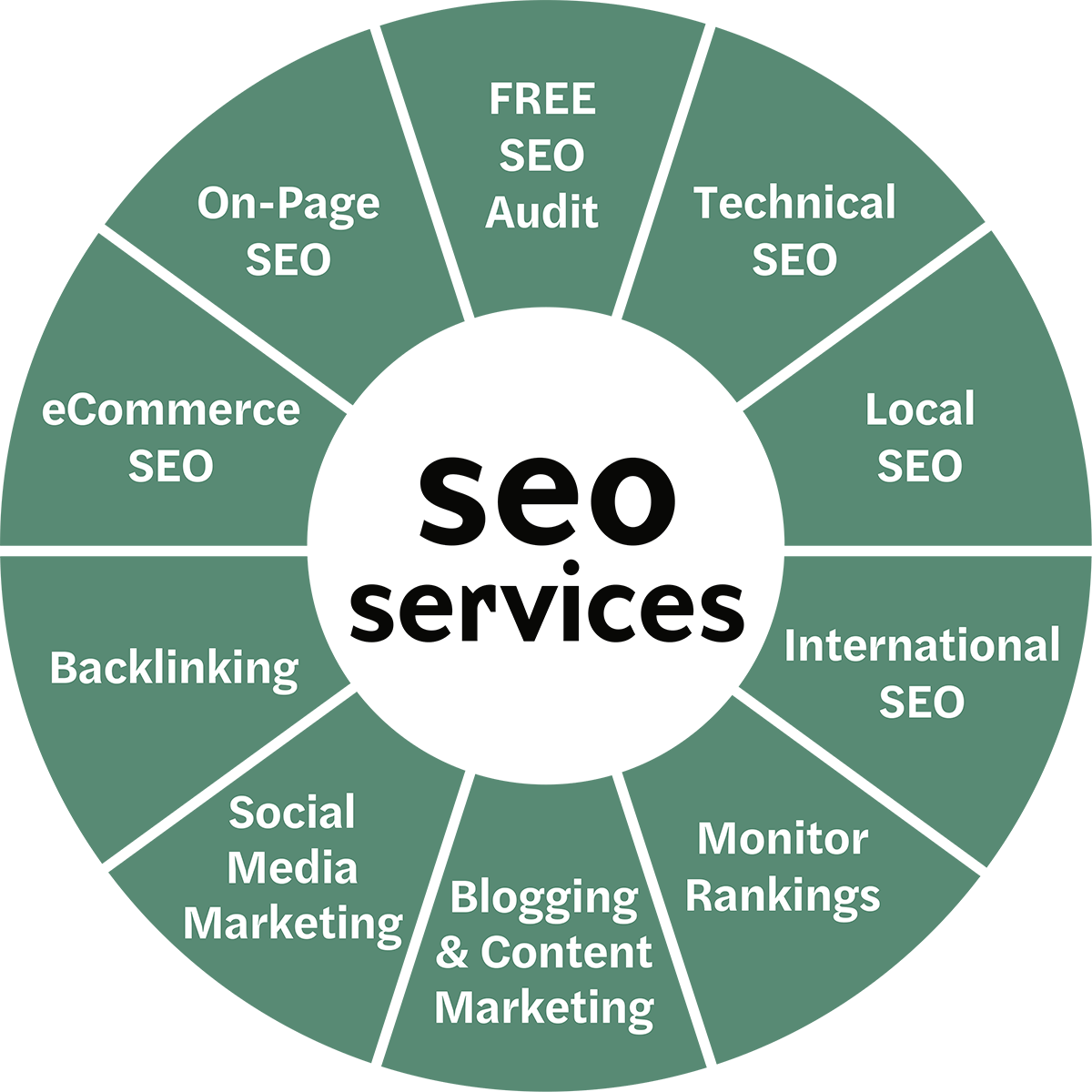
SEO internet marketing companies offer a wide range of services tailored to enhance a business’s online visibility and drive organic traffic to their websites. These services typically include keyword research, on-page and off-page SEO optimisation, content creation and optimisation, link building, website audits, analytics tracking, and strategic consulting. By leveraging these services, SEO internet marketing companies help businesses improve their search engine rankings, attract targeted traffic, enhance user experience, and ultimately achieve their online marketing goals.

How long does it take to see results from SEO services?

When considering SEO services, a common question that arises is, “How long does it take to see results?” The timeline for seeing tangible results from SEO efforts can vary depending on various factors such as the competitiveness of the industry, the current state of the website, and the strategies implemented. While some improvements may be noticeable in a matter of weeks, significant changes in search engine rankings and organic traffic often require several months of consistent optimisation and monitoring. Patience is key when investing in SEO services, as the long-term benefits of improved visibility and sustained growth are well worth the wait.

What factors should I consider when choosing an SEO internet marketing company?

When considering which SEO internet marketing company to choose, several key factors should be taken into account to ensure you make the right decision. Firstly, assess the company’s experience and track record in delivering successful SEO campaigns for businesses similar to yours. Look for transparency in their methodologies and communication practices to ensure you are kept informed throughout the process. Consider their approach to keyword research, on-page optimisation, link building, and content creation to determine if it aligns with your goals. Additionally, evaluate their ability to provide measurable results through analytics and reporting. By carefully considering these factors, you can select an SEO internet marketing company that best suits your needs and helps boost your online presence effectively.

Do I need to have a big budget to hire an SEO company?

When considering hiring an SEO internet marketing company, one common question that arises is whether a big budget is necessary. The answer to this question varies depending on the specific goals and requirements of your business. While having a larger budget can certainly open up more opportunities for comprehensive SEO strategies and faster results, it is not always a requirement. Many SEO companies offer tailored packages to accommodate businesses of all sizes and budgets. By discussing your goals and budget constraints with a reputable SEO company, you can find a solution that aligns with your needs and helps you achieve your online marketing objectives effectively.

Can an SEO company guarantee first-page rankings on search engines?

When considering hiring an SEO internet marketing company, a common question that arises is whether they can guarantee first-page rankings on search engines. It’s important to understand that while reputable SEO companies can employ effective strategies to improve your website’s visibility and ranking, guaranteeing a specific position on the first page of search engine results is not realistic. Search engine algorithms are complex and constantly evolving, making it impossible to guarantee specific rankings. A trustworthy SEO company will focus on implementing best practices and providing transparent reporting on the progress of your SEO efforts, aiming to improve your overall online presence and drive organic traffic to your website.

How can I measure the success of SEO efforts by an internet marketing company?

To measure the success of SEO efforts by an internet marketing company, various key performance indicators (KPIs) can be used. These include tracking organic traffic growth, monitoring keyword rankings, assessing conversion rates, analysing backlink profiles, and evaluating overall website visibility on search engine results pages. Additionally, tools like Google Analytics and Google Search Console provide valuable data on website performance and user behaviour that can help gauge the effectiveness of SEO strategies implemented by the internet marketing company. Regular reporting and analysis of these metrics are crucial in determining the impact of SEO efforts and making informed decisions to further enhance online visibility and drive business growth.

search marketing company

Unlocking Success: The Role of a Search Marketing Company in Your Online Strategy

The Power of Search Marketing Companies

The Power of Search Marketing Companies

In today’s digital age, search marketing has become a crucial component of any successful online strategy. Search marketing companies play a vital role in helping businesses increase their online visibility, attract targeted traffic, and ultimately drive conversions. Let’s explore the key benefits of partnering with a search marketing company:

Expertise and Experience

Search marketing companies have dedicated teams of experts who specialise in various aspects of search engine optimisation (SEO) and pay-per-click (PPC) advertising. Their in-depth knowledge and experience allow them to develop customised strategies tailored to the unique needs of each client.

Improved Online Visibility

By leveraging advanced SEO techniques and targeted PPC campaigns, search marketing companies can help businesses improve their search engine rankings and increase their visibility on platforms like Google and Bing. This enhanced visibility makes it easier for potential customers to find your website and engage with your brand.

Targeted Traffic Generation

Search marketing companies focus on attracting high-quality traffic to your website by targeting relevant keywords and demographics. By reaching users who are actively searching for products or services like yours, you can increase the likelihood of converting leads into customers.

Data-Driven Insights

Search marketing companies use data analytics tools to track the performance of your campaigns in real-time. By analysing key metrics such as click-through rates, conversion rates, and return on investment (ROI), they can make informed decisions to optimise your campaigns for maximum results.

Continuous Optimisation

One of the main advantages of working with a search marketing company is the ongoing optimisation of your campaigns. By monitoring performance metrics and making adjustments as needed, they ensure that your strategies remain effective and aligned with your business goals.

In conclusion, partnering with a search marketing company can give your business a competitive edge in the crowded online landscape. Whether you’re looking to boost organic traffic through SEO or drive immediate results with PPC advertising, a trusted search marketing partner can help you achieve your digital marketing objectives.


Maximise Your Online Presence: The Top 5 Benefits of a Search Marketing Company

  1. Expertise in SEO and PPC strategies
  2. Improved online visibility on search engines
  3. Targeted traffic generation for higher conversion rates
  4. Data-driven insights for informed decision-making
  5. Continuous campaign optimisation for maximum results


Challenges of Engaging a Search Marketing Company: Costs, Competition, and Control

  1. Costly investment
  2. Competitive landscape
  3. Time-consuming process
  4. Algorithm changes
  5. Risk of penalties
  6. Limited control

Expertise in SEO and PPC strategies

Search marketing companies offer valuable expertise in SEO and PPC strategies, providing businesses with access to specialists who possess in-depth knowledge and experience in optimising websites for search engines and running effective pay-per-click advertising campaigns. By leveraging their expertise, businesses can benefit from customised strategies that are tailored to improve online visibility, attract targeted traffic, and drive conversions. This level of expertise ensures that SEO and PPC efforts are maximised for optimal results, helping businesses achieve their digital marketing goals efficiently and effectively.

Improved online visibility on search engines

Improved online visibility on search engines is a key benefit of partnering with a search marketing company. By utilising advanced SEO strategies and targeted PPC campaigns, these companies can enhance a business’s presence on popular search engines like Google and Bing. This increased visibility makes it easier for potential customers to discover the website, driving more organic traffic and boosting brand recognition in the competitive online landscape.

Targeted traffic generation for higher conversion rates

One of the key advantages of partnering with a search marketing company is their ability to generate targeted traffic, leading to higher conversion rates for your business. By strategically targeting relevant keywords and demographics in SEO and PPC campaigns, these companies attract users who are actively seeking products or services like yours. This targeted approach increases the likelihood of converting leads into customers, ultimately maximising the return on your digital marketing investment.

Data-driven insights for informed decision-making

Search marketing companies provide valuable data-driven insights that empower businesses to make informed decisions about their online strategies. By analysing key metrics such as click-through rates, conversion rates, and ROI, these companies offer a deep understanding of campaign performance in real-time. This wealth of data enables businesses to identify trends, pinpoint areas for improvement, and allocate resources effectively to maximise results. With data-driven insights at their disposal, businesses can make strategic decisions that drive growth and success in the competitive digital landscape.

Continuous campaign optimisation for maximum results

Continuous campaign optimisation is a key advantage of partnering with a search marketing company. By closely monitoring campaign performance metrics and making data-driven adjustments in real-time, these companies ensure that your strategies are always fine-tuned for maximum effectiveness. This ongoing optimisation process helps to improve conversion rates, enhance ROI, and ultimately drive better results for your business.

Costly investment

Search marketing services can indeed present a significant financial challenge, particularly for small businesses operating within constrained budgets. The costs associated with search marketing, including SEO and PPC campaigns, can quickly add up and strain the financial resources of smaller enterprises. As a result, the high expenses involved in partnering with a search marketing company may deter some small businesses from fully leveraging the benefits of these services to enhance their online presence and reach their target audience effectively.

Competitive landscape

In the search marketing industry, one significant drawback is the fiercely competitive landscape that companies operate within. With numerous players vying for attention and striving to capture market share, standing out among rivals can be a daunting task. The constant battle to attract and retain clients in a crowded marketplace requires search marketing companies to continuously innovate, differentiate themselves, and demonstrate their unique value proposition to stay ahead of the competition.

Time-consuming process

Achieving significant results through search marketing can be a time-consuming process, posing a challenge for businesses seeking immediate returns. The continuous effort and dedication required to implement and maintain effective search marketing strategies may not align with the urgency of businesses prioritising quick outcomes. This time-intensive nature of search marketing demands patience and a long-term perspective, which can be a hurdle for organisations looking for rapid results in their digital marketing efforts.

Algorithm changes

Search marketing companies face the challenge of navigating frequent algorithm changes in search engines. These shifts demand continuous adaptation and refinement of strategies to ensure optimal performance for their clients. Keeping up with these updates is essential to maintain and improve search rankings, as failure to adjust tactics accordingly can result in decreased visibility and decreased effectiveness of marketing campaigns. Adapting to algorithm changes requires vigilance, expertise, and agility on the part of search marketing companies to deliver successful outcomes for their clients amidst the ever-changing digital landscape.

Risk of penalties

One significant drawback of partnering with a search marketing company is the risk of penalties. If SEO tactics or PPC campaigns are incorrectly implemented, it can lead to penalties from search engines, ultimately harming a company’s online visibility. Search engines like Google have strict guidelines in place, and any violation can result in a drop in search rankings or even removal from search results altogether. Therefore, businesses must exercise caution when selecting a search marketing company to ensure that ethical and compliant strategies are employed to avoid potential penalties and safeguard their online presence.

Limited control

Businesses may encounter the con of limited control when entrusting their search marketing campaigns to external companies. While search marketing firms bring expertise and resources to the table, businesses may find themselves with restricted autonomy over certain aspects of their campaigns. This lack of direct control can lead to challenges in aligning strategies with specific business goals and preferences, potentially hindering the ability to make immediate adjustments or customisations as needed. It is essential for businesses to carefully consider this aspect and establish clear communication channels with their search marketing partners to ensure a collaborative approach that meets their unique requirements.

search marketing

Unlocking the Potential of Search Marketing: A Guide to Success

The Power of Search Marketing

The Power of Search Marketing

Search marketing, also known as search engine marketing (SEM), is a powerful digital marketing strategy that aims to increase a website’s visibility in search engine results pages (SERPs) through paid advertising and search engine optimization (SEO). It encompasses both pay-per-click (PPC) advertising and organic search tactics to drive targeted traffic to a website.

Key Components of Search Marketing:

Pay-Per-Click (PPC) Advertising: PPC ads are paid advertisements that appear at the top or bottom of search engine results pages. Advertisers bid on keywords relevant to their target audience, and they pay a fee each time their ad is clicked. PPC campaigns can be highly targeted and offer instant visibility for businesses.

Search Engine Optimization (SEO): SEO involves optimizing a website’s content, structure, and technical aspects to improve its ranking in organic search results. By using relevant keywords, creating high-quality content, and building backlinks from reputable sites, businesses can enhance their online presence and attract organic traffic.

The Benefits of Search Marketing:

Increased Visibility: By implementing search marketing strategies, businesses can improve their visibility in search engines and reach a wider audience of potential customers.

Targeted Traffic: Search marketing allows businesses to target specific demographics, locations, and interests, ensuring that their ads are seen by users who are most likely to convert.

Measurable Results: With tools like Google Analytics and ad platforms’ built-in analytics, businesses can track the performance of their search marketing campaigns in real-time and make data-driven decisions to optimize their strategies.

In Conclusion

Search marketing is a dynamic and essential component of any digital marketing strategy. By combining PPC advertising with SEO techniques, businesses can increase their online visibility, drive targeted traffic to their websites, and ultimately achieve their marketing goals.


Mastering Search Marketing: 7 Essential Tips for Success

  1. 1. Conduct keyword research to understand what terms your target audience is searching for.
  2. 2. Optimise your website and content for search engines by including relevant keywords and meta tags.
  3. 3. Create high-quality, engaging content that provides value to users and encourages them to stay on your site.
  4. 4. Utilise pay-per-click (PPC) advertising to target specific keywords and drive traffic to your site quickly.
  5. 5. Monitor and analyse your search marketing efforts using tools like Google Analytics to make data-driven decisions.
  6. 6. Build quality backlinks from reputable websites to improve your site’s authority and search engine rankings.
  7. 7. Stay updated on search engine algorithms and trends to adapt your strategy for better results.

1. Conduct keyword research to understand what terms your target audience is searching for.

Conducting thorough keyword research is a fundamental step in effective search marketing. By understanding the specific terms and phrases that your target audience is using to search for products or services, you can tailor your content and advertising strategies to align with their needs and preferences. This insight not only improves your website’s visibility in search engine results but also helps you attract qualified traffic that is more likely to convert into customers. Keyword research forms the foundation of a successful search marketing campaign, guiding your efforts towards reaching and engaging with the right audience effectively.

2. Optimise your website and content for search engines by including relevant keywords and meta tags.

To enhance your search marketing efforts, it is crucial to optimise your website and content for search engines by incorporating relevant keywords and meta tags. By strategically placing keywords that align with your target audience’s search queries within your website’s content and meta tags, you can improve your site’s visibility in search engine results pages. Meta tags, such as meta titles and descriptions, provide search engines with valuable information about your web pages, helping them understand the relevance of your content to users’ searches. This optimisation strategy not only boosts your site’s ranking but also enhances its overall discoverability and click-through rates.

3. Create high-quality, engaging content that provides value to users and encourages them to stay on your site.

Creating high-quality, engaging content is a crucial tip in search marketing. By offering valuable information that resonates with users and keeps them interested, businesses can enhance their website’s performance in search engine rankings. Compelling content not only attracts visitors but also encourages them to explore further, increasing the chances of conversion and building brand loyalty. Ultimately, prioritising quality content that adds value to users’ experience can significantly impact a website’s visibility and success in the competitive digital landscape.

4. Utilise pay-per-click (PPC) advertising to target specific keywords and drive traffic to your site quickly.

Utilising pay-per-click (PPC) advertising is a highly effective tip in search marketing. By targeting specific keywords through PPC campaigns, businesses can drive traffic to their websites quickly and efficiently. With PPC, advertisers bid on relevant keywords to display their ads at the top of search engine results pages, ensuring visibility to users actively searching for products or services. This targeted approach not only increases website traffic but also enhances the likelihood of attracting qualified leads and potential customers, making PPC an invaluable tool in achieving marketing objectives swiftly.

5. Monitor and analyse your search marketing efforts using tools like Google Analytics to make data-driven decisions.

To enhance the effectiveness of your search marketing campaigns, it is crucial to monitor and analyse your efforts using tools such as Google Analytics. By leveraging these tools, you can gain valuable insights into the performance of your campaigns, track key metrics like website traffic and conversion rates, and make informed, data-driven decisions to optimise your strategies. Monitoring and analysing your search marketing efforts allows you to identify areas for improvement, refine your targeting tactics, and ultimately maximise the return on investment for your digital marketing initiatives.

To enhance your site’s authority and boost its visibility in search engine rankings, it is crucial to focus on building quality backlinks from reputable websites. By obtaining backlinks from trusted sources, you establish credibility and trustworthiness in the eyes of search engines. These inbound links act as signals of endorsement, indicating to search algorithms that your content is valuable and relevant. Investing time and effort in securing high-quality backlinks can significantly impact your site’s SEO performance, helping you climb the ranks and attract more organic traffic to your website.

To maximise the effectiveness of your search marketing efforts, it is crucial to stay informed about the latest search engine algorithms and trends. By staying updated on these developments, you can adapt your strategy accordingly to align with current best practices and optimise your online presence for improved results. Search engine algorithms are constantly evolving, and by keeping abreast of these changes, you can ensure that your marketing efforts remain relevant and effective in reaching your target audience.

marketing and seo services

Unlocking Success: Maximising Business Potential with Marketing and SEO Services

Marketing and SEO Services

The Importance of Marketing and SEO Services in Today’s Digital Landscape

In the fast-paced world of digital marketing, having a strong online presence is crucial for businesses looking to thrive and succeed. This is where marketing and SEO services play a vital role in helping companies reach their target audience, increase brand visibility, and drive traffic to their websites.

What are Marketing Services?

Marketing services encompass a range of strategies and tactics aimed at promoting products or services to potential customers. This includes activities such as social media marketing, email campaigns, content creation, paid advertising, and more. Effective marketing services help businesses connect with their target audience, build brand awareness, and ultimately drive sales.

The Role of SEO Services

SEO (Search Engine Optimization) services are designed to improve a website’s visibility on search engine results pages. By optimising various elements of a website, such as keywords, meta tags, and backlinks, SEO services help businesses rank higher in search engine listings. This increased visibility not only drives organic traffic to the website but also enhances credibility and trust among users.

The Benefits of Combining Marketing and SEO Services

When marketing and SEO services work hand in hand, businesses can experience a range of benefits:

  • Increased Online Visibility: By implementing effective SEO strategies alongside marketing efforts, businesses can improve their online visibility and reach a wider audience.
  • Enhanced Brand Awareness: Consistent marketing campaigns coupled with strong SEO practices help build brand recognition among consumers.
  • Higher Website Traffic: Improved search engine rankings lead to increased organic traffic to the website, resulting in more potential leads and conversions.
  • Better User Experience: Optimising a website for both search engines and users through SEO services enhances the overall user experience, leading to higher engagement levels.

In Conclusion

In today’s competitive digital landscape, investing in marketing and SEO services is essential for businesses looking to stay ahead of the curve. By leveraging these powerful tools effectively, companies can boost their online presence, attract quality leads, and ultimately grow their business successfully.


8 Essential Tips for Enhancing Your Marketing and SEO Strategy

  1. 1. Conduct keyword research to identify relevant search terms for your target audience.
  2. 2. Optimise your website’s on-page elements, such as meta tags and headings, for better SEO performance.
  3. 3. Create high-quality and engaging content that is valuable to your audience and incorporates relevant keywords.
  4. 4. Utilise social media platforms to promote your services and engage with potential customers.
  5. 5. Build backlinks from reputable websites to improve your site’s authority and search engine rankings.
  6. 6. Regularly monitor and analyse your website’s performance using tools like Google Analytics to make data-driven decisions.
  7. 7. Stay updated on the latest SEO trends and algorithms to adapt your strategies accordingly.
  8. 8. Consider investing in paid advertising, such as Google Ads, to complement your organic SEO efforts.

1. Conduct keyword research to identify relevant search terms for your target audience.

Conducting thorough keyword research is a crucial step in any successful marketing and SEO strategy. By identifying the most relevant search terms for your target audience, you can tailor your content and website to align with what users are actively searching for online. Understanding the specific keywords that resonate with your audience not only helps improve your search engine rankings but also ensures that your content is reaching the right people at the right time. This targeted approach enhances user experience, drives organic traffic to your site, and ultimately boosts your online visibility and brand credibility.

2. Optimise your website’s on-page elements, such as meta tags and headings, for better SEO performance.

To enhance your website’s search engine optimisation (SEO) performance, it is crucial to optimise key on-page elements like meta tags and headings. By carefully crafting relevant meta tags and structuring headings with targeted keywords, you can improve your website’s visibility in search engine results. These on-page elements not only help search engines understand the content of your website better but also make it easier for users to find and navigate your site. Implementing these optimisation techniques can significantly boost your SEO efforts and drive more organic traffic to your website.

3. Create high-quality and engaging content that is valuable to your audience and incorporates relevant keywords.

Creating high-quality and engaging content that provides value to your target audience while incorporating relevant keywords is a fundamental tip for successful marketing and SEO services. By producing content that resonates with your audience’s needs and interests, you not only establish credibility and trust but also improve your website’s search engine visibility. Including strategic keywords in your content helps search engines understand the relevance of your pages to user queries, ultimately driving organic traffic to your site. This approach not only enhances user experience but also boosts your chances of ranking higher in search results, leading to increased brand exposure and potential conversions.

4. Utilise social media platforms to promote your services and engage with potential customers.

Utilising social media platforms to promote your services and engage with potential customers is a highly effective tip in the realm of marketing and SEO services. Social media provides a powerful avenue for businesses to connect with their target audience, share valuable content, and build relationships that can lead to increased brand awareness and customer loyalty. By leveraging the reach and engagement capabilities of platforms such as Facebook, Instagram, Twitter, and LinkedIn, businesses can not only showcase their offerings but also interact directly with customers, gather feedback, and drive traffic to their website. Incorporating social media into your marketing strategy can significantly enhance your online presence and help you establish a strong digital footprint in today’s competitive landscape.

Building backlinks from reputable websites is a crucial strategy to enhance your site’s authority and improve search engine rankings. When high-quality websites link back to your content, search engines view your site as more trustworthy and relevant, leading to a boost in organic traffic and visibility. By focusing on acquiring backlinks from authoritative sources within your industry, you can establish credibility, increase your site’s domain authority, and ultimately strengthen your online presence. This proactive approach to link building plays a significant role in driving long-term success for your digital marketing and SEO efforts.

6. Regularly monitor and analyse your website’s performance using tools like Google Analytics to make data-driven decisions.

Regularly monitoring and analysing your website’s performance using tools like Google Analytics is a crucial tip for effective marketing and SEO services. By leveraging data-driven insights, businesses can gain valuable information about their website traffic, user behaviour, and conversion rates. This allows them to make informed decisions, identify areas for improvement, and optimise their online strategies to maximise results. Monitoring performance metrics consistently helps businesses stay agile in the ever-evolving digital landscape, enabling them to adapt quickly and stay ahead of the competition.

To maximise the effectiveness of your marketing and SEO services, it is crucial to stay informed about the latest SEO trends and algorithms. By staying updated on industry developments, you can adapt your strategies accordingly to ensure that your online presence remains competitive and relevant. This proactive approach not only helps you stay ahead of the curve but also allows you to make informed decisions that drive better results for your business in the ever-evolving digital landscape.

8. Consider investing in paid advertising, such as Google Ads, to complement your organic SEO efforts.

Consider investing in paid advertising, such as Google Ads, to complement your organic SEO efforts. Paid advertising can be a strategic addition to your marketing mix, allowing you to target specific audiences, increase brand visibility, and drive immediate traffic to your website. By combining paid advertising with organic SEO strategies, you can maximise your online presence and reach a wider audience effectively. This integrated approach can help you achieve faster results and enhance the overall performance of your digital marketing campaigns.

seo and online marketing

Mastering the Art of SEO and Online Marketing: A Guide to Digital Success

SEO and Online Marketing

The Power of SEO and Online Marketing

In today’s digital age, having a strong online presence is crucial for businesses to succeed. Search Engine Optimization (SEO) and online marketing play key roles in helping businesses reach their target audience, increase visibility, and drive traffic to their websites.

SEO: Enhancing Visibility

SEO is the practice of optimizing your website to rank higher in search engine results pages (SERPs). By using relevant keywords, creating high-quality content, and improving website performance, businesses can improve their visibility online. This increased visibility not only drives more organic traffic to the website but also builds credibility and trust with potential customers.

Online Marketing: Reaching Your Audience

Online marketing encompasses various strategies such as social media marketing, email marketing, pay-per-click advertising, and content marketing. These techniques help businesses connect with their target audience on different digital platforms. By creating engaging content and targeted campaigns, businesses can effectively reach potential customers and drive conversions.

The Synergy of SEO and Online Marketing

When combined, SEO and online marketing create a powerful synergy that maximizes results for businesses. SEO helps improve website visibility and organic traffic, while online marketing strategies amplify this visibility through targeted campaigns on social media and other platforms. This integrated approach not only boosts brand awareness but also drives lead generation and sales.

Conclusion

In conclusion, SEO and online marketing are essential components of a successful digital strategy. By investing in these practices, businesses can enhance their online presence, attract more customers, and ultimately grow their revenue. Embracing the power of SEO and online marketing is key to staying competitive in today’s digital landscape.


Essential FAQs on SEO and Online Marketing: Strategies, Impact, and Measurement

  1. What is SEO and why is it important for online marketing?
  2. How can I improve my website’s SEO?
  3. What are the key elements of a successful SEO strategy?
  4. What is the difference between organic and paid search results?
  5. How does social media marketing impact SEO?
  6. What role does content marketing play in online marketing?
  7. How can email marketing contribute to an effective digital strategy?
  8. What are the benefits of investing in pay-per-click (PPC) advertising?
  9. How can businesses measure the success of their SEO and online marketing efforts?

What is SEO and why is it important for online marketing?

Search Engine Optimization (SEO) is a fundamental aspect of online marketing that focuses on improving a website’s visibility and ranking in search engine results pages. By strategically using relevant keywords, optimizing website content, and enhancing user experience, SEO helps businesses attract organic traffic and reach their target audience more effectively. In the competitive digital landscape, having a strong SEO strategy is crucial for businesses to increase online visibility, build credibility, and drive conversions. Ultimately, SEO plays a vital role in ensuring that businesses can maximise their online presence and achieve long-term success in the ever-evolving world of digital marketing.

How can I improve my website’s SEO?

To enhance your website’s SEO, it is essential to focus on several key areas. Firstly, conducting thorough keyword research and strategically incorporating relevant keywords into your website’s content can improve its visibility in search engine results. Additionally, optimizing meta tags, headers, and image alt text with targeted keywords can further boost your site’s SEO performance. Creating high-quality, engaging content that is valuable to your audience not only improves user experience but also increases the likelihood of earning backlinks from reputable sites. Regularly monitoring and analysing your website’s performance through tools like Google Analytics can help identify areas for improvement and track the effectiveness of your SEO efforts. By implementing these strategies consistently and staying up-to-date with SEO best practices, you can enhance your website’s SEO and drive more organic traffic to your site.

What are the key elements of a successful SEO strategy?

When it comes to developing a successful SEO strategy, several key elements are essential for achieving optimal results. Firstly, thorough keyword research is crucial to identify relevant search terms that align with your target audience’s intent. Creating high-quality, engaging content that incorporates these keywords naturally is another vital element. Additionally, ensuring your website is technically sound, mobile-friendly, and user-friendly plays a significant role in improving search engine rankings. Building high-quality backlinks from reputable sources and regularly monitoring and analysing performance metrics are also critical components of a successful SEO strategy. By integrating these key elements effectively, businesses can enhance their online visibility, attract more organic traffic, and ultimately drive meaningful results in their digital marketing efforts.

What is the difference between organic and paid search results?

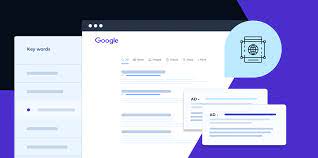
When it comes to SEO and online marketing, understanding the difference between organic and paid search results is crucial. Organic search results are listings that appear naturally on search engine results pages (SERPs) based on their relevance to the user’s query. These results are not influenced by payment and are earned through effective SEO practices such as keyword optimization and quality content creation. On the other hand, paid search results are advertisements that appear at the top or bottom of SERPs, marked as “Ad.” Advertisers pay for these placements based on specific keywords or targeting criteria. While organic results provide long-term visibility and credibility, paid results offer immediate visibility and can be a valuable part of a comprehensive online marketing strategy. Understanding how to leverage both organic and paid search results can help businesses effectively reach their target audience and achieve their marketing goals.

How does social media marketing impact SEO?

Social media marketing plays a significant role in impacting SEO by enhancing brand visibility, driving website traffic, and increasing engagement. When businesses actively engage with their audience on social media platforms, they create opportunities for users to share their content, which can lead to backlinks and increased referral traffic to their website. Additionally, social signals such as likes, shares, and comments are considered by search engines as indicators of content relevance and popularity, which can positively influence search engine rankings. By incorporating social media marketing strategies into their SEO efforts, businesses can strengthen their online presence and improve their overall digital marketing performance.

What role does content marketing play in online marketing?

Content marketing plays a pivotal role in online marketing by serving as the foundation for engaging and attracting target audiences. Through strategic creation and distribution of valuable, relevant content, businesses can establish credibility, build brand awareness, and foster relationships with their customers. High-quality content not only helps improve search engine rankings through SEO but also drives traffic to websites, increases conversions, and ultimately contributes to the overall success of online marketing efforts. In essence, content marketing acts as a powerful tool in connecting businesses with their audience and driving meaningful engagement in the digital landscape.

How can email marketing contribute to an effective digital strategy?

Email marketing plays a pivotal role in enhancing an effective digital strategy by providing a direct and personalised channel to engage with customers. Through targeted email campaigns, businesses can deliver relevant content, promotions, and updates to their audience, nurturing relationships and driving conversions. By leveraging email marketing tools to segment subscribers based on their preferences and behaviour, businesses can tailor their messaging for maximum impact. This strategic approach not only helps in building brand loyalty but also contributes to increasing website traffic, generating leads, and ultimately boosting sales. Email marketing’s ability to deliver timely and tailored messages makes it a valuable asset in any comprehensive digital strategy.

What are the benefits of investing in pay-per-click (PPC) advertising?

Investing in pay-per-click (PPC) advertising offers a range of benefits for businesses looking to enhance their online marketing efforts. One key advantage of PPC advertising is its ability to deliver immediate results by driving targeted traffic to a website. With PPC, businesses only pay when a user clicks on their ad, making it a cost-effective way to reach potential customers. Additionally, PPC allows for precise targeting, enabling businesses to tailor their ads to specific demographics, locations, and interests. This level of targeting helps increase the likelihood of conversions and maximise return on investment (ROI) for businesses investing in PPC advertising.

How can businesses measure the success of their SEO and online marketing efforts?

Businesses can measure the success of their SEO and online marketing efforts through various key performance indicators (KPIs) such as website traffic, conversion rates, keyword rankings, and return on investment (ROI). Monitoring website traffic allows businesses to track the number of visitors to their site and identify trends over time. Conversion rates indicate how effectively visitors are being converted into customers or leads. Keyword rankings show where the business ranks in search engine results for specific terms, reflecting the effectiveness of SEO strategies. Finally, ROI analysis helps businesses assess the profitability of their online marketing campaigns by comparing the costs incurred with the revenue generated. By regularly evaluating these metrics, businesses can gain valuable insights into the impact of their SEO and online marketing activities and make informed decisions to optimise their strategies for greater success.

sem search engine marketing

Unlocking the Potential of SEM: Search Engine Marketing Strategies for Success

The Power of SEM: Search Engine Marketing

The Power of SEM: Search Engine Marketing

Search Engine Marketing (SEM) is a powerful digital marketing strategy that involves promoting websites by increasing their visibility in search engine results pages through paid advertising. SEM encompasses various tactics such as pay-per-click (PPC) advertising, search engine optimisation (SEO), and other techniques to drive targeted traffic to websites.

Key Components of SEM

Pay-Per-Click (PPC) Advertising: PPC ads are a fundamental aspect of SEM where advertisers pay a fee each time their ad is clicked. This model allows businesses to reach their target audience effectively and drive immediate traffic to their websites.

Search Engine Optimisation (SEO): While PPC focuses on paid advertising, SEO aims to improve a website’s organic search rankings. By optimising website content, meta tags, and other elements, businesses can enhance their visibility in search engine results pages without paying for clicks.

The Benefits of SEM

Increased Visibility: SEM helps businesses increase their online visibility and reach a wider audience by appearing at the top of search engine results pages.

Targeted Advertising: With SEM, businesses can target specific keywords and demographics to ensure that their ads are seen by relevant audiences likely to convert into customers.

Measurable Results: SEM provides detailed analytics and tracking tools that allow businesses to measure the performance of their campaigns accurately. This data helps in refining strategies for better results.

Conclusion

In conclusion, Search Engine Marketing is a valuable tool for businesses looking to enhance their online presence and drive targeted traffic to their websites. By leveraging the power of SEM through PPC advertising, SEO strategies, and other tactics, businesses can achieve measurable results and grow their online success.


8 Essential Tips for Successful Search Engine Marketing (SEM) Campaigns

  1. 1. Conduct keyword research to target relevant search terms.
  2. 2. Create compelling and relevant ad copy for your SEM campaigns.
  3. 3. Utilize ad extensions to provide additional information in your ads.
  4. 4. Monitor and analyse campaign performance regularly to make data-driven decisions.
  5. 5. Optimize landing pages for better user experience and higher conversion rates.
  6. 6. Test different ad variations to identify what resonates best with your audience.
  7. 7. Set clear goals and KPIs to track the success of your SEM efforts.
  8. 8. Stay updated on industry trends and algorithm changes to adapt your strategies accordingly.

1. Conduct keyword research to target relevant search terms.

To maximise the effectiveness of your Search Engine Marketing (SEM) strategy, it is crucial to conduct thorough keyword research to target relevant search terms. By identifying and focusing on the keywords that are most relevant to your business or industry, you can ensure that your ads reach the right audience. Understanding the search terms that potential customers use can help you tailor your SEM campaigns to attract qualified leads and drive meaningful traffic to your website. Conducting keyword research is a foundational step in SEM that can significantly impact the success of your digital marketing efforts.

2. Create compelling and relevant ad copy for your SEM campaigns.

Creating compelling and relevant ad copy is a crucial tip for successful Search Engine Marketing (SEM) campaigns. Engaging ad copy that resonates with your target audience can significantly impact click-through rates and conversions. By crafting persuasive and tailored messages that highlight the unique selling points of your products or services, you can attract the attention of potential customers and drive them to take action. Remember, in the competitive landscape of SEM, well-crafted ad copy can make all the difference in capturing the interest of users and ultimately achieving your marketing goals.

3. Utilize ad extensions to provide additional information in your ads.

When implementing Search Engine Marketing (SEM), it is essential to utilise ad extensions to enhance the effectiveness of your ads. By incorporating ad extensions, businesses can provide additional information such as contact details, location, links to specific pages, and more within their ads. This not only makes the ads more informative and engaging but also increases the chances of attracting potential customers who are seeking specific information related to the products or services being advertised. Ad extensions play a crucial role in improving ad visibility and driving higher click-through rates, ultimately contributing to the overall success of SEM campaigns.

4. Monitor and analyse campaign performance regularly to make data-driven decisions.

Monitoring and analysing campaign performance regularly is a crucial tip in Search Engine Marketing (SEM). By consistently reviewing the data and metrics of SEM campaigns, businesses can make informed, data-driven decisions to optimise their strategies effectively. This practice allows for the identification of trends, areas for improvement, and opportunities for growth, ultimately leading to more successful and efficient SEM campaigns.

5. Optimize landing pages for better user experience and higher conversion rates.

When implementing Search Engine Marketing (SEM) strategies, it is crucial to optimise landing pages for improved user experience and increased conversion rates. By ensuring that landing pages are relevant, engaging, and easy to navigate, businesses can enhance the overall user experience and encourage visitors to take desired actions, such as making a purchase or filling out a contact form. Optimised landing pages not only help in capturing the attention of potential customers but also play a significant role in converting leads into valuable conversions, ultimately maximising the effectiveness of SEM campaigns.

6. Test different ad variations to identify what resonates best with your audience.

When implementing Search Engine Marketing (SEM), it is crucial to test different ad variations to determine which resonates best with your target audience. By conducting A/B testing and experimenting with various ad copy, visuals, and calls-to-action, businesses can gain valuable insights into what drives engagement and conversions. This iterative approach allows for continuous improvement and refinement of SEM campaigns to maximise their effectiveness in reaching and appealing to the desired audience.

7. Set clear goals and KPIs to track the success of your SEM efforts.

Setting clear goals and Key Performance Indicators (KPIs) is essential when implementing Search Engine Marketing (SEM) strategies. By defining specific objectives and measurable metrics, businesses can effectively track the success of their SEM efforts. Whether the goal is to increase website traffic, boost conversions, or improve brand awareness, having clear goals and KPIs in place enables businesses to evaluate performance accurately and make informed decisions to optimise their SEM campaigns for maximum impact.

Staying updated on industry trends and algorithm changes is crucial when implementing Search Engine Marketing strategies. By keeping abreast of the latest developments in the digital marketing landscape, businesses can adapt their SEM tactics to align with current best practices and algorithm updates. This proactive approach ensures that campaigns remain effective and relevant, ultimately leading to improved performance and success in reaching target audiences online.

seo sem marketing

Unlocking the Potential: SEO and SEM Strategies for Effective Marketing

The Power of SEO and SEM Marketing

The Power of SEO and SEM Marketing

In the digital age, having a strong online presence is crucial for businesses looking to reach their target audience and drive growth. Search Engine Optimization (SEO) and Search Engine Marketing (SEM) are two powerful tools that can help businesses improve their visibility and attract more customers.

Search Engine Optimization (SEO)

SEO is the process of optimizing your website to rank higher in search engine results pages organically. By using relevant keywords, creating high-quality content, and improving website performance, businesses can increase their chances of appearing at the top of search engine results for relevant queries. This not only drives more traffic to their website but also enhances brand credibility and trust among users.

Search Engine Marketing (SEM)

SEM involves paid advertising efforts to promote a website’s visibility in search engine results pages. Through tools like Google Ads, businesses can create targeted ads that appear at the top of search results for specific keywords. SEM allows businesses to reach a wider audience quickly and generate immediate traffic to their websites. By carefully managing ad campaigns and monitoring performance metrics, businesses can maximise their return on investment through SEM.

The Benefits of SEO and SEM

Both SEO and SEM play complementary roles in enhancing a business’s online presence:

  • Increased Visibility: By appearing at the top of search engine results, businesses can attract more clicks and visits to their websites.
  • Targeted Traffic: SEO helps attract organic traffic from users actively searching for relevant information, while SEM allows businesses to target specific demographics with paid ads.
  • Improved Brand Awareness: Consistent visibility in search results boosts brand recognition and trust among potential customers.
  • Measurable Results: Both SEO and SEM provide valuable data on user behaviour, allowing businesses to track performance metrics and adjust strategies accordingly.

In Conclusion

SEO and SEM are essential components of a successful digital marketing strategy. By leveraging these tools effectively, businesses can enhance their online visibility, attract more customers, and ultimately drive growth in today’s competitive digital landscape.


18 Common Questions About SEO and SEM Marketing Explained

  1. What is SEO and SEM?
  2. What is SEM in marketing?
  3. Is SEO or SEM paid?
  4. What is an SEO in marketing?
  5. What is SEO in digital marketing?
  6. What is SEM used for in marketing?
  7. What is a SEO in marketing?
  8. What does SEO SEM means?
  9. What is SEO vs SEM vs SMO?
  10. What is SEM and SEO in digital marketing?
  11. What is SEM mean in marketing?
  12. What is the role of SEO and SEM in a marketing campaign?
  13. How to do marketing on SEO and SEM?
  14. Which is better SEO or SEM?
  15. Are SEM and SEO the same?
  16. Is SEO or SEM better?
  17. What does SEO and SEM do?
  18. Is Google Ads SEO or SEM?

What is SEO and SEM?

Search Engine Optimization (SEO) and Search Engine Marketing (SEM) are two fundamental pillars of digital marketing that play a crucial role in enhancing a business’s online visibility and driving traffic to its website. SEO involves optimising a website’s content, structure, and performance to rank higher in organic search results, thereby attracting more relevant traffic. On the other hand, SEM focuses on paid advertising strategies to promote a website through targeted ads that appear at the top of search engine results for specific keywords. Both SEO and SEM are essential tools for businesses looking to increase their online presence, attract potential customers, and achieve success in the competitive digital landscape.

What is SEM in marketing?

In the realm of digital marketing, SEM, which stands for Search Engine Marketing, plays a pivotal role in enhancing a company’s online visibility and driving targeted traffic to its website. SEM involves the strategic use of paid advertising campaigns to promote a business’s presence in search engine results pages. By utilising tools like Google Ads, businesses can create tailored ads that appear prominently when users search for specific keywords related to their products or services. This proactive approach allows companies to reach their target audience effectively and generate immediate traffic, making SEM an indispensable component of a comprehensive digital marketing strategy.

Is SEO or SEM paid?

In the realm of digital marketing, it is important to distinguish between Search Engine Optimization (SEO) and Search Engine Marketing (SEM) in terms of payment structure. SEO focuses on organic strategies to improve a website’s visibility in search engine results without direct payment to search engines. On the other hand, SEM involves paid advertising efforts, such as pay-per-click (PPC) campaigns, where businesses pay for their ads to appear in prominent positions on search engine results pages. While SEO does not involve direct payments for placement, SEM requires businesses to allocate a budget for ad placements and clicks. Both SEO and SEM are valuable tools in enhancing online presence, with each offering distinct advantages based on the business goals and budget considerations.

What is an SEO in marketing?

In the realm of marketing, SEO, which stands for Search Engine Optimization, plays a pivotal role in enhancing a website’s visibility and organic traffic through strategic techniques. Essentially, SEO in marketing involves the process of optimising various elements of a website to improve its ranking on search engine results pages. By focusing on factors such as keyword research, content quality, and user experience, businesses can tailor their online presence to meet the criteria set by search engines like Google. This concerted effort not only boosts a website’s chances of appearing higher in search results but also contributes to building credibility and trust with users seeking relevant information or products online.

What is SEO in digital marketing?

In the realm of digital marketing, SEO, which stands for Search Engine Optimization, plays a pivotal role in enhancing a website’s visibility and ranking on search engine results pages. SEO involves a strategic approach to optimizing various elements of a website, such as content, keywords, and user experience, with the goal of improving organic traffic from search engines. By understanding and implementing SEO best practices, businesses can increase their online presence, attract more relevant visitors to their site, and ultimately achieve higher conversion rates. In essence, SEO is the cornerstone of successful digital marketing efforts that aim to drive sustainable growth and establish a strong online presence in today’s competitive landscape.

What is SEM used for in marketing?

Search Engine Marketing (SEM) plays a crucial role in marketing by providing businesses with a powerful tool to enhance their online visibility and reach their target audience effectively. SEM is primarily used to promote websites through paid advertising efforts on search engines like Google. By creating targeted ads that appear at the top of search results for specific keywords, businesses can increase their online presence, drive traffic to their websites, and generate leads or sales. SEM allows businesses to reach a wider audience quickly and measurably, making it an essential component of any comprehensive digital marketing strategy aiming to achieve tangible results in today’s competitive online landscape.

What is a SEO in marketing?

In the realm of marketing, SEO, which stands for Search Engine Optimization, plays a vital role in enhancing a company’s online visibility and reach. SEO involves implementing strategies to improve a website’s ranking on search engine results pages organically. By focusing on relevant keywords, high-quality content creation, and technical optimization, businesses can increase their chances of appearing at the top of search results for specific queries. Ultimately, SEO helps businesses attract more organic traffic, build brand credibility, and connect with their target audience effectively in the digital landscape.

What does SEO SEM means?

Search Engine Optimization (SEO) and Search Engine Marketing (SEM) are two crucial components of digital marketing strategies aimed at improving a website’s visibility and driving traffic. SEO focuses on optimising a website to rank higher in organic search results, while SEM involves paid advertising efforts to enhance visibility in search engine results pages. In essence, SEO aims to attract organic traffic through content optimisation and keyword targeting, while SEM utilises paid ads to target specific audiences and drive immediate traffic to a website. Together, SEO and SEM play complementary roles in boosting online presence and achieving marketing objectives effectively.

What is SEO vs SEM vs SMO?

When it comes to digital marketing strategies, understanding the differences between SEO, SEM, and SMO is crucial for businesses aiming to enhance their online presence. Search Engine Optimization (SEO) focuses on improving a website’s organic visibility in search engine results by optimising content and website structure. Search Engine Marketing (SEM), on the other hand, involves paid advertising to drive immediate traffic and increase visibility through targeted ads. Social Media Optimization (SMO) aims to boost a brand’s presence on social media platforms by engaging with users and creating shareable content. Each of these strategies plays a unique role in driving traffic, improving brand awareness, and reaching target audiences effectively in the competitive online landscape.

What is SEM and SEO in digital marketing?

In the realm of digital marketing, Search Engine Marketing (SEM) and Search Engine Optimization (SEO) are two key strategies that businesses employ to enhance their online visibility and attract potential customers. SEM involves paid advertising efforts to promote a website’s visibility in search engine results pages, while SEO focuses on optimising a website’s content and structure to improve organic search rankings. Both SEM and SEO play vital roles in driving traffic to websites, increasing brand awareness, and ultimately boosting business growth in the competitive digital landscape. By understanding the nuances of SEM and SEO, businesses can craft comprehensive digital marketing strategies that effectively reach their target audience and achieve their marketing goals.

What is SEM mean in marketing?

In the realm of marketing, SEM stands for Search Engine Marketing. SEM encompasses paid advertising efforts that businesses undertake to enhance their online visibility in search engine results pages. Through the strategic use of tools like Google Ads, businesses can create targeted ads that appear prominently in search results for specific keywords relevant to their products or services. SEM allows companies to reach a broader audience quickly and generate immediate traffic to their websites, ultimately driving brand awareness and customer engagement in the competitive digital landscape.

What is the role of SEO and SEM in a marketing campaign?

In a marketing campaign, the roles of Search Engine Optimization (SEO) and Search Engine Marketing (SEM) are crucial for enhancing online visibility and driving targeted traffic to a business’s website. SEO focuses on optimising website content and structure to improve organic search engine rankings, thereby increasing visibility among users searching for relevant information. On the other hand, SEM involves paid advertising strategies to place ads at the top of search engine results pages, allowing businesses to reach a wider audience and generate immediate traffic. Together, SEO and SEM work hand in hand to boost brand awareness, attract potential customers, and achieve measurable results that contribute to the overall success of a marketing campaign.

How to do marketing on SEO and SEM?

When it comes to marketing through SEO and SEM, the key lies in understanding the unique strategies and techniques that each method offers. For SEO marketing, businesses should focus on optimising their website with relevant keywords, creating high-quality content, and improving user experience to enhance organic visibility in search engine results. On the other hand, SEM marketing involves setting up targeted ad campaigns through platforms like Google Ads to reach a specific audience quickly. By combining both SEO and SEM efforts strategically, businesses can maximise their online presence, attract more traffic, and ultimately achieve their marketing goals effectively in the digital landscape.

Which is better SEO or SEM?

When considering the question of whether SEO or SEM is better for your digital marketing strategy, it’s important to understand that both SEO and SEM serve distinct purposes and can complement each other effectively. SEO focuses on improving organic search visibility over time through strategies like keyword optimization and content creation, while SEM involves paid advertising to generate immediate traffic and leads. The choice between SEO and SEM depends on your specific goals, timeline, and budget. For long-term sustainable growth, investing in SEO can help establish a strong online presence. On the other hand, if you seek quick results and are willing to allocate a budget for advertising, SEM can provide immediate visibility. Ultimately, a combination of both SEO and SEM tailored to your business objectives is often the most effective approach in maximising online visibility and driving results.

Are SEM and SEO the same?

When it comes to digital marketing, a common question that arises is whether Search Engine Marketing (SEM) and Search Engine Optimization (SEO) are the same. While both SEM and SEO aim to improve a website’s visibility in search engine results, they differ in their approaches. SEO focuses on optimizing a website’s content and structure to rank organically in search results, while SEM involves paid advertising efforts to promote a website’s visibility through targeted ads. In essence, SEO is about enhancing organic search traffic over time, while SEM provides immediate visibility through paid campaigns. Understanding the nuances between SEM and SEO is essential for businesses looking to develop a comprehensive digital marketing strategy that maximises their online presence effectively.

Is SEO or SEM better?

When considering whether SEO or SEM is better for your digital marketing strategy, it’s essential to understand their distinct roles and benefits. SEO focuses on improving organic search visibility by optimising website content and structure, helping businesses rank higher in search engine results over time. On the other hand, SEM involves paid advertising to instantly boost visibility and drive targeted traffic to a website. The choice between SEO and SEM depends on your specific goals, timeline, and budget. While SEO offers long-term benefits and credibility, SEM provides immediate results and precise targeting options. Ultimately, a combination of both strategies can maximise your online presence and deliver optimal results for your business objectives.

What does SEO and SEM do?

SEO (Search Engine Optimization) and SEM (Search Engine Marketing) play crucial roles in enhancing a business’s online visibility and driving traffic to their website. SEO focuses on improving a website’s organic search rankings by using relevant keywords, creating quality content, and enhancing user experience. On the other hand, SEM involves paid advertising efforts to promote a website’s visibility in search engine results pages through targeted ads. Both SEO and SEM work together to increase a business’s online presence, attract more visitors, and ultimately boost brand awareness and customer engagement in the competitive digital landscape.

Is Google Ads SEO or SEM?

When considering the question “Is Google Ads SEO or SEM?”, it’s important to understand the distinction between the two. Google Ads, formerly known as Google AdWords, falls under the category of Search Engine Marketing (SEM). SEM involves paid advertising efforts to promote a website’s visibility in search engine results pages. Google Ads allows businesses to create targeted ads that appear at the top of search results for specific keywords, helping them reach a wider audience and generate immediate traffic. On the other hand, Search Engine Optimization (SEO) focuses on optimising a website to rank higher in search engine results organically. While both SEO and SEM are crucial for enhancing online visibility, Google Ads specifically aligns with SEM strategies by providing a platform for paid advertising campaigns.

seo marketing

Unlocking the Potential of SEO Marketing: A Guide to Digital Success

The Power of SEO Marketing

The Power of SEO Marketing

SEO (Search Engine Optimization) marketing is a crucial component of any successful digital marketing strategy. It involves optimizing your online content to improve its visibility in search engine results pages, ultimately driving more organic traffic to your website.

By implementing effective SEO techniques, you can enhance your website’s ranking on search engines like Google, making it easier for potential customers to find your business online. This increased visibility can lead to higher website traffic, greater brand awareness, and ultimately more conversions.

Key Benefits of SEO Marketing:

  • Increased Website Traffic: By appearing higher in search results, you are more likely to attract clicks from users searching for relevant keywords.
  • Improved Brand Visibility: Ranking well in search engines helps establish your brand as a trusted authority in your industry.
  • Cost-Effective Marketing: Compared to traditional advertising methods, SEO offers a high return on investment and long-term benefits.
  • Targeted Audience Reach: SEO allows you to target specific keywords and demographics, reaching users who are actively searching for products or services like yours.
  • Data-Driven Insights: Through analytics tools, you can track the performance of your SEO efforts and make informed decisions to further optimize your strategy.

In today’s competitive online landscape, investing in SEO marketing is essential for businesses looking to stand out and reach their target audience effectively. Whether you are a small local business or a global corporation, harnessing the power of SEO can significantly impact your online success.


Understanding SEO Marketing: Key Questions and Insights for Success

  1. What is SEO marketing and why is it important?
  2. How does SEO help improve website visibility?
  3. What are the key components of a successful SEO strategy?
  4. How long does it take to see results from SEO efforts?
  5. Can I do SEO on my own or should I hire a professional?
  6. What are the latest trends in SEO marketing?

What is SEO marketing and why is it important?

SEO marketing, or Search Engine Optimization marketing, is a strategic approach to improving a website’s visibility in search engine results pages. It involves optimizing online content with relevant keywords, meta tags, and backlinks to increase organic traffic and enhance online presence. SEO marketing is crucial for businesses as it helps them reach a wider audience, drive targeted traffic to their websites, and establish credibility and trust with potential customers. By appearing higher in search engine rankings, businesses can attract more clicks, generate leads, and ultimately increase conversions. In today’s digital age, where online visibility plays a significant role in business success, investing in SEO marketing is essential for staying competitive and reaching your target audience effectively.

How does SEO help improve website visibility?

SEO plays a vital role in enhancing website visibility by employing various strategies that optimise online content to rank higher in search engine results. By targeting relevant keywords, improving website structure and performance, creating high-quality content, and building backlinks from reputable sources, SEO helps search engines like Google recognise and index web pages more effectively. As a result, websites that implement strong SEO practices are more likely to appear prominently in search results, increasing their visibility to potential visitors and driving organic traffic to the site.

What are the key components of a successful SEO strategy?

A successful SEO strategy comprises several key components that work together to improve a website’s visibility and ranking in search engine results. These components include keyword research to identify relevant search terms, on-page optimization such as meta tags and content quality, technical SEO for site structure and performance, link building to establish authority, and regular monitoring and analysis to track progress and make necessary adjustments. By integrating these elements effectively, businesses can enhance their online presence, attract more organic traffic, and ultimately achieve their digital marketing goals through a well-rounded SEO strategy.

How long does it take to see results from SEO efforts?

When it comes to SEO marketing, one frequently asked question is, “How long does it take to see results from SEO efforts?” The timeline for seeing tangible results from SEO strategies can vary depending on various factors such as the competitiveness of keywords, the quality of content, the website’s current status, and the consistency of SEO efforts. Generally, it may take several weeks to several months before significant improvements in search engine rankings and organic traffic are noticeable. Patience and ongoing optimisation are key when it comes to reaping the full benefits of SEO marketing for long-term success.

Can I do SEO on my own or should I hire a professional?

When it comes to the question of whether to do SEO on your own or hire a professional, the answer depends on various factors. While it is possible to learn and implement basic SEO strategies yourself, hiring a professional can offer several advantages. SEO professionals have in-depth knowledge of the latest trends and algorithms, allowing them to create more effective and tailored strategies for your website. They also have access to advanced tools and resources that can help improve your site’s visibility and rankings. Ultimately, deciding whether to do SEO yourself or enlist the help of a professional will depend on your time, budget, and expertise in the field.

In the dynamic realm of SEO marketing, staying abreast of the latest trends is paramount to maintaining a competitive edge. Currently, some of the key trends in SEO marketing include the rise of voice search optimization, the increasing importance of mobile-first indexing, and the growing significance of user experience in search rankings. Furthermore, featured snippets and rich snippets are gaining prominence in capturing user attention and driving organic traffic. Embracing these evolving trends can help businesses adapt their SEO strategies to align with current best practices and enhance their online visibility effectively.

search engine marketing

Unlocking Success: The Essential Guide to Search Engine Marketing Strategies

Article: Search Engine Marketing

The Power of Search Engine Marketing

Search Engine Marketing (SEM) is a powerful digital marketing strategy that aims to increase a website’s visibility in search engine results pages. It encompasses both organic search engine optimisation (SEO) and paid advertising tactics, such as pay-per-click (PPC) campaigns.

Key Components of SEM:

1. SEO: SEO focuses on improving a website’s organic search ranking by optimising its content, meta tags, and backlinks. By enhancing the site’s relevance and authority, SEO helps attract more organic traffic from search engines like Google.

2. PPC Advertising: PPC campaigns involve bidding on keywords relevant to your business and paying for ads to appear at the top of search engine results. These ads are cost-effective as you only pay when a user clicks on your ad, making it an efficient way to drive targeted traffic to your site.

The Benefits of SEM:

  • Increased Visibility: SEM helps your website appear prominently in search results, increasing its visibility to potential customers.
  • Targeted Traffic: By targeting specific keywords and demographics, SEM drives high-quality traffic to your site from users actively searching for your products or services.
  • Measurable Results: SEM provides detailed analytics that allow you to track the performance of your campaigns and make data-driven decisions to optimise your strategy.
  • Cost-Effective Advertising: With PPC advertising, you have control over your budget and can adjust bids based on performance, ensuring you get the most out of your marketing spend.

In Conclusion

Search Engine Marketing is a valuable tool for businesses looking to enhance their online presence and reach their target audience effectively. By combining SEO best practices with strategic PPC campaigns, businesses can drive qualified traffic to their websites and achieve measurable results in today’s competitive digital landscape.


Top 6 Benefits of Search Engine Marketing: Boosting Visibility, Traffic, and Brand Awareness

  1. Increased online visibility
  2. Targeted traffic generation
  3. Measurable results and analytics
  4. Cost-effective advertising options
  5. Enhanced brand awareness
  6. Competitive advantage in search engine rankings


Five Challenges of Search Engine Marketing: Navigating Costs, Competition, and More

  1. 1. Costly Investment
  2. 2. Competitive Landscape
  3. 3. Ad Blindness
  4. 4. Click Fraud
  5. 5. Constant Monitoring Required

Increased online visibility

Increased online visibility is a key advantage of search engine marketing. By implementing effective SEO strategies and running targeted PPC campaigns, businesses can significantly improve their presence in search engine results pages. This enhanced visibility not only helps attract more organic traffic but also ensures that the website is easily discoverable by potential customers who are actively searching for relevant products or services. Ultimately, increased online visibility through search engine marketing can lead to greater brand awareness, higher website traffic, and improved chances of converting visitors into loyal customers.

Targeted traffic generation

One of the key advantages of Search Engine Marketing is its ability to generate targeted traffic to a website. By strategically selecting relevant keywords and demographics, SEM ensures that the website appears in front of users actively seeking the products or services offered. This targeted approach not only increases the likelihood of attracting potential customers but also enhances the overall quality of traffic, leading to higher conversion rates and improved return on investment for businesses.

Measurable results and analytics

One of the key advantages of Search Engine Marketing is the ability to obtain measurable results and detailed analytics. By leveraging tools such as Google Analytics and other tracking platforms, businesses can gain valuable insights into the performance of their SEM campaigns. These analytics provide data on metrics like website traffic, click-through rates, conversion rates, and more, allowing businesses to assess the effectiveness of their marketing efforts accurately. With this information at hand, companies can make informed decisions to refine their strategies, allocate resources efficiently, and ultimately achieve better ROI from their SEM initiatives.

Cost-effective advertising options

One significant advantage of search engine marketing is the cost-effective advertising options it offers. With pay-per-click (PPC) campaigns, businesses have control over their budget and only pay when a user clicks on their ad. This means that companies can reach a targeted audience without incurring high costs upfront, making SEM an efficient and affordable way to drive traffic to their websites and generate leads.

Enhanced brand awareness

Search Engine Marketing (SEM) plays a crucial role in enhancing brand awareness by increasing a company’s visibility in search engine results. By strategically targeting relevant keywords and appearing at the top of search pages, businesses can boost their brand recognition among potential customers. This heightened visibility not only drives more traffic to the website but also establishes the brand as a credible and authoritative presence in its industry. With SEM, businesses can effectively showcase their products or services to a wider audience, ultimately strengthening brand awareness and loyalty.

Competitive advantage in search engine rankings

One significant advantage of Search Engine Marketing is the ability to gain a competitive edge in search engine rankings. By implementing effective SEM strategies, businesses can improve their visibility and ranking positions in search engine results pages ahead of their competitors. Securing higher rankings not only increases brand visibility but also enhances credibility and trust among users, ultimately driving more organic traffic to the website. This competitive advantage in search engine rankings can lead to increased brand recognition, customer engagement, and ultimately, higher conversion rates for businesses striving to stand out in the digital landscape.

1. Costly Investment

Search Engine Marketing, particularly PPC advertising, can pose a significant challenge due to its costly nature. To secure top ad placements and effectively compete in the digital landscape, businesses often need to allocate a substantial budget. This financial investment can be daunting for smaller companies or those with limited resources, making it a con of Search Engine Marketing that needs careful consideration and strategic planning to ensure a positive return on investment.

2. Competitive Landscape

In the realm of Search Engine Marketing, one significant drawback is the fiercely competitive landscape it presents. Small businesses often find it challenging to distinguish themselves amidst larger competitors with substantial marketing budgets. The intense competition for ad placements and keywords can drive up costs and make it harder for smaller players to achieve prominent visibility in search engine results. This dynamic nature of the SEM space requires strategic planning and innovative approaches for smaller businesses to carve out their niche and compete effectively in the digital arena.

3. Ad Blindness

One significant drawback of search engine marketing is the phenomenon of ad blindness, where users become accustomed to ignoring paid search results. In a digital landscape saturated with advertisements, users may develop a tendency to overlook paid listings and instead gravitate towards organic search results or other types of online content. This can diminish the effectiveness of SEM campaigns, as businesses may struggle to capture the attention of their target audience amidst the abundance of paid advertising. Marketers need to be mindful of ad blindness and employ strategies that enhance the visibility and relevance of their paid ads to combat this challenge effectively.

4. Click Fraud

One significant drawback of Search Engine Marketing, particularly in Pay-Per-Click campaigns, is the issue of click fraud. Click fraud involves malicious activities such as competitors or automated bots clicking on ads repeatedly to exhaust your advertising budget without generating legitimate leads. This unethical practice not only wastes resources but also distorts campaign performance metrics, making it challenging for businesses to accurately assess the effectiveness of their marketing efforts and achieve a positive return on investment.

5. Constant Monitoring Required

One significant drawback of Search Engine Marketing is the constant monitoring and adjustment it demands to maintain competitiveness and achieve optimal performance. Effective SEM campaigns necessitate regular scrutiny and fine-tuning to keep up with evolving trends and algorithms. This continuous need for monitoring requires a significant investment of time and effort, making it a resource-intensive aspect of SEM that can be challenging for businesses to sustain in the long run.

sem in digital marketing

Unlocking the Power of SEM in Digital Marketing Strategies

Search Engine Marketing in Digital Marketing

The Role of Search Engine Marketing in Digital Marketing

Search Engine Marketing (SEM) is a crucial component of any comprehensive digital marketing strategy. It involves promoting websites by increasing their visibility in search engine results pages through paid advertising methods such as pay-per-click (PPC) campaigns.

Key Aspects of SEM:

Pay-Per-Click Advertising (PPC): PPC campaigns allow businesses to bid on specific keywords relevant to their target audience. When users search for these keywords, the ads appear at the top of the search results, driving targeted traffic to the website.

Ad Extensions: SEM also includes ad extensions that provide additional information to users, such as contact details, location, and links to specific pages on the website. These extensions enhance the visibility and relevance of ads.

Benefits of SEM:

Increased Visibility: By investing in SEM, businesses can ensure that their ads appear prominently in search results, increasing brand visibility and attracting potential customers.

Targeted Advertising: SEM allows for precise targeting based on factors like location, device type, and user behaviour. This targeted approach ensures that ads reach the right audience at the right time.

SEM Best Practices:

  • Keyword Research: Conduct thorough keyword research to identify relevant terms that your target audience is searching for.
  • Landing Page Optimization: Ensure that landing pages are well-designed and optimized for conversion to maximise the impact of your SEM campaigns.
  • A/B Testing: Test different ad creatives, keywords, and landing page elements to refine your SEM strategy and improve performance over time.

In conclusion, Search Engine Marketing plays a vital role in driving targeted traffic to websites and achieving marketing objectives effectively. By implementing SEM best practices and staying abreast of industry trends, businesses can harness the power of search engines to enhance their online presence and reach a wider audience.


Understanding SEM in Digital Marketing: 12 Frequently Asked Questions

  1. What is SEM and types?
  2. What is difference between SEM and SEO?
  3. What are the three types of SEM?
  4. What is SEO vs SEM?
  5. What is SEM with an example?
  6. Which is paid, SEO or SEM?
  7. What is the concept of SEM?
  8. Is SEM or SEO better?
  9. How do you explain SEM?
  10. What is difference between SEO and SEM?
  11. What is SEM and PPC?
  12. What is SEM marketing for?

What is SEM and types?

Search Engine Marketing (SEM) is a fundamental aspect of digital marketing that revolves around enhancing a website’s visibility in search engine results pages through paid advertising strategies. SEM encompasses various types, with the most common being Pay-Per-Click (PPC) advertising, where businesses bid on keywords to display their ads at the top of search results. Other types of SEM include display advertising, remarketing, and shopping ads. Each type serves a unique purpose in targeting and engaging specific audiences to drive traffic and conversions for businesses online. Understanding the different types of SEM allows marketers to tailor their strategies effectively to achieve desired outcomes in the competitive digital landscape.

What is difference between SEM and SEO?

In the realm of digital marketing, a common query often arises regarding the distinction between Search Engine Marketing (SEM) and Search Engine Optimisation (SEO). While both SEM and SEO aim to enhance a website’s visibility in search engine results, they employ different strategies to achieve this goal. SEM involves paid advertising methods like pay-per-click campaigns to drive immediate traffic to a website, while SEO focuses on improving organic search rankings through content optimisation, keyword research, and other techniques. In essence, SEM offers quick results through paid promotions, whereas SEO focuses on long-term strategies to boost organic visibility and attract relevant traffic over time.

What are the three types of SEM?

In the realm of Search Engine Marketing (SEM) in digital marketing, one frequently asked question is about the three main types of SEM. The three primary types of SEM are Search Engine Advertising, Paid Placement Advertising, and Contextual Advertising. Search Engine Advertising involves bidding on keywords to display ads in search engine results pages. Paid Placement Advertising focuses on paying for ad placement on specific websites or platforms. Contextual Advertising targets users based on the content they are viewing online. Understanding these different types of SEM can help businesses tailor their strategies to effectively reach their target audience and achieve their marketing goals.

What is SEO vs SEM?

In the realm of digital marketing, a common query often arises regarding the distinction between SEO (Search Engine Optimization) and SEM (Search Engine Marketing). While both strategies aim to enhance a website’s visibility in search engine results, they differ in their approaches. SEO focuses on organic methods to improve a site’s ranking, such as optimizing content and meta tags, while SEM encompasses paid advertising tactics like PPC campaigns to drive immediate traffic. Understanding the nuances between SEO and SEM is crucial for businesses looking to develop a comprehensive online marketing strategy that effectively targets both organic and paid search opportunities.

What is SEM with an example?

Search Engine Marketing (SEM) is a digital marketing strategy that involves promoting websites by increasing their visibility in search engine results pages through paid advertising methods. A common example of SEM is running a pay-per-click (PPC) campaign on Google Ads. For instance, a company selling fitness equipment may bid on keywords like “best home gym equipment” to have their ads displayed at the top of Google search results when users search for those terms. Through SEM, businesses can target specific keywords relevant to their products or services, drive targeted traffic to their websites, and ultimately increase brand awareness and conversions.

Which is paid, SEO or SEM?

In digital marketing, the distinction between paid search engine marketing (SEM) and organic search engine optimisation (SEO) is often a common query. While SEO focuses on improving a website’s visibility in search engine results through organic means without direct payment for clicks, SEM involves paid advertising methods like pay-per-click (PPC) campaigns to increase a website’s visibility. Therefore, SEM is the paid component of digital marketing, whereas SEO primarily relies on optimising content and website structure to improve ranking organically in search engine results pages. Understanding the difference between these two strategies is essential for businesses looking to enhance their online presence effectively.

What is the concept of SEM?

The concept of Search Engine Marketing (SEM) in digital marketing revolves around the strategic use of paid advertising to increase a website’s visibility in search engine results pages. SEM involves techniques such as pay-per-click (PPC) campaigns and ad extensions to target specific keywords and attract relevant traffic to a website. By leveraging SEM effectively, businesses can enhance their online presence, reach a targeted audience, and drive conversions. SEM is a dynamic and essential component of digital marketing that enables organisations to boost their visibility on search engines and achieve their marketing goals efficiently.

Is SEM or SEO better?

In the realm of digital marketing, the question of whether Search Engine Marketing (SEM) or Search Engine Optimization (SEO) is better often arises. While both SEM and SEO are essential strategies for improving a website’s visibility in search engine results, they serve different purposes. SEM involves paid advertising to drive immediate traffic to a website, offering quick results but requiring ongoing investment. On the other hand, SEO focuses on organic methods to improve a website’s ranking over time, providing long-term benefits without the need for continuous ad spend. Ultimately, the choice between SEM and SEO depends on specific goals, budget considerations, and the desired timeline for achieving results in a digital marketing strategy.

How do you explain SEM?

When asked to explain SEM in the context of digital marketing, it refers to Search Engine Marketing, a strategic approach that involves promoting websites by enhancing their visibility in search engine results pages through paid advertising methods. SEM encompasses techniques such as pay-per-click (PPC) campaigns and ad extensions to drive targeted traffic to websites. By utilising SEM effectively, businesses can increase brand visibility, reach their target audience with precision, and achieve specific marketing goals through strategic online advertising efforts.

What is difference between SEO and SEM?

In the realm of digital marketing, a common question that arises is the distinction between Search Engine Optimization (SEO) and Search Engine Marketing (SEM). While both strategies aim to enhance a website’s visibility in search engine results, they differ in their approaches. SEO focuses on organic methods to improve a site’s ranking through content optimization, keyword research, and link building. On the other hand, SEM involves paid advertising efforts, such as pay-per-click campaigns, to increase a website’s visibility in search results. Essentially, SEO is about improving organic search rankings over time, while SEM provides immediate visibility through paid advertisements. Understanding the nuances between SEO and SEM is crucial for developing a well-rounded digital marketing strategy that effectively targets both organic and paid search channels.

What is SEM and PPC?

In the realm of digital marketing, Search Engine Marketing (SEM) encompasses various strategies aimed at enhancing a website’s visibility in search engine results pages. One key aspect of SEM is Pay-Per-Click (PPC) advertising, where businesses bid on specific keywords to display their ads at the top of search results. With PPC campaigns, companies pay only when users click on their ads, allowing for targeted and cost-effective marketing efforts. SEM and PPC are integral tools for driving traffic to websites, increasing brand awareness, and ultimately achieving marketing goals in the competitive online landscape.

What is SEM marketing for?

Search Engine Marketing (SEM) serves a crucial purpose in digital marketing by helping businesses increase their online visibility and attract targeted traffic to their websites. SEM marketing aims to drive relevant users to a website through paid advertising methods like pay-per-click (PPC) campaigns. By bidding on specific keywords related to their products or services, businesses can ensure that their ads appear prominently in search engine results pages, reaching potential customers at the moment they are actively searching for relevant information. Ultimately, SEM marketing is instrumental in boosting brand awareness, generating leads, and ultimately driving conversions for businesses looking to succeed in the competitive online landscape.