
seo internet marketing

SEO Internet Marketing: A Practical Guide to Growing Your Business Online

SEO and Internet Marketing: A Practical Guide to Growing Your Online Presence

SEO and internet marketing help businesses reach people online, attract potential customers and build lasting relationships with their audiences. Used together, they can make it easier for customers to find your business, understand what you offer and take the next step.

What is SEO?

Search engine optimisation (SEO) is the process of improving a website so that it can appear more prominently in relevant, unpaid search results. It involves understanding what people are searching for and making sure your website provides useful, accessible information in response.

SEO is not a quick fix or a guarantee of a particular position in search results. It is an ongoing process that combines sound technical foundations, helpful content and a positive experience for visitors.

What does internet marketing include?

Internet marketing is a broad term for promoting a business through online channels. Depending on your goals and audience, it may include:

  • SEO: Improving visibility in unpaid search results.
  • Content marketing: Creating useful articles, guides, videos and other resources.
  • Paid search advertising: Paying to show adverts for selected search terms.
  • Social media marketing: Sharing content and engaging with audiences on social platforms.
  • Email marketing: Sending relevant updates and offers to people who have chosen to hear from you.
  • Conversion optimisation: Making it easier for website visitors to enquire, subscribe or buy.

These channels work best when they support a clear strategy rather than being treated as separate activities.

How SEO supports your wider marketing

SEO can help your business connect with people who are already looking for information, products or services like yours. Search insights can also reveal the questions customers ask and the language they use. That information can guide your website content, advertising and social media activity.

At the same time, other marketing channels can strengthen your SEO efforts. For example, a useful article promoted through email or social media may reach more readers and earn attention from relevant websites. The aim is not simply to generate clicks, but to offer a consistent and helpful experience wherever people encounter your business.

Key elements of an effective SEO strategy

Understand your audience and search intent

Start by identifying the people you want to reach and what they hope to achieve. Someone searching for general advice may need an informative guide, while someone comparing providers may be looking for clear service details, pricing information or customer reviews.

Choose topics based on genuine customer needs, not just search phrases with high estimated traffic. Relevant visitors are more valuable than large numbers of people who are unlikely to need what you offer.

Create helpful, trustworthy content

Write for people first. Provide clear answers, explain unfamiliar terms and make your content easy to scan. Use descriptive headings and organise information in a logical order. Keep details accurate and review important pages when your services or advice change.

Each page should have a clear purpose. Avoid repeating the same information across multiple pages or adding content solely to include keywords. Search engines aim to surface useful results, and visitors are more likely to trust content that is genuinely relevant to them.

Build a sound technical foundation

Technical SEO helps search engines access and understand your website. Important considerations include:

  • A site structure that is easy to navigate.
  • Pages that work well on mobile devices.
  • Fast, reliable page loading.
  • Secure browsing using HTTPS.
  • Clear page titles and descriptions.
  • Working internal links and helpful error pages.
  • Accessible content, including meaningful image descriptions where appropriate.

Technical improvements should also benefit your visitors. A fast, accessible website is easier for people to use as well as easier for search engines to process.

Earn relevant links and recognition

Links from other websites can help people discover your content and provide useful context about your business. Focus on creating resources worth referencing and building genuine relationships within your sector. Avoid schemes that promise large numbers of links or rely on manipulative tactics, which can put your website at risk.

Measuring results

Choose measures that reflect your business goals. These might include relevant organic visits, enquiries, online sales, newsletter sign-ups or visits to key service pages. Rankings and traffic can offer useful context, but they do not always show whether marketing is contributing to business growth.

Use analytics and search performance tools to identify patterns, check which pages are working and find opportunities to improve. Results can take time, so assess progress over a suitable period rather than reacting to every short-term change.

Common mistakes to avoid

  • Expecting SEO to deliver immediate results.
  • Choosing keywords without considering the visitor’s needs.
  • Publishing large amounts of thin or repetitive content.
  • Ignoring mobile usability, accessibility or page speed.
  • Focusing on rankings while overlooking enquiries and sales.
  • Using misleading claims or buying links to manipulate search results.

Bringing it all together

SEO is an important part of internet marketing, but it is most effective when connected to a broader plan. Begin with clear objectives, understand your audience and create a website that offers useful information and a straightforward experience. Then use relevant marketing channels to help the right people find it.

With regular measurement and thoughtful improvements, SEO and internet marketing can support steady, sustainable growth for your business.


Top 6 Benefits of SEO Internet Marketing for Business Success

  1. Improves visibility in search results.
  2. Attracts relevant website visitors.
  3. Builds trust in your brand.
  4. Supports long-term business growth.
  5. Helps generate more enquiries and sales.
  6. Makes marketing performance measurable.


Challenges in SEO Internet Marketing: Delayed Results, Unpredictable Rankings, Costly Campaigns, and Reputation Risks

  1. SEO can take time to deliver results.
  2. Search rankings can change unexpectedly.
  3. Paid campaigns may become costly.
  4. Poor tactics can harm your website’s reputation.

Improves visibility in search results.

SEO internet marketing can improve your visibility in search results, helping more potential customers discover your business when they look for products, services or information you offer. By creating relevant content and making your website easy for search engines to understand, you can increase the chances of appearing for useful searches and attract more people to your site.

Attracts relevant website visitors.

One of the key benefits of SEO internet marketing is its ability to attract relevant visitors to your website. By creating useful content around the words and questions your potential customers search for, your business can appear when people are actively looking for the products, services or information you provide. This can bring in visitors who are more likely to engage, enquire or make a purchase.

Builds trust in your brand.

SEO internet marketing can help build trust in your brand by making your business easier to find when people search for relevant information, products or services. Helpful, accurate content, a professional website and a positive user experience show potential customers that your business understands their needs. Over time, consistently appearing in relevant search results can strengthen brand recognition and give people greater confidence in choosing you.

Supports long-term business growth.

SEO internet marketing supports long-term business growth by helping your website attract relevant visitors over time. By creating useful content, improving your site and building visibility in search results, you can keep reaching potential customers without relying solely on paid advertising. As your online presence grows, it can generate more enquiries, strengthen trust in your brand and provide a lasting foundation for future growth.

Helps generate more enquiries and sales.

SEO internet marketing can help generate more enquiries and sales by making your business easier to find when potential customers are searching for relevant products or services. By bringing the right people to useful, clear pages—and making it simple for them to get in touch or make a purchase—SEO can turn online visibility into valuable business opportunities.

Makes marketing performance measurable.

One of the key benefits of SEO internet marketing is that its performance can be measured. Analytics tools can show how people find your website, which pages they visit and whether they go on to enquire or make a purchase. By tracking these results over time, businesses can see what is working, identify areas for improvement and make more informed decisions about their marketing budget.

SEO can take time to deliver results.

One drawback of SEO internet marketing is that it can take time to deliver results. Search engines need to discover and assess changes to your website, while building visibility and trust often requires consistent effort over several months. This means SEO may not suit businesses looking for an immediate increase in enquiries or sales, so it’s important to set realistic expectations and consider short-term marketing activity alongside your longer-term SEO work.

Search rankings can change unexpectedly.

One drawback of SEO internet marketing is that search rankings can change unexpectedly. Search engines regularly update their algorithms, and competitors may improve their websites or content, causing your pages to move up or down in results. This can affect website traffic and enquiries, even when you have not made any changes yourself. Regularly reviewing performance and keeping your content useful and up to date can help, but rankings can never be guaranteed.

Paid campaigns can help businesses reach customers quickly, but costs may rise rapidly in competitive markets. If budgets, audience targeting and performance are not monitored carefully, a campaign can spend money without generating enough enquiries or sales to justify the investment. Regularly reviewing results and setting clear spending limits can help keep costs under control.

Poor tactics can harm your website’s reputation.

Poor SEO tactics can harm your website’s reputation and make it harder for customers to trust your business. Practices such as keyword stuffing, buying low-quality links or publishing misleading content may lead to a poor user experience and damage your credibility. Search engines may also reduce a site’s visibility if they consider its methods manipulative. Focusing instead on useful content, honest communication and sustainable optimisation helps protect your reputation over the long term.
search engine optimization in digital marketing

Maximising Digital Marketing Success Through Search Engine Optimization

Search Engine Optimization in Digital Marketing

The Importance of Search Engine Optimization in Digital Marketing

Search Engine Optimization (SEO) plays a crucial role in the success of any digital marketing strategy. In today’s highly competitive online landscape, having a strong SEO foundation is essential for businesses looking to improve their visibility, attract organic traffic, and drive conversions.

What is SEO?

SEO is the practice of optimizing your website and content to improve its ranking on search engine results pages (SERPs). By implementing SEO best practices, you can increase your website’s visibility and make it easier for users to find you when they search for relevant keywords.

The Benefits of SEO

  • Increased Visibility: A well-executed SEO strategy can help your website rank higher on search engines, making it more likely to be seen by potential customers.
  • Targeted Traffic: By targeting specific keywords related to your business, you can attract high-quality traffic that is more likely to convert into leads or sales.
  • Improved User Experience: SEO involves optimizing your website for both search engines and users, leading to a better overall user experience and increased engagement.
  • Cost-Effective Marketing: Compared to traditional advertising methods, SEO offers a cost-effective way to reach your target audience and drive long-term results.

Key Elements of SEO

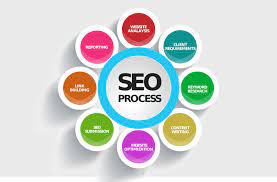
Some key elements of SEO include keyword research, on-page optimization, technical SEO, link building, and content creation. By focusing on these aspects and staying up-to-date with the latest algorithm changes, you can improve your website’s search engine rankings and stay ahead of the competition.

The Future of SEO

As search engines continue to evolve and user behaviours change, the landscape of SEO is constantly shifting. It is important for businesses to adapt their strategies accordingly and stay informed about emerging trends in order to maintain a competitive edge in the digital marketplace.

In conclusion, search engine optimization is an integral part of any successful digital marketing strategy. By investing time and resources into improving your website’s SEO performance, you can drive organic traffic, increase conversions, and achieve long-term growth for your business.


13 Key Questions Answered: Understanding Search Engine Optimization in Digital Marketing

  1. What is Search Engine Optimization in digital marketing?
  2. What is SEO SEM in digital marketing?
  3. What is SEO tool in digital marketing?
  4. What are the 3 types of SEO optimizations?
  5. What is search engine marketing in digital marketing?
  6. What are the 5 important concepts of SEO?
  7. What is SEO strategy in digital marketing?
  8. Is search engine optimization an example of digital marketing?
  9. What is SEO with an example?
  10. Why is SEO important in digital marketing?
  11. What is SEO in digital marketing and its types?
  12. What are the 4 types of SEO?
  13. Is Search Engine Optimization a form of digital marketing?

What is Search Engine Optimization in digital marketing?

Search Engine Optimization (SEO) in digital marketing refers to the practice of enhancing a website’s visibility and ranking on search engine results pages (SERPs) through strategic techniques and best practices. By optimising various elements such as content, keywords, meta tags, and backlinks, SEO aims to improve a website’s organic traffic and attract relevant visitors who are actively searching for products or services related to the business. Ultimately, SEO plays a crucial role in driving online success by increasing a website’s chances of being discovered by potential customers and improving its overall performance in the competitive digital landscape.

What is SEO SEM in digital marketing?

In the realm of digital marketing, a commonly asked question revolves around the distinction between SEO and SEM. SEO, which stands for Search Engine Optimization, focuses on optimizing a website’s content and structure to improve organic search engine rankings. On the other hand, SEM, or Search Engine Marketing, encompasses paid advertising strategies to enhance a website’s visibility in search engine results pages. While SEO aims for organic growth over time, SEM provides immediate visibility through paid campaigns such as pay-per-click (PPC) advertising. Understanding the nuances between SEO and SEM is crucial for businesses looking to develop a comprehensive digital marketing strategy that maximizes their online presence and drives targeted traffic to their websites.

What is SEO tool in digital marketing?

In digital marketing, an SEO tool refers to software or online platforms designed to help businesses improve their search engine optimization efforts. These tools provide valuable insights and data that enable marketers to analyse and enhance their website’s performance in search engine results pages. SEO tools can assist in keyword research, on-page optimization, backlink analysis, site auditing, and tracking rankings. By utilising SEO tools effectively, businesses can streamline their SEO processes, identify areas for improvement, and ultimately boost their online visibility and organic traffic.

What are the 3 types of SEO optimizations?

In the realm of search engine optimization (SEO) within digital marketing, there are three primary types of optimizations that businesses often focus on to enhance their online presence and visibility. These include on-page SEO, off-page SEO, and technical SEO. On-page SEO involves optimizing individual web pages with relevant content, meta tags, and keywords to improve their search engine rankings. Off-page SEO focuses on building external links and establishing a strong online reputation through activities such as link building and social media engagement. Technical SEO, on the other hand, deals with the backend aspects of a website, ensuring that it is easily crawlable by search engines and optimized for performance. By incorporating all three types of SEO optimizations into their digital strategies, businesses can effectively boost their online visibility and attract more organic traffic.

What is search engine marketing in digital marketing?

Search engine marketing (SEM) in digital marketing refers to the practice of promoting websites by increasing their visibility in search engine results pages (SERPs) through paid advertising methods. Unlike search engine optimization (SEO), which focuses on improving organic search rankings, SEM involves using paid advertising platforms like Google Ads to bid on keywords and display ads to target audiences. SEM allows businesses to reach potential customers actively searching for products or services related to their offerings, driving targeted traffic and generating leads or sales. By strategically utilising SEM techniques, businesses can enhance their online presence, increase brand awareness, and achieve specific marketing objectives effectively in the competitive digital landscape.

What are the 5 important concepts of SEO?

Understanding the five important concepts of SEO is essential for anyone looking to enhance their digital marketing strategy. These concepts include keyword research, on-page optimization, technical SEO, link building, and content creation. Keyword research helps identify relevant terms that users search for, while on-page optimization involves optimizing website elements like title tags and meta descriptions. Technical SEO focuses on improving site performance and structure, while link building aims to increase the authority of a website. Lastly, content creation involves producing high-quality, relevant content that engages users and aligns with search engine algorithms. Mastering these key concepts can significantly impact a website’s visibility and performance in search engine results pages.

What is SEO strategy in digital marketing?

An SEO strategy in digital marketing refers to a comprehensive plan designed to improve a website’s visibility and rankings on search engine results pages (SERPs). It involves a range of tactics and techniques aimed at optimising website content, improving site structure, and building high-quality backlinks to attract organic traffic. A well-defined SEO strategy typically includes keyword research, on-page optimization, technical SEO enhancements, content creation, and ongoing monitoring and analysis to ensure continuous improvement in search engine performance. By implementing an effective SEO strategy, businesses can enhance their online presence, reach their target audience more effectively, and ultimately drive valuable traffic and conversions to their website.

Is search engine optimization an example of digital marketing?

Yes, search engine optimization (SEO) is indeed an integral component of digital marketing. SEO involves optimising a website’s content, structure, and performance to improve its visibility on search engine results pages. By strategically implementing SEO techniques such as keyword research, on-page optimisation, and link building, businesses can enhance their online presence and attract organic traffic. In the broader context of digital marketing, SEO plays a crucial role in driving targeted traffic, increasing brand awareness, and ultimately achieving marketing objectives through improved search engine rankings.

What is SEO with an example?

Search Engine Optimization (SEO) is the process of enhancing a website’s visibility on search engine results pages (SERPs) through organic, non-paid methods. Essentially, SEO involves optimizing various aspects of a website to improve its ranking for specific keywords that users are searching for. For example, let’s consider a local bakery in London that wants to attract more customers through its website. By implementing SEO strategies such as keyword research, on-page optimization, and local SEO techniques, the bakery can improve its online visibility when users search for terms like “best bakery in London” or “freshly baked pastries near me.” This increased visibility can drive more organic traffic to the bakery’s website and ultimately lead to more foot traffic and sales at their physical location.

Why is SEO important in digital marketing?

Search Engine Optimization (SEO) is crucial in digital marketing because it helps businesses improve their online visibility and attract targeted traffic. By implementing SEO best practices, businesses can enhance their website’s ranking on search engine results pages, making it easier for potential customers to find them when searching for relevant keywords. SEO not only drives organic traffic to websites but also improves user experience, boosts credibility, and ultimately leads to higher conversion rates. In today’s competitive online landscape, having a strong SEO strategy is essential for businesses looking to establish a strong online presence and stay ahead of the competition.

What is SEO in digital marketing and its types?

Search Engine Optimization (SEO) in digital marketing refers to the practice of optimizing a website and its content to improve its visibility on search engine results pages (SERPs). SEO aims to increase organic traffic by ranking higher for relevant keywords that users search for. There are two main types of SEO: on-page SEO and off-page SEO. On-page SEO involves optimizing elements such as content, meta tags, and internal links within the website itself. Off-page SEO, on the other hand, focuses on building external links and establishing the website’s authority and credibility across the web. Both types of SEO work together to enhance a website’s visibility, attract targeted traffic, and improve overall search engine rankings.

What are the 4 types of SEO?

In the realm of search engine optimization (SEO) in digital marketing, understanding the four main types of SEO is crucial for developing a comprehensive strategy to improve online visibility and attract organic traffic. The four types of SEO include on-page SEO, off-page SEO, technical SEO, and local SEO. On-page SEO focuses on optimizing individual web pages with relevant content, meta tags, and keywords to improve search engine rankings. Off-page SEO involves building quality backlinks from external websites to enhance domain authority and credibility. Technical SEO deals with the technical aspects of a website, such as site speed, mobile-friendliness, and structured data markup. Local SEO targets local search queries to help businesses appear in geographically relevant searches. By incorporating these different types of SEO into a holistic approach, businesses can maximise their online presence and reach their target audience effectively.

Is Search Engine Optimization a form of digital marketing?

Search Engine Optimization (SEO) is indeed a fundamental component of digital marketing. While SEO focuses on improving a website’s visibility and ranking on search engine results pages through organic means, it is closely intertwined with digital marketing strategies. By optimising website content, meta tags, and other elements for search engines, businesses can enhance their online presence and attract targeted traffic. SEO plays a crucial role in driving organic traffic to websites, increasing brand visibility, and ultimately contributing to the overall success of digital marketing campaigns.

seo digital marketing

Unlocking the Potential of SEO in Digital Marketing Strategies

SEO Digital Marketing

The Power of SEO in Digital Marketing

In today’s digital age, search engine optimisation (SEO) has become a crucial component of any successful digital marketing strategy. SEO is the practice of improving your website’s visibility on search engine results pages (SERPs) to drive organic traffic and increase online presence.

Key Benefits of SEO in Digital Marketing:

  • Increased Website Traffic: By optimising your website for relevant keywords, you can attract more visitors who are actively searching for products or services that you offer.
  • Improved User Experience: SEO involves enhancing your website’s structure, content, and navigation, making it more user-friendly and engaging for visitors.
  • Enhanced Brand Visibility: Ranking higher on search engines increases brand awareness and credibility, helping you stand out from competitors.
  • Cost-Effective Marketing: Compared to traditional advertising methods, SEO offers a cost-effective way to reach a targeted audience and generate quality leads.
  • Long-Term Results: Unlike paid advertising that stops when the budget runs out, SEO efforts can provide sustainable results over time with consistent effort and monitoring.

Best Practices for Effective SEO:

To make the most of SEO in your digital marketing strategy, consider implementing the following best practices:

  1. Keyword Research: Identify relevant keywords with high search volume and low competition to target in your content.
  2. On-Page Optimisation: Optimise meta tags, headings, images, and content to improve relevance and readability for both users and search engines.
  3. Quality Content Creation: Publish valuable and engaging content that addresses user queries and provides solutions to their needs.
  4. Mobile-Friendly Design: Ensure your website is responsive and mobile-friendly to cater to users accessing it from different devices.
  5. Link Building: Earn backlinks from reputable websites to boost your site’s authority and credibility in the eyes of search engines.
  6. Analyse & Adjust: Monitor your SEO performance regularly using tools like Google Analytics and make data-driven adjustments to improve results over time.

In conclusion, integrating SEO into your digital marketing efforts can significantly impact your online visibility, brand awareness, and overall success. By following best practices and staying updated on industry trends, you can harness the power of SEO to achieve long-term growth for your business.


Top 5 Essential SEO Tips for Enhancing Your Digital Marketing Strategy

  1. 1. Conduct keyword research to identify relevant search terms for your website.
  2. 2. Optimise your website’s on-page elements such as title tags, meta descriptions, and headings.
  3. 3. Create high-quality content that is valuable to your target audience and incorporates relevant keywords.
  4. 4. Build backlinks from reputable websites to improve your site’s authority and credibility.
  5. 5. Monitor and analyse your SEO performance regularly using tools like Google Analytics to make data-driven decisions.

1. Conduct keyword research to identify relevant search terms for your website.

In SEO digital marketing, conducting thorough keyword research is essential to identify relevant search terms that your target audience uses to find information related to your products or services. By understanding the specific keywords and phrases that potential customers are searching for, you can strategically incorporate them into your website content, meta tags, and other elements to improve your visibility on search engine results pages. Effective keyword research helps you attract qualified traffic to your site and enhances the overall performance of your digital marketing efforts.

2. Optimise your website’s on-page elements such as title tags, meta descriptions, and headings.

To enhance your website’s search engine visibility and user experience, it is essential to optimise on-page elements like title tags, meta descriptions, and headings. These elements play a crucial role in conveying the relevance of your content to both search engines and users. By crafting compelling and keyword-rich titles, informative meta descriptions, and well-structured headings, you can improve your site’s chances of ranking higher in search results and attracting organic traffic. Paying attention to these on-page elements is a fundamental aspect of effective SEO digital marketing strategies.

3. Create high-quality content that is valuable to your target audience and incorporates relevant keywords.

Creating high-quality content that adds value to your target audience while strategically incorporating relevant keywords is a fundamental tip in SEO digital marketing. By producing engaging and informative content that resonates with your audience’s needs and interests, you not only enhance user experience but also improve your website’s visibility on search engine results pages. This approach not only boosts organic traffic but also establishes your brand as a credible source of information within your industry, ultimately leading to increased engagement and conversions.

Building backlinks from reputable websites is a crucial strategy in SEO digital marketing. By earning links from trusted sources, you can enhance your site’s authority and credibility in the eyes of search engines. Backlinks act as endorsements for your content, signalling to search algorithms that your website is a valuable resource worth ranking higher in search results. This not only improves your site’s visibility but also establishes trust with both users and search engines, ultimately contributing to the success of your digital marketing efforts.

5. Monitor and analyse your SEO performance regularly using tools like Google Analytics to make data-driven decisions.

To maximise the effectiveness of your SEO digital marketing strategy, it is essential to monitor and analyse your SEO performance consistently. Utilising tools such as Google Analytics allows you to gather valuable insights into your website’s traffic, user behaviour, and keyword rankings. By making data-driven decisions based on this analysis, you can identify areas for improvement, track the success of your SEO efforts, and adjust your strategy accordingly to achieve optimal results in enhancing your online visibility and driving organic traffic.