facebook digital marketing

Facebook Digital Marketing: A Practical Guide for Businesses

Facebook Digital Marketing: A Practical Guide for Businesses

Facebook remains a useful channel for businesses looking to reach customers, build brand awareness and encourage action. With a mix of business pages, groups, video and paid advertising, it offers several ways to connect with people. The best results come from treating Facebook as part of a wider marketing strategy, rather than simply posting whenever there is time.

What is Facebook digital marketing?

Facebook digital marketing is the use of Facebook to promote a business, product or service. It can include organic activity, such as publishing posts and replying to comments, as well as paid campaigns that show adverts to selected audiences.

Businesses can use Facebook to:

  • Build awareness of their brand
  • Share useful information, news and offers
  • Start conversations with customers
  • Direct people to a website or online shop
  • Generate enquiries, bookings or sales
  • Retarget people who have previously interacted with their business, where appropriate tools and consent are in place

Set clear marketing goals

Before creating content or launching adverts, decide what you want Facebook to achieve. A clear goal helps shape the message, audience and way you measure success.

For example, a local café might want to increase visits, while a professional services firm may be looking for qualified enquiries. An online retailer could focus on product sales. These goals call for different content and measures, so avoid relying on likes alone as an indicator of success.

Make your business page useful

Your Facebook business page is often a first point of contact for potential customers. Keep its key details accurate and up to date, including your opening hours, contact information, website and a concise description of what you offer. Choose recognisable profile and cover images, and make it easy for visitors to take the next step.

Check the page regularly and respond to messages and comments in a helpful, professional way. A neglected page can leave people unsure whether the business is still active.

Create content people want to see

Effective Facebook content is relevant to the audience and gives them a reason to stop scrolling. A balanced content plan might include:

  • Practical tips and answers to common questions
  • Product or service demonstrations
  • Customer stories, reviews or case studies, shared with permission
  • Behind-the-scenes updates that show the people and process behind the business
  • News, events and timely offers
  • Short videos, images and links to useful website content

Promotional posts can play a part, but a page made up entirely of sales messages may struggle to hold attention. Aim to provide value, build familiarity and make offers when they are genuinely relevant. Use clear, accessible language and add captions to video so that people can follow along without sound.

Use paid advertising thoughtfully

Facebook advertising can help a business reach people beyond its existing followers. Campaigns can be designed around different objectives, such as awareness, website visits, lead generation or sales. Audience options may include location, interests and previous interactions, depending on the campaign setup and the platform’s current features.

Start with a specific audience and a focused message. Use an image or video that clearly relates to the offer, explain the benefit and include a straightforward call to action. Test different creative approaches or messages, changing one element at a time where possible, so you can learn what is working.

Set a budget that the business can afford and monitor the campaign while it runs. Advertising costs and results can vary, so avoid assuming that a larger budget will automatically produce better outcomes.

Measure what matters

Choose measurements that relate to your goal. Depending on the activity, useful measures might include:

  • Reach and impressions for brand visibility
  • Video views or engagement for content performance
  • Link clicks and website visits for traffic campaigns
  • Enquiries, bookings or purchases for conversion-focused campaigns
  • Cost per result to understand advertising efficiency

Review performance regularly and look for patterns. If a post attracts attention but does not lead to meaningful action, consider whether the message, audience or next step needs to change. Use suitable tracking on your website to understand what happens after someone clicks through.

Respect privacy and advertising rules

Businesses should follow applicable data protection and advertising requirements when using Facebook. Be transparent about how personal information is collected and used, obtain consent where required, and use customer data responsibly. Make sure promotions have clear terms and conditions, and avoid misleading claims or targeting practices that could be unfair or inappropriate.

Platform tools and policies can change, so check Facebook’s current guidance before setting up campaigns or using customer information.

Build a consistent approach

Successful Facebook digital marketing is rarely about one viral post or a single advertising campaign. It is usually the result of understanding your audience, publishing useful content consistently, responding to people and learning from performance data.

Start with a clear goal, a well-maintained page and a manageable content plan. Add paid advertising when it supports a specific business objective, then review the results and refine your approach over time. With patience and a focus on the customer, Facebook can become a valuable part of your digital marketing mix.


Mastering Facebook Digital Marketing: 7 Essential Tips for Success

  1. Define a clear audience before creating campaigns.
  2. Use strong visuals to stop people scrolling.
  3. Write concise copy with a clear call to action.
  4. Test different creatives and audiences.
  5. Set a budget and monitor spending regularly.
  6. Track conversions with Meta Pixel or Conversions API.
  7. Review results and refine campaigns each week.

Define a clear audience before creating campaigns.

Before creating a Facebook campaign, define exactly who you want to reach. Consider factors such as location, age range, interests, needs and how people might use your product or service. A clear audience helps you shape relevant content, choose suitable targeting options and make better use of your budget. Avoid making the group too broad or too narrow; review campaign results and adjust your audience as you learn what resonates.

Use strong visuals to stop people scrolling.

Use strong visuals to stop people scrolling and make your Facebook content stand out in a busy feed. Choose clear, high-quality images or short videos that are relevant to your message and instantly show what your business offers. Keep designs uncluttered, use consistent branding and add captions to videos so they work well with the sound off. A striking visual can catch attention, but make sure the accompanying text gives people a useful reason to engage or take the next step.

Write concise copy with a clear call to action.

Keep your Facebook posts concise and focused so readers can quickly understand your message. Lead with the most important information, use plain English and make the next step clear with a direct call to action, such as “Book your consultation”, “Shop the collection” or “Find out more”. A clear prompt helps people know what to do next and makes it easier to measure whether your post is achieving its goal.

Test different creatives and audiences.

Test different creatives and audiences to discover what resonates with potential customers. Try variations in images, video, headlines and calls to action, while also comparing audience groups relevant to your business. Change one element at a time where possible, then use campaign results to see which combinations deliver the strongest outcomes. Keep testing regularly, as audience preferences and campaign performance can change over time.

Set a budget and monitor spending regularly.

Set a clear budget for your Facebook marketing before you begin, whether you’re promoting posts or running advertising campaigns. Choose an amount that fits your overall marketing plan and keep an eye on spending regularly to make sure it stays on track. Review the results alongside the costs, so you can adjust your campaigns, pause underperforming adverts or invest more in activity that is delivering value.

Track conversions with Meta Pixel or Conversions API.

Track the actions people take after clicking your Facebook adverts by setting up the Meta Pixel or Conversions API on your website. These tools can help measure outcomes such as purchases, bookings or enquiries, giving you a clearer picture of which campaigns are driving results. Use the data responsibly, follow applicable privacy and consent requirements, and check that events are configured correctly before relying on them to assess performance.

Review results and refine campaigns each week.

Review your Facebook marketing results each week to see which posts and adverts are reaching the right people and driving meaningful actions, such as website visits, enquiries or sales. Use these insights to refine your campaigns: adjust targeting, refresh creative, test different messages or move budget towards stronger performers. Small, regular improvements can help you make better use of your budget and keep your marketing aligned with your goals.

forbes digital marketing

Forbes Digital Marketing: Lessons for Businesses

Forbes and Digital Marketing: What Businesses Can Learn

Forbes is widely recognised as a business and finance publisher, but its influence also makes it a useful example when considering modern digital marketing. Its approach combines trusted editorial content, a recognisable brand and a strong online presence. For businesses, the broader lesson is that effective digital marketing is about more than attracting clicks: it is about earning attention and building credibility over time.

Why credibility matters

Online audiences are surrounded by advertising and promotional messages. A familiar, trusted brand can help content stand out, but credibility has to be supported by useful information and clear communication. Businesses can apply the same principle by publishing accurate, relevant content that genuinely helps their audience, rather than making every interaction a sales pitch.

Content that serves an audience

Successful digital content starts with understanding what people want to know. Articles, videos, newsletters and social posts can all play a role, provided they are designed for a specific audience and offer something worthwhile. A company might create practical guides, explain industry developments or answer common customer questions.

Consistency matters, too. A clear editorial plan helps a business publish regularly and maintain a recognisable voice across its website, email and social channels. Quality should remain the priority: publishing frequently is of little value if the content is thin or repetitive.

Making the most of different channels

Digital marketing works best when channels support one another. A well-researched article can bring visitors to a website through search, be shared on social media and provide material for an email newsletter. Each channel has a different purpose, so the message and format should be adapted rather than copied everywhere without thought.

  • Search: Make useful pages easy to find by addressing real search needs and using clear, descriptive language.
  • Social media: Share content in ways that encourage discussion and suit the platform and its audience.
  • Email: Build direct relationships with subscribers through relevant, permission-based communications.
  • Paid promotion: Use targeted advertising to reach suitable audiences, while making the commercial nature of promotions clear.

Editorial content and paid promotion

Publishers such as Forbes operate in a media environment where editorial journalism and commercial partnerships can exist alongside one another. For any brand, it is important that sponsored or paid content is clearly labelled. Transparency helps audiences understand who created the material and whether a commercial relationship is involved.

Businesses should also distinguish between earned coverage, their own marketing content and paid advertising. Each can contribute to a marketing strategy, but they serve different purposes and should be measured accordingly.

Measure outcomes, not just attention

Page views and social engagement can indicate that content is attracting interest, but they do not tell the whole story. Businesses should connect marketing activity to meaningful goals, such as qualified enquiries, sales, repeat visits or newsletter sign-ups. Reviewing these results helps identify what is working and where improvements are needed.

Building a lasting digital presence

The most useful lesson from examining a prominent media brand is not to imitate its scale, but to understand the principles behind its reach: a clear identity, content with purpose and a consistent relationship with its audience. By combining trustworthy information with thoughtful channel choices and measurable objectives, businesses can develop a digital marketing presence that grows in value over time.


Maximising Brand Impact: Five Advantages of Forbes Digital Marketing

  1. Broad brand visibility
  2. Access to a business-focused audience
  3. Potential to build credibility
  4. Multiple digital content formats
  5. Opportunities for targeted promotion


Five Drawbacks of Forbes Digital Marketing: Cost, Audience, Clarity, Guarantees, and Attribution Challenges

  1. Advertising on Forbes can be expensive.
  2. Audience reach may not suit every business.
  3. Sponsored content needs clear labelling.
  4. Publication does not guarantee leads or sales.
  5. Results can be difficult to attribute.

Broad brand visibility

Broad brand visibility is a key advantage of Forbes digital marketing. Its established reputation and wide online reach can help brands put their message in front of large, varied audiences across articles, newsletters and digital campaigns. This exposure can strengthen brand recognition and introduce a business to potential customers who may not otherwise encounter it. For the best results, visibility should be matched with relevant content and a clear message that gives audiences a reason to engage.

Access to a business-focused audience

One advantage of Forbes digital marketing is access to a business-focused audience, including entrepreneurs, executives, investors and professionals interested in industry news and commercial insight. This can help brands reach people who may influence or make purchasing decisions, particularly in business-to-business markets. By sharing relevant, useful content with this audience, a company can raise awareness and build credibility among readers whose interests align with its products or services.

Potential to build credibility

Potential to build credibility

One potential advantage of Forbes digital marketing is the credibility associated with a well-known business publication. Being featured in, or advertising through, a respected platform can help a brand reach an audience that values business insight and professional expertise. However, credibility is not automatic: it depends on the relevance and quality of the content, transparent disclosure of paid partnerships and whether the message genuinely supports the brand’s claims.

Multiple digital content formats

A key advantage of Forbes’ digital marketing is its use of multiple content formats to reach different audiences and suit different ways of consuming information. Alongside articles, readers may encounter videos, podcasts, newsletters, social media posts and interactive features. This variety can make complex business topics more accessible, encourage people to engage with content in the format they prefer and help extend its reach across digital channels.

Opportunities for targeted promotion

Forbes digital marketing can offer businesses opportunities for targeted promotion, helping them put their message in front of audiences relevant to their industry, interests or professional roles. By aligning a campaign with suitable content and readership, brands can make their advertising more focused than a broad, untargeted approach. This can support stronger engagement and make it easier to reach potential customers, provided the campaign is clearly labelled and its results are measured against specific objectives.

Advertising on Forbes can be expensive.

One potential drawback of advertising on Forbes is the cost. Its strong brand recognition and access to a large business audience can make placements expensive, putting them beyond the budget of smaller businesses or organisations with limited marketing funds. Before committing, advertisers should compare the likely reach and audience fit with the price, and consider whether more targeted or affordable channels could deliver better value.

Audience reach may not suit every business.

One potential drawback of Forbes digital marketing is that its audience reach may not suit every business. Its readership can be broad or focused on particular industries and professional interests, which may not align with a company’s ideal customers. Before investing in a campaign, businesses should check whether the publication’s audience matches their target market and whether the cost is likely to deliver worthwhile results.

A key drawback of Forbes’ digital marketing model is that sponsored content needs clear labelling to distinguish it from independent editorial coverage. If the distinction is easy to miss, readers may feel misled or question the publication’s credibility. Clear, prominent disclosures help audiences understand when content has been paid for and allow them to judge it accordingly.

Publication does not guarantee leads or sales.

Being featured through Forbes digital marketing can raise a brand’s profile, but publication alone does not guarantee leads or sales. Readers may see or engage with an article without taking any further action, particularly if the content does not reach the right audience or include a clear next step. Businesses should therefore treat publication as one part of a wider marketing strategy, with relevant landing pages, follow-up activity and measurable goals in place to help turn attention into enquiries and conversions.

Results can be difficult to attribute.

A drawback of Forbes digital marketing is that results can be difficult to attribute to a specific campaign or channel. A reader might discover a brand through a sponsored article, see it mentioned on social media and later visit its website through a search engine before making an enquiry. This makes it challenging to know which interaction had the greatest impact, so businesses may struggle to assess return on investment accurately. Tracking tools can help, but they do not always capture the full customer journey.

digital media advertising

Digital Media Advertising: A Practical Guide to Reaching the Right Audience

Digital Media Advertising: Reaching the Right Audience Online

Digital media advertising helps businesses promote their products, services and ideas across online channels. From search engines and social media to websites, apps and streaming platforms, it offers a range of ways to reach potential customers where they spend their time.

Unlike traditional advertising, digital campaigns can often be adjusted while they are running. Advertisers can use performance data to understand what is working, refine their messages and make better use of their budgets.

What is digital media advertising?

Digital media advertising is paid promotion delivered through digital channels. It includes formats such as search adverts, display banners, sponsored social posts, online video adverts and audio adverts on streaming services.

Each format serves a different purpose. A search advert can reach someone actively looking for a product or service, while a social media campaign may introduce a brand to people who have not encountered it before. The best choice depends on the campaign’s audience, objectives and budget.

Common types of digital advertising

  • Search advertising: Paid listings shown on search engine results pages, often in response to a relevant query.
  • Social media advertising: Sponsored content delivered on platforms such as Instagram, Facebook, LinkedIn and TikTok.
  • Display advertising: Visual adverts placed on websites, apps and other digital properties.
  • Video advertising: Short or long-form adverts shown before, during or alongside online video content.
  • Native advertising: Paid content designed to fit the look and feel of the platform where it appears, while still being clearly identified as advertising.
  • Audio advertising: Adverts delivered through digital radio, podcasts and music-streaming services.
  • Retail media: Advertising placed on retailers’ websites, apps or other channels, often aimed at shoppers researching or buying products.

Why businesses use digital media advertising

Digital advertising can help businesses increase awareness, attract visitors to a website, generate enquiries and encourage sales. Campaigns can be tailored to different locations, interests, search behaviours or stages of the customer journey, subject to platform rules and privacy requirements.

It also provides useful measurement. Depending on the channel and tracking set-up, advertisers may be able to review impressions, clicks, video views, conversions and the cost of achieving specific outcomes. These insights can guide improvements, although results should be interpreted carefully: not every valuable interaction is easy to measure, and a click does not always lead to a sale.

Building an effective campaign

Start with a clear objective

Decide what the campaign needs to achieve. Raising awareness, bringing visitors to a website and generating qualified leads require different messages and measures of success. A clear objective helps shape the channel mix and makes it easier to assess performance.

Understand the audience

Consider who the campaign is for, what they need and where they are likely to encounter relevant content. Audience research can help inform the tone, format and placement of adverts. Avoid relying on assumptions when customer feedback, search data or previous campaign results can provide stronger evidence.

Choose suitable channels and formats

There is no single channel that works for every business. Search advertising may suit people with a clear intention to buy, while video or social advertising can be useful for introducing a brand or explaining a more complex offer. A campaign can use several channels, but each should have a defined role.

Create relevant, clear adverts

Effective advertising communicates a useful benefit and gives people a clear next step. Keep copy concise, use visuals that support the message and make sure the advert leads to a relevant landing page. The experience should be consistent from the first impression through to the action you want someone to take.

Set a realistic budget

Plan spending around the campaign’s objectives, audience and duration. Leave room to test different messages or formats, but avoid making major decisions based on limited data. Costs and competition vary between channels, industries and audiences, so regular review is important.

Measurement and optimisation

Before launching a campaign, decide which indicators will show whether it is making progress. Depending on the objective, these might include reach, engagement, website visits, enquiries or sales. Use reliable tracking where appropriate, and check that the data is being collected and reported consistently.

Optimisation is the process of improving a campaign as information becomes available. This may involve testing alternative creative, adjusting bids, refining placements or improving a landing page. Make changes thoughtfully and allow enough time to understand their effects.

Privacy, transparency and trust

Digital advertising should be responsible as well as effective. Businesses must follow relevant data-protection and advertising rules, including requirements around consent, personal data and clear identification of paid content. In the UK, guidance from the Information Commissioner’s Office and the Advertising Standards Authority can help organisations understand their responsibilities.

Respectful advertising also means being honest about what is being offered, avoiding misleading claims and considering how targeting may affect people. Clear communication helps build trust and supports better long-term relationships with customers.

Making digital advertising work for your business

Digital media advertising is most effective when it is part of a considered marketing plan. Clear objectives, useful creative, suitable channels and careful measurement provide a strong foundation. By learning from results and keeping the audience’s needs in focus, businesses can make more informed decisions and improve their campaigns over time.


Exploring Digital Media Advertising: Key Questions and Insights

  1. What is an example of digital advertising?
  2. What are the 3 types of digital media?
  3. What are the four types of digital advertising?
  4. How is advertising done on digital media?
  5. What is digital digital advertising?
  6. What are the 4 types of advertising media?
  7. What are the 5 types of digital media?
  8. What is the best digital media advertising?

What is an example of digital advertising?

An example of digital advertising is a sponsored advert that appears on social media. A clothing retailer might promote a new collection in users’ feeds, with an image, a short message and a link to its online shop. The advert can be tailored to a relevant audience and its performance measured through views, clicks and sales.

What are the 3 types of digital media?

The three commonly recognised types of digital media are owned, earned and paid media. Owned media includes channels a business controls, such as its website, blog and social media profiles. Earned media is exposure gained through others, including customer reviews, shares, mentions and press coverage. Paid media is promotion a business pays for, such as search adverts, sponsored social posts and display advertising. Used together, these channels can help a business share its message, build trust and reach a wider audience.

What are the four types of digital advertising?

There is no single official classification, but four common types of digital advertising are search, display, social media and video advertising. Search adverts appear in search engine results, display adverts use banners or other visuals on websites and apps, social media adverts are paid posts shown on platforms such as Instagram or LinkedIn, and video adverts appear before, during or alongside online videos. These categories can overlap—for example, a video advert may also be a social media advert—so the best format depends on your audience and campaign goals.

How is advertising done on digital media?

Advertising on digital media is done by creating paid content and placing it on channels such as search engines, social media platforms, websites, apps and streaming services. Businesses choose an audience, set a budget and select a format—such as a search listing, banner, video or sponsored post—then publish the campaign through an advertising platform or media partner. Performance can be tracked using measures such as views, clicks, enquiries and sales, allowing advertisers to adjust their targeting, creative or budget while the campaign runs.

What is digital digital advertising?

Digital advertising (also known as digital media advertising) is the promotion of products, services or brands through online channels such as search engines, social media, websites, apps and streaming platforms. It can include paid search results, display banners, sponsored posts, video adverts and audio adverts. Businesses use digital advertising to reach specific audiences, raise awareness, attract website visitors or encourage sales, and can measure campaign performance using relevant data.

What are the 4 types of advertising media?

The four commonly recognised types of advertising media are print, broadcast, outdoor and digital. Print includes newspapers and magazines; broadcast covers television and radio; outdoor includes billboards, posters and transport advertising; and digital spans online channels such as search engines, websites, social media and streaming platforms. The categories can vary between marketing frameworks, and many campaigns combine several types to reach audiences in different ways.

What are the 5 types of digital media?

There is no single agreed list of the five types of digital media, but in marketing they are often grouped as owned, paid, earned, shared and converged media. Owned media includes channels a business controls, such as its website and email newsletter; paid media covers advertising it pays for, such as search or social adverts; earned media is coverage or recommendations gained through others; shared media is content circulated through social platforms and communities; and converged media is where these channels work together—for example, a paid campaign that sparks social sharing and leads people to a company’s website.

What is the best digital media advertising?

There’s no single “best” type of digital media advertising for every business. The right choice depends on your goals, audience and budget: search advertising can reach people actively looking for a product or service, while social media, display and video adverts can help build awareness and interest. Start with a clear objective, choose the channels your audience uses, and measure results so you can refine your approach over time.

digital marketing services near me

How to Choose Digital Marketing Services Near Me

Finding the Right Digital Marketing Services Near You

Searching for “digital marketing services near me” is often the first step towards finding help with your business’s online growth. Whether you run a local shop, provide professional services or manage a growing company, the right digital marketing partner can help you reach more of the people who matter to your business.

But choosing an agency or specialist involves more than finding the closest address. You’ll want a team that understands your goals, communicates clearly and can show how its work will support your business.

What do digital marketing services include?

Digital marketing covers a range of ways to attract and engage customers online. Depending on your needs, services may include:

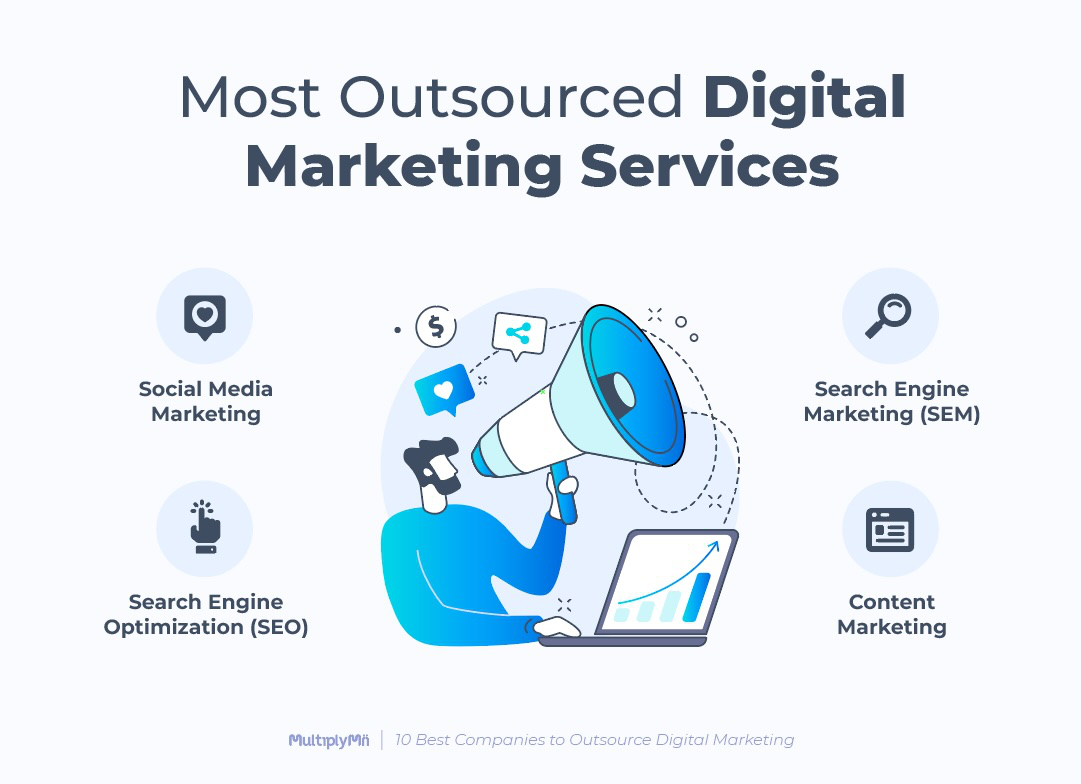
  • Search engine optimisation (SEO): Improving your website so it can appear more prominently in relevant search results.
  • Local SEO: Helping nearby customers find your business through local search results, maps and business listings.
  • Pay-per-click advertising: Creating and managing paid campaigns on search engines and other platforms.
  • Social media marketing: Planning content and campaigns to build awareness and connect with your audience.
  • Website design and development: Creating or improving a website so it is useful, accessible and easy to navigate.
  • Content marketing: Producing helpful articles, landing pages and other content that answers customers’ questions.
  • Email marketing: Keeping in touch with customers through relevant updates, offers and information.
  • Analytics and reporting: Measuring performance to understand what is working and where to make improvements.

Why work with a local digital marketing provider?

A nearby provider may offer the opportunity to meet in person and build a closer working relationship. They may also have a better understanding of the local area, the way people search for services there and the competition your business faces.

That said, location alone does not guarantee the right fit. Many digital marketing services can be delivered remotely, so it is worth considering providers beyond your immediate neighbourhood if they have the experience and approach you need.

How to choose the right provider

Before you commit, take time to compare a few providers. These questions can help you decide:

  • Do they understand your goals? A good provider will ask about your customers, priorities and definition of success before recommending a plan.
  • Can they explain their approach? Look for clear, straightforward explanations rather than vague promises or unnecessary jargon.
  • Do they have relevant experience? Case studies or examples can help you understand the kind of work they do. Check that any results are presented in context.
  • How will progress be measured? Agree on useful measures, such as relevant enquiries, website visits or conversions, rather than focusing only on surface-level figures.
  • Are costs and responsibilities clear? Ask what is included, what falls outside the scope and whether there are minimum contract periods or extra fees.
  • Will you have a clear point of contact? Regular communication makes it easier to review progress and adjust plans as your business changes.

Make sure your online presence supports local customers

If you serve a particular town, city or region, your marketing should make that clear. Your website can explain where you work, what areas you cover and how customers can contact you. Accurate business details across your website and online listings can also help people find and recognise your business.

Local marketing should be useful, not just repetitive. Create pages and content that answer genuine customer questions, explain your services clearly and provide a simple next step. Avoid creating multiple near-identical pages solely to target different locations.

Start with a clear plan

You do not need to invest in every digital marketing channel at once. Start by identifying your biggest challenge. You might need more local enquiries, a better-performing website or a clearer strategy for paid advertising. A focused plan can help you prioritise work and understand what your budget is achieving.

When comparing digital marketing services near you, look for a provider that takes the time to understand your business and gives you a realistic, transparent plan. The right partnership should make your marketing easier to understand, easier to measure and better aligned with your goals.


9 Essential Tips for Choosing Local Digital Marketing Services

  1. Search for agencies with strong local reviews.
  2. Check their experience with nearby businesses.
  3. Ask which digital marketing services they offer.
  4. Compare prices and contract terms.
  5. Review case studies and client results.
  6. Look for expertise in local SEO.
  7. Confirm they understand your target audience.
  8. Ask how they report campaign performance.
  9. Choose a team that communicates clearly.

Search for agencies with strong local reviews.

When looking for digital marketing services near you, check local reviews to see what other businesses say about working with an agency. Look for consistent feedback on communication, reliability and the quality of its work, rather than relying on star ratings alone. Recent, detailed reviews can offer a useful picture of the client experience, while thoughtful responses to feedback may show how the agency handles questions or concerns. Use reviews as one part of your research, alongside case studies and an initial conversation.

Check their experience with nearby businesses.

When comparing digital marketing services near you, ask whether the provider has worked with businesses in your area or with a similar audience. Familiarity with the local market can help them understand your customers, competitors and the search terms people use to find services nearby. Ask for relevant examples or case studies, and look for a clear explanation of what the work achieved. This can help you judge whether their experience is a good match for your business.

Ask which digital marketing services they offer.

Ask which digital marketing services each provider offers, as the right support will depend on your goals. Services may include local SEO, website design, pay-per-click advertising, social media, content creation and email marketing. Find out whether they can bring these together into a coherent plan, or focus on the specific areas your business needs most.

Compare prices and contract terms.

Compare prices and contract terms before choosing a digital marketing provider. Ask for a clear breakdown of what each package includes, whether there are extra costs and how performance will be reported. Check the contract length, notice period and any fees for ending the agreement early. The cheapest option may not offer the right support, so compare the value, flexibility and services provided as well as the headline price.

Review case studies and client results.

Review case studies and client results to get a clearer idea of how a digital marketing provider works and whether its experience is relevant to your business. Look for examples involving similar goals, industries or local audiences, and check what the provider did, how success was measured and over what period. Strong case studies explain the context behind the results rather than relying on bold claims alone. If anything is unclear, ask for more detail before deciding.

Look for expertise in local SEO.

When comparing digital marketing services near you, look for expertise in local SEO. A provider with strong local search knowledge can help your business appear in relevant results when nearby customers are looking for the products or services you offer. Ask how they approach your website content, business listings, reviews and location information, and how they’ll measure progress. Their recommendations should be tailored to your area and customers, rather than relying on one-size-fits-all tactics.

Confirm they understand your target audience.

Confirm that a digital marketing provider understands your target audience before you begin working together. They should take time to learn who your customers are, what they need, where they spend time online and what influences their decisions. This understanding helps shape relevant messages, choose the right channels and make better use of your marketing budget. Ask how they’ll research your audience and tailor their approach to your business, rather than relying on a one-size-fits-all plan.

Ask how they report campaign performance.

Ask how the provider reports campaign performance before agreeing to work together. Find out how often you’ll receive updates, which metrics they track and how they connect those results to your business goals. Clear reporting should explain what’s working, what needs improvement and what the next steps are, without relying on confusing jargon or impressive-looking numbers that don’t lead to meaningful enquiries or sales.

Choose a team that communicates clearly.

Choose a team that communicates clearly. A good digital marketing partner should explain its recommendations in plain English, keep you updated on progress and be open about costs, timelines and results. Clear, regular communication helps you understand what’s being done, ask questions and make confident decisions about your marketing.

best digital advertising agencies

Unveiling the Best Digital Advertising Agencies Setting the Standard in the Industry

The Top Digital Advertising Agencies Setting the Standard in the Industry

With the ever-evolving digital landscape, businesses are constantly seeking ways to reach their target audience effectively. This is where digital advertising agencies play a crucial role in helping brands navigate the complex world of online marketing. From social media campaigns to search engine optimisation (SEO) strategies, these agencies employ a range of techniques to maximise brand visibility and drive engagement.

What Makes a Great Digital Advertising Agency?

The best digital advertising agencies stand out for their creativity, innovation, and strategic approach to marketing. They understand the importance of data-driven decision-making and leverage analytics to optimise campaigns for maximum impact. These agencies also stay ahead of industry trends and technologies to ensure their clients stay competitive in the digital space.

Top Digital Advertising Agencies Around the Globe

Wieden+Kennedy: Known for its bold and unconventional campaigns, Wieden+Kennedy has made a name for itself as a leader in creative advertising.

Ogilvy: With a legacy dating back to 1948, Ogilvy continues to be a powerhouse in the advertising world, offering a wide range of services from traditional to digital marketing.

Droga5: Recognised for its innovative approach to storytelling, Droga5 has worked with some of the biggest brands globally, creating memorable campaigns that resonate with audiences.

R/GA: R/GA is known for its focus on technology-driven marketing solutions that blend creativity with cutting-edge digital expertise.

The Impact of Digital Advertising Agencies

Digital advertising agencies play a pivotal role in helping brands connect with consumers in meaningful ways. By leveraging data insights and creative strategies, these agencies help businesses enhance brand awareness, drive website traffic, and ultimately increase conversions. In today’s competitive market, partnering with a top digital advertising agency can make all the difference in achieving your marketing goals.

Whether you’re looking to launch a new product or revamp your online presence, investing in the expertise of a reputable digital advertising agency can set your brand apart from the competition and propel your business towards success.

Contact one of these top agencies today to explore how they can elevate your brand’s digital presence and drive results that matter.


Top Advantages of Leading Digital Advertising Agencies: Creativity, Expertise, and Innovation

  1. Innovative and creative campaigns that capture audience attention.
  2. Expertise in data analysis to optimise ad performance and ROI.
  3. Strategic approach to targeting the right audience across various digital platforms.
  4. Access to cutting-edge technology and tools for effective campaign execution.
  5. Experienced professionals with diverse skill sets in marketing, design, and technology.
  6. Proven track record of successful campaigns for leading brands in different industries.
  7. Ability to adapt quickly to changing trends and algorithms in the digital advertising landscape.


Challenges Faced by Small Businesses in Engaging Top Digital Advertising Agencies

  1. Costly services may not be feasible for small businesses with limited budgets.
  2. Some agencies may focus more on creativity than data-driven results, potentially impacting campaign effectiveness.
  3. Communication challenges can arise when working with large agencies due to multiple layers of hierarchy.
  4. Adherence to strict timelines and deadlines may lead to rushed or less thorough campaign strategies.

Innovative and creative campaigns that capture audience attention.

One of the key advantages of working with the best digital advertising agencies is their ability to create innovative and creative campaigns that captivate audience attention. These agencies excel in crafting unique and engaging content that resonates with target demographics, ultimately driving brand awareness and fostering meaningful connections with consumers. By pushing the boundaries of traditional marketing strategies and embracing cutting-edge approaches, top digital advertising agencies can help brands stand out in a crowded digital landscape and leave a lasting impression on their audience.

Expertise in data analysis to optimise ad performance and ROI.

One of the key advantages of partnering with the best digital advertising agencies is their expertise in data analysis to optimise ad performance and return on investment (ROI). These agencies have the tools and knowledge to gather and interpret data effectively, allowing them to make informed decisions that maximise the impact of advertising campaigns. By leveraging data insights, they can fine-tune targeting strategies, adjust ad creatives, and allocate budget efficiently to drive higher ROI for their clients. This analytical approach sets top digital advertising agencies apart, ensuring that every marketing effort is backed by data-driven strategies for optimal results.

Strategic approach to targeting the right audience across various digital platforms.

One key advantage of the best digital advertising agencies is their strategic approach to targeting the right audience across multiple digital platforms. By utilising data-driven insights and advanced targeting capabilities, these agencies can identify and reach specific demographics, interests, and behaviours with precision. This targeted approach not only maximises the effectiveness of marketing campaigns but also ensures that brands connect with the most relevant audiences, leading to higher engagement, increased brand awareness, and ultimately, improved return on investment.

Access to cutting-edge technology and tools for effective campaign execution.

One of the key advantages of partnering with the best digital advertising agencies is gaining access to cutting-edge technology and tools that are essential for executing effective campaigns. These agencies invest in state-of-the-art software and platforms that enable precise targeting, real-time analytics, and automated campaign management. By harnessing the power of advanced technology, they can optimise strategies, track performance metrics accurately, and make data-driven decisions to ensure maximum impact and ROI for their clients’ advertising efforts.

Experienced professionals with diverse skill sets in marketing, design, and technology.

One key advantage of partnering with the best digital advertising agencies is their team of experienced professionals who bring a diverse range of skill sets to the table. From marketing strategists to creative designers and tech-savvy experts, these agencies have a multidisciplinary team capable of tackling various aspects of digital advertising with precision and innovation. By harnessing the collective expertise in marketing, design, and technology, these professionals can develop tailored strategies that resonate with target audiences, drive engagement, and ultimately deliver measurable results for their clients.

Proven track record of successful campaigns for leading brands in different industries.

Digital advertising agencies with a proven track record of successful campaigns for leading brands across various industries offer a valuable advantage to businesses seeking impactful marketing solutions. By demonstrating their ability to deliver results for well-known brands, these agencies showcase their expertise in understanding diverse target audiences and implementing effective strategies tailored to specific industries. This track record instills confidence in clients, assuring them that they are partnering with a team that has the experience and capabilities to drive successful outcomes in the competitive digital landscape.

One of the key advantages of the best digital advertising agencies is their ability to adapt swiftly to evolving trends and algorithms within the dynamic digital advertising landscape. These agencies stay ahead of the curve by continuously monitoring industry changes, consumer behaviours, and platform updates. By quickly adjusting their strategies to align with the latest trends and algorithms, top digital advertising agencies can ensure that their clients’ campaigns remain relevant, effective, and impactful in reaching target audiences in a rapidly changing online environment.

Costly services may not be feasible for small businesses with limited budgets.

One significant drawback of partnering with the best digital advertising agencies is the potentially high cost of their services, which may not be feasible for small businesses operating on limited budgets. While these agencies offer top-tier expertise and innovative strategies, the financial investment required to engage their services can be prohibitive for smaller companies. This cost barrier may prevent small businesses from accessing the full range of benefits that top digital advertising agencies can provide, limiting their ability to compete effectively in the online marketplace.

Some agencies may focus more on creativity than data-driven results, potentially impacting campaign effectiveness.

In the realm of digital advertising agencies, a notable drawback can arise when some agencies prioritise creativity over data-driven results. While creativity is undoubtedly important in capturing audience attention, an overemphasis on this aspect may lead to campaigns that lack the necessary strategic foundation for success. By neglecting data-driven insights and analytics, these agencies risk compromising the effectiveness of their campaigns and may struggle to achieve the desired outcomes for their clients. Striking a balance between creativity and data-driven decision-making is essential for ensuring that digital advertising efforts resonate with target audiences and drive measurable results.

Communication challenges can arise when working with large agencies due to multiple layers of hierarchy.

Communication challenges can often surface when collaborating with top digital advertising agencies, particularly those with extensive hierarchies. The presence of multiple layers of management can sometimes lead to delays in decision-making, miscommunication of client requirements, and a lack of direct access to key decision-makers. This hierarchical structure can hinder the fluid exchange of ideas and feedback, potentially impacting the efficiency and effectiveness of communication between the agency and its clients. It is essential for agencies to proactively address these challenges by fostering open lines of communication and streamlining processes to ensure seamless collaboration and optimal outcomes for their clients.

Adherence to strict timelines and deadlines may lead to rushed or less thorough campaign strategies.

One potential drawback of working with the best digital advertising agencies is the pressure to adhere to strict timelines and deadlines, which may sometimes result in rushed or less thorough campaign strategies. In their pursuit of meeting tight schedules, agencies may compromise on the depth of research, creativity, or strategic planning required for a truly impactful campaign. This trade-off between speed and quality can potentially affect the overall effectiveness and long-term success of a marketing initiative. It is essential for both clients and agencies to find a balance that ensures timely delivery without sacrificing the quality and thoughtfulness of the campaigns being developed.

paid online marketing

Unlocking Success: The Impact of Paid Online Marketing Strategies

The Power of Paid Online Marketing

The Power of Paid Online Marketing

In today’s digital age, paid online marketing has become a crucial strategy for businesses looking to reach their target audience and drive conversions. With the vast number of users spending hours online every day, leveraging paid online marketing can significantly boost brand visibility and engagement.

Benefits of Paid Online Marketing

Targeted Reach: Paid online marketing allows businesses to target specific demographics, interests, and behaviours of their audience, ensuring that their ads are seen by the right people at the right time.

Instant Results: Unlike organic marketing efforts that take time to gain traction, paid online marketing delivers instant results in terms of website traffic, leads, and sales.

Measurable ROI: With tools like Google Analytics and social media insights, businesses can track the performance of their paid campaigns in real-time and measure the return on investment accurately.

Types of Paid Online Marketing

Search Engine Marketing (SEM): This involves placing ads on search engine result pages based on specific keywords relevant to your business. Google Ads is a popular SEM platform.

Social Media Advertising: Platforms like Facebook, Instagram, Twitter, and LinkedIn offer robust advertising options to target users based on their demographics, interests, and online behaviour.

Display Advertising: Banner ads placed on websites or mobile apps can help increase brand awareness and drive traffic to your website through visual content.

Tips for Successful Paid Online Marketing Campaigns

To make the most out of your paid online marketing efforts, consider the following tips:

  • Set Clear Goals: Define your objectives – whether it’s increasing website traffic, generating leads, or boosting sales – to tailor your campaigns accordingly.
  • Create Compelling Ad Copy: Craft engaging ad copy with strong calls-to-action that resonate with your target audience.
  • A/B Testing: Experiment with different ad creatives, targeting options, and landing pages to identify what works best for your audience.
  • Monitor Performance: Regularly monitor key metrics like click-through rates (CTR), conversion rates, and cost per acquisition (CPA) to optimise your campaigns for better results.

In Conclusion

Paid online marketing offers businesses a powerful way to amplify their online presence and drive meaningful results in a competitive digital landscape. By leveraging targeted strategies across various platforms, businesses can connect with their audience effectively and achieve their marketing goals efficiently.


Understanding Paid Online Marketing: Answers to 8 Common Questions

  1. What is paid online marketing?
  2. How does paid online marketing differ from organic marketing?
  3. What are the benefits of investing in paid online marketing?
  4. Which platforms offer paid online marketing opportunities?
  5. How can businesses measure the effectiveness of their paid online marketing campaigns?
  6. What budget should businesses allocate for paid online marketing?
  7. Are there any best practices to follow when running a paid online marketing campaign?
  8. Can businesses target specific audiences with paid online marketing?

What is paid online marketing?

Paid online marketing refers to the practice of promoting products or services on digital platforms through paid advertising methods. This form of marketing involves businesses investing in online ads to reach their target audience and drive desired actions, such as website visits, lead generation, or sales. Paid online marketing encompasses various channels, including search engine marketing (SEM), social media advertising, display advertising, and more. By allocating budget towards paid campaigns, businesses can enhance their online visibility, engage with potential customers effectively, and achieve measurable results in terms of brand awareness and conversions.

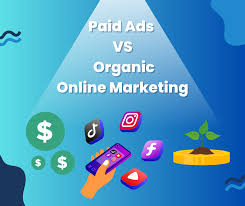
How does paid online marketing differ from organic marketing?

Paid online marketing differs from organic marketing in the way it involves paid advertising to promote products or services on digital platforms. While organic marketing focuses on building a brand’s online presence through content creation, SEO, and social media engagement without direct payment for visibility, paid online marketing relies on investing in targeted ads to reach specific audiences quickly. Paid strategies offer immediate results and precise targeting options, allowing businesses to control their messaging and reach a broader audience effectively. In contrast, organic marketing requires time and consistent effort to build credibility and visibility through non-paid channels. Both approaches complement each other in a comprehensive digital marketing strategy, with paid online marketing providing a more immediate impact and organic efforts fostering long-term growth and brand loyalty.

What are the benefits of investing in paid online marketing?

Investing in paid online marketing offers a multitude of benefits for businesses seeking to enhance their digital presence and drive results. One key advantage is the ability to target specific demographics, interests, and behaviours of the audience, ensuring that ads reach the right people at the right time. Paid online marketing also provides instant results in terms of increased website traffic, leads, and sales, unlike organic efforts that may take time to yield outcomes. Furthermore, businesses can measure the return on investment accurately through tools like Google Analytics and social media insights, enabling them to track performance in real-time and make data-driven decisions for future campaigns.

Which platforms offer paid online marketing opportunities?

Various digital platforms provide paid online marketing opportunities for businesses to reach their target audience effectively. Some popular platforms include Google Ads, which offers search engine marketing (SEM) options to display ads on Google search result pages, and social media platforms like Facebook, Instagram, Twitter, and LinkedIn that provide robust advertising solutions to target users based on their demographics and interests. Additionally, display advertising on websites and mobile apps can also be utilised to increase brand visibility through visual content. By leveraging the diverse opportunities offered by these platforms, businesses can enhance their online presence and drive conversions through strategic paid marketing campaigns.

How can businesses measure the effectiveness of their paid online marketing campaigns?

Businesses can measure the effectiveness of their paid online marketing campaigns through various key performance indicators (KPIs) that provide valuable insights into the campaign’s performance. Metrics such as click-through rates (CTR), conversion rates, return on ad spend (ROAS), cost per acquisition (CPA), and overall return on investment (ROI) allow businesses to track and analyse the impact of their campaigns. By monitoring these KPIs closely and using tools like Google Analytics or social media insights, businesses can assess the success of their paid online marketing efforts, make data-driven decisions for optimisation, and ultimately achieve their marketing objectives efficiently.

What budget should businesses allocate for paid online marketing?

When it comes to determining the budget for paid online marketing, businesses should consider several factors such as their industry, target audience, marketing goals, and the competitiveness of the digital landscape. There is no one-size-fits-all answer to this question as budgets can vary significantly depending on the specific needs and objectives of each business. It is advisable for businesses to conduct thorough research, analyse past performance data, and set clear objectives to determine an appropriate budget that aligns with their overall marketing strategy and expected ROI. Additionally, businesses should be prepared to adjust their budget based on campaign performance and market dynamics to maximise the effectiveness of their paid online marketing efforts.

Are there any best practices to follow when running a paid online marketing campaign?

When running a paid online marketing campaign, it is essential to follow best practices to maximise its effectiveness. Some key guidelines include setting clear and measurable goals, conducting thorough audience research to target the right demographics, creating compelling ad copy with strong calls-to-action, continuously monitoring and analysing campaign performance metrics, and regularly optimising based on data-driven insights. By adhering to these best practices, businesses can enhance the success of their paid online marketing campaigns and achieve their desired outcomes efficiently.

Can businesses target specific audiences with paid online marketing?

In the realm of paid online marketing, businesses have the valuable capability to target specific audiences with precision and efficiency. By utilising advanced targeting tools and data analytics offered by platforms such as Google Ads and social media advertising channels, businesses can tailor their marketing campaigns to reach audiences based on demographics, interests, behaviours, and even online interactions. This targeted approach not only enhances the relevance of ads but also increases the likelihood of engaging with potential customers who are more likely to convert. Ultimately, the ability to target specific audiences is a key advantage of paid online marketing that empowers businesses to maximise their reach and impact in today’s digital landscape.

seo and internet marketing services

Maximising Your Online Presence with SEO and Internet Marketing Services

SEO and Internet Marketing Services

The Power of SEO and Internet Marketing Services

In today’s digital age, having a strong online presence is essential for businesses to succeed. Search Engine Optimization (SEO) and Internet Marketing services play a crucial role in helping businesses improve their visibility, attract more traffic to their websites, and ultimately increase sales and conversions.

What is SEO?

SEO is the practice of optimizing your website to rank higher in search engine results pages (SERPs). By incorporating relevant keywords, creating high-quality content, and improving website performance, SEO helps your website appear more prominently when potential customers search for products or services related to your business.

The Benefits of SEO

Effective SEO strategies can have a significant impact on your online presence and business growth. Some key benefits of SEO include:

  • Increased Visibility: By ranking higher in search results, your website becomes more visible to potential customers.
  • Targeted Traffic: SEO helps attract relevant traffic to your website, increasing the likelihood of converting visitors into customers.
  • Brand Credibility: A strong online presence built through SEO establishes credibility and trust with your target audience.
  • Long-Term Results: While it takes time to see the full effects of SEO efforts, the results are long-lasting and sustainable over time.

Internet Marketing Services

In addition to SEO, Internet Marketing services encompass a range of strategies aimed at promoting your brand online. These services may include:

  • Pay-Per-Click (PPC) Advertising: Targeted advertising campaigns that drive traffic to your website through paid ads.
  • Social Media Marketing: Engaging with your audience on social media platforms to increase brand awareness and customer engagement.
  • Email Marketing: Sending targeted emails to nurture leads, promote products or services, and build customer relationships.
  • Content Marketing: Creating valuable content that attracts and engages your target audience while enhancing your brand’s authority in the industry.

The Importance of Integration

To maximise the impact of your digital marketing efforts, it is crucial to integrate SEO with other Internet Marketing services. A cohesive strategy that combines various tactics can help you reach a wider audience, drive more traffic to your website, and ultimately achieve greater success online.

If you’re looking to enhance your online presence and grow your business through effective digital marketing strategies, investing in professional SEO and Internet Marketing services can be a game-changer. Get started today and watch your business thrive in the competitive digital landscape!


Maximise Your Business Success: 5 Key Benefits of SEO and Internet Marketing Services

  1. Increased online visibility for your business
  2. Targeted traffic generation to your website
  3. Enhanced brand credibility and trust among customers
  4. Long-lasting results that yield sustainable growth over time
  5. Integration of various digital marketing strategies for maximum impact


Challenges of SEO and Internet Marketing Services: Time, Cost, Competition, Algorithm Shifts, and Unpredictable Outcomes

  1. 1. Time-Consuming
  2. 2. Costly Investment
  3. 3. Competitive Landscape
  4. 4. Algorithm Changes
  5. 5. Uncertain Results

Increased online visibility for your business

Achieving increased online visibility for your business through SEO and Internet Marketing services is a game-changer in the digital landscape. By implementing effective strategies, such as optimising keywords, creating quality content, and utilising targeted marketing campaigns, you can enhance your website’s visibility and attract a larger audience of potential customers. This heightened visibility not only drives more traffic to your site but also boosts brand recognition and credibility, ultimately leading to increased opportunities for engagement and conversions. With a strong online presence, your business can stand out among competitors and reach new heights of success in the digital realm.

Targeted traffic generation to your website

One significant benefit of utilising SEO and Internet Marketing services is the ability to generate targeted traffic to your website. By implementing strategic SEO tactics and engaging in various online marketing activities, businesses can attract visitors who are specifically interested in their products or services. This targeted approach not only increases the chances of converting visitors into customers but also enhances the overall quality of website traffic, leading to improved engagement and higher conversion rates.

Enhanced brand credibility and trust among customers

One significant benefit of utilising SEO and Internet Marketing services is the enhancement of brand credibility and trust among customers. By implementing effective strategies that improve online visibility, engage with target audiences, and provide valuable content, businesses can establish themselves as reputable authorities in their industry. This increased credibility not only fosters trust with existing customers but also attracts new ones who are more likely to choose a brand they perceive as trustworthy and reliable. Ultimately, building a strong brand reputation through SEO and Internet Marketing services can lead to long-term customer loyalty and business success.

Long-lasting results that yield sustainable growth over time

One significant advantage of SEO and Internet Marketing services is their ability to deliver long-lasting results that lead to sustainable growth over time. By implementing effective strategies and consistently improving online visibility, businesses can experience continuous growth and increased success in the digital landscape. This approach not only helps in achieving immediate results but also establishes a strong foundation for long-term success, ensuring that the benefits of SEO and Internet Marketing efforts endure and contribute to the ongoing growth of the business.

Integration of various digital marketing strategies for maximum impact

The integration of various digital marketing strategies, including SEO and Internet Marketing services, is a powerful approach that can significantly enhance the impact of your online presence. By combining tactics such as targeted SEO efforts, engaging social media campaigns, effective PPC advertising, and valuable content marketing, businesses can reach a wider audience, drive more traffic to their websites, and ultimately achieve greater success in the competitive digital landscape. This holistic approach ensures that each component works together synergistically to maximise results and deliver a comprehensive online marketing strategy that resonates with your target audience.

1. Time-Consuming

SEO and Internet Marketing services can be time-consuming, requiring continuous effort and investment to yield significant results. This aspect may pose a challenge for businesses seeking immediate solutions or quick fixes to boost their online presence. The gradual nature of SEO strategies means that patience and persistence are essential to achieve long-term success in improving search engine rankings and driving targeted traffic to websites. Businesses should consider the time commitment involved in implementing and maintaining effective SEO and Internet Marketing campaigns to set realistic expectations and align their goals with the timeline for seeing tangible outcomes.

2. Costly Investment

One significant drawback of utilising SEO and Internet Marketing services is the substantial cost involved. For small businesses operating on tight budgets, investing in professionals or agencies to manage these aspects of their online presence can be financially burdensome. The expenses associated with hiring experts to handle SEO and Internet Marketing may outweigh the potential benefits for businesses with limited financial resources, making it a challenging decision when considering the return on investment in relation to the upfront costs.

3. Competitive Landscape

In the realm of SEO and Internet marketing services, one significant drawback is the highly competitive landscape that businesses face. The online market is saturated with competitors all striving for visibility and top rankings, creating a challenging environment to distinguish oneself and capture the attention of target audiences. Standing out amidst the crowd and gaining a competitive edge requires strategic planning, continuous effort, and innovative approaches to overcome the fierce competition in the digital space.

4. Algorithm Changes

One significant drawback of SEO and Internet marketing services is the challenge posed by algorithm changes in search engines. These algorithms undergo frequent updates, necessitating continuous adjustments to strategies in order to preserve visibility and rankings. The dynamic nature of these changes can make it difficult for businesses to stay ahead and maintain their online presence effectively. Adapting to new algorithms can be time-consuming and resource-intensive, highlighting the ongoing need for flexibility and agility in digital marketing efforts.

5. Uncertain Results

One significant drawback of SEO and Internet Marketing services is the uncertainty surrounding the results. Despite implementing best practices and strategies, there is no assurance of immediate or consistent success. This unpredictability can create challenges in determining the Return on Investment (ROI) for businesses investing in these services, as outcomes may vary over time and depend on various factors beyond direct control.

digital marketing and advertising

Unlocking Success: The Synergy of Digital Marketing and Advertising

The Power of Digital Marketing and Advertising

The Power of Digital Marketing and Advertising

In today’s fast-paced digital age, businesses are constantly seeking new ways to reach and engage with their target audience. Digital marketing and advertising have emerged as powerful tools to connect with customers in a more personalised and effective manner.

Benefits of Digital Marketing

Digital marketing offers numerous benefits compared to traditional forms of advertising. One of the key advantages is the ability to target specific demographics with precision. Through techniques such as search engine optimisation (SEO), social media marketing, email campaigns, and pay-per-click (PPC) advertising, businesses can tailor their messages to resonate with their ideal customers.

Furthermore, digital marketing provides valuable data and analytics that allow businesses to track the performance of their campaigns in real-time. This data-driven approach enables companies to make informed decisions and optimise their strategies for better results.

The Role of Digital Advertising

Digital advertising complements digital marketing efforts by amplifying brand awareness and driving conversions. Platforms like Google Ads, Facebook Ads, Instagram Ads, and display networks offer a variety of targeting options to reach potential customers at different stages of the buying journey.

By leveraging compelling ad creatives, engaging copywriting, and strategic placement, businesses can capture the attention of their audience and drive them towards desired actions such as making a purchase or signing up for a newsletter.

The Future of Digital Marketing

As technology continues to evolve, so does the landscape of digital marketing and advertising. Innovations such as artificial intelligence (AI), augmented reality (AR), voice search optimisation, and influencer partnerships are reshaping how brands interact with consumers online.

Businesses that embrace these trends and adapt their strategies accordingly will be well-positioned to stay ahead in an increasingly competitive marketplace.

In conclusion,

Digital marketing and advertising offer endless possibilities for businesses looking to expand their reach, connect with customers on a deeper level, and drive growth. By harnessing the power of digital tools and staying abreast of industry trends, companies can unlock new opportunities for success in the digital realm.


Top 7 Essential Tips for Mastering Digital Marketing and Advertising

  1. Understand your target audience to create relevant and engaging content.
  2. Utilize social media platforms to reach a wider audience and engage with customers.
  3. Optimize your website for search engines (SEO) to increase visibility online.
  4. Use email marketing campaigns to nurture leads and build customer relationships.
  5. Track and analyse data regularly to measure the success of your campaigns and make informed decisions.
  6. Experiment with different advertising channels to find the most effective ones for your business.
  7. Stay updated on the latest trends in digital marketing to remain competitive in the market.

Understand your target audience to create relevant and engaging content.

To maximise the effectiveness of your digital marketing and advertising efforts, it is crucial to understand your target audience thoroughly. By gaining insights into their preferences, behaviours, and needs, you can create content that resonates with them on a personal level. Crafting relevant and engaging content tailored to your audience’s interests not only enhances brand perception but also increases the likelihood of driving meaningful interactions and conversions. Remember, knowing your audience is the key to delivering impactful messages that connect with them authentically in the digital space.

Utilize social media platforms to reach a wider audience and engage with customers.

To maximise your digital marketing and advertising efforts, it is essential to utilise social media platforms effectively. By leveraging the reach and engagement capabilities of platforms such as Facebook, Instagram, Twitter, and LinkedIn, businesses can connect with a broader audience and foster meaningful interactions with customers. Sharing compelling content, running targeted ads, and actively engaging with followers can help build brand loyalty, drive website traffic, and ultimately boost conversions. Embracing social media as a key component of your marketing strategy can significantly enhance your online presence and contribute to the overall success of your business.

Optimize your website for search engines (SEO) to increase visibility online.

To enhance your online presence and attract more potential customers, it is crucial to optimise your website for search engines through effective search engine optimisation (SEO) strategies. By improving your website’s visibility in search engine results pages, you can increase organic traffic, boost brand awareness, and ultimately drive conversions. Implementing SEO best practices such as keyword research, on-page optimisation, quality content creation, and link building can significantly improve your website’s ranking and ensure that your target audience can easily find you online.

Use email marketing campaigns to nurture leads and build customer relationships.

Utilising email marketing campaigns is a strategic approach in digital marketing and advertising to nurture leads and cultivate lasting customer relationships. By delivering targeted and personalised content directly to subscribers’ inboxes, businesses can engage with their audience on a more intimate level, providing valuable information, promotions, and updates. This consistent communication not only helps in converting leads into customers but also fosters loyalty and trust over time, ultimately leading to increased brand engagement and customer retention.

Track and analyse data regularly to measure the success of your campaigns and make informed decisions.

Tracking and analysing data regularly is a crucial tip in digital marketing and advertising. By monitoring key metrics such as website traffic, conversion rates, click-through rates, and engagement levels, businesses can gain valuable insights into the performance of their campaigns. This data-driven approach not only helps in measuring the success of marketing efforts but also enables companies to make informed decisions on where to allocate resources for optimal results. By continuously evaluating and adjusting strategies based on data analysis, businesses can enhance their overall digital marketing effectiveness and achieve greater success in reaching their target audience.

Experiment with different advertising channels to find the most effective ones for your business.

To maximise the impact of your digital marketing efforts, it is crucial to experiment with various advertising channels to identify the most effective ones tailored to your business needs. By testing different platforms such as social media, search engine ads, display networks, and email campaigns, you can gain valuable insights into which channels resonate best with your target audience. This strategic approach allows you to allocate resources efficiently and focus on the channels that yield the highest return on investment, ultimately driving success in your digital marketing and advertising endeavours.

To stay competitive in the market, it is crucial to stay updated on the latest trends in digital marketing and advertising. The digital landscape is constantly evolving, with new technologies and strategies emerging regularly. By keeping abreast of these developments, businesses can adapt their marketing efforts to meet changing consumer preferences and behaviours. This proactive approach not only helps companies stay ahead of the curve but also enables them to engage with their target audience more effectively and drive better results for their campaigns.

digital display advertising

Unlocking the Potential of Digital Display Advertising: A Guide to Effective Online Promotion

The Power of Digital Display Advertising

The Power of Digital Display Advertising

Digital display advertising has revolutionised the way businesses promote their products and services online. With the rise of technology and the increasing use of the internet, digital display advertising has become a powerful tool for reaching target audiences and driving engagement.

Unlike traditional forms of advertising, such as print or TV ads, digital display advertising allows for greater flexibility and targeting capabilities. Advertisers can create visually appealing ads in various formats, including banners, videos, and interactive rich media, to capture the attention of users across websites and apps.

One of the key advantages of digital display advertising is its ability to reach specific audiences based on demographics, interests, behaviour, and other targeting criteria. This targeted approach helps advertisers deliver relevant messages to the right people at the right time, increasing the likelihood of conversion.

Furthermore, digital display advertising offers real-time performance tracking and analytics tools that provide valuable insights into ad performance. Advertisers can monitor metrics such as impressions, clicks, conversions, and ROI to optimise their campaigns for better results.

In today’s competitive digital landscape, businesses need to leverage the power of digital display advertising to stand out from the crowd and drive business growth. By creating compelling ad creatives, targeting the right audience segments, and continuously refining their strategies based on data-driven insights, advertisers can maximise the impact of their digital display campaigns.

Overall, digital display advertising presents a dynamic and effective way for businesses to connect with their target audience online and achieve their marketing objectives in a measurable manner.


Seven Key Advantages of Digital Display Advertising: From Targeted Reach to Measurable Outcomes

  1. 1. Targeted Audience Reach
  2. 2. Increased Brand Visibility
  3. 3. Engaging Visual Formats
  4. 4. Real-Time Performance Tracking
  5. 5. Cost-Effective Solutions
  6. 6. Enhanced Interactivity
  7. 7. Measurable Results


Challenges of Digital Display Advertising: Ad Blocking, Banner Blindness, and Cost

  1. Ad Blocking
  2. Banner Blindness
  3. Cost

1. Targeted Audience Reach

Digital display advertising offers a significant advantage in targeted audience reach by enabling advertisers to tailor their campaigns based on specific demographics, interests, and behaviours. This precision targeting ensures that ads are shown to the most relevant audience segments, increasing the likelihood of engagement and conversions. By reaching the right people with the right message at the right time, businesses can maximise the effectiveness of their advertising efforts and achieve better results in terms of ROI and customer acquisition.

2. Increased Brand Visibility

Ads displayed on websites and apps through digital display advertising play a crucial role in increasing brand visibility and recognition. By strategically placing visually engaging ads across relevant online platforms, businesses can ensure that their brand is consistently in front of their target audience. This continuous exposure helps to reinforce brand awareness, making it more likely for customers to recognise and remember the brand when making purchasing decisions. Ultimately, increased brand visibility through digital display advertising can lead to improved brand recall and customer loyalty.

3. Engaging Visual Formats

Digital display advertising offers a significant advantage through its engaging visual formats, including banners, videos, and rich media. These visually appealing ad formats are designed to captivate the audience’s attention and leave a lasting impression. By leveraging these creative elements, advertisers can effectively communicate their brand message, showcase products or services in an interactive way, and ultimately drive engagement with their target audience. The use of engaging visual formats in digital display advertising enhances the overall user experience and increases the likelihood of capturing the interest of potential customers.

4. Real-Time Performance Tracking

One significant advantage of digital display advertising is the capability for real-time performance tracking. Advertisers have the ability to monitor the effectiveness of their ads instantly and use data-driven insights to make timely optimizations. This proactive approach allows advertisers to refine their campaigns on-the-go, ensuring that they are continuously improving and maximising results based on real-time data analysis.

5. Cost-Effective Solutions

Digital display advertising provides cost-effective solutions by offering flexible budget options that are suitable for businesses of all sizes. Whether you are a small startup or a large corporation, digital display advertising allows you to set budget parameters that align with your financial resources and marketing goals. This flexibility ensures that businesses can leverage the power of digital advertising without breaking the bank, making it an accessible and efficient marketing tool for reaching target audiences and driving business growth.

6. Enhanced Interactivity

Digital display advertising offers enhanced interactivity, allowing brands to create engaging and interactive ads that prompt user participation. By incorporating interactive elements such as quizzes, games, or clickable features, advertisers can encourage users to actively engage with the brand message. This not only captures the audience’s attention but also fosters a deeper connection with the brand, ultimately leading to increased brand awareness and potential conversions. The ability to create interactive experiences sets digital display advertising apart by offering a more immersive and memorable way for brands to connect with their target audience online.

7. Measurable Results

One of the key advantages of digital display advertising is its ability to deliver measurable results through detailed analytics. By providing valuable insights into campaign effectiveness, advertisers can gain a clear understanding of their return on investment (ROI) and make informed decisions to optimise their strategies. This data-driven approach not only enhances the transparency of advertising performance but also empowers advertisers to adjust their campaigns in real-time for better outcomes.

Ad Blocking

Ad blocking poses a significant challenge to the effectiveness of digital display advertising. With the increasing use of ad-blocking software by internet users, the visibility and impact of digital display ads are compromised. This con undermines the efforts of advertisers to reach their target audience and deliver their message effectively, leading to a potential loss in ad impressions and engagement. Advertisers need to adapt their strategies by creating more engaging and relevant content to resonate with users who actively block ads, ensuring that their digital display campaigns remain effective in a landscape where ad avoidance is prevalent.

One notable drawback of digital display advertising is the phenomenon known as banner blindness. This occurs when users become accustomed to the presence of display ads on websites and start to ignore or overlook them altogether. The sheer volume of ads that users are exposed to can lead to a subconscious filtering out of these promotional messages, reducing their effectiveness in capturing the attention of the target audience. As a result, advertisers face the challenge of finding ways to combat banner blindness and ensure that their ads remain engaging and relevant to users amidst the clutter of online advertising.

Cost

One significant drawback of digital display advertising is the cost involved, particularly when aiming for premium placements on popular websites or platforms with high traffic. Securing prime ad space in such competitive environments often comes with a hefty price tag, making it challenging for smaller businesses with limited budgets to afford prominent visibility. The expense associated with these premium placements can sometimes outweigh the potential benefits, leading advertisers to carefully consider their investment and explore more cost-effective alternatives to achieve their marketing goals.

search marketing company

Unlocking Success: The Role of a Search Marketing Company in Your Online Strategy

The Power of Search Marketing Companies

The Power of Search Marketing Companies

In today’s digital age, search marketing has become a crucial component of any successful online strategy. Search marketing companies play a vital role in helping businesses increase their online visibility, attract targeted traffic, and ultimately drive conversions. Let’s explore the key benefits of partnering with a search marketing company:

Expertise and Experience

Search marketing companies have dedicated teams of experts who specialise in various aspects of search engine optimisation (SEO) and pay-per-click (PPC) advertising. Their in-depth knowledge and experience allow them to develop customised strategies tailored to the unique needs of each client.

Improved Online Visibility

By leveraging advanced SEO techniques and targeted PPC campaigns, search marketing companies can help businesses improve their search engine rankings and increase their visibility on platforms like Google and Bing. This enhanced visibility makes it easier for potential customers to find your website and engage with your brand.

Targeted Traffic Generation

Search marketing companies focus on attracting high-quality traffic to your website by targeting relevant keywords and demographics. By reaching users who are actively searching for products or services like yours, you can increase the likelihood of converting leads into customers.

Data-Driven Insights

Search marketing companies use data analytics tools to track the performance of your campaigns in real-time. By analysing key metrics such as click-through rates, conversion rates, and return on investment (ROI), they can make informed decisions to optimise your campaigns for maximum results.

Continuous Optimisation

One of the main advantages of working with a search marketing company is the ongoing optimisation of your campaigns. By monitoring performance metrics and making adjustments as needed, they ensure that your strategies remain effective and aligned with your business goals.

In conclusion, partnering with a search marketing company can give your business a competitive edge in the crowded online landscape. Whether you’re looking to boost organic traffic through SEO or drive immediate results with PPC advertising, a trusted search marketing partner can help you achieve your digital marketing objectives.


Maximise Your Online Presence: The Top 5 Benefits of a Search Marketing Company

  1. Expertise in SEO and PPC strategies
  2. Improved online visibility on search engines
  3. Targeted traffic generation for higher conversion rates
  4. Data-driven insights for informed decision-making
  5. Continuous campaign optimisation for maximum results


Challenges of Engaging a Search Marketing Company: Costs, Competition, and Control

  1. Costly investment
  2. Competitive landscape
  3. Time-consuming process
  4. Algorithm changes
  5. Risk of penalties
  6. Limited control

Expertise in SEO and PPC strategies

Search marketing companies offer valuable expertise in SEO and PPC strategies, providing businesses with access to specialists who possess in-depth knowledge and experience in optimising websites for search engines and running effective pay-per-click advertising campaigns. By leveraging their expertise, businesses can benefit from customised strategies that are tailored to improve online visibility, attract targeted traffic, and drive conversions. This level of expertise ensures that SEO and PPC efforts are maximised for optimal results, helping businesses achieve their digital marketing goals efficiently and effectively.

Improved online visibility on search engines

Improved online visibility on search engines is a key benefit of partnering with a search marketing company. By utilising advanced SEO strategies and targeted PPC campaigns, these companies can enhance a business’s presence on popular search engines like Google and Bing. This increased visibility makes it easier for potential customers to discover the website, driving more organic traffic and boosting brand recognition in the competitive online landscape.

Targeted traffic generation for higher conversion rates

One of the key advantages of partnering with a search marketing company is their ability to generate targeted traffic, leading to higher conversion rates for your business. By strategically targeting relevant keywords and demographics in SEO and PPC campaigns, these companies attract users who are actively seeking products or services like yours. This targeted approach increases the likelihood of converting leads into customers, ultimately maximising the return on your digital marketing investment.

Data-driven insights for informed decision-making

Search marketing companies provide valuable data-driven insights that empower businesses to make informed decisions about their online strategies. By analysing key metrics such as click-through rates, conversion rates, and ROI, these companies offer a deep understanding of campaign performance in real-time. This wealth of data enables businesses to identify trends, pinpoint areas for improvement, and allocate resources effectively to maximise results. With data-driven insights at their disposal, businesses can make strategic decisions that drive growth and success in the competitive digital landscape.

Continuous campaign optimisation for maximum results

Continuous campaign optimisation is a key advantage of partnering with a search marketing company. By closely monitoring campaign performance metrics and making data-driven adjustments in real-time, these companies ensure that your strategies are always fine-tuned for maximum effectiveness. This ongoing optimisation process helps to improve conversion rates, enhance ROI, and ultimately drive better results for your business.

Costly investment

Search marketing services can indeed present a significant financial challenge, particularly for small businesses operating within constrained budgets. The costs associated with search marketing, including SEO and PPC campaigns, can quickly add up and strain the financial resources of smaller enterprises. As a result, the high expenses involved in partnering with a search marketing company may deter some small businesses from fully leveraging the benefits of these services to enhance their online presence and reach their target audience effectively.

Competitive landscape

In the search marketing industry, one significant drawback is the fiercely competitive landscape that companies operate within. With numerous players vying for attention and striving to capture market share, standing out among rivals can be a daunting task. The constant battle to attract and retain clients in a crowded marketplace requires search marketing companies to continuously innovate, differentiate themselves, and demonstrate their unique value proposition to stay ahead of the competition.

Time-consuming process

Achieving significant results through search marketing can be a time-consuming process, posing a challenge for businesses seeking immediate returns. The continuous effort and dedication required to implement and maintain effective search marketing strategies may not align with the urgency of businesses prioritising quick outcomes. This time-intensive nature of search marketing demands patience and a long-term perspective, which can be a hurdle for organisations looking for rapid results in their digital marketing efforts.

Algorithm changes

Search marketing companies face the challenge of navigating frequent algorithm changes in search engines. These shifts demand continuous adaptation and refinement of strategies to ensure optimal performance for their clients. Keeping up with these updates is essential to maintain and improve search rankings, as failure to adjust tactics accordingly can result in decreased visibility and decreased effectiveness of marketing campaigns. Adapting to algorithm changes requires vigilance, expertise, and agility on the part of search marketing companies to deliver successful outcomes for their clients amidst the ever-changing digital landscape.

Risk of penalties

One significant drawback of partnering with a search marketing company is the risk of penalties. If SEO tactics or PPC campaigns are incorrectly implemented, it can lead to penalties from search engines, ultimately harming a company’s online visibility. Search engines like Google have strict guidelines in place, and any violation can result in a drop in search rankings or even removal from search results altogether. Therefore, businesses must exercise caution when selecting a search marketing company to ensure that ethical and compliant strategies are employed to avoid potential penalties and safeguard their online presence.

Limited control

Businesses may encounter the con of limited control when entrusting their search marketing campaigns to external companies. While search marketing firms bring expertise and resources to the table, businesses may find themselves with restricted autonomy over certain aspects of their campaigns. This lack of direct control can lead to challenges in aligning strategies with specific business goals and preferences, potentially hindering the ability to make immediate adjustments or customisations as needed. It is essential for businesses to carefully consider this aspect and establish clear communication channels with their search marketing partners to ensure a collaborative approach that meets their unique requirements.