

digital marketing strategy for product launch

Crafting an Effective Digital Marketing Strategy for a Successful Product Launch

Digital Marketing Strategy for Product Launch

Digital Marketing Strategy for Product Launch

Launching a new product is an exciting time for any business, but without a solid digital marketing strategy, your efforts may not reach their full potential. In today’s digital age, leveraging online channels effectively is crucial to create buzz, generate interest, and drive sales for your new product. Here are key components to consider when developing a digital marketing strategy for a product launch:

Define Your Target Audience

Understanding your target audience is essential to tailor your marketing efforts effectively. Identify the demographics, interests, and online behaviours of your ideal customers to create targeted campaigns that resonate with them.

Create Compelling Content

Content is king in the digital world. Develop engaging content that highlights the features and benefits of your new product. Utilise a mix of formats such as videos, blog posts, social media posts, and infographics to capture the attention of your audience.

Utilise Social Media Platforms

Social media platforms offer a powerful way to reach and engage with your target audience. Develop a social media strategy that includes regular posts, sponsored ads, influencer partnerships, and user-generated content to build excitement around your product launch.

Implement Search Engine Optimization (SEO)

Optimising your website and content for search engines is crucial to ensure that potential customers can find information about your new product easily. Conduct keyword research, optimise meta tags, and create high-quality content to improve your search engine rankings.

Leverage Email Marketing

Email marketing remains an effective tool for nurturing leads and converting prospects into customers. Build an email list of interested individuals and send targeted campaigns with exclusive offers, product updates, and personalised recommendations.

Monitor Performance and Adjust Strategy

Track key performance indicators (KPIs) such as website traffic, conversion rates, social media engagement, and email open rates to measure the success of your digital marketing efforts. Analyse data regularly and make adjustments to your strategy based on insights gained from performance metrics.

In conclusion, a well-planned digital marketing strategy can significantly impact the success of a product launch. By understanding your target audience, creating compelling content, utilising social media platforms effectively, implementing SEO best practices, leveraging email marketing campaigns, and monitoring performance metrics closely, you can maximise visibility and drive sales for your new product in the competitive digital landscape.


Essential FAQs on Crafting an Effective Digital Marketing Strategy for Product Launches

  1. 1. What are the key components of a digital marketing strategy for a product launch?
  2. 2. How important is defining the target audience when developing a digital marketing strategy for a product launch?
  3. 3. What role does social media play in promoting a new product during its launch?
  4. 4. Why is content creation crucial for the success of a digital marketing strategy for a product launch?
  5. 5. How can search engine optimization (SEO) benefit a product launch campaign?
  6. 6. What are some effective ways to utilise email marketing in promoting a new product?
  7. 7. How do you measure the performance of a digital marketing strategy for a product launch?
  8. 8. What are common pitfalls to avoid when planning and executing a digital marketing strategy for launching a new product?

1. What are the key components of a digital marketing strategy for a product launch?

When considering the key components of a digital marketing strategy for a product launch, it is essential to focus on defining the target audience, creating compelling content, utilising social media platforms effectively, implementing search engine optimisation (SEO) techniques, leveraging email marketing campaigns, and monitoring performance metrics. Understanding the demographics and behaviours of the target audience helps in tailoring campaigns that resonate with them. Compelling content in various formats captures attention and highlights the product’s features. Social media plays a vital role in engaging with potential customers, while SEO ensures visibility online. Email marketing helps nurture leads, and monitoring performance metrics allows for adjustments to maximise success in the competitive digital landscape.

2. How important is defining the target audience when developing a digital marketing strategy for a product launch?

Defining the target audience plays a crucial role in the success of a digital marketing strategy for a product launch. Understanding the demographics, preferences, and behaviours of the target audience allows businesses to create tailored campaigns that resonate with potential customers. By defining the target audience accurately, businesses can deliver personalised content, choose the most effective marketing channels, and maximise engagement. Ultimately, a well-defined target audience ensures that marketing efforts are focused and effective in reaching the right people with the right message at the right time.

3. What role does social media play in promoting a new product during its launch?

Social media plays a pivotal role in promoting a new product during its launch by providing a platform to reach and engage with a wide audience. Through social media channels, businesses can create buzz, generate excitement, and build anticipation for their new product. By leveraging features such as sponsored ads, influencer partnerships, live videos, and user-generated content, companies can effectively showcase the unique features and benefits of the product to potential customers. Social media also allows for real-time interaction with consumers, enabling businesses to address queries, gather feedback, and foster a sense of community around the new product. Overall, social media acts as a powerful tool in driving brand awareness, increasing visibility, and ultimately driving sales during a product launch campaign.

4. Why is content creation crucial for the success of a digital marketing strategy for a product launch?

Content creation is crucial for the success of a digital marketing strategy for a product launch because it serves as the foundation for engaging and informing your target audience. Compelling content showcases the unique features and benefits of your new product, capturing the attention of potential customers and driving interest. By creating high-quality content in various formats such as videos, blog posts, and social media updates, you can effectively communicate your brand message, build credibility, and establish a connection with your audience. Well-crafted content not only educates consumers about your product but also helps to differentiate your brand in a crowded marketplace, ultimately influencing purchasing decisions and contributing to the overall success of your product launch campaign.

5. How can search engine optimization (SEO) benefit a product launch campaign?

Search engine optimization (SEO) plays a crucial role in enhancing the visibility and reach of a product launch campaign. By optimising website content, meta tags, and keywords related to the new product, SEO helps improve search engine rankings, making it easier for potential customers to find information about the product online. Increased visibility on search engine results pages can drive organic traffic to the product website, generate leads, and ultimately boost sales. Additionally, SEO allows businesses to target specific keywords or phrases relevant to the product, attracting qualified leads who are actively searching for similar offerings. Overall, incorporating SEO into a product launch campaign can significantly increase brand awareness and maximise the impact of digital marketing efforts.

6. What are some effective ways to utilise email marketing in promoting a new product?

When it comes to promoting a new product through email marketing, there are several effective strategies to consider. Personalisation is key – segment your email list based on customer preferences and behaviours to deliver targeted and relevant content. Use enticing subject lines and compelling visuals to capture recipients’ attention and encourage them to open the email. Incorporate exclusive offers, product teasers, and engaging storytelling to pique interest and drive conversions. Additionally, leverage automation tools to send timely and personalised messages throughout the customer journey, from initial awareness to post-purchase follow-ups. By combining these tactics, you can maximise the impact of email marketing in promoting your new product effectively.

7. How do you measure the performance of a digital marketing strategy for a product launch?

Measuring the performance of a digital marketing strategy for a product launch is essential to determine its effectiveness and make informed decisions for future campaigns. Key performance indicators (KPIs) such as website traffic, conversion rates, social media engagement, email open rates, and sales figures are commonly used to evaluate the success of the strategy. By analysing these metrics closely, businesses can gain valuable insights into the impact of their digital marketing efforts, identify areas for improvement, and adjust their strategies to optimise results. Tracking performance metrics allows businesses to measure ROI, understand customer behaviour, and refine their approach to achieve their product launch objectives efficiently.

8. What are common pitfalls to avoid when planning and executing a digital marketing strategy for launching a new product?

When planning and executing a digital marketing strategy for launching a new product, it is crucial to be aware of common pitfalls that can hinder success. One common pitfall to avoid is neglecting thorough market research and failing to understand your target audience’s preferences and behaviours. Another pitfall is setting unrealistic goals or expectations without a clear understanding of the competitive landscape. Additionally, overlooking the importance of tracking and analysing data can lead to missed opportunities for optimisation. It is essential to stay flexible, adapt to feedback, and continuously refine your strategy to avoid these pitfalls and maximise the impact of your product launch campaign.

digital marketing strategy for product launch

Crafting an Effective Digital Marketing Strategy for a Successful Product Launch

Digital Marketing Strategy for Product Launch

The Importance of a Strong Digital Marketing Strategy for Product Launch

Launching a new product in today’s competitive market requires more than just developing a great product. A well-planned digital marketing strategy is essential to ensure that your product reaches the right audience and generates excitement and interest. Here are key steps to consider when creating a digital marketing strategy for your product launch:

Define Your Target Audience

Understanding your target audience is crucial for crafting a successful digital marketing campaign. Conduct market research to identify the demographics, interests, and online behaviour of your potential customers. This information will help you tailor your messaging and choose the most effective digital channels.

Build Anticipation with Teasers

Create anticipation and buzz around your upcoming product by releasing teasers on social media, email newsletters, and your website. Teasers can include sneak peeks, behind-the-scenes footage, or countdowns to the launch date. Engaging content will pique curiosity and build excitement among your audience.

Utilise Social Media Platforms

Social media platforms are powerful tools for reaching a wide audience and building brand awareness. Develop a social media strategy that includes regular posts, engaging visuals, interactive polls or contests, and influencer partnerships to amplify your message. Use targeted advertising to reach specific segments of your audience.

Create Compelling Content

Content marketing plays a vital role in educating consumers about your new product and its benefits. Develop high-quality content such as blog posts, videos, infographics, and case studies that showcase the value proposition of your product. Share this content across various online channels to attract and engage potential customers.

Implement SEO Strategies

Optimising your website and content for search engines is essential for increasing visibility and driving organic traffic to your product launch page. Conduct keyword research related to your product and incorporate relevant keywords into your website copy, meta tags, and headings to improve search engine rankings.

Monitor Performance Metrics

Track key performance metrics such as website traffic, conversion rates, social media engagement, email open rates, and sales figures to evaluate the effectiveness of your digital marketing efforts. Use analytics tools to gain insights into customer behaviour and make data-driven decisions to optimise your strategy.

Conclusion

A well-executed digital marketing strategy can significantly impact the success of your product launch by generating awareness, driving traffic, and converting leads into customers. By following these key steps and continuously refining your approach based on performance data, you can maximise the impact of your digital marketing efforts and achieve a successful product launch.


8 Essential Tips for Crafting an Effective Digital Marketing Strategy for Your Product Launch

  1. Define your target audience clearly to tailor your marketing efforts effectively.
  2. Create a compelling story around your product to engage and captivate your audience.
  3. Utilise social media platforms to create buzz and generate interest before the launch.
  4. Implement SEO strategies to ensure your product is easily discoverable online.
  5. Consider using influencer marketing to reach a wider audience and build credibility.
  6. Utilise email marketing campaigns to keep potential customers informed and engaged.
  7. Monitor analytics and track key performance indicators to evaluate the success of your campaign.
  8. Offer exclusive deals or promotions for early adopters to incentivize purchases.

Define your target audience clearly to tailor your marketing efforts effectively.

Defining your target audience clearly is a fundamental aspect of creating a successful digital marketing strategy for a product launch. By understanding the demographics, preferences, and behaviours of your potential customers, you can tailor your marketing efforts to resonate with them effectively. This targeted approach allows you to craft messaging that speaks directly to the needs and interests of your audience, increasing the likelihood of engagement and conversion. Identifying your target audience ensures that your digital marketing efforts are focused and strategic, ultimately leading to a more impactful product launch campaign.

Create a compelling story around your product to engage and captivate your audience.

Creating a compelling narrative around your product is a powerful strategy to engage and captivate your audience during a product launch. By crafting a story that resonates with your target market, you can evoke emotions, build connections, and differentiate your product from competitors. A well-told story not only captures attention but also creates a memorable experience that drives interest and loyalty among consumers. Incorporating storytelling into your digital marketing strategy adds depth and meaning to your product, making it more relatable and impactful to potential customers.

Utilise social media platforms to create buzz and generate interest before the launch.

Utilising social media platforms to create buzz and generate interest before the launch of a new product is a crucial component of a successful digital marketing strategy. By strategically leveraging the reach and engagement opportunities offered by social media, businesses can build anticipation, connect with their target audience, and spark conversations that drive excitement around the upcoming product. Through compelling content, interactive posts, and influencer collaborations, brands can cultivate a sense of exclusivity and intrigue that motivates followers to stay tuned for the big reveal. This pre-launch buzz not only increases brand visibility but also lays the foundation for a successful product launch by priming potential customers and generating early interest in what’s to come.

Implement SEO strategies to ensure your product is easily discoverable online.

Implementing SEO strategies is crucial for ensuring that your product is easily discoverable online. By conducting keyword research, optimising your website content, and improving your search engine rankings, you can increase visibility and attract potential customers searching for products like yours. SEO helps to enhance the online presence of your product, making it more likely to be found by users actively looking for solutions that your product offers. By incorporating SEO tactics into your digital marketing strategy, you can improve the chances of reaching a wider audience and driving organic traffic to your product launch page.

Consider using influencer marketing to reach a wider audience and build credibility.

Consider incorporating influencer marketing into your digital marketing strategy for a product launch to expand your reach and establish credibility. Leveraging influencers who have a strong following and influence in your target market can help you connect with a wider audience authentically. By partnering with influencers to promote your new product, you can tap into their engaged followers and benefit from their trust and authority, enhancing the credibility of your brand and increasing the likelihood of reaching potential customers who may be interested in your offering.

Utilise email marketing campaigns to keep potential customers informed and engaged.

Utilising email marketing campaigns is a valuable strategy to keep potential customers informed and engaged during a product launch. By sending targeted and personalised emails, businesses can provide updates, exclusive sneak peeks, and special offers to nurture relationships with their audience. Email marketing allows for direct communication with customers, helping to build anticipation and maintain interest in the upcoming product. Regular communication through email campaigns can drive engagement, encourage conversions, and ultimately contribute to the success of the product launch.

Monitor analytics and track key performance indicators to evaluate the success of your campaign.

Monitoring analytics and tracking key performance indicators are essential components of a successful digital marketing strategy for a product launch. By closely monitoring metrics such as website traffic, conversion rates, social media engagement, email open rates, and sales figures, you can gain valuable insights into the effectiveness of your campaign. Evaluating these KPIs allows you to measure the impact of your marketing efforts, identify areas for improvement, and make data-driven decisions to optimise your strategy for better results.

Offer exclusive deals or promotions for early adopters to incentivize purchases.

To maximise the impact of your digital marketing strategy for a product launch, consider offering exclusive deals or promotions to early adopters. By providing incentives such as special discounts or limited-time offers, you can create a sense of urgency and encourage customers to make a purchase decision quickly. This not only helps generate initial sales momentum but also builds loyalty among early adopters who feel valued for their support. Incentivising purchases in this way can drive traffic to your product launch and create buzz around your brand, setting a strong foundation for future success.

nike digital marketing strategy

Decoding Nike’s Innovative Digital Marketing Strategy

The Success Story of Nike’s Digital Marketing Strategy

Nike, the global sportswear giant, has long been admired for its innovative and impactful marketing campaigns. In today’s digital age, Nike continues to set the bar high with its cutting-edge digital marketing strategy that resonates with audiences worldwide.

Embracing Technology

Nike has fully embraced technology to connect with consumers in meaningful ways. From interactive websites to engaging mobile apps, Nike leverages digital platforms to create immersive brand experiences. The Nike Training Club app, for example, provides users with personalized workout routines and training tips, reinforcing the brand’s commitment to fitness and well-being.

Social Media Savvy

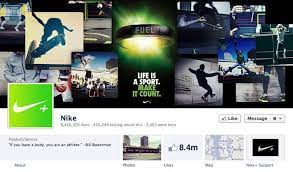
With millions of followers across various social media channels, Nike excels at leveraging social media to engage with its audience. The brand’s presence on platforms like Instagram, Twitter, and Facebook allows it to share inspiring stories, showcase new products, and interact with fans in real time. By fostering a sense of community and belonging, Nike builds strong relationships with its customers through social media.

Content is King

Nike understands the power of compelling content in capturing consumer attention. Through captivating videos, inspiring imagery, and thought-provoking storytelling, Nike creates content that not only promotes its products but also resonates with its audience on a deeper level. Whether it’s featuring top athletes or highlighting social causes, Nike’s content reflects its values and connects with consumers on an emotional level.

Data-Driven Decision Making

Nike harnesses the power of data to make informed marketing decisions. By analysing consumer behaviour and preferences, Nike can tailor its digital marketing efforts to reach the right audience at the right time. This data-driven approach allows Nike to optimise its campaigns for maximum impact and ROI.

Looking Ahead

As technology continues to evolve rapidly, Nike remains at the forefront of digital innovation in the marketing space. By staying agile, creative, and customer-focused, Nike ensures that its digital marketing strategy remains relevant and effective in an ever-changing landscape.

In conclusion, Nike’s digital marketing strategy serves as a prime example of how a brand can leverage technology and creativity to connect with consumers on a global scale. Through innovative campaigns, engaging content, and data-driven insights, Nike continues to inspire and empower athletes around the world.


8 Strategic Tips for Enhancing Nike’s Digital Marketing Success

  1. Leverage social media platforms to engage with customers and build brand loyalty.
  2. Create interactive and engaging content to attract and retain online audiences.
  3. Utilize influencer partnerships to reach a wider audience and increase brand visibility.
  4. Implement targeted advertising campaigns to drive traffic to the website and increase sales.
  5. Optimize the website for mobile devices to enhance user experience and accessibility.
  6. Personalize marketing messages based on customer preferences and behaviour for better engagement.
  7. Use data analytics to track performance metrics and make informed decisions for future campaigns.
  8. Offer exclusive online promotions or discounts to encourage online purchases.

Leverage social media platforms to engage with customers and build brand loyalty.

Nike’s digital marketing strategy excels in leveraging social media platforms to engage with customers and foster brand loyalty. By actively interacting with their audience on platforms like Instagram, Twitter, and Facebook, Nike creates a sense of community and connection that goes beyond just promoting products. Through engaging content, real-time responses, and behind-the-scenes glimpses, Nike builds strong relationships with its customers, ultimately strengthening brand loyalty and establishing itself as a trusted and relatable presence in the digital space.

Create interactive and engaging content to attract and retain online audiences.

To enhance its digital marketing strategy, Nike focuses on creating interactive and engaging content that captivates online audiences. By developing immersive experiences and compelling storytelling, Nike not only attracts new customers but also retains their interest over time. Through interactive elements such as quizzes, virtual try-ons, and behind-the-scenes footage, Nike successfully connects with consumers on a deeper level, fostering brand loyalty and driving engagement across its digital platforms. This emphasis on interactive content plays a pivotal role in strengthening Nike’s online presence and building lasting relationships with its audience.

Utilize influencer partnerships to reach a wider audience and increase brand visibility.

Nike’s digital marketing strategy includes leveraging influencer partnerships to extend its reach and enhance brand visibility. By collaborating with influencers who resonate with their target audience, Nike can tap into new markets and connect with consumers in a more authentic and engaging way. These partnerships not only help Nike reach a wider audience but also allow the brand to leverage the credibility and influence of these individuals to strengthen its connection with consumers. Through strategic influencer collaborations, Nike is able to amplify its message and solidify its position as a leader in the sportswear industry.

Implement targeted advertising campaigns to drive traffic to the website and increase sales.

By implementing targeted advertising campaigns as part of its digital marketing strategy, Nike strategically directs its messaging to specific audience segments, driving traffic to its website and ultimately boosting sales. By leveraging data analytics and consumer insights, Nike can tailor its advertisements to reach the right audience with the right message at the right time. This approach not only increases brand visibility but also enhances the overall effectiveness of Nike’s marketing efforts, resulting in a higher return on investment and a more engaging online experience for consumers.

Optimize the website for mobile devices to enhance user experience and accessibility.

To enhance user experience and accessibility, Nike’s digital marketing strategy includes optimising their website for mobile devices. By ensuring that the website is responsive and user-friendly on smartphones and tablets, Nike makes it easier for customers to browse products, access information, and make purchases on the go. This mobile optimisation not only improves the overall user experience but also reflects Nike’s commitment to meeting the evolving needs of consumers in today’s mobile-centric world.

Personalize marketing messages based on customer preferences and behaviour for better engagement.

In the realm of Nike’s digital marketing strategy, a key tip for enhancing customer engagement is to personalise marketing messages according to individual preferences and behaviours. By tailoring content to align with the specific interests and actions of customers, Nike can create more meaningful connections with its audience. This personalised approach not only fosters a sense of relevance and value but also demonstrates a deeper understanding of each customer’s needs and desires, ultimately leading to higher levels of engagement and brand loyalty.

Use data analytics to track performance metrics and make informed decisions for future campaigns.

Utilising data analytics is a key component of Nike’s digital marketing strategy, enabling the brand to track performance metrics and derive valuable insights for enhancing future campaigns. By analysing data on consumer engagement, website traffic, social media interactions, and other relevant metrics, Nike can make informed decisions that drive the success of its digital marketing initiatives. This data-driven approach allows Nike to continuously refine its strategies, target the right audience effectively, and optimise campaign performance for maximum impact and return on investment.

Offer exclusive online promotions or discounts to encourage online purchases.

To enhance its digital marketing strategy, Nike can offer exclusive online promotions or discounts to incentivise online purchases. By providing special deals that are only available through their digital channels, Nike can encourage customers to make purchases online, driving traffic to their website and boosting online sales. These exclusive promotions not only create a sense of urgency and exclusivity but also reward loyal customers for engaging with the brand digitally. Nike’s ability to leverage online promotions effectively can help solidify its position as a leader in the digital marketing space while providing added value to its customer base.