online advertising companies

Empowering Your Brand: The Impact of Online Advertising Companies in the Digital Era

Article: Online Advertising Companies

The Role of Online Advertising Companies in the Digital Age

In today’s digital landscape, online advertising has become a crucial component of marketing strategies for businesses looking to reach their target audience effectively. Online advertising companies play a significant role in helping businesses navigate the complex world of digital marketing and maximise their online presence.

What Do Online Advertising Companies Do?

Online advertising companies specialise in creating and implementing digital advertising campaigns across various online platforms such as search engines, social media, websites, and mobile apps. These companies use a range of techniques including pay-per-click (PPC) advertising, display ads, social media marketing, and search engine optimisation (SEO) to help businesses increase brand visibility and drive traffic to their websites.

The Benefits of Working with an Online Advertising Company

Collaborating with an online advertising company offers several advantages for businesses:

  • Expertise: Online advertising companies have a team of experts with in-depth knowledge of digital marketing trends and strategies.
  • Targeted Campaigns: They can create targeted campaigns that reach specific demographics based on factors such as location, interests, and online behaviour.
  • Data Analysis: These companies use data analytics tools to track the performance of campaigns and make data-driven decisions for optimal results.
  • Cost-Effective Solutions: By leveraging their expertise and technology, online advertising companies can provide cost-effective solutions that deliver a high return on investment (ROI).

The Future of Online Advertising Companies

As technology continues to evolve and consumer behaviour shifts towards digital channels, the role of online advertising companies will only grow in importance. These companies will need to adapt to emerging trends such as artificial intelligence, voice search, and influencer marketing to stay ahead in the competitive digital landscape.

In conclusion, online advertising companies play a vital role in helping businesses succeed in the digital age by providing tailored solutions that drive results and enhance brand visibility. By partnering with an experienced online advertising company, businesses can unlock new opportunities for growth and stand out in the crowded online marketplace.


Maximising Business Success: The 7 Key Advantages of Online Advertising Companies

  1. Targeted advertising allows reaching specific demographics
  2. Cost-effective solutions for businesses of all sizes
  3. Access to expert knowledge and digital marketing strategies
  4. Data-driven decisions based on campaign performance analysis
  5. Enhanced brand visibility across various online platforms
  6. Ability to track and measure the effectiveness of advertising campaigns
  7. Opportunity to reach a global audience with tailored messaging


Challenges Facing Online Advertising Companies: From High Competition to Budget Constraints

  1. 1. High Competition
  2. 2. Ad Blindness
  3. 3. Ad Fraud
  4. 4. Privacy Concerns
  5. 5. Ad Blocking
  6. 6. Inaccurate Targeting
  7. 7. Budget Constraints

Targeted advertising allows reaching specific demographics

One of the key advantages of online advertising companies is their ability to leverage targeted advertising, enabling businesses to reach specific demographics with precision. By utilising data analytics and audience segmentation techniques, these companies can tailor advertising campaigns to resonate with particular groups based on factors such as age, location, interests, and online behaviour. This targeted approach not only increases the relevance of the ads but also enhances the likelihood of engaging with the right audience, ultimately leading to higher conversion rates and a more efficient use of marketing resources.

Cost-effective solutions for businesses of all sizes

Online advertising companies offer cost-effective solutions for businesses of all sizes, making digital marketing accessible and affordable. Whether you are a small startup or a large corporation, these companies can tailor advertising campaigns to suit your budget and goals. By leveraging their expertise and technology, online advertising companies can maximise the impact of your marketing budget, ensuring that you get the most out of every pound spent. This affordability allows businesses to reach a wider audience, drive traffic to their websites, and ultimately increase sales and brand awareness without breaking the bank.

Access to expert knowledge and digital marketing strategies

Online advertising companies offer businesses a valuable advantage through their access to expert knowledge and cutting-edge digital marketing strategies. By collaborating with these companies, businesses can tap into the wealth of expertise possessed by professionals who are well-versed in the latest trends and techniques in the digital marketing landscape. This access allows businesses to leverage proven strategies that drive results, enhance brand visibility, and ultimately maximise their online presence. With the guidance of these experts, businesses can navigate the complexities of digital advertising with confidence and implement targeted campaigns that resonate with their target audience effectively.

Data-driven decisions based on campaign performance analysis

One significant advantage of partnering with online advertising companies is their ability to make data-driven decisions by analysing the performance of advertising campaigns. By utilising advanced data analytics tools, these companies can track key metrics such as click-through rates, conversion rates, and return on investment. This in-depth analysis allows them to identify what strategies are working effectively and where adjustments may be needed to optimise campaign performance. By leveraging data insights, online advertising companies can continuously refine and improve marketing strategies to ensure maximum impact and return on investment for their clients.

Enhanced brand visibility across various online platforms

Online advertising companies offer businesses the invaluable benefit of enhanced brand visibility across a multitude of online platforms. By strategically placing ads on search engines, social media channels, websites, and mobile apps, these companies ensure that the brand is consistently in front of the target audience. This increased visibility not only boosts brand recognition but also helps to create a strong online presence that can drive traffic and engagement. With expertly crafted campaigns tailored to reach specific demographics, businesses can effectively amplify their brand’s visibility and make a lasting impact in the competitive digital landscape.

Ability to track and measure the effectiveness of advertising campaigns

One significant advantage of online advertising companies is their ability to track and measure the effectiveness of advertising campaigns. Through advanced analytics tools and data-driven insights, these companies can monitor key performance metrics such as click-through rates, conversion rates, and return on investment. This allows businesses to gain valuable insights into the impact of their advertising efforts, identify areas for improvement, and make informed decisions to optimise future campaigns for better results. The ability to track and measure campaign effectiveness in real-time is a powerful asset that helps businesses maximise their marketing budget and achieve tangible outcomes in the competitive online landscape.

Opportunity to reach a global audience with tailored messaging

Online advertising companies offer businesses the invaluable opportunity to reach a global audience with tailored messaging. By leveraging advanced targeting capabilities and data analytics, these companies can create bespoke advertising campaigns that resonate with specific demographics across different regions and cultures. This personalised approach allows businesses to connect with their target audience on a deeper level, increasing engagement and driving conversions on a global scale. This pro of online advertising companies not only enhances brand visibility but also maximises the impact of marketing efforts in the competitive digital landscape.

1. High Competition

In the realm of online advertising, one significant drawback is the intense competition that online advertising companies face. In this fiercely competitive market, businesses often struggle to distinguish themselves amidst a sea of digital noise. The saturation of online advertising services can make it challenging for businesses to stand out and capture the attention of their target audience effectively. As a result, companies may find it difficult to achieve their desired marketing goals and see a return on their investment in such a crowded and competitive landscape.

2. Ad Blindness

One significant drawback of online advertising companies is the phenomenon of ad blindness. As internet users are exposed to a growing number of online ads, they are developing a resistance to traditional advertising methods. This trend results in lower click-through rates and decreased engagement with online ads, making it challenging for businesses to effectively capture the attention of their target audience. Ad blindness poses a significant hurdle for online advertising companies seeking to deliver impactful campaigns that resonate with consumers in an oversaturated digital environment.

3. Ad Fraud

In the realm of online advertising companies, a significant drawback is the prevalence of ad fraud. The digital advertising industry is vulnerable to deceptive practices like click fraud and bot traffic, leading to a substantial waste of ad budgets. Advertisers may unknowingly pay for interactions that have no genuine value, diminishing the effectiveness and credibility of online advertising campaigns. This issue underscores the importance of implementing robust measures to combat ad fraud and ensure that marketing investments yield meaningful results for businesses.

4. Privacy Concerns

Privacy concerns are a significant con associated with online advertising companies. These companies often collect user data to create targeted advertising campaigns, which can lead to privacy issues and raise concerns among consumers. The collection of personal information for marketing purposes without explicit consent can erode trust and lead to apprehensions about how data is being used and shared in the online space. As consumers become more aware of their digital footprint and the potential risks associated with data collection, addressing privacy concerns has become a critical challenge for online advertising companies in maintaining consumer trust and compliance with data protection regulations.

5. Ad Blocking

One significant drawback of online advertising companies is the prevalence of ad blocking software, which poses a challenge to reaching the intended audience effectively. The increasing use of ad blockers by internet users diminishes the visibility and impact of online ads, ultimately hindering the reach and engagement potential of digital marketing campaigns. This trend highlights the need for online advertising companies to explore alternative strategies and innovative approaches to overcome the limitations imposed by ad blockers and ensure that their messages resonate with audiences amidst evolving digital behaviours.

6. Inaccurate Targeting

Inaccurate targeting poses a significant challenge for online advertising companies, even with sophisticated targeting tools at their disposal. Despite efforts to reach specific audiences, online ads can sometimes miss the mark and reach irrelevant viewers due to inaccuracies in data collection or flaws in algorithms. This can result in wasted resources and diminished campaign effectiveness, highlighting the importance of continuous monitoring and refinement of targeting strategies to ensure that ads are reaching the right audience with precision and relevance.

7. Budget Constraints

Budget constraints can be a significant drawback when it comes to utilising the services of online advertising companies. To run effective online advertising campaigns that yield substantial results, businesses typically need to allocate significant budgets. This can be particularly challenging for small businesses with limited financial resources, as they may struggle to compete with larger companies that have more substantial advertising budgets. As a result, budget constraints can hinder the ability of small businesses to fully leverage the benefits of online advertising and reach their target audience effectively.

online marketing and advertising

Maximising Your Reach: The Essentials of Online Marketing and Advertising

The Power of Online Marketing and Advertising

The Power of Online Marketing and Advertising

In today’s digital age, online marketing and advertising have become essential tools for businesses looking to reach their target audience effectively. With the vast reach of the internet and the ability to target specific demographics, online marketing offers unparalleled opportunities for businesses to promote their products or services.

Benefits of Online Marketing and Advertising

One of the key benefits of online marketing is its cost-effectiveness compared to traditional forms of advertising. With online marketing, businesses can reach a larger audience at a fraction of the cost, making it ideal for companies with limited marketing budgets.

Furthermore, online marketing allows businesses to track and measure the effectiveness of their campaigns in real-time. This data-driven approach enables businesses to make informed decisions about their marketing strategies and optimise their campaigns for better results.

Types of Online Marketing Strategies

There are various online marketing strategies that businesses can utilise to promote their products or services:

  • Search Engine Optimisation (SEO): SEO involves optimising a website’s content to improve its visibility on search engines like Google. By ranking higher in search results, businesses can attract more organic traffic to their websites.
  • Pay-Per-Click (PPC) Advertising: PPC advertising allows businesses to display ads on search engines or other platforms and pay only when users click on them. This targeted approach ensures that businesses reach users who are actively searching for their products or services.
  • Social Media Marketing: Social media platforms like Facebook, Instagram, and Twitter offer powerful tools for businesses to engage with their audience, build brand awareness, and drive traffic to their websites.
  • Email Marketing: Email marketing remains a popular strategy for nurturing leads and converting them into customers. By sending personalised emails to subscribers, businesses can promote their products or services directly to interested individuals.

The Future of Online Marketing

As technology continues to evolve, so too will the landscape of online marketing and advertising. Businesses that embrace new trends and technologies will be well-positioned to stay ahead of the competition and connect with their target audience in meaningful ways.

In conclusion, online marketing and advertising offer immense potential for businesses looking to expand their reach, drive sales, and build brand loyalty. By leveraging the power of digital channels effectively, businesses can achieve remarkable results in today’s competitive marketplace.


Understanding Online Marketing and Advertising: Answers to 20 Common Questions

  1. How do I become an online advertising marketer?
  2. What is online advertising with example?
  3. What is the difference between advertising and online marketing?
  4. What is the difference between marketing and advertising?
  5. What is the difference between advertising and marketing?
  6. What is the difference between advertising and digital marketing?
  7. Which is an example of online advertising?
  8. What are online marketing and advertising tools?
  9. What is online advertising strategy?
  10. What are the two types of online advertising?
  11. What are the 4 types of online marketing?
  12. What are types of online marketing?
  13. What is the 7 times 7 rule in marketing?
  14. What is the advantage of online marketing and advertising?
  15. What is an example of online advertising and marketing?
  16. What is online marketing and advertising explain in detail?
  17. What are 8 types of online advertising?
  18. Is online marketing and online advertising same?
  19. What are online advertising services?
  20. What is the main purpose of online advertising?

How do I become an online advertising marketer?

To become an online advertising marketer, it is essential to acquire a combination of relevant skills and experience in the digital marketing field. Start by gaining a solid understanding of online advertising platforms such as Google Ads, social media advertising, and display advertising. Familiarise yourself with key concepts like targeting, bidding strategies, and ad copywriting. Consider pursuing certifications or courses in digital marketing to enhance your knowledge and credibility. Practical experience through internships or freelance projects can also be invaluable in honing your skills as an online advertising marketer. Stay updated on industry trends and best practices to adapt to the ever-changing landscape of online marketing effectively.

What is online advertising with example?

Online advertising refers to the practice of promoting products or services on the internet through various digital channels to reach a targeted audience. An example of online advertising is display advertising, where businesses create visual ads that are displayed on websites, apps, or social media platforms. These ads can be in the form of banners, videos, or interactive content and are strategically placed to attract the attention of potential customers. Display advertising allows businesses to increase brand visibility, drive traffic to their websites, and ultimately generate leads or sales by reaching users who are likely to be interested in their offerings.

What is the difference between advertising and online marketing?

In the realm of digital marketing, the distinction between advertising and online marketing lies in their scope and approach. Advertising typically refers to the promotion of products or services through paid channels, such as TV commercials, print ads, or online display ads. On the other hand, online marketing encompasses a broader range of strategies aimed at promoting businesses digitally, including activities like search engine optimisation (SEO), social media marketing, content marketing, email campaigns, and more. While advertising is a subset of online marketing that focuses on paid promotions, online marketing involves a holistic approach to reaching and engaging with target audiences through various digital channels.

What is the difference between marketing and advertising?

When it comes to online marketing and advertising, a common question that arises is the difference between marketing and advertising. While both terms are often used interchangeably, there is a distinct contrast between the two. Marketing encompasses a broader set of activities that involve identifying customer needs, creating products or services to meet those needs, pricing strategies, distribution channels, and promotional efforts. On the other hand, advertising specifically refers to the paid promotion of products or services through various channels to reach a target audience. In essence, marketing is a comprehensive strategy that includes advertising as one of its components to achieve business goals effectively in the digital realm.

What is the difference between advertising and marketing?

In the realm of online marketing and advertising, a frequently asked question often revolves around understanding the distinction between advertising and marketing. While advertising is a specific component of marketing, marketing encompasses a broader range of activities aimed at promoting and selling products or services. Advertising refers to the paid promotion of products or services through various channels, such as online ads, TV commercials, or sponsored content. On the other hand, marketing involves a strategic approach that includes market research, branding, pricing, distribution, and customer engagement to achieve long-term business goals. Understanding the nuanced differences between advertising and marketing is crucial for businesses looking to develop comprehensive strategies that effectively reach their target audience and drive success in the digital landscape.

What is the difference between advertising and digital marketing?

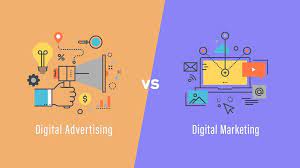
When discussing the difference between advertising and digital marketing, it is important to understand that advertising is a component of digital marketing. Advertising refers to the promotion of products or services through paid channels such as TV commercials, print ads, and online banners. On the other hand, digital marketing encompasses a broader range of activities beyond traditional advertising, including strategies like search engine optimisation (SEO), social media marketing, email marketing, and content creation. Digital marketing leverages various online platforms to engage with target audiences, build brand awareness, drive traffic, and ultimately achieve business goals in a more holistic and interactive manner compared to traditional advertising methods.

Which is an example of online advertising?

An example of online advertising is display advertising, where businesses create visual ads in various formats such as banners, images, or videos to promote their products or services on websites and apps. These ads are strategically placed on relevant websites that attract the target audience, allowing businesses to reach potential customers while they browse the internet. Display advertising is a common form of online marketing that helps businesses increase brand visibility and drive traffic to their websites.

What are online marketing and advertising tools?

Online marketing and advertising tools encompass a wide range of digital resources and platforms designed to help businesses promote their products or services online. These tools include but are not limited to search engine optimisation (SEO) tools for improving website visibility, pay-per-click (PPC) advertising platforms for targeted ad placements, social media management tools for engaging with audiences across various platforms, email marketing software for sending personalised campaigns, and analytics tools for tracking and measuring the effectiveness of marketing efforts. By leveraging these diverse tools effectively, businesses can enhance their online presence, reach their target audience, and achieve their marketing goals in the digital realm.

What is online advertising strategy?

An online advertising strategy refers to a comprehensive plan that outlines how a business will use digital channels to promote its products or services to target audiences. This strategy typically involves identifying specific goals, defining target demographics, selecting appropriate online advertising platforms (such as social media, search engines, or display networks), creating engaging ad content, setting budgets and timelines, and measuring the effectiveness of campaigns through key performance indicators (KPIs). A well-crafted online advertising strategy is crucial for businesses to maximise their online presence, drive traffic to their websites, generate leads, and ultimately achieve their marketing objectives in the competitive digital landscape.

What are the two types of online advertising?

In the realm of online marketing and advertising, businesses commonly utilise two main types of online advertising: display advertising and search advertising. Display advertising involves the placement of visual ads, such as banners or videos, on websites to attract the attention of users. On the other hand, search advertising focuses on displaying text ads within search engine results pages, targeting users who are actively searching for specific keywords related to the advertiser’s products or services. Both types of online advertising play crucial roles in reaching and engaging target audiences effectively in the digital landscape.

What are the 4 types of online marketing?

When it comes to online marketing, there are four main types of strategies that businesses commonly utilise to promote their products or services. These include Search Engine Optimisation (SEO), Pay-Per-Click (PPC) Advertising, Social Media Marketing, and Email Marketing. Each type of online marketing strategy offers unique benefits and allows businesses to reach their target audience in different ways. By incorporating a mix of these strategies into their marketing efforts, businesses can enhance their online presence, engage with customers effectively, and drive conversions for their products or services.

What are types of online marketing?

When it comes to online marketing, there are various types of strategies that businesses can utilise to promote their products or services effectively. Some common types of online marketing include Search Engine Optimisation (SEO), which focuses on improving a website’s visibility on search engines; Pay-Per-Click (PPC) Advertising, where businesses pay for ads only when users click on them; Social Media Marketing, using platforms like Facebook and Instagram to engage with the audience; and Email Marketing, which involves sending targeted emails to subscribers to promote products or services. Each type of online marketing strategy offers unique benefits and can be tailored to suit the specific goals and target audience of a business.

What is the 7 times 7 rule in marketing?

The “7 times 7 rule” in marketing refers to the idea that a potential customer needs to see or hear a marketing message at least seven times before they take action or make a purchase. This rule emphasises the importance of repetition and consistency in marketing campaigns to build brand awareness, establish trust, and ultimately drive conversions. By reinforcing the message multiple times through various channels, businesses can increase their chances of capturing the attention of their target audience and influencing their buying decisions effectively.

What is the advantage of online marketing and advertising?

The advantage of online marketing and advertising lies in its ability to provide businesses with cost-effective and targeted strategies to reach their desired audience. Unlike traditional forms of advertising, online marketing offers precise targeting options that allow businesses to tailor their campaigns to specific demographics, interests, and behaviours. This level of targeting ensures that businesses can maximise their return on investment by reaching the right people at the right time. Additionally, online marketing provides real-time analytics and insights that enable businesses to track the performance of their campaigns and make data-driven decisions to optimise results. Overall, the advantage of online marketing and advertising is its efficiency, effectiveness, and ability to deliver measurable results for businesses of all sizes.

What is an example of online advertising and marketing?

An example of online advertising and marketing is display advertising, where businesses promote their products or services through visual ads on websites, apps, or social media platforms. These ads can be in the form of banners, videos, or interactive content and are strategically placed to reach the target audience. Display advertising allows businesses to increase brand visibility, drive traffic to their websites, and generate leads by capturing the attention of users as they browse online. By tracking metrics such as click-through rates and conversions, businesses can evaluate the effectiveness of their display advertising campaigns and make data-driven decisions to enhance their online marketing strategies.

What is online marketing and advertising explain in detail?

Online marketing and advertising encompass a range of strategies and techniques used by businesses to promote their products or services on digital platforms. Online marketing involves activities such as search engine optimisation (SEO), pay-per-click (PPC) advertising, social media marketing, email marketing, and content marketing. These strategies aim to increase brand visibility, drive website traffic, generate leads, and ultimately boost sales. Online advertising, on the other hand, refers to the paid promotion of products or services through various online channels like search engines, social media platforms, display ads, and sponsored content. By combining these approaches strategically, businesses can effectively reach their target audience, engage with potential customers, and achieve their marketing objectives in the ever-evolving digital landscape.

What are 8 types of online advertising?

When it comes to online marketing and advertising, there are various types of online advertising strategies that businesses can leverage to promote their products or services effectively. Some common types include display advertising, search engine marketing (SEM), social media advertising, native advertising, video advertising, email marketing, influencer marketing, and affiliate marketing. Each of these types offers unique opportunities for businesses to reach their target audience and drive engagement, ultimately contributing to the success of their digital marketing campaigns.

Is online marketing and online advertising same?

Online marketing and online advertising are related concepts but not exactly the same. Online marketing encompasses a broader range of strategies aimed at promoting a business or brand on digital platforms, including online advertising. While online advertising specifically refers to paid promotional activities such as display ads, search engine marketing, social media ads, and sponsored content. Online marketing, on the other hand, includes both paid and organic methods to drive traffic, engage audiences, and ultimately achieve business goals through various online channels. In essence, online advertising is a subset of online marketing that focuses on paid promotional efforts to reach target audiences effectively.

What are online advertising services?

Online advertising services encompass a range of strategies and tools used to promote products or services on digital platforms. These services typically include activities such as pay-per-click (PPC) advertising, display advertising, social media advertising, search engine marketing (SEM), and email marketing. By leveraging these services, businesses can target specific audiences, increase brand visibility, drive website traffic, and ultimately boost sales. Online advertising services play a crucial role in helping businesses reach their marketing goals in the competitive online landscape by providing tailored solutions to connect with potential customers effectively.

What is the main purpose of online advertising?

The main purpose of online advertising is to promote products or services using digital channels to reach a targeted audience. By leveraging the internet and various online platforms, businesses aim to increase brand awareness, drive website traffic, generate leads, and ultimately boost sales. Online advertising allows businesses to precisely target their desired demographic, track campaign performance in real-time, and adjust strategies accordingly for optimal results. Overall, the primary goal of online advertising is to engage with potential customers in a cost-effective and measurable way to achieve specific marketing objectives.

internet marketing advertising

Unlocking the Potential of Internet Marketing Advertising Strategies

Internet Marketing Advertising

The Power of Internet Marketing Advertising

In today’s digital age, internet marketing advertising has become a crucial strategy for businesses looking to reach their target audience and drive growth. With the vast reach and accessibility of the internet, businesses can now connect with potential customers on a global scale like never before.

Benefits of Internet Marketing Advertising

1.Targeted Reach: Internet marketing allows businesses to target specific demographics, interests, and behaviours of their audience, ensuring that their message reaches the right people.

2.Cost-Effective: Compared to traditional advertising methods, internet marketing can be more cost-effective, allowing businesses of all sizes to run campaigns within their budget.

3.Data-Driven Insights: With internet marketing advertising, businesses can track and analyse data in real-time to measure the effectiveness of their campaigns and make informed decisions for future strategies.

Types of Internet Marketing Advertising

Search Engine Marketing (SEM): SEM involves promoting websites by increasing visibility in search engine results pages through paid advertising methods like Google Ads.

Social Media Advertising: Platforms like Facebook, Instagram, and LinkedIn offer targeted advertising options to reach specific audiences based on demographics, interests, and behaviours.

Display Advertising: Display ads appear on websites or apps in various formats such as banners or pop-ups to increase brand awareness and drive traffic to a website.

The Future of Internet Marketing Advertising

As technology continues to evolve, internet marketing advertising will also undergo transformations. Artificial intelligence, machine learning, and personalisation will play key roles in creating more tailored and engaging experiences for consumers.

In conclusion, internet marketing advertising is a dynamic and essential tool for businesses looking to stay competitive in today’s digital landscape. By leveraging the power of the internet effectively, businesses can connect with their target audience in meaningful ways and achieve their marketing objectives.


Six Essential Tips for Effective Internet Marketing Advertising

  1. Identify your target audience to tailor your advertising efforts effectively.
  2. Use compelling and relevant visuals to capture the attention of potential customers.
  3. Utilise social media platforms for targeted advertising and engaging with your audience.
  4. Monitor and analyse data regularly to refine your strategies and improve performance.
  5. Implement SEO techniques to increase visibility and drive organic traffic to your website or content.
  6. Consider partnerships with influencers or other brands to expand reach and credibility.

Identify your target audience to tailor your advertising efforts effectively.

To maximise the impact of your internet marketing advertising campaigns, it is essential to identify your target audience accurately. By understanding the demographics, interests, and behaviours of your potential customers, you can tailor your advertising efforts effectively to resonate with them. This targeted approach not only increases the relevance of your ads but also enhances the likelihood of attracting and engaging with the right audience, ultimately leading to improved campaign performance and better return on investment.

Use compelling and relevant visuals to capture the attention of potential customers.

In the realm of internet marketing advertising, utilising compelling and relevant visuals is a powerful strategy to captivate the interest of potential customers. Visual content has the ability to convey messages quickly and effectively, making it essential for grabbing the attention of online audiences. By incorporating visually appealing images, videos, infographics, and other multimedia elements into marketing campaigns, businesses can create a memorable and engaging experience that resonates with their target audience, ultimately driving higher engagement and conversion rates.

Utilise social media platforms for targeted advertising and engaging with your audience.

To maximise the impact of your internet marketing advertising efforts, it is crucial to leverage social media platforms for targeted advertising and engaging with your audience. Social media provides a powerful channel to reach specific demographics, interests, and behaviours of your target audience through tailored advertising campaigns. By actively engaging with your audience on platforms like Facebook, Instagram, and LinkedIn, you can build relationships, foster brand loyalty, and create a community around your brand. This two-way communication not only enhances brand visibility but also allows for valuable insights into customer preferences and feedback, ultimately driving better results for your marketing campaigns.

Monitor and analyse data regularly to refine your strategies and improve performance.

Monitoring and analysing data regularly is a crucial tip in internet marketing advertising. By tracking key metrics and performance indicators, businesses can gain valuable insights into the effectiveness of their campaigns. This data-driven approach allows for informed decision-making, enabling businesses to refine their strategies, target the right audience more effectively, and ultimately improve overall performance. Continuous analysis of data helps businesses stay agile in the ever-evolving digital landscape, ensuring that their internet marketing efforts remain relevant and impactful.

Implement SEO techniques to increase visibility and drive organic traffic to your website or content.

By implementing SEO techniques, businesses can enhance their online visibility and attract organic traffic to their website or content. Search Engine Optimization (SEO) strategies such as keyword research, on-page optimization, and link building can help improve a website’s ranking on search engine results pages. By focusing on SEO, businesses can increase their chances of being discovered by users actively searching for relevant information or products, ultimately driving valuable organic traffic to their online platforms.

Consider partnerships with influencers or other brands to expand reach and credibility.

Consider partnerships with influencers or other brands to expand reach and credibility in your internet marketing advertising strategy. Collaborating with influencers who have a strong following and align with your brand values can help you tap into their audience and build trust with potential customers. Similarly, partnering with established brands can lend credibility to your own brand and open up new opportunities for exposure. By leveraging these partnerships, you can reach a wider audience and establish a reputation as a reputable and trustworthy business in the digital landscape.