google garage digital marketing

Google Garage Digital Marketing: A Beginner’s Guide to Building Your Online Skills

Google Digital Garage and Digital Marketing: A Beginner’s Guide

Digital marketing can help businesses reach new customers, build stronger relationships and measure the impact of their campaigns. But for beginners, the range of channels and tools can feel overwhelming. Google Digital Garage has helped make the subject more accessible through free online learning resources designed to build practical digital skills.

What is Google Digital Garage?

Google Digital Garage is a learning initiative created by Google to help people develop digital skills. Its resources have included courses on digital marketing, data, careers and technology. Course availability and formats can change, so it is worth checking Google’s current learning platforms for the latest options.

One of its best-known offerings has been a beginner-level course covering the fundamentals of digital marketing. It introduces core concepts in straightforward language and is designed for people who are new to the subject, as well as business owners who want to improve their online presence.

What can you learn about digital marketing?

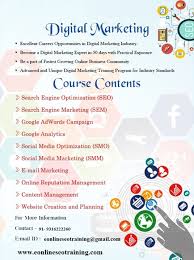
A digital marketing course may cover a range of topics, including:

  • Online strategy: setting goals, understanding your audience and choosing suitable channels.
  • Search engine optimisation: making website content easier for people to find through search engines.
  • Search advertising: understanding how paid search campaigns work and how they can reach people looking for particular products or services.
  • Social media: using social platforms to share content, engage with audiences and support business objectives.
  • Email marketing: building an opted-in audience and sending useful, relevant communications.
  • Analytics: using data to understand how people interact with a website or campaign.
  • Content and video: creating and sharing material that informs, entertains or supports customers.

The exact topics depend on the course. Digital platforms and their features change regularly, so learning materials are most useful when combined with current guidance and hands-on practice.

Who is it for?

Google Digital Garage resources are particularly useful for beginners, small business owners, students and people considering a career in digital marketing. They can also help employees broaden their skills or give business owners a clearer understanding of the work involved in promoting a brand online.

You do not usually need specialist knowledge to get started. A willingness to learn, access to the internet and a clear idea of what you hope to achieve are often enough.

Benefits of learning digital marketing online

Online courses offer flexibility: learners can often study at their own pace and revisit topics when needed. Introductory lessons can also provide a useful overview before someone invests in more advanced training or applies the ideas to a live project.

For a business, even a basic understanding of digital marketing can make it easier to set realistic objectives, ask informed questions and assess whether a campaign is delivering value. It can also help identify which channels are most relevant to customers, rather than trying to be everywhere at once.

Is a Google Digital Garage course enough?

A beginner course is a starting point, not a substitute for experience or a complete marketing strategy. Digital marketing involves testing, learning from results and adapting to changes in customer behaviour and technology. A course can introduce the principles, but applying them to a real business takes continued practice.

It is also important to distinguish between a course completion certificate and a professional qualification. Check the course details to understand what any certificate represents, whether it is accredited and how it may be viewed by employers.

How to make the most of a course

  1. Set a clear goal. Decide whether you want to promote a business, improve your CV or explore a new career.
  2. Take notes and put ideas into practice. Try applying each concept to a website, campaign or business example.
  3. Measure what matters. Connect activity to useful outcomes, such as enquiries, sales or sign-ups, rather than focusing only on likes or views.
  4. Keep learning. Use up-to-date resources to build on the foundations and stay aware of changes in the digital landscape.

Getting started

Google Digital Garage has made digital marketing more approachable by offering learning resources for people with different levels of experience. If you are new to the subject, an introductory course can help you understand the main channels, terminology and principles. For the best results, pair structured learning with practical experience and keep checking that the resources you use reflect current tools and guidance.


7 Essential Tips for Mastering Digital Marketing with Google Garage

  1. Set clear goals before starting a course.
  2. Choose lessons that match your business needs.
  3. Take notes on useful marketing ideas.
  4. Practise each skill with a small campaign.
  5. Use analytics to track what works.
  6. Keep your website mobile-friendly.
  7. Review and update your strategy regularly.

Set clear goals before starting a course.

Before starting a Google Digital Garage digital marketing course, set clear goals for what you want to learn and achieve. You might want to promote a small business, improve your job prospects or understand how online advertising works. Having a specific aim will help you focus on the most relevant lessons, put new ideas into practice and track your progress.

Choose lessons that match your business needs.

Choose lessons that match your business needs, rather than trying to cover every digital marketing topic at once. If your aim is to attract more local customers, focus on lessons about local search and online visibility; if you want to improve repeat sales, explore email marketing and customer engagement. Starting with the skills most relevant to your goals helps you put what you learn into practice sooner and make better use of your time.

Take notes on useful marketing ideas.

Taking notes on useful marketing ideas can help you turn what you learn through Google Digital Garage into practical action. Record key points, examples and questions as you work through each lesson, then note how an idea might apply to your business or goals. Organising your notes by topic—such as SEO, social media or email marketing—makes them easier to revisit when planning a campaign.

Practise each skill with a small campaign.

Practise each skill by putting it to work in a small, manageable campaign. For example, create a short social media promotion, write a simple email newsletter or improve one page of your website for search. Set a clear goal, decide how you’ll measure success and review the results afterwards. Small experiments help you build confidence, spot what works and learn from mistakes without committing a large budget.

Use analytics to track what works.

Use analytics to track what works. Reviewing website and campaign data can show how people find your business, which content they engage with and what leads to enquiries or sales. Focus on a few relevant measures linked to your goals, such as visits, sign-ups or purchases, and use what you learn to refine your marketing. Check results regularly, but allow enough time and data before deciding whether a change has made a difference.

Keep your website mobile-friendly.

Keep your website mobile-friendly so visitors can use it easily on smartphones and tablets. Make sure pages load quickly, text is readable without zooming, buttons are easy to tap and navigation is simple. Test your site on different screen sizes, and fix any features that are slow or difficult to use. A smooth mobile experience can help people find what they need and encourage them to get in touch or make a purchase.

Review and update your strategy regularly.

Review and update your digital marketing strategy regularly to keep it aligned with your business goals, audience needs and changes in the online landscape. Check your results using relevant measures, such as website visits, enquiries or sales, and identify what is working well and what needs improvement. Use these insights to adjust your content, channels and budget, then keep testing and learning so your strategy stays effective.
google digital marketing garage

Google Digital Marketing Garage: A Guide to Free Online Training

Google Digital Marketing Garage: A Guide to Google’s Free Online Training

Google Digital Garage has helped people and businesses build their digital skills through free online training. Its courses cover topics such as digital marketing, online business and career development, making the platform a useful starting point for anyone looking to improve their knowledge of the digital world.

Course names, content and availability can change over time, so check Google’s official learning platforms for the latest information before signing up.

What is Google Digital Garage?

Google Digital Garage is the name commonly associated with Google’s digital-skills training. It has offered online courses designed for beginners as well as people looking to develop existing skills. Lessons typically combine written guidance, videos and practical activities, allowing learners to study at their own pace.

Digital marketing has been a key area of interest. Training in this field can introduce learners to the main ways organisations attract and engage customers online, from search engines and social media to websites and email.

What can you learn?

Depending on the courses available, subjects may include:

  • Search engine optimisation (SEO): How to improve a website’s visibility in organic search results.
  • Search advertising: The basics of paid search campaigns and reaching people who are looking for particular products or services.
  • Social media marketing: How businesses can use social platforms to share content and connect with audiences.
  • Content marketing: Planning useful, relevant content that supports a business’s goals.
  • Email marketing: The fundamentals of communicating with customers by email.
  • Analytics: Understanding website and campaign data to assess performance and inform decisions.
  • Online business strategy: Setting goals, identifying audiences and choosing suitable digital channels.

Courses may also cover wider digital skills, such as using online tools, presenting a business on the web or preparing for work in a digital role.

Who is it for?

Google’s digital marketing training can be useful for small-business owners, freelancers, students, jobseekers and people considering a career change. It may also suit marketing professionals who want to refresh their understanding of core concepts or explore a new area.

Because introductory courses are generally designed to be accessible, previous marketing experience may not be necessary. However, the best results come from applying what you learn to a real project, such as a business website, a campaign idea or a portfolio exercise.

Are the courses free, and do they provide a certificate?

Google has offered free training through its digital-skills initiatives, but course access and certificate arrangements can vary. Some programmes may provide a certificate after completing the required lessons or assessments; others may not. Check the course details on Google’s official site to confirm the cost, eligibility requirements and whether a certificate is included.

A certificate can show that you have completed a course, but it is not a substitute for practical experience. Employers and clients may also want to see examples of your work and how you have used your skills to solve a problem.

How to get the most from a digital marketing course

  1. Set a clear goal. Decide whether you want to learn the basics, promote a business or prepare for a particular role.
  2. Study actively. Take notes, complete the activities and look up unfamiliar terms.
  3. Practise on a project. Apply each topic to a website, campaign or sample business idea.
  4. Review the results. Use suitable data to see what is working and where improvements are needed.
  5. Keep learning. Digital platforms and marketing practices change, so treat an introductory course as a foundation rather than a final qualification.

Is Google Digital Garage worth exploring?

For anyone seeking an accessible introduction to online marketing, Google Digital Garage and Google’s related learning resources can be a useful place to begin. They can help learners understand key terms, channels and techniques without needing to commit to a lengthy programme at the outset.

The most valuable approach is to combine structured learning with hands-on practice. Explore the current courses through Google’s official learning pages, choose a subject that matches your goals and put the ideas to work on a project of your own.


Exploring Google Digital Marketing Garage: Answers to 7 Common Questions

  1. Does Google offer free training?
  2. Is Google Digital Garage actually free?
  3. What does Google digital garage do?
  4. Does Google Digital Garage give you a degree?
  5. What is Google Digital Garage used for?
  6. Is a Google Digital Garage certificate worth doing?
  7. Is Google Digital Marketing Course worth it?

Does Google offer free training?

Yes, Google offers a range of free online training through its learning platforms, including courses on digital marketing and other digital skills. Course content and availability can change, so check Google’s official training pages for current options and whether a particular course includes a certificate.

Is Google Digital Garage actually free?

Yes, Google Digital Garage courses have generally been free to access, including many introductory digital marketing lessons. However, course availability and certificate options can change, and not every Google training programme is necessarily free. Check the course details on Google’s official learning site before enrolling to confirm any costs and whether a certificate is included.

What does Google digital garage do?

Google Digital Garage provides online training to help people develop digital skills, including digital marketing, search engine optimisation and online business. Its courses are designed for learners at different experience levels and can be studied at your own pace. Course content, availability and any certificates may change, so check Google’s official learning pages for the latest details.

Does Google Digital Garage give you a degree?

No, Google Digital Garage does not award a university degree. It offers online learning resources and, for some courses, a certificate of completion. These can help you develop digital marketing skills and demonstrate your learning, but they are not equivalent to a degree or formal academic qualification. Check the details of the specific course to confirm whether a certificate is available.

What is Google Digital Garage used for?

Google Digital Garage is used to help people develop practical digital skills through online training. Its courses have covered topics such as digital marketing, search engine optimisation, social media, online advertising and analytics, making them useful for beginners, business owners and anyone looking to strengthen their digital knowledge. Course content and availability can change, so check Google’s official learning pages for the latest options.

Is a Google Digital Garage certificate worth doing?

A Google Digital Garage certificate can be worth doing if you’re new to digital marketing and want a structured introduction to the basics. It can help demonstrate initiative and give you useful knowledge to apply to a business or personal project. However, a certificate alone is unlikely to secure a job or prove advanced expertise; practical experience, examples of your work and up-to-date skills are important too. Check the current course details, as certificate availability and requirements may change.

Is Google Digital Marketing Course worth it?

Yes, Google’s digital marketing course can be worth it if you’re new to the subject and want a structured introduction to key concepts and online tools. It can help you build foundational knowledge at little or no cost, although course content and certificates may vary. It’s not a substitute for hands-on experience or more specialised training, so you’ll get the most from it by applying what you learn to a real project and checking that the course matches your goals.

cim digital marketing

CIM Digital Marketing: Skills, Qualifications and Career Opportunities

CIM and Digital Marketing: Building Skills for a Changing Industry

Digital marketing has become an essential part of how organisations attract customers, build relationships and grow. From search engines and social media to email, content and paid advertising, businesses need people who can bring digital channels together and use them effectively. The Chartered Institute of Marketing (CIM) offers professional learning and qualifications to help marketers develop the knowledge and skills to meet that challenge.

What is CIM?

The Chartered Institute of Marketing is a professional body for marketers. It provides training, qualifications, resources and opportunities for professional development. Its courses are designed for people at different stages of their careers, from those starting out to experienced marketers looking to strengthen their strategic capabilities.

CIM’s digital marketing learning covers the principles and practices behind online marketing. Depending on the course and level, this may include planning digital activity, understanding audiences, creating content, using data and evaluating campaign performance.

What does digital marketing involve?

Digital marketing is the promotion of products, services or organisations through online channels. It can include:

  • Search engine optimisation (SEO): improving a website’s visibility in organic search results.
  • Paid search and digital advertising: reaching audiences through paid placements across search engines, websites and platforms.
  • Social media marketing: using social platforms to share content, engage audiences and support business goals.
  • Content marketing: creating useful and relevant material to inform, attract or retain customers.
  • Email marketing: communicating with subscribers and customers through targeted email campaigns.
  • Analytics and measurement: assessing results to understand what is working and where activity could improve.

These channels are most effective when they support a clear strategy. That means understanding the audience, setting measurable objectives, choosing suitable channels and reviewing performance regularly.

Why study digital marketing with CIM?

A structured course can help learners build a broad understanding of digital marketing rather than focusing on a single platform or tactic. CIM study may be useful for people who want to:

  • develop practical marketing knowledge;
  • understand how digital channels contribute to wider business objectives;
  • improve their ability to plan and evaluate campaigns;
  • strengthen their professional credentials; or
  • prepare for a move into a marketing role or a new area of responsibility.

Courses and qualification requirements can change, so prospective learners should check the current CIM website for details of available programmes, entry criteria, assessment methods and approved study options.

Skills that matter in digital marketing

Digital tools and platforms change frequently, but several underlying skills remain valuable. Marketers need to communicate clearly, think critically and understand how customer needs shape decisions. They also benefit from being comfortable with data, able to test ideas and willing to adapt when results or circumstances change.

Strategic thinking is especially important. A strong campaign is not simply a collection of posts or adverts; it has a defined purpose and fits the organisation’s wider marketing activity. Marketers should be able to explain what success looks like, choose appropriate measures and use the findings to make informed improvements.

Choosing the right learning path

The best route depends on your experience, career goals and preferred way of learning. Before enrolling, consider your current knowledge, the time you can commit and the areas you want to develop. Compare course content and assessment formats, and check whether the programme suits your role or intended career direction.

It is also worth considering how you will apply what you learn. Practical projects, workplace experience and regular reflection can help turn course concepts into useful skills. Digital marketing changes quickly, so ongoing learning is often just as important as gaining a qualification.

Conclusion

CIM digital marketing study can provide a structured way to develop marketing knowledge and build confidence across online channels. For aspiring and established marketers alike, the value comes from combining recognised learning with practical experience, curiosity and a commitment to measuring results. In a fast-moving industry, those foundations can help professionals make more informed decisions and create digital activity that supports real business objectives.


Understanding CIM Digital Marketing: Answers to 8 Common Questions

  1. Is CIM Level 6 a degree?
  2. Is CIM digital marketing worth it?
  3. Is CIM equivalent to a degree?
  4. What is CIM qualification?
  5. How much does a CIM course cost?
  6. What is CIM qualification equivalent to?
  7. What is CIM marketing qualification?
  8. Is CIM hard to pass?

Is CIM Level 6 a degree?

No. A CIM Level 6 qualification is not a university degree, but it is set at the same level as a bachelor’s degree on the UK qualifications framework. It provides advanced professional marketing knowledge and may support career progression, but it does not award a bachelor’s degree. Check the specific qualification and its recognition with CIM or the relevant education provider.

Is CIM digital marketing worth it?

CIM digital marketing qualifications can be worthwhile if you want structured learning, a recognised professional credential and a stronger understanding of how digital channels support wider marketing objectives. They may be particularly useful for people starting a marketing career or looking to build on practical experience. The value depends on your goals, budget and preferred way of learning, so compare the course content, costs and assessment requirements with other options before enrolling. A qualification can strengthen your knowledge, but practical experience and keeping up with changes in the digital industry remain important.

Is CIM equivalent to a degree?

CIM qualifications are professional marketing qualifications, not university degrees, so they are not generally considered equivalent to a bachelor’s degree. Some awards may be positioned at a comparable level within a qualifications framework, but that does not make them the same qualification or guarantee they will meet a university or employer’s degree requirements. Check the specific CIM award and the criteria of the organisation you are applying to.

What is CIM qualification?

A CIM qualification is a professional marketing qualification awarded by the Chartered Institute of Marketing (CIM). It helps learners develop practical knowledge and skills in areas such as marketing strategy, planning and digital marketing. Qualifications are available at different levels, so the right option depends on your experience and career goals; course content, entry requirements and assessments vary by programme.

How much does a CIM course cost?

The cost of a CIM course varies depending on the qualification, study centre and learning format. You may also need to budget for registration, assessment and membership fees, which may be charged separately, as well as VAT where applicable. Check the latest fees with CIM or an approved study centre, and ask whether payment plans or funding options are available.

What is CIM qualification equivalent to?

A CIM qualification’s equivalent depends on its level. In the UK, CIM qualifications are mapped to the Regulated Qualifications Framework (RQF): for example, Level 4 is broadly comparable in level to the first year of undergraduate study, while Level 6 is at bachelor’s-degree level and Level 7 is at postgraduate level. This describes the level of learning, not an automatic equivalence to a university degree or the same subject-specific credits. Check the details of the particular CIM qualification with CIM or the relevant awarding body.

What is CIM marketing qualification?

A CIM marketing qualification is a professional qualification awarded by the Chartered Institute of Marketing, designed to develop practical marketing knowledge and skills. CIM offers programmes at different levels, from introductory study to advanced qualifications, covering areas such as marketing strategy, customer insight, planning and digital marketing. The right option depends on your experience and career goals, so check CIM’s current course details for entry requirements, assessments and available study routes.

Is CIM hard to pass?

CIM can be challenging, but it is achievable with consistent preparation. The difficulty depends on your experience, the qualification and its assessment format, which may include assignments, case studies or exams. Make sure you understand the syllabus and assessment criteria, set aside regular study time and practise applying marketing concepts to real business situations. With a clear plan and steady effort, many learners find the workload manageable.

digital marketing google garage

Digital Marketing: A Practical Guide to Google Digital Garage

Digital Marketing and Google Digital Garage: A Practical Guide

Learning digital marketing can feel daunting, especially if you are new to online advertising, search engines and analytics. Google Digital Garage has helped make the subject more accessible by offering online learning designed to build practical digital skills. Whether you run a small business, are looking to improve your CV or simply want to understand how online marketing works, its resources can provide a useful place to start.

What is Google Digital Garage?

Google Digital Garage is Google’s digital-skills learning initiative. It has offered courses and learning resources covering topics such as digital marketing, online business and career development. Course availability and formats can change, so it is worth checking Google’s current learning platforms for the latest options.

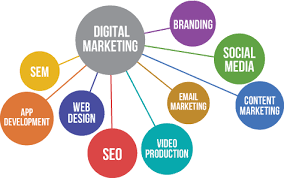
Digital marketing courses typically introduce the main ways organisations reach and engage people online. Depending on the course, this may include search engine optimisation (SEO), paid search advertising, social media, email marketing, content creation, online measurement and e-commerce.

What can you learn about digital marketing?

A digital marketing course can help explain how different channels work together. For example, a business might publish useful website content to attract visitors from search engines, promote that content on social media and use analytics to understand which pages are most effective.

  • Search engine optimisation: Learn the fundamentals of making website content easier for search engines and people to understand.
  • Online advertising: Explore how paid campaigns can reach specific audiences and how budgets and results are measured.
  • Social media: Understand how businesses can use social platforms to share content and build relationships with customers.
  • Content marketing: Discover how helpful articles, videos and other resources can support a brand’s marketing goals.
  • Analytics: Learn how website and campaign data can help identify what is working and where improvements may be needed.

Who might benefit?

Google’s learning resources can be useful for beginners, small-business owners, students and people considering a career in marketing. They may also help business owners who want to understand the basics before choosing an agency or investing in advertising.

For those starting out, structured online learning offers a way to explore key concepts at their own pace. For more experienced marketers, introductory material can provide a refresher or help fill gaps in knowledge.

How to get the most from a course

Digital marketing is best learned by putting ideas into practice. As you study, try applying each concept to a real project. This could be your own website, a small business, a community group or a sample campaign.

  1. Set a clear goal. Decide what you want to achieve, such as attracting more website visitors or improving your understanding of SEO.
  2. Take notes and test ideas. Use the course concepts to make small, measurable changes to a website or campaign.
  3. Measure the results. Look at relevant data, such as visits, enquiries or sales, rather than relying only on likes and impressions.
  4. Keep learning. Search engines, advertising platforms and social networks change regularly, so digital marketing skills need ongoing development.

Is a Google Digital Garage certificate enough?

A certificate can show that you have completed a course, but it is only one part of a strong marketing profile. Employers and clients may also look for practical experience, clear communication skills and evidence that you can use data to make informed decisions.

Consider building a small portfolio alongside your studies. You could write a search-friendly article, create a content plan or explain how you would improve a website’s user experience. Be clear about what you did and what you learned, particularly if you are using a practice project rather than work for a client.

Learning is the starting point

Google Digital Garage has helped introduce many learners to digital marketing through accessible online education. Its courses can provide a solid grounding in essential topics, but the greatest value comes from combining learning with practical experience and regular review.

Before enrolling, check Google’s current learning platforms for available courses, course length, assessment details and any certificate information. Then choose a topic that fits your goals and put what you learn into practice.


Frequently Asked Questions About Google Digital Garage and Its Digital Marketing Courses

  1. What is Google Digital Garage and how does it relate to digital marketing?
  2. Is Google Digital Garage free to use?
  3. Does Google Digital Garage offer a digital marketing course?
  4. Can I earn a certificate in digital marketing through Google Digital Garage?
  5. How long does the Google Digital Garage digital marketing course take?
  6. Is the Google Digital Garage certificate recognised by employers in the UK?
  7. What topics are covered in Google Digital Garage’s digital marketing training?
  8. Can beginners learn digital marketing through Google Digital Garage?
  9. How do I enrol in a Google Digital Garage digital marketing course?

What is Google Digital Garage and how does it relate to digital marketing?

Google Digital Garage is Google’s online learning initiative, offering courses and resources to help people develop digital skills. Its digital marketing content introduces topics such as search engine optimisation (SEO), online advertising, social media and analytics, helping learners understand how businesses can reach and engage audiences online. Course availability may change, so check Google’s learning platforms for the latest options.

Is Google Digital Garage free to use?

Yes, Google Digital Garage has offered free online courses and learning resources, including training in digital marketing. Course availability and formats can change, so check Google’s current learning platforms for the latest details, including whether a course or certificate is free.

Does Google Digital Garage offer a digital marketing course?

Yes, Google has offered a free online Fundamentals of Digital Marketing course through Google Digital Garage, covering topics such as search, social media, content and analytics. Course availability and certification details can change, so check Google’s official learning platforms for the latest information.

Can I earn a certificate in digital marketing through Google Digital Garage?

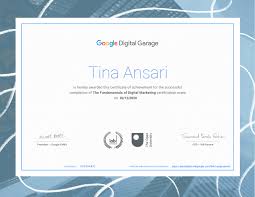
Yes, Google Digital Garage has offered a certificate in digital marketing for learners who complete the relevant course and pass its final assessment. Course availability and certification requirements can change, so check Google’s current learning platform for the latest details before you enrol.

How long does the Google Digital Garage digital marketing course take?

The Google Digital Garage Fundamentals of Digital Marketing course was designed to take around 40 hours to complete. It is self-paced, so you can study in shorter sessions and fit the learning around your schedule. Course availability and content may change, so check Google’s current course listing for the latest details.

Is the Google Digital Garage certificate recognised by employers in the UK?

The Google Digital Garage certificate can be a useful addition to your CV in the UK, as it shows that you’ve completed introductory digital marketing training. However, it isn’t a formal qualification, and recognition varies between employers; many will also look for practical experience and evidence of relevant skills. For the strongest application, pair the certificate with examples of your work and check that the course and certificate are currently available.

What topics are covered in Google Digital Garage’s digital marketing training?

Google Digital Garage’s digital marketing training covers a range of core topics to help learners understand how to promote a business online. Depending on the course, subjects may include search engine optimisation (SEO), paid search advertising, social media, content and email marketing, online shopping, website performance and analytics. Course content can change, so check Google’s current learning platform for the latest syllabus.

Can beginners learn digital marketing through Google Digital Garage?

Yes, beginners can learn the fundamentals of digital marketing through Google Digital Garage’s online learning resources. Courses may cover topics such as search engine optimisation, social media, online advertising and analytics, making them a helpful starting point for building digital skills at your own pace. Course availability and content can change, so check Google’s current learning platforms for the latest options.

How do I enrol in a Google Digital Garage digital marketing course?

To enrol in a Google Digital Garage digital marketing course, visit Google’s current online learning platform and search for available digital marketing courses. Choose a course that suits your needs, then follow the prompts to sign in or create an account and begin learning. Course availability and enrolment steps can change, so check the details shown on Google’s official website before you start.

digital marketing management

Digital Marketing Management: A Practical Guide for Growing Businesses

Digital Marketing Management: A Practical Guide for Growing Businesses

Digital marketing management is the planning, delivery and measurement of a business’s marketing activity across digital channels. It brings together strategy, content, technology and analysis to help an organisation reach the right people and achieve its goals.

For some businesses, that may mean generating enquiries. For others, it could involve increasing online sales, building brand awareness or encouraging existing customers to return. Whatever the objective, effective management helps ensure that digital activity works as part of a coherent plan rather than as a collection of disconnected campaigns.

What does digital marketing management involve?

Digital marketing covers a wide range of channels and activities. Managing them effectively means deciding which ones are appropriate, setting clear priorities and making sure each contributes to the wider business strategy.

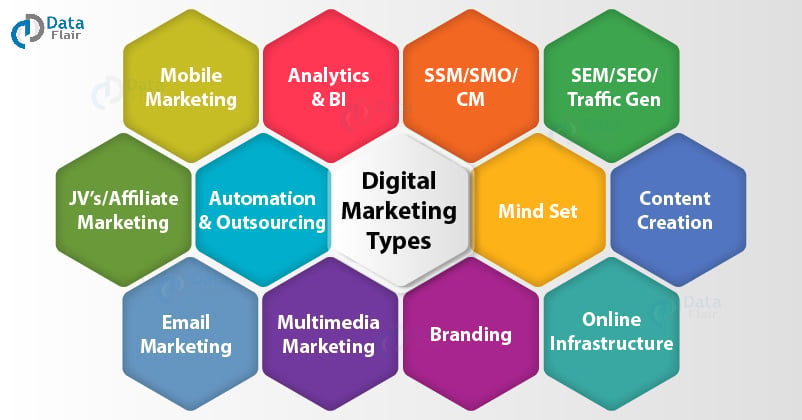
  • Search engine optimisation (SEO): Improving a website’s visibility in organic search results and making it more useful to visitors.
  • Paid advertising: Using platforms such as search engines and social networks to reach specific audiences through paid campaigns.
  • Content marketing: Creating helpful, relevant content that informs, inspires or supports potential customers.
  • Social media: Sharing content, engaging with audiences and building a consistent presence on suitable platforms.
  • Email marketing: Communicating with subscribers and customers through relevant, permission-based emails.
  • Website and conversion optimisation: Making it easier for visitors to find information and take useful actions, such as making an enquiry or placing an order.
  • Analytics and reporting: Measuring performance to understand what is working and where improvements are needed.

Start with clear objectives

Good management begins with a clear understanding of what the business wants to achieve. Broad aims such as “get more customers” are difficult to plan for and measure. More specific objectives provide a better foundation for decision-making.

For example, a business might aim to increase qualified enquiries from its website, grow online revenue from a particular product range or improve the number of returning customers. Objectives should be realistic, time-bound and linked to wider business priorities.

Once objectives are agreed, choose key performance indicators (KPIs) that show progress. Depending on the goal, these might include organic website visits, cost per lead, conversion rate, email sign-ups or revenue generated by a campaign.

Understand the audience

Digital marketing is more effective when it reflects the needs, habits and questions of the people it is intended to reach. Audience research can help a business understand who its customers are, what they value and how they look for information or make purchasing decisions.

Useful sources of insight include customer conversations, sales and support enquiries, website analytics, search data and feedback from existing campaigns. These findings can inform the messages a business uses, the content it creates and the channels it prioritises.

Choose the right channels

Being present on every platform is not always the best approach. Different channels suit different audiences, products and objectives. A business selling to other organisations may benefit from search marketing, specialist content and professional networking platforms. A consumer brand may find visual social channels or email more relevant.

Channel choices should be based on evidence and reviewed over time. It is often more effective to manage a small number of suitable channels well than to spread resources too thinly across many.

Create a joined-up plan

A digital marketing plan connects objectives, audiences, channels, content, budgets and responsibilities. It should set out what will happen, when it will happen and how success will be assessed.

Planning helps teams coordinate campaigns and maintain a consistent message across the customer journey. Someone discovering a business through a search result, for instance, should find a website that clearly follows through on the promise made in the listing or advert.

A plan should provide direction without being inflexible. Customer behaviour, platform features and business priorities can change, so plans need regular review.

Measure, learn and improve

Digital marketing management does not end when a campaign goes live. Ongoing measurement helps businesses understand how people respond and whether activity is contributing to the intended objectives.

Reports are most useful when they focus on meaningful outcomes rather than numbers in isolation. A rise in website visits may look positive, but it matters more whether those visits come from relevant people and lead to enquiries, sales or another desired action.

Reviewing performance regularly can reveal where to make adjustments. A business might refine its audience targeting, improve a landing page, test a different message or invest more in a channel that is producing valuable results. Testing should be deliberate, with changes based on a clear question and measurable outcome.

Keep the customer experience in focus

Marketing can attract attention, but the experience that follows plays an important part in turning interest into action. Pages should load reliably, work well on mobile devices and make essential information easy to find. Calls to action should be clear, and forms should ask only for information that is genuinely needed.

Consistency also matters. A business’s tone, visual identity and promises should align across its website, adverts, social media and customer communications. This helps create a more recognisable and trustworthy experience.

Work responsibly with data

Digital marketing often involves collecting or using personal information. Businesses should handle data responsibly, explain how it is used and follow relevant privacy and marketing rules. Email marketing, cookies and tracking technologies may have specific requirements, so organisations should seek appropriate guidance and keep their processes up to date.

Respectful data practices support customer confidence as well as compliance. Clear choices and relevant communications are more likely to build lasting relationships than excessive or unexpected messages.

In-house management or external support?

Some organisations manage digital marketing internally, while others work with agencies, consultants or a combination of both. The right arrangement depends on the skills, time and resources available, as well as the complexity of the marketing programme.

External support can bring specialist expertise or additional capacity. Internal teams can contribute detailed knowledge of the business, its customers and its day-to-day operations. Whichever model is chosen, clear objectives, communication and accountability are essential.

Make digital marketing an ongoing process

Effective digital marketing management is not a one-off campaign or a fixed checklist. It is an ongoing process of setting priorities, understanding audiences, delivering useful experiences and learning from results.

By combining clear objectives with thoughtful channel choices and regular measurement, businesses can make better use of their marketing resources. The strongest approach is one that supports the wider business, responds to customers’ needs and adapts as circumstances change.


Maximising Impact: The Benefits of Digital Marketing Management for Business Success

  1. Keeps marketing activity aligned with business goals.
  2. Helps reach the right audiences through suitable channels.
  3. Makes it easier to track results and return on investment.
  4. Supports consistent messaging across digital platforms.
  5. Improves customer engagement and online experiences.
  6. Enables quick adjustments based on performance data.
  7. Helps businesses use marketing budgets more effectively.


Challenges in Digital Marketing Management: Time, Investment, Delayed Results, Platform Changes, and Data Privacy Complexity

  1. Can be time-consuming to manage.
  2. Requires ongoing investment.
  3. Results may take time to appear.
  4. Digital platforms change frequently.
  5. Data privacy rules can be complex.

Keeps marketing activity aligned with business goals.

Digital marketing management helps keep every campaign, channel and piece of content focused on the wider business goals. By setting clear objectives and tracking relevant results, businesses can prioritise activity that supports outcomes such as generating qualified leads, increasing sales or building customer loyalty. This makes it easier to use budgets and resources effectively, while ensuring marketing efforts contribute to measurable progress.

Helps reach the right audiences through suitable channels.

Effective digital marketing management helps businesses reach the right audiences by matching their needs and online habits with suitable channels. Rather than trying to be everywhere, businesses can focus on the platforms and formats their potential customers are most likely to use, making marketing more relevant, efficient and impactful.

Makes it easier to track results and return on investment.

Digital marketing management makes it easier to track results and understand return on investment (ROI). By monitoring metrics such as website visits, enquiries, conversions and campaign costs, businesses can see which activities are delivering value and where budgets may be better spent. This clear, measurable picture supports informed decisions, helping teams refine campaigns and focus resources on the approaches that contribute most to their goals.

Supports consistent messaging across digital platforms.

Digital marketing management helps ensure your brand communicates consistently across its website, social media, email and online advertising. By aligning your tone of voice, visual identity and key messages, you create a more recognisable experience for customers wherever they encounter your business. This consistency can build trust, reinforce what your brand stands for and make your communications more effective.

Improves customer engagement and online experiences.

Effective digital marketing management helps businesses engage with customers through relevant, timely communication across the channels they use. By understanding customer needs and using insights to personalise content, offers and support, businesses can make each interaction more useful and consistent. A well-managed website, clear information and responsive social media or email communications also create a smoother online experience, helping customers feel valued and more confident in choosing the brand.

Enables quick adjustments based on performance data.

Digital marketing management makes it possible to respond quickly to performance data. By monitoring results such as website visits, enquiries and conversions, businesses can see what is working and adjust campaigns accordingly. They can refine their messaging, change audience targeting or shift budget towards better-performing channels, helping marketing activity stay effective as customer behaviour and business priorities change.

Helps businesses use marketing budgets more effectively.

Digital marketing management helps businesses use their marketing budgets more effectively by directing spend towards the channels and campaigns most likely to reach the right audience and achieve clear objectives. Regular performance tracking shows what is delivering value and where money may be wasted, allowing businesses to adjust their activity, prioritise successful tactics and make more informed decisions about future investment.

Can be time-consuming to manage.

Digital marketing management can be time-consuming, as each channel needs regular attention, from planning content and scheduling campaigns to responding to customers and reviewing performance. Keeping up with changing platforms, trends and tools can add to the workload, particularly for small businesses with limited staff. Without clear priorities or a manageable plan, marketing tasks can take time away from other important parts of the business.

Requires ongoing investment.

Digital marketing management requires ongoing investment, both in budget and staff time. Campaigns need regular monitoring, content must be updated, and tools, advertising and specialist skills can all involve continuing costs. Businesses may also need to adjust their approach as platforms and customer behaviour change, making it important to plan for long-term spending rather than treating digital marketing as a one-off expense.

Results may take time to appear.

One drawback of digital marketing management is that results may take time to appear. Activities such as search engine optimisation, content marketing and building an engaged audience usually require consistent effort before they deliver noticeable outcomes. This can be challenging for businesses expecting quick returns, so it is important to set realistic expectations, monitor progress and recognise early signs of improvement while longer-term results develop.

Digital platforms change frequently.

One challenge of digital marketing management is that digital platforms change frequently. Search engine algorithms, social media features, advertising rules and audience habits can shift with little warning, making yesterday’s successful approach less effective today. Businesses need to keep up with these changes, review their strategies and adapt their campaigns, which can take time and resources.

Data privacy rules can be complex.

Data privacy rules can be complex, making digital marketing management more demanding for businesses. Requirements around consent, cookies, email campaigns and the collection or use of personal information can vary and change over time. Keeping up with these obligations takes time and expertise, and mistakes may lead to complaints, reputational damage or legal consequences. Businesses need clear processes and appropriate guidance to handle customer data responsibly and remain compliant.

digital marketing basics

Mastering Digital Marketing Basics: A Beginner’s Guide to Online Success

Digital Marketing Basics

The Essentials of Digital Marketing

Digital marketing has become an integral part of modern business strategies, allowing companies to reach their target audiences effectively in the online world. Understanding the basics of digital marketing is crucial for any organisation looking to establish a strong online presence and drive growth. Here are some key concepts to grasp:

Website Optimization

Your website is often the first point of contact between your business and potential customers. Optimising your website for search engines (SEO) and ensuring a user-friendly experience are essential for attracting and retaining visitors.

Content Marketing

Creating valuable and relevant content that resonates with your target audience can help build brand awareness, establish credibility, and drive traffic to your website. Content marketing includes blogs, videos, social media posts, and more.

Social Media Marketing

Social media platforms offer powerful tools for engaging with customers, promoting products or services, and building relationships. Developing a social media strategy tailored to your audience can enhance brand visibility and drive conversions.

Email Marketing

Email marketing remains one of the most effective ways to communicate with customers directly. Personalised email campaigns can nurture leads, promote special offers, and drive sales by targeting specific segments of your audience.

Pay-Per-Click Advertising

PPC advertising allows businesses to display ads on search engines or other platforms and pay only when a user clicks on them. This targeted approach can generate immediate traffic to your website and increase conversions when managed effectively.

Analytics and Reporting

Measuring the performance of your digital marketing efforts is essential for understanding what works and what needs improvement. Utilising analytics tools to track key metrics such as website traffic, conversion rates, and engagement can help refine your strategy over time.

In conclusion, mastering the fundamentals of digital marketing can empower businesses to connect with their target audiences, drive engagement, and achieve their goals in the competitive online landscape.


7 Essential Tips for Mastering the Basics of Digital Marketing

  1. Understand your target audience
  2. Create a strong online presence with a professional website
  3. Utilize social media platforms effectively for promotion
  4. Implement search engine optimization (SEO) techniques to improve visibility
  5. Engage with your audience through valuable content and interactions
  6. Track and analyse data to measure the success of your campaigns
  7. Stay updated on digital marketing trends and best practices

Understand your target audience

Understanding your target audience is a fundamental principle in digital marketing. By gaining insights into the demographics, behaviours, and preferences of your audience, you can tailor your marketing strategies to effectively reach and engage with them. This knowledge allows you to create content that resonates with your target market, leading to higher conversion rates and stronger customer relationships. Ultimately, understanding your audience enables you to deliver personalised experiences that meet their needs and drive business success in the digital realm.

Create a strong online presence with a professional website

Establishing a robust online presence begins with the foundation of a professional website. A well-designed and user-friendly website not only serves as a virtual storefront for your business but also acts as a central hub for your digital marketing efforts. By creating a visually appealing site that reflects your brand identity and provides valuable content to visitors, you can enhance credibility, attract potential customers, and ultimately drive conversions. Investing in a professional website is key to making a lasting impression in the digital realm and setting the stage for success in your online marketing endeavours.

Utilize social media platforms effectively for promotion

Utilising social media platforms effectively for promotion is a fundamental aspect of digital marketing. By engaging with your target audience on platforms such as Facebook, Instagram, Twitter, and LinkedIn, you can build brand awareness, drive traffic to your website, and foster meaningful relationships with customers. Creating compelling content, running targeted ad campaigns, and actively interacting with followers can help maximise the impact of your social media efforts and ultimately lead to increased visibility and conversions for your business.

Implement search engine optimization (SEO) techniques to improve visibility

By implementing search engine optimization (SEO) techniques, businesses can enhance their online visibility and increase the likelihood of reaching their target audience. SEO involves optimising website content, meta tags, and other elements to improve search engine rankings, making it easier for potential customers to find relevant information and products/services. By focusing on SEO as a fundamental digital marketing strategy, companies can boost their online presence and attract organic traffic, ultimately driving growth and success in the digital realm.

Engage with your audience through valuable content and interactions

In the realm of digital marketing basics, a crucial tip is to actively engage with your audience by providing valuable content and fostering meaningful interactions. By offering informative and relevant content that resonates with your target demographic, you can establish credibility, build trust, and cultivate a loyal following. Additionally, encouraging interactions through comments, feedback mechanisms, and social media engagement can create a sense of community around your brand, leading to increased brand awareness and customer loyalty. Remember, meaningful engagement is key to forging lasting relationships with your audience in the digital sphere.

Track and analyse data to measure the success of your campaigns

Tracking and analysing data to measure the success of your digital marketing campaigns is essential for making informed decisions and optimising your strategies. By monitoring key metrics such as website traffic, conversion rates, click-through rates, and engagement levels, you can gain valuable insights into the effectiveness of your campaigns. This data-driven approach allows you to identify what is working well and what areas need improvement, enabling you to refine your tactics for better results in the future. Ultimately, leveraging data analysis helps you maximise the impact of your digital marketing efforts and achieve your business objectives efficiently.

To succeed in the ever-evolving digital landscape, it is essential for businesses to stay informed about the latest trends and best practices in digital marketing. By keeping up-to-date with industry developments, companies can adapt their strategies to meet changing consumer behaviours and technology advancements. Embracing new trends and implementing best practices not only ensures relevance and competitiveness but also opens up opportunities for innovation and growth in the dynamic world of digital marketing.

digital marketing google

Unlocking Success: Harnessing the Power of Google in Digital Marketing

Digital Marketing with Google

The Power of Digital Marketing with Google

In today’s digital age, Google has become synonymous with online search and digital marketing. With its suite of tools and platforms, Google offers businesses a powerful way to reach their target audience and drive growth through effective digital marketing strategies.

Google Ads

Google Ads, formerly known as Google AdWords, is Google’s online advertising platform that allows businesses to create ads that appear on Google’s search engine results pages and across its vast network of partner websites. With Google Ads, businesses can target specific keywords, demographics, and locations to reach potential customers at the right moment.

Google Analytics

Google Analytics is a powerful tool that provides valuable insights into website traffic and user behaviour. By tracking metrics such as website visits, page views, bounce rates, and conversion rates, businesses can gain a deeper understanding of their online performance and make data-driven decisions to optimise their digital marketing efforts.

Google My Business

Google My Business is a free tool that allows businesses to manage their online presence across Google’s platforms, including Search and Maps. By creating a Google My Business profile, businesses can provide essential information such as their address, phone number, business hours, and customer reviews to help potential customers find them easily online.

Google Search Console

Google Search Console is a web service provided by Google that allows website owners to monitor and optimise the visibility of their websites in Google search results. By submitting sitemaps, identifying indexing issues, and monitoring search performance data, businesses can improve their website’s organic search presence and attract more organic traffic.

In Conclusion

From advertising with Google Ads to analysing website performance with Google Analytics and enhancing online visibility with tools like Google My Business and Search Console, leveraging the power of Google in digital marketing can help businesses connect with their target audience effectively and achieve measurable results in the competitive online landscape.


Six Essential Tips for Mastering Digital Marketing on Google

  1. Optimize your website for search engines to improve visibility on Google.
  2. Use Google Ads to reach your target audience through paid advertising.
  3. Create high-quality and engaging content to attract and retain customers.
  4. Utilize Google Analytics to track and analyse user behaviour on your website.
  5. Engage with your audience through social media platforms that align with your brand.
  6. Stay updated with the latest trends and algorithm changes in digital marketing to remain competitive.

Optimize your website for search engines to improve visibility on Google.

To enhance your online presence and increase visibility on Google, it is essential to optimise your website for search engines. By implementing search engine optimisation (SEO) best practices such as using relevant keywords, creating high-quality content, improving site speed, and enhancing user experience, you can improve your website’s ranking in Google search results. Optimising your website for search engines not only helps attract organic traffic but also increases the likelihood of reaching and engaging with your target audience effectively.

Use Google Ads to reach your target audience through paid advertising.

Utilise Google Ads to effectively connect with your desired audience through paid advertising. By leveraging Google’s powerful advertising platform, businesses can strategically target specific demographics, locations, and keywords to reach potential customers at the right moment. This targeted approach not only increases visibility but also enhances the chances of engaging with users who are actively searching for products or services related to your business, ultimately driving valuable traffic and conversions.

Create high-quality and engaging content to attract and retain customers.

Creating high-quality and engaging content is a fundamental tip in digital marketing with Google. By producing content that is valuable, relevant, and captivating, businesses can attract the attention of their target audience and keep them engaged. Whether it’s informative blog posts, visually appealing infographics, or entertaining videos, compelling content not only helps to attract new customers but also plays a crucial role in retaining existing ones. With Google’s emphasis on quality content for search rankings, businesses that invest in creating engaging material are more likely to stand out online and build lasting relationships with their customers.

Utilize Google Analytics to track and analyse user behaviour on your website.

By utilising Google Analytics to track and analyse user behaviour on your website, you can gain valuable insights into how visitors interact with your site. Understanding metrics such as page views, bounce rates, and conversion rates allows you to make informed decisions to enhance user experience and optimise your digital marketing strategies. With this data-driven approach, you can identify trends, pinpoint areas for improvement, and ultimately drive meaningful results for your online presence.

Engage with your audience through social media platforms that align with your brand.

To maximise the impact of your digital marketing efforts on Google, it is essential to engage with your audience through social media platforms that resonate with your brand identity. By choosing social media channels that align with your brand’s values and target demographic, you can foster meaningful connections, share relevant content, and drive engagement. Building a strong presence on platforms such as Facebook, Instagram, Twitter, or LinkedIn allows you to interact with your audience in real-time, showcase your brand personality, and create a community of loyal followers who are more likely to convert into customers.

Staying updated with the latest trends and algorithm changes in digital marketing is crucial to maintaining a competitive edge in today’s dynamic online landscape. By keeping abreast of industry developments, businesses can adapt their strategies to align with current best practices and leverage new opportunities for reaching their target audience effectively. Continuous learning and staying informed about digital marketing updates ensure that businesses stay ahead of the curve, drive engagement, and achieve sustainable growth in the ever-evolving digital realm.

udemy digital marketing

Mastering Digital Marketing with Udemy: A Path to Online Success

The Power of Udemy Digital Marketing Courses

In today’s digital age, having a strong online presence is essential for businesses to succeed. One key aspect of this is digital marketing, which encompasses a wide range of strategies to promote products or services through digital channels.

Udemy, a leading online learning platform, offers a variety of digital marketing courses that cater to individuals looking to enhance their skills in this field. Whether you are a marketing professional seeking to upskill or an entrepreneur wanting to boost your online visibility, Udemy has something for everyone.

Why Choose Udemy for Digital Marketing Training?

Udemy stands out for its diverse range of digital marketing courses taught by industry experts. From social media marketing and SEO to email marketing and content strategy, there is a course tailored to meet your specific needs and goals.

One of the key advantages of Udemy is its flexibility. You can learn at your own pace and schedule, making it ideal for busy professionals or those with other commitments. The platform also offers lifetime access to course materials, allowing you to revisit them whenever you need a refresher.

The Benefits of Upskilling in Digital Marketing

By investing in digital marketing training on Udemy, you can gain valuable skills that will set you apart in today’s competitive job market. Whether you are looking to advance your career or grow your business, understanding the latest trends and techniques in digital marketing is crucial for success.

Moreover, with the rise of e-commerce and online advertising, having a solid grasp of digital marketing concepts can help you reach a wider audience and drive more traffic to your website or online store.

Unlock Your Potential with Udemy Digital Marketing Courses

Whether you are new to the world of digital marketing or looking to expand your knowledge, Udemy offers an array of courses that can help you achieve your goals. With practical insights and hands-on experience, you can apply what you learn directly to real-world scenarios and see tangible results.

Take the first step towards mastering digital marketing by enrolling in a Udemy course today. Empower yourself with the skills and knowledge needed to thrive in the ever-evolving landscape of online marketing.


Top FAQs About Udemy’s Digital Marketing Courses in the UK

  1. Can I learn digital marketing from Udemy?
  2. What are the top digital marketing courses?
  3. What is the best digital marketing course for 2022?
  4. Is Udemy certificate valid?
  5. How much does Udemy marketing pay?
  6. Which course is best in digital marketing?
  7. Are digital marketing courses on Udemy worth it?
  8. Can I learn digital marketing online?

Can I learn digital marketing from Udemy?

Yes, you can definitely learn digital marketing from Udemy. Udemy offers a wide range of digital marketing courses taught by industry experts that cater to individuals at all skill levels. Whether you are a beginner looking to understand the fundamentals of digital marketing or an experienced professional seeking to enhance your knowledge in specific areas such as social media marketing, SEO, or email marketing, Udemy provides comprehensive and practical courses that empower you to master the strategies and techniques needed to succeed in the digital landscape. With flexible learning options and lifetime access to course materials, Udemy makes it convenient for anyone to upskill and stay ahead in the dynamic field of digital marketing.

What are the top digital marketing courses?

When it comes to exploring the top digital marketing courses on Udemy, you will find a diverse selection of options tailored to meet various skill levels and interests. From comprehensive courses covering all aspects of digital marketing, such as SEO, social media marketing, and email campaigns, to more specialised courses focusing on specific strategies or platforms, Udemy offers a wealth of opportunities for learners to enhance their digital marketing skills. Whether you are a beginner looking to build a solid foundation or an experienced marketer seeking advanced techniques, the top digital marketing courses on Udemy provide valuable insights and practical knowledge to help you excel in the dynamic world of online marketing.

What is the best digital marketing course for 2022?

In 2022, one of the most frequently asked questions on Udemy regarding digital marketing is, “What is the best digital marketing course for 2022?” With the rapidly evolving digital landscape and the increasing demand for digital marketing skills, individuals are eager to find courses that will equip them with the latest strategies and techniques to stay ahead in the competitive market. Udemy offers a variety of top-rated digital marketing courses for 2022, each designed to provide learners with valuable insights and practical knowledge to navigate the ever-changing world of online marketing effectively. Whether you are a beginner looking to kickstart your career in digital marketing or a seasoned professional seeking to enhance your skills, Udemy’s diverse range of courses ensures that there is something suitable for everyone’s needs and aspirations in the dynamic realm of digital marketing.

Is Udemy certificate valid?

When it comes to the validity of Udemy certificates in the field of digital marketing, it’s important to understand that while Udemy courses provide valuable knowledge and skills, the certificates issued upon completion may not always hold the same weight as traditional academic qualifications. The credibility of a Udemy certificate largely depends on the employer or institution receiving it. Some employers may recognise and value the practical skills gained from Udemy courses, while others may place more emphasis on formal qualifications. It’s advisable to supplement your Udemy certificate with practical experience and a strong portfolio to showcase your expertise in digital marketing effectively.

How much does Udemy marketing pay?

The income potential for Udemy instructors in the digital marketing category varies based on factors such as course popularity, pricing strategy, and student engagement. Udemy operates on a revenue-sharing model where instructors typically earn a percentage of course sales. While some instructors have reported significant earnings from their digital marketing courses on Udemy, it is important to note that individual results may vary. Success on the platform often depends on the quality of the course content, marketing efforts, and the instructor’s ability to engage and retain students.

Which course is best in digital marketing?

When it comes to choosing the best digital marketing course on Udemy, it ultimately depends on your specific goals, interests, and level of expertise. With a wide range of courses available, from beginner to advanced levels, you can select a course that aligns with your needs. Consider factors such as the course content, instructor credibility, student reviews, and practical applications to determine which course is best suited for you. Whether you are looking to master social media marketing, SEO strategies, or email campaigns, Udemy offers a diverse selection of courses to help you enhance your digital marketing skills and achieve your objectives.

Are digital marketing courses on Udemy worth it?

When considering the value of digital marketing courses on Udemy, it ultimately depends on your individual goals and learning style. Udemy offers a wide range of digital marketing courses taught by industry experts, providing valuable insights and practical skills that can enhance your knowledge in this field. Whether you are looking to upskill for career advancement or grow your business online, investing in Udemy digital marketing courses can be worth it if you are committed to learning and applying the concepts taught. With flexibility, lifetime access to course materials, and the opportunity to learn at your own pace, Udemy courses can provide a cost-effective way to acquire relevant skills in the ever-evolving landscape of digital marketing.

Can I learn digital marketing online?

Absolutely! Learning digital marketing online is not only possible but also highly recommended. Platforms like Udemy offer a wide range of digital marketing courses taught by industry experts, allowing you to acquire essential skills and knowledge from the comfort of your own home. Whether you are a beginner looking to kickstart your career in digital marketing or a seasoned professional seeking to stay up-to-date with the latest trends, online learning provides a flexible and convenient way to enhance your expertise in this rapidly evolving field. With the right resources and dedication, you can certainly learn digital marketing effectively through online platforms like Udemy.

digital marketing courses

Mastering the Art of Digital Marketing: Unlock Your Potential with Comprehensive Digital Marketing Courses

The Importance of Digital Marketing Courses in Today’s Business Landscape

In the rapidly evolving world of business, digital marketing has become an essential component for success. With the increasing reliance on online platforms and digital channels, businesses need to adapt their marketing strategies to stay competitive and relevant. This is where digital marketing courses play a crucial role in equipping professionals with the knowledge and skills needed to navigate the complexities of the digital landscape.

Why Choose Digital Marketing Courses?

Digital marketing courses provide individuals with a comprehensive understanding of various digital marketing tools, techniques, and strategies. From search engine optimisation (SEO) and social media marketing to email campaigns and content creation, these courses cover a wide range of topics that are essential for creating effective digital marketing campaigns.

By enrolling in a digital marketing course, professionals can stay up-to-date with the latest trends and best practices in the industry. They can learn how to analyse data effectively, target specific audiences, and measure the success of their campaigns – all crucial skills for driving business growth in today’s competitive market.

The Benefits of Digital Marketing Courses

There are numerous benefits to taking digital marketing courses, both for individuals looking to enhance their skill set and for businesses seeking to improve their online presence:

  • Enhanced Skills: Digital marketing courses provide participants with practical skills that can be applied immediately in their roles. Whether it’s creating engaging content or running targeted advertising campaigns, these courses help individuals develop valuable skills that can drive results.
  • Industry Recognition: Completing a digital marketing course demonstrates a commitment to professional development and staying current with industry trends. This can enhance credibility and open up new opportunities for career advancement.
  • Increased ROI: By implementing the strategies learned in digital marketing courses, businesses can improve their return on investment (ROI) from their marketing efforts. Understanding how to reach target audiences effectively can lead to higher conversion rates and increased revenue.

Conclusion

In conclusion, digital marketing courses play a vital role in helping professionals and businesses succeed in today’s fast-paced digital landscape. By investing in continuous learning and development through these courses, individuals can acquire the skills needed to thrive in their careers, while businesses can gain a competitive edge by implementing effective digital marketing strategies. Embracing the power of digital marketing education is key to staying ahead of the curve and achieving long-term success in an increasingly digitised world.


Unlock Career Growth: 9 Benefits of Digital Marketing Courses

  1. 1. Enhance practical digital marketing skills
  2. 2. Stay updated with the latest industry trends
  3. 3. Learn to analyse data effectively for better decision-making
  4. 4. Target specific audiences with tailored marketing strategies
  5. 5. Measure the success of marketing campaigns accurately
  6. 6. Improve online visibility and brand awareness
  7. 7. Gain industry-recognised certifications and credentials
  8. 8. Increase career opportunities and advancement prospects
  9. 9. Drive higher ROI through optimised digital marketing efforts


Challenges of Digital Marketing Courses: Cost, Quality, Time, Relevance, and Practical Experience

  1. Costly investment for some individuals
  2. Quality of courses may vary depending on the provider
  3. Time-consuming, especially for full-time professionals
  4. Constantly evolving industry may render some course content outdated quickly
  5. Limited hands-on practical experience in some online courses

1. Enhance practical digital marketing skills

Digital marketing courses offer a significant advantage by enhancing practical digital marketing skills. Participants have the opportunity to learn hands-on techniques and strategies that can be directly applied in real-world scenarios. By gaining proficiency in areas such as social media management, search engine optimisation, content creation, and data analysis, individuals can develop the practical skills needed to create effective digital marketing campaigns that drive results. This hands-on experience not only boosts confidence but also equips professionals with the tools necessary to navigate the ever-changing digital landscape with ease and efficiency.

One significant advantage of enrolling in digital marketing courses is the opportunity to stay updated with the latest industry trends. The digital landscape is constantly evolving, with new technologies, platforms, and strategies emerging regularly. By participating in these courses, individuals can gain insights into current industry trends, best practices, and innovative techniques that can help them adapt and thrive in a rapidly changing environment. Keeping abreast of the latest developments in digital marketing ensures that professionals remain competitive and equipped to leverage new opportunities for success in the dynamic digital realm.

3. Learn to analyse data effectively for better decision-making

One significant benefit of digital marketing courses is the opportunity to learn how to analyse data effectively for better decision-making. Understanding how to interpret and utilise data insights is crucial in today’s digital landscape. By mastering data analysis techniques, professionals can make informed decisions based on real-time metrics and performance indicators. This enables businesses to optimise their marketing strategies, target specific audiences more effectively, and ultimately drive better results. Data-driven decision-making is a powerful tool that can lead to increased ROI and overall success in digital marketing efforts.

4. Target specific audiences with tailored marketing strategies

One significant advantage of digital marketing courses is the ability to target specific audiences with tailored marketing strategies. By learning how to analyse data, identify target demographics, and create personalised campaigns, professionals can effectively reach the right audience with the right message at the right time. This targeted approach not only increases the likelihood of conversion but also enhances customer engagement and loyalty. Digital marketing courses equip individuals with the skills needed to craft customised marketing strategies that resonate with their target audience, ultimately leading to improved campaign performance and business success.

5. Measure the success of marketing campaigns accurately

One key advantage of digital marketing courses is the ability to measure the success of marketing campaigns accurately. By learning how to utilise analytics tools and metrics effectively, professionals can track and evaluate the performance of their campaigns in real-time. This data-driven approach allows them to identify what strategies are working well and where adjustments are needed, leading to more informed decision-making and improved results. The ability to measure campaign success accurately not only provides valuable insights for ongoing optimisation but also demonstrates the impact of digital marketing efforts on business objectives.

6. Improve online visibility and brand awareness

One significant advantage of digital marketing courses is the ability to improve online visibility and enhance brand awareness. By learning effective strategies such as search engine optimization (SEO), social media marketing, and content creation, individuals can optimise their online presence to reach a wider audience and attract potential customers. Increasing visibility in the digital space not only boosts brand recognition but also establishes credibility and trust among consumers, ultimately leading to greater engagement and business growth. Digital marketing courses provide the knowledge and skills necessary to navigate the complexities of online platforms and elevate a brand’s visibility in today’s competitive market.

7. Gain industry-recognised certifications and credentials

One significant advantage of digital marketing courses is the opportunity to gain industry-recognised certifications and credentials. These certifications not only validate your expertise and knowledge in the field but also enhance your credibility and marketability as a professional. By earning these certifications, you demonstrate to employers and clients that you have the skills and qualifications necessary to excel in digital marketing, opening up new career opportunities and increasing your value in the competitive job market.

8. Increase career opportunities and advancement prospects

One significant advantage of enrolling in digital marketing courses is the potential to increase career opportunities and advance prospects. By acquiring in-depth knowledge and practical skills in digital marketing, individuals can enhance their expertise and stand out in a competitive job market. Employers value candidates who possess up-to-date digital marketing skills, making them more attractive for a wide range of roles across various industries. Additionally, completing digital marketing courses demonstrates a commitment to professional development, which can lead to promotions, salary increases, and new career opportunities for individuals seeking advancement in their careers.

9. Drive higher ROI through optimised digital marketing efforts

By enrolling in digital marketing courses, individuals can learn how to drive higher return on investment (ROI) through optimised digital marketing efforts. These courses provide insights into effective strategies for targeting specific audiences, analysing data to make informed decisions, and implementing campaigns that yield measurable results. By mastering these skills, professionals can maximise the impact of their digital marketing initiatives, leading to increased ROI and improved business outcomes.

Costly investment for some individuals

One significant drawback of digital marketing courses is the potentially high cost involved, which can be a barrier for some individuals looking to enhance their skills in this field. The fees for quality courses and certifications can be substantial, making it a costly investment for those on a tight budget or with limited financial resources. This financial burden may deter individuals from pursuing these courses, limiting their access to valuable learning opportunities and hindering their ability to compete in the digital marketing industry.

Quality of courses may vary depending on the provider

One notable drawback of digital marketing courses is the variability in quality depending on the provider. With a plethora of online platforms, institutions, and individuals offering digital marketing courses, the consistency and depth of content can vary significantly. Some providers may offer outdated information or lack practical relevance, leading to a subpar learning experience for participants. This lack of standardisation in course quality can make it challenging for individuals to discern which courses are truly valuable and worth investing their time and resources in. As such, prospective learners must exercise caution and thoroughly research course providers to ensure they enrol in a reputable programme that delivers up-to-date, relevant, and high-quality content.

Time-consuming, especially for full-time professionals

One significant drawback of digital marketing courses is the time commitment they require, which can be particularly challenging for full-time professionals. Balancing work responsibilities with coursework, assignments, and study sessions can be demanding and overwhelming. The need to allocate time for learning new concepts and techniques in digital marketing may add to an already busy schedule, leading to potential stress and burnout. Full-time professionals may find it difficult to dedicate the necessary time and energy to fully engage with the course material, impacting their overall learning experience and potentially hindering their ability to apply newly acquired skills effectively in their professional roles.

Constantly evolving industry may render some course content outdated quickly

One significant drawback of digital marketing courses is the rapid evolution of the industry, which can lead to course content becoming outdated relatively quickly. As digital marketing techniques and technologies continue to advance at a fast pace, what may be considered best practices one year could become obsolete the next. This challenge poses a risk that individuals who have completed digital marketing courses may find themselves needing to continuously update their knowledge and skills to stay relevant in the ever-changing landscape of digital marketing.

Limited hands-on practical experience in some online courses

One significant drawback of some online digital marketing courses is the limited hands-on practical experience they offer. While theoretical knowledge is essential, practical application plays a crucial role in truly understanding and mastering digital marketing concepts. Without hands-on experience, students may struggle to translate theoretical concepts into real-world scenarios, hindering their ability to develop practical skills and apply them effectively in a professional setting. As a result, online courses that lack sufficient opportunities for hands-on practice may fall short in preparing students for the challenges and complexities of the dynamic digital marketing landscape.

google certified digital marketing

Unlocking Success: Google Certified Digital Marketing Excellence

Google Certified Digital Marketing: A Path to Success

Google Certified Digital Marketing: A Path to Success

In today’s digital age, having a strong online presence is crucial for businesses looking to succeed in the competitive landscape. Digital marketing has become a powerful tool for reaching and engaging with target audiences effectively. One way to demonstrate proficiency in this field is by becoming Google certified in digital marketing.

What Does It Mean to Be Google Certified?

Google offers a range of certification programs that validate individuals’ expertise in various aspects of digital marketing, such as Google Ads, Analytics, and more. By earning these certifications, professionals can showcase their skills and knowledge in using Google’s tools and platforms to drive successful online campaigns.

The Benefits of Being Google Certified

Obtaining Google certification in digital marketing can open doors to new career opportunities and enhance your credibility in the industry. Here are some key benefits:

  • Credibility: Being certified by Google demonstrates your proficiency in using their tools effectively.
  • Industry Recognition: Employers and clients recognise the value of Google certifications and may prefer working with certified professionals.
  • Up-to-Date Knowledge: Google’s certification programs are regularly updated to reflect the latest trends and best practices in digital marketing.
  • Career Advancement: Having Google certifications on your resume can help you stand out from the competition and advance your career.

How to Get Certified

To become Google certified in digital marketing, individuals need to pass the relevant exams administered by Google. These exams test candidates on their understanding of key concepts and strategies related to specific areas of digital marketing. Study materials and resources are available online to help prepare for these exams.

In Conclusion

Becoming Google certified in digital marketing is a valuable investment in your career development. It not only demonstrates your expertise but also equips you with the knowledge and skills needed to excel in the dynamic world of online marketing. Take the first step towards success by pursuing Google certification today!


Top 10 FAQs About Google Certified Digital Marketing: Job Prospects, Value, and Costs

  1. Can you get job with Google certificate digital marketing?
  2. Is Google Certificate in digital marketing worth it?
  3. Is Google digital marketing course paid?
  4. Are the Google IT certificates worth it?
  5. Has anyone got a job with a Google certificate?
  6. Which Google certification is best for digital marketing?
  7. How much can you make with a Google digital marketing certification?
  8. How much does the Google digital marketing course cost?
  9. Is Google digital marketing certified?
  10. Which certification is best for digital marketing?

Can you get job with Google certificate digital marketing?

Many individuals wonder if obtaining a Google certificate in digital marketing can lead to job opportunities with Google. While having a Google certification can certainly enhance your credentials and demonstrate your proficiency in using Google’s tools, it does not guarantee direct employment at Google. However, being certified by Google can significantly boost your credibility and open doors to various job opportunities in the digital marketing industry. Employers value candidates with relevant certifications, including those from reputable sources like Google, as they showcase expertise and dedication to staying current in the field. Therefore, earning a Google certificate in digital marketing can increase your chances of securing a job in this competitive sector and pave the way for a successful career path.

Is Google Certificate in digital marketing worth it?

When considering whether the Google Certificate in digital marketing is worth it, it’s important to weigh the benefits it can provide. Earning this certification can enhance your credibility in the industry, demonstrate your proficiency with Google’s tools, and potentially open up new career opportunities. Additionally, staying up-to-date with the latest trends and best practices in digital marketing through the certification process can be invaluable for professional growth. Ultimately, whether the Google Certificate in digital marketing is worth it depends on your career goals and how you plan to leverage the knowledge and skills gained from obtaining the certification.

Is Google digital marketing course paid?

One frequently asked question regarding Google certified digital marketing is whether the Google digital marketing course is paid. The answer is that while Google offers a range of certification programs in digital marketing, some of which may require payment for the exams, study materials, or additional resources, there are also free courses available through platforms like Google Digital Garage. These free courses cover a variety of digital marketing topics and can be a great starting point for those looking to enhance their skills and knowledge in this field without incurring any costs.

Are the Google IT certificates worth it?

When considering the value of Google IT certificates, it is important to weigh the benefits they offer against your career goals and aspirations. Google certifications in digital marketing can enhance your credibility, demonstrate your proficiency in using Google’s tools, and potentially open up new opportunities in the industry. Employers often value these certifications as a sign of expertise and commitment to professional development. Ultimately, the worth of Google IT certificates depends on how you leverage them to advance your career and achieve success in the competitive field of digital marketing.

Has anyone got a job with a Google certificate?

One frequently asked question regarding Google certified digital marketing is, “Has anyone got a job with a Google certificate?” Many individuals wonder about the real-world value of earning a Google certification in digital marketing and whether it can lead to career opportunities. The answer is yes – numerous professionals have secured jobs and advanced their careers after obtaining Google certifications. Employers often recognise the credibility and expertise that come with being certified by Google, making it a valuable asset for those looking to stand out in the competitive job market and thrive in the field of digital marketing.

Which Google certification is best for digital marketing?

When considering which Google certification is best for digital marketing, it ultimately depends on your specific goals and areas of interest within the field. Google offers a range of certifications, including Google Ads, Analytics, and more, each focusing on different aspects of digital marketing. For those looking to master online advertising campaigns, Google Ads certification may be the most suitable choice. On the other hand, individuals interested in data analysis and website performance may find Google Analytics certification more beneficial. It is essential to assess your skills and career objectives to determine which certification aligns best with your professional aspirations in the dynamic realm of digital marketing.

How much can you make with a Google digital marketing certification?

Earning a Google digital marketing certification can significantly impact your earning potential in the digital marketing industry. While the exact salary range can vary based on factors such as experience, location, and specific job role, professionals with Google certifications often command higher salaries compared to their non-certified counterparts. Employers value the expertise and credibility that come with being Google certified, which can lead to better job opportunities and increased earning potential in this competitive field. By investing in your skills through certification, you can position yourself for a rewarding career with the potential for lucrative financial rewards.

How much does the Google digital marketing course cost?

The cost of the Google digital marketing course varies depending on the specific certification program you choose to pursue. Google offers a range of courses and exams, each with its own associated fee. While some courses may be free to access, others require payment for certification exams or study materials. It is recommended to visit the official Google Digital Garage website for up-to-date information on course fees and registration details. Investing in a Google digital marketing course can be a worthwhile step towards enhancing your skills and advancing your career in the ever-evolving field of digital marketing.

Is Google digital marketing certified?

The frequently asked question “Is Google digital marketing certified?” often arises among individuals seeking to validate the authenticity and credibility of Google’s digital marketing certification programmes. The answer is yes – Google offers a range of certification programs in digital marketing, such as Google Ads, Analytics, and more. These certifications serve as a testament to individuals’ proficiency in utilising Google’s tools and platforms effectively to drive successful online marketing campaigns. By obtaining Google certification in digital marketing, professionals can enhance their industry recognition, credibility, and career advancement opportunities in the ever-evolving digital landscape.

Which certification is best for digital marketing?

When it comes to determining the best certification for digital marketing, the answer largely depends on individual goals, interests, and career aspirations. However, one of the most highly regarded certifications in the field is the Google Ads certification. This certification demonstrates proficiency in creating and managing Google Ads campaigns effectively, which is a crucial skill for digital marketers. Additionally, certifications such as Google Analytics and HubSpot Inbound Marketing can also be beneficial for those looking to expand their knowledge and expertise in specific areas of digital marketing. Ultimately, the best certification for digital marketing is one that aligns with your professional objectives and helps you stand out in a competitive industry.