digital media and marketing

Mastering the Art of Digital Media and Marketing: A Guide to Success in the Online World

The Power of Digital Media and Marketing

The Power of Digital Media and Marketing

Digital media and marketing have revolutionised the way businesses connect with their audiences in today’s fast-paced world. With the rise of the internet and social media, companies now have unprecedented opportunities to reach and engage with consumers on a global scale.

What is Digital Media?

Digital media refers to any form of content that is stored in digital format and can be shared electronically. This includes websites, social media platforms, online videos, podcasts, and more. The beauty of digital media lies in its ability to be easily accessed, shared, and interacted with by users across various devices.

The Role of Digital Marketing

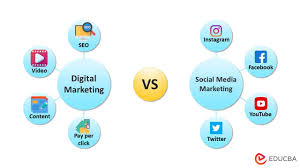
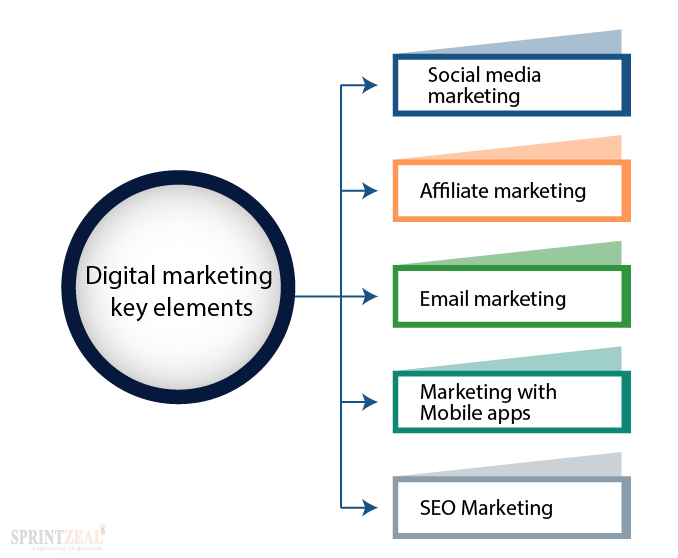
Digital marketing utilises digital channels such as social media, search engines, email, and websites to promote products or services to target audiences. It allows businesses to tailor their marketing efforts based on consumer behaviour, preferences, and demographics. By leveraging data analytics and targeting capabilities, digital marketing enables companies to deliver personalised messages that resonate with their customers.

The Benefits of Digital Media and Marketing

There are numerous benefits to incorporating digital media and marketing into your business strategy:

  • Wider Reach: With digital platforms, you can reach a larger audience across different geographical locations.
  • Increased Engagement: Interactive content such as videos or polls can boost engagement levels with your target audience.
  • Cost-Effective: Digital marketing campaigns are often more cost-effective than traditional advertising methods like print or TV ads.
  • Real-Time Analytics: You can track the performance of your campaigns in real-time and make adjustments for better results.
  • Targeted Advertising: Digital marketing allows you to target specific demographics or interests for more effective advertising.

The Future of Digital Media and Marketing

As technology continues to evolve, so too will the landscape of digital media and marketing. Artificial intelligence, virtual reality, voice search, and other emerging technologies will shape the future of how businesses connect with consumers online. Staying ahead of these trends will be crucial for companies looking to remain competitive in the digital age.

In conclusion, embracing digital media and marketing is essential for businesses seeking to thrive in today’s interconnected world. By leveraging the power of digital channels, companies can build brand awareness, engage with customers on a personal level, and drive business growth like never before.


8 Essential Tips for Mastering Digital Media and Marketing

  1. Understand your target audience to tailor your content and messaging effectively.
  2. Consistently engage with your audience through various digital channels to build relationships.
  3. Utilize data analytics to track and measure the performance of your digital marketing campaigns.
  4. Create high-quality, relevant, and shareable content to attract and retain customers.
  5. Stay updated with the latest trends in digital media and marketing to stay ahead of the competition.
  6. Mobile-first” approach is crucial as mobile usage continues to rise globally.
  7. SEO” or Search Engine Optimization is key for increasing visibility on search engines.
  8. Social media influencers” can be powerful tools for reaching a wider audience and building credibility.

Understand your target audience to tailor your content and messaging effectively.

To maximise the impact of your digital media and marketing efforts, it is crucial to have a deep understanding of your target audience. By gaining insights into their preferences, behaviours, and demographics, you can tailor your content and messaging in a way that resonates with them effectively. This personalised approach not only enhances engagement but also increases the likelihood of converting leads into loyal customers. Understanding your target audience is the cornerstone of successful digital marketing strategies that drive meaningful connections and deliver tangible results.

Consistently engage with your audience through various digital channels to build relationships.

Consistently engaging with your audience through a variety of digital channels is a key strategy in building lasting relationships with your customers. By maintaining a presence on platforms where your target audience is active, such as social media, email newsletters, and online forums, you can foster meaningful interactions and create a sense of community around your brand. This ongoing engagement not only helps to strengthen customer loyalty but also allows you to gather valuable feedback and insights that can inform your marketing strategies and enhance the overall customer experience.

Utilize data analytics to track and measure the performance of your digital marketing campaigns.

To maximise the effectiveness of your digital marketing campaigns, it is essential to utilise data analytics to track and measure their performance. By analysing key metrics such as website traffic, conversion rates, and customer engagement, you can gain valuable insights into the success of your marketing efforts. This data-driven approach allows you to make informed decisions, optimise your strategies in real-time, and ultimately enhance the overall impact of your digital media initiatives.

Create high-quality, relevant, and shareable content to attract and retain customers.

Creating high-quality, relevant, and shareable content is a key tip in digital media and marketing. By producing content that resonates with your target audience, you can capture their attention, build trust, and establish your brand as a valuable resource. Shareable content not only attracts new customers but also helps retain existing ones by keeping them engaged and connected to your brand. Whether it’s informative articles, engaging videos, or interactive infographics, investing in quality content creation is essential for driving customer engagement and loyalty in today’s competitive digital landscape.

Staying updated with the latest trends in digital media and marketing is crucial for businesses aiming to stay ahead of the competition. By keeping abreast of emerging technologies, consumer behaviours, and industry best practices, companies can adapt their strategies to remain relevant and competitive in the ever-evolving digital landscape. Embracing new trends allows businesses to innovate, engage with their target audience effectively, and ultimately drive success in today’s dynamic market environment.

Mobile-first” approach is crucial as mobile usage continues to rise globally.

In today’s digital landscape, adopting a “mobile-first” approach is imperative as mobile usage continues to soar on a global scale. With more and more people accessing the internet and engaging with content through their mobile devices, businesses must prioritise mobile-friendly strategies to effectively reach and connect with their target audience. By ensuring that websites, ads, and content are optimised for mobile viewing, companies can enhance user experience, increase engagement, and stay ahead in the ever-evolving realm of digital media and marketing.

SEO” or Search Engine Optimization is key for increasing visibility on search engines.

“SEO, or Search Engine Optimization, plays a crucial role in enhancing visibility on search engines. By implementing effective SEO strategies, businesses can improve their website’s ranking in search results, making it easier for potential customers to find them online. Optimizing content with relevant keywords, improving site speed and user experience, and building quality backlinks are just some of the ways SEO can help drive organic traffic to a website. Investing in SEO is essential for businesses looking to boost their online presence and attract more qualified leads through improved search engine visibility.”

Social media influencers” can be powerful tools for reaching a wider audience and building credibility.

Utilising “social media influencers” can be a potent strategy in digital media and marketing. These individuals have the ability to connect with a vast audience and establish trust and credibility within their niche. By partnering with social media influencers whose values align with your brand, you can effectively amplify your message, increase brand awareness, and engage with a wider demographic. Leveraging the influence of these individuals can be a valuable asset in expanding your reach and solidifying your brand’s reputation in the digital landscape.

seo and online marketing

Mastering the Art of SEO and Online Marketing: A Guide to Digital Success

SEO and Online Marketing

The Power of SEO and Online Marketing

In today’s digital age, having a strong online presence is crucial for businesses to succeed. Search Engine Optimization (SEO) and online marketing play key roles in helping businesses reach their target audience, increase visibility, and drive traffic to their websites.

SEO: Enhancing Visibility

SEO is the practice of optimizing your website to rank higher in search engine results pages (SERPs). By using relevant keywords, creating high-quality content, and improving website performance, businesses can improve their visibility online. This increased visibility not only drives more organic traffic to the website but also builds credibility and trust with potential customers.

Online Marketing: Reaching Your Audience

Online marketing encompasses various strategies such as social media marketing, email marketing, pay-per-click advertising, and content marketing. These techniques help businesses connect with their target audience on different digital platforms. By creating engaging content and targeted campaigns, businesses can effectively reach potential customers and drive conversions.

The Synergy of SEO and Online Marketing

When combined, SEO and online marketing create a powerful synergy that maximizes results for businesses. SEO helps improve website visibility and organic traffic, while online marketing strategies amplify this visibility through targeted campaigns on social media and other platforms. This integrated approach not only boosts brand awareness but also drives lead generation and sales.

Conclusion

In conclusion, SEO and online marketing are essential components of a successful digital strategy. By investing in these practices, businesses can enhance their online presence, attract more customers, and ultimately grow their revenue. Embracing the power of SEO and online marketing is key to staying competitive in today’s digital landscape.


Essential FAQs on SEO and Online Marketing: Strategies, Impact, and Measurement

  1. What is SEO and why is it important for online marketing?
  2. How can I improve my website’s SEO?
  3. What are the key elements of a successful SEO strategy?
  4. What is the difference between organic and paid search results?
  5. How does social media marketing impact SEO?
  6. What role does content marketing play in online marketing?
  7. How can email marketing contribute to an effective digital strategy?
  8. What are the benefits of investing in pay-per-click (PPC) advertising?
  9. How can businesses measure the success of their SEO and online marketing efforts?

What is SEO and why is it important for online marketing?

Search Engine Optimization (SEO) is a fundamental aspect of online marketing that focuses on improving a website’s visibility and ranking in search engine results pages. By strategically using relevant keywords, optimizing website content, and enhancing user experience, SEO helps businesses attract organic traffic and reach their target audience more effectively. In the competitive digital landscape, having a strong SEO strategy is crucial for businesses to increase online visibility, build credibility, and drive conversions. Ultimately, SEO plays a vital role in ensuring that businesses can maximise their online presence and achieve long-term success in the ever-evolving world of digital marketing.

How can I improve my website’s SEO?

To enhance your website’s SEO, it is essential to focus on several key areas. Firstly, conducting thorough keyword research and strategically incorporating relevant keywords into your website’s content can improve its visibility in search engine results. Additionally, optimizing meta tags, headers, and image alt text with targeted keywords can further boost your site’s SEO performance. Creating high-quality, engaging content that is valuable to your audience not only improves user experience but also increases the likelihood of earning backlinks from reputable sites. Regularly monitoring and analysing your website’s performance through tools like Google Analytics can help identify areas for improvement and track the effectiveness of your SEO efforts. By implementing these strategies consistently and staying up-to-date with SEO best practices, you can enhance your website’s SEO and drive more organic traffic to your site.

What are the key elements of a successful SEO strategy?

When it comes to developing a successful SEO strategy, several key elements are essential for achieving optimal results. Firstly, thorough keyword research is crucial to identify relevant search terms that align with your target audience’s intent. Creating high-quality, engaging content that incorporates these keywords naturally is another vital element. Additionally, ensuring your website is technically sound, mobile-friendly, and user-friendly plays a significant role in improving search engine rankings. Building high-quality backlinks from reputable sources and regularly monitoring and analysing performance metrics are also critical components of a successful SEO strategy. By integrating these key elements effectively, businesses can enhance their online visibility, attract more organic traffic, and ultimately drive meaningful results in their digital marketing efforts.

What is the difference between organic and paid search results?

When it comes to SEO and online marketing, understanding the difference between organic and paid search results is crucial. Organic search results are listings that appear naturally on search engine results pages (SERPs) based on their relevance to the user’s query. These results are not influenced by payment and are earned through effective SEO practices such as keyword optimization and quality content creation. On the other hand, paid search results are advertisements that appear at the top or bottom of SERPs, marked as “Ad.” Advertisers pay for these placements based on specific keywords or targeting criteria. While organic results provide long-term visibility and credibility, paid results offer immediate visibility and can be a valuable part of a comprehensive online marketing strategy. Understanding how to leverage both organic and paid search results can help businesses effectively reach their target audience and achieve their marketing goals.

How does social media marketing impact SEO?

Social media marketing plays a significant role in impacting SEO by enhancing brand visibility, driving website traffic, and increasing engagement. When businesses actively engage with their audience on social media platforms, they create opportunities for users to share their content, which can lead to backlinks and increased referral traffic to their website. Additionally, social signals such as likes, shares, and comments are considered by search engines as indicators of content relevance and popularity, which can positively influence search engine rankings. By incorporating social media marketing strategies into their SEO efforts, businesses can strengthen their online presence and improve their overall digital marketing performance.

What role does content marketing play in online marketing?

Content marketing plays a pivotal role in online marketing by serving as the foundation for engaging and attracting target audiences. Through strategic creation and distribution of valuable, relevant content, businesses can establish credibility, build brand awareness, and foster relationships with their customers. High-quality content not only helps improve search engine rankings through SEO but also drives traffic to websites, increases conversions, and ultimately contributes to the overall success of online marketing efforts. In essence, content marketing acts as a powerful tool in connecting businesses with their audience and driving meaningful engagement in the digital landscape.

How can email marketing contribute to an effective digital strategy?

Email marketing plays a pivotal role in enhancing an effective digital strategy by providing a direct and personalised channel to engage with customers. Through targeted email campaigns, businesses can deliver relevant content, promotions, and updates to their audience, nurturing relationships and driving conversions. By leveraging email marketing tools to segment subscribers based on their preferences and behaviour, businesses can tailor their messaging for maximum impact. This strategic approach not only helps in building brand loyalty but also contributes to increasing website traffic, generating leads, and ultimately boosting sales. Email marketing’s ability to deliver timely and tailored messages makes it a valuable asset in any comprehensive digital strategy.

What are the benefits of investing in pay-per-click (PPC) advertising?

Investing in pay-per-click (PPC) advertising offers a range of benefits for businesses looking to enhance their online marketing efforts. One key advantage of PPC advertising is its ability to deliver immediate results by driving targeted traffic to a website. With PPC, businesses only pay when a user clicks on their ad, making it a cost-effective way to reach potential customers. Additionally, PPC allows for precise targeting, enabling businesses to tailor their ads to specific demographics, locations, and interests. This level of targeting helps increase the likelihood of conversions and maximise return on investment (ROI) for businesses investing in PPC advertising.

How can businesses measure the success of their SEO and online marketing efforts?

Businesses can measure the success of their SEO and online marketing efforts through various key performance indicators (KPIs) such as website traffic, conversion rates, keyword rankings, and return on investment (ROI). Monitoring website traffic allows businesses to track the number of visitors to their site and identify trends over time. Conversion rates indicate how effectively visitors are being converted into customers or leads. Keyword rankings show where the business ranks in search engine results for specific terms, reflecting the effectiveness of SEO strategies. Finally, ROI analysis helps businesses assess the profitability of their online marketing campaigns by comparing the costs incurred with the revenue generated. By regularly evaluating these metrics, businesses can gain valuable insights into the impact of their SEO and online marketing activities and make informed decisions to optimise their strategies for greater success.

digital marketing seo agency

Unlocking Online Success: The Role of a Digital Marketing SEO Agency

The Role of a Digital Marketing SEO Agency in Boosting Online Visibility

In today’s digital age, having a strong online presence is crucial for businesses looking to reach their target audience and stay ahead of the competition. This is where a Digital Marketing SEO Agency plays a vital role in helping businesses improve their visibility and attract more customers through strategic online marketing efforts.

What is SEO?

SEO, or Search Engine Optimisation, is the practice of enhancing a website’s visibility on search engines like Google. By optimising various elements such as keywords, content, and backlinks, SEO helps websites rank higher in search engine results pages (SERPs), making them more likely to be seen by potential customers.

The Benefits of Hiring a Digital Marketing SEO Agency

Expertise and Experience: A reputable SEO agency has a team of professionals with extensive knowledge and experience in implementing effective SEO strategies. They stay up-to-date with the latest trends and algorithms to ensure your website remains competitive.

Customised Strategies: An SEO agency will tailor their approach to suit your specific business goals and target audience. They will conduct thorough research to identify the most relevant keywords and create content that resonates with your target market.

Improved Website Performance: By optimising your website for search engines, an SEO agency can enhance its speed, user experience, and overall performance. This not only improves your search engine rankings but also enhances the user experience for visitors.

Increased Traffic and Conversions: With higher search engine rankings comes increased organic traffic to your website. This targeted traffic is more likely to convert into leads or sales, ultimately boosting your bottom line.

Choosing the Right SEO Agency

When selecting an SEO agency for your business, consider factors such as their track record, client testimonials, and transparency in their processes. Look for an agency that communicates effectively and provides regular reports on the progress of your campaigns.

By partnering with a reputable Digital Marketing SEO Agency, businesses can unlock the full potential of their online presence and reach new heights in the digital landscape.


Top 5 FAQs About Hiring a Digital Marketing SEO Agency

  1. 1. What services does a digital marketing SEO agency offer?
  2. 2. How can an SEO agency help improve my website’s search engine rankings?
  3. 3. What is the typical cost of hiring a digital marketing SEO agency?
  4. 4. How long does it take to see results from SEO efforts with an agency?
  5. 5. What sets a top digital marketing SEO agency apart from others in the industry?

1. What services does a digital marketing SEO agency offer?

A digital marketing SEO agency offers a wide range of services aimed at improving a business’s online visibility and driving organic traffic to their website. These services typically include keyword research, on-page and off-page SEO optimisation, content creation and optimisation, link building, technical SEO audits, local SEO strategies, and performance tracking and reporting. By utilising these services, a digital marketing SEO agency helps businesses enhance their search engine rankings, attract more qualified leads, increase website traffic, and ultimately boost their online presence and revenue potential.

2. How can an SEO agency help improve my website’s search engine rankings?

An SEO agency can help improve your website’s search engine rankings through a variety of strategic techniques and best practices. They conduct in-depth keyword research to identify relevant terms that your target audience is searching for, optimise on-page elements such as meta tags, headings, and content to align with these keywords, and build high-quality backlinks from authoritative websites to increase your site’s authority. Additionally, they may perform technical SEO audits to ensure that your website meets search engine guidelines and is easily crawlable and indexable. By implementing these strategies effectively, an SEO agency can enhance your website’s visibility in search engine results pages and drive organic traffic to your site.

3. What is the typical cost of hiring a digital marketing SEO agency?

When considering the cost of hiring a digital marketing SEO agency, it is essential to understand that pricing can vary depending on several factors. The typical cost of engaging an SEO agency may be influenced by the scope of services required, the size and complexity of the project, as well as the level of expertise and reputation of the agency. Some agencies offer pricing packages based on specific services such as keyword research, content creation, link building, and ongoing maintenance. It is advisable to request quotes from multiple agencies and compare their offerings to find a solution that aligns with your budget and business goals.

4. How long does it take to see results from SEO efforts with an agency?

The timeline for seeing results from SEO efforts with a digital marketing SEO agency can vary depending on various factors such as the competitiveness of your industry, the current state of your website, and the strategies implemented. Typically, it may take a few months to start seeing noticeable improvements in search engine rankings and organic traffic. However, it’s important to understand that SEO is a long-term investment that requires ongoing effort and patience to achieve sustainable results that can drive significant growth for your business over time.

5. What sets a top digital marketing SEO agency apart from others in the industry?

When considering what sets a top digital marketing SEO agency apart from others in the industry, several key factors come into play. Firstly, top agencies demonstrate a deep understanding of the ever-evolving landscape of SEO and digital marketing trends, allowing them to adapt quickly and effectively to changes. They also have a proven track record of delivering tangible results for their clients, showcasing their expertise and commitment to driving success. Additionally, top agencies often offer customised strategies tailored to each client’s unique needs and goals, providing a personalised approach that sets them apart in delivering exceptional value and impact in the competitive digital marketing arena.

digital marketing strategy 2019

Unlocking Success: Navigating the Digital Marketing Strategy Landscape in 2019

Digital Marketing Strategy 2019

The Evolution of Digital Marketing Strategy in 2019

In 2019, digital marketing continued to evolve at a rapid pace, with new trends and strategies shaping the way businesses connect with their audiences online. A successful digital marketing strategy in 2019 required a blend of creativity, data-driven insights, and a focus on delivering personalized experiences to consumers.

Key Trends in Digital Marketing Strategy

One of the key trends that emerged in 2019 was the increasing importance of mobile marketing. With more people accessing the internet through mobile devices, businesses had to ensure that their digital marketing strategies were optimized for mobile platforms.

Personalization also played a significant role in digital marketing strategy in 2019. Consumers expected tailored experiences and relevant content, leading businesses to invest in data analytics and automation tools to deliver personalized messages at scale.

Data-Driven Decision Making

Data-driven decision making became essential for businesses looking to stay competitive in the digital landscape. By leveraging analytics tools and customer insights, companies could better understand their target audience and optimize their marketing efforts for maximum impact.

The Rise of Content Marketing

Content marketing continued to be a cornerstone of successful digital marketing strategies in 2019. High-quality, engaging content helped businesses attract and retain customers, build brand credibility, and improve search engine rankings.

Social Media Engagement

Social media platforms remained crucial for engaging with audiences and building brand awareness. In 2019, businesses focused on creating authentic connections with their followers through compelling social media content and interactive campaigns.

Conclusion

As we reflect on the digital marketing landscape of 2019, it is clear that innovation and adaptability were key drivers of success. Businesses that embraced new technologies, prioritized customer experience, and leveraged data insights were able to create impactful digital marketing strategies that resonated with their target audience.


Exploring Key Concepts and Strategies in Digital Marketing: FAQs on the 4 P’s, 7 C’s, 5 D’s, and More

  1. What are the 4 P’s of digital marketing?
  2. What are the 7 C’s of digital marketing?
  3. What are the strategies of digital marketing?
  4. What are the 5 D’s of digital marketing?
  5. What is the 70 20 10 rule in digital marketing?
  6. What are the 7 P’s of digital marketing?

What are the 4 P’s of digital marketing?

In digital marketing strategy for 2019, understanding the concept of the 4 P’s is crucial. The 4 P’s of digital marketing refer to Product, Price, Place, and Promotion. These fundamental elements serve as a framework for businesses to develop effective marketing strategies tailored to the digital landscape. By focusing on product offerings, pricing strategies, distribution channels, and promotional tactics, businesses can create a comprehensive and cohesive digital marketing plan that resonates with their target audience and drives success in the competitive online marketplace.

What are the 7 C’s of digital marketing?

The 7 C’s of digital marketing refer to a framework that outlines key elements for developing a successful digital marketing strategy in 2019. These 7 C’s include content, context, community, customization, communication, connection, and commerce. Each of these components plays a crucial role in engaging with audiences effectively, building brand awareness, and driving conversions in the dynamic digital landscape of 2019. By incorporating the 7 C’s into their digital marketing strategies, businesses can create meaningful connections with their target audience and achieve sustainable growth online.

What are the strategies of digital marketing?

In 2019, the question “What are the strategies of digital marketing?” was a frequently asked one as businesses sought to navigate the ever-changing digital landscape. Digital marketing strategies encompassed a wide range of approaches aimed at reaching and engaging target audiences online. From search engine optimisation (SEO) and content marketing to social media advertising and email campaigns, businesses explored diverse tactics to enhance their online presence and drive conversions. The key was to tailor these strategies to align with specific business goals, target audience preferences, and industry trends in order to achieve measurable success in the digital realm.

What are the 5 D’s of digital marketing?

In the realm of digital marketing strategy for 2019, a frequently asked question revolved around the concept of the “5 D’s of digital marketing.” These 5 D’s – Digital Devices, Digital Platforms, Digital Media, Digital Data, and Digital Technology – encapsulate the key elements that businesses need to consider when crafting their digital marketing strategies. Understanding and leveraging these 5 D’s effectively can help businesses navigate the complex digital landscape, engage with their target audience across various channels, and drive meaningful results in their online marketing efforts.

What is the 70 20 10 rule in digital marketing?

The 70 20 10 rule in digital marketing is a strategic framework that suggests how businesses should allocate their resources for content creation and distribution. According to this rule, 70% of the budget should be spent on proven and successful marketing strategies, 20% on innovative ideas that have the potential to deliver good results, and the remaining 10% on experimental or risky initiatives. By following the 70 20 10 rule, businesses can strike a balance between leveraging established tactics, exploring new opportunities, and taking calculated risks to drive growth and innovation in their digital marketing efforts.

What are the 7 P’s of digital marketing?

In the realm of digital marketing strategy in 2019, the concept of the 7 P’s of digital marketing emerged as a frequently asked question. The 7 P’s refer to the key elements that businesses need to consider when developing their digital marketing strategies. These include Product, Price, Place, Promotion, People, Process, and Physical Evidence. Each ‘P’ plays a crucial role in shaping a comprehensive and effective digital marketing plan that aligns with the goals and objectives of the business while meeting the needs and expectations of the target audience in the ever-evolving digital landscape.

b2b digital marketing strategy

Unlocking Success: The Essential Guide to B2B Digital Marketing Strategy

The Power of B2B Digital Marketing Strategy

In the dynamic world of business-to-business (B2B) marketing, having a well-defined digital strategy is essential for success. With the rise of digital technologies and online platforms, B2B companies have more opportunities than ever to reach and engage with their target audience in a meaningful way.

Understanding B2B Digital Marketing

B2B digital marketing involves the use of online channels and tactics to promote products or services to other businesses. Unlike business-to-consumer (B2C) marketing, B2B marketing often focuses on building relationships, providing valuable information, and addressing the specific needs of other businesses.

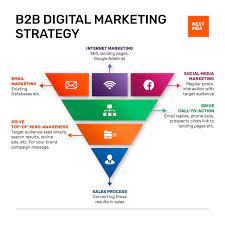
The Key Elements of a Successful B2B Digital Marketing Strategy:

  1. Targeted Content: Creating high-quality, relevant content that addresses the pain points and challenges of your target audience is crucial in B2B marketing. This can include blog posts, whitepapers, case studies, and more.
  2. SEO and SEM: Optimising your website for search engines (SEO) and using search engine marketing (SEM) tactics such as pay-per-click advertising can help increase your visibility online and drive targeted traffic to your site.
  3. Social Media Marketing: Utilising social media platforms like LinkedIn, Twitter, and Facebook to share content, engage with prospects, and build relationships with key stakeholders in the industry.
  4. Email Marketing: Sending targeted email campaigns to nurture leads, provide valuable information, and keep your audience engaged with your brand over time.
  5. Data Analysis: Monitoring key performance indicators (KPIs) such as website traffic, conversion rates, lead generation metrics, and more to track the effectiveness of your digital marketing efforts and make data-driven decisions for future strategies.

The Benefits of a Strong B2B Digital Marketing Strategy

A well-executed B2B digital marketing strategy can offer numerous benefits for businesses looking to grow their customer base and increase revenue. Some key advantages include:

  • Increased Brand Awareness: By establishing a strong online presence through targeted digital marketing efforts, you can enhance brand visibility among potential customers in your industry.
  • Lead Generation: Effective digital marketing tactics such as content marketing and SEO can help attract qualified leads to your website who are more likely to convert into customers.
  • Improved Customer Engagement: Engaging with prospects through social media, email campaigns, and other channels allows you to build relationships with potential clients over time and nurture them through the sales funnel.
  • Metric-Driven Results: Digital marketing provides valuable data insights that allow you to measure the success of your campaigns in real-time and make adjustments as needed to optimise performance.

In conclusion, developing a robust B2B digital marketing strategy is essential for businesses looking to stay competitive in today’s digital landscape. By leveraging the power of online channels effectively, B2B companies can reach their target audience more efficiently, drive lead generation efforts, build lasting relationships with clients, and ultimately achieve their business goals.


Top 5 Benefits of a B2B Digital Marketing Strategy: Boost Visibility, Generate Leads, Engage Customers, Gain Insights, and Save Costs

  1. Increased brand visibility among target B2B audience
  2. Effective lead generation through targeted digital tactics
  3. Enhanced customer engagement and relationship building
  4. Access to valuable data insights for informed decision-making
  5. Cost-effective compared to traditional B2B marketing methods


Challenges in B2B Digital Marketing: Navigating High Competition, Prolonged Sales Cycles, and Resource Demands

  1. High Competition
  2. Longer Sales Cycles
  3. Resource Intensive

Increased brand visibility among target B2B audience

One significant advantage of implementing a B2B digital marketing strategy is the increased brand visibility among the target B2B audience. By strategically leveraging online channels and tailored content, businesses can enhance their presence in front of key decision-makers and industry professionals. This heightened visibility not only helps to establish brand authority and credibility but also increases the likelihood of being top-of-mind when potential clients are seeking solutions within the industry. Ultimately, greater brand visibility among the target B2B audience can lead to enhanced recognition, trust, and engagement, paving the way for meaningful business relationships and opportunities.

Effective lead generation through targeted digital tactics

One of the key advantages of a B2B digital marketing strategy is its ability to drive effective lead generation through targeted digital tactics. By utilising channels such as content marketing, SEO, social media, and email campaigns, businesses can reach their specific target audience with tailored messages that address their needs and pain points. This targeted approach not only attracts qualified leads to the business but also increases the likelihood of converting these leads into valuable customers. Ultimately, effective lead generation through targeted digital tactics allows B2B companies to maximise their marketing efforts and achieve tangible results in terms of acquiring new business opportunities.

Enhanced customer engagement and relationship building

An important advantage of implementing a B2B digital marketing strategy is the ability to enhance customer engagement and build strong relationships with clients. By leveraging various online channels such as social media, email campaigns, and targeted content, businesses can interact with their audience on a more personal level, providing valuable information and addressing their specific needs. This proactive approach not only fosters trust and loyalty but also allows companies to better understand their customers’ preferences and tailor their offerings accordingly, ultimately leading to long-term relationships and repeat business.

Access to valuable data insights for informed decision-making

One significant advantage of implementing a B2B digital marketing strategy is the access to valuable data insights that can guide informed decision-making. By analysing key performance indicators such as website traffic, conversion rates, and lead generation metrics, businesses can gain a deeper understanding of their target audience’s behaviour and preferences. This data-driven approach enables companies to make strategic adjustments to their marketing efforts, optimise campaign performance, and ultimately achieve better results. With actionable insights derived from digital analytics, businesses can make informed decisions that drive growth and success in the competitive B2B landscape.

Cost-effective compared to traditional B2B marketing methods

One significant advantage of a B2B digital marketing strategy is its cost-effectiveness when compared to traditional B2B marketing methods. By leveraging online channels such as social media, email campaigns, and search engine marketing, businesses can reach a larger audience at a fraction of the cost of traditional print or TV advertising. Digital marketing allows for targeted campaigns that focus on specific demographics or industries, reducing wastage and ensuring that marketing budgets are allocated efficiently. This cost-effective approach not only helps businesses save money but also provides a higher return on investment by reaching the right audience with tailored messaging.

High Competition

In the realm of B2B digital marketing, one significant drawback is the intense competition that businesses face. With numerous companies all striving to capture the attention of the same target audience, standing out in a crowded digital landscape can be a daunting task. The high level of competition means that businesses must work even harder to differentiate themselves, craft compelling messaging, and deliver valuable content that resonates with their audience to effectively cut through the noise and make a lasting impact.

Longer Sales Cycles

One significant drawback of B2B digital marketing strategy is the longer sales cycles involved. Unlike in B2C marketing, where transactions can be more immediate, B2B sales cycles tend to be extended and intricate. This means that businesses need to invest a considerable amount of effort and resources into nurturing leads over an extended period to guide them through the complex buying process. The prolonged nature of these sales cycles can pose challenges in terms of maintaining momentum, managing expectations, and ensuring consistent engagement with potential clients throughout the decision-making journey.

Resource Intensive

One significant drawback of implementing a comprehensive B2B digital marketing strategy is its resource-intensive nature. To execute such a strategy effectively, businesses need to allocate substantial time, expertise, and financial resources. This can pose a challenge for some companies, especially smaller businesses or those with limited budgets, as the investment required may be beyond their means. The need for skilled professionals, advanced tools and technologies, and ongoing monitoring and optimisation can make it difficult for some businesses to fully embrace the potential benefits of B2B digital marketing.

social media marketing companies

Unlocking Success: The Impact of Social Media Marketing Companies in Today’s Digital World

The Role of Social Media Marketing Companies in Today’s Digital Landscape

The Role of Social Media Marketing Companies in Today’s Digital Landscape

Social media has become an integral part of modern marketing strategies, allowing businesses to connect with their target audience on a more personal level. As the importance of social media continues to grow, so does the demand for professional expertise in managing and leveraging these platforms effectively. This is where social media marketing companies play a crucial role.

What Do Social Media Marketing Companies Do?

Social media marketing companies specialise in creating and implementing strategies to promote brands and engage with customers on various social media platforms such as Facebook, Instagram, Twitter, and LinkedIn. Their services typically include:

  • Developing customised social media strategies tailored to meet the specific goals of each client.
  • Creating engaging content, including posts, images, and videos, that resonate with the target audience.
  • Managing social media accounts by scheduling posts, responding to comments and messages, and monitoring analytics.
  • Running targeted advertising campaigns to reach a wider audience and drive conversions.
  • Analysing data and performance metrics to measure the effectiveness of campaigns and make data-driven decisions for future strategies.

The Benefits of Hiring a Social Media Marketing Company

There are several benefits to enlisting the services of a social media marketing company:

  • Expertise: Social media marketing companies have the knowledge and experience to navigate the complexities of various platforms and algorithms.
  • Time-Saving: Outsourcing social media management allows businesses to focus on other core activities while professionals handle their online presence.
  • Creativity: Experienced marketers can bring fresh ideas and creative solutions to enhance brand visibility and engagement.
  • Data-Driven Decisions: By analysing performance metrics, social media companies can refine strategies for optimal results.

In conclusion, social media marketing companies play a vital role in helping businesses establish a strong online presence, build brand awareness, and engage with their target audience effectively. By leveraging their expertise and resources, businesses can stay competitive in today’s digital landscape and achieve their marketing goals more efficiently.


Top 10 FAQs About Social Media Marketing Companies

  1. Who are the big 6 digital marketing agencies?
  2. What is the 50/30/20 rule for social media?
  3. Which is the best social media marketing company?
  4. How much is SMMA per month?
  5. What company is the best at social media marketing?
  6. How do I start a social media marketing agency?
  7. What are social media marketing companies?
  8. What social media marketing do?
  9. What is a social media marketing company?
  10. Who are the best social media marketers?

Who are the big 6 digital marketing agencies?

When it comes to the big players in the digital marketing industry, the “Big 6” digital marketing agencies are often referred to as WPP, Omnicom Group, Publicis Groupe, Interpublic Group, Dentsu Inc., and Havas Group. These multinational agencies have a global presence and offer a wide range of services, including social media marketing, advertising, branding, and digital strategy. Their expertise and resources make them key players in shaping the digital landscape and driving innovative marketing campaigns for clients across various industries.

What is the 50/30/20 rule for social media?

The 50/30/20 rule for social media is a widely recognised guideline that suggests how businesses should allocate their time and resources when creating content for social media platforms. According to this rule, 50% of content should be educational or informative, 30% should be engaging or entertaining, and the remaining 20% should directly promote the business or its products/services. By following this rule, companies can maintain a balanced and effective social media presence that provides value to their audience while also promoting their brand in a strategic manner.

Which is the best social media marketing company?

When it comes to determining the best social media marketing company, the answer can vary depending on specific needs and preferences. Factors such as budget, target audience, industry focus, and desired outcomes all play a role in selecting the most suitable agency. It is advisable to research and compare different social media marketing companies based on their track record, client reviews, services offered, and expertise in your industry. Ultimately, the best social media marketing company for one business may not be the ideal choice for another, highlighting the importance of conducting thorough research and seeking recommendations to find a company that aligns with your goals and vision.

How much is SMMA per month?

One of the frequently asked questions regarding social media marketing companies is, “How much does Social Media Marketing Agency (SMMA) cost per month?” The pricing of SMMA services can vary depending on factors such as the scope of services required, the size of the business, and the level of expertise provided by the agency. Typically, SMMA services are offered as monthly retainer packages that can range from a few hundred pounds to several thousand pounds, depending on the complexity and scale of the marketing campaigns. It’s essential for businesses to consider their specific needs and budget constraints when evaluating different SMMA pricing options to ensure they get the best value for their investment in social media marketing.

What company is the best at social media marketing?

The question of which company is the best at social media marketing is a common one in the digital realm. The answer to this question can vary depending on specific needs and goals. Different social media marketing companies have their strengths and areas of expertise, making it essential for businesses to research and evaluate various options based on factors such as industry experience, client testimonials, creative capabilities, and track record of delivering results. Ultimately, the best social media marketing company for one business may not be the same for another, highlighting the importance of finding a provider that aligns closely with individual objectives and values.

How do I start a social media marketing agency?

Starting a social media marketing agency requires careful planning and strategic execution. To begin, aspiring entrepreneurs should conduct thorough market research to identify their target audience and competitors. Building a strong online presence through social media platforms is essential for showcasing expertise in the field. Additionally, acquiring relevant skills such as content creation, analytics, and client management is crucial for delivering high-quality services. Establishing a solid business plan outlining services, pricing, and marketing strategies will help set a clear direction for the agency’s growth. Networking with industry professionals and continuously learning about the latest trends in social media marketing are also key steps towards launching a successful agency in this competitive industry.

What are social media marketing companies?

Social media marketing companies are professional firms that specialise in developing and implementing strategies to promote brands and engage with audiences on various social media platforms. These companies work closely with businesses to create customised social media campaigns tailored to their specific goals. From creating engaging content to managing social media accounts, running targeted advertising campaigns, and analysing performance metrics, social media marketing companies play a crucial role in helping businesses establish a strong online presence and connect with their target audience effectively. Their expertise in navigating the complexities of different platforms and algorithms enables businesses to leverage the power of social media for brand growth and customer engagement.

What social media marketing do?

Social media marketing companies specialise in developing and implementing tailored strategies to promote brands and engage with customers across various social media platforms. Their services encompass creating compelling content, managing social media accounts, running targeted advertising campaigns, and analysing performance metrics to measure the effectiveness of campaigns. By leveraging their expertise in navigating the complexities of different platforms and algorithms, these companies help businesses establish a strong online presence, enhance brand visibility, and drive meaningful interactions with their target audience.

What is a social media marketing company?

A social media marketing company is a professional agency that specialises in creating and implementing strategies to promote brands and engage with customers on various social media platforms. These companies work closely with businesses to develop customised social media campaigns tailored to meet specific goals, whether it’s increasing brand awareness, driving website traffic, or boosting sales. From creating engaging content to managing social media accounts and running targeted advertising campaigns, a social media marketing company plays a crucial role in helping businesses navigate the complexities of the digital landscape and connect with their target audience effectively.

Who are the best social media marketers?

When it comes to identifying the best social media marketers, the answer can vary depending on individual needs and preferences. The best social media marketers are typically those who demonstrate a deep understanding of various platforms, possess strong analytical skills to measure campaign performance, exhibit creativity in content creation, and have a track record of delivering tangible results for their clients. It is advisable to research and compare different social media marketing companies based on their expertise, client testimonials, industry reputation, and portfolio to determine the most suitable partner for your specific goals and requirements.

nike digital marketing strategy

Decoding Nike’s Innovative Digital Marketing Strategy

The Success Story of Nike’s Digital Marketing Strategy

Nike, the global sportswear giant, has long been admired for its innovative and impactful marketing campaigns. In today’s digital age, Nike continues to set the bar high with its cutting-edge digital marketing strategy that resonates with audiences worldwide.

Embracing Technology

Nike has fully embraced technology to connect with consumers in meaningful ways. From interactive websites to engaging mobile apps, Nike leverages digital platforms to create immersive brand experiences. The Nike Training Club app, for example, provides users with personalized workout routines and training tips, reinforcing the brand’s commitment to fitness and well-being.

Social Media Savvy

With millions of followers across various social media channels, Nike excels at leveraging social media to engage with its audience. The brand’s presence on platforms like Instagram, Twitter, and Facebook allows it to share inspiring stories, showcase new products, and interact with fans in real time. By fostering a sense of community and belonging, Nike builds strong relationships with its customers through social media.

Content is King

Nike understands the power of compelling content in capturing consumer attention. Through captivating videos, inspiring imagery, and thought-provoking storytelling, Nike creates content that not only promotes its products but also resonates with its audience on a deeper level. Whether it’s featuring top athletes or highlighting social causes, Nike’s content reflects its values and connects with consumers on an emotional level.

Data-Driven Decision Making

Nike harnesses the power of data to make informed marketing decisions. By analysing consumer behaviour and preferences, Nike can tailor its digital marketing efforts to reach the right audience at the right time. This data-driven approach allows Nike to optimise its campaigns for maximum impact and ROI.

Looking Ahead

As technology continues to evolve rapidly, Nike remains at the forefront of digital innovation in the marketing space. By staying agile, creative, and customer-focused, Nike ensures that its digital marketing strategy remains relevant and effective in an ever-changing landscape.

In conclusion, Nike’s digital marketing strategy serves as a prime example of how a brand can leverage technology and creativity to connect with consumers on a global scale. Through innovative campaigns, engaging content, and data-driven insights, Nike continues to inspire and empower athletes around the world.


8 Strategic Tips for Enhancing Nike’s Digital Marketing Success

  1. Leverage social media platforms to engage with customers and build brand loyalty.
  2. Create interactive and engaging content to attract and retain online audiences.
  3. Utilize influencer partnerships to reach a wider audience and increase brand visibility.
  4. Implement targeted advertising campaigns to drive traffic to the website and increase sales.
  5. Optimize the website for mobile devices to enhance user experience and accessibility.
  6. Personalize marketing messages based on customer preferences and behaviour for better engagement.
  7. Use data analytics to track performance metrics and make informed decisions for future campaigns.
  8. Offer exclusive online promotions or discounts to encourage online purchases.

Leverage social media platforms to engage with customers and build brand loyalty.

Nike’s digital marketing strategy excels in leveraging social media platforms to engage with customers and foster brand loyalty. By actively interacting with their audience on platforms like Instagram, Twitter, and Facebook, Nike creates a sense of community and connection that goes beyond just promoting products. Through engaging content, real-time responses, and behind-the-scenes glimpses, Nike builds strong relationships with its customers, ultimately strengthening brand loyalty and establishing itself as a trusted and relatable presence in the digital space.

Create interactive and engaging content to attract and retain online audiences.

To enhance its digital marketing strategy, Nike focuses on creating interactive and engaging content that captivates online audiences. By developing immersive experiences and compelling storytelling, Nike not only attracts new customers but also retains their interest over time. Through interactive elements such as quizzes, virtual try-ons, and behind-the-scenes footage, Nike successfully connects with consumers on a deeper level, fostering brand loyalty and driving engagement across its digital platforms. This emphasis on interactive content plays a pivotal role in strengthening Nike’s online presence and building lasting relationships with its audience.

Utilize influencer partnerships to reach a wider audience and increase brand visibility.

Nike’s digital marketing strategy includes leveraging influencer partnerships to extend its reach and enhance brand visibility. By collaborating with influencers who resonate with their target audience, Nike can tap into new markets and connect with consumers in a more authentic and engaging way. These partnerships not only help Nike reach a wider audience but also allow the brand to leverage the credibility and influence of these individuals to strengthen its connection with consumers. Through strategic influencer collaborations, Nike is able to amplify its message and solidify its position as a leader in the sportswear industry.

Implement targeted advertising campaigns to drive traffic to the website and increase sales.

By implementing targeted advertising campaigns as part of its digital marketing strategy, Nike strategically directs its messaging to specific audience segments, driving traffic to its website and ultimately boosting sales. By leveraging data analytics and consumer insights, Nike can tailor its advertisements to reach the right audience with the right message at the right time. This approach not only increases brand visibility but also enhances the overall effectiveness of Nike’s marketing efforts, resulting in a higher return on investment and a more engaging online experience for consumers.

Optimize the website for mobile devices to enhance user experience and accessibility.

To enhance user experience and accessibility, Nike’s digital marketing strategy includes optimising their website for mobile devices. By ensuring that the website is responsive and user-friendly on smartphones and tablets, Nike makes it easier for customers to browse products, access information, and make purchases on the go. This mobile optimisation not only improves the overall user experience but also reflects Nike’s commitment to meeting the evolving needs of consumers in today’s mobile-centric world.

Personalize marketing messages based on customer preferences and behaviour for better engagement.

In the realm of Nike’s digital marketing strategy, a key tip for enhancing customer engagement is to personalise marketing messages according to individual preferences and behaviours. By tailoring content to align with the specific interests and actions of customers, Nike can create more meaningful connections with its audience. This personalised approach not only fosters a sense of relevance and value but also demonstrates a deeper understanding of each customer’s needs and desires, ultimately leading to higher levels of engagement and brand loyalty.

Use data analytics to track performance metrics and make informed decisions for future campaigns.

Utilising data analytics is a key component of Nike’s digital marketing strategy, enabling the brand to track performance metrics and derive valuable insights for enhancing future campaigns. By analysing data on consumer engagement, website traffic, social media interactions, and other relevant metrics, Nike can make informed decisions that drive the success of its digital marketing initiatives. This data-driven approach allows Nike to continuously refine its strategies, target the right audience effectively, and optimise campaign performance for maximum impact and return on investment.

Offer exclusive online promotions or discounts to encourage online purchases.

To enhance its digital marketing strategy, Nike can offer exclusive online promotions or discounts to incentivise online purchases. By providing special deals that are only available through their digital channels, Nike can encourage customers to make purchases online, driving traffic to their website and boosting online sales. These exclusive promotions not only create a sense of urgency and exclusivity but also reward loyal customers for engaging with the brand digitally. Nike’s ability to leverage online promotions effectively can help solidify its position as a leader in the digital marketing space while providing added value to its customer base.

content for digital marketing agency

Crafting Compelling Content for Your Digital Marketing Agency

Content for Digital Marketing Agency

The Importance of Quality Content for Your Digital Marketing Agency

In the fast-paced world of digital marketing, content is king. Whether it’s engaging blog posts, captivating social media updates, or informative videos, high-quality content plays a crucial role in attracting and retaining customers for your agency.

Building Trust and Credibility

Well-crafted content helps establish your agency as an authority in your industry. By providing valuable insights, useful information, and expert opinions through your content, you can build trust with your audience and enhance your credibility.

Driving Traffic and Conversions

Compelling content is key to driving traffic to your website and converting visitors into leads or customers. By creating SEO-friendly content that resonates with your target audience, you can improve your search engine rankings and attract more qualified leads to your agency.

Engaging Your Audience

Content that is relevant, timely, and engaging can help you connect with your audience on a deeper level. Whether it’s through storytelling, interactive infographics, or live streaming events, creative content can capture the attention of your audience and keep them coming back for more.

Measuring Success

One of the great advantages of digital marketing is the ability to measure the performance of your content in real-time. By tracking metrics such as website traffic, engagement rates, conversion rates, and social shares, you can gain valuable insights into what types of content resonate best with your audience and adjust your strategy accordingly.

Conclusion

In conclusion, quality content is the foundation of a successful digital marketing strategy for any agency. By investing time and resources into creating valuable and engaging content that resonates with your target audience, you can drive traffic to your website, build trust with your customers, and ultimately achieve your business goals.


Essential FAQs About Content Strategies for Digital Marketing Agencies

  1. What are the contents in digital marketing?
  2. What content should I post for digital marketing agency?
  3. What is digital marketing content?
  4. How do you write content for digital marketing?
  5. How do I advertise my digital marketing agency?
  6. What is the best content for digital marketing?
  7. Do digital marketing agencies create content?
  8. How do I promote my digital marketing agency?

What are the contents in digital marketing?

In the realm of digital marketing, the term “content” encompasses a wide array of materials and formats that are strategically created and distributed to engage target audiences online. These contents may include blog posts, social media updates, videos, infographics, podcasts, email newsletters, whitepapers, case studies, webinars, and more. Each type of content serves a specific purpose in conveying information, building brand awareness, driving traffic, generating leads, and ultimately converting prospects into loyal customers. The diversity and versatility of content in digital marketing allow agencies to tailor their strategies to meet the unique needs and preferences of their audience across various digital platforms.

What content should I post for digital marketing agency?

When considering what content to post for your digital marketing agency, it is essential to focus on creating a diverse range of engaging and informative materials that resonate with your target audience. This can include blog posts that showcase your industry expertise, social media updates that highlight your agency’s latest projects and achievements, videos that provide valuable insights or tutorials, and interactive content such as quizzes or infographics. By tailoring your content to address the needs and interests of your audience while staying true to your brand voice and values, you can effectively build credibility, drive traffic, and engage with potential customers in meaningful ways.

What is digital marketing content?

Digital marketing content refers to the various forms of online material created and shared by a digital marketing agency to attract, engage, and convert target audiences. This content can take many forms, including blog posts, social media updates, videos, infographics, whitepapers, and more. The primary goal of digital marketing content is to provide valuable information, entertain or educate the audience, drive traffic to the agency’s website, and ultimately generate leads or sales. By crafting compelling and relevant content tailored to the needs and interests of their target audience, digital marketing agencies can effectively communicate their brand message and build lasting relationships with customers in the digital realm.

How do you write content for digital marketing?

When it comes to writing content for digital marketing, the key is to understand your target audience and tailor your message to resonate with them. Start by conducting thorough research to identify your audience’s preferences, interests, and pain points. Craft compelling and informative content that addresses these needs while incorporating relevant keywords for search engine optimisation (SEO). Utilise a mix of formats such as blog posts, social media updates, videos, and infographics to engage your audience across different channels. Consistency in tone, style, and messaging is essential for building brand identity and trust. Regularly monitor the performance of your content using analytics tools to refine your strategy and ensure it aligns with your marketing goals.

How do I advertise my digital marketing agency?

Advertising your digital marketing agency requires a strategic approach to reach your target audience effectively. Utilise a mix of online advertising channels such as Google Ads, social media platforms, and email marketing to promote your services. Tailor your messaging to showcase your unique value proposition and highlight successful case studies to build credibility. Networking at industry events, collaborating with influencers, and leveraging search engine optimisation techniques can also help increase visibility for your agency. Consistent branding across all channels and a customer-centric approach will set you apart in the competitive digital marketing landscape.

What is the best content for digital marketing?

When it comes to digital marketing, the question of what constitutes the best content is a common one. The answer lies in creating content that is not only relevant and engaging but also tailored to meet the specific needs and preferences of your target audience. From informative blog posts and captivating social media updates to interactive videos and visually appealing infographics, the best content for digital marketing is that which resonates with your audience, drives traffic to your website, and ultimately converts leads into loyal customers. By focusing on quality, relevance, and creativity in your content creation efforts, you can effectively enhance your online presence and achieve success in the competitive digital landscape.

Do digital marketing agencies create content?

Yes, digital marketing agencies often create content as part of their services. Content creation is a fundamental aspect of digital marketing strategies, and agencies play a crucial role in developing various types of content to help businesses achieve their marketing goals. From blog posts and social media updates to videos and infographics, digital marketing agencies leverage content to engage audiences, drive traffic, and enhance brand visibility online. By crafting compelling and relevant content tailored to the client’s target audience, digital marketing agencies can effectively communicate the brand message and attract potential customers in the competitive digital landscape.

How do I promote my digital marketing agency?

Promoting your digital marketing agency involves a strategic approach to showcase your expertise and attract potential clients. Utilising a mix of online marketing tactics such as search engine optimisation (SEO), social media marketing, content marketing, email campaigns, and paid advertising can help increase visibility and generate leads for your agency. Building a strong online presence through a professional website, engaging social media profiles, and valuable content that demonstrates your skills and knowledge in the industry is essential. Networking with other professionals, attending industry events, and seeking partnerships can also help broaden your reach and establish credibility in the competitive digital marketing landscape.

content marketing agency

Unlocking Success: The Role of a Content Marketing Agency in Your Digital Strategy

The Power of Content Marketing Agencies

The Power of Content Marketing Agencies

In today’s digital age, content is king. Businesses around the world are recognising the importance of creating high-quality, engaging content to attract and retain customers. This is where content marketing agencies come into play.

A content marketing agency is a specialised firm that focuses on creating and distributing valuable, relevant, and consistent content to attract a targeted audience. These agencies work closely with businesses to develop tailored content strategies that align with their goals and objectives.

One of the key advantages of partnering with a content marketing agency is their expertise in producing compelling content that resonates with the target audience. From blog posts and social media updates to videos and infographics, these agencies have the skills and resources to create a wide range of content types that drive engagement and build brand awareness.

Furthermore, content marketing agencies have a deep understanding of SEO (Search Engine Optimisation) best practices, helping businesses improve their online visibility and reach a larger audience. By incorporating relevant keywords and optimising content for search engines, these agencies can enhance a company’s online presence and drive organic traffic to their website.

Another benefit of working with a content marketing agency is their ability to track and measure the performance of your content initiatives. Through analytics tools and data analysis, these agencies can provide valuable insights into how your content is performing, allowing you to make informed decisions and refine your strategy for optimal results.

Overall, the role of a content marketing agency is invaluable in helping businesses create meaningful connections with their target audience through strategic, data-driven content initiatives. By leveraging the expertise and resources of these agencies, businesses can elevate their brand presence, drive customer engagement, and ultimately achieve their marketing objectives in today’s competitive digital landscape.


Top 8 FAQs About Content Marketing Agencies: Starting, Hiring, and Succeeding

  1. How do I start a content agency?
  2. What should I look for in a content marketing agency?
  3. Why should I hire a content marketing agency?
  4. How do I start a content marketing agency?
  5. How do content agencies get clients?
  6. What are the 4 main categories of content marketing?
  7. What companies are good at content marketing?
  8. What does a content marketing agency do?

How do I start a content agency?

Starting a content agency requires careful planning and strategic execution. To begin, it is essential to define your niche and target audience to differentiate your agency in the competitive market. Conduct thorough market research to understand industry trends and identify potential clients. Next, establish a strong brand identity and develop a portfolio showcasing your expertise in content creation, strategy, and marketing. Building a talented team of writers, designers, and marketers is crucial for delivering high-quality services to clients. Additionally, invest in technology and tools that streamline content production and analytics. Networking with industry professionals and actively promoting your agency through digital channels will help attract clients and grow your business effectively.

What should I look for in a content marketing agency?

When considering a content marketing agency, it is essential to look for certain key factors to ensure you are partnering with the right team for your business needs. Firstly, expertise and experience in creating engaging and relevant content across various platforms are crucial. A reputable agency should have a proven track record of delivering successful content strategies that align with your brand’s goals. Additionally, consider their knowledge of SEO best practices and their ability to measure and analyse the performance of your content. Transparency, communication, and a collaborative approach are also vital aspects to look for in a content marketing agency, as they will help foster a strong working relationship and drive effective results for your business.

Why should I hire a content marketing agency?

When considering why to hire a content marketing agency, it’s important to recognise the specialised expertise and resources they bring to the table. Content marketing agencies have a deep understanding of creating and distributing engaging content that resonates with your target audience. By partnering with a content marketing agency, you can benefit from their strategic approach to content creation, tailored to your specific goals and objectives. These agencies also possess the necessary skills in SEO best practices, enabling your business to improve online visibility and drive organic traffic. Ultimately, hiring a content marketing agency allows you to leverage their knowledge and experience to enhance your brand presence, engage customers effectively, and achieve tangible results in the competitive digital landscape.

How do I start a content marketing agency?

Starting a content marketing agency requires careful planning and strategic thinking. To begin, it is essential to define your niche and target market, identifying the specific industries or businesses you aim to serve with your content services. Next, focus on building a strong portfolio showcasing your expertise in content creation, strategy development, and digital marketing. Establishing a network of industry contacts and potential clients can also help kickstart your agency’s growth. Additionally, investing in the right tools and technologies to streamline content production and distribution processes is crucial for delivering high-quality results to your clients. Finally, staying updated on industry trends and continuously honing your skills will ensure your content marketing agency remains competitive and successful in the long run.

How do content agencies get clients?

Content marketing agencies employ various strategies to acquire clients and build lasting relationships. Firstly, many agencies leverage their online presence by showcasing their expertise through informative blogs, case studies, and social media content. This helps attract potential clients who are seeking solutions to their content marketing needs. Additionally, content agencies often engage in networking events, industry conferences, and partnerships with other businesses to expand their reach and connect with potential clients. Referrals from satisfied customers also play a significant role in bringing in new business for content agencies. By demonstrating their capabilities, delivering results, and fostering trust with clients, content agencies can effectively acquire clients and establish themselves as trusted partners in the ever-evolving world of digital marketing.

What are the 4 main categories of content marketing?

Content marketing encompasses a diverse range of strategies and approaches, with the 4 main categories being: written content, visual content, video content, and interactive content. Written content includes articles, blog posts, and whitepapers that aim to inform and educate audiences. Visual content such as infographics and images captivates viewers with compelling visuals. Video content is increasingly popular for its ability to engage and entertain audiences effectively. Interactive content like quizzes and surveys encourages active participation from users, enhancing their overall experience. Each category plays a unique role in a comprehensive content marketing strategy, catering to different audience preferences and driving engagement across various digital platforms.

What companies are good at content marketing?

When it comes to companies excelling in content marketing, several industry leaders stand out for their innovative and effective strategies. Brands like Red Bull, Coca-Cola, and HubSpot are often praised for their exceptional content marketing efforts. Red Bull, known for its high-energy brand image, has successfully leveraged content to engage its audience through extreme sports events and adrenaline-fueled storytelling. Coca-Cola’s “Content 2020” strategy focuses on creating liquid content that resonates with consumers on a personal level, fostering emotional connections with the brand. HubSpot, a pioneer in inbound marketing, provides valuable resources and educational content to help businesses succeed in the digital realm. These companies serve as prime examples of how strategic content marketing can drive brand awareness, customer loyalty, and business growth.

What does a content marketing agency do?

A content marketing agency specialises in creating and distributing valuable, relevant, and consistent content to attract and engage a targeted audience on behalf of businesses. These agencies work closely with clients to develop customised content strategies that align with their marketing goals. From crafting compelling blog posts and social media updates to producing engaging videos and infographics, content marketing agencies utilise their expertise to enhance brand visibility, drive customer engagement, and ultimately help businesses achieve their marketing objectives in the digital landscape.

Exploring the Best Digital Campaigns: Examples of Industry Excellence

Best Digital Campaigns

The Power of Digital Campaigns: Examples of the Best in the Industry

In today’s digital age, a successful marketing campaign can make all the difference for a brand looking to stand out in a crowded marketplace. Digital campaigns have the power to engage audiences, drive brand awareness, and ultimately lead to increased sales and customer loyalty. Let’s explore some of the best digital campaigns that have captured our attention:

Nike’s “Dream Crazy” Campaign

Nike’s “Dream Crazy” campaign featuring Colin Kaepernick sparked conversations worldwide. The powerful message of believing in your dreams and standing up for what you believe in resonated with audiences across different demographics. This campaign not only showcased Nike’s commitment to social issues but also generated significant buzz and engagement on social media.

Coca-Cola’s “Share a Coke” Campaign

Coca-Cola’s “Share a Coke” campaign took personalisation to a new level by replacing its logo with popular names on their bottles and cans. This simple yet effective idea encouraged consumers to share a Coke with friends and family, leading to increased brand loyalty and sales. The campaign was widely praised for its creativity and ability to connect with consumers on a personal level.

Airbnb’s #WeAccept Campaign

Airbnb’s #WeAccept campaign was launched in response to the global refugee crisis, promoting acceptance and inclusivity. The company aired a powerful Super Bowl ad highlighting the importance of diversity and unity, which struck a chord with audiences worldwide. This campaign showcased Airbnb as a socially responsible brand that values diversity and equality.

Old Spice’s “The Man Your Man Could Smell Like” Campaign

Old Spice’s iconic “The Man Your Man Could Smell Like” campaign revolutionised how brands engage with consumers online. The humorous commercials featuring Isaiah Mustafa quickly went viral, creating a cult following for the brand among younger audiences. This campaign demonstrated the importance of creativity and humour in capturing audience attention in the digital space.

These examples highlight the impact that well-executed digital campaigns can have on brand perception and consumer engagement. By leveraging creativity, storytelling, and technology, brands can create memorable experiences that resonate with their target audience and drive business results.


Top 5 Tips for Crafting Successful Digital Campaigns

  1. Define clear objectives and goals for your digital campaign.
  2. Understand your target audience to create relevant and engaging content.
  3. Utilize multiple digital channels to reach a wider audience.
  4. Monitor and analyse campaign performance to make data-driven decisions for optimization.
  5. Continuously test and iterate on different elements of your campaign for improvement.

Define clear objectives and goals for your digital campaign.

To run a successful digital campaign, it is crucial to define clear objectives and goals from the outset. By establishing specific targets such as increasing brand awareness, driving website traffic, or generating leads, you can create a focused strategy that aligns with your overall marketing objectives. Clear objectives not only provide direction for your campaign but also enable you to measure its success effectively. Whether aiming to boost engagement on social media or drive conversions on your website, setting clear goals ensures that your digital campaign remains purposeful and results-driven.

Understand your target audience to create relevant and engaging content.

To create successful digital campaigns, it is crucial to understand your target audience thoroughly. By gaining insights into their preferences, behaviours, and needs, you can tailor your content to resonate with them effectively. Crafting relevant and engaging content that speaks directly to your audience’s interests and challenges is key to capturing their attention and driving meaningful interactions. By prioritising audience understanding in your campaign strategy, you can build stronger connections with your target demographic and increase the likelihood of achieving your marketing goals.

Utilize multiple digital channels to reach a wider audience.

To create successful digital campaigns, it is essential to utilise multiple digital channels effectively in order to reach a wider audience. By diversifying your approach and leveraging various online platforms such as social media, email marketing, search engine optimisation, and display advertising, you can maximise your campaign’s visibility and engagement. This multi-channel strategy allows you to connect with audiences across different touchpoints, increasing the likelihood of reaching and resonating with a broader range of potential customers.

Monitor and analyse campaign performance to make data-driven decisions for optimization.

Monitoring and analysing campaign performance is crucial in the realm of digital marketing. By tracking key metrics and interpreting data insights, businesses can make informed decisions to optimise their campaigns for maximum effectiveness. Data-driven strategies allow for a deeper understanding of audience behaviour, enabling marketers to refine targeting, messaging, and overall campaign execution. This iterative process of measurement and adjustment based on real-time data not only improves ROI but also ensures that digital campaigns remain relevant and impactful in today’s dynamic online landscape.

Continuously test and iterate on different elements of your campaign for improvement.

In the realm of best digital campaigns, a crucial tip for success is to continuously test and iterate on various elements of your campaign to drive improvement. By engaging in ongoing testing and refinement, you can gather valuable insights into what resonates most with your audience and refine your strategies accordingly. This iterative approach allows you to adapt to changing trends, preferences, and market dynamics, ultimately enhancing the effectiveness and impact of your digital campaigns.