
airbnb digital marketing

Unlocking Success: The Impact of Airbnb’s Digital Marketing Strategies

Airbnb Digital Marketing

The Power of Airbnb’s Digital Marketing Strategies

In the competitive world of hospitality and travel, Airbnb has emerged as a major player, revolutionising the way people book accommodations worldwide. Central to Airbnb’s success is its strategic and innovative approach to digital marketing.

Personalised User Experience

Airbnb leverages data analytics and user behaviour insights to provide a personalised experience for its users. By recommending listings based on past searches and preferences, Airbnb enhances user engagement and encourages repeat bookings.

Compelling Visual Content

Visual storytelling plays a crucial role in Airbnb’s digital marketing strategy. High-quality images and videos showcase properties in an appealing light, helping users envision their stay and making the booking process more enticing.

Social Media Engagement

Airbnb actively engages with its audience on social media platforms, sharing user-generated content, travel tips, and behind-the-scenes stories. By fostering a sense of community and authenticity, Airbnb strengthens its brand presence and connects with users on a personal level.

SEO Optimisation

Airbnb invests in search engine optimisation (SEO) to ensure its platform ranks high in search results. By optimising keywords, metadata, and content across its website, Airbnb attracts organic traffic and increases visibility among potential guests.

Influencer Partnerships

Collaborating with influencers and travel bloggers allows Airbnb to reach new audiences and tap into niche markets. Influencers share their experiences staying at Airbnb properties, generating buzz and driving interest in unique accommodations offered on the platform.

Conclusion

Airbnb’s digital marketing strategies exemplify creativity, data-driven decision-making, and a commitment to enhancing the user experience. By leveraging technology and engaging with customers across various digital channels, Airbnb continues to lead the way in redefining the hospitality industry.


Exploring Airbnb’s Digital Marketing Strategies: Insights into Data Analytics, Visual Content, and Social Media Engagement

  1. 1. How does Airbnb use data analytics in its digital marketing strategies?
  2. 2. What role does visual content play in Airbnb’s digital marketing approach?
  3. 3. How does Airbnb engage with users on social media platforms?
  4. 4. What SEO techniques does Airbnb employ to enhance its online visibility?
  5. 5. How does Airbnb collaborate with influencers in its marketing efforts?
  6. 6. What are some examples of successful user-generated content campaigns by Airbnb?
  7. 7. How has Airbnb’s digital marketing strategy contributed to its success in the hospitality industry?

1. How does Airbnb use data analytics in its digital marketing strategies?

Airbnb harnesses the power of data analytics in its digital marketing strategies to enhance user engagement and personalisation. By analysing user behaviour, preferences, and search patterns, Airbnb gains valuable insights that inform targeted marketing campaigns and recommendations. This data-driven approach allows Airbnb to tailor its messaging, content, and promotions to individual users, creating a more personalised and relevant experience. Through continuous analysis and optimisation of data, Airbnb optimises its digital marketing efforts to drive user acquisition, retention, and overall business growth.

2. What role does visual content play in Airbnb’s digital marketing approach?

Visual content plays a pivotal role in Airbnb’s digital marketing approach, serving as a powerful tool to captivate and engage users. By showcasing high-quality images and videos of properties, Airbnb creates an immersive experience that allows potential guests to visualise their stay and make informed booking decisions. The visually appealing content not only highlights the unique features of each listing but also evokes emotions and inspires wanderlust, ultimately driving user engagement and increasing conversion rates. In essence, visual storytelling is integral to Airbnb’s strategy, enabling the platform to communicate its brand identity effectively and differentiate itself in the competitive travel industry.

3. How does Airbnb engage with users on social media platforms?

Airbnb excels in engaging with users on social media platforms by adopting a strategic and interactive approach. Through its active presence on platforms such as Instagram, Facebook, and Twitter, Airbnb shares captivating user-generated content, travel tips, and behind-the-scenes stories that resonate with its audience. By fostering a sense of community and authenticity, Airbnb encourages users to participate in conversations, share their experiences, and connect with the brand on a personal level. This engagement not only strengthens Airbnb’s brand presence but also builds trust and loyalty among its followers, ultimately enhancing the overall user experience across social media channels.

4. What SEO techniques does Airbnb employ to enhance its online visibility?

Airbnb employs a range of SEO techniques to enhance its online visibility and ensure prominent placement in search engine results. One key strategy is the optimisation of relevant keywords across its website, including property descriptions, location details, and user-generated content. Additionally, Airbnb focuses on creating high-quality and engaging content that resonates with both users and search engine algorithms. By implementing best practices in on-page SEO, such as meta tags, headers, and internal linking, Airbnb enhances its organic search performance and attracts a wider audience of potential guests seeking unique accommodations around the world.

5. How does Airbnb collaborate with influencers in its marketing efforts?

Airbnb strategically collaborates with influencers as part of its marketing efforts to reach new audiences and enhance brand visibility. By partnering with influencers who resonate with their target demographic, Airbnb leverages the influencers’ credibility and reach to promote unique accommodations and travel experiences offered on the platform. Influencers share authentic content showcasing their stays at Airbnb properties, highlighting the value and appeal of booking through Airbnb. These partnerships not only drive engagement and interest among followers but also contribute to building a community around shared travel experiences, ultimately strengthening Airbnb’s position in the competitive hospitality market.

6. What are some examples of successful user-generated content campaigns by Airbnb?

Airbnb has successfully implemented several user-generated content campaigns that have resonated with its audience and showcased the unique experiences offered by its hosts. One notable example is the “Airbnb Experiences” campaign, where users share their memorable moments and adventures while staying at Airbnb properties. This campaign not only highlights the diverse range of activities available to guests but also fosters a sense of community and authenticity. Another successful user-generated content initiative by Airbnb is the “Night At” series, where lucky guests have the opportunity to stay in unusual accommodations like underwater bedrooms or floating houses, creating buzz and generating excitement among both participants and onlookers. These campaigns demonstrate Airbnb’s ability to harness user-generated content effectively to promote its brand and engage with its global audience.

7. How has Airbnb’s digital marketing strategy contributed to its success in the hospitality industry?

Airbnb’s digital marketing strategy has been instrumental in propelling the company to success within the hospitality industry. By harnessing the power of data analytics, personalised user experiences, compelling visual content, social media engagement, SEO optimisation, and influencer partnerships, Airbnb has effectively differentiated itself and captured the attention of a global audience. These strategic initiatives have not only increased brand visibility and user engagement but also fostered a sense of community and trust among users. Ultimately, Airbnb’s innovative approach to digital marketing has played a pivotal role in establishing its position as a market leader and reshaping the way people book accommodations worldwide.

innovative strategies

Unlocking Success: Harnessing the Power of Innovative Strategies

The Power of Innovative Strategies in Today’s Business Landscape

The Power of Innovative Strategies in Today’s Business Landscape

Innovation has always been a driving force behind the success of businesses across industries. In today’s fast-paced and competitive business landscape, the need for innovative strategies has never been more crucial. Companies that embrace innovation and adapt to changing trends are better positioned to thrive and stay ahead of the curve.

What Are Innovative Strategies?

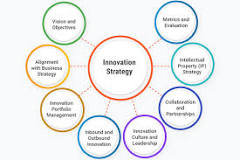
Innovative strategies involve thinking outside the box, challenging traditional norms, and exploring new ways to solve problems and meet objectives. These strategies can encompass a wide range of areas, including product development, marketing, customer engagement, operational efficiency, and more.

The Benefits of Innovative Strategies

Implementing innovative strategies offers numerous benefits to businesses:

  • Competitive Advantage: By introducing unique products or services or adopting cutting-edge technologies, companies can differentiate themselves from competitors.
  • Growth Opportunities: Innovation opens up new avenues for growth, allowing businesses to tap into new markets or expand their offerings.
  • Enhanced Customer Experience: Innovative strategies can lead to improved customer satisfaction by delivering solutions that address evolving needs and preferences.
  • Operational Efficiency: Streamlining processes through innovation can boost efficiency and reduce costs, leading to higher profitability.

Examples of Successful Innovative Strategies

Many well-known companies have achieved success through innovative strategies. For instance:

  • Apple: Apple revolutionised the tech industry with its innovative products like the iPhone and iPad, setting new standards for design and functionality.
  • Tesla: Tesla disrupted the automotive industry by pioneering electric vehicles and autonomous driving technology.
  • Airbnb: Airbnb transformed the hospitality sector by offering a unique platform for travellers to book accommodation in homes around the world.

Cultivating a Culture of Innovation

To truly harness the power of innovative strategies, businesses must foster a culture that encourages creativity, experimentation, and continuous improvement. This involves:

  • Empowering Employees: Encouraging employees to share ideas and take calculated risks fosters a culture of innovation.
  • Dedicated Resources: Allocating resources towards research and development allows companies to explore new opportunities for growth.
  • Cross-Functional Collaboration: Bringing together diverse teams with varied expertise can lead to fresh perspectives and breakthrough innovations.

In Conclusion

Innovation is not just a buzzword; it is a strategic imperative for businesses looking to thrive in today’s dynamic environment. By embracing innovative strategies and cultivating a culture that values creativity and forward thinking, companies can position themselves for long-term success and sustainable growth.


Six Innovative Strategies to Foster Creativity and Drive Success

  1. Encourage a culture of creativity and experimentation within your team.
  2. Stay updated on the latest industry trends and technologies to inspire innovation.
  3. Collaborate with other departments or external partners to gain fresh perspectives.
  4. Allocate dedicated time and resources for brainstorming and idea generation.
  5. Embrace failure as a learning opportunity to refine your innovative strategies.
  6. Regularly review and adapt your strategies based on feedback and results.

Encourage a culture of creativity and experimentation within your team.

Encouraging a culture of creativity and experimentation within your team is a fundamental tip when implementing innovative strategies. By fostering an environment where team members feel empowered to think outside the box, share new ideas, and experiment with different approaches, you can unlock the full potential of your workforce. Embracing creativity and encouraging experimentation not only leads to fresh perspectives and innovative solutions but also cultivates a sense of ownership and engagement among team members, ultimately driving success in today’s rapidly evolving business landscape.

To foster innovation within your business, it is essential to stay abreast of the latest industry trends and emerging technologies. By keeping a pulse on the ever-evolving landscape of your sector, you can draw inspiration and insights that fuel creative thinking and drive innovative strategies. Embracing new ideas and advancements in technology not only positions your business at the forefront of industry developments but also opens doors to fresh opportunities for growth and success.

Collaborate with other departments or external partners to gain fresh perspectives.

Collaborating with other departments or external partners is a valuable tip when it comes to implementing innovative strategies. By working together with diverse teams or external experts, businesses can gain fresh perspectives, tap into new ideas, and leverage different skill sets to drive innovation. This collaborative approach not only fosters creativity but also encourages cross-pollination of ideas, leading to more effective and impactful solutions that can propel the business forward in today’s competitive landscape.

Allocate dedicated time and resources for brainstorming and idea generation.

To enhance the effectiveness of innovative strategies, it is essential to allocate dedicated time and resources for brainstorming and idea generation. By setting aside specific periods for creative thinking sessions and providing the necessary support, businesses can foster a culture of innovation where new ideas can flourish. This proactive approach not only encourages team members to think outside the box but also ensures that innovative solutions are consistently developed to address challenges and seize opportunities in today’s competitive business landscape.

Embrace failure as a learning opportunity to refine your innovative strategies.

Embracing failure as a learning opportunity is a crucial tip when it comes to implementing innovative strategies. By viewing setbacks as valuable lessons rather than roadblocks, businesses can refine their approach, identify areas for improvement, and ultimately enhance the effectiveness of their innovative initiatives. Failure provides insights that can lead to creative solutions and strategic adjustments, enabling companies to iterate and evolve towards greater success in their pursuit of innovation.

Regularly review and adapt your strategies based on feedback and results.

Regularly reviewing and adapting your strategies based on feedback and results is a fundamental aspect of implementing innovative strategies in business. By staying responsive to feedback from customers, stakeholders, and performance metrics, organisations can identify areas for improvement, seize new opportunities, and stay aligned with their goals. This iterative approach not only fosters continuous innovation but also ensures that strategies remain dynamic and effective in an ever-evolving business landscape.