hotel online marketing

Unlocking Success: The Power of Hotel Online Marketing Strategies

Hotel Online Marketing

The Power of Hotel Online Marketing

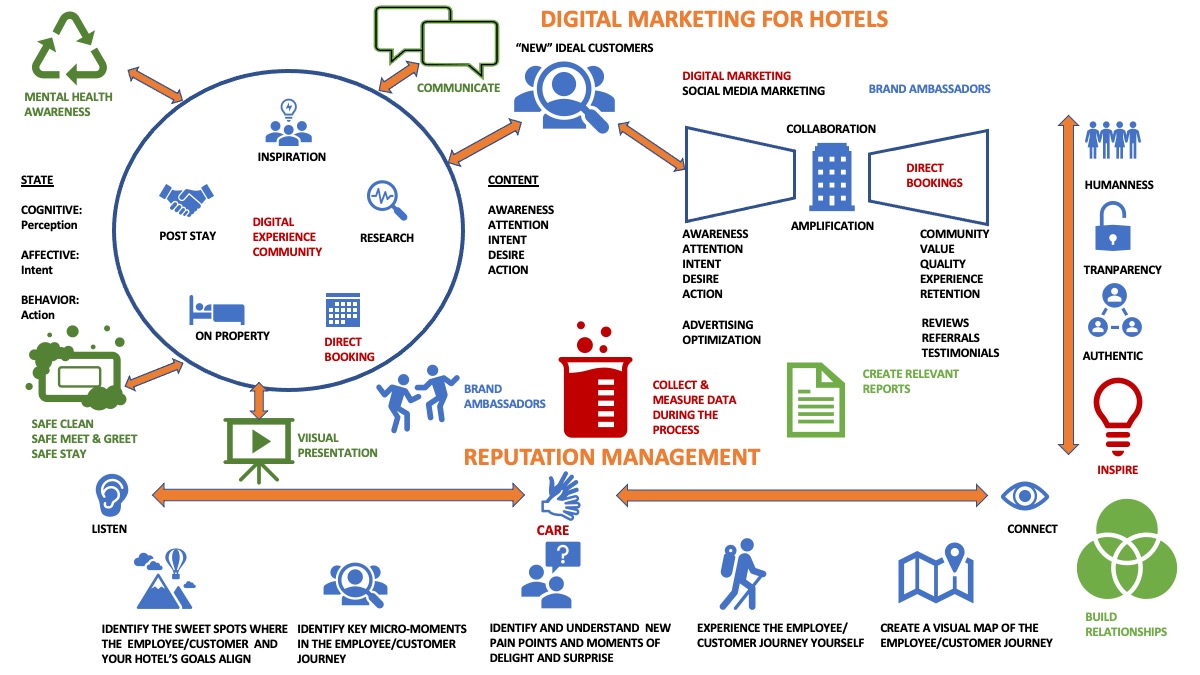
In today’s digital age, online marketing has become essential for hotels to attract guests and maximise bookings. With the vast array of online platforms and tools available, hoteliers have the opportunity to reach a global audience and showcase their unique offerings.

Benefits of Hotel Online Marketing:

  • Increased Visibility: By utilising search engine optimisation (SEO) techniques and targeted online advertising, hotels can improve their visibility on search engines and travel websites, reaching potential guests at the right moment.
  • Enhanced Brand Awareness: Effective online marketing strategies help hotels build brand awareness and establish a strong online presence. Consistent branding across various digital channels can create a lasting impression on travellers.
  • Direct Booking Opportunities: Direct booking campaigns through the hotel’s website or mobile app can reduce dependency on third-party booking platforms and increase revenue by offering exclusive deals and packages to guests.
  • Precise Audience Targeting: With data-driven marketing tools, hotels can target specific demographics, interests, and behaviours of potential guests, ensuring that marketing efforts are directed towards the most relevant audience segments.
  • Engaging Content Creation: Compelling visuals, informative blogs, virtual tours, and user-generated content can captivate travellers’ interest and inspire them to choose a particular hotel for their stay.

Key Strategies for Successful Hotel Online Marketing:

  1. Social Media Engagement: Active presence on social media platforms allows hotels to engage with followers, share updates, promote special offers, and create a sense of community among past and potential guests.
  2. Email Marketing Campaigns: Personalised email campaigns targeting segmented guest lists can drive direct bookings, encourage repeat visits, and enhance customer loyalty through exclusive promotions and personalised recommendations.
  3. User-Friendly Website Design: A visually appealing website with intuitive navigation, mobile responsiveness, secure booking functionality, high-quality images/videos, and persuasive call-to-action buttons is crucial for converting website visitors into confirmed reservations.
  4. Data Analytics & Performance Tracking: Regular monitoring of key performance indicators (KPIs) such as website traffic, conversion rates, click-through rates (CTR), bounce rates, and revenue generated from online channels helps hotels measure the effectiveness of their marketing campaigns and make data-driven decisions for future strategies.
  5. Influencer Partnerships: Collaborating with travel influencers or bloggers who align with the hotel’s brand values can generate authentic content that reaches a wider audience through influencer marketing campaigns on social media platforms or blogs.

In conclusion,

effective hotel online marketing is vital for attracting guests,

increasing bookings,

enhancing brand visibility,

building customer relationships,

driving direct revenue,

and staying ahead in the competitive hospitality industry.

By implementing strategic digital marketing initiatives tailored to the hotel’s target audience

goals,

hotels can achieve long-term success in today’s dynamic online landscape.


9 Essential FAQs about Enhancing Hotel Success through Online Marketing Strategies in the UK

  1. 1. How can online marketing help hotels attract more guests?
  2. 2. What are the key benefits of implementing SEO strategies for hotel online marketing?
  3. 3. How can hotels use social media effectively in their online marketing efforts?
  4. 4. What role does content marketing play in promoting a hotel’s brand online?
  5. 5. Are there specific digital advertising platforms that are recommended for hotel online marketing?
  6. 6. How important is it for hotels to have a mobile-friendly website for their online marketing success?
  7. 7. What metrics should hotels track to measure the effectiveness of their online marketing campaigns?
  8. 8. Can email marketing campaigns help hotels increase direct bookings and customer loyalty?
  9. 9. How can hotels leverage data analytics to improve their online marketing strategies and ROI?

1. How can online marketing help hotels attract more guests?

Online marketing plays a crucial role in helping hotels attract more guests by increasing their visibility, enhancing brand awareness, and engaging with potential customers on various digital platforms. Through targeted strategies such as search engine optimisation (SEO), social media campaigns, email marketing, and compelling content creation, hotels can reach a wider audience and showcase their unique offerings to travellers seeking accommodation. By utilising data-driven approaches to understand guest preferences and behaviour patterns, hotels can tailor their online marketing efforts to effectively capture the attention of potential guests and drive direct bookings, ultimately leading to increased occupancy rates and revenue growth.

2. What are the key benefits of implementing SEO strategies for hotel online marketing?

Implementing SEO strategies for hotel online marketing offers a range of key benefits that can significantly enhance a hotel’s digital presence and drive bookings. By optimising website content with relevant keywords, meta tags, and high-quality images, hotels can improve their search engine rankings and visibility to potential guests searching for accommodation online. This increased visibility not only attracts more organic traffic to the hotel’s website but also boosts brand awareness and credibility. Additionally, effective SEO strategies help hotels target specific audience segments, increase direct bookings, reduce dependency on third-party booking platforms, and ultimately achieve a higher return on investment in their digital marketing efforts.

3. How can hotels use social media effectively in their online marketing efforts?

Hotels can leverage social media effectively in their online marketing efforts by engaging with their audience, sharing compelling visual content, promoting exclusive offers, and creating a sense of community. By maintaining an active presence on platforms such as Facebook, Instagram, Twitter, and LinkedIn, hotels can interact with past and potential guests, respond to inquiries promptly, and showcase their unique amenities and services. Utilising social media advertising tools to target specific demographics and interests allows hotels to reach a wider audience and drive traffic to their website for direct bookings. Additionally, running social media contests, collaborating with influencers, and sharing user-generated content can further enhance brand visibility and foster guest loyalty in the competitive hospitality industry.

4. What role does content marketing play in promoting a hotel’s brand online?

Content marketing plays a crucial role in promoting a hotel’s brand online by creating valuable and engaging content that resonates with the target audience. Through informative blogs, captivating visuals, virtual tours, and user-generated content, hotels can showcase their unique offerings, share local insights, and establish themselves as experts in the hospitality industry. By consistently delivering high-quality content that educates, entertains, and inspires potential guests, hotels can build brand awareness, foster customer loyalty, and differentiate themselves from competitors in the digital landscape. Effective content marketing not only drives website traffic and engagement but also influences travellers’ decision-making process when choosing accommodation options.

When it comes to hotel online marketing, there are several digital advertising platforms that are highly recommended for reaching and engaging with potential guests. Platforms such as Google Ads, Facebook Ads, and Instagram Ads offer robust targeting options that allow hotels to reach specific demographics, interests, and behaviours of their target audience. These platforms enable hotels to showcase their unique offerings through visually appealing ads, drive traffic to their website or booking engine, and ultimately increase bookings. Additionally, travel-specific platforms like TripAdvisor and Expedia also provide opportunities for hotels to promote their properties to a wider audience of travellers actively searching for accommodation options. By leveraging these recommended digital advertising platforms effectively, hotels can enhance their online visibility and attract more guests to their properties.

6. How important is it for hotels to have a mobile-friendly website for their online marketing success?

Having a mobile-friendly website is crucial for the online marketing success of hotels in today’s digital landscape. With the increasing use of smartphones and tablets for travel research and booking, hotels must ensure that their website is optimised for mobile devices to provide a seamless user experience. A mobile-friendly website not only enhances accessibility and usability for potential guests but also improves search engine rankings, as search engines like Google prioritise mobile-responsive sites in their results. By investing in a mobile-friendly website, hotels can attract more visitors, increase direct bookings, and stay competitive in the ever-evolving online market.

7. What metrics should hotels track to measure the effectiveness of their online marketing campaigns?

Hotels should track a range of key metrics to gauge the success of their online marketing campaigns. Some essential metrics include website traffic, conversion rates, click-through rates (CTR), bounce rates, revenue generated from online channels, and return on investment (ROI). By analysing these metrics, hotels can evaluate the performance of their marketing efforts, identify areas for improvement, and make informed decisions to optimise their online strategies. Monitoring these metrics allows hotels to measure the impact of their campaigns, understand customer behaviour, and ultimately enhance the effectiveness of their digital marketing initiatives.

8. Can email marketing campaigns help hotels increase direct bookings and customer loyalty?

Email marketing campaigns play a crucial role in helping hotels increase direct bookings and foster customer loyalty. By crafting personalised and targeted email campaigns, hotels can engage with their audience effectively, promote exclusive offers, and provide valuable information that encourages guests to book directly through the hotel’s website or app. Moreover, by nurturing relationships with past guests through regular communication and tailored promotions, hotels can enhance customer loyalty, drive repeat bookings, and strengthen brand affinity over time. Email marketing serves as a powerful tool for building long-term relationships with guests and maximising direct booking revenue for hotels.

9. How can hotels leverage data analytics to improve their online marketing strategies and ROI?

Hotels can leverage data analytics to enhance their online marketing strategies and boost return on investment (ROI) by gaining valuable insights into guest preferences, behaviour patterns, and booking trends. By analysing data collected from website traffic, booking platforms, email campaigns, and social media interactions, hotels can identify key performance indicators (KPIs) and measure the effectiveness of their marketing efforts. This data-driven approach enables hotels to tailor their online marketing campaigns to target specific audience segments more effectively, personalise customer experiences, optimise pricing strategies, and allocate resources efficiently. Ultimately, leveraging data analytics empowers hotels to make informed decisions that drive higher engagement, conversions, and revenue generation in the competitive hospitality industry.
media marketing company

Elevate Your Brand with a Leading Media Marketing Company

The Role of a Media Marketing Company in Today’s Digital Landscape

In the fast-paced and ever-evolving world of digital marketing, the role of a media marketing company has become increasingly vital for businesses looking to reach and engage their target audience effectively. A media marketing company is tasked with developing and implementing strategic marketing campaigns across various media channels to help clients achieve their marketing objectives and drive growth.

Understanding the Importance of Media Marketing

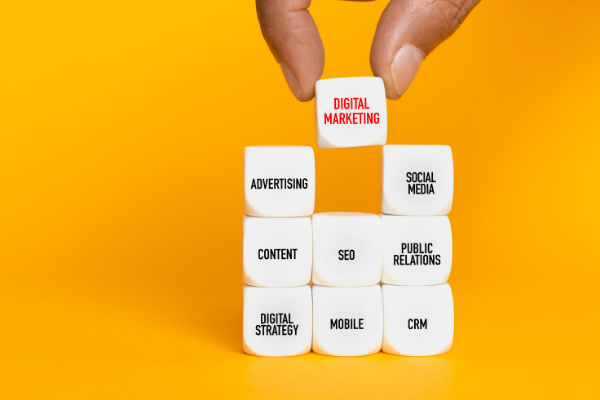
Media marketing encompasses a wide range of activities, including social media management, content creation, online advertising, influencer partnerships, and more. In today’s digital landscape, where consumers are constantly bombarded with information from multiple sources, standing out from the crowd requires a well-thought-out and cohesive media marketing strategy.

A skilled media marketing company understands the nuances of different media platforms and knows how to leverage them to maximise reach and engagement. By creating compelling content tailored to the preferences of target audiences and utilising data-driven insights to optimise campaign performance, a media marketing company can help businesses cut through the noise and connect with potential customers in meaningful ways.

The Role of Data in Media Marketing

Data plays a crucial role in modern media marketing efforts. A reputable media marketing company utilises analytics tools to track key performance indicators, measure campaign success, and make informed decisions based on real-time data. By analysing metrics such as website traffic, click-through rates, conversion rates, and social media engagement levels, marketers can refine their strategies for better results.

Building Brand Awareness and Driving Conversions

One of the primary goals of a media marketing company is to build brand awareness and drive conversions for its clients. Through targeted advertising campaigns, engaging social media content, influencer collaborations, and other tactics, a media marketing company can help businesses increase their visibility online and attract potential customers who are likely to convert into loyal followers or paying customers.

Conclusion

In conclusion, a media marketing company plays a crucial role in helping businesses navigate the complex world of digital marketing. By leveraging expertise in various media channels, data-driven insights, and creative strategies tailored to client objectives, a skilled media marketing company can make a significant impact on brand visibility, audience engagement, and ultimately business growth in today’s competitive digital landscape.


Top 5 Advantages of Partnering with a Media Marketing Company

  1. Expertise in leveraging various media channels for maximum reach and engagement.
  2. Ability to create compelling content tailored to target audience preferences.
  3. Utilisation of data-driven insights to optimise campaign performance and ROI.
  4. Experience in building brand awareness and driving conversions effectively.
  5. Professional guidance on navigating the complex world of digital marketing.


Challenges Faced by Media Marketing Companies: Navigating Competition, Platform Changes, and Client Expectations

  1. High competition in the industry can make it challenging for a media marketing company to stand out.
  2. Constant changes in algorithms and policies of social media platforms can impact the effectiveness of campaigns.
  3. Media marketing campaigns require ongoing monitoring and adjustments, which can be time-consuming.
  4. Relying heavily on data analytics may lead to overlooking the human aspect of marketing and customer relationships.
  5. Managing multiple client accounts simultaneously can result in divided attention and potential quality issues.
  6. Client expectations for quick results in media marketing may not always align with the time needed to build sustainable strategies.

Expertise in leveraging various media channels for maximum reach and engagement.

A key advantage of partnering with a media marketing company is their expertise in harnessing the power of diverse media channels to achieve maximum reach and engagement. By understanding the unique characteristics and audience demographics of each platform, these professionals can tailor content and strategies to effectively resonate with target audiences across multiple channels. Whether it’s through social media, online advertising, influencer partnerships, or other avenues, their ability to leverage various media channels ensures that businesses can connect with their audience in meaningful ways and drive impactful results in today’s competitive digital landscape.

Ability to create compelling content tailored to target audience preferences.

One key advantage of partnering with a media marketing company is their ability to create compelling content that is specifically tailored to the preferences of the target audience. By understanding the unique interests, behaviours, and demographics of the intended audience, a skilled media marketing company can develop content that resonates with viewers and prompts them to engage with the brand. This tailored approach not only enhances brand visibility but also fosters meaningful connections with potential customers, ultimately driving higher levels of engagement and conversion rates.

Utilisation of data-driven insights to optimise campaign performance and ROI.

One significant advantage of partnering with a media marketing company is their adept utilisation of data-driven insights to optimise campaign performance and return on investment (ROI). By analysing key metrics such as audience engagement, conversion rates, and click-through rates, these companies can make informed decisions and adjustments to marketing strategies in real-time. This data-driven approach not only maximises the effectiveness of campaigns but also ensures that resources are allocated efficiently, ultimately leading to improved ROI for businesses seeking to enhance their online presence and drive growth.

Experience in building brand awareness and driving conversions effectively.

With a wealth of experience in building brand awareness and driving conversions effectively, a media marketing company stands out as a valuable partner for businesses seeking to enhance their online presence and reach their target audience. By leveraging their expertise in crafting strategic campaigns across various media channels, these companies can help clients establish a strong brand identity, increase visibility, and ultimately drive meaningful engagement that leads to conversions. Through a combination of creative content, data-driven insights, and proven marketing tactics, a reputable media marketing company can deliver tangible results that propel businesses towards their growth objectives in today’s competitive digital landscape.

Professional guidance on navigating the complex world of digital marketing.

A key benefit of partnering with a media marketing company is the professional guidance they provide in navigating the complex world of digital marketing. With their expertise and industry knowledge, these professionals can help businesses develop strategic marketing plans tailored to their specific goals and target audience. By staying abreast of the latest trends, tools, and best practices in digital marketing, a media marketing company can offer valuable insights and recommendations to ensure that businesses make informed decisions that drive success in the ever-evolving digital landscape.

High competition in the industry can make it challenging for a media marketing company to stand out.

In the highly competitive landscape of the media marketing industry, standing out can be a significant challenge for companies operating in this space. With numerous agencies vying for clients’ attention and striving to showcase their unique value propositions, distinguishing oneself from competitors becomes increasingly difficult. The abundance of options available to businesses seeking media marketing services means that companies must work even harder to differentiate themselves through innovative strategies, exceptional client service, and demonstrable results to carve out a niche and establish a strong reputation in the industry.

Constant changes in algorithms and policies of social media platforms can impact the effectiveness of campaigns.

One significant drawback of working with a media marketing company is the challenge posed by the constant changes in algorithms and policies of social media platforms. These frequent updates can have a direct impact on the effectiveness of marketing campaigns, as strategies that once yielded positive results may suddenly become less effective or even obsolete. Adapting to these changes requires continuous monitoring, quick adjustments, and a deep understanding of each platform’s evolving guidelines, making it a constant challenge for businesses and marketing companies to maintain consistent campaign performance in the ever-shifting landscape of social media.

Media marketing campaigns require ongoing monitoring and adjustments, which can be time-consuming.

One significant drawback of media marketing campaigns is the continuous need for monitoring and adjustments, which can be a time-consuming process. Managing multiple media channels, analysing campaign performance metrics, and making necessary tweaks to optimise results demand constant attention and resources. This ongoing monitoring and adjustment requirement can place a strain on resources and personnel within a media marketing company, potentially impacting the efficiency and effectiveness of campaign management.

Relying heavily on data analytics may lead to overlooking the human aspect of marketing and customer relationships.

One significant drawback of media marketing companies relying heavily on data analytics is the potential overlooking of the human aspect of marketing and customer relationships. While data analytics provide valuable insights into consumer behaviour and campaign performance, an over-reliance on data may result in a disconnect from the emotional and personal elements that drive meaningful interactions with customers. Building genuine relationships with customers requires empathy, understanding, and a human touch that cannot be fully captured by data alone. By prioritising metrics over human connection, media marketing companies risk losing sight of the importance of fostering authentic relationships with their audience, which are essential for long-term brand loyalty and customer satisfaction.

Managing multiple client accounts simultaneously can result in divided attention and potential quality issues.

Managing multiple client accounts simultaneously within a media marketing company can pose a significant challenge, as it may lead to divided attention and potential quality issues. When marketers are juggling numerous accounts concurrently, there is a risk of spreading themselves too thin, which can impact the level of attention and focus dedicated to each client’s unique needs and objectives. This division of resources may result in decreased quality of work, delayed responses to client requests, and a lack of personalised attention, ultimately affecting the overall effectiveness and success of the marketing campaigns being implemented. It is essential for media marketing companies to carefully manage their workload and resources to ensure that each client receives the dedicated focus and high-quality service they deserve.

Client expectations for quick results in media marketing may not always align with the time needed to build sustainable strategies.

One notable drawback of working with a media marketing company is the potential misalignment between client expectations for immediate results and the time required to develop sustainable marketing strategies. In today’s fast-paced digital landscape, clients often seek quick outcomes and instant gratification from their marketing efforts. However, building a strong and enduring presence in the digital realm demands time, patience, and a well-thought-out strategy that may not yield instant results. This discrepancy in expectations can sometimes lead to frustration and unrealistic demands on the part of clients, highlighting the importance of clear communication and managing expectations in media marketing partnerships.

digital marketing and advertising

Unlocking Success: The Synergy of Digital Marketing and Advertising

The Power of Digital Marketing and Advertising

The Power of Digital Marketing and Advertising

In today’s fast-paced digital age, businesses are constantly seeking new ways to reach and engage with their target audience. Digital marketing and advertising have emerged as powerful tools to connect with customers in a more personalised and effective manner.

Benefits of Digital Marketing

Digital marketing offers numerous benefits compared to traditional forms of advertising. One of the key advantages is the ability to target specific demographics with precision. Through techniques such as search engine optimisation (SEO), social media marketing, email campaigns, and pay-per-click (PPC) advertising, businesses can tailor their messages to resonate with their ideal customers.

Furthermore, digital marketing provides valuable data and analytics that allow businesses to track the performance of their campaigns in real-time. This data-driven approach enables companies to make informed decisions and optimise their strategies for better results.

The Role of Digital Advertising

Digital advertising complements digital marketing efforts by amplifying brand awareness and driving conversions. Platforms like Google Ads, Facebook Ads, Instagram Ads, and display networks offer a variety of targeting options to reach potential customers at different stages of the buying journey.

By leveraging compelling ad creatives, engaging copywriting, and strategic placement, businesses can capture the attention of their audience and drive them towards desired actions such as making a purchase or signing up for a newsletter.

The Future of Digital Marketing

As technology continues to evolve, so does the landscape of digital marketing and advertising. Innovations such as artificial intelligence (AI), augmented reality (AR), voice search optimisation, and influencer partnerships are reshaping how brands interact with consumers online.

Businesses that embrace these trends and adapt their strategies accordingly will be well-positioned to stay ahead in an increasingly competitive marketplace.

In conclusion,

Digital marketing and advertising offer endless possibilities for businesses looking to expand their reach, connect with customers on a deeper level, and drive growth. By harnessing the power of digital tools and staying abreast of industry trends, companies can unlock new opportunities for success in the digital realm.


Top 7 Essential Tips for Mastering Digital Marketing and Advertising

  1. Understand your target audience to create relevant and engaging content.
  2. Utilize social media platforms to reach a wider audience and engage with customers.
  3. Optimize your website for search engines (SEO) to increase visibility online.
  4. Use email marketing campaigns to nurture leads and build customer relationships.
  5. Track and analyse data regularly to measure the success of your campaigns and make informed decisions.
  6. Experiment with different advertising channels to find the most effective ones for your business.
  7. Stay updated on the latest trends in digital marketing to remain competitive in the market.

Understand your target audience to create relevant and engaging content.

To maximise the effectiveness of your digital marketing and advertising efforts, it is crucial to understand your target audience thoroughly. By gaining insights into their preferences, behaviours, and needs, you can create content that resonates with them on a personal level. Crafting relevant and engaging content tailored to your audience’s interests not only enhances brand perception but also increases the likelihood of driving meaningful interactions and conversions. Remember, knowing your audience is the key to delivering impactful messages that connect with them authentically in the digital space.

Utilize social media platforms to reach a wider audience and engage with customers.

To maximise your digital marketing and advertising efforts, it is essential to utilise social media platforms effectively. By leveraging the reach and engagement capabilities of platforms such as Facebook, Instagram, Twitter, and LinkedIn, businesses can connect with a broader audience and foster meaningful interactions with customers. Sharing compelling content, running targeted ads, and actively engaging with followers can help build brand loyalty, drive website traffic, and ultimately boost conversions. Embracing social media as a key component of your marketing strategy can significantly enhance your online presence and contribute to the overall success of your business.

Optimize your website for search engines (SEO) to increase visibility online.

To enhance your online presence and attract more potential customers, it is crucial to optimise your website for search engines through effective search engine optimisation (SEO) strategies. By improving your website’s visibility in search engine results pages, you can increase organic traffic, boost brand awareness, and ultimately drive conversions. Implementing SEO best practices such as keyword research, on-page optimisation, quality content creation, and link building can significantly improve your website’s ranking and ensure that your target audience can easily find you online.

Use email marketing campaigns to nurture leads and build customer relationships.

Utilising email marketing campaigns is a strategic approach in digital marketing and advertising to nurture leads and cultivate lasting customer relationships. By delivering targeted and personalised content directly to subscribers’ inboxes, businesses can engage with their audience on a more intimate level, providing valuable information, promotions, and updates. This consistent communication not only helps in converting leads into customers but also fosters loyalty and trust over time, ultimately leading to increased brand engagement and customer retention.

Track and analyse data regularly to measure the success of your campaigns and make informed decisions.

Tracking and analysing data regularly is a crucial tip in digital marketing and advertising. By monitoring key metrics such as website traffic, conversion rates, click-through rates, and engagement levels, businesses can gain valuable insights into the performance of their campaigns. This data-driven approach not only helps in measuring the success of marketing efforts but also enables companies to make informed decisions on where to allocate resources for optimal results. By continuously evaluating and adjusting strategies based on data analysis, businesses can enhance their overall digital marketing effectiveness and achieve greater success in reaching their target audience.

Experiment with different advertising channels to find the most effective ones for your business.

To maximise the impact of your digital marketing efforts, it is crucial to experiment with various advertising channels to identify the most effective ones tailored to your business needs. By testing different platforms such as social media, search engine ads, display networks, and email campaigns, you can gain valuable insights into which channels resonate best with your target audience. This strategic approach allows you to allocate resources efficiently and focus on the channels that yield the highest return on investment, ultimately driving success in your digital marketing and advertising endeavours.

To stay competitive in the market, it is crucial to stay updated on the latest trends in digital marketing and advertising. The digital landscape is constantly evolving, with new technologies and strategies emerging regularly. By keeping abreast of these developments, businesses can adapt their marketing efforts to meet changing consumer preferences and behaviours. This proactive approach not only helps companies stay ahead of the curve but also enables them to engage with their target audience more effectively and drive better results for their campaigns.

best social media marketing companies

Discover the Top-Rated Social Media Marketing Companies for Your Business

Best Social Media Marketing Companies

The Top Social Media Marketing Companies to Boost Your Online Presence

Social media has become a powerful tool for businesses to connect with their target audience, build brand awareness, and drive engagement. With the ever-increasing competition in the digital landscape, it’s crucial to partner with a reputable social media marketing company that can help you stand out from the crowd.

Here are some of the best social media marketing companies known for their expertise and success:

  1. Agency A: Agency A is renowned for its creative campaigns and data-driven strategies that deliver measurable results. They have a proven track record of helping businesses increase their online visibility and engagement.
  2. Company B: Company B specialises in social media advertising and influencer partnerships. Their tailored approach ensures that your brand message reaches the right audience at the right time, leading to increased brand loyalty and conversions.
  3. Firm C: Firm C is known for its comprehensive social media management services, including content creation, community engagement, and performance analysis. Their team of experts works closely with clients to develop customised strategies that align with their business objectives.

When choosing a social media marketing company for your business, consider factors such as industry experience, client testimonials, and the range of services offered. A reputable company will not only help you achieve your immediate goals but also empower you to build a strong online presence for long-term success.

Remember, effective social media marketing can significantly impact your brand’s reputation and bottom line. By partnering with one of the best social media marketing companies, you can unlock new opportunities and take your digital marketing efforts to the next level.


Essential FAQs for Choosing the Best Social Media Marketing Company

  1. 1. What criteria should I consider when choosing a social media marketing company?
  2. 2. How can social media marketing companies help improve my online presence?
  3. 3. What are the key services offered by top social media marketing companies?
  4. 4. How do social media marketing companies measure the success of their campaigns?
  5. 5. Can social media marketing companies tailor their strategies to suit different business needs?
  6. 6. What sets apart the best social media marketing companies from others in the industry?
  7. 7. How can I determine if a social media marketing company is the right fit for my business?

1. What criteria should I consider when choosing a social media marketing company?

When selecting a social media marketing company, several key criteria should be taken into consideration to ensure you make the right choice for your business. Firstly, assess the company’s track record and experience in your industry to gauge their understanding of your specific needs and challenges. Secondly, review client testimonials and case studies to evaluate their past performance and success stories. Additionally, consider the range of services offered by the company, ensuring they align with your goals and objectives. Transparency, communication, and a collaborative approach are also vital factors to look for when choosing a social media marketing partner. By carefully assessing these criteria, you can select a company that best fits your requirements and helps you achieve your digital marketing goals effectively.

2. How can social media marketing companies help improve my online presence?

Social media marketing companies can significantly enhance your online presence by leveraging their expertise in creating engaging content, implementing targeted advertising strategies, and fostering meaningful interactions with your audience. Through tailored social media campaigns, these companies can increase brand visibility, drive website traffic, and boost engagement on various platforms. By analysing data and monitoring performance metrics, social media marketing companies can refine their approach to ensure that your online presence continues to grow and resonate with your target audience. Ultimately, partnering with a reputable social media marketing company can help you establish a strong digital footprint and stand out in the competitive online landscape.

3. What are the key services offered by top social media marketing companies?

Top social media marketing companies offer a range of key services to help businesses enhance their online presence and engage with their target audience effectively. Some of the core services provided by these companies include social media strategy development, content creation and curation, community management, social media advertising campaigns, influencer partnerships, analytics and performance tracking, and overall social media management. By utilising these comprehensive services, top social media marketing companies can tailor strategies to meet the unique needs of each client and drive tangible results in terms of brand visibility, engagement, and conversions.

4. How do social media marketing companies measure the success of their campaigns?

Social media marketing companies employ various metrics to measure the success of their campaigns. These metrics may include engagement rates, reach, conversions, click-through rates, and return on investment (ROI). By analysing these key performance indicators (KPIs), social media marketing companies can evaluate the effectiveness of their strategies and make data-driven decisions to optimise future campaigns. Additionally, monitoring qualitative feedback from customers and tracking brand sentiment can provide valuable insights into the overall impact of a campaign on audience perception and brand awareness.

5. Can social media marketing companies tailor their strategies to suit different business needs?

Yes, top social media marketing companies have the expertise and flexibility to tailor their strategies to suit different business needs. They understand that each business is unique, with its own goals, target audience, and industry challenges. By conducting thorough research and analysis, these companies can create bespoke social media marketing strategies that align with the specific objectives of their clients. Whether a business is looking to increase brand awareness, drive website traffic, or boost sales conversions, a reputable social media marketing company will customise their approach to deliver the best results for each individual client.

6. What sets apart the best social media marketing companies from others in the industry?

When evaluating the best social media marketing companies, it is essential to consider what sets them apart from others in the industry. The top companies often differentiate themselves through a combination of factors such as innovative strategies, a deep understanding of the latest trends in social media, a focus on measurable results, exceptional client communication and collaboration, and a commitment to staying ahead of the curve. They go beyond just posting content and engaging followers; they craft tailored campaigns that resonate with the target audience, drive meaningful engagement, and ultimately deliver tangible value to their clients. By prioritising creativity, data-driven insights, and a client-centric approach, the best social media marketing companies stand out as trusted partners in helping businesses achieve their digital marketing goals effectively.

7. How can I determine if a social media marketing company is the right fit for my business?

Determining if a social media marketing company is the right fit for your business involves thorough research and consideration of several key factors. Firstly, assess the company’s industry experience and track record of success with businesses similar to yours. Look for client testimonials and case studies to gauge their effectiveness. Secondly, evaluate the range of services they offer and ensure they align with your specific needs and goals. Communication style, transparency, and a tailored approach are also vital aspects to consider. Ultimately, selecting a social media marketing company that understands your brand identity and can deliver customised strategies is crucial for a successful partnership that drives tangible results for your business.

digital and online marketing

Maximising Success: The Impact of Digital Marketing Strategies in Online Campaigns

The Power of Digital and Online Marketing

The Power of Digital and Online Marketing

In today’s digital age, the landscape of marketing has undergone a significant transformation. Digital and online marketing have become essential tools for businesses looking to reach and engage with their target audience in a more personalised and effective way.

One of the key advantages of digital marketing is its ability to provide real-time analytics and insights into consumer behaviour. Through various online channels such as social media, email campaigns, search engine optimisation (SEO), and pay-per-click advertising, businesses can track and measure the success of their marketing efforts with precision.

Furthermore, digital marketing allows for targeted advertising, enabling businesses to tailor their messages to specific demographics, interests, and behaviours. This level of personalisation not only increases the likelihood of engaging with potential customers but also helps in building long-lasting relationships with them.

Another benefit of digital marketing is its cost-effectiveness compared to traditional forms of advertising. With online platforms, businesses can reach a wider audience at a fraction of the cost, making it an attractive option for companies looking to maximise their marketing budget.

Moreover, digital marketing offers a higher return on investment (ROI) as campaigns can be optimised in real-time based on performance data. This agility allows businesses to adapt quickly to market trends and consumer preferences, ensuring that their message remains relevant and impactful.

In conclusion, digital and online marketing have revolutionised the way businesses connect with their audience. By harnessing the power of digital tools and strategies, companies can enhance brand visibility, drive customer engagement, and ultimately achieve business growth in today’s competitive market place.


Frequently Asked Questions: Understanding Digital and Online Marketing

  1. What are examples of digital marketing?
  2. What is the difference between digital and online advertising?
  3. What is digital and online marketing?
  4. What are the 4 types of digital marketing?
  5. What is digital marketing examples?
  6. Is digital marketing the same as online marketing comment?
  7. What is the difference between online and digital?
  8. Is digital marketing and virtual marketing same?
  9. What are the examples of digital marketing?
  10. Is online marketing and digital marketing is same or different?
  11. What is the difference between online and digital business?
  12. What is the difference between marketing and digital?
  13. Is digital marketing and online marketing are same?
  14. Are digital and online marketing the same?
  15. Is there any difference between digital marketing and online marketing?
  16. What is the difference between digital marketing and online advertising?
  17. Why is digital marketing not the same as online marketing?

What are examples of digital marketing?

Digital marketing encompasses a wide range of strategies and tactics aimed at promoting products or services online. Some common examples of digital marketing include search engine optimisation (SEO) to improve website visibility on search engines, pay-per-click (PPC) advertising for targeted online ads, social media marketing to engage with audiences on platforms like Facebook and Instagram, email marketing campaigns to nurture leads and build customer relationships, content marketing through blogs, videos, and infographics to provide valuable information to users, and influencer partnerships to reach a wider audience through trusted individuals or brands. These examples highlight the diverse and dynamic nature of digital marketing in today’s digital landscape.

What is the difference between digital and online advertising?

When considering the difference between digital and online advertising, it’s important to note that while they are often used interchangeably, there are subtle distinctions between the two. Digital advertising encompasses a broader scope, including all forms of advertising that exist in a digital format, such as social media ads, display ads, email marketing, and more. On the other hand, online advertising specifically refers to advertisements that are displayed on the internet through websites, search engines, or social media platforms. In essence, online advertising is a subset of digital advertising that focuses solely on promoting products or services through online channels. Understanding this distinction can help businesses tailor their marketing strategies effectively to reach their target audience in the ever-evolving digital landscape.

What is digital and online marketing?

Digital and online marketing encompass a broad range of strategies and techniques aimed at promoting products or services through digital channels such as websites, social media, email campaigns, search engines, and online advertisements. It involves leveraging digital technologies to reach and engage with target audiences in a more personalised and measurable way. By utilising various online platforms and tools, businesses can effectively communicate their brand message, drive traffic to their websites, generate leads, and ultimately convert prospects into customers. Digital and online marketing play a crucial role in today’s competitive landscape by enabling businesses to connect with their audience in real-time, track performance metrics accurately, and adapt their strategies based on data-driven insights for optimal results.

What are the 4 types of digital marketing?

In the realm of digital and online marketing, one frequently asked question is: “What are the 4 types of digital marketing?” The four main types of digital marketing include search engine optimisation (SEO), pay-per-click advertising (PPC), social media marketing, and content marketing. SEO involves improving a website’s visibility on search engines to attract organic traffic, while PPC allows businesses to bid on keywords for targeted advertising. Social media marketing leverages platforms like Facebook and Instagram to engage with audiences, and content marketing focuses on creating valuable and relevant content to attract and retain customers. These four pillars form the foundation of a comprehensive digital marketing strategy that can help businesses thrive in the digital landscape.

What is digital marketing examples?

Digital marketing encompasses a wide range of strategies and tactics aimed at promoting products or services through online channels. Some common examples of digital marketing include search engine optimisation (SEO) to improve website visibility on search engines, pay-per-click (PPC) advertising for targeted online ads, social media marketing to engage with audiences on platforms like Facebook and Instagram, email marketing campaigns for direct communication with customers, content marketing through blogs and articles to provide valuable information, and influencer partnerships to leverage the reach of popular personalities. These examples demonstrate the diverse and dynamic nature of digital marketing in reaching and engaging with audiences in the digital realm.

Is digital marketing the same as online marketing comment?

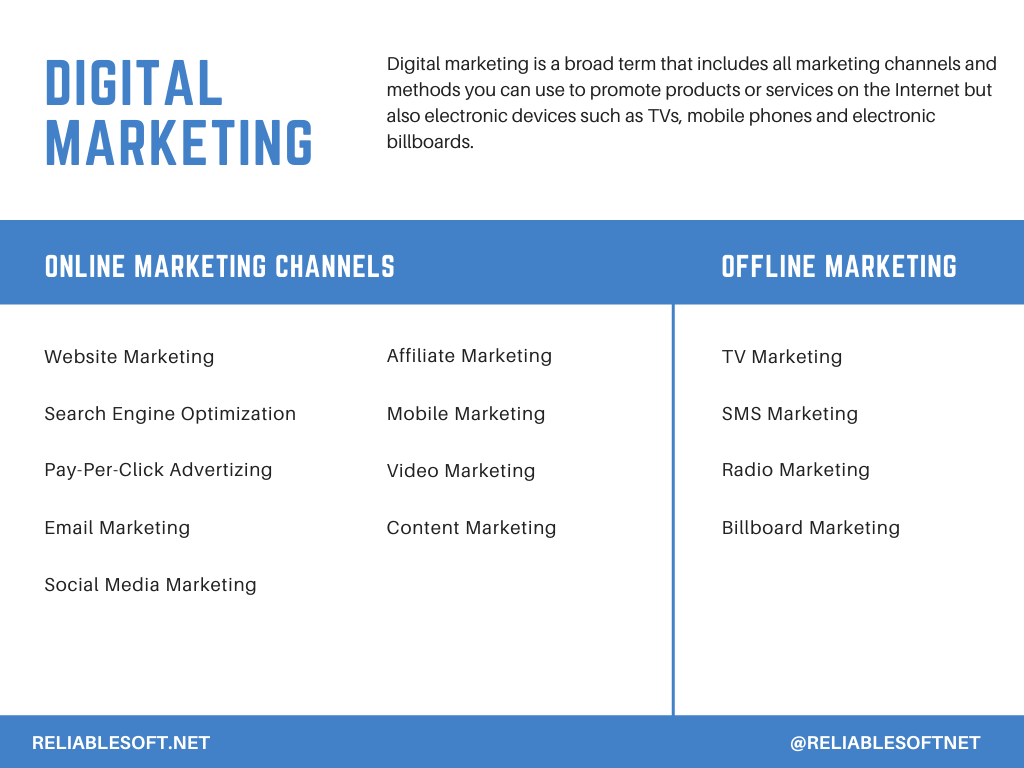
The frequently asked question of whether digital marketing is the same as online marketing often sparks debates among professionals in the field. While the terms are sometimes used interchangeably, there are subtle distinctions between the two. Digital marketing encompasses a broader scope that includes online marketing as well as other digital channels such as mobile apps, social media, email campaigns, and search engine optimisation. On the other hand, online marketing specifically refers to promoting products or services through internet-based platforms. Understanding these nuances is crucial for businesses aiming to leverage the full potential of digital and online strategies to reach their target audience effectively and achieve their marketing goals.

What is the difference between online and digital?

When discussing digital and online marketing, it is important to understand the distinction between the two terms. While they are often used interchangeably, there is a subtle difference between online and digital. Online marketing specifically refers to marketing activities that are carried out on the internet or through online channels such as websites, social media platforms, email campaigns, and search engine advertising. On the other hand, digital marketing encompasses a broader scope, including both online and offline marketing efforts that leverage digital technologies to reach and engage with target audiences. In essence, online marketing is a subset of digital marketing, highlighting the specific focus on internet-based strategies for promoting products or services in the digital realm.

Is digital marketing and virtual marketing same?

The frequently asked question regarding digital marketing and virtual marketing often revolves around whether they are the same concept. While both terms are closely related to the online realm, there is a distinction between them. Digital marketing encompasses a broad range of strategies and tactics used to promote products or services through various digital channels such as websites, social media, email, and search engines. On the other hand, virtual marketing specifically refers to marketing activities conducted within virtual or simulated environments like virtual reality (VR) or augmented reality (AR). While digital marketing focuses on online platforms in general, virtual marketing delves into immersive experiences that simulate real-world interactions. Understanding this difference is crucial for businesses seeking to leverage both digital and virtual marketing effectively in their overall marketing strategy.

What are the examples of digital marketing?

In the realm of digital and online marketing, there are various examples that businesses can leverage to promote their products and services effectively. Some common examples of digital marketing include search engine optimisation (SEO) to improve website visibility on search engines, social media marketing to engage with audiences on platforms like Facebook and Instagram, email marketing for targeted communication with customers, pay-per-click (PPC) advertising for instant visibility on search engines, content marketing to provide valuable information to users, and influencer partnerships to reach a wider audience through trusted individuals. These diverse strategies showcase the versatility and effectiveness of digital marketing in reaching and engaging with target audiences in today’s digital landscape.

Is online marketing and digital marketing is same or different?

The frequently asked question of whether online marketing and digital marketing are the same or different often arises due to the overlapping nature of these terms. While they are closely related, there is a subtle distinction between the two. Online marketing primarily focuses on marketing efforts carried out exclusively on the internet, encompassing activities such as social media marketing, email campaigns, and search engine optimisation. On the other hand, digital marketing is a broader term that includes online marketing but also extends to offline channels like mobile apps, electronic billboards, and other digital mediums. In essence, online marketing is a subset of digital marketing, highlighting the interconnected yet distinct aspects of each term in the realm of modern advertising strategies.

What is the difference between online and digital business?

When discussing digital and online marketing, a common question that arises is the distinction between online and digital business. Online business typically refers to companies that operate solely through internet-based platforms, conducting transactions, providing services, and interacting with customers exclusively online. On the other hand, digital business encompasses a broader scope, incorporating all aspects of a company’s digital presence, including online operations as well as digital marketing strategies, data analytics, technology integration, and overall digital transformation initiatives. While online business focuses on the operational aspect of conducting business activities online, digital business encompasses a more holistic approach that leverages various digital tools and technologies to drive growth and innovation across all facets of the organisation.

What is the difference between marketing and digital?

When discussing the difference between marketing and digital, it is important to understand that marketing encompasses a broader concept that includes traditional offline methods such as print, television, and radio advertising, as well as online strategies. On the other hand, digital marketing specifically refers to the use of online channels and platforms to promote products or services. While traditional marketing focuses on reaching a mass audience through various mediums, digital marketing leverages the power of the internet to target specific demographics, track performance metrics in real-time, and engage with customers on a more personalised level. In essence, digital marketing is a subset of overall marketing strategies that capitalise on the opportunities offered by the digital landscape to achieve specific business objectives.

Is digital marketing and online marketing are same?

The terms “digital marketing” and “online marketing” are often used interchangeably, but there is a subtle distinction between the two. Digital marketing encompasses all forms of marketing that utilize digital channels, which can include online marketing as well as offline strategies like mobile apps, digital signage, and social media. On the other hand, online marketing specifically refers to marketing efforts that are conducted exclusively on the internet through channels such as websites, email campaigns, search engine optimisation (SEO), and social media platforms. While both digital and online marketing share common goals of reaching and engaging with target audiences in the digital realm, online marketing is a subset of the broader spectrum of digital marketing strategies available to businesses today.

Are digital and online marketing the same?

When it comes to digital and online marketing, a common question that often arises is whether they are the same thing. While the terms are sometimes used interchangeably, there is a subtle distinction between the two. Digital marketing encompasses all forms of marketing that use digital channels, including online marketing. Online marketing specifically refers to marketing activities carried out on the internet, such as social media marketing, email campaigns, search engine optimisation (SEO), and pay-per-click advertising. In essence, online marketing is a subset of digital marketing, which encompasses a broader range of digital channels beyond just the online space. Understanding this difference is crucial for businesses looking to leverage the full potential of digital tools and strategies in reaching their target audience effectively.

Is there any difference between digital marketing and online marketing?

When it comes to the often asked question of whether there is a distinction between digital marketing and online marketing, the answer lies in their scope. Digital marketing encompasses a broader spectrum of marketing tactics that leverage digital channels, including online marketing. Online marketing specifically focuses on promoting products or services through internet-based platforms such as websites, social media, and email. While both terms are often used interchangeably, understanding this nuance can help businesses tailor their strategies to effectively engage with their target audience across various digital touchpoints.

What is the difference between digital marketing and online advertising?

When exploring the realm of digital and online marketing, a common query arises regarding the distinction between digital marketing and online advertising. Digital marketing encompasses a broader spectrum of strategies aimed at promoting a brand’s online presence, engaging with target audiences, and driving conversions through various channels such as social media, content marketing, email campaigns, and search engine optimisation (SEO). On the other hand, online advertising specifically refers to paid promotional activities conducted on digital platforms to reach a targeted audience and increase brand visibility. While digital marketing encompasses both organic and paid methods to achieve overall marketing goals, online advertising focuses solely on paid tactics to deliver specific messages to a defined audience segment. Understanding this difference is crucial for businesses seeking to leverage the full potential of digital tools in their marketing endeavours.

Why is digital marketing not the same as online marketing?

In the realm of marketing, the distinction between digital marketing and online marketing lies in their scope and focus. While online marketing primarily encompasses promotional activities conducted on the internet, digital marketing extends beyond online channels to include various digital platforms and devices such as mobile apps, social media, email campaigns, and search engines. Digital marketing encompasses a broader spectrum of strategies that leverage digital technologies to reach and engage with target audiences across multiple touchpoints, offering a more comprehensive approach to connecting with consumers in today’s interconnected world.

digital media

Unleashing the Power of Digital Media: A Guide to Navigating the Digital Landscape

The Impact of Digital Media in Today’s World

The Impact of Digital Media in Today’s World

Digital media has revolutionised the way we communicate, consume information, and interact with the world around us. In this digital age, the influence of digital media is pervasive and continues to shape our lives in profound ways.

What is Digital Media?

Digital media encompasses a wide range of online platforms and technologies that enable the creation, distribution, and consumption of content in various forms such as text, images, videos, and audio. From social media networks to streaming services, digital media has transformed how we connect with others and access entertainment.

The Role of Digital Media in Society

Digital media plays a crucial role in shaping public discourse, sharing news and information, and influencing opinions. Social media platforms have become powerful tools for individuals and organisations to engage with audiences on a global scale.

The Evolution of Digital Marketing

Businesses have embraced digital media as a key component of their marketing strategies. Online advertising, influencer partnerships, and content marketing have become essential tactics for reaching target audiences effectively in the digital realm.

The Future of Digital Media

As technology continues to advance rapidly, the future of digital media holds endless possibilities. Virtual reality (VR), augmented reality (AR), artificial intelligence (AI), and other emerging technologies are poised to redefine how we experience digital content and interact with the digital world.

Conclusion

In conclusion, digital media has become an integral part of our daily lives, transforming how we communicate, consume information, and engage with the world around us. As we navigate this ever-evolving landscape of digital innovation, it is essential to harness the power of digital media responsibly and ethically for the betterment of society.


Top 8 Tips for Mastering Digital Media Engagement and Strategy

  1. 1. Create engaging and relevant content for your target audience.
  2. 2. Use high-quality images and videos to capture attention.
  3. 3. Interact with your audience through comments and messages to build relationships.
  4. 4. Utilize analytics tools to track performance and make data-driven decisions.
  5. 5. Stay updated on the latest trends in digital media to remain competitive.
  6. 6. Collaborate with influencers or other brands for wider reach.
  7. 7. Implement SEO strategies to improve visibility on search engines.
  8. 8. Monitor and respond promptly to feedback to show that you value your audience.

1. Create engaging and relevant content for your target audience.

To maximise the impact of your digital media strategy, it is crucial to create engaging and relevant content tailored specifically for your target audience. By understanding the preferences, interests, and needs of your audience, you can develop content that resonates with them and encourages meaningful interactions. Whether it’s informative articles, captivating visuals, or interactive videos, delivering valuable and engaging content will help strengthen your connection with your audience and drive engagement across digital platforms.

2. Use high-quality images and videos to capture attention.

In the realm of digital media, employing high-quality images and videos is a strategic tip to captivate audience attention effectively. Visually appealing content not only enhances the overall aesthetic of digital platforms but also serves as a powerful tool to engage and retain viewers. By utilising crisp images and compelling videos, businesses can create a memorable and immersive experience for their target audience, ultimately increasing brand visibility and fostering stronger connections with consumers in today’s visually-driven online landscape.

3. Interact with your audience through comments and messages to build relationships.

Interacting with your audience through comments and messages is a valuable tip in the realm of digital media. By engaging with your audience in a meaningful way, you can foster relationships, build trust, and create a sense of community around your brand or content. Responding to comments and messages shows that you value your audience’s input and are willing to listen to their feedback, ultimately strengthening the connection between you and your followers. This interactive approach not only enhances user experience but also helps in building a loyal and engaged online community.

4. Utilize analytics tools to track performance and make data-driven decisions.

Utilising analytics tools to track performance and make data-driven decisions is a crucial tip in the realm of digital media. By leveraging these tools effectively, businesses can gain valuable insights into the performance of their online campaigns, websites, and content. Analysing data allows for a deeper understanding of audience behaviour, preferences, and trends, enabling organisations to make informed decisions that drive success in the digital landscape. Embracing analytics empowers businesses to optimise their strategies, refine their approaches, and ultimately achieve better results in reaching and engaging with their target audience.

To remain competitive in the digital landscape, it is crucial to stay updated on the latest trends in digital media. By keeping abreast of emerging technologies, changing consumer behaviours, and innovative strategies, businesses can adapt and evolve their digital presence to stay ahead of the curve. Being proactive in monitoring and implementing new trends in digital media not only helps organisations maintain relevance but also opens up opportunities for growth and success in a rapidly evolving online environment.

6. Collaborate with influencers or other brands for wider reach.

Collaborating with influencers or other brands is a valuable tip in leveraging digital media for broader outreach and engagement. By partnering with influencers who have a strong online presence and a dedicated following, businesses can tap into new audiences and increase brand visibility. Additionally, collaborating with complementary brands can create synergies that benefit both parties and enhance the overall reach of marketing campaigns. Strategic partnerships in the digital space can amplify brand messaging, foster credibility, and drive meaningful connections with consumers in today’s competitive online landscape.

7. Implement SEO strategies to improve visibility on search engines.

Implementing SEO strategies is essential for enhancing visibility on search engines in the digital landscape. By optimising website content with relevant keywords, meta tags, and quality backlinks, businesses can improve their search engine rankings and attract more organic traffic. A strong SEO strategy not only increases online visibility but also helps in reaching a wider audience and driving sustainable growth in the competitive online market.

8. Monitor and respond promptly to feedback to show that you value your audience.

Monitoring and responding promptly to feedback is a crucial tip in digital media that demonstrates a genuine appreciation for your audience. By actively engaging with feedback, whether positive or negative, you show that you value the opinions and experiences of your audience. This proactive approach not only helps in building trust and loyalty but also allows you to address any concerns or issues promptly, leading to improved relationships with your audience and enhancing the overall effectiveness of your digital media strategy.

online digital marketing

Unlocking the Potential of Online Digital Marketing Strategies

The Power of Online Digital Marketing

The Power of Online Digital Marketing

In today’s digital age, online digital marketing has become an essential tool for businesses looking to reach and engage with their target audience effectively. With the rise of the internet and social media, traditional marketing strategies have evolved to adapt to the changing landscape.

Online digital marketing encompasses a wide range of tactics and techniques aimed at promoting products or services through digital channels such as websites, social media platforms, search engines, email, and more. This form of marketing offers businesses the opportunity to connect with potential customers in a more targeted and personalised way than ever before.

The Benefits of Online Digital Marketing

One of the key advantages of online digital marketing is its ability to reach a global audience instantly. With just a few clicks, businesses can connect with customers from around the world, breaking down geographical barriers and expanding their reach exponentially.

Furthermore, online digital marketing allows for precise targeting and segmentation of audiences based on demographics, interests, behaviour, and more. This targeted approach ensures that marketing efforts are directed towards those most likely to be interested in what a business has to offer, increasing the chances of conversion.

Key Strategies in Online Digital Marketing

Some key strategies commonly used in online digital marketing include search engine optimisation (SEO), pay-per-click advertising (PPC), social media marketing, content marketing, email marketing, and influencer partnerships. Each strategy plays a unique role in reaching and engaging with target audiences through various digital channels.

The Future of Online Digital Marketing

As technology continues to advance at a rapid pace, the future of online digital marketing holds endless possibilities. From artificial intelligence-driven personalisation to immersive virtual reality experiences, businesses are constantly exploring new ways to captivate audiences and drive meaningful interactions online.

In conclusion, online digital marketing is an indispensable tool for businesses seeking to thrive in today’s competitive marketplace. By leveraging the power of digital channels effectively, businesses can enhance brand visibility, generate leads, increase sales, and build lasting relationships with customers. Embracing online digital marketing is not just an option—it’s a necessity for success in the modern business landscape.


Unlocking Success: 8 Key Benefits of Online Digital Marketing

  1. Global Reach
  2. Targeted Advertising
  3. Cost-Effective
  4. Measurable Results
  5. Increased Engagement
  6. Brand Visibility
  7. Improved Customer Relationships
  8. Competitive Advantage


Challenges in Online Digital Marketing: Navigating Information Overload, Ad Blockers, Privacy Concerns, and More

  1. 1. Information Overload
  2. 2. Ad Blockers
  3. 3. Privacy Concerns
  4. 4. Competition
  5. 5. Rapid Changes
  6. 6. Costly Mistakes

Global Reach

One of the significant advantages of online digital marketing is its unparalleled global reach, allowing businesses to connect with a worldwide audience instantly. Through digital channels such as websites, social media platforms, and search engines, businesses can transcend geographical boundaries and engage with potential customers from diverse corners of the globe in real-time. This instantaneous connection enables businesses to expand their reach exponentially and tap into new markets, driving brand awareness and growth on a global scale.

Targeted Advertising

Targeted advertising is a powerful advantage of online digital marketing, allowing businesses to tailor their messages and promotions to specific demographics, interests, and behaviours of their target audience. By understanding the unique characteristics and preferences of different customer segments, businesses can create highly relevant and personalised campaigns that resonate with their audience on a deeper level. This precision targeting not only increases the likelihood of engagement and conversion but also helps businesses maximise their marketing budget by reaching those most likely to be interested in their products or services.

Cost-Effective

In the realm of online digital marketing, one significant advantage lies in its cost-effectiveness, as it frequently yields a superior return on investment compared to traditional marketing approaches. By leveraging digital channels strategically, businesses can reach their target audience more efficiently and at a lower cost, ultimately maximising their marketing budget and achieving measurable results that contribute to long-term business growth.

Measurable Results

One significant advantage of online digital marketing is the ability to achieve measurable results through real-time tracking and analysis of campaign performance. By utilising various analytics tools and metrics, businesses can monitor the effectiveness of their marketing efforts instantly. This data-driven approach allows for quick adjustments and optimisations to enhance campaign performance, ultimately leading to more targeted and successful outcomes. The ability to track and analyse results in real-time provides valuable insights that help businesses make informed decisions and maximise their return on investment in digital marketing strategies.

Increased Engagement

One significant advantage of online digital marketing is the ability to boost engagement by interacting with customers through a variety of digital channels. Through platforms such as social media, email, websites, and online advertising, businesses can actively engage with their target audience in real-time, fostering meaningful connections and building relationships. This interactive approach not only enhances customer satisfaction but also allows for personalised communication tailored to individual preferences and behaviours, ultimately leading to increased brand loyalty and customer retention.

Brand Visibility

Enhancing brand visibility is a crucial advantage of online digital marketing, allowing businesses to amplify their presence and reach across various online platforms. By strategically utilising digital channels such as websites, social media, search engines, and email, businesses can increase their brand’s exposure to a wider audience. This heightened visibility not only boosts brand recognition but also helps establish credibility and trust among consumers in the digital realm. Ultimately, a strong online presence can lead to greater brand awareness, increased engagement, and ultimately drive conversions for the business.

Improved Customer Relationships

Improved Customer Relationships is a significant advantage of online digital marketing, allowing businesses to build lasting connections with their customers through personalised interactions. By leveraging data analytics and customer insights, businesses can tailor their marketing efforts to meet the specific needs and preferences of individual customers. This personalised approach not only enhances customer satisfaction but also fosters loyalty and trust, ultimately leading to long-term relationships that benefit both the business and the customer.

Competitive Advantage

In the fast-paced and ever-evolving business landscape, one significant advantage of online digital marketing is the ability to stay ahead of competitors by leveraging innovative digital strategies. By embracing digital channels effectively, businesses can differentiate themselves, engage with their target audience in more meaningful ways, and establish a competitive edge in the market. Whether through targeted advertising, personalised content, or data-driven insights, harnessing the power of online digital marketing allows companies to adapt quickly to changing trends and consumer preferences, ultimately positioning themselves as industry leaders and driving sustainable growth.

1. Information Overload

In the realm of online digital marketing, a significant drawback is the issue of information overload. The sheer volume of marketing messages bombarding consumers through various digital channels can lead to a sense of overwhelm. As consumers are inundated with promotional content at every turn, they may become desensitised and inclined to tune out or ignore marketing efforts altogether. This challenge highlights the importance of crafting targeted and engaging content that cuts through the noise to capture and retain the attention of consumers in an increasingly crowded online landscape.

2. Ad Blockers

One significant drawback of online digital marketing is the prevalence of ad blockers among internet users. With the increasing use of ad-blocking software, the visibility and impact of online ads are significantly diminished. This poses a challenge for businesses relying on digital advertising to reach their target audience, as ad blockers prevent ads from being displayed to users who have actively chosen to avoid them. As a result, the effectiveness of online marketing campaigns may be compromised, leading to reduced engagement and conversion rates.

3. Privacy Concerns

Privacy concerns represent a significant drawback of online digital marketing. The collection of user data as part of digital marketing strategies can raise serious privacy issues and lead to potential breaches of trust between businesses and consumers. With the growing emphasis on data protection and privacy regulations, such as GDPR, businesses must navigate the delicate balance between personalising marketing efforts and respecting the privacy rights of individuals. Failure to address these privacy concerns adequately can erode consumer trust and damage brand reputation in the long run.

4. Competition

In the realm of online digital marketing, one significant drawback is the intense competition that businesses face in the crowded online landscape. With numerous companies vying for attention and consumer engagement, standing out amidst a sea of competitors poses a formidable challenge. The need to differentiate one’s brand, products, or services becomes crucial in order to capture the target audience’s interest and loyalty in a fiercely competitive environment.

5. Rapid Changes

One significant drawback of online digital marketing is the rapid pace of change. Trends, algorithms, and best practices in digital marketing evolve swiftly, demanding continuous adaptation and updates to remain relevant in the ever-shifting landscape. This constant need for adjustment can be challenging for businesses to keep up with, requiring ongoing monitoring, learning, and implementation of new strategies to effectively engage with audiences and stay ahead of competitors.

6. Costly Mistakes

Ineffective digital marketing strategies can be a costly conundrum for businesses, as they risk squandering valuable resources and budget on tactics that fail to deliver the desired results. From poorly targeted ads to inefficient campaign management, making mistakes in online digital marketing can not only drain financial resources but also hinder the overall effectiveness of a company’s marketing efforts. It is crucial for businesses to carefully plan and execute their digital marketing strategies to avoid falling into the trap of wasteful spending and missed opportunities for growth.

digital pr

Mastering the Art of Digital PR: Strategies for Success in the Online Sphere

The Power of Digital PR in the Modern Age

The Power of Digital PR in the Modern Age

In today’s fast-paced digital landscape, traditional public relations strategies are evolving to meet the demands of a connected world. Enter digital PR – a dynamic approach that leverages online channels to build brand awareness, enhance reputation, and engage with target audiences like never before.

What is Digital PR?

Digital PR encompasses the use of online platforms such as social media, influencer collaborations, content marketing, and online press releases to create a strong brand presence and connect with consumers in a meaningful way. Unlike traditional PR, digital PR focuses on engaging with audiences through interactive and shareable content that resonates in the digital sphere.

The Benefits of Digital PR

One of the key advantages of digital PR is its ability to reach a wider audience quickly and cost-effectively. By utilising various online channels, brands can amplify their message and engage with consumers across different demographics and geographies. Additionally, digital PR allows for real-time interaction with audiences, enabling brands to respond promptly to feedback and trends.

Building Brand Authority

Through strategic digital PR campaigns, brands can establish themselves as industry leaders and thought influencers within their niche. By creating valuable and shareable content that resonates with their target audience, brands can build trust and credibility over time. This enhanced brand authority can lead to increased customer loyalty and improved reputation in the market.

Measuring Success

One of the strengths of digital PR lies in its measurability. Brands can track key performance indicators such as website traffic, social media engagement, backlinks, and online mentions to gauge the effectiveness of their campaigns. By analysing these metrics, brands can refine their strategies for optimal results and ROI.

In Conclusion

As the digital landscape continues to evolve, embracing digital PR is essential for brands looking to stay relevant and competitive in today’s market. By harnessing the power of online channels to tell compelling stories, engage with audiences authentically, and build lasting relationships, brands can unlock new opportunities for growth and success.


Understanding Digital PR: Key Questions and Answers

  1. What is the role of a digital PR?
  2. Why is digital PR important?
  3. What is the difference between traditional PR and digital PR?
  4. Why digital PR is important?
  5. What is a digital PR job?
  6. What is the role of digital PR?
  7. What is digital PR content?
  8. What are types of digital PR?
  9. How do I create a digital PR?

What is the role of a digital PR?

The role of a digital PR professional is multifaceted and crucial in today’s digital age. Digital PR specialists are responsible for creating and implementing strategic online campaigns that aim to enhance brand visibility, manage reputation, and engage with target audiences across various digital platforms. They leverage their expertise in content creation, influencer partnerships, social media management, and online press releases to build brand authority, drive website traffic, generate leads, and ultimately contribute to the overall success of a brand’s online presence. By staying abreast of industry trends and consumer behaviour in the digital realm, digital PR professionals play a vital role in shaping a brand’s narrative and fostering meaningful connections with its audience.

Why is digital PR important?

In the digital age, the importance of digital PR cannot be overstated. Digital PR plays a crucial role in helping businesses enhance their online visibility, build brand credibility, and engage with their target audience effectively. By leveraging online channels such as social media, content marketing, and influencer collaborations, digital PR allows brands to reach a wider audience quickly and cost-effectively. It also enables real-time interaction with consumers, fostering trust and loyalty. Furthermore, the measurability of digital PR efforts provides valuable insights that help brands refine their strategies for maximum impact and return on investment. Ultimately, embracing digital PR is essential for businesses looking to establish themselves as industry leaders and stay competitive in today’s fast-paced digital landscape.

What is the difference between traditional PR and digital PR?

When considering the difference between traditional PR and digital PR, it is important to note that while both share the common goal of managing a brand’s reputation and enhancing its visibility, they employ distinct strategies and channels to achieve these objectives. Traditional PR typically relies on traditional media outlets such as newspapers, magazines, television, and radio to disseminate messages to a broad audience. On the other hand, digital PR leverages online platforms like social media, blogs, influencers, and online press releases to reach target audiences in a more targeted and interactive manner. Digital PR offers greater opportunities for engagement, real-time feedback, and measurement of campaign effectiveness compared to traditional PR’s more one-way communication approach.

Why digital PR is important?

In the digital age, the importance of digital PR cannot be overstated. Digital PR plays a crucial role in building brand visibility, enhancing online reputation, and engaging with target audiences effectively. By leveraging online channels such as social media, content marketing, and influencer collaborations, digital PR helps brands reach a wider audience quickly and cost-effectively. Furthermore, digital PR allows for real-time interaction with consumers, enabling brands to respond promptly to feedback and trends. Ultimately, digital PR is essential for establishing brand authority, fostering customer loyalty, and staying competitive in today’s fast-paced digital landscape.

What is a digital PR job?

A digital PR job involves managing and implementing online communication strategies to enhance a brand’s visibility and reputation in the digital sphere. Professionals in this role leverage various online channels such as social media, influencer partnerships, content creation, and online press releases to engage with target audiences effectively. They are responsible for crafting compelling narratives, building relationships with key stakeholders, monitoring online conversations, and measuring the impact of digital PR campaigns through analytics. A digital PR job requires a blend of creativity, strategic thinking, and a deep understanding of digital trends to drive brand awareness and engagement in the ever-evolving digital landscape.

What is the role of digital PR?

The role of digital PR is to strategically leverage online platforms and channels to enhance brand visibility, reputation, and engagement in the digital realm. By utilising social media, content marketing, influencer collaborations, and online press releases, digital PR professionals aim to create compelling narratives that resonate with target audiences. Through proactive outreach and relationship-building efforts, digital PR helps brands establish credibility, authority, and trust within their industry. Ultimately, the goal of digital PR is to drive brand awareness, foster meaningful connections with consumers, and achieve measurable results in the online space.

What is digital PR content?

Digital PR content refers to the strategic creation and distribution of online material aimed at enhancing a brand’s visibility, reputation, and engagement with its target audience. This content can take various forms, including press releases, articles, blog posts, social media updates, videos, infographics, and more. The key focus of digital PR content is to deliver valuable and shareable information that resonates with the audience while aligning with the brand’s messaging and objectives. By crafting compelling and relevant content tailored for online platforms, brands can effectively communicate their story, build credibility, and foster meaningful connections in the digital realm.

What are types of digital PR?

In the realm of digital PR, various types of strategies and tactics are employed to enhance brand visibility and engage with target audiences effectively. Some common types of digital PR include social media campaigns, influencer partnerships, online press releases, content marketing, search engine optimisation (SEO) strategies, and digital storytelling. Each type serves a unique purpose in building brand reputation, driving online traffic, and fostering meaningful connections with consumers in the digital landscape. By utilising a combination of these approaches tailored to specific goals and target demographics, brands can maximise their online presence and achieve desired outcomes in the competitive digital sphere.

How do I create a digital PR?

Creating a successful digital PR strategy involves a strategic approach that integrates various online channels and tactics to achieve your communication goals. To create a digital PR campaign, start by defining your target audience and objectives. Research relevant online platforms where your audience is active, such as social media, industry blogs, and news websites. Develop compelling and shareable content that aligns with your brand message and resonates with your audience. Collaborate with influencers or industry experts to amplify your reach. Monitor and analyse the performance of your campaigns using key metrics to refine your strategy for maximum impact. By following these steps and staying agile in the ever-changing digital landscape, you can create an effective digital PR campaign that enhances brand visibility and engagement.

airbnb digital marketing

Unlocking Success: The Impact of Airbnb’s Digital Marketing Strategies

Airbnb Digital Marketing

The Power of Airbnb’s Digital Marketing Strategies

In the competitive world of hospitality and travel, Airbnb has emerged as a major player, revolutionising the way people book accommodations worldwide. Central to Airbnb’s success is its strategic and innovative approach to digital marketing.

Personalised User Experience

Airbnb leverages data analytics and user behaviour insights to provide a personalised experience for its users. By recommending listings based on past searches and preferences, Airbnb enhances user engagement and encourages repeat bookings.

Compelling Visual Content

Visual storytelling plays a crucial role in Airbnb’s digital marketing strategy. High-quality images and videos showcase properties in an appealing light, helping users envision their stay and making the booking process more enticing.

Social Media Engagement

Airbnb actively engages with its audience on social media platforms, sharing user-generated content, travel tips, and behind-the-scenes stories. By fostering a sense of community and authenticity, Airbnb strengthens its brand presence and connects with users on a personal level.

SEO Optimisation

Airbnb invests in search engine optimisation (SEO) to ensure its platform ranks high in search results. By optimising keywords, metadata, and content across its website, Airbnb attracts organic traffic and increases visibility among potential guests.

Influencer Partnerships

Collaborating with influencers and travel bloggers allows Airbnb to reach new audiences and tap into niche markets. Influencers share their experiences staying at Airbnb properties, generating buzz and driving interest in unique accommodations offered on the platform.

Conclusion

Airbnb’s digital marketing strategies exemplify creativity, data-driven decision-making, and a commitment to enhancing the user experience. By leveraging technology and engaging with customers across various digital channels, Airbnb continues to lead the way in redefining the hospitality industry.


Exploring Airbnb’s Digital Marketing Strategies: Insights into Data Analytics, Visual Content, and Social Media Engagement

  1. 1. How does Airbnb use data analytics in its digital marketing strategies?
  2. 2. What role does visual content play in Airbnb’s digital marketing approach?
  3. 3. How does Airbnb engage with users on social media platforms?
  4. 4. What SEO techniques does Airbnb employ to enhance its online visibility?
  5. 5. How does Airbnb collaborate with influencers in its marketing efforts?
  6. 6. What are some examples of successful user-generated content campaigns by Airbnb?
  7. 7. How has Airbnb’s digital marketing strategy contributed to its success in the hospitality industry?

1. How does Airbnb use data analytics in its digital marketing strategies?

Airbnb harnesses the power of data analytics in its digital marketing strategies to enhance user engagement and personalisation. By analysing user behaviour, preferences, and search patterns, Airbnb gains valuable insights that inform targeted marketing campaigns and recommendations. This data-driven approach allows Airbnb to tailor its messaging, content, and promotions to individual users, creating a more personalised and relevant experience. Through continuous analysis and optimisation of data, Airbnb optimises its digital marketing efforts to drive user acquisition, retention, and overall business growth.

2. What role does visual content play in Airbnb’s digital marketing approach?

Visual content plays a pivotal role in Airbnb’s digital marketing approach, serving as a powerful tool to captivate and engage users. By showcasing high-quality images and videos of properties, Airbnb creates an immersive experience that allows potential guests to visualise their stay and make informed booking decisions. The visually appealing content not only highlights the unique features of each listing but also evokes emotions and inspires wanderlust, ultimately driving user engagement and increasing conversion rates. In essence, visual storytelling is integral to Airbnb’s strategy, enabling the platform to communicate its brand identity effectively and differentiate itself in the competitive travel industry.

3. How does Airbnb engage with users on social media platforms?

Airbnb excels in engaging with users on social media platforms by adopting a strategic and interactive approach. Through its active presence on platforms such as Instagram, Facebook, and Twitter, Airbnb shares captivating user-generated content, travel tips, and behind-the-scenes stories that resonate with its audience. By fostering a sense of community and authenticity, Airbnb encourages users to participate in conversations, share their experiences, and connect with the brand on a personal level. This engagement not only strengthens Airbnb’s brand presence but also builds trust and loyalty among its followers, ultimately enhancing the overall user experience across social media channels.

4. What SEO techniques does Airbnb employ to enhance its online visibility?

Airbnb employs a range of SEO techniques to enhance its online visibility and ensure prominent placement in search engine results. One key strategy is the optimisation of relevant keywords across its website, including property descriptions, location details, and user-generated content. Additionally, Airbnb focuses on creating high-quality and engaging content that resonates with both users and search engine algorithms. By implementing best practices in on-page SEO, such as meta tags, headers, and internal linking, Airbnb enhances its organic search performance and attracts a wider audience of potential guests seeking unique accommodations around the world.

5. How does Airbnb collaborate with influencers in its marketing efforts?

Airbnb strategically collaborates with influencers as part of its marketing efforts to reach new audiences and enhance brand visibility. By partnering with influencers who resonate with their target demographic, Airbnb leverages the influencers’ credibility and reach to promote unique accommodations and travel experiences offered on the platform. Influencers share authentic content showcasing their stays at Airbnb properties, highlighting the value and appeal of booking through Airbnb. These partnerships not only drive engagement and interest among followers but also contribute to building a community around shared travel experiences, ultimately strengthening Airbnb’s position in the competitive hospitality market.

6. What are some examples of successful user-generated content campaigns by Airbnb?

Airbnb has successfully implemented several user-generated content campaigns that have resonated with its audience and showcased the unique experiences offered by its hosts. One notable example is the “Airbnb Experiences” campaign, where users share their memorable moments and adventures while staying at Airbnb properties. This campaign not only highlights the diverse range of activities available to guests but also fosters a sense of community and authenticity. Another successful user-generated content initiative by Airbnb is the “Night At” series, where lucky guests have the opportunity to stay in unusual accommodations like underwater bedrooms or floating houses, creating buzz and generating excitement among both participants and onlookers. These campaigns demonstrate Airbnb’s ability to harness user-generated content effectively to promote its brand and engage with its global audience.

7. How has Airbnb’s digital marketing strategy contributed to its success in the hospitality industry?

Airbnb’s digital marketing strategy has been instrumental in propelling the company to success within the hospitality industry. By harnessing the power of data analytics, personalised user experiences, compelling visual content, social media engagement, SEO optimisation, and influencer partnerships, Airbnb has effectively differentiated itself and captured the attention of a global audience. These strategic initiatives have not only increased brand visibility and user engagement but also fostered a sense of community and trust among users. Ultimately, Airbnb’s innovative approach to digital marketing has played a pivotal role in establishing its position as a market leader and reshaping the way people book accommodations worldwide.

Crafting an Effective Online Content Marketing Strategy for Success

Online Content Marketing Strategy

The Power of Online Content Marketing Strategy

In today’s digital age, a robust online content marketing strategy is crucial for businesses looking to engage with their target audience, build brand awareness, and drive conversions. Content marketing involves creating and distributing valuable, relevant, and consistent content to attract and retain a clearly defined audience.

Key Components of an Effective Online Content Marketing Strategy:

  1. Define Your Goals: Clearly outline what you want to achieve with your content marketing efforts. Whether it’s increasing website traffic, generating leads, or improving brand loyalty, setting specific goals will guide your strategy.
  2. Know Your Audience: Understanding your target audience’s needs, preferences, and pain points is essential for creating content that resonates with them. Conduct thorough research to identify your audience demographics and interests.
  3. Create High-Quality Content: Develop engaging and informative content that adds value to your audience. This can include blog posts, videos, infographics, case studies, whitepapers, and more.
  4. Optimise for SEO: Incorporate relevant keywords and optimise your content for search engines to improve its visibility online. SEO-friendly content helps drive organic traffic to your website.
  5. Promote Your Content: Utilise various channels such as social media, email marketing, influencer partnerships, and guest blogging to amplify the reach of your content. Effective promotion is key to maximising its impact.
  6. Analyse and Iterate: Monitor the performance of your content using analytics tools to track key metrics such as engagement rates, click-through rates, and conversion rates. Use this data to refine your strategy for continuous improvement.

The Benefits of a Strong Online Content Marketing Strategy:

An effective online content marketing strategy offers numerous benefits for businesses:

  • Increased Brand Visibility: Consistent publishing of high-quality content helps boost brand visibility and recognition among your target audience.
  • Enhanced Customer Engagement: Engaging content encourages interaction with customers, fostering relationships and building trust in your brand.
  • Improved Search Engine Rankings: SEO-optimised content can improve your website’s ranking on search engine results pages (SERPs), driving organic traffic.
  • Lead Generation: Valuable content attracts potential customers and nurtures them through the sales funnel towards conversion.
  • Elevated Brand Authority: Providing authoritative and informative content establishes your brand as a thought leader in your industry.

In conclusion, a well-planned online content marketing strategy is a powerful tool for businesses seeking to connect with their target audience effectively. By creating valuable content that resonates with users and promoting it across various channels, businesses can enhance their online presence, drive engagement, and ultimately achieve their marketing goals.


Seven Advantages of Online Content Marketing Strategy: Boosting Visibility, Engagement, and Authority

  1. Increased brand visibility
  2. Enhanced customer engagement
  3. Improved search engine rankings
  4. Lead generation
  5. Elevated brand authority
  6. Cost-effective compared to traditional marketing methods
  7. Ability to target specific audience segments


Challenges of Online Content Marketing Strategies: Time, Trends, and Quality Concerns

  1. 1. Content creation can be time-consuming and resource-intensive.
  2. 2. It may take time to see tangible results and ROI from content marketing efforts.
  3. 3. Keeping up with changing algorithms and trends in digital marketing can be challenging.
  4. 4. Content saturation on the internet can make it difficult to stand out and reach your target audience.
  5. 5. Inconsistent or low-quality content can damage brand reputation and credibility.

Increased brand visibility

Increased brand visibility is a significant advantage of implementing an online content marketing strategy. By consistently creating and sharing high-quality content across digital channels, businesses can enhance their presence and recognition among their target audience. With each piece of engaging content shared, the brand’s visibility expands, reaching a wider audience and reinforcing its position in the market. This increased visibility not only attracts potential customers but also establishes the brand as a reputable authority in its industry, ultimately leading to greater brand awareness and recognition.

Enhanced customer engagement

Enhanced customer engagement is a significant advantage of implementing an online content marketing strategy. By creating and sharing valuable and relevant content with your target audience, you can foster meaningful interactions, encourage feedback, and build relationships with customers. Engaged customers are more likely to interact with your brand, share your content, and become loyal advocates for your products or services. This increased engagement not only strengthens brand loyalty but also helps drive conversions and long-term customer retention.

Improved search engine rankings

One significant advantage of implementing an online content marketing strategy is the potential for improved search engine rankings. By creating high-quality, SEO-optimised content that resonates with your target audience and aligns with relevant keywords, businesses can enhance their visibility on search engine results pages (SERPs). This increased visibility not only drives organic traffic to the website but also boosts brand credibility and authority in the eyes of both users and search engines. Ultimately, improved search engine rankings through effective content marketing can lead to a higher likelihood of attracting qualified leads and converting them into loyal customers.

Lead generation

Lead generation is a significant benefit of implementing an online content marketing strategy. By creating valuable and engaging content tailored to the needs and interests of your target audience, businesses can attract potential customers and capture their interest. Through strategic content distribution across various online channels, businesses can generate leads, nurture them through the sales funnel, and ultimately convert them into loyal customers. Effective lead generation through content marketing not only increases sales opportunities but also helps build long-lasting relationships with prospects, driving business growth and success.

Elevated brand authority

Elevated brand authority is a significant advantage of implementing an online content marketing strategy. By consistently producing high-quality and informative content that positions the brand as a trusted source of information within its industry, businesses can establish themselves as thought leaders. This enhanced credibility not only builds trust with the target audience but also sets the brand apart from competitors, ultimately leading to increased brand recognition and customer loyalty.

Cost-effective compared to traditional marketing methods

Online content marketing strategy offers a significant advantage in terms of cost-effectiveness when compared to traditional marketing methods. By creating and distributing valuable content online, businesses can reach a wide audience at a fraction of the cost associated with traditional advertising channels such as print, TV, or radio. With online content marketing, businesses can engage with their target audience through various digital platforms without the high expenses typically associated with traditional marketing campaigns. This cost-efficient approach allows businesses to allocate their resources more effectively and achieve a higher return on investment in reaching and engaging with their audience.

Ability to target specific audience segments

One significant advantage of an online content marketing strategy is its ability to target specific audience segments with precision. By creating tailored content that addresses the unique needs, interests, and preferences of different demographic groups or buyer personas, businesses can effectively engage with their target audience on a more personal level. This targeted approach not only increases the relevance and value of the content to the audience but also enhances the likelihood of driving conversions and building long-term relationships with customers who resonate with the messaging.

1. Content creation can be time-consuming and resource-intensive.

One significant drawback of online content marketing strategy is that content creation can be a time-consuming and resource-intensive process. Developing high-quality and engaging content requires careful planning, research, writing, designing, and editing, which can consume a considerable amount of time and resources. Businesses may need to allocate dedicated staff or outsource content creation to meet the demands of a robust content marketing strategy, leading to increased costs and potential challenges in maintaining consistency and relevance across various digital platforms.

2. It may take time to see tangible results and ROI from content marketing efforts.

One significant drawback of online content marketing strategy is the time it may take to see tangible results and return on investment (ROI) from the efforts invested. Unlike some forms of marketing that yield immediate outcomes, content marketing often requires a long-term commitment before significant results are realised. Building brand awareness, establishing credibility, and nurturing customer relationships through valuable content can be a gradual process that demands patience and consistent effort. Businesses must understand that the benefits of content marketing may not be instantaneous but can deliver substantial returns over time with persistence and strategic execution.

Keeping up with changing algorithms and trends in digital marketing can present a significant challenge for businesses implementing an online content marketing strategy. As search engine algorithms evolve and consumer preferences shift, staying abreast of these changes is essential to maintain visibility and relevance in the online landscape. Failure to adapt to emerging trends and algorithm updates can result in diminished reach and effectiveness of content marketing efforts, highlighting the importance of continuous monitoring and adjustment to ensure sustained success in the dynamic digital marketing environment.

4. Content saturation on the internet can make it difficult to stand out and reach your target audience.

In the realm of online content marketing strategy, a significant drawback arises from the pervasive content saturation on the internet. The sheer volume of content available can create a challenging environment for businesses aiming to differentiate themselves and connect with their target audience effectively. With countless pieces of content vying for attention, standing out amidst the noise and capturing the audience’s interest becomes increasingly difficult. This saturation can dilute the impact of individual efforts, making it essential for businesses to adopt innovative and strategic approaches to cut through the clutter and make a lasting impression on their intended viewers.

5. Inconsistent or low-quality content can damage brand reputation and credibility.

Inconsistent or low-quality content within an online content marketing strategy can have detrimental effects on a brand’s reputation and credibility. When audiences encounter content that is poorly executed, inaccurate, or lacks value, they may perceive the brand as unprofessional or unreliable. This can erode trust with existing customers and deter potential customers from engaging further with the brand. Consistency and quality are essential in maintaining a positive brand image and establishing credibility in the competitive digital landscape.