
The Power of Social Media Marketing
Social media has revolutionised the way businesses connect with their audience. With billions of users actively engaging on platforms like Facebook, Instagram, Twitter, and LinkedIn, social media marketing has become an essential tool for reaching and engaging with potential customers.
Building Brand Awareness
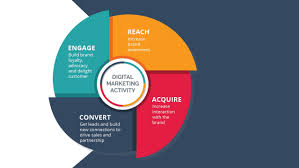
One of the key benefits of social media marketing is its ability to increase brand visibility and awareness. By creating compelling content and engaging with your audience on social platforms, you can build a strong brand presence that resonates with your target market.
Driving Traffic and Conversions
Social media channels provide businesses with a powerful way to drive traffic to their websites and convert leads into customers. By strategically promoting your products or services through targeted ads and engaging posts, you can attract potential customers and encourage them to take action.
Engaging with Your Audience
Effective social media marketing is not just about broadcasting messages; it’s also about building relationships with your audience. By actively responding to comments, messages, and feedback on social platforms, you can create a sense of community around your brand and foster loyalty among your followers.
Measuring Success
One of the advantages of social media marketing is the ability to track and measure the performance of your campaigns in real-time. By monitoring key metrics such as engagement rates, click-through rates, and conversion rates, you can gain valuable insights into what is working well and make data-driven decisions to optimise your strategy.
Conclusion
Social media marketing offers businesses a unique opportunity to connect with their audience in a more personal and meaningful way. By leveraging the power of social platforms effectively, businesses can increase brand awareness, drive traffic and conversions, engage with their audience, and measure the success of their campaigns. Embracing social media marketing as part of your overall digital strategy can help you stay competitive in today’s fast-paced digital landscape.
Top 9 Frequently Asked Questions About Social Media Marketing for Businesses
- What is social media marketing?
- Why is social media marketing important for businesses?
- Which social media platforms are best for marketing?
- How can businesses use social media to increase brand awareness?
- What are the benefits of using paid advertising on social media?
- How can businesses measure the effectiveness of their social media marketing efforts?
- What are some common mistakes to avoid in social media marketing?
- How often should businesses post on social media?
- Is influencer marketing effective in social media strategies?
What is social media marketing?
Social media marketing refers to the strategic use of social media platforms to promote a brand, product, or service. It involves creating and sharing content that engages with the target audience, building relationships, and driving desired actions. By leveraging the reach and interactivity of platforms such as Facebook, Instagram, Twitter, and LinkedIn, businesses can increase brand awareness, generate leads, drive website traffic, and ultimately boost sales. Social media marketing is a powerful tool that allows businesses to connect with their audience on a more personal level and build a loyal community of followers.
Why is social media marketing important for businesses?
Social media marketing is crucial for businesses in today’s digital landscape for several reasons. Firstly, it provides a powerful platform to increase brand visibility and connect with a vast audience of potential customers. By engaging with followers through compelling content and interactive posts, businesses can build brand awareness and loyalty. Additionally, social media marketing allows businesses to drive website traffic, generate leads, and ultimately increase sales through targeted advertising and strategic campaigns. Furthermore, the real-time nature of social media enables businesses to receive instant feedback from customers, helping them to adapt and improve their marketing strategies effectively. Overall, social media marketing plays a vital role in enhancing brand presence, fostering customer relationships, and driving business growth in the competitive online market.
Which social media platforms are best for marketing?
When considering which social media platforms are best for marketing, it is essential to assess your target audience and business objectives. Each platform offers unique features and demographics that can influence the effectiveness of your marketing efforts. For businesses targeting a younger demographic, platforms like Instagram and Snapchat may be more suitable due to their visual nature and popularity among younger users. On the other hand, LinkedIn is ideal for B2B marketing and professional networking. Facebook remains a versatile option with a broad user base, while Twitter is great for real-time engagement and news updates. Ultimately, the best social media platforms for marketing will depend on your specific goals, target audience, and content strategy.
How can businesses use social media to increase brand awareness?
Businesses can leverage social media to enhance brand awareness by creating engaging and relevant content that resonates with their target audience. By consistently sharing valuable information, showcasing their unique selling points, and actively engaging with followers through comments and messages, businesses can establish a strong online presence. Additionally, utilising targeted advertising on social platforms allows businesses to reach a wider audience and attract potential customers who may not have been aware of their brand previously. By fostering meaningful interactions and building relationships with followers, businesses can effectively increase brand visibility and recognition in the competitive digital landscape.
What are the benefits of using paid advertising on social media?
Using paid advertising on social media offers a range of benefits for businesses looking to enhance their online presence and reach a targeted audience effectively. One key advantage is the ability to increase brand visibility and reach a larger audience beyond organic posts. Paid ads allow businesses to target specific demographics, interests, and behaviours, ensuring that their message reaches the right people at the right time. Additionally, paid social media advertising can drive traffic to websites, generate leads, boost conversions, and ultimately contribute to achieving business objectives. With detailed analytics and tracking tools, businesses can measure the performance of their paid campaigns in real-time and make data-driven decisions to optimise their marketing strategies for maximum impact.
How can businesses measure the effectiveness of their social media marketing efforts?
Businesses can measure the effectiveness of their social media marketing efforts through various key performance indicators (KPIs) that provide valuable insights into the impact of their strategies. Metrics such as engagement rates, reach, click-through rates, conversion rates, and return on investment (ROI) can help businesses assess the success of their campaigns. By tracking these metrics and analysing the data collected, businesses can understand what is working well and make informed decisions to optimise their social media marketing efforts for better results. Regular monitoring and evaluation of these KPIs are essential for businesses to gauge the effectiveness of their social media strategies and make adjustments as needed to achieve their marketing goals.
What are some common mistakes to avoid in social media marketing?
When it comes to social media marketing, there are several common mistakes that businesses should avoid to maximise the effectiveness of their efforts. One key mistake is inconsistency in posting content, as irregular updates can lead to a loss of audience engagement. Another common error is neglecting to tailor content for each platform, as what works on one social media site may not resonate with users on another. Additionally, overlooking the importance of engaging with followers and responding promptly to comments and messages can hinder building meaningful relationships with the audience. Lastly, failing to track and analyse performance metrics can make it challenging to understand what strategies are working and where improvements are needed. By being mindful of these pitfalls and taking proactive steps to address them, businesses can enhance their social media marketing outcomes and better connect with their target audience.
How often should businesses post on social media?
Determining the ideal frequency for posting on social media is a common query among businesses navigating the digital landscape. While there is no one-size-fits-all answer, the key lies in finding a balance that resonates with your audience. Consistency is crucial to maintaining engagement, but bombarding followers with excessive posts can lead to fatigue. It’s essential to understand your target demographic, monitor engagement metrics, and test different posting schedules to identify what works best for your specific brand and audience. By adapting and refining your posting frequency based on real-time data and feedback, you can strike the right chord with your followers and maximise the impact of your social media marketing efforts.
Is influencer marketing effective in social media strategies?
Influencer marketing has emerged as a powerful tool in social media strategies, offering a unique way to reach and engage with target audiences. Collaborating with influencers who have a loyal following can help businesses amplify their brand message and increase credibility among consumers. By leveraging the influence and authenticity of these individuals, businesses can tap into new markets, drive engagement, and ultimately boost conversions. However, the effectiveness of influencer marketing in social media strategies depends on various factors such as choosing the right influencers, aligning their values with your brand, and measuring the impact of campaigns accurately. When executed strategically, influencer marketing can indeed be a valuable asset in enhancing brand visibility and connecting with customers in a more authentic manner.