
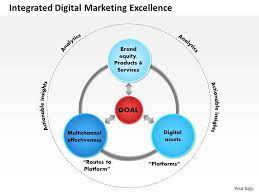
The Power of Integrated Digital Marketing
In today’s fast-paced digital landscape, businesses are constantly seeking ways to stand out and reach their target audience effectively. One powerful strategy that has gained significant traction is integrated digital marketing.
Integrated digital marketing involves the harmonious combination of various online marketing channels and tactics to create a cohesive and unified approach. By blending elements such as social media, content marketing, email campaigns, SEO, PPC advertising, and more, businesses can amplify their brand message and engage with customers across multiple touchpoints.
Benefits of Integrated Digital Marketing:
- Consistent Branding: By aligning messaging and design elements across different channels, businesses can establish a strong and recognisable brand identity.
- Improved Customer Experience: Integrated campaigns provide a seamless experience for customers as they move through the buying journey, leading to higher satisfaction and loyalty.
- Data-Driven Insights: By integrating data from various sources, businesses gain valuable insights into customer behaviour and preferences, allowing for more targeted and effective marketing strategies.
- Increased ROI: A cohesive approach to digital marketing ensures that resources are allocated efficiently and campaigns work together synergistically to maximise return on investment.
Key Strategies for Successful Integration:
To implement an effective integrated digital marketing strategy, businesses should focus on the following key strategies:
- Cross-Channel Coordination: Ensure that messaging is consistent across all channels to provide a unified brand experience.
- Data Integration: Use data analytics tools to gather insights from different channels and leverage this information to tailor campaigns for specific audience segments.
- Campaign Synchronisation: Coordinate the timing of campaigns across channels to create a cohesive narrative that resonates with customers at every touchpoint.
- Multichannel Attribution: Assign credit accurately to each channel that contributes to conversions, allowing for better optimisation of marketing efforts.
In conclusion, integrated digital marketing offers businesses a powerful way to connect with their audience in a meaningful and impactful manner. By combining the strengths of various online channels into a unified strategy, businesses can enhance brand visibility, drive engagement, and ultimately achieve their marketing goals in today’s competitive digital landscape.
Seven Advantages of Integrated Digital Marketing: Boosting Branding, Efficiency, and Customer Engagement
- Consistent branding across multiple channels
- Improved customer experience through seamless interactions
- Better understanding of customer behaviour and preferences
- Increased efficiency by combining resources and efforts
- Enhanced targeting capabilities for more personalised campaigns
- Higher ROI through synergistic marketing strategies
- Ability to adapt and respond quickly to market trends
Navigating the Challenges of Integrated Digital Marketing: Complexity, Consistency, and Costs
Consistent branding across multiple channels
Maintaining consistent branding across multiple channels is a key advantage of integrated digital marketing. By ensuring that the brand message, visual identity, and tone of voice remain uniform across various online platforms such as social media, websites, email campaigns, and advertising, businesses can build a strong and recognisable brand image. This consistency helps to reinforce brand recall among customers and fosters trust and credibility, ultimately leading to increased brand loyalty and engagement.
Improved customer experience through seamless interactions
Integrated digital marketing offers businesses the pro of improved customer experience through seamless interactions. By aligning messaging and design elements across various online channels, businesses can provide customers with a cohesive and consistent brand experience. This seamless approach ensures that customers encounter a unified message regardless of the platform they engage with, leading to higher satisfaction and loyalty. Through integrated digital marketing, businesses can create a smooth journey for their customers, enhancing their overall experience and strengthening the relationship between the brand and its audience.
Better understanding of customer behaviour and preferences
One significant advantage of integrated digital marketing is the ability to gain a deeper understanding of customer behaviour and preferences. By integrating data from various online channels, businesses can track and analyse customer interactions to identify patterns, trends, and preferences. This valuable insight allows companies to tailor their marketing strategies more effectively, delivering personalised content and experiences that resonate with their target audience. Ultimately, this enhanced understanding of customer behaviour enables businesses to make informed decisions that drive engagement, loyalty, and conversions.
Increased efficiency by combining resources and efforts
One significant advantage of integrated digital marketing is the increased efficiency achieved by combining resources and efforts across various online channels. By consolidating marketing activities and coordinating strategies, businesses can streamline their processes, reduce duplication of work, and maximise the impact of their campaigns. This collaborative approach not only saves time and resources but also allows for a more cohesive and targeted marketing effort that resonates with the audience effectively. Ultimately, this efficiency leads to a higher return on investment and better overall results for the business.
Enhanced targeting capabilities for more personalised campaigns
Integrated digital marketing offers enhanced targeting capabilities for more personalised campaigns. By consolidating data from various online channels, businesses can gain a deeper understanding of their target audience’s preferences, behaviours, and demographics. This rich data enables businesses to create highly tailored and relevant campaigns that resonate with individual customers on a more personal level. Through precise targeting, businesses can deliver customised messages to the right audience at the right time, increasing engagement and driving conversions effectively in today’s competitive digital landscape.
Higher ROI through synergistic marketing strategies
Integrated digital marketing offers businesses the advantage of higher return on investment (ROI) through synergistic marketing strategies. By aligning and coordinating various online channels, businesses can create campaigns that work together harmoniously to amplify the impact of their marketing efforts. This collaborative approach ensures that resources are optimally utilised, leading to increased efficiency and effectiveness in reaching and engaging with target audiences. As a result, businesses can achieve a higher ROI by leveraging the combined strength of multiple digital channels to drive conversions and maximise the value of their marketing investments.
Ability to adapt and respond quickly to market trends
One key advantage of integrated digital marketing is its ability to adapt and respond swiftly to evolving market trends. By leveraging multiple online channels and data analytics, businesses can stay agile and make real-time adjustments to their marketing strategies based on changing consumer behaviours and industry developments. This flexibility enables companies to seize new opportunities, address emerging challenges, and ensure that their campaigns remain relevant and effective in a dynamic digital landscape.
Complexity
In the realm of integrated digital marketing, one notable drawback is the inherent complexity that arises from managing multiple channels and coordinating campaigns. This complexity can be overwhelming and time-consuming for businesses, demanding significant resources in terms of manpower, expertise, and financial investment. Juggling various online platforms while ensuring a seamless and cohesive brand presence across all channels poses a challenge that may hinder efficiency and effectiveness in marketing efforts. Navigating this complexity requires careful planning, strategic coordination, and continuous monitoring to overcome the hurdles associated with integrating diverse digital marketing channels.
Consistency Challenges
Maintaining consistent messaging and branding across various platforms can be a significant challenge in integrated digital marketing. The need to ensure uniformity in tone, design, and content while catering to the unique requirements of each platform can sometimes result in inconsistencies that may confuse customers. This lack of coherence can dilute the brand’s identity and message, potentially hindering the effectiveness of marketing efforts. Addressing these consistency challenges requires careful planning, coordination, and monitoring to uphold a cohesive brand image that resonates with audiences across all digital touchpoints.
Integration Costs
One significant drawback of integrated digital marketing is the con of integration costs. Implementing integrated digital marketing strategies often necessitates investments in technology, tools, and training. These additional expenses can contribute to an increase in the overall marketing budget for businesses. The need to acquire and implement new systems or platforms, provide staff with training on how to use them effectively, and maintain these resources can pose financial challenges for organisations looking to adopt a comprehensive integrated approach to their digital marketing efforts.