
digital marketing and communication

Digital Marketing and Communication: Building Stronger Connections Online

Digital Marketing and Communication: Building Stronger Connections Online

Digital marketing and communication are closely connected. Marketing helps businesses reach the right people, while communication builds the trust and understanding that turn an audience into a community of customers. When the two work together, a business can share a consistent message, create meaningful experiences and support lasting relationships.

What is digital marketing?

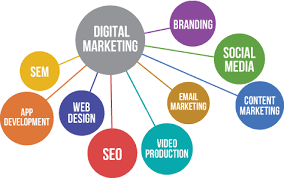
Digital marketing is the promotion of a business, product or service through online channels. These may include websites, search engines, social media, email and digital advertising. The right mix depends on a business’s goals, audience and resources.

Common digital marketing activities include:

  • Search engine optimisation (SEO): Improving a website so it can be found more easily through relevant search results.
  • Content marketing: Creating useful articles, guides, videos and other content for an intended audience.
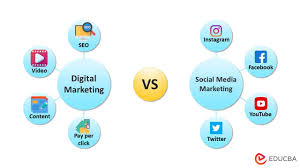
  • Social media marketing: Sharing content and engaging with people on social platforms.
  • Email marketing: Sending relevant updates, offers and information to people who have chosen to hear from a business.
  • Online advertising: Using paid placements to reach specific audiences or encourage particular actions.

Why communication matters

Digital channels make it possible to communicate quickly and on a large scale. But simply publishing more content does not guarantee that people will notice, understand or trust a message. Effective communication starts with listening: learning what an audience needs, what questions it has and which channels it prefers.

Clear communication can help a business explain what it offers, set realistic expectations and make it easier for customers to take the next step. It also gives people a reason to engage, whether that means asking a question, signing up for updates or making a purchase.

Creating a consistent message

People may encounter a business through a search result, a social media post, an email or its website. Each interaction should feel recognisably connected to the same brand. Consistency does not mean using identical wording everywhere. It means keeping the core message, tone and visual identity aligned while adapting the format to suit each channel.

A useful starting point is to define:

  • Who the business is trying to reach.
  • What those people need or want to know.
  • What makes the business’s offer relevant.
  • What action readers should take next.
  • How the brand should sound across different channels.

Choose channels with purpose

Being active on every digital platform is not always practical or effective. A better approach is to focus on the channels that suit the audience and the business’s objectives. For example, a detailed guide may work well on a website, while a short update may be better suited to social media. Email can be useful for sharing information with subscribers, provided messages remain relevant and easy to manage.

Each channel should have a clear role. A website might provide comprehensive information, social media might support conversation and discovery, and email might keep an opted-in audience informed. Together, these channels can create a more connected customer experience.

Make content useful and accessible

Good digital communication is centred on the audience, not just the organisation. Content should answer genuine questions, use plain language and avoid unnecessary jargon. It should also be accessible: use clear headings, descriptive links, readable layouts and alternative text for meaningful images.

Useful content can take many forms, including how-to articles, FAQs, product information, case studies and short videos. The format matters less than whether the content is accurate, relevant and easy to understand.

Measure what matters

Digital marketing provides data that can help businesses understand how their communications are performing. The right measures depend on the goal. Website visits may indicate interest, while enquiries, sign-ups or sales may offer a clearer view of action taken. Engagement figures can provide context, but they should not be treated as success on their own.

Reviewing results regularly helps a business identify what is working and where improvements may be needed. It is also important to interpret data carefully, taking account of the audience, campaign timing and other factors that could affect performance.

Build trust over time

Trust grows through consistent, honest communication. Businesses should be clear about what they offer, respond thoughtfully to feedback and avoid promises they cannot support. They should also respect people’s privacy and follow applicable data protection and marketing rules, including requirements around consent and unsubscribing from marketing emails.

Not every interaction needs to lead directly to a sale. Helpful advice, timely answers and straightforward information can all contribute to a positive relationship with a brand.

Bringing digital marketing and communication together

Effective digital marketing is more than choosing platforms or publishing campaigns. It is an ongoing process of understanding an audience, sharing useful information, listening to responses and improving the experience. When communication is clear and marketing activity has a defined purpose, businesses can make better use of their digital channels and create stronger connections with the people they serve.


Top 5 FAQs on Digital Marketing and Communication: Understanding Strategies, Costs, and Success Metrics

  1. What is digital marketing and how does it work?
  2. Which digital marketing channels are best for my business?
  3. How can I improve my digital marketing communication?
  4. How much does digital marketing cost?
  5. How can I measure the success of a digital marketing campaign?

What is digital marketing and how does it work?

Digital marketing is the promotion of a business, product or service through online channels such as search engines, websites, social media, email and digital advertising. It works by helping a business reach relevant audiences, share useful or persuasive messages, and encourage actions such as visiting a website, making an enquiry or completing a purchase. By measuring results—such as visits, engagement and conversions—businesses can understand what is effective and refine their marketing over time.

Which digital marketing channels are best for my business?

The best digital marketing channels depend on your business goals, audience and budget. Consider where your customers spend time online and how they prefer to find information: SEO can help people discover your website through search engines, social media can build awareness and encourage conversation, while email can nurture relationships with subscribers. Paid advertising may help you reach a specific audience quickly, but it needs careful planning and monitoring. Rather than trying to use every channel, choose the ones that suit your customers and focus on measuring results so you can refine your approach over time.

How can I improve my digital marketing communication?

To improve your digital marketing communication, start by understanding your audience and the questions, needs and channels that matter to them. Set clear goals, use plain and consistent language, and tailor your message to each platform rather than sharing the same content everywhere. Create useful, accessible content, make the next step clear and respond promptly to comments or enquiries. Finally, review performance regularly—using measures such as engagement, enquiries and conversions—and use what you learn to refine your approach.

How much does digital marketing cost?

The cost of digital marketing varies depending on your goals, the channels you use and the level of support you need. A focused SEO or social media campaign may require a smaller budget than a multi-channel strategy involving paid advertising, content creation and ongoing management. Costs can also depend on how competitive your market is and whether you work with an agency, a freelancer or an in-house team. A good starting point is to set clear objectives and agree a budget, then review performance regularly to understand what is delivering value.

How can I measure the success of a digital marketing campaign?

Measure the success of a digital marketing campaign by comparing its results with the goals set before launch. Choose relevant key performance indicators (KPIs), such as website visits, engagement, enquiries, email sign-ups or sales, and track them using tools such as website analytics and advertising dashboards. Consider both the number and quality of responses, the campaign’s cost and return on investment, and how results compare with previous activity. Reviewing these measures regularly can show what is working and where adjustments may improve performance.

leading digital marketing agency

How to Choose a Leading Digital Marketing Agency for Your Business

What Makes a Leading Digital Marketing Agency?

Choosing a digital marketing agency is an important decision for any business looking to grow online. The right partner can help you reach the people who matter, strengthen your brand and turn digital activity into meaningful results. But what sets a leading digital marketing agency apart?

A strategy built around your business

Effective digital marketing starts with understanding your business: your goals, your audience and the challenges you face. Rather than relying on a one-size-fits-all package, a strong agency develops a strategy that reflects your priorities and gives every activity a clear purpose.

That means setting realistic objectives, choosing the right channels and agreeing how progress will be measured. Whether the focus is building awareness, generating enquiries or increasing online sales, the plan should connect your marketing activity to your wider business goals.

Joined-up digital expertise

Digital channels work best when they support one another. Search engine optimisation, paid advertising, content and social media can each play a valuable role, but disconnected campaigns may lead to inconsistent messaging and missed opportunities.

A leading digital marketing agency looks at the bigger picture. It considers how customers discover a brand, what information they need and what might encourage them to take the next step. This joined-up approach can create a clearer, more consistent experience across your website and marketing channels.

Clear communication and useful reporting

Good communication is essential to a successful agency relationship. You should know what work is being done, why it matters and how it is performing. Reports should do more than list figures: they should explain what the results mean and what could be improved next.

Transparency also means being realistic. Digital marketing takes time, and results can vary depending on factors such as competition, budget and the condition of your website. A trustworthy agency will set clear expectations and discuss both progress and challenges openly.

Continual improvement

The digital landscape changes constantly. Search behaviour evolves, platforms introduce new features and customer expectations shift. A leading agency keeps learning, tests ideas thoughtfully and adapts its recommendations as new information becomes available.

Rather than treating a campaign as a set-and-forget activity, the agency should review performance regularly. This helps identify what is working, where there is room to improve and how marketing investment can be used more effectively.

Finding the right agency for you

The best digital marketing agency is not necessarily the biggest or the one making the boldest promises. Look for a team that takes time to understand your business, explains its approach clearly and can show how its work will support your objectives.

Ask how success will be measured, who will manage your account and how often you will review progress. A strong working relationship is built on shared goals, honest conversations and a clear understanding of what happens next.

Choose a partner focused on progress

A leading digital marketing agency combines strategic thinking, practical expertise and clear communication. Most importantly, it focuses on helping your business make steady, measurable progress online.

When you find an agency that understands your ambitions and is prepared to work collaboratively, digital marketing can become a valuable part of your long-term growth.


Top 7 Strategies for Leading a Successful Digital Marketing Agency

  1. Set clear goals and priorities.
  2. Hire curious, adaptable people.
  3. Keep clients informed and involved.
  4. Use data to guide decisions.
  5. Encourage creativity and testing.
  6. Invest in ongoing training.
  7. Measure results and share learnings.

Set clear goals and priorities.

Set clear goals and priorities before choosing a leading digital marketing agency. Be specific about what you want to achieve, whether that is increasing brand awareness, generating more enquiries or improving online sales. Agree which goals matter most, how success will be measured and what timescales are realistic. This gives the agency a clear direction, helps focus your budget on the work with the greatest potential impact and makes it easier to assess progress together.

Hire curious, adaptable people.

A leading digital marketing agency hires curious, adaptable people who are keen to learn and comfortable responding to change. Digital platforms, customer behaviour and marketing techniques evolve constantly, so a team that asks questions, explores new ideas and learns from results is better placed to spot opportunities and solve problems. Adaptability also helps the agency tailor its approach to each client, rather than relying on the same formula for every brief.

Keep clients informed and involved.

A leading digital marketing agency keeps clients informed and involved at every stage of a campaign. Regular updates, clear reporting and open conversations help clients understand what work is being done, how it is performing and what the next steps are. By inviting feedback and involving clients in key decisions, an agency can keep its strategy aligned with changing business goals and build a stronger, more collaborative partnership.

Use data to guide decisions.

A leading digital marketing agency uses data to guide decisions, not guesswork. By tracking relevant measures such as website visits, enquiries, conversions and campaign costs, it can see what is working and where improvements are needed. The agency should interpret these insights in the context of your business goals, then use them to refine campaigns, focus investment and make informed recommendations. Regular, clear reporting helps everyone understand progress and decide on the next steps.

Encourage creativity and testing.

Encourage creativity and testing by giving your digital marketing team room to explore fresh ideas while measuring what works. A leading agency doesn’t rely on assumptions or repeat the same approach indefinitely; it tests different messages, creative formats and channels, then uses the results to refine campaigns. This balance of imagination and evidence can uncover new ways to engage your audience, improve performance and make better use of your marketing budget.

Invest in ongoing training.

Investing in ongoing training helps a leading digital marketing agency keep its skills and knowledge up to date as platforms, technologies and customer behaviour change. By making time for professional development, its team can apply current best practice, explore new opportunities and make informed recommendations. This benefits clients through more relevant strategies and a stronger ability to adapt when the digital landscape shifts.

Measure results and share learnings.

A leading digital marketing agency measures results against clear objectives and shares what it learns along the way. Regular, easy-to-understand reporting shows which activities are working, where there is room to improve and how performance compares with your goals. By using these insights to refine campaigns and explain the next steps, an agency helps your business make informed decisions and get more value from its marketing investment.

digital marketing management

Digital Marketing Management: A Practical Guide for Growing Businesses

Digital Marketing Management: A Practical Guide for Growing Businesses

Digital marketing management is the planning, delivery and measurement of a business’s marketing activity across digital channels. It brings together strategy, content, technology and analysis to help an organisation reach the right people and achieve its goals.

For some businesses, that may mean generating enquiries. For others, it could involve increasing online sales, building brand awareness or encouraging existing customers to return. Whatever the objective, effective management helps ensure that digital activity works as part of a coherent plan rather than as a collection of disconnected campaigns.

What does digital marketing management involve?

Digital marketing covers a wide range of channels and activities. Managing them effectively means deciding which ones are appropriate, setting clear priorities and making sure each contributes to the wider business strategy.

  • Search engine optimisation (SEO): Improving a website’s visibility in organic search results and making it more useful to visitors.
  • Paid advertising: Using platforms such as search engines and social networks to reach specific audiences through paid campaigns.
  • Content marketing: Creating helpful, relevant content that informs, inspires or supports potential customers.
  • Social media: Sharing content, engaging with audiences and building a consistent presence on suitable platforms.
  • Email marketing: Communicating with subscribers and customers through relevant, permission-based emails.
  • Website and conversion optimisation: Making it easier for visitors to find information and take useful actions, such as making an enquiry or placing an order.
  • Analytics and reporting: Measuring performance to understand what is working and where improvements are needed.

Start with clear objectives

Good management begins with a clear understanding of what the business wants to achieve. Broad aims such as “get more customers” are difficult to plan for and measure. More specific objectives provide a better foundation for decision-making.

For example, a business might aim to increase qualified enquiries from its website, grow online revenue from a particular product range or improve the number of returning customers. Objectives should be realistic, time-bound and linked to wider business priorities.

Once objectives are agreed, choose key performance indicators (KPIs) that show progress. Depending on the goal, these might include organic website visits, cost per lead, conversion rate, email sign-ups or revenue generated by a campaign.

Understand the audience

Digital marketing is more effective when it reflects the needs, habits and questions of the people it is intended to reach. Audience research can help a business understand who its customers are, what they value and how they look for information or make purchasing decisions.

Useful sources of insight include customer conversations, sales and support enquiries, website analytics, search data and feedback from existing campaigns. These findings can inform the messages a business uses, the content it creates and the channels it prioritises.

Choose the right channels

Being present on every platform is not always the best approach. Different channels suit different audiences, products and objectives. A business selling to other organisations may benefit from search marketing, specialist content and professional networking platforms. A consumer brand may find visual social channels or email more relevant.

Channel choices should be based on evidence and reviewed over time. It is often more effective to manage a small number of suitable channels well than to spread resources too thinly across many.

Create a joined-up plan

A digital marketing plan connects objectives, audiences, channels, content, budgets and responsibilities. It should set out what will happen, when it will happen and how success will be assessed.

Planning helps teams coordinate campaigns and maintain a consistent message across the customer journey. Someone discovering a business through a search result, for instance, should find a website that clearly follows through on the promise made in the listing or advert.

A plan should provide direction without being inflexible. Customer behaviour, platform features and business priorities can change, so plans need regular review.

Measure, learn and improve

Digital marketing management does not end when a campaign goes live. Ongoing measurement helps businesses understand how people respond and whether activity is contributing to the intended objectives.

Reports are most useful when they focus on meaningful outcomes rather than numbers in isolation. A rise in website visits may look positive, but it matters more whether those visits come from relevant people and lead to enquiries, sales or another desired action.

Reviewing performance regularly can reveal where to make adjustments. A business might refine its audience targeting, improve a landing page, test a different message or invest more in a channel that is producing valuable results. Testing should be deliberate, with changes based on a clear question and measurable outcome.

Keep the customer experience in focus

Marketing can attract attention, but the experience that follows plays an important part in turning interest into action. Pages should load reliably, work well on mobile devices and make essential information easy to find. Calls to action should be clear, and forms should ask only for information that is genuinely needed.

Consistency also matters. A business’s tone, visual identity and promises should align across its website, adverts, social media and customer communications. This helps create a more recognisable and trustworthy experience.

Work responsibly with data

Digital marketing often involves collecting or using personal information. Businesses should handle data responsibly, explain how it is used and follow relevant privacy and marketing rules. Email marketing, cookies and tracking technologies may have specific requirements, so organisations should seek appropriate guidance and keep their processes up to date.

Respectful data practices support customer confidence as well as compliance. Clear choices and relevant communications are more likely to build lasting relationships than excessive or unexpected messages.

In-house management or external support?

Some organisations manage digital marketing internally, while others work with agencies, consultants or a combination of both. The right arrangement depends on the skills, time and resources available, as well as the complexity of the marketing programme.

External support can bring specialist expertise or additional capacity. Internal teams can contribute detailed knowledge of the business, its customers and its day-to-day operations. Whichever model is chosen, clear objectives, communication and accountability are essential.

Make digital marketing an ongoing process

Effective digital marketing management is not a one-off campaign or a fixed checklist. It is an ongoing process of setting priorities, understanding audiences, delivering useful experiences and learning from results.

By combining clear objectives with thoughtful channel choices and regular measurement, businesses can make better use of their marketing resources. The strongest approach is one that supports the wider business, responds to customers’ needs and adapts as circumstances change.


Maximising Impact: The Benefits of Digital Marketing Management for Business Success

  1. Keeps marketing activity aligned with business goals.
  2. Helps reach the right audiences through suitable channels.
  3. Makes it easier to track results and return on investment.
  4. Supports consistent messaging across digital platforms.
  5. Improves customer engagement and online experiences.
  6. Enables quick adjustments based on performance data.
  7. Helps businesses use marketing budgets more effectively.


Challenges in Digital Marketing Management: Time, Investment, Delayed Results, Platform Changes, and Data Privacy Complexity

  1. Can be time-consuming to manage.
  2. Requires ongoing investment.
  3. Results may take time to appear.
  4. Digital platforms change frequently.
  5. Data privacy rules can be complex.

Keeps marketing activity aligned with business goals.

Digital marketing management helps keep every campaign, channel and piece of content focused on the wider business goals. By setting clear objectives and tracking relevant results, businesses can prioritise activity that supports outcomes such as generating qualified leads, increasing sales or building customer loyalty. This makes it easier to use budgets and resources effectively, while ensuring marketing efforts contribute to measurable progress.

Helps reach the right audiences through suitable channels.

Effective digital marketing management helps businesses reach the right audiences by matching their needs and online habits with suitable channels. Rather than trying to be everywhere, businesses can focus on the platforms and formats their potential customers are most likely to use, making marketing more relevant, efficient and impactful.

Makes it easier to track results and return on investment.

Digital marketing management makes it easier to track results and understand return on investment (ROI). By monitoring metrics such as website visits, enquiries, conversions and campaign costs, businesses can see which activities are delivering value and where budgets may be better spent. This clear, measurable picture supports informed decisions, helping teams refine campaigns and focus resources on the approaches that contribute most to their goals.

Supports consistent messaging across digital platforms.

Digital marketing management helps ensure your brand communicates consistently across its website, social media, email and online advertising. By aligning your tone of voice, visual identity and key messages, you create a more recognisable experience for customers wherever they encounter your business. This consistency can build trust, reinforce what your brand stands for and make your communications more effective.

Improves customer engagement and online experiences.

Effective digital marketing management helps businesses engage with customers through relevant, timely communication across the channels they use. By understanding customer needs and using insights to personalise content, offers and support, businesses can make each interaction more useful and consistent. A well-managed website, clear information and responsive social media or email communications also create a smoother online experience, helping customers feel valued and more confident in choosing the brand.

Enables quick adjustments based on performance data.

Digital marketing management makes it possible to respond quickly to performance data. By monitoring results such as website visits, enquiries and conversions, businesses can see what is working and adjust campaigns accordingly. They can refine their messaging, change audience targeting or shift budget towards better-performing channels, helping marketing activity stay effective as customer behaviour and business priorities change.

Helps businesses use marketing budgets more effectively.

Digital marketing management helps businesses use their marketing budgets more effectively by directing spend towards the channels and campaigns most likely to reach the right audience and achieve clear objectives. Regular performance tracking shows what is delivering value and where money may be wasted, allowing businesses to adjust their activity, prioritise successful tactics and make more informed decisions about future investment.

Can be time-consuming to manage.

Digital marketing management can be time-consuming, as each channel needs regular attention, from planning content and scheduling campaigns to responding to customers and reviewing performance. Keeping up with changing platforms, trends and tools can add to the workload, particularly for small businesses with limited staff. Without clear priorities or a manageable plan, marketing tasks can take time away from other important parts of the business.

Requires ongoing investment.

Digital marketing management requires ongoing investment, both in budget and staff time. Campaigns need regular monitoring, content must be updated, and tools, advertising and specialist skills can all involve continuing costs. Businesses may also need to adjust their approach as platforms and customer behaviour change, making it important to plan for long-term spending rather than treating digital marketing as a one-off expense.

Results may take time to appear.

One drawback of digital marketing management is that results may take time to appear. Activities such as search engine optimisation, content marketing and building an engaged audience usually require consistent effort before they deliver noticeable outcomes. This can be challenging for businesses expecting quick returns, so it is important to set realistic expectations, monitor progress and recognise early signs of improvement while longer-term results develop.

Digital platforms change frequently.

One challenge of digital marketing management is that digital platforms change frequently. Search engine algorithms, social media features, advertising rules and audience habits can shift with little warning, making yesterday’s successful approach less effective today. Businesses need to keep up with these changes, review their strategies and adapt their campaigns, which can take time and resources.

Data privacy rules can be complex.

Data privacy rules can be complex, making digital marketing management more demanding for businesses. Requirements around consent, cookies, email campaigns and the collection or use of personal information can vary and change over time. Keeping up with these obligations takes time and expertise, and mistakes may lead to complaints, reputational damage or legal consequences. Businesses need clear processes and appropriate guidance to handle customer data responsibly and remain compliant.

digital media and marketing

Mastering the Art of Digital Media and Marketing: A Guide to Success in the Online World

The Power of Digital Media and Marketing

The Power of Digital Media and Marketing

Digital media and marketing have revolutionised the way businesses connect with their audiences in today’s fast-paced world. With the rise of the internet and social media, companies now have unprecedented opportunities to reach and engage with consumers on a global scale.

What is Digital Media?

Digital media refers to any form of content that is stored in digital format and can be shared electronically. This includes websites, social media platforms, online videos, podcasts, and more. The beauty of digital media lies in its ability to be easily accessed, shared, and interacted with by users across various devices.

The Role of Digital Marketing

Digital marketing utilises digital channels such as social media, search engines, email, and websites to promote products or services to target audiences. It allows businesses to tailor their marketing efforts based on consumer behaviour, preferences, and demographics. By leveraging data analytics and targeting capabilities, digital marketing enables companies to deliver personalised messages that resonate with their customers.

The Benefits of Digital Media and Marketing

There are numerous benefits to incorporating digital media and marketing into your business strategy:

  • Wider Reach: With digital platforms, you can reach a larger audience across different geographical locations.
  • Increased Engagement: Interactive content such as videos or polls can boost engagement levels with your target audience.
  • Cost-Effective: Digital marketing campaigns are often more cost-effective than traditional advertising methods like print or TV ads.
  • Real-Time Analytics: You can track the performance of your campaigns in real-time and make adjustments for better results.
  • Targeted Advertising: Digital marketing allows you to target specific demographics or interests for more effective advertising.

The Future of Digital Media and Marketing

As technology continues to evolve, so too will the landscape of digital media and marketing. Artificial intelligence, virtual reality, voice search, and other emerging technologies will shape the future of how businesses connect with consumers online. Staying ahead of these trends will be crucial for companies looking to remain competitive in the digital age.

In conclusion, embracing digital media and marketing is essential for businesses seeking to thrive in today’s interconnected world. By leveraging the power of digital channels, companies can build brand awareness, engage with customers on a personal level, and drive business growth like never before.


8 Essential Tips for Mastering Digital Media and Marketing

  1. Understand your target audience to tailor your content and messaging effectively.
  2. Consistently engage with your audience through various digital channels to build relationships.
  3. Utilize data analytics to track and measure the performance of your digital marketing campaigns.
  4. Create high-quality, relevant, and shareable content to attract and retain customers.
  5. Stay updated with the latest trends in digital media and marketing to stay ahead of the competition.
  6. Mobile-first” approach is crucial as mobile usage continues to rise globally.
  7. SEO” or Search Engine Optimization is key for increasing visibility on search engines.
  8. Social media influencers” can be powerful tools for reaching a wider audience and building credibility.

Understand your target audience to tailor your content and messaging effectively.

To maximise the impact of your digital media and marketing efforts, it is crucial to have a deep understanding of your target audience. By gaining insights into their preferences, behaviours, and demographics, you can tailor your content and messaging in a way that resonates with them effectively. This personalised approach not only enhances engagement but also increases the likelihood of converting leads into loyal customers. Understanding your target audience is the cornerstone of successful digital marketing strategies that drive meaningful connections and deliver tangible results.

Consistently engage with your audience through various digital channels to build relationships.

Consistently engaging with your audience through a variety of digital channels is a key strategy in building lasting relationships with your customers. By maintaining a presence on platforms where your target audience is active, such as social media, email newsletters, and online forums, you can foster meaningful interactions and create a sense of community around your brand. This ongoing engagement not only helps to strengthen customer loyalty but also allows you to gather valuable feedback and insights that can inform your marketing strategies and enhance the overall customer experience.

Utilize data analytics to track and measure the performance of your digital marketing campaigns.

To maximise the effectiveness of your digital marketing campaigns, it is essential to utilise data analytics to track and measure their performance. By analysing key metrics such as website traffic, conversion rates, and customer engagement, you can gain valuable insights into the success of your marketing efforts. This data-driven approach allows you to make informed decisions, optimise your strategies in real-time, and ultimately enhance the overall impact of your digital media initiatives.

Create high-quality, relevant, and shareable content to attract and retain customers.

Creating high-quality, relevant, and shareable content is a key tip in digital media and marketing. By producing content that resonates with your target audience, you can capture their attention, build trust, and establish your brand as a valuable resource. Shareable content not only attracts new customers but also helps retain existing ones by keeping them engaged and connected to your brand. Whether it’s informative articles, engaging videos, or interactive infographics, investing in quality content creation is essential for driving customer engagement and loyalty in today’s competitive digital landscape.

Staying updated with the latest trends in digital media and marketing is crucial for businesses aiming to stay ahead of the competition. By keeping abreast of emerging technologies, consumer behaviours, and industry best practices, companies can adapt their strategies to remain relevant and competitive in the ever-evolving digital landscape. Embracing new trends allows businesses to innovate, engage with their target audience effectively, and ultimately drive success in today’s dynamic market environment.

Mobile-first” approach is crucial as mobile usage continues to rise globally.

In today’s digital landscape, adopting a “mobile-first” approach is imperative as mobile usage continues to soar on a global scale. With more and more people accessing the internet and engaging with content through their mobile devices, businesses must prioritise mobile-friendly strategies to effectively reach and connect with their target audience. By ensuring that websites, ads, and content are optimised for mobile viewing, companies can enhance user experience, increase engagement, and stay ahead in the ever-evolving realm of digital media and marketing.

SEO” or Search Engine Optimization is key for increasing visibility on search engines.

“SEO, or Search Engine Optimization, plays a crucial role in enhancing visibility on search engines. By implementing effective SEO strategies, businesses can improve their website’s ranking in search results, making it easier for potential customers to find them online. Optimizing content with relevant keywords, improving site speed and user experience, and building quality backlinks are just some of the ways SEO can help drive organic traffic to a website. Investing in SEO is essential for businesses looking to boost their online presence and attract more qualified leads through improved search engine visibility.”

Social media influencers” can be powerful tools for reaching a wider audience and building credibility.

Utilising “social media influencers” can be a potent strategy in digital media and marketing. These individuals have the ability to connect with a vast audience and establish trust and credibility within their niche. By partnering with social media influencers whose values align with your brand, you can effectively amplify your message, increase brand awareness, and engage with a wider demographic. Leveraging the influence of these individuals can be a valuable asset in expanding your reach and solidifying your brand’s reputation in the digital landscape.

integrated digital marketing services

Unlocking Success: The Power of Integrated Digital Marketing Services

The Power of Integrated Digital Marketing Services

In today’s fast-paced digital landscape, businesses are constantly seeking ways to stand out and reach their target audience effectively. One powerful strategy that has emerged as a game-changer is integrated digital marketing services. This approach combines various online marketing tactics to create a cohesive and seamless experience for customers across multiple channels.

What are Integrated Digital Marketing Services?

Integrated digital marketing services involve the harmonious integration of different online marketing channels such as social media, email marketing, search engine optimisation (SEO), content marketing, and paid advertising. By aligning these channels and strategies, businesses can deliver a unified message to their audience and maximise the impact of their campaigns.

The Benefits of Integration

There are several key benefits to adopting an integrated digital marketing approach:

  • Consistent Brand Messaging: By coordinating your messaging across various channels, you ensure that your brand identity remains consistent and recognisable to your audience.
  • Improved Customer Experience: Integrated campaigns provide a seamless experience for customers as they move through different touchpoints, resulting in enhanced engagement and satisfaction.
  • Optimised Performance: By analysing data from multiple sources, you can gain valuable insights into what works best for your target audience and make informed decisions to improve campaign performance.
  • Cross-Channel Synergy: Integrating different marketing channels allows them to complement each other, amplifying the overall impact of your efforts and driving better results.

How to Implement Integrated Digital Marketing Services

To successfully implement integrated digital marketing services, businesses should follow these key steps:

  1. Define Your Goals: Clearly outline your objectives and KPIs to ensure that all activities align with your overarching strategy.
  2. Create a Unified Strategy: Develop a comprehensive plan that integrates various tactics while maintaining a consistent message and branding across all channels.
  3. Utilise Data Analytics: Regularly monitor and analyse data from different sources to measure performance, identify trends, and make data-driven decisions for continuous improvement.
  4. Foster Collaboration: Encourage collaboration between different teams or agencies involved in your digital marketing efforts to ensure seamless execution and alignment towards shared goals.

The Future of Digital Marketing

In an increasingly competitive online environment, integrated digital marketing services have become essential for businesses looking to stay ahead of the curve. By leveraging the power of integration, companies can create unified campaigns that resonate with their audience, drive engagement, and ultimately lead to increased conversions and revenue. Embrace the future of digital marketing by embracing integration today!


9 Essential Tips for Mastering Integrated Digital Marketing Services

  1. Ensure consistency in branding across all digital channels.
  2. Utilise data analytics to understand customer behaviour and preferences.
  3. Create engaging content that resonates with your target audience.
  4. Implement SEO strategies to improve online visibility and search rankings.
  5. Use social media platforms effectively to connect with customers and build relationships.
  6. Incorporate email marketing campaigns for targeted communication with customers.
  7. Invest in paid advertising to reach a wider audience and drive traffic to your website.
  8. Optimise user experience on your website for seamless navigation and conversion rate optimization.
  9. Monitor performance metrics regularly to track the effectiveness of your digital marketing efforts.

Ensure consistency in branding across all digital channels.

Ensuring consistency in branding across all digital channels is a fundamental tip in integrated digital marketing services. By maintaining a cohesive brand identity, businesses can build trust and recognition with their audience, regardless of the platform or channel they engage with. Consistent branding helps to reinforce key messaging, values, and visual elements, creating a unified experience that resonates with customers and strengthens brand loyalty. Whether it’s social media, email marketing, or paid advertising, aligning branding across all channels is essential for establishing a strong and memorable presence in the digital space.

Utilise data analytics to understand customer behaviour and preferences.

To maximise the effectiveness of integrated digital marketing services, it is crucial to utilise data analytics to gain insights into customer behaviour and preferences. By analysing data from various online channels, businesses can understand how their target audience interacts with their brand, what content resonates most with them, and what drives conversions. This valuable information enables businesses to tailor their marketing strategies accordingly, delivering personalised and relevant experiences that engage customers and drive results.

Create engaging content that resonates with your target audience.

Creating engaging content that resonates with your target audience is a crucial aspect of integrated digital marketing services. By understanding the preferences, interests, and pain points of your audience, you can tailor your content to capture their attention and establish a meaningful connection. Whether it’s through compelling storytelling, informative articles, captivating visuals, or interactive experiences, resonant content not only attracts and retains your audience but also reinforces your brand message across different channels. By prioritising engaging content creation in your integrated marketing strategy, you can cultivate stronger relationships with your audience and drive better results for your business.

Implement SEO strategies to improve online visibility and search rankings.

To enhance online visibility and boost search rankings, incorporating SEO strategies is essential in integrated digital marketing services. By optimising website content, utilising relevant keywords, and improving site structure, businesses can increase their chances of being discovered by potential customers on search engines. Implementing SEO not only enhances visibility but also helps drive organic traffic to the website, ultimately leading to improved brand awareness and higher conversion rates. By prioritising SEO within an integrated digital marketing approach, businesses can strengthen their online presence and achieve sustainable growth in the competitive digital landscape.

Use social media platforms effectively to connect with customers and build relationships.

Utilising social media platforms effectively is a crucial aspect of integrated digital marketing services. By engaging with customers on platforms such as Facebook, Twitter, Instagram, and LinkedIn, businesses can establish meaningful connections and build relationships with their target audience. Through regular interaction, sharing valuable content, and responding to customer inquiries and feedback, companies can foster trust and loyalty among their followers. This personalised approach not only enhances brand visibility but also creates a sense of community that encourages customer engagement and advocacy.

Incorporate email marketing campaigns for targeted communication with customers.

Incorporating email marketing campaigns into your integrated digital marketing strategy is a powerful way to establish targeted communication with customers. By leveraging the personal nature of email, businesses can deliver tailored messages directly to their audience’s inbox, fostering stronger relationships and driving engagement. Email marketing allows for segmentation based on customer preferences and behaviours, enabling businesses to provide relevant content that resonates with individual recipients. Integrating email campaigns into your overall digital marketing mix ensures a cohesive approach that maximises the impact of your messaging across multiple channels, ultimately leading to improved customer retention and conversion rates.

Invest in paid advertising to reach a wider audience and drive traffic to your website.

Investing in paid advertising is a strategic move that can significantly enhance your integrated digital marketing efforts. By utilising paid ads across various platforms, you can expand your reach and target a wider audience that may not be reached through organic methods alone. Paid advertising allows you to drive targeted traffic to your website, increasing visibility and generating valuable leads. This approach complements other digital marketing strategies, creating a cohesive and effective campaign that maximises your online presence and boosts conversions.

Optimise user experience on your website for seamless navigation and conversion rate optimization.

To maximise the effectiveness of integrated digital marketing services, it is crucial to prioritise user experience on your website. By optimising your site for seamless navigation and focusing on conversion rate optimisation, you can create a user-friendly environment that encourages visitors to explore and engage with your content. A well-designed website that is easy to navigate not only enhances the overall user experience but also increases the likelihood of converting visitors into customers. By paying attention to these key elements, businesses can improve their online performance and drive better results from their integrated marketing efforts.

Monitor performance metrics regularly to track the effectiveness of your digital marketing efforts.

Monitoring performance metrics regularly is crucial when it comes to integrated digital marketing services. By tracking key indicators such as website traffic, conversion rates, social media engagement, and email open rates, businesses can gain valuable insights into the effectiveness of their digital marketing efforts. This data allows companies to identify what is working well and what areas may need improvement, enabling them to make informed decisions and optimise their strategies for better results. Regular monitoring of performance metrics is essential for staying agile in the ever-evolving digital landscape and achieving long-term success in online marketing campaigns.

Unlocking Success: Harnessing the Power of Innovative Digital Strategies

The Power of Innovative Digital Strategies

The Power of Innovative Digital Strategies

In today’s fast-paced digital landscape, businesses are constantly seeking ways to stand out and connect with their target audience. This is where innovative digital strategies play a crucial role in driving success and achieving competitive advantage.

What are Innovative Digital Strategies?

Innovative digital strategies encompass a range of creative approaches that leverage the latest technologies and trends to achieve business goals. These strategies go beyond traditional methods and embrace cutting-edge solutions to engage customers, enhance brand visibility, and drive growth.

The Benefits of Innovation in Digital Strategies

Embracing innovation in digital strategies offers numerous benefits for businesses:

  • Competitive Edge: By adopting innovative approaches, businesses can differentiate themselves from competitors and capture the attention of their target audience.
  • Enhanced Customer Experience: Innovative strategies allow businesses to deliver personalised and engaging experiences that resonate with customers, leading to increased loyalty and satisfaction.
  • Improved Efficiency: Leveraging automation, AI, and data analytics in digital strategies can streamline processes, reduce costs, and drive operational efficiency.
  • Growth Opportunities: Innovative digital strategies open up new avenues for growth, whether through expanding into new markets, launching innovative products/services, or reaching untapped customer segments.

Examples of Innovative Digital Strategies

Some examples of innovative digital strategies include:

  • Personalisation: Tailoring content and recommendations based on user preferences and behaviour to create a personalised experience.
  • Augmented Reality (AR) & Virtual Reality (VR): Using AR/VR technologies to offer immersive experiences for customers, such as virtual try-on features or interactive product showcases.
  • Data-driven Marketing: Harnessing data analytics to segment audiences effectively, measure campaign performance, and optimise marketing efforts for better results.
  • Voice Search Optimization: Optimising content for voice search queries to cater to the growing trend of voice-activated search assistants like Siri or Alexa.

In Conclusion

Innovation is key to staying ahead in the digital age. By embracing innovative digital strategies that leverage technology, creativity, and data insights, businesses can unlock new possibilities for growth, engagement, and success in an ever-evolving marketplace.


5 Essential Tips for Crafting Innovative Digital Strategies

  1. 1. Stay updated with the latest digital trends and technologies.
  2. 2. Focus on user experience to create engaging digital solutions.
  3. 3. Utilize data analytics to make informed decisions and optimize strategies.
  4. 4. Embrace social media platforms for effective communication and marketing.
  5. 5. Collaborate with industry experts and partners to drive innovation in your digital strategies.

To succeed in implementing innovative digital strategies, it is essential to stay updated with the latest digital trends and technologies. By keeping abreast of emerging technologies and industry trends, businesses can adapt quickly, identify new opportunities, and leverage cutting-edge tools to enhance their online presence and engage their target audience effectively. This proactive approach not only ensures relevance in a rapidly evolving digital landscape but also positions businesses to stay ahead of the competition and drive sustainable growth.

2. Focus on user experience to create engaging digital solutions.

Focusing on user experience is a fundamental aspect of developing innovative digital strategies. By prioritising the needs and preferences of users, businesses can create engaging digital solutions that resonate with their target audience. From intuitive website design to interactive features and personalised content, placing emphasis on user experience ensures that customers have a seamless and enjoyable interaction with a brand’s digital platforms. This approach not only enhances customer satisfaction but also fosters long-term relationships, driving business growth and success in the competitive digital landscape.

3. Utilize data analytics to make informed decisions and optimize strategies.

Utilising data analytics is a crucial aspect of innovative digital strategies. By harnessing the power of data, businesses can gain valuable insights into customer behaviour, preferences, and trends. This enables them to make informed decisions and tailor their strategies for maximum impact. Data analytics not only helps in understanding the effectiveness of current initiatives but also allows for continuous optimisation and refinement to drive better results and achieve business objectives efficiently.

4. Embrace social media platforms for effective communication and marketing.

To enhance your digital presence and engage with your target audience effectively, it is imperative to embrace social media platforms as part of your innovative digital strategy. By leveraging the power of platforms such as Facebook, Instagram, Twitter, and LinkedIn, businesses can not only communicate directly with their customers but also create impactful marketing campaigns that resonate with their audience. Social media offers a unique opportunity to build brand awareness, drive engagement, and foster meaningful connections with customers in real-time, making it a valuable tool for modern businesses looking to stay ahead in the digital landscape.

5. Collaborate with industry experts and partners to drive innovation in your digital strategies.

Collaborating with industry experts and partners is a powerful tip for driving innovation in your digital strategies. By leveraging the expertise and insights of professionals in the field, you can gain fresh perspectives, access cutting-edge technologies, and stay ahead of industry trends. Working together with trusted partners allows you to combine resources, share knowledge, and co-create innovative solutions that can propel your business towards digital success. Embracing collaboration not only fosters creativity but also cultivates a culture of continuous learning and improvement in your digital strategy implementation.