
The Power of Digital Marketing: An Overview
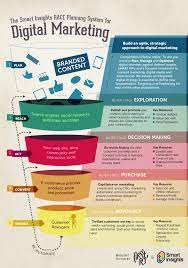
In today’s digital age, businesses are constantly seeking ways to reach and engage with their target audiences online. This is where digital marketing plays a crucial role. Digital marketing encompasses a wide range of strategies and tactics aimed at promoting products or services through various online channels.
Key Components of Digital Marketing
Digital marketing includes but is not limited to the following key components:
- Search Engine Optimization (SEO): Optimising websites to improve search engine rankings and increase organic traffic.
- Pay-Per-Click (PPC) Advertising: Running targeted ads on search engines or social media platforms to drive traffic and conversions.
- Social Media Marketing: Leveraging social media platforms to build brand awareness, engage with customers, and drive website traffic.
- Email Marketing: Sending targeted emails to nurture leads, promote products, and maintain customer relationships.
- Content Marketing: Creating valuable and relevant content to attract and retain a specific audience.
- Analytics and Reporting: Measuring the performance of digital marketing campaigns through data analysis to make informed decisions.
The Benefits of Digital Marketing
Digital marketing offers several benefits for businesses looking to establish a strong online presence:
- Increased Reach: Reach a global audience beyond geographical boundaries.
- Cost-Effective: Digital marketing can be more cost-effective than traditional advertising methods.
- Precise Targeting: Target specific demographics, interests, or behaviours for better engagement.
- Data-Driven Insights: Obtain valuable insights into consumer behaviour and campaign performance for continuous improvement.
- Multimedia Capabilities: Utilise various forms of content such as text, images, videos, and infographics to engage with audiences effectively.
In Conclusion
Digital marketing is an essential tool for businesses looking to thrive in the competitive online landscape. By leveraging the power of digital channels and strategies, businesses can connect with their target audiences, drive conversions, and ultimately achieve their marketing goals in a measurable way.
Frequently Asked Questions: An Overview of Digital Marketing Essentials
- What is digital marketing?
- Why is digital marketing important for businesses?
- What are the key components of digital marketing?
- How does SEO contribute to digital marketing strategies?
- What role does social media play in digital marketing?
- How can businesses benefit from email marketing?
- Why is data analysis crucial in measuring the success of digital marketing campaigns?
What is digital marketing?
Digital marketing refers to the use of various online channels and strategies to promote products or services, engage with target audiences, and drive conversions. It encompasses a wide range of tactics such as search engine optimisation (SEO), pay-per-click (PPC) advertising, social media marketing, email marketing, content creation, and data analytics. In essence, digital marketing leverages the power of the internet and digital technologies to reach a broader audience, build brand awareness, and achieve marketing objectives in a measurable way.
Why is digital marketing important for businesses?
In today’s digital era, the importance of digital marketing for businesses cannot be overstated. Digital marketing offers a cost-effective and efficient way for businesses to reach their target audiences, build brand awareness, and drive conversions. With the majority of consumers turning to online channels to research products and services, having a strong digital presence is crucial for staying competitive in the market. Digital marketing allows businesses to precisely target their ideal customers, track campaign performance in real-time, and adapt strategies based on data-driven insights. By embracing digital marketing strategies, businesses can effectively engage with their audience, increase brand visibility, and ultimately achieve their marketing objectives in a rapidly evolving digital landscape.
What are the key components of digital marketing?
When exploring the digital marketing landscape, it is essential to understand the key components that shape its effectiveness. The key components of digital marketing encompass a diverse range of strategies and tactics aimed at enhancing online visibility and engagement. These components include Search Engine Optimization (SEO) to improve website rankings, Pay-Per-Click (PPC) Advertising for targeted promotion, Social Media Marketing for audience engagement, Email Marketing for personalised communication, Content Marketing for valuable content creation, and Analytics and Reporting for data-driven insights. By leveraging these key components effectively, businesses can create impactful digital marketing campaigns that resonate with their target audience and drive meaningful results.
How does SEO contribute to digital marketing strategies?
Search Engine Optimization (SEO) plays a vital role in digital marketing strategies by enhancing a website’s visibility and driving organic traffic from search engines. By optimising website content, structure, and keywords, SEO helps improve search engine rankings, making it easier for potential customers to find the site when searching for relevant products or services. This increased visibility not only boosts website traffic but also enhances brand credibility and trust among users. Additionally, SEO complements other digital marketing tactics such as content marketing and social media by ensuring that the website is easily discoverable and accessible to target audiences, ultimately contributing to a holistic and effective digital marketing strategy.
What role does social media play in digital marketing?
Social media plays a pivotal role in digital marketing by providing businesses with a powerful platform to engage and connect with their target audience on a personal level. Through social media channels, businesses can build brand awareness, drive website traffic, generate leads, and foster customer relationships. Social media enables businesses to create and share content that resonates with their audience, encouraging likes, shares, comments, and ultimately increasing brand visibility. Additionally, social media platforms offer valuable insights into consumer behaviour and preferences, allowing businesses to tailor their marketing strategies for maximum impact. In essence, social media is an integral component of digital marketing that facilitates meaningful interactions between brands and consumers in the online space.
How can businesses benefit from email marketing?
Businesses can benefit significantly from email marketing as it offers a direct and personalised way to engage with their target audience. By sending targeted and relevant emails, businesses can nurture leads, build brand loyalty, promote products or services, and drive conversions. Email marketing allows businesses to reach a large number of people at a relatively low cost compared to traditional marketing methods. With the ability to track open rates, click-through rates, and other metrics, businesses can gain valuable insights into customer behaviour and preferences, enabling them to tailor their campaigns for better results. Overall, email marketing is a powerful tool that can help businesses strengthen relationships with customers and achieve their marketing objectives effectively.
Why is data analysis crucial in measuring the success of digital marketing campaigns?
Data analysis is crucial in measuring the success of digital marketing campaigns for several reasons. By analysing data collected from various online channels, businesses can gain valuable insights into the performance of their campaigns. This analysis helps in understanding customer behaviour, identifying trends, and determining the effectiveness of different marketing strategies. With data-driven insights, businesses can make informed decisions to optimise their campaigns, allocate resources more effectively, and ultimately achieve better results in reaching and engaging with their target audience.