online marketing services for small businesses

Online Marketing Services for Small Businesses: A Practical Guide

Online Marketing Services for Small Businesses: A Practical Guide

For a small business, online marketing can help you reach new customers, build trust and encourage repeat business. The right approach does not have to involve a large budget or a complicated strategy. It starts with understanding your audience, choosing the channels that suit your goals and making steady improvements over time.

What are online marketing services?

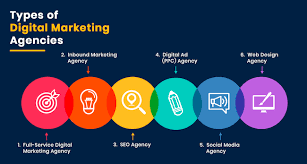
Online marketing services help businesses promote their products or services across digital channels. Depending on your needs, they may include website design, search engine optimisation (SEO), paid advertising, social media management, email marketing and content creation.

Some businesses manage these activities in-house, while others work with an agency or freelancer. A marketing partner can provide specialist skills, help set priorities and give you more time to focus on running your business.

Key online marketing services for small businesses

Website design and optimisation

Your website is often the first place potential customers go to learn about your business. It should explain what you offer, who you help and how to get in touch. A well-designed website should also work smoothly on mobile devices, load quickly and make it easy for visitors to take the next step.

That step might be making a purchase, booking an appointment, requesting a quote or signing up for updates. Clear calls to action and useful, accurate information can make a real difference.

Search engine optimisation

SEO helps improve your website’s visibility in unpaid search results. It can include researching the phrases your customers use, improving website content, organising pages clearly and making technical improvements that help search engines understand your site.

For businesses serving a particular area, local SEO can be especially useful. Keeping your business details consistent online and maintaining a complete local business profile can help nearby customers find you. SEO usually takes time, so it is best viewed as a long-term investment rather than a quick fix.

Paid search and social advertising

Paid advertising can put your business in front of a selected audience more quickly than organic marketing. Search adverts can reach people looking for a particular product or service, while social media adverts can be targeted by factors such as location, interests or behaviours.

Start with a clear objective and a manageable budget. Track what happens after someone clicks, not just how many clicks an advert receives. Enquiries, bookings and sales are more useful measures of success.

Social media marketing

Social media gives small businesses a way to share updates, demonstrate expertise and talk directly with customers. You do not need to be active on every platform. Choose the channels your audience uses and focus on posting useful, relevant content consistently.

A simple plan might include product or service information, answers to common questions, customer stories and behind-the-scenes updates. Responding to comments and messages promptly can help build stronger relationships.

Email marketing

Email is a direct way to stay in touch with people who have chosen to hear from your business. You could use it to share news, helpful advice, special offers or reminders. Keep messages relevant, make them easy to read on a mobile and include a clear next step.

Always collect consent appropriately and make it straightforward for recipients to unsubscribe. Following data protection and electronic marketing rules is an essential part of responsible email marketing.

Content creation and analytics

Useful content—such as articles, guides, videos or case studies—can answer customer questions and show what makes your business distinctive. Analytics can then help you understand which pages and campaigns attract attention and which lead to meaningful results.

How to choose the right services

Begin with your business goals. If you need more local enquiries, local SEO and a clear website may be a sensible starting point. If you are launching a new offer, paid advertising could help you test demand. If customers often return, email marketing may support repeat business.

Before choosing a provider, ask what work is included, how progress will be reported and how success will be measured. Look for clear communication, realistic expectations and a plan that fits your budget. Be cautious of promises such as guaranteed rankings or instant results.

Make your marketing work harder

Online marketing is most effective when its parts support one another. A useful social media post can lead people to a relevant website page; that page can encourage them to enquire or join your mailing list. Review your results regularly, keep what is working and adjust what is not.

With clear goals and the right mix of services, small businesses can build a stronger online presence without trying to do everything at once. Start with the basics, learn from your customers and grow your marketing as your business develops.


Essential Tips for Small Businesses: Maximising Online Marketing Services

  1. Set a clear budget before choosing marketing services.
  2. Choose channels your customers actually use.
  3. Check results with simple, measurable goals.
  4. Ask for transparent pricing and regular reports.
  5. Start small, then invest more in what works.

Set a clear budget before choosing marketing services.

Set a clear budget before choosing online marketing services so you can focus on options that are realistic for your business. Consider both the initial cost and any ongoing fees, and leave room to test and refine your approach. A clear budget also helps you compare providers, prioritise the channels most likely to support your goals and measure whether your marketing is delivering value.

Choose channels your customers actually use.

Choose marketing channels your customers actually use, rather than trying to be everywhere at once. Think about where your audience looks for information, compares options and spends time online, then focus your effort there. For example, a local service business may benefit from a well-maintained Google Business Profile, while a visually led brand might find social media more effective. Concentrating on the right channels helps you use your time and budget wisely, create more relevant content and build stronger connections with potential customers.

Check results with simple, measurable goals.

Set simple, measurable goals so you can see whether your online marketing is making a difference. Rather than aiming to “get more visibility”, track specific outcomes such as website enquiries, online sales, email sign-ups or visits from local search. Choose a time period, check your results regularly and compare them with your starting point. This makes it easier to spot what is working, adjust what is not and spend your marketing budget where it can have the greatest impact.

Ask for transparent pricing and regular reports.

Before choosing an online marketing provider, ask for clear, transparent pricing so you know what is included and whether there are any extra costs. Agree how often you will receive reports and what they will cover, such as website visits, enquiries, sales or campaign performance. Regular, straightforward updates make it easier to see what is working, understand how your budget is being used and decide what to improve next.

Start small, then invest more in what works.

Start with a manageable online marketing budget and test a few activities that match your goals, such as local SEO, email marketing or a small paid advertising campaign. Track meaningful results, including enquiries, bookings and sales, rather than focusing only on likes or clicks. Once you know which channels are bringing in the right customers, invest more in those and scale back what is not delivering. This measured approach helps you make better use of your budget while learning what works for your business.

full service digital agency

How a Full Service Digital Agency Can Help Your Business Grow

What Is a Full-Service Digital Agency?

A full-service digital agency helps businesses plan, create and improve their presence online. Rather than coordinating several specialist suppliers, a business can work with one team across services such as website design, digital marketing, content creation and analytics.

The exact mix of services varies from agency to agency. The aim, however, is usually the same: to bring different parts of a digital strategy together so they support shared business goals.

What services can a full-service digital agency provide?

A full-service agency may offer a combination of the following:

  • Strategy: Researching audiences, competitors and opportunities, then setting priorities and measurable objectives.
  • Website design and development: Planning and building websites that are clear, accessible and effective across devices.
  • Search engine optimisation (SEO): Improving a website’s visibility in organic search through technical improvements, useful content and relevant optimisation.
  • Paid media: Planning and managing advertising across search engines, social platforms and other digital channels.
  • Social media: Developing channel plans, creating content and supporting conversations with audiences.
  • Content and creative: Producing copy, photography, video, design and other assets that communicate a brand’s message.
  • Email marketing: Creating campaigns and automated communications to engage customers and support retention.
  • Analytics and reporting: Measuring performance and using the findings to guide improvements.

Why choose a full-service agency?

Working with one agency can make it easier to keep activity aligned. For example, insights from a paid campaign can inform website content, while SEO research can help shape the structure of a new site. When teams share information and work towards the same objectives, each part of a campaign can contribute to the bigger picture.

A single point of contact can also simplify communication and project management. Instead of briefing several separate suppliers, a business may be able to coordinate its work through one account or project team.

Full-service support can be useful for businesses that need help across several channels but do not have the time or in-house expertise to manage every specialism themselves. It can also provide access to a broader range of skills as needs change.

What to look for in an agency

“Full service” can mean different things, so it is worth looking beyond the label. Before choosing an agency, consider:

  • Relevant experience: Does the agency understand your sector, audience or type of challenge?
  • A clear approach: Can it explain how it will understand your goals, recommend activity and measure progress?
  • Joined-up thinking: Do its specialists collaborate, or are services delivered in separate silos?
  • Transparent reporting: Will you be able to see what work has been done and how results are measured?
  • Good communication: Are responsibilities, timings, costs and points of contact clearly explained?
  • The right fit: Does the agency’s working style suit your team and the level of support you need?

Ask for examples of relevant work and find out how success was evaluated. A credible agency should be willing to discuss both its methods and the limitations of what digital activity can achieve.

Is a full-service digital agency right for your business?

The right choice depends on your goals and resources. A business with a small, well-defined requirement may be better served by a specialist agency. If you need connected support across your website, marketing and content, a full-service team may offer a more coordinated approach.

Before starting a conversation, identify the outcomes you want to achieve, the audiences you need to reach and any constraints around budget or timing. This gives an agency a useful starting point and helps you judge whether its recommendations are practical and relevant.

Bringing digital activity together

A full-service digital agency can help businesses make their online activity more coherent, from the first strategic decisions to ongoing optimisation. The value lies not simply in having many services under one roof, but in making those services work together towards clear objectives.

With the right goals, communication and measurement in place, an agency partnership can give a business the expertise and support to build a stronger digital presence over time.


Understanding Full-Service Digital Agencies: Key Questions and Answers for UK Businesses

  1. What is a full-service digital agency?
  2. What services does a full-service digital agency offer?
  3. How can a full-service digital agency help my business grow?
  4. How much does it cost to hire a full-service digital agency in the UK?
  5. What are the benefits of using a full-service digital agency instead of several specialists?
  6. How do I choose the right full-service digital agency for my business?
  7. How long does it take to see results from working with a digital agency?
  8. How does a full-service digital agency measure campaign success?
  9. Can a full-service digital agency work with my in-house marketing team?

What is a full-service digital agency?

A full-service digital agency provides a range of online services under one roof, helping businesses plan, build and improve their digital presence. Depending on the agency, this may include strategy, website design and development, SEO, paid advertising, social media, content creation and analytics. By bringing these skills together, an agency can help ensure each part of a business’s digital activity works towards shared goals.

What services does a full-service digital agency offer?

A full-service digital agency can support a business across a range of online activities, including digital strategy, website design and development, search engine optimisation (SEO), paid advertising, social media, content creation, email marketing and performance analytics. The services available vary between agencies, so it’s worth checking that their expertise matches your goals and that they can bring the different channels together into a clear, joined-up plan.

How can a full-service digital agency help my business grow?

A full-service digital agency can help your business grow by bringing strategy, website design, SEO, paid advertising, social media and content together around your goals. It can identify opportunities to reach the right audience, improve your online experience and turn more visitors into customers. By tracking results across channels and refining activity over time, the agency can help you make informed decisions and focus your budget on what works.

How much does it cost to hire a full-service digital agency in the UK?

The cost of hiring a full-service digital agency in the UK varies depending on the work involved, the agency’s experience and the level of ongoing support you need. A one-off project, such as a website build, may be priced separately, while ongoing services such as SEO, paid advertising and content marketing are often charged as a monthly retainer. Ask for a clear breakdown of fees, deliverables and any third-party costs, and compare proposals based on the value and expertise offered—not price alone.

What are the benefits of using a full-service digital agency instead of several specialists?

Using a full-service digital agency means one team can coordinate your strategy, website and marketing, helping each part work towards the same goals. This can simplify communication, reduce the time spent managing multiple suppliers and make it easier to track performance across channels. You also benefit from a broader mix of expertise under one roof, while avoiding the gaps or duplication that can arise when separate specialists work in isolation.

How do I choose the right full-service digital agency for my business?

To choose the right full-service digital agency, start by defining your business goals, target audience and the support you need. Look for an agency with relevant experience, a clear process and a portfolio that demonstrates the quality of its work. Ask how its specialists collaborate, how it measures results, and what reporting and communication you can expect. Compare proposals carefully, including scope, fees and timings, and choose a team that listens, explains its recommendations clearly and feels like a good fit for your business.

How long does it take to see results from working with a digital agency?

The time it takes to see results depends on your goals, starting point and the services involved. Paid advertising and website improvements may generate early signs of progress, while SEO, brand awareness and sustained audience growth usually take longer. A digital agency should agree clear objectives and milestones with you, report on performance regularly and adjust its approach as the data comes in.

How does a full-service digital agency measure campaign success?

A full-service digital agency measures campaign success against the goals agreed at the outset, using relevant metrics such as website traffic, search visibility, engagement, leads, sales and return on investment. It tracks performance across channels, analyses the results and shares clear reports explaining what is working and where improvements may be needed. The measures used will depend on the campaign: for example, a brand awareness campaign may focus on reach, while a lead-generation campaign may prioritise qualified enquiries and their cost.

Can a full-service digital agency work with my in-house marketing team?

Yes. A full-service digital agency can work alongside your in-house marketing team, providing specialist skills, extra capacity or support for specific projects. The agency can take responsibility for agreed areas of work while your team leads overall strategy, or both teams can collaborate across planning, delivery and reporting. Clear roles, regular communication and shared goals help ensure everyone is working in the same direction.

internet marketing experts

Mastering Online Success: The Role of Internet Marketing Experts

The Role of Internet Marketing Experts in Driving Online Success

In today’s digital age, the importance of internet marketing experts cannot be overstated. With the vast and ever-evolving landscape of online marketing, businesses rely on these experts to navigate the complexities and drive success in the digital realm.

What Do Internet Marketing Experts Do?

Internet marketing experts are professionals who specialise in promoting businesses, products, or services online. They possess a deep understanding of various online marketing strategies, tools, and platforms to help businesses reach their target audience effectively.

These experts utilise a range of techniques such as search engine optimisation (SEO), pay-per-click (PPC) advertising, social media marketing, email marketing, content creation, and more to enhance a company’s online visibility and attract potential customers.

The Benefits of Hiring Internet Marketing Experts

Businesses that enlist the services of internet marketing experts stand to gain numerous benefits, including:

  • Expertise: Internet marketing experts bring specialised knowledge and skills to the table, ensuring that your online campaigns are executed effectively.
  • Targeted Strategies: These professionals develop tailored strategies based on your business goals and target audience, maximising your online reach and engagement.
  • Optimisation: By constantly monitoring and analysing campaign performance, internet marketing experts can make data-driven adjustments to optimise results and ROI.
  • Stay Ahead of Trends: Keeping up-to-date with the latest trends and technologies in digital marketing is crucial for success online. Internet marketing experts ensure that your strategies remain relevant and competitive.

The Future of Internet Marketing

As technology continues to advance and consumer behaviour evolves, the role of internet marketing experts will only become more critical. Businesses must adapt to changing trends and embrace innovative strategies to stay ahead in the digital landscape.

In conclusion, internet marketing experts play a vital role in driving online success for businesses. Their expertise, targeted strategies, optimisation efforts, and trend awareness are invaluable assets in achieving growth and visibility in the competitive world of digital marketing.


Top 20 FAQs About Leading Internet Marketing Experts

  1. Who is the best Internet marketer in the world?
  2. What is online marketing specialist?
  3. Who is the best Internet marketing guru?
  4. Who is the best marketing expert?
  5. Who is the expert of digital marketing?
  6. What does an internet marketing specialist do?
  7. Who is the top digital marketer?
  8. What is the 3 3 3 rule in marketing?
  9. What is a marketing expert called?
  10. What are the 6 areas of Internet marketing?
  11. Who is the digital marketing expert in the world?
  12. Who is the No 1 digital marketer in the world?
  13. Who is the most famous digital marketer?
  14. Who is the father of Internet marketing?
  15. Who is the best digital marketing expert?
  16. What is an online marketing expert?
  17. Who are the marketing experts?
  18. What is a internet marketing Specialist?
  19. Who is an online marketing expert?
  20. Who is the No 1 digital marketer?

Who is the best Internet marketer in the world?

The question of who the best Internet marketer in the world is a subjective one, as expertise and success in internet marketing can vary based on individual goals, industries, and regions. There are several renowned figures in the digital marketing industry who have achieved significant success and recognition for their innovative strategies and impactful campaigns. However, determining the “best” Internet marketer ultimately depends on specific criteria such as industry focus, target audience, campaign objectives, and overall impact on the digital landscape. It is essential to consider that what works best for one business may not necessarily be suitable for another, highlighting the diversity and complexity of internet marketing expertise.

What is online marketing specialist?

An online marketing specialist is a professional with expertise in various digital marketing strategies and tools aimed at promoting businesses, products, or services on the internet. These specialists possess a deep understanding of online platforms such as search engines, social media, email, and websites to drive targeted traffic and engagement. Their role involves developing and implementing tailored online marketing campaigns to increase brand visibility, attract potential customers, and ultimately achieve business objectives. Online marketing specialists stay abreast of industry trends and analytics to continuously refine their strategies for optimal results in the dynamic landscape of digital marketing.

Who is the best Internet marketing guru?

When it comes to identifying the best Internet marketing guru, the answer may vary depending on individual perspectives and needs. The term “guru” implies a high level of expertise and influence in the field of Internet marketing. Different experts may excel in specific areas such as SEO, social media marketing, content creation, or email marketing. It is essential for businesses to research and identify an Internet marketing guru who aligns with their goals, values, and requirements to achieve the desired results in their online marketing efforts.

Who is the best marketing expert?

When it comes to determining the “best” marketing expert, it is essential to consider that expertise in marketing is subjective and can vary based on individual needs and preferences. The best marketing expert for one business may not necessarily be the best for another. Factors such as industry experience, track record of success, innovative strategies, and alignment with specific business goals all play a crucial role in identifying the most suitable marketing expert. It is recommended to research and evaluate different experts based on their qualifications, past achievements, and compatibility with your business objectives to find the right fit for your marketing needs.

Who is the expert of digital marketing?

The title of “expert in digital marketing” is not held by a single individual, but rather by professionals who have demonstrated in-depth knowledge and experience in various aspects of digital marketing. These experts typically possess a strong understanding of online strategies, tools, and platforms, allowing them to effectively promote businesses and drive success in the digital realm. They stay updated on industry trends, continuously refine their skills, and adapt to the ever-changing landscape of digital marketing to deliver optimal results for their clients. The expertise of a digital marketing expert is characterised by a combination of practical experience, strategic thinking, creativity, and a data-driven approach to achieving online goals.

What does an internet marketing specialist do?

An internet marketing specialist plays a crucial role in helping businesses thrive in the digital realm. These professionals are adept at developing and implementing strategic online marketing campaigns to enhance a company’s visibility, attract potential customers, and drive conversions. From search engine optimisation (SEO) to social media marketing, email campaigns, and pay-per-click (PPC) advertising, an internet marketing specialist utilises a range of tools and techniques to reach target audiences effectively. By analysing data, monitoring campaign performance, and staying abreast of industry trends, these specialists ensure that businesses stay competitive and achieve their online marketing goals.

Who is the top digital marketer?

The question “Who is the top digital marketer?” is a common query in the realm of internet marketing. The answer to this question can vary depending on individual perspectives and criteria for evaluating digital marketers. In the fast-paced and dynamic world of digital marketing, there are numerous talented professionals who have made significant contributions to the field. From industry influencers and thought leaders to innovative strategists and creative minds, identifying the top digital marketer is subjective and often depends on specific expertise, achievements, and impact within the industry.

What is the 3 3 3 rule in marketing?

The 3 3 3 rule in marketing refers to a strategic approach that involves sending three emails a week, posting on social media platforms three times a day, and updating your website with new content three times a week. This rule emphasises consistency and frequency in engaging with your audience across different online channels to maintain visibility, build relationships, and drive traffic to your business. By following the 3 3 3 rule, businesses can establish a strong online presence and stay top-of-mind with their target audience, ultimately leading to increased brand awareness and customer engagement.

What is a marketing expert called?

A marketing expert is commonly referred to as a “marketing specialist” or a “marketing professional.” These individuals possess in-depth knowledge and expertise in various marketing strategies and techniques, allowing them to develop and execute effective campaigns to promote products, services, or businesses. Marketing experts play a crucial role in helping companies reach their target audience, increase brand awareness, and drive sales through innovative and data-driven marketing initiatives. Their skills and insights are instrumental in navigating the dynamic landscape of digital marketing and achieving success in today’s competitive market environment.

What are the 6 areas of Internet marketing?

In the realm of internet marketing, there are six key areas that experts focus on to drive successful online campaigns. These areas include search engine optimisation (SEO), which involves enhancing a website’s visibility in search engine results; pay-per-click (PPC) advertising, where businesses pay for ad placements based on user clicks; social media marketing, utilising platforms like Facebook and Instagram to engage with audiences; content marketing, creating valuable and relevant content to attract and retain customers; email marketing, sending targeted messages to subscribers for promotional purposes; and analytics, measuring and analysing data to track campaign performance and make informed decisions for future strategies. Internet marketing experts leverage these areas strategically to maximise online presence and achieve business objectives effectively.

Who is the digital marketing expert in the world?

The question of who is the ultimate digital marketing expert in the world is a subjective one, as the field of digital marketing is vast and continually evolving. There are numerous highly skilled professionals and thought leaders in the industry who have made significant contributions and achieved remarkable success. From renowned experts like Neil Patel and Rand Fishkin to emerging talents breaking new ground, the digital marketing landscape is rich with expertise and innovation. Ultimately, the title of “digital marketing expert” may vary depending on individual perspectives, experiences, and areas of specialisation within this dynamic and competitive field.

Who is the No 1 digital marketer in the world?

The question “Who is the No 1 digital marketer in the world?” is a common query that often sparks debate and curiosity within the digital marketing community. With the dynamic and ever-changing nature of the digital landscape, identifying a definitive No 1 digital marketer can be subjective and challenging. Many industry leaders and influencers have made significant contributions to the field, each excelling in different aspects of digital marketing such as SEO, social media, content creation, or email marketing. Ultimately, the title of the No 1 digital marketer may vary depending on individual perspectives and criteria used to evaluate expertise and impact in the industry.

Who is the most famous digital marketer?

The question “Who is the most famous digital marketer?” often sparks curiosity among those seeking inspiration and guidance in the realm of internet marketing. While there are several prominent figures in the digital marketing industry who have made significant contributions and garnered widespread recognition, it is challenging to pinpoint a single individual as the most famous. Digital marketing experts such as Neil Patel, Gary Vaynerchuk, Rand Fishkin, and Seth Godin are renowned for their expertise, innovative strategies, and thought leadership in the field. Each of these professionals has carved a distinct path to success, leaving a lasting impact on the digital marketing landscape and inspiring aspiring marketers worldwide.

Who is the father of Internet marketing?

The title of “father of Internet marketing” is often attributed to Gary Thuerk, who is known for sending the first unsolicited mass email in 1978. This event marked the beginning of email marketing as a powerful tool for reaching potential customers online. While Thuerk’s actions were controversial at the time, they paved the way for the development of modern internet marketing strategies and techniques that continue to shape the digital landscape today.

Who is the best digital marketing expert?

The question of who is the best digital marketing expert is subjective and can vary depending on specific criteria and individual preferences. In the ever-evolving field of digital marketing, there are numerous experts who excel in different aspects of online promotion, such as SEO, social media, content marketing, and more. The best digital marketing expert for one business may not necessarily be the best fit for another, as success in digital marketing often depends on aligning expertise with the unique needs and goals of a particular company. It is essential to research and consider factors such as experience, track record, industry knowledge, and client testimonials when determining the most suitable digital marketing expert for your specific requirements.

What is an online marketing expert?

An online marketing expert is a professional with specialised knowledge and skills in promoting businesses, products, or services on digital platforms. These experts are well-versed in a variety of online marketing strategies, such as search engine optimisation (SEO), pay-per-click (PPC) advertising, social media marketing, email campaigns, content creation, and more. Their primary role is to develop and implement tailored marketing strategies to enhance a company’s online presence, attract targeted audiences, and ultimately drive conversions and business growth. Online marketing experts stay abreast of industry trends and best practices to ensure their clients achieve maximum visibility and success in the competitive online landscape.

Who are the marketing experts?

Marketing experts are professionals with a deep understanding of the intricacies of promoting businesses, products, or services to target audiences effectively. They possess a wealth of knowledge in various marketing strategies, tools, and platforms that enable them to craft tailored solutions to meet the unique needs of their clients. Marketing experts excel in areas such as market research, branding, advertising, digital marketing, and consumer behaviour analysis. Their expertise lies in developing comprehensive marketing plans that drive brand awareness, engagement, and ultimately, business growth in today’s competitive online landscape.

What is a internet marketing Specialist?

An internet marketing specialist is a professional who specialises in leveraging various online marketing strategies and tools to promote businesses, products, or services on the internet. These specialists possess a deep understanding of digital marketing techniques such as search engine optimisation (SEO), pay-per-click (PPC) advertising, social media marketing, email marketing, content creation, and more. Their expertise lies in developing targeted campaigns that resonate with the target audience, driving online visibility and engagement for their clients. Internet marketing specialists play a crucial role in helping businesses navigate the complex digital landscape and achieve their online goals effectively.

Who is an online marketing expert?

An online marketing expert is a professional with specialised knowledge and skills in promoting businesses, products, or services effectively in the digital realm. These experts possess a deep understanding of various online marketing strategies, tools, and platforms such as SEO, PPC advertising, social media marketing, email campaigns, and content creation. They leverage their expertise to develop targeted strategies tailored to a business’s goals and target audience, driving online visibility and engagement. With a keen eye on data analysis and trend awareness, online marketing experts continually optimise campaigns to deliver tangible results and maximise return on investment in the fast-paced world of digital marketing.

Who is the No 1 digital marketer?

The question of who is the No 1 digital marketer is a subjective one, as the field of digital marketing is vast and diverse, with many talented professionals excelling in different areas. While there may not be a definitive answer to this question, several individuals have gained recognition for their expertise and contributions to the industry. Digital marketers such as Neil Patel, Rand Fishkin, and Ann Handley are often regarded highly for their knowledge, experience, and innovative approaches to online marketing. Ultimately, determining the “No 1” digital marketer depends on individual perspectives and criteria for success in this dynamic field.

digital media companies

Exploring the Evolution of Digital Media Companies in the UK

Digital Media Companies

The Rise of Digital Media Companies

Digital media companies play a crucial role in today’s interconnected world, shaping how we consume information, entertainment, and connect with one another. These companies leverage technology to deliver content across various digital platforms, revolutionising the way we interact with media.

Impact on Traditional Media

With the advent of digital media companies, traditional forms of media such as newspapers, radio, and television have had to adapt to the changing landscape. Digital media offers immediacy, interactivity, and personalisation that traditional media struggles to match. This shift has forced traditional media outlets to embrace digital strategies to stay relevant in the modern age.

Diversification of Content

Digital media companies have opened up new avenues for content creation and consumption. From streaming services providing on-demand entertainment to social media platforms enabling user-generated content, the digital space offers a diverse range of content for audiences worldwide. This diversity has empowered creators and consumers alike, fostering a rich and dynamic media environment.

Challenges and Opportunities

While digital media companies have brought about significant advancements in how we engage with content, they also face challenges such as data privacy concerns, fake news proliferation, and algorithmic biases. However, these challenges present opportunities for innovation and improvement in areas like transparency, ethical practices, and user empowerment.

The Future of Digital Media Companies

As technology continues to evolve rapidly, digital media companies must adapt to meet the changing needs and expectations of audiences. The future holds exciting possibilities for immersive experiences, artificial intelligence-driven content recommendations, virtual reality storytelling, and more. By embracing innovation and staying attuned to audience preferences, digital media companies can continue shaping the future of media consumption.


Top 5 Essential Tips for Thriving in the Digital Media Industry

  1. Stay updated with the latest digital trends and technologies.
  2. Focus on creating high-quality and engaging content for your audience.
  3. Build a strong online presence through social media and other digital platforms.
  4. Invest in data analytics to understand your audience better and improve your strategies.
  5. Collaborate with influencers and other brands to expand your reach and grow your network.

To thrive in the dynamic landscape of digital media companies, it is essential to stay updated with the latest digital trends and technologies. By continuously monitoring industry developments and embracing emerging technologies, companies can remain relevant, innovative, and competitive in a rapidly evolving digital ecosystem. Adapting to new trends not only enhances the quality of content and services offered but also enables companies to anticipate and meet the changing needs and preferences of their audience. Embracing a culture of learning and adaptation ensures that digital media companies stay ahead of the curve and continue to drive growth and success in the digital sphere.

Focus on creating high-quality and engaging content for your audience.

In the realm of digital media companies, a key tip for success is to prioritise the creation of high-quality and engaging content tailored to your target audience. By focusing on delivering content that is not only informative but also captivating and relevant, companies can establish a strong connection with their audience, foster brand loyalty, and drive meaningful engagement. Quality content has the power to resonate with viewers, spark conversations, and leave a lasting impression, ultimately contributing to the overall success and growth of a digital media company in today’s competitive landscape.

Build a strong online presence through social media and other digital platforms.

Building a strong online presence through social media and other digital platforms is essential for digital media companies to reach and engage with their target audience effectively. By leveraging the power of social media networks, such as Facebook, Twitter, Instagram, and LinkedIn, along with other digital platforms like YouTube and TikTok, companies can amplify their brand visibility, connect with followers in real-time, share engaging content, and drive traffic to their websites. A robust online presence not only enhances brand awareness but also fosters community engagement and encourages audience interaction, ultimately leading to increased brand loyalty and business growth in the competitive digital landscape.

Invest in data analytics to understand your audience better and improve your strategies.

Investing in data analytics is a crucial tip for digital media companies looking to enhance their understanding of their audience and refine their strategies effectively. By leveraging data-driven insights, companies can gain valuable information about audience preferences, behaviours, and trends. This knowledge allows for targeted content creation, personalised marketing campaigns, and strategic decision-making that aligns with the needs and interests of their audience. Ultimately, investing in data analytics empowers digital media companies to optimise their operations and deliver more impactful and engaging experiences to their target audience.

Collaborate with influencers and other brands to expand your reach and grow your network.

Collaborating with influencers and other brands is a strategic tip for digital media companies looking to expand their reach and grow their network. By partnering with influencers who have a strong online following, companies can tap into new audiences and leverage the influencer’s credibility to promote their products or services. Additionally, collaborating with complementary brands can help create synergistic marketing campaigns that benefit all parties involved. These partnerships not only increase visibility but also provide opportunities for cross-promotion and mutual growth in the competitive digital landscape.

hotel online marketing

Unlocking Success: The Power of Hotel Online Marketing Strategies

Hotel Online Marketing

The Power of Hotel Online Marketing

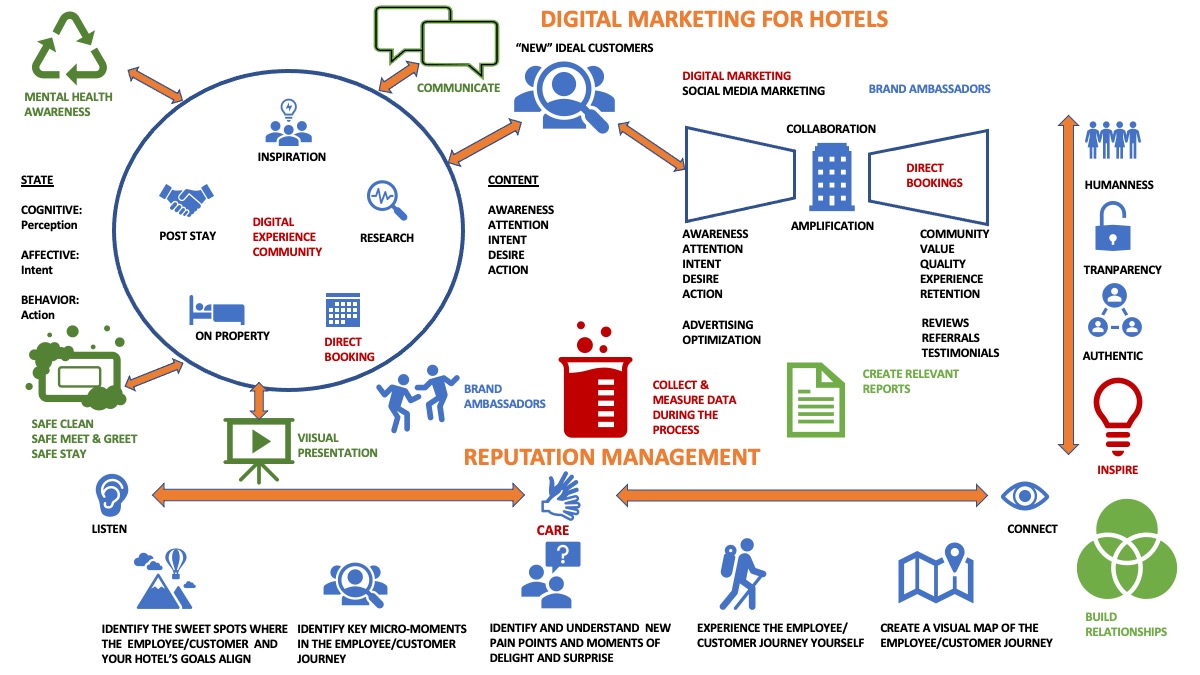
In today’s digital age, online marketing has become essential for hotels to attract guests and maximise bookings. With the vast array of online platforms and tools available, hoteliers have the opportunity to reach a global audience and showcase their unique offerings.

Benefits of Hotel Online Marketing:

  • Increased Visibility: By utilising search engine optimisation (SEO) techniques and targeted online advertising, hotels can improve their visibility on search engines and travel websites, reaching potential guests at the right moment.
  • Enhanced Brand Awareness: Effective online marketing strategies help hotels build brand awareness and establish a strong online presence. Consistent branding across various digital channels can create a lasting impression on travellers.
  • Direct Booking Opportunities: Direct booking campaigns through the hotel’s website or mobile app can reduce dependency on third-party booking platforms and increase revenue by offering exclusive deals and packages to guests.
  • Precise Audience Targeting: With data-driven marketing tools, hotels can target specific demographics, interests, and behaviours of potential guests, ensuring that marketing efforts are directed towards the most relevant audience segments.
  • Engaging Content Creation: Compelling visuals, informative blogs, virtual tours, and user-generated content can captivate travellers’ interest and inspire them to choose a particular hotel for their stay.

Key Strategies for Successful Hotel Online Marketing:

  1. Social Media Engagement: Active presence on social media platforms allows hotels to engage with followers, share updates, promote special offers, and create a sense of community among past and potential guests.
  2. Email Marketing Campaigns: Personalised email campaigns targeting segmented guest lists can drive direct bookings, encourage repeat visits, and enhance customer loyalty through exclusive promotions and personalised recommendations.
  3. User-Friendly Website Design: A visually appealing website with intuitive navigation, mobile responsiveness, secure booking functionality, high-quality images/videos, and persuasive call-to-action buttons is crucial for converting website visitors into confirmed reservations.
  4. Data Analytics & Performance Tracking: Regular monitoring of key performance indicators (KPIs) such as website traffic, conversion rates, click-through rates (CTR), bounce rates, and revenue generated from online channels helps hotels measure the effectiveness of their marketing campaigns and make data-driven decisions for future strategies.
  5. Influencer Partnerships: Collaborating with travel influencers or bloggers who align with the hotel’s brand values can generate authentic content that reaches a wider audience through influencer marketing campaigns on social media platforms or blogs.

In conclusion,

effective hotel online marketing is vital for attracting guests,

increasing bookings,

enhancing brand visibility,

building customer relationships,

driving direct revenue,

and staying ahead in the competitive hospitality industry.

By implementing strategic digital marketing initiatives tailored to the hotel’s target audience

goals,

hotels can achieve long-term success in today’s dynamic online landscape.


9 Essential FAQs about Enhancing Hotel Success through Online Marketing Strategies in the UK

  1. 1. How can online marketing help hotels attract more guests?
  2. 2. What are the key benefits of implementing SEO strategies for hotel online marketing?
  3. 3. How can hotels use social media effectively in their online marketing efforts?
  4. 4. What role does content marketing play in promoting a hotel’s brand online?
  5. 5. Are there specific digital advertising platforms that are recommended for hotel online marketing?
  6. 6. How important is it for hotels to have a mobile-friendly website for their online marketing success?
  7. 7. What metrics should hotels track to measure the effectiveness of their online marketing campaigns?
  8. 8. Can email marketing campaigns help hotels increase direct bookings and customer loyalty?
  9. 9. How can hotels leverage data analytics to improve their online marketing strategies and ROI?

1. How can online marketing help hotels attract more guests?

Online marketing plays a crucial role in helping hotels attract more guests by increasing their visibility, enhancing brand awareness, and engaging with potential customers on various digital platforms. Through targeted strategies such as search engine optimisation (SEO), social media campaigns, email marketing, and compelling content creation, hotels can reach a wider audience and showcase their unique offerings to travellers seeking accommodation. By utilising data-driven approaches to understand guest preferences and behaviour patterns, hotels can tailor their online marketing efforts to effectively capture the attention of potential guests and drive direct bookings, ultimately leading to increased occupancy rates and revenue growth.

2. What are the key benefits of implementing SEO strategies for hotel online marketing?

Implementing SEO strategies for hotel online marketing offers a range of key benefits that can significantly enhance a hotel’s digital presence and drive bookings. By optimising website content with relevant keywords, meta tags, and high-quality images, hotels can improve their search engine rankings and visibility to potential guests searching for accommodation online. This increased visibility not only attracts more organic traffic to the hotel’s website but also boosts brand awareness and credibility. Additionally, effective SEO strategies help hotels target specific audience segments, increase direct bookings, reduce dependency on third-party booking platforms, and ultimately achieve a higher return on investment in their digital marketing efforts.

3. How can hotels use social media effectively in their online marketing efforts?

Hotels can leverage social media effectively in their online marketing efforts by engaging with their audience, sharing compelling visual content, promoting exclusive offers, and creating a sense of community. By maintaining an active presence on platforms such as Facebook, Instagram, Twitter, and LinkedIn, hotels can interact with past and potential guests, respond to inquiries promptly, and showcase their unique amenities and services. Utilising social media advertising tools to target specific demographics and interests allows hotels to reach a wider audience and drive traffic to their website for direct bookings. Additionally, running social media contests, collaborating with influencers, and sharing user-generated content can further enhance brand visibility and foster guest loyalty in the competitive hospitality industry.

4. What role does content marketing play in promoting a hotel’s brand online?

Content marketing plays a crucial role in promoting a hotel’s brand online by creating valuable and engaging content that resonates with the target audience. Through informative blogs, captivating visuals, virtual tours, and user-generated content, hotels can showcase their unique offerings, share local insights, and establish themselves as experts in the hospitality industry. By consistently delivering high-quality content that educates, entertains, and inspires potential guests, hotels can build brand awareness, foster customer loyalty, and differentiate themselves from competitors in the digital landscape. Effective content marketing not only drives website traffic and engagement but also influences travellers’ decision-making process when choosing accommodation options.

When it comes to hotel online marketing, there are several digital advertising platforms that are highly recommended for reaching and engaging with potential guests. Platforms such as Google Ads, Facebook Ads, and Instagram Ads offer robust targeting options that allow hotels to reach specific demographics, interests, and behaviours of their target audience. These platforms enable hotels to showcase their unique offerings through visually appealing ads, drive traffic to their website or booking engine, and ultimately increase bookings. Additionally, travel-specific platforms like TripAdvisor and Expedia also provide opportunities for hotels to promote their properties to a wider audience of travellers actively searching for accommodation options. By leveraging these recommended digital advertising platforms effectively, hotels can enhance their online visibility and attract more guests to their properties.

6. How important is it for hotels to have a mobile-friendly website for their online marketing success?

Having a mobile-friendly website is crucial for the online marketing success of hotels in today’s digital landscape. With the increasing use of smartphones and tablets for travel research and booking, hotels must ensure that their website is optimised for mobile devices to provide a seamless user experience. A mobile-friendly website not only enhances accessibility and usability for potential guests but also improves search engine rankings, as search engines like Google prioritise mobile-responsive sites in their results. By investing in a mobile-friendly website, hotels can attract more visitors, increase direct bookings, and stay competitive in the ever-evolving online market.

7. What metrics should hotels track to measure the effectiveness of their online marketing campaigns?

Hotels should track a range of key metrics to gauge the success of their online marketing campaigns. Some essential metrics include website traffic, conversion rates, click-through rates (CTR), bounce rates, revenue generated from online channels, and return on investment (ROI). By analysing these metrics, hotels can evaluate the performance of their marketing efforts, identify areas for improvement, and make informed decisions to optimise their online strategies. Monitoring these metrics allows hotels to measure the impact of their campaigns, understand customer behaviour, and ultimately enhance the effectiveness of their digital marketing initiatives.

8. Can email marketing campaigns help hotels increase direct bookings and customer loyalty?

Email marketing campaigns play a crucial role in helping hotels increase direct bookings and foster customer loyalty. By crafting personalised and targeted email campaigns, hotels can engage with their audience effectively, promote exclusive offers, and provide valuable information that encourages guests to book directly through the hotel’s website or app. Moreover, by nurturing relationships with past guests through regular communication and tailored promotions, hotels can enhance customer loyalty, drive repeat bookings, and strengthen brand affinity over time. Email marketing serves as a powerful tool for building long-term relationships with guests and maximising direct booking revenue for hotels.

9. How can hotels leverage data analytics to improve their online marketing strategies and ROI?

Hotels can leverage data analytics to enhance their online marketing strategies and boost return on investment (ROI) by gaining valuable insights into guest preferences, behaviour patterns, and booking trends. By analysing data collected from website traffic, booking platforms, email campaigns, and social media interactions, hotels can identify key performance indicators (KPIs) and measure the effectiveness of their marketing efforts. This data-driven approach enables hotels to tailor their online marketing campaigns to target specific audience segments more effectively, personalise customer experiences, optimise pricing strategies, and allocate resources efficiently. Ultimately, leveraging data analytics empowers hotels to make informed decisions that drive higher engagement, conversions, and revenue generation in the competitive hospitality industry.

global marketing agency

How to Choose the Right Global Marketing Agency for Your Business

What Does a Global Marketing Agency Do?

As businesses reach customers across borders, marketing needs to work across different markets, cultures and languages. A global marketing agency helps organisations plan and deliver campaigns in multiple countries while keeping their brand recognisable and consistent.

Whether a business is preparing to enter a new market or coordinating activity across an established international footprint, the right agency can bring strategy, creative expertise and local insight together.

What is a global marketing agency?

A global marketing agency supports brands that want to reach audiences in more than one country. Its work may include developing an international marketing strategy, adapting campaigns for local markets and coordinating channels such as websites, social media, search, advertising and public relations.

Some agencies operate through offices around the world, while others work with trusted local partners. In either case, the aim is to balance a clear global brand with marketing that feels relevant to people in each market.

Why businesses work with global marketing agencies

Expanding into a new country can create opportunities, but it also brings challenges. Customer expectations, buying habits, regulations and popular channels can vary considerably from one market to another. A campaign that performs well in the UK may need to be adapted before it will resonate elsewhere.

A global marketing agency can help businesses:

  • Reach new audiences: Identify suitable markets and develop plans to connect with potential customers.
  • Adapt brand messaging: Make communications relevant to local audiences without losing the brand’s overall identity.
  • Coordinate campaigns: Bring teams, channels and activity together across different regions.
  • Use local knowledge: Take account of cultural context, language and market conditions.
  • Measure performance: Track results across markets and use the findings to improve future activity.

Global consistency and local relevance

One of the central challenges of international marketing is deciding what should stay consistent and what should change. A strong brand needs recognisable values, visual identity and positioning. At the same time, campaign content may need to reflect local language, customer needs and cultural norms.

This is sometimes described as a “glocal” approach: maintaining a clear global direction while tailoring execution for each market. The balance will depend on the business, its audience and the product or service it offers.

Services a global marketing agency may offer

The services available vary between agencies, but may include:

  • International marketing and market-entry strategy
  • Brand development and positioning
  • Website design, development and localisation
  • Search engine optimisation and paid search
  • Social media strategy and management
  • Content creation, translation and transcreation
  • Creative campaigns and digital advertising
  • Analytics, reporting and performance optimisation

Not every business needs every service. The right mix depends on its objectives, resources and the markets it plans to serve.

Choosing the right agency

Before appointing an agency, consider your goals and the practical support you need. Look for experience relevant to your sector and target markets, and ask how the agency combines central strategy with local expertise.

It is also worth discussing communication, project management, reporting and how success will be measured. Clear responsibilities and shared expectations can make it easier to coordinate activity across countries and time zones.

Building an international marketing strategy

Successful global marketing starts with research. Businesses need to understand the size and characteristics of each opportunity, who their competitors are and how prospective customers make decisions. From there, they can prioritise markets, set objectives and choose the most appropriate channels.

Campaigns should then be tested and measured in each market. Local performance can reveal where messaging, targeting or channel choices need to change. Regular review helps businesses learn as they grow, rather than assuming that one approach will work everywhere.

Growing with a global marketing agency

A global marketing agency can help businesses bring international strategy and local execution together. By combining clear brand direction with relevant, market-specific activity, organisations can build stronger connections with audiences around the world.

The best results come from a close working relationship: one built on shared objectives, open communication and a willingness to learn from each market.


8 Benefits of a Global Marketing Agency: Expanding Reach and Building Consistency Across International Markets

  1. Reaches customers across international markets.
  2. Builds a consistent global brand.
  3. Adapts campaigns for local audiences.
  4. Brings specialist marketing expertise.
  5. Coordinates activity across regions.
  6. Supports international market entry.
  7. Measures results across countries.
  8. Helps businesses scale worldwide.


Challenges of Engaging a Global Marketing Agency: Costs, Coordination, and Cultural Considerations

  1. Can be costly to hire and manage.
  2. Local expertise may vary between markets.
  3. Coordinating across time zones can be difficult.
  4. Cultural differences may be overlooked.
  5. Brand consistency can limit local flexibility.
  6. Communication may become complex.
  7. Results can take time to measure.

Reaches customers across international markets.

A global marketing agency helps your business reach customers across international markets by shaping campaigns for different audiences, languages and local preferences. With the right mix of global strategy and market-specific insight, your brand can connect with potential customers in more countries and build a consistent presence worldwide.

Builds a consistent global brand.

A global marketing agency helps create a consistent brand experience across countries and channels. By setting clear guidelines for your messaging, visuals and values, it ensures people can recognise your brand wherever they encounter it. Local campaigns can still be adapted to suit cultural differences and customer expectations, while remaining true to the same overall identity.

Adapts campaigns for local audiences.

A global marketing agency adapts campaigns to suit local audiences, taking account of language, culture, customer expectations and regional trends. This helps ensure that messages feel relevant and natural in each market, while staying true to the brand’s overall identity.

Brings specialist marketing expertise.

A global marketing agency brings together specialist expertise across disciplines such as international strategy, market research, creative development, digital advertising and localisation. This gives businesses access to skills and experience that may be difficult to build in-house, while helping ensure campaigns are shaped by people who understand both the marketing channels and the needs of different markets.

Coordinates activity across regions.

A global marketing agency coordinates activity across regions, helping teams work towards shared goals while keeping campaigns organised and consistent. By aligning timelines, messaging and channels across markets, it can reduce duplicated effort and make it easier to share ideas and learnings. Local teams can still adapt campaigns to suit their audiences, while the overall brand remains clear and recognisable.

Supports international market entry.

A global marketing agency can help businesses enter international markets with greater confidence. Its research and local market knowledge can inform decisions about target audiences, competitors, messaging and the most effective channels, while support with localisation helps ensure campaigns feel relevant in each country. This can make it easier to avoid costly missteps and build a strong foundation for growth abroad.

Measures results across countries.

A global marketing agency can measure campaign results across countries, giving businesses a clearer picture of what is working in each market. By comparing performance using consistent metrics, it can identify successful approaches, spot areas for improvement and help allocate budgets more effectively. Local insights also ensure that differences in audience behaviour and market conditions are taken into account.

Helps businesses scale worldwide.

A global marketing agency helps businesses scale worldwide by planning and coordinating marketing across multiple markets. With the right research, local insight and consistent brand messaging, it can help a business reach new audiences, adapt to regional needs and build a stronger presence internationally.

Can be costly to hire and manage.

One potential drawback of working with a global marketing agency is the cost. Fees can be higher than those of a local agency, particularly when a campaign spans several markets, languages and channels. Managing the relationship can also take time and resources, as businesses may need to coordinate teams, approvals and budgets across different regions. Before committing, it’s worth clarifying what is included in the fees and making sure the agency’s expertise and expected results justify the investment.

Local expertise may vary between markets.

A global marketing agency may not have the same level of local expertise in every market it serves. Its knowledge of customer behaviour, cultural nuances, language and regulations can vary between regions, which may lead to campaigns that feel less relevant or miss important local considerations. Businesses should ask how an agency sources local insight and who will review work in each market before launching campaigns.

Coordinating across time zones can be difficult.

Coordinating across time zones can make working with a global marketing agency more challenging. Meetings may fall outside normal working hours, responses can take longer, and deadlines may be affected when teams are waiting for feedback from another region. Clear communication, agreed response times and careful planning can help reduce delays, but businesses should still consider how time differences will affect day-to-day collaboration.

Cultural differences may be overlooked.

A potential drawback of working with a global marketing agency is that cultural differences may be overlooked. A campaign designed to work across several countries can miss local customs, humour, values or sensitivities, making its message feel irrelevant or even cause offence. Without genuine local insight and careful adaptation, a brand risks weakening trust with the very audiences it hopes to reach.

Brand consistency can limit local flexibility.

One potential drawback of working with a global marketing agency is that the need for brand consistency can limit local flexibility. To maintain a unified identity across markets, an agency may rely on shared messaging, visuals and campaign guidelines, leaving less room to respond to local customs, customer preferences or emerging trends. If these rules are applied too rigidly, marketing can feel less relevant to local audiences. A strong approach should protect the core brand while allowing suitable adaptations for each market.

Communication may become complex.

Communication can become more complex when working with a global marketing agency, particularly when teams are spread across countries, time zones and languages. Delays in responses, differing expectations or unclear responsibilities can make it harder to coordinate campaigns and keep everyone informed. Agreeing clear points of contact, regular check-ins and well-defined processes can help reduce misunderstandings.

Results can take time to measure.

One potential drawback of working with a global marketing agency is that results can take time to measure. International campaigns often run across several markets, channels and time zones, and it may take months to gather enough reliable data to understand what is working. Differences in customer behaviour, reporting systems and sales cycles can also make comparisons more complex. Businesses should agree clear goals and measurement methods with their agency from the outset, while allowing enough time for meaningful results to emerge.

media marketing company

Elevate Your Brand with a Leading Media Marketing Company

The Role of a Media Marketing Company in Today’s Digital Landscape

In the fast-paced and ever-evolving world of digital marketing, the role of a media marketing company has become increasingly vital for businesses looking to reach and engage their target audience effectively. A media marketing company is tasked with developing and implementing strategic marketing campaigns across various media channels to help clients achieve their marketing objectives and drive growth.

Understanding the Importance of Media Marketing

Media marketing encompasses a wide range of activities, including social media management, content creation, online advertising, influencer partnerships, and more. In today’s digital landscape, where consumers are constantly bombarded with information from multiple sources, standing out from the crowd requires a well-thought-out and cohesive media marketing strategy.

A skilled media marketing company understands the nuances of different media platforms and knows how to leverage them to maximise reach and engagement. By creating compelling content tailored to the preferences of target audiences and utilising data-driven insights to optimise campaign performance, a media marketing company can help businesses cut through the noise and connect with potential customers in meaningful ways.

The Role of Data in Media Marketing

Data plays a crucial role in modern media marketing efforts. A reputable media marketing company utilises analytics tools to track key performance indicators, measure campaign success, and make informed decisions based on real-time data. By analysing metrics such as website traffic, click-through rates, conversion rates, and social media engagement levels, marketers can refine their strategies for better results.

Building Brand Awareness and Driving Conversions

One of the primary goals of a media marketing company is to build brand awareness and drive conversions for its clients. Through targeted advertising campaigns, engaging social media content, influencer collaborations, and other tactics, a media marketing company can help businesses increase their visibility online and attract potential customers who are likely to convert into loyal followers or paying customers.

Conclusion

In conclusion, a media marketing company plays a crucial role in helping businesses navigate the complex world of digital marketing. By leveraging expertise in various media channels, data-driven insights, and creative strategies tailored to client objectives, a skilled media marketing company can make a significant impact on brand visibility, audience engagement, and ultimately business growth in today’s competitive digital landscape.


Top 5 Advantages of Partnering with a Media Marketing Company

  1. Expertise in leveraging various media channels for maximum reach and engagement.
  2. Ability to create compelling content tailored to target audience preferences.
  3. Utilisation of data-driven insights to optimise campaign performance and ROI.
  4. Experience in building brand awareness and driving conversions effectively.
  5. Professional guidance on navigating the complex world of digital marketing.


Challenges Faced by Media Marketing Companies: Navigating Competition, Platform Changes, and Client Expectations

  1. High competition in the industry can make it challenging for a media marketing company to stand out.
  2. Constant changes in algorithms and policies of social media platforms can impact the effectiveness of campaigns.
  3. Media marketing campaigns require ongoing monitoring and adjustments, which can be time-consuming.
  4. Relying heavily on data analytics may lead to overlooking the human aspect of marketing and customer relationships.
  5. Managing multiple client accounts simultaneously can result in divided attention and potential quality issues.
  6. Client expectations for quick results in media marketing may not always align with the time needed to build sustainable strategies.

Expertise in leveraging various media channels for maximum reach and engagement.

A key advantage of partnering with a media marketing company is their expertise in harnessing the power of diverse media channels to achieve maximum reach and engagement. By understanding the unique characteristics and audience demographics of each platform, these professionals can tailor content and strategies to effectively resonate with target audiences across multiple channels. Whether it’s through social media, online advertising, influencer partnerships, or other avenues, their ability to leverage various media channels ensures that businesses can connect with their audience in meaningful ways and drive impactful results in today’s competitive digital landscape.

Ability to create compelling content tailored to target audience preferences.

One key advantage of partnering with a media marketing company is their ability to create compelling content that is specifically tailored to the preferences of the target audience. By understanding the unique interests, behaviours, and demographics of the intended audience, a skilled media marketing company can develop content that resonates with viewers and prompts them to engage with the brand. This tailored approach not only enhances brand visibility but also fosters meaningful connections with potential customers, ultimately driving higher levels of engagement and conversion rates.

Utilisation of data-driven insights to optimise campaign performance and ROI.

One significant advantage of partnering with a media marketing company is their adept utilisation of data-driven insights to optimise campaign performance and return on investment (ROI). By analysing key metrics such as audience engagement, conversion rates, and click-through rates, these companies can make informed decisions and adjustments to marketing strategies in real-time. This data-driven approach not only maximises the effectiveness of campaigns but also ensures that resources are allocated efficiently, ultimately leading to improved ROI for businesses seeking to enhance their online presence and drive growth.

Experience in building brand awareness and driving conversions effectively.

With a wealth of experience in building brand awareness and driving conversions effectively, a media marketing company stands out as a valuable partner for businesses seeking to enhance their online presence and reach their target audience. By leveraging their expertise in crafting strategic campaigns across various media channels, these companies can help clients establish a strong brand identity, increase visibility, and ultimately drive meaningful engagement that leads to conversions. Through a combination of creative content, data-driven insights, and proven marketing tactics, a reputable media marketing company can deliver tangible results that propel businesses towards their growth objectives in today’s competitive digital landscape.

Professional guidance on navigating the complex world of digital marketing.

A key benefit of partnering with a media marketing company is the professional guidance they provide in navigating the complex world of digital marketing. With their expertise and industry knowledge, these professionals can help businesses develop strategic marketing plans tailored to their specific goals and target audience. By staying abreast of the latest trends, tools, and best practices in digital marketing, a media marketing company can offer valuable insights and recommendations to ensure that businesses make informed decisions that drive success in the ever-evolving digital landscape.

High competition in the industry can make it challenging for a media marketing company to stand out.

In the highly competitive landscape of the media marketing industry, standing out can be a significant challenge for companies operating in this space. With numerous agencies vying for clients’ attention and striving to showcase their unique value propositions, distinguishing oneself from competitors becomes increasingly difficult. The abundance of options available to businesses seeking media marketing services means that companies must work even harder to differentiate themselves through innovative strategies, exceptional client service, and demonstrable results to carve out a niche and establish a strong reputation in the industry.

Constant changes in algorithms and policies of social media platforms can impact the effectiveness of campaigns.

One significant drawback of working with a media marketing company is the challenge posed by the constant changes in algorithms and policies of social media platforms. These frequent updates can have a direct impact on the effectiveness of marketing campaigns, as strategies that once yielded positive results may suddenly become less effective or even obsolete. Adapting to these changes requires continuous monitoring, quick adjustments, and a deep understanding of each platform’s evolving guidelines, making it a constant challenge for businesses and marketing companies to maintain consistent campaign performance in the ever-shifting landscape of social media.

Media marketing campaigns require ongoing monitoring and adjustments, which can be time-consuming.

One significant drawback of media marketing campaigns is the continuous need for monitoring and adjustments, which can be a time-consuming process. Managing multiple media channels, analysing campaign performance metrics, and making necessary tweaks to optimise results demand constant attention and resources. This ongoing monitoring and adjustment requirement can place a strain on resources and personnel within a media marketing company, potentially impacting the efficiency and effectiveness of campaign management.

Relying heavily on data analytics may lead to overlooking the human aspect of marketing and customer relationships.

One significant drawback of media marketing companies relying heavily on data analytics is the potential overlooking of the human aspect of marketing and customer relationships. While data analytics provide valuable insights into consumer behaviour and campaign performance, an over-reliance on data may result in a disconnect from the emotional and personal elements that drive meaningful interactions with customers. Building genuine relationships with customers requires empathy, understanding, and a human touch that cannot be fully captured by data alone. By prioritising metrics over human connection, media marketing companies risk losing sight of the importance of fostering authentic relationships with their audience, which are essential for long-term brand loyalty and customer satisfaction.

Managing multiple client accounts simultaneously can result in divided attention and potential quality issues.

Managing multiple client accounts simultaneously within a media marketing company can pose a significant challenge, as it may lead to divided attention and potential quality issues. When marketers are juggling numerous accounts concurrently, there is a risk of spreading themselves too thin, which can impact the level of attention and focus dedicated to each client’s unique needs and objectives. This division of resources may result in decreased quality of work, delayed responses to client requests, and a lack of personalised attention, ultimately affecting the overall effectiveness and success of the marketing campaigns being implemented. It is essential for media marketing companies to carefully manage their workload and resources to ensure that each client receives the dedicated focus and high-quality service they deserve.

Client expectations for quick results in media marketing may not always align with the time needed to build sustainable strategies.

One notable drawback of working with a media marketing company is the potential misalignment between client expectations for immediate results and the time required to develop sustainable marketing strategies. In today’s fast-paced digital landscape, clients often seek quick outcomes and instant gratification from their marketing efforts. However, building a strong and enduring presence in the digital realm demands time, patience, and a well-thought-out strategy that may not yield instant results. This discrepancy in expectations can sometimes lead to frustration and unrealistic demands on the part of clients, highlighting the importance of clear communication and managing expectations in media marketing partnerships.

digital seo agency

Unlocking Online Success: The Power of a Digital SEO Agency

The Role of a Digital SEO Agency in Boosting Online Visibility

The Role of a Digital SEO Agency in Boosting Online Visibility

In today’s digital age, having a strong online presence is crucial for businesses looking to reach their target audience and stay ahead of the competition. Search Engine Optimization (SEO) plays a vital role in improving a website’s visibility on search engine results pages, driving organic traffic, and ultimately increasing conversions.

For many businesses, navigating the complex world of SEO can be challenging. This is where a digital SEO agency comes in. These agencies specialise in developing and implementing strategies to enhance a website’s search engine ranking and overall online visibility.

Key Services Offered by Digital SEO Agencies:

  • Keyword Research: Identifying relevant keywords that potential customers are searching for to optimise website content.
  • On-Page Optimization: Enhancing various on-page elements such as meta tags, headings, and internal links to improve search engine visibility.
  • Off-Page Optimization: Building high-quality backlinks from reputable websites to boost domain authority and credibility.
  • Content Creation: Developing engaging and informative content that resonates with both users and search engines.
  • Technical SEO: Ensuring that the website is technically sound and meets search engine guidelines for optimal crawling and indexing.

A digital SEO agency works closely with clients to understand their business goals, target audience, and competitive landscape. By conducting thorough audits and analysis, they can tailor bespoke strategies that align with the client’s objectives and deliver measurable results.

The Benefits of Hiring a Digital SEO Agency:

Expertise: Digital SEO agencies have specialists with in-depth knowledge of search engine algorithms and best practices.

Saves Time: Outsourcing SEO efforts allows businesses to focus on their core activities while experts handle the technical aspects of optimisation.

Data-Driven Approach: Agencies utilise data analytics tools to track performance metrics and make informed decisions for continuous improvement.

Sustainable Results: Effective SEO strategies can lead to long-term benefits by establishing a strong online presence that attracts organic traffic over time.

In conclusion, partnering with a digital SEO agency can be instrumental in enhancing your online visibility, attracting quality traffic, and achieving your business objectives in the competitive digital landscape.


Top 7 Essential Tips for Enhancing Your Digital SEO Agency’s Success

  1. Understand your target audience and their search behaviour.
  2. Create high-quality, relevant content for your website.
  3. Optimise on-page elements such as title tags, meta descriptions, and headings.
  4. Build quality backlinks from reputable websites in your industry.
  5. Regularly monitor and analyse your website’s performance using SEO tools.
  6. Stay updated with the latest SEO trends and algorithm changes.
  7. Consider hiring an experienced SEO agency for expert guidance and support.

Understand your target audience and their search behaviour.

To maximise the effectiveness of your SEO efforts, it is essential to understand your target audience and their search behaviour. By gaining insights into the demographics, preferences, and online habits of your audience, you can tailor your SEO strategy to meet their specific needs and expectations. This knowledge allows you to create targeted content, select relevant keywords, and optimise your website to align with how your audience searches for information online. Ultimately, by understanding your target audience and their search behaviour, you can enhance the visibility of your website and attract valuable organic traffic that is more likely to convert into customers.

Create high-quality, relevant content for your website.

Creating high-quality, relevant content for your website is a fundamental aspect of effective SEO strategy. Search engines value fresh, engaging content that provides value to users. By crafting content that resonates with your target audience and incorporates relevant keywords naturally, you can improve your website’s search engine ranking and attract organic traffic. Consistent creation of valuable content not only enhances your online visibility but also establishes your authority in your industry, ultimately driving more conversions and fostering long-term success for your business.

Optimise on-page elements such as title tags, meta descriptions, and headings.

To improve your website’s search engine visibility and user experience, it is essential to optimise on-page elements such as title tags, meta descriptions, and headings. By crafting compelling and relevant title tags, you can effectively communicate the content of each webpage to search engines and potential visitors. Meta descriptions provide a concise summary of the page’s content, enticing users to click through from search results. Additionally, structuring headings with relevant keywords not only enhances readability but also signals the importance of content to search engines. Optimising these on-page elements plays a crucial role in boosting your website’s SEO performance and driving organic traffic.

Building quality backlinks from reputable websites within your industry is a crucial aspect of an effective SEO strategy. These backlinks not only improve your website’s authority and credibility in the eyes of search engines but also drive relevant traffic to your site. By establishing connections with trustworthy sources in your niche, you can enhance your online visibility and strengthen your position in search engine results pages. Quality backlinks serve as endorsements of your content and can significantly impact your website’s ranking, making it essential to focus on building a diverse and natural link profile for long-term SEO success.

Regularly monitor and analyse your website’s performance using SEO tools.

To maximise the effectiveness of your digital SEO agency partnership, it is essential to regularly monitor and analyse your website’s performance using SEO tools. By tracking key performance indicators such as organic traffic, keyword rankings, and conversion rates, you can gain valuable insights into the effectiveness of your SEO strategies. This data-driven approach allows you to identify areas for improvement, make informed decisions, and continuously optimise your website to enhance its visibility and drive sustainable results in the competitive online landscape.

To maximise the effectiveness of your digital SEO agency partnership, it is essential to stay updated with the latest SEO trends and algorithm changes. Search engines continuously evolve their algorithms, and being aware of these updates allows you to adapt your strategies accordingly. By staying informed, you can ensure that your website remains optimised for search engines, stays competitive in the online landscape, and continues to attract valuable organic traffic.

Consider hiring an experienced SEO agency for expert guidance and support.

When delving into the realm of Search Engine Optimization (SEO), it is advisable to consider enlisting the services of an experienced SEO agency for expert guidance and support. By partnering with a seasoned agency, businesses can leverage the expertise and industry knowledge of professionals who are well-versed in the latest SEO trends and strategies. This collaboration can lead to more effective SEO campaigns, improved online visibility, and ultimately, better results in reaching target audiences and achieving business goals.

full service digital marketing agency

Empowering Your Brand: The Full-Service Digital Marketing Agency Advantage

The Role of a Full-Service Digital Marketing Agency in Today’s Business Landscape

In the fast-paced world of digital marketing, businesses are constantly seeking ways to stand out and connect with their target audience effectively. This is where a full-service digital marketing agency plays a crucial role. These agencies offer a comprehensive range of services designed to help businesses navigate the complex digital landscape and achieve their marketing goals.

What Does a Full-Service Digital Marketing Agency Offer?

A full-service digital marketing agency provides a one-stop solution for all your online marketing needs. From website design and development to search engine optimisation (SEO), pay-per-click (PPC) advertising, social media management, content creation, email marketing, and more – these agencies have the expertise and resources to handle every aspect of your digital marketing strategy.

By offering a holistic approach to online marketing, full-service agencies ensure that all elements of your digital strategy work together seamlessly to drive results. Whether you are looking to increase brand awareness, generate leads, boost website traffic, or improve conversion rates, a full-service agency can tailor their services to meet your specific objectives.

The Benefits of Working with a Full-Service Digital Marketing Agency

Collaborating with a full-service digital marketing agency offers several key benefits for businesses:

  • Expertise: Full-service agencies employ specialists in various areas of digital marketing who bring valuable knowledge and skills to the table.
  • Efficiency: By centralising all your online marketing activities with one agency, you can streamline communication and ensure consistency across campaigns.
  • Data-Driven Strategies: Full-service agencies use data analytics to track performance metrics and make informed decisions that drive continuous improvement.
  • Scalability: As your business grows and evolves, a full-service agency can adapt its strategies to accommodate your changing needs and goals.

In Conclusion

In today’s competitive business landscape, having a strong online presence is essential for success. A full-service digital marketing agency offers the expertise, resources, and strategic guidance needed to help businesses thrive in the digital realm. By partnering with a trusted agency that understands your brand and goals, you can unlock new opportunities for growth and engagement in the ever-evolving world of digital marketing.


9 Essential Tips for a Successful Full-Service Digital Marketing Agency

  1. Understand your target audience thoroughly.
  2. Create a strong brand identity that resonates with your audience.
  3. Offer a wide range of services to cater to different client needs.
  4. Stay updated with the latest digital marketing trends and tools.
  5. Provide excellent customer service to build long-lasting relationships.
  6. Focus on creating high-quality, engaging content for various platforms.
  7. Track and analyse data regularly to measure the success of campaigns.
  8. Collaborate with other businesses or influencers for wider reach.
  9. Continuously improve and adapt strategies based on results and feedback.

Understand your target audience thoroughly.

To maximise the effectiveness of a full-service digital marketing agency, it is essential to have a deep understanding of your target audience. By thoroughly comprehending the demographics, preferences, behaviour patterns, and needs of your audience, you can tailor your marketing strategies to resonate with them on a more personal level. This insight allows the agency to create compelling content, engage with the audience in meaningful ways, and ultimately drive better results for your business.

Create a strong brand identity that resonates with your audience.

Creating a strong brand identity that resonates with your audience is a fundamental tip for any full-service digital marketing agency. A compelling brand identity not only sets you apart from competitors but also establishes an emotional connection with your target audience. By understanding your audience’s preferences, values, and aspirations, you can craft a brand identity that speaks directly to their needs and desires. Consistency in branding across all digital channels helps build trust and loyalty, ultimately driving engagement and conversion rates.

Offer a wide range of services to cater to different client needs.

A key tip for a full-service digital marketing agency is to offer a wide range of services to cater to different client needs. By providing a comprehensive suite of digital marketing solutions, including website design, SEO, PPC advertising, social media management, content creation, and email marketing, the agency can address diverse requirements and help clients achieve their specific goals effectively. This approach not only demonstrates versatility and expertise but also ensures that clients receive tailored strategies that align with their unique objectives and maximise their online presence.

To maximise the effectiveness of a full-service digital marketing agency, it is essential to stay updated with the latest digital marketing trends and tools. In the rapidly evolving landscape of online marketing, being aware of emerging technologies, consumer behaviours, and industry best practices can give businesses a competitive edge. By staying informed and adapting strategies to incorporate new trends and tools, businesses can ensure that their digital marketing efforts remain relevant, engaging, and impactful in reaching their target audience effectively.

Provide excellent customer service to build long-lasting relationships.

Providing excellent customer service is a cornerstone of a successful full-service digital marketing agency. By prioritising customer satisfaction and building strong relationships, agencies can foster trust and loyalty that leads to long-lasting partnerships. Effective communication, responsiveness to client needs, and a commitment to exceeding expectations are key elements in creating a positive experience for clients. By delivering exceptional customer service, full-service digital marketing agencies can not only meet the immediate needs of their clients but also establish a foundation for sustained growth and success in the long term.

Focus on creating high-quality, engaging content for various platforms.

To maximise the impact of your digital marketing efforts, it is essential for a full-service agency to focus on creating high-quality, engaging content tailored for various platforms. By crafting compelling content that resonates with your target audience and aligns with your brand messaging, you can effectively capture attention, drive engagement, and build meaningful connections with potential customers across different online channels. Quality content not only enhances your brand’s credibility and authority but also helps to improve search engine visibility and attract organic traffic. Emphasising the creation of valuable and relevant content is key to establishing a strong online presence and achieving long-term success in the digital landscape.

Track and analyse data regularly to measure the success of campaigns.

Tracking and analysing data regularly is a crucial tip for any full-service digital marketing agency. By monitoring key performance indicators and metrics, such as website traffic, conversion rates, click-through rates, and engagement levels, agencies can effectively measure the success of their campaigns. This data-driven approach not only provides valuable insights into what is working well but also identifies areas for improvement and optimisation. By leveraging data analytics tools and techniques, agencies can make informed decisions to refine their strategies and ensure that they are delivering tangible results for their clients.

Collaborate with other businesses or influencers for wider reach.

Collaborating with other businesses or influencers is a valuable tip for maximising the reach and impact of your digital marketing efforts. By partnering with like-minded entities or influential personalities in your industry, you can tap into their existing audience base and leverage their credibility to expand your brand’s visibility. This strategic collaboration not only exposes your brand to a wider audience but also fosters trust and credibility among potential customers. Working together with others in the digital space can lead to mutually beneficial outcomes, helping you reach new heights in your marketing endeavours.

Continuously improve and adapt strategies based on results and feedback.

To maximise the effectiveness of a full-service digital marketing agency, it is essential to adopt a mindset of continuous improvement and adaptation. By closely monitoring the results of campaigns and gathering feedback from various sources, such as analytics data and client input, agencies can identify areas for enhancement and refine their strategies accordingly. This iterative approach not only ensures that marketing efforts remain aligned with business objectives but also allows for agile adjustments in response to changing market dynamics and consumer behaviour. Embracing a culture of learning and evolution enables full-service agencies to deliver optimal outcomes for their clients in the ever-evolving digital landscape.

Unlocking Success: The Digital Media Company’s Guide to Thriving in the Digital Age

The Role of a Digital Media Company in Today’s Business Landscape

The Role of a Digital Media Company in Today’s Business Landscape

In the fast-paced and ever-evolving world of business, the role of a digital media company has become increasingly crucial. These companies specialise in leveraging digital technologies to help businesses connect with their target audiences, build brand awareness, and drive engagement.

One of the key functions of a digital media company is to create compelling and engaging content across various online platforms. This includes social media, websites, blogs, videos, and more. By producing high-quality content that resonates with the target audience, digital media companies can help businesses stand out in a crowded digital space.

Furthermore, digital media companies play a vital role in implementing targeted digital marketing strategies. From search engine optimisation (SEO) to pay-per-click (PPC) advertising and social media campaigns, these companies have the expertise to reach the right audience at the right time with the right message.

Analytics and data-driven insights are another area where digital media companies excel. By monitoring and analysing key performance indicators (KPIs), such as website traffic, conversion rates, and engagement metrics, these companies can provide valuable insights that inform future strategies and decision-making.

Moreover, as technology continues to advance rapidly, digital media companies are at the forefront of adopting new tools and trends to help businesses stay ahead of the curve. Whether it’s virtual reality (VR), augmented reality (AR), or artificial intelligence (AI), these companies can help businesses harness the power of cutting-edge technologies for maximum impact.

In conclusion, in today’s competitive business landscape, partnering with a reputable digital media company can make all the difference in achieving your business goals. From content creation to marketing strategies to analytics and beyond, these companies offer a comprehensive suite of services designed to elevate your brand presence in the digital realm.


7 Advantages of Digital Media Companies: Boosting Brand Visibility and Global Reach Through Innovative Strategies

  1. Enhanced brand visibility and awareness through targeted digital strategies.
  2. Ability to reach a global audience with minimal geographical limitations.
  3. Cost-effective marketing solutions compared to traditional advertising methods.
  4. Real-time data analytics for measuring campaign performance and making informed decisions.
  5. Opportunity to engage with customers directly through interactive content and social media platforms.
  6. Access to cutting-edge technologies such as AR, VR, and AI for innovative marketing approaches.
  7. Flexibility to adapt quickly to market trends and consumer preferences in the digital landscape.


Challenges Faced by Digital Media Companies: Navigating Competition, Technology, and Reputation Risks

  1. High competition in the digital media industry can make it challenging for a company to stand out.
  2. Constantly evolving technology requires digital media companies to stay updated, which can be time-consuming and costly.
  3. Managing multiple online platforms and channels can be overwhelming and resource-intensive for a company.
  4. Digital media campaigns may not always guarantee immediate or tangible results, leading to uncertainty about ROI.
  5. Issues with data privacy and security concerns can arise when handling sensitive customer information in digital marketing efforts.
  6. Negative feedback or backlash on social media platforms can quickly damage a company’s reputation if not managed effectively.
  7. Adapting to algorithm changes on popular online platforms like search engines and social media sites can impact the effectiveness of digital marketing strategies.

Enhanced brand visibility and awareness through targeted digital strategies.

By utilising targeted digital strategies, a digital media company can significantly enhance a brand’s visibility and awareness in the online space. Through methods such as search engine optimisation (SEO), social media marketing, and content creation tailored to specific audience segments, businesses can reach their target customers more effectively. This heightened visibility not only increases brand recognition but also fosters a stronger connection with the target audience, ultimately leading to improved brand awareness and loyalty.

Ability to reach a global audience with minimal geographical limitations.

In today’s interconnected world, one of the key advantages of partnering with a digital media company is its unparalleled ability to reach a global audience with minimal geographical limitations. Through strategic online campaigns, targeted content creation, and tailored digital marketing strategies, businesses can expand their reach beyond borders and connect with potential customers worldwide. This capability not only increases brand visibility on a global scale but also opens up new opportunities for growth and expansion in diverse markets, all facilitated by the expertise and reach of a proficient digital media company.

Cost-effective marketing solutions compared to traditional advertising methods.

Digital media companies offer cost-effective marketing solutions that outshine traditional advertising methods in today’s digital age. By leveraging online platforms and targeted strategies, businesses can reach their desired audience more efficiently and at a fraction of the cost compared to traditional print or TV ads. With the ability to track and measure campaign performance in real-time, businesses can optimise their marketing efforts for maximum impact while staying within budget constraints. This affordability and flexibility make digital media company services a valuable asset for businesses looking to make a strong impact without breaking the bank.

Real-time data analytics for measuring campaign performance and making informed decisions.

Digital media companies offer a valuable pro in the form of real-time data analytics, enabling businesses to measure campaign performance instantly and make informed decisions based on accurate insights. By tracking key metrics in real time, such as website traffic, click-through rates, and engagement levels, businesses can adapt their strategies on the fly to maximise results. This capability not only enhances the effectiveness of marketing campaigns but also empowers businesses to make data-driven decisions that lead to better outcomes in the dynamic digital landscape.

Opportunity to engage with customers directly through interactive content and social media platforms.

Digital media companies offer businesses the valuable opportunity to engage directly with their customers through interactive content and social media platforms. By creating engaging and interactive content, businesses can capture the attention of their target audience and foster meaningful connections. Social media platforms provide a dynamic space for businesses to interact with customers in real-time, gather feedback, address inquiries, and build brand loyalty. This direct engagement not only strengthens customer relationships but also allows businesses to tailor their messaging and offerings based on customer preferences and behaviour, ultimately driving increased brand awareness and customer satisfaction.

Access to cutting-edge technologies such as AR, VR, and AI for innovative marketing approaches.

Digital media companies offer businesses a valuable advantage by providing access to cutting-edge technologies like augmented reality (AR), virtual reality (VR), and artificial intelligence (AI) to drive innovative marketing approaches. By leveraging these advanced technologies, businesses can create immersive and interactive experiences for their target audience, enhancing engagement and leaving a lasting impression. This pro of digital media companies opens up new possibilities for brands to differentiate themselves in the competitive digital landscape and stay ahead of the curve with creative and impactful marketing strategies.

In the dynamic digital landscape, one significant advantage of partnering with a digital media company is its inherent flexibility to swiftly adapt to shifting market trends and evolving consumer preferences. These companies have the agility and expertise to pivot strategies, refine content, and adjust campaigns in real-time based on the latest data and insights. By staying attuned to market dynamics and consumer behaviour, digital media companies can proactively respond to changes, ensuring that their clients remain relevant and competitive in an ever-changing digital environment.

High competition in the digital media industry can make it challenging for a company to stand out.

In the digital media industry, one significant challenge that companies often face is the intense competition that exists within the sector. With numerous players vying for attention and market share, standing out from the crowd can be a daunting task. The high level of competition means that companies must constantly innovate, differentiate themselves, and offer unique value propositions to attract and retain clients. This fierce competition can create pressure to continually adapt and evolve strategies to stay relevant in a rapidly changing landscape, making it a constant challenge for companies to establish a distinctive presence amidst the crowded digital media environment.

Constantly evolving technology requires digital media companies to stay updated, which can be time-consuming and costly.

One significant drawback of operating a digital media company is the constant need to stay updated with rapidly evolving technology. This necessity can be both time-consuming and costly for businesses in this industry. Keeping pace with the latest trends, tools, and platforms requires continuous learning and investment in training and resources. Additionally, the ever-changing nature of technology means that what is cutting-edge today may become outdated tomorrow, leading to a perpetual cycle of adaptation and innovation that can strain both time and financial resources.

Managing multiple online platforms and channels can be overwhelming and resource-intensive for a company.

Managing multiple online platforms and channels can pose a significant challenge for companies, especially in terms of resources and time allocation. The need to create and maintain a consistent presence across various digital platforms, such as social media, websites, and email marketing, can quickly become overwhelming. This demand for content creation, audience engagement, and performance tracking requires dedicated manpower and expertise. Without proper planning and coordination, the task of managing multiple online channels can strain a company’s resources and hinder its ability to effectively connect with its target audience in a meaningful way.

Digital media campaigns may not always guarantee immediate or tangible results, leading to uncertainty about ROI.

One significant drawback of digital media campaigns is that they may not always deliver immediate or tangible results, which can create uncertainty regarding return on investment (ROI). Despite the strategic planning and execution involved in these campaigns, factors such as changing algorithms, audience behaviour, and market fluctuations can impact the effectiveness of digital media efforts. This uncertainty surrounding ROI can make it challenging for businesses to measure the success and impact of their digital marketing initiatives accurately.

Issues with data privacy and security concerns can arise when handling sensitive customer information in digital marketing efforts.

Issues with data privacy and security concerns can arise when handling sensitive customer information in digital marketing efforts. The collection and storage of personal data for targeted advertising or analytics purposes can raise ethical questions regarding the protection of individuals’ privacy. In an age where data breaches and cyber threats are prevalent, digital media companies must prioritise robust security measures and transparent data handling practices to safeguard customer information effectively. Failure to address these concerns adequately can not only lead to legal repercussions but also damage the trust and reputation of the company among its clientele. It is imperative for digital media companies to strike a balance between leveraging customer data for marketing purposes and respecting individuals’ right to privacy in order to maintain ethical standards in their operations.

Negative feedback or backlash on social media platforms can quickly damage a company’s reputation if not managed effectively.

Negative feedback or backlash on social media platforms can swiftly tarnish a company’s reputation if not handled adeptly. In the digital age, where information spreads rapidly and widely, even a single critical comment or viral post can have far-reaching consequences for a business. Failing to address and manage such feedback promptly and effectively can result in significant damage to brand perception, customer trust, and overall credibility in the eyes of the public. It is crucial for digital media companies to have robust strategies in place to monitor, respond to, and mitigate negative feedback on social media platforms to safeguard their clients’ reputations and maintain a positive online presence.

Adapting to algorithm changes on popular online platforms such as search engines and social media sites poses a significant challenge for digital media companies. These changes can have a direct impact on the effectiveness of digital marketing strategies, requiring constant monitoring and adjustment to maintain visibility and engagement with target audiences. The need to stay abreast of evolving algorithms adds complexity to the already dynamic digital landscape, making it essential for companies to be agile and proactive in their approach to ensure continued success in reaching and resonating with their audience.