
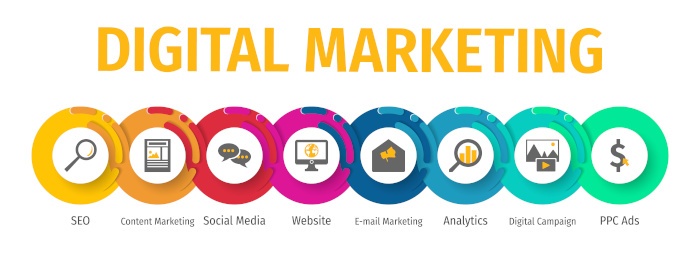
The Various Types of Digital Marketing Strategies
Digital marketing has revolutionised the way businesses promote their products and services in the digital age. With a plethora of tools and techniques available, it can be overwhelming to navigate the world of digital marketing. Here are some key types of digital marketing strategies that businesses can utilise to reach their target audience:
Search Engine Optimization (SEO)
SEO is the process of improving a website’s visibility on search engines like Google. By optimising content and using relevant keywords, businesses can increase their organic traffic and rank higher in search engine results pages.
Social Media Marketing
Social media platforms such as Facebook, Instagram, Twitter, and LinkedIn offer businesses a powerful way to engage with their audience, build brand awareness, and drive traffic to their websites through targeted advertising campaigns.
Content Marketing
Content marketing involves creating and distributing valuable content to attract and retain customers. This can include blog posts, videos, infographics, and more to educate and inform your target audience about your products or services.
Email Marketing
Email marketing remains an effective way to communicate with your audience directly. By sending personalised emails with relevant content, promotions, or updates, businesses can nurture leads and convert them into customers.
Pay-Per-Click (PPC) Advertising
PPC advertising allows businesses to place ads on search engines or social media platforms and pay a fee each time a user clicks on the ad. This method can drive immediate traffic to your website and generate leads quickly.
Influencer Marketing
Influencer marketing involves partnering with influencers who have a large following on social media to promote your products or services. This strategy can help businesses reach a wider audience and build credibility through trusted endorsements.
In conclusion, digital marketing offers a diverse range of strategies that businesses can leverage to connect with their target audience effectively in today’s digital landscape. By understanding these different types of digital marketing techniques, businesses can create comprehensive campaigns that drive engagement, increase brand awareness, and ultimately boost sales.
Exploring the Advantages of Digital Marketing: 8 Key Benefits for Modern Businesses
- Digital marketing allows businesses to reach a global audience, breaking geographical barriers.
- It offers measurable results, providing insights into the effectiveness of campaigns through analytics tools.
- Businesses can target specific demographics and interests with precision, increasing the likelihood of reaching potential customers.
- Digital marketing is cost-effective compared to traditional marketing methods like print or TV advertising.
- It enables real-time interaction with customers, fostering engagement and building relationships.
- The flexibility of digital marketing allows for quick adjustments to campaigns based on performance data and market trends.
- Various types of digital marketing offer a range of options to suit different business goals and budgets.
- Digital marketing can enhance brand visibility and credibility by establishing a strong online presence across multiple platforms.
Exploring the Challenges of Digital Marketing: Navigating Competition, Change, and Constraints
- 1. High Competition
- 2. Constant Changes
- 3. Ad Blindness
- 4. Budget Constraints
- 5. Data Privacy Concerns
- 6. Negative Feedback Amplification
- 7. Technical Challenges
Digital marketing allows businesses to reach a global audience, breaking geographical barriers.
Digital marketing offers businesses the invaluable advantage of reaching a global audience without being constrained by geographical limitations. By leveraging various digital marketing strategies such as social media marketing, search engine optimisation, and online advertising, businesses can expand their reach beyond local boundaries and connect with potential customers worldwide. This ability to break geographical barriers enables businesses to tap into new markets, increase brand awareness on a global scale, and drive growth opportunities that were previously inaccessible through traditional marketing channels.
It offers measurable results, providing insights into the effectiveness of campaigns through analytics tools.
One significant advantage of various types of digital marketing is their ability to deliver measurable results. By utilising analytics tools, businesses can gain valuable insights into the effectiveness of their campaigns. These tools allow for tracking and monitoring of key performance indicators, such as website traffic, conversion rates, and engagement metrics. With access to real-time data and detailed analytics reports, businesses can make informed decisions to optimise their digital marketing strategies for better outcomes and ROI.
Businesses can target specific demographics and interests with precision, increasing the likelihood of reaching potential customers.
One key advantage of utilising various types of digital marketing strategies is the ability for businesses to target specific demographics and interests with precision. By leveraging tools such as social media advertising, search engine optimisation, and email marketing, businesses can tailor their campaigns to reach the right audience segments. This targeted approach increases the likelihood of connecting with potential customers who are more likely to be interested in their products or services, leading to higher engagement and conversion rates.
Digital marketing is cost-effective compared to traditional marketing methods like print or TV advertising.
Digital marketing offers a cost-effective solution for businesses compared to traditional marketing methods such as print or TV advertising. With digital marketing, businesses can reach a wider audience at a fraction of the cost, making it an attractive option for companies looking to maximise their marketing budget. Additionally, digital marketing allows for targeted advertising, ensuring that businesses can focus their efforts on reaching specific demographics most likely to convert into customers. This level of precision and efficiency in spending makes digital marketing a highly valuable tool for businesses looking to achieve maximum return on investment in today’s competitive market.
It enables real-time interaction with customers, fostering engagement and building relationships.
One significant advantage of digital marketing is its ability to facilitate real-time interaction with customers, leading to enhanced engagement and the establishment of strong relationships. Through various digital channels such as social media, chatbots, and email campaigns, businesses can promptly respond to customer queries, provide personalised assistance, and address concerns in a timely manner. This immediate and interactive approach not only fosters customer engagement but also helps in building trust and loyalty, ultimately resulting in long-lasting relationships with clients.
The flexibility of digital marketing allows for quick adjustments to campaigns based on performance data and market trends.
The flexibility of digital marketing provides businesses with the agility to make rapid adjustments to their campaigns in response to real-time performance data and evolving market trends. By closely monitoring metrics such as engagement rates, click-through rates, and conversions, companies can identify what is working well and what needs improvement, enabling them to optimise their strategies for maximum impact. This ability to adapt swiftly in the digital realm ensures that businesses stay competitive and responsive to the dynamic nature of the online landscape.
Various types of digital marketing offer a range of options to suit different business goals and budgets.
Various types of digital marketing provide businesses with a diverse range of options to align with their specific goals and financial resources. Whether a business aims to increase brand awareness, drive website traffic, generate leads, or boost sales, there is a digital marketing strategy suitable for every objective. From cost-effective methods like social media marketing and email campaigns to more investment-heavy approaches such as PPC advertising and influencer partnerships, businesses can choose the strategies that best fit their budget constraints while still achieving their desired outcomes. This flexibility in options allows businesses of all sizes to customise their digital marketing efforts effectively and efficiently.
Digital marketing can enhance brand visibility and credibility by establishing a strong online presence across multiple platforms.
Digital marketing offers the significant advantage of enhancing brand visibility and credibility by establishing a robust online presence across various platforms. By leveraging digital marketing strategies such as social media marketing, search engine optimization, and content marketing, businesses can effectively showcase their brand to a wider audience and build trust with potential customers. Consistent and engaging content across multiple digital channels not only increases brand awareness but also reinforces the credibility of the brand, ultimately leading to improved customer perception and loyalty.
1. High Competition
In the realm of digital marketing, one significant drawback is the high level of competition that businesses face. The online space is crowded with numerous competitors vying for the attention of the same target audience, making it increasingly challenging to differentiate and stand out from the crowd. With so many businesses utilising similar digital marketing strategies, it becomes crucial for companies to find innovative ways to capture and retain their audience’s interest amidst this intense competition.
2. Constant Changes
One significant drawback of digital marketing is the constant changes that businesses need to navigate. With digital marketing trends and algorithms evolving rapidly, businesses must stay agile and adapt quickly to remain competitive. This dynamic nature of the digital landscape can be challenging for businesses to keep up with, requiring continuous monitoring and adjustment of strategies to ensure relevance and effectiveness in reaching their target audience. The need for constant vigilance and adaptation can be demanding on resources and time, making it a con that businesses must carefully manage in their digital marketing efforts.
3. Ad Blindness
In the realm of digital marketing, a notable drawback is the phenomenon of ad blindness. With the constant bombardment of online advertisements, internet users have developed a skill for tuning out or actively ignoring ads, diminishing the impact of traditional advertising approaches. This poses a significant challenge for businesses striving to capture and retain the attention of their target audience in an environment oversaturated with promotional content. As ad blindness continues to grow among internet users, marketers must adapt by exploring more innovative and engaging strategies to break through this barrier and effectively connect with their audience.
4. Budget Constraints
Budget constraints can pose a significant challenge for businesses looking to implement effective digital marketing campaigns. From investing in the right tools and platforms to covering advertising costs, the financial aspect of digital marketing can be daunting. Without a substantial budget, businesses may struggle to compete with larger competitors who have more resources at their disposal. Finding cost-effective strategies and prioritising investments wisely becomes crucial in overcoming this con of digital marketing and maximising the impact of limited financial resources.
5. Data Privacy Concerns
In the realm of digital marketing, one significant drawback is the growing concern surrounding data privacy. With stricter data protection regulations in place, businesses are finding it increasingly challenging to collect and utilise customer data for targeted marketing purposes. The need to comply with stringent privacy laws has forced companies to reevaluate their data collection practices and adopt more transparent and ethical approaches when handling sensitive information. This shift towards prioritising consumer privacy, while essential for safeguarding personal data, poses a hurdle for businesses aiming to deliver personalised marketing campaigns tailored to individual preferences. Balancing the need for effective marketing strategies with respect for customer privacy remains a complex challenge in the ever-evolving landscape of digital marketing.
6. Negative Feedback Amplification
In the realm of digital marketing, a significant drawback arises from the potential for Negative Feedback Amplification. In this scenario, any negative reviews or comments about a business can swiftly propagate across online platforms, posing a threat to its reputation. With the speed and reach of social media and review websites, even a single unfavourable remark has the potential to tarnish a brand’s image and impact consumer trust significantly. Managing and mitigating such instances of negative feedback amplification becomes crucial for businesses to uphold their reputation in the digital landscape.
7. Technical Challenges
Implementing complex digital marketing strategies may pose a significant challenge for businesses due to the technical expertise required. From setting up advanced tracking systems to implementing intricate automation processes, navigating the technical aspects of digital marketing can be daunting for those without the necessary skills or resources. Without access to specialised knowledge or support, businesses may struggle to effectively execute their digital marketing campaigns and harness the full potential of these strategies. Overcoming these technical challenges often involves investing in training or seeking external assistance to ensure successful implementation and optimal results in the ever-evolving digital landscape.