certified digital marketer

Unlocking Success: The Expertise of a Certified Digital Marketer

Certified Digital Marketer: Navigating the Digital Landscape with Expertise

The Role of a Certified Digital Marketer in Today’s Business World

In the fast-paced digital age, businesses are constantly seeking ways to reach and engage with their target audiences online. This is where a certified digital marketer plays a crucial role. With expertise in various digital marketing strategies and tools, these professionals help companies navigate the complex digital landscape and achieve their marketing goals effectively.

What Does It Mean to Be a Certified Digital Marketer?

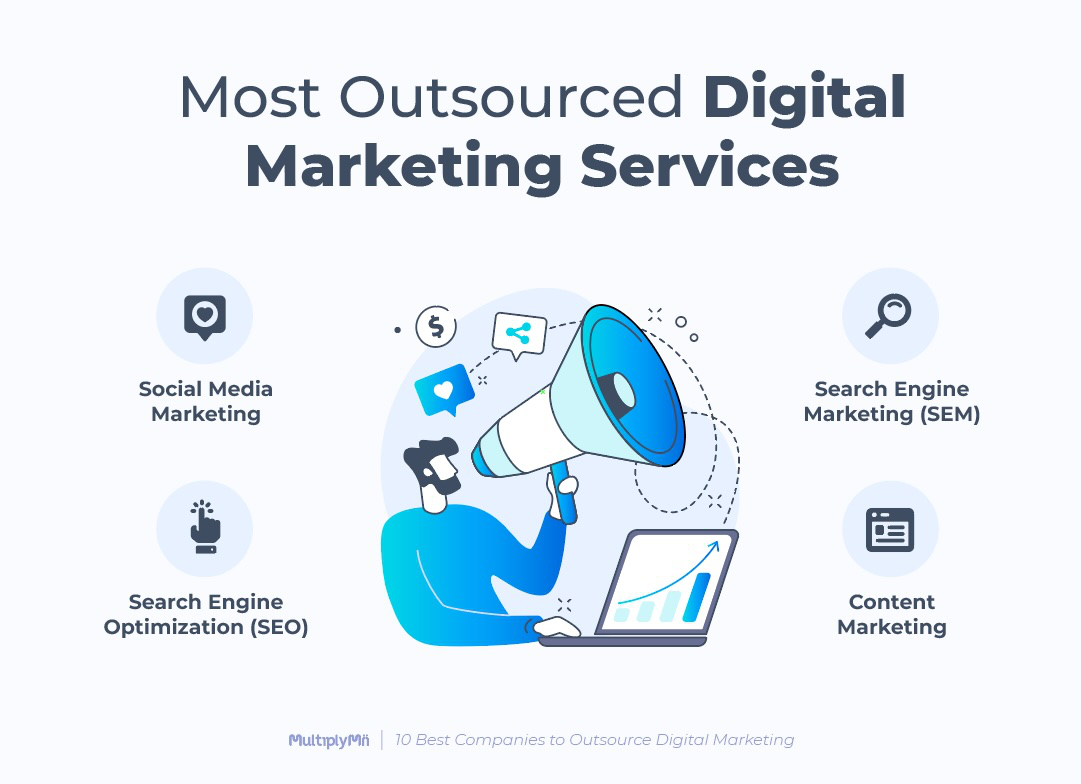
A certified digital marketer is someone who has undergone specific training and obtained certification in various aspects of digital marketing. This includes areas such as search engine optimisation (SEO), social media marketing, content marketing, email marketing, pay-per-click (PPC) advertising, and more. By earning certifications from reputable organisations or institutions, these professionals demonstrate their knowledge and skills in using digital channels to drive business growth.

The Skills and Expertise of a Certified Digital Marketer

Certified digital marketers possess a range of skills that are essential for success in today’s competitive online environment. These skills include:

  • Data Analysis: Understanding and interpreting data to measure the effectiveness of digital campaigns and make informed decisions.
  • Content Creation: Developing engaging content that resonates with target audiences across different digital platforms.
  • Marketing Automation: Utilising automation tools to streamline marketing processes and improve efficiency.
  • Strategic Planning: Creating comprehensive digital marketing strategies aligned with business objectives.
  • Continuous Learning: Staying updated on the latest trends and best practices in digital marketing to remain competitive.

The Value of Hiring a Certified Digital Marketer

Businesses that work with certified digital marketers benefit from their expertise in developing targeted campaigns, analysing performance metrics, and optimising strategies for maximum impact. These professionals can help companies increase brand awareness, generate leads, drive website traffic, and ultimately boost sales conversions through effective digital marketing tactics.

In Conclusion

A certified digital marketer plays a vital role in helping businesses thrive in the ever-evolving digital landscape. By leveraging their skills and expertise, companies can establish a strong online presence, engage with their target audience effectively, and achieve sustainable growth in today’s competitive market.


Top 7 Advantages of Hiring a Certified Digital Marketer

  1. Expertise in various digital marketing strategies
  2. Ability to drive targeted traffic to websites
  3. Proficiency in analysing data and measuring campaign performance
  4. Skills in creating engaging content for online audiences
  5. Knowledge of SEO best practices to improve search engine rankings
  6. Experience in managing social media campaigns effectively
  7. Capability to adapt to evolving digital trends and technologies


Challenges of Certified Digital Marketing: High Costs, Constant Changes, and Certification Overload

  1. Costly Certification Process
  2. Rapidly Changing Landscape
  3. Certification Overload

Expertise in various digital marketing strategies

A certified digital marketer brings invaluable expertise in various digital marketing strategies, allowing businesses to navigate the complex online landscape with confidence and precision. From search engine optimisation (SEO) to social media marketing, content creation, email campaigns, and pay-per-click (PPC) advertising, these professionals possess the knowledge and skills needed to develop tailored strategies that drive engagement, increase brand visibility, and ultimately boost conversions. By leveraging their diverse skill set, a certified digital marketer can help businesses effectively reach their target audiences and achieve measurable results in today’s competitive digital environment.

Ability to drive targeted traffic to websites

Certified digital marketers possess the valuable skill of driving targeted traffic to websites, which is essential for increasing brand visibility and attracting potential customers. By leveraging their expertise in various digital marketing strategies such as SEO, PPC advertising, and social media marketing, these professionals can effectively reach the right audience segments and direct them to relevant website content. This targeted approach not only boosts website traffic but also enhances the quality of visitors, leading to higher conversion rates and improved overall online performance for businesses.

Proficiency in analysing data and measuring campaign performance

Certified digital marketers excel in analysing data and measuring campaign performance, a skill crucial for driving successful digital marketing strategies. By interpreting key metrics and insights, they can evaluate the effectiveness of campaigns, identify areas for improvement, and make data-driven decisions to optimise marketing efforts. With their proficiency in data analysis, certified digital marketers can track performance indicators accurately, refine targeting strategies, and ultimately enhance ROI for businesses in the competitive online landscape.

Skills in creating engaging content for online audiences

Certified digital marketers excel in creating compelling and engaging content tailored to capture the attention of online audiences. With their expertise in crafting relevant and captivating content, these professionals have a keen understanding of audience preferences and behaviours, allowing them to develop content strategies that resonate with target demographics. By leveraging their skills in creating engaging content, certified digital marketers can drive increased traffic, enhance brand visibility, and foster meaningful connections with online audiences, ultimately contributing to the overall success of digital marketing campaigns.

Knowledge of SEO best practices to improve search engine rankings

Certified digital marketers bring valuable expertise in SEO best practices to enhance search engine rankings for businesses. By utilising their knowledge of keyword research, on-page optimisation, link building strategies, and technical SEO elements, these professionals can help improve a company’s online visibility and organic traffic. Implementing effective SEO tactics not only boosts search engine rankings but also increases website credibility, drives quality leads, and ultimately enhances the overall online presence of the business.

Experience in managing social media campaigns effectively

Having experience in managing social media campaigns effectively is a valuable pro of a certified digital marketer. With expertise in creating and executing targeted strategies across various social media platforms, these professionals can help businesses enhance their online presence, engage with their audience, and drive meaningful interactions. By leveraging their knowledge of social media analytics and trends, certified digital marketers can optimise campaigns for maximum reach and impact, ultimately contributing to the overall success of a company’s digital marketing efforts.

Certified digital marketers possess the invaluable pro of being able to adapt swiftly to the ever-changing landscape of digital trends and technologies. Their continuous learning mindset allows them to stay abreast of the latest advancements in the digital realm, enabling them to implement innovative strategies and leverage emerging technologies effectively. This capability not only ensures that their marketing efforts remain relevant and impactful but also positions them as valuable assets in helping businesses navigate and thrive in the dynamic digital environment.

Costly Certification Process

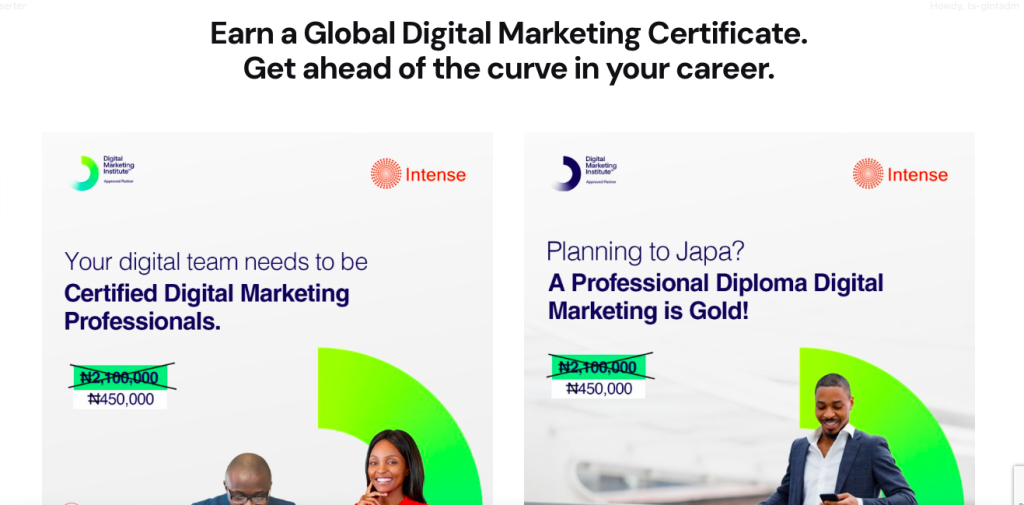
The cost of obtaining certifications in various digital marketing areas can pose a significant challenge for aspiring professionals in the field. The process often demands a substantial financial investment, as well as a considerable amount of time dedicated to training and studying. This financial burden may deter individuals from pursuing certification, limiting access to valuable educational opportunities and potentially hindering career advancement in the competitive digital marketing industry.

Rapidly Changing Landscape

In the realm of digital marketing, one significant challenge faced by certified professionals is the rapidly changing landscape of the industry. The evolution of digital marketing strategies, technologies, and platforms occurs at a swift pace, necessitating constant adaptation and learning. Certified digital marketers must proactively update their skills and knowledge to keep up with the latest trends and best practices in order to remain relevant and competitive in this dynamic environment.

Certification Overload

In the realm of certified digital marketers, a significant con to consider is the phenomenon of Certification Overload. While holding numerous certifications may seem impressive on paper, relying solely on these credentials without substantial practical experience can hinder one’s ability to achieve genuine success in the real world. It is crucial to recognise that hands-on experience plays a pivotal role in applying theoretical knowledge effectively and navigating the complexities of digital marketing strategies with confidence and proficiency. Striking a balance between certifications and practical experience is essential for aspiring digital marketers to truly excel in their field and deliver tangible results for their clients or employers.

Unlocking the Potential of SEM in Digital Marketing: Strategies for Success

The Power of SEM in Digital Marketing

The Power of SEM in Digital Marketing

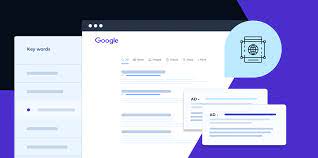
Search Engine Marketing (SEM) is a powerful tool in the world of digital marketing that allows businesses to reach their target audience effectively. SEM involves promoting websites by increasing their visibility in search engine results pages through paid advertising.

Key Components of SEM:

  • Pay-Per-Click (PPC) Advertising: PPC ads appear at the top of search engine results pages, and advertisers only pay when users click on their ads. This model ensures that businesses get value for their investment.
  • Keyword Research: Choosing the right keywords is crucial for SEM success. By targeting relevant keywords, businesses can connect with users actively searching for their products or services.
  • Ad Copywriting: Crafting compelling ad copy is essential to attract clicks and drive traffic to a website. Well-written ads can increase click-through rates and conversions.
  • Landing Page Optimization: Landing pages play a critical role in converting visitors into customers. Optimising landing pages for user experience and relevance can improve conversion rates.

The Benefits of SEM:

SEM offers several benefits for businesses looking to enhance their online presence:

  • Increased Visibility: By appearing at the top of search results, businesses can increase their visibility and reach a wider audience.
  • Precise Targeting: SEM allows for precise targeting based on factors such as location, device, and user behaviour, ensuring that ads reach the right audience.
  • Measurable Results: SEM provides detailed analytics that allow businesses to track the performance of their campaigns and make data-driven decisions to optimise results.
  • Faster Results: Unlike organic search engine optimisation (SEO), which takes time to yield results, SEM delivers immediate visibility and traffic to websites.

In conclusion, Search Engine Marketing is a valuable tool for businesses seeking to boost their online presence and drive targeted traffic to their websites. By leveraging the power of SEM effectively, businesses can achieve tangible results and grow their customer base in the competitive digital landscape.


15 Frequently Asked Questions About Search Engine Marketing (SEM) in Digital Marketing

  1. What is an example of SEM?
  2. What is the concept of SEM?
  3. What is SEO vs SEM?
  4. Whats SEM means?
  5. What is the difference between SEO and SEM?
  6. Is SEM or SEO better?
  7. What is SEO vs SEM vs PPC?
  8. What is SEM and SMM in digital marketing?
  9. What is SEM and SEO in digital marketing?
  10. What is SEM and its types?
  11. What is SEM analysis in marketing?
  12. What is SEM with an example?
  13. What is an example of SEM marketing?
  14. What is SEM in digital marketing?
  15. What is difference between SEO and SEM?

What is an example of SEM?

An example of Search Engine Marketing (SEM) is the use of pay-per-click (PPC) advertising on search engines such as Google. In this scenario, businesses bid on specific keywords related to their products or services, and their ads appear at the top of search engine results pages when users search for those keywords. When a user clicks on the ad, the business pays a fee to the search engine. This form of SEM allows businesses to target a specific audience actively searching for their offerings and drive traffic to their website effectively.

What is the concept of SEM?

The concept of Search Engine Marketing (SEM) revolves around the strategic use of paid advertising to enhance a website’s visibility in search engine results pages. SEM involves various techniques, such as pay-per-click (PPC) advertising, keyword research, ad copywriting, and landing page optimisation, to attract targeted traffic and drive conversions. By utilising SEM effectively, businesses can increase their online presence, reach a specific audience actively searching for their products or services, and achieve measurable results through data-driven campaigns. SEM plays a crucial role in digital marketing by providing businesses with a powerful tool to connect with potential customers and grow their online presence in a competitive digital landscape.

What is SEO vs SEM?

In the realm of digital marketing, a common question that arises is the difference between SEO (Search Engine Optimisation) and SEM (Search Engine Marketing). While both strategies aim to enhance a website’s visibility in search engine results, they operate in distinct ways. SEO focuses on organic methods to improve a website’s ranking in search results, such as optimising content and meta tags. On the other hand, SEM involves paid advertising to appear at the top of search engine results pages through strategies like pay-per-click (PPC) campaigns. Understanding the nuances between SEO and SEM is crucial for businesses looking to develop a comprehensive digital marketing strategy that maximises their online presence and reach.

Whats SEM means?

Search Engine Marketing (SEM) refers to a digital marketing strategy that involves promoting websites by increasing their visibility in search engine results pages through paid advertising. SEM encompasses various tactics, such as pay-per-click (PPC) advertising, keyword research, ad copywriting, and landing page optimization. By utilising SEM effectively, businesses can enhance their online presence, reach their target audience, and drive relevant traffic to their websites. SEM allows businesses to achieve measurable results, precise targeting, increased visibility, and faster outcomes compared to organic search engine optimisation (SEO).

What is the difference between SEO and SEM?

When discussing Search Engine Marketing (SEM) and Search Engine Optimisation (SEO), it is important to understand the key differences between the two strategies. SEO focuses on improving a website’s organic visibility in search engine results through techniques such as keyword optimisation, content creation, and link building. On the other hand, SEM involves paid advertising to increase a website’s visibility in search engine results pages. While SEO is a long-term strategy that aims to improve organic rankings, SEM provides immediate visibility through paid ads that appear at the top of search results. Both SEO and SEM are essential components of a comprehensive digital marketing strategy, each offering unique benefits for businesses looking to enhance their online presence and reach their target audience effectively.

Is SEM or SEO better?

When considering the question of whether SEM or SEO is better for digital marketing, it’s essential to understand that both strategies serve distinct purposes and can complement each other effectively. Search Engine Marketing (SEM) involves paid advertising to increase visibility in search engine results pages, offering immediate visibility and control over targeting. On the other hand, Search Engine Optimization (SEO) focuses on organic methods to improve website rankings and long-term visibility. While SEM can deliver quick results and targeted traffic, SEO builds sustainable organic traffic over time. Ultimately, the choice between SEM and SEO depends on specific goals, budget considerations, and the desired timeline for results in a comprehensive digital marketing strategy.

What is SEO vs SEM vs PPC?

In the realm of digital marketing, understanding the distinctions between SEO, SEM, and PPC is crucial for crafting effective online strategies. Search Engine Optimization (SEO) focuses on improving a website’s organic visibility in search engine results by optimising content and adhering to search engine guidelines. On the other hand, Search Engine Marketing (SEM) encompasses various strategies to enhance a website’s visibility through paid advertising methods like Pay-Per-Click (PPC) campaigns. While SEO and SEM are broader concepts, PPC specifically refers to a model where advertisers pay each time their ad is clicked. Each approach plays a unique role in driving traffic and achieving marketing goals, with SEO building long-term organic traffic, SEM incorporating both paid and organic tactics, and PPC offering immediate visibility through paid ads. By understanding the nuances of SEO vs SEM vs PPC, businesses can tailor their digital marketing efforts to maximise online presence and reach their target audience effectively.

What is SEM and SMM in digital marketing?

In the realm of digital marketing, SEM (Search Engine Marketing) and SMM (Social Media Marketing) are two essential strategies that businesses utilise to enhance their online presence and connect with their target audience. SEM involves promoting websites through paid advertising on search engine results pages, such as Google Ads, to increase visibility and drive traffic. On the other hand, SMM focuses on leveraging social media platforms like Facebook, Instagram, and Twitter to engage with users, build brand awareness, and drive conversions. Both SEM and SMM play crucial roles in a comprehensive digital marketing strategy, offering unique benefits in reaching and engaging with potential customers across different online channels.

What is SEM and SEO in digital marketing?

In digital marketing, Search Engine Marketing (SEM) and Search Engine Optimisation (SEO) are two essential strategies that businesses often utilise to enhance their online visibility and attract relevant traffic to their websites. SEM involves paid advertising to appear prominently in search engine results pages, driving immediate traffic to a website. On the other hand, SEO focuses on improving a website’s organic visibility by optimising its content, structure, and technical aspects to rank higher in search results over time. While SEM offers instant visibility through paid ads, SEO aims for sustainable long-term growth by enhancing a website’s relevance and authority in the eyes of search engines. Both SEM and SEO play crucial roles in a comprehensive digital marketing strategy, complementing each other to maximise online presence and reach the target audience effectively.

What is SEM and its types?

Search Engine Marketing (SEM) is a digital marketing strategy that involves promoting websites by increasing their visibility in search engine results pages through paid advertising. SEM encompasses various types, with the most common being Pay-Per-Click (PPC) advertising. In PPC, advertisers bid on keywords relevant to their target audience, and their ads appear at the top of search results. Other types of SEM include display advertising, remarketing, and shopping ads. Each type of SEM serves different purposes but ultimately aims to drive traffic, increase brand awareness, and generate leads for businesses seeking to reach their target audience effectively in the digital landscape.

What is SEM analysis in marketing?

SEM analysis in marketing refers to the process of evaluating and interpreting data related to Search Engine Marketing campaigns. This analysis involves examining various metrics such as click-through rates, conversion rates, cost per click, and keyword performance to assess the effectiveness of SEM strategies. By conducting SEM analysis, marketers can gain valuable insights into the performance of their campaigns, identify areas for improvement, and make data-driven decisions to optimise their marketing efforts. Ultimately, SEM analysis plays a crucial role in maximising the ROI of marketing budgets and achieving business objectives in the digital landscape.

What is SEM with an example?

Search Engine Marketing (SEM) is a digital marketing strategy that involves promoting websites by increasing their visibility in search engine results pages through paid advertising. An example of SEM is when a company bids on specific keywords related to their products or services and creates ads that appear at the top of search results when users search for those keywords. When a user clicks on the ad, the company pays a fee, hence the term Pay-Per-Click (PPC) advertising. This targeted approach allows businesses to reach potential customers actively searching for relevant information and drive traffic to their website, ultimately leading to increased brand visibility and potential conversions.

What is an example of SEM marketing?

An example of Search Engine Marketing (SEM) marketing is a company bidding on keywords related to their products or services to display ads at the top of search engine results pages. When users search for those specific keywords, they may see the company’s ad prominently featured above organic search results. By utilising SEM strategies like pay-per-click advertising, businesses can target relevant keywords and attract potential customers actively searching for their offerings, ultimately driving traffic to their website and increasing conversions.

What is SEM in digital marketing?

Search Engine Marketing (SEM) in digital marketing refers to the practice of promoting websites by increasing their visibility in search engine results pages through paid advertising. SEM encompasses various strategies, such as pay-per-click (PPC) advertising, keyword research, ad copywriting, and landing page optimisation. By leveraging SEM techniques, businesses can enhance their online presence, reach their target audience effectively, and drive relevant traffic to their websites. SEM allows businesses to appear at the top of search results, ensuring increased visibility and precise targeting based on user behaviour and demographics. Additionally, SEM provides measurable results through detailed analytics, enabling businesses to track campaign performance and make informed decisions to optimise their digital marketing efforts.

What is difference between SEO and SEM?

In the realm of digital marketing, a common question that arises is the difference between Search Engine Optimization (SEO) and Search Engine Marketing (SEM). While both strategies aim to increase a website’s visibility in search engine results, they operate in distinct ways. SEO focuses on improving organic search rankings through tactics like keyword optimization and content creation, with the goal of driving unpaid traffic to a site. On the other hand, SEM involves paid advertising to enhance visibility in search engine results pages, often through pay-per-click campaigns. While SEO is a long-term strategy that builds organic traffic over time, SEM offers more immediate results through targeted paid ads. Understanding the nuances between SEO and SEM is crucial for businesses looking to effectively navigate the digital marketing landscape and maximise their online presence.

b2b online marketing

Unlocking Success: The Impact of B2B Online Marketing Strategies

The Power of B2B Online Marketing

The Power of B2B Online Marketing

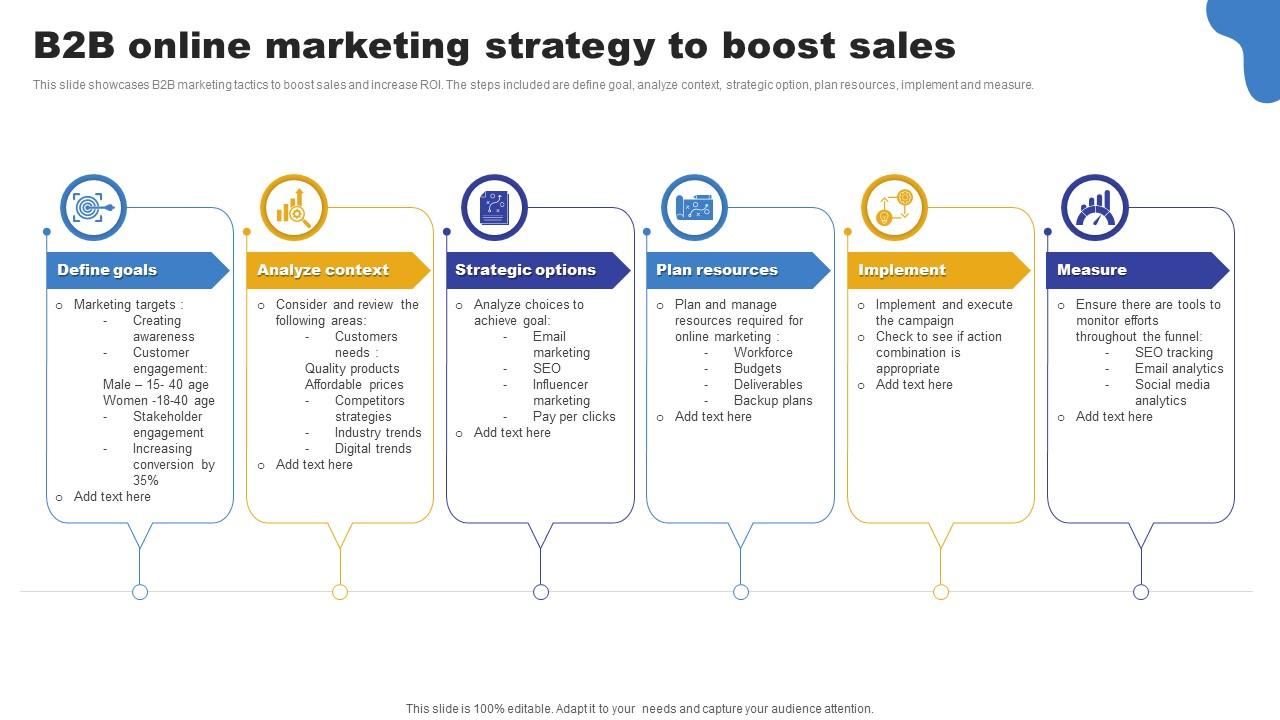
In today’s digital age, business-to-business (B2B) online marketing has become a crucial strategy for companies looking to reach and engage with other businesses. Unlike business-to-consumer (B2C) marketing, B2B marketing focuses on selling products or services to other businesses rather than individual consumers.

One of the key advantages of B2B online marketing is its ability to target a specific audience of business professionals who are actively seeking solutions to their challenges. Through various digital channels such as search engine optimisation (SEO), pay-per-click (PPC) advertising, email marketing, and social media, B2B marketers can effectively reach decision-makers and influencers within target companies.

Another benefit of B2B online marketing is the ability to track and measure the performance of campaigns in real-time. With analytics tools and data-driven insights, companies can assess the effectiveness of their strategies, identify areas for improvement, and make informed decisions to optimise their marketing efforts.

Furthermore, B2B online marketing allows for personalised and targeted communication with prospects and customers. By leveraging customer relationship management (CRM) systems and marketing automation tools, businesses can deliver relevant content at each stage of the buyer’s journey, nurturing leads and building strong relationships with clients.

In conclusion, B2B online marketing offers a powerful way for companies to connect with other businesses, drive lead generation, increase brand awareness, and ultimately boost sales. By embracing digital technologies and adopting a strategic approach to online marketing, B2B organisations can stay competitive in today’s fast-paced business landscape.


Top 5 B2B Online Marketing Strategies for Success

  1. Identify your target audience and tailor your marketing message to their needs.
  2. Utilise content marketing to establish thought leadership and build trust with potential clients.
  3. Engage with your audience through social media platforms to increase brand visibility and drive traffic to your website.
  4. Implement email marketing campaigns to nurture leads and keep existing clients informed about your products or services.
  5. Analyse data regularly to track the performance of your online marketing efforts and make data-driven decisions for improvement.

Identify your target audience and tailor your marketing message to their needs.

To succeed in B2B online marketing, it is essential to identify your target audience and customise your marketing message to address their specific needs and pain points. By understanding the challenges and priorities of your potential business clients, you can create tailored content and solutions that resonate with them, leading to stronger engagement and higher conversion rates. Personalising your message demonstrates a commitment to meeting the unique requirements of your target audience, ultimately building trust and driving long-term relationships with prospective business partners.

Utilise content marketing to establish thought leadership and build trust with potential clients.

Utilising content marketing is a valuable strategy in B2B online marketing to establish thought leadership and foster trust with potential clients. By creating and sharing high-quality, informative content that addresses the pain points and challenges of target audiences, businesses can position themselves as industry experts and reliable sources of information. This approach not only helps to showcase expertise but also builds credibility and strengthens relationships with prospects, ultimately increasing the likelihood of converting leads into loyal customers.

Engage with your audience through social media platforms to increase brand visibility and drive traffic to your website.

Engaging with your audience through social media platforms is a valuable tip in B2B online marketing. By actively participating in conversations, sharing relevant content, and responding to comments and messages, businesses can increase brand visibility and establish a strong online presence. Social media provides a platform to showcase expertise, build credibility, and connect with potential clients. Moreover, by driving traffic to your website through social media channels, you can generate leads, nurture relationships, and ultimately drive business growth in the competitive B2B market.

Implement email marketing campaigns to nurture leads and keep existing clients informed about your products or services.

Implementing email marketing campaigns is a valuable strategy in B2B online marketing to nurture leads and maintain strong relationships with existing clients. By delivering targeted and relevant content through email, businesses can engage with prospects at different stages of the buying process, providing them with valuable information and building trust. Additionally, keeping existing clients informed about products or services through regular email updates can help strengthen loyalty and encourage repeat business. Email marketing allows for personalised communication, making it an effective tool for driving conversions and fostering long-term customer relationships in the B2B sector.

Analyse data regularly to track the performance of your online marketing efforts and make data-driven decisions for improvement.

Regularly analysing data is a vital tip for successful B2B online marketing. By tracking the performance of your online marketing efforts and making data-driven decisions for improvement, you can gain valuable insights into what strategies are working and where adjustments are needed. This approach allows businesses to optimise their campaigns, target the right audience more effectively, and ultimately drive better results in reaching and engaging with other businesses.

search marketing

Unlocking the Potential of Search Marketing: A Guide to Success

The Power of Search Marketing

The Power of Search Marketing

Search marketing, also known as search engine marketing (SEM), is a powerful digital marketing strategy that aims to increase a website’s visibility in search engine results pages (SERPs) through paid advertising and search engine optimization (SEO). It encompasses both pay-per-click (PPC) advertising and organic search tactics to drive targeted traffic to a website.

Key Components of Search Marketing:

Pay-Per-Click (PPC) Advertising: PPC ads are paid advertisements that appear at the top or bottom of search engine results pages. Advertisers bid on keywords relevant to their target audience, and they pay a fee each time their ad is clicked. PPC campaigns can be highly targeted and offer instant visibility for businesses.

Search Engine Optimization (SEO): SEO involves optimizing a website’s content, structure, and technical aspects to improve its ranking in organic search results. By using relevant keywords, creating high-quality content, and building backlinks from reputable sites, businesses can enhance their online presence and attract organic traffic.

The Benefits of Search Marketing:

Increased Visibility: By implementing search marketing strategies, businesses can improve their visibility in search engines and reach a wider audience of potential customers.

Targeted Traffic: Search marketing allows businesses to target specific demographics, locations, and interests, ensuring that their ads are seen by users who are most likely to convert.

Measurable Results: With tools like Google Analytics and ad platforms’ built-in analytics, businesses can track the performance of their search marketing campaigns in real-time and make data-driven decisions to optimize their strategies.

In Conclusion

Search marketing is a dynamic and essential component of any digital marketing strategy. By combining PPC advertising with SEO techniques, businesses can increase their online visibility, drive targeted traffic to their websites, and ultimately achieve their marketing goals.


Mastering Search Marketing: 7 Essential Tips for Success

  1. 1. Conduct keyword research to understand what terms your target audience is searching for.
  2. 2. Optimise your website and content for search engines by including relevant keywords and meta tags.
  3. 3. Create high-quality, engaging content that provides value to users and encourages them to stay on your site.
  4. 4. Utilise pay-per-click (PPC) advertising to target specific keywords and drive traffic to your site quickly.
  5. 5. Monitor and analyse your search marketing efforts using tools like Google Analytics to make data-driven decisions.
  6. 6. Build quality backlinks from reputable websites to improve your site’s authority and search engine rankings.
  7. 7. Stay updated on search engine algorithms and trends to adapt your strategy for better results.

1. Conduct keyword research to understand what terms your target audience is searching for.

Conducting thorough keyword research is a fundamental step in effective search marketing. By understanding the specific terms and phrases that your target audience is using to search for products or services, you can tailor your content and advertising strategies to align with their needs and preferences. This insight not only improves your website’s visibility in search engine results but also helps you attract qualified traffic that is more likely to convert into customers. Keyword research forms the foundation of a successful search marketing campaign, guiding your efforts towards reaching and engaging with the right audience effectively.

2. Optimise your website and content for search engines by including relevant keywords and meta tags.

To enhance your search marketing efforts, it is crucial to optimise your website and content for search engines by incorporating relevant keywords and meta tags. By strategically placing keywords that align with your target audience’s search queries within your website’s content and meta tags, you can improve your site’s visibility in search engine results pages. Meta tags, such as meta titles and descriptions, provide search engines with valuable information about your web pages, helping them understand the relevance of your content to users’ searches. This optimisation strategy not only boosts your site’s ranking but also enhances its overall discoverability and click-through rates.

3. Create high-quality, engaging content that provides value to users and encourages them to stay on your site.

Creating high-quality, engaging content is a crucial tip in search marketing. By offering valuable information that resonates with users and keeps them interested, businesses can enhance their website’s performance in search engine rankings. Compelling content not only attracts visitors but also encourages them to explore further, increasing the chances of conversion and building brand loyalty. Ultimately, prioritising quality content that adds value to users’ experience can significantly impact a website’s visibility and success in the competitive digital landscape.

4. Utilise pay-per-click (PPC) advertising to target specific keywords and drive traffic to your site quickly.

Utilising pay-per-click (PPC) advertising is a highly effective tip in search marketing. By targeting specific keywords through PPC campaigns, businesses can drive traffic to their websites quickly and efficiently. With PPC, advertisers bid on relevant keywords to display their ads at the top of search engine results pages, ensuring visibility to users actively searching for products or services. This targeted approach not only increases website traffic but also enhances the likelihood of attracting qualified leads and potential customers, making PPC an invaluable tool in achieving marketing objectives swiftly.

5. Monitor and analyse your search marketing efforts using tools like Google Analytics to make data-driven decisions.

To enhance the effectiveness of your search marketing campaigns, it is crucial to monitor and analyse your efforts using tools such as Google Analytics. By leveraging these tools, you can gain valuable insights into the performance of your campaigns, track key metrics like website traffic and conversion rates, and make informed, data-driven decisions to optimise your strategies. Monitoring and analysing your search marketing efforts allows you to identify areas for improvement, refine your targeting tactics, and ultimately maximise the return on investment for your digital marketing initiatives.

To enhance your site’s authority and boost its visibility in search engine rankings, it is crucial to focus on building quality backlinks from reputable websites. By obtaining backlinks from trusted sources, you establish credibility and trustworthiness in the eyes of search engines. These inbound links act as signals of endorsement, indicating to search algorithms that your content is valuable and relevant. Investing time and effort in securing high-quality backlinks can significantly impact your site’s SEO performance, helping you climb the ranks and attract more organic traffic to your website.

To maximise the effectiveness of your search marketing efforts, it is crucial to stay informed about the latest search engine algorithms and trends. By staying updated on these developments, you can adapt your strategy accordingly to align with current best practices and optimise your online presence for improved results. Search engine algorithms are constantly evolving, and by keeping abreast of these changes, you can ensure that your marketing efforts remain relevant and effective in reaching your target audience.

digital media agency

Unlocking Success: The Vital Role of a Digital Media Agency in Today’s Digital Landscape

The Role of a Digital Media Agency in Today’s Business Landscape

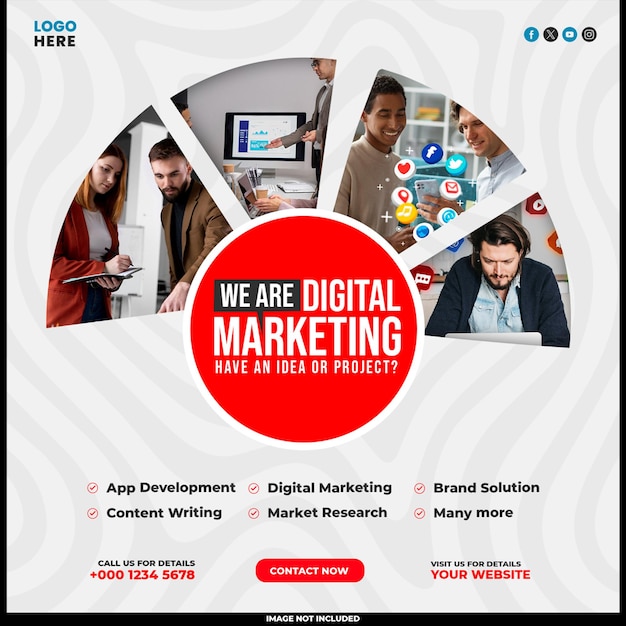
In the fast-paced world of digital marketing, businesses are constantly seeking innovative ways to reach their target audience and drive growth. This is where a digital media agency plays a crucial role. A digital media agency is a strategic partner that helps businesses navigate the complex and ever-evolving digital landscape to achieve their marketing goals.

Services Offered by Digital Media Agencies

Digital media agencies offer a wide range of services tailored to meet the specific needs of their clients. These services may include:

  • Web Design and Development: Creating visually appealing and user-friendly websites that enhance brand visibility and engagement.
  • Social Media Marketing: Developing and executing social media strategies to build brand awareness, drive traffic, and engage with customers.
  • Search Engine Optimization (SEO): Optimising website content to improve search engine rankings and increase organic traffic.
  • Pay-Per-Click (PPC) Advertising: Managing paid advertising campaigns on platforms like Google Ads to drive targeted traffic and generate leads.
  • Content Marketing: Creating compelling content, such as blog posts, videos, and infographics, to attract and retain customers.

The Benefits of Working with a Digital Media Agency

Collaborating with a digital media agency offers several key benefits for businesses looking to enhance their online presence:

  • Expertise: Digital media agencies have specialist knowledge in various areas of digital marketing, ensuring that your campaigns are executed effectively.
  • Innovation: Agencies stay up-to-date with the latest trends and technologies, allowing them to implement cutting-edge strategies that deliver results.
  • Data-Driven Insights: Agencies use data analytics tools to track campaign performance, measure ROI, and make informed decisions for continuous improvement.
  • Saves Time and Resources: Outsourcing digital marketing activities to an agency frees up internal resources, allowing businesses to focus on core operations.

The Future of Digital Media Agencies

In an increasingly digital world, the role of digital media agencies will continue to evolve as new technologies emerge and consumer behaviours change. To stay ahead of the curve, agencies must adapt quickly, innovate constantly, and provide value-added services that drive tangible results for their clients.

In conclusion, partnering with a digital media agency can be a game-changer for businesses seeking to establish a strong online presence, connect with their target audience effectively, and achieve sustainable growth in today’s competitive marketplace.


Understanding Digital Media Agencies: Top Companies, Functions, and Costs

  1. Who are the top five digital media companies?
  2. What is the purpose of a digital agency?
  3. What is digital marketing agency?
  4. What do digital agencies do?
  5. Who are the big 5 media agencies?
  6. How do I create a digital media agency?
  7. What is the digital marketing agency?
  8. How much does a digital agency cost?
  9. What is a digital media agent?

Who are the top five digital media companies?

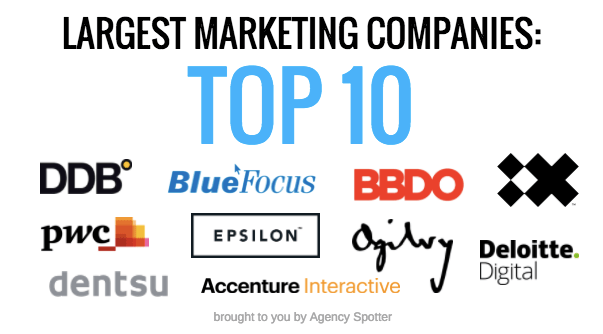
When it comes to identifying the top digital media companies, several industry leaders stand out for their innovative strategies and impactful campaigns. Companies such as WPP, Omnicom Group, Publicis Groupe, Interpublic Group, and Dentsu are often recognised as some of the top players in the digital media landscape. These companies have a global presence, a diverse portfolio of services, and a track record of delivering successful digital marketing solutions for a wide range of clients. Their expertise in areas such as advertising, branding, social media marketing, and data analytics has solidified their reputation as key players shaping the future of digital media.

What is the purpose of a digital agency?

The primary purpose of a digital agency is to help businesses navigate the complex and dynamic digital landscape to achieve their marketing objectives effectively. Digital agencies leverage their expertise in various digital channels, such as web design, social media, SEO, PPC advertising, and content marketing, to create tailored strategies that drive brand visibility, engagement, and conversions. By collaborating with a digital agency, businesses can benefit from specialised knowledge, innovative approaches, data-driven insights, and cost-effective solutions that ultimately lead to enhanced online presence, customer acquisition, and business growth in today’s competitive market environment.

What is digital marketing agency?

A digital marketing agency is a specialised firm that offers a range of services aimed at helping businesses promote their products or services online. These agencies leverage various digital channels, such as websites, social media, search engines, and email, to reach and engage with target audiences effectively. Digital marketing agencies employ experts in areas like web design, social media management, search engine optimisation (SEO), pay-per-click (PPC) advertising, and content marketing to create tailored strategies that drive brand awareness, increase website traffic, generate leads, and ultimately boost sales for their clients. By harnessing the power of digital technologies and data-driven insights, digital marketing agencies play a vital role in helping businesses navigate the complex online landscape and achieve their marketing objectives successfully.

What do digital agencies do?

Digital agencies play a pivotal role in the modern business landscape by offering a comprehensive range of services aimed at enhancing a company’s online presence and digital marketing efforts. These agencies typically specialise in areas such as web design and development, social media marketing, search engine optimisation (SEO), pay-per-click (PPC) advertising, and content marketing. By leveraging their expertise and innovative strategies, digital agencies help businesses reach their target audience, drive traffic to their websites, increase brand visibility, and ultimately achieve their marketing goals in the digital realm. With a focus on data-driven insights and continuous improvement, digital agencies serve as strategic partners that enable businesses to navigate the complexities of the digital landscape successfully.

Who are the big 5 media agencies?

The “big 5” media agencies, also known as the “Big Five” or “Big Five Media Agencies,” refer to the largest and most influential media agencies in the industry. These agencies are typically recognised for their global reach, extensive client portfolios, and significant market share. While the specific ranking may vary depending on different factors such as revenue, client base, and services offered, some of the prominent names often included in discussions about the big 5 media agencies are WPP Group (including agencies like Mindshare and MediaCom), Omnicom Group (with agencies such as OMD and PHD), Publicis Groupe (including Starcom and Zenith), Interpublic Group (with agencies like UM and Initiative), and Dentsu Group (including Carat and iProspect). These leading media agencies play a pivotal role in shaping the landscape of digital advertising and marketing on a global scale.

How do I create a digital media agency?

Creating a digital media agency requires careful planning, strategic vision, and a deep understanding of the digital marketing landscape. To establish a successful agency, you need to define your niche, identify your target market, and develop a strong brand identity that sets you apart from competitors. Building a talented team with expertise in areas such as web design, social media marketing, SEO, and content creation is essential for delivering high-quality services to clients. Additionally, investing in technology tools and staying up-to-date with industry trends are key to driving innovation and maintaining a competitive edge in the market. By focusing on providing value to clients, delivering measurable results, and fostering long-term relationships, you can build a thriving digital media agency that stands out in the industry.

What is the digital marketing agency?

A digital marketing agency is a specialised firm that offers a range of services aimed at promoting businesses and brands through various online channels. These agencies leverage digital technologies and platforms to create targeted marketing campaigns, drive website traffic, generate leads, and increase brand awareness. From search engine optimisation (SEO) and social media marketing to pay-per-click (PPC) advertising and content creation, a digital marketing agency helps businesses navigate the complex digital landscape to achieve their marketing objectives effectively. By harnessing data-driven insights and innovative strategies, these agencies play a vital role in helping businesses thrive in the competitive online marketplace.

How much does a digital agency cost?

When considering the cost of hiring a digital agency, it is important to understand that pricing can vary significantly depending on the scope of services required, the complexity of the project, and the expertise of the agency. Digital agencies typically offer a range of pricing models, such as hourly rates, project-based fees, or retainer agreements. Factors such as the size of your business, your specific marketing goals, and the level of customisation needed will all impact the overall cost. It is advisable to request quotes from multiple agencies and carefully review their proposals to ensure that you are getting value for your investment in digital marketing services.

What is a digital media agent?

A digital media agency, often referred to as a digital marketing agency, is a professional service provider that specialises in creating and executing online marketing strategies for businesses. A digital media agency helps clients navigate the complex world of digital advertising, social media, search engine optimisation, and other online channels to reach their target audience effectively. These agencies employ experts in various digital disciplines to develop tailored solutions that drive brand awareness, engagement, and conversions in the digital space. In essence, a digital media agency acts as a strategic partner for businesses looking to enhance their online presence and achieve their marketing objectives in today’s competitive digital landscape.

ecommerce digital marketing agency

Empowering Your Online Business: The Expertise of an Ecommerce Digital Marketing Agency

The Role of an Ecommerce Digital Marketing Agency in Boosting Online Sales

The Role of an Ecommerce Digital Marketing Agency in Boosting Online Sales

In today’s digital age, having a strong online presence is crucial for the success of any ecommerce business. With the increasing competition in the online marketplace, it is essential for ecommerce businesses to effectively market their products and services to reach their target audience and drive sales.

This is where an ecommerce digital marketing agency plays a vital role. These agencies specialise in developing and implementing digital marketing strategies tailored specifically for ecommerce businesses. By leveraging various online channels and tactics, they help ecommerce businesses increase their visibility, attract more traffic to their websites, and ultimately boost online sales.

Key Services Offered by Ecommerce Digital Marketing Agencies:

  • Search Engine Optimization (SEO): Ecommerce SEO focuses on improving the visibility of online stores in search engine results pages (SERPs) to drive organic traffic and increase conversions.
  • Pay-Per-Click (PPC) Advertising: PPC campaigns help ecommerce businesses reach their target audience through paid advertising on search engines and social media platforms.
  • Social Media Marketing: Social media platforms are powerful tools for engaging with customers, building brand awareness, and driving traffic to ecommerce websites.
  • Email Marketing: Email campaigns can be used to nurture leads, promote products, and encourage repeat purchases from existing customers.
  • Content Marketing: High-quality content such as blog posts, videos, and infographics can attract and engage potential customers while showcasing the expertise of ecommerce businesses.

By utilising these digital marketing strategies effectively, an ecommerce digital marketing agency can help businesses optimise their online presence, improve customer engagement, and drive revenue growth. With their expertise and experience in the ever-evolving digital landscape, these agencies play a crucial role in helping ecommerce businesses stay competitive and achieve success in the online marketplace.


Unlocking Ecommerce Success: The Advantages of Partnering with a Digital Marketing Agency

  1. Specialised expertise in digital marketing strategies tailored for ecommerce businesses.
  2. Ability to increase online visibility and attract targeted traffic to ecommerce websites.
  3. Experience in utilising various online channels such as SEO, PPC, and social media marketing.
  4. Help in improving customer engagement and driving conversions for ecommerce businesses.
  5. Assistance in navigating the competitive online marketplace to achieve business growth.
  6. Professional guidance on leveraging technology and data analytics for effective digital marketing campaigns.


Challenges Faced by Small Ecommerce Businesses When Partnering with Digital Marketing Agencies

  1. Costly service fees that may strain the budget of small ecommerce businesses.
  2. Potential lack of direct control over marketing strategies and campaigns outsourced to the agency.
  3. Risk of misalignment between the agency’s approach and the ecommerce business’s brand identity or values.
  4. Difficulty in finding a reliable agency with proven expertise and track record in ecommerce digital marketing.
  5. Possible communication challenges due to differences in understanding industry-specific terminology and jargon.
  6. Limited flexibility in making immediate changes or adjustments to marketing tactics without going through the agency.

Specialised expertise in digital marketing strategies tailored for ecommerce businesses.

An ecommerce digital marketing agency offers a significant advantage with its specialised expertise in developing and implementing digital marketing strategies specifically tailored for ecommerce businesses. By understanding the unique challenges and opportunities within the online retail sector, these agencies can create targeted campaigns that effectively reach and engage the target audience, ultimately driving increased traffic, conversions, and sales for ecommerce clients. Their in-depth knowledge of ecommerce platforms, consumer behaviour online, and industry trends allows them to craft strategies that maximise ROI and deliver measurable results in the competitive digital landscape.

Ability to increase online visibility and attract targeted traffic to ecommerce websites.

An ecommerce digital marketing agency excels in enhancing online visibility and attracting targeted traffic to ecommerce websites. By deploying strategic tactics such as search engine optimisation (SEO), pay-per-click (PPC) advertising, and social media marketing, these agencies can significantly boost a business’s online presence. Through targeted campaigns and engaging content, they help drive relevant traffic to ecommerce websites, increasing the chances of converting visitors into customers. This ability to attract the right audience to online stores is instrumental in maximising sales and revenue for ecommerce businesses in the competitive digital landscape.

Experience in utilising various online channels such as SEO, PPC, and social media marketing.

An ecommerce digital marketing agency with extensive experience in utilising various online channels such as SEO, PPC, and social media marketing brings a wealth of expertise to the table. By leveraging these key digital marketing strategies effectively, the agency can help ecommerce businesses enhance their online visibility, attract targeted traffic, and engage with their audience across multiple platforms. This comprehensive approach enables businesses to reach a wider audience, drive conversions, and ultimately boost their online sales performance.

Help in improving customer engagement and driving conversions for ecommerce businesses.

An ecommerce digital marketing agency excels in enhancing customer engagement and driving conversions for ecommerce businesses. By implementing targeted strategies across various digital channels, these agencies help businesses effectively connect with their target audience, build relationships, and create personalised experiences that resonate with customers. Through engaging content, interactive campaigns, and data-driven insights, ecommerce digital marketing agencies play a pivotal role in increasing customer satisfaction, loyalty, and ultimately driving conversions that lead to sustainable growth for online businesses.

Assistance in navigating the competitive online marketplace to achieve business growth.

An ecommerce digital marketing agency offers invaluable assistance in navigating the fiercely competitive online marketplace, enabling businesses to stand out and achieve sustainable growth. By leveraging strategic digital marketing tactics tailored to the unique needs of each client, these agencies help businesses effectively reach their target audience, drive traffic to their websites, and ultimately increase sales. With their expertise in understanding market trends and consumer behaviour, ecommerce digital marketing agencies play a crucial role in guiding businesses towards success in the dynamic and challenging online landscape.

Professional guidance on leveraging technology and data analytics for effective digital marketing campaigns.

An ecommerce digital marketing agency offers invaluable professional guidance on leveraging technology and data analytics to enhance the effectiveness of digital marketing campaigns. By harnessing the power of cutting-edge tools and data-driven insights, these agencies can help businesses make informed decisions, target the right audience with precision, and optimise their online strategies for maximum impact. With their expertise in utilising technology and data analytics, ecommerce digital marketing agencies empower businesses to stay ahead of the curve in the dynamic digital landscape and achieve tangible results in their online marketing efforts.

Costly service fees that may strain the budget of small ecommerce businesses.

One significant drawback of utilising the services of an ecommerce digital marketing agency is the potentially high service fees involved, which could place a strain on the budget of small ecommerce businesses. These agencies often charge for their specialised expertise and tailored services, making it challenging for smaller enterprises with limited financial resources to afford comprehensive digital marketing solutions. The cost factor can act as a barrier for small businesses looking to enhance their online presence and compete effectively in the digital marketplace, highlighting a notable con of engaging with ecommerce digital marketing agencies.

Potential lack of direct control over marketing strategies and campaigns outsourced to the agency.

One significant drawback of partnering with an ecommerce digital marketing agency is the potential lack of direct control over the marketing strategies and campaigns that are outsourced to the agency. Entrusting critical aspects of marketing to a third-party agency can sometimes result in a disconnect between the business’s vision and the execution of marketing initiatives. This lack of direct oversight may lead to challenges in aligning strategies with the brand’s values and objectives, potentially impacting the overall effectiveness and coherence of the marketing efforts. Businesses must carefully consider this con and establish clear communication channels and expectations with the agency to mitigate any potential issues related to control and alignment.

Risk of misalignment between the agency’s approach and the ecommerce business’s brand identity or values.

One significant drawback of partnering with an ecommerce digital marketing agency is the potential risk of misalignment between the agency’s approach and the ecommerce business’s brand identity or values. This misalignment can lead to inconsistencies in messaging, design, or overall brand representation, which may confuse customers and weaken the brand’s credibility. It is crucial for ecommerce businesses to carefully vet potential agencies to ensure that their strategies and tactics align with the business’s core values and brand image to maintain a cohesive and authentic online presence.

Difficulty in finding a reliable agency with proven expertise and track record in ecommerce digital marketing.

One significant challenge faced by businesses seeking to partner with an ecommerce digital marketing agency is the difficulty in finding a reliable agency with proven expertise and a track record in ecommerce digital marketing. With the increasing number of agencies claiming to offer digital marketing services, distinguishing between those with genuine experience and those lacking the necessary skills can be a daunting task. This lack of clarity can lead to businesses making uninformed decisions, potentially resulting in ineffective strategies and wasted resources. Therefore, thorough research and due diligence are essential to ensure that businesses select an agency that can truly deliver results and drive success in the competitive ecommerce landscape.

Possible communication challenges due to differences in understanding industry-specific terminology and jargon.

Communication challenges may arise within an ecommerce digital marketing agency due to differences in understanding industry-specific terminology and jargon. When team members, clients, or partners come from diverse backgrounds or industries, there is a risk of misinterpretation or confusion caused by the use of specialised vocabulary. This can hinder effective communication and collaboration, potentially leading to misunderstandings in strategy implementation or project execution. Overcoming these challenges requires clear communication practices, active listening, and the willingness to clarify terms and concepts to ensure a shared understanding among all stakeholders involved in the digital marketing process.

Limited flexibility in making immediate changes or adjustments to marketing tactics without going through the agency.

One significant drawback of working with an ecommerce digital marketing agency is the limited flexibility in making immediate changes or adjustments to marketing tactics without going through the agency. This lack of direct control can result in delays when quick modifications are needed to respond to market trends or unforeseen circumstances. Businesses may find themselves dependent on the agency’s availability and processes, which can hinder their ability to swiftly adapt their digital marketing strategies in a fast-paced online environment.

web marketing firm

Unlocking Success: The Role of a Web Marketing Firm in Digital Growth

The Power of Web Marketing Firms

The Power of Web Marketing Firms

In today’s digital age, having a strong online presence is crucial for businesses to succeed. This is where web marketing firms play a vital role in helping companies navigate the complex world of digital marketing.

A web marketing firm is a specialised agency that focuses on promoting businesses and their products or services through various online channels. These firms have the expertise and tools to create effective digital marketing strategies that drive traffic, generate leads, and increase conversions.

One of the key advantages of working with a web marketing firm is their ability to stay up-to-date with the latest trends and technologies in the digital marketing landscape. They can help businesses leverage social media, search engine optimisation (SEO), pay-per-click advertising (PPC), email marketing, and other online tactics to reach their target audience effectively.

Moreover, web marketing firms offer a tailored approach to each client based on their specific goals and budget. They conduct thorough research, analyse data, and continuously optimise campaigns to ensure maximum return on investment.

Collaborating with a web marketing firm can save businesses time and resources by outsourcing their digital marketing efforts to experts in the field. This allows companies to focus on their core operations while leaving the intricacies of online promotion to professionals who understand the nuances of the digital landscape.

Overall, web marketing firms play a crucial role in helping businesses thrive in today’s competitive online environment. By harnessing the power of digital marketing strategies, these firms empower companies to expand their reach, engage with customers effectively, and achieve sustainable growth in an ever-evolving digital world.


9 Essential Tips for Enhancing Your Web Marketing Firm’s Success

  1. Define your target audience clearly to tailor your marketing strategies effectively.
  2. Create a professional and user-friendly website that reflects your brand identity.
  3. Utilize SEO techniques to improve your website’s visibility on search engines.
  4. Engage with customers through social media platforms to build relationships and increase brand awareness.
  5. Invest in online advertising campaigns such as Google Ads or social media ads for targeted reach.
  6. Monitor and analyse website traffic and user behaviour to make data-driven marketing decisions.
  7. Offer valuable content through blogs, videos, or infographics to attract and retain customers.
  8. Implement email marketing campaigns to nurture leads and keep existing customers informed about promotions or updates.
  9. Stay updated on industry trends and continuously adapt your strategies to stay ahead of the competition.

Define your target audience clearly to tailor your marketing strategies effectively.

To maximise the impact of your digital marketing efforts, it is essential to define your target audience clearly. Understanding the demographics, behaviours, and preferences of your audience allows a web marketing firm to tailor strategies that resonate with them effectively. By crafting personalised messages and delivering relevant content to the right people, businesses can increase engagement, drive conversions, and build lasting relationships with their target customers. Clarity in defining your target audience is key to unlocking the full potential of your marketing campaigns and achieving tangible results in the competitive online landscape.

Create a professional and user-friendly website that reflects your brand identity.

Creating a professional and user-friendly website that accurately reflects your brand identity is essential for establishing a strong online presence. Your website serves as the digital face of your business, offering visitors a glimpse into what you stand for and the products or services you provide. By ensuring that your website design aligns with your brand’s values, colours, and messaging, you can create a cohesive and memorable online experience for users. A well-designed website not only enhances credibility but also improves user engagement and encourages visitors to explore further, ultimately leading to increased conversions and customer loyalty.

Utilize SEO techniques to improve your website’s visibility on search engines.

By utilising SEO techniques, a web marketing firm can enhance your website’s visibility on search engines, making it easier for potential customers to find your business online. Implementing strategic SEO practices such as keyword optimisation, quality content creation, and backlink building can help improve your website’s search engine rankings and drive organic traffic to your site. With the expertise of a web marketing firm, you can effectively reach your target audience and increase your online presence in a competitive digital landscape.

Engage with customers through social media platforms to build relationships and increase brand awareness.

Engaging with customers through social media platforms is a powerful strategy employed by web marketing firms to cultivate strong relationships and enhance brand awareness. By actively interacting with their audience on platforms like Facebook, Instagram, and Twitter, businesses can humanise their brand, foster trust, and create a sense of community. This direct engagement allows companies to gather valuable feedback, address customer concerns promptly, and showcase their unique brand personality. Ultimately, leveraging social media as a communication tool not only strengthens customer loyalty but also amplifies the visibility of the brand in the digital sphere.

Invest in online advertising campaigns such as Google Ads or social media ads for targeted reach.

To maximise your online presence and reach a specific audience effectively, consider investing in online advertising campaigns through platforms like Google Ads or social media ads. These targeted advertising strategies can help you connect with potential customers who are actively searching for products or services similar to yours. By utilising these tools, a web marketing firm can tailor your campaigns to reach the right people at the right time, ultimately driving traffic to your website and increasing conversions.

Monitor and analyse website traffic and user behaviour to make data-driven marketing decisions.

Monitoring and analysing website traffic and user behaviour is a fundamental tip for any web marketing firm looking to make informed, data-driven marketing decisions. By tracking key metrics such as page views, bounce rates, conversion rates, and user demographics, firms can gain valuable insights into how visitors interact with their clients’ websites. This data allows them to identify trends, preferences, and areas for improvement, enabling them to tailor their marketing strategies effectively to enhance user experience and drive better results.

Offer valuable content through blogs, videos, or infographics to attract and retain customers.

Offering valuable content through blogs, videos, or infographics is a powerful strategy employed by web marketing firms to attract and retain customers. By creating informative and engaging content that resonates with their target audience, businesses can establish themselves as industry experts and build credibility. This approach not only helps in driving traffic to their website but also encourages repeat visits and fosters customer loyalty. Providing valuable content is a key component of a successful digital marketing strategy, enabling businesses to connect with customers on a deeper level and differentiate themselves in a competitive online landscape.

Implement email marketing campaigns to nurture leads and keep existing customers informed about promotions or updates.

Implementing email marketing campaigns is a strategic move for web marketing firms to nurture leads and maintain strong relationships with existing customers. By sending targeted and personalised emails, businesses can keep their audience engaged, informed about promotions, and updated on the latest developments. Email marketing allows firms to deliver relevant content directly to the inbox of potential and current customers, increasing brand awareness and driving conversions. It is an effective way to build trust, provide value, and ultimately drive business growth through consistent communication and engagement.

To thrive in the dynamic world of digital marketing, it is essential for businesses partnering with web marketing firms to stay updated on industry trends and continuously adapt their strategies. By remaining informed about the latest developments in online marketing, companies can proactively adjust their approaches to stay ahead of the competition. This proactive stance not only ensures that businesses remain relevant in an ever-changing digital landscape but also positions them to seize new opportunities and maintain a competitive edge in the market.

internet marketing firm

Unlocking Success: The Role of an Internet Marketing Firm in Digital Growth

The Power of Internet Marketing Firms in Driving Online Success

Internet marketing has become an essential component of any business’s overall marketing strategy in today’s digital age. With the vast reach and influence of the internet, businesses are increasingly turning to internet marketing firms to help them navigate the complex world of online promotion and achieve their goals.

What is an Internet Marketing Firm?

An internet marketing firm is a professional agency that specialises in promoting businesses and brands online. These firms offer a wide range of services, including search engine optimisation (SEO), pay-per-click (PPC) advertising, social media marketing, content creation, email marketing, and more. By leveraging various digital channels, internet marketing firms help businesses increase their online visibility, attract more traffic to their websites, and ultimately drive conversions and sales.

The Benefits of Working with an Internet Marketing Firm

Collaborating with an internet marketing firm can provide businesses with several key advantages:

  • Expertise: Internet marketing firms have a team of experienced professionals who understand the latest trends and best practices in digital marketing. They can develop tailored strategies to help businesses achieve their specific objectives.
  • Efficiency: Outsourcing your online marketing efforts to a specialised firm allows you to focus on other aspects of your business while experts handle your digital campaigns efficiently and effectively.
  • Measurable Results: Internet marketing firms use analytics tools to track the performance of your campaigns in real-time. This data-driven approach enables them to make informed decisions and optimise strategies for better results.
  • Scalability: Whether you are a small start-up or a large corporation, internet marketing firms can tailor their services to meet your needs and scale as your business grows.

The Future of Online Marketing

As technology continues to evolve rapidly, the landscape of online marketing is constantly changing. Internet marketing firms play a crucial role in helping businesses stay ahead of the curve and adapt to these changes effectively. By harnessing the power of data-driven strategies, engaging content, and targeted campaigns, businesses can maximise their online presence and reach their target audiences more efficiently than ever before.

In conclusion, partnering with an internet marketing firm can be a game-changer for businesses looking to succeed in the competitive digital marketplace. By leveraging the expertise and resources of these specialised agencies, businesses can unlock new opportunities for growth, engagement, and success in the online world.


7 Essential Tips for Boosting Your Internet Marketing Firm’s Success

  1. Understand your target audience and tailor your marketing strategies to their preferences.
  2. Utilize social media platforms effectively to reach a wider audience and engage with potential customers.
  3. Invest in search engine optimization (SEO) to improve your website’s visibility on search engines like Google.
  4. Create high-quality content that is valuable and relevant to your target market to attract and retain customers.
  5. Track and analyse data to measure the effectiveness of your marketing campaigns and make informed decisions for improvement.
  6. Stay updated with the latest trends in internet marketing to remain competitive in the digital landscape.
  7. Build strong relationships with influencers or other businesses for collaborations that can help expand your reach.

Understand your target audience and tailor your marketing strategies to their preferences.

To maximise the effectiveness of your online marketing efforts, it is crucial to have a deep understanding of your target audience and tailor your strategies to align with their preferences and behaviours. By conducting thorough market research and analysing demographic data, businesses can gain valuable insights into what resonates with their audience and how best to engage them. This customer-centric approach not only enhances the relevance and impact of your marketing campaigns but also fosters stronger connections with your target audience, ultimately leading to increased brand loyalty and conversions.

Utilize social media platforms effectively to reach a wider audience and engage with potential customers.

To maximise the impact of your internet marketing efforts, it is crucial to utilise social media platforms effectively. By leveraging the power of platforms such as Facebook, Instagram, Twitter, and LinkedIn, businesses can reach a wider audience and engage with potential customers in a more personalised and interactive manner. Engaging content, strategic posting schedules, and targeted advertising campaigns on social media can help businesses build brand awareness, drive website traffic, and foster meaningful relationships with their target audience. Embracing social media as a key component of your internet marketing strategy can lead to increased visibility, customer engagement, and ultimately, business growth.

Invest in search engine optimization (SEO) to improve your website’s visibility on search engines like Google.

Investing in search engine optimization (SEO) is essential for improving your website’s visibility on search engines like Google. By implementing SEO best practices, such as keyword research, on-page optimization, and link building, you can enhance your website’s ranking in search engine results pages. This increased visibility can drive more organic traffic to your site, attract potential customers actively searching for your products or services, and ultimately boost your online presence and business growth.

Create high-quality content that is valuable and relevant to your target market to attract and retain customers.

Creating high-quality content that is valuable and relevant to your target market is a crucial tip for success when working with an internet marketing firm. By producing content that resonates with your audience’s needs and interests, you can attract and retain customers effectively. Whether it’s informative blog posts, engaging social media updates, or compelling videos, providing valuable content establishes your brand as a trusted source of information in your industry. This not only helps drive traffic to your website but also builds long-term relationships with customers who see the value in what you have to offer.

Track and analyse data to measure the effectiveness of your marketing campaigns and make informed decisions for improvement.

Tracking and analysing data is a crucial aspect of any successful internet marketing campaign. By monitoring key metrics such as website traffic, conversion rates, click-through rates, and engagement levels, businesses can gain valuable insights into the performance of their marketing efforts. This data-driven approach allows businesses to identify what is working well and what areas need improvement, enabling them to make informed decisions to optimise their strategies for better results. By continuously analysing data, internet marketing firms can adapt and refine campaigns to ensure maximum effectiveness and achieve the desired outcomes for their clients.

Staying updated with the latest trends in internet marketing is essential for businesses aiming to remain competitive in the ever-evolving digital landscape. By keeping abreast of emerging technologies, consumer behaviours, and industry innovations, businesses can adapt their online strategies to stay ahead of the curve and connect effectively with their target audiences. Embracing new trends in internet marketing not only enhances brand visibility and engagement but also ensures that businesses are well-positioned to meet the evolving needs and expectations of their customers in today’s dynamic online environment.

Build strong relationships with influencers or other businesses for collaborations that can help expand your reach.

Building strong relationships with influencers or other businesses for collaborations is a valuable tip for internet marketing firms looking to expand their reach and maximise their impact. By partnering with influencers who have a loyal following or collaborating with complementary businesses, firms can tap into new audiences and increase brand visibility. These collaborations not only help in reaching a wider demographic but also lend credibility and authenticity to the firm’s marketing efforts. Establishing meaningful partnerships can lead to mutual benefits, driving engagement, fostering trust, and ultimately contributing to the firm’s overall success in the competitive online landscape.

digital marketing digital marketing

Unlocking Success: The Power of Digital Marketing in Today’s Business Landscape

The Power of Digital Marketing in Today’s Business Landscape

In the fast-paced world of business, digital marketing has emerged as a powerful tool for reaching and engaging with audiences in a more targeted and cost-effective manner. With the rise of the internet and social media, businesses now have unprecedented opportunities to connect with consumers on a global scale.

Digital marketing encompasses a wide range of strategies and tactics aimed at promoting products or services through online channels such as websites, social media platforms, search engines, email, and more. This multi-faceted approach allows businesses to reach their target audience where they spend most of their time – online.

Benefits of Digital Marketing

One of the key benefits of digital marketing is its ability to provide measurable results. Unlike traditional marketing methods, digital marketing allows businesses to track and analyse their campaigns in real-time, enabling them to make data-driven decisions and optimise their strategies for better performance.

Another advantage of digital marketing is its cost-effectiveness. With digital channels, businesses can reach a larger audience at a fraction of the cost compared to traditional advertising methods. This level playing field allows small businesses to compete with larger corporations on a more equal footing.

Key Strategies in Digital Marketing

Some key strategies commonly used in digital marketing include:

  • Search Engine Optimization (SEO): Optimising website content to improve search engine rankings and increase organic traffic.
  • Pay-Per-Click (PPC) Advertising: Running targeted ads on search engines or social media platforms to drive traffic and conversions.
  • Social Media Marketing: Engaging with audiences on social media platforms to build brand awareness and drive engagement.
  • Email Marketing: Sending targeted emails to nurture leads, promote products/services, and build customer relationships.

The Future of Digital Marketing

As technology continues to evolve at a rapid pace, the future of digital marketing looks promising. Advancements in artificial intelligence, machine learning, data analytics, and automation are reshaping the way businesses interact with consumers online. Personalisation and customisation are becoming increasingly important as consumers seek more tailored experiences from brands.

In conclusion, digital marketing has become an essential component of any successful business strategy in today’s digital age. By leveraging the power of online channels effectively, businesses can reach new audiences, drive engagement, increase brand visibility, and ultimately achieve their business goals in a competitive marketplace.


Exploring the 8 Key Advantages of Digital Marketing: From Cost-Effectiveness to Competitive Edge

  1. Cost-effective
  2. Measurable results
  3. Global reach
  4. Targeted advertising
  5. Brand visibility
  6. Engagement opportunities
  7. Flexibility
  8. Competitive advantage


Challenges of Digital Marketing: Navigating Saturation, Ad Fatigue, Privacy, Complexity, and Rapid Change

  1. 1. Saturation
  2. 2. Ad Fatigue
  3. 3. Privacy Concerns
  4. 4. Technical Complexity
  5. 5. Rapid Changes

Cost-effective

Digital marketing offers a significant advantage in terms of cost-effectiveness for businesses, enabling them to expand their reach and engage with a larger audience at a fraction of the cost associated with traditional marketing approaches. By leveraging digital channels such as social media, search engines, and email, businesses can target specific demographics and measure the effectiveness of their campaigns in real-time, ultimately maximising their return on investment and achieving greater results within their budget constraints.

Measurable results

Businesses benefit greatly from the measurable results offered by digital marketing. By tracking and analysing the performance of their campaigns in real-time, companies can make data-driven decisions that lead to more effective strategies and better outcomes. This ability to gather and interpret data allows businesses to optimise their digital marketing efforts, allocate resources efficiently, and ultimately achieve a higher return on investment.

Global reach

With digital marketing, businesses have the advantage of global reach, enabling them to connect with audiences worldwide and transcend geographical boundaries. This capability allows companies to expand their market reach beyond local limitations and tap into new markets, reaching potential customers in different regions and countries. By leveraging digital channels effectively, businesses can establish a strong online presence on a global scale, increasing brand visibility and opening up opportunities for growth and expansion in diverse markets.

Targeted advertising

Digital marketing’s targeted advertising capability is a game-changer in reaching the right audience with precision. By leveraging digital tools and data analytics, businesses can tailor their marketing messages to specific demographics, interests, and behaviours of their target audience. This level of targeting ensures that marketing efforts are directed towards those most likely to be interested in the products or services being offered, resulting in higher engagement rates and better return on investment. The ability to reach the right people at the right time with the right message is a key advantage of digital marketing that can significantly enhance campaign effectiveness and overall success.

Brand visibility

Through various online channels such as social media and search engines, digital marketing plays a crucial role in enhancing brand visibility and awareness. By strategically utilising platforms where consumers spend a significant amount of their time, businesses can effectively showcase their brand to a wider audience. This increased visibility not only helps in attracting new customers but also reinforces brand recognition among existing ones, ultimately contributing to the overall success and growth of the business in the digital landscape.

Engagement opportunities

Engagement opportunities are a key advantage of digital marketing, as interactive features enable businesses to connect with customers on a more personal level. Through comments, messages, polls, and other interactive tools, businesses can actively engage with their audience, gather feedback, and build stronger relationships. This two-way communication not only fosters trust and loyalty but also provides valuable insights that can be used to tailor marketing strategies to better meet the needs and preferences of customers. By creating meaningful interactions through digital channels, businesses can enhance customer engagement and ultimately drive long-term success.

Flexibility

Digital marketing offers a significant advantage in terms of flexibility. Unlike traditional marketing methods, digital marketing strategies can be easily adjusted and optimised based on real-time data insights. By monitoring key performance indicators and metrics, businesses can quickly identify what is working well and what needs improvement. This agility allows for rapid adjustments to campaigns, targeting, messaging, and more, resulting in better performance and results. The ability to adapt on the fly based on data-driven insights is a powerful asset that can help businesses stay ahead in today’s dynamic and competitive digital landscape.

Competitive advantage

In the realm of digital marketing, a significant advantage is the ability for small businesses to compete on a level playing field with larger corporations. By harnessing innovative digital marketing tactics, small businesses can carve out their niche, reach their target audience effectively, and differentiate themselves in the crowded digital space. This competitive advantage allows small businesses to showcase their unique offerings, engage with customers on a more personal level, and establish a strong online presence that resonates with their audience.

1. Saturation

In the realm of digital marketing, one significant drawback is the issue of saturation. As the digital landscape becomes more densely populated with businesses vying for consumer attention, standing out amidst the competition poses a formidable challenge. With countless brands bombarding consumers through various online channels, capturing and retaining the interest of a target audience has become increasingly difficult. This oversaturation can lead to message fatigue among consumers and diminish the effectiveness of marketing efforts, requiring businesses to adopt innovative strategies to cut through the noise and make a lasting impact.

2. Ad Fatigue

Consumers today are inundated with a constant stream of online advertisements, leading to a phenomenon known as ad fatigue. This oversaturation of ads can result in consumers feeling overwhelmed, annoyed, and even developing negative perceptions towards brands that bombard them with too many advertisements. Ad fatigue can diminish the effectiveness of marketing campaigns, as consumers may begin to tune out or actively avoid ads altogether. To combat this challenge, businesses must focus on delivering relevant and engaging content that resonates with their target audience to avoid contributing to ad fatigue and maintain a positive brand image in the digital space.

3. Privacy Concerns

With data collection and tracking being integral to digital marketing strategies, there are growing concerns about privacy violations and data misuse among consumers. The collection of personal information for targeted advertising purposes has raised ethical questions about the extent to which individuals’ online activities are monitored and used without their explicit consent. As data breaches and privacy scandals continue to make headlines, consumers are becoming more wary of sharing their information online, leading to a loss of trust in businesses that engage in intrusive data practices. Balancing the benefits of targeted marketing with the need to respect consumer privacy remains a significant challenge for digital marketers in today’s landscape.

4. Technical Complexity

Implementing effective digital marketing campaigns can be hindered by the technical complexity involved. Businesses without dedicated resources or expertise in the field may find it daunting to navigate the intricacies of digital marketing strategies. From understanding algorithms for search engine optimisation to setting up and monitoring online advertising campaigns, the technical know-how required can act as a barrier for businesses looking to leverage digital marketing effectively. Without the necessary skills and experience, businesses may struggle to implement campaigns that deliver optimal results and reach their target audience efficiently.

5. Rapid Changes

In the realm of digital marketing, one significant drawback is the rapid pace of change. The digital marketing landscape is in a perpetual state of evolution, with new technologies, algorithms, and trends continuously emerging. This dynamic environment necessitates businesses to remain agile and adaptable in order to keep up with the latest developments and maintain competitiveness. The need for constant learning and swift adjustments can pose challenges for businesses seeking to establish long-term strategies amidst the ever-changing digital marketing landscape.

internet marketing services company

Elevate Your Online Presence with a Leading Internet Marketing Services Company

Internet Marketing Services Company: Boosting Your Online Presence

Internet Marketing Services Company: Boosting Your Online Presence

In today’s digital age, having a strong online presence is essential for businesses to succeed. An internet marketing services company plays a crucial role in helping businesses navigate the complex world of digital marketing and reach their target audience effectively.

What Does an Internet Marketing Services Company Offer?

An internet marketing services company provides a range of services aimed at enhancing a business’s online visibility and driving traffic to their website. These services may include:

  • Search Engine Optimization (SEO): Optimising website content to improve search engine rankings and increase organic traffic.
  • Pay-Per-Click (PPC) Advertising: Creating targeted ad campaigns to drive instant traffic to a website.
  • Social Media Marketing: Engaging with audiences on social media platforms to build brand awareness and drive engagement.
  • Email Marketing: Sending targeted emails to nurture leads and convert them into customers.
  • Content Marketing: Creating valuable, relevant content to attract and retain customers.

The Benefits of Hiring an Internet Marketing Services Company

By enlisting the help of an internet marketing services company, businesses can benefit in the following ways:

  • Increase Online Visibility: Improve search engine rankings and attract more visitors to your website.
  • Targeted Advertising: Reach your ideal customers through precise targeting strategies.
  • Better Engagement: Build relationships with your audience through engaging content and social media interactions.
  • Data-Driven Decisions: Utilise data analytics to make informed decisions about your marketing strategies.

The Future of Internet Marketing Services

The landscape of internet marketing is constantly evolving, with new technologies and trends shaping the way businesses connect with their audience online. An experienced internet marketing services company can help businesses stay ahead of the curve and adapt their strategies to meet the changing demands of the digital world.

If you’re looking to enhance your online presence and drive growth for your business, consider partnering with an internet marketing services company that understands your goals and has the expertise to help you achieve them.


Top 20 FAQs About Internet Marketing Services Companies and Choosing the Best Fit

  1. What is a marketing services company?
  2. Who are the big 5 marketing firms?
  3. What is an online marketing company?
  4. How do I choose an internet marketing company?
  5. What is a digital marketing services company?
  6. Which company is best in digital marketing?
  7. What are 3 examples of internet marketing?
  8. What services are the best digital marketing companies providing?
  9. What are some Internet marketing services?
  10. Which company is best in marketing?
  11. Which internet marketing is best?
  12. How much does SEO cost UK?
  13. What are the services of a marketing company?
  14. Which is best company for digital marketing?
  15. What is Internet marketing service?
  16. What is an internet marketing service?
  17. What is an example of internet marketing of a company?
  18. Who are the best digital marketing companies?
  19. Who is the biggest digital marketing company?
  20. Which is the best Internet marketing company?

What is a marketing services company?

A marketing services company is a professional entity that specialises in providing a range of strategic and tactical services to help businesses promote their products or services effectively. These companies offer expertise in various aspects of marketing, such as digital marketing, social media management, content creation, search engine optimisation (SEO), and more. By partnering with a marketing services company, businesses can access specialised skills and resources to enhance their brand visibility, engage with their target audience, and ultimately drive growth and success in the competitive marketplace.

Who are the big 5 marketing firms?

When it comes to prominent marketing firms in the industry, the “big 5” names that often stand out are WPP, Omnicom Group, Publicis Groupe, Interpublic Group, and Dentsu Group. These global marketing giants have established themselves as leaders in providing a wide range of marketing services to clients worldwide. From advertising and branding to digital marketing and public relations, these firms have a significant impact on shaping the landscape of the marketing industry with their innovative strategies and creative campaigns.

What is an online marketing company?

An online marketing company is a professional service provider that specialises in offering a range of digital marketing services to help businesses promote their products or services online. These companies utilise various strategies such as search engine optimisation (SEO), pay-per-click (PPC) advertising, social media marketing, email marketing, and content creation to enhance a business’s online visibility, attract targeted traffic, engage with audiences, and ultimately drive conversions. By leveraging their expertise in digital marketing techniques and tools, an online marketing company assists businesses in reaching their target audience effectively and achieving their online marketing goals.

How do I choose an internet marketing company?

When selecting an internet marketing company, it is essential to consider several factors to ensure you choose the right partner for your business needs. Begin by assessing the company’s experience and expertise in the digital marketing industry, as well as their track record of delivering successful results for clients. Look for transparency in their processes and communication, ensuring they keep you informed every step of the way. Additionally, consider their range of services offered and how well they align with your specific goals and objectives. Finally, seek out testimonials and reviews from past clients to gain insight into the company’s reputation and customer satisfaction levels. By carefully evaluating these aspects, you can make an informed decision when choosing an internet marketing company that best suits your business requirements.

What is a digital marketing services company?

A digital marketing services company is a specialised agency that offers a range of online marketing services to help businesses promote their products or services on digital platforms. These companies utilise various strategies such as search engine optimisation (SEO), pay-per-click (PPC) advertising, social media marketing, email marketing, and content creation to enhance a business’s online visibility and reach its target audience effectively. By leveraging the expertise of a digital marketing services company, businesses can improve their online presence, generate leads, drive traffic to their websites, and ultimately increase their revenue through strategic and data-driven digital marketing campaigns.

Which company is best in digital marketing?

When it comes to determining the best company in digital marketing, the answer can vary depending on specific needs and goals. Different companies excel in various aspects of digital marketing, such as search engine optimisation (SEO), pay-per-click (PPC) advertising, social media marketing, or content creation. It is essential for businesses to research and evaluate different digital marketing agencies based on their expertise, track record, client testimonials, and the alignment of services with their own objectives. Ultimately, the best company in digital marketing is one that can tailor its strategies to meet the unique requirements of each client and deliver measurable results that drive business growth.

What are 3 examples of internet marketing?

Internet marketing encompasses a wide range of strategies and techniques aimed at promoting businesses online. Three common examples of internet marketing include Search Engine Optimization (SEO), which involves optimising website content to improve search engine rankings and attract organic traffic; Pay-Per-Click (PPC) Advertising, where businesses pay for ad placements on search engines or websites and only pay when a user clicks on the ad; and Social Media Marketing, which involves creating engaging content on social media platforms to connect with audiences, build brand awareness, and drive engagement. These strategies are just a few examples of how businesses can leverage the power of the internet to reach their target audience effectively.

What services are the best digital marketing companies providing?

When it comes to the services offered by the best digital marketing companies, businesses can expect a comprehensive range of solutions tailored to enhance their online presence and drive results. From search engine optimisation (SEO) and pay-per-click (PPC) advertising to social media marketing, email marketing, and content creation, these companies excel in delivering targeted strategies that cater to the specific needs of their clients. By harnessing the power of data analytics and staying abreast of industry trends, top digital marketing firms are able to provide effective and innovative solutions that help businesses connect with their target audience and achieve their marketing goals successfully.

What are some Internet marketing services?

When exploring Internet marketing services, businesses can benefit from a range of strategic solutions tailored to enhance their online presence and engage with their target audience effectively. Some common Internet marketing services include Search Engine Optimization (SEO) to improve website visibility on search engines, Pay-Per-Click (PPC) advertising for targeted online ads, Social Media Marketing to connect with audiences on various platforms, Email Marketing for personalised communication with customers, and Content Marketing to create valuable content that resonates with the target market. These services work together to drive traffic, boost brand awareness, and ultimately contribute to the growth and success of a business in the digital realm.

Which company is best in marketing?

When it comes to determining the best company in marketing, the answer can vary depending on specific needs and goals. There is no one-size-fits-all solution, as different companies excel in different areas of marketing. It’s essential for businesses to research and evaluate marketing companies based on their expertise, track record, and alignment with the business’s objectives. By identifying a marketing company that understands your industry, target audience, and marketing goals, you can make an informed decision on which company is best suited to help you achieve success in your marketing efforts.

Which internet marketing is best?

When considering which internet marketing strategy is best for your business, it’s important to understand that the effectiveness of a particular approach can vary depending on your specific goals, target audience, and industry. Search Engine Optimization (SEO) is often considered a fundamental strategy to improve organic visibility and drive long-term traffic to your website. Pay-Per-Click (PPC) advertising, on the other hand, can deliver immediate results by targeting specific keywords and demographics. Social media marketing is valuable for building brand awareness and engaging with your audience on platforms like Facebook, Instagram, and LinkedIn. Ultimately, the best internet marketing strategy for your business will depend on a combination of factors tailored to meet your unique objectives and budget constraints. Consulting with an experienced internet marketing services company can help you determine the most effective approach for achieving your online marketing goals.

How much does SEO cost UK?

When it comes to the cost of SEO services in the UK, pricing can vary depending on several factors such as the scope of work, the competitiveness of your industry, and the specific goals you want to achieve. Typically, SEO services in the UK can range from a few hundred pounds per month for basic packages to several thousand pounds for comprehensive strategies tailored to larger businesses. It’s important to consider that investing in quality SEO services can yield long-term benefits by improving your website’s visibility, attracting more organic traffic, and ultimately increasing your online presence and revenue potential. Consulting with a reputable internet marketing services company can provide you with a more accurate quote based on your unique requirements and objectives.

What are the services of a marketing company?

A marketing company offers a diverse range of services aimed at helping businesses promote their products or services effectively. These services may include strategic planning, market research, branding, advertising campaigns, digital marketing (such as SEO and social media), content creation, public relations, event marketing, and more. Marketing companies work closely with their clients to develop tailored strategies that align with their goals and target audience, ultimately driving brand awareness, customer engagement, and business growth.

Which is best company for digital marketing?

When searching for the best company for digital marketing services, it is essential to consider various factors to determine the right fit for your specific needs. The best company for digital marketing will typically have a proven track record of success, a team of experienced professionals with expertise in various digital marketing strategies, and a client-centric approach that prioritises understanding and meeting your business goals. Additionally, look for companies that offer tailored solutions, transparent communication, and a commitment to staying abreast of the latest industry trends. Conduct thorough research, read reviews, and request consultations to find the digital marketing company that aligns best with your objectives and values.

What is Internet marketing service?

Internet marketing services encompass a range of strategies and techniques aimed at promoting a business or brand online. These services typically include search engine optimisation (SEO), pay-per-click (PPC) advertising, social media marketing, email marketing, content marketing, and more. The primary goal of internet marketing services is to increase a business’s online visibility, attract targeted traffic to their website, engage with their audience effectively, and ultimately drive conversions and sales. By leveraging various digital channels and tactics, an internet marketing services company helps businesses strengthen their online presence and achieve their marketing objectives in the competitive digital landscape.

What is an internet marketing service?

An internet marketing service refers to a range of strategies and techniques employed by specialised companies to promote businesses and their products or services online. These services encompass various digital marketing channels such as search engine optimisation (SEO), pay-per-click (PPC) advertising, social media marketing, email marketing, and content creation. The primary goal of internet marketing services is to increase a company’s online visibility, drive targeted traffic to their website, engage with their audience effectively, and ultimately generate leads and conversions. By leveraging the expertise of an internet marketing service provider, businesses can enhance their online presence and reach a wider audience in the competitive digital landscape.

What is an example of internet marketing of a company?

An example of internet marketing by a company could be a social media campaign launched by a retail brand to promote a new product line. Through engaging posts, targeted advertisements, and influencer partnerships on platforms like Instagram and Facebook, the company aims to increase brand awareness, drive traffic to their online store, and ultimately boost sales. By leveraging the power of social media and strategic digital marketing tactics, the company showcases its products to a wider audience and creates opportunities for customer engagement and conversion.

Who are the best digital marketing companies?

When seeking internet marketing services, the question of “Who are the best digital marketing companies?” often arises. The answer to this question can vary depending on specific needs and preferences. The best digital marketing companies are typically those with a proven track record of delivering results, a strong portfolio showcasing successful campaigns across various industries, a team of skilled professionals with expertise in different areas of digital marketing, and a commitment to staying ahead of industry trends. It is advisable for businesses to research and compare different digital marketing companies to find the one that aligns best with their goals and values.

Who is the biggest digital marketing company?

When it comes to the question of who is the biggest digital marketing company, the answer can vary depending on various factors such as revenue, global presence, client base, and services offered. Several well-known companies like WPP, Omnicom Group, Publicis Groupe, and Interpublic Group are often considered among the largest digital marketing agencies in the world. These companies have a significant market share and a wide range of services catering to diverse clients across industries. However, the “biggest” digital marketing company can be subjective and may change over time as the industry evolves and new players emerge.

Which is the best Internet marketing company?

When seeking the best internet marketing company, it is essential to consider various factors such as expertise, experience, client testimonials, and the range of services offered. The best internet marketing company for one business may not necessarily be the best for another, as each company has unique needs and goals. It is advisable to research and compare different internet marketing companies to find the one that aligns with your specific requirements and can deliver results that meet your expectations. Ultimately, the best internet marketing company is one that understands your business objectives and can tailor their services to help you achieve success in the digital landscape.