best digital marketing agencies

Unveiling the Best Digital Marketing Agencies: Elevating Your Online Presence

Best Digital Marketing Agencies

The Top Digital Marketing Agencies Transforming Businesses

In today’s competitive digital landscape, businesses need to partner with the best digital marketing agencies to stand out and reach their target audiences effectively. These agencies utilise cutting-edge strategies, innovative technologies, and creative approaches to help businesses thrive in the online world.

What Makes a Digital Marketing Agency the Best?

The best digital marketing agencies share common characteristics that set them apart from the rest. They have a deep understanding of digital trends, consumer behaviour, and emerging technologies. These agencies are results-driven, data-driven, and customer-focused.

Top Digital Marketing Agencies to Consider:

  1. Digital Giants: Known for their expertise in SEO, PPC, social media marketing, and content creation.
  2. Creative Minds: Specialising in innovative branding strategies, design solutions, and engaging multimedia content.
  3. Data Wizards: Masters of analytics, conversion rate optimisation, and performance tracking to drive ROI.
  4. Social Butterflies: Experts in influencer marketing, community management, and viral campaigns on social platforms.
  5. E-commerce Gurus: Focused on maximising online sales through targeted advertising and conversion optimisation.

The Impact of Choosing the Right Agency

Partnering with the best digital marketing agency can transform your business by increasing brand visibility, driving website traffic, generating leads, and boosting conversions. These agencies have the expertise to develop customised strategies that align with your business goals and deliver measurable results.

Final Thoughts

In conclusion, selecting the right digital marketing agency is crucial for achieving success in today’s competitive marketplace. By choosing a top agency that aligns with your business objectives and values innovation, creativity, and results-driven approaches, you can elevate your brand presence and achieve sustainable growth in the digital realm.


Top 8 Advantages of Leading Digital Marketing Agencies: Expertise, Innovation, and Results

  1. Expertise in the latest digital trends and technologies
  2. Data-driven strategies for targeted marketing campaigns
  3. Creative and innovative approaches to engage audiences
  4. Proven track record of delivering measurable results
  5. Customised solutions tailored to meet specific business needs
  6. Increased brand visibility and online presence
  7. Access to a team of skilled professionals with diverse backgrounds
  8. Continuous monitoring and optimisation for ongoing success


Challenges of Engaging Top Digital Marketing Agencies: Costs, Competition, and More

  1. High costs
  2. Competition
  3. Cookie-cutter solutions
  4. Limited availability
  5. Overwhelming options
  6. Dependency risk

Best digital marketing agencies excel in their expertise in the latest digital trends and technologies, allowing them to stay ahead of the curve and implement cutting-edge strategies for their clients. By staying informed about emerging technologies and industry trends, these agencies can offer innovative solutions that leverage the power of digital platforms to drive engagement, reach target audiences effectively, and achieve measurable results. Their deep knowledge of the digital landscape enables them to adapt quickly to changes and deliver campaigns that are both current and impactful.

Data-driven strategies for targeted marketing campaigns

One significant advantage of partnering with the best digital marketing agencies is their implementation of data-driven strategies for targeted marketing campaigns. By leveraging data analytics and insights, these agencies can precisely identify and reach the right audience segments with tailored messages and offers. This approach not only enhances campaign effectiveness but also maximises return on investment by focusing resources on the most promising opportunities. Data-driven strategies enable businesses to make informed decisions, optimise their marketing efforts, and achieve measurable results in today’s competitive digital landscape.

Creative and innovative approaches to engage audiences

Best digital marketing agencies excel in employing creative and innovative approaches to engage audiences effectively. By thinking outside the box and pushing boundaries, these agencies captivate and resonate with target audiences in unique ways. Whether through compelling storytelling, interactive campaigns, or visually stunning content, their creativity sparks interest and fosters meaningful connections with consumers. This pro sets the best digital marketing agencies apart, allowing them to craft memorable brand experiences that leave a lasting impression on audiences.

Proven track record of delivering measurable results

One significant advantage of partnering with the best digital marketing agencies is their proven track record of delivering measurable results. These agencies have a demonstrated history of implementing effective strategies that drive tangible outcomes for their clients, such as increased website traffic, higher conversion rates, and improved ROI. By leveraging their expertise and experience, businesses can trust that their investment in digital marketing will yield concrete and quantifiable results that contribute to their overall success in the online landscape.

Customised solutions tailored to meet specific business needs

Best digital marketing agencies offer a significant advantage by providing customised solutions tailored to meet specific business needs. By understanding the unique requirements and goals of each client, these agencies can develop targeted strategies that address specific challenges and maximise opportunities for growth. This personalised approach ensures that businesses receive tailored solutions that align with their brand identity, target audience, and overall objectives, ultimately leading to more effective and impactful digital marketing campaigns.

Increased brand visibility and online presence

One significant advantage of partnering with the best digital marketing agencies is the substantial increase in brand visibility and online presence that they can deliver. These agencies have the expertise and tools to strategically position your brand across various digital channels, reaching a wider audience and enhancing brand recognition. By implementing targeted strategies tailored to your business goals, they can help elevate your online visibility, attract more potential customers, and ultimately strengthen your brand’s presence in the competitive digital landscape.

Access to a team of skilled professionals with diverse backgrounds

One significant advantage of partnering with the best digital marketing agencies is gaining access to a team of skilled professionals with diverse backgrounds. These experts bring a wealth of knowledge and experience from various fields such as design, marketing, technology, and analytics. Their diverse perspectives and expertise allow them to develop innovative strategies tailored to meet the unique needs of clients, ensuring a comprehensive approach to digital marketing that drives success and delivers exceptional results.

Continuous monitoring and optimisation for ongoing success

Best digital marketing agencies excel in continuous monitoring and optimisation for ongoing success. By closely tracking campaign performance, analysing data, and making strategic adjustments in real-time, these agencies ensure that your digital marketing efforts remain effective and yield optimal results. This proactive approach allows businesses to stay ahead of the competition, adapt to changing market trends, and maximise their return on investment over time. The commitment to continuous monitoring and optimisation demonstrates the dedication of top digital marketing agencies to delivering sustained growth and long-term success for their clients.

High costs

One significant drawback of opting for the best digital marketing agencies is the high costs associated with their premium services. While these agencies offer top-notch expertise, cutting-edge strategies, and proven results, their price tags may be prohibitive for many businesses, especially smaller enterprises or startups with limited budgets. The expense of engaging the services of the best digital marketing agencies can pose a challenge for businesses seeking to maximise their online presence and reach their target audience effectively while balancing financial constraints.

Competition

Competition can be a significant drawback when considering the best digital marketing agencies. The reputation and popularity of these top agencies often result in a high demand for their services, leading to longer waiting times for clients seeking their expertise. This increased competition can sometimes make it challenging for businesses to secure timely assistance from these sought-after agencies, potentially impacting their ability to execute time-sensitive marketing campaigns or initiatives efficiently.

Some of the best digital marketing agencies may fall into the trap of offering cookie-cutter solutions, which can be a significant drawback. While these agencies may excel in certain areas, relying on standardised approaches may not always cater to the individual and unique needs of each client. This lack of customisation can result in strategies that fail to resonate with target audiences or address specific business challenges effectively. It is essential for businesses to be cautious and seek agencies that prioritise tailored solutions to ensure optimal results and long-term success in the digital landscape.

Limited availability

One significant drawback of the best digital marketing agencies is their limited availability. Due to their reputation for excellence, these agencies may have restricted capacity to onboard new clients promptly, leading to potential delays in project kick-off times. This limitation can be frustrating for businesses seeking immediate assistance with their digital marketing needs and may require careful planning and patience when engaging with these high-demand agencies.

Overwhelming options

With numerous top digital marketing agencies available, choosing the right one can be a daunting task for businesses. The overwhelming options can lead to decision paralysis and uncertainty, making it challenging for companies to identify the agency that best suits their specific needs and goals. It requires thorough research, careful consideration, and a clear understanding of what each agency offers to make an informed choice. This abundance of choices can create confusion and complexity in the selection process, potentially delaying or hindering businesses from leveraging the expertise of a reputable digital marketing agency.

Dependency risk

Dependency risk is a significant con associated with relying on the services of the best digital marketing agencies. Businesses that place excessive dependence on a single top agency for their digital marketing requirements run the risk of encountering challenges if the agency’s performance falters or its availability changes unexpectedly. This over-reliance can leave businesses vulnerable to disruptions in their marketing strategies and may hinder their ability to adapt swiftly to evolving market conditions. Diversifying partnerships and considering contingency plans can help mitigate the potential impact of such dependency risks on businesses’ long-term success in the digital realm.

marketing digital marketing

Unlocking the Potential of Digital Marketing Strategies in Today’s Business Landscape

The Power of Digital Marketing in Today’s Business Landscape

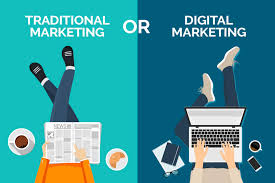
In the fast-paced digital age, traditional marketing strategies are no longer enough to cut through the noise and reach your target audience. This is where digital marketing comes into play, offering businesses a powerful tool to connect with customers, build brand awareness, and drive sales.

What is Digital Marketing?

Digital marketing encompasses a wide range of online tactics and channels aimed at promoting products or services through digital technologies. This can include social media marketing, search engine optimisation (SEO), email marketing, content marketing, pay-per-click advertising, and more. The key advantage of digital marketing lies in its ability to reach a global audience quickly and cost-effectively.

The Benefits of Digital Marketing

One of the major benefits of digital marketing is its measurability. Unlike traditional marketing methods, digital campaigns can be tracked and analysed in real time, allowing businesses to adjust their strategies based on data-driven insights. This level of flexibility enables companies to optimise their campaigns for better results and ROI.

Furthermore, digital marketing offers unparalleled targeting capabilities. Through tools like demographic segmentation and behavioural targeting, businesses can tailor their messages to specific audience segments, ensuring that their marketing efforts resonate with the right people at the right time.

The Future of Marketing

As technology continues to evolve at a rapid pace, so too does the field of digital marketing. Emerging trends such as artificial intelligence, voice search optimisation, and influencer marketing are reshaping the way businesses engage with consumers online. By staying abreast of these trends and embracing innovative strategies, companies can stay ahead of the competition and drive growth in an increasingly competitive marketplace.

Conclusion

In conclusion, digital marketing has become an indispensable tool for businesses looking to thrive in today’s digital-first world. By leveraging the power of online channels and data-driven insights, companies can create targeted campaigns that resonate with their audience and drive tangible results. Embracing digital marketing is not just an option – it’s a necessity for any business looking to succeed in the modern marketplace.


Top 11 Frequently Asked Questions About Digital Marketing

  1. What is the salary in digital marketing?
  2. What is digital marketer in marketing?
  3. Do digital marketers make good money?
  4. What is digital marketing example?
  5. What is meant by digital marketing?
  6. What’s an example of digital marketing?
  7. What are the seven types of digital marketing?
  8. What type of marketing is digital marketing?
  9. What are the 4 types of digital marketing?
  10. What is digital marketing in marketing?
  11. Is digital marketing a good career?

What is the salary in digital marketing?

The salary in digital marketing can vary depending on factors such as job role, experience level, location, and the specific industry. Entry-level positions in digital marketing may offer salaries starting from around £20,000 to £30,000 per year, while more senior roles or positions in larger companies can command significantly higher salaries. Digital marketing professionals with specialised skills or certifications, such as SEO specialists or PPC managers, may also earn higher salaries due to the demand for their expertise. Overall, the salary range in digital marketing is broad and offers opportunities for growth and advancement based on individual skills and experience.

What is digital marketer in marketing?

A digital marketer in marketing is a professional who specialises in promoting products or services using various online channels and strategies. Digital marketers are skilled in leveraging digital technologies such as social media, search engines, email, and content marketing to reach target audiences and drive engagement. Their responsibilities may include developing digital marketing campaigns, analysing data to measure campaign performance, and optimising strategies for maximum effectiveness. Digital marketers play a crucial role in helping businesses establish a strong online presence, build brand awareness, and ultimately drive conversions in the ever-evolving digital landscape.

Do digital marketers make good money?

The earning potential for digital marketers can vary depending on factors such as experience, skills, industry, and location. In general, digital marketers have the opportunity to make good money due to the high demand for their expertise in today’s digital-centric business landscape. Those with a strong track record of delivering successful campaigns and staying current with industry trends often command higher salaries and lucrative opportunities. With the right skills and dedication, digital marketers can indeed enjoy a rewarding career with competitive compensation packages.

What is digital marketing example?

Digital marketing encompasses a wide range of strategies and tactics used by businesses to promote their products or services online. An example of digital marketing is social media advertising, where companies leverage platforms like Facebook, Instagram, or LinkedIn to reach their target audience with targeted ads. Another example is search engine optimisation (SEO), which involves optimising a website to rank higher in search engine results pages, increasing visibility and organic traffic. Email marketing is also a common digital marketing example, where businesses send personalised emails to subscribers to promote products, share news, or nurture customer relationships. These examples demonstrate the diverse and effective ways in which digital marketing can be utilised to achieve business goals in the online space.

What is meant by digital marketing?

Digital marketing refers to the use of online channels and digital technologies to promote products or services to a target audience. This encompasses a wide range of tactics such as social media marketing, search engine optimisation (SEO), email marketing, content marketing, pay-per-click advertising, and more. The key advantage of digital marketing lies in its ability to reach a global audience quickly and cost-effectively, allowing businesses to connect with customers in a more targeted and measurable way compared to traditional marketing methods. In essence, digital marketing is about leveraging the power of the internet and technology to engage with consumers, build brand awareness, drive traffic, and ultimately achieve business objectives in the digital realm.

What’s an example of digital marketing?

An example of digital marketing is social media advertising, where businesses leverage platforms like Facebook, Instagram, or LinkedIn to promote their products or services to a targeted audience. Through strategic ad placements and audience segmentation, companies can reach potential customers based on their interests, demographics, and online behaviour. Social media advertising allows businesses to engage with users in a more interactive and personalised way, driving brand awareness, website traffic, and ultimately conversions. This example illustrates how digital marketing utilises online channels to connect with consumers in a cost-effective and measurable manner.

What are the seven types of digital marketing?

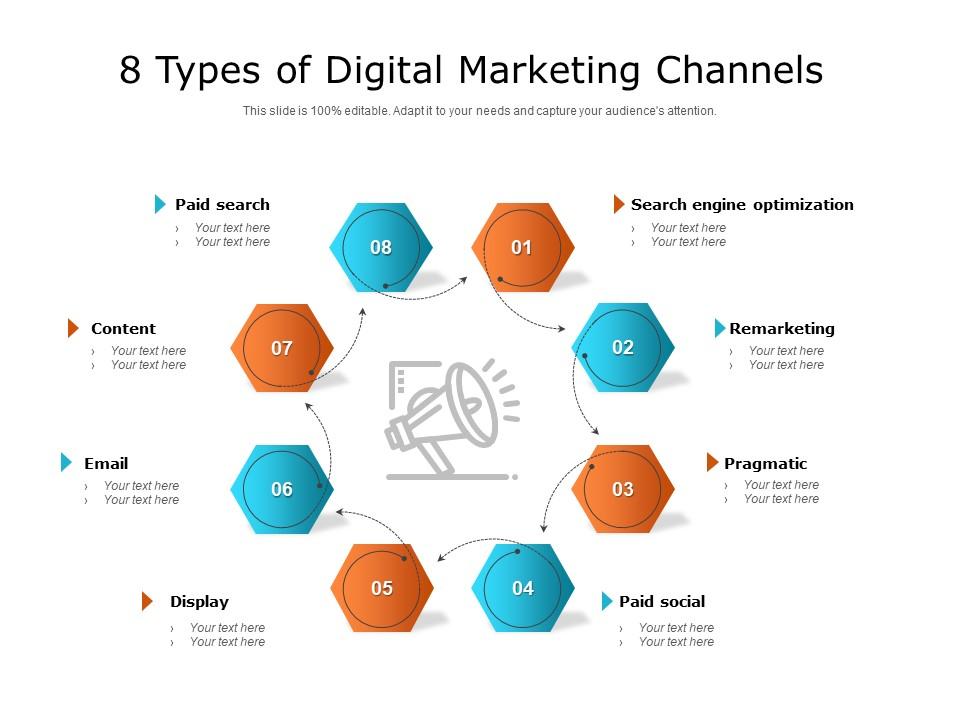
In the realm of digital marketing, there are seven key types that businesses often leverage to reach and engage their target audience effectively. These include search engine optimisation (SEO), which focuses on improving a website’s visibility in search engine results; pay-per-click (PPC) advertising, where advertisers pay a fee each time their ad is clicked; social media marketing, which involves promoting products or services on social platforms; content marketing, aimed at creating valuable and relevant content to attract and retain customers; email marketing, utilising email campaigns to communicate with prospects and customers; affiliate marketing, where businesses reward affiliates for driving traffic or sales; and finally, influencer marketing, which involves collaborating with influential individuals to promote products or services. Each type of digital marketing offers unique opportunities for businesses to connect with their audience in meaningful ways and drive results.

What type of marketing is digital marketing?

Digital marketing is a form of marketing that utilises online channels and digital technologies to promote products or services to a target audience. It encompasses a wide range of tactics, including social media marketing, search engine optimisation (SEO), email marketing, content marketing, pay-per-click advertising, and more. Unlike traditional marketing methods, digital marketing leverages the power of the internet to reach a global audience quickly and cost-effectively. With its focus on data-driven insights and measurable results, digital marketing has become an essential tool for businesses looking to engage with consumers in today’s digital-first world.

What are the 4 types of digital marketing?

In the realm of digital marketing, there are four primary types that businesses commonly utilise to reach and engage their target audiences effectively. These include search engine optimisation (SEO), which focuses on improving a website’s visibility in search engine results; social media marketing, where brands leverage platforms like Facebook, Instagram, and Twitter to connect with customers; pay-per-click (PPC) advertising, involving paid ads displayed on search engines and websites; and content marketing, which entails creating valuable and relevant content to attract and retain customers. Each type plays a crucial role in a comprehensive digital marketing strategy, offering unique opportunities for businesses to enhance their online presence and drive success in the digital landscape.

What is digital marketing in marketing?

Digital marketing in marketing refers to the use of online channels and digital technologies to promote products or services to a target audience. It encompasses a wide range of strategies, including social media marketing, search engine optimisation (SEO), email marketing, content marketing, pay-per-click advertising, and more. The goal of digital marketing is to connect with customers in the digital space, build brand awareness, drive website traffic, generate leads, and ultimately increase sales. By leveraging the power of digital platforms and data-driven insights, businesses can create targeted and personalised campaigns that engage consumers effectively in today’s increasingly digital landscape.

Is digital marketing a good career?

The question of whether digital marketing is a good career choice is one that many individuals ponder in today’s digital age. With the increasing importance of online presence and digital strategies for businesses, the demand for skilled digital marketers is on the rise. A career in digital marketing offers diverse opportunities for growth, creativity, and innovation. Professionals in this field have the chance to work across various industries, utilise cutting-edge tools and technologies, and make a significant impact on business outcomes. As the digital landscape continues to evolve, a career in digital marketing presents an exciting and rewarding path for those passionate about leveraging online channels to drive success.

types of digital marketing

Exploring Various Types of Digital Marketing Strategies

The Various Types of Digital Marketing Strategies

Digital marketing has revolutionised the way businesses promote their products and services in the digital age. With the vast array of online channels available, companies have numerous options to reach their target audience effectively. Here are some of the most common types of digital marketing strategies:

Search Engine Optimization (SEO)

SEO is a crucial digital marketing strategy aimed at improving a website’s visibility on search engine results pages organically. By optimising content, keywords, and website structure, businesses can enhance their online presence and attract more organic traffic.

Pay-Per-Click Advertising (PPC)

PPC advertising involves placing ads on search engines or social media platforms and paying a fee each time a user clicks on the ad. This method allows businesses to target specific audiences based on demographics, interests, and online behaviour.

Social Media Marketing

Social media platforms such as Facebook, Instagram, Twitter, and LinkedIn offer powerful tools for engaging with customers and promoting products or services. Businesses can create targeted campaigns, share valuable content, and interact with their audience in real-time.

Content Marketing

Content marketing focuses on creating and distributing valuable, relevant content to attract and retain a specific audience. This can include blog posts, videos, infographics, e-books, and more. High-quality content helps build brand awareness and establish credibility in the industry.

Email Marketing

Email marketing remains one of the most effective ways to nurture leads and drive conversions. By sending personalised emails to subscribers with relevant offers or information, businesses can build relationships with customers and encourage repeat purchases.

Influencer Marketing

Influencer marketing involves collaborating with popular personalities or industry experts to promote products or services to their followers. Influencers have established credibility with their audience, making them valuable partners for reaching new customers.

Affiliate Marketing

Affiliate marketing is a performance-based strategy where businesses reward affiliates for driving traffic or sales through referral links. This model allows companies to expand their reach through partnerships with bloggers, influencers, or other websites.

In conclusion, digital marketing offers a diverse range of strategies for businesses to connect with their target audience online effectively. By leveraging these tactics strategically, companies can increase brand awareness, drive traffic to their websites, and ultimately boost sales and revenue.


Exploring the Various Types of Digital Marketing: A Comprehensive Guide to Frequently Asked Questions

  1. What are the top 7 types of digital marketing?
  2. What are the 3 types of digital marketing?
  3. What are 7 marketing types?
  4. What are the major types of digital marketing?
  5. What are the 12 types of digital marketing?
  6. What are 7 types of marketing?
  7. What are the 5 of digital marketing?
  8. What are the 8 main categories of digital marketing?
  9. What is the 3 major part of digital marketing?

What are the top 7 types of digital marketing?

When it comes to the top 7 types of digital marketing, businesses have a plethora of strategies at their disposal to enhance their online presence and engage with their target audience effectively. These key digital marketing tactics include Search Engine Optimization (SEO) to boost website visibility, Pay-Per-Click Advertising (PPC) for targeted ad placements, Social Media Marketing for engaging with customers on various platforms, Content Marketing to provide valuable and relevant content, Email Marketing for personalised communication, Influencer Marketing to leverage influential personalities, and Affiliate Marketing for expanding reach through partnerships. By incorporating these diverse strategies into their marketing efforts, businesses can create impactful campaigns that drive results and foster long-term relationships with their customers.

What are the 3 types of digital marketing?

When asked about the three main types of digital marketing, it typically refers to Search Engine Optimization (SEO), Pay-Per-Click Advertising (PPC), and Social Media Marketing. SEO involves optimising websites to improve their visibility on search engine results pages organically. PPC advertising allows businesses to place ads on various online platforms and pay a fee each time a user clicks on the ad. Social Media Marketing involves leveraging social media platforms to engage with audiences, promote products or services, and build brand awareness. These three types of digital marketing play crucial roles in helping businesses reach their target audience effectively in the digital landscape.

What are 7 marketing types?

When it comes to digital marketing, there are several key types that businesses can leverage to enhance their online presence and engage with their target audience effectively. Some of the most prominent digital marketing types include Search Engine Optimization (SEO), Pay-Per-Click Advertising (PPC), Social Media Marketing, Content Marketing, Email Marketing, Influencer Marketing, and Affiliate Marketing. Each of these strategies offers unique benefits and opportunities for businesses to reach and connect with their customers in meaningful ways, ultimately driving brand awareness, traffic, and conversions in the digital landscape.

What are the major types of digital marketing?

One of the most frequently asked questions in the realm of digital marketing is, “What are the major types of digital marketing?” This question often arises as businesses seek to navigate the vast landscape of online marketing strategies. The major types of digital marketing encompass a diverse range of tactics, including search engine optimization (SEO), pay-per-click advertising (PPC), social media marketing, content marketing, email marketing, influencer marketing, and affiliate marketing. Each type offers unique opportunities for businesses to engage with their target audience, drive traffic to their websites, and ultimately achieve their marketing objectives in the digital sphere. By understanding and utilising these key types of digital marketing effectively, businesses can enhance their online presence and reach a wider audience in today’s competitive digital landscape.

What are the 12 types of digital marketing?

When it comes to the diverse landscape of digital marketing, there are numerous strategies that businesses can leverage to achieve their marketing goals. While the exact number may vary, some common types of digital marketing include search engine optimization (SEO), pay-per-click advertising (PPC), social media marketing, content marketing, email marketing, influencer marketing, affiliate marketing, and more. Each of these tactics plays a unique role in engaging with audiences, driving traffic, and increasing brand visibility online. By combining these different types of digital marketing effectively, businesses can create comprehensive and successful online campaigns tailored to their specific objectives.

What are 7 types of marketing?

When exploring the realm of digital marketing, one frequently asked question is, “What are the 7 types of marketing?” The seven key types of digital marketing include Search Engine Optimization (SEO), Pay-Per-Click Advertising (PPC), Social Media Marketing, Content Marketing, Email Marketing, Influencer Marketing, and Affiliate Marketing. Each type plays a unique role in helping businesses connect with their target audience, increase brand visibility, and drive engagement and conversions online. By understanding and utilising these diverse marketing strategies effectively, businesses can create a comprehensive digital marketing plan to achieve their goals in the competitive online landscape.

What are the 5 of digital marketing?

When asked about the five types of digital marketing, it typically refers to the key strategies that businesses can utilise to promote their products or services online effectively. These commonly include Search Engine Optimization (SEO), Pay-Per-Click Advertising (PPC), Social Media Marketing, Content Marketing, and Email Marketing. Each of these methods plays a crucial role in reaching target audiences, driving website traffic, and ultimately converting leads into customers. By combining these digital marketing tactics strategically, businesses can enhance their online presence and achieve their marketing goals in the digital landscape.

What are the 8 main categories of digital marketing?

When exploring the various types of digital marketing, it is common to come across the question: “What are the 8 main categories of digital marketing?” These categories typically include Search Engine Optimization (SEO), Pay-Per-Click Advertising (PPC), Social Media Marketing, Content Marketing, Email Marketing, Influencer Marketing, Affiliate Marketing, and Online PR. Each category plays a unique role in helping businesses connect with their target audience, increase brand visibility, and drive conversions in the digital landscape. Understanding these key categories empowers businesses to develop comprehensive digital marketing strategies that effectively engage customers and achieve their marketing goals.

What is the 3 major part of digital marketing?

In digital marketing, the three major components that form the foundation of a successful online strategy are search engine optimisation (SEO), pay-per-click advertising (PPC), and social media marketing. SEO focuses on improving a website’s visibility in search engine results, while PPC involves placing targeted ads and paying for clicks. Social media marketing utilises platforms like Facebook, Instagram, and Twitter to engage with audiences and promote products or services effectively. These three pillars work together to drive traffic, increase brand awareness, and generate leads in the competitive digital landscape.

digital marketing 2021

Navigating the Digital Marketing Landscape in 2021: Trends and Strategies

Digital Marketing Trends in 2021

The Evolution of Digital Marketing in 2021

In the fast-paced world of digital marketing, staying ahead of trends is crucial for success. As we navigate through 2021, several key trends have emerged that are shaping the landscape of digital marketing.

Personalisation is Key

Personalisation has become a cornerstone of effective digital marketing strategies. In 2021, consumers expect tailored experiences that resonate with their needs and preferences. Brands that can deliver personalised content and messaging are more likely to engage and convert their target audience.

Video Content Dominance

Video content continues to reign supreme in the digital marketing realm. With the rise of platforms like TikTok and Instagram Reels, short-form video content has gained popularity among audiences. Brands are leveraging video to tell compelling stories, showcase products, and engage with customers in a more interactive way.

SEO and Voice Search Optimization

Search engine optimisation (SEO) remains a critical component of any digital marketing strategy. In 2021, the focus has shifted towards voice search optimisation as more consumers use voice assistants like Siri and Alexa to find information online. Brands are adapting their SEO tactics to align with voice search queries and provide relevant answers.

Data Privacy and Compliance

With increasing concerns about data privacy and security, brands are prioritising compliance with regulations such as GDPR and CCPA. Building trust with consumers by safeguarding their data is essential for maintaining brand reputation and credibility in the digital space.

The Rise of Influencer Marketing

Influencer marketing continues to be a powerful tool for reaching target audiences authentically. Micro-influencers, in particular, have gained traction for their ability to connect with niche communities and drive engagement. Brands are collaborating with influencers to create authentic content that resonates with their followers.

Conclusion

As we progress through 2021, these trends will continue to shape the landscape of digital marketing. By embracing personalisation, leveraging video content, optimising for voice search, prioritising data privacy, and harnessing the power of influencer marketing, brands can stay competitive in an ever-evolving digital world.


Top 5 Advantages of Digital Marketing in 2021: Expanding Reach and Engagement

  1. Increased Reach
  2. Targeted Advertising
  3. Cost-Effective
  4. Real-Time Analytics
  5. Enhanced Engagement


Challenges in Digital Marketing 2021: Navigating Overload, Fatigue, Privacy, Algorithms, Competition, and Measurement

  1. 1. Information Overload
  2. 2. Ad Fatigue
  3. 3. Privacy Concerns
  4. 4. Algorithm Changes
  5. 5. Competition Intensity
  6. 6. Measurement Complexity

Increased Reach

In 2021, one significant advantage of digital marketing is the increased reach it offers to businesses. Through digital channels, companies can transcend geographical limitations and connect with a global audience. This expanded reach enables businesses to engage with diverse demographics and target markets, fostering brand awareness and driving growth opportunities on a global scale. By leveraging the power of digital marketing, businesses can effectively reach and resonate with audiences worldwide, breaking down traditional barriers to entry into new markets.

Targeted Advertising

In 2021, one significant advantage of digital marketing is the ability to utilise targeted advertising. By leveraging digital channels, businesses can tailor their campaigns to reach specific demographics and interests with precision. This targeted approach not only enhances the relevance of the content delivered to audiences but also increases the overall effectiveness of marketing efforts by ensuring that messages resonate with the right people at the right time.

Cost-Effective

In the realm of digital marketing in 2021, one significant advantage lies in its cost-effectiveness compared to traditional marketing approaches. Digital marketing strategies typically require lower investments while offering a higher return on investment (ROI). This financial efficiency allows businesses of all sizes to reach their target audiences effectively without breaking the bank, making digital marketing a compelling choice for maximising marketing budgets and achieving tangible results.

Real-Time Analytics

One significant advantage of digital marketing in 2021 is the availability of real-time analytics. Through digital platforms, businesses can access immediate data and analytics that offer insights into campaign performance. This real-time information empowers businesses to make timely and informed decisions, adjust strategies on the fly, and optimise their marketing efforts for maximum effectiveness. By leveraging real-time analytics, businesses can stay agile and responsive in a dynamic digital landscape, ultimately driving better results and ROI for their marketing initiatives.

Enhanced Engagement

In 2021, one significant advantage of digital marketing is the enhanced engagement it offers. By utilising social media platforms and interactive content, brands can establish meaningful connections with their target audience. Through engaging posts, interactive campaigns, and real-time interactions, digital marketing facilitates two-way communication that fosters relationships and builds brand loyalty. This level of engagement not only helps brands to understand their audience better but also creates a sense of community and involvement that can lead to increased customer retention and advocacy.

1. Information Overload

In 2021, one significant con of digital marketing is the issue of information overload. The sheer volume of digital marketing content available can overwhelm consumers and make it difficult for brands to differentiate themselves in a crowded online space. With so much information competing for attention, capturing and maintaining audience engagement becomes a formidable challenge for businesses looking to make an impact in the digital realm.

2. Ad Fatigue

In 2021, one notable con of digital marketing is the phenomenon of ad fatigue. With consumers being inundated with traditional advertising methods across various digital platforms, there is a growing sense of immunity towards these ads. This saturation has resulted in reduced engagement levels as audiences become desensitised to repetitive and intrusive advertising messages. As a result, brands are challenged to find innovative ways to capture and maintain consumer attention amidst the noise of digital advertising.

3. Privacy Concerns

In 2021, one significant con of digital marketing is the heightened privacy concerns among consumers. With increased awareness about data privacy issues, individuals have become more cautious when it comes to sharing personal information with brands online. This shift in consumer behaviour has posed a challenge for marketers who rely on collecting and utilising customer data to tailor their campaigns effectively. As privacy regulations continue to evolve, businesses must navigate this landscape carefully to build trust with their audience while respecting their privacy rights.

4. Algorithm Changes

In 2021, one significant drawback of digital marketing is the constant changes to search engine algorithms and social media platforms. These algorithm updates have the potential to significantly affect the visibility and reach of digital marketing campaigns. Marketers must adapt quickly to these changes to ensure their strategies remain effective and their content reaches the intended audience amidst evolving algorithmic preferences.

5. Competition Intensity

In 2021, one significant challenge facing businesses in the realm of digital marketing is the intense competition that characterises the online landscape. The sheer volume of companies vying for consumer attention has created a scenario where smaller businesses struggle to compete with larger corporations in terms of online visibility. This heightened competition poses a barrier for smaller enterprises looking to establish a strong digital presence and reach their target audience effectively.

6. Measurement Complexity

In 2021, one significant drawback of digital marketing is the complexity of measurement. Tracking and evaluating the impact of digital marketing campaigns across various channels can present challenges in determining return on investment (ROI). The intricate nature of monitoring performance metrics and attributing conversions to specific marketing activities can be time-consuming and may hinder marketers from accurately assessing the effectiveness of their strategies. This measurement complexity poses a conundrum for businesses seeking clear insights into the success of their digital marketing endeavours.