
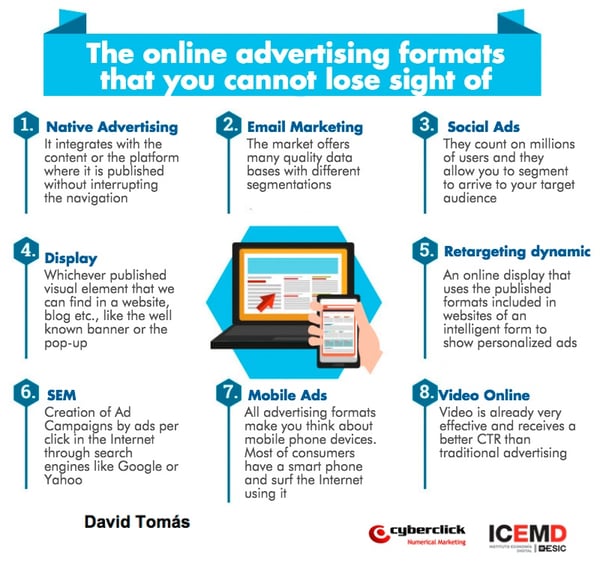
The Power of Online Ads
Online advertising has revolutionised the way businesses promote their products and services. With the rise of the internet, online ads have become a crucial component of marketing strategies, allowing companies to reach a global audience with precision targeting and measurable results.
Targeted Advertising
One of the key advantages of online ads is the ability to target specific demographics, interests, and behaviours. Platforms like Google Ads and social media networks offer advanced targeting options that allow advertisers to tailor their campaigns to reach the most relevant audience. This targeted approach not only increases the effectiveness of ads but also maximises return on investment.
Measurable Results
Unlike traditional forms of advertising, online ads provide detailed analytics and insights into campaign performance. Advertisers can track metrics such as click-through rates, conversions, and engagement levels in real-time, enabling them to make data-driven decisions and optimise their campaigns for better results.
Cost-Effective Marketing
Online advertising offers cost-effective solutions for businesses of all sizes. With pay-per-click (PPC) models, advertisers only pay when users interact with their ads, making it a cost-efficient way to reach potential customers. Additionally, online ads allow for flexible budgeting options, giving businesses control over their ad spend and ensuring maximum ROI.
Enhanced Brand Visibility
By utilising online ads across various platforms, businesses can enhance their brand visibility and increase awareness among target audiences. Consistent exposure through strategic ad placements helps build brand recognition and credibility, ultimately driving customer trust and loyalty.
The Future of Advertising
In today’s digital age, online advertising continues to evolve with advancements in technology and consumer behaviour. As more people spend time online across multiple devices, the importance of effective online ad campaigns will only grow. By harnessing the power of online ads, businesses can stay ahead in a competitive market and connect with their audiences in meaningful ways.
Advantages of Online Advertising: Targeted Reach, Cost Efficiency, and Creative Flexibility
- 1. Targeted advertising allows reaching specific demographics and interests.
- 2. Measurable results provide insights for campaign optimization.
- 3. Cost-effective with pay-per-click models and flexible budgeting options.
- 4. Enhanced brand visibility through strategic ad placements.
- 5. Global reach enables businesses to connect with a diverse audience.
- 6. Instant impact with real-time ad delivery and immediate visibility.
- 7. Creative flexibility to experiment with different ad formats and messaging.
Challenges of Online Advertising: Addressing Ad Fatigue, Privacy Concerns, and More
1. Targeted advertising allows reaching specific demographics and interests.
Targeted advertising in online ads enables businesses to pinpoint and engage with specific demographics and interests, ensuring that their marketing messages resonate with the right audience. By leveraging advanced targeting tools available on digital platforms, advertisers can tailor their campaigns to reach individuals who are most likely to be interested in their products or services. This precision targeting not only enhances the effectiveness of online ads but also increases the likelihood of driving conversions and achieving marketing objectives.
2. Measurable results provide insights for campaign optimization.
One significant advantage of online ads is the ability to measure results effectively, providing valuable insights for campaign optimization. By tracking key metrics such as click-through rates, conversions, and engagement levels in real-time, advertisers gain a clear understanding of the performance of their ads. These measurable results not only help in evaluating the effectiveness of campaigns but also enable advertisers to make data-driven decisions to refine and improve their strategies for better outcomes. This analytical approach ensures that resources are allocated efficiently, leading to more successful and targeted advertising efforts.
3. Cost-effective with pay-per-click models and flexible budgeting options.
One significant advantage of online ads is their cost-effectiveness, thanks to pay-per-click models and flexible budgeting options. With pay-per-click advertising, businesses only pay when users engage with their ads, ensuring that they get value for their investment. Moreover, the flexibility in budgeting allows companies to set and adjust their ad spend according to their financial capabilities and campaign goals, making online advertising accessible to businesses of all sizes and budgets. This approach not only maximises return on investment but also enables businesses to reach their target audience efficiently without overspending.
4. Enhanced brand visibility through strategic ad placements.
Online ads offer businesses the opportunity to enhance their brand visibility through strategic ad placements. By strategically placing ads across various online platforms, companies can increase their brand’s exposure and reach target audiences effectively. Consistent and targeted ad placements help build brand recognition, establish credibility, and create a lasting impression on potential customers. This increased visibility not only boosts brand awareness but also fosters customer trust and loyalty, ultimately driving business growth and success in a competitive digital landscape.
5. Global reach enables businesses to connect with a diverse audience.
Online ads offer businesses the advantage of global reach, allowing them to connect with a diverse audience across different regions and demographics. By leveraging online advertising platforms, companies can expand their reach beyond traditional boundaries and engage with potential customers worldwide. This broad exposure not only increases brand visibility but also enables businesses to tailor their messaging to resonate with diverse cultural backgrounds and preferences. The ability to reach a global audience through online ads opens up new opportunities for growth and expansion, helping businesses establish a strong presence in international markets.
6. Instant impact with real-time ad delivery and immediate visibility.
Online ads offer businesses the advantage of instant impact through real-time ad delivery and immediate visibility. With online advertising platforms, companies can launch campaigns and have their ads displayed to their target audience almost instantly. This real-time delivery ensures that businesses can reach potential customers at the right moment, increasing the chances of engagement and conversions. The immediate visibility provided by online ads allows businesses to quickly generate awareness and capture the attention of their audience in a fast-paced digital environment.
7. Creative flexibility to experiment with different ad formats and messaging.
Online ads offer businesses the advantage of creative flexibility, allowing them to experiment with various ad formats and messaging strategies. This flexibility enables advertisers to test different approaches, visuals, and messages to determine what resonates best with their target audience. By exploring new ideas and adapting their creative content, companies can continuously refine their advertising efforts for optimal engagement and impact. The ability to experiment with diverse ad formats and messaging is a valuable asset in the dynamic landscape of online advertising, providing opportunities for innovation and growth.
Ad fatigue
Excessive exposure to online ads can lead to ad fatigue, a phenomenon where users become desensitised and disengaged due to the overwhelming volume of advertisements they encounter. As individuals are bombarded with ads across various digital platforms, they may develop a sense of irritation or apathy towards marketing messages, leading to reduced effectiveness in capturing their attention and driving desired actions. Ad fatigue highlights the importance of strategic ad placement, creative content, and frequency capping to prevent audience burnout and ensure that online ads remain impactful and engaging.
Ad blockers
The widespread use of ad-blocking software presents a significant challenge for online advertisers. Ad blockers restrict the display of ads on websites, limiting their reach and diminishing their effectiveness in reaching target audiences. As more internet users opt to block ads to improve their browsing experience, advertisers face the obstacle of reduced visibility and engagement with their online campaigns. This con highlights the importance for businesses to adapt their advertising strategies and explore alternative approaches to connect with consumers in an ad-blocker-aware digital landscape.
Click fraud
Click fraud poses a significant challenge for online advertisers. This deceptive practice, which involves generating fraudulent clicks to manipulate click-through rates, not only drains advertising budgets but also distorts campaign performance metrics. Advertisers may unknowingly pay for clicks that have no genuine interest in their offerings, leading to ineffective targeting and reduced ROI. Combatting click fraud requires vigilance and the implementation of robust measures to safeguard ad campaigns from malicious activities that threaten the integrity of online advertising efforts.
Privacy concerns
Online ads have faced criticism due to privacy concerns, as they frequently depend on user data for targeting purposes. This practice has raised alarms among consumers who are wary of data collection practices and the potential misuse of their personal information. The use of targeted advertising based on user behaviour and preferences has sparked debates about the ethical implications of online ad tracking, leading to growing apprehensions about privacy violations and the need for increased transparency in data handling by advertisers.
Banner blindness
In the realm of online advertising, a significant challenge that advertisers face is the phenomenon known as banner blindness. This occurs when users develop a tendency to ignore or consciously avoid display ads due to their pervasive presence and perceived intrusiveness on websites. As a result, the effectiveness of traditional banner ads in capturing users’ attention and driving engagement diminishes, highlighting the importance of innovative and non-intrusive ad formats to combat this growing trend.
Competition
In the realm of online advertising, competition poses a significant challenge for businesses, particularly smaller companies with constrained budgets. The intense competition for ad space often leads to inflated costs as businesses engage in bidding wars to secure visibility. This escalating cost factor can create barriers for smaller enterprises looking to establish a foothold in the digital advertising landscape, limiting their ability to compete effectively against larger competitors with more substantial financial resources.
Intrusiveness
Some online ads are perceived as intrusive or disruptive to the user experience, which can have a detrimental impact on the brand’s image. When ads interrupt online activities or appear overly aggressive, users may develop negative perceptions of the brands behind these advertising tactics. Intrusive ads can create a sense of annoyance and frustration among audiences, potentially driving them away from engaging with the brand in the future. It is essential for businesses to strike a balance between promoting their products or services and respecting the user’s online experience to maintain a positive brand reputation.