digital marketing transformation

Navigating the Era of Digital Marketing Transformation

Digital Marketing Transformation: Embracing the Future

Digital Marketing Transformation: Embracing the Future

In today’s fast-paced digital landscape, businesses are constantly evolving to stay ahead of the competition. One key area that has seen significant transformation in recent years is digital marketing. As technology continues to advance and consumer behaviours shift, companies must adapt their marketing strategies to effectively engage with their target audience.

The Shift Towards Digital

Gone are the days when traditional marketing methods alone could drive success for businesses. With the rise of the internet and social media, digital marketing has become essential for reaching and connecting with customers in a meaningful way. From social media advertising to email campaigns and search engine optimisation, digital channels offer a plethora of opportunities for businesses to promote their products and services.

Personalisation and Data-Driven Insights

One of the key advantages of digital marketing is the ability to personalise content based on user preferences and behaviour. By leveraging data analytics and insights, companies can create targeted campaigns that resonate with their audience on a more individual level. This personalised approach not only enhances customer experience but also improves conversion rates and ROI.

Embracing Technology

Advancements in technology such as artificial intelligence, machine learning, and automation have revolutionised the way businesses execute their marketing strategies. AI-powered tools can analyse vast amounts of data in real-time, enabling marketers to make informed decisions quickly and efficiently. Automation streamlines processes, saving time and resources while ensuring consistency across campaigns.

Adapting to Changing Trends

As consumer preferences evolve, so must digital marketing strategies. Businesses need to stay abreast of emerging trends such as voice search, video content, influencer marketing, and interactive experiences to remain relevant in today’s competitive market. By staying agile and responsive to changing trends, companies can position themselves for long-term success in the digital realm.

The Future of Digital Marketing

Looking ahead, digital marketing will continue to evolve at a rapid pace as technology advances and consumer expectations shift. Companies that embrace this transformation and invest in innovative strategies will be best positioned to thrive in an increasingly digital world. By staying proactive, adaptive, and customer-centric, businesses can unlock new opportunities for growth and engagement.


Understanding Digital Marketing Transformation: Key Questions and Insights for Businesses

  1. What is digital marketing transformation?
  2. Why is digital marketing transformation important for businesses?
  3. How can digital marketing transformation benefit my company?
  4. What are the key trends driving digital marketing transformation?
  5. How can businesses adapt to the changing landscape of digital marketing?
  6. What role does data analytics play in digital marketing transformation?
  7. Are there risks involved in implementing digital marketing transformation strategies?
  8. How can companies measure the success of their digital marketing transformation efforts?

What is digital marketing transformation?

Digital marketing transformation refers to the strategic overhaul of traditional marketing practices to adapt to the digital landscape. It involves leveraging technology, data analytics, and online channels to engage with target audiences in more personalised and effective ways. This process encompasses shifting from conventional marketing methods towards digital strategies that are agile, data-driven, and customer-centric. Digital marketing transformation enables businesses to stay competitive in a rapidly evolving digital environment by embracing innovation, automation, and continual adaptation to meet the changing needs and preferences of consumers.

Why is digital marketing transformation important for businesses?

In today’s digital age, digital marketing transformation is crucial for businesses seeking to stay competitive and relevant in an increasingly online world. By embracing digital marketing transformation, companies can effectively reach their target audience through various online channels, engage with customers on a more personal level, and drive meaningful interactions that lead to increased brand awareness and loyalty. Furthermore, leveraging data-driven insights and advanced technologies allows businesses to optimise their marketing strategies, improve efficiency, and ultimately achieve better results. In essence, digital marketing transformation is essential for businesses to adapt to changing consumer behaviours, stay ahead of the curve, and unlock new growth opportunities in the dynamic landscape of the digital realm.

How can digital marketing transformation benefit my company?

Digital marketing transformation can significantly benefit your company by enhancing its ability to reach and engage with a broader audience more effectively. By adopting digital marketing strategies, your business can leverage data-driven insights to tailor campaigns that resonate with specific customer segments, thus improving conversion rates and return on investment. Furthermore, digital marketing provides the flexibility to quickly adapt to market changes and consumer trends, ensuring your company remains competitive. It also allows for more efficient allocation of resources through automation and advanced analytics, freeing up time for your team to focus on strategic initiatives. Ultimately, embracing digital marketing transformation can lead to increased brand visibility, improved customer relationships, and sustainable business growth.

In the realm of digital marketing transformation, understanding the key trends that are propelling change is crucial for businesses seeking to stay ahead of the curve. From the increasing focus on personalisation and data-driven insights to the adoption of emerging technologies like artificial intelligence and automation, these trends are reshaping how companies engage with their target audience. Furthermore, the shift towards mobile-first strategies, the rise of influencer marketing, and the importance of sustainability and ethical practices are also driving forces behind the evolution of digital marketing. By embracing these key trends and incorporating them into their strategies, businesses can navigate the ever-changing digital landscape with agility and innovation.

How can businesses adapt to the changing landscape of digital marketing?

In response to the frequently asked question on digital marketing transformation, businesses can adapt to the changing landscape by prioritising agility, innovation, and data-driven decision-making. It is essential for companies to stay informed about emerging trends and technologies in digital marketing, as well as continuously monitor and analyse consumer behaviour to tailor their strategies accordingly. By fostering a culture of adaptability and embracing new tools and techniques, businesses can effectively navigate the evolving digital landscape and position themselves for sustained success in reaching and engaging with their target audience.

What role does data analytics play in digital marketing transformation?

Data analytics plays a crucial role in digital marketing transformation by providing valuable insights that drive strategic decision-making and campaign optimisation. By analysing data from various sources, such as website traffic, social media engagement, and customer interactions, businesses can gain a deeper understanding of their target audience’s preferences and behaviours. This data-driven approach allows marketers to personalise content, target specific demographics more effectively, measure the success of campaigns accurately, and identify areas for improvement. Ultimately, data analytics empowers companies to make informed decisions that lead to increased ROI, better customer engagement, and overall success in the ever-evolving digital landscape.

Are there risks involved in implementing digital marketing transformation strategies?

Implementing digital marketing transformation strategies can indeed carry certain risks that businesses should be aware of. One potential risk is the need for substantial investment in technology and resources to support the transformation process. Additionally, there may be challenges in integrating new digital tools and platforms seamlessly with existing systems, which could disrupt operations if not managed effectively. Another risk is the rapid pace of change in the digital landscape, requiring companies to continuously adapt their strategies to stay competitive. However, with careful planning, a clear vision, and a willingness to embrace innovation, these risks can be mitigated, and businesses can reap the rewards of successful digital marketing transformation.

How can companies measure the success of their digital marketing transformation efforts?

In the realm of digital marketing transformation, a common query revolves around how companies can gauge the effectiveness of their endeavours. To measure the success of their digital marketing transformation efforts, companies can employ a range of key performance indicators (KPIs) tailored to their specific goals. Metrics such as website traffic, conversion rates, customer engagement, lead generation, return on investment (ROI), and brand visibility can provide valuable insights into the impact of digital marketing initiatives. By analysing these KPIs and leveraging data analytics tools, companies can track progress, identify areas for improvement, and make informed decisions to optimise their digital marketing strategies for sustained growth and success.

digital marketing summit

Unleashing Innovation at the Digital Marketing Summit: A Gateway to Growth

The Power of Digital Marketing Summit: Unleashing Innovation and Growth

In today’s fast-paced digital landscape, staying ahead of the curve is crucial for businesses looking to make an impact. Enter the Digital Marketing Summit – a gathering of industry experts, thought leaders, and innovators coming together to explore the latest trends, strategies, and technologies shaping the future of digital marketing.

Why Attend a Digital Marketing Summit?

Attending a Digital Marketing Summit offers a unique opportunity to gain valuable insights, network with like-minded professionals, and stay abreast of the ever-evolving digital marketing landscape. From keynote presentations to interactive workshops and panel discussions, these summits provide a platform for learning, collaboration, and inspiration.

Key Benefits of Participating

  • Knowledge Sharing: Learn from industry experts about best practices, emerging trends, and innovative strategies that can help elevate your digital marketing efforts.
  • Networking Opportunities: Connect with peers, potential partners, and industry influencers to expand your professional network and foster new collaborations.
  • Inspiration: Gain fresh perspectives and insights that can spark creativity and drive innovation within your own marketing initiatives.
  • Practical Takeaways: Acquire actionable tips, tools, and techniques that you can implement immediately to enhance your digital marketing campaigns.

The Future of Digital Marketing

The digital marketing landscape is constantly evolving, driven by advancements in technology, changes in consumer behaviour, and shifting market dynamics. By participating in a Digital Marketing Summit, you can stay informed about the latest trends such as AI-driven marketing strategies, influencer collaborations, personalised customer experiences, data analytics insights – all of which are shaping the future of digital marketing.

Conclusion

A Digital Marketing Summit is not just an event – it’s an opportunity to immerse yourself in a world of innovation, creativity, and growth. Whether you’re a seasoned marketer looking to stay ahead of the curve or a newcomer eager to learn from industry experts, attending a summit can be a game-changer for your professional development and business success. Embrace the power of digital marketing summits and unlock new possibilities for your brand’s journey towards success in the digital age.


Maximise Your Experience: 9 Essential Tips for Navigating a Digital Marketing Summit

  1. Plan your schedule in advance to attend key sessions and workshops.
  2. Network with industry professionals to build valuable connections.
  3. Stay updated on the latest trends and technologies in digital marketing.
  4. Engage with speakers by asking questions and participating in discussions.
  5. Take notes during sessions to retain valuable information and insights.
  6. Utilise social media platforms to share highlights from the summit.
  7. Visit exhibitor booths to learn about new tools and services available in the market.
  8. Participate in interactive activities or contests for a chance to win prizes or recognition.
  9. Follow up with contacts after the summit to maintain relationships and explore potential collaborations.

Plan your schedule in advance to attend key sessions and workshops.

Planning your schedule in advance is a crucial tip for making the most of your experience at a Digital Marketing Summit. By identifying key sessions and workshops that align with your interests and goals, you can ensure that you don’t miss out on valuable insights and networking opportunities. Setting aside time to attend these important sessions allows you to maximise your learning potential, engage with industry experts, and gain practical takeaways that can positively impact your digital marketing strategies. Prioritising your schedule in advance helps you make the most of every moment at the summit, ensuring a productive and enriching experience.

Network with industry professionals to build valuable connections.

Networking with industry professionals at a Digital Marketing Summit is a valuable opportunity to establish meaningful connections that can propel your career and business forward. By engaging with like-minded individuals, sharing insights, and building relationships, you not only expand your professional network but also open doors to potential collaborations, partnerships, and new opportunities. These connections can lead to valuable knowledge exchanges, mentorship opportunities, and even future business ventures, making networking an essential component of maximising the benefits of attending a Digital Marketing Summit.

Staying updated on the latest trends and technologies in digital marketing is essential for staying competitive in today’s rapidly evolving landscape. By keeping abreast of new developments, strategies, and tools, businesses can adapt their marketing efforts to meet changing consumer preferences and market demands. Attending a Digital Marketing Summit provides a valuable opportunity to learn about cutting-edge innovations, industry best practices, and emerging trends that can help businesses stay ahead of the curve and drive success in their digital marketing campaigns.

Engage with speakers by asking questions and participating in discussions.

To make the most of your experience at a Digital Marketing Summit, it is highly beneficial to actively engage with speakers by asking insightful questions and participating in discussions. By interacting with industry experts and thought leaders, you not only gain valuable knowledge and perspectives but also establish connections that can lead to new opportunities and collaborations. Sharing your thoughts, seeking clarification, and contributing to the dialogue can enhance your learning experience and help you stay informed about the latest trends shaping the digital marketing landscape. Remember, active participation is key to maximising the benefits of attending a Digital Marketing Summit.

Take notes during sessions to retain valuable information and insights.

Taking notes during sessions at a Digital Marketing Summit is a valuable practice to retain key information and insights shared by industry experts and thought leaders. By jotting down key points, strategies, and tips, you can create a personalised reference guide that will help you recall important details long after the summit has ended. These notes can serve as a valuable resource for implementing new ideas, refining your digital marketing strategies, and staying ahead in the ever-evolving landscape of digital marketing.

Utilise social media platforms to share highlights from the summit.

One effective tip to maximise the impact of a Digital Marketing Summit is to leverage social media platforms to share key highlights and insights gained during the event. By actively engaging with your audience on platforms such as Twitter, LinkedIn, and Instagram, you can extend the reach of the summit beyond its physical confines, spark discussions, and generate buzz around the valuable learnings and experiences acquired. Sharing real-time updates, quotes from speakers, photos, and videos not only showcases your participation but also positions your brand as an active player in the digital marketing space, fostering connections and building credibility within the industry.

Visit exhibitor booths to learn about new tools and services available in the market.

Visiting exhibitor booths at a Digital Marketing Summit is a valuable tip for attendees looking to stay informed about the latest tools and services available in the market. By exploring these booths, participants can discover innovative solutions, cutting-edge technologies, and new services that can enhance their digital marketing strategies. Engaging with exhibitors provides a hands-on opportunity to learn about industry trends, compare offerings, and make informed decisions on incorporating new tools into their marketing arsenal. It’s a great way to stay ahead of the competition and ensure that your digital marketing efforts remain relevant and effective in today’s dynamic landscape.

Participate in interactive activities or contests for a chance to win prizes or recognition.

Participating in interactive activities or contests at a Digital Marketing Summit not only adds an element of fun and engagement to the event but also offers a valuable opportunity to showcase your skills and creativity. By taking part in these activities, you not only stand a chance to win exciting prizes or recognition but also get to network with fellow attendees, exchange ideas, and gain inspiration from others in the industry. Whether it’s a creative challenge, a quiz, or a hands-on workshop, getting involved in these interactive sessions can enhance your overall summit experience and leave you with new insights and connections that can benefit your digital marketing efforts in the long run.

Follow up with contacts after the summit to maintain relationships and explore potential collaborations.

After attending a Digital Marketing Summit, it is essential to follow up with contacts to nurture relationships and explore potential collaborations. By reaching out to the connections made during the summit, you can solidify your network, exchange ideas, and possibly form strategic partnerships that could benefit your business in the long run. Maintaining these relationships demonstrates professionalism, fosters trust, and opens doors to new opportunities for growth and innovation in the dynamic world of digital marketing.

best digital marketing campaigns 2017

Exploring the Top Digital Marketing Campaigns of 2017: A Showcase of Innovation and Impact

Best Digital Marketing Campaigns of 2017

The Top Digital Marketing Campaigns of 2017

2017 was a year filled with innovative and impactful digital marketing campaigns that captivated audiences worldwide. From creative storytelling to interactive experiences, brands pushed boundaries and set new standards in the digital landscape. Let’s take a look at some of the standout campaigns that left a lasting impression:

Nike: “Breaking2”

Nike’s “Breaking2” campaign aimed to break the two-hour marathon barrier, showcasing their commitment to pushing boundaries and inspiring athletes around the world. Through live streaming, social media engagement, and compelling storytelling, Nike successfully captured the attention of millions and reinforced its position as a leader in sports innovation.

Airbnb: “We Accept”

In response to global events, Airbnb launched the “We Accept” campaign to promote diversity and inclusion. By highlighting stories of acceptance and unity, Airbnb connected with audiences on an emotional level and reinforced its brand values of belonging and community.

Burger King: “Google Home Whopper Ad”

Burger King’s clever use of technology in the “Google Home Whopper Ad” sparked conversations and garnered widespread attention. By triggering Google Home devices to read out information about their Whopper burger, Burger King effectively blended traditional advertising with innovative technology to create a memorable experience for consumers.

Heineken: “Worlds Apart”

Heineken’s “Worlds Apart” campaign brought people with differing views together over a beer, demonstrating the power of open dialogue and understanding. Through thought-provoking videos and real-life social experiments, Heineken promoted unity and tolerance in a divided world.

Coca-Cola: “Share a Coke”

Coca-Cola’s “Share a Coke” campaign continued to resonate with consumers in 2017 by personalising bottles with individual names or phrases. This simple yet effective marketing strategy encouraged social sharing and engagement while reinforcing Coca-Cola’s message of connection and happiness.

In conclusion, the digital marketing campaigns of 2017 showcased creativity, innovation, and meaningful storytelling that resonated with audiences on a global scale. These campaigns not only drove brand awareness but also inspired change, fostered connections, and left a lasting impact on consumers.


Top Strategies for Successful Digital Marketing Campaigns in 2017

  1. Leverage influencer marketing to reach a wider audience.
  2. Create interactive content to engage users and encourage sharing.
  3. Utilise data analytics to track and measure the success of your campaigns.
  4. Optimise for mobile devices as more users are accessing content on smartphones.
  5. Personalise your campaigns to make them more relevant and appealing to your target audience.
  6. Experiment with different platforms and channels to find what works best for your brand.

Leverage influencer marketing to reach a wider audience.

In 2017, one of the key strategies for successful digital marketing campaigns was leveraging influencer marketing to reach a wider audience. By collaborating with influencers who had established credibility and a loyal following in their respective niches, brands were able to tap into new demographics and engage with consumers in a more authentic and relatable way. Influencer partnerships allowed brands to amplify their message, increase brand awareness, and drive conversions by leveraging the trust and influence that influencers held over their audiences. This approach proved to be highly effective in expanding reach and creating meaningful connections with target consumers in the ever-evolving digital landscape of 2017.

Create interactive content to engage users and encourage sharing.

Creating interactive content is a key strategy in successful digital marketing campaigns of 2017. By developing engaging and interactive experiences, brands can capture the attention of users and encourage them to actively participate with the content. This not only enhances user engagement but also increases the likelihood of users sharing the content with their networks, amplifying the campaign’s reach and impact. Interactive content creates a memorable and immersive experience for users, making them more likely to connect with the brand on a deeper level and ultimately drive desired actions.

Utilise data analytics to track and measure the success of your campaigns.

In the realm of best digital marketing campaigns in 2017, a crucial tip for success was the strategic utilisation of data analytics to track and measure campaign performance. By harnessing the power of data insights, businesses could gain valuable information on audience engagement, conversion rates, and overall campaign effectiveness. This analytical approach not only provided a clear understanding of what worked well but also identified areas for improvement, enabling marketers to refine their strategies for optimal results and continued growth in the digital landscape.

Optimise for mobile devices as more users are accessing content on smartphones.

In the realm of digital marketing campaigns in 2017, a crucial tip that stood out was the emphasis on optimising for mobile devices due to the increasing number of users accessing content on smartphones. With the rise in mobile usage, brands recognised the importance of delivering seamless and engaging experiences on smaller screens. By prioritising mobile optimisation, businesses were able to reach a wider audience, enhance user engagement, and stay ahead in an ever-evolving digital landscape. This strategic focus on catering to mobile users underscored the significance of adapting to changing consumer behaviours and preferences for effective campaign success.

Personalise your campaigns to make them more relevant and appealing to your target audience.

Personalising your digital marketing campaigns in 2017 proved to be a key strategy for success, as it allowed brands to connect with their target audience on a more individual level. By tailoring content and messaging to specific demographics or interests, companies were able to create more meaningful and engaging experiences for consumers. Personalisation not only increased relevance but also fostered stronger relationships with customers, ultimately leading to higher levels of engagement and brand loyalty. In a competitive digital landscape, the ability to customise campaigns based on audience preferences played a significant role in driving success and standing out among the crowd.

Experiment with different platforms and channels to find what works best for your brand.

In the realm of digital marketing campaigns in 2017, a crucial tip that stood out was the importance of experimenting with various platforms and channels to discover what resonates best with your brand. By exploring different avenues of communication and engagement, businesses were able to uncover unique opportunities for reaching their target audience effectively. This approach not only allowed brands to refine their strategies based on real-time data and insights but also enabled them to establish a strong online presence tailored to their specific brand identity and goals.

digital marketing campaigns

Unlocking Success: Maximising Your Digital Marketing Campaigns

The Power of Digital Marketing Campaigns

The Power of Digital Marketing Campaigns

In today’s digital age, the landscape of marketing has evolved significantly. Businesses are increasingly turning to digital marketing campaigns to reach their target audience, drive engagement, and ultimately boost sales. Digital marketing campaigns offer a range of benefits that traditional marketing methods simply cannot match.

Targeted Reach

One of the key advantages of digital marketing campaigns is the ability to target specific demographics with precision. Through tools like social media advertising and Google AdWords, businesses can tailor their messages to reach the right audience at the right time. This targeted approach not only increases the effectiveness of campaigns but also ensures that marketing budgets are spent efficiently.

Measurable Results

Unlike traditional marketing methods where measuring ROI can be challenging, digital marketing campaigns provide detailed analytics that allow businesses to track performance in real-time. Metrics such as website traffic, conversion rates, and engagement levels can be monitored closely, enabling marketers to make data-driven decisions and optimise their strategies for better results.

Cost-Effective Solutions

Digital marketing campaigns offer cost-effective solutions for businesses of all sizes. Compared to traditional advertising channels like print or TV, digital platforms often have lower entry barriers and allow for more flexibility in budget allocation. This means that even small businesses with limited resources can run targeted campaigns that deliver significant returns on investment.

Enhanced Customer Engagement

Interactivity is a key feature of digital marketing campaigns that sets them apart from traditional methods. Through social media contests, email newsletters, live chats, and other tools, businesses can engage with their audience in real-time and build meaningful relationships. This two-way communication fosters brand loyalty and encourages customers to become advocates for the business.

Adaptability and Innovation

In the fast-paced world of digital marketing, staying ahead of trends is crucial for success. Digital marketing campaigns allow businesses to experiment with new ideas quickly and adapt their strategies based on feedback and performance data. This agility enables businesses to innovate constantly and stay relevant in an ever-changing market.

In conclusion, digital marketing campaigns have revolutionised the way businesses promote their products and services. By harnessing the power of targeted reach, measurable results, cost-effective solutions, enhanced customer engagement, adaptability, and innovation, businesses can create impactful campaigns that resonate with their audience and drive growth.


Eight Key Advantages of Digital Marketing Campaigns: From Targeted Reach to Enhanced Brand Loyalty

  1. Targeted reach to specific demographics
  2. Measurable results with detailed analytics
  3. Cost-effective solutions for businesses of all sizes
  4. Enhanced customer engagement through interactivity
  5. Ability to adapt and innovate quickly based on data
  6. Global reach beyond geographical limitations
  7. Improved brand visibility and recognition online
  8. Increased brand loyalty through personalised communication


Exploring the Challenges of Digital Marketing Campaigns: Overcoming Information Overload, Ad Blocking, and More

  1. 1. Information Overload
  2. 2. Ad Blocking
  3. 3. Privacy Concerns
  4. 4. Technical Challenges
  5. 5. Competition
  6. 6. Rapid Changes
  7. 7. Negative Feedback Amplification

Targeted reach to specific demographics

A significant advantage of digital marketing campaigns is their ability to achieve targeted reach to specific demographics with precision. By utilising tools such as social media advertising and Google AdWords, businesses can tailor their messages to resonate with the right audience at the right time. This focused approach not only enhances the effectiveness of campaigns but also ensures that marketing efforts are directed towards individuals who are most likely to be interested in the products or services being promoted. Ultimately, this targeted reach helps businesses maximise their marketing ROI and establish meaningful connections with their target demographic.

Measurable results with detailed analytics

One of the key advantages of digital marketing campaigns is the ability to obtain measurable results through detailed analytics. By leveraging tools and platforms that provide in-depth data insights, businesses can track the performance of their campaigns in real-time. This allows marketers to monitor key metrics such as website traffic, conversion rates, engagement levels, and more. With access to such valuable data, businesses can make informed decisions, optimise their strategies, and allocate resources effectively to maximise the impact of their digital marketing efforts.

Cost-effective solutions for businesses of all sizes

Digital marketing campaigns offer a cost-effective solution for businesses of all sizes, providing a level playing field for both small startups and established corporations to reach their target audience without breaking the bank. Unlike traditional advertising channels that often come with high costs and limited flexibility, digital platforms allow businesses to allocate their budgets strategically, ensuring that every pound spent delivers maximum impact. This affordability and scalability make digital marketing campaigns a valuable tool for businesses looking to achieve measurable results within their financial constraints.

Enhanced customer engagement through interactivity

Enhanced customer engagement through interactivity is a key advantage of digital marketing campaigns. By leveraging tools such as social media contests, email newsletters, live chats, and interactive content, businesses can create meaningful interactions with their audience in real-time. This two-way communication not only fosters a sense of connection and loyalty but also allows businesses to gather valuable feedback and insights from their customers. Ultimately, by engaging customers actively through digital channels, businesses can build stronger relationships and drive brand advocacy for long-term success.

Ability to adapt and innovate quickly based on data

One of the key advantages of digital marketing campaigns is their ability to adapt and innovate swiftly based on data-driven insights. By closely monitoring performance metrics such as website traffic, engagement rates, and conversion numbers, businesses can make informed decisions in real-time to optimise their strategies for better results. This agility allows companies to experiment with new ideas, adjust their tactics on the fly, and stay ahead of trends in the dynamic digital landscape. Ultimately, the ability to adapt and innovate quickly based on data empowers businesses to continuously refine their campaigns for maximum impact and effectiveness.

Global reach beyond geographical limitations

Digital marketing campaigns offer businesses a significant advantage by providing a global reach beyond geographical limitations. Through online channels such as social media, search engines, and email marketing, businesses can connect with audiences worldwide, breaking down barriers of distance and time zones. This expansive reach allows businesses to target specific international markets, expand their customer base, and increase brand visibility on a global scale, ultimately driving growth and opportunities for success in diverse regions around the world.

Improved brand visibility and recognition online

In the realm of digital marketing campaigns, one notable advantage is the enhanced brand visibility and recognition that businesses can achieve online. By strategically promoting their brand across various digital channels such as social media, search engines, and websites, companies can increase their online presence and reach a wider audience. This heightened visibility not only helps in attracting potential customers but also reinforces brand recognition among existing ones, ultimately establishing a stronger brand identity in the digital space.

Increased brand loyalty through personalised communication

Digital marketing campaigns excel in fostering increased brand loyalty through personalised communication. By leveraging data analytics and customer insights, businesses can tailor their messages and offers to individual preferences and behaviours. This personalised approach makes customers feel valued and understood, leading to stronger emotional connections with the brand. As a result, customers are more likely to remain loyal, engage with the brand on a deeper level, and become advocates who actively promote the business to others. This emphasis on personalised communication not only enhances customer satisfaction but also contributes to long-term brand loyalty and sustainable growth for the business.

1. Information Overload

In the realm of digital marketing campaigns, a significant drawback lies in the phenomenon of information overload. With consumers being inundated by a constant stream of digital marketing messages across various platforms, there is a risk of overwhelming them and causing message fatigue. The sheer volume of promotional content can dilute the impact of individual messages, making it challenging for businesses to capture and retain the attention of their target audience amidst the noise of competing brands and advertisements. This oversaturation may lead to decreased engagement and effectiveness of marketing efforts, highlighting the importance of crafting targeted and compelling content that cuts through the clutter to resonate with consumers.

2. Ad Blocking

Many internet users utilise ad-blocking software as a means to enhance their browsing experience by reducing the intrusion of ads. This practice poses a significant challenge for digital marketing campaigns, as the visibility and reach of advertisements are hindered. Ad blocking undermines the effectiveness of targeted advertising efforts, limiting the exposure of brands to potential customers. Marketers must navigate this conundrum by exploring alternative strategies that focus on creating engaging content and building authentic relationships with their audience to circumvent the barriers posed by ad blockers.

3. Privacy Concerns

Data privacy concerns have become a significant drawback of digital marketing campaigns, with consumers increasingly worried about the handling of their personal information. The collection and use of data for targeted advertising purposes have sparked debates on privacy rights and ethical considerations. As businesses gather more data to tailor their campaigns, there is a growing need for transparency and accountability to address these valid consumer concerns.

4. Technical Challenges

One significant drawback of digital marketing campaigns is the technical challenges that businesses may face when implementing and managing complex digital marketing tools and platforms. Without the required expertise, navigating the intricacies of these tools can prove to be a daunting task. From setting up tracking pixels to integrating various software systems, businesses may find themselves overwhelmed by the technical aspects of digital marketing. This can lead to inefficiencies in campaign execution and hinder the ability to fully leverage the potential of digital marketing strategies.

5. Competition

In the realm of digital marketing campaigns, one significant drawback is the intense competition that businesses face in the online landscape. The sheer volume of brands vying for consumer attention creates a crowded and competitive environment where standing out becomes a daunting challenge. With countless competitors all striving to capture the same audience’s interest, businesses must navigate through a sea of noise to ensure their message is heard and their brand is noticed. This fierce competition underscores the importance of developing unique strategies and compelling content to differentiate oneself in a saturated digital market.

6. Rapid Changes

One significant drawback of digital marketing campaigns is the rapid pace at which trends in the digital landscape change. Keeping up with these constant shifts demands continuous monitoring and quick adaptation to ensure that marketing strategies remain relevant and effective. Failure to stay abreast of emerging trends and technologies can result in campaigns becoming outdated and ineffective, highlighting the challenging nature of navigating the ever-evolving digital marketing environment.

7. Negative Feedback Amplification

In the realm of digital marketing campaigns, a significant drawback lies in the potential for negative feedback amplification. In today’s interconnected online world, any unfavourable reviews or criticism regarding a campaign can swiftly gain traction and spread widely across various platforms. This rapid dissemination of negative feedback has the power to tarnish a brand’s reputation and undermine the effectiveness of the entire marketing effort. Managing and mitigating such instances of negative amplification requires careful monitoring, swift response strategies, and a proactive approach to maintaining brand credibility in the digital sphere.

digital business strategy

Mastering the Art of Digital Business Strategy: A Guide to Success in the Digital Age

The Importance of Digital Business Strategy in Today’s Competitive Landscape

In the fast-paced digital age, having a well-defined digital business strategy is crucial for organisations looking to thrive and stay ahead of the competition. A digital business strategy encompasses a set of plans and actions that leverage digital technologies to achieve specific business objectives and drive growth.

Adapting to Changing Consumer Behaviour

One of the key reasons why a robust digital business strategy is essential is the changing behaviour of consumers. With the increasing use of smartphones, social media, and online shopping platforms, customers now expect seamless digital experiences across all touchpoints. A well-crafted digital strategy can help businesses meet these evolving expectations and deliver personalised, engaging interactions with their target audience.

Enhancing Operational Efficiency

Implementing a digital business strategy can also streamline operations and enhance efficiency within an organisation. By digitising processes, automating repetitive tasks, and leveraging data analytics, businesses can optimise their workflows, reduce costs, and make informed decisions based on real-time insights.

Driving Innovation and Growth

Digital technologies provide endless opportunities for innovation and growth. A strategic approach to digital transformation can enable businesses to explore new revenue streams, expand into new markets, and differentiate themselves from competitors. By embracing emerging technologies such as artificial intelligence, blockchain, or the Internet of Things (IoT), companies can stay at the forefront of industry trends and drive sustainable growth.

Measuring Success and Iterating for Improvement

An effective digital business strategy includes clear metrics and KPIs to measure success and track progress towards goals. By analysing data on key performance indicators such as website traffic, conversion rates, customer engagement metrics, or ROI from marketing campaigns, businesses can identify areas for improvement and make data-driven decisions to optimise their strategies continuously.

Conclusion

In conclusion, in today’s competitive landscape, a well-defined digital business strategy is not just a nice-to-have but a necessity for organisations seeking long-term success. By embracing digital technologies strategically, businesses can adapt to changing consumer preferences, enhance operational efficiency, drive innovation and growth, and ultimately achieve their business objectives in the digital age.


Understanding Digital Business Strategy: Key Questions and Insights for Organisational Success

  1. What is a digital business strategy?
  2. Why is a digital business strategy important for organisations?
  3. How can a digital business strategy help businesses stay competitive?
  4. What are the key components of a successful digital business strategy?
  5. How can businesses align their digital business strategy with their overall goals?
  6. What role does data analytics play in shaping a digital business strategy?
  7. How can businesses measure the success of their digital business strategy?
  8. What are some common challenges that organisations face when implementing a digital business strategy?

What is a digital business strategy?

A digital business strategy is a comprehensive plan that outlines how an organisation will leverage digital technologies to achieve its business objectives and stay competitive in the digital landscape. It involves identifying opportunities for using technology to improve processes, enhance customer experiences, drive innovation, and ultimately achieve sustainable growth. A well-defined digital business strategy aligns with the overall business goals and takes into account factors such as market trends, consumer behaviour, technological advancements, and competitive analysis. By developing a clear roadmap for integrating digital tools and capabilities into the core operations of a business, organisations can adapt to the evolving digital environment and position themselves for long-term success.

Why is a digital business strategy important for organisations?

A digital business strategy is crucial for organisations in today’s digital-centric world as it serves as a roadmap for leveraging technology to achieve business objectives and stay competitive. By embracing digital transformation strategically, organisations can adapt to evolving consumer behaviours, enhance operational efficiency, drive innovation and growth, and measure success through data-driven insights. A well-defined digital business strategy not only enables businesses to meet the expectations of tech-savvy consumers but also empowers them to make informed decisions, optimise processes, and differentiate themselves in the market. Ultimately, a robust digital business strategy is essential for organisations looking to thrive in the digital age and secure long-term success.

How can a digital business strategy help businesses stay competitive?

A well-crafted digital business strategy plays a pivotal role in helping businesses stay competitive in today’s dynamic marketplace. By leveraging digital technologies effectively, businesses can differentiate themselves from competitors, enhance customer experiences, and adapt to changing market trends swiftly. A strategic approach to digital business strategy enables companies to streamline operations, improve efficiency, and drive innovation, ultimately leading to sustainable growth and long-term success. Embracing digital transformation allows businesses to stay agile, responsive, and relevant in an increasingly digital-centric world, positioning them as leaders in their respective industries.

What are the key components of a successful digital business strategy?

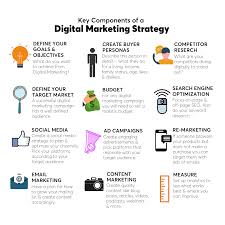
A successful digital business strategy comprises several key components that are essential for achieving business objectives in the digital landscape. These components include a clear understanding of the target audience and their needs, the use of data-driven insights to inform decision-making, the integration of digital technologies to enhance customer experiences, the alignment of business goals with digital initiatives, and a focus on continuous innovation and adaptation to stay ahead of the competition. By incorporating these key components into their strategy, businesses can create a solid foundation for success in today’s digital-first world.

How can businesses align their digital business strategy with their overall goals?

Aligning a digital business strategy with overall goals requires a clear understanding of the organisation’s objectives and how digital initiatives can support them. Businesses can start by conducting a comprehensive assessment of their current state, identifying key areas where digital transformation can drive value and contribute to achieving long-term goals. By aligning digital initiatives with overarching business objectives, setting measurable KPIs, and regularly evaluating progress, businesses can ensure that their digital strategy remains in sync with their vision and mission. Effective communication across all levels of the organisation is also crucial to ensure that everyone is aligned towards the same goals and understands the role of digital technologies in achieving them.

What role does data analytics play in shaping a digital business strategy?

Data analytics plays a pivotal role in shaping a digital business strategy by providing valuable insights that drive informed decision-making and strategic planning. By leveraging data analytics tools and techniques, businesses can gain a deeper understanding of customer behaviour, market trends, and operational performance. This data-driven approach enables companies to identify opportunities for growth, optimise processes, personalise customer experiences, and measure the effectiveness of their digital initiatives. Ultimately, data analytics empowers organisations to make evidence-based decisions that align with their business goals and drive success in the digital landscape.

How can businesses measure the success of their digital business strategy?

Businesses can measure the success of their digital business strategy through a variety of key performance indicators (KPIs) that align with their specific objectives. Metrics such as website traffic, conversion rates, customer engagement levels, return on investment (ROI) from digital marketing campaigns, and customer lifetime value can provide valuable insights into the effectiveness of the strategy. Additionally, monitoring social media metrics, email open rates, and online sales data can help businesses track their progress and make data-driven decisions to refine and improve their digital strategies for optimal results. Regularly analysing these KPIs allows businesses to assess performance, identify areas for enhancement, and ensure that their digital business strategy is driving tangible outcomes in line with their goals.

What are some common challenges that organisations face when implementing a digital business strategy?

When organisations embark on implementing a digital business strategy, they often encounter several common challenges along the way. One significant challenge is the resistance to change within the organisation, as employees may be hesitant to adopt new technologies or processes. Another common issue is the lack of internal expertise and resources to effectively execute the digital strategy. Additionally, ensuring data security and compliance with regulations poses a challenge, especially in industries with strict data protection requirements. Furthermore, keeping up with rapid technological advancements and evolving consumer preferences can make it challenging for organisations to stay ahead of the curve and remain competitive in the digital landscape. Addressing these challenges requires careful planning, investment in training and development, collaboration across departments, and a proactive approach to innovation and adaptation.

nike digital marketing strategy

Decoding Nike’s Innovative Digital Marketing Strategy

The Success Story of Nike’s Digital Marketing Strategy

Nike, the global sportswear giant, has long been admired for its innovative and impactful marketing campaigns. In today’s digital age, Nike continues to set the bar high with its cutting-edge digital marketing strategy that resonates with audiences worldwide.

Embracing Technology

Nike has fully embraced technology to connect with consumers in meaningful ways. From interactive websites to engaging mobile apps, Nike leverages digital platforms to create immersive brand experiences. The Nike Training Club app, for example, provides users with personalized workout routines and training tips, reinforcing the brand’s commitment to fitness and well-being.

Social Media Savvy

With millions of followers across various social media channels, Nike excels at leveraging social media to engage with its audience. The brand’s presence on platforms like Instagram, Twitter, and Facebook allows it to share inspiring stories, showcase new products, and interact with fans in real time. By fostering a sense of community and belonging, Nike builds strong relationships with its customers through social media.

Content is King

Nike understands the power of compelling content in capturing consumer attention. Through captivating videos, inspiring imagery, and thought-provoking storytelling, Nike creates content that not only promotes its products but also resonates with its audience on a deeper level. Whether it’s featuring top athletes or highlighting social causes, Nike’s content reflects its values and connects with consumers on an emotional level.

Data-Driven Decision Making

Nike harnesses the power of data to make informed marketing decisions. By analysing consumer behaviour and preferences, Nike can tailor its digital marketing efforts to reach the right audience at the right time. This data-driven approach allows Nike to optimise its campaigns for maximum impact and ROI.

Looking Ahead

As technology continues to evolve rapidly, Nike remains at the forefront of digital innovation in the marketing space. By staying agile, creative, and customer-focused, Nike ensures that its digital marketing strategy remains relevant and effective in an ever-changing landscape.

In conclusion, Nike’s digital marketing strategy serves as a prime example of how a brand can leverage technology and creativity to connect with consumers on a global scale. Through innovative campaigns, engaging content, and data-driven insights, Nike continues to inspire and empower athletes around the world.


8 Strategic Tips for Enhancing Nike’s Digital Marketing Success

  1. Leverage social media platforms to engage with customers and build brand loyalty.
  2. Create interactive and engaging content to attract and retain online audiences.
  3. Utilize influencer partnerships to reach a wider audience and increase brand visibility.
  4. Implement targeted advertising campaigns to drive traffic to the website and increase sales.
  5. Optimize the website for mobile devices to enhance user experience and accessibility.
  6. Personalize marketing messages based on customer preferences and behaviour for better engagement.
  7. Use data analytics to track performance metrics and make informed decisions for future campaigns.
  8. Offer exclusive online promotions or discounts to encourage online purchases.

Leverage social media platforms to engage with customers and build brand loyalty.

Nike’s digital marketing strategy excels in leveraging social media platforms to engage with customers and foster brand loyalty. By actively interacting with their audience on platforms like Instagram, Twitter, and Facebook, Nike creates a sense of community and connection that goes beyond just promoting products. Through engaging content, real-time responses, and behind-the-scenes glimpses, Nike builds strong relationships with its customers, ultimately strengthening brand loyalty and establishing itself as a trusted and relatable presence in the digital space.

Create interactive and engaging content to attract and retain online audiences.

To enhance its digital marketing strategy, Nike focuses on creating interactive and engaging content that captivates online audiences. By developing immersive experiences and compelling storytelling, Nike not only attracts new customers but also retains their interest over time. Through interactive elements such as quizzes, virtual try-ons, and behind-the-scenes footage, Nike successfully connects with consumers on a deeper level, fostering brand loyalty and driving engagement across its digital platforms. This emphasis on interactive content plays a pivotal role in strengthening Nike’s online presence and building lasting relationships with its audience.

Utilize influencer partnerships to reach a wider audience and increase brand visibility.

Nike’s digital marketing strategy includes leveraging influencer partnerships to extend its reach and enhance brand visibility. By collaborating with influencers who resonate with their target audience, Nike can tap into new markets and connect with consumers in a more authentic and engaging way. These partnerships not only help Nike reach a wider audience but also allow the brand to leverage the credibility and influence of these individuals to strengthen its connection with consumers. Through strategic influencer collaborations, Nike is able to amplify its message and solidify its position as a leader in the sportswear industry.

Implement targeted advertising campaigns to drive traffic to the website and increase sales.

By implementing targeted advertising campaigns as part of its digital marketing strategy, Nike strategically directs its messaging to specific audience segments, driving traffic to its website and ultimately boosting sales. By leveraging data analytics and consumer insights, Nike can tailor its advertisements to reach the right audience with the right message at the right time. This approach not only increases brand visibility but also enhances the overall effectiveness of Nike’s marketing efforts, resulting in a higher return on investment and a more engaging online experience for consumers.

Optimize the website for mobile devices to enhance user experience and accessibility.

To enhance user experience and accessibility, Nike’s digital marketing strategy includes optimising their website for mobile devices. By ensuring that the website is responsive and user-friendly on smartphones and tablets, Nike makes it easier for customers to browse products, access information, and make purchases on the go. This mobile optimisation not only improves the overall user experience but also reflects Nike’s commitment to meeting the evolving needs of consumers in today’s mobile-centric world.

Personalize marketing messages based on customer preferences and behaviour for better engagement.

In the realm of Nike’s digital marketing strategy, a key tip for enhancing customer engagement is to personalise marketing messages according to individual preferences and behaviours. By tailoring content to align with the specific interests and actions of customers, Nike can create more meaningful connections with its audience. This personalised approach not only fosters a sense of relevance and value but also demonstrates a deeper understanding of each customer’s needs and desires, ultimately leading to higher levels of engagement and brand loyalty.

Use data analytics to track performance metrics and make informed decisions for future campaigns.

Utilising data analytics is a key component of Nike’s digital marketing strategy, enabling the brand to track performance metrics and derive valuable insights for enhancing future campaigns. By analysing data on consumer engagement, website traffic, social media interactions, and other relevant metrics, Nike can make informed decisions that drive the success of its digital marketing initiatives. This data-driven approach allows Nike to continuously refine its strategies, target the right audience effectively, and optimise campaign performance for maximum impact and return on investment.

Offer exclusive online promotions or discounts to encourage online purchases.

To enhance its digital marketing strategy, Nike can offer exclusive online promotions or discounts to incentivise online purchases. By providing special deals that are only available through their digital channels, Nike can encourage customers to make purchases online, driving traffic to their website and boosting online sales. These exclusive promotions not only create a sense of urgency and exclusivity but also reward loyal customers for engaging with the brand digitally. Nike’s ability to leverage online promotions effectively can help solidify its position as a leader in the digital marketing space while providing added value to its customer base.

digital marketing strategy simon kingsnorth

Unlocking Success: The Innovative Digital Marketing Strategy of Simon Kingsnorth

The Impact of Simon Kingsnorth’s Digital Marketing Strategy

In the ever-evolving landscape of digital marketing, having a solid strategy is essential for success. One name that stands out in the industry is Simon Kingsnorth, known for his innovative and effective approach to digital marketing.

Simon Kingsnorth’s digital marketing strategy is built on a foundation of creativity, data-driven insights, and a deep understanding of consumer behaviour. By leveraging the power of digital channels and technologies, he helps businesses reach their target audiences in meaningful ways.

One key aspect of Simon Kingsnorth’s strategy is personalisation. He recognises the importance of delivering tailored messages to individual consumers based on their preferences and behaviours. This personalised approach not only enhances customer engagement but also drives conversions and builds brand loyalty.

Another hallmark of Simon Kingsnorth’s strategy is his emphasis on analytics and measurement. By closely monitoring key performance indicators and metrics, he ensures that campaigns are continuously optimised for maximum impact. This data-driven approach allows him to make informed decisions and achieve tangible results for his clients.

Simon Kingsnorth also places a strong focus on staying ahead of trends and emerging technologies in the digital marketing space. By embracing innovation and experimentation, he helps businesses stay relevant and competitive in today’s fast-paced digital world.

Overall, Simon Kingsnorth’s digital marketing strategy is a testament to the power of strategic thinking, creativity, and adaptability in driving business growth online. His expertise continues to inspire marketers around the world to push boundaries and redefine what is possible in the realm of digital marketing.


Simon Kingsnorth’s 8 Key Advantages in Digital Marketing Strategy

  1. Innovative approach to digital marketing
  2. Deep understanding of consumer behaviour
  3. Emphasis on personalisation for enhanced customer engagement
  4. Data-driven insights leading to impactful campaigns
  5. Focus on analytics and measurement for continuous optimization
  6. Keeps abreast of emerging trends and technologies in the industry
  7. Strategic thinking that drives business growth online
  8. Inspires marketers worldwide with his expertise


Challenges of Simon Kingsnorth’s Digital Marketing Strategies: Balancing Data, Resources, and Adaptability

  1. May be too data-driven, potentially overlooking the human element of marketing
  2. His strategies may require significant resources and investment to implement effectively
  3. Not all businesses may have the capacity or infrastructure to fully leverage his advanced digital tactics
  4. The fast-paced nature of digital marketing may require constant adaptation, which can be challenging for some organisations

Innovative approach to digital marketing

Simon Kingsnorth’s innovative approach to digital marketing sets him apart as a leader in the industry. By constantly seeking new and creative ways to engage with audiences, he challenges the status quo and pushes boundaries to deliver cutting-edge solutions for his clients. His forward-thinking mindset allows him to anticipate trends, adapt to changes in the digital landscape, and stay ahead of the competition. Through his innovative strategies, Simon Kingsnorth not only drives results but also inspires others to think outside the box and explore new possibilities in the world of digital marketing.

Deep understanding of consumer behaviour

Simon Kingsnorth’s profound understanding of consumer behaviour is a key advantage of his digital marketing strategy. By delving into the intricacies of how consumers think, act, and make purchasing decisions online, he is able to create targeted campaigns that resonate with the target audience on a deeper level. This insight allows him to craft messaging and experiences that are not only relevant but also compelling, ultimately driving higher engagement and conversion rates for his clients. Kingsnorth’s ability to connect with consumers on a psychological level sets his digital marketing approach apart, leading to more impactful and successful campaigns that truly speak to the needs and desires of the target market.

Emphasis on personalisation for enhanced customer engagement

Simon Kingsnorth’s emphasis on personalisation in his digital marketing strategy is a game-changer when it comes to enhancing customer engagement. By tailoring messages and content to individual preferences and behaviours, Kingsnorth creates a more personalised and meaningful experience for customers. This approach not only strengthens the connection between the brand and the consumer but also increases the likelihood of conversions and fosters long-term loyalty. Kingsnorth’s dedication to personalisation showcases his commitment to putting the customer at the centre of every digital marketing effort, ultimately leading to more impactful and successful campaigns.

Data-driven insights leading to impactful campaigns

One of the key advantages of Simon Kingsnorth’s digital marketing strategy is his emphasis on data-driven insights, which consistently lead to impactful campaigns. By leveraging data analytics and metrics, Kingsnorth gains valuable insights into consumer behaviour and campaign performance. This strategic approach allows him to tailor his marketing efforts precisely to target audiences, resulting in campaigns that resonate with customers and drive tangible results. Kingsnorth’s commitment to using data to inform decision-making ensures that his campaigns are not only creative but also highly effective in achieving client objectives.

Focus on analytics and measurement for continuous optimization

One of the key strengths of Simon Kingsnorth’s digital marketing strategy lies in his unwavering focus on analytics and measurement for continuous optimization. By diligently tracking key performance indicators and leveraging data-driven insights, Kingsnorth ensures that campaigns are fine-tuned for maximum effectiveness. This analytical approach not only enables him to make informed decisions but also empowers him to adapt strategies in real-time, driving superior results for his clients. Kingsnorth’s commitment to continuous optimization through analytics sets a strong foundation for success in the dynamic landscape of digital marketing.

Simon Kingsnorth’s proactive approach to staying abreast of emerging trends and technologies in the digital marketing industry sets him apart as a forward-thinking strategist. By continuously monitoring and embracing new developments, he ensures that his clients benefit from the latest innovations and opportunities in the ever-evolving digital landscape. This commitment to staying ahead of the curve not only demonstrates his dedication to delivering cutting-edge solutions but also positions him as a trusted advisor who can guide businesses towards future success in the dynamic world of digital marketing.

Strategic thinking that drives business growth online

Simon Kingsnorth’s strategic thinking is a driving force behind the online business growth achieved through his digital marketing strategy. By carefully analysing market trends, consumer behaviour, and industry insights, Kingsnorth formulates innovative and effective strategies that propel businesses forward in the digital realm. His ability to anticipate challenges, identify opportunities, and align tactics with overarching business objectives sets him apart as a leader in the field. Through strategic thinking, Simon Kingsnorth not only helps businesses navigate the complexities of the online landscape but also paves the way for sustainable growth and success in the digital age.

Inspires marketers worldwide with his expertise

Simon Kingsnorth’s expertise in digital marketing strategy serves as a beacon of inspiration for marketers worldwide. Through his innovative approach and deep understanding of the digital landscape, he has the ability to ignite creativity and drive strategic thinking among professionals in the industry. His insights and achievements not only showcase the potential of effective digital marketing but also encourage others to push boundaries, explore new possibilities, and strive for excellence in their own campaigns. Simon Kingsnorth’s influence extends far beyond his own work, leaving a lasting impact on the global community of marketers seeking to elevate their strategies to new heights.

May be too data-driven, potentially overlooking the human element of marketing

One potential con of Simon Kingsnorth’s digital marketing strategy is its heavy reliance on data-driven insights, which may lead to overlooking the human element of marketing. While data is crucial for making informed decisions and measuring campaign performance, an excessive focus on metrics and analytics could potentially detract from the emotional connection and personal touch that are essential in effective marketing. By prioritising data over human interaction, there is a risk of missing out on the nuances of consumer behaviour and preferences that cannot be fully captured by numbers alone. Balancing data-driven strategies with a human-centric approach is key to creating meaningful and engaging marketing campaigns that resonate with audiences on a deeper level.

His strategies may require significant resources and investment to implement effectively

One potential drawback of Simon Kingsnorth’s digital marketing strategies is that they may demand substantial resources and investment to execute effectively. From personalised campaigns to cutting-edge technologies, implementing his innovative approaches could involve a considerable financial commitment. While the results are often impressive, businesses must carefully consider their budget and resources before embarking on such strategies to ensure sustainable success in the long run.

Not all businesses may have the capacity or infrastructure to fully leverage his advanced digital tactics

While Simon Kingsnorth’s digital marketing strategy is known for its effectiveness and innovation, one potential drawback is that not all businesses may have the capacity or infrastructure to fully leverage his advanced digital tactics. Implementing complex strategies may require significant resources, expertise, and technology that some smaller or less tech-savvy businesses may lack. This could create a barrier for those looking to benefit from Kingsnorth’s approach but struggling to keep up with the pace of digital advancements. It is important for businesses to assess their own capabilities and resources before diving into advanced digital marketing strategies to ensure they can effectively execute and derive value from them.

The fast-paced nature of digital marketing may require constant adaptation, which can be challenging for some organisations

In the realm of digital marketing strategy, one notable challenge associated with Simon Kingsnorth’s approach is the fast-paced nature of the industry. The need for constant adaptation to keep up with evolving trends and technologies can prove to be a significant hurdle for some organisations. This rapid pace of change may require continuous monitoring, adjustment, and innovation, which can be demanding and resource-intensive for businesses that are not equipped to swiftly respond to market shifts. As such, while Simon Kingsnorth’s strategy emphasises agility and staying ahead of the curve, it also poses a conundrum for organisations that struggle to adapt quickly in the dynamic digital landscape.

best digital marketing agency

Unveiling the Best Digital Marketing Agency for Your Online Success

Article: Best Digital Marketing Agency

The Best Digital Marketing Agency: Driving Success in the Online World

In today’s digital age, having a strong online presence is essential for businesses looking to thrive and grow. This is where the expertise of a top digital marketing agency comes into play. A reputable digital marketing agency can help businesses navigate the complexities of the online landscape and reach their target audience effectively.

What Sets the Best Digital Marketing Agency Apart?

The best digital marketing agencies stand out for several key reasons:

  • Strategic Approach: They take a strategic approach to digital marketing, tailoring their strategies to meet the specific goals and needs of each client.
  • Expertise: They have a team of experienced professionals who are well-versed in the latest digital marketing trends and techniques.
  • Data-Driven Decisions: They rely on data and analytics to make informed decisions and continuously improve their campaigns.
  • Creative Solutions: They think outside the box and come up with innovative solutions to help clients stand out in a crowded online space.
  • Results-Oriented: They are focused on delivering measurable results and driving tangible outcomes for their clients.

The Benefits of Working with a Top Digital Marketing Agency

Collaborating with the best digital marketing agency can offer numerous benefits to businesses, including:

  • Increased Visibility: By implementing effective SEO, PPC, and social media strategies, businesses can enhance their online visibility and reach a wider audience.
  • Brand Awareness: A top agency can help build brand awareness and establish a strong brand presence across various digital channels.
  • Lead Generation: Through targeted campaigns, businesses can generate quality leads that are more likely to convert into customers.
  • ROI Maximisation: The best agencies focus on maximising return on investment (ROI) by optimising campaigns for better performance.
  • Ongoing Support: A reliable agency provides ongoing support and guidance to ensure long-term success in the digital realm.

In Conclusion

In conclusion, partnering with the best digital marketing agency can be a game-changer for businesses looking to succeed in today’s competitive online environment. With their expertise, creativity, and results-driven approach, these agencies can help businesses achieve their digital marketing goals and stay ahead of the curve. If you’re ready to take your online presence to new heights, consider working with a top digital marketing agency today!


Top FAQs About Choosing the Best Digital Marketing Agency in the UK

  1. What is the fastest growing digital agency?
  2. Which company is best for digital marketing?
  3. Which company is best in digital marketing?
  4. What are the big 4 agencies?
  5. Which is the best digital marketing company?
  6. Which is the biggest digital marketing company?
  7. How do I find the best digital agency?
  8. Is it worth it to hire a digital marketing agency?
  9. How do I choose the best digital marketing agency?
  10. How much do digital marketers charge in the UK?
  11. Who are the Big 6 digital marketing agencies?
  12. Which company is No 1 in digital marketing?
  13. What are the top 5 media agencies?
  14. Who is the best digital marketing agency?
  15. Which is the best digital marketing agency?
  16. How do I find the best digital marketing agency in 2022?
  17. Who is the No 1 digital marketer?
  18. Who is the biggest digital marketing company?
  19. Who are the big 4 ad agencies?
  20. Which is India’s No 1 digital marketing company?
  21. What are the top 5 Cs of digital marketing?
  22. Who are the big 6 agencies?
  23. How much should I pay a digital marketing agency?
  24. Who is the world’s largest digital ad agency?
  25. What are the big five digital agencies?
  26. Which city is famous for digital marketing?
  27. Is it worth starting a digital marketing agency in 2022?
  28. What is the best digital marketing company?

What is the fastest growing digital agency?

When seeking the fastest growing digital agency, it is essential to consider various factors such as revenue growth, client acquisition, industry recognition, and innovation. While specific rankings may vary over time, agencies that demonstrate consistent expansion in clientele, revenue streams, and market presence are often considered among the fastest growing in the digital marketing landscape. By staying agile, leveraging cutting-edge technologies, and delivering exceptional results for clients, these agencies pave the way for rapid growth and industry leadership.

Which company is best for digital marketing?

When it comes to determining the best company for digital marketing, there is no one-size-fits-all answer. The ideal digital marketing agency for your business will depend on various factors, including your specific goals, budget, industry niche, and target audience. It is essential to research and compare different agencies based on their expertise, track record, client testimonials, and the services they offer. By conducting thorough due diligence and selecting a company that aligns with your needs and values, you can find the best partner to drive your digital marketing success.

Which company is best in digital marketing?

When it comes to determining the best company in digital marketing, the answer may vary depending on specific needs and objectives. Several factors contribute to what makes a digital marketing agency the best fit for a particular business, including expertise, track record, client testimonials, and the ability to deliver measurable results. It is essential for businesses to research and compare different agencies to find the one that aligns most closely with their goals and values. Ultimately, the best company in digital marketing is one that can tailor its strategies to meet the unique requirements of each client and drive success in the online realm.

What are the big 4 agencies?

When it comes to the question of the “big 4 agencies” in the digital marketing world, it typically refers to four renowned and influential agencies that have made a significant impact on the industry. These agencies are often considered leaders in the field due to their extensive experience, innovative strategies, and impressive track records of success. While the specific agencies may vary depending on individual perspectives and criteria, they are generally recognised for their expertise in driving results and shaping the landscape of digital marketing.

Which is the best digital marketing company?

When it comes to determining the best digital marketing company, there are several factors to consider. The ideal choice may vary depending on specific business needs, budget constraints, and desired outcomes. It is crucial to look for a digital marketing company that offers a strategic approach, proven expertise in the field, a track record of delivering results, and a commitment to understanding and meeting the unique requirements of each client. By conducting thorough research, reading reviews, and comparing services offered by different companies, businesses can identify the best digital marketing company that aligns with their goals and objectives.

Which is the biggest digital marketing company?

When it comes to the question of which is the biggest digital marketing company, the answer can vary depending on various factors such as revenue, global presence, client base, and services offered. Some of the well-known names in the digital marketing industry that are often considered among the biggest companies include WPP, Publicis Groupe, Omnicom Group, and Dentsu Group. These companies have established themselves as major players in the digital marketing space, serving a wide range of clients worldwide with their comprehensive suite of marketing services. While size is one aspect to consider, businesses should also focus on finding a digital marketing company that aligns with their specific needs and goals to ensure a successful partnership.

How do I find the best digital agency?

When searching for the best digital marketing agency, it is essential to consider several factors to ensure you find the right fit for your business needs. Start by researching different agencies and reviewing their portfolios to gauge their expertise and capabilities. Look for agencies that have a proven track record of delivering successful campaigns in your industry. Additionally, consider the agency’s approach to strategy, creativity, and data-driven decision-making. It is also important to assess their communication style, transparency, and commitment to achieving your goals. By conducting thorough research and asking the right questions, you can identify the best digital agency that aligns with your objectives and can help drive your online success.

Is it worth it to hire a digital marketing agency?

Many businesses often wonder, “Is it worth it to hire a digital marketing agency?” The answer lies in the significant benefits that partnering with a reputable digital marketing agency can bring. By enlisting the expertise of professionals who understand the intricacies of the digital landscape, businesses can gain access to tailored strategies, industry insights, and innovative approaches that can significantly boost their online presence and drive tangible results. With a focus on maximising ROI, increasing brand visibility, and generating quality leads, working with a trusted digital marketing agency can prove to be a valuable investment for businesses looking to thrive in the competitive online world.

How do I choose the best digital marketing agency?

When faced with the question of how to choose the best digital marketing agency, it is essential to consider several key factors. Firstly, assess the agency’s track record and experience in delivering successful digital marketing campaigns. Look for testimonials and case studies that demonstrate their ability to achieve results. Additionally, evaluate their range of services and expertise in areas such as SEO, PPC, social media, and content marketing to ensure they can meet your specific needs. Transparency, communication, and a collaborative approach are also crucial aspects to consider when selecting a digital marketing agency that aligns with your business goals and values.

How much do digital marketers charge in the UK?

When it comes to the cost of digital marketing services in the UK, pricing can vary depending on several factors such as the scope of work, the level of expertise required, and the specific services needed. Digital marketers in the UK typically offer pricing structures based on project-based fees, monthly retainers, or hourly rates. It is important for businesses to consider their budget and objectives when choosing a digital marketing agency, ensuring that they find a provider that offers a transparent pricing model and delivers value for money in achieving their online marketing goals.

Who are the Big 6 digital marketing agencies?

The term “Big 6 digital marketing agencies” typically refers to some of the largest and most renowned players in the digital marketing industry. While the specific list may vary depending on different sources and criteria, it often includes well-established agencies such as WPP, Omnicom Group, Publicis Groupe, Interpublic Group, Dentsu Group, and Havas Group. These agencies have a global presence, a wide range of services, and a track record of delivering successful digital marketing campaigns for a diverse portfolio of clients. Collaborating with one of these top agencies can offer businesses access to extensive resources, expertise, and innovative strategies to help them achieve their digital marketing objectives effectively.

Which company is No 1 in digital marketing?

When it comes to determining the number one digital marketing company, the answer can vary based on specific criteria and industry expertise. Different companies may excel in different aspects of digital marketing, such as SEO, social media, content marketing, or overall strategy. It is essential for businesses to consider their unique needs and goals when selecting a digital marketing partner rather than focusing solely on rankings. Conducting thorough research, reading reviews, and assessing case studies can help identify a company that aligns best with your requirements and objectives in the digital marketing realm.

What are the top 5 media agencies?

When seeking the best digital marketing agency, it is common to inquire about the top media agencies in the industry. While rankings may vary based on specific criteria and expertise, some of the renowned names often cited among the top 5 media agencies include WPP, Omnicom Group, Publicis Groupe, Interpublic Group, and Dentsu. These agencies are known for their extensive reach, innovative strategies, and ability to deliver impactful campaigns across various media channels. Collaborating with one of these top media agencies can offer businesses a competitive edge in navigating the complex landscape of digital marketing and reaching their target audience effectively.

Who is the best digital marketing agency?

When it comes to identifying the best digital marketing agency, the answer may vary depending on specific needs, goals, and preferences. The best agency for one business may not necessarily be the best fit for another. Factors such as industry expertise, track record of success, range of services offered, and client testimonials all play a crucial role in determining the ideal digital marketing partner. It is recommended for businesses to conduct thorough research, request proposals, and schedule consultations with potential agencies to find the one that aligns best with their objectives and values.

Which is the best digital marketing agency?

Determining the best digital marketing agency can be a subjective process, as it largely depends on the specific needs and goals of a business. The best digital marketing agency for one company may not necessarily be the best fit for another. Factors to consider when evaluating digital marketing agencies include their expertise in your industry, track record of success, range of services offered, approach to strategy and creativity, as well as their ability to deliver measurable results. It is advisable for businesses to conduct thorough research, seek recommendations, and even request consultations with different agencies to find the one that aligns best with their objectives and values.

How do I find the best digital marketing agency in 2022?

In 2022, finding the best digital marketing agency requires a strategic approach and careful consideration of several key factors. Start by researching agencies with a proven track record of success in your industry. Look for agencies that offer a range of services tailored to your specific needs, from SEO and PPC to social media and content marketing. Consider the expertise and experience of the agency’s team members, as well as their approach to data-driven decision-making. Reading client testimonials and case studies can also provide valuable insights into the agency’s capabilities. Ultimately, selecting the best digital marketing agency for your business in 2022 involves thorough research, clear communication of your goals, and a focus on finding a partner that aligns with your vision for growth and success in the online world.

Who is the No 1 digital marketer?

When it comes to identifying the No 1 digital marketer, it’s important to understand that the field of digital marketing is vast and diverse, with many talented professionals making significant contributions. The title of the “No 1 digital marketer” can vary depending on individual expertise, industry recognition, and specific areas of specialisation. Various digital marketing experts have made a mark in the industry through their innovative strategies, successful campaigns, and thought leadership. Ultimately, the best digital marketer for one business may not be the same for another, as success in digital marketing often depends on alignment with specific goals and objectives.

Who is the biggest digital marketing company?

When it comes to the question of who is the biggest digital marketing company, the answer may vary depending on different factors such as revenue, client base, global presence, and services offered. Some of the well-known names in the digital marketing industry that are often considered among the biggest players include agencies like WPP, Publicis Groupe, Omnicom Group, and Dentsu. These companies have a significant market share and a wide range of clients across various industries. However, determining the “biggest” digital marketing company can be subjective and may depend on specific criteria or metrics used for evaluation.

Who are the big 4 ad agencies?

The “big 4” ad agencies, often referred to as the giants of the advertising industry, consist of WPP, Omnicom Group, Publicis Groupe, and Interpublic Group. These multinational advertising and marketing conglomerates have a significant global presence and play a pivotal role in shaping the advertising landscape. With a diverse portfolio of clients and a wide range of services spanning traditional and digital media, these agencies are known for their creativity, strategic thinking, and ability to deliver impactful campaigns that resonate with audiences worldwide.

Which is India’s No 1 digital marketing company?

When it comes to the question of which is India’s No 1 digital marketing company, the answer may vary depending on specific criteria such as industry expertise, client satisfaction, innovation, and overall performance. Several digital marketing agencies in India have earned recognition for their exceptional services and results-driven approach. Conducting thorough research, reading client testimonials, and evaluating case studies can help businesses identify the best digital marketing agency that aligns with their unique needs and goals. It is essential to consider factors beyond rankings to determine the most suitable partner for achieving success in the dynamic digital landscape of India.

What are the top 5 Cs of digital marketing?

In the realm of digital marketing, the concept of the “5 Cs” serves as a valuable framework for understanding and implementing effective strategies. The top 5 Cs of digital marketing typically include Customer, Content, Context, Consistency, and Conversion. Customer focuses on understanding and meeting the needs of the target audience. Content emphasises creating relevant and engaging content to attract and retain customers. Context involves delivering the right message at the right time and place. Consistency underscores the importance of maintaining a cohesive brand image across all channels. Finally, Conversion aims to turn leads into loyal customers through strategic calls-to-action and conversion tactics. By incorporating these 5 Cs into their digital marketing efforts, businesses can enhance their online presence and drive meaningful results.

Who are the big 6 agencies?

When it comes to the realm of digital marketing, the term “big 6 agencies” often refers to some of the most renowned and influential players in the industry. These agencies are typically known for their extensive reach, innovative strategies, and impressive client portfolios. While the specific list may vary depending on industry trends and perspectives, common names that frequently make it into discussions about the big 6 agencies include well-established firms such as WPP, Omnicom Group, Publicis Groupe, Interpublic Group, Dentsu Inc., and Havas Group. These agencies have earned their reputation through a combination of expertise, creativity, and a track record of delivering successful digital marketing campaigns for a wide range of clients across various sectors.

How much should I pay a digital marketing agency?

When considering how much to pay a digital marketing agency, it is important to understand that pricing can vary based on factors such as the scope of services required, the level of expertise of the agency, and the specific goals of your business. Some agencies may offer fixed-price packages for standard services like SEO or social media management, while others may provide customised solutions tailored to your unique needs. It is recommended to request quotes from multiple agencies, compare their offerings and pricing structures, and choose a partner that not only fits your budget but also aligns with your objectives for achieving success in the digital realm.

Who is the world’s largest digital ad agency?

When it comes to the title of the world’s largest digital ad agency, there are several contenders that stand out in the global marketing landscape. Companies like WPP, Omnicom Group, Publicis Groupe, and Interpublic Group are among the top players in the industry, known for their vast network of agencies and diverse digital marketing services. These industry giants have a significant presence worldwide and work with a wide range of clients to deliver innovative and effective digital advertising campaigns. While determining the absolute largest agency may vary depending on specific metrics or criteria, these established names consistently rank high in terms of revenue, client base, and industry influence.

What are the big five digital agencies?

When it comes to the top digital marketing agencies globally, the “big five” names that often stand out are WPP, Omnicom Group, Publicis Groupe, Interpublic Group, and Dentsu. These industry giants have established themselves as leaders in the digital marketing landscape, offering a wide range of services from creative advertising to data-driven marketing solutions. Their extensive portfolios, vast resources, and global presence make them go-to choices for businesses seeking comprehensive and innovative digital marketing strategies.

Which city is famous for digital marketing?

London is renowned as a hub for digital marketing excellence, making it a city famous for its thriving digital marketing industry. With a wealth of top-notch agencies, innovative startups, and cutting-edge technology companies based in the capital, London offers a dynamic environment for those looking to excel in the field of digital marketing. The city’s vibrant business scene, diverse talent pool, and strategic location make it a prime destination for professionals seeking opportunities to make their mark in the ever-evolving world of digital marketing.

Is it worth starting a digital marketing agency in 2022?

In 2022, the digital marketing landscape continues to evolve rapidly, presenting both challenges and opportunities for aspiring entrepreneurs looking to start a digital marketing agency. While the competition may be fierce, the increasing demand for online visibility and effective digital strategies makes it a promising time to enter the industry. Success in starting a digital marketing agency in 2022 will depend on factors such as innovative approaches, staying abreast of emerging trends, and providing value-driven solutions to clients. With dedication, strategic planning, and a focus on delivering exceptional results, starting a digital marketing agency in 2022 can indeed be worth the investment for those willing to adapt and thrive in this dynamic environment.

What is the best digital marketing company?

When it comes to the frequently asked question of “What is the best digital marketing company?”, the answer can vary depending on specific needs and preferences. The best digital marketing company for one business may not be the same for another. Factors such as industry expertise, track record of success, range of services offered, and client satisfaction all play a role in determining the ideal digital marketing partner. It is essential for businesses to research and compare different agencies to find the one that aligns best with their goals and objectives, ultimately leading to a successful and productive collaboration in the digital realm.

marketing companies

Empowering Business Growth: The Impact of Marketing Companies in Today’s Market Landscape

The Role of Marketing Companies in Today’s Business Landscape

The Role of Marketing Companies in Today’s Business Landscape

Marketing companies play a crucial role in helping businesses thrive in today’s competitive market environment. These companies are dedicated to promoting products and services, building brand awareness, and driving sales through strategic marketing initiatives.

Services Offered by Marketing Companies

Marketing companies offer a wide range of services to meet the diverse needs of businesses. These services may include:

  • Digital Marketing: This encompasses online strategies such as social media marketing, search engine optimisation (SEO), pay-per-click advertising, email marketing, and content creation.
  • Traditional Marketing: This includes print advertising, direct mail campaigns, radio and television commercials, and outdoor advertising.
  • Brand Development: Marketing companies help businesses create and maintain a strong brand identity that resonates with their target audience.
  • Market Research: Companies conduct market research to gather insights into consumer behaviour, preferences, and trends to inform marketing strategies.
  • Public Relations: Managing a company’s public image through media relations, crisis communication, and strategic messaging is another key service offered by marketing firms.

The Benefits of Hiring a Marketing Company

Businesses can benefit significantly from partnering with a marketing company. Some advantages include:

  • Expertise: Marketing professionals have the knowledge and skills to develop effective campaigns that drive results.
  • Cost-Effectiveness: Outsourcing marketing activities can be more cost-effective than hiring an in-house team.
  • Innovation: Marketing companies are often at the forefront of industry trends and can bring fresh ideas to the table.
  • Focused Strategy: By working with a dedicated team of experts, businesses can focus on their core operations while leaving the marketing efforts to professionals.

In Conclusion

In conclusion, marketing companies play a vital role in helping businesses navigate the complexities of today’s business landscape. Their expertise, creativity, and strategic approach are instrumental in driving growth and success for their clients. By leveraging the services of a reputable marketing company, businesses can position themselves for long-term success in an ever-evolving market environment.


Top 5 Marketing Tips for Companies: Enhancing Strategy and Engagement

  1. Understand your target audience thoroughly to tailor your marketing strategies effectively.
  2. Utilize various marketing channels such as social media, email, and SEO to reach a wider audience.
  3. Monitor and analyse the performance of your marketing campaigns to make data-driven decisions.
  4. Build strong relationships with customers through personalized communication and excellent customer service.
  5. Stay updated with the latest marketing trends and technologies to stay ahead of the competition.

Understand your target audience thoroughly to tailor your marketing strategies effectively.

To maximise the effectiveness of your marketing strategies, it is essential to have a deep understanding of your target audience. By thoroughly comprehending the needs, preferences, and behaviours of your audience, you can tailor your marketing efforts in a way that resonates with them on a personal level. This targeted approach not only enhances engagement but also increases the likelihood of converting leads into loyal customers. In essence, understanding your target audience is the cornerstone of successful marketing campaigns that drive meaningful results and foster long-term relationships with your customer base.

Utilize various marketing channels such as social media, email, and SEO to reach a wider audience.

To maximise your reach and engagement, it is essential for marketing companies to leverage a diverse range of marketing channels, including social media platforms, email campaigns, and search engine optimisation (SEO). By utilising these different channels effectively, businesses can expand their audience reach and connect with potential customers across various online touchpoints. This multi-channel approach not only increases visibility but also enhances brand awareness and drives meaningful interactions with a wider audience base.

Monitor and analyse the performance of your marketing campaigns to make data-driven decisions.

Monitoring and analysing the performance of your marketing campaigns is essential for making data-driven decisions that can drive the success of your business. By tracking key metrics and analysing the results, you can gain valuable insights into what strategies are working well and where adjustments may be needed. This data-driven approach allows marketing companies to refine their tactics, allocate resources effectively, and ultimately achieve better results for their clients.

Build strong relationships with customers through personalized communication and excellent customer service.

Building strong relationships with customers is essential for the success of any business. By focusing on personalised communication and providing excellent customer service, marketing companies can create a meaningful connection with their target audience. Tailoring messages to individual preferences and needs shows customers that they are valued and understood, fostering loyalty and trust. Additionally, delivering exceptional customer service goes a long way in building a positive brand reputation and encouraging repeat business. By prioritising personalised communication and outstanding customer care, marketing companies can enhance customer satisfaction and drive long-term success for their clients.

Staying updated with the latest marketing trends and technologies is essential for businesses looking to stay ahead of the competition. In today’s rapidly evolving digital landscape, being aware of emerging strategies and tools can give companies a competitive edge by enabling them to adapt their marketing efforts effectively and connect with their target audience in innovative ways. By staying informed and embracing new trends, businesses can position themselves as industry leaders and drive sustained growth in a dynamic market environment.

Elevate Your Brand with Bespoke Digital Services

The Power of Bespoke Digital Services

The Power of Bespoke Digital Services

In today’s competitive digital landscape, businesses are constantly seeking ways to stand out and connect with their target audience effectively. This is where bespoke digital services come into play, offering tailored solutions that cater to the specific needs and goals of each individual business.

Bespoke digital services go beyond one-size-fits-all solutions and provide customised strategies that align with a company’s unique brand identity and objectives. Whether it’s developing a custom website, creating a personalised digital marketing campaign, or implementing a tailored e-commerce platform, bespoke services offer flexibility and creativity that off-the-shelf solutions simply cannot match.

One of the key advantages of bespoke digital services is the ability to create a truly immersive and engaging online experience for users. By understanding the target audience and crafting bespoke solutions that resonate with them, businesses can enhance brand loyalty, drive customer engagement, and ultimately increase conversions.

Moreover, bespoke digital services allow businesses to stay ahead of the curve in terms of technology and innovation. With custom solutions designed to meet their specific requirements, companies can adapt quickly to changing market trends and consumer preferences, giving them a competitive edge in the digital space.

Overall, investing in bespoke digital services is an investment in the long-term success and growth of your business. By partnering with experts who understand your unique needs and can deliver customised solutions that drive results, you can unlock the full potential of your online presence and achieve your business objectives with precision.


Essential Tips for Engaging Bespoke Digital Services: Defining, Communicating, Reviewing, Planning, and Securing

  1. Clearly define your requirements and expectations before engaging with a bespoke digital service provider.
  2. Ensure effective communication with the service provider throughout the development process to avoid misunderstandings.
  3. Regularly review and provide feedback on the progress of the project to ensure it aligns with your vision.
  4. Consider scalability and future updates when designing bespoke digital services to accommodate potential growth or changes.
  5. Prioritize data security and compliance with relevant regulations when developing bespoke digital solutions.

Clearly define your requirements and expectations before engaging with a bespoke digital service provider.

Before engaging with a bespoke digital service provider, it is crucial to clearly define your requirements and expectations. By articulating your specific needs and goals upfront, you set the foundation for a successful collaboration. This clarity not only helps the service provider understand your vision but also ensures that the solutions they deliver are tailored to meet your unique business objectives. Effective communication from the outset can streamline the process, minimise misunderstandings, and ultimately lead to the development of customised digital services that align perfectly with your brand identity and strategic goals.

Ensure effective communication with the service provider throughout the development process to avoid misunderstandings.

Effective communication with the service provider is paramount when utilising bespoke digital services to ensure a smooth development process and prevent misunderstandings. By maintaining open and clear lines of communication from the initial planning stages to the final implementation, both parties can align their expectations, address any concerns promptly, and make necessary adjustments along the way. This proactive approach fosters collaboration, enhances project transparency, and ultimately leads to the successful delivery of customised digital solutions that meet the client’s specific requirements.

Regularly review and provide feedback on the progress of the project to ensure it aligns with your vision.

Regularly reviewing and providing feedback on the progress of a bespoke digital services project is crucial to ensuring that it aligns with your vision and goals. By actively engaging with the project team, you can provide valuable insights, address any concerns promptly, and make necessary adjustments to keep the project on track. This collaborative approach not only fosters transparency and communication but also allows you to steer the project towards success by ensuring that it meets your expectations at every stage of development.

Consider scalability and future updates when designing bespoke digital services to accommodate potential growth or changes.

When designing bespoke digital services, it is crucial to consider scalability and future updates to accommodate potential growth or changes. By planning for scalability from the outset, businesses can ensure that their digital solutions can expand seamlessly as their operations grow. Additionally, anticipating future updates allows for the integration of new features and technologies without disrupting the existing infrastructure. This proactive approach not only future-proofs the digital services but also maximises their longevity and effectiveness in meeting evolving business needs.

Prioritize data security and compliance with relevant regulations when developing bespoke digital solutions.

When developing bespoke digital solutions, it is crucial to prioritise data security and compliance with relevant regulations. Protecting sensitive information and ensuring adherence to data privacy laws are paramount in today’s digital landscape. By incorporating robust security measures and staying up-to-date with regulatory requirements, businesses can build trust with their customers and safeguard their reputation. Prioritising data security not only mitigates risks but also demonstrates a commitment to ethical business practices, setting a solid foundation for long-term success in the digital realm.