online marketing websites

Unlocking Success: The Impact of Online Marketing Websites in the Digital Age

The Power of Online Marketing Websites

The Power of Online Marketing Websites

In today’s digital age, online marketing websites play a crucial role in helping businesses reach their target audience and drive growth. These websites serve as powerful tools to promote products and services, engage with customers, and increase brand visibility in the competitive online landscape.

Benefits of Online Marketing Websites

Online marketing websites offer a range of benefits that traditional marketing methods cannot match. Here are some key advantages:

  • Global Reach: With an online marketing website, businesses can reach a global audience without geographical limitations.
  • Cost-Effective: Online marketing is often more cost-effective than traditional advertising methods, making it accessible to businesses of all sizes.
  • Data-driven Insights: Through analytics tools, businesses can track and analyse user behaviour on their websites to make informed decisions and optimise their marketing strategies.
  • Targeted Marketing: Online marketing websites allow businesses to target specific demographics and tailor their messaging to different audience segments for more effective campaigns.

Key Elements of Effective Online Marketing Websites

To maximise the impact of an online marketing website, several key elements should be considered:

  1. User-Friendly Design: A visually appealing and easy-to-navigate website enhances user experience and encourages visitors to engage with the content.
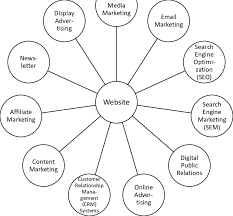
  2. SEO Optimisation: Implementing search engine optimisation (SEO) strategies helps improve the website’s visibility on search engines, driving organic traffic.
  3. Social Media Integration: Integrating social media platforms into the website allows for seamless sharing of content and facilitates social engagement with customers.
  4. Email Marketing Integration: Building email lists through the website enables businesses to nurture leads and maintain communication with customers through targeted email campaigns.

The Future of Online Marketing Websites

As technology continues to evolve, online marketing websites will play an increasingly vital role in shaping the digital presence of businesses. Embracing emerging trends such as artificial intelligence, personalisation, and interactive content will be key to staying ahead in the competitive online market.

In conclusion, online marketing websites are essential tools for modern businesses looking to establish a strong online presence, connect with their target audience, and drive growth through effective digital strategies.


7 Essential Tips for Enhancing Your Online Marketing Website

  1. Create a user-friendly website with easy navigation.
  2. Optimize your website for search engines (SEO).
  3. Produce high-quality and engaging content regularly.
  4. Utilize social media platforms to promote your website and engage with your audience.
  5. Implement email marketing campaigns to reach out to potential customers.
  6. Monitor website analytics to track performance and make data-driven decisions.
  7. Consider investing in online advertising to increase visibility and attract more traffic.

Create a user-friendly website with easy navigation.

Creating a user-friendly website with easy navigation is essential for the success of online marketing efforts. A well-designed website that is intuitive and easy to navigate enhances the overall user experience, encouraging visitors to explore content and engage with the brand. By prioritising user-friendly design, businesses can improve customer satisfaction, reduce bounce rates, and ultimately increase conversions. Clear navigation menus, intuitive search functionality, and responsive design are key elements that contribute to a positive user experience and help drive the effectiveness of online marketing campaigns.

Optimize your website for search engines (SEO).

To maximise the visibility and reach of your online marketing website, it is crucial to optimise it for search engines through effective search engine optimisation (SEO) strategies. By strategically incorporating relevant keywords, improving site speed, creating quality content, and building backlinks, you can enhance your website’s ranking on search engine results pages. Optimising your website for SEO not only increases organic traffic but also improves user experience, ultimately leading to higher conversion rates and better overall performance in the competitive online landscape.

Produce high-quality and engaging content regularly.

Producing high-quality and engaging content regularly is a fundamental tip for successful online marketing websites. By consistently creating valuable and compelling content, businesses can attract and retain the attention of their target audience, build credibility, and establish themselves as industry authorities. This approach not only drives traffic to the website but also fosters customer loyalty and encourages social sharing, ultimately contributing to improved brand visibility and long-term success in the digital realm.

Utilize social media platforms to promote your website and engage with your audience.

Utilising social media platforms to promote your website and engage with your audience is a highly effective strategy in online marketing. By leveraging the reach and interactivity of social media channels, businesses can amplify their online presence, drive traffic to their website, and foster meaningful connections with their target audience. Regularly sharing engaging content, responding to comments and messages, and running targeted advertising campaigns on platforms like Facebook, Instagram, and Twitter can help businesses build brand awareness, increase customer loyalty, and ultimately drive conversions. Embracing social media as a key component of your online marketing efforts can lead to enhanced visibility and engagement that translates into tangible business growth.

Implement email marketing campaigns to reach out to potential customers.

Implementing email marketing campaigns is a powerful strategy to reach out to potential customers and nurture relationships with existing ones. By delivering targeted and personalised content directly to their inboxes, businesses can engage with their audience on a more personal level, driving brand awareness and encouraging conversions. Email marketing allows for timely communication, promotions, and valuable insights into customer preferences, making it a cost-effective and efficient way to enhance overall marketing efforts and boost customer engagement.

Monitor website analytics to track performance and make data-driven decisions.

Monitoring website analytics is a crucial tip for successful online marketing websites. By tracking key performance metrics such as traffic sources, user engagement, and conversion rates, businesses can gain valuable insights into the effectiveness of their online strategies. This data-driven approach enables informed decision-making, allowing businesses to identify areas for improvement, optimise marketing campaigns, and ultimately enhance the overall performance of their website to achieve their digital goals.

Consider investing in online advertising to increase visibility and attract more traffic.

Consider investing in online advertising as a strategic approach to enhance visibility and drive more traffic to your website. Online advertising offers businesses the opportunity to target specific audiences, increase brand awareness, and generate leads effectively. By allocating resources towards online advertising campaigns, businesses can reach a wider audience, engage potential customers, and ultimately boost their online presence in a competitive digital landscape.

digital marketing digital marketing

Unlocking Success: The Power of Digital Marketing in Today’s Business Landscape

The Power of Digital Marketing in Today’s Business Landscape

In the fast-paced world of business, digital marketing has emerged as a powerful tool for reaching and engaging with audiences in a more targeted and cost-effective manner. With the rise of the internet and social media, businesses now have unprecedented opportunities to connect with consumers on a global scale.

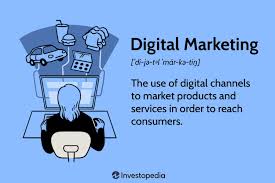
Digital marketing encompasses a wide range of strategies and tactics aimed at promoting products or services through online channels such as websites, social media platforms, search engines, email, and more. This multi-faceted approach allows businesses to reach their target audience where they spend most of their time – online.

Benefits of Digital Marketing

One of the key benefits of digital marketing is its ability to provide measurable results. Unlike traditional marketing methods, digital marketing allows businesses to track and analyse their campaigns in real-time, enabling them to make data-driven decisions and optimise their strategies for better performance.

Another advantage of digital marketing is its cost-effectiveness. With digital channels, businesses can reach a larger audience at a fraction of the cost compared to traditional advertising methods. This level playing field allows small businesses to compete with larger corporations on a more equal footing.

Key Strategies in Digital Marketing

Some key strategies commonly used in digital marketing include:

  • Search Engine Optimization (SEO): Optimising website content to improve search engine rankings and increase organic traffic.
  • Pay-Per-Click (PPC) Advertising: Running targeted ads on search engines or social media platforms to drive traffic and conversions.
  • Social Media Marketing: Engaging with audiences on social media platforms to build brand awareness and drive engagement.
  • Email Marketing: Sending targeted emails to nurture leads, promote products/services, and build customer relationships.

The Future of Digital Marketing

As technology continues to evolve at a rapid pace, the future of digital marketing looks promising. Advancements in artificial intelligence, machine learning, data analytics, and automation are reshaping the way businesses interact with consumers online. Personalisation and customisation are becoming increasingly important as consumers seek more tailored experiences from brands.

In conclusion, digital marketing has become an essential component of any successful business strategy in today’s digital age. By leveraging the power of online channels effectively, businesses can reach new audiences, drive engagement, increase brand visibility, and ultimately achieve their business goals in a competitive marketplace.


Exploring the 8 Key Advantages of Digital Marketing: From Cost-Effectiveness to Competitive Edge

  1. Cost-effective
  2. Measurable results
  3. Global reach
  4. Targeted advertising
  5. Brand visibility
  6. Engagement opportunities
  7. Flexibility
  8. Competitive advantage


Challenges of Digital Marketing: Navigating Saturation, Ad Fatigue, Privacy, Complexity, and Rapid Change

  1. 1. Saturation
  2. 2. Ad Fatigue
  3. 3. Privacy Concerns
  4. 4. Technical Complexity
  5. 5. Rapid Changes

Cost-effective

Digital marketing offers a significant advantage in terms of cost-effectiveness for businesses, enabling them to expand their reach and engage with a larger audience at a fraction of the cost associated with traditional marketing approaches. By leveraging digital channels such as social media, search engines, and email, businesses can target specific demographics and measure the effectiveness of their campaigns in real-time, ultimately maximising their return on investment and achieving greater results within their budget constraints.

Measurable results

Businesses benefit greatly from the measurable results offered by digital marketing. By tracking and analysing the performance of their campaigns in real-time, companies can make data-driven decisions that lead to more effective strategies and better outcomes. This ability to gather and interpret data allows businesses to optimise their digital marketing efforts, allocate resources efficiently, and ultimately achieve a higher return on investment.

Global reach

With digital marketing, businesses have the advantage of global reach, enabling them to connect with audiences worldwide and transcend geographical boundaries. This capability allows companies to expand their market reach beyond local limitations and tap into new markets, reaching potential customers in different regions and countries. By leveraging digital channels effectively, businesses can establish a strong online presence on a global scale, increasing brand visibility and opening up opportunities for growth and expansion in diverse markets.

Targeted advertising

Digital marketing’s targeted advertising capability is a game-changer in reaching the right audience with precision. By leveraging digital tools and data analytics, businesses can tailor their marketing messages to specific demographics, interests, and behaviours of their target audience. This level of targeting ensures that marketing efforts are directed towards those most likely to be interested in the products or services being offered, resulting in higher engagement rates and better return on investment. The ability to reach the right people at the right time with the right message is a key advantage of digital marketing that can significantly enhance campaign effectiveness and overall success.

Brand visibility

Through various online channels such as social media and search engines, digital marketing plays a crucial role in enhancing brand visibility and awareness. By strategically utilising platforms where consumers spend a significant amount of their time, businesses can effectively showcase their brand to a wider audience. This increased visibility not only helps in attracting new customers but also reinforces brand recognition among existing ones, ultimately contributing to the overall success and growth of the business in the digital landscape.

Engagement opportunities

Engagement opportunities are a key advantage of digital marketing, as interactive features enable businesses to connect with customers on a more personal level. Through comments, messages, polls, and other interactive tools, businesses can actively engage with their audience, gather feedback, and build stronger relationships. This two-way communication not only fosters trust and loyalty but also provides valuable insights that can be used to tailor marketing strategies to better meet the needs and preferences of customers. By creating meaningful interactions through digital channels, businesses can enhance customer engagement and ultimately drive long-term success.

Flexibility

Digital marketing offers a significant advantage in terms of flexibility. Unlike traditional marketing methods, digital marketing strategies can be easily adjusted and optimised based on real-time data insights. By monitoring key performance indicators and metrics, businesses can quickly identify what is working well and what needs improvement. This agility allows for rapid adjustments to campaigns, targeting, messaging, and more, resulting in better performance and results. The ability to adapt on the fly based on data-driven insights is a powerful asset that can help businesses stay ahead in today’s dynamic and competitive digital landscape.

Competitive advantage

In the realm of digital marketing, a significant advantage is the ability for small businesses to compete on a level playing field with larger corporations. By harnessing innovative digital marketing tactics, small businesses can carve out their niche, reach their target audience effectively, and differentiate themselves in the crowded digital space. This competitive advantage allows small businesses to showcase their unique offerings, engage with customers on a more personal level, and establish a strong online presence that resonates with their audience.

1. Saturation

In the realm of digital marketing, one significant drawback is the issue of saturation. As the digital landscape becomes more densely populated with businesses vying for consumer attention, standing out amidst the competition poses a formidable challenge. With countless brands bombarding consumers through various online channels, capturing and retaining the interest of a target audience has become increasingly difficult. This oversaturation can lead to message fatigue among consumers and diminish the effectiveness of marketing efforts, requiring businesses to adopt innovative strategies to cut through the noise and make a lasting impact.

2. Ad Fatigue

Consumers today are inundated with a constant stream of online advertisements, leading to a phenomenon known as ad fatigue. This oversaturation of ads can result in consumers feeling overwhelmed, annoyed, and even developing negative perceptions towards brands that bombard them with too many advertisements. Ad fatigue can diminish the effectiveness of marketing campaigns, as consumers may begin to tune out or actively avoid ads altogether. To combat this challenge, businesses must focus on delivering relevant and engaging content that resonates with their target audience to avoid contributing to ad fatigue and maintain a positive brand image in the digital space.

3. Privacy Concerns

With data collection and tracking being integral to digital marketing strategies, there are growing concerns about privacy violations and data misuse among consumers. The collection of personal information for targeted advertising purposes has raised ethical questions about the extent to which individuals’ online activities are monitored and used without their explicit consent. As data breaches and privacy scandals continue to make headlines, consumers are becoming more wary of sharing their information online, leading to a loss of trust in businesses that engage in intrusive data practices. Balancing the benefits of targeted marketing with the need to respect consumer privacy remains a significant challenge for digital marketers in today’s landscape.

4. Technical Complexity

Implementing effective digital marketing campaigns can be hindered by the technical complexity involved. Businesses without dedicated resources or expertise in the field may find it daunting to navigate the intricacies of digital marketing strategies. From understanding algorithms for search engine optimisation to setting up and monitoring online advertising campaigns, the technical know-how required can act as a barrier for businesses looking to leverage digital marketing effectively. Without the necessary skills and experience, businesses may struggle to implement campaigns that deliver optimal results and reach their target audience efficiently.

5. Rapid Changes

In the realm of digital marketing, one significant drawback is the rapid pace of change. The digital marketing landscape is in a perpetual state of evolution, with new technologies, algorithms, and trends continuously emerging. This dynamic environment necessitates businesses to remain agile and adaptable in order to keep up with the latest developments and maintain competitiveness. The need for constant learning and swift adjustments can pose challenges for businesses seeking to establish long-term strategies amidst the ever-changing digital marketing landscape.

marketing digital marketing

Unlocking the Potential of Digital Marketing Strategies in Today’s Business Landscape

The Power of Digital Marketing in Today’s Business Landscape

In the fast-paced digital age, traditional marketing strategies are no longer enough to cut through the noise and reach your target audience. This is where digital marketing comes into play, offering businesses a powerful tool to connect with customers, build brand awareness, and drive sales.

What is Digital Marketing?

Digital marketing encompasses a wide range of online tactics and channels aimed at promoting products or services through digital technologies. This can include social media marketing, search engine optimisation (SEO), email marketing, content marketing, pay-per-click advertising, and more. The key advantage of digital marketing lies in its ability to reach a global audience quickly and cost-effectively.

The Benefits of Digital Marketing

One of the major benefits of digital marketing is its measurability. Unlike traditional marketing methods, digital campaigns can be tracked and analysed in real time, allowing businesses to adjust their strategies based on data-driven insights. This level of flexibility enables companies to optimise their campaigns for better results and ROI.

Furthermore, digital marketing offers unparalleled targeting capabilities. Through tools like demographic segmentation and behavioural targeting, businesses can tailor their messages to specific audience segments, ensuring that their marketing efforts resonate with the right people at the right time.

The Future of Marketing

As technology continues to evolve at a rapid pace, so too does the field of digital marketing. Emerging trends such as artificial intelligence, voice search optimisation, and influencer marketing are reshaping the way businesses engage with consumers online. By staying abreast of these trends and embracing innovative strategies, companies can stay ahead of the competition and drive growth in an increasingly competitive marketplace.

Conclusion

In conclusion, digital marketing has become an indispensable tool for businesses looking to thrive in today’s digital-first world. By leveraging the power of online channels and data-driven insights, companies can create targeted campaigns that resonate with their audience and drive tangible results. Embracing digital marketing is not just an option – it’s a necessity for any business looking to succeed in the modern marketplace.


Top 11 Frequently Asked Questions About Digital Marketing

  1. What is the salary in digital marketing?
  2. What is digital marketer in marketing?
  3. Do digital marketers make good money?
  4. What is digital marketing example?
  5. What is meant by digital marketing?
  6. What’s an example of digital marketing?
  7. What are the seven types of digital marketing?
  8. What type of marketing is digital marketing?
  9. What are the 4 types of digital marketing?
  10. What is digital marketing in marketing?
  11. Is digital marketing a good career?

What is the salary in digital marketing?

The salary in digital marketing can vary depending on factors such as job role, experience level, location, and the specific industry. Entry-level positions in digital marketing may offer salaries starting from around £20,000 to £30,000 per year, while more senior roles or positions in larger companies can command significantly higher salaries. Digital marketing professionals with specialised skills or certifications, such as SEO specialists or PPC managers, may also earn higher salaries due to the demand for their expertise. Overall, the salary range in digital marketing is broad and offers opportunities for growth and advancement based on individual skills and experience.

What is digital marketer in marketing?

A digital marketer in marketing is a professional who specialises in promoting products or services using various online channels and strategies. Digital marketers are skilled in leveraging digital technologies such as social media, search engines, email, and content marketing to reach target audiences and drive engagement. Their responsibilities may include developing digital marketing campaigns, analysing data to measure campaign performance, and optimising strategies for maximum effectiveness. Digital marketers play a crucial role in helping businesses establish a strong online presence, build brand awareness, and ultimately drive conversions in the ever-evolving digital landscape.

Do digital marketers make good money?

The earning potential for digital marketers can vary depending on factors such as experience, skills, industry, and location. In general, digital marketers have the opportunity to make good money due to the high demand for their expertise in today’s digital-centric business landscape. Those with a strong track record of delivering successful campaigns and staying current with industry trends often command higher salaries and lucrative opportunities. With the right skills and dedication, digital marketers can indeed enjoy a rewarding career with competitive compensation packages.

What is digital marketing example?

Digital marketing encompasses a wide range of strategies and tactics used by businesses to promote their products or services online. An example of digital marketing is social media advertising, where companies leverage platforms like Facebook, Instagram, or LinkedIn to reach their target audience with targeted ads. Another example is search engine optimisation (SEO), which involves optimising a website to rank higher in search engine results pages, increasing visibility and organic traffic. Email marketing is also a common digital marketing example, where businesses send personalised emails to subscribers to promote products, share news, or nurture customer relationships. These examples demonstrate the diverse and effective ways in which digital marketing can be utilised to achieve business goals in the online space.

What is meant by digital marketing?

Digital marketing refers to the use of online channels and digital technologies to promote products or services to a target audience. This encompasses a wide range of tactics such as social media marketing, search engine optimisation (SEO), email marketing, content marketing, pay-per-click advertising, and more. The key advantage of digital marketing lies in its ability to reach a global audience quickly and cost-effectively, allowing businesses to connect with customers in a more targeted and measurable way compared to traditional marketing methods. In essence, digital marketing is about leveraging the power of the internet and technology to engage with consumers, build brand awareness, drive traffic, and ultimately achieve business objectives in the digital realm.

What’s an example of digital marketing?

An example of digital marketing is social media advertising, where businesses leverage platforms like Facebook, Instagram, or LinkedIn to promote their products or services to a targeted audience. Through strategic ad placements and audience segmentation, companies can reach potential customers based on their interests, demographics, and online behaviour. Social media advertising allows businesses to engage with users in a more interactive and personalised way, driving brand awareness, website traffic, and ultimately conversions. This example illustrates how digital marketing utilises online channels to connect with consumers in a cost-effective and measurable manner.

What are the seven types of digital marketing?

In the realm of digital marketing, there are seven key types that businesses often leverage to reach and engage their target audience effectively. These include search engine optimisation (SEO), which focuses on improving a website’s visibility in search engine results; pay-per-click (PPC) advertising, where advertisers pay a fee each time their ad is clicked; social media marketing, which involves promoting products or services on social platforms; content marketing, aimed at creating valuable and relevant content to attract and retain customers; email marketing, utilising email campaigns to communicate with prospects and customers; affiliate marketing, where businesses reward affiliates for driving traffic or sales; and finally, influencer marketing, which involves collaborating with influential individuals to promote products or services. Each type of digital marketing offers unique opportunities for businesses to connect with their audience in meaningful ways and drive results.

What type of marketing is digital marketing?

Digital marketing is a form of marketing that utilises online channels and digital technologies to promote products or services to a target audience. It encompasses a wide range of tactics, including social media marketing, search engine optimisation (SEO), email marketing, content marketing, pay-per-click advertising, and more. Unlike traditional marketing methods, digital marketing leverages the power of the internet to reach a global audience quickly and cost-effectively. With its focus on data-driven insights and measurable results, digital marketing has become an essential tool for businesses looking to engage with consumers in today’s digital-first world.

What are the 4 types of digital marketing?

In the realm of digital marketing, there are four primary types that businesses commonly utilise to reach and engage their target audiences effectively. These include search engine optimisation (SEO), which focuses on improving a website’s visibility in search engine results; social media marketing, where brands leverage platforms like Facebook, Instagram, and Twitter to connect with customers; pay-per-click (PPC) advertising, involving paid ads displayed on search engines and websites; and content marketing, which entails creating valuable and relevant content to attract and retain customers. Each type plays a crucial role in a comprehensive digital marketing strategy, offering unique opportunities for businesses to enhance their online presence and drive success in the digital landscape.

What is digital marketing in marketing?

Digital marketing in marketing refers to the use of online channels and digital technologies to promote products or services to a target audience. It encompasses a wide range of strategies, including social media marketing, search engine optimisation (SEO), email marketing, content marketing, pay-per-click advertising, and more. The goal of digital marketing is to connect with customers in the digital space, build brand awareness, drive website traffic, generate leads, and ultimately increase sales. By leveraging the power of digital platforms and data-driven insights, businesses can create targeted and personalised campaigns that engage consumers effectively in today’s increasingly digital landscape.

Is digital marketing a good career?

The question of whether digital marketing is a good career choice is one that many individuals ponder in today’s digital age. With the increasing importance of online presence and digital strategies for businesses, the demand for skilled digital marketers is on the rise. A career in digital marketing offers diverse opportunities for growth, creativity, and innovation. Professionals in this field have the chance to work across various industries, utilise cutting-edge tools and technologies, and make a significant impact on business outcomes. As the digital landscape continues to evolve, a career in digital marketing presents an exciting and rewarding path for those passionate about leveraging online channels to drive success.

pharma digital marketing

Revolutionising Healthcare: The Impact of Pharma Digital Marketing

The Power of Pharma Digital Marketing

The Power of Pharma Digital Marketing

In today’s digital age, the pharmaceutical industry is increasingly turning to digital marketing strategies to reach and engage with healthcare professionals, patients, and other stakeholders. Pharma digital marketing offers a range of opportunities to connect with target audiences, provide valuable information, and drive awareness about products and services.

Benefits of Pharma Digital Marketing

One of the key benefits of pharma digital marketing is its ability to deliver targeted and personalised content to specific audiences. Through channels such as social media, email campaigns, and online advertising, pharmaceutical companies can tailor their messaging to resonate with healthcare professionals and patients based on their interests and needs.

Furthermore, digital marketing allows pharma companies to track and measure the effectiveness of their campaigns in real-time. By analysing metrics such as website traffic, click-through rates, and engagement levels, companies can gain valuable insights into the performance of their marketing efforts and make data-driven decisions to optimise future strategies.

Challenges in Pharma Digital Marketing

While pharma digital marketing offers numerous advantages, it also presents unique challenges for companies operating in a highly regulated industry. Compliance with regulations such as the General Data Protection Regulation (GDPR) and guidelines from regulatory bodies like the Medicines and Healthcare products Regulatory Agency (MHRA) is crucial to ensure that marketing activities are conducted ethically and legally.

Moreover, building trust among healthcare professionals and patients is essential in pharma digital marketing. Transparency in communication, providing accurate information about products, and maintaining a strong online reputation are key factors in establishing credibility within the industry.

The Future of Pharma Digital Marketing

As technology continues to evolve and consumer behaviours shift towards online interactions, the future of pharma digital marketing holds great potential for innovation. From leveraging artificial intelligence for personalised messaging to exploring virtual reality for immersive educational experiences, pharmaceutical companies have a wealth of opportunities to enhance their digital presence and engage with audiences in new ways.

In conclusion, pharma digital marketing is a powerful tool for pharmaceutical companies looking to connect with stakeholders in a meaningful way. By embracing digital strategies that are compliant, transparent, and customer-centric, companies can unlock new possibilities for growth and make a positive impact on healthcare outcomes.


Top 8 Essential Tips for Effective Pharma Digital Marketing in the UK

  1. 1. Understand regulations
  2. 2. Focus on compliance
  3. 3. Educate your audience
  4. 4. Utilise social media cautiously
  5. 5. Engage with healthcare professionals
  6. 6. Leverage data analytics
  7. 7. Prioritise patient privacy
  8. 8. Stay updated

1. Understand regulations

In the realm of pharma digital marketing, a fundamental tip is to thoroughly understand and adhere to regulations governing the industry. Regulations such as GDPR and guidelines from regulatory bodies like the MHRA play a crucial role in shaping the ethical and legal framework within which pharmaceutical companies operate. By prioritising compliance and staying abreast of regulatory updates, companies can build trust with stakeholders, maintain credibility, and ensure that their digital marketing efforts are conducted responsibly and in accordance with industry standards.

2. Focus on compliance

In pharma digital marketing, it is crucial to focus on compliance to ensure that all marketing activities adhere to industry regulations and guidelines. By prioritising compliance with laws such as GDPR and regulations set by bodies like the MHRA, pharmaceutical companies can build trust with their audience and maintain a reputation of integrity and transparency. Compliance not only safeguards the company from legal risks but also demonstrates a commitment to ethical practices, which is essential in fostering long-term relationships with healthcare professionals and patients.

3. Educate your audience

In pharma digital marketing, it is essential to educate your audience about your products or services to build trust and credibility. Providing valuable information through educational content such as articles, videos, and webinars can help healthcare professionals and patients make informed decisions. By focusing on educating your audience about the benefits and uses of your offerings, you can establish yourself as a reliable source of information in the industry and strengthen relationships with key stakeholders.

4. Utilise social media cautiously

When it comes to pharma digital marketing, it is crucial to utilise social media cautiously. Social media platforms offer a powerful channel for engaging with healthcare professionals and patients, but strict regulations and guidelines must be adhered to ensure compliance and ethical practices. By carefully crafting content that is informative, transparent, and respectful of privacy considerations, pharmaceutical companies can leverage social media effectively to build trust, drive awareness, and foster meaningful connections with their target audience.

5. Engage with healthcare professionals

Engaging with healthcare professionals is a crucial aspect of successful pharma digital marketing. By establishing meaningful connections with doctors, pharmacists, and other medical professionals through targeted content, webinars, and online forums, pharmaceutical companies can build trust and credibility within the healthcare community. This engagement not only helps in disseminating accurate information about products and treatments but also fosters collaborations that can lead to valuable insights and partnerships in the industry. By prioritising interactions with healthcare professionals, pharma companies can enhance their reputation and ensure that their digital marketing efforts resonate effectively with this important audience.

6. Leverage data analytics

Leveraging data analytics is a crucial tip in pharma digital marketing, enabling pharmaceutical companies to gain valuable insights into the performance of their campaigns and make informed decisions. By analysing data on website traffic, user engagement, and conversion rates, companies can identify trends, understand customer behaviour, and optimise their marketing strategies for better results. Data analytics also empowers pharma marketers to target specific audiences more effectively, personalise messaging, and measure the impact of their efforts accurately. Overall, utilising data analytics in pharma digital marketing can lead to improved campaign effectiveness, increased ROI, and a deeper understanding of customer needs and preferences.

7. Prioritise patient privacy

In pharma digital marketing, it is crucial to prioritise patient privacy as a top consideration. Respecting and safeguarding the personal data of patients is not only a legal requirement but also essential for building trust and maintaining ethical standards within the industry. By implementing robust data protection measures, obtaining explicit consent for data usage, and ensuring compliance with regulations such as GDPR, pharmaceutical companies can demonstrate their commitment to respecting patient privacy while delivering targeted and relevant content that enhances the overall digital experience.

8. Stay updated

In the realm of pharma digital marketing, staying updated with the latest trends, regulations, and technologies is paramount to success. By keeping abreast of industry developments, pharmaceutical companies can adapt their strategies to remain relevant and compliant in a fast-paced digital landscape. Whether it involves understanding changes in data privacy laws or exploring emerging digital platforms, staying informed allows companies to make informed decisions and maintain a competitive edge in reaching healthcare professionals and patients effectively.

digital marketing in 2022

Navigating the Future: Digital Marketing Trends in 2022

Digital Marketing in 2022: Trends and Strategies

As we move further into the digital age, the landscape of digital marketing continues to evolve at a rapid pace. In 2022, businesses are navigating an increasingly complex environment where technology and consumer behaviour are constantly changing. Here, we explore some of the key trends and strategies that are shaping digital marketing this year.

The Rise of Artificial Intelligence

Artificial Intelligence (AI) is becoming an integral part of digital marketing strategies. From chatbots providing customer service to AI-driven analytics offering insights into consumer behaviour, businesses are leveraging AI to enhance efficiency and personalise customer experiences. In 2022, expect to see more sophisticated AI applications that can predict trends and automate tasks, allowing marketers to focus on strategy and creativity.

Video Content Dominance

Video content continues to dominate digital marketing channels. Platforms like YouTube, TikTok, and Instagram Reels have made video a preferred medium for engaging audiences. In 2022, creating short-form video content that is authentic and relatable will be crucial for capturing attention in a crowded marketplace. Live streaming is also gaining traction as it offers real-time engagement with audiences.

Privacy-First Marketing

With increasing concerns about data privacy, consumers are more conscious about how their information is used. The implementation of regulations such as GDPR has changed how businesses collect and handle data. In 2022, marketers need to prioritise transparency and ensure compliance while building trust with their audience through ethical data practices.

The Importance of Personalisation

Personalisation remains a key trend in digital marketing. Consumers expect tailored experiences that cater to their individual preferences. By leveraging data analytics and customer insights, businesses can create personalised content that resonates with their audience, leading to increased engagement and loyalty.

Omnichannel Marketing Strategies

An omnichannel approach ensures a seamless experience across various platforms and devices. In 2022, integrating online and offline channels will be essential for delivering consistent messaging and enhancing customer journey touchpoints. This strategy not only improves brand visibility but also fosters stronger relationships with customers.

Sustainability in Marketing

Sustainability has become a significant consideration for consumers when choosing brands. Companies are now expected to demonstrate their commitment to environmental responsibility through sustainable practices and transparent communication. Digital marketing campaigns in 2022 should highlight these efforts as part of brand storytelling.

Conclusion

The world of digital marketing in 2022 is dynamic and full of opportunities for those willing to adapt quickly to new trends and technologies. By embracing innovation while prioritising consumer needs and preferences, businesses can effectively navigate this ever-evolving landscape.


Top 6 Digital Marketing Tips for 2022: Boost Engagement and Stay Competitive

  1. Focus on creating high-quality and engaging content to attract and retain customers.
  2. Utilize social media platforms effectively to connect with your target audience.
  3. Optimize your website for mobile devices to enhance user experience and SEO performance.
  4. Implement email marketing campaigns to nurture leads and maintain customer relationships.
  5. Stay updated with the latest digital marketing trends and tools to remain competitive in the market.
  6. Analyse data regularly to track the performance of your digital marketing strategies and make informed decisions.

Focus on creating high-quality and engaging content to attract and retain customers.

In the realm of digital marketing in 2022, a crucial tip is to prioritise the creation of high-quality and engaging content to captivate and retain customers. By crafting compelling content that resonates with your target audience, businesses can establish a strong connection with customers, fostering brand loyalty and driving engagement. In an era where consumer attention is fragmented across various online platforms, delivering valuable and relevant content is key to standing out amidst the digital noise and building lasting relationships with customers.

Utilize social media platforms effectively to connect with your target audience.

In 2022, one key tip for successful digital marketing is to utilise social media platforms effectively to connect with your target audience. With the vast reach and engagement opportunities offered by platforms like Facebook, Instagram, Twitter, and LinkedIn, businesses can establish meaningful connections with their target demographic. By crafting compelling content tailored to each platform and engaging with followers through comments, messages, and live interactions, companies can build brand loyalty, drive traffic to their websites, and ultimately boost conversions. In the competitive digital landscape of 2022, harnessing the power of social media is essential for fostering relationships and staying relevant in the eyes of consumers.

Optimize your website for mobile devices to enhance user experience and SEO performance.

In 2022, one crucial tip for digital marketing success is to optimise your website for mobile devices. With the increasing use of smartphones and tablets, ensuring that your site is mobile-friendly is essential for providing a seamless user experience. Not only does this enhance user satisfaction, but it also boosts your SEO performance, as search engines like Google prioritise mobile-responsive websites in their rankings. By prioritising mobile optimisation, businesses can attract and retain more visitors while improving their online visibility and search engine rankings.

Implement email marketing campaigns to nurture leads and maintain customer relationships.

In 2022, implementing email marketing campaigns is a valuable strategy to nurture leads and cultivate lasting relationships with customers. By delivering targeted and personalised content directly to their inboxes, businesses can engage with their audience on a more intimate level, providing relevant information, promotions, and updates. Email marketing allows for ongoing communication with leads at different stages of the sales funnel, helping to build trust and loyalty over time. By consistently delivering value through email campaigns, businesses can strengthen customer relationships and drive conversions in the competitive digital landscape of 2022.

To stay competitive in the market in 2022, it is essential for businesses to stay updated with the latest digital marketing trends and tools. The digital landscape is constantly evolving, with new technologies and strategies emerging regularly. By keeping abreast of these developments, businesses can adapt their marketing efforts to meet changing consumer behaviours and preferences. Embracing innovation and leveraging cutting-edge tools will not only help businesses stay ahead of the competition but also drive growth and success in the dynamic world of digital marketing.

Analyse data regularly to track the performance of your digital marketing strategies and make informed decisions.

In 2022, it is essential for businesses to analyse data regularly to track the performance of their digital marketing strategies and make informed decisions. By monitoring key metrics such as website traffic, conversion rates, and engagement levels, companies can gain valuable insights into the effectiveness of their campaigns. This data-driven approach enables marketers to identify trends, optimise their strategies in real-time, and allocate resources efficiently to achieve their marketing goals. Regular analysis of data not only helps businesses stay competitive in the digital landscape but also empowers them to adapt quickly to changing market dynamics and consumer preferences.

digital marketing 2018

Exploring the Evolution of Digital Marketing in 2018

Digital Marketing Trends in 2018: A Look Back

The year 2018 marked a significant period of transformation in the digital marketing landscape. As technology continued to evolve at a rapid pace, marketers found themselves adapting to new tools and strategies to engage their audiences more effectively. Here’s a look back at some of the key trends that defined digital marketing in 2018.

The Rise of Artificial Intelligence

Artificial intelligence (AI) began to play a pivotal role in digital marketing strategies. From chatbots providing customer service on websites to AI-driven analytics offering deeper insights into consumer behaviour, businesses started leveraging AI to enhance personalisation and efficiency. This trend set the stage for more sophisticated AI applications in the years that followed.

Video Content Dominance

Video content continued its upward trajectory, becoming an essential component of digital marketing strategies. Platforms like YouTube, Instagram Stories, and Facebook Live gained popularity as marketers realised that video content was more engaging and shareable than traditional text-based content. The success of video marketing highlighted the need for brands to create visually compelling stories.

Voice Search Optimisation

With the increasing adoption of smart speakers and voice assistants like Amazon Alexa and Google Assistant, voice search optimisation emerged as a crucial trend in 20

Marketers began focusing on optimising their content for voice queries, which are typically longer and more conversational than text searches.

Influencer Marketing Maturation

While influencer marketing was not new in 2018, it saw significant maturation as brands became more strategic in their partnerships with influencers. Authenticity became a key focus, with businesses seeking influencers whose values aligned with their brand message to ensure genuine connections with audiences.

Data Privacy Concerns

The introduction of the General Data Protection Regulation (GDPR) by the European Union brought data privacy concerns to the forefront in 20

Marketers had to navigate stricter regulations regarding data collection and user consent, prompting a shift towards greater transparency and trust-building with consumers.

The Impact Moving Forward

The trends observed in 2018 laid the groundwork for future developments in digital marketing. As technology continues to advance, marketers must remain adaptable and forward-thinking to stay ahead of the curve.

In conclusion, 2018 was a year of significant change and growth in digital marketing, driven by technological advancements and evolving consumer expectations. By embracing these changes, businesses were better positioned to connect with their audiences in meaningful ways.


Top 5 Digital Marketing Tips for 2018: Boost Engagement and Reach

  1. Utilize video content for higher engagement
  2. Focus on creating quality and relevant content for your target audience
  3. Optimize your website for mobile devices to reach more users
  4. Utilize social media platforms effectively to connect with your audience
  5. Implement data analytics to track and improve your digital marketing strategies

Utilize video content for higher engagement

In 2018, one of the most impactful tips in digital marketing was the emphasis on utilising video content to achieve higher engagement levels. Video content emerged as a powerful tool for brands to connect with their audiences in a more compelling and interactive way. By incorporating videos into their marketing strategies, businesses were able to convey their messages more effectively, evoke emotions, and create memorable experiences for viewers. This trend not only boosted engagement but also helped brands stand out in a crowded online landscape, making video content an essential component of successful digital marketing campaigns.

Focus on creating quality and relevant content for your target audience

In the realm of digital marketing in 2018, a key tip that emerged was the importance of focusing on creating high-quality and relevant content tailored to your specific target audience. By understanding the interests, needs, and preferences of your audience, businesses were able to deliver content that resonated with them on a deeper level. This approach not only helped in building trust and credibility but also fostered stronger connections with customers, ultimately leading to increased engagement and conversions.

Optimize your website for mobile devices to reach more users

In 2018, a crucial tip for successful digital marketing was to optimise your website for mobile devices in order to reach a broader audience. With the increasing use of smartphones and tablets, ensuring that your website is mobile-friendly became essential for engaging users on the go. By prioritising mobile optimisation, businesses were able to provide a seamless browsing experience, improve user satisfaction, and ultimately expand their reach to attract more visitors and potential customers.

Utilize social media platforms effectively to connect with your audience

In 2018, one crucial tip for successful digital marketing was to utilise social media platforms effectively to connect with your audience. Social media provided a powerful channel for businesses to engage with their target demographic, build brand awareness, and foster meaningful relationships with customers. By creating compelling and relevant content tailored to each platform, businesses could establish a strong online presence and drive user engagement. Leveraging the interactive nature of social media allowed brands to listen to feedback, address customer inquiries promptly, and showcase their unique value propositions in a more personalised manner.

Implement data analytics to track and improve your digital marketing strategies

In 2018, one crucial tip for successful digital marketing was the implementation of data analytics to track and enhance marketing strategies. By utilising data analytics tools, businesses were able to gain valuable insights into the performance of their digital campaigns, allowing them to make informed decisions and adjustments for improved results. This emphasis on data-driven decision-making not only provided a deeper understanding of customer behaviour and preferences but also enabled marketers to optimise their strategies effectively in order to achieve greater success in reaching their target audience.

digital business strategy

Mastering the Art of Digital Business Strategy: A Guide to Success in the Digital Age

The Importance of Digital Business Strategy in Today’s Competitive Landscape

In the fast-paced digital age, having a well-defined digital business strategy is crucial for organisations looking to thrive and stay ahead of the competition. A digital business strategy encompasses a set of plans and actions that leverage digital technologies to achieve specific business objectives and drive growth.

Adapting to Changing Consumer Behaviour

One of the key reasons why a robust digital business strategy is essential is the changing behaviour of consumers. With the increasing use of smartphones, social media, and online shopping platforms, customers now expect seamless digital experiences across all touchpoints. A well-crafted digital strategy can help businesses meet these evolving expectations and deliver personalised, engaging interactions with their target audience.

Enhancing Operational Efficiency

Implementing a digital business strategy can also streamline operations and enhance efficiency within an organisation. By digitising processes, automating repetitive tasks, and leveraging data analytics, businesses can optimise their workflows, reduce costs, and make informed decisions based on real-time insights.

Driving Innovation and Growth

Digital technologies provide endless opportunities for innovation and growth. A strategic approach to digital transformation can enable businesses to explore new revenue streams, expand into new markets, and differentiate themselves from competitors. By embracing emerging technologies such as artificial intelligence, blockchain, or the Internet of Things (IoT), companies can stay at the forefront of industry trends and drive sustainable growth.

Measuring Success and Iterating for Improvement

An effective digital business strategy includes clear metrics and KPIs to measure success and track progress towards goals. By analysing data on key performance indicators such as website traffic, conversion rates, customer engagement metrics, or ROI from marketing campaigns, businesses can identify areas for improvement and make data-driven decisions to optimise their strategies continuously.

Conclusion

In conclusion, in today’s competitive landscape, a well-defined digital business strategy is not just a nice-to-have but a necessity for organisations seeking long-term success. By embracing digital technologies strategically, businesses can adapt to changing consumer preferences, enhance operational efficiency, drive innovation and growth, and ultimately achieve their business objectives in the digital age.


Understanding Digital Business Strategy: Key Questions and Insights for Organisational Success

  1. What is a digital business strategy?
  2. Why is a digital business strategy important for organisations?
  3. How can a digital business strategy help businesses stay competitive?
  4. What are the key components of a successful digital business strategy?
  5. How can businesses align their digital business strategy with their overall goals?
  6. What role does data analytics play in shaping a digital business strategy?
  7. How can businesses measure the success of their digital business strategy?
  8. What are some common challenges that organisations face when implementing a digital business strategy?

What is a digital business strategy?

A digital business strategy is a comprehensive plan that outlines how an organisation will leverage digital technologies to achieve its business objectives and stay competitive in the digital landscape. It involves identifying opportunities for using technology to improve processes, enhance customer experiences, drive innovation, and ultimately achieve sustainable growth. A well-defined digital business strategy aligns with the overall business goals and takes into account factors such as market trends, consumer behaviour, technological advancements, and competitive analysis. By developing a clear roadmap for integrating digital tools and capabilities into the core operations of a business, organisations can adapt to the evolving digital environment and position themselves for long-term success.

Why is a digital business strategy important for organisations?

A digital business strategy is crucial for organisations in today’s digital-centric world as it serves as a roadmap for leveraging technology to achieve business objectives and stay competitive. By embracing digital transformation strategically, organisations can adapt to evolving consumer behaviours, enhance operational efficiency, drive innovation and growth, and measure success through data-driven insights. A well-defined digital business strategy not only enables businesses to meet the expectations of tech-savvy consumers but also empowers them to make informed decisions, optimise processes, and differentiate themselves in the market. Ultimately, a robust digital business strategy is essential for organisations looking to thrive in the digital age and secure long-term success.

How can a digital business strategy help businesses stay competitive?

A well-crafted digital business strategy plays a pivotal role in helping businesses stay competitive in today’s dynamic marketplace. By leveraging digital technologies effectively, businesses can differentiate themselves from competitors, enhance customer experiences, and adapt to changing market trends swiftly. A strategic approach to digital business strategy enables companies to streamline operations, improve efficiency, and drive innovation, ultimately leading to sustainable growth and long-term success. Embracing digital transformation allows businesses to stay agile, responsive, and relevant in an increasingly digital-centric world, positioning them as leaders in their respective industries.

What are the key components of a successful digital business strategy?

A successful digital business strategy comprises several key components that are essential for achieving business objectives in the digital landscape. These components include a clear understanding of the target audience and their needs, the use of data-driven insights to inform decision-making, the integration of digital technologies to enhance customer experiences, the alignment of business goals with digital initiatives, and a focus on continuous innovation and adaptation to stay ahead of the competition. By incorporating these key components into their strategy, businesses can create a solid foundation for success in today’s digital-first world.

How can businesses align their digital business strategy with their overall goals?

Aligning a digital business strategy with overall goals requires a clear understanding of the organisation’s objectives and how digital initiatives can support them. Businesses can start by conducting a comprehensive assessment of their current state, identifying key areas where digital transformation can drive value and contribute to achieving long-term goals. By aligning digital initiatives with overarching business objectives, setting measurable KPIs, and regularly evaluating progress, businesses can ensure that their digital strategy remains in sync with their vision and mission. Effective communication across all levels of the organisation is also crucial to ensure that everyone is aligned towards the same goals and understands the role of digital technologies in achieving them.

What role does data analytics play in shaping a digital business strategy?

Data analytics plays a pivotal role in shaping a digital business strategy by providing valuable insights that drive informed decision-making and strategic planning. By leveraging data analytics tools and techniques, businesses can gain a deeper understanding of customer behaviour, market trends, and operational performance. This data-driven approach enables companies to identify opportunities for growth, optimise processes, personalise customer experiences, and measure the effectiveness of their digital initiatives. Ultimately, data analytics empowers organisations to make evidence-based decisions that align with their business goals and drive success in the digital landscape.

How can businesses measure the success of their digital business strategy?

Businesses can measure the success of their digital business strategy through a variety of key performance indicators (KPIs) that align with their specific objectives. Metrics such as website traffic, conversion rates, customer engagement levels, return on investment (ROI) from digital marketing campaigns, and customer lifetime value can provide valuable insights into the effectiveness of the strategy. Additionally, monitoring social media metrics, email open rates, and online sales data can help businesses track their progress and make data-driven decisions to refine and improve their digital strategies for optimal results. Regularly analysing these KPIs allows businesses to assess performance, identify areas for enhancement, and ensure that their digital business strategy is driving tangible outcomes in line with their goals.

What are some common challenges that organisations face when implementing a digital business strategy?

When organisations embark on implementing a digital business strategy, they often encounter several common challenges along the way. One significant challenge is the resistance to change within the organisation, as employees may be hesitant to adopt new technologies or processes. Another common issue is the lack of internal expertise and resources to effectively execute the digital strategy. Additionally, ensuring data security and compliance with regulations poses a challenge, especially in industries with strict data protection requirements. Furthermore, keeping up with rapid technological advancements and evolving consumer preferences can make it challenging for organisations to stay ahead of the curve and remain competitive in the digital landscape. Addressing these challenges requires careful planning, investment in training and development, collaboration across departments, and a proactive approach to innovation and adaptation.

automotive digital marketing

Revolutionising the Automotive Industry Through Digital Marketing Strategies

Automotive Digital Marketing

The Power of Automotive Digital Marketing

In today’s digital age, the automotive industry is rapidly evolving, and so is the way it markets its products and services. Automotive digital marketing has become a crucial strategy for car manufacturers, dealerships, and aftermarket businesses to reach their target audience effectively.

Benefits of Automotive Digital Marketing

Increased Reach: With digital marketing channels such as social media, search engines, and email campaigns, automotive businesses can reach a wider audience beyond traditional advertising methods.

Precise Targeting: Digital marketing allows for precise targeting based on demographics, interests, online behaviour, and more. This ensures that the right message reaches the right people at the right time.

Data-Driven Insights: Through analytics tools, automotive businesses can track and measure the performance of their digital marketing campaigns in real-time. This data provides valuable insights to refine strategies for better results.

Digital Marketing Strategies for the Automotive Industry

Search Engine Optimization (SEO): Optimising website content and utilising relevant keywords can improve search engine rankings and drive organic traffic to automotive websites.

Social Media Marketing: Engaging with consumers on platforms like Facebook, Instagram, and Twitter helps build brand awareness, foster customer relationships, and drive website traffic.

Paid Advertising: Utilising pay-per-click (PPC) advertising on search engines or social media platforms can increase visibility and lead generation for automotive businesses.

The Future of Automotive Digital Marketing

The future of automotive digital marketing lies in embracing emerging technologies such as artificial intelligence (AI), virtual reality (VR), and augmented reality (AR) to create immersive experiences for consumers. Personalised messaging and interactive content will continue to play a significant role in engaging with tech-savvy car buyers.

In conclusion, automotive digital marketing is essential for staying competitive in a rapidly changing industry landscape. By leveraging digital channels effectively, automotive businesses can connect with their target audience, drive sales, and build lasting relationships in the digital era.


Top 7 Automotive Digital Marketing Tips to Drive Success

  1. Utilize social media platforms to engage with potential customers
  2. Create high-quality content such as videos and blogs to showcase your expertise
  3. Optimize your website for mobile devices to reach a wider audience
  4. Invest in targeted online advertising campaigns for better ROI
  5. Utilise search engine optimization (SEO) techniques to improve visibility in search results
  6. Encourage customer reviews and testimonials to build trust with potential buyers
  7. Stay updated on the latest automotive trends and digital marketing strategies

Utilize social media platforms to engage with potential customers

In the realm of automotive digital marketing, a valuable tip is to harness the power of social media platforms to actively engage with potential customers. By creating compelling content, responding to queries, and initiating meaningful conversations on platforms like Facebook, Instagram, and Twitter, automotive businesses can establish a strong online presence and build relationships with their target audience. This approach not only enhances brand visibility but also fosters trust and loyalty among customers, ultimately driving conversions and boosting overall sales performance in the competitive automotive market.

Create high-quality content such as videos and blogs to showcase your expertise

Creating high-quality content, such as engaging videos and informative blogs, is a powerful tip in automotive digital marketing. By showcasing expertise through compelling content, car manufacturers, dealerships, and aftermarket businesses can establish credibility with their target audience. Videos highlighting product features or behind-the-scenes insights and blogs offering expert advice or industry updates not only demonstrate knowledge but also engage and educate potential customers. This approach not only enhances brand reputation but also helps drive traffic to websites and increase conversions in the competitive automotive market.

Optimize your website for mobile devices to reach a wider audience

To maximise your reach in automotive digital marketing, it is crucial to optimise your website for mobile devices. With the increasing use of smartphones and tablets, ensuring that your website is mobile-friendly allows you to connect with a broader audience on the go. By providing a seamless and responsive browsing experience on mobile devices, you can attract and engage potential customers who prefer to access information and services conveniently from their handheld devices. Mobile optimisation not only enhances user experience but also boosts your website’s visibility in search engine results, ultimately driving more traffic and potential leads to your automotive business.

Invest in targeted online advertising campaigns for better ROI

Investing in targeted online advertising campaigns is a strategic tip in automotive digital marketing that can significantly enhance return on investment (ROI). By tailoring advertisements to specific demographics, interests, and online behaviours of potential customers, automotive businesses can maximise the effectiveness of their marketing efforts. This approach not only increases the chances of reaching the right audience but also improves conversion rates and ultimately drives higher ROI. By focusing resources on targeted online advertising, automotive companies can see tangible results and achieve greater success in the competitive digital landscape.

Utilise search engine optimization (SEO) techniques to improve visibility in search results

By utilising search engine optimisation (SEO) techniques, automotive businesses can enhance their online visibility and increase their presence in search engine results. Implementing SEO strategies such as keyword optimisation, content quality improvement, and website structure enhancement can help attract more organic traffic to their websites. By appearing higher in search results, automotive companies can reach a larger audience of potential customers actively searching for relevant products or services, ultimately driving more qualified leads and boosting their online performance.

Encourage customer reviews and testimonials to build trust with potential buyers

Encouraging customer reviews and testimonials is a powerful strategy in automotive digital marketing to build trust with potential buyers. Hearing positive feedback from satisfied customers can instil confidence in prospective buyers and influence their purchasing decisions. Authentic testimonials serve as social proof of the quality and reliability of your products or services, helping to establish credibility and strengthen the relationship between your brand and consumers. By showcasing real-life experiences shared by happy customers, you create a sense of transparency and trustworthiness that resonates with potential buyers in the competitive automotive industry.

To succeed in automotive digital marketing, it is crucial to stay updated on the latest automotive trends and digital marketing strategies. By keeping abreast of industry developments, such as advancements in electric vehicles, autonomous driving technology, and changing consumer preferences, businesses can tailor their marketing efforts to resonate with their target audience effectively. Similarly, staying informed about evolving digital marketing strategies, such as social media algorithms and search engine updates, ensures that automotive brands remain competitive and relevant in a dynamic online landscape. Continuous learning and adaptation to new trends are key to driving success in automotive digital marketing campaigns.

digital marketing technologies

Unlocking the Power of Advanced Digital Marketing Technologies

Exploring the Latest Digital Marketing Technologies

In today’s fast-paced digital world, businesses must stay ahead of the curve to remain competitive. Digital marketing technologies have rapidly evolved, offering new tools and platforms that enhance how companies engage with their audiences. Here, we explore some of the latest advancements in digital marketing technologies that are shaping the industry.

Artificial Intelligence and Machine Learning

Artificial intelligence (AI) and machine learning are revolutionising digital marketing by providing deeper insights into consumer behaviour. These technologies enable marketers to analyse vast amounts of data quickly, allowing for more personalised and targeted campaigns. AI-powered chatbots, for instance, offer real-time customer support and engagement, enhancing user experience while reducing operational costs.

Programmatic Advertising

Programmatic advertising automates the buying and selling of ad space using algorithms and data insights. This technology allows marketers to reach their target audience more efficiently by serving ads at the right time and on the right platforms. Programmatic advertising is becoming increasingly popular due to its ability to deliver higher ROI through precise targeting.

Voice Search Optimisation

With the rise of smart speakers and voice-activated devices, voice search optimisation has become a crucial aspect of digital marketing strategies. Businesses are now focusing on optimising their content for voice queries, which tend to be more conversational in nature. This shift requires a different approach to keyword research and content creation.

Augmented Reality (AR) Experiences

Augmented reality offers immersive experiences that can significantly enhance customer engagement. Brands are using AR technology to create interactive advertisements and virtual try-ons, allowing customers to visualise products before making a purchase decision. This not only improves user experience but also increases conversion rates.

Email Marketing Automation

Email marketing remains a powerful tool for engaging with customers. Automation technology allows businesses to send personalised emails based on user behaviour and preferences without manual intervention. Automated email campaigns can nurture leads effectively by delivering relevant content at each stage of the buyer’s journey.

The Future of Digital Marketing Technologies

The future of digital marketing lies in harnessing these advanced technologies to create more personalised, efficient, and effective campaigns. As consumer expectations continue to evolve, businesses that embrace these innovations will be better positioned to succeed in an increasingly competitive landscape.

The key is not just adopting new technologies but integrating them into a cohesive strategy that aligns with business objectives. By staying informed about emerging trends and continuously adapting strategies, companies can ensure they remain at the forefront of digital marketing excellence.


Five Advantages of Digital Marketing Technologies: Enhanced Targeting, Cost-Effectiveness, Real-Time Analytics, Increased Engagement, and Global Reach

  1. Enhanced Targeting
  2. Cost-Effective
  3. Real-Time Analytics
  4. Increased Engagement
  5. Global Reach


Challenges of Digital Marketing Technologies: Privacy, Complexity, Obsolescence, and Automation Dependency

  1. 1. Privacy Concerns
  2. 2. Technical Complexity
  3. 3. Rapid Obsolescence
  4. 4. Overreliance on Automation

Enhanced Targeting

One significant advantage of digital marketing technologies is the enhanced targeting capabilities they offer to businesses. By utilising tools such as data analytics and audience segmentation, companies can pinpoint specific demographics, interests, and online behaviours of their target audience with precision. This targeted approach not only increases the effectiveness of marketing campaigns but also ensures that resources are allocated efficiently to reach those most likely to engage with the brand. Ultimately, enhanced targeting through digital marketing technologies enables businesses to deliver more relevant and personalised content to their audience, leading to higher engagement and conversion rates.

Cost-Effective

In the realm of digital marketing technologies, one significant advantage lies in their cost-effectiveness. When compared to traditional marketing methods, digital tools provide businesses with affordable solutions for reaching a broader audience. By leveraging online platforms and targeted strategies, companies can maximise their marketing budget and achieve greater visibility without the hefty price tags associated with traditional advertising channels. This cost-efficient approach allows businesses of all sizes to compete on a level playing field and drive impactful results within their budget constraints.

Real-Time Analytics

One significant benefit of digital marketing technologies is the access to real-time analytics, empowering marketers to track and analyse campaign performance instantly. By utilising real-time data insights, marketers can make informed decisions on the fly, adjusting strategies and tactics for optimal results. This ability to gather and interpret data in real time enables businesses to stay agile, responsive, and proactive in their marketing efforts, ultimately leading to improved campaign effectiveness and ROI.

Increased Engagement

One of the key benefits of digital marketing technologies is the increased engagement they offer to businesses. By incorporating interactive features such as videos, quizzes, and social media integrations into their campaigns, companies can captivate their audience and create more meaningful interactions. These engaging elements not only attract attention but also drive conversions by fostering a deeper connection with customers. Through interactive content, businesses can effectively communicate their brand message, educate consumers about their products or services, and ultimately inspire action, leading to improved customer loyalty and satisfaction.

Global Reach

With digital marketing technologies, businesses gain the invaluable advantage of global reach, transcending geographical boundaries to connect with audiences worldwide. This capability allows companies to expand their market reach exponentially, tapping into diverse demographics and cultures without the constraints of traditional physical locations. By leveraging digital platforms and strategies, businesses can effectively engage with a global audience, driving brand awareness, fostering customer relationships, and unlocking new opportunities for growth on an international scale.

1. Privacy Concerns

Privacy concerns are a significant con associated with digital marketing technologies. The collection and utilisation of consumer data in digital marketing strategies have sparked worries among users regarding the transparency and security of their personal information. Many individuals are apprehensive about how their data is being tracked, stored, and shared by companies, leading to a growing demand for stricter regulations and enhanced privacy protections in the digital landscape. Addressing these privacy concerns is crucial for building trust with consumers and maintaining ethical practices in the use of digital marketing technologies.

2. Technical Complexity

One significant drawback of digital marketing technologies is the technical complexity involved in their implementation and management. Many of these technologies require specialised knowledge and resources to operate effectively, which can pose challenges for businesses that lack the necessary expertise or financial means. The intricacies of setting up and maintaining digital marketing tools can be daunting, leading some organisations to struggle with accessing or affording the required resources, ultimately hindering their ability to leverage these technologies to their full potential.

3. Rapid Obsolescence

One significant drawback of digital marketing technologies is the rapid obsolescence they face. The ever-evolving landscape of technological advancements means that tools and strategies used in digital marketing can swiftly become outdated. This constant state of flux necessitates businesses to regularly update and adapt their approaches to keep up with the latest trends and innovations. Failure to do so may result in a loss of effectiveness and relevance in reaching target audiences, highlighting the challenge of staying current in a dynamic digital environment.

4. Overreliance on Automation

An important con of digital marketing technologies is the risk of overreliance on automation. Although automation can undoubtedly streamline processes and boost efficiency, excessive dependence on automated tools in digital marketing runs the danger of diminishing the human touch in customer interactions. This overemphasis on automation may result in a disconnect between businesses and their customers, potentially alienating them due to impersonal communication and lack of genuine engagement. Striking a balance between automation and human involvement is crucial to maintain meaningful relationships with customers and ensure that their needs are met effectively in the digital landscape.

Unlocking Innovation: The Impact of Technology Experts in Today’s Digital World

The Role of Technology Experts in Today’s Digital World

The Role of Technology Experts in Today’s Digital World

Technology experts play a crucial role in shaping the landscape of our digital world. With rapid advancements in technology, their expertise and knowledge are more valuable than ever before. These professionals are at the forefront of innovation, driving change and progress across industries.

Key Responsibilities of Technology Experts

Technology experts are responsible for designing, developing, and implementing cutting-edge solutions that address complex challenges. They possess a deep understanding of programming languages, software development methodologies, and emerging technologies. Their key responsibilities include:

  • Research and Development: Technology experts stay updated on the latest trends and conduct research to identify new opportunities for technological advancement.
  • Problem-Solving: They are adept at troubleshooting technical issues and finding efficient solutions to improve system performance.
  • Innovation: Technology experts drive innovation by conceptualising and creating new technologies that push the boundaries of what is possible.
  • Collaboration: They work closely with cross-functional teams to integrate technology into various aspects of business operations.

The Impact of Technology Experts

Technology experts have a profound impact on society by revolutionising how we live, work, and communicate. From artificial intelligence and machine learning to cybersecurity and cloud computing, their contributions shape the digital infrastructure that underpins our modern world.

In addition to driving technological advancements, technology experts also play a critical role in ensuring data security, privacy protection, and ethical use of technology. Their expertise is essential in safeguarding sensitive information and mitigating cyber threats.

Looking Towards the Future

As technology continues to evolve at a rapid pace, the role of technology experts will become even more vital. By embracing innovation, adapting to change, and leveraging their expertise, these professionals will lead us into a future where possibilities are limitless.

In conclusion, technology experts are instrumental in shaping the digital landscape of today and tomorrow. Their passion for innovation, problem-solving skills, and collaborative mindset drive progress across industries and propel us towards a more interconnected world.


Six Advantages of Engaging Technology Experts in the Modern Business World

  1. Technology experts possess in-depth knowledge of the latest technological trends and advancements.
  2. They are skilled problem-solvers, capable of addressing complex technical issues efficiently.
  3. Technology experts drive innovation by developing cutting-edge solutions that improve efficiency and productivity.
  4. Their expertise helps businesses stay competitive in a rapidly evolving digital landscape.
  5. Technology experts play a crucial role in safeguarding data security and protecting against cyber threats.
  6. They collaborate effectively with cross-functional teams to integrate technology seamlessly into business operations.


Challenges Faced by Technology Experts: Balancing Technical Mastery with Broader Business Needs

  1. May become overly focused on technical details and lose sight of broader business objectives.
  2. Tendency to resist change or new technologies that challenge their expertise.
  3. Risk of burnout due to the fast-paced nature of the technology industry.
  4. Difficulty in effectively communicating complex technical concepts to non-technical stakeholders.
  5. Potential for a lack of work-life balance, leading to long hours spent on solving technical problems.
  6. Possibility of becoming isolated or disconnected from other team members due to the highly specialised nature of their work.
  7. Challenge in staying updated with rapidly evolving technologies, leading to skill obsolescence.

Technology experts bring immense value to organisations through their in-depth knowledge of the latest technological trends and advancements. Their expertise allows them to stay ahead of the curve, enabling them to implement cutting-edge solutions that drive innovation and efficiency. By keeping abreast of emerging technologies, technology experts can provide strategic guidance on how businesses can leverage these advancements to gain a competitive edge in today’s rapidly evolving digital landscape. Their profound understanding of technological trends equips them to navigate complex challenges and deliver impactful results that propel organisations towards success in the digital age.

They are skilled problem-solvers, capable of addressing complex technical issues efficiently.

Technology experts possess a valuable skill set as skilled problem-solvers, enabling them to tackle intricate technical issues with efficiency and precision. Their ability to analyse, diagnose, and resolve complex challenges in the digital realm is instrumental in maintaining the functionality and performance of technological systems. By leveraging their expertise and problem-solving acumen, technology experts play a crucial role in ensuring seamless operations and driving continuous innovation in today’s dynamic technological landscape.

Technology experts drive innovation by developing cutting-edge solutions that improve efficiency and productivity.

Technology experts are instrumental in driving innovation by developing cutting-edge solutions that enhance efficiency and productivity. Their deep understanding of technology allows them to create bespoke solutions that streamline processes, automate tasks, and optimise workflows. By leveraging their expertise, technology experts empower businesses to operate more effectively, achieve higher levels of productivity, and stay ahead in today’s fast-paced digital landscape.

Their expertise helps businesses stay competitive in a rapidly evolving digital landscape.

Technology experts play a pivotal role in enabling businesses to stay competitive in today’s fast-paced digital landscape. Their unparalleled expertise empowers organisations to leverage the latest technological advancements, streamline operations, enhance customer experiences, and drive innovation. By staying ahead of trends and implementing cutting-edge solutions, technology experts help businesses adapt to change, seize opportunities, and maintain a competitive edge in an ever-evolving digital world.

Technology experts play a crucial role in safeguarding data security and protecting against cyber threats.

Technology experts play a crucial role in safeguarding data security and protecting against cyber threats. With their deep understanding of cybersecurity measures and best practices, they are instrumental in implementing robust security protocols to prevent data breaches and cyber attacks. By staying abreast of the latest threats and vulnerabilities, technology experts can proactively identify potential risks and develop effective strategies to fortify digital systems. Their expertise is essential in maintaining the integrity and confidentiality of sensitive information in an increasingly interconnected world where cyber threats pose a significant challenge to individuals and organisations alike.

They collaborate effectively with cross-functional teams to integrate technology seamlessly into business operations.

Technology experts demonstrate their value by collaborating effectively with cross-functional teams to seamlessly integrate technology into business operations. By working closely with professionals from diverse backgrounds, they ensure that technological solutions align with the overarching goals of the organisation. This collaborative approach not only enhances operational efficiency but also fosters innovation and drives business growth. Technology experts play a pivotal role in bridging the gap between technical requirements and strategic objectives, ultimately contributing to the success and competitiveness of the business in today’s digital landscape.

May become overly focused on technical details and lose sight of broader business objectives.

In the realm of technology, a notable drawback of technology experts is their tendency to become excessively engrossed in technical intricacies, potentially losing sight of the wider business objectives. While their proficiency in coding, software development, and system architecture is unquestionable, this intense focus on technical details may sometimes lead to a disconnect from the overarching goals and strategic priorities of the business. It is crucial for technology experts to strike a balance between their technical expertise and a holistic understanding of how their work aligns with the broader business objectives to ensure that technological solutions effectively contribute to the overall success and growth of the organisation.

Tendency to resist change or new technologies that challenge their expertise.

Some technology experts may exhibit a tendency to resist change or new technologies that challenge their expertise. This resistance can stem from a fear of stepping out of their comfort zone or a reluctance to adapt to unfamiliar technologies. By clinging to familiar tools and methods, these experts may limit their own growth and hinder the potential for innovation within their field. Embracing change and being open to learning new technologies is essential for staying relevant and competitive in the ever-evolving digital landscape.

Risk of burnout due to the fast-paced nature of the technology industry.

In the technology industry, one significant con for technology experts is the heightened risk of burnout due to the relentless and fast-paced nature of the field. The constant demand for innovation, tight project deadlines, and the pressure to stay updated with rapidly evolving technologies can take a toll on the mental and physical well-being of technology professionals. The intense work environment and long hours required to keep pace with industry developments may lead to exhaustion, stress, and burnout if not managed effectively. It is essential for technology experts to prioritise self-care, establish boundaries, and seek support to prevent burnout and maintain a healthy work-life balance in this dynamic and demanding industry.

Difficulty in effectively communicating complex technical concepts to non-technical stakeholders.

One significant challenge faced by technology experts is the difficulty in effectively communicating complex technical concepts to non-technical stakeholders. As experts in their field, they often deal with intricate details and specialised terminology that may be challenging for individuals without a technical background to grasp. This communication barrier can lead to misunderstandings, misinterpretations, and ultimately hinder the successful implementation of technology solutions. Bridging this gap requires patience, clarity, and the ability to translate complex technical information into layman’s terms to ensure that all stakeholders are on the same page and aligned towards a common goal.

Potential for a lack of work-life balance, leading to long hours spent on solving technical problems.

One significant con of being a technology expert is the potential for a lack of work-life balance, which can result in long hours spent on solving technical problems. The nature of the role often requires professionals to remain on call or work overtime to address critical issues and meet project deadlines. This constant demand for problem-solving and innovation can blur the boundaries between work and personal life, leading to burnout and fatigue. Striking a balance between professional responsibilities and personal well-being can be challenging for technology experts, highlighting the importance of setting boundaries and prioritising self-care to maintain a healthy lifestyle.

Possibility of becoming isolated or disconnected from other team members due to the highly specialised nature of their work.

One significant drawback for technology experts is the potential risk of isolation or disconnection from other team members as a result of the highly specialised nature of their work. Due to the complex and technical aspects of their roles, technology experts may find themselves engrossed in their tasks, leading to a lack of communication and collaboration with colleagues from different departments. This isolation can hinder the flow of information, impede teamwork, and create silos within the organisation, ultimately affecting overall productivity and innovation. It is essential for technology experts to actively seek opportunities for cross-functional engagement and communication to mitigate this con and foster a more cohesive work environment.

Challenge in staying updated with rapidly evolving technologies, leading to skill obsolescence.

One significant challenge faced by technology experts is the struggle to keep pace with the rapidly evolving landscape of technologies. The constant influx of new tools, frameworks, and methodologies can make it difficult for professionals to stay updated and relevant in their field. This challenge often leads to the risk of skill obsolescence, where expertise in certain technologies may become outdated or less in demand. As a result, technology experts must continuously invest time and effort into upskilling and retraining to remain competitive and valuable in an ever-changing industry.