traditional marketing

Traditional Marketing: A Practical Guide for Modern Businesses

Traditional Marketing: A Guide for Modern Businesses

Traditional marketing is the promotion of products and services through established, offline channels. It includes familiar methods such as print advertising, direct mail, television and radio commercials, outdoor posters, sponsorship and face-to-face events. Although digital marketing has transformed how businesses reach people, traditional marketing still has an important role to play.

What counts as traditional marketing?

Traditional marketing covers a wide range of activities, including:

  • Print advertising: adverts in newspapers, magazines, brochures and catalogues.
  • Broadcast advertising: commercials on television and radio.
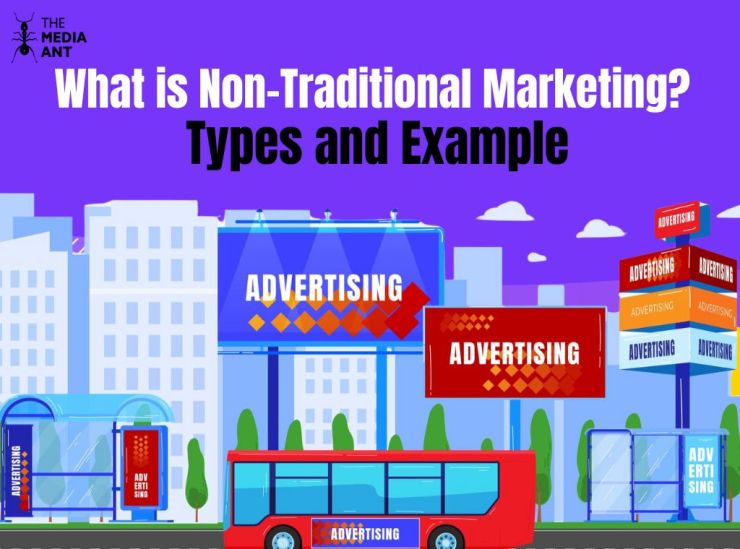
  • Outdoor advertising: billboards, posters, transport adverts and signage.
  • Direct mail: letters, leaflets and promotional materials sent to people’s homes or workplaces.
  • Events and sponsorship: trade shows, community events and partnerships with organisations or teams.
  • In-person selling: conversations with prospective customers at shops, exhibitions or other events.

The right channel depends on the business, its audience, its budget and what it wants people to do.

Why traditional marketing still matters

Traditional channels can help a business reach people who are not actively looking for it online. A local poster campaign, for example, can raise awareness among people travelling through a particular area. A radio advert may reach listeners during their daily commute, while a printed brochure can give customers something tangible to read and keep.

These channels can also make a brand feel familiar and established. Repeated exposure to a consistent message across newspapers, public spaces or broadcasts can help people recognise a business and remember what it offers. For local businesses, traditional marketing can be especially useful for building visibility within a specific community.

The benefits of traditional marketing

  • Broad reach: Broadcast and outdoor campaigns can put a message in front of large audiences.
  • Local targeting: Leaflets, local press and community sponsorship can focus on a particular area.
  • A tangible experience: Printed materials can be handled, displayed or shared.
  • Brand recognition: A well-placed advert can help a business become more familiar to its audience.
  • Personal contact: Events and face-to-face sales give businesses the chance to answer questions and build relationships directly.

Challenges to consider

Traditional marketing is not automatically the best choice for every campaign. Some formats, such as television advertising or large outdoor placements, can require a substantial budget. It may also be harder to measure exactly how many people saw an advert or whether it led to a sale.

Timing is another consideration. Printed materials need to be produced and distributed, while broadcast and outdoor placements may need to be booked in advance. Once a campaign is running, changing its message or creative can be less straightforward than updating an online advert.

These challenges can be managed by setting clear objectives, choosing channels carefully and including a way to track responses. A unique web address, campaign code, dedicated phone number or simple question such as “How did you hear about us?” can provide useful insight.

Traditional and digital marketing work well together

Traditional marketing does not have to compete with digital marketing. The two can support one another. A printed advert might direct readers to a website, while an event can encourage visitors to follow a brand on social media. A television or radio campaign can build awareness that makes people more likely to search for a business online.

Consistency is key. The same core message, visual identity and tone of voice should appear across both offline and online channels. This helps customers recognise the brand, wherever they encounter it.

How to plan a traditional marketing campaign

  1. Set a clear objective. Decide whether the campaign is intended to increase awareness, attract enquiries, promote an offer or encourage visits.
  2. Understand the audience. Consider who you want to reach, where they spend time and which channels they are likely to notice.
  3. Choose suitable channels. Select formats that match the audience and the campaign objective rather than choosing a channel simply because it is familiar.
  4. Create a clear message. Explain what is being offered and make the next step easy to understand.
  5. Set a budget and timeline. Account for design, production, placement and distribution costs.
  6. Measure the response. Use trackable contact details, codes or customer feedback to assess what worked.

Conclusion

Traditional marketing remains a useful way to build awareness, reach local audiences and create memorable brand experiences. Its success depends on choosing the right channels, understanding the audience and measuring results as carefully as possible. Combined with a well-planned digital strategy, traditional marketing can help businesses connect with customers across a variety of settings.


Top 10 Frequently Asked Questions About Traditional Marketing

  1. What are traditional marketing strategies?
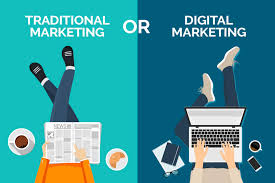
  2. What is the difference between digital and traditional marketing?
  3. Is an example of traditional marketing?
  4. What is difference between traditional marketing and digital marketing?
  5. What are the 4ps of traditional marketing?
  6. What are the pros and cons of traditional marketing?
  7. What is traditional marketing?
  8. Why is it called traditional marketing?
  9. What are 5 example of traditional marketing?
  10. What is the main reason for traditional marketing?

What are traditional marketing strategies?

Traditional marketing strategies are ways of promoting a business through offline channels to reach and engage potential customers. They can include print advertising in newspapers and magazines, leaflets and direct mail, television and radio adverts, billboards, sponsorship, trade shows and face-to-face sales. The best approach depends on the audience, budget and campaign goals; businesses can also combine these methods with digital marketing to create a more consistent and measurable campaign.

What is the difference between digital and traditional marketing?

Traditional marketing uses offline channels such as print adverts, television, radio, direct mail and billboards, while digital marketing reaches people online through channels such as websites, search engines, social media and email. Digital campaigns are often easier to target, adjust and measure in real time; traditional marketing can offer broad reach, local visibility and a tangible or face-to-face experience. The best approach depends on your audience and goals, and many businesses combine both to create a consistent marketing strategy.

Is an example of traditional marketing?

Yes, a newspaper advert is an example of traditional marketing. Other examples include television and radio commercials, leaflets, billboards, direct mail and sponsorship. These methods promote a business through offline channels, helping it reach audiences in print, on air or in public spaces.

What is difference between traditional marketing and digital marketing?

Traditional marketing uses offline channels such as television, radio, newspapers, direct mail and billboards, while digital marketing reaches audiences online through channels such as websites, search engines, social media and email. Traditional campaigns can offer broad exposure and a tangible presence, but may be harder to measure and adjust once running. Digital marketing is often easier to target, track and optimise in real time. The two approaches can work well together, helping businesses reach customers across both offline and online settings.

What are the 4ps of traditional marketing?

The 4Ps of traditional marketing are Product, Price, Place and Promotion. Product is what a business offers and the needs it meets; Price is what customers pay, including how the cost reflects the product’s value; Place is where and how the product is made available; and Promotion covers the methods used to raise awareness and encourage sales, such as print adverts, radio, direct mail and events. Together, the 4Ps help businesses plan a marketing approach that reaches the right customers with the right offer.

What are the pros and cons of traditional marketing?

Traditional marketing can help businesses reach broad or local audiences, build brand recognition and create a memorable, tangible experience through channels such as print, radio, television and outdoor advertising. However, campaigns can be costly, take time to produce and distribute, and be harder to target or measure precisely than digital marketing. The best approach depends on your audience, objectives and budget; combining traditional and digital channels can help balance reach with more trackable results.

What is traditional marketing?

Traditional marketing is the promotion of products or services through offline channels that have been used for many years. These include print adverts in newspapers and magazines, television and radio commercials, billboards, leaflets, direct mail, sponsorship and face-to-face events. Businesses use these methods to raise awareness, reach specific audiences and encourage people to take action. Traditional marketing can also work alongside digital channels to create a consistent campaign across online and offline platforms.

Why is it called traditional marketing?

It’s called traditional marketing because it refers to long-established ways of promoting products and services, many of which were used before digital channels such as websites, social media and online advertising became widespread. These methods include print adverts, television and radio commercials, direct mail, billboards and in-person events. The term distinguishes offline marketing channels from newer digital approaches; it doesn’t mean they are outdated or no longer effective.

What are 5 example of traditional marketing?

Five examples of traditional marketing are newspaper and magazine adverts, television commercials, radio adverts, direct mail such as leaflets or brochures, and outdoor advertising such as billboards or posters. These methods can help businesses reach broad or local audiences, depending on the channel and where it is used.

What is the main reason for traditional marketing?

The main reason for traditional marketing is to reach and influence potential customers through offline channels such as print, television, radio and outdoor advertising. It helps businesses build brand awareness, communicate the benefits of their products or services and encourage people to take action, such as making an enquiry or visiting a shop.

digital marketing and traditional marketing

Digital Marketing and Traditional Marketing: How to Choose the Right Mix

Digital Marketing and Traditional Marketing: Finding the Right Balance

Marketing helps businesses connect with customers, build awareness and encourage people to take action. Today, that can mean anything from a social media campaign to a newspaper advert. While digital marketing has transformed how organisations reach audiences, traditional marketing still has a valuable role to play. Understanding the strengths of each can help businesses choose the right approach.

What is digital marketing?

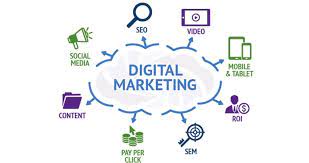
Digital marketing uses online channels and technologies to promote a business, product or service. Common examples include:

  • Search engine optimisation (SEO)
  • Paid search and online display advertising
  • Social media marketing
  • Email marketing
  • Content marketing, including blogs, video and podcasts
  • Influencer and affiliate marketing

Digital channels allow businesses to reach people while they are browsing, searching, watching or communicating online. Campaigns can often be adjusted quickly, and performance can be measured using data such as website visits, clicks, enquiries and sales.

What is traditional marketing?

Traditional marketing refers to promotional methods that are not primarily online. These include:

  • Television and radio advertising
  • Newspaper and magazine adverts
  • Direct mail and printed leaflets
  • Outdoor advertising, such as billboards and posters
  • Events, sponsorships and in-person promotions

These channels can help a business reach people in their everyday surroundings. A well-placed poster, a memorable radio advert or a useful leaflet can make a brand familiar to a local audience.

Key differences

Reach and targeting

Digital marketing can target audiences by factors such as location, interests, search behaviour and the content they engage with. This can make it useful for reaching specific groups, including customers in a particular area.

Traditional marketing can offer broad exposure. A local newspaper, community event or outdoor advert may reach people who do not follow a business online. However, it can be harder to control exactly who sees a particular campaign.

Measurement

Digital campaigns often provide detailed performance data. Businesses can track how many people viewed an advert, visited a website or completed an action. This information can guide changes to a campaign while it is running.

Traditional marketing can be more difficult to measure precisely. Businesses may use methods such as offer codes, customer surveys or changes in sales to estimate its impact, but results are not always as immediate or detailed.

Cost and flexibility

Digital marketing budgets can vary widely. Some activities, such as creating useful website content, may be developed gradually, while paid advertising requires a set budget. Campaigns can usually be updated or paused relatively quickly.

Traditional marketing costs also vary, depending on the channel, production and placement. Once a print advert has been published or a poster campaign installed, making changes may be more difficult or expensive.

Trust and experience

Digital marketing offers convenience and interactivity. Customers can click through to a website, ask a question or make a purchase. At the same time, online audiences see a large volume of promotional content, so businesses need to earn attention with relevant, helpful communication.

Traditional marketing can create a physical or shared experience. Printed materials, events and broadcast advertising may help a brand feel familiar and tangible. Their effectiveness depends on the audience, the quality of the message and the context in which it appears.

Why businesses may use both

Digital and traditional marketing are not competing choices. Used together, they can support a consistent customer journey. For example, a business could advertise a local event through posters and local press, then use social media and email to share reminders and follow up with attendees.

A campaign might also combine outdoor advertising with a simple web address or QR code, making it easy for people to find more information online. Likewise, digital advertising can promote an in-person service, shop or event to people nearby.

The important thing is to keep the message and branding consistent across channels. Customers should recognise the same business, understand the same offer and know what to do next, wherever they encounter the campaign.

How to choose the right approach

Before selecting channels, consider:

  • Your audience: Where do your customers spend their time, and how do they prefer to receive information?
  • Your objective: Are you aiming to build awareness, generate enquiries, increase sales or encourage repeat business?
  • Your budget: What can you invest in planning, creative work, distribution and ongoing management?
  • Your location: Would local visibility or a wider geographical reach be more useful?
  • Your measures of success: Decide how you will assess results before the campaign begins.

There is no single marketing mix that works for every organisation. A small local business may benefit from a strong local presence supported by a well-maintained website and social media. A business selling nationally may rely more heavily on online channels, while still using print, events or broadcast advertising where they suit its audience.

Conclusion

Digital marketing offers flexibility, interactivity and detailed measurement, while traditional marketing can provide broad visibility and memorable real-world experiences. Both can contribute to business growth when they are chosen with a clear purpose and a good understanding of the audience.

Rather than asking which type of marketing is better, businesses should ask how each channel can help achieve their objectives. A considered combination of digital and traditional marketing can make a brand easier to discover, recognise and trust.


Maximising Impact: The Benefits of Integrating Digital and Traditional Marketing Strategies

  1. Digital marketing can target specific audiences.
  2. Traditional marketing can reach local communities.
  3. Digital campaigns are easy to measure.
  4. Print and broadcast adverts can build brand recognition.
  5. Online campaigns can be updated quickly.
  6. Using both can create a consistent customer journey.


Challenges of Balancing Digital and Traditional Marketing Approaches

  1. Digital marketing can be crowded and requires ongoing effort to stand out.
  2. Traditional marketing can be costly and difficult to measure accurately.
  3. Using both approaches can stretch budgets and make campaigns harder to coordinate.

Digital marketing can target specific audiences.

Digital marketing can target specific audiences by using factors such as location, interests, age group and online behaviour. This helps businesses tailor their messages to people who are more likely to be interested in their products or services, making campaigns more relevant and efficient. Traditional marketing can also reach selected groups through channels such as local newspapers, radio stations or community events, but digital tools often allow for more precise targeting and easier adjustment as a campaign progresses.

Traditional marketing can reach local communities.

Traditional marketing can be an effective way to reach local communities and build familiarity in a specific area. Local newspapers, radio stations, leaflets, posters and community events help businesses connect with people where they live, work and spend their time. This is particularly valuable for shops, restaurants and service providers whose customers are nearby, as well as for organisations looking to raise awareness of a local offer or event.

Digital campaigns are easy to measure.

One of the key advantages of digital marketing is that campaigns are easy to measure. Businesses can track results such as website visits, clicks, enquiries and sales, helping them understand what is working and where improvements are needed. Traditional marketing can be harder to assess, although methods such as offer codes, customer surveys and tracking changes in sales can provide useful clues about a campaign’s impact.

Print and broadcast adverts can build strong brand recognition by putting a business in front of audiences through familiar, widely used channels. A memorable magazine advert, billboard, radio jingle or television campaign can help people recognise a brand and recall it later, particularly when the same message appears consistently over time. These traditional formats can also complement digital marketing, reinforcing a brand’s identity across different touchpoints.

Online campaigns can be updated quickly.

One of the key advantages of digital marketing is that online campaigns can be updated quickly. If an advert is not performing well, a business can adjust its wording, images, audience or budget without waiting for new materials to be printed or distributed. This flexibility makes it easier to respond to customer feedback, changing priorities or current events. Traditional marketing can be slower to change once an advert has been printed, broadcast or installed, although digital updates can also be subject to platform approval times and campaign deadlines.

Using both can create a consistent customer journey.

Using digital and traditional marketing together can create a more consistent customer journey by helping people recognise and connect with a brand across different channels. For example, a customer might first see a poster or newspaper advert, then visit the business’s website or social media page to find out more. When the message, design and offer are consistent at each step, the experience feels familiar and makes it easier for the customer to decide what to do next.

Digital marketing can be crowded and requires ongoing effort to stand out.

One drawback of digital marketing is how crowded online channels have become. Businesses compete constantly for people’s attention across search engines, social media, email and other platforms, so even useful content can be overlooked. Standing out takes ongoing effort: brands need to publish relevant material, engage with their audience, monitor results and adapt their approach. Traditional marketing can also face competition for attention, but digital campaigns often demand frequent updates to remain visible and effective.

Traditional marketing can be costly and difficult to measure accurately.

Traditional marketing can be costly, particularly when it involves television, radio or large-scale print campaigns, where production and placement fees can quickly add up. It can also be difficult to measure accurately: unlike many digital channels, traditional methods do not always provide clear data on who saw an advert or whether it led to a sale. Businesses may need to rely on estimates, customer surveys or changes in sales, making it harder to judge the return on their investment.

Using both approaches can stretch budgets and make campaigns harder to coordinate.

Using both digital and traditional marketing can put pressure on a business’s budget and make campaigns more difficult to coordinate. Each channel may require its own creative materials, specialist support and ongoing management, while keeping the messaging, timing and branding consistent across them takes careful planning. Without clear priorities and communication, costs can rise and campaigns may feel disconnected to customers.

traditional and digital marketing

Traditional and Digital Marketing: How to Choose the Right Mix for Your Business

Traditional and Digital Marketing: Finding the Right Balance

Marketing helps businesses reach potential customers, explain what they offer and build lasting relationships. The ways of doing this have expanded considerably: alongside familiar methods such as print advertising and direct mail, businesses can now connect with audiences through websites, search engines, social media and email.

Traditional and digital marketing are sometimes presented as competing approaches. In practice, they can work well together. The right mix depends on a business’s audience, goals, budget and the way its customers prefer to receive information.

What is traditional marketing?

Traditional marketing refers to established channels that generally reach people offline. Common examples include:

  • Newspaper and magazine advertising
  • Television and radio adverts
  • Leaflets, brochures and direct mail
  • Outdoor advertising, such as posters and billboards
  • Events, exhibitions and sponsorship

These channels can help a business build recognition across a local area or reach audiences who may not spend much time online. A well-placed advert, useful leaflet or memorable radio campaign can make a brand easy to recognise.

What is digital marketing?

Digital marketing uses online channels and technologies to promote a business, product or service. It can include:

  • Websites and search engine optimisation (SEO)
  • Paid search and online display advertising
  • Social media marketing
  • Email marketing
  • Online video and content marketing

Digital channels make it possible to reach specific audiences, adapt campaigns quickly and track many aspects of performance. For example, a business can see how many people visited a webpage after clicking an advert, or which email links received the most attention.

Key differences

Audience and reach

Traditional marketing can be effective when a business wants to reach a broad audience in a particular place or through a widely used medium. Digital marketing can offer more precise audience targeting, although its reach depends on the platforms and campaigns selected.

Measurement

Some traditional campaigns are harder to measure directly. Businesses can use tools such as customer surveys, promotional codes or dedicated phone numbers to understand their impact. Digital campaigns often provide more immediate performance data, but figures such as clicks and views do not always show whether a campaign has contributed to meaningful business results.

Cost and flexibility

Costs vary across both approaches. A local leaflet campaign may be affordable for a small business, while a major television campaign can require a substantial budget. Digital campaigns can often be started on a smaller scale and adjusted as results come in, but competition for attention and advertising space can still make them costly.

Customer interaction

Traditional advertising is often one-way: a business shares a message with an audience. Digital channels can make two-way communication easier, allowing customers to comment, ask questions, share content or sign up for updates. That interaction also means businesses need to respond thoughtfully and consistently.

The benefits of combining both approaches

A coordinated marketing plan can use traditional and digital channels to reinforce the same message. For instance, a printed advert might direct readers to a website, while an event could encourage visitors to follow a social media account or join an email list.

Using several relevant channels can help a business connect with people at different points in their decision-making. Someone might first notice a brand on a poster, search for it online later and then visit its website before making an enquiry. Consistent branding and clear messaging make these interactions feel connected.

How to choose the right mix

Before choosing channels, consider a few practical questions:

  • Who are you trying to reach? Think about your customers’ needs, habits and preferred ways of finding information.
  • What do you want to achieve? Objectives might include increasing awareness, generating enquiries, encouraging repeat purchases or promoting a specific offer.
  • Where does your audience spend time? Choose channels based on evidence about your audience rather than assumptions.
  • How will you measure success? Decide in advance which outcomes matter, such as enquiries, sales, event attendance or website visits.
  • Can you deliver consistently? A campaign needs suitable time, resources and follow-up to make the most of the interest it generates.

It is also useful to test ideas on a manageable scale. Review the results, learn what worked and refine the plan. Measurement should focus on meaningful outcomes, not just the number of impressions or clicks.

Conclusion

Traditional and digital marketing each offer useful ways to connect with customers. Traditional channels can provide a tangible presence and reach audiences in specific settings, while digital marketing offers flexible ways to target, communicate and assess performance. Neither approach is automatically right for every business.

The strongest strategy is built around clear goals and a sound understanding of the audience. By choosing relevant channels and keeping the message consistent, businesses can make traditional and digital marketing work together.


Maximise Your Marketing: Integrating Traditional and Digital Strategies for Success

  1. Know your audience before choosing channels.
  2. Use print or radio to build local awareness.
  3. Keep branding consistent across every channel.
  4. Track digital campaigns with clear metrics.
  5. Combine traditional reach with digital follow-up.

Know your audience before choosing channels.

Before choosing marketing channels, take time to understand who you want to reach. Consider your audience’s needs, interests and habits, including where they look for information and how they prefer to communicate. This helps you focus your budget and effort on channels they are more likely to notice and trust, rather than spreading your message too widely. Use customer feedback and campaign results to keep refining your approach.

Use print or radio to build local awareness.

Use print or radio advertising to raise awareness among people in your local area. A well-placed advert in a community newspaper, local magazine or radio station can help your business reach nearby customers and build familiarity. Keep the message clear, highlight what makes your business relevant to the community, and include an easy next step, such as visiting your website or getting in touch.

Keep branding consistent across every channel.

Keep your branding consistent across every channel so customers can recognise and trust your business, whether they see a printed advert, visit your website or find you on social media. Use the same logo, colours, tone of voice and key messages wherever possible, adapting the format to suit each platform without losing your brand’s identity.

Track digital campaigns with clear metrics.

Track digital campaigns using clear metrics that link to your business goals. For example, monitor website visits, enquiries, sales or email sign-ups rather than focusing only on likes and clicks. Set a baseline before a campaign begins, use tracking tools consistently and review results regularly. This helps you understand which channels and messages are working, where to adjust your budget and how digital activity supports your wider marketing efforts.

Combine traditional reach with digital follow-up.

Combine the broad reach of traditional marketing with the precision of digital follow-up. A leaflet, poster, radio advert or event can introduce your business to a wide audience; a clear call to action—such as visiting a dedicated webpage, scanning a QR code or following your social media account—can then guide interested people online. From there, you can share useful information, answer questions and encourage enquiries or purchases. Use trackable links or campaign-specific codes to see which activity brings people to your digital channels and refine your approach over time.

creative digital agency

Empowering Brands: The Innovative Solutions of a Leading Creative Digital Agency

The Role of a Creative Digital Agency in Today’s Business Landscape

In the fast-paced and ever-evolving world of digital marketing, the role of a creative digital agency has become increasingly crucial for businesses looking to make an impact online. These agencies are not just service providers but strategic partners that help brands navigate the complex digital landscape and stand out in a crowded marketplace.

What is a Creative Digital Agency?

A creative digital agency is a team of professionals with expertise in various aspects of digital marketing, including web design, social media management, content creation, search engine optimisation (SEO), and more. These agencies work closely with clients to develop tailored strategies that align with their business goals and target audience.

The Benefits of Working with a Creative Digital Agency

Collaborating with a creative digital agency offers numerous benefits for businesses looking to enhance their online presence:

  • Expertise: Digital agencies bring specialised knowledge and skills to the table, ensuring that your online strategy is executed effectively.
  • Creativity: These agencies are adept at thinking outside the box and coming up with innovative solutions to engage audiences and drive results.
  • Data-Driven Approach: Creative digital agencies leverage data analytics to track performance metrics and make informed decisions that optimise campaigns for success.
  • Time and Cost Efficiency: By outsourcing your digital marketing efforts to an agency, you can save time and resources while benefiting from their industry insights and experience.

The Evolution of Digital Marketing

In today’s digitally connected world, traditional marketing methods alone are no longer sufficient to reach and engage modern consumers. Creative digital agencies play a vital role in helping businesses adapt to this shift by developing comprehensive online strategies that encompass website design, social media management, email marketing, paid advertising, and more.

Conclusion

A creative digital agency serves as a valuable partner for businesses seeking to establish a strong online presence, connect with their target audience, and drive growth in the competitive digital landscape. By harnessing the expertise and creativity of these agencies, brands can unlock new opportunities for success in the ever-changing world of digital marketing.


5 Essential Tips for a Successful Creative Digital Agency

  1. Focus on creating unique and innovative digital solutions for clients.
  2. Stay updated with the latest trends and technologies in the digital marketing industry.
  3. Build a strong portfolio showcasing your best work to attract new clients.
  4. Provide excellent customer service to ensure client satisfaction and retention.
  5. Collaborate with other creative professionals to bring fresh perspectives to projects.

Focus on creating unique and innovative digital solutions for clients.

To thrive in the competitive digital landscape, a creative digital agency should prioritise the development of unique and innovative digital solutions tailored to meet the specific needs of their clients. By focusing on creativity and originality, agencies can differentiate themselves from the competition and deliver impactful strategies that resonate with audiences. Embracing innovation allows digital agencies to push boundaries, inspire engagement, and drive tangible results for their clients, ultimately establishing long-lasting partnerships built on trust and success.

To thrive in the dynamic realm of digital marketing, it is essential for a creative digital agency to stay abreast of the latest trends and technologies shaping the industry. By continuously updating their knowledge and skills, agencies can offer innovative solutions that resonate with modern consumers and drive impactful results for their clients. Embracing new trends and technologies not only showcases a commitment to excellence but also ensures that the agency remains at the forefront of digital innovation, poised to deliver cutting-edge strategies that propel businesses towards success in the ever-evolving digital landscape.

Build a strong portfolio showcasing your best work to attract new clients.

Building a strong portfolio showcasing your best work is a crucial tip for creative digital agencies looking to attract new clients. A well-curated portfolio not only demonstrates the agency’s capabilities and expertise but also serves as a visual representation of their creativity and quality of work. By showcasing successful projects and highlighting the results achieved for previous clients, a creative digital agency can instil confidence in potential clients and differentiate themselves in a competitive market. A compelling portfolio acts as a powerful tool for building credibility, establishing trust, and ultimately attracting new business opportunities.

Provide excellent customer service to ensure client satisfaction and retention.

Providing excellent customer service is paramount for a creative digital agency to ensure client satisfaction and retention. By prioritising the needs and preferences of clients, agencies can build strong relationships based on trust and communication. Addressing concerns promptly, offering personalised solutions, and maintaining open lines of communication are key aspects of delivering exceptional customer service. Happy clients are more likely to return for future projects and recommend the agency to others, ultimately contributing to long-term success and growth in the competitive digital marketing industry.

Collaborate with other creative professionals to bring fresh perspectives to projects.

Collaborating with other creative professionals is a valuable tip for creative digital agencies looking to inject fresh perspectives into their projects. By working together with individuals from diverse backgrounds and expertise, agencies can benefit from a wealth of new ideas and innovative approaches that can elevate the quality and impact of their work. This collaborative effort fosters creativity, encourages out-of-the-box thinking, and ultimately leads to the development of unique and compelling digital solutions that resonate with audiences in meaningful ways.

digital marketing video

Unlocking Success: The Impact of Digital Marketing Videos in Today’s Landscape

The Power of Digital Marketing Videos

The Power of Digital Marketing Videos

In today’s fast-paced digital world, businesses are constantly seeking innovative ways to reach their target audience and stand out from the competition. One highly effective tool that has gained immense popularity in recent years is digital marketing videos.

Engaging and Memorable Content

Digital marketing videos offer a dynamic and engaging way to communicate your brand message to potential customers. With the rise of social media platforms and video-sharing websites, videos have become a preferred medium for consuming content online. By creating compelling videos that resonate with your audience, you can capture their attention and leave a lasting impression.

Increased Reach and Visibility

With the widespread use of smartphones and high-speed internet connections, video content is easily accessible to users across the globe. By incorporating digital marketing videos into your strategy, you can reach a wider audience and increase your brand’s visibility online. Videos have the potential to go viral, allowing your message to spread rapidly and generate buzz around your products or services.

Driving Conversions and Sales

Studies have shown that video content has a higher conversion rate compared to other forms of media. By showcasing your products or services in an engaging video format, you can effectively influence purchasing decisions and drive sales for your business. Digital marketing videos allow you to demonstrate the value of your offerings in a visually appealing way, leading to increased customer engagement and loyalty.

Building Trust and Credibility

Video content humanises your brand and helps build trust with your audience. By sharing behind-the-scenes footage, customer testimonials, or product demonstrations through digital marketing videos, you can establish credibility and authenticity in the eyes of consumers. People are more likely to connect with a brand that shares their story through compelling visual storytelling.

Conclusion

In conclusion, digital marketing videos have become an essential tool for businesses looking to enhance their online presence and connect with their target audience on a deeper level. By leveraging the power of video content, you can create memorable experiences for viewers, drive engagement, boost conversions, and ultimately grow your business in today’s competitive digital landscape.


Exploring Digital Marketing Videos: Key Questions and Insights for Businesses

  1. What is digital marketing video and how does it differ from traditional marketing?
  2. How can digital marketing videos help my business reach a larger audience?
  3. What are the key elements of an effective digital marketing video?
  4. How can I measure the success of my digital marketing videos?
  5. Are there any best practices to follow when creating digital marketing videos?
  6. What are the latest trends in digital marketing video production?

What is digital marketing video and how does it differ from traditional marketing?

Digital marketing video refers to the use of video content as a strategic tool in online marketing campaigns to promote products, services, or brands. Unlike traditional marketing methods such as print ads or TV commercials, digital marketing videos are specifically tailored for online platforms like social media, websites, and video-sharing sites. One key difference is the interactive nature of digital marketing videos, allowing for direct engagement with viewers through likes, comments, and shares. Additionally, digital marketing videos can be targeted to specific audiences based on demographics, interests, and online behaviour, making them more personalised and effective in reaching the right people at the right time.

How can digital marketing videos help my business reach a larger audience?

Digital marketing videos play a crucial role in expanding your business’s reach to a larger audience in today’s digital landscape. By leveraging the power of visual storytelling, businesses can capture the attention of potential customers and engage them in a more compelling way. With the widespread use of social media platforms and video-sharing websites, digital marketing videos have the potential to go viral and reach a global audience quickly. This increased visibility not only enhances brand awareness but also attracts new customers who may have otherwise been out of reach. By creating engaging and shareable video content, businesses can effectively connect with a broader demographic and drive organic growth through increased exposure and engagement.

What are the key elements of an effective digital marketing video?

When creating an effective digital marketing video, several key elements play a crucial role in capturing the audience’s attention and delivering your message effectively. Firstly, a compelling story or narrative that resonates with your target audience is essential. The video should be visually engaging, with high-quality production values to maintain viewer interest. Clear and concise messaging that communicates your brand’s unique value proposition is vital, along with a strong call-to-action to prompt viewer engagement. Incorporating relevant visuals, music, and graphics can enhance the overall impact of the video, while ensuring it is optimised for various platforms and devices will maximise its reach and effectiveness in driving desired outcomes.

How can I measure the success of my digital marketing videos?

Measuring the success of your digital marketing videos is crucial for evaluating the effectiveness of your video campaigns and making informed decisions to optimise future strategies. Key performance indicators (KPIs) such as views, engagement metrics (likes, shares, comments), click-through rates, conversion rates, and return on investment (ROI) can provide valuable insights into the performance of your videos. By analysing these metrics, you can determine the impact of your videos on audience engagement, brand awareness, lead generation, and ultimately, sales. Utilising analytics tools and tracking software can help you track and interpret data accurately to assess the success of your digital marketing videos and refine your approach for better results.

Are there any best practices to follow when creating digital marketing videos?

When creating digital marketing videos, it is essential to adhere to certain best practices to maximise their effectiveness. Firstly, it is crucial to define your target audience and tailor the content to resonate with their interests and preferences. Secondly, keeping the videos concise and engaging is key to maintaining viewer interest and conveying your message effectively. Incorporating strong storytelling elements, clear calls-to-action, and high-quality visuals and audio are also important factors in creating successful digital marketing videos. Additionally, optimising videos for various platforms and devices, monitoring performance metrics, and continuously refining your video strategy based on feedback are recommended practices to ensure the best results for your digital marketing efforts.

In the realm of digital marketing video production, staying abreast of the latest trends is crucial for capturing audience attention and staying ahead of the competition. Some of the current trends shaping this landscape include the rise of short-form videos tailored for social media platforms, interactive video content that engages viewers on a deeper level, and the increasing use of live streaming to create real-time connections with audiences. Additionally, personalised video experiences, immersive 360-degree videos, and the integration of artificial intelligence for customised video recommendations are gaining traction in the digital marketing sphere. Embracing these evolving trends can help businesses craft compelling video content that resonates with their target audience and drives meaningful engagement in today’s dynamic digital landscape.

digital marketing transformation

Unlocking Success: The Power of Digital Marketing Transformation in Today’s Business Landscape

Digital Marketing Transformation

The Power of Digital Marketing Transformation

In today’s fast-paced digital landscape, businesses are constantly evolving to stay ahead of the curve. One key aspect of this evolution is the transformation of traditional marketing strategies into digital marketing solutions. Digital marketing transformation is not just a trend; it is a necessity for businesses looking to thrive in the digital age.

What is Digital Marketing Transformation?

Digital marketing transformation involves the integration of digital technologies and data-driven strategies to enhance marketing efforts and reach target audiences more effectively. It encompasses a shift from traditional methods such as print ads and billboards to online channels like social media, search engine optimisation (SEO), email marketing, and more.

The Benefits of Digital Marketing Transformation

Embracing digital marketing transformation offers businesses numerous benefits, including:

  • Increased Reach: Digital platforms allow businesses to reach a global audience instantaneously, breaking geographical barriers.
  • Targeted Advertising: Data analytics enable precise targeting of specific demographics, increasing the efficiency of advertising campaigns.
  • Measurable Results: Digital marketing provides real-time analytics that allow businesses to track campaign performance and adjust strategies accordingly.
  • Cost-Effectiveness: Compared to traditional marketing methods, digital marketing often offers a higher return on investment due to its targeted approach.
  • Enhanced Customer Engagement: Interactive features like social media engagement and personalised content help businesses connect with their audience on a deeper level.

Key Strategies for Successful Digital Marketing Transformation

To successfully implement digital marketing transformation, businesses should consider the following strategies:

  1. Data-Driven Decision Making: Utilise data analytics to understand customer behaviour and preferences, allowing for more targeted campaigns.
  2. Multichannel Approach: Engage with customers across various online platforms to maximise visibility and engagement.
  3. Ongoing Learning and Adaptation: Stay up-to-date with industry trends and continuously adapt strategies to remain competitive in the digital space.

In Conclusion

Digital marketing transformation is not just an option for businesses; it is a vital component of staying relevant in today’s increasingly digital world. By embracing digital technologies and adopting data-driven strategies, businesses can unlock new opportunities for growth, engagement, and success in the ever-evolving marketplace.

Contact us today to learn how we can help your business navigate the realm of digital marketing transformation!


6 Essential Tips for Mastering Digital Marketing Transformation

  1. Understand your target audience and their online behaviour.
  2. Create a strong online presence across various digital platforms.
  3. Utilise data analytics to track and measure the performance of your digital marketing efforts.
  4. Invest in search engine optimisation (SEO) to improve visibility and ranking on search engines.
  5. Engage with your audience through interactive content such as videos, quizzes, and polls.
  6. Stay updated with the latest digital marketing trends and technologies to adapt and evolve your strategies.

Understand your target audience and their online behaviour.

To succeed in digital marketing transformation, it is crucial to understand your target audience and their online behaviour. By gaining insights into the preferences, habits, and demographics of your audience, you can tailor your digital marketing strategies to effectively reach and engage with them. Understanding how your target audience interacts online allows you to create targeted campaigns that resonate with their interests, leading to increased brand awareness, customer engagement, and ultimately, business growth.

Create a strong online presence across various digital platforms.

Creating a strong online presence across a variety of digital platforms is essential for successful digital marketing transformation. By establishing a consistent and engaging presence on platforms such as social media, search engines, and email marketing, businesses can reach a wider audience, increase brand visibility, and foster meaningful connections with customers. This multichannel approach not only enhances brand recognition but also allows for targeted communication tailored to different segments of the target market, ultimately driving engagement and conversion rates.

Utilise data analytics to track and measure the performance of your digital marketing efforts.

By utilising data analytics to track and measure the performance of your digital marketing efforts, you can gain valuable insights into the effectiveness of your strategies. Data-driven analysis allows you to understand customer behaviour, identify trends, and make informed decisions to optimise your campaigns for maximum impact. Tracking key metrics and performance indicators enables you to refine your approach, target specific demographics more effectively, and ultimately enhance the overall success of your digital marketing initiatives.

Invest in search engine optimisation (SEO) to improve visibility and ranking on search engines.

Investing in search engine optimisation (SEO) is a crucial step in digital marketing transformation. By focusing on SEO strategies, businesses can enhance their online visibility and improve their ranking on search engines like Google. This not only increases the likelihood of attracting organic traffic to their website but also helps them reach a wider audience of potential customers actively searching for products or services in their industry. Prioritising SEO as part of the digital marketing strategy can lead to long-term benefits by establishing a strong online presence and driving sustainable growth for the business.

Engage with your audience through interactive content such as videos, quizzes, and polls.

To enhance your digital marketing transformation, it is crucial to engage with your audience through interactive content like videos, quizzes, and polls. These interactive elements not only capture the attention of your target audience but also encourage active participation and feedback. By incorporating such engaging content into your digital strategy, you can create a more immersive and personalised experience for your audience, fostering stronger connections and driving higher levels of engagement with your brand.

To thrive in the realm of digital marketing transformation, it is crucial to stay abreast of the latest trends and technologies shaping the industry. By continuously updating your knowledge and embracing new tools, you can adapt your strategies effectively and evolve with the ever-changing digital landscape. Keeping pace with emerging trends allows businesses to remain competitive, engage with their target audience more effectively, and drive meaningful results in their digital marketing efforts.

digital network marketing

Mastering the Art of Digital Network Marketing: Strategies for Success in the Online World

The Power of Digital Network Marketing

In today’s fast-paced digital age, traditional marketing strategies are no longer enough to reach and engage with your target audience effectively. This is where digital network marketing comes into play, offering a dynamic and innovative approach to connecting with customers in the online world.

What is Digital Network Marketing?

Digital network marketing involves leveraging online platforms and technologies to build relationships, drive brand awareness, and generate leads. It goes beyond traditional advertising by focusing on creating meaningful connections with customers through various digital channels such as social media, email marketing, search engine optimization (SEO), and content marketing.

The Benefits of Digital Network Marketing

One of the key advantages of digital network marketing is its ability to target specific audiences with precision. By using data analytics and targeting tools, businesses can tailor their messages to resonate with the right people at the right time. This targeted approach leads to higher conversion rates and ultimately boosts ROI.

Furthermore, digital network marketing allows for real-time interaction with customers. Through social media platforms and instant messaging services, businesses can engage with their audience in a more personal and immediate way, building trust and loyalty over time.

Key Strategies for Success

When implementing a digital network marketing strategy, it is essential to focus on creating valuable content that resonates with your target audience. Whether it’s informative blog posts, engaging videos, or interactive social media campaigns, quality content is key to capturing attention and driving engagement.

Additionally, building a strong online presence across multiple channels is crucial for reaching a wider audience. By maintaining active profiles on relevant social media platforms and optimizing your website for search engines, you can increase visibility and attract more potential customers to your business.

Embracing the Future of Marketing

In conclusion, digital network marketing offers businesses a powerful tool for connecting with customers in the digital age. By leveraging the latest technologies and strategies, businesses can create meaningful relationships with their audience, drive brand loyalty, and achieve long-term success in an increasingly competitive online landscape.

If you’re looking to take your marketing efforts to the next level, consider incorporating digital network marketing into your overall strategy – the possibilities are endless!


Top 5 Essential Tips for Mastering Digital Network Marketing

  1. Understand your target audience to tailor your marketing messages effectively.
  2. Utilise various digital platforms such as social media, email, and websites for maximum reach.
  3. Create engaging and shareable content to increase brand visibility and attract more customers.
  4. Monitor analytics regularly to track the performance of your campaigns and make data-driven decisions.
  5. Build relationships with influencers or industry leaders to enhance credibility and expand your network.

Understand your target audience to tailor your marketing messages effectively.

To succeed in digital network marketing, it is crucial to have a deep understanding of your target audience. By knowing their preferences, behaviours, and needs, you can tailor your marketing messages in a way that resonates with them effectively. This personalised approach not only increases the chances of engaging with your audience but also leads to higher conversion rates and long-term customer loyalty. Remember, the key to successful digital network marketing lies in delivering the right message to the right people at the right time.

Utilise various digital platforms such as social media, email, and websites for maximum reach.

To maximise your reach in digital network marketing, it is essential to utilise a variety of online platforms effectively. By leveraging social media, email marketing, and well-optimised websites, you can connect with a diverse audience and engage with them on different levels. Social media allows for real-time interactions and community building, while email marketing enables personalised communication directly to your target audience. A well-designed website serves as a central hub for showcasing your brand and offerings. By integrating these digital platforms seamlessly, you can enhance your online presence and reach a wider audience effectively.

Create engaging and shareable content to increase brand visibility and attract more customers.

Creating engaging and shareable content is a crucial tip in digital network marketing to enhance brand visibility and attract a larger customer base. By crafting content that resonates with your target audience and encourages them to share it with their networks, you can significantly amplify your brand’s reach and impact. Engaging content not only helps in building brand awareness but also fosters a sense of connection with customers, ultimately leading to increased loyalty and conversions. Embracing this strategy can help businesses stand out in the crowded digital landscape and establish a strong online presence that drives meaningful engagement and growth.

Monitor analytics regularly to track the performance of your campaigns and make data-driven decisions.

Monitoring analytics regularly is a crucial tip in digital network marketing as it allows businesses to track the performance of their campaigns and make informed, data-driven decisions. By analysing key metrics such as website traffic, conversion rates, and engagement levels, businesses can gain valuable insights into what is working well and where improvements are needed. This data-driven approach not only helps in optimising current campaigns for better results but also guides future strategies for more effective targeting and engagement with the target audience.

Build relationships with influencers or industry leaders to enhance credibility and expand your network.

Building relationships with influencers or industry leaders is a valuable tip in digital network marketing. By collaborating with individuals who have a strong presence and credibility in your industry, you can enhance your own brand’s reputation and reach a wider audience. Partnering with influencers allows you to tap into their existing network, gain valuable insights, and establish trust with potential customers. This strategic approach not only boosts your credibility but also opens up new opportunities for growth and expansion in the digital landscape.

digital marketing course

Mastering the Art of Digital Marketing: Enhance Your Skills with a Comprehensive Course

The Importance of Taking a Digital Marketing Course

The Importance of Taking a Digital Marketing Course

In today’s digital age, having a strong online presence is crucial for businesses to succeed. As technology continues to advance, traditional marketing strategies are no longer sufficient to reach and engage with target audiences effectively. This is where digital marketing comes into play.

A digital marketing course can provide individuals with the knowledge and skills needed to navigate the ever-evolving digital landscape. Whether you are a business owner looking to promote your brand online or a marketing professional aiming to enhance your career prospects, investing in a digital marketing course can offer numerous benefits.

Key Benefits of Enrolling in a Digital Marketing Course:

  • Stay Updated: Digital marketing techniques and trends are constantly evolving. A formal course can help you stay abreast of the latest developments in the industry.
  • Enhance Skills: From search engine optimisation (SEO) to social media marketing, a digital marketing course equips you with practical skills that are in high demand in today’s job market.
  • Boost Career Opportunities: By acquiring expertise in digital marketing, you can increase your employability and open up new career opportunities across various industries.
  • Drive Business Growth: For entrepreneurs and business owners, understanding digital marketing strategies is essential for expanding their reach, attracting customers, and driving revenue growth.
  • Measure Performance: A digital marketing course teaches you how to analyse data and track key performance metrics, enabling you to make informed decisions that maximise your ROI.

Whether you choose to enrol in an online course or attend classes in person, investing time and effort into learning about digital marketing can yield significant returns both personally and professionally. The skills acquired through a digital marketing course can empower you to create impactful campaigns, engage with target audiences effectively, and stay ahead of the competition in today’s fast-paced digital world.


7 Essential Tips for Selecting the Right Digital Marketing Course in the UK

  1. Research and choose a reputable digital marketing course provider.
  2. Ensure the course covers a wide range of digital marketing topics such as SEO, social media, email marketing, etc.
  3. Look for courses that offer practical hands-on experience and real-world projects.
  4. Check if the course provides industry-recognised certifications upon completion.
  5. Consider the flexibility of online courses versus in-person classes to suit your schedule.
  6. Engage with online forums or communities related to the course for additional support and networking opportunities.
  7. Stay updated with the latest trends and changes in digital marketing by following industry blogs and attending webinars.

Research and choose a reputable digital marketing course provider.

When considering enrolling in a digital marketing course, it is essential to conduct thorough research and select a reputable course provider. Choosing a trusted provider ensures that you receive high-quality education and valuable insights into the dynamic field of digital marketing. By opting for a reputable course, you can be confident that you are investing your time and resources wisely, setting yourself up for success in your digital marketing journey.

Ensure the course covers a wide range of digital marketing topics such as SEO, social media, email marketing, etc.

When considering a digital marketing course, it is essential to ensure that the curriculum covers a diverse array of topics within the field. From Search Engine Optimisation (SEO) to social media strategies and email marketing campaigns, a comprehensive course that addresses various aspects of digital marketing can provide learners with a well-rounded understanding of how to effectively reach and engage with target audiences online. By exploring a wide range of topics, individuals can acquire the knowledge and skills needed to navigate the dynamic digital landscape and implement successful marketing strategies across different platforms.

Look for courses that offer practical hands-on experience and real-world projects.

When considering a digital marketing course, it is beneficial to look for programmes that provide practical hands-on experience and real-world projects. These types of courses offer invaluable opportunities for students to apply theoretical knowledge in a practical setting, gaining first-hand experience in executing digital marketing strategies and campaigns. By working on real-world projects, participants can develop their skills, build a portfolio of work, and gain insights into the challenges and nuances of the industry. This experiential learning approach not only enhances understanding but also prepares individuals for the dynamic and competitive field of digital marketing.

Check if the course provides industry-recognised certifications upon completion.

When considering enrolling in a digital marketing course, it is essential to check if the course offers industry-recognised certifications upon completion. These certifications not only validate your expertise in the field but also enhance your credibility and employability. Employers often value candidates with recognised certifications, as they demonstrate a commitment to staying current with industry standards and best practices. By choosing a course that provides industry-recognised certifications, you can boost your professional profile and increase your chances of success in the competitive world of digital marketing.

Consider the flexibility of online courses versus in-person classes to suit your schedule.

When deciding to enrol in a digital marketing course, it is essential to consider the flexibility offered by online courses compared to in-person classes. Online courses provide the convenience of learning at your own pace and on your schedule, making them ideal for individuals with busy lifestyles or work commitments. On the other hand, in-person classes offer the benefit of face-to-face interaction with instructors and peers, fostering a collaborative learning environment. By weighing the pros and cons of each option, you can choose the format that best suits your schedule and learning preferences for a successful educational experience in digital marketing.

Engaging with online forums or communities related to your digital marketing course can provide valuable additional support and networking opportunities. By participating in discussions, sharing insights, and seeking advice from fellow learners and industry professionals, you can enhance your understanding of the course material and gain practical knowledge from real-world experiences. Networking within these communities can also help you connect with like-minded individuals, potential mentors, and even future collaborators, expanding your professional network and opening doors to new opportunities in the dynamic field of digital marketing.

To stay ahead in the dynamic field of digital marketing, it is essential to remain informed about the latest trends and developments. One effective tip is to regularly follow industry blogs and participate in webinars that focus on digital marketing. By keeping abreast of emerging strategies and changes in the digital landscape, individuals undertaking a digital marketing course can enhance their knowledge and skills, ensuring they are well-equipped to navigate and succeed in this ever-evolving industry.

digital marketing and branding

Mastering the Art of Digital Marketing for Effective Branding Strategies

Digital Marketing and Branding

The Power of Digital Marketing in Building Strong Brands

In today’s digital age, the relationship between marketing and branding has evolved significantly. Digital marketing plays a crucial role in shaping and enhancing a brand’s identity, reach, and reputation in the online world.

Building Brand Awareness

Digital marketing offers businesses a powerful platform to increase brand visibility and awareness. Through various online channels such as social media, search engines, email marketing, and content creation, brands can connect with their target audience on a global scale. Consistent brand messaging across these channels helps reinforce brand identity and create lasting impressions.

Engaging with Customers

Effective digital marketing strategies enable brands to engage directly with their customers in real-time. Social media platforms provide opportunities for two-way communication, allowing brands to listen to feedback, address customer queries, and build meaningful relationships. By engaging with customers authentically, brands can foster loyalty and advocacy among their audience.

Driving Conversions

Digital marketing tactics such as search engine optimisation (SEO), pay-per-click (PPC) advertising, and email campaigns are instrumental in driving conversions and generating leads. By targeting specific demographics and tailoring messages to individual preferences, brands can attract qualified leads and convert them into loyal customers. Data analytics tools further help track the effectiveness of campaigns and refine strategies for optimal results.

Consistency is Key

Consistency is essential in digital marketing when it comes to branding. From the tone of voice used in content to visual elements such as logos and colour schemes, maintaining a cohesive brand image across all digital touchpoints is crucial for building trust and credibility with consumers. A consistent brand experience fosters recognition and loyalty among customers.

Conclusion

In conclusion, digital marketing plays a central role in shaping how brands are perceived by consumers in the online realm. By leveraging digital channels strategically, businesses can strengthen their brand identity, engage with customers effectively, drive conversions, and ultimately build long-lasting relationships with their target audience. Embracing the power of digital marketing is key to establishing a strong brand presence in today’s competitive landscape.


Exploring Digital Marketing and Branding: Key Questions and Insights

  1. What is digital marketing and how does it differ from traditional marketing?
  2. Why is branding important in the digital age?
  3. How can social media be used for branding purposes?
  4. What are some effective strategies for improving brand visibility online?
  5. How does SEO contribute to a brand’s online presence?
  6. What role does content marketing play in digital branding?
  7. How can businesses measure the success of their digital marketing campaigns?
  8. What are the key trends shaping the future of digital marketing and branding?

What is digital marketing and how does it differ from traditional marketing?

Digital marketing encompasses a range of online strategies and tactics aimed at promoting products or services through digital channels such as websites, social media, email, and search engines. It focuses on reaching target audiences in the digital space, leveraging data analytics and targeted messaging to drive engagement and conversions. In contrast, traditional marketing refers to offline promotional activities like print ads, TV commercials, and direct mail. The key difference lies in the medium used to reach consumers – digital marketing utilises digital technologies for communication and advertising, offering greater interactivity, measurability, and personalisation compared to traditional marketing methods.

Why is branding important in the digital age?

In the digital age, branding holds significant importance as it serves as a guiding beacon for businesses navigating the vast online landscape. A strong brand identity not only differentiates a company from its competitors but also establishes trust and credibility with consumers in virtual environments. In an era where online interactions shape consumer perceptions, branding plays a pivotal role in creating memorable experiences that resonate with target audiences. By crafting a cohesive brand image across digital platforms, businesses can effectively communicate their values, build emotional connections with customers, and cultivate loyalty in an increasingly competitive market. Embracing branding in the digital age is essential for businesses looking to stand out, make meaningful connections, and drive long-term success in the ever-evolving digital realm.

How can social media be used for branding purposes?

Social media serves as a powerful tool for branding purposes by providing businesses with a platform to engage directly with their target audience, build brand awareness, and cultivate a distinctive brand identity. Through social media channels such as Facebook, Instagram, Twitter, and LinkedIn, brands can share compelling content, interact with followers in real-time, and showcase their unique value proposition. By consistently delivering relevant and engaging content that resonates with their audience, brands can establish credibility, foster trust, and create a loyal community of followers who advocate for the brand. Social media also offers valuable insights into consumer preferences and behaviours, enabling brands to tailor their messaging effectively and stay ahead in the competitive digital landscape.

What are some effective strategies for improving brand visibility online?

To enhance brand visibility online, implementing effective strategies is essential. One key approach is to focus on search engine optimisation (SEO) to improve the brand’s ranking in search results and increase organic traffic. Engaging with audiences through compelling content on social media platforms and maintaining a consistent brand voice across all digital channels can also boost visibility. Collaborating with influencers or partnering with relevant websites for guest blogging can expand reach and attract new audiences. Additionally, investing in online advertising campaigns targeted at specific demographics can help increase brand exposure and drive traffic to the website. By combining these strategies strategically, brands can significantly improve their visibility online and strengthen their presence in the digital landscape.

How does SEO contribute to a brand’s online presence?

Search Engine Optimisation (SEO) plays a vital role in enhancing a brand’s online presence by improving its visibility and ranking on search engine results pages. By implementing SEO strategies such as keyword optimisation, quality content creation, and link building, a brand can increase its chances of appearing higher in search results for relevant queries. This heightened visibility not only drives organic traffic to the brand’s website but also establishes credibility and trust among users searching for specific products or services. Ultimately, SEO helps a brand connect with its target audience more effectively and solidify its position as an authoritative and trustworthy entity in the digital landscape.

What role does content marketing play in digital branding?

Content marketing plays a pivotal role in digital branding by serving as the voice of a brand and conveying its values, messaging, and personality to the target audience. Through strategic content creation and distribution, brands can establish themselves as industry authorities, build trust with consumers, and differentiate themselves from competitors. Compelling and relevant content not only engages and educates the audience but also contributes to brand recognition and loyalty. By aligning content marketing efforts with branding objectives, businesses can strengthen their online presence, enhance brand perception, and ultimately drive customer engagement and conversion rates in the digital landscape.

How can businesses measure the success of their digital marketing campaigns?

Businesses can measure the success of their digital marketing campaigns through a variety of key performance indicators (KPIs) that align with their specific goals and objectives. Metrics such as website traffic, conversion rates, click-through rates, social media engagement, email open rates, and return on investment (ROI) can provide valuable insights into the effectiveness of a campaign. By tracking these KPIs and analysing data using tools like Google Analytics or social media analytics platforms, businesses can evaluate the impact of their digital marketing efforts, identify areas for improvement, and make informed decisions to optimise future campaigns for greater success.

One of the frequently asked questions in the realm of digital marketing and branding is, “What are the key trends shaping the future of digital marketing and branding?” As technology continues to advance rapidly, several key trends are emerging that are set to transform the landscape of digital marketing. From the rise of artificial intelligence and machine learning to the growing importance of personalisation and customer experience, businesses are focusing on creating more targeted, relevant, and engaging content for their audiences. Additionally, the increasing emphasis on sustainability and ethical practices is reshaping how brands communicate their values and connect with socially conscious consumers. Keeping abreast of these evolving trends is essential for businesses looking to stay ahead in the ever-changing digital marketplace.

marketing companies

Empowering Business Growth: The Impact of Marketing Companies in Today’s Market Landscape

The Role of Marketing Companies in Today’s Business Landscape

The Role of Marketing Companies in Today’s Business Landscape

Marketing companies play a crucial role in helping businesses thrive in today’s competitive market environment. These companies are dedicated to promoting products and services, building brand awareness, and driving sales through strategic marketing initiatives.

Services Offered by Marketing Companies

Marketing companies offer a wide range of services to meet the diverse needs of businesses. These services may include:

  • Digital Marketing: This encompasses online strategies such as social media marketing, search engine optimisation (SEO), pay-per-click advertising, email marketing, and content creation.
  • Traditional Marketing: This includes print advertising, direct mail campaigns, radio and television commercials, and outdoor advertising.
  • Brand Development: Marketing companies help businesses create and maintain a strong brand identity that resonates with their target audience.
  • Market Research: Companies conduct market research to gather insights into consumer behaviour, preferences, and trends to inform marketing strategies.
  • Public Relations: Managing a company’s public image through media relations, crisis communication, and strategic messaging is another key service offered by marketing firms.

The Benefits of Hiring a Marketing Company

Businesses can benefit significantly from partnering with a marketing company. Some advantages include:

  • Expertise: Marketing professionals have the knowledge and skills to develop effective campaigns that drive results.
  • Cost-Effectiveness: Outsourcing marketing activities can be more cost-effective than hiring an in-house team.
  • Innovation: Marketing companies are often at the forefront of industry trends and can bring fresh ideas to the table.
  • Focused Strategy: By working with a dedicated team of experts, businesses can focus on their core operations while leaving the marketing efforts to professionals.

In Conclusion

In conclusion, marketing companies play a vital role in helping businesses navigate the complexities of today’s business landscape. Their expertise, creativity, and strategic approach are instrumental in driving growth and success for their clients. By leveraging the services of a reputable marketing company, businesses can position themselves for long-term success in an ever-evolving market environment.


Top 5 Marketing Tips for Companies: Enhancing Strategy and Engagement

  1. Understand your target audience thoroughly to tailor your marketing strategies effectively.
  2. Utilize various marketing channels such as social media, email, and SEO to reach a wider audience.
  3. Monitor and analyse the performance of your marketing campaigns to make data-driven decisions.
  4. Build strong relationships with customers through personalized communication and excellent customer service.
  5. Stay updated with the latest marketing trends and technologies to stay ahead of the competition.

Understand your target audience thoroughly to tailor your marketing strategies effectively.

To maximise the effectiveness of your marketing strategies, it is essential to have a deep understanding of your target audience. By thoroughly comprehending the needs, preferences, and behaviours of your audience, you can tailor your marketing efforts in a way that resonates with them on a personal level. This targeted approach not only enhances engagement but also increases the likelihood of converting leads into loyal customers. In essence, understanding your target audience is the cornerstone of successful marketing campaigns that drive meaningful results and foster long-term relationships with your customer base.

Utilize various marketing channels such as social media, email, and SEO to reach a wider audience.

To maximise your reach and engagement, it is essential for marketing companies to leverage a diverse range of marketing channels, including social media platforms, email campaigns, and search engine optimisation (SEO). By utilising these different channels effectively, businesses can expand their audience reach and connect with potential customers across various online touchpoints. This multi-channel approach not only increases visibility but also enhances brand awareness and drives meaningful interactions with a wider audience base.

Monitor and analyse the performance of your marketing campaigns to make data-driven decisions.

Monitoring and analysing the performance of your marketing campaigns is essential for making data-driven decisions that can drive the success of your business. By tracking key metrics and analysing the results, you can gain valuable insights into what strategies are working well and where adjustments may be needed. This data-driven approach allows marketing companies to refine their tactics, allocate resources effectively, and ultimately achieve better results for their clients.

Build strong relationships with customers through personalized communication and excellent customer service.

Building strong relationships with customers is essential for the success of any business. By focusing on personalised communication and providing excellent customer service, marketing companies can create a meaningful connection with their target audience. Tailoring messages to individual preferences and needs shows customers that they are valued and understood, fostering loyalty and trust. Additionally, delivering exceptional customer service goes a long way in building a positive brand reputation and encouraging repeat business. By prioritising personalised communication and outstanding customer care, marketing companies can enhance customer satisfaction and drive long-term success for their clients.

Staying updated with the latest marketing trends and technologies is essential for businesses looking to stay ahead of the competition. In today’s rapidly evolving digital landscape, being aware of emerging strategies and tools can give companies a competitive edge by enabling them to adapt their marketing efforts effectively and connect with their target audience in innovative ways. By staying informed and embracing new trends, businesses can position themselves as industry leaders and drive sustained growth in a dynamic market environment.