Navigating the Dynamic Performance Marketing World: Strategies for Success

The World of Performance Marketing: Driving Success in the Digital Age

Performance marketing has emerged as a powerful strategy in the digital landscape, offering businesses a targeted and measurable approach to reaching their audience and driving growth. In today’s fast-paced world, where competition is fierce and consumer behaviour is constantly evolving, performance marketing has become essential for companies looking to maximise their online presence and achieve tangible results.

What is Performance Marketing?

Performance marketing is a comprehensive strategy that focuses on driving specific actions or outcomes, such as clicks, conversions, or sales. Unlike traditional marketing approaches that rely on broad messaging and brand awareness, performance marketing is highly data-driven and results-oriented. It allows businesses to track the effectiveness of their campaigns in real-time and optimise them for maximum impact.

The Key Components of Performance Marketing

Performance marketing encompasses a range of tactics and channels, including:

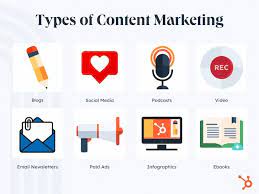
  • Search Engine Marketing (SEM): Utilising paid search advertising to drive traffic to websites based on relevant keywords.
  • Affiliate Marketing: Partnering with third-party affiliates who promote products or services in exchange for a commission on sales.
  • Social Media Advertising: Leveraging platforms like Facebook, Instagram, and LinkedIn to target specific audiences with tailored ads.
  • Email Marketing: Sending targeted emails to segmented lists to nurture leads and drive conversions.
  • Content Marketing: Creating valuable content that attracts and engages audiences while subtly promoting products or services.

The Benefits of Performance Marketing

One of the primary advantages of performance marketing is its measurability. Businesses can track key performance indicators (KPIs) such as click-through rates, conversion rates, return on ad spend (ROAS), and more in real-time. This data-driven approach allows for continuous optimisation of campaigns to improve results and maximise ROI.

Furthermore, performance marketing offers unparalleled targeting capabilities, enabling businesses to reach specific demographics, interests, behaviours, and even individual users with precision. This level of granularity ensures that marketing efforts are directed towards those most likely to convert, increasing efficiency and reducing wasted ad spend.

The Future of Performance Marketing

In an increasingly digital world where consumers are inundated with advertising messages from all directions, the need for targeted, relevant marketing has never been greater. As technology continues to advance and consumer expectations evolve, performance marketing will play an even more significant role in helping businesses cut through the noise and connect with their audience effectively.

By embracing the principles of performance marketing – data-driven decision-making, precise targeting, continuous optimisation – businesses can stay ahead of the curve and drive success in the ever-evolving digital landscape.

Contact us today to explore how performance marketing can elevate your brand’s online presence and drive meaningful results for your business.


Understanding Performance Marketing: Key Concepts, Strategies, and Success Stories

  1. What is performance marketing and how does it differ from traditional marketing?
  2. What are the key components of a successful performance marketing strategy?
  3. How can businesses measure the success of their performance marketing campaigns?
  4. What are some common metrics used to evaluate the effectiveness of performance marketing?
  5. How does performance marketing help businesses reach their target audience more effectively?
  6. What role does data play in driving decisions within a performance marketing campaign?
  7. Can you provide examples of successful performance marketing campaigns in different industries?

What is performance marketing and how does it differ from traditional marketing?

Performance marketing is a targeted and results-driven approach that focuses on specific actions or outcomes, such as clicks, conversions, or sales. Unlike traditional marketing, which often relies on broad messaging and brand awareness, performance marketing is highly data-driven and measurable. The key difference lies in its accountability – performance marketing allows businesses to track the effectiveness of their campaigns in real-time, optimise them based on data insights, and achieve a clear return on investment (ROI). By leveraging digital channels and precise targeting capabilities, performance marketing enables businesses to reach their desired audience with precision and efficiency, driving tangible results while maximising cost-effectiveness.

What are the key components of a successful performance marketing strategy?

To create a successful performance marketing strategy, it is essential to focus on key components that drive results and achieve business objectives. These components typically include a well-defined target audience, clear campaign objectives, strategic selection of relevant channels (such as SEM, social media, and email marketing), compelling and engaging content, robust tracking and analytics tools for measuring performance, continuous optimization based on data insights, and a strong emphasis on testing and refining tactics to maximise ROI. By integrating these elements cohesively, businesses can develop a comprehensive performance marketing strategy that effectively reaches and engages their target audience while driving desired actions and outcomes.

How can businesses measure the success of their performance marketing campaigns?

Businesses can measure the success of their performance marketing campaigns through a variety of key performance indicators (KPIs) that reflect the campaign’s effectiveness in achieving its objectives. Common metrics used to evaluate performance marketing campaigns include click-through rates, conversion rates, return on ad spend (ROAS), cost per acquisition (CPA), and customer lifetime value (CLV). By tracking these metrics and analysing the data collected, businesses can gain valuable insights into the impact of their campaigns, identify areas for improvement, and make informed decisions to optimise future marketing efforts for maximum results.

What are some common metrics used to evaluate the effectiveness of performance marketing?

In the world of performance marketing, several key metrics are commonly used to assess the effectiveness of campaigns and strategies. These metrics include click-through rate (CTR), conversion rate, return on ad spend (ROAS), cost per acquisition (CPA), and customer lifetime value (CLV). CTR measures the percentage of users who click on an ad or link, indicating engagement and interest. Conversion rate tracks the proportion of visitors who complete a desired action, such as making a purchase or filling out a form. ROAS calculates the revenue generated for every pound spent on advertising, providing insight into campaign profitability. CPA determines the cost associated with acquiring a new customer, helping to optimise marketing budgets efficiently. Finally, CLV estimates the total value that a customer is expected to bring to a business over their entire relationship, guiding long-term marketing strategies and customer retention efforts. By analysing these metrics comprehensively, businesses can gauge the impact of their performance marketing initiatives and make informed decisions to drive success in the digital realm.

How does performance marketing help businesses reach their target audience more effectively?

Performance marketing empowers businesses to reach their target audience more effectively by leveraging data-driven strategies and precise targeting capabilities. Unlike traditional marketing approaches that rely on broad messaging, performance marketing allows businesses to tailor their campaigns to specific demographics, interests, behaviours, and even individual users. By analysing real-time metrics such as click-through rates and conversion rates, businesses can optimise their campaigns for maximum impact, ensuring that their messages resonate with the right audience at the right time. This level of granularity not only increases the efficiency of marketing efforts but also enhances the overall return on investment (ROI) by directing resources towards those most likely to convert. Ultimately, performance marketing enables businesses to engage with their target audience in a more personalised and relevant manner, driving meaningful results and fostering long-term customer relationships.

What role does data play in driving decisions within a performance marketing campaign?

Data plays a crucial role in driving decisions within a performance marketing campaign. By analysing and interpreting data related to key performance indicators (KPIs) such as click-through rates, conversion rates, and return on ad spend (ROAS), marketers can gain valuable insights into the effectiveness of their campaigns. This data-driven approach allows for informed decision-making, enabling marketers to optimise targeting, messaging, and budget allocation to maximise results and return on investment. In essence, data empowers marketers to make strategic choices that drive success and ensure that their performance marketing efforts are aligned with the goals of the campaign.

Can you provide examples of successful performance marketing campaigns in different industries?

Certainly! Successful performance marketing campaigns can be found across various industries, showcasing the versatility and effectiveness of this targeted approach. In the e-commerce sector, companies like Amazon have excelled in leveraging performance marketing tactics to drive conversions and increase sales through personalised recommendations and retargeting strategies. In the travel industry, Expedia’s use of search engine marketing (SEM) and affiliate partnerships has proven highly successful in reaching travellers at different stages of their journey. Additionally, in the healthcare sector, companies like Babylon Health have effectively utilised content marketing and social media advertising to raise awareness and acquire new customers. These examples highlight how performance marketing can be tailored to suit the unique needs and objectives of different industries while delivering measurable results.

digital marketing digital marketing

Unlocking Success: The Power of Digital Marketing in Today’s Business Landscape

The Power of Digital Marketing in Today’s Business Landscape

In the fast-paced world of business, digital marketing has emerged as a powerful tool for reaching and engaging with audiences in a more targeted and cost-effective manner. With the rise of the internet and social media, businesses now have unprecedented opportunities to connect with consumers on a global scale.

Digital marketing encompasses a wide range of strategies and tactics aimed at promoting products or services through online channels such as websites, social media platforms, search engines, email, and more. This multi-faceted approach allows businesses to reach their target audience where they spend most of their time – online.

Benefits of Digital Marketing

One of the key benefits of digital marketing is its ability to provide measurable results. Unlike traditional marketing methods, digital marketing allows businesses to track and analyse their campaigns in real-time, enabling them to make data-driven decisions and optimise their strategies for better performance.

Another advantage of digital marketing is its cost-effectiveness. With digital channels, businesses can reach a larger audience at a fraction of the cost compared to traditional advertising methods. This level playing field allows small businesses to compete with larger corporations on a more equal footing.

Key Strategies in Digital Marketing

Some key strategies commonly used in digital marketing include:

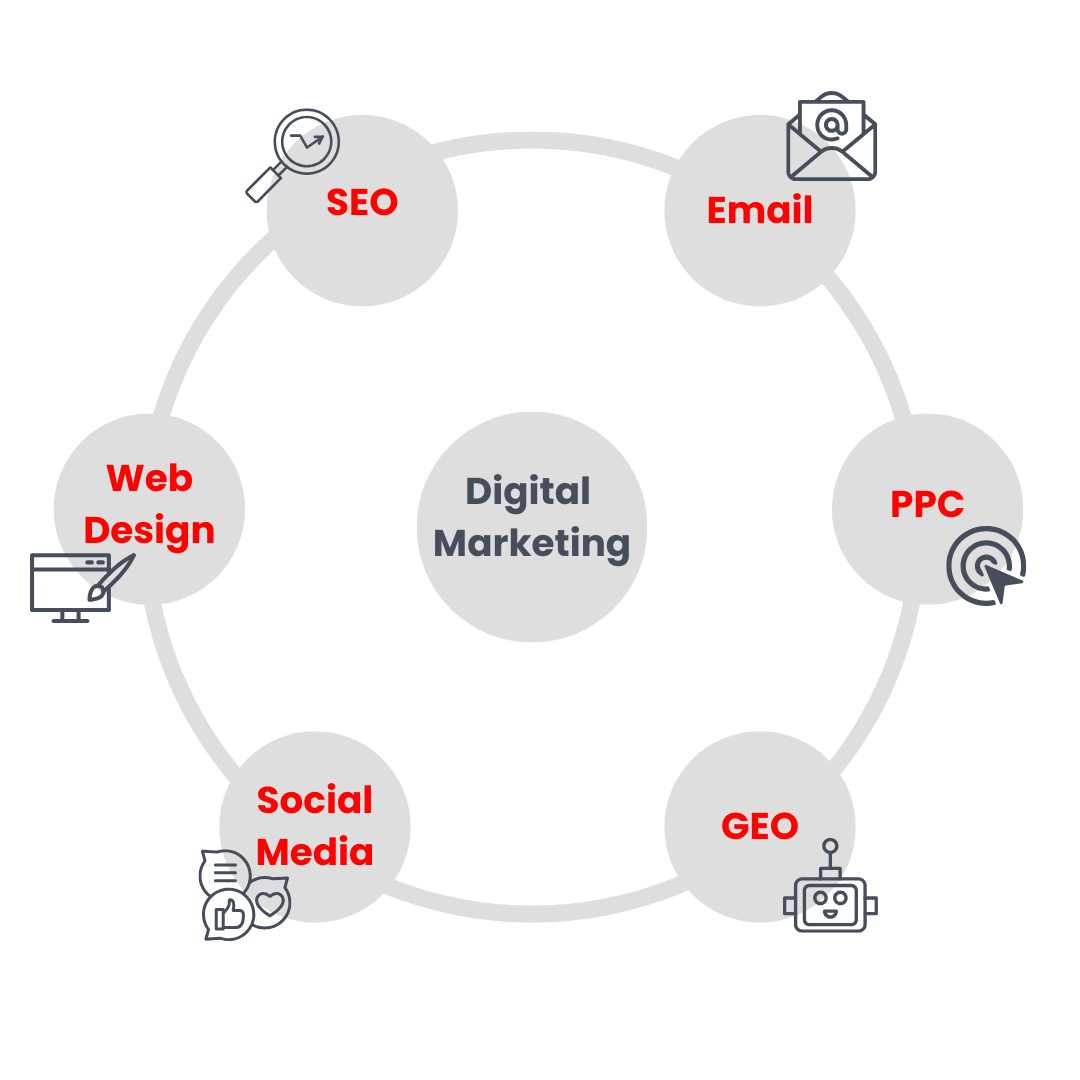
  • Search Engine Optimization (SEO): Optimising website content to improve search engine rankings and increase organic traffic.
  • Pay-Per-Click (PPC) Advertising: Running targeted ads on search engines or social media platforms to drive traffic and conversions.
  • Social Media Marketing: Engaging with audiences on social media platforms to build brand awareness and drive engagement.
  • Email Marketing: Sending targeted emails to nurture leads, promote products/services, and build customer relationships.

The Future of Digital Marketing

As technology continues to evolve at a rapid pace, the future of digital marketing looks promising. Advancements in artificial intelligence, machine learning, data analytics, and automation are reshaping the way businesses interact with consumers online. Personalisation and customisation are becoming increasingly important as consumers seek more tailored experiences from brands.

In conclusion, digital marketing has become an essential component of any successful business strategy in today’s digital age. By leveraging the power of online channels effectively, businesses can reach new audiences, drive engagement, increase brand visibility, and ultimately achieve their business goals in a competitive marketplace.


Exploring the 8 Key Advantages of Digital Marketing: From Cost-Effectiveness to Competitive Edge

  1. Cost-effective
  2. Measurable results
  3. Global reach
  4. Targeted advertising
  5. Brand visibility
  6. Engagement opportunities
  7. Flexibility
  8. Competitive advantage


Challenges of Digital Marketing: Navigating Saturation, Ad Fatigue, Privacy, Complexity, and Rapid Change

  1. 1. Saturation
  2. 2. Ad Fatigue
  3. 3. Privacy Concerns
  4. 4. Technical Complexity
  5. 5. Rapid Changes

Cost-effective

Digital marketing offers a significant advantage in terms of cost-effectiveness for businesses, enabling them to expand their reach and engage with a larger audience at a fraction of the cost associated with traditional marketing approaches. By leveraging digital channels such as social media, search engines, and email, businesses can target specific demographics and measure the effectiveness of their campaigns in real-time, ultimately maximising their return on investment and achieving greater results within their budget constraints.

Measurable results

Businesses benefit greatly from the measurable results offered by digital marketing. By tracking and analysing the performance of their campaigns in real-time, companies can make data-driven decisions that lead to more effective strategies and better outcomes. This ability to gather and interpret data allows businesses to optimise their digital marketing efforts, allocate resources efficiently, and ultimately achieve a higher return on investment.

Global reach

With digital marketing, businesses have the advantage of global reach, enabling them to connect with audiences worldwide and transcend geographical boundaries. This capability allows companies to expand their market reach beyond local limitations and tap into new markets, reaching potential customers in different regions and countries. By leveraging digital channels effectively, businesses can establish a strong online presence on a global scale, increasing brand visibility and opening up opportunities for growth and expansion in diverse markets.

Targeted advertising

Digital marketing’s targeted advertising capability is a game-changer in reaching the right audience with precision. By leveraging digital tools and data analytics, businesses can tailor their marketing messages to specific demographics, interests, and behaviours of their target audience. This level of targeting ensures that marketing efforts are directed towards those most likely to be interested in the products or services being offered, resulting in higher engagement rates and better return on investment. The ability to reach the right people at the right time with the right message is a key advantage of digital marketing that can significantly enhance campaign effectiveness and overall success.

Brand visibility

Through various online channels such as social media and search engines, digital marketing plays a crucial role in enhancing brand visibility and awareness. By strategically utilising platforms where consumers spend a significant amount of their time, businesses can effectively showcase their brand to a wider audience. This increased visibility not only helps in attracting new customers but also reinforces brand recognition among existing ones, ultimately contributing to the overall success and growth of the business in the digital landscape.

Engagement opportunities

Engagement opportunities are a key advantage of digital marketing, as interactive features enable businesses to connect with customers on a more personal level. Through comments, messages, polls, and other interactive tools, businesses can actively engage with their audience, gather feedback, and build stronger relationships. This two-way communication not only fosters trust and loyalty but also provides valuable insights that can be used to tailor marketing strategies to better meet the needs and preferences of customers. By creating meaningful interactions through digital channels, businesses can enhance customer engagement and ultimately drive long-term success.

Flexibility

Digital marketing offers a significant advantage in terms of flexibility. Unlike traditional marketing methods, digital marketing strategies can be easily adjusted and optimised based on real-time data insights. By monitoring key performance indicators and metrics, businesses can quickly identify what is working well and what needs improvement. This agility allows for rapid adjustments to campaigns, targeting, messaging, and more, resulting in better performance and results. The ability to adapt on the fly based on data-driven insights is a powerful asset that can help businesses stay ahead in today’s dynamic and competitive digital landscape.

Competitive advantage

In the realm of digital marketing, a significant advantage is the ability for small businesses to compete on a level playing field with larger corporations. By harnessing innovative digital marketing tactics, small businesses can carve out their niche, reach their target audience effectively, and differentiate themselves in the crowded digital space. This competitive advantage allows small businesses to showcase their unique offerings, engage with customers on a more personal level, and establish a strong online presence that resonates with their audience.

1. Saturation

In the realm of digital marketing, one significant drawback is the issue of saturation. As the digital landscape becomes more densely populated with businesses vying for consumer attention, standing out amidst the competition poses a formidable challenge. With countless brands bombarding consumers through various online channels, capturing and retaining the interest of a target audience has become increasingly difficult. This oversaturation can lead to message fatigue among consumers and diminish the effectiveness of marketing efforts, requiring businesses to adopt innovative strategies to cut through the noise and make a lasting impact.

2. Ad Fatigue

Consumers today are inundated with a constant stream of online advertisements, leading to a phenomenon known as ad fatigue. This oversaturation of ads can result in consumers feeling overwhelmed, annoyed, and even developing negative perceptions towards brands that bombard them with too many advertisements. Ad fatigue can diminish the effectiveness of marketing campaigns, as consumers may begin to tune out or actively avoid ads altogether. To combat this challenge, businesses must focus on delivering relevant and engaging content that resonates with their target audience to avoid contributing to ad fatigue and maintain a positive brand image in the digital space.

3. Privacy Concerns

With data collection and tracking being integral to digital marketing strategies, there are growing concerns about privacy violations and data misuse among consumers. The collection of personal information for targeted advertising purposes has raised ethical questions about the extent to which individuals’ online activities are monitored and used without their explicit consent. As data breaches and privacy scandals continue to make headlines, consumers are becoming more wary of sharing their information online, leading to a loss of trust in businesses that engage in intrusive data practices. Balancing the benefits of targeted marketing with the need to respect consumer privacy remains a significant challenge for digital marketers in today’s landscape.

4. Technical Complexity

Implementing effective digital marketing campaigns can be hindered by the technical complexity involved. Businesses without dedicated resources or expertise in the field may find it daunting to navigate the intricacies of digital marketing strategies. From understanding algorithms for search engine optimisation to setting up and monitoring online advertising campaigns, the technical know-how required can act as a barrier for businesses looking to leverage digital marketing effectively. Without the necessary skills and experience, businesses may struggle to implement campaigns that deliver optimal results and reach their target audience efficiently.

5. Rapid Changes

In the realm of digital marketing, one significant drawback is the rapid pace of change. The digital marketing landscape is in a perpetual state of evolution, with new technologies, algorithms, and trends continuously emerging. This dynamic environment necessitates businesses to remain agile and adaptable in order to keep up with the latest developments and maintain competitiveness. The need for constant learning and swift adjustments can pose challenges for businesses seeking to establish long-term strategies amidst the ever-changing digital marketing landscape.

google digital marketing course

Mastering Digital Marketing with Google’s Comprehensive Course

The Benefits of Taking Google’s Digital Marketing Course

In today’s digital age, having a strong understanding of digital marketing is essential for anyone looking to succeed in the online world. Google, one of the leading tech giants, offers a comprehensive digital marketing course that provides valuable insights and skills to help individuals and businesses thrive in the digital landscape.

What Does the Course Cover?

Google’s digital marketing course covers a wide range of topics essential for anyone looking to excel in online marketing. From search engine optimisation (SEO) and pay-per-click advertising to social media marketing and email campaigns, the course delves into various aspects of digital marketing strategies and best practices.

Key Benefits of Taking the Course

Industry-Recognised Certification: Upon successful completion of the course, participants receive a certification from Google, which is highly regarded in the industry and can enhance your credibility as a digital marketer.

Practical Knowledge: The course is designed to provide practical skills that you can immediately apply to real-world digital marketing campaigns. Whether you are a beginner or have some experience in the field, you will gain valuable insights that can help you succeed.

Updated Content: Given Google’s position at the forefront of technology and innovation, you can be assured that the course content is up-to-date with the latest trends and best practices in digital marketing.

Flexibility: The course is available online, allowing you to study at your own pace and schedule. This flexibility makes it convenient for working professionals or those with busy schedules to pursue their learning goals.

Who Can Benefit from the Course?

The Google digital marketing course is ideal for aspiring marketers, business owners looking to expand their online presence, freelancers seeking to enhance their skill set, or anyone interested in learning more about digital marketing strategies.

In Conclusion

By enrolling in Google’s digital marketing course, you not only gain valuable knowledge and skills but also open up new opportunities for career advancement and business growth. Embrace the power of digital marketing with Google’s comprehensive course and take your online presence to new heights.


Top 10 FAQs About Google’s Digital Marketing Course: What You Need to Know

  1. How many hours is Google digital marketing course?
  2. Is Google digital marketing exam difficult?
  3. Is Google digital marketing Class worth it?
  4. How do I become a digital marketer on Google?
  5. Can you get a job with Google digital marketing certificate?
  6. Can Google digital marketing certificate get you a job?
  7. Is digital marketing by Google is free?
  8. Is Google’s digital marketing course good?
  9. How much is Google digital marketing professional certificate?
  10. Is Google digital marketing course legit?

How many hours is Google digital marketing course?

The duration of Google’s digital marketing course can vary depending on the individual’s pace of learning and commitment. On average, the course is designed to be completed in around 40 hours. However, participants have the flexibility to study at their own convenience and progress through the material at a speed that suits their schedule. Whether you choose to dedicate a few hours each day or complete it in a more intensive timeframe, the course offers a comprehensive learning experience that equips you with valuable skills in digital marketing.

Is Google digital marketing exam difficult?

The difficulty level of the Google digital marketing exam can vary depending on an individual’s level of experience and preparation. For those with a solid understanding of digital marketing concepts and practical experience, the exam may be challenging but manageable with thorough study and practice. However, for beginners or those new to the field, the exam may pose a greater level of difficulty requiring more time and effort to prepare adequately. Overall, with dedication and commitment to learning the material, individuals can overcome the challenges posed by the Google digital marketing exam and achieve success in obtaining their certification.

Is Google digital marketing Class worth it?

When considering whether the Google digital marketing course is worth it, it’s important to weigh the benefits it offers. With industry-recognised certification, practical knowledge that can be applied immediately, up-to-date content reflecting the latest trends, and the flexibility of online learning, the course provides valuable insights for aspiring marketers, business owners, freelancers, and anyone interested in digital marketing. The credibility of a certification from Google and the potential for career advancement make the course a worthwhile investment in enhancing your skills and expanding your opportunities in the digital marketing landscape.

How do I become a digital marketer on Google?

To become a digital marketer on Google, individuals can start by enrolling in Google’s digital marketing course to gain valuable knowledge and skills in the field. This course covers essential topics such as search engine optimisation (SEO), pay-per-click advertising, social media marketing, and email campaigns, providing a solid foundation for aspiring digital marketers. Additionally, gaining practical experience through internships, freelance projects, or working with digital marketing agencies can help individuals apply their learning in real-world scenarios. Networking with industry professionals and staying updated on the latest trends and tools in digital marketing are also crucial steps towards becoming a successful digital marketer on Google.

Can you get a job with Google digital marketing certificate?

Obtaining a Google digital marketing certificate can significantly enhance your job prospects in the digital marketing industry. While the certificate itself does not guarantee a job at Google specifically, it holds substantial value and credibility in the industry. Employers recognise Google’s certification as a testament to your expertise and commitment to mastering digital marketing skills. With this certification, you demonstrate your proficiency in various aspects of digital marketing, making you a more attractive candidate for job opportunities across different organisations and sectors within the field.

Can Google digital marketing certificate get you a job?

The Google digital marketing certificate can indeed enhance your job prospects in the competitive digital marketing industry. While holding this certification may not guarantee a job outright, it demonstrates to potential employers your commitment to learning and mastering essential digital marketing skills. Employers often value certifications from reputable sources like Google, as they signify a certain level of expertise and proficiency in the field. By showcasing your Google digital marketing certificate on your resume or LinkedIn profile, you can differentiate yourself from other candidates and increase your chances of securing a job in digital marketing.

Is digital marketing by Google is free?

When it comes to Google’s digital marketing course, one of the frequently asked questions is whether it is free of charge. The answer is yes – Google’s digital marketing course is indeed free to enrol in and access. This accessibility makes it a valuable resource for individuals looking to enhance their digital marketing skills without any financial barriers. By offering this course for free, Google aims to empower aspiring marketers, business owners, and anyone interested in the world of digital marketing with the knowledge and tools needed to succeed in the online landscape.

Is Google’s digital marketing course good?

Many individuals often wonder, “Is Google’s digital marketing course good?” The answer is a resounding yes. Google’s digital marketing course is highly regarded in the industry for its comprehensive content, practical approach, and industry-recognised certification. With up-to-date content, flexible online learning options, and a focus on practical knowledge that can be applied to real-world scenarios, the course equips participants with valuable skills and insights to excel in the ever-evolving digital marketing landscape. Whether you are a beginner looking to kickstart your career in digital marketing or a seasoned professional seeking to enhance your expertise, Google’s digital marketing course is an excellent choice for anyone looking to upskill and stay ahead in the competitive online marketplace.

How much is Google digital marketing professional certificate?

The cost of obtaining the Google Digital Marketing Professional Certificate varies depending on the platform through which you choose to undertake the course. Typically, the course fee ranges from £39 to £99. However, Google often offers financial assistance and scholarships to make the course more accessible to individuals from diverse backgrounds. It is advisable to check Google’s official website for the most up-to-date information on pricing and any available discounts or financial aid options.

Is Google digital marketing course legit?

The legitimacy of Google’s digital marketing course is a common concern among individuals considering enrolling in the program. Rest assured, Google’s digital marketing course is indeed legitimate and highly reputable in the industry. With Google being a leading authority in the digital realm, the course offers valuable insights, practical skills, and an industry-recognised certification upon completion. By choosing to undertake this course, you can be confident in the quality of education and expertise you will gain to excel in the dynamic field of digital marketing.

online digital marketing

Unlocking the Potential of Online Digital Marketing Strategies

The Power of Online Digital Marketing

The Power of Online Digital Marketing

In today’s digital age, online digital marketing has become an essential tool for businesses looking to reach and engage with their target audience effectively. With the rise of the internet and social media, traditional marketing strategies have evolved to adapt to the changing landscape.

Online digital marketing encompasses a wide range of tactics and techniques aimed at promoting products or services through digital channels such as websites, social media platforms, search engines, email, and more. This form of marketing offers businesses the opportunity to connect with potential customers in a more targeted and personalised way than ever before.

The Benefits of Online Digital Marketing

One of the key advantages of online digital marketing is its ability to reach a global audience instantly. With just a few clicks, businesses can connect with customers from around the world, breaking down geographical barriers and expanding their reach exponentially.

Furthermore, online digital marketing allows for precise targeting and segmentation of audiences based on demographics, interests, behaviour, and more. This targeted approach ensures that marketing efforts are directed towards those most likely to be interested in what a business has to offer, increasing the chances of conversion.

Key Strategies in Online Digital Marketing

Some key strategies commonly used in online digital marketing include search engine optimisation (SEO), pay-per-click advertising (PPC), social media marketing, content marketing, email marketing, and influencer partnerships. Each strategy plays a unique role in reaching and engaging with target audiences through various digital channels.

The Future of Online Digital Marketing

As technology continues to advance at a rapid pace, the future of online digital marketing holds endless possibilities. From artificial intelligence-driven personalisation to immersive virtual reality experiences, businesses are constantly exploring new ways to captivate audiences and drive meaningful interactions online.

In conclusion, online digital marketing is an indispensable tool for businesses seeking to thrive in today’s competitive marketplace. By leveraging the power of digital channels effectively, businesses can enhance brand visibility, generate leads, increase sales, and build lasting relationships with customers. Embracing online digital marketing is not just an option—it’s a necessity for success in the modern business landscape.


Unlocking Success: 8 Key Benefits of Online Digital Marketing

  1. Global Reach
  2. Targeted Advertising
  3. Cost-Effective
  4. Measurable Results
  5. Increased Engagement
  6. Brand Visibility
  7. Improved Customer Relationships
  8. Competitive Advantage


Challenges in Online Digital Marketing: Navigating Information Overload, Ad Blockers, Privacy Concerns, and More

  1. 1. Information Overload
  2. 2. Ad Blockers
  3. 3. Privacy Concerns
  4. 4. Competition
  5. 5. Rapid Changes
  6. 6. Costly Mistakes

Global Reach

One of the significant advantages of online digital marketing is its unparalleled global reach, allowing businesses to connect with a worldwide audience instantly. Through digital channels such as websites, social media platforms, and search engines, businesses can transcend geographical boundaries and engage with potential customers from diverse corners of the globe in real-time. This instantaneous connection enables businesses to expand their reach exponentially and tap into new markets, driving brand awareness and growth on a global scale.

Targeted Advertising

Targeted advertising is a powerful advantage of online digital marketing, allowing businesses to tailor their messages and promotions to specific demographics, interests, and behaviours of their target audience. By understanding the unique characteristics and preferences of different customer segments, businesses can create highly relevant and personalised campaigns that resonate with their audience on a deeper level. This precision targeting not only increases the likelihood of engagement and conversion but also helps businesses maximise their marketing budget by reaching those most likely to be interested in their products or services.

Cost-Effective

In the realm of online digital marketing, one significant advantage lies in its cost-effectiveness, as it frequently yields a superior return on investment compared to traditional marketing approaches. By leveraging digital channels strategically, businesses can reach their target audience more efficiently and at a lower cost, ultimately maximising their marketing budget and achieving measurable results that contribute to long-term business growth.

Measurable Results

One significant advantage of online digital marketing is the ability to achieve measurable results through real-time tracking and analysis of campaign performance. By utilising various analytics tools and metrics, businesses can monitor the effectiveness of their marketing efforts instantly. This data-driven approach allows for quick adjustments and optimisations to enhance campaign performance, ultimately leading to more targeted and successful outcomes. The ability to track and analyse results in real-time provides valuable insights that help businesses make informed decisions and maximise their return on investment in digital marketing strategies.

Increased Engagement

One significant advantage of online digital marketing is the ability to boost engagement by interacting with customers through a variety of digital channels. Through platforms such as social media, email, websites, and online advertising, businesses can actively engage with their target audience in real-time, fostering meaningful connections and building relationships. This interactive approach not only enhances customer satisfaction but also allows for personalised communication tailored to individual preferences and behaviours, ultimately leading to increased brand loyalty and customer retention.

Brand Visibility

Enhancing brand visibility is a crucial advantage of online digital marketing, allowing businesses to amplify their presence and reach across various online platforms. By strategically utilising digital channels such as websites, social media, search engines, and email, businesses can increase their brand’s exposure to a wider audience. This heightened visibility not only boosts brand recognition but also helps establish credibility and trust among consumers in the digital realm. Ultimately, a strong online presence can lead to greater brand awareness, increased engagement, and ultimately drive conversions for the business.

Improved Customer Relationships

Improved Customer Relationships is a significant advantage of online digital marketing, allowing businesses to build lasting connections with their customers through personalised interactions. By leveraging data analytics and customer insights, businesses can tailor their marketing efforts to meet the specific needs and preferences of individual customers. This personalised approach not only enhances customer satisfaction but also fosters loyalty and trust, ultimately leading to long-term relationships that benefit both the business and the customer.

Competitive Advantage

In the fast-paced and ever-evolving business landscape, one significant advantage of online digital marketing is the ability to stay ahead of competitors by leveraging innovative digital strategies. By embracing digital channels effectively, businesses can differentiate themselves, engage with their target audience in more meaningful ways, and establish a competitive edge in the market. Whether through targeted advertising, personalised content, or data-driven insights, harnessing the power of online digital marketing allows companies to adapt quickly to changing trends and consumer preferences, ultimately positioning themselves as industry leaders and driving sustainable growth.

1. Information Overload

In the realm of online digital marketing, a significant drawback is the issue of information overload. The sheer volume of marketing messages bombarding consumers through various digital channels can lead to a sense of overwhelm. As consumers are inundated with promotional content at every turn, they may become desensitised and inclined to tune out or ignore marketing efforts altogether. This challenge highlights the importance of crafting targeted and engaging content that cuts through the noise to capture and retain the attention of consumers in an increasingly crowded online landscape.

2. Ad Blockers

One significant drawback of online digital marketing is the prevalence of ad blockers among internet users. With the increasing use of ad-blocking software, the visibility and impact of online ads are significantly diminished. This poses a challenge for businesses relying on digital advertising to reach their target audience, as ad blockers prevent ads from being displayed to users who have actively chosen to avoid them. As a result, the effectiveness of online marketing campaigns may be compromised, leading to reduced engagement and conversion rates.

3. Privacy Concerns

Privacy concerns represent a significant drawback of online digital marketing. The collection of user data as part of digital marketing strategies can raise serious privacy issues and lead to potential breaches of trust between businesses and consumers. With the growing emphasis on data protection and privacy regulations, such as GDPR, businesses must navigate the delicate balance between personalising marketing efforts and respecting the privacy rights of individuals. Failure to address these privacy concerns adequately can erode consumer trust and damage brand reputation in the long run.

4. Competition

In the realm of online digital marketing, one significant drawback is the intense competition that businesses face in the crowded online landscape. With numerous companies vying for attention and consumer engagement, standing out amidst a sea of competitors poses a formidable challenge. The need to differentiate one’s brand, products, or services becomes crucial in order to capture the target audience’s interest and loyalty in a fiercely competitive environment.

5. Rapid Changes

One significant drawback of online digital marketing is the rapid pace of change. Trends, algorithms, and best practices in digital marketing evolve swiftly, demanding continuous adaptation and updates to remain relevant in the ever-shifting landscape. This constant need for adjustment can be challenging for businesses to keep up with, requiring ongoing monitoring, learning, and implementation of new strategies to effectively engage with audiences and stay ahead of competitors.

6. Costly Mistakes

Ineffective digital marketing strategies can be a costly conundrum for businesses, as they risk squandering valuable resources and budget on tactics that fail to deliver the desired results. From poorly targeted ads to inefficient campaign management, making mistakes in online digital marketing can not only drain financial resources but also hinder the overall effectiveness of a company’s marketing efforts. It is crucial for businesses to carefully plan and execute their digital marketing strategies to avoid falling into the trap of wasteful spending and missed opportunities for growth.

online digital marketing

Mastering the Art of Online Digital Marketing: Strategies for Success in the Digital Age

The Power of Online Digital Marketing

In today’s digital age, online marketing has become a crucial tool for businesses looking to reach and engage with their target audience. With the increasing number of internet users worldwide, the opportunities for businesses to connect with potential customers online are endless. Online digital marketing encompasses a wide range of strategies and tactics that can help businesses build brand awareness, drive traffic to their websites, and ultimately increase sales.

Key Components of Online Digital Marketing

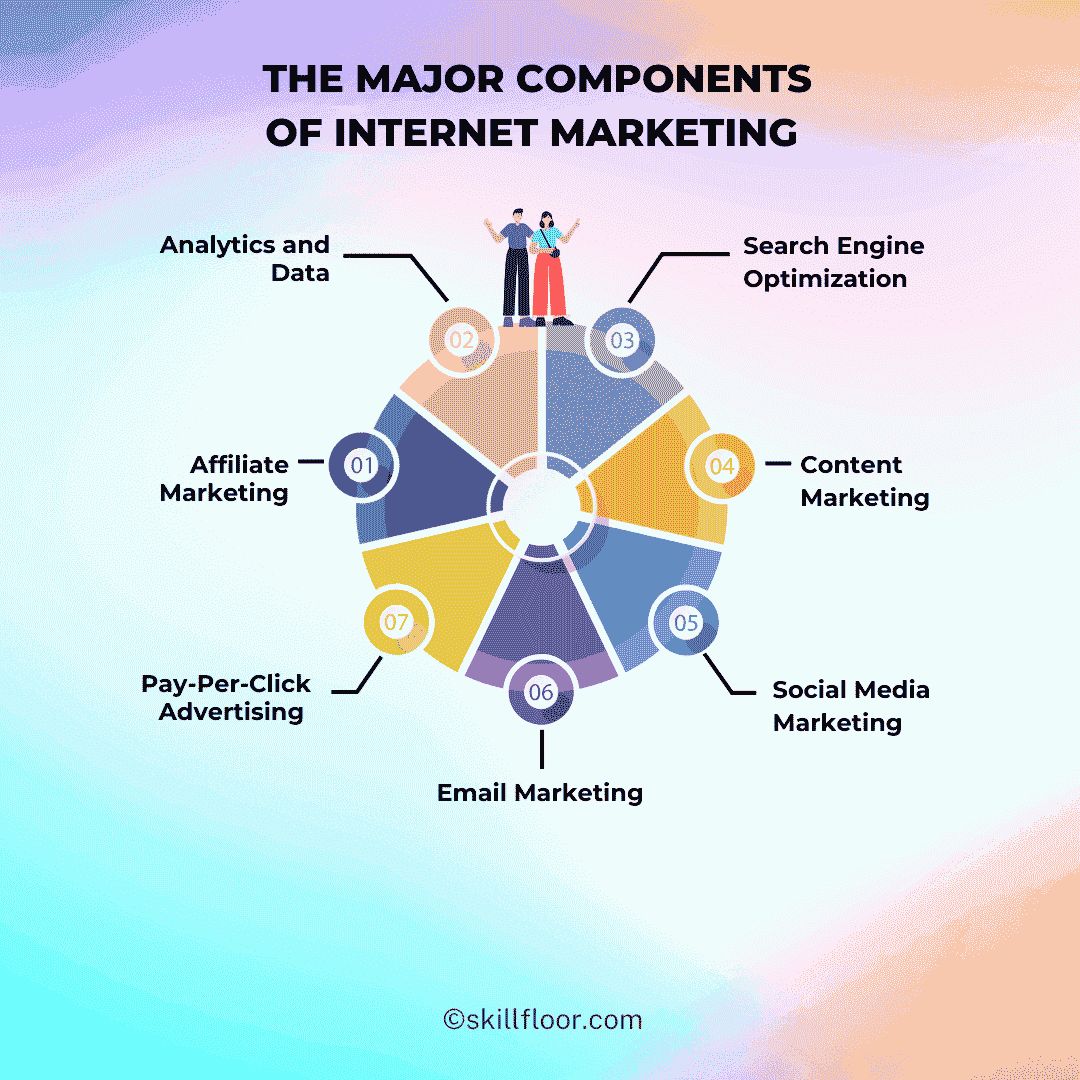
Online digital marketing includes various components such as search engine optimisation (SEO), pay-per-click (PPC) advertising, social media marketing, email marketing, content marketing, and more. Each component plays a unique role in helping businesses achieve their marketing goals.

Search Engine Optimisation (SEO)

SEO is the practice of optimising your website to rank higher in search engine results pages. By improving your website’s visibility in search engines like Google, you can attract more organic traffic and increase your chances of reaching potential customers who are actively searching for products or services related to your business.

Pay-Per-Click (PPC) Advertising

PPC advertising involves placing ads on search engines or other platforms and paying a fee each time someone clicks on your ad. This form of advertising allows businesses to target specific keywords or demographics and drive targeted traffic to their websites quickly.

Social Media Marketing

Social media has become a powerful tool for businesses to connect with their audience, build relationships, and promote their products or services. Platforms like Facebook, Instagram, Twitter, and LinkedIn offer various advertising options that allow businesses to reach their target audience effectively.

Email Marketing

Email marketing involves sending commercial messages to a group of people via email. This form of marketing is highly effective for nurturing leads, promoting new products or services, and keeping customers engaged with your brand over time.

The Benefits of Online Digital Marketing

There are numerous benefits to incorporating online digital marketing into your overall marketing strategy. Some key advantages include:

  • Increased Brand Visibility: By implementing online digital marketing strategies, you can enhance your brand’s visibility and reach a wider audience online.
  • Targeted Advertising: Online digital marketing allows you to target specific demographics or interests, ensuring that your message reaches the right people at the right time.
  • Measurable Results: With online digital marketing tools like analytics and tracking software, you can measure the success of your campaigns in real-time and make data-driven decisions to improve performance.
  • Cost-Effective: Compared to traditional forms of advertising, online digital marketing is often more cost-effective and offers a higher return on investment (ROI).

In Conclusion

Online digital marketing has revolutionised the way businesses promote their products and services in the digital age. By leveraging the power of SEO, PPC advertising, social media marketing, email campaigns, and other strategies, businesses can connect with their audience in meaningful ways and drive tangible results for their bottom line. Embracing online digital marketing is essential for staying competitive in today’s fast-paced business environment.


Understanding Online Digital Marketing: Key Strategies, Platforms, and Success Metrics for Businesses

  1. What is online digital marketing and why is it important for businesses?
  2. What are the key components of online digital marketing strategies?
  3. How can search engine optimisation (SEO) benefit my business’s online presence?
  4. What social media platforms are most effective for online digital marketing?
  5. How can businesses measure the success of their online digital marketing campaigns?

What is online digital marketing and why is it important for businesses?

Online digital marketing refers to the use of various online channels and strategies to promote products or services, engage with target audiences, and drive business growth. It encompasses a wide range of tactics such as search engine optimisation (SEO), pay-per-click (PPC) advertising, social media marketing, email campaigns, content creation, and more. Online digital marketing is crucial for businesses in today’s digital landscape as it allows them to reach a larger audience, increase brand visibility, generate leads, and ultimately boost sales. By leveraging the power of online platforms and tools, businesses can connect with their target customers in a more targeted and cost-effective manner compared to traditional marketing methods. Embracing online digital marketing is essential for staying competitive and relevant in an increasingly digital world.

What are the key components of online digital marketing strategies?

When it comes to online digital marketing strategies, understanding the key components is essential for success. The primary components include search engine optimisation (SEO), pay-per-click (PPC) advertising, social media marketing, email marketing, content marketing, and data analytics. SEO focuses on improving website visibility in search engine results, while PPC advertising involves paid ads to drive targeted traffic. Social media marketing leverages platforms like Facebook and Instagram to engage with audiences. Email marketing involves sending commercial messages via email to nurture leads. Content marketing aims to create valuable content for the target audience. Lastly, data analytics helps measure and optimise campaign performance for better results in online digital marketing efforts.

How can search engine optimisation (SEO) benefit my business’s online presence?

Search engine optimisation (SEO) plays a crucial role in enhancing your business’s online presence by improving your website’s visibility in search engine results pages. By implementing SEO best practices such as keyword optimisation, quality content creation, and technical enhancements, your website is more likely to rank higher for relevant search queries. This increased visibility not only drives organic traffic to your site but also boosts brand credibility and trust among users. Ultimately, a strong SEO strategy can lead to increased website traffic, higher conversion rates, and long-term success for your business in the competitive online landscape.

What social media platforms are most effective for online digital marketing?

When it comes to online digital marketing, businesses often wonder which social media platforms are most effective for reaching their target audience. The choice of social media platforms depends on various factors such as the nature of the business, target demographics, and marketing goals. However, some of the most commonly effective platforms for online digital marketing include Facebook, Instagram, Twitter, LinkedIn, and Pinterest. Each platform offers unique features and audience demographics that can be leveraged to create engaging content, build brand awareness, drive website traffic, and generate leads. It is essential for businesses to understand their target audience and choose the social media platforms that align best with their marketing objectives to maximise their online presence and engagement.

How can businesses measure the success of their online digital marketing campaigns?

Businesses can measure the success of their online digital marketing campaigns through various key performance indicators (KPIs) that provide valuable insights into campaign performance and effectiveness. Metrics such as website traffic, conversion rates, click-through rates, engagement levels on social media platforms, email open rates, and return on investment (ROI) are commonly used to evaluate the impact of digital marketing efforts. By tracking and analysing these KPIs, businesses can assess the reach, engagement, and conversion rates of their campaigns, allowing them to make data-driven decisions to optimise future strategies and maximise results.

real estate online marketing

Mastering Real Estate Online Marketing Strategies for Success in the Digital Age

Real Estate Online Marketing

The Power of Real Estate Online Marketing

In today’s digital age, the real estate industry has witnessed a significant shift towards online marketing strategies. With the vast majority of property searches starting on the internet, it has become essential for real estate professionals to establish a strong online presence to reach potential buyers and sellers.

Benefits of Online Marketing for Real Estate

Online marketing offers numerous benefits for real estate agents and agencies. Here are some key advantages:

  • Increased Visibility: By utilising online marketing channels such as social media, search engine optimisation (SEO), and email campaigns, real estate professionals can increase their visibility and reach a wider audience.
  • Targeted Advertising: Online marketing allows for precise targeting of specific demographics, interests, and locations, ensuring that your message reaches the right audience at the right time.
  • Cost-Effective: Compared to traditional marketing methods, online marketing is often more cost-effective and offers a higher return on investment (ROI).
  • Data Analytics: With online marketing tools, real estate professionals can track and analyse data to understand user behaviour, measure campaign performance, and make informed decisions to optimise their strategies.
  • Better Engagement: Through engaging content such as virtual property tours, high-quality images, and informative blogs, online marketing helps create a more immersive experience for potential clients.

Tips for Successful Real Estate Online Marketing

To maximise the effectiveness of your online marketing efforts in the real estate industry, consider implementing the following tips:

  1. Create a Mobile-Friendly Website: Ensure that your website is responsive and optimised for mobile devices to provide a seamless browsing experience for users on smartphones and tablets.
  2. Utilise High-Quality Visuals: Use professional photography and videos to showcase properties effectively and capture the attention of potential buyers.
  3. Leverage Social Media Platforms: Engage with your audience on social media platforms such as Facebook, Instagram, and LinkedIn to build relationships and promote your listings.
  4. Implement SEO Strategies: Optimise your website content with relevant keywords to improve search engine rankings and drive organic traffic to your site.
  5. Create Compelling Content: Publish informative blog posts, property guides, market insights, and other valuable content to establish yourself as an authority in the real estate industry.

In conclusion, real estate online marketing offers unparalleled opportunities for professionals in the industry to connect with clients, showcase properties effectively, and drive business growth. By embracing digital strategies and staying ahead of trends, real estate agents can position themselves for success in today’s competitive market.


Top 9 Frequently Asked Questions About Online Marketing for Real Estate

  1. Is digital marketing good for real estate?
  2. What is the 3 3 3 rule in marketing?
  3. What marketing works best for real estate agents?
  4. Which is the best digital marketing for real estate?
  5. How do you do marketing in real estate?
  6. How can I do digital marketing in real estate?
  7. What type of marketing is best for real estate?
  8. What is internet marketing in real estate?
  9. Does Facebook marketing work for real estate?

Is digital marketing good for real estate?

Digital marketing is highly beneficial for the real estate industry. It offers real estate professionals a powerful platform to showcase properties, engage with potential buyers and sellers, and expand their reach in a competitive market. Through targeted online strategies such as social media advertising, search engine optimisation, and email campaigns, real estate agents can effectively promote listings, build brand awareness, and generate leads. The data-driven nature of digital marketing also allows for precise tracking of performance metrics, enabling professionals to refine their strategies for optimal results. In today’s digital landscape, embracing digital marketing is essential for real estate professionals looking to stay ahead and succeed in an increasingly online-focused industry.

What is the 3 3 3 rule in marketing?

The “3 3 3 rule” in marketing refers to a strategy that involves sending three emails a week, posting on social media platforms three times a day, and updating your blog with new content three times a week. This rule aims to maintain consistent communication with your audience, drive engagement, and establish your brand as a reliable source of information in the competitive real estate market. By adhering to the “3 3 3 rule,” real estate professionals can effectively nurture leads, build relationships with potential clients, and ultimately boost their online presence and visibility.

What marketing works best for real estate agents?

When it comes to determining the most effective marketing strategies for real estate agents, a multi-faceted approach often yields the best results. Successful real estate agents commonly utilise a combination of online and offline marketing tactics to reach a diverse audience and generate leads. Online marketing channels such as social media advertising, search engine optimisation (SEO), email campaigns, and targeted online ads have proven to be highly effective in reaching potential buyers and sellers in today’s digital landscape. Additionally, traditional marketing methods like networking events, direct mail campaigns, and local print advertising can also play a valuable role in building brand awareness and establishing credibility within the community. By employing a comprehensive marketing mix tailored to their target market, real estate agents can maximise their visibility, engage with clients effectively, and ultimately drive business growth.

Which is the best digital marketing for real estate?

When it comes to real estate online marketing, the question of which is the best digital marketing strategy often arises. The answer to this question may vary depending on the specific goals and target audience of a real estate professional or agency. Some popular digital marketing strategies for real estate include search engine optimisation (SEO) to improve online visibility, social media marketing to engage with potential clients, email campaigns to nurture leads, and content marketing to provide valuable information to prospects. Ultimately, the best digital marketing approach for real estate is one that aligns with the business objectives, resonates with the target market, and delivers measurable results in terms of lead generation and conversions.

How do you do marketing in real estate?

Marketing in real estate involves a strategic approach to promoting properties and services to attract potential buyers or sellers. To effectively market in real estate, professionals utilise a combination of online and offline tactics. Online marketing strategies may include creating a user-friendly website, optimising content for search engines, engaging on social media platforms, and utilising email campaigns. Offline marketing efforts often involve traditional methods such as networking events, direct mailers, and signage. By implementing a well-rounded marketing plan that leverages both digital and traditional channels, real estate professionals can reach their target audience effectively and drive business growth.

How can I do digital marketing in real estate?

To effectively implement digital marketing in the real estate industry, professionals can start by developing a comprehensive online marketing strategy tailored to their target audience and business goals. This may involve creating a mobile-friendly website with high-quality visuals of properties, utilising social media platforms for engagement and promotion, implementing SEO strategies to improve online visibility, and producing compelling content such as property guides and market insights. By embracing digital tools and techniques, real estate agents can enhance their online presence, reach a wider audience, and ultimately drive success in today’s competitive market.

What type of marketing is best for real estate?

When considering the most effective marketing strategies for real estate, a combination of online and offline tactics often yields the best results. In today’s digital landscape, online marketing channels such as social media advertising, search engine optimisation (SEO), email campaigns, and virtual property tours play a crucial role in reaching and engaging with potential buyers and sellers. However, traditional marketing methods like networking events, direct mail campaigns, and print advertising should not be overlooked, as they can also contribute to building brand awareness and establishing credibility in the competitive real estate market. By integrating a mix of online and offline marketing approaches tailored to the target audience and property type, real estate professionals can maximise their visibility, attract qualified leads, and ultimately drive successful transactions.

What is internet marketing in real estate?

Internet marketing in real estate refers to the strategic use of online channels and platforms to promote properties, attract potential buyers or tenants, and generate leads for real estate professionals. This multifaceted approach encompasses various digital marketing techniques such as search engine optimisation (SEO), social media marketing, email campaigns, online advertising, and content creation. By leveraging the power of the internet, real estate agents can increase their visibility, target specific audiences effectively, and engage with clients in a more personalised and interactive manner. Internet marketing in real estate plays a crucial role in driving property sales, enhancing brand awareness, and staying competitive in today’s digital landscape.

Does Facebook marketing work for real estate?

When it comes to real estate online marketing, a frequently asked question is, “Does Facebook marketing work for real estate?” The answer is a resounding yes. Facebook marketing can be highly effective for real estate professionals looking to reach a targeted audience, showcase properties, and generate leads. With its extensive user base and powerful advertising tools, Facebook offers real estate agents the opportunity to engage with potential buyers and sellers in a visually appealing and interactive manner. By leveraging features such as targeted ads, engaging content, and lead generation forms, real estate professionals can effectively promote listings, build brand awareness, and drive conversions through Facebook marketing strategies.

digital marketing strategy consultant

Unlocking Success: The Role of a Digital Marketing Strategy Consultant

The Role of a Digital Marketing Strategy Consultant

In today’s fast-paced digital landscape, businesses are constantly seeking ways to stand out and reach their target audience effectively. This is where a digital marketing strategy consultant plays a crucial role. A digital marketing strategy consultant is an expert who helps businesses develop and implement strategic plans to achieve their marketing goals in the online realm.

Key Responsibilities

A digital marketing strategy consultant works closely with businesses to understand their objectives, target audience, and competitive landscape. They conduct thorough research and analysis to identify opportunities for growth and create data-driven strategies that align with the overall business goals.

Some key responsibilities of a digital marketing strategy consultant include:

  • Developing comprehensive digital marketing plans tailored to the specific needs of each client.
  • Implementing strategies across various online channels such as social media, search engine optimisation (SEO), email marketing, and pay-per-click (PPC) advertising.
  • Monitoring and analysing campaign performance to make data-driven decisions and optimise results.
  • Providing valuable insights and recommendations to improve overall marketing effectiveness.
  • Staying up-to-date with the latest trends and technologies in digital marketing to ensure clients remain competitive in the market.

The Benefits of Hiring a Digital Marketing Strategy Consultant

By enlisting the services of a digital marketing strategy consultant, businesses can gain several advantages:

  • Expertise: Consultants bring specialised knowledge and experience to the table, helping businesses navigate the complexities of digital marketing.
  • Fresh Perspective: Consultants offer an external viewpoint that can uncover new opportunities and innovative approaches for reaching target audiences.
  • Efficiency: With a clear roadmap in place, businesses can streamline their marketing efforts and allocate resources more effectively.
  • Metric-Driven Results: Consultants focus on measurable outcomes, allowing businesses to track progress and make informed decisions based on data.

In Conclusion

A digital marketing strategy consultant plays a vital role in helping businesses navigate the ever-evolving world of online marketing. By leveraging their expertise and insights, businesses can develop effective strategies that drive growth, increase brand visibility, and ultimately achieve success in the digital space.


Crafting Success: Essential Tips for Digital Marketing Strategy Consultants

  1. Understand the client’s business goals and target audience thoroughly.
  2. Conduct a comprehensive analysis of the current digital marketing strategies in place.
  3. Create a customised digital marketing plan tailored to the client’s needs and budget.
  4. Stay updated with the latest trends and technologies in digital marketing.
  5. Focus on data-driven decision-making to track performance and make adjustments as needed.
  6. Provide regular reports and insights to demonstrate the effectiveness of the strategies implemented.

Understand the client’s business goals and target audience thoroughly.

To excel as a digital marketing strategy consultant, it is imperative to thoroughly understand the client’s business goals and target audience. By delving deep into the client’s objectives and gaining insights into their target demographic, consultants can tailor bespoke strategies that resonate with the audience and align with the overarching business goals. This foundational understanding not only ensures that marketing efforts are focused and effective but also establishes a solid framework for driving meaningful results in the digital realm.

Conduct a comprehensive analysis of the current digital marketing strategies in place.

To maximise the effectiveness of a digital marketing strategy consultant, it is essential to conduct a thorough analysis of the existing digital marketing strategies in place. By evaluating current practices, identifying strengths and weaknesses, and understanding what has worked well or needs improvement, the consultant can develop tailored recommendations for enhancing the overall digital marketing approach. This analysis serves as a crucial foundation for creating a strategic roadmap that aligns with the business goals and optimises performance across various online channels.

Create a customised digital marketing plan tailored to the client’s needs and budget.

Creating a customised digital marketing plan tailored to the client’s specific needs and budget is essential for the success of any business. A digital marketing strategy consultant can work closely with the client to understand their unique goals, target audience, and available resources. By developing a personalised plan that aligns with these factors, the consultant can maximise the impact of the marketing efforts while staying within budget constraints. This tailored approach ensures that every aspect of the digital strategy is designed to deliver optimal results and drive growth for the client’s business.

To excel as a digital marketing strategy consultant, it is essential to stay updated with the latest trends and technologies in the dynamic field of digital marketing. By keeping abreast of emerging tools, platforms, and strategies, consultants can offer innovative solutions to clients and ensure their marketing efforts remain relevant and effective in an ever-evolving digital landscape. Continuous learning and adaptation to new trends are key to delivering impactful results and staying ahead of the competition in the fast-paced world of digital marketing.

Focus on data-driven decision-making to track performance and make adjustments as needed.

To excel as a digital marketing strategy consultant, it is essential to prioritise data-driven decision-making. By closely monitoring key performance indicators and metrics, consultants can track the effectiveness of marketing campaigns and strategies. This approach enables them to identify areas for improvement, make timely adjustments, and optimise outcomes for their clients. Embracing data-driven insights empowers consultants to deliver results that are not only measurable but also tailored to meet the evolving needs of businesses in the dynamic digital landscape.

Provide regular reports and insights to demonstrate the effectiveness of the strategies implemented.

To ensure the success of digital marketing strategies, it is essential for a digital marketing strategy consultant to provide regular reports and insights that demonstrate the effectiveness of the implemented strategies. By tracking key performance indicators and analysing data, consultants can offer valuable feedback to clients on the progress of their campaigns. These reports not only showcase the impact of the strategies but also help in making informed decisions for future marketing efforts. Regular reporting fosters transparency and accountability, allowing clients to have a clear understanding of the return on investment and the overall effectiveness of their digital marketing initiatives.

digital marketing overview

Navigating the Digital Marketing Landscape: An Overview of Strategies and Trends

Digital Marketing Overview

The Power of Digital Marketing: An Overview

In today’s digital age, marketing has evolved significantly with the rise of digital platforms and technologies. Digital marketing encompasses a wide range of strategies and techniques aimed at promoting products or services using online channels. It has become an essential component for businesses looking to reach their target audiences effectively and efficiently.

Key Components of Digital Marketing

Digital marketing includes various components such as:

  • Search Engine Optimization (SEO): Optimising websites to improve search engine rankings and increase organic traffic.
  • Pay-Per-Click (PPC) Advertising: Running paid advertising campaigns on search engines or social media platforms to drive targeted traffic.
  • Social Media Marketing: Utilising social media platforms to engage with audiences, build brand awareness, and drive conversions.
  • Email Marketing: Sending targeted emails to prospects and customers to promote products or services and nurture relationships.
  • Content Marketing: Creating valuable and relevant content to attract and retain a specific audience, ultimately driving profitable customer action.
  • Analytics and Data Analysis: Monitoring and analysing campaign performance to make data-driven decisions for continuous improvement.

The Benefits of Digital Marketing

Digital marketing offers numerous benefits for businesses, including:

  • Increased Reach: With the vast reach of the internet, businesses can connect with a global audience regardless of geographical boundaries.
  • Targeted Advertising: Digital marketing allows businesses to target specific demographics, interests, behaviours, and locations with precision.
  • Cost-Effective Solutions: Compared to traditional marketing methods, digital marketing often provides a more cost-effective way to reach a larger audience.
  • Data-Driven Insights: Through analytics tools, businesses can gain valuable insights into customer behaviour, preferences, and campaign performance for informed decision-making.
  • Innovative Strategies: The dynamic nature of digital marketing allows businesses to adapt quickly to changing trends and consumer preferences for better engagement.

In Conclusion

Digital marketing has revolutionised the way businesses promote their products or services in the digital landscape. By leveraging the power of online channels and data-driven strategies, businesses can enhance their visibility, engage with their target audiences effectively, and drive measurable results. Embracing digital marketing is essential for staying competitive in today’s fast-paced business environment.


9 Essential Tips for Mastering Digital Marketing Strategies

  1. Understand your target audience
  2. Create a strong online presence
  3. Utilize social media effectively
  4. Optimize your website for search engines (SEO)
  5. Invest in pay-per-click advertising (PPC)
  6. Use email marketing to engage with customers
  7. Analyse data to track and improve performance
  8. Focus on quality content creation
  9. Stay updated with the latest digital marketing trends

Understand your target audience

Understanding your target audience is a crucial aspect of digital marketing. By gaining insights into the demographics, behaviours, preferences, and needs of your audience, you can tailor your marketing strategies to effectively engage and connect with them. This understanding allows you to create relevant and compelling content that resonates with your target audience, leading to increased brand awareness, customer loyalty, and ultimately, driving conversions. Investing time in understanding your target audience ensures that your digital marketing efforts are targeted and impactful, resulting in a more successful and sustainable marketing campaign.

Create a strong online presence

Creating a strong online presence is crucial in the realm of digital marketing. By establishing a cohesive and engaging presence across various online platforms, businesses can effectively connect with their target audience, build brand credibility, and increase visibility. A strong online presence not only enhances brand awareness but also fosters trust among consumers, ultimately driving traffic and conversions. Through consistent branding, valuable content creation, and active engagement with followers, businesses can solidify their position in the digital landscape and stand out amidst competition.

Utilize social media effectively

To maximise the impact of your digital marketing efforts, it is crucial to utilise social media effectively. Social media platforms offer a powerful avenue for engaging with your target audience, building brand awareness, and driving conversions. By creating compelling content tailored to each platform, actively interacting with followers, and leveraging analytics to refine your strategy, you can harness the full potential of social media to enhance your brand presence and achieve your marketing goals.

Optimize your website for search engines (SEO)

To maximise your online visibility and attract organic traffic, it is crucial to optimise your website for search engines through effective Search Engine Optimization (SEO) practices. By incorporating relevant keywords, creating high-quality content, improving site speed and user experience, and obtaining backlinks from reputable sources, you can enhance your website’s search engine rankings and increase its chances of being discovered by potential customers. SEO plays a vital role in driving targeted traffic to your site and improving your overall digital marketing performance.

Invest in pay-per-click advertising (PPC)

Investing in pay-per-click advertising (PPC) is a crucial component of a comprehensive digital marketing strategy. With PPC, businesses have the opportunity to target specific audiences, drive relevant traffic to their websites, and achieve measurable results in a cost-effective manner. By carefully selecting keywords, creating compelling ad copy, and monitoring campaign performance, businesses can maximise their ROI and reach potential customers at the right moment in their buying journey. PPC offers a level of control and flexibility that allows businesses to adjust their campaigns in real-time based on data insights, ensuring optimal performance and driving conversions effectively.

Use email marketing to engage with customers

Utilising email marketing is a powerful strategy to engage with customers and nurture relationships effectively. By sending targeted and personalised emails, businesses can communicate directly with their audience, providing valuable content, promotions, and updates. Email marketing allows for direct interaction, encouraging customer loyalty and driving conversions. With the ability to segment email lists based on customer preferences and behaviours, businesses can tailor their messages to resonate with different segments of their audience, ultimately enhancing engagement and fostering long-term relationships.

Analyse data to track and improve performance

In digital marketing, analysing data to track and improve performance is a crucial tip for achieving success. By monitoring key metrics such as website traffic, conversion rates, click-through rates, and engagement levels, businesses can gain valuable insights into the effectiveness of their marketing campaigns. This data-driven approach allows businesses to identify areas for improvement, make informed decisions, and optimise their strategies for better results. Continuous analysis of data enables businesses to adapt to changing trends, refine their tactics, and ultimately enhance their overall digital marketing performance.

Focus on quality content creation

In the realm of digital marketing, a key tip to remember is to focus on quality content creation. Content is the cornerstone of any successful digital marketing strategy, as it serves to engage and resonate with your target audience. By creating high-quality and valuable content that addresses the needs and interests of your audience, you can establish credibility, build trust, and drive meaningful interactions. Whether it’s informative blog posts, engaging social media updates, or compelling videos, prioritising quality content creation can set you apart in a crowded online landscape and help you achieve your marketing goals effectively.

To stay ahead in the ever-evolving landscape of digital marketing, it is crucial to stay updated with the latest trends and innovations. By keeping abreast of emerging technologies, consumer behaviours, and industry developments, businesses can adapt their strategies to remain relevant and competitive. Whether it’s exploring new social media platforms, implementing cutting-edge tools for data analysis, or embracing innovative content formats, staying informed about digital marketing trends is key to driving successful campaigns and engaging with target audiences effectively.

digital marketing slideshare

Unlocking the Power of Digital Marketing Through SlideShare: A Strategic Approach

The Power of Digital Marketing: Exploring SlideShare as a Valuable Tool

In today’s fast-paced digital landscape, businesses are constantly seeking innovative ways to reach and engage their target audience. One such tool that has gained significant popularity in the realm of digital marketing is SlideShare. This platform, owned by LinkedIn, offers a unique opportunity for businesses to showcase their expertise, share valuable content, and connect with a global audience through visually engaging presentations.

Why SlideShare?

SlideShare provides a dynamic and interactive way to present information to your audience. With its user-friendly interface and seamless integration with other social media platforms, SlideShare allows businesses to repurpose existing content in the form of slideshows, infographics, and videos to captivate and educate their audience.

The Benefits of Using SlideShare in Digital Marketing

Increased Visibility: By uploading your presentations on SlideShare, you can reach a wider audience beyond your website or social media channels. The platform has millions of users who actively seek out informative content on various topics.

Establishing Authority: Sharing well-researched and insightful presentations can help position your brand as an industry leader. By showcasing your expertise through compelling visuals and valuable information, you can build credibility and trust with your target audience.

Driving Traffic: SlideShare presentations can serve as a gateway to your website or landing pages. By including links within your slides, you can direct viewers to relevant content or offerings, ultimately driving traffic and generating leads for your business.

Tips for Creating Engaging SlideShare Presentations

Keep it Visual: Use high-quality images, charts, and graphics to enhance the visual appeal of your slides. Visual content is more engaging and memorable than text-heavy slides.

Tell a Story: Structure your presentation in a narrative format that flows logically from one point to the next. Engage your audience by telling a compelling story that resonates with them.

Provide Value: Offer valuable insights, tips, or industry trends that are relevant to your target audience. Focus on providing actionable takeaways that benefit the viewer.

In Conclusion

SlideShare presents a wealth of opportunities for businesses looking to enhance their digital marketing efforts. By leveraging this platform effectively, you can expand your reach, establish authority in your industry, and drive meaningful engagement with your target audience. Consider incorporating SlideShare into your digital marketing strategy to unlock its full potential and take your brand’s online presence to new heights.


Leveraging SlideShare for Digital Marketing: Key FAQs and Best Practices

  1. What is SlideShare and how does it relate to digital marketing?
  2. How can businesses use SlideShare as a tool for digital marketing?
  3. What are the benefits of incorporating SlideShare into a digital marketing strategy?
  4. How can I create engaging and effective presentations on SlideShare for digital marketing purposes?
  5. Are there any tips or best practices for maximising the impact of SlideShare in digital marketing campaigns?

What is SlideShare and how does it relate to digital marketing?

SlideShare is a popular online platform owned by LinkedIn that allows users to upload, share, and discover presentations, infographics, documents, and videos on a wide range of topics. In the realm of digital marketing, SlideShare serves as a valuable tool for businesses to showcase their expertise, share engaging content, and connect with their target audience in a visually appealing manner. By leveraging SlideShare effectively, businesses can increase their visibility, establish authority in their industry, drive traffic to their website, and engage with potential customers through compelling presentations. Integrating SlideShare into a digital marketing strategy can enhance brand awareness, credibility, and lead generation efforts by providing a dynamic medium for sharing valuable information and insights with a global audience.

How can businesses use SlideShare as a tool for digital marketing?

Businesses can harness the power of SlideShare as a valuable tool for digital marketing in various ways. By creating visually captivating presentations that showcase their expertise, businesses can establish credibility and authority in their industry. Through informative and engaging slideshows, businesses can reach a wider audience, drive traffic to their website, and generate leads. Incorporating links within the slides can direct viewers to relevant content or offerings, further enhancing brand visibility and engagement. SlideShare provides a platform for businesses to repurpose existing content into compelling presentations that educate, inspire, and connect with their target audience effectively in the digital realm.

What are the benefits of incorporating SlideShare into a digital marketing strategy?

Incorporating SlideShare into a digital marketing strategy offers numerous benefits for businesses seeking to enhance their online presence. By leveraging this platform, businesses can increase their visibility to a wider audience, establish themselves as industry authorities by sharing valuable insights and expertise, and drive traffic to their website or landing pages through engaging presentations. SlideShare provides a unique opportunity to repurpose existing content in visually appealing formats, such as slideshows and infographics, making it easier to captivate and educate target audiences effectively. Overall, integrating SlideShare into a digital marketing strategy can help businesses boost brand credibility, generate leads, and foster meaningful connections with their audience.

How can I create engaging and effective presentations on SlideShare for digital marketing purposes?

Creating engaging and effective presentations on SlideShare for digital marketing purposes requires a strategic approach that combines compelling visuals, valuable content, and audience engagement tactics. Start by defining your objectives and target audience to tailor your presentation to their needs and interests. Use high-quality images, infographics, and charts to enhance visual appeal and convey information effectively. Structure your presentation in a logical flow, telling a story that captivates viewers and keeps them engaged. Incorporate interactive elements such as clickable links, embedded videos, and polls to encourage audience interaction. Finally, focus on providing valuable insights, industry trends, or actionable tips that resonate with your audience and showcase your expertise in the digital marketing domain. By following these guidelines, you can create presentations on SlideShare that not only capture attention but also drive meaningful engagement and support your digital marketing goals.

Are there any tips or best practices for maximising the impact of SlideShare in digital marketing campaigns?

When it comes to maximising the impact of SlideShare in digital marketing campaigns, there are several tips and best practices to consider. Firstly, ensure that your presentations are visually appealing and engaging to capture the audience’s attention. Incorporating high-quality images, charts, and graphics can enhance the overall appeal of your slides. Additionally, focus on telling a compelling story or delivering valuable insights that resonate with your target audience. It is also important to include relevant keywords and tags in your presentation to improve discoverability on the platform. Lastly, promote your SlideShare content across various channels to increase visibility and drive traffic back to your website or landing pages. By following these tips and best practices, you can effectively leverage SlideShare as a powerful tool in your digital marketing strategy.