
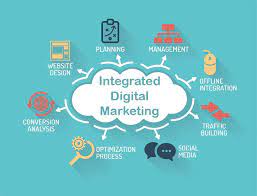
The Power of Integrated Digital Marketing
Integrated digital marketing is a strategic approach that combines various online channels and tactics to create a cohesive and seamless experience for consumers. In today’s fast-paced digital landscape, where consumers are constantly bombarded with information, integrated marketing is essential for businesses looking to stand out and engage their target audience effectively.
What is Integrated Digital Marketing?
Integrated digital marketing involves synchronising different aspects of online marketing, such as search engine optimisation (SEO), social media marketing, email campaigns, content creation, and paid advertising, into a unified strategy. By aligning these channels and ensuring consistent messaging across all touchpoints, businesses can create a more impactful and memorable brand experience for their customers.
The Benefits of Integrated Digital Marketing
Improved Brand Consistency: By maintaining a consistent brand voice and visual identity across all digital channels, businesses can build trust and recognition among their target audience.
Enhanced Customer Experience: Integrated marketing allows businesses to provide a seamless customer journey from awareness to conversion, leading to higher engagement and loyalty.
Increased ROI: By coordinating different marketing efforts, businesses can maximise their resources and achieve better results in terms of lead generation, sales, and overall return on investment.
Key Strategies for Implementing Integrated Digital Marketing
Develop a Comprehensive Strategy: Start by defining your goals, target audience, key messages, and KPIs. This will help guide your integrated marketing efforts towards achieving measurable results.
Use Data Analytics: Leverage data analytics tools to track the performance of your campaigns across various channels. This data-driven approach will enable you to make informed decisions and optimise your strategies for better outcomes.
Coordinate Campaigns Across Channels: Ensure that your messaging is consistent across all digital platforms to create a unified brand experience for your audience. Integrate your content strategy with SEO, social media, email marketing, and other tactics for maximum impact.
The Future of Integrated Digital Marketing
In an increasingly competitive digital landscape, integrated marketing will continue to play a crucial role in helping businesses cut through the noise and connect with their target audience effectively. By embracing this holistic approach to online marketing, businesses can drive growth, foster customer loyalty, and stay ahead of the curve in the ever-evolving digital world.
9 Essential Tips for Crafting a Successful Integrated Digital Marketing Strategy
- 1. Define clear objectives and goals for your integrated digital marketing strategy.
- 2. Understand your target audience to tailor your messages effectively across different channels.
- 3. Ensure consistency in branding and messaging to maintain a cohesive brand image.
- 4. Use data analytics to track and measure the performance of your campaigns across various platforms.
- 5. Integrate SEO best practices to improve visibility and drive organic traffic to your website.
- 6. Utilize social media platforms strategically to engage with customers and build relationships.
- 7. Implement email marketing campaigns to nurture leads and maintain communication with customers.
- 8. Consider using paid advertising such as PPC campaigns for targeted reach and quick results.
- 9. Regularly review and adjust your strategies based on insights gathered from performance metrics.
1. Define clear objectives and goals for your integrated digital marketing strategy.
To maximise the effectiveness of your integrated digital marketing strategy, it is crucial to define clear objectives and goals from the outset. By establishing specific and measurable targets, such as increasing website traffic, generating leads, or boosting brand awareness, you can align your marketing efforts towards achieving tangible results. Clear objectives not only provide focus and direction but also serve as benchmarks for evaluating the success of your integrated digital campaigns. Setting well-defined goals ensures that your strategy remains purposeful and impactful in engaging your target audience across various online channels.
2. Understand your target audience to tailor your messages effectively across different channels.
To maximise the impact of integrated digital marketing, it is crucial to have a deep understanding of your target audience. By gaining insights into their preferences, behaviours, and needs, you can tailor your messages effectively across various online channels. This personalised approach not only enhances engagement but also fosters stronger connections with your audience, ultimately driving better results and building long-lasting relationships with customers.
3. Ensure consistency in branding and messaging to maintain a cohesive brand image.
To succeed in integrated digital marketing, it is crucial to ensure consistency in branding and messaging across all online channels. By maintaining a cohesive brand image, businesses can build trust and recognition among their target audience. Consistent branding helps reinforce the brand’s values, personality, and visual identity, creating a seamless experience for consumers as they interact with the brand across different touchpoints. This unified approach not only enhances brand recall but also strengthens customer loyalty and engagement in the long run.
4. Use data analytics to track and measure the performance of your campaigns across various platforms.
Utilising data analytics to monitor and evaluate the effectiveness of your campaigns across different platforms is a crucial aspect of integrated digital marketing. By leveraging data-driven insights, businesses can gain valuable information on the performance of their marketing efforts, identify trends, and make informed decisions to optimise their strategies for better results. Tracking key metrics and analysing campaign data allows businesses to refine their approach, allocate resources effectively, and ultimately enhance the overall impact of their integrated marketing initiatives.
5. Integrate SEO best practices to improve visibility and drive organic traffic to your website.
Integrating SEO best practices is essential for enhancing visibility and driving organic traffic to your website. By optimising your online content with relevant keywords, meta tags, and quality backlinks, you can improve your search engine rankings and attract more qualified visitors to your site. Implementing SEO strategies as part of your integrated digital marketing approach not only boosts your online presence but also helps you reach a wider audience who are actively searching for products or services like yours.
6. Utilize social media platforms strategically to engage with customers and build relationships.
Utilising social media platforms strategically is a key aspect of integrated digital marketing. By engaging with customers and building relationships through platforms such as Facebook, Instagram, Twitter, and LinkedIn, businesses can create a direct line of communication with their target audience. This interaction not only helps in fostering brand loyalty but also allows for real-time feedback and insights that can inform future marketing strategies. By leveraging the power of social media in a thoughtful and purposeful manner, businesses can strengthen their online presence and connect with customers on a more personal level.
7. Implement email marketing campaigns to nurture leads and maintain communication with customers.
Implementing email marketing campaigns is a crucial aspect of integrated digital marketing. By utilising targeted and personalised emails, businesses can nurture leads, build relationships with customers, and drive engagement. Email campaigns allow for ongoing communication with customers, providing valuable updates, promotions, and relevant content that keep the brand top-of-mind. This consistent interaction helps to foster trust and loyalty among customers, ultimately leading to increased conversions and long-term success for the business.
8. Consider using paid advertising such as PPC campaigns for targeted reach and quick results.
When implementing integrated digital marketing strategies, it is essential to consider utilising paid advertising options like PPC campaigns. Pay-Per-Click (PPC) advertising allows businesses to target specific audiences with precision and achieve quick results. By investing in PPC campaigns, businesses can increase their online visibility, drive targeted traffic to their website, and generate leads effectively. This paid advertising approach complements other digital marketing efforts and can provide a significant boost to overall campaign performance.
9. Regularly review and adjust your strategies based on insights gathered from performance metrics.
Regularly reviewing and adjusting your digital marketing strategies based on insights gathered from performance metrics is crucial for the success of integrated digital marketing efforts. By analysing key performance indicators such as website traffic, conversion rates, engagement metrics, and ROI, businesses can identify what is working well and what needs improvement. This data-driven approach allows businesses to make informed decisions, optimise their campaigns for better results, and stay agile in responding to changing market dynamics. Continuous monitoring and adjustment ensure that integrated marketing strategies remain effective and aligned with business goals in the ever-evolving digital landscape.