ecommerce ppc agency

Unlocking Success: The Role of an Ecommerce PPC Agency in Driving Online Sales

The Power of Ecommerce PPC Agencies in Driving Online Sales

The Power of Ecommerce PPC Agencies in Driving Online Sales

In the competitive landscape of ecommerce, having a strong online presence is crucial for success. One effective way to boost your visibility and drive sales is through Pay-Per-Click (PPC) advertising. Ecommerce PPC agencies specialise in creating and managing targeted PPC campaigns that help businesses reach their target audience and generate valuable leads.

Why Choose an Ecommerce PPC Agency?

Running successful PPC campaigns requires expertise and knowledge of the digital advertising landscape. Ecommerce PPC agencies have the skills and experience to maximise your ROI by creating customised strategies tailored to your business goals.

These agencies conduct thorough keyword research, create compelling ad copy, and monitor campaign performance to ensure optimal results. By leveraging data-driven insights and industry best practices, ecommerce PPC agencies can help you achieve higher conversion rates and increase revenue.

The Benefits of Working with an Ecommerce PPC Agency

  • Targeted Advertising: Ecommerce PPC agencies can target specific demographics, locations, and interests to reach potential customers who are more likely to convert.
  • Improved Visibility: By appearing at the top of search engine results pages, your business gains increased visibility and attracts qualified traffic to your website.
  • Cost-Effective Solutions: With PPC advertising, you only pay when users click on your ads, making it a cost-effective way to drive traffic and generate leads.
  • Data-Driven Decisions: Ecommerce PPC agencies analyse campaign data in real-time to make informed decisions that optimise performance and deliver measurable results.

In Conclusion

Partnering with an ecommerce PPC agency can give your online business a competitive edge by enhancing brand awareness, increasing website traffic, and driving conversions. By entrusting your digital advertising efforts to experts in the field, you can focus on what you do best while reaping the benefits of a targeted and efficient marketing strategy.


Understanding Ecommerce PPC Agencies: Key FAQs Answered

  1. What is Amazon PPC agency?
  2. What is PPC ecommerce?
  3. How much do PPC consultants charge?
  4. What is a PPC agency?
  5. What is PPC in eCommerce?
  6. How much does an agency charge for PPC?
  7. What are PPC agencies?
  8. Is PPC good for ecommerce?

What is Amazon PPC agency?

An Amazon PPC agency is a specialised service provider that helps businesses advertise and promote their products on the Amazon platform through Pay-Per-Click (PPC) campaigns. These agencies have expertise in creating and managing targeted advertising strategies specifically for Amazon, aiming to increase product visibility, drive traffic, and boost sales for sellers on the e-commerce giant. By leveraging data-driven insights and industry best practices, an Amazon PPC agency can help businesses maximise their return on investment (ROI) and achieve their sales goals within the competitive marketplace of Amazon.

What is PPC ecommerce?

PPC ecommerce, or Pay-Per-Click ecommerce, refers to a digital advertising model where businesses pay a fee each time their ad is clicked by online users. In the context of ecommerce, PPC advertising is a strategic approach used by businesses to promote their products or services online and drive traffic to their websites. By bidding on relevant keywords and targeting specific audiences, businesses can display ads on search engine results pages and other online platforms to attract potential customers. PPC ecommerce allows businesses to reach their target audience effectively, increase brand visibility, and generate valuable leads that can lead to increased sales and revenue.

How much do PPC consultants charge?

When it comes to the cost of hiring PPC consultants for ecommerce campaigns, pricing can vary depending on several factors. PPC consultants typically charge based on the scope of work involved, the complexity of the campaign, and the level of expertise required. Some consultants may offer hourly rates, while others may provide package deals or performance-based pricing models. It’s important to discuss your specific needs and budget with potential consultants to get a clear understanding of their pricing structure and ensure that it aligns with your goals and expectations for your ecommerce PPC strategy.

What is a PPC agency?

A PPC agency, short for Pay-Per-Click agency, is a professional service provider that specialises in creating and managing online advertising campaigns for businesses. PPC advertising involves placing ads on digital platforms such as search engines and social media channels, and businesses pay a fee each time a user clicks on their ad. A PPC agency helps businesses maximise the effectiveness of their campaigns by conducting keyword research, crafting compelling ad copy, setting budgets, monitoring performance metrics, and making data-driven adjustments to optimise results. By partnering with a PPC agency, businesses can increase their online visibility, drive targeted traffic to their websites, and ultimately boost conversions and sales.

What is PPC in eCommerce?

In the realm of ecommerce, PPC (Pay-Per-Click) advertising plays a pivotal role in driving targeted traffic to online stores and generating sales. PPC in ecommerce refers to a digital marketing strategy where businesses pay a fee each time their ad is clicked by a potential customer. This form of online advertising allows ecommerce retailers to bid on relevant keywords that are likely to be used by their target audience when searching for products or services. By leveraging PPC campaigns, ecommerce businesses can increase their visibility on search engine results pages, attract qualified leads, and ultimately boost conversions. The effectiveness of PPC in ecommerce lies in its ability to deliver measurable results and provide a cost-effective way to reach potential customers at the right moment in their buying journey.

How much does an agency charge for PPC?

When it comes to the cost of PPC services provided by an agency, the pricing can vary depending on various factors such as the scope of the campaign, the competitiveness of the industry, and the specific goals of the client. Ecommerce PPC agencies typically offer different pricing models, including flat fees, percentage of ad spend, or performance-based pricing. It is essential for businesses to discuss their budget and objectives with the agency to determine a tailored pricing structure that aligns with their needs and ensures a successful PPC campaign that maximises return on investment.

What are PPC agencies?

PPC agencies, short for Pay-Per-Click agencies, are specialised firms that offer services to create and manage online advertising campaigns for businesses. These agencies focus on leveraging paid search platforms, such as Google Ads and Bing Ads, to drive targeted traffic to a company’s website. Through strategic keyword research, ad creation, and campaign optimisation, PPC agencies help businesses increase their online visibility, attract potential customers, and ultimately boost conversions. By utilising data-driven insights and industry expertise, PPC agencies play a vital role in maximising return on investment for businesses looking to enhance their digital marketing efforts.

Is PPC good for ecommerce?

Many businesses in the ecommerce industry often wonder, “Is PPC good for ecommerce?” The answer is a resounding yes. Pay-Per-Click (PPC) advertising is highly beneficial for ecommerce businesses looking to increase online visibility, drive targeted traffic to their websites, and boost sales. With PPC campaigns, businesses can target specific keywords related to their products or services, reach a relevant audience, and only pay when users click on their ads. This cost-effective advertising method allows ecommerce companies to track performance metrics, refine their strategies based on data insights, and achieve measurable results in terms of conversions and revenue generation. Overall, leveraging PPC for ecommerce can be a powerful tool in enhancing brand awareness, attracting potential customers, and ultimately growing online sales.

social media marketing

Maximising Business Growth Through Effective Social Media Marketing

The Power of Social Media Marketing

The Power of Social Media Marketing

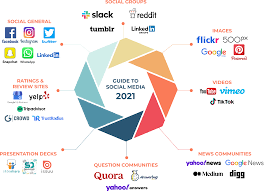
Social media has revolutionised the way businesses connect with their audience. With billions of users worldwide, platforms like Facebook, Instagram, Twitter, and LinkedIn offer unparalleled opportunities for brands to engage with customers and promote their products or services.

Social media marketing is more than just posting updates or sharing content. It involves strategic planning, targeted messaging, and consistent interaction to build brand awareness, drive website traffic, and generate leads.

Benefits of Social Media Marketing

  • Increased Brand Visibility: By maintaining an active presence on social media, businesses can reach a wider audience and increase brand recognition.
  • Engagement with Customers: Social media provides a platform for direct communication with customers, allowing businesses to address queries, receive feedback, and foster relationships.
  • Lead Generation: Through targeted advertising and compelling content, social media can help businesses attract potential customers and convert them into leads.
  • Drive Website Traffic: Sharing links to your website on social media can drive traffic and improve your site’s SEO ranking.
  • Data Analysis: Social media platforms offer valuable insights into audience demographics, preferences, and behaviours that can inform future marketing strategies.

Tips for Effective Social Media Marketing

  1. Define Your Goals: Clearly outline your objectives for social media marketing, whether it’s increasing sales, building brand loyalty, or driving website traffic.
  2. Know Your Audience: Understand the demographics and interests of your target audience to tailor your content effectively.
  3. Create Engaging Content: Develop high-quality content that resonates with your audience and encourages interaction.
  4. Maintain Consistency: Post regularly and engage with followers consistently to keep your brand top-of-mind.
  5. Analyse Results: Monitor metrics such as engagement rates, click-through rates, and conversions to evaluate the success of your social media campaigns.

In conclusion, social media marketing offers businesses a powerful tool to connect with customers, boost brand visibility, and drive business growth. By implementing effective strategies and engaging content, businesses can leverage the full potential of social media to achieve their marketing goals.


Essential FAQs on Social Media Marketing: Strategies, Platforms, and Future Trends

  1. What is social media marketing and why is it important?
  2. Which social media platforms are best for marketing?
  3. How can businesses use social media to promote their products or services?
  4. What are the benefits of using paid advertising on social media?
  5. How can businesses measure the effectiveness of their social media marketing campaigns?
  6. What are some common mistakes to avoid in social media marketing?
  7. How often should businesses post on social media for optimal engagement?
  8. What trends are shaping the future of social media marketing?

What is social media marketing and why is it important?

Social media marketing is a strategic approach that utilises social media platforms to promote products or services, engage with customers, and build brand awareness. It involves creating and sharing content tailored to target audiences, running targeted advertising campaigns, and interacting with followers to achieve marketing objectives. Social media marketing is important for businesses as it offers a cost-effective way to reach a large audience, build relationships with customers, drive website traffic, generate leads, and ultimately increase sales. By leveraging the power of social media, businesses can enhance their online presence, connect with their target market on a personal level, and stay competitive in today’s digital landscape.

Which social media platforms are best for marketing?

When considering which social media platforms are best for marketing, it is essential to assess the unique characteristics and target audience of each platform. Facebook, with its vast user base and diverse demographics, is a popular choice for businesses looking to reach a wide audience. Instagram, known for its visual appeal and engagement opportunities, is ideal for brands focusing on visual content and storytelling. LinkedIn caters to a professional audience, making it suitable for B2B marketing and networking. Twitter’s real-time nature is beneficial for timely updates and customer engagement. Ultimately, the best platforms for marketing depend on the specific goals, target audience, and content strategy of each business.

How can businesses use social media to promote their products or services?

Businesses can utilise social media as a powerful platform to promote their products or services by implementing strategic marketing tactics. Firstly, businesses should identify their target audience and choose the most relevant social media platforms where their audience is active. By creating engaging and visually appealing content, such as product images, videos, or informative posts, businesses can capture the attention of users and generate interest in their offerings. Leveraging paid advertising options on social media platforms allows businesses to reach a wider audience and drive traffic to their website or online store. Additionally, actively engaging with followers through responding to comments, messages, and conducting polls or contests can foster customer loyalty and increase brand awareness. Overall, by crafting a cohesive social media marketing strategy that focuses on delivering value to customers while showcasing products or services effectively, businesses can effectively leverage social media to promote their offerings and drive sales.

What are the benefits of using paid advertising on social media?

Utilising paid advertising on social media offers a multitude of benefits for businesses looking to enhance their online presence and reach a targeted audience effectively. Paid advertising allows brands to amplify their visibility and reach beyond organic posts, ensuring that their content is seen by a larger segment of their target demographic. By leveraging paid ads, businesses can drive website traffic, generate leads, increase brand awareness, and ultimately boost conversions. Additionally, the robust targeting options available through social media platforms enable businesses to tailor their ads to specific demographics, interests, and behaviours, maximising the return on investment and achieving measurable results.

How can businesses measure the effectiveness of their social media marketing campaigns?

Businesses can measure the effectiveness of their social media marketing campaigns through various metrics and analytics tools. Key performance indicators (KPIs) such as engagement rates, reach, click-through rates, conversion rates, and return on investment (ROI) provide valuable insights into the impact of social media efforts. By tracking these metrics over time, businesses can assess the success of their campaigns, identify areas for improvement, and make data-driven decisions to optimise their social media strategy. Additionally, conducting A/B testing, monitoring audience feedback, and using social media analytics platforms can help businesses evaluate the performance of their campaigns and ensure they are meeting their marketing objectives.

What are some common mistakes to avoid in social media marketing?

When it comes to social media marketing, avoiding common mistakes is crucial for achieving success. Some frequent pitfalls to steer clear of include inconsistent posting schedules, neglecting audience engagement, overly promotional content that lacks authenticity, ignoring analytics and failing to adjust strategies accordingly, and not tailoring content to suit each platform’s unique features and audience preferences. By being mindful of these errors and adopting a strategic approach that prioritises quality, relevance, and audience interaction, businesses can maximise the impact of their social media marketing efforts and build stronger connections with their target audience.

How often should businesses post on social media for optimal engagement?

Finding the right balance in social media posting frequency is crucial for optimal engagement. While there is no one-size-fits-all answer, businesses should aim to maintain a consistent posting schedule that aligns with their audience’s preferences and platform algorithms. Posting too frequently can overwhelm followers, leading to disengagement, while posting too infrequently may cause your brand to be forgotten. It’s essential to monitor engagement metrics and adjust your posting frequency accordingly to strike the right balance and keep your audience engaged and interested in your content.

The future of social media marketing is being shaped by several key trends that are transforming the way businesses engage with their audience online. From the rise of video content and live streaming to the increasing importance of influencer collaborations and personalised messaging, these trends are driving innovation and pushing boundaries in the digital marketing landscape. As social media platforms continue to evolve and user behaviours shift, businesses must adapt their strategies to stay relevant and effectively reach their target audience in a dynamic and competitive online environment.

integrated digital marketing

Mastering the Art of Integrated Digital Marketing: Strategies for Success

The Power of Integrated Digital Marketing

Integrated digital marketing is a strategic approach that combines various online channels and tactics to create a cohesive and seamless experience for consumers. In today’s fast-paced digital landscape, where consumers are constantly bombarded with information, integrated marketing is essential for businesses looking to stand out and engage their target audience effectively.

What is Integrated Digital Marketing?

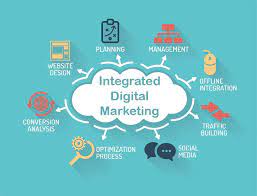
Integrated digital marketing involves synchronising different aspects of online marketing, such as search engine optimisation (SEO), social media marketing, email campaigns, content creation, and paid advertising, into a unified strategy. By aligning these channels and ensuring consistent messaging across all touchpoints, businesses can create a more impactful and memorable brand experience for their customers.

The Benefits of Integrated Digital Marketing

Improved Brand Consistency: By maintaining a consistent brand voice and visual identity across all digital channels, businesses can build trust and recognition among their target audience.

Enhanced Customer Experience: Integrated marketing allows businesses to provide a seamless customer journey from awareness to conversion, leading to higher engagement and loyalty.

Increased ROI: By coordinating different marketing efforts, businesses can maximise their resources and achieve better results in terms of lead generation, sales, and overall return on investment.

Key Strategies for Implementing Integrated Digital Marketing

Develop a Comprehensive Strategy: Start by defining your goals, target audience, key messages, and KPIs. This will help guide your integrated marketing efforts towards achieving measurable results.

Use Data Analytics: Leverage data analytics tools to track the performance of your campaigns across various channels. This data-driven approach will enable you to make informed decisions and optimise your strategies for better outcomes.

Coordinate Campaigns Across Channels: Ensure that your messaging is consistent across all digital platforms to create a unified brand experience for your audience. Integrate your content strategy with SEO, social media, email marketing, and other tactics for maximum impact.

The Future of Integrated Digital Marketing

In an increasingly competitive digital landscape, integrated marketing will continue to play a crucial role in helping businesses cut through the noise and connect with their target audience effectively. By embracing this holistic approach to online marketing, businesses can drive growth, foster customer loyalty, and stay ahead of the curve in the ever-evolving digital world.


9 Essential Tips for Crafting a Successful Integrated Digital Marketing Strategy

  1. 1. Define clear objectives and goals for your integrated digital marketing strategy.
  2. 2. Understand your target audience to tailor your messages effectively across different channels.
  3. 3. Ensure consistency in branding and messaging to maintain a cohesive brand image.
  4. 4. Use data analytics to track and measure the performance of your campaigns across various platforms.
  5. 5. Integrate SEO best practices to improve visibility and drive organic traffic to your website.
  6. 6. Utilize social media platforms strategically to engage with customers and build relationships.
  7. 7. Implement email marketing campaigns to nurture leads and maintain communication with customers.
  8. 8. Consider using paid advertising such as PPC campaigns for targeted reach and quick results.
  9. 9. Regularly review and adjust your strategies based on insights gathered from performance metrics.

1. Define clear objectives and goals for your integrated digital marketing strategy.

To maximise the effectiveness of your integrated digital marketing strategy, it is crucial to define clear objectives and goals from the outset. By establishing specific and measurable targets, such as increasing website traffic, generating leads, or boosting brand awareness, you can align your marketing efforts towards achieving tangible results. Clear objectives not only provide focus and direction but also serve as benchmarks for evaluating the success of your integrated digital campaigns. Setting well-defined goals ensures that your strategy remains purposeful and impactful in engaging your target audience across various online channels.

2. Understand your target audience to tailor your messages effectively across different channels.

To maximise the impact of integrated digital marketing, it is crucial to have a deep understanding of your target audience. By gaining insights into their preferences, behaviours, and needs, you can tailor your messages effectively across various online channels. This personalised approach not only enhances engagement but also fosters stronger connections with your audience, ultimately driving better results and building long-lasting relationships with customers.

3. Ensure consistency in branding and messaging to maintain a cohesive brand image.

To succeed in integrated digital marketing, it is crucial to ensure consistency in branding and messaging across all online channels. By maintaining a cohesive brand image, businesses can build trust and recognition among their target audience. Consistent branding helps reinforce the brand’s values, personality, and visual identity, creating a seamless experience for consumers as they interact with the brand across different touchpoints. This unified approach not only enhances brand recall but also strengthens customer loyalty and engagement in the long run.

4. Use data analytics to track and measure the performance of your campaigns across various platforms.

Utilising data analytics to monitor and evaluate the effectiveness of your campaigns across different platforms is a crucial aspect of integrated digital marketing. By leveraging data-driven insights, businesses can gain valuable information on the performance of their marketing efforts, identify trends, and make informed decisions to optimise their strategies for better results. Tracking key metrics and analysing campaign data allows businesses to refine their approach, allocate resources effectively, and ultimately enhance the overall impact of their integrated marketing initiatives.

5. Integrate SEO best practices to improve visibility and drive organic traffic to your website.

Integrating SEO best practices is essential for enhancing visibility and driving organic traffic to your website. By optimising your online content with relevant keywords, meta tags, and quality backlinks, you can improve your search engine rankings and attract more qualified visitors to your site. Implementing SEO strategies as part of your integrated digital marketing approach not only boosts your online presence but also helps you reach a wider audience who are actively searching for products or services like yours.

6. Utilize social media platforms strategically to engage with customers and build relationships.

Utilising social media platforms strategically is a key aspect of integrated digital marketing. By engaging with customers and building relationships through platforms such as Facebook, Instagram, Twitter, and LinkedIn, businesses can create a direct line of communication with their target audience. This interaction not only helps in fostering brand loyalty but also allows for real-time feedback and insights that can inform future marketing strategies. By leveraging the power of social media in a thoughtful and purposeful manner, businesses can strengthen their online presence and connect with customers on a more personal level.

7. Implement email marketing campaigns to nurture leads and maintain communication with customers.

Implementing email marketing campaigns is a crucial aspect of integrated digital marketing. By utilising targeted and personalised emails, businesses can nurture leads, build relationships with customers, and drive engagement. Email campaigns allow for ongoing communication with customers, providing valuable updates, promotions, and relevant content that keep the brand top-of-mind. This consistent interaction helps to foster trust and loyalty among customers, ultimately leading to increased conversions and long-term success for the business.

8. Consider using paid advertising such as PPC campaigns for targeted reach and quick results.

When implementing integrated digital marketing strategies, it is essential to consider utilising paid advertising options like PPC campaigns. Pay-Per-Click (PPC) advertising allows businesses to target specific audiences with precision and achieve quick results. By investing in PPC campaigns, businesses can increase their online visibility, drive targeted traffic to their website, and generate leads effectively. This paid advertising approach complements other digital marketing efforts and can provide a significant boost to overall campaign performance.

9. Regularly review and adjust your strategies based on insights gathered from performance metrics.

Regularly reviewing and adjusting your digital marketing strategies based on insights gathered from performance metrics is crucial for the success of integrated digital marketing efforts. By analysing key performance indicators such as website traffic, conversion rates, engagement metrics, and ROI, businesses can identify what is working well and what needs improvement. This data-driven approach allows businesses to make informed decisions, optimise their campaigns for better results, and stay agile in responding to changing market dynamics. Continuous monitoring and adjustment ensure that integrated marketing strategies remain effective and aligned with business goals in the ever-evolving digital landscape.

online marketing strategist

Crafting Success: The Essential Role of an Online Marketing Strategist

The Role of an Online Marketing Strategist in Today’s Digital Landscape

In the fast-paced world of digital marketing, the role of an online marketing strategist is more crucial than ever. As businesses strive to reach and engage with their target audiences in the online realm, the expertise and guidance of a skilled strategist can make all the difference in achieving success.

What Does an Online Marketing Strategist Do?

An online marketing strategist is responsible for developing and implementing comprehensive digital marketing strategies to help businesses achieve their goals. This involves a deep understanding of various online channels, such as social media, search engine optimisation (SEO), pay-per-click advertising, email marketing, and content creation.

By conducting market research, analysing data, and staying abreast of industry trends, an online marketing strategist can identify opportunities for growth and devise tailored strategies to maximise a business’s online presence and visibility.

The Importance of Strategy in Digital Marketing

Effective digital marketing is not just about posting content or running ads; it requires a strategic approach that aligns with a business’s objectives and target audience. An online marketing strategist plays a key role in creating cohesive and results-driven campaigns that resonate with customers and drive conversions.

Furthermore, in today’s competitive digital landscape, having a well-defined strategy is essential for standing out from the crowd and making a meaningful impact. An online marketing strategist can help businesses differentiate themselves through innovative tactics and compelling storytelling that captivates audiences.

Driving Business Growth Through Strategic Marketing

Ultimately, the goal of an online marketing strategist is to drive business growth by leveraging the power of digital channels effectively. Whether it’s increasing brand awareness, generating leads, or boosting sales, a well-crafted digital strategy can pave the way for success in today’s interconnected world.

By continuously evaluating performance metrics, refining strategies based on insights, and adapting to changing market dynamics, an online marketing strategist ensures that businesses stay ahead of the curve and remain relevant in the eyes of their target audience.

In Conclusion

In conclusion, the role of an online marketing strategist is indispensable for businesses looking to thrive in the digital age. By combining creativity with data-driven insights and strategic thinking, these professionals help businesses navigate the complexities of online marketing and achieve tangible results that propel them towards success.


Mastering Online Marketing: 6 Essential Tips for Strategic Success

  1. Understand your target audience and their preferences.
  2. Stay updated with the latest trends in digital marketing.
  3. Create a strong online presence through various channels.
  4. Set clear and measurable goals for your online marketing campaigns.
  5. Analyse data regularly to track the performance of your strategies.
  6. Engage with your audience through interactive content and social media.

Understand your target audience and their preferences.

To excel as an online marketing strategist, it is essential to thoroughly understand your target audience and their preferences. By delving into the demographics, behaviours, and interests of your audience, you can tailor your marketing efforts to resonate with them effectively. This insight allows you to craft compelling messages, choose the right channels for engagement, and deliver content that truly speaks to the needs and desires of your audience. Ultimately, by putting your audience at the centre of your strategy, you can build stronger connections, drive engagement, and achieve meaningful results in the competitive digital landscape.

To excel as an online marketing strategist, it is imperative to stay updated with the latest trends in digital marketing. The digital landscape is constantly evolving, with new technologies, platforms, and consumer behaviours shaping the way businesses engage with their audiences online. By keeping abreast of emerging trends and best practices, a marketing strategist can adapt their strategies to remain relevant and effective in reaching and resonating with target audiences. Continuous learning and staying ahead of the curve are key to success in navigating the dynamic world of digital marketing.

Create a strong online presence through various channels.

To maximise the impact of your digital marketing efforts, it is essential for an online marketing strategist to create a robust online presence across multiple channels. By strategically utilising platforms such as social media, search engines, email marketing, and content creation, businesses can effectively reach and engage with their target audience. A strong online presence not only enhances brand visibility but also builds credibility and trust among customers. Through cohesive and consistent messaging across different channels, an online marketing strategist can establish a compelling digital footprint that resonates with audiences and drives business growth.

Set clear and measurable goals for your online marketing campaigns.

Setting clear and measurable goals for your online marketing campaigns is essential for success in the digital landscape. By defining specific objectives, such as increasing website traffic, generating leads, or improving conversion rates, you create a roadmap that guides your marketing efforts and allows you to track progress effectively. Clear goals provide focus and direction, enabling you to allocate resources efficiently and make data-driven decisions to optimise campaign performance. With measurable goals in place, you can assess the effectiveness of your strategies, identify areas for improvement, and ultimately achieve meaningful results that align with your business objectives.

Analyse data regularly to track the performance of your strategies.

Regularly analysing data is a crucial tip for online marketing strategists to track the effectiveness of their strategies. By monitoring key performance metrics and interpreting data insights, strategists can gain valuable information about the impact of their campaigns, identify areas for improvement, and make informed decisions to optimise future marketing efforts. Data analysis not only provides valuable feedback on strategy performance but also helps in adjusting tactics in real-time to ensure maximum ROI and success in the ever-evolving digital landscape.

Engage with your audience through interactive content and social media.

To maximise the impact of your online marketing strategy, it is essential to engage with your audience through interactive content and social media. By creating compelling and interactive posts, such as polls, quizzes, or live videos, you can foster a sense of connection and dialogue with your followers. Social media platforms offer a dynamic space to interact with your audience in real-time, gather feedback, and build relationships that strengthen brand loyalty. Embracing interactive content and engaging with your audience on social media not only enhances the overall user experience but also helps to drive meaningful interactions and conversions for your business.

mckinsey digital marketing

Mastering the Art of McKinsey Digital Marketing: Driving Success in the Online World

The Power of McKinsey Digital Marketing

In today’s fast-paced digital landscape, businesses are constantly seeking innovative ways to reach and engage with their target audience. McKinsey Digital Marketing stands out as a leader in the industry, offering cutting-edge strategies and solutions to help companies navigate the complexities of the online world.

Strategic Approach

McKinsey’s approach to digital marketing is rooted in data-driven insights and strategic thinking. By leveraging advanced analytics and market research, they are able to identify key trends, consumer behaviours, and opportunities for growth. This allows businesses to make informed decisions and tailor their marketing efforts for maximum impact.

Customised Solutions

One of the key strengths of McKinsey Digital Marketing is their ability to provide customised solutions that align with each client’s unique goals and challenges. Whether it’s developing a comprehensive social media strategy, optimising website performance, or launching targeted advertising campaigns, McKinsey tailors their services to meet the specific needs of each business.

Technology Integration

McKinsey understands the importance of integrating technology into every aspect of digital marketing. From automation tools to AI-driven insights, they leverage the latest technological advancements to streamline processes, enhance efficiency, and drive results. This tech-savvy approach sets them apart in an increasingly competitive market.

Measurable Results

At the core of McKinsey Digital Marketing is a commitment to delivering measurable results for their clients. Through rigorous tracking and analysis, they provide clear metrics that demonstrate the impact of their strategies on key performance indicators. This transparency allows businesses to see the tangible benefits of partnering with McKinsey.

Conclusion

In conclusion, McKinsey Digital Marketing offers a comprehensive suite of services that empower businesses to thrive in the digital age. With a focus on strategy, customisation, technology, and results, they are a trusted partner for companies looking to elevate their online presence and drive growth. By harnessing the power of McKinsey’s expertise, businesses can unlock new opportunities and stay ahead in today’s dynamic digital landscape.


Mastering McKinsey Digital Marketing: 5 Essential Tips for Success

  1. Understand the latest digital marketing trends and technologies to stay competitive.
  2. Develop a data-driven approach to make informed decisions and optimize campaigns.
  3. Create engaging content that resonates with your target audience for better results.
  4. Utilize social media platforms effectively to reach and engage with your customers.
  5. Regularly track and analyse key performance metrics to measure the success of your digital marketing efforts.

To stay competitive in the digital marketing landscape, it is essential to stay abreast of the latest trends and technologies. McKinsey Digital Marketing emphasises the importance of understanding and leveraging emerging digital marketing trends to maintain a competitive edge. By staying informed about new technologies and industry developments, businesses can adapt their strategies effectively, engage with their target audience more efficiently, and ultimately achieve greater success in the ever-evolving digital realm.

Develop a data-driven approach to make informed decisions and optimize campaigns.

Developing a data-driven approach is essential in the realm of McKinsey Digital Marketing. By harnessing the power of data analytics and insights, businesses can make informed decisions that drive the success of their campaigns. Understanding key metrics and consumer behaviour allows for targeted strategies that maximise impact and ROI. With a focus on optimisation based on real-time data, McKinsey empowers businesses to stay agile, adapt quickly to market changes, and achieve measurable results in their digital marketing efforts.

Create engaging content that resonates with your target audience for better results.

To maximise the effectiveness of McKinsey Digital Marketing strategies, it is crucial to create engaging content that truly resonates with your target audience. By understanding the preferences, interests, and needs of your audience, you can tailor your content to capture their attention and build meaningful connections. Engaging content not only attracts potential customers but also encourages interaction and fosters brand loyalty. Through compelling storytelling, valuable information, and creative visuals, businesses can enhance their online presence and achieve better results in today’s competitive digital landscape.

Utilize social media platforms effectively to reach and engage with your customers.

To maximise the impact of McKinsey Digital Marketing, it is essential to harness the potential of social media platforms effectively in order to connect with and engage customers. By strategically utilising platforms such as Facebook, Instagram, Twitter, and LinkedIn, businesses can create meaningful interactions with their target audience, build brand awareness, and drive customer loyalty. McKinsey’s expertise in developing tailored social media strategies can help businesses leverage these platforms to their full potential, fostering valuable relationships and generating impactful results in the digital realm.

Regularly track and analyse key performance metrics to measure the success of your digital marketing efforts.

Regularly tracking and analysing key performance metrics is essential to gauge the effectiveness of your digital marketing initiatives. McKinsey Digital Marketing emphasises the importance of measuring success through data-driven insights. By monitoring metrics such as website traffic, conversion rates, engagement levels, and ROI, businesses can gain valuable insights into the impact of their strategies and make informed decisions to optimise future campaigns. This proactive approach to performance measurement not only enables businesses to identify strengths and areas for improvement but also empowers them to adapt their digital marketing efforts for maximum impact and growth.

video content marketing agency

Unlocking Success: The Role of a Video Content Marketing Agency

Article: Video Content Marketing Agency

The Power of Video Content Marketing Agencies

In today’s digital age, video content has become a powerful tool for businesses to engage with their audience and drive conversions. As the demand for high-quality video content continues to rise, the role of video content marketing agencies has become increasingly crucial.

What is a Video Content Marketing Agency?

A video content marketing agency is a specialised firm that helps businesses create, distribute, and promote video content to reach their target audience effectively. These agencies combine creative storytelling with strategic marketing techniques to deliver compelling videos that resonate with viewers.

The Benefits of Working with a Video Content Marketing Agency

Professional Expertise: Video content marketing agencies have a team of skilled professionals who understand the nuances of creating engaging videos that drive results.

Strategic Approach: These agencies develop tailored strategies to ensure that your video content aligns with your marketing goals and resonates with your target audience.

Creative Excellence: From scriptwriting to production and editing, video content marketing agencies excel in delivering visually appealing and impactful videos that capture attention.

Increased Visibility: By leveraging the expertise of a video content marketing agency, businesses can enhance their online presence and reach a wider audience through various digital platforms.

Conclusion

Video content marketing agencies play a vital role in helping businesses leverage the power of video to connect with their audience in meaningful ways. By partnering with these agencies, businesses can elevate their brand presence, drive engagement, and achieve their marketing objectives through compelling visual storytelling.


Top 5 Tips for Effective Video Content Marketing: Engaging Your Audience and Boosting Visibility

  1. Understand your target audience to create relevant and engaging video content.
  2. Focus on storytelling to connect with viewers on an emotional level.
  3. Maintain a consistent brand voice and style across all video content.
  4. Utilize SEO techniques to optimize video titles, descriptions, and tags for better visibility.
  5. Engage with your audience through comments, polls, and interactive elements in your videos.

Understand your target audience to create relevant and engaging video content.

To maximise the impact of your video content marketing strategy, it is essential to have a deep understanding of your target audience. By identifying their preferences, interests, and behaviours, you can tailor your video content to resonate with them effectively. Creating relevant and engaging videos that address the specific needs and desires of your audience will not only capture their attention but also foster a stronger connection with your brand. This personalised approach is key to driving engagement and achieving success in your video content marketing efforts.

Focus on storytelling to connect with viewers on an emotional level.

To effectively engage with viewers and establish a lasting connection, it is essential for video content marketing agencies to focus on storytelling. By crafting narratives that resonate on an emotional level, agencies can capture the audience’s attention and create a meaningful impact. Emotions have the power to drive action and foster a sense of connection, making storytelling a powerful tool in building brand loyalty and driving conversions. Through compelling storytelling, video content marketing agencies can create memorable experiences that leave a lasting impression on viewers, leading to increased engagement and brand awareness.

Maintain a consistent brand voice and style across all video content.

Maintaining a consistent brand voice and style across all video content is essential for building a strong and recognisable brand identity. By ensuring that your videos convey a cohesive message and reflect your brand values consistently, you can establish trust and credibility with your audience. Consistency in brand voice and style helps to reinforce brand recall and create a unified experience for viewers, enhancing brand loyalty and engagement. Whether it’s the tone of voice, visual elements, or overall messaging, aligning your video content with your brand guidelines can help strengthen your brand presence and make a lasting impression on your target audience.

Utilize SEO techniques to optimize video titles, descriptions, and tags for better visibility.

To enhance the visibility of your video content and reach a wider audience, it is essential to incorporate SEO techniques into your video titles, descriptions, and tags. By optimising these elements with relevant keywords and phrases, you can improve the chances of your videos appearing in search engine results and attracting more viewers. Effective SEO practices not only increase the discoverability of your videos but also contribute to building a strong online presence for your brand through strategic video content marketing efforts.

Engage with your audience through comments, polls, and interactive elements in your videos.

To maximise the impact of your video content marketing strategy, it is essential to actively engage with your audience by incorporating interactive elements such as comments, polls, and other engaging features within your videos. By encouraging viewers to participate and share their thoughts, you can foster a sense of community, gather valuable feedback, and create a more immersive viewing experience. This interactive approach not only strengthens the connection with your audience but also enhances the overall effectiveness of your video content in driving engagement and building brand loyalty.

content marketing services

Unlocking the Potential of Content Marketing Services for Your Business

The Power of Content Marketing Services

The Power of Content Marketing Services

In today’s digital age, content is king. With the vast amount of information available online, businesses need to stand out and engage their audience effectively. This is where content marketing services play a crucial role.

Content marketing services involve creating and distributing valuable, relevant, and consistent content to attract and retain a targeted audience. By providing valuable information to potential customers, businesses can build trust, establish authority in their industry, and ultimately drive profitable customer action.

Benefits of Content Marketing Services:

  • Increased Brand Awareness: Consistent and high-quality content helps raise brand awareness and visibility among your target audience.
  • Improved Search Engine Rankings: Relevant and optimised content can improve your website’s search engine rankings, increasing organic traffic.
  • Enhanced Customer Engagement: Engaging content encourages interaction with your audience, leading to stronger relationships and customer loyalty.
  • Lead Generation: Valuable content attracts potential leads and nurtures them through the sales funnel, increasing conversion rates.
  • Cost-Effective Marketing Strategy: Content marketing is a cost-effective way to reach your target audience compared to traditional advertising methods.

Whether it’s blog posts, social media updates, videos, infographics, or whitepapers, a well-rounded content marketing strategy can help businesses connect with their audience on multiple levels. By understanding the needs and preferences of their target market, businesses can create tailored content that resonates with their audience.

In conclusion, investing in professional content marketing services can significantly impact your business’s online presence and overall success. By delivering valuable and relevant content consistently, businesses can attract more leads, increase brand loyalty, and drive long-term growth.


Understanding Content Marketing Services: Key Questions Answered

  1. What is content marketing and why is it important?
  2. How can content marketing services benefit my business?
  3. What types of content are typically included in content marketing services?
  4. How do I measure the effectiveness of my content marketing strategy?
  5. Is content marketing suitable for businesses of all sizes?
  6. What sets professional content marketing services apart from DIY approaches?
  7. How can I choose the right content marketing service provider for my business?

What is content marketing and why is it important?

Content marketing is a strategic approach that involves creating and distributing valuable, relevant content to attract and engage a specific target audience. It goes beyond traditional advertising by focusing on providing information that educates, entertains, or inspires the audience. Content marketing is important because it helps businesses build credibility, establish authority in their industry, and nurture relationships with customers. By delivering valuable content consistently, businesses can increase brand awareness, drive website traffic, generate leads, and ultimately boost sales. In today’s digital landscape, where consumers actively seek information online, content marketing plays a crucial role in connecting with audiences and driving business growth.

How can content marketing services benefit my business?

Content marketing services can benefit your business in numerous ways. By creating and distributing valuable and relevant content, you can increase brand awareness, engage your target audience, improve search engine rankings, generate leads, and establish your business as an industry authority. This strategic approach not only drives customer action but also fosters long-term relationships with your audience. Ultimately, content marketing services offer a cost-effective way to connect with customers, build credibility, and drive growth for your business in the digital landscape.

What types of content are typically included in content marketing services?

When it comes to content marketing services, businesses often include a variety of content types to engage their target audience effectively. These may encompass blog posts, articles, infographics, videos, social media updates, whitepapers, case studies, e-books, podcasts, and email newsletters. Each type of content serves a specific purpose in conveying information, building brand authority, and nurturing customer relationships. By diversifying the content mix and tailoring it to the preferences of their audience, businesses can create a compelling and cohesive content strategy that resonates with their target market.

How do I measure the effectiveness of my content marketing strategy?

Measuring the effectiveness of your content marketing strategy is essential to understanding its impact and making informed decisions for future campaigns. There are several key metrics you can use to evaluate the success of your content marketing efforts. These may include website traffic, engagement rates (such as likes, shares, and comments), conversion rates, lead generation, and return on investment (ROI). By analysing these metrics regularly and tracking progress over time, you can gain valuable insights into what is working well and where adjustments may be needed to optimise your content marketing strategy for better results.

Is content marketing suitable for businesses of all sizes?

Content marketing is a versatile strategy that can benefit businesses of all sizes, from small startups to large corporations. The beauty of content marketing lies in its adaptability and scalability. Small businesses can leverage content marketing to establish their brand, build credibility, and attract a loyal customer base without the need for a large budget. On the other hand, larger enterprises can use content marketing to engage with their audience on a deeper level, drive lead generation, and maintain customer relationships. Regardless of size, businesses can tailor their content marketing approach to suit their specific goals and resources, making it a valuable tool for growth and success in today’s competitive digital landscape.

What sets professional content marketing services apart from DIY approaches?

When comparing professional content marketing services to DIY approaches, the key difference lies in expertise and experience. Professional services offer a team of skilled professionals who have a deep understanding of content strategy, audience targeting, SEO best practices, and effective storytelling techniques. They bring a wealth of industry knowledge and resources to create tailored content that resonates with the target audience and achieves specific business goals. In contrast, DIY approaches may lack the same level of strategic planning, creativity, and consistency that professionals can provide. By choosing professional content marketing services, businesses can benefit from a comprehensive approach that maximises engagement, brand visibility, and ultimately, ROI.

How can I choose the right content marketing service provider for my business?

When selecting the ideal content marketing service provider for your business, it is essential to consider several key factors. Firstly, assess the provider’s expertise and experience in your industry to ensure they understand your target audience and goals. Look for a provider with a proven track record of delivering successful content marketing campaigns and driving tangible results for their clients. Additionally, consider their approach to strategy development, content creation, distribution channels, and measurement of success. Effective communication, transparency, and a collaborative working relationship are also crucial aspects to look for in a content marketing service provider. By conducting thorough research and asking relevant questions, you can choose a partner that aligns with your business objectives and helps you achieve your content marketing goals effectively.