paid online marketing

Unlocking Success: The Impact of Paid Online Marketing Strategies

The Power of Paid Online Marketing

The Power of Paid Online Marketing

In today’s digital age, paid online marketing has become a crucial strategy for businesses looking to reach their target audience and drive conversions. With the vast number of users spending hours online every day, leveraging paid online marketing can significantly boost brand visibility and engagement.

Benefits of Paid Online Marketing

Targeted Reach: Paid online marketing allows businesses to target specific demographics, interests, and behaviours of their audience, ensuring that their ads are seen by the right people at the right time.

Instant Results: Unlike organic marketing efforts that take time to gain traction, paid online marketing delivers instant results in terms of website traffic, leads, and sales.

Measurable ROI: With tools like Google Analytics and social media insights, businesses can track the performance of their paid campaigns in real-time and measure the return on investment accurately.

Types of Paid Online Marketing

Search Engine Marketing (SEM): This involves placing ads on search engine result pages based on specific keywords relevant to your business. Google Ads is a popular SEM platform.

Social Media Advertising: Platforms like Facebook, Instagram, Twitter, and LinkedIn offer robust advertising options to target users based on their demographics, interests, and online behaviour.

Display Advertising: Banner ads placed on websites or mobile apps can help increase brand awareness and drive traffic to your website through visual content.

Tips for Successful Paid Online Marketing Campaigns

To make the most out of your paid online marketing efforts, consider the following tips:

  • Set Clear Goals: Define your objectives – whether it’s increasing website traffic, generating leads, or boosting sales – to tailor your campaigns accordingly.
  • Create Compelling Ad Copy: Craft engaging ad copy with strong calls-to-action that resonate with your target audience.
  • A/B Testing: Experiment with different ad creatives, targeting options, and landing pages to identify what works best for your audience.
  • Monitor Performance: Regularly monitor key metrics like click-through rates (CTR), conversion rates, and cost per acquisition (CPA) to optimise your campaigns for better results.

In Conclusion

Paid online marketing offers businesses a powerful way to amplify their online presence and drive meaningful results in a competitive digital landscape. By leveraging targeted strategies across various platforms, businesses can connect with their audience effectively and achieve their marketing goals efficiently.


Understanding Paid Online Marketing: Answers to 8 Common Questions

  1. What is paid online marketing?
  2. How does paid online marketing differ from organic marketing?
  3. What are the benefits of investing in paid online marketing?
  4. Which platforms offer paid online marketing opportunities?
  5. How can businesses measure the effectiveness of their paid online marketing campaigns?
  6. What budget should businesses allocate for paid online marketing?
  7. Are there any best practices to follow when running a paid online marketing campaign?
  8. Can businesses target specific audiences with paid online marketing?

What is paid online marketing?

Paid online marketing refers to the practice of promoting products or services on digital platforms through paid advertising methods. This form of marketing involves businesses investing in online ads to reach their target audience and drive desired actions, such as website visits, lead generation, or sales. Paid online marketing encompasses various channels, including search engine marketing (SEM), social media advertising, display advertising, and more. By allocating budget towards paid campaigns, businesses can enhance their online visibility, engage with potential customers effectively, and achieve measurable results in terms of brand awareness and conversions.

How does paid online marketing differ from organic marketing?

Paid online marketing differs from organic marketing in the way it involves paid advertising to promote products or services on digital platforms. While organic marketing focuses on building a brand’s online presence through content creation, SEO, and social media engagement without direct payment for visibility, paid online marketing relies on investing in targeted ads to reach specific audiences quickly. Paid strategies offer immediate results and precise targeting options, allowing businesses to control their messaging and reach a broader audience effectively. In contrast, organic marketing requires time and consistent effort to build credibility and visibility through non-paid channels. Both approaches complement each other in a comprehensive digital marketing strategy, with paid online marketing providing a more immediate impact and organic efforts fostering long-term growth and brand loyalty.

What are the benefits of investing in paid online marketing?

Investing in paid online marketing offers a multitude of benefits for businesses seeking to enhance their digital presence and drive results. One key advantage is the ability to target specific demographics, interests, and behaviours of the audience, ensuring that ads reach the right people at the right time. Paid online marketing also provides instant results in terms of increased website traffic, leads, and sales, unlike organic efforts that may take time to yield outcomes. Furthermore, businesses can measure the return on investment accurately through tools like Google Analytics and social media insights, enabling them to track performance in real-time and make data-driven decisions for future campaigns.

Which platforms offer paid online marketing opportunities?

Various digital platforms provide paid online marketing opportunities for businesses to reach their target audience effectively. Some popular platforms include Google Ads, which offers search engine marketing (SEM) options to display ads on Google search result pages, and social media platforms like Facebook, Instagram, Twitter, and LinkedIn that provide robust advertising solutions to target users based on their demographics and interests. Additionally, display advertising on websites and mobile apps can also be utilised to increase brand visibility through visual content. By leveraging the diverse opportunities offered by these platforms, businesses can enhance their online presence and drive conversions through strategic paid marketing campaigns.

How can businesses measure the effectiveness of their paid online marketing campaigns?

Businesses can measure the effectiveness of their paid online marketing campaigns through various key performance indicators (KPIs) that provide valuable insights into the campaign’s performance. Metrics such as click-through rates (CTR), conversion rates, return on ad spend (ROAS), cost per acquisition (CPA), and overall return on investment (ROI) allow businesses to track and analyse the impact of their campaigns. By monitoring these KPIs closely and using tools like Google Analytics or social media insights, businesses can assess the success of their paid online marketing efforts, make data-driven decisions for optimisation, and ultimately achieve their marketing objectives efficiently.

What budget should businesses allocate for paid online marketing?

When it comes to determining the budget for paid online marketing, businesses should consider several factors such as their industry, target audience, marketing goals, and the competitiveness of the digital landscape. There is no one-size-fits-all answer to this question as budgets can vary significantly depending on the specific needs and objectives of each business. It is advisable for businesses to conduct thorough research, analyse past performance data, and set clear objectives to determine an appropriate budget that aligns with their overall marketing strategy and expected ROI. Additionally, businesses should be prepared to adjust their budget based on campaign performance and market dynamics to maximise the effectiveness of their paid online marketing efforts.

Are there any best practices to follow when running a paid online marketing campaign?

When running a paid online marketing campaign, it is essential to follow best practices to maximise its effectiveness. Some key guidelines include setting clear and measurable goals, conducting thorough audience research to target the right demographics, creating compelling ad copy with strong calls-to-action, continuously monitoring and analysing campaign performance metrics, and regularly optimising based on data-driven insights. By adhering to these best practices, businesses can enhance the success of their paid online marketing campaigns and achieve their desired outcomes efficiently.

Can businesses target specific audiences with paid online marketing?

In the realm of paid online marketing, businesses have the valuable capability to target specific audiences with precision and efficiency. By utilising advanced targeting tools and data analytics offered by platforms such as Google Ads and social media advertising channels, businesses can tailor their marketing campaigns to reach audiences based on demographics, interests, behaviours, and even online interactions. This targeted approach not only enhances the relevance of ads but also increases the likelihood of engaging with potential customers who are more likely to convert. Ultimately, the ability to target specific audiences is a key advantage of paid online marketing that empowers businesses to maximise their reach and impact in today’s digital landscape.

social media marketing companies for small business

Elevate Your Small Business with Expert Social Media Marketing Companies

Social Media Marketing Companies for Small Business

Social Media Marketing Companies for Small Business

Social media has become a powerful tool for businesses of all sizes to reach and engage with their target audience. For small businesses, having a strong presence on social media can be a game-changer in terms of brand awareness, customer engagement, and lead generation. However, managing social media effectively requires time, expertise, and resources that many small businesses may not have.

Enter Social Media Marketing Companies

Social media marketing companies specialise in helping businesses create and execute effective social media strategies to achieve their marketing goals. These companies have the knowledge, experience, and tools to navigate the ever-changing landscape of social media platforms and maximise their clients’ online presence.

Benefits for Small Businesses

For small businesses looking to harness the power of social media, partnering with a social media marketing company can offer several key benefits:

  • Expertise: Social media marketing companies have professionals who understand the nuances of each platform and can create tailored strategies that resonate with your target audience.
  • Time Savings: Outsourcing your social media management allows you to focus on other aspects of your business while experts handle your online presence.
  • Cost-Effective Solutions: Many social media marketing companies offer affordable packages designed specifically for small businesses, making professional services accessible.
  • Data-Driven Results: These companies use analytics tools to track performance metrics and adjust strategies accordingly to ensure maximum ROI.

Choosing the Right Partner

When selecting a social media marketing company for your small business, consider factors such as their track record, client testimonials, range of services offered, and alignment with your brand values. Communication is key – make sure you have a clear understanding of what they will deliver and how success will be measured.

In Conclusion

Social media marketing companies can be invaluable allies for small businesses looking to establish a strong online presence and connect with their target audience effectively. By leveraging the expertise and resources of these professionals, small businesses can level the playing field in the competitive digital landscape.

Contact a reputable social media marketing company today to explore how they can help your small business thrive in the world of social media.


7 Essential Tips for Small Businesses: Maximising Success with Social Media Marketing Companies

  1. Define your target audience clearly to tailor your content effectively.
  2. Create a content calendar to ensure consistent posting and engagement.
  3. Utilize various social media platforms to reach a wider audience.
  4. Engage with your followers by responding to comments and messages promptly.
  5. Monitor analytics regularly to track the performance of your campaigns.
  6. Collaborate with influencers or other businesses for cross-promotion opportunities.
  7. Stay updated on social media trends and adjust your strategies accordingly.

Define your target audience clearly to tailor your content effectively.

Defining your target audience clearly is a crucial step in maximising the effectiveness of your social media marketing efforts as a small business. By understanding the demographics, interests, and behaviours of your audience, you can tailor your content to resonate with them on a deeper level. This targeted approach not only increases engagement but also enhances the likelihood of converting followers into customers. Identifying and addressing the specific needs and preferences of your target audience through strategic content creation can help you build stronger relationships and drive meaningful results for your business in the competitive social media landscape.

Create a content calendar to ensure consistent posting and engagement.

Creating a content calendar is a crucial tip for small businesses working with social media marketing companies. By planning and scheduling your content in advance, you can ensure a consistent posting schedule that keeps your audience engaged. A content calendar helps you maintain a strategic approach to your social media efforts, allowing for better organisation, timely responses to trends, and the ability to track the performance of your posts effectively. Consistency in posting not only boosts visibility but also fosters a stronger connection with your followers, ultimately driving growth and success for your small business on social media platforms.

Utilize various social media platforms to reach a wider audience.

To maximise your small business’s online presence, it is essential to utilise a variety of social media platforms effectively. By diversifying your presence across platforms such as Facebook, Instagram, Twitter, LinkedIn, and others, you can reach a broader audience and engage with potential customers who may frequent different channels. Each platform offers unique features and demographics, allowing you to tailor your content and messaging to appeal to a wider range of users. Embracing multiple social media platforms can enhance brand visibility and increase opportunities for growth in the competitive digital landscape.

Engage with your followers by responding to comments and messages promptly.

Engaging with your followers by responding to comments and messages promptly is a crucial aspect of effective social media marketing for small businesses. By actively interacting with your audience, you not only show that you value their input and feedback but also build a sense of community and trust around your brand. Prompt responses demonstrate professionalism and attentiveness, fostering positive relationships with your followers and potentially turning them into loyal customers. Consistent engagement can lead to increased brand visibility, improved customer satisfaction, and ultimately, business growth in the competitive digital landscape.

Monitor analytics regularly to track the performance of your campaigns.

Monitoring analytics regularly is crucial for small businesses working with social media marketing companies. By tracking the performance of your campaigns, you can gain valuable insights into what strategies are working effectively and where adjustments may be needed. Analyzing metrics such as engagement rates, click-through rates, and conversion rates allows you to make data-driven decisions to optimise your social media efforts and maximise your return on investment. Consistent monitoring of analytics ensures that you stay informed about the impact of your campaigns and enables you to refine your approach for greater success in reaching your target audience.

Collaborate with influencers or other businesses for cross-promotion opportunities.

Collaborating with influencers or other businesses for cross-promotion opportunities can be a strategic move for small businesses looking to expand their reach on social media. By partnering with influencers who have a relevant audience or complementary businesses in your industry, you can tap into new demographics and increase brand visibility. These collaborations not only help in reaching a wider audience but also build credibility and trust among potential customers. Leveraging the network and influence of others through cross-promotion can be a cost-effective way to amplify your marketing efforts and drive engagement on social media platforms.

In the realm of social media marketing for small businesses, staying abreast of the latest trends is paramount to success. By continuously monitoring and adapting to evolving social media landscapes, businesses can ensure their strategies remain relevant and effective. Whether it involves embracing new features on platforms or responding to shifting user behaviours, the ability to adjust strategies accordingly allows small businesses to stay competitive and engage with their target audience in meaningful ways.

digital marketing agency website

Unlocking Success: The Power of Your Digital Marketing Agency Website

The Importance of a Digital Marketing Agency Website

The Importance of a Digital Marketing Agency Website

In today’s digital age, having a strong online presence is essential for any business looking to succeed. A well-designed and strategically developed website is the cornerstone of a digital marketing agency’s online presence. Here are some reasons why a digital marketing agency website is crucial:

First Impression Matters

Your website is often the first point of contact between your agency and potential clients. A professionally designed website can make a lasting impression and convey credibility and trustworthiness to visitors.

Showcase Your Expertise

Your website is an excellent platform to showcase your agency’s expertise and services. Through case studies, testimonials, blog posts, and portfolio showcases, you can demonstrate your capabilities and highlight successful projects to attract new clients.

Lead Generation

A well-optimised website can serve as a powerful lead generation tool for your agency. By implementing effective call-to-action buttons, contact forms, and landing pages, you can capture visitor information and convert them into potential leads.

Search Engine Visibility

An SEO-friendly website can improve your agency’s visibility in search engine results pages (SERPs). By incorporating relevant keywords, meta tags, and high-quality content, you can increase organic traffic to your site and reach a wider audience.

Establish Authority in the Industry

Regularly updating your website with informative content such as blogs, whitepapers, and industry insights can help position your agency as an authority in the digital marketing field. This can attract industry professionals seeking expertise and thought leadership.

Stay Ahead of Competition

A dynamic website that reflects the latest design trends and technological advancements can set your agency apart from competitors. By staying up-to-date with web design best practices, you can provide an engaging user experience that keeps visitors coming back for more.

In conclusion, investing in a well-crafted digital marketing agency website is crucial for establishing credibility, attracting leads, enhancing visibility, demonstrating expertise, and staying competitive in today’s digital landscape.


7 Essential Tips for Crafting an Effective Digital Marketing Agency Website

  1. Ensure your website is visually appealing and professional to build credibility.
  2. Include clear and concise information about your services and expertise.
  3. Optimise your website for search engines to improve visibility online.
  4. Use high-quality images and videos to showcase your work and portfolio.
  5. Incorporate client testimonials or case studies to demonstrate your success stories.
  6. Make it easy for visitors to contact you through a prominent ‘Contact Us’ section.
  7. Regularly update your blog or news section with relevant industry insights and updates.

Ensure your website is visually appealing and professional to build credibility.

Ensuring that your digital marketing agency website is visually appealing and professional is essential for building credibility with visitors. A well-designed website not only captures attention but also conveys a sense of trustworthiness and expertise. By incorporating cohesive branding, high-quality visuals, intuitive navigation, and engaging content, you can create a positive first impression that instils confidence in potential clients. Remember, a visually appealing website sets the tone for your agency’s professionalism and can significantly impact how your brand is perceived in the competitive digital landscape.

Include clear and concise information about your services and expertise.

It is essential for a digital marketing agency website to include clear and concise information about its services and expertise. By clearly outlining the range of services offered and highlighting the agency’s areas of expertise, visitors can quickly understand how the agency can help them achieve their marketing goals. Providing detailed information about services such as SEO, social media management, content marketing, and more, along with showcasing past successful projects or client testimonials, can instil confidence in potential clients and encourage them to engage with the agency for their digital marketing needs.

Optimise your website for search engines to improve visibility online.

Optimising your digital marketing agency website for search engines is a crucial step in improving your online visibility. By incorporating relevant keywords, meta tags, and high-quality content, you can enhance your website’s ranking in search engine results pages (SERPs). This not only increases organic traffic to your site but also helps potential clients find you more easily when searching for digital marketing services. A well-optimised website ensures that your agency stands out in a competitive online landscape and reaches a wider audience seeking your expertise.

Use high-quality images and videos to showcase your work and portfolio.

Utilising high-quality images and videos on your digital marketing agency website is a powerful way to visually showcase your work and portfolio to potential clients. Compelling visuals not only enhance the aesthetic appeal of your site but also provide visitors with a tangible representation of the quality and creativity of your services. By incorporating visually engaging content, you can effectively capture the attention of your audience, leave a memorable impression, and demonstrate the value you can bring to their projects.

Incorporate client testimonials or case studies to demonstrate your success stories.

Incorporating client testimonials or case studies on your digital marketing agency website is a powerful way to showcase your success stories and build credibility with potential clients. By sharing real-life examples of how your agency has helped previous clients achieve their goals, you not only demonstrate the value of your services but also establish trust and reliability. These testimonials and case studies serve as social proof, reassuring visitors that they are making the right choice in partnering with your agency for their digital marketing needs.

Make it easy for visitors to contact you through a prominent ‘Contact Us’ section.

To enhance user experience and encourage engagement, it is essential for a digital marketing agency website to feature a prominent ‘Contact Us’ section that makes it easy for visitors to get in touch. By placing this section strategically on the website, with clear and visible contact information, including a contact form or clickable email address, businesses can streamline the communication process and increase the likelihood of converting website visitors into potential leads or clients. A user-friendly ‘Contact Us’ section demonstrates accessibility and responsiveness, showing visitors that the agency values their inquiries and is readily available to address their needs.

Regularly update your blog or news section with relevant industry insights and updates.

Ensuring that your digital marketing agency website’s blog or news section is regularly updated with relevant industry insights and updates is essential for engaging visitors and showcasing your agency’s expertise. By providing valuable content that addresses current trends, challenges, and innovations in the digital marketing landscape, you not only demonstrate your industry knowledge but also establish credibility and authority in the eyes of potential clients. Keeping your audience informed and educated through timely and informative blog posts can help drive traffic to your site, improve search engine visibility, and ultimately attract new business opportunities.

digital agency website

Enhancing Your Online Presence: The Power of a Well-Designed Digital Agency Website

The Importance of a Well-Designed Digital Agency Website

The Importance of a Well-Designed Digital Agency Website

In today’s digital age, having a strong online presence is crucial for businesses to succeed. A well-designed digital agency website plays a key role in attracting and engaging potential clients, showcasing services and expertise, and ultimately driving business growth.

Professional Image

Your website is often the first point of contact between your agency and potential clients. A professionally designed website conveys credibility, trustworthiness, and expertise in the digital space. It sets the tone for how visitors perceive your agency and can make a lasting impression.

Showcasing Services

A digital agency website serves as a platform to showcase your range of services, expertise, and past projects. Through compelling visuals, informative content, and user-friendly navigation, you can effectively communicate what sets your agency apart from the competition and why clients should choose you.

User Experience

User experience is paramount in web design. A well-designed website ensures that visitors can easily navigate through pages, find information quickly, and engage with your content seamlessly. By prioritising user experience, you can keep visitors on your site longer and increase the likelihood of conversion.

SEO Benefits

Optimising your digital agency website for search engines is essential for improving visibility online. By incorporating relevant keywords, meta tags, quality content, and responsive design practices, you can enhance your site’s SEO performance and attract organic traffic from search engines.

Lead Generation

A well-designed website with clear calls-to-action can effectively generate leads for your agency. By strategically placing contact forms, newsletter sign-ups, or consultation requests throughout your site, you can capture visitor information and nurture leads into valuable clients.

In conclusion, a well-designed digital agency website is more than just an online presence – it is a powerful tool for attracting clients, showcasing expertise, enhancing user experience, improving SEO performance, and generating leads. Investing in professional web design is an investment in the future success of your agency.


8 Essential Tips for Creating an Effective Digital Agency Website

  1. Ensure your website has a clean and professional design that reflects your agency’s brand.
  2. Make it easy for visitors to contact you by including clear contact information on every page.
  3. Display your portfolio of work prominently to showcase your expertise and experience.
  4. Optimize your website for mobile devices to ensure a seamless user experience across all platforms.
  5. Include client testimonials or case studies to build credibility and trust with potential clients.
  6. Regularly update your blog or news section with relevant content to demonstrate industry knowledge and expertise.
  7. Incorporate strong calls-to-action throughout the site to encourage visitors to take the next step, such as requesting a quote or scheduling a consultation.
  8. Monitor website analytics regularly to track performance and make data-driven improvements.

Ensure your website has a clean and professional design that reflects your agency’s brand.

It is crucial to ensure that your digital agency website features a clean and professional design that accurately reflects your agency’s brand identity. A visually appealing and cohesive design not only enhances the credibility of your agency but also helps to establish a strong brand presence online. By incorporating elements that align with your brand’s values and messaging, you can create a memorable user experience that resonates with visitors and reinforces trust in your services. Remember, first impressions matter, and a well-designed website can make a significant impact on how potential clients perceive your agency.

Make it easy for visitors to contact you by including clear contact information on every page.

To enhance user experience and encourage visitor engagement, it is essential for a digital agency website to make it easy for visitors to contact them. One effective tip is to include clear contact information on every page of the website. By prominently displaying contact details such as phone numbers, email addresses, and a contact form throughout the site, visitors can quickly and easily reach out with inquiries or requests for more information. This simple yet impactful strategy not only improves accessibility but also demonstrates transparency and accessibility, building trust with potential clients.

Display your portfolio of work prominently to showcase your expertise and experience.

Displaying your portfolio of work prominently on your digital agency website is essential to showcase your expertise and experience to potential clients. By highlighting past projects, case studies, and success stories, you can demonstrate the quality of your work and the results you have achieved for previous clients. A visually appealing and well-organised portfolio not only enhances credibility but also helps visitors understand the range of services you offer and the level of professionalism they can expect from your agency.

Optimize your website for mobile devices to ensure a seamless user experience across all platforms.

To enhance user experience across all platforms, it is essential for digital agency websites to be optimised for mobile devices. By ensuring that your website is responsive and functions smoothly on smartphones and tablets, you can provide a seamless browsing experience for visitors accessing your site on the go. Optimising for mobile not only improves usability but also demonstrates your commitment to meeting the needs of a diverse audience, ultimately leading to increased engagement and satisfaction with your online presence.

Include client testimonials or case studies to build credibility and trust with potential clients.

Incorporating client testimonials or case studies on your digital agency website is a powerful way to establish credibility and trust with potential clients. By showcasing positive feedback from satisfied clients or highlighting successful projects through case studies, you provide social proof of your agency’s expertise and reliability. This not only helps to build trust with visitors but also demonstrates the value and quality of your services, ultimately encouraging potential clients to choose your agency for their digital needs.

Regularly update your blog or news section with relevant content to demonstrate industry knowledge and expertise.

To establish credibility and showcase industry expertise, it is essential for a digital agency to regularly update its blog or news section with relevant content. By sharing insightful articles, case studies, and industry trends, the agency can demonstrate its in-depth knowledge and keep visitors engaged. This practice not only helps to position the agency as a thought leader but also improves search engine visibility and encourages repeat visits from potential clients seeking valuable insights.

Incorporate strong calls-to-action throughout the site to encourage visitors to take the next step, such as requesting a quote or scheduling a consultation.

To maximise visitor engagement and drive conversion on your digital agency website, it is essential to incorporate strong calls-to-action strategically throughout the site. By prompting visitors to take the next step, whether it’s requesting a quote, scheduling a consultation, or signing up for a newsletter, you can guide them towards meaningful interactions that can lead to potential business opportunities. Clear and compelling calls-to-action not only encourage user engagement but also help streamline the customer journey and ultimately boost your agency’s success in converting visitors into valuable clients.

Monitor website analytics regularly to track performance and make data-driven improvements.

Monitoring website analytics regularly is essential for a digital agency website to track performance and make data-driven improvements. By analysing metrics such as traffic sources, user behaviour, conversion rates, and engagement levels, agencies can gain valuable insights into how their website is performing and identify areas for enhancement. This data-driven approach allows agencies to make informed decisions to optimise the user experience, refine marketing strategies, and ultimately achieve better results online.

certified digital marketer

Unlocking Success: The Expertise of a Certified Digital Marketer

Certified Digital Marketer: Navigating the Digital Landscape with Expertise

The Role of a Certified Digital Marketer in Today’s Business World

In the fast-paced digital age, businesses are constantly seeking ways to reach and engage with their target audiences online. This is where a certified digital marketer plays a crucial role. With expertise in various digital marketing strategies and tools, these professionals help companies navigate the complex digital landscape and achieve their marketing goals effectively.

What Does It Mean to Be a Certified Digital Marketer?

A certified digital marketer is someone who has undergone specific training and obtained certification in various aspects of digital marketing. This includes areas such as search engine optimisation (SEO), social media marketing, content marketing, email marketing, pay-per-click (PPC) advertising, and more. By earning certifications from reputable organisations or institutions, these professionals demonstrate their knowledge and skills in using digital channels to drive business growth.

The Skills and Expertise of a Certified Digital Marketer

Certified digital marketers possess a range of skills that are essential for success in today’s competitive online environment. These skills include:

  • Data Analysis: Understanding and interpreting data to measure the effectiveness of digital campaigns and make informed decisions.
  • Content Creation: Developing engaging content that resonates with target audiences across different digital platforms.
  • Marketing Automation: Utilising automation tools to streamline marketing processes and improve efficiency.
  • Strategic Planning: Creating comprehensive digital marketing strategies aligned with business objectives.
  • Continuous Learning: Staying updated on the latest trends and best practices in digital marketing to remain competitive.

The Value of Hiring a Certified Digital Marketer

Businesses that work with certified digital marketers benefit from their expertise in developing targeted campaigns, analysing performance metrics, and optimising strategies for maximum impact. These professionals can help companies increase brand awareness, generate leads, drive website traffic, and ultimately boost sales conversions through effective digital marketing tactics.

In Conclusion

A certified digital marketer plays a vital role in helping businesses thrive in the ever-evolving digital landscape. By leveraging their skills and expertise, companies can establish a strong online presence, engage with their target audience effectively, and achieve sustainable growth in today’s competitive market.


Top 7 Advantages of Hiring a Certified Digital Marketer

  1. Expertise in various digital marketing strategies
  2. Ability to drive targeted traffic to websites
  3. Proficiency in analysing data and measuring campaign performance
  4. Skills in creating engaging content for online audiences
  5. Knowledge of SEO best practices to improve search engine rankings
  6. Experience in managing social media campaigns effectively
  7. Capability to adapt to evolving digital trends and technologies


Challenges of Certified Digital Marketing: High Costs, Constant Changes, and Certification Overload

  1. Costly Certification Process
  2. Rapidly Changing Landscape
  3. Certification Overload

Expertise in various digital marketing strategies

A certified digital marketer brings invaluable expertise in various digital marketing strategies, allowing businesses to navigate the complex online landscape with confidence and precision. From search engine optimisation (SEO) to social media marketing, content creation, email campaigns, and pay-per-click (PPC) advertising, these professionals possess the knowledge and skills needed to develop tailored strategies that drive engagement, increase brand visibility, and ultimately boost conversions. By leveraging their diverse skill set, a certified digital marketer can help businesses effectively reach their target audiences and achieve measurable results in today’s competitive digital environment.

Ability to drive targeted traffic to websites

Certified digital marketers possess the valuable skill of driving targeted traffic to websites, which is essential for increasing brand visibility and attracting potential customers. By leveraging their expertise in various digital marketing strategies such as SEO, PPC advertising, and social media marketing, these professionals can effectively reach the right audience segments and direct them to relevant website content. This targeted approach not only boosts website traffic but also enhances the quality of visitors, leading to higher conversion rates and improved overall online performance for businesses.

Proficiency in analysing data and measuring campaign performance

Certified digital marketers excel in analysing data and measuring campaign performance, a skill crucial for driving successful digital marketing strategies. By interpreting key metrics and insights, they can evaluate the effectiveness of campaigns, identify areas for improvement, and make data-driven decisions to optimise marketing efforts. With their proficiency in data analysis, certified digital marketers can track performance indicators accurately, refine targeting strategies, and ultimately enhance ROI for businesses in the competitive online landscape.

Skills in creating engaging content for online audiences

Certified digital marketers excel in creating compelling and engaging content tailored to capture the attention of online audiences. With their expertise in crafting relevant and captivating content, these professionals have a keen understanding of audience preferences and behaviours, allowing them to develop content strategies that resonate with target demographics. By leveraging their skills in creating engaging content, certified digital marketers can drive increased traffic, enhance brand visibility, and foster meaningful connections with online audiences, ultimately contributing to the overall success of digital marketing campaigns.

Knowledge of SEO best practices to improve search engine rankings

Certified digital marketers bring valuable expertise in SEO best practices to enhance search engine rankings for businesses. By utilising their knowledge of keyword research, on-page optimisation, link building strategies, and technical SEO elements, these professionals can help improve a company’s online visibility and organic traffic. Implementing effective SEO tactics not only boosts search engine rankings but also increases website credibility, drives quality leads, and ultimately enhances the overall online presence of the business.

Experience in managing social media campaigns effectively

Having experience in managing social media campaigns effectively is a valuable pro of a certified digital marketer. With expertise in creating and executing targeted strategies across various social media platforms, these professionals can help businesses enhance their online presence, engage with their audience, and drive meaningful interactions. By leveraging their knowledge of social media analytics and trends, certified digital marketers can optimise campaigns for maximum reach and impact, ultimately contributing to the overall success of a company’s digital marketing efforts.

Certified digital marketers possess the invaluable pro of being able to adapt swiftly to the ever-changing landscape of digital trends and technologies. Their continuous learning mindset allows them to stay abreast of the latest advancements in the digital realm, enabling them to implement innovative strategies and leverage emerging technologies effectively. This capability not only ensures that their marketing efforts remain relevant and impactful but also positions them as valuable assets in helping businesses navigate and thrive in the dynamic digital environment.

Costly Certification Process

The cost of obtaining certifications in various digital marketing areas can pose a significant challenge for aspiring professionals in the field. The process often demands a substantial financial investment, as well as a considerable amount of time dedicated to training and studying. This financial burden may deter individuals from pursuing certification, limiting access to valuable educational opportunities and potentially hindering career advancement in the competitive digital marketing industry.

Rapidly Changing Landscape

In the realm of digital marketing, one significant challenge faced by certified professionals is the rapidly changing landscape of the industry. The evolution of digital marketing strategies, technologies, and platforms occurs at a swift pace, necessitating constant adaptation and learning. Certified digital marketers must proactively update their skills and knowledge to keep up with the latest trends and best practices in order to remain relevant and competitive in this dynamic environment.

Certification Overload

In the realm of certified digital marketers, a significant con to consider is the phenomenon of Certification Overload. While holding numerous certifications may seem impressive on paper, relying solely on these credentials without substantial practical experience can hinder one’s ability to achieve genuine success in the real world. It is crucial to recognise that hands-on experience plays a pivotal role in applying theoretical knowledge effectively and navigating the complexities of digital marketing strategies with confidence and proficiency. Striking a balance between certifications and practical experience is essential for aspiring digital marketers to truly excel in their field and deliver tangible results for their clients or employers.

b2b online marketing

Unlocking Success: The Impact of B2B Online Marketing Strategies

The Power of B2B Online Marketing

The Power of B2B Online Marketing

In today’s digital age, business-to-business (B2B) online marketing has become a crucial strategy for companies looking to reach and engage with other businesses. Unlike business-to-consumer (B2C) marketing, B2B marketing focuses on selling products or services to other businesses rather than individual consumers.

One of the key advantages of B2B online marketing is its ability to target a specific audience of business professionals who are actively seeking solutions to their challenges. Through various digital channels such as search engine optimisation (SEO), pay-per-click (PPC) advertising, email marketing, and social media, B2B marketers can effectively reach decision-makers and influencers within target companies.

Another benefit of B2B online marketing is the ability to track and measure the performance of campaigns in real-time. With analytics tools and data-driven insights, companies can assess the effectiveness of their strategies, identify areas for improvement, and make informed decisions to optimise their marketing efforts.

Furthermore, B2B online marketing allows for personalised and targeted communication with prospects and customers. By leveraging customer relationship management (CRM) systems and marketing automation tools, businesses can deliver relevant content at each stage of the buyer’s journey, nurturing leads and building strong relationships with clients.

In conclusion, B2B online marketing offers a powerful way for companies to connect with other businesses, drive lead generation, increase brand awareness, and ultimately boost sales. By embracing digital technologies and adopting a strategic approach to online marketing, B2B organisations can stay competitive in today’s fast-paced business landscape.


Top 5 B2B Online Marketing Strategies for Success

  1. Identify your target audience and tailor your marketing message to their needs.
  2. Utilise content marketing to establish thought leadership and build trust with potential clients.
  3. Engage with your audience through social media platforms to increase brand visibility and drive traffic to your website.
  4. Implement email marketing campaigns to nurture leads and keep existing clients informed about your products or services.
  5. Analyse data regularly to track the performance of your online marketing efforts and make data-driven decisions for improvement.

Identify your target audience and tailor your marketing message to their needs.

To succeed in B2B online marketing, it is essential to identify your target audience and customise your marketing message to address their specific needs and pain points. By understanding the challenges and priorities of your potential business clients, you can create tailored content and solutions that resonate with them, leading to stronger engagement and higher conversion rates. Personalising your message demonstrates a commitment to meeting the unique requirements of your target audience, ultimately building trust and driving long-term relationships with prospective business partners.

Utilise content marketing to establish thought leadership and build trust with potential clients.

Utilising content marketing is a valuable strategy in B2B online marketing to establish thought leadership and foster trust with potential clients. By creating and sharing high-quality, informative content that addresses the pain points and challenges of target audiences, businesses can position themselves as industry experts and reliable sources of information. This approach not only helps to showcase expertise but also builds credibility and strengthens relationships with prospects, ultimately increasing the likelihood of converting leads into loyal customers.

Engage with your audience through social media platforms to increase brand visibility and drive traffic to your website.

Engaging with your audience through social media platforms is a valuable tip in B2B online marketing. By actively participating in conversations, sharing relevant content, and responding to comments and messages, businesses can increase brand visibility and establish a strong online presence. Social media provides a platform to showcase expertise, build credibility, and connect with potential clients. Moreover, by driving traffic to your website through social media channels, you can generate leads, nurture relationships, and ultimately drive business growth in the competitive B2B market.

Implement email marketing campaigns to nurture leads and keep existing clients informed about your products or services.

Implementing email marketing campaigns is a valuable strategy in B2B online marketing to nurture leads and maintain strong relationships with existing clients. By delivering targeted and relevant content through email, businesses can engage with prospects at different stages of the buying process, providing them with valuable information and building trust. Additionally, keeping existing clients informed about products or services through regular email updates can help strengthen loyalty and encourage repeat business. Email marketing allows for personalised communication, making it an effective tool for driving conversions and fostering long-term customer relationships in the B2B sector.

Analyse data regularly to track the performance of your online marketing efforts and make data-driven decisions for improvement.

Regularly analysing data is a vital tip for successful B2B online marketing. By tracking the performance of your online marketing efforts and making data-driven decisions for improvement, you can gain valuable insights into what strategies are working and where adjustments are needed. This approach allows businesses to optimise their campaigns, target the right audience more effectively, and ultimately drive better results in reaching and engaging with other businesses.

Unlocking Success: The Vital Role of B2B Content Marketing Agencies

The Role of B2B Content Marketing Agencies in Driving Business Success

The Role of B2B Content Marketing Agencies in Driving Business Success

In today’s digital age, businesses are constantly seeking ways to stand out in a crowded marketplace and connect with their target audience effectively. This is where B2B content marketing agencies play a crucial role in helping companies achieve their marketing goals.

What is B2B Content Marketing?

B2B content marketing involves creating and distributing valuable, relevant, and consistent content to attract and engage a specific business audience. This type of marketing focuses on providing information that addresses the needs and challenges of other businesses, ultimately driving profitable customer action.

How B2B Content Marketing Agencies Can Help

B2B content marketing agencies specialise in developing tailored strategies that align with a company’s objectives and target audience. These agencies have the expertise to create compelling content across various channels, including websites, social media, email campaigns, and more.

By partnering with a B2B content marketing agency, businesses can benefit from:

  • Strategic Planning: Agencies conduct thorough research to understand the industry landscape and identify opportunities for growth.
  • Content Creation: Skilled writers and creatives develop high-quality content that resonates with the target audience and showcases the client’s expertise.
  • Distribution Strategies: Agencies leverage multiple channels to distribute content effectively and maximise reach and engagement.
  • Performance Analysis: Continuous monitoring and analysis of campaign performance to optimise strategies for better results.

The Impact of B2B Content Marketing

Effective B2B content marketing can lead to increased brand awareness, improved lead generation, enhanced customer loyalty, and ultimately drive business growth. By providing valuable insights and solutions through engaging content, businesses can position themselves as industry leaders and build trust with their target audience.

In conclusion, partnering with a reputable B2B content marketing agency can be instrumental in helping businesses navigate the complexities of digital marketing and achieve their desired outcomes. With the right strategy in place, companies can unlock new opportunities for growth and success in the competitive B2B landscape.


Top 8 FAQs About B2B Content Marketing Agencies and Their Impact

  1. What is the best B2B marketing platform?
  2. How many B2B companies use content marketing?
  3. What is B2B in content marketing?
  4. Does content marketing work for B2B?
  5. What is the best B2B social media agency?
  6. What do B2B marketing agencies do?
  7. Which companies do B2B marketing?
  8. What are the 7 P’s of B2B marketing?

What is the best B2B marketing platform?

When it comes to determining the best B2B marketing platform for your business, there is no one-size-fits-all answer. The choice of platform depends on various factors such as your target audience, industry niche, marketing objectives, and budget constraints. Some popular B2B marketing platforms include LinkedIn, HubSpot, Marketo, and Salesforce. Each platform offers unique features and capabilities that cater to different aspects of B2B marketing, from lead generation and customer relationship management to content distribution and analytics. It is essential to evaluate your specific needs and goals carefully before selecting the most suitable platform that aligns with your overall marketing strategy.

How many B2B companies use content marketing?

A commonly asked question regarding B2B content marketing agencies is: “How many B2B companies use content marketing?” Research indicates that a vast majority of B2B companies incorporate content marketing into their overall marketing strategies. According to industry surveys and studies, over 90% of B2B organisations utilise content marketing to engage with their target audience, drive lead generation, and establish thought leadership in their respective industries. This statistic underscores the widespread adoption and effectiveness of content marketing among B2B companies seeking to achieve business growth and success in today’s competitive digital landscape.

What is B2B in content marketing?

B2B in content marketing refers to business-to-business content marketing, where companies create and distribute valuable and relevant content specifically targeting other businesses. In this context, the focus is on developing content that addresses the needs, challenges, and interests of a B2B audience rather than individual consumers. B2B content marketing aims to establish credibility, build trust, and drive profitable actions within the business community by delivering informative and engaging content through various channels such as websites, social media, email campaigns, and more. This strategic approach helps businesses strengthen relationships with other companies, showcase their expertise, and ultimately drive business growth through effective communication and engagement.

Does content marketing work for B2B?

The effectiveness of content marketing for B2B companies is well-documented and proven. B2B content marketing plays a vital role in building brand awareness, establishing thought leadership, nurturing leads, and driving conversions. By creating valuable and relevant content that addresses the specific needs and challenges of other businesses, B2B companies can engage their target audience, build trust, and ultimately drive profitable customer action. With a strategic approach and quality content tailored to the B2B audience, content marketing has shown to deliver tangible results in terms of increased brand visibility, lead generation, and overall business growth.

What is the best B2B social media agency?

When it comes to identifying the best B2B social media agency, there is no one-size-fits-all answer. The ideal agency for your business will depend on various factors, including your specific goals, target audience, budget, and industry niche. It is essential to research and evaluate different agencies based on their expertise in B2B social media marketing, track record of success with similar clients, creative capabilities, and alignment with your brand values. By conducting thorough due diligence and seeking recommendations from trusted sources, you can find a B2B social media agency that meets your unique requirements and helps you achieve your marketing objectives effectively.

What do B2B marketing agencies do?

B2B marketing agencies specialise in providing tailored marketing solutions to businesses looking to reach other businesses as their target audience. These agencies employ a range of strategies to help clients achieve their marketing goals, including creating and distributing relevant content, developing effective marketing campaigns, conducting market research, managing digital advertising, and implementing lead generation tactics. By leveraging their expertise and industry knowledge, B2B marketing agencies help companies enhance their brand visibility, generate quality leads, and ultimately drive business growth in the competitive B2B landscape.

Which companies do B2B marketing?

In the realm of B2B content marketing, a common inquiry revolves around the question of which companies engage in B2B marketing practices. In essence, a wide array of businesses across various industries partake in B2B marketing to promote their products or services to other businesses rather than individual consumers. These companies can range from technology firms and financial institutions to manufacturing companies and professional services providers. By utilising targeted content strategies tailored to their specific business audience, these companies aim to enhance brand visibility, generate leads, and foster valuable partnerships within the B2B sector.

What are the 7 P’s of B2B marketing?

In the realm of B2B marketing, the concept of the 7 P’s plays a vital role in shaping successful strategies. The 7 P’s of B2B marketing encompass Product, Price, Promotion, Place, People, Process, and Physical Evidence. Each ‘P’ represents a key element that businesses must consider when developing their marketing plans to effectively target other businesses. From defining the right product offerings and pricing strategies to determining the most suitable promotional channels and ensuring seamless processes and customer experiences, the 7 P’s framework provides a comprehensive guide for B2B marketers to navigate the complexities of the business landscape and drive sustainable growth.

lead generation digital marketing

Mastering Lead Generation Strategies in Digital Marketing

The Power of Lead Generation in Digital Marketing

The Power of Lead Generation in Digital Marketing

In the ever-evolving landscape of digital marketing, lead generation stands out as a crucial strategy for businesses looking to expand their customer base and drive revenue growth. By capturing potential customer interest and converting it into leads, businesses can nurture relationships and ultimately turn prospects into loyal customers.

What is Lead Generation?

Lead generation is the process of attracting and converting prospects into individuals who have shown interest in your products or services. In the digital realm, this often involves creating compelling content, engaging with audiences on social media platforms, and implementing targeted advertising campaigns to capture leads’ contact information.

The Benefits of Lead Generation

Effective lead generation strategies offer a multitude of benefits for businesses:

  • Increased Sales: By generating quality leads, businesses can boost their sales numbers and drive revenue growth.
  • Targeted Marketing: Lead generation allows businesses to target specific demographics or customer segments, ensuring that marketing efforts are focused on the right audience.
  • Builds Customer Relationships: By nurturing leads through personalised communication and valuable content, businesses can build strong relationships with potential customers.
  • Data-driven Insights: Lead generation provides valuable data on customer preferences and behaviours, enabling businesses to refine their marketing strategies for better results.

Implementing Lead Generation Strategies

To successfully implement lead generation strategies in digital marketing, businesses should consider the following key tactics:

  1. Create Compelling Content: Develop high-quality content that resonates with your target audience and encourages them to engage with your brand.
  2. Optimise Landing Pages: Design landing pages that are user-friendly and optimised for conversions to capture lead information effectively.
  3. Social Media Engagement: Engage with your audience on social media platforms to build brand awareness and drive traffic to your lead generation campaigns.
  4. Email Marketing: Utilise email marketing campaigns to nurture leads over time and guide them through the sales funnel towards conversion.

The Future of Lead Generation

In an increasingly digital world, lead generation will continue to play a vital role in helping businesses connect with their target audiences and drive growth. By leveraging innovative technologies and data-driven insights, businesses can stay ahead of the competition and create meaningful connections with their customers.

Contact us today to learn how our lead generation services can help your business thrive in the digital age.


Understanding Lead Generation in Digital Marketing: Key Questions and Strategies

  1. What is lead generation in digital marketing?
  2. Why is lead generation important for businesses?
  3. How can businesses generate leads online?
  4. What are the key strategies for successful lead generation?
  5. What role does content marketing play in lead generation?
  6. How can businesses measure the effectiveness of their lead generation campaigns?

What is lead generation in digital marketing?

Lead generation in digital marketing refers to the strategic process of identifying, attracting, and converting potential customers into leads through various online channels. It involves capturing the interest of individuals who have shown an inclination towards a product or service and collecting their contact information for further engagement. By leveraging digital tools such as social media, email marketing, and targeted advertising, businesses can effectively generate leads and nurture relationships with prospects to ultimately drive sales and business growth.

Why is lead generation important for businesses?

Lead generation is vital for businesses as it serves as the foundation for expanding customer reach and driving revenue growth. By capturing potential customer interest and converting it into leads, businesses can establish meaningful connections with prospects and guide them through the sales funnel towards conversion. Effective lead generation strategies enable businesses to target specific demographics, build customer relationships, and gain valuable insights into consumer preferences. Ultimately, lead generation plays a crucial role in increasing sales, enhancing brand visibility, and fostering long-term customer loyalty.

How can businesses generate leads online?

To generate leads online, businesses can employ a variety of digital marketing strategies tailored to attract and engage their target audience. Creating compelling and informative content, such as blog posts, videos, and infographics, can help capture the interest of potential leads. Utilising social media platforms to engage with followers, running targeted advertising campaigns, and optimising website landing pages for lead capture are also effective methods. Email marketing campaigns, offering valuable resources or promotions in exchange for contact information, can further nurture leads and guide them through the sales funnel. By implementing a comprehensive online lead generation strategy that combines these tactics strategically, businesses can effectively generate and convert leads in the digital landscape.

What are the key strategies for successful lead generation?

When it comes to successful lead generation in digital marketing, implementing key strategies is essential. Some of the fundamental tactics include creating compelling and relevant content that resonates with the target audience, optimising landing pages for conversions, engaging with prospects on social media platforms to drive traffic, and utilising email marketing campaigns to nurture leads effectively. By focusing on these strategies and continuously refining them based on data-driven insights, businesses can enhance their lead generation efforts and ultimately drive sustainable growth in customer acquisition and revenue.

What role does content marketing play in lead generation?

Content marketing plays a pivotal role in lead generation within digital marketing strategies. By creating valuable and relevant content that resonates with target audiences, businesses can attract potential leads and nurture them through the sales funnel. Compelling content such as blog posts, videos, infographics, and whitepapers not only educates prospects but also establishes credibility and trust in the brand. Through strategic content distribution across various channels, businesses can capture leads’ interest, drive engagement, and ultimately convert them into loyal customers. Content marketing acts as a powerful tool in building relationships with prospects and guiding them towards making informed purchasing decisions.

How can businesses measure the effectiveness of their lead generation campaigns?

Businesses can measure the effectiveness of their lead generation campaigns through various key performance indicators (KPIs) that provide insights into the campaign’s success in capturing and nurturing leads. Metrics such as conversion rates, lead quality, cost per lead, and return on investment (ROI) are essential in evaluating the performance of lead generation efforts. By tracking these metrics and analysing data on lead engagement and conversion rates, businesses can gain a clear understanding of the impact of their campaigns and make informed decisions to optimise future strategies for greater success in digital marketing.

digital marketing website

Unlocking Success: The Essential Guide to Your Digital Marketing Website

The Power of a Digital Marketing Website

The Power of a Digital Marketing Website

In today’s digital age, a strong online presence is essential for any business looking to succeed. A well-crafted digital marketing website can be a powerful tool in reaching and engaging with your target audience. Let’s explore the key benefits of having a digital marketing website:

Increased Visibility

Having a digital marketing website allows you to showcase your products or services to a global audience 24/

With the right SEO strategies in place, your website can rank higher in search engine results, driving more organic traffic to your site.

Enhanced Brand Awareness

Your website serves as an online representation of your brand. Through compelling content, visuals, and user experience, you can establish a strong brand identity and leave a lasting impression on visitors.

Targeted Marketing Campaigns

A digital marketing website provides valuable insights into visitor behaviour and preferences. By analysing data such as traffic sources and user interactions, you can tailor your marketing campaigns to target specific demographics more effectively.

Lead Generation and Conversion

By incorporating lead generation forms and call-to-action buttons on your website, you can capture valuable leads and guide them through the sales funnel. A well-designed website with clear conversion paths can significantly increase your conversion rates.

Cost-Effective Marketing Solution

Compared to traditional marketing methods, digital marketing through a website is often more cost-effective and offers better ROI. You can reach a larger audience at a fraction of the cost, making it an ideal solution for businesses of all sizes.

Conclusion

A digital marketing website is not just an online platform; it is a strategic asset that can propel your business towards success in the digital landscape. By investing in a well-designed and optimised website, you can unlock new opportunities for growth, engagement, and profitability.


Top 9 FAQs About Digital Marketing Websites: Everything You Need to Know

  1. What is website marketing in digital marketing?
  2. Which website is best for digital marketing?
  3. Which site is best for digital marketing?
  4. What is the most popular digital marketing?
  5. What is digital marketing website?
  6. What is an example of website digital marketing?
  7. What are the 3 types of digital marketing?
  8. Do I need a website for digital marketing?
  9. Do we need website for digital marketing?

What is website marketing in digital marketing?

Website marketing in digital marketing refers to the strategies and techniques used to promote a specific website online. It encompasses a range of activities aimed at increasing visibility, driving traffic, and ultimately achieving business goals through the website. This form of marketing involves various tactics such as search engine optimisation (SEO), pay-per-click (PPC) advertising, content marketing, social media promotion, and email campaigns. By leveraging these tools effectively, businesses can attract relevant audiences to their websites, engage with them, and convert them into customers. Website marketing plays a crucial role in the overall digital marketing strategy by ensuring that the website serves as a powerful asset for reaching and engaging with target audiences in the online space.

Which website is best for digital marketing?

When it comes to determining the best website for digital marketing, the answer may vary depending on individual business needs and goals. There is no one-size-fits-all solution, as different platforms offer unique features and benefits. It is essential to consider factors such as user-friendliness, customisation options, SEO capabilities, e-commerce integration, and analytics tools when selecting a website for digital marketing purposes. Conducting thorough research, seeking expert advice, and evaluating specific requirements can help businesses identify the most suitable platform that aligns with their digital marketing strategies and objectives.

Which site is best for digital marketing?

When it comes to determining the best site for digital marketing, the answer is not one-size-fits-all. Different platforms offer unique features and cater to varying business needs. It is essential to consider factors such as your target audience, marketing goals, budget, and the nature of your products or services before choosing a platform. Popular options for digital marketing include social media sites like Facebook and Instagram, search engines such as Google Ads, email marketing platforms like Mailchimp, and content management systems like WordPress. Conducting thorough research and seeking professional advice can help you identify the most suitable site for your digital marketing efforts.

One of the most frequently asked questions on digital marketing websites is, “What is the most popular digital marketing?” This question reflects a common curiosity among businesses and individuals seeking insights into the current trends and strategies dominating the digital marketing landscape. While the answer may vary depending on industry, target audience, and goals, some of the most popular digital marketing channels include social media marketing, search engine optimisation (SEO), content marketing, email marketing, and pay-per-click (PPC) advertising. Each of these channels offers unique benefits and can be tailored to suit specific business objectives, making them essential components of a comprehensive digital marketing strategy.

What is digital marketing website?

A digital marketing website is a dynamic online platform designed to promote and showcase products or services using various digital marketing strategies. It serves as a central hub for businesses to engage with their target audience, build brand awareness, generate leads, and drive conversions. Through effective use of SEO, content marketing, social media, and other online tactics, a digital marketing website aims to enhance visibility, attract traffic, and ultimately boost business growth in the competitive digital landscape.

What is an example of website digital marketing?

An example of website digital marketing can be seen through the use of search engine optimisation (SEO) techniques to improve a website’s visibility in search engine results. By strategically incorporating relevant keywords, creating high-quality content, and building backlinks, a website can attract more organic traffic and reach a wider audience. Additionally, utilising social media platforms to promote website content, engaging with online communities, and running targeted online advertising campaigns are all effective examples of digital marketing strategies that can drive traffic and conversions for a website.

What are the 3 types of digital marketing?

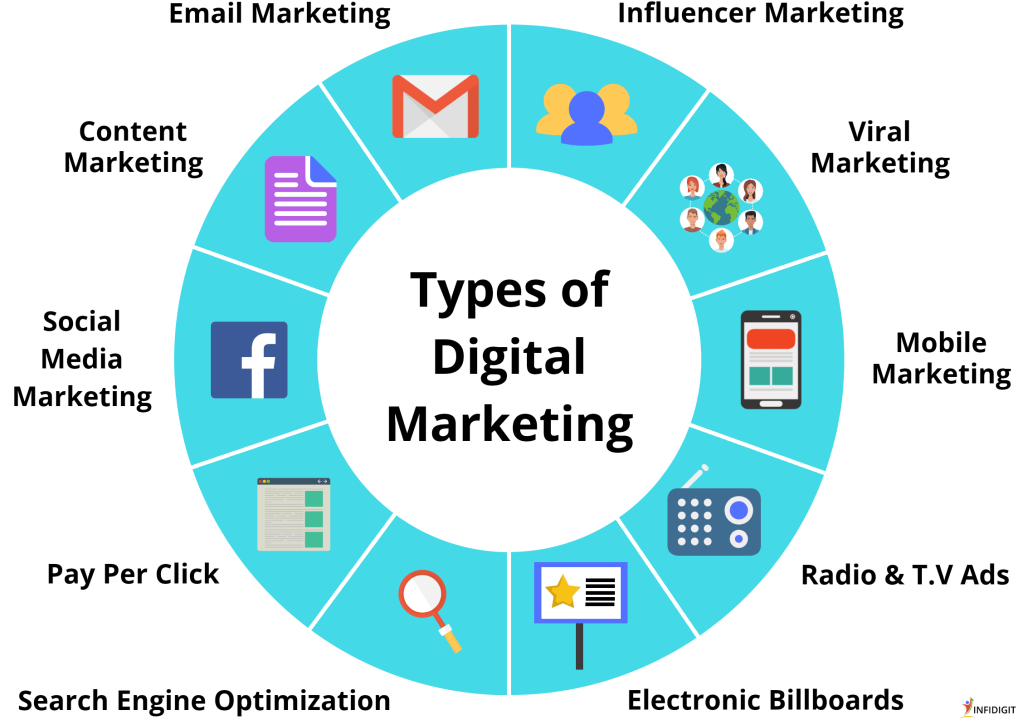
One of the frequently asked questions on a digital marketing website is, “What are the 3 types of digital marketing?” Digital marketing encompasses various strategies and channels to promote products or services online. The three main types of digital marketing are search engine optimisation (SEO), pay-per-click advertising (PPC), and social media marketing. SEO focuses on improving a website’s visibility in search engine results, PPC involves paid advertising to drive traffic to a website, and social media marketing utilises social platforms to engage with audiences and promote brand awareness. Each type plays a crucial role in a comprehensive digital marketing strategy aimed at reaching and engaging target audiences effectively.

Do I need a website for digital marketing?

Having a website for digital marketing is crucial in today’s digital landscape. Your website serves as the foundation of your online presence and acts as a central hub for all your digital marketing efforts. It provides a platform to showcase your products or services, engage with your target audience, and drive conversions. Without a website, it can be challenging to establish credibility, reach a wider audience, and implement effective digital marketing strategies. Therefore, having a well-designed and optimised website is essential for any business looking to succeed in the competitive world of digital marketing.

Do we need website for digital marketing?

The question of whether a website is necessary for digital marketing is a common one among businesses exploring their online presence. In today’s digital landscape, having a website is essential for effective digital marketing strategies. A website serves as the foundation of your online presence, allowing you to showcase your products or services, engage with your target audience, and drive conversions. Without a website, businesses may miss out on valuable opportunities to reach and connect with potential customers in the vast digital marketplace. Therefore, investing in a well-designed and optimised website is crucial for any business looking to succeed in the realm of digital marketing.