The Role of AI in Digital Marketing
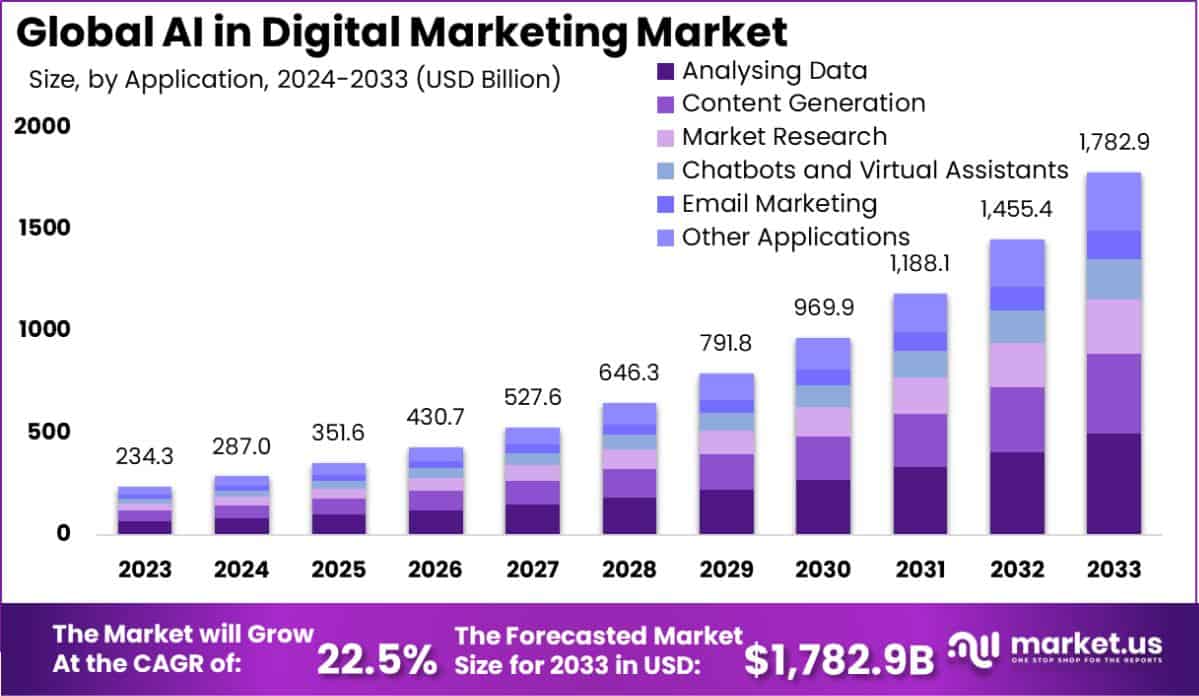
Artificial Intelligence (AI) is revolutionising the digital marketing landscape, offering innovative solutions and transforming how businesses engage with their customers. From personalised content to predictive analytics, AI is becoming an indispensable tool for marketers aiming to enhance their strategies and achieve greater results.
Personalisation at Scale
One of the most significant advantages of AI in digital marketing is its ability to deliver personalised experiences at scale. AI algorithms can analyse vast amounts of data to understand consumer behaviour and preferences, enabling marketers to tailor content and recommendations to individual users. This level of personalisation was once impossible with traditional marketing techniques.
Enhanced Customer Insights
AI-powered tools provide deeper insights into customer behaviour by analysing data from various sources, including social media, website interactions, and purchase history. These insights allow marketers to understand trends, identify potential opportunities, and make informed decisions about their campaigns.
Automation and Efficiency
AI streamlines marketing processes through automation, allowing teams to focus on strategy rather than repetitive tasks. Tools such as chatbots can handle customer inquiries 24/7, while automated email campaigns can nurture leads without manual intervention. This not only saves time but also ensures a consistent brand experience.
Predictive Analytics
Predictive analytics powered by AI enables marketers to forecast future trends and consumer behaviours accurately. By analysing historical data patterns, AI can predict what products or services customers might be interested in next, allowing businesses to proactively adjust their strategies for maximum impact.
Improved ROI
The integration of AI in digital marketing helps improve return on investment (ROI) by optimising ad targeting and spend. AI algorithms can determine the most effective channels and times for advertising, ensuring that budgets are utilised efficiently and effectively reach the intended audience.
The Future of AI in Digital Marketing
The future of digital marketing lies heavily in the continued development of AI technologies. As these technologies evolve, they will offer even more sophisticated tools for understanding consumer behaviour and delivering personalised experiences. Businesses that embrace AI will likely lead the way in innovation and customer satisfaction.
In conclusion, AI is not just a trend but a fundamental shift in how digital marketing operates. By leveraging its capabilities, businesses can enhance their marketing efforts, improve customer engagement, and ultimately drive growth.
Enhancing Digital Marketing: Top 5 AI Strategies for Success
- Utilize AI-powered tools for data analysis to gain valuable insights about your target audience.
- Implement chatbots to provide instant customer support and improve user experience on your website or social media platforms.
- Personalize marketing campaigns by using AI algorithms to deliver targeted content based on user preferences and behaviour.
- Optimize ad targeting by leveraging machine learning algorithms to identify high-converting audience segments.
- Monitor and track key performance metrics using AI analytics tools to continuously improve the effectiveness of your digital marketing strategies.
Utilize AI-powered tools for data analysis to gain valuable insights about your target audience.
Utilising AI-powered tools for data analysis in digital marketing can significantly enhance understanding of your target audience. These advanced tools can process vast amounts of data quickly and accurately, uncovering patterns and trends that might otherwise go unnoticed. By leveraging AI, marketers can gain valuable insights into consumer behaviour, preferences, and purchasing habits. This information allows businesses to tailor their strategies more effectively, ensuring that marketing efforts are both relevant and impactful. Ultimately, AI-driven data analysis empowers marketers to make informed decisions that foster stronger connections with their audience and drive better results.
Implement chatbots to provide instant customer support and improve user experience on your website or social media platforms.
Implementing chatbots is a strategic move in digital marketing that can significantly enhance customer support and user experience on your website or social media platforms. These AI-driven tools are capable of providing instant assistance to users, addressing their queries and concerns in real-time without the need for human intervention. By offering 24/7 support, chatbots ensure that customers receive timely responses, which can lead to increased satisfaction and loyalty. Furthermore, they can handle multiple interactions simultaneously, reducing wait times and freeing up valuable resources for more complex tasks. As a result, businesses not only improve their customer service but also streamline operations, making chatbots an invaluable asset in today’s digital marketing landscape.
Personalize marketing campaigns by using AI algorithms to deliver targeted content based on user preferences and behaviour.
In the realm of digital marketing, personalisation has become a key strategy for engaging consumers effectively. By utilising AI algorithms, businesses can deliver highly targeted content that resonates with individual user preferences and behaviour. These advanced algorithms analyse data from various touchpoints, such as browsing history and past interactions, to gain insights into what each consumer values. As a result, marketers can create bespoke campaigns that speak directly to the needs and interests of their audience, leading to improved engagement rates and customer satisfaction. This level of personalisation not only enhances the user experience but also fosters brand loyalty by making customers feel understood and valued.
Optimize ad targeting by leveraging machine learning algorithms to identify high-converting audience segments.
To maximise the effectiveness of digital marketing campaigns, businesses can utilise machine learning algorithms to optimise ad targeting. By harnessing the power of AI, marketers can identify high-converting audience segments with precision and accuracy. These algorithms analyse vast amounts of data to understand consumer behaviour patterns and preferences, allowing for targeted advertising that resonates with specific customer groups. This strategic approach not only increases the likelihood of conversions but also enhances overall campaign performance and ROI.
Monitor and track key performance metrics using AI analytics tools to continuously improve the effectiveness of your digital marketing strategies.
Monitoring and tracking key performance metrics is crucial for the success of any digital marketing strategy, and AI analytics tools have made this process more efficient and insightful than ever before. By utilising AI-driven analytics, marketers can gain real-time insights into campaign performance, customer engagement, and conversion rates. These tools analyse vast amounts of data to identify patterns and trends that might otherwise go unnoticed. With this information at hand, businesses can make informed decisions to refine their strategies, allocate resources more effectively, and ultimately enhance their return on investment. Continuous improvement becomes a seamless process when AI provides the clarity needed to understand what works and what doesn’t, enabling marketers to stay ahead in a competitive digital landscape.