
ai in digital marketing

Transforming Strategies: The Impact of AI in Digital Marketing

The Role of AI in Digital Marketing

Artificial Intelligence (AI) is revolutionising the digital marketing landscape, offering innovative solutions and transforming how businesses engage with their customers. From personalised content to predictive analytics, AI is becoming an indispensable tool for marketers aiming to enhance their strategies and achieve greater results.

Personalisation at Scale

One of the most significant advantages of AI in digital marketing is its ability to deliver personalised experiences at scale. AI algorithms can analyse vast amounts of data to understand consumer behaviour and preferences, enabling marketers to tailor content and recommendations to individual users. This level of personalisation was once impossible with traditional marketing techniques.

Enhanced Customer Insights

AI-powered tools provide deeper insights into customer behaviour by analysing data from various sources, including social media, website interactions, and purchase history. These insights allow marketers to understand trends, identify potential opportunities, and make informed decisions about their campaigns.

Automation and Efficiency

AI streamlines marketing processes through automation, allowing teams to focus on strategy rather than repetitive tasks. Tools such as chatbots can handle customer inquiries 24/7, while automated email campaigns can nurture leads without manual intervention. This not only saves time but also ensures a consistent brand experience.

Predictive Analytics

Predictive analytics powered by AI enables marketers to forecast future trends and consumer behaviours accurately. By analysing historical data patterns, AI can predict what products or services customers might be interested in next, allowing businesses to proactively adjust their strategies for maximum impact.

Improved ROI

The integration of AI in digital marketing helps improve return on investment (ROI) by optimising ad targeting and spend. AI algorithms can determine the most effective channels and times for advertising, ensuring that budgets are utilised efficiently and effectively reach the intended audience.

The Future of AI in Digital Marketing

The future of digital marketing lies heavily in the continued development of AI technologies. As these technologies evolve, they will offer even more sophisticated tools for understanding consumer behaviour and delivering personalised experiences. Businesses that embrace AI will likely lead the way in innovation and customer satisfaction.

In conclusion, AI is not just a trend but a fundamental shift in how digital marketing operates. By leveraging its capabilities, businesses can enhance their marketing efforts, improve customer engagement, and ultimately drive growth.


Enhancing Digital Marketing: Top 5 AI Strategies for Success

  1. Utilize AI-powered tools for data analysis to gain valuable insights about your target audience.
  2. Implement chatbots to provide instant customer support and improve user experience on your website or social media platforms.
  3. Personalize marketing campaigns by using AI algorithms to deliver targeted content based on user preferences and behaviour.
  4. Optimize ad targeting by leveraging machine learning algorithms to identify high-converting audience segments.
  5. Monitor and track key performance metrics using AI analytics tools to continuously improve the effectiveness of your digital marketing strategies.

Utilize AI-powered tools for data analysis to gain valuable insights about your target audience.

Utilising AI-powered tools for data analysis in digital marketing can significantly enhance understanding of your target audience. These advanced tools can process vast amounts of data quickly and accurately, uncovering patterns and trends that might otherwise go unnoticed. By leveraging AI, marketers can gain valuable insights into consumer behaviour, preferences, and purchasing habits. This information allows businesses to tailor their strategies more effectively, ensuring that marketing efforts are both relevant and impactful. Ultimately, AI-driven data analysis empowers marketers to make informed decisions that foster stronger connections with their audience and drive better results.

Implement chatbots to provide instant customer support and improve user experience on your website or social media platforms.

Implementing chatbots is a strategic move in digital marketing that can significantly enhance customer support and user experience on your website or social media platforms. These AI-driven tools are capable of providing instant assistance to users, addressing their queries and concerns in real-time without the need for human intervention. By offering 24/7 support, chatbots ensure that customers receive timely responses, which can lead to increased satisfaction and loyalty. Furthermore, they can handle multiple interactions simultaneously, reducing wait times and freeing up valuable resources for more complex tasks. As a result, businesses not only improve their customer service but also streamline operations, making chatbots an invaluable asset in today’s digital marketing landscape.

Personalize marketing campaigns by using AI algorithms to deliver targeted content based on user preferences and behaviour.

In the realm of digital marketing, personalisation has become a key strategy for engaging consumers effectively. By utilising AI algorithms, businesses can deliver highly targeted content that resonates with individual user preferences and behaviour. These advanced algorithms analyse data from various touchpoints, such as browsing history and past interactions, to gain insights into what each consumer values. As a result, marketers can create bespoke campaigns that speak directly to the needs and interests of their audience, leading to improved engagement rates and customer satisfaction. This level of personalisation not only enhances the user experience but also fosters brand loyalty by making customers feel understood and valued.

Optimize ad targeting by leveraging machine learning algorithms to identify high-converting audience segments.

To maximise the effectiveness of digital marketing campaigns, businesses can utilise machine learning algorithms to optimise ad targeting. By harnessing the power of AI, marketers can identify high-converting audience segments with precision and accuracy. These algorithms analyse vast amounts of data to understand consumer behaviour patterns and preferences, allowing for targeted advertising that resonates with specific customer groups. This strategic approach not only increases the likelihood of conversions but also enhances overall campaign performance and ROI.

Monitor and track key performance metrics using AI analytics tools to continuously improve the effectiveness of your digital marketing strategies.

Monitoring and tracking key performance metrics is crucial for the success of any digital marketing strategy, and AI analytics tools have made this process more efficient and insightful than ever before. By utilising AI-driven analytics, marketers can gain real-time insights into campaign performance, customer engagement, and conversion rates. These tools analyse vast amounts of data to identify patterns and trends that might otherwise go unnoticed. With this information at hand, businesses can make informed decisions to refine their strategies, allocate resources more effectively, and ultimately enhance their return on investment. Continuous improvement becomes a seamless process when AI provides the clarity needed to understand what works and what doesn’t, enabling marketers to stay ahead in a competitive digital landscape.

ai digital marketing

Revolutionising Strategies: The Role of AI in Digital Marketing

The Impact of AI on Digital Marketing

In recent years, artificial intelligence (AI) has revolutionised various industries, and digital marketing is no exception. As businesses strive to connect with consumers in more personalised and efficient ways, AI technologies have become invaluable tools for marketers looking to enhance their strategies and achieve better results.

Understanding AI in Digital Marketing

AI in digital marketing refers to the use of machine learning algorithms and data analytics to automate processes, personalise customer experiences, and optimise marketing efforts. From chatbots to predictive analytics, AI offers a range of applications that help businesses understand consumer behaviour and make data-driven decisions.

Personalisation at Scale

One of the most significant benefits of AI in digital marketing is its ability to provide personalisation at scale. By analysing vast amounts of data, AI can identify patterns in consumer behaviour and preferences. This allows marketers to create tailored content that resonates with individual users, leading to higher engagement rates and improved customer satisfaction.

Enhanced Customer Insights

AI-powered tools can process and analyse large datasets much faster than humans ever could. This capability enables marketers to gain deeper insights into customer demographics, purchasing habits, and online behaviours. With these insights, businesses can refine their target audience segments and craft more effective marketing campaigns.

Automating Routine Tasks

AI technology excels at automating repetitive tasks such as email marketing campaigns, social media posting, and customer service inquiries through chatbots. By automating these tasks, marketers can focus on more strategic initiatives while ensuring consistency and efficiency in their operations.

Predictive Analytics for Better Decision-Making

Predictive analytics is another area where AI is making a significant impact. By analysing historical data alongside current trends, AI can forecast future behaviours and outcomes. This capability allows marketers to anticipate market changes, optimise resource allocation, and develop proactive strategies that align with consumer demands.

The Future of AI in Digital Marketing

The integration of AI into digital marketing is still evolving. As technology advances, we can expect even more sophisticated applications that will further transform how businesses engage with their audiences. From voice search optimisation to augmented reality experiences, the possibilities are vast.

In conclusion, AI has become an essential component of modern digital marketing strategies. Its ability to deliver personalised experiences, enhance customer insights, automate tasks, and predict future trends makes it an invaluable asset for any business aiming to thrive in the competitive digital landscape.


Exploring AI in Digital Marketing: Answering Common Questions on Strategies, Benefits, Integration, and Tools

  1. What is AI digital marketing?
  2. How does AI impact digital marketing strategies?
  3. What are the benefits of using AI in digital marketing?
  4. Can AI personalise marketing campaigns effectively?
  5. How can businesses integrate AI into their digital marketing efforts?
  6. What are some popular AI tools used in digital marketing?

What is AI digital marketing?

AI digital marketing refers to the integration of artificial intelligence technologies into digital marketing practices to enhance efficiency, personalisation, and decision-making. By leveraging machine learning algorithms and data analytics, AI enables marketers to automate routine tasks, such as email campaigns and social media management, while providing deeper insights into consumer behaviour. This technology allows businesses to deliver personalised content at scale, predict future trends through predictive analytics, and optimise their strategies based on real-time data. Ultimately, AI digital marketing empowers companies to connect with their audiences more effectively and achieve better results in a competitive online environment.

How does AI impact digital marketing strategies?

AI significantly impacts digital marketing strategies by enhancing personalisation, improving customer insights, automating routine tasks, and enabling predictive analytics. With AI, marketers can analyse vast amounts of data to understand consumer behaviour and preferences, allowing them to tailor content and campaigns more effectively. This level of personalisation leads to higher engagement rates and improved customer satisfaction. Additionally, AI automates repetitive tasks such as email marketing and social media management, freeing up time for marketers to focus on strategic initiatives. Predictive analytics powered by AI helps businesses anticipate market trends and make informed decisions, ensuring that their marketing strategies are both proactive and data-driven. Overall, AI enables more efficient and effective digital marketing efforts that can adapt quickly to changing consumer demands.

What are the benefits of using AI in digital marketing?

AI offers numerous benefits in digital marketing, transforming how businesses engage with their audiences. One of the primary advantages is enhanced personalisation; AI can analyse vast amounts of data to tailor content and recommendations to individual preferences, leading to more meaningful customer interactions. Additionally, AI improves efficiency by automating routine tasks such as email campaigns and social media management, allowing marketers to focus on strategic initiatives. The technology also provides valuable insights through predictive analytics, enabling businesses to anticipate consumer behaviour and optimise marketing strategies accordingly. Overall, AI empowers marketers to deliver more targeted, effective campaigns while saving time and resources.

Can AI personalise marketing campaigns effectively?

Yes, AI can effectively personalise marketing campaigns by leveraging data-driven insights to tailor content and offers to individual preferences. Through machine learning algorithms, AI analyses vast amounts of consumer data, including browsing behaviour, purchase history, and demographic information. This analysis enables marketers to segment their audience more precisely and deliver highly relevant content that resonates with each user. As a result, consumers receive personalised experiences that increase engagement and conversion rates. Moreover, AI continuously learns from new data, allowing it to refine its personalisation strategies over time and adapt to changing consumer behaviours. This dynamic approach ensures that marketing campaigns remain effective and aligned with audience expectations.

How can businesses integrate AI into their digital marketing efforts?

Integrating AI into digital marketing efforts involves several strategic steps that businesses can undertake to enhance their marketing capabilities. Firstly, companies should identify areas where AI can add value, such as personalising customer experiences, automating routine tasks, or analysing data for insights. Implementing AI-powered tools like chatbots can improve customer service by providing instant responses and support. Additionally, businesses can utilise AI-driven analytics platforms to process large datasets and gain valuable insights into consumer behaviour and market trends. It’s also essential to ensure that the team is trained to use these technologies effectively and that there is a robust data infrastructure in place to support AI applications. By gradually incorporating AI technologies into their existing marketing strategies, businesses can improve efficiency, drive engagement, and ultimately achieve better results.

In the realm of digital marketing, several AI tools have gained popularity for their ability to streamline processes and enhance campaign effectiveness. Google Analytics employs AI to provide insights into website traffic and user behaviour, enabling marketers to make data-driven decisions. Chatbots, such as those powered by platforms like Drift or Intercom, utilise natural language processing to engage with customers in real-time, improving customer service and lead generation. Tools like HubSpot and Salesforce incorporate AI to personalise email marketing campaigns and manage customer relationships more efficiently. Additionally, content creation tools like Copy.ai use machine learning algorithms to generate compelling copy for various marketing channels. These tools collectively empower marketers to optimise their strategies and achieve better results with less manual effort.

digital marketing in 2022

Navigating the Future: Digital Marketing Trends in 2022

Digital Marketing in 2022: Trends and Strategies

As we move further into the digital age, the landscape of digital marketing continues to evolve at a rapid pace. In 2022, businesses are navigating an increasingly complex environment where technology and consumer behaviour are constantly changing. Here, we explore some of the key trends and strategies that are shaping digital marketing this year.

The Rise of Artificial Intelligence

Artificial Intelligence (AI) is becoming an integral part of digital marketing strategies. From chatbots providing customer service to AI-driven analytics offering insights into consumer behaviour, businesses are leveraging AI to enhance efficiency and personalise customer experiences. In 2022, expect to see more sophisticated AI applications that can predict trends and automate tasks, allowing marketers to focus on strategy and creativity.

Video Content Dominance

Video content continues to dominate digital marketing channels. Platforms like YouTube, TikTok, and Instagram Reels have made video a preferred medium for engaging audiences. In 2022, creating short-form video content that is authentic and relatable will be crucial for capturing attention in a crowded marketplace. Live streaming is also gaining traction as it offers real-time engagement with audiences.

Privacy-First Marketing

With increasing concerns about data privacy, consumers are more conscious about how their information is used. The implementation of regulations such as GDPR has changed how businesses collect and handle data. In 2022, marketers need to prioritise transparency and ensure compliance while building trust with their audience through ethical data practices.

The Importance of Personalisation

Personalisation remains a key trend in digital marketing. Consumers expect tailored experiences that cater to their individual preferences. By leveraging data analytics and customer insights, businesses can create personalised content that resonates with their audience, leading to increased engagement and loyalty.

Omnichannel Marketing Strategies

An omnichannel approach ensures a seamless experience across various platforms and devices. In 2022, integrating online and offline channels will be essential for delivering consistent messaging and enhancing customer journey touchpoints. This strategy not only improves brand visibility but also fosters stronger relationships with customers.

Sustainability in Marketing

Sustainability has become a significant consideration for consumers when choosing brands. Companies are now expected to demonstrate their commitment to environmental responsibility through sustainable practices and transparent communication. Digital marketing campaigns in 2022 should highlight these efforts as part of brand storytelling.

Conclusion

The world of digital marketing in 2022 is dynamic and full of opportunities for those willing to adapt quickly to new trends and technologies. By embracing innovation while prioritising consumer needs and preferences, businesses can effectively navigate this ever-evolving landscape.


Top 6 Digital Marketing Tips for 2022: Boost Engagement and Stay Competitive

  1. Focus on creating high-quality and engaging content to attract and retain customers.
  2. Utilize social media platforms effectively to connect with your target audience.
  3. Optimize your website for mobile devices to enhance user experience and SEO performance.
  4. Implement email marketing campaigns to nurture leads and maintain customer relationships.
  5. Stay updated with the latest digital marketing trends and tools to remain competitive in the market.
  6. Analyse data regularly to track the performance of your digital marketing strategies and make informed decisions.

Focus on creating high-quality and engaging content to attract and retain customers.

In the realm of digital marketing in 2022, a crucial tip is to prioritise the creation of high-quality and engaging content to captivate and retain customers. By crafting compelling content that resonates with your target audience, businesses can establish a strong connection with customers, fostering brand loyalty and driving engagement. In an era where consumer attention is fragmented across various online platforms, delivering valuable and relevant content is key to standing out amidst the digital noise and building lasting relationships with customers.

Utilize social media platforms effectively to connect with your target audience.

In 2022, one key tip for successful digital marketing is to utilise social media platforms effectively to connect with your target audience. With the vast reach and engagement opportunities offered by platforms like Facebook, Instagram, Twitter, and LinkedIn, businesses can establish meaningful connections with their target demographic. By crafting compelling content tailored to each platform and engaging with followers through comments, messages, and live interactions, companies can build brand loyalty, drive traffic to their websites, and ultimately boost conversions. In the competitive digital landscape of 2022, harnessing the power of social media is essential for fostering relationships and staying relevant in the eyes of consumers.

Optimize your website for mobile devices to enhance user experience and SEO performance.

In 2022, one crucial tip for digital marketing success is to optimise your website for mobile devices. With the increasing use of smartphones and tablets, ensuring that your site is mobile-friendly is essential for providing a seamless user experience. Not only does this enhance user satisfaction, but it also boosts your SEO performance, as search engines like Google prioritise mobile-responsive websites in their rankings. By prioritising mobile optimisation, businesses can attract and retain more visitors while improving their online visibility and search engine rankings.

Implement email marketing campaigns to nurture leads and maintain customer relationships.

In 2022, implementing email marketing campaigns is a valuable strategy to nurture leads and cultivate lasting relationships with customers. By delivering targeted and personalised content directly to their inboxes, businesses can engage with their audience on a more intimate level, providing relevant information, promotions, and updates. Email marketing allows for ongoing communication with leads at different stages of the sales funnel, helping to build trust and loyalty over time. By consistently delivering value through email campaigns, businesses can strengthen customer relationships and drive conversions in the competitive digital landscape of 2022.

To stay competitive in the market in 2022, it is essential for businesses to stay updated with the latest digital marketing trends and tools. The digital landscape is constantly evolving, with new technologies and strategies emerging regularly. By keeping abreast of these developments, businesses can adapt their marketing efforts to meet changing consumer behaviours and preferences. Embracing innovation and leveraging cutting-edge tools will not only help businesses stay ahead of the competition but also drive growth and success in the dynamic world of digital marketing.

Analyse data regularly to track the performance of your digital marketing strategies and make informed decisions.

In 2022, it is essential for businesses to analyse data regularly to track the performance of their digital marketing strategies and make informed decisions. By monitoring key metrics such as website traffic, conversion rates, and engagement levels, companies can gain valuable insights into the effectiveness of their campaigns. This data-driven approach enables marketers to identify trends, optimise their strategies in real-time, and allocate resources efficiently to achieve their marketing goals. Regular analysis of data not only helps businesses stay competitive in the digital landscape but also empowers them to adapt quickly to changing market dynamics and consumer preferences.

digital marketing 2021

Navigating the Digital Marketing Landscape in 2021: Trends and Strategies

Digital Marketing Trends in 2021

The Evolution of Digital Marketing in 2021

In the fast-paced world of digital marketing, staying ahead of trends is crucial for success. As we navigate through 2021, several key trends have emerged that are shaping the landscape of digital marketing.

Personalisation is Key

Personalisation has become a cornerstone of effective digital marketing strategies. In 2021, consumers expect tailored experiences that resonate with their needs and preferences. Brands that can deliver personalised content and messaging are more likely to engage and convert their target audience.

Video Content Dominance

Video content continues to reign supreme in the digital marketing realm. With the rise of platforms like TikTok and Instagram Reels, short-form video content has gained popularity among audiences. Brands are leveraging video to tell compelling stories, showcase products, and engage with customers in a more interactive way.

SEO and Voice Search Optimization

Search engine optimisation (SEO) remains a critical component of any digital marketing strategy. In 2021, the focus has shifted towards voice search optimisation as more consumers use voice assistants like Siri and Alexa to find information online. Brands are adapting their SEO tactics to align with voice search queries and provide relevant answers.

Data Privacy and Compliance

With increasing concerns about data privacy and security, brands are prioritising compliance with regulations such as GDPR and CCPA. Building trust with consumers by safeguarding their data is essential for maintaining brand reputation and credibility in the digital space.

The Rise of Influencer Marketing

Influencer marketing continues to be a powerful tool for reaching target audiences authentically. Micro-influencers, in particular, have gained traction for their ability to connect with niche communities and drive engagement. Brands are collaborating with influencers to create authentic content that resonates with their followers.

Conclusion

As we progress through 2021, these trends will continue to shape the landscape of digital marketing. By embracing personalisation, leveraging video content, optimising for voice search, prioritising data privacy, and harnessing the power of influencer marketing, brands can stay competitive in an ever-evolving digital world.


Top 5 Advantages of Digital Marketing in 2021: Expanding Reach and Engagement

  1. Increased Reach
  2. Targeted Advertising
  3. Cost-Effective
  4. Real-Time Analytics
  5. Enhanced Engagement


Challenges in Digital Marketing 2021: Navigating Overload, Fatigue, Privacy, Algorithms, Competition, and Measurement

  1. 1. Information Overload
  2. 2. Ad Fatigue
  3. 3. Privacy Concerns
  4. 4. Algorithm Changes
  5. 5. Competition Intensity
  6. 6. Measurement Complexity

Increased Reach

In 2021, one significant advantage of digital marketing is the increased reach it offers to businesses. Through digital channels, companies can transcend geographical limitations and connect with a global audience. This expanded reach enables businesses to engage with diverse demographics and target markets, fostering brand awareness and driving growth opportunities on a global scale. By leveraging the power of digital marketing, businesses can effectively reach and resonate with audiences worldwide, breaking down traditional barriers to entry into new markets.

Targeted Advertising

In 2021, one significant advantage of digital marketing is the ability to utilise targeted advertising. By leveraging digital channels, businesses can tailor their campaigns to reach specific demographics and interests with precision. This targeted approach not only enhances the relevance of the content delivered to audiences but also increases the overall effectiveness of marketing efforts by ensuring that messages resonate with the right people at the right time.

Cost-Effective

In the realm of digital marketing in 2021, one significant advantage lies in its cost-effectiveness compared to traditional marketing approaches. Digital marketing strategies typically require lower investments while offering a higher return on investment (ROI). This financial efficiency allows businesses of all sizes to reach their target audiences effectively without breaking the bank, making digital marketing a compelling choice for maximising marketing budgets and achieving tangible results.

Real-Time Analytics

One significant advantage of digital marketing in 2021 is the availability of real-time analytics. Through digital platforms, businesses can access immediate data and analytics that offer insights into campaign performance. This real-time information empowers businesses to make timely and informed decisions, adjust strategies on the fly, and optimise their marketing efforts for maximum effectiveness. By leveraging real-time analytics, businesses can stay agile and responsive in a dynamic digital landscape, ultimately driving better results and ROI for their marketing initiatives.

Enhanced Engagement

In 2021, one significant advantage of digital marketing is the enhanced engagement it offers. By utilising social media platforms and interactive content, brands can establish meaningful connections with their target audience. Through engaging posts, interactive campaigns, and real-time interactions, digital marketing facilitates two-way communication that fosters relationships and builds brand loyalty. This level of engagement not only helps brands to understand their audience better but also creates a sense of community and involvement that can lead to increased customer retention and advocacy.

1. Information Overload

In 2021, one significant con of digital marketing is the issue of information overload. The sheer volume of digital marketing content available can overwhelm consumers and make it difficult for brands to differentiate themselves in a crowded online space. With so much information competing for attention, capturing and maintaining audience engagement becomes a formidable challenge for businesses looking to make an impact in the digital realm.

2. Ad Fatigue

In 2021, one notable con of digital marketing is the phenomenon of ad fatigue. With consumers being inundated with traditional advertising methods across various digital platforms, there is a growing sense of immunity towards these ads. This saturation has resulted in reduced engagement levels as audiences become desensitised to repetitive and intrusive advertising messages. As a result, brands are challenged to find innovative ways to capture and maintain consumer attention amidst the noise of digital advertising.

3. Privacy Concerns

In 2021, one significant con of digital marketing is the heightened privacy concerns among consumers. With increased awareness about data privacy issues, individuals have become more cautious when it comes to sharing personal information with brands online. This shift in consumer behaviour has posed a challenge for marketers who rely on collecting and utilising customer data to tailor their campaigns effectively. As privacy regulations continue to evolve, businesses must navigate this landscape carefully to build trust with their audience while respecting their privacy rights.

4. Algorithm Changes

In 2021, one significant drawback of digital marketing is the constant changes to search engine algorithms and social media platforms. These algorithm updates have the potential to significantly affect the visibility and reach of digital marketing campaigns. Marketers must adapt quickly to these changes to ensure their strategies remain effective and their content reaches the intended audience amidst evolving algorithmic preferences.

5. Competition Intensity

In 2021, one significant challenge facing businesses in the realm of digital marketing is the intense competition that characterises the online landscape. The sheer volume of companies vying for consumer attention has created a scenario where smaller businesses struggle to compete with larger corporations in terms of online visibility. This heightened competition poses a barrier for smaller enterprises looking to establish a strong digital presence and reach their target audience effectively.

6. Measurement Complexity

In 2021, one significant drawback of digital marketing is the complexity of measurement. Tracking and evaluating the impact of digital marketing campaigns across various channels can present challenges in determining return on investment (ROI). The intricate nature of monitoring performance metrics and attributing conversions to specific marketing activities can be time-consuming and may hinder marketers from accurately assessing the effectiveness of their strategies. This measurement complexity poses a conundrum for businesses seeking clear insights into the success of their digital marketing endeavours.

digital campaign

Unlocking Success: The Impact of a Strategic Digital Campaign

The Power of a Successful Digital Campaign

The Power of a Successful Digital Campaign

In today’s digital age, a well-executed digital campaign can be a game-changer for businesses looking to reach their target audience effectively. A digital campaign refers to the strategic use of online platforms and tools to promote products, services, or messages to a specific audience.

One of the key advantages of a digital campaign is its ability to reach a large and targeted audience at a relatively low cost compared to traditional marketing methods. With the right strategy in place, businesses can engage with potential customers across various online channels such as social media, email marketing, search engines, and websites.

Furthermore, digital campaigns offer real-time data and analytics that provide valuable insights into the performance of the campaign. By tracking metrics such as click-through rates, conversion rates, and engagement levels, businesses can measure the effectiveness of their campaigns and make data-driven decisions to optimise future efforts.

Personalisation is another significant benefit of digital campaigns. By leveraging user data and preferences, businesses can tailor their messages and content to resonate with individual customers on a more personal level. This personalised approach not only enhances customer experience but also increases the likelihood of conversion and brand loyalty.

Moreover, digital campaigns allow for greater flexibility and agility in adapting to changing market conditions or consumer trends. With the ability to quickly adjust strategies based on real-time feedback, businesses can stay ahead of the competition and remain relevant in an ever-evolving digital landscape.

In conclusion, a successful digital campaign has the power to elevate a business’s online presence, drive engagement with target audiences, generate leads and conversions, and ultimately contribute to overall business growth. By harnessing the potential of digital marketing channels effectively, businesses can unlock new opportunities for success in today’s competitive marketplace.


Essential Insights: Answering 9 Common Questions About Digital Campaigns

  1. How do you start a digital campaign?
  2. What is the best digital campaign?
  3. What is a digital campaign meaning?
  4. How do digital campaigns work?
  5. What is the advantage of digital campaign?
  6. What do you mean by digital campaign?
  7. What is a digital campaign?
  8. What is an example of a digital marketing campaign?
  9. What should a digital campaign include?

How do you start a digital campaign?

When embarking on a digital campaign, the initial steps are crucial in setting the foundation for success. To start a digital campaign effectively, it is essential to begin with a clear understanding of your objectives and target audience. Define your goals, whether they are to increase brand awareness, drive website traffic, or boost sales. Conduct thorough research to identify your target audience’s demographics, preferences, and online behaviour. Next, develop a comprehensive strategy that outlines the channels, tactics, and messaging you will use to reach and engage with your audience. Set measurable KPIs to track the performance of your campaign and make data-driven adjustments as needed. By following a strategic approach from the outset, you can maximise the effectiveness of your digital campaign and achieve your desired outcomes.

What is the best digital campaign?

When it comes to identifying the best digital campaign, there is no one-size-fits-all answer. The effectiveness of a digital campaign depends on various factors, including the goals of the business, target audience, budget, industry trends, and the chosen digital marketing channels. What may work well for one company may not necessarily yield the same results for another. It is essential to tailor a digital campaign specifically to meet the unique needs and objectives of each individual business. Conducting thorough research, setting clear objectives, and continuously monitoring and adjusting strategies based on performance data are key elements in determining the success of a digital campaign.

What is a digital campaign meaning?

A digital campaign refers to a strategic marketing initiative that utilises online platforms and tools to promote products, services, or messages to a specific audience. It involves the coordinated use of various digital channels such as social media, email marketing, search engines, and websites to reach and engage with target customers effectively. The primary goal of a digital campaign is to drive brand awareness, increase customer engagement, generate leads or conversions, and ultimately achieve business objectives in the digital space. By leveraging data-driven insights and personalised content, businesses can create impactful digital campaigns that resonate with their audience and deliver measurable results.

How do digital campaigns work?

Digital campaigns work by leveraging various online platforms and tools to promote products, services, or messages to a specific target audience. These campaigns typically involve strategic planning, content creation, and targeted distribution across channels such as social media, search engines, email marketing, and websites. By defining clear objectives, identifying the target audience, and selecting the most appropriate digital channels, businesses can effectively reach and engage with their desired customers. Monitoring key performance metrics and analysing data allows for continuous optimisation of the campaign to maximise its impact and achieve desired outcomes. Ultimately, digital campaigns work by combining creativity, technology, and data-driven insights to deliver compelling messages that resonate with audiences and drive desired actions.

What is the advantage of digital campaign?

One of the key advantages of a digital campaign lies in its ability to reach a targeted audience efficiently and cost-effectively in today’s digital landscape. By leveraging online platforms such as social media, search engines, and email marketing, businesses can engage with potential customers on a more personal level and tailor their messages to resonate with individual preferences. Additionally, the real-time data and analytics provided by digital campaigns offer valuable insights into performance metrics, enabling businesses to measure the effectiveness of their strategies and make informed decisions for future optimisation. The flexibility and agility of digital campaigns also allow businesses to adapt quickly to changing market conditions, ensuring they stay competitive and relevant in an ever-evolving digital environment.

What do you mean by digital campaign?

A digital campaign refers to a strategic marketing initiative that utilises online platforms and tools to promote products, services, or messages to a specific audience. It involves the targeted use of digital channels such as social media, email marketing, search engines, and websites to engage with potential customers and drive desired outcomes. Digital campaigns are designed to reach a wide audience in a cost-effective manner while providing real-time data and analytics for measuring performance and making informed decisions. Personalisation and flexibility are key aspects of digital campaigns, allowing businesses to tailor their messaging to individual preferences and adapt strategies quickly in response to market dynamics.

What is a digital campaign?

A digital campaign is a strategic initiative that utilises various online platforms and tools to promote products, services, or messages to a specific target audience. In essence, it involves the coordinated use of digital marketing channels such as social media, email marketing, search engines, and websites to engage with potential customers and drive desired outcomes. By leveraging the power of digital technologies, businesses can reach a wider audience, track performance metrics in real-time, personalise messaging for individual consumers, and adapt their strategies quickly to achieve marketing objectives effectively.

What is an example of a digital marketing campaign?

An example of a digital marketing campaign is the “Share a Coke” campaign launched by Coca-Cola. This innovative campaign personalised Coca-Cola bottles with popular names and encouraged customers to share photos of their personalised bottles on social media using the hashtag #ShareACoke. The campaign not only created a buzz on social platforms but also fostered user engagement and generated user-generated content, resulting in increased brand awareness and customer loyalty. By leveraging digital channels effectively, Coca-Cola successfully connected with its audience in a fun and interactive way, showcasing the power of a creative and well-executed digital marketing campaign.

What should a digital campaign include?

A successful digital campaign should encompass a well-thought-out strategy that includes key elements to maximise its effectiveness. Firstly, defining clear campaign objectives and target audience is crucial to ensure the message resonates with the right people. Engaging and relevant content tailored to the preferences of the audience is essential for capturing their attention. Utilising multiple online channels such as social media, email marketing, search engine optimisation, and display advertising can help reach a wider audience. Tracking and analysing campaign performance through data metrics allows for continuous optimisation and improvement. Lastly, incorporating a call-to-action to encourage desired actions from the audience is vital for driving conversions and achieving campaign goals.

digital marketing ads

Unlocking the Potential of Digital Marketing Ads: Strategies for Success

The Power of Digital Marketing Ads

The Power of Digital Marketing Ads

In today’s digital age, the landscape of advertising has shifted dramatically towards online platforms. Digital marketing ads have become a powerful tool for businesses to reach their target audience effectively and efficiently. With the ability to target specific demographics, interests, and behaviours, digital marketing ads offer a level of precision that traditional advertising methods simply cannot match.

Benefits of Digital Marketing Ads

Targeted Reach: One of the key advantages of digital marketing ads is the ability to target specific audiences based on various criteria such as age, location, interests, and online behaviour. This targeted approach ensures that your ads are seen by the right people at the right time.

Cost-Effective: Compared to traditional advertising channels like print or television, digital marketing ads are often more cost-effective. Businesses can set their budget and only pay when their ads are clicked or viewed, making it a cost-efficient option for reaching a large audience.

Measurable Results: Digital marketing ads provide detailed analytics that allow businesses to track the performance of their campaigns in real-time. Metrics such as click-through rates, conversion rates, and return on investment (ROI) can be easily monitored and analysed to optimise ad campaigns for better results.

Trends in Digital Marketing Ads

Video Advertising: Video content continues to dominate the digital landscape, with video ads proving to be highly engaging and effective in capturing audience attention. Short-form videos on platforms like YouTube and social media have become popular choices for advertisers looking to make an impact.

Personalisation: Personalised ads that cater to individual preferences and behaviours are gaining traction in digital marketing. By delivering tailored content to consumers based on their browsing history or interactions with a brand, businesses can create more meaningful connections with their audience.

Mobile Advertising: With the increasing use of smartphones and mobile devices, mobile advertising has become a critical component of digital marketing strategies. Mobile-optimised ads that are designed for smaller screens and quick interactions are essential for reaching consumers on-the-go.

The Future of Digital Marketing Ads

The evolution of technology and consumer behaviour will continue to shape the future of digital marketing ads. Artificial intelligence (AI), augmented reality (AR), and voice search are just a few trends that are expected to influence how businesses create and deliver digital ads in the years to come.

As businesses adapt to these changes and embrace innovative approaches in digital advertising, one thing remains clear – digital marketing ads will remain a vital tool for connecting with audiences in an increasingly competitive online marketplace.


9 Essential Tips for Crafting Effective Digital Marketing Ads

  1. Understand your target audience thoroughly before creating ads.
  2. Use compelling and relevant visuals to grab attention.
  3. Craft concise and clear ad copy that conveys your message effectively.
  4. Include a strong call-to-action (CTA) to prompt user engagement.
  5. Utilize A/B testing to optimize ad performance and effectiveness.
  6. Ensure your ads are mobile-friendly for a seamless user experience.
  7. Monitor and analyse ad metrics regularly to make data-driven decisions.
  8. Consider retargeting strategies to reach users who have shown interest in your products/services.
  9. Stay updated with digital marketing trends and adjust your ad strategies accordingly.

Understand your target audience thoroughly before creating ads.

To maximise the effectiveness of your digital marketing ads, it is essential to have a deep understanding of your target audience before creating any campaigns. By thoroughly researching and analysing the demographics, interests, behaviours, and preferences of your audience, you can tailor your ads to resonate with them on a more personal level. This targeted approach not only increases the chances of engaging potential customers but also enhances the overall impact and success of your advertising efforts. Understanding your target audience allows you to create compelling ad content that speaks directly to their needs and interests, ultimately leading to higher conversion rates and a more significant return on investment for your digital marketing campaigns.

Use compelling and relevant visuals to grab attention.

In the realm of digital marketing ads, using compelling and relevant visuals is a crucial tip to capture the audience’s attention effectively. Visual content has the power to convey messages quickly and engage viewers on a deeper level. By incorporating eye-catching imagery, graphics, or videos that resonate with your target audience, you can create a lasting impact and increase the likelihood of driving conversions. Remember, in the fast-paced online world, captivating visuals are key to standing out amidst the noise and making a memorable impression.

Craft concise and clear ad copy that conveys your message effectively.

Crafting concise and clear ad copy is essential in digital marketing ads to effectively convey your message to your target audience. By keeping your messaging succinct and to the point, you can capture the attention of users quickly and communicate your value proposition clearly. Clear ad copy helps to eliminate any confusion and ensures that potential customers understand the benefits of your product or service at a glance. Remember, in the fast-paced digital world, brevity is key – so make every word count in your ad copy to drive engagement and conversions.

Include a strong call-to-action (CTA) to prompt user engagement.

In the realm of digital marketing ads, incorporating a compelling call-to-action (CTA) is paramount in driving user engagement and encouraging desired actions from your audience. A strong CTA serves as a clear directive that prompts users to take the next step, whether it be making a purchase, signing up for a newsletter, or requesting more information. By crafting an enticing CTA that resonates with your target audience and aligns with your campaign objectives, you can effectively guide users towards conversion and maximise the impact of your digital marketing efforts.

Utilize A/B testing to optimize ad performance and effectiveness.

Utilizing A/B testing is a valuable strategy in digital marketing ads to optimize ad performance and effectiveness. By testing different variations of your ads with small changes in elements such as copy, images, or calls-to-action, you can gather valuable data on what resonates best with your target audience. This data-driven approach allows you to make informed decisions on which ad elements are most effective in driving engagement and conversions, ultimately leading to improved campaign results and a higher return on investment.

Ensure your ads are mobile-friendly for a seamless user experience.

To maximise the effectiveness of your digital marketing ads, it is crucial to ensure that they are mobile-friendly. With the increasing use of smartphones and tablets for browsing the internet, creating ads that are optimised for mobile devices is essential for providing users with a seamless and engaging experience. By designing ads that load quickly, display properly on smaller screens, and have clear call-to-action buttons, businesses can enhance user engagement and drive better results from their mobile advertising campaigns.

Monitor and analyse ad metrics regularly to make data-driven decisions.

Monitoring and analysing ad metrics regularly is crucial in digital marketing ads to make informed, data-driven decisions. By tracking key performance indicators such as click-through rates, conversion rates, and return on investment, businesses can gain valuable insights into the effectiveness of their ad campaigns. This data allows marketers to identify trends, optimise strategies, and allocate resources more efficiently to maximise results. Ultimately, by leveraging data analytics in this way, businesses can refine their digital marketing efforts and achieve greater success in reaching and engaging their target audience.

Consider retargeting strategies to reach users who have shown interest in your products/services.

Consider implementing retargeting strategies as part of your digital marketing ads campaign to effectively reach users who have already shown interest in your products or services. By targeting these potential customers who have visited your website or interacted with your brand in some way, you can stay top-of-mind and encourage them to take the next step towards making a purchase. Retargeting allows you to tailor your ads specifically to this audience segment, increasing the likelihood of conversion and maximising the impact of your advertising efforts.

To maximise the effectiveness of your digital marketing ads, it is crucial to stay informed about the latest trends in the ever-evolving digital landscape and be willing to adapt your advertising strategies accordingly. By keeping abreast of emerging technologies, consumer behaviours, and industry best practices, you can ensure that your ad campaigns remain relevant and impactful. Remember, staying updated with digital marketing trends allows you to stay ahead of the curve and maintain a competitive edge in reaching and engaging your target audience effectively.

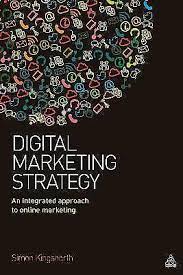
digital marketing strategy simon kingsnorth

Unlocking Success: The Innovative Digital Marketing Strategy of Simon Kingsnorth

The Impact of Simon Kingsnorth’s Digital Marketing Strategy

In the ever-evolving landscape of digital marketing, having a solid strategy is essential for success. One name that stands out in the industry is Simon Kingsnorth, known for his innovative and effective approach to digital marketing.

Simon Kingsnorth’s digital marketing strategy is built on a foundation of creativity, data-driven insights, and a deep understanding of consumer behaviour. By leveraging the power of digital channels and technologies, he helps businesses reach their target audiences in meaningful ways.

One key aspect of Simon Kingsnorth’s strategy is personalisation. He recognises the importance of delivering tailored messages to individual consumers based on their preferences and behaviours. This personalised approach not only enhances customer engagement but also drives conversions and builds brand loyalty.

Another hallmark of Simon Kingsnorth’s strategy is his emphasis on analytics and measurement. By closely monitoring key performance indicators and metrics, he ensures that campaigns are continuously optimised for maximum impact. This data-driven approach allows him to make informed decisions and achieve tangible results for his clients.

Simon Kingsnorth also places a strong focus on staying ahead of trends and emerging technologies in the digital marketing space. By embracing innovation and experimentation, he helps businesses stay relevant and competitive in today’s fast-paced digital world.

Overall, Simon Kingsnorth’s digital marketing strategy is a testament to the power of strategic thinking, creativity, and adaptability in driving business growth online. His expertise continues to inspire marketers around the world to push boundaries and redefine what is possible in the realm of digital marketing.


Simon Kingsnorth’s 8 Key Advantages in Digital Marketing Strategy

  1. Innovative approach to digital marketing
  2. Deep understanding of consumer behaviour
  3. Emphasis on personalisation for enhanced customer engagement
  4. Data-driven insights leading to impactful campaigns
  5. Focus on analytics and measurement for continuous optimization
  6. Keeps abreast of emerging trends and technologies in the industry
  7. Strategic thinking that drives business growth online
  8. Inspires marketers worldwide with his expertise


Challenges of Simon Kingsnorth’s Digital Marketing Strategies: Balancing Data, Resources, and Adaptability

  1. May be too data-driven, potentially overlooking the human element of marketing
  2. His strategies may require significant resources and investment to implement effectively
  3. Not all businesses may have the capacity or infrastructure to fully leverage his advanced digital tactics
  4. The fast-paced nature of digital marketing may require constant adaptation, which can be challenging for some organisations

Innovative approach to digital marketing

Simon Kingsnorth’s innovative approach to digital marketing sets him apart as a leader in the industry. By constantly seeking new and creative ways to engage with audiences, he challenges the status quo and pushes boundaries to deliver cutting-edge solutions for his clients. His forward-thinking mindset allows him to anticipate trends, adapt to changes in the digital landscape, and stay ahead of the competition. Through his innovative strategies, Simon Kingsnorth not only drives results but also inspires others to think outside the box and explore new possibilities in the world of digital marketing.

Deep understanding of consumer behaviour

Simon Kingsnorth’s profound understanding of consumer behaviour is a key advantage of his digital marketing strategy. By delving into the intricacies of how consumers think, act, and make purchasing decisions online, he is able to create targeted campaigns that resonate with the target audience on a deeper level. This insight allows him to craft messaging and experiences that are not only relevant but also compelling, ultimately driving higher engagement and conversion rates for his clients. Kingsnorth’s ability to connect with consumers on a psychological level sets his digital marketing approach apart, leading to more impactful and successful campaigns that truly speak to the needs and desires of the target market.

Emphasis on personalisation for enhanced customer engagement

Simon Kingsnorth’s emphasis on personalisation in his digital marketing strategy is a game-changer when it comes to enhancing customer engagement. By tailoring messages and content to individual preferences and behaviours, Kingsnorth creates a more personalised and meaningful experience for customers. This approach not only strengthens the connection between the brand and the consumer but also increases the likelihood of conversions and fosters long-term loyalty. Kingsnorth’s dedication to personalisation showcases his commitment to putting the customer at the centre of every digital marketing effort, ultimately leading to more impactful and successful campaigns.

Data-driven insights leading to impactful campaigns

One of the key advantages of Simon Kingsnorth’s digital marketing strategy is his emphasis on data-driven insights, which consistently lead to impactful campaigns. By leveraging data analytics and metrics, Kingsnorth gains valuable insights into consumer behaviour and campaign performance. This strategic approach allows him to tailor his marketing efforts precisely to target audiences, resulting in campaigns that resonate with customers and drive tangible results. Kingsnorth’s commitment to using data to inform decision-making ensures that his campaigns are not only creative but also highly effective in achieving client objectives.

Focus on analytics and measurement for continuous optimization

One of the key strengths of Simon Kingsnorth’s digital marketing strategy lies in his unwavering focus on analytics and measurement for continuous optimization. By diligently tracking key performance indicators and leveraging data-driven insights, Kingsnorth ensures that campaigns are fine-tuned for maximum effectiveness. This analytical approach not only enables him to make informed decisions but also empowers him to adapt strategies in real-time, driving superior results for his clients. Kingsnorth’s commitment to continuous optimization through analytics sets a strong foundation for success in the dynamic landscape of digital marketing.

Simon Kingsnorth’s proactive approach to staying abreast of emerging trends and technologies in the digital marketing industry sets him apart as a forward-thinking strategist. By continuously monitoring and embracing new developments, he ensures that his clients benefit from the latest innovations and opportunities in the ever-evolving digital landscape. This commitment to staying ahead of the curve not only demonstrates his dedication to delivering cutting-edge solutions but also positions him as a trusted advisor who can guide businesses towards future success in the dynamic world of digital marketing.

Strategic thinking that drives business growth online

Simon Kingsnorth’s strategic thinking is a driving force behind the online business growth achieved through his digital marketing strategy. By carefully analysing market trends, consumer behaviour, and industry insights, Kingsnorth formulates innovative and effective strategies that propel businesses forward in the digital realm. His ability to anticipate challenges, identify opportunities, and align tactics with overarching business objectives sets him apart as a leader in the field. Through strategic thinking, Simon Kingsnorth not only helps businesses navigate the complexities of the online landscape but also paves the way for sustainable growth and success in the digital age.

Inspires marketers worldwide with his expertise

Simon Kingsnorth’s expertise in digital marketing strategy serves as a beacon of inspiration for marketers worldwide. Through his innovative approach and deep understanding of the digital landscape, he has the ability to ignite creativity and drive strategic thinking among professionals in the industry. His insights and achievements not only showcase the potential of effective digital marketing but also encourage others to push boundaries, explore new possibilities, and strive for excellence in their own campaigns. Simon Kingsnorth’s influence extends far beyond his own work, leaving a lasting impact on the global community of marketers seeking to elevate their strategies to new heights.

May be too data-driven, potentially overlooking the human element of marketing

One potential con of Simon Kingsnorth’s digital marketing strategy is its heavy reliance on data-driven insights, which may lead to overlooking the human element of marketing. While data is crucial for making informed decisions and measuring campaign performance, an excessive focus on metrics and analytics could potentially detract from the emotional connection and personal touch that are essential in effective marketing. By prioritising data over human interaction, there is a risk of missing out on the nuances of consumer behaviour and preferences that cannot be fully captured by numbers alone. Balancing data-driven strategies with a human-centric approach is key to creating meaningful and engaging marketing campaigns that resonate with audiences on a deeper level.

His strategies may require significant resources and investment to implement effectively

One potential drawback of Simon Kingsnorth’s digital marketing strategies is that they may demand substantial resources and investment to execute effectively. From personalised campaigns to cutting-edge technologies, implementing his innovative approaches could involve a considerable financial commitment. While the results are often impressive, businesses must carefully consider their budget and resources before embarking on such strategies to ensure sustainable success in the long run.

Not all businesses may have the capacity or infrastructure to fully leverage his advanced digital tactics

While Simon Kingsnorth’s digital marketing strategy is known for its effectiveness and innovation, one potential drawback is that not all businesses may have the capacity or infrastructure to fully leverage his advanced digital tactics. Implementing complex strategies may require significant resources, expertise, and technology that some smaller or less tech-savvy businesses may lack. This could create a barrier for those looking to benefit from Kingsnorth’s approach but struggling to keep up with the pace of digital advancements. It is important for businesses to assess their own capabilities and resources before diving into advanced digital marketing strategies to ensure they can effectively execute and derive value from them.

The fast-paced nature of digital marketing may require constant adaptation, which can be challenging for some organisations

In the realm of digital marketing strategy, one notable challenge associated with Simon Kingsnorth’s approach is the fast-paced nature of the industry. The need for constant adaptation to keep up with evolving trends and technologies can prove to be a significant hurdle for some organisations. This rapid pace of change may require continuous monitoring, adjustment, and innovation, which can be demanding and resource-intensive for businesses that are not equipped to swiftly respond to market shifts. As such, while Simon Kingsnorth’s strategy emphasises agility and staying ahead of the curve, it also poses a conundrum for organisations that struggle to adapt quickly in the dynamic digital landscape.