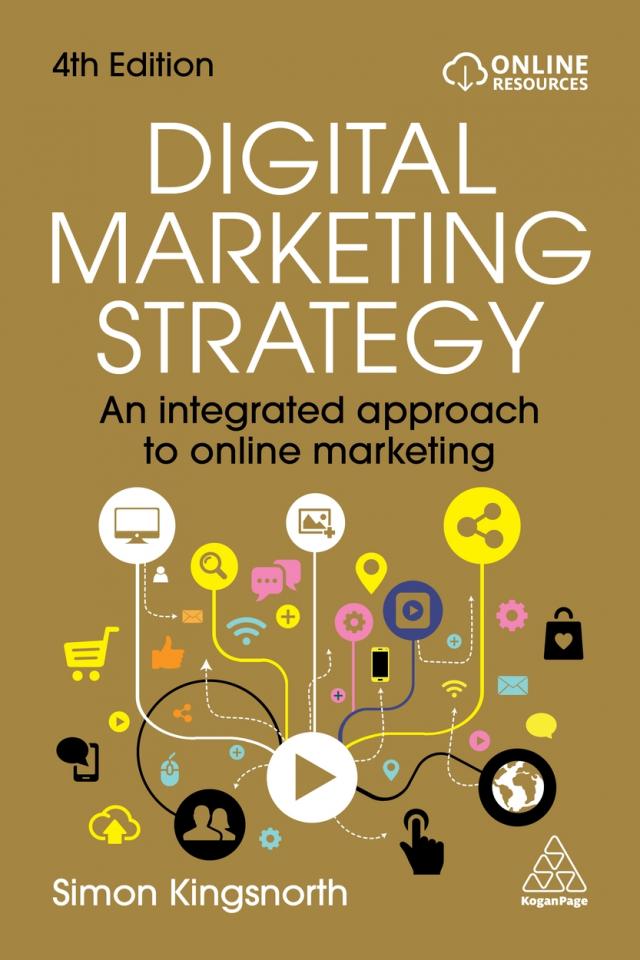

digital business strategy

Mastering the Art of Digital Business Strategy: A Guide to Success in the Digital Age

The Importance of Digital Business Strategy in Today’s Competitive Landscape

In the fast-paced digital age, having a well-defined digital business strategy is crucial for organisations looking to thrive and stay ahead of the competition. A digital business strategy encompasses a set of plans and actions that leverage digital technologies to achieve specific business objectives and drive growth.

Adapting to Changing Consumer Behaviour

One of the key reasons why a robust digital business strategy is essential is the changing behaviour of consumers. With the increasing use of smartphones, social media, and online shopping platforms, customers now expect seamless digital experiences across all touchpoints. A well-crafted digital strategy can help businesses meet these evolving expectations and deliver personalised, engaging interactions with their target audience.

Enhancing Operational Efficiency

Implementing a digital business strategy can also streamline operations and enhance efficiency within an organisation. By digitising processes, automating repetitive tasks, and leveraging data analytics, businesses can optimise their workflows, reduce costs, and make informed decisions based on real-time insights.

Driving Innovation and Growth

Digital technologies provide endless opportunities for innovation and growth. A strategic approach to digital transformation can enable businesses to explore new revenue streams, expand into new markets, and differentiate themselves from competitors. By embracing emerging technologies such as artificial intelligence, blockchain, or the Internet of Things (IoT), companies can stay at the forefront of industry trends and drive sustainable growth.

Measuring Success and Iterating for Improvement

An effective digital business strategy includes clear metrics and KPIs to measure success and track progress towards goals. By analysing data on key performance indicators such as website traffic, conversion rates, customer engagement metrics, or ROI from marketing campaigns, businesses can identify areas for improvement and make data-driven decisions to optimise their strategies continuously.

Conclusion

In conclusion, in today’s competitive landscape, a well-defined digital business strategy is not just a nice-to-have but a necessity for organisations seeking long-term success. By embracing digital technologies strategically, businesses can adapt to changing consumer preferences, enhance operational efficiency, drive innovation and growth, and ultimately achieve their business objectives in the digital age.


Understanding Digital Business Strategy: Key Questions and Insights for Organisational Success

  1. What is a digital business strategy?
  2. Why is a digital business strategy important for organisations?
  3. How can a digital business strategy help businesses stay competitive?
  4. What are the key components of a successful digital business strategy?
  5. How can businesses align their digital business strategy with their overall goals?
  6. What role does data analytics play in shaping a digital business strategy?
  7. How can businesses measure the success of their digital business strategy?
  8. What are some common challenges that organisations face when implementing a digital business strategy?

What is a digital business strategy?

A digital business strategy is a comprehensive plan that outlines how an organisation will leverage digital technologies to achieve its business objectives and stay competitive in the digital landscape. It involves identifying opportunities for using technology to improve processes, enhance customer experiences, drive innovation, and ultimately achieve sustainable growth. A well-defined digital business strategy aligns with the overall business goals and takes into account factors such as market trends, consumer behaviour, technological advancements, and competitive analysis. By developing a clear roadmap for integrating digital tools and capabilities into the core operations of a business, organisations can adapt to the evolving digital environment and position themselves for long-term success.

Why is a digital business strategy important for organisations?

A digital business strategy is crucial for organisations in today’s digital-centric world as it serves as a roadmap for leveraging technology to achieve business objectives and stay competitive. By embracing digital transformation strategically, organisations can adapt to evolving consumer behaviours, enhance operational efficiency, drive innovation and growth, and measure success through data-driven insights. A well-defined digital business strategy not only enables businesses to meet the expectations of tech-savvy consumers but also empowers them to make informed decisions, optimise processes, and differentiate themselves in the market. Ultimately, a robust digital business strategy is essential for organisations looking to thrive in the digital age and secure long-term success.

How can a digital business strategy help businesses stay competitive?

A well-crafted digital business strategy plays a pivotal role in helping businesses stay competitive in today’s dynamic marketplace. By leveraging digital technologies effectively, businesses can differentiate themselves from competitors, enhance customer experiences, and adapt to changing market trends swiftly. A strategic approach to digital business strategy enables companies to streamline operations, improve efficiency, and drive innovation, ultimately leading to sustainable growth and long-term success. Embracing digital transformation allows businesses to stay agile, responsive, and relevant in an increasingly digital-centric world, positioning them as leaders in their respective industries.

What are the key components of a successful digital business strategy?

A successful digital business strategy comprises several key components that are essential for achieving business objectives in the digital landscape. These components include a clear understanding of the target audience and their needs, the use of data-driven insights to inform decision-making, the integration of digital technologies to enhance customer experiences, the alignment of business goals with digital initiatives, and a focus on continuous innovation and adaptation to stay ahead of the competition. By incorporating these key components into their strategy, businesses can create a solid foundation for success in today’s digital-first world.

How can businesses align their digital business strategy with their overall goals?

Aligning a digital business strategy with overall goals requires a clear understanding of the organisation’s objectives and how digital initiatives can support them. Businesses can start by conducting a comprehensive assessment of their current state, identifying key areas where digital transformation can drive value and contribute to achieving long-term goals. By aligning digital initiatives with overarching business objectives, setting measurable KPIs, and regularly evaluating progress, businesses can ensure that their digital strategy remains in sync with their vision and mission. Effective communication across all levels of the organisation is also crucial to ensure that everyone is aligned towards the same goals and understands the role of digital technologies in achieving them.

What role does data analytics play in shaping a digital business strategy?

Data analytics plays a pivotal role in shaping a digital business strategy by providing valuable insights that drive informed decision-making and strategic planning. By leveraging data analytics tools and techniques, businesses can gain a deeper understanding of customer behaviour, market trends, and operational performance. This data-driven approach enables companies to identify opportunities for growth, optimise processes, personalise customer experiences, and measure the effectiveness of their digital initiatives. Ultimately, data analytics empowers organisations to make evidence-based decisions that align with their business goals and drive success in the digital landscape.

How can businesses measure the success of their digital business strategy?

Businesses can measure the success of their digital business strategy through a variety of key performance indicators (KPIs) that align with their specific objectives. Metrics such as website traffic, conversion rates, customer engagement levels, return on investment (ROI) from digital marketing campaigns, and customer lifetime value can provide valuable insights into the effectiveness of the strategy. Additionally, monitoring social media metrics, email open rates, and online sales data can help businesses track their progress and make data-driven decisions to refine and improve their digital strategies for optimal results. Regularly analysing these KPIs allows businesses to assess performance, identify areas for enhancement, and ensure that their digital business strategy is driving tangible outcomes in line with their goals.

What are some common challenges that organisations face when implementing a digital business strategy?

When organisations embark on implementing a digital business strategy, they often encounter several common challenges along the way. One significant challenge is the resistance to change within the organisation, as employees may be hesitant to adopt new technologies or processes. Another common issue is the lack of internal expertise and resources to effectively execute the digital strategy. Additionally, ensuring data security and compliance with regulations poses a challenge, especially in industries with strict data protection requirements. Furthermore, keeping up with rapid technological advancements and evolving consumer preferences can make it challenging for organisations to stay ahead of the curve and remain competitive in the digital landscape. Addressing these challenges requires careful planning, investment in training and development, collaboration across departments, and a proactive approach to innovation and adaptation.

digital marketing strategy simon kingsnorth

Unlocking Success: The Innovative Digital Marketing Strategy of Simon Kingsnorth

The Impact of Simon Kingsnorth’s Digital Marketing Strategy

In the ever-evolving landscape of digital marketing, having a solid strategy is essential for success. One name that stands out in the industry is Simon Kingsnorth, known for his innovative and effective approach to digital marketing.

Simon Kingsnorth’s digital marketing strategy is built on a foundation of creativity, data-driven insights, and a deep understanding of consumer behaviour. By leveraging the power of digital channels and technologies, he helps businesses reach their target audiences in meaningful ways.

One key aspect of Simon Kingsnorth’s strategy is personalisation. He recognises the importance of delivering tailored messages to individual consumers based on their preferences and behaviours. This personalised approach not only enhances customer engagement but also drives conversions and builds brand loyalty.

Another hallmark of Simon Kingsnorth’s strategy is his emphasis on analytics and measurement. By closely monitoring key performance indicators and metrics, he ensures that campaigns are continuously optimised for maximum impact. This data-driven approach allows him to make informed decisions and achieve tangible results for his clients.

Simon Kingsnorth also places a strong focus on staying ahead of trends and emerging technologies in the digital marketing space. By embracing innovation and experimentation, he helps businesses stay relevant and competitive in today’s fast-paced digital world.

Overall, Simon Kingsnorth’s digital marketing strategy is a testament to the power of strategic thinking, creativity, and adaptability in driving business growth online. His expertise continues to inspire marketers around the world to push boundaries and redefine what is possible in the realm of digital marketing.


Simon Kingsnorth’s 8 Key Advantages in Digital Marketing Strategy

  1. Innovative approach to digital marketing
  2. Deep understanding of consumer behaviour
  3. Emphasis on personalisation for enhanced customer engagement
  4. Data-driven insights leading to impactful campaigns
  5. Focus on analytics and measurement for continuous optimization
  6. Keeps abreast of emerging trends and technologies in the industry
  7. Strategic thinking that drives business growth online
  8. Inspires marketers worldwide with his expertise


Challenges of Simon Kingsnorth’s Digital Marketing Strategies: Balancing Data, Resources, and Adaptability

  1. May be too data-driven, potentially overlooking the human element of marketing
  2. His strategies may require significant resources and investment to implement effectively
  3. Not all businesses may have the capacity or infrastructure to fully leverage his advanced digital tactics
  4. The fast-paced nature of digital marketing may require constant adaptation, which can be challenging for some organisations

Innovative approach to digital marketing

Simon Kingsnorth’s innovative approach to digital marketing sets him apart as a leader in the industry. By constantly seeking new and creative ways to engage with audiences, he challenges the status quo and pushes boundaries to deliver cutting-edge solutions for his clients. His forward-thinking mindset allows him to anticipate trends, adapt to changes in the digital landscape, and stay ahead of the competition. Through his innovative strategies, Simon Kingsnorth not only drives results but also inspires others to think outside the box and explore new possibilities in the world of digital marketing.

Deep understanding of consumer behaviour

Simon Kingsnorth’s profound understanding of consumer behaviour is a key advantage of his digital marketing strategy. By delving into the intricacies of how consumers think, act, and make purchasing decisions online, he is able to create targeted campaigns that resonate with the target audience on a deeper level. This insight allows him to craft messaging and experiences that are not only relevant but also compelling, ultimately driving higher engagement and conversion rates for his clients. Kingsnorth’s ability to connect with consumers on a psychological level sets his digital marketing approach apart, leading to more impactful and successful campaigns that truly speak to the needs and desires of the target market.

Emphasis on personalisation for enhanced customer engagement

Simon Kingsnorth’s emphasis on personalisation in his digital marketing strategy is a game-changer when it comes to enhancing customer engagement. By tailoring messages and content to individual preferences and behaviours, Kingsnorth creates a more personalised and meaningful experience for customers. This approach not only strengthens the connection between the brand and the consumer but also increases the likelihood of conversions and fosters long-term loyalty. Kingsnorth’s dedication to personalisation showcases his commitment to putting the customer at the centre of every digital marketing effort, ultimately leading to more impactful and successful campaigns.

Data-driven insights leading to impactful campaigns

One of the key advantages of Simon Kingsnorth’s digital marketing strategy is his emphasis on data-driven insights, which consistently lead to impactful campaigns. By leveraging data analytics and metrics, Kingsnorth gains valuable insights into consumer behaviour and campaign performance. This strategic approach allows him to tailor his marketing efforts precisely to target audiences, resulting in campaigns that resonate with customers and drive tangible results. Kingsnorth’s commitment to using data to inform decision-making ensures that his campaigns are not only creative but also highly effective in achieving client objectives.

Focus on analytics and measurement for continuous optimization

One of the key strengths of Simon Kingsnorth’s digital marketing strategy lies in his unwavering focus on analytics and measurement for continuous optimization. By diligently tracking key performance indicators and leveraging data-driven insights, Kingsnorth ensures that campaigns are fine-tuned for maximum effectiveness. This analytical approach not only enables him to make informed decisions but also empowers him to adapt strategies in real-time, driving superior results for his clients. Kingsnorth’s commitment to continuous optimization through analytics sets a strong foundation for success in the dynamic landscape of digital marketing.

Simon Kingsnorth’s proactive approach to staying abreast of emerging trends and technologies in the digital marketing industry sets him apart as a forward-thinking strategist. By continuously monitoring and embracing new developments, he ensures that his clients benefit from the latest innovations and opportunities in the ever-evolving digital landscape. This commitment to staying ahead of the curve not only demonstrates his dedication to delivering cutting-edge solutions but also positions him as a trusted advisor who can guide businesses towards future success in the dynamic world of digital marketing.

Strategic thinking that drives business growth online

Simon Kingsnorth’s strategic thinking is a driving force behind the online business growth achieved through his digital marketing strategy. By carefully analysing market trends, consumer behaviour, and industry insights, Kingsnorth formulates innovative and effective strategies that propel businesses forward in the digital realm. His ability to anticipate challenges, identify opportunities, and align tactics with overarching business objectives sets him apart as a leader in the field. Through strategic thinking, Simon Kingsnorth not only helps businesses navigate the complexities of the online landscape but also paves the way for sustainable growth and success in the digital age.

Inspires marketers worldwide with his expertise

Simon Kingsnorth’s expertise in digital marketing strategy serves as a beacon of inspiration for marketers worldwide. Through his innovative approach and deep understanding of the digital landscape, he has the ability to ignite creativity and drive strategic thinking among professionals in the industry. His insights and achievements not only showcase the potential of effective digital marketing but also encourage others to push boundaries, explore new possibilities, and strive for excellence in their own campaigns. Simon Kingsnorth’s influence extends far beyond his own work, leaving a lasting impact on the global community of marketers seeking to elevate their strategies to new heights.

May be too data-driven, potentially overlooking the human element of marketing

One potential con of Simon Kingsnorth’s digital marketing strategy is its heavy reliance on data-driven insights, which may lead to overlooking the human element of marketing. While data is crucial for making informed decisions and measuring campaign performance, an excessive focus on metrics and analytics could potentially detract from the emotional connection and personal touch that are essential in effective marketing. By prioritising data over human interaction, there is a risk of missing out on the nuances of consumer behaviour and preferences that cannot be fully captured by numbers alone. Balancing data-driven strategies with a human-centric approach is key to creating meaningful and engaging marketing campaigns that resonate with audiences on a deeper level.

His strategies may require significant resources and investment to implement effectively

One potential drawback of Simon Kingsnorth’s digital marketing strategies is that they may demand substantial resources and investment to execute effectively. From personalised campaigns to cutting-edge technologies, implementing his innovative approaches could involve a considerable financial commitment. While the results are often impressive, businesses must carefully consider their budget and resources before embarking on such strategies to ensure sustainable success in the long run.

Not all businesses may have the capacity or infrastructure to fully leverage his advanced digital tactics

While Simon Kingsnorth’s digital marketing strategy is known for its effectiveness and innovation, one potential drawback is that not all businesses may have the capacity or infrastructure to fully leverage his advanced digital tactics. Implementing complex strategies may require significant resources, expertise, and technology that some smaller or less tech-savvy businesses may lack. This could create a barrier for those looking to benefit from Kingsnorth’s approach but struggling to keep up with the pace of digital advancements. It is important for businesses to assess their own capabilities and resources before diving into advanced digital marketing strategies to ensure they can effectively execute and derive value from them.

The fast-paced nature of digital marketing may require constant adaptation, which can be challenging for some organisations

In the realm of digital marketing strategy, one notable challenge associated with Simon Kingsnorth’s approach is the fast-paced nature of the industry. The need for constant adaptation to keep up with evolving trends and technologies can prove to be a significant hurdle for some organisations. This rapid pace of change may require continuous monitoring, adjustment, and innovation, which can be demanding and resource-intensive for businesses that are not equipped to swiftly respond to market shifts. As such, while Simon Kingsnorth’s strategy emphasises agility and staying ahead of the curve, it also poses a conundrum for organisations that struggle to adapt quickly in the dynamic digital landscape.

Unlocking Innovation: The Impact of Technology Experts in Today’s Digital World

The Role of Technology Experts in Today’s Digital World

The Role of Technology Experts in Today’s Digital World

Technology experts play a crucial role in shaping the landscape of our digital world. With rapid advancements in technology, their expertise and knowledge are more valuable than ever before. These professionals are at the forefront of innovation, driving change and progress across industries.

Key Responsibilities of Technology Experts

Technology experts are responsible for designing, developing, and implementing cutting-edge solutions that address complex challenges. They possess a deep understanding of programming languages, software development methodologies, and emerging technologies. Their key responsibilities include:

  • Research and Development: Technology experts stay updated on the latest trends and conduct research to identify new opportunities for technological advancement.
  • Problem-Solving: They are adept at troubleshooting technical issues and finding efficient solutions to improve system performance.
  • Innovation: Technology experts drive innovation by conceptualising and creating new technologies that push the boundaries of what is possible.
  • Collaboration: They work closely with cross-functional teams to integrate technology into various aspects of business operations.

The Impact of Technology Experts

Technology experts have a profound impact on society by revolutionising how we live, work, and communicate. From artificial intelligence and machine learning to cybersecurity and cloud computing, their contributions shape the digital infrastructure that underpins our modern world.

In addition to driving technological advancements, technology experts also play a critical role in ensuring data security, privacy protection, and ethical use of technology. Their expertise is essential in safeguarding sensitive information and mitigating cyber threats.

Looking Towards the Future

As technology continues to evolve at a rapid pace, the role of technology experts will become even more vital. By embracing innovation, adapting to change, and leveraging their expertise, these professionals will lead us into a future where possibilities are limitless.

In conclusion, technology experts are instrumental in shaping the digital landscape of today and tomorrow. Their passion for innovation, problem-solving skills, and collaborative mindset drive progress across industries and propel us towards a more interconnected world.


Six Advantages of Engaging Technology Experts in the Modern Business World

  1. Technology experts possess in-depth knowledge of the latest technological trends and advancements.
  2. They are skilled problem-solvers, capable of addressing complex technical issues efficiently.
  3. Technology experts drive innovation by developing cutting-edge solutions that improve efficiency and productivity.
  4. Their expertise helps businesses stay competitive in a rapidly evolving digital landscape.
  5. Technology experts play a crucial role in safeguarding data security and protecting against cyber threats.
  6. They collaborate effectively with cross-functional teams to integrate technology seamlessly into business operations.


Challenges Faced by Technology Experts: Balancing Technical Mastery with Broader Business Needs

  1. May become overly focused on technical details and lose sight of broader business objectives.
  2. Tendency to resist change or new technologies that challenge their expertise.
  3. Risk of burnout due to the fast-paced nature of the technology industry.
  4. Difficulty in effectively communicating complex technical concepts to non-technical stakeholders.
  5. Potential for a lack of work-life balance, leading to long hours spent on solving technical problems.
  6. Possibility of becoming isolated or disconnected from other team members due to the highly specialised nature of their work.
  7. Challenge in staying updated with rapidly evolving technologies, leading to skill obsolescence.

Technology experts bring immense value to organisations through their in-depth knowledge of the latest technological trends and advancements. Their expertise allows them to stay ahead of the curve, enabling them to implement cutting-edge solutions that drive innovation and efficiency. By keeping abreast of emerging technologies, technology experts can provide strategic guidance on how businesses can leverage these advancements to gain a competitive edge in today’s rapidly evolving digital landscape. Their profound understanding of technological trends equips them to navigate complex challenges and deliver impactful results that propel organisations towards success in the digital age.

They are skilled problem-solvers, capable of addressing complex technical issues efficiently.

Technology experts possess a valuable skill set as skilled problem-solvers, enabling them to tackle intricate technical issues with efficiency and precision. Their ability to analyse, diagnose, and resolve complex challenges in the digital realm is instrumental in maintaining the functionality and performance of technological systems. By leveraging their expertise and problem-solving acumen, technology experts play a crucial role in ensuring seamless operations and driving continuous innovation in today’s dynamic technological landscape.

Technology experts drive innovation by developing cutting-edge solutions that improve efficiency and productivity.

Technology experts are instrumental in driving innovation by developing cutting-edge solutions that enhance efficiency and productivity. Their deep understanding of technology allows them to create bespoke solutions that streamline processes, automate tasks, and optimise workflows. By leveraging their expertise, technology experts empower businesses to operate more effectively, achieve higher levels of productivity, and stay ahead in today’s fast-paced digital landscape.

Their expertise helps businesses stay competitive in a rapidly evolving digital landscape.

Technology experts play a pivotal role in enabling businesses to stay competitive in today’s fast-paced digital landscape. Their unparalleled expertise empowers organisations to leverage the latest technological advancements, streamline operations, enhance customer experiences, and drive innovation. By staying ahead of trends and implementing cutting-edge solutions, technology experts help businesses adapt to change, seize opportunities, and maintain a competitive edge in an ever-evolving digital world.

Technology experts play a crucial role in safeguarding data security and protecting against cyber threats.

Technology experts play a crucial role in safeguarding data security and protecting against cyber threats. With their deep understanding of cybersecurity measures and best practices, they are instrumental in implementing robust security protocols to prevent data breaches and cyber attacks. By staying abreast of the latest threats and vulnerabilities, technology experts can proactively identify potential risks and develop effective strategies to fortify digital systems. Their expertise is essential in maintaining the integrity and confidentiality of sensitive information in an increasingly interconnected world where cyber threats pose a significant challenge to individuals and organisations alike.

They collaborate effectively with cross-functional teams to integrate technology seamlessly into business operations.

Technology experts demonstrate their value by collaborating effectively with cross-functional teams to seamlessly integrate technology into business operations. By working closely with professionals from diverse backgrounds, they ensure that technological solutions align with the overarching goals of the organisation. This collaborative approach not only enhances operational efficiency but also fosters innovation and drives business growth. Technology experts play a pivotal role in bridging the gap between technical requirements and strategic objectives, ultimately contributing to the success and competitiveness of the business in today’s digital landscape.

May become overly focused on technical details and lose sight of broader business objectives.

In the realm of technology, a notable drawback of technology experts is their tendency to become excessively engrossed in technical intricacies, potentially losing sight of the wider business objectives. While their proficiency in coding, software development, and system architecture is unquestionable, this intense focus on technical details may sometimes lead to a disconnect from the overarching goals and strategic priorities of the business. It is crucial for technology experts to strike a balance between their technical expertise and a holistic understanding of how their work aligns with the broader business objectives to ensure that technological solutions effectively contribute to the overall success and growth of the organisation.

Tendency to resist change or new technologies that challenge their expertise.

Some technology experts may exhibit a tendency to resist change or new technologies that challenge their expertise. This resistance can stem from a fear of stepping out of their comfort zone or a reluctance to adapt to unfamiliar technologies. By clinging to familiar tools and methods, these experts may limit their own growth and hinder the potential for innovation within their field. Embracing change and being open to learning new technologies is essential for staying relevant and competitive in the ever-evolving digital landscape.

Risk of burnout due to the fast-paced nature of the technology industry.

In the technology industry, one significant con for technology experts is the heightened risk of burnout due to the relentless and fast-paced nature of the field. The constant demand for innovation, tight project deadlines, and the pressure to stay updated with rapidly evolving technologies can take a toll on the mental and physical well-being of technology professionals. The intense work environment and long hours required to keep pace with industry developments may lead to exhaustion, stress, and burnout if not managed effectively. It is essential for technology experts to prioritise self-care, establish boundaries, and seek support to prevent burnout and maintain a healthy work-life balance in this dynamic and demanding industry.

Difficulty in effectively communicating complex technical concepts to non-technical stakeholders.

One significant challenge faced by technology experts is the difficulty in effectively communicating complex technical concepts to non-technical stakeholders. As experts in their field, they often deal with intricate details and specialised terminology that may be challenging for individuals without a technical background to grasp. This communication barrier can lead to misunderstandings, misinterpretations, and ultimately hinder the successful implementation of technology solutions. Bridging this gap requires patience, clarity, and the ability to translate complex technical information into layman’s terms to ensure that all stakeholders are on the same page and aligned towards a common goal.

Potential for a lack of work-life balance, leading to long hours spent on solving technical problems.

One significant con of being a technology expert is the potential for a lack of work-life balance, which can result in long hours spent on solving technical problems. The nature of the role often requires professionals to remain on call or work overtime to address critical issues and meet project deadlines. This constant demand for problem-solving and innovation can blur the boundaries between work and personal life, leading to burnout and fatigue. Striking a balance between professional responsibilities and personal well-being can be challenging for technology experts, highlighting the importance of setting boundaries and prioritising self-care to maintain a healthy lifestyle.

Possibility of becoming isolated or disconnected from other team members due to the highly specialised nature of their work.

One significant drawback for technology experts is the potential risk of isolation or disconnection from other team members as a result of the highly specialised nature of their work. Due to the complex and technical aspects of their roles, technology experts may find themselves engrossed in their tasks, leading to a lack of communication and collaboration with colleagues from different departments. This isolation can hinder the flow of information, impede teamwork, and create silos within the organisation, ultimately affecting overall productivity and innovation. It is essential for technology experts to actively seek opportunities for cross-functional engagement and communication to mitigate this con and foster a more cohesive work environment.

Challenge in staying updated with rapidly evolving technologies, leading to skill obsolescence.

One significant challenge faced by technology experts is the struggle to keep pace with the rapidly evolving landscape of technologies. The constant influx of new tools, frameworks, and methodologies can make it difficult for professionals to stay updated and relevant in their field. This challenge often leads to the risk of skill obsolescence, where expertise in certain technologies may become outdated or less in demand. As a result, technology experts must continuously invest time and effort into upskilling and retraining to remain competitive and valuable in an ever-changing industry.