Unlocking Success: The Digital Media Company’s Guide to Thriving in the Digital Age

The Role of a Digital Media Company in Today’s Business Landscape

The Role of a Digital Media Company in Today’s Business Landscape

In the fast-paced and ever-evolving world of business, the role of a digital media company has become increasingly crucial. These companies specialise in leveraging digital technologies to help businesses connect with their target audiences, build brand awareness, and drive engagement.

One of the key functions of a digital media company is to create compelling and engaging content across various online platforms. This includes social media, websites, blogs, videos, and more. By producing high-quality content that resonates with the target audience, digital media companies can help businesses stand out in a crowded digital space.

Furthermore, digital media companies play a vital role in implementing targeted digital marketing strategies. From search engine optimisation (SEO) to pay-per-click (PPC) advertising and social media campaigns, these companies have the expertise to reach the right audience at the right time with the right message.

Analytics and data-driven insights are another area where digital media companies excel. By monitoring and analysing key performance indicators (KPIs), such as website traffic, conversion rates, and engagement metrics, these companies can provide valuable insights that inform future strategies and decision-making.

Moreover, as technology continues to advance rapidly, digital media companies are at the forefront of adopting new tools and trends to help businesses stay ahead of the curve. Whether it’s virtual reality (VR), augmented reality (AR), or artificial intelligence (AI), these companies can help businesses harness the power of cutting-edge technologies for maximum impact.

In conclusion, in today’s competitive business landscape, partnering with a reputable digital media company can make all the difference in achieving your business goals. From content creation to marketing strategies to analytics and beyond, these companies offer a comprehensive suite of services designed to elevate your brand presence in the digital realm.


7 Advantages of Digital Media Companies: Boosting Brand Visibility and Global Reach Through Innovative Strategies

  1. Enhanced brand visibility and awareness through targeted digital strategies.
  2. Ability to reach a global audience with minimal geographical limitations.
  3. Cost-effective marketing solutions compared to traditional advertising methods.
  4. Real-time data analytics for measuring campaign performance and making informed decisions.
  5. Opportunity to engage with customers directly through interactive content and social media platforms.
  6. Access to cutting-edge technologies such as AR, VR, and AI for innovative marketing approaches.
  7. Flexibility to adapt quickly to market trends and consumer preferences in the digital landscape.


Challenges Faced by Digital Media Companies: Navigating Competition, Technology, and Reputation Risks

  1. High competition in the digital media industry can make it challenging for a company to stand out.
  2. Constantly evolving technology requires digital media companies to stay updated, which can be time-consuming and costly.
  3. Managing multiple online platforms and channels can be overwhelming and resource-intensive for a company.
  4. Digital media campaigns may not always guarantee immediate or tangible results, leading to uncertainty about ROI.
  5. Issues with data privacy and security concerns can arise when handling sensitive customer information in digital marketing efforts.
  6. Negative feedback or backlash on social media platforms can quickly damage a company’s reputation if not managed effectively.
  7. Adapting to algorithm changes on popular online platforms like search engines and social media sites can impact the effectiveness of digital marketing strategies.

Enhanced brand visibility and awareness through targeted digital strategies.

By utilising targeted digital strategies, a digital media company can significantly enhance a brand’s visibility and awareness in the online space. Through methods such as search engine optimisation (SEO), social media marketing, and content creation tailored to specific audience segments, businesses can reach their target customers more effectively. This heightened visibility not only increases brand recognition but also fosters a stronger connection with the target audience, ultimately leading to improved brand awareness and loyalty.

Ability to reach a global audience with minimal geographical limitations.

In today’s interconnected world, one of the key advantages of partnering with a digital media company is its unparalleled ability to reach a global audience with minimal geographical limitations. Through strategic online campaigns, targeted content creation, and tailored digital marketing strategies, businesses can expand their reach beyond borders and connect with potential customers worldwide. This capability not only increases brand visibility on a global scale but also opens up new opportunities for growth and expansion in diverse markets, all facilitated by the expertise and reach of a proficient digital media company.

Cost-effective marketing solutions compared to traditional advertising methods.

Digital media companies offer cost-effective marketing solutions that outshine traditional advertising methods in today’s digital age. By leveraging online platforms and targeted strategies, businesses can reach their desired audience more efficiently and at a fraction of the cost compared to traditional print or TV ads. With the ability to track and measure campaign performance in real-time, businesses can optimise their marketing efforts for maximum impact while staying within budget constraints. This affordability and flexibility make digital media company services a valuable asset for businesses looking to make a strong impact without breaking the bank.

Real-time data analytics for measuring campaign performance and making informed decisions.

Digital media companies offer a valuable pro in the form of real-time data analytics, enabling businesses to measure campaign performance instantly and make informed decisions based on accurate insights. By tracking key metrics in real time, such as website traffic, click-through rates, and engagement levels, businesses can adapt their strategies on the fly to maximise results. This capability not only enhances the effectiveness of marketing campaigns but also empowers businesses to make data-driven decisions that lead to better outcomes in the dynamic digital landscape.

Opportunity to engage with customers directly through interactive content and social media platforms.

Digital media companies offer businesses the valuable opportunity to engage directly with their customers through interactive content and social media platforms. By creating engaging and interactive content, businesses can capture the attention of their target audience and foster meaningful connections. Social media platforms provide a dynamic space for businesses to interact with customers in real-time, gather feedback, address inquiries, and build brand loyalty. This direct engagement not only strengthens customer relationships but also allows businesses to tailor their messaging and offerings based on customer preferences and behaviour, ultimately driving increased brand awareness and customer satisfaction.

Access to cutting-edge technologies such as AR, VR, and AI for innovative marketing approaches.

Digital media companies offer businesses a valuable advantage by providing access to cutting-edge technologies like augmented reality (AR), virtual reality (VR), and artificial intelligence (AI) to drive innovative marketing approaches. By leveraging these advanced technologies, businesses can create immersive and interactive experiences for their target audience, enhancing engagement and leaving a lasting impression. This pro of digital media companies opens up new possibilities for brands to differentiate themselves in the competitive digital landscape and stay ahead of the curve with creative and impactful marketing strategies.

In the dynamic digital landscape, one significant advantage of partnering with a digital media company is its inherent flexibility to swiftly adapt to shifting market trends and evolving consumer preferences. These companies have the agility and expertise to pivot strategies, refine content, and adjust campaigns in real-time based on the latest data and insights. By staying attuned to market dynamics and consumer behaviour, digital media companies can proactively respond to changes, ensuring that their clients remain relevant and competitive in an ever-changing digital environment.

High competition in the digital media industry can make it challenging for a company to stand out.

In the digital media industry, one significant challenge that companies often face is the intense competition that exists within the sector. With numerous players vying for attention and market share, standing out from the crowd can be a daunting task. The high level of competition means that companies must constantly innovate, differentiate themselves, and offer unique value propositions to attract and retain clients. This fierce competition can create pressure to continually adapt and evolve strategies to stay relevant in a rapidly changing landscape, making it a constant challenge for companies to establish a distinctive presence amidst the crowded digital media environment.

Constantly evolving technology requires digital media companies to stay updated, which can be time-consuming and costly.

One significant drawback of operating a digital media company is the constant need to stay updated with rapidly evolving technology. This necessity can be both time-consuming and costly for businesses in this industry. Keeping pace with the latest trends, tools, and platforms requires continuous learning and investment in training and resources. Additionally, the ever-changing nature of technology means that what is cutting-edge today may become outdated tomorrow, leading to a perpetual cycle of adaptation and innovation that can strain both time and financial resources.

Managing multiple online platforms and channels can be overwhelming and resource-intensive for a company.

Managing multiple online platforms and channels can pose a significant challenge for companies, especially in terms of resources and time allocation. The need to create and maintain a consistent presence across various digital platforms, such as social media, websites, and email marketing, can quickly become overwhelming. This demand for content creation, audience engagement, and performance tracking requires dedicated manpower and expertise. Without proper planning and coordination, the task of managing multiple online channels can strain a company’s resources and hinder its ability to effectively connect with its target audience in a meaningful way.

Digital media campaigns may not always guarantee immediate or tangible results, leading to uncertainty about ROI.

One significant drawback of digital media campaigns is that they may not always deliver immediate or tangible results, which can create uncertainty regarding return on investment (ROI). Despite the strategic planning and execution involved in these campaigns, factors such as changing algorithms, audience behaviour, and market fluctuations can impact the effectiveness of digital media efforts. This uncertainty surrounding ROI can make it challenging for businesses to measure the success and impact of their digital marketing initiatives accurately.

Issues with data privacy and security concerns can arise when handling sensitive customer information in digital marketing efforts.

Issues with data privacy and security concerns can arise when handling sensitive customer information in digital marketing efforts. The collection and storage of personal data for targeted advertising or analytics purposes can raise ethical questions regarding the protection of individuals’ privacy. In an age where data breaches and cyber threats are prevalent, digital media companies must prioritise robust security measures and transparent data handling practices to safeguard customer information effectively. Failure to address these concerns adequately can not only lead to legal repercussions but also damage the trust and reputation of the company among its clientele. It is imperative for digital media companies to strike a balance between leveraging customer data for marketing purposes and respecting individuals’ right to privacy in order to maintain ethical standards in their operations.

Negative feedback or backlash on social media platforms can quickly damage a company’s reputation if not managed effectively.

Negative feedback or backlash on social media platforms can swiftly tarnish a company’s reputation if not handled adeptly. In the digital age, where information spreads rapidly and widely, even a single critical comment or viral post can have far-reaching consequences for a business. Failing to address and manage such feedback promptly and effectively can result in significant damage to brand perception, customer trust, and overall credibility in the eyes of the public. It is crucial for digital media companies to have robust strategies in place to monitor, respond to, and mitigate negative feedback on social media platforms to safeguard their clients’ reputations and maintain a positive online presence.

Adapting to algorithm changes on popular online platforms such as search engines and social media sites poses a significant challenge for digital media companies. These changes can have a direct impact on the effectiveness of digital marketing strategies, requiring constant monitoring and adjustment to maintain visibility and engagement with target audiences. The need to stay abreast of evolving algorithms adds complexity to the already dynamic digital landscape, making it essential for companies to be agile and proactive in their approach to ensure continued success in reaching and resonating with their audience.
b2b digital marketing strategy

Unlocking Success: The Essential Guide to B2B Digital Marketing Strategy

The Power of B2B Digital Marketing Strategy

In the dynamic world of business-to-business (B2B) marketing, having a well-defined digital strategy is essential for success. With the rise of digital technologies and online platforms, B2B companies have more opportunities than ever to reach and engage with their target audience in a meaningful way.

Understanding B2B Digital Marketing

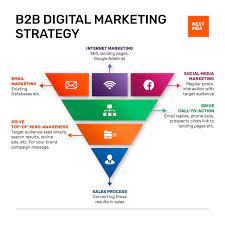
B2B digital marketing involves the use of online channels and tactics to promote products or services to other businesses. Unlike business-to-consumer (B2C) marketing, B2B marketing often focuses on building relationships, providing valuable information, and addressing the specific needs of other businesses.

The Key Elements of a Successful B2B Digital Marketing Strategy:

  1. Targeted Content: Creating high-quality, relevant content that addresses the pain points and challenges of your target audience is crucial in B2B marketing. This can include blog posts, whitepapers, case studies, and more.
  2. SEO and SEM: Optimising your website for search engines (SEO) and using search engine marketing (SEM) tactics such as pay-per-click advertising can help increase your visibility online and drive targeted traffic to your site.
  3. Social Media Marketing: Utilising social media platforms like LinkedIn, Twitter, and Facebook to share content, engage with prospects, and build relationships with key stakeholders in the industry.
  4. Email Marketing: Sending targeted email campaigns to nurture leads, provide valuable information, and keep your audience engaged with your brand over time.
  5. Data Analysis: Monitoring key performance indicators (KPIs) such as website traffic, conversion rates, lead generation metrics, and more to track the effectiveness of your digital marketing efforts and make data-driven decisions for future strategies.

The Benefits of a Strong B2B Digital Marketing Strategy

A well-executed B2B digital marketing strategy can offer numerous benefits for businesses looking to grow their customer base and increase revenue. Some key advantages include:

  • Increased Brand Awareness: By establishing a strong online presence through targeted digital marketing efforts, you can enhance brand visibility among potential customers in your industry.
  • Lead Generation: Effective digital marketing tactics such as content marketing and SEO can help attract qualified leads to your website who are more likely to convert into customers.
  • Improved Customer Engagement: Engaging with prospects through social media, email campaigns, and other channels allows you to build relationships with potential clients over time and nurture them through the sales funnel.
  • Metric-Driven Results: Digital marketing provides valuable data insights that allow you to measure the success of your campaigns in real-time and make adjustments as needed to optimise performance.

In conclusion, developing a robust B2B digital marketing strategy is essential for businesses looking to stay competitive in today’s digital landscape. By leveraging the power of online channels effectively, B2B companies can reach their target audience more efficiently, drive lead generation efforts, build lasting relationships with clients, and ultimately achieve their business goals.


Top 5 Benefits of a B2B Digital Marketing Strategy: Boost Visibility, Generate Leads, Engage Customers, Gain Insights, and Save Costs

  1. Increased brand visibility among target B2B audience
  2. Effective lead generation through targeted digital tactics
  3. Enhanced customer engagement and relationship building
  4. Access to valuable data insights for informed decision-making
  5. Cost-effective compared to traditional B2B marketing methods


Challenges in B2B Digital Marketing: Navigating High Competition, Prolonged Sales Cycles, and Resource Demands

  1. High Competition
  2. Longer Sales Cycles
  3. Resource Intensive

Increased brand visibility among target B2B audience

One significant advantage of implementing a B2B digital marketing strategy is the increased brand visibility among the target B2B audience. By strategically leveraging online channels and tailored content, businesses can enhance their presence in front of key decision-makers and industry professionals. This heightened visibility not only helps to establish brand authority and credibility but also increases the likelihood of being top-of-mind when potential clients are seeking solutions within the industry. Ultimately, greater brand visibility among the target B2B audience can lead to enhanced recognition, trust, and engagement, paving the way for meaningful business relationships and opportunities.

Effective lead generation through targeted digital tactics

One of the key advantages of a B2B digital marketing strategy is its ability to drive effective lead generation through targeted digital tactics. By utilising channels such as content marketing, SEO, social media, and email campaigns, businesses can reach their specific target audience with tailored messages that address their needs and pain points. This targeted approach not only attracts qualified leads to the business but also increases the likelihood of converting these leads into valuable customers. Ultimately, effective lead generation through targeted digital tactics allows B2B companies to maximise their marketing efforts and achieve tangible results in terms of acquiring new business opportunities.

Enhanced customer engagement and relationship building

An important advantage of implementing a B2B digital marketing strategy is the ability to enhance customer engagement and build strong relationships with clients. By leveraging various online channels such as social media, email campaigns, and targeted content, businesses can interact with their audience on a more personal level, providing valuable information and addressing their specific needs. This proactive approach not only fosters trust and loyalty but also allows companies to better understand their customers’ preferences and tailor their offerings accordingly, ultimately leading to long-term relationships and repeat business.

Access to valuable data insights for informed decision-making

One significant advantage of implementing a B2B digital marketing strategy is the access to valuable data insights that can guide informed decision-making. By analysing key performance indicators such as website traffic, conversion rates, and lead generation metrics, businesses can gain a deeper understanding of their target audience’s behaviour and preferences. This data-driven approach enables companies to make strategic adjustments to their marketing efforts, optimise campaign performance, and ultimately achieve better results. With actionable insights derived from digital analytics, businesses can make informed decisions that drive growth and success in the competitive B2B landscape.

Cost-effective compared to traditional B2B marketing methods

One significant advantage of a B2B digital marketing strategy is its cost-effectiveness when compared to traditional B2B marketing methods. By leveraging online channels such as social media, email campaigns, and search engine marketing, businesses can reach a larger audience at a fraction of the cost of traditional print or TV advertising. Digital marketing allows for targeted campaigns that focus on specific demographics or industries, reducing wastage and ensuring that marketing budgets are allocated efficiently. This cost-effective approach not only helps businesses save money but also provides a higher return on investment by reaching the right audience with tailored messaging.

High Competition

In the realm of B2B digital marketing, one significant drawback is the intense competition that businesses face. With numerous companies all striving to capture the attention of the same target audience, standing out in a crowded digital landscape can be a daunting task. The high level of competition means that businesses must work even harder to differentiate themselves, craft compelling messaging, and deliver valuable content that resonates with their audience to effectively cut through the noise and make a lasting impact.

Longer Sales Cycles

One significant drawback of B2B digital marketing strategy is the longer sales cycles involved. Unlike in B2C marketing, where transactions can be more immediate, B2B sales cycles tend to be extended and intricate. This means that businesses need to invest a considerable amount of effort and resources into nurturing leads over an extended period to guide them through the complex buying process. The prolonged nature of these sales cycles can pose challenges in terms of maintaining momentum, managing expectations, and ensuring consistent engagement with potential clients throughout the decision-making journey.

Resource Intensive

One significant drawback of implementing a comprehensive B2B digital marketing strategy is its resource-intensive nature. To execute such a strategy effectively, businesses need to allocate substantial time, expertise, and financial resources. This can pose a challenge for some companies, especially smaller businesses or those with limited budgets, as the investment required may be beyond their means. The need for skilled professionals, advanced tools and technologies, and ongoing monitoring and optimisation can make it difficult for some businesses to fully embrace the potential benefits of B2B digital marketing.

digital business strategy

Mastering the Art of Digital Business Strategy: A Guide to Success in the Digital Age

The Importance of Digital Business Strategy in Today’s Competitive Landscape

In the fast-paced digital age, having a well-defined digital business strategy is crucial for organisations looking to thrive and stay ahead of the competition. A digital business strategy encompasses a set of plans and actions that leverage digital technologies to achieve specific business objectives and drive growth.

Adapting to Changing Consumer Behaviour

One of the key reasons why a robust digital business strategy is essential is the changing behaviour of consumers. With the increasing use of smartphones, social media, and online shopping platforms, customers now expect seamless digital experiences across all touchpoints. A well-crafted digital strategy can help businesses meet these evolving expectations and deliver personalised, engaging interactions with their target audience.

Enhancing Operational Efficiency

Implementing a digital business strategy can also streamline operations and enhance efficiency within an organisation. By digitising processes, automating repetitive tasks, and leveraging data analytics, businesses can optimise their workflows, reduce costs, and make informed decisions based on real-time insights.

Driving Innovation and Growth

Digital technologies provide endless opportunities for innovation and growth. A strategic approach to digital transformation can enable businesses to explore new revenue streams, expand into new markets, and differentiate themselves from competitors. By embracing emerging technologies such as artificial intelligence, blockchain, or the Internet of Things (IoT), companies can stay at the forefront of industry trends and drive sustainable growth.

Measuring Success and Iterating for Improvement

An effective digital business strategy includes clear metrics and KPIs to measure success and track progress towards goals. By analysing data on key performance indicators such as website traffic, conversion rates, customer engagement metrics, or ROI from marketing campaigns, businesses can identify areas for improvement and make data-driven decisions to optimise their strategies continuously.

Conclusion

In conclusion, in today’s competitive landscape, a well-defined digital business strategy is not just a nice-to-have but a necessity for organisations seeking long-term success. By embracing digital technologies strategically, businesses can adapt to changing consumer preferences, enhance operational efficiency, drive innovation and growth, and ultimately achieve their business objectives in the digital age.


Understanding Digital Business Strategy: Key Questions and Insights for Organisational Success

  1. What is a digital business strategy?
  2. Why is a digital business strategy important for organisations?
  3. How can a digital business strategy help businesses stay competitive?
  4. What are the key components of a successful digital business strategy?
  5. How can businesses align their digital business strategy with their overall goals?
  6. What role does data analytics play in shaping a digital business strategy?
  7. How can businesses measure the success of their digital business strategy?
  8. What are some common challenges that organisations face when implementing a digital business strategy?

What is a digital business strategy?

A digital business strategy is a comprehensive plan that outlines how an organisation will leverage digital technologies to achieve its business objectives and stay competitive in the digital landscape. It involves identifying opportunities for using technology to improve processes, enhance customer experiences, drive innovation, and ultimately achieve sustainable growth. A well-defined digital business strategy aligns with the overall business goals and takes into account factors such as market trends, consumer behaviour, technological advancements, and competitive analysis. By developing a clear roadmap for integrating digital tools and capabilities into the core operations of a business, organisations can adapt to the evolving digital environment and position themselves for long-term success.

Why is a digital business strategy important for organisations?

A digital business strategy is crucial for organisations in today’s digital-centric world as it serves as a roadmap for leveraging technology to achieve business objectives and stay competitive. By embracing digital transformation strategically, organisations can adapt to evolving consumer behaviours, enhance operational efficiency, drive innovation and growth, and measure success through data-driven insights. A well-defined digital business strategy not only enables businesses to meet the expectations of tech-savvy consumers but also empowers them to make informed decisions, optimise processes, and differentiate themselves in the market. Ultimately, a robust digital business strategy is essential for organisations looking to thrive in the digital age and secure long-term success.

How can a digital business strategy help businesses stay competitive?

A well-crafted digital business strategy plays a pivotal role in helping businesses stay competitive in today’s dynamic marketplace. By leveraging digital technologies effectively, businesses can differentiate themselves from competitors, enhance customer experiences, and adapt to changing market trends swiftly. A strategic approach to digital business strategy enables companies to streamline operations, improve efficiency, and drive innovation, ultimately leading to sustainable growth and long-term success. Embracing digital transformation allows businesses to stay agile, responsive, and relevant in an increasingly digital-centric world, positioning them as leaders in their respective industries.

What are the key components of a successful digital business strategy?

A successful digital business strategy comprises several key components that are essential for achieving business objectives in the digital landscape. These components include a clear understanding of the target audience and their needs, the use of data-driven insights to inform decision-making, the integration of digital technologies to enhance customer experiences, the alignment of business goals with digital initiatives, and a focus on continuous innovation and adaptation to stay ahead of the competition. By incorporating these key components into their strategy, businesses can create a solid foundation for success in today’s digital-first world.

How can businesses align their digital business strategy with their overall goals?

Aligning a digital business strategy with overall goals requires a clear understanding of the organisation’s objectives and how digital initiatives can support them. Businesses can start by conducting a comprehensive assessment of their current state, identifying key areas where digital transformation can drive value and contribute to achieving long-term goals. By aligning digital initiatives with overarching business objectives, setting measurable KPIs, and regularly evaluating progress, businesses can ensure that their digital strategy remains in sync with their vision and mission. Effective communication across all levels of the organisation is also crucial to ensure that everyone is aligned towards the same goals and understands the role of digital technologies in achieving them.

What role does data analytics play in shaping a digital business strategy?

Data analytics plays a pivotal role in shaping a digital business strategy by providing valuable insights that drive informed decision-making and strategic planning. By leveraging data analytics tools and techniques, businesses can gain a deeper understanding of customer behaviour, market trends, and operational performance. This data-driven approach enables companies to identify opportunities for growth, optimise processes, personalise customer experiences, and measure the effectiveness of their digital initiatives. Ultimately, data analytics empowers organisations to make evidence-based decisions that align with their business goals and drive success in the digital landscape.

How can businesses measure the success of their digital business strategy?

Businesses can measure the success of their digital business strategy through a variety of key performance indicators (KPIs) that align with their specific objectives. Metrics such as website traffic, conversion rates, customer engagement levels, return on investment (ROI) from digital marketing campaigns, and customer lifetime value can provide valuable insights into the effectiveness of the strategy. Additionally, monitoring social media metrics, email open rates, and online sales data can help businesses track their progress and make data-driven decisions to refine and improve their digital strategies for optimal results. Regularly analysing these KPIs allows businesses to assess performance, identify areas for enhancement, and ensure that their digital business strategy is driving tangible outcomes in line with their goals.

What are some common challenges that organisations face when implementing a digital business strategy?

When organisations embark on implementing a digital business strategy, they often encounter several common challenges along the way. One significant challenge is the resistance to change within the organisation, as employees may be hesitant to adopt new technologies or processes. Another common issue is the lack of internal expertise and resources to effectively execute the digital strategy. Additionally, ensuring data security and compliance with regulations poses a challenge, especially in industries with strict data protection requirements. Furthermore, keeping up with rapid technological advancements and evolving consumer preferences can make it challenging for organisations to stay ahead of the curve and remain competitive in the digital landscape. Addressing these challenges requires careful planning, investment in training and development, collaboration across departments, and a proactive approach to innovation and adaptation.

paid digital marketing

Unlocking the Potential of Paid Digital Marketing: Strategies for Success

The Power of Paid Digital Marketing

The Power of Paid Digital Marketing

In today’s competitive online landscape, businesses are constantly seeking ways to stand out and reach their target audience effectively. One powerful tool that has revolutionised the way brands connect with customers is paid digital marketing.

Paid digital marketing involves leveraging online advertising platforms to promote products or services through paid placements. This strategy allows businesses to target specific demographics, interests, and behaviours, ensuring that their message reaches the right people at the right time.

Benefits of Paid Digital Marketing

Targeted Reach: With paid digital marketing, businesses can precisely target their ideal customers based on various parameters such as age, location, interests, and online behaviour. This targeted approach increases the likelihood of conversions and maximises ROI.

Immediate Results: Unlike organic strategies that take time to gain traction, paid digital marketing delivers immediate results. Businesses can launch campaigns quickly and start seeing increased website traffic, leads, and sales in a short period.

Measurable Performance: One of the key advantages of paid digital marketing is its measurability. Businesses can track key performance indicators (KPIs) such as click-through rates, conversion rates, and return on ad spend (ROAS) to evaluate the effectiveness of their campaigns and make data-driven decisions for future strategies.

Popular Paid Digital Marketing Channels

Search Engine Advertising: Platforms like Google Ads allow businesses to bid on keywords related to their products or services and display ads at the top of search engine results pages (SERPs).

Social Media Advertising: Social media platforms such as Facebook, Instagram, Twitter, and LinkedIn offer robust advertising options that enable businesses to target specific audiences based on demographics, interests, and behaviours.

Display Advertising: Display ads appear on websites within ad networks and can be targeted based on user behaviour or website content relevance.

In Conclusion

Paid digital marketing has become an indispensable tool for businesses looking to enhance their online visibility, drive traffic to their websites, and generate leads effectively. By harnessing the power of targeted advertising across various online channels, businesses can achieve remarkable results and stay ahead in today’s competitive digital landscape.


Understanding Paid Digital Marketing: Top 9 Frequently Asked Questions

  1. How to do paid digital marketing?
  2. What is most paid in digital marketing?
  3. Can you get paid for digital marketing?
  4. What are examples of paid marketing?
  5. What is paid digital marketing?
  6. What are paid digital marketing channels?
  7. What is a paid marketing strategy?
  8. What is the paid marketing?
  9. How does a digital marketer get paid?

How to do paid digital marketing?

To effectively engage in paid digital marketing, businesses can follow a strategic approach that involves several key steps. Firstly, it is essential to define clear objectives and identify the target audience to ensure that campaigns are tailored to reach the right people. Researching relevant keywords, demographics, and interests can help in creating targeted ads that resonate with potential customers. Choosing the appropriate digital marketing channels, such as search engine advertising or social media platforms, is crucial for maximising reach and impact. Regular monitoring of campaign performance through analytics and adjusting strategies based on data insights is also vital to optimise results and achieve desired outcomes in paid digital marketing efforts.

What is most paid in digital marketing?

In the realm of paid digital marketing, one of the most significant aspects that businesses invest in is targeted advertising. Targeted advertising allows businesses to tailor their marketing messages to specific demographics, interests, and behaviours, ensuring that their ads reach the right audience at the right time. By investing in targeted advertising, businesses can maximise their ROI by reaching potential customers who are more likely to engage with their products or services, ultimately leading to increased conversions and sales.

Can you get paid for digital marketing?

In the realm of digital marketing, professionals often wonder, “Can you get paid for digital marketing?” The answer is a resounding yes. Digital marketing offers a plethora of career opportunities where individuals can earn a living by leveraging their skills in areas such as social media management, search engine optimisation (SEO), content creation, email marketing, and more. Companies across industries are willing to invest in digital marketing expertise to enhance their online presence, reach their target audience, and drive business growth. As businesses increasingly recognise the value of effective digital strategies, skilled digital marketers are in high demand and can command competitive salaries or fees for their services.

What are examples of paid marketing?

Paid marketing encompasses a variety of strategies and channels that businesses can utilise to promote their products or services through paid placements. Examples of paid marketing include search engine advertising, where businesses bid on keywords to display ads on search engine results pages; social media advertising on platforms like Facebook, Instagram, Twitter, and LinkedIn to target specific audiences based on demographics and interests; display advertising that appears on websites within ad networks and can be targeted based on user behaviour or website content relevance; and influencer marketing, where brands collaborate with influencers to promote their products or services to a larger audience. These examples demonstrate the diverse opportunities available in paid marketing to reach and engage with target customers effectively.

What is paid digital marketing?

Paid digital marketing refers to the practice of using online advertising platforms to promote products or services through paid placements. This strategic approach allows businesses to target specific audiences based on demographics, interests, and online behaviours. By investing in paid digital marketing, businesses can increase their online visibility, drive traffic to their websites, and ultimately generate leads and sales. This method offers immediate results compared to organic strategies and provides measurable performance metrics to evaluate the effectiveness of campaigns. Paid digital marketing has become a vital tool for businesses aiming to reach their target audience effectively in today’s competitive online landscape.

What are paid digital marketing channels?

Paid digital marketing channels encompass a variety of online platforms and mediums through which businesses can promote their products or services by paying for ad placements. These channels include search engine advertising, social media advertising, display advertising, video advertising, email marketing, and more. Each channel offers unique targeting options and formats to reach specific audiences effectively. By utilising a combination of paid digital marketing channels, businesses can maximise their reach, engage with potential customers, and drive conversions to achieve their marketing goals in the competitive online landscape.

What is a paid marketing strategy?

A paid marketing strategy refers to the approach businesses take to promote their products or services through paid advertising channels online. It involves allocating a budget towards targeted advertisements on platforms such as search engines, social media, and display networks to reach specific audiences. By strategically investing in paid marketing tactics, businesses can increase brand visibility, drive website traffic, generate leads, and ultimately boost sales. This method allows companies to leverage data-driven insights and analytics to optimise their campaigns for maximum impact and return on investment in today’s competitive digital landscape.

What is the paid marketing?

Paid marketing, also known as paid digital marketing, refers to the practice of promoting products or services through online advertising channels for a fee. This form of marketing involves businesses paying to display their ads on various platforms such as search engines, social media networks, and websites. Paid marketing allows companies to target specific audiences based on demographics, interests, and behaviours, ensuring that their message reaches the right people at the right time. By investing in paid marketing strategies, businesses can increase brand visibility, drive website traffic, and generate leads effectively in today’s competitive digital landscape.

How does a digital marketer get paid?

In the realm of paid digital marketing, the compensation structure for digital marketers varies depending on the specific role and engagement. Typically, digital marketers can be paid through several methods, including a fixed salary, hourly rates, project-based fees, or performance-based incentives such as commissions or bonuses tied to the success of campaigns. Some digital marketers may also work on a freelance or contract basis, where payment terms are negotiated upfront based on the scope of work and deliverables. Ultimately, how a digital marketer gets paid is determined by factors such as their expertise, experience level, and the nature of the marketing services provided.