
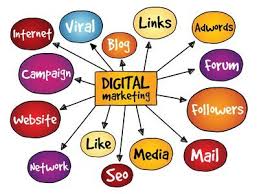
digital marketing strategy consultant

Unlocking Success: The Role of a Digital Marketing Strategy Consultant

The Role of a Digital Marketing Strategy Consultant

In today’s fast-paced digital landscape, businesses are constantly seeking ways to stand out and reach their target audience effectively. This is where a digital marketing strategy consultant plays a crucial role. A digital marketing strategy consultant is an expert who helps businesses develop and implement strategic plans to achieve their marketing goals in the online realm.

Key Responsibilities

A digital marketing strategy consultant works closely with businesses to understand their objectives, target audience, and competitive landscape. They conduct thorough research and analysis to identify opportunities for growth and create data-driven strategies that align with the overall business goals.

Some key responsibilities of a digital marketing strategy consultant include:

  • Developing comprehensive digital marketing plans tailored to the specific needs of each client.
  • Implementing strategies across various online channels such as social media, search engine optimisation (SEO), email marketing, and pay-per-click (PPC) advertising.
  • Monitoring and analysing campaign performance to make data-driven decisions and optimise results.
  • Providing valuable insights and recommendations to improve overall marketing effectiveness.
  • Staying up-to-date with the latest trends and technologies in digital marketing to ensure clients remain competitive in the market.

The Benefits of Hiring a Digital Marketing Strategy Consultant

By enlisting the services of a digital marketing strategy consultant, businesses can gain several advantages:

  • Expertise: Consultants bring specialised knowledge and experience to the table, helping businesses navigate the complexities of digital marketing.
  • Fresh Perspective: Consultants offer an external viewpoint that can uncover new opportunities and innovative approaches for reaching target audiences.
  • Efficiency: With a clear roadmap in place, businesses can streamline their marketing efforts and allocate resources more effectively.
  • Metric-Driven Results: Consultants focus on measurable outcomes, allowing businesses to track progress and make informed decisions based on data.

In Conclusion

A digital marketing strategy consultant plays a vital role in helping businesses navigate the ever-evolving world of online marketing. By leveraging their expertise and insights, businesses can develop effective strategies that drive growth, increase brand visibility, and ultimately achieve success in the digital space.


Crafting Success: Essential Tips for Digital Marketing Strategy Consultants

  1. Understand the client’s business goals and target audience thoroughly.
  2. Conduct a comprehensive analysis of the current digital marketing strategies in place.
  3. Create a customised digital marketing plan tailored to the client’s needs and budget.
  4. Stay updated with the latest trends and technologies in digital marketing.
  5. Focus on data-driven decision-making to track performance and make adjustments as needed.
  6. Provide regular reports and insights to demonstrate the effectiveness of the strategies implemented.

Understand the client’s business goals and target audience thoroughly.

To excel as a digital marketing strategy consultant, it is imperative to thoroughly understand the client’s business goals and target audience. By delving deep into the client’s objectives and gaining insights into their target demographic, consultants can tailor bespoke strategies that resonate with the audience and align with the overarching business goals. This foundational understanding not only ensures that marketing efforts are focused and effective but also establishes a solid framework for driving meaningful results in the digital realm.

Conduct a comprehensive analysis of the current digital marketing strategies in place.

To maximise the effectiveness of a digital marketing strategy consultant, it is essential to conduct a thorough analysis of the existing digital marketing strategies in place. By evaluating current practices, identifying strengths and weaknesses, and understanding what has worked well or needs improvement, the consultant can develop tailored recommendations for enhancing the overall digital marketing approach. This analysis serves as a crucial foundation for creating a strategic roadmap that aligns with the business goals and optimises performance across various online channels.

Create a customised digital marketing plan tailored to the client’s needs and budget.

Creating a customised digital marketing plan tailored to the client’s specific needs and budget is essential for the success of any business. A digital marketing strategy consultant can work closely with the client to understand their unique goals, target audience, and available resources. By developing a personalised plan that aligns with these factors, the consultant can maximise the impact of the marketing efforts while staying within budget constraints. This tailored approach ensures that every aspect of the digital strategy is designed to deliver optimal results and drive growth for the client’s business.

To excel as a digital marketing strategy consultant, it is essential to stay updated with the latest trends and technologies in the dynamic field of digital marketing. By keeping abreast of emerging tools, platforms, and strategies, consultants can offer innovative solutions to clients and ensure their marketing efforts remain relevant and effective in an ever-evolving digital landscape. Continuous learning and adaptation to new trends are key to delivering impactful results and staying ahead of the competition in the fast-paced world of digital marketing.

Focus on data-driven decision-making to track performance and make adjustments as needed.

To excel as a digital marketing strategy consultant, it is essential to prioritise data-driven decision-making. By closely monitoring key performance indicators and metrics, consultants can track the effectiveness of marketing campaigns and strategies. This approach enables them to identify areas for improvement, make timely adjustments, and optimise outcomes for their clients. Embracing data-driven insights empowers consultants to deliver results that are not only measurable but also tailored to meet the evolving needs of businesses in the dynamic digital landscape.

Provide regular reports and insights to demonstrate the effectiveness of the strategies implemented.

To ensure the success of digital marketing strategies, it is essential for a digital marketing strategy consultant to provide regular reports and insights that demonstrate the effectiveness of the implemented strategies. By tracking key performance indicators and analysing data, consultants can offer valuable feedback to clients on the progress of their campaigns. These reports not only showcase the impact of the strategies but also help in making informed decisions for future marketing efforts. Regular reporting fosters transparency and accountability, allowing clients to have a clear understanding of the return on investment and the overall effectiveness of their digital marketing initiatives.

Understanding Content Marketing Agency Costs: A Comprehensive Guide

The Costs of Hiring a Content Marketing Agency

Content marketing has become an essential strategy for businesses looking to engage their audience, build brand awareness, and drive conversions. While some companies choose to handle their content creation in-house, many opt to hire a content marketing agency to leverage the expertise and resources of professionals in the field. However, one common question that arises when considering hiring a content marketing agency is: how much does it cost?

Factors Influencing Costs

The costs of hiring a content marketing agency can vary widely depending on several factors:

  • Scope of Work: The complexity and scale of the project will have a significant impact on costs. A comprehensive content marketing strategy involving multiple channels and deliverables will typically cost more than a smaller, focused campaign.
  • Expertise and Experience: Agencies with a proven track record of success and specialised expertise may charge higher fees for their services.
  • Content Types: Different types of content require varying levels of effort and resources. For example, video production or interactive content may incur additional costs compared to standard blog posts or social media updates.
  • Frequency of Content Production: Regularly producing high-quality content requires ongoing time and effort. Agencies may offer different pricing models based on the frequency of content creation.
  • Additional Services: Some agencies provide additional services such as SEO optimisation, social media management, or email marketing as part of their content marketing packages. These extras can impact overall costs.

Cost Structures

Content marketing agencies typically offer several pricing structures to accommodate different client needs:

  • Project-Based Pricing: Clients pay a fixed fee for a specific project or campaign, which is agreed upon upfront based on the scope of work.
  • Retainer-Based Pricing: Clients pay a recurring monthly fee for ongoing content marketing services. This model provides consistency and allows for long-term planning.
  • Pricing Per Deliverable: Some agencies charge based on individual deliverables, such as blog posts, infographics, or videos. This allows clients to customise their package based on their needs.
  • Hourly Rates: In some cases, agencies may charge by the hour for their services. This model is less common but can be used for specific tasks or consulting work.

Evaluating ROI

When considering the costs of hiring a content marketing agency, it’s essential to evaluate the potential return on investment (ROI). A well-executed content marketing strategy can yield significant benefits in terms of increased website traffic, lead generation, brand visibility, and customer engagement. By analysing key performance metrics and tracking outcomes, businesses can determine the effectiveness of their investment in content marketing services.

In conclusion, while the costs of hiring a content marketing agency may vary depending on various factors and pricing structures, businesses should view it as an investment in their long-term success. By partnering with a reputable agency that aligns with their goals and values, companies can unlock the full potential of content marketing to achieve tangible results.


Understanding the Costs of Hiring a Content Marketing Agency: FAQs and Key Considerations

  1. 1. How much does it cost to hire a content marketing agency?
  2. 2. What factors influence the costs of hiring a content marketing agency?
  3. 3. Are there different pricing structures offered by content marketing agencies?
  4. 4. Do content marketing agencies charge based on the scope of work?
  5. 5. What additional services may impact the overall costs of hiring a content marketing agency?
  6. 6. How can businesses evaluate the ROI of investing in a content marketing agency?
  7. 7. Are there industry benchmarks for typical costs associated with content marketing agencies?
  8. 8. Can businesses customise their packages based on their specific needs and budget when working with a content marketing agency?

1. How much does it cost to hire a content marketing agency?

One of the most frequently asked questions regarding content marketing agency services is, “How much does it cost to hire a content marketing agency?” The costs of hiring a content marketing agency can vary depending on factors such as the scope of work, expertise and experience of the agency, types of content required, frequency of content production, and additional services included in the package. Different agencies offer various pricing structures, including project-based pricing, retainer-based pricing, pricing per deliverable, and hourly rates. It is essential for businesses to carefully consider these factors and evaluate the potential return on investment when determining the cost of hiring a content marketing agency.

2. What factors influence the costs of hiring a content marketing agency?

When considering the costs of hiring a content marketing agency, it is important to understand the factors that influence pricing. Several key elements can impact the overall costs, including the scope of work required, the expertise and experience of the agency, the types of content involved, the frequency of content production, and any additional services provided. The complexity and scale of the project, along with the level of specialised expertise needed, will play a significant role in determining the cost structure. By evaluating these influencing factors carefully, businesses can make informed decisions when selecting a content marketing agency that aligns with their budget and objectives.

3. Are there different pricing structures offered by content marketing agencies?

Yes, content marketing agencies typically offer different pricing structures to cater to the diverse needs of their clients. Common pricing models include project-based pricing, where clients pay a fixed fee for a specific project or campaign agreed upon upfront; retainer-based pricing, involving a recurring monthly fee for ongoing services; pricing per deliverable, where costs are based on individual content pieces like blog posts or videos; and hourly rates for specific tasks or consulting work. Each pricing structure has its advantages and may be tailored to suit the scope and requirements of the content marketing strategy being implemented.

4. Do content marketing agencies charge based on the scope of work?

Yes, content marketing agencies often charge based on the scope of work involved in a project. The complexity and scale of the content marketing campaign play a significant role in determining the overall cost. Agencies consider factors such as the number of deliverables, types of content required, level of expertise needed, and the resources involved in creating and implementing the strategy. By aligning pricing with the scope of work, agencies can provide transparent cost estimates that reflect the time, effort, and value they will bring to the client’s content marketing initiatives.

5. What additional services may impact the overall costs of hiring a content marketing agency?

When considering the overall costs of hiring a content marketing agency, it is crucial to take into account the additional services that may impact pricing. These extra services can include search engine optimisation (SEO) strategies to enhance content visibility, social media management to amplify reach and engagement, email marketing campaigns for targeted communication, and analytics reporting for tracking performance metrics. Each of these supplementary offerings contributes to a comprehensive content marketing strategy but may incur additional costs depending on the agency’s pricing structure. Businesses should carefully evaluate their needs and goals to determine which additional services are essential for achieving their desired outcomes while staying within their budget constraints.

6. How can businesses evaluate the ROI of investing in a content marketing agency?

Businesses can evaluate the return on investment (ROI) of investing in a content marketing agency by tracking key performance indicators (KPIs) that align with their business objectives. Metrics such as website traffic, lead generation, conversion rates, social media engagement, and brand visibility can provide valuable insights into the effectiveness of the content marketing strategy implemented by the agency. By analysing these KPIs over time and comparing them to the costs incurred in hiring the agency, businesses can determine the impact of their investment and make informed decisions about future collaborations with content marketing professionals.

7. Are there industry benchmarks for typical costs associated with content marketing agencies?

When it comes to the frequently asked question of whether there are industry benchmarks for typical costs associated with content marketing agencies, the answer is not straightforward. While there are general guidelines and averages available, the costs can vary significantly based on factors such as the scope of work, agency expertise, and specific client requirements. It’s essential for businesses considering hiring a content marketing agency to request detailed proposals and quotes tailored to their unique needs to get a more accurate understanding of potential costs. By engaging in thorough discussions with prospective agencies and comparing proposals, companies can gain insights into industry standards and make informed decisions regarding their content marketing investments.

8. Can businesses customise their packages based on their specific needs and budget when working with a content marketing agency?

Businesses often wonder whether they can customise their packages to align with their specific needs and budget when partnering with a content marketing agency. The answer is typically yes – many content marketing agencies offer flexible options that allow businesses to tailor their packages according to their unique requirements and financial constraints. By collaborating closely with the agency and clearly defining goals, target audience, desired outcomes, and budget limitations, businesses can work together to create a customised content marketing strategy that maximises value and delivers results within the allocated budget. This personalised approach ensures that businesses get the most out of their investment in content marketing services.