full service digital marketing agency

Empowering Your Brand: The Full-Service Digital Marketing Agency Advantage

The Role of a Full-Service Digital Marketing Agency in Today’s Business Landscape

In the fast-paced world of digital marketing, businesses are constantly seeking ways to stand out and connect with their target audience effectively. This is where a full-service digital marketing agency plays a crucial role. These agencies offer a comprehensive range of services designed to help businesses navigate the complex digital landscape and achieve their marketing goals.

What Does a Full-Service Digital Marketing Agency Offer?

A full-service digital marketing agency provides a one-stop solution for all your online marketing needs. From website design and development to search engine optimisation (SEO), pay-per-click (PPC) advertising, social media management, content creation, email marketing, and more – these agencies have the expertise and resources to handle every aspect of your digital marketing strategy.

By offering a holistic approach to online marketing, full-service agencies ensure that all elements of your digital strategy work together seamlessly to drive results. Whether you are looking to increase brand awareness, generate leads, boost website traffic, or improve conversion rates, a full-service agency can tailor their services to meet your specific objectives.

The Benefits of Working with a Full-Service Digital Marketing Agency

Collaborating with a full-service digital marketing agency offers several key benefits for businesses:

  • Expertise: Full-service agencies employ specialists in various areas of digital marketing who bring valuable knowledge and skills to the table.
  • Efficiency: By centralising all your online marketing activities with one agency, you can streamline communication and ensure consistency across campaigns.
  • Data-Driven Strategies: Full-service agencies use data analytics to track performance metrics and make informed decisions that drive continuous improvement.
  • Scalability: As your business grows and evolves, a full-service agency can adapt its strategies to accommodate your changing needs and goals.

In Conclusion

In today’s competitive business landscape, having a strong online presence is essential for success. A full-service digital marketing agency offers the expertise, resources, and strategic guidance needed to help businesses thrive in the digital realm. By partnering with a trusted agency that understands your brand and goals, you can unlock new opportunities for growth and engagement in the ever-evolving world of digital marketing.


9 Essential Tips for a Successful Full-Service Digital Marketing Agency

  1. Understand your target audience thoroughly.
  2. Create a strong brand identity that resonates with your audience.
  3. Offer a wide range of services to cater to different client needs.
  4. Stay updated with the latest digital marketing trends and tools.
  5. Provide excellent customer service to build long-lasting relationships.
  6. Focus on creating high-quality, engaging content for various platforms.
  7. Track and analyse data regularly to measure the success of campaigns.
  8. Collaborate with other businesses or influencers for wider reach.
  9. Continuously improve and adapt strategies based on results and feedback.

Understand your target audience thoroughly.

To maximise the effectiveness of a full-service digital marketing agency, it is essential to have a deep understanding of your target audience. By thoroughly comprehending the demographics, preferences, behaviour patterns, and needs of your audience, you can tailor your marketing strategies to resonate with them on a more personal level. This insight allows the agency to create compelling content, engage with the audience in meaningful ways, and ultimately drive better results for your business.

Create a strong brand identity that resonates with your audience.

Creating a strong brand identity that resonates with your audience is a fundamental tip for any full-service digital marketing agency. A compelling brand identity not only sets you apart from competitors but also establishes an emotional connection with your target audience. By understanding your audience’s preferences, values, and aspirations, you can craft a brand identity that speaks directly to their needs and desires. Consistency in branding across all digital channels helps build trust and loyalty, ultimately driving engagement and conversion rates.

Offer a wide range of services to cater to different client needs.

A key tip for a full-service digital marketing agency is to offer a wide range of services to cater to different client needs. By providing a comprehensive suite of digital marketing solutions, including website design, SEO, PPC advertising, social media management, content creation, and email marketing, the agency can address diverse requirements and help clients achieve their specific goals effectively. This approach not only demonstrates versatility and expertise but also ensures that clients receive tailored strategies that align with their unique objectives and maximise their online presence.

To maximise the effectiveness of a full-service digital marketing agency, it is essential to stay updated with the latest digital marketing trends and tools. In the rapidly evolving landscape of online marketing, being aware of emerging technologies, consumer behaviours, and industry best practices can give businesses a competitive edge. By staying informed and adapting strategies to incorporate new trends and tools, businesses can ensure that their digital marketing efforts remain relevant, engaging, and impactful in reaching their target audience effectively.

Provide excellent customer service to build long-lasting relationships.

Providing excellent customer service is a cornerstone of a successful full-service digital marketing agency. By prioritising customer satisfaction and building strong relationships, agencies can foster trust and loyalty that leads to long-lasting partnerships. Effective communication, responsiveness to client needs, and a commitment to exceeding expectations are key elements in creating a positive experience for clients. By delivering exceptional customer service, full-service digital marketing agencies can not only meet the immediate needs of their clients but also establish a foundation for sustained growth and success in the long term.

Focus on creating high-quality, engaging content for various platforms.

To maximise the impact of your digital marketing efforts, it is essential for a full-service agency to focus on creating high-quality, engaging content tailored for various platforms. By crafting compelling content that resonates with your target audience and aligns with your brand messaging, you can effectively capture attention, drive engagement, and build meaningful connections with potential customers across different online channels. Quality content not only enhances your brand’s credibility and authority but also helps to improve search engine visibility and attract organic traffic. Emphasising the creation of valuable and relevant content is key to establishing a strong online presence and achieving long-term success in the digital landscape.

Track and analyse data regularly to measure the success of campaigns.

Tracking and analysing data regularly is a crucial tip for any full-service digital marketing agency. By monitoring key performance indicators and metrics, such as website traffic, conversion rates, click-through rates, and engagement levels, agencies can effectively measure the success of their campaigns. This data-driven approach not only provides valuable insights into what is working well but also identifies areas for improvement and optimisation. By leveraging data analytics tools and techniques, agencies can make informed decisions to refine their strategies and ensure that they are delivering tangible results for their clients.

Collaborate with other businesses or influencers for wider reach.

Collaborating with other businesses or influencers is a valuable tip for maximising the reach and impact of your digital marketing efforts. By partnering with like-minded entities or influential personalities in your industry, you can tap into their existing audience base and leverage their credibility to expand your brand’s visibility. This strategic collaboration not only exposes your brand to a wider audience but also fosters trust and credibility among potential customers. Working together with others in the digital space can lead to mutually beneficial outcomes, helping you reach new heights in your marketing endeavours.

Continuously improve and adapt strategies based on results and feedback.

To maximise the effectiveness of a full-service digital marketing agency, it is essential to adopt a mindset of continuous improvement and adaptation. By closely monitoring the results of campaigns and gathering feedback from various sources, such as analytics data and client input, agencies can identify areas for enhancement and refine their strategies accordingly. This iterative approach not only ensures that marketing efforts remain aligned with business objectives but also allows for agile adjustments in response to changing market dynamics and consumer behaviour. Embracing a culture of learning and evolution enables full-service agencies to deliver optimal outcomes for their clients in the ever-evolving digital landscape.

b2b internet marketing agency

Unlocking Business Success: The Power of a B2B Internet Marketing Agency

The Role of a B2B Internet Marketing Agency in Driving Business Success

In today’s digital age, businesses are increasingly turning to B2B internet marketing agencies to help them navigate the complex world of online marketing and drive growth. These specialised agencies play a crucial role in developing and implementing strategies that target other businesses rather than individual consumers. Let’s explore the key functions and benefits of partnering with a B2B internet marketing agency.

Understanding the B2B Landscape

Unlike B2C (business-to-consumer) marketing, which focuses on selling products or services directly to consumers, B2B marketing involves selling products or services to other businesses. This requires a different approach, as the decision-making process in B2B transactions is often more complex and involves multiple stakeholders.

The Role of a B2B Internet Marketing Agency

A B2B internet marketing agency specialises in helping businesses reach their target audience, generate leads, and drive conversions through online channels. These agencies offer a range of services tailored to the unique needs of B2B companies, including:

  • Search Engine Optimisation (SEO): Improving website visibility in search engine results to attract organic traffic from businesses searching for relevant products or services.
  • Content Marketing: Creating valuable and informative content that establishes thought leadership, builds trust, and engages potential business clients.
  • Email Marketing: Developing targeted email campaigns to nurture leads, promote products or services, and drive conversions.
  • Social Media Marketing: Leveraging social media platforms to increase brand awareness, engage with prospects, and drive website traffic.
  • Pay-Per-Click (PPC) Advertising: Running targeted advertising campaigns on search engines and social media platforms to reach specific business audiences.

The Benefits of Partnering with a B2B Internet Marketing Agency

Collaborating with a B2B internet marketing agency offers several advantages for businesses looking to enhance their online presence and drive growth:

  • Expertise: B2B internet marketing agencies have specialised knowledge and experience in targeting business audiences effectively.
  • Time-Saving: Outsourcing digital marketing efforts allows businesses to focus on core operations while experts handle online strategies.
  • Data-Driven Approach: Agencies use data analytics to track performance metrics, optimise campaigns, and deliver measurable results.
  • Scalability: Agencies can scale marketing efforts based on business needs and adapt strategies as market conditions evolve.

In conclusion, partnering with a B2B internet marketing agency can empower businesses to reach their target audience, generate quality leads, and achieve sustainable growth in the competitive digital landscape. By leveraging the expertise and resources of these specialised agencies, businesses can stay ahead of the curve and maximise their online marketing potential.


Essential Tips for Enhancing B2B Internet Marketing Agency Success

  1. Understand your target audience and their needs.
  2. Create a strong online presence through a professional website and active social media profiles.
  3. Produce high-quality content that showcases your expertise in the industry.
  4. Utilize email marketing campaigns to nurture leads and maintain client relationships.
  5. Implement SEO strategies to improve visibility and attract organic traffic to your website.
  6. Collaborate with other businesses for co-marketing opportunities and expanding your reach.
  7. Track and analyse key performance metrics to measure the effectiveness of your marketing efforts.
  8. Stay updated on industry trends and continuously adapt your strategies to stay competitive.

Understand your target audience and their needs.

To succeed in B2B internet marketing, it is essential to understand your target audience and their needs. By gaining insights into the challenges, preferences, and goals of your business clients, you can tailor your marketing strategies to resonate with them effectively. Understanding the specific pain points and motivations of your target audience allows you to create relevant content, offer solutions that address their needs, and build strong relationships based on trust and value. Ultimately, by prioritising a deep understanding of your target audience, a B2B internet marketing agency can help businesses establish meaningful connections and drive successful outcomes in the competitive digital landscape.

Create a strong online presence through a professional website and active social media profiles.

To maximise the impact of your B2B internet marketing efforts, it is essential to establish a robust online presence by investing in a professional website and maintaining active social media profiles. A well-designed website serves as the digital storefront for your business, showcasing your products or services and providing valuable information to potential B2B clients. Additionally, engaging with your audience through social media platforms allows you to build brand awareness, foster relationships, and drive traffic to your website. By creating a cohesive online presence across these channels, you can effectively communicate your brand message, attract quality leads, and position your business for success in the competitive B2B marketplace.

Produce high-quality content that showcases your expertise in the industry.

Producing high-quality content that showcases your expertise in the industry is a fundamental tip for B2B internet marketing success. By creating informative and valuable content that addresses the needs and challenges of your target business audience, you can establish credibility, build trust, and position your company as a thought leader in the industry. This content can take various forms, such as blog posts, whitepapers, case studies, and infographics, and should be tailored to resonate with decision-makers and influencers within businesses. Consistently delivering exceptional content not only attracts potential clients but also strengthens your brand reputation and sets you apart from competitors in the competitive B2B landscape.

Utilize email marketing campaigns to nurture leads and maintain client relationships.

To maximise the effectiveness of your B2B internet marketing strategy, it is essential to utilise email marketing campaigns as a powerful tool for nurturing leads and fostering lasting client relationships. By delivering targeted and relevant content to prospects at different stages of the sales funnel, you can engage with them on a personalised level, build trust, and guide them towards conversion. Additionally, maintaining regular communication through strategic email campaigns helps to keep your brand top-of-mind for existing clients, strengthening loyalty and encouraging repeat business. Email marketing is a cost-effective way to drive engagement and retention in the B2B space, making it a valuable asset for any business looking to succeed in the digital realm.

Implement SEO strategies to improve visibility and attract organic traffic to your website.

By implementing SEO strategies tailored to the B2B space, businesses can enhance their online visibility and attract organic traffic to their websites. Optimising website content, improving keyword targeting, and enhancing technical aspects can help businesses rank higher in search engine results, making it easier for potential B2B clients to discover their offerings. By focusing on SEO, B2B internet marketing agencies can drive targeted traffic to their clients’ websites, ultimately increasing lead generation and fostering long-term business relationships.

Collaborate with other businesses for co-marketing opportunities and expanding your reach.

Collaborating with other businesses for co-marketing opportunities is a strategic tip that can significantly benefit B2B internet marketing agencies. By joining forces with complementary businesses, agencies can tap into new audiences, expand their reach, and create mutually beneficial partnerships. Co-marketing allows for the sharing of resources, expertise, and networks, leading to increased brand visibility and credibility in the competitive digital landscape. Through collaborative efforts, B2B internet marketing agencies can leverage the strengths of their partners to drive growth, generate leads, and achieve collective success in the ever-evolving online market.

Track and analyse key performance metrics to measure the effectiveness of your marketing efforts.

Tracking and analysing key performance metrics is essential for evaluating the effectiveness of your marketing efforts when working with a B2B internet marketing agency. By monitoring metrics such as website traffic, lead generation, conversion rates, and engagement levels, businesses can gain valuable insights into the impact of their online campaigns. This data-driven approach not only helps in identifying what strategies are working well but also allows for adjustments to be made to optimise performance and achieve measurable results. Effective measurement and analysis of key performance metrics play a vital role in guiding strategic decision-making and maximising the return on investment in B2B internet marketing initiatives.

To succeed in the dynamic realm of B2B internet marketing, it is crucial to stay abreast of industry trends and proactively adjust your strategies to remain competitive. By staying updated on the latest developments and shifts in the market landscape, businesses can adapt their approaches to meet the evolving needs of their target audience. Continuous adaptation ensures that B2B internet marketing agencies can stay ahead of the curve, seize new opportunities, and maintain a competitive edge in the ever-changing digital environment.

jellyfish online marketing

Unleashing the Power of Jellyfish in Online Marketing

The Impact of Jellyfish Online Marketing

The Impact of Jellyfish Online Marketing

In the vast ocean of digital marketing, jellyfish have become a fascinating metaphor for a unique approach to online promotion. Just like these mesmerising creatures gracefully navigate the waters, jellyfish online marketing aims to captivate and engage audiences in a way that leaves a lasting impression.

One key characteristic of jellyfish is their ability to adapt and thrive in diverse environments. Similarly, jellyfish online marketing strategies are versatile and flexible, allowing businesses to adjust their tactics based on changing trends and consumer behaviour.

Another parallel between jellyfish and online marketing lies in their reach. Jellyfish are known for their wide distribution across oceans, and similarly, online marketing has the potential to reach global audiences with just a few clicks. This broad reach enables businesses to connect with customers far beyond geographical boundaries.

Furthermore, just as jellyfish use their unique appearance to attract prey, effective online marketing campaigns leverage creativity and innovation to capture the attention of target audiences. Whether through engaging content, interactive experiences, or personalised messaging, jellyfish online marketing strives to stand out in a sea of digital noise.

Like the pulsating movements of jellyfish that draw observers in, successful online marketing initiatives create momentum and generate interest that propels businesses forward. By building brand awareness, driving website traffic, and fostering customer engagement, jellyfish-inspired strategies can help businesses achieve their goals in the digital realm.

In conclusion, jellyfish online marketing offers a fresh perspective on how businesses can navigate the ever-evolving landscape of digital promotion. By embracing adaptability, reaching diverse audiences, showcasing creativity, and creating momentum, businesses can harness the power of jellyfish-inspired strategies to make a splash in the competitive world of online marketing.


7 Effective Online Marketing Strategies for Promoting Jellyfish Content

  1. Create engaging content about jellyfish to attract your target audience.
  2. Utilize social media platforms to share interesting facts and images of jellyfish.
  3. Optimize your website with relevant keywords related to jellyfish for better search engine visibility.
  4. Collaborate with marine conservation organisations or experts to enhance credibility in the field.
  5. Run targeted online ads focusing on jellyfish enthusiasts or marine biology enthusiasts.
  6. Offer educational resources such as blog posts or videos about different species of jellyfish.
  7. Engage with your audience through polls, quizzes, and interactive content to increase interaction and brand awareness.

Create engaging content about jellyfish to attract your target audience.

To enhance your jellyfish online marketing strategy, consider creating engaging content that focuses on the fascinating world of jellyfish. By showcasing captivating facts, stunning visuals, and intriguing stories about these mesmerising creatures, you can attract and engage your target audience effectively. Encouraging interaction and sparking curiosity through jellyfish-related content can help establish a deeper connection with your audience and differentiate your brand in the competitive digital landscape.

Utilize social media platforms to share interesting facts and images of jellyfish.

To enhance your jellyfish online marketing strategy, consider leveraging social media platforms to share captivating facts and visually engaging images of these fascinating creatures. By utilising the interactive nature of social media, you can pique the curiosity of your audience and create a buzz around your brand. Sharing interesting insights and stunning visuals of jellyfish can not only educate and entertain your followers but also help in building a stronger connection with them, ultimately driving engagement and interest in your products or services.

To enhance your online presence and improve search engine visibility in jellyfish online marketing, it is essential to optimise your website with relevant keywords related to jellyfish. By strategically incorporating these keywords into your website content, meta tags, and headings, you can increase the likelihood of your site appearing in search engine results when users are looking for information about jellyfish. This targeted approach not only helps attract organic traffic but also ensures that your website is more easily discoverable by individuals interested in jellyfish-related topics, ultimately boosting your online visibility and engagement.

Collaborate with marine conservation organisations or experts to enhance credibility in the field.

By collaborating with marine conservation organisations or experts in the field, businesses can significantly enhance their credibility and authenticity in jellyfish online marketing. Partnering with trusted entities demonstrates a commitment to environmental stewardship and sustainability, aligning the brand with values that resonate with consumers. Such collaborations not only bolster credibility but also provide valuable insights and expertise that can enrich marketing campaigns, fostering a deeper connection with audiences who are passionate about marine conservation efforts.

Run targeted online ads focusing on jellyfish enthusiasts or marine biology enthusiasts.

To maximise the impact of jellyfish online marketing, consider running targeted online ads that specifically cater to jellyfish enthusiasts or individuals interested in marine biology. By focusing your advertising efforts on these niche audiences, you can effectively reach individuals who are already passionate about jellyfish and the marine world. This targeted approach not only increases the likelihood of engagement and conversion but also allows you to tailor your messaging and content to resonate with the specific interests and preferences of your audience, ultimately driving more meaningful interactions and fostering a deeper connection with potential customers.

Offer educational resources such as blog posts or videos about different species of jellyfish.

To enhance the impact of jellyfish online marketing, consider providing educational resources such as blog posts or videos that delve into the fascinating world of various jellyfish species. By offering valuable insights and information about these unique creatures, businesses can engage their audience with intriguing content that not only educates but also captivates. This approach not only showcases expertise in the field but also establishes a connection with users who are curious to learn more, ultimately strengthening brand credibility and fostering a deeper relationship with the target market.

Engage with your audience through polls, quizzes, and interactive content to increase interaction and brand awareness.

To enhance your jellyfish online marketing strategy, consider engaging with your audience through polls, quizzes, and interactive content. By incorporating these interactive elements into your digital campaigns, you can boost interaction levels and raise brand awareness effectively. Encouraging participation through fun and informative activities not only captivates your audience but also creates a memorable and engaging experience that strengthens the connection between your brand and customers.

online marketing for law firms

Maximising Success: Online Marketing Strategies for Law Firms in the UK

The Power of Online Marketing for Law Firms

In today’s digital age, having a strong online presence is crucial for law firms looking to attract new clients and establish themselves as industry leaders. Online marketing offers a range of opportunities for law firms to connect with their target audience, build credibility, and drive business growth. Let’s explore the key benefits and strategies of online marketing for law firms.

Benefits of Online Marketing for Law Firms

Increased Visibility: With the majority of people turning to the internet to search for legal services, a well-executed online marketing strategy can significantly increase your firm’s visibility. By optimising your website and content for search engines, you can attract more potential clients to your site.

Targeted Advertising: Online marketing allows law firms to target specific demographics and geographic locations with precision. This targeted approach ensures that your marketing efforts reach the right audience, increasing the likelihood of converting leads into clients.

Enhanced Credibility: A professional website, active social media presence, and positive online reviews all contribute to building credibility and trust with potential clients. By showcasing your expertise and success stories online, you can position your firm as a reputable authority in your field.

Online Marketing Strategies for Law Firms

Search Engine Optimization (SEO): Optimising your website with relevant keywords, creating high-quality content, and building backlinks are essential components of an effective SEO strategy. By improving your website’s visibility in search engine results pages, you can attract organic traffic and generate leads.

Content Marketing: Producing informative blog posts, articles, case studies, and whitepapers can help showcase your expertise and provide valuable insights to potential clients. Content marketing not only drives traffic to your website but also establishes your firm as a thought leader in the legal industry.

Social Media Marketing: Engaging with followers on social media platforms such as LinkedIn, Twitter, and Facebook allows law firms to share updates, promote services, and interact with their audience in real-time. Social media marketing helps humanise your brand and foster meaningful connections with clients.

In Conclusion

Online marketing presents a wealth of opportunities for law firms to expand their reach, attract new clients, and differentiate themselves from competitors. By implementing a comprehensive online marketing strategy that includes SEO, content marketing, social media engagement, and more, law firms can effectively position themselves for success in the digital landscape.

Contact us today to learn how our tailored online marketing solutions can help elevate your law firm’s digital presence and drive business growth.


Top 5 Online Marketing Strategies for Law Firms to Enhance Visibility and Credibility

  1. 1. Create a professional website that reflects your firm’s expertise and values.
  2. 2. Utilize search engine optimization (SEO) to improve your website’s visibility in search results.
  3. 3. Develop a content marketing strategy to showcase your legal knowledge through blogs, articles, and case studies.
  4. 4. Engage with potential clients on social media platforms to build relationships and establish credibility.
  5. 5. Consider investing in online advertising campaigns targeting relevant keywords and demographics.

1. Create a professional website that reflects your firm’s expertise and values.

Creating a professional website that accurately reflects your law firm’s expertise and values is essential for establishing credibility and attracting potential clients online. Your website serves as the digital face of your firm, showcasing your experience, services, and unique selling points. By designing a visually appealing and user-friendly site that conveys your professionalism and commitment to excellence, you can make a lasting impression on visitors and differentiate your firm in a competitive market. A well-crafted website not only enhances your online presence but also builds trust with prospective clients seeking legal services.

2. Utilize search engine optimization (SEO) to improve your website’s visibility in search results.

By utilising search engine optimisation (SEO), law firms can enhance their website’s visibility in search results, making it easier for potential clients to find them online. By strategically incorporating relevant keywords, creating high-quality content, and building authoritative backlinks, law firms can improve their search engine rankings and attract organic traffic. SEO plays a crucial role in increasing online visibility and driving qualified leads to the firm’s website, ultimately helping to establish credibility and grow the client base.

Developing a content marketing strategy is a crucial tip for law firms looking to enhance their online presence. By creating informative and engaging content such as blogs, articles, and case studies, law firms can showcase their legal expertise and establish credibility with potential clients. This strategy not only helps drive traffic to the firm’s website but also positions them as thought leaders in the industry, ultimately attracting more clients seeking legal services.

4. Engage with potential clients on social media platforms to build relationships and establish credibility.

Engaging with potential clients on social media platforms is a powerful strategy for law firms to build relationships and establish credibility in the digital landscape. By actively participating in conversations, sharing valuable insights, and responding to inquiries, law firms can showcase their expertise, humanise their brand, and foster trust with their audience. Through meaningful interactions on social media, law firms can position themselves as approachable and knowledgeable partners, ultimately leading to stronger client relationships and increased credibility within the industry.

5. Consider investing in online advertising campaigns targeting relevant keywords and demographics.

Consider investing in online advertising campaigns targeting relevant keywords and demographics to maximise the visibility of your law firm’s services. By strategically selecting keywords and demographics that align with your target audience, you can increase the effectiveness of your online marketing efforts and attract potential clients who are actively searching for legal services. Online advertising campaigns offer a targeted approach to reaching the right audience at the right time, helping you generate quality leads and drive business growth in a competitive digital landscape.

online marketing company

Empowering Your Brand: The Role of an Online Marketing Company in Today’s Digital Landscape

The Power of Online Marketing Companies

The Power of Online Marketing Companies

In today’s digital age, having a strong online presence is essential for businesses to succeed. This is where online marketing companies play a crucial role in helping businesses reach their target audience and achieve their marketing goals.

What Do Online Marketing Companies Do?

Online marketing companies specialise in promoting businesses and their products or services through various digital channels. These companies employ a range of strategies such as search engine optimisation (SEO), social media marketing, pay-per-click advertising, email marketing, and content creation to increase brand visibility and drive traffic to their clients’ websites.

The Benefits of Hiring an Online Marketing Company

By partnering with an online marketing company, businesses can benefit from expert knowledge and experience in navigating the complex world of digital marketing. These companies have the tools and resources to create targeted campaigns that resonate with the right audience, ultimately leading to increased brand awareness, customer engagement, and sales.

Measurable Results

One of the key advantages of working with an online marketing company is the ability to track and measure the success of your campaigns in real-time. Through analytics and reporting tools, businesses can gain valuable insights into the performance of their online marketing efforts and make data-driven decisions to optimise future strategies.

Staying Ahead of the Competition

In today’s competitive business landscape, staying ahead of the competition is crucial. Online marketing companies can help businesses stand out from the crowd by developing innovative and creative campaigns that capture the attention of potential customers and differentiate them from competitors.

Final Thoughts

As more consumers turn to the internet to research products and services, having a strong online presence is no longer optional – it’s essential for business growth. Online marketing companies play a vital role in helping businesses navigate the digital landscape and achieve their marketing objectives efficiently and effectively.


Frequently Asked Questions About Online Marketing Companies: Starting, Services, and Top Agencies

  1. How do I start an online marketing business?
  2. What does an online marketer do?
  3. Who are the big 6 digital marketing agencies?
  4. Which marketing company is best?
  5. What is an online marketing company?
  6. Who is the best online marketing company?
  7. What is the best online marketing company?

How do I start an online marketing business?

Starting an online marketing business requires careful planning and strategic execution. To begin, it is essential to define your niche and target market to understand the specific needs of your potential clients. Conduct thorough market research to identify industry trends, competitors, and opportunities for differentiation. Next, develop a comprehensive business plan outlining your services, pricing strategy, marketing tactics, and financial projections. Building a strong online presence through a professional website and active social media channels is crucial for attracting clients and showcasing your expertise. Networking with industry professionals and leveraging digital tools for lead generation are also key steps in establishing a successful online marketing business.

What does an online marketer do?

An online marketer is responsible for developing and implementing digital marketing strategies to promote a business, product, or service online. Their role involves conducting market research, identifying target audiences, creating engaging content, managing social media platforms, running online advertising campaigns, and analysing data to measure the effectiveness of marketing efforts. Online marketers strive to increase brand visibility, drive website traffic, generate leads, and ultimately boost sales through various online channels such as search engines, social media, email marketing, and more. Their goal is to connect businesses with their target audience in the digital space and help achieve the company’s marketing objectives.

Who are the big 6 digital marketing agencies?

When it comes to the top players in the digital marketing industry, the “Big 6” digital marketing agencies are often recognised for their significant influence and expertise. These leading agencies typically include well-established names such as WPP, Omnicom Group, Publicis Groupe, Interpublic Group, Dentsu Group, and Havas Group. Known for their global reach, diverse service offerings, and proven track records in delivering impactful digital marketing solutions, these agencies continue to shape the landscape of online marketing with their innovative strategies and industry-leading practices.

Which marketing company is best?

When considering which marketing company is best for your business, it is important to evaluate your specific needs and goals. The best marketing company for one business may not necessarily be the best for another. Factors to consider include the company’s expertise in your industry, their track record of success with similar businesses, their approach to digital marketing strategies, and their level of communication and transparency. It is advisable to conduct thorough research, read client testimonials, and request consultations to determine which marketing company aligns most closely with your objectives and values.

What is an online marketing company?

An online marketing company is a professional agency that specialises in promoting businesses and their offerings through various digital channels. These companies utilise a range of strategies such as search engine optimisation (SEO), social media marketing, pay-per-click advertising, email marketing, and content creation to enhance brand visibility and attract targeted audiences online. By leveraging their expertise in digital marketing techniques, online marketing companies help businesses increase their online presence, engage with potential customers effectively, and drive traffic to their websites to ultimately boost sales and achieve marketing objectives.

Who is the best online marketing company?

When it comes to determining the best online marketing company, the answer can vary depending on specific needs and objectives. The best online marketing company for one business may not necessarily be the best for another. Factors such as industry expertise, track record of success, range of services offered, pricing structure, and client satisfaction all play a role in determining the ideal fit. It is advisable for businesses to conduct thorough research, read reviews, and request consultations with multiple online marketing companies to find the one that aligns most closely with their goals and values.

What is the best online marketing company?

When it comes to determining the best online marketing company, the answer can vary depending on specific needs and objectives. The best online marketing company for one business may not necessarily be the ideal choice for another. Factors to consider when evaluating online marketing companies include their expertise in relevant digital channels, track record of success with similar businesses, transparency in communication and reporting, as well as their ability to tailor strategies to align with your unique goals. Ultimately, the best online marketing company is one that understands your business needs comprehensively and can deliver results that drive growth and success in the digital realm.

digital and online marketing

Maximising Success: The Impact of Digital Marketing Strategies in Online Campaigns

The Power of Digital and Online Marketing

The Power of Digital and Online Marketing

In today’s digital age, the landscape of marketing has undergone a significant transformation. Digital and online marketing have become essential tools for businesses looking to reach and engage with their target audience in a more personalised and effective way.

One of the key advantages of digital marketing is its ability to provide real-time analytics and insights into consumer behaviour. Through various online channels such as social media, email campaigns, search engine optimisation (SEO), and pay-per-click advertising, businesses can track and measure the success of their marketing efforts with precision.

Furthermore, digital marketing allows for targeted advertising, enabling businesses to tailor their messages to specific demographics, interests, and behaviours. This level of personalisation not only increases the likelihood of engaging with potential customers but also helps in building long-lasting relationships with them.

Another benefit of digital marketing is its cost-effectiveness compared to traditional forms of advertising. With online platforms, businesses can reach a wider audience at a fraction of the cost, making it an attractive option for companies looking to maximise their marketing budget.

Moreover, digital marketing offers a higher return on investment (ROI) as campaigns can be optimised in real-time based on performance data. This agility allows businesses to adapt quickly to market trends and consumer preferences, ensuring that their message remains relevant and impactful.

In conclusion, digital and online marketing have revolutionised the way businesses connect with their audience. By harnessing the power of digital tools and strategies, companies can enhance brand visibility, drive customer engagement, and ultimately achieve business growth in today’s competitive market place.


Frequently Asked Questions: Understanding Digital and Online Marketing

  1. What are examples of digital marketing?
  2. What is the difference between digital and online advertising?
  3. What is digital and online marketing?
  4. What are the 4 types of digital marketing?
  5. What is digital marketing examples?
  6. Is digital marketing the same as online marketing comment?
  7. What is the difference between online and digital?
  8. Is digital marketing and virtual marketing same?
  9. What are the examples of digital marketing?
  10. Is online marketing and digital marketing is same or different?
  11. What is the difference between online and digital business?
  12. What is the difference between marketing and digital?
  13. Is digital marketing and online marketing are same?
  14. Are digital and online marketing the same?
  15. Is there any difference between digital marketing and online marketing?
  16. What is the difference between digital marketing and online advertising?
  17. Why is digital marketing not the same as online marketing?

What are examples of digital marketing?

Digital marketing encompasses a wide range of strategies and tactics aimed at promoting products or services online. Some common examples of digital marketing include search engine optimisation (SEO) to improve website visibility on search engines, pay-per-click (PPC) advertising for targeted online ads, social media marketing to engage with audiences on platforms like Facebook and Instagram, email marketing campaigns to nurture leads and build customer relationships, content marketing through blogs, videos, and infographics to provide valuable information to users, and influencer partnerships to reach a wider audience through trusted individuals or brands. These examples highlight the diverse and dynamic nature of digital marketing in today’s digital landscape.

What is the difference between digital and online advertising?

When considering the difference between digital and online advertising, it’s important to note that while they are often used interchangeably, there are subtle distinctions between the two. Digital advertising encompasses a broader scope, including all forms of advertising that exist in a digital format, such as social media ads, display ads, email marketing, and more. On the other hand, online advertising specifically refers to advertisements that are displayed on the internet through websites, search engines, or social media platforms. In essence, online advertising is a subset of digital advertising that focuses solely on promoting products or services through online channels. Understanding this distinction can help businesses tailor their marketing strategies effectively to reach their target audience in the ever-evolving digital landscape.

What is digital and online marketing?

Digital and online marketing encompass a broad range of strategies and techniques aimed at promoting products or services through digital channels such as websites, social media, email campaigns, search engines, and online advertisements. It involves leveraging digital technologies to reach and engage with target audiences in a more personalised and measurable way. By utilising various online platforms and tools, businesses can effectively communicate their brand message, drive traffic to their websites, generate leads, and ultimately convert prospects into customers. Digital and online marketing play a crucial role in today’s competitive landscape by enabling businesses to connect with their audience in real-time, track performance metrics accurately, and adapt their strategies based on data-driven insights for optimal results.

What are the 4 types of digital marketing?

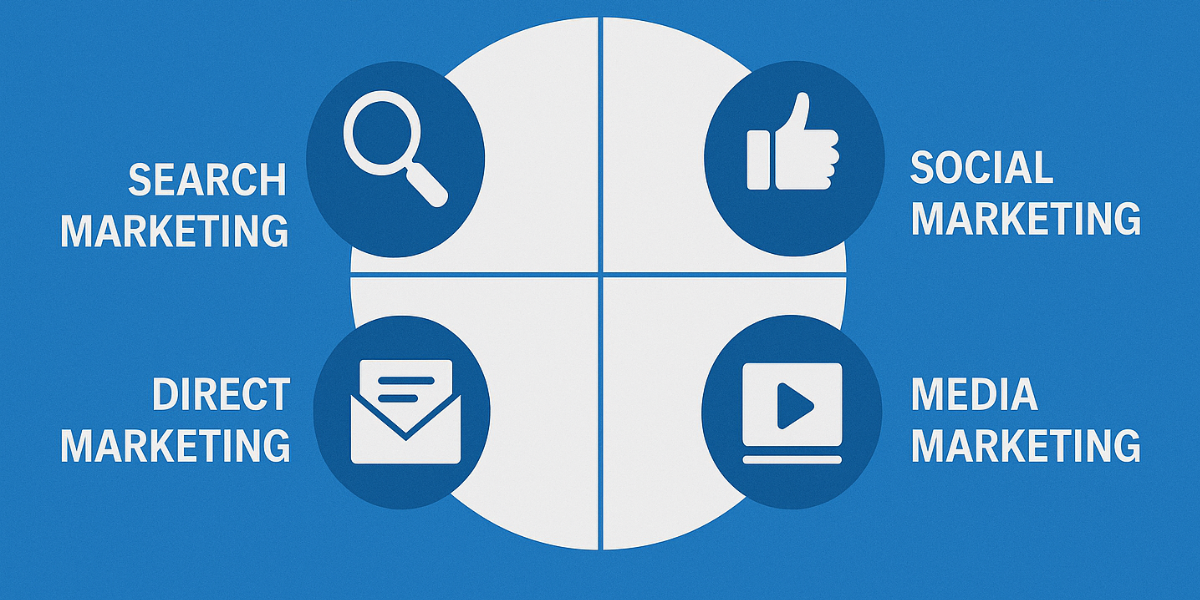
In the realm of digital and online marketing, one frequently asked question is: “What are the 4 types of digital marketing?” The four main types of digital marketing include search engine optimisation (SEO), pay-per-click advertising (PPC), social media marketing, and content marketing. SEO involves improving a website’s visibility on search engines to attract organic traffic, while PPC allows businesses to bid on keywords for targeted advertising. Social media marketing leverages platforms like Facebook and Instagram to engage with audiences, and content marketing focuses on creating valuable and relevant content to attract and retain customers. These four pillars form the foundation of a comprehensive digital marketing strategy that can help businesses thrive in the digital landscape.

What is digital marketing examples?

Digital marketing encompasses a wide range of strategies and tactics aimed at promoting products or services through online channels. Some common examples of digital marketing include search engine optimisation (SEO) to improve website visibility on search engines, pay-per-click (PPC) advertising for targeted online ads, social media marketing to engage with audiences on platforms like Facebook and Instagram, email marketing campaigns for direct communication with customers, content marketing through blogs and articles to provide valuable information, and influencer partnerships to leverage the reach of popular personalities. These examples demonstrate the diverse and dynamic nature of digital marketing in reaching and engaging with audiences in the digital realm.

Is digital marketing the same as online marketing comment?

The frequently asked question of whether digital marketing is the same as online marketing often sparks debates among professionals in the field. While the terms are sometimes used interchangeably, there are subtle distinctions between the two. Digital marketing encompasses a broader scope that includes online marketing as well as other digital channels such as mobile apps, social media, email campaigns, and search engine optimisation. On the other hand, online marketing specifically refers to promoting products or services through internet-based platforms. Understanding these nuances is crucial for businesses aiming to leverage the full potential of digital and online strategies to reach their target audience effectively and achieve their marketing goals.

What is the difference between online and digital?

When discussing digital and online marketing, it is important to understand the distinction between the two terms. While they are often used interchangeably, there is a subtle difference between online and digital. Online marketing specifically refers to marketing activities that are carried out on the internet or through online channels such as websites, social media platforms, email campaigns, and search engine advertising. On the other hand, digital marketing encompasses a broader scope, including both online and offline marketing efforts that leverage digital technologies to reach and engage with target audiences. In essence, online marketing is a subset of digital marketing, highlighting the specific focus on internet-based strategies for promoting products or services in the digital realm.

Is digital marketing and virtual marketing same?

The frequently asked question regarding digital marketing and virtual marketing often revolves around whether they are the same concept. While both terms are closely related to the online realm, there is a distinction between them. Digital marketing encompasses a broad range of strategies and tactics used to promote products or services through various digital channels such as websites, social media, email, and search engines. On the other hand, virtual marketing specifically refers to marketing activities conducted within virtual or simulated environments like virtual reality (VR) or augmented reality (AR). While digital marketing focuses on online platforms in general, virtual marketing delves into immersive experiences that simulate real-world interactions. Understanding this difference is crucial for businesses seeking to leverage both digital and virtual marketing effectively in their overall marketing strategy.

What are the examples of digital marketing?

In the realm of digital and online marketing, there are various examples that businesses can leverage to promote their products and services effectively. Some common examples of digital marketing include search engine optimisation (SEO) to improve website visibility on search engines, social media marketing to engage with audiences on platforms like Facebook and Instagram, email marketing for targeted communication with customers, pay-per-click (PPC) advertising for instant visibility on search engines, content marketing to provide valuable information to users, and influencer partnerships to reach a wider audience through trusted individuals. These diverse strategies showcase the versatility and effectiveness of digital marketing in reaching and engaging with target audiences in today’s digital landscape.

Is online marketing and digital marketing is same or different?

The frequently asked question of whether online marketing and digital marketing are the same or different often arises due to the overlapping nature of these terms. While they are closely related, there is a subtle distinction between the two. Online marketing primarily focuses on marketing efforts carried out exclusively on the internet, encompassing activities such as social media marketing, email campaigns, and search engine optimisation. On the other hand, digital marketing is a broader term that includes online marketing but also extends to offline channels like mobile apps, electronic billboards, and other digital mediums. In essence, online marketing is a subset of digital marketing, highlighting the interconnected yet distinct aspects of each term in the realm of modern advertising strategies.

What is the difference between online and digital business?

When discussing digital and online marketing, a common question that arises is the distinction between online and digital business. Online business typically refers to companies that operate solely through internet-based platforms, conducting transactions, providing services, and interacting with customers exclusively online. On the other hand, digital business encompasses a broader scope, incorporating all aspects of a company’s digital presence, including online operations as well as digital marketing strategies, data analytics, technology integration, and overall digital transformation initiatives. While online business focuses on the operational aspect of conducting business activities online, digital business encompasses a more holistic approach that leverages various digital tools and technologies to drive growth and innovation across all facets of the organisation.

What is the difference between marketing and digital?

When discussing the difference between marketing and digital, it is important to understand that marketing encompasses a broader concept that includes traditional offline methods such as print, television, and radio advertising, as well as online strategies. On the other hand, digital marketing specifically refers to the use of online channels and platforms to promote products or services. While traditional marketing focuses on reaching a mass audience through various mediums, digital marketing leverages the power of the internet to target specific demographics, track performance metrics in real-time, and engage with customers on a more personalised level. In essence, digital marketing is a subset of overall marketing strategies that capitalise on the opportunities offered by the digital landscape to achieve specific business objectives.

Is digital marketing and online marketing are same?

The terms “digital marketing” and “online marketing” are often used interchangeably, but there is a subtle distinction between the two. Digital marketing encompasses all forms of marketing that utilize digital channels, which can include online marketing as well as offline strategies like mobile apps, digital signage, and social media. On the other hand, online marketing specifically refers to marketing efforts that are conducted exclusively on the internet through channels such as websites, email campaigns, search engine optimisation (SEO), and social media platforms. While both digital and online marketing share common goals of reaching and engaging with target audiences in the digital realm, online marketing is a subset of the broader spectrum of digital marketing strategies available to businesses today.

Are digital and online marketing the same?

When it comes to digital and online marketing, a common question that often arises is whether they are the same thing. While the terms are sometimes used interchangeably, there is a subtle distinction between the two. Digital marketing encompasses all forms of marketing that use digital channels, including online marketing. Online marketing specifically refers to marketing activities carried out on the internet, such as social media marketing, email campaigns, search engine optimisation (SEO), and pay-per-click advertising. In essence, online marketing is a subset of digital marketing, which encompasses a broader range of digital channels beyond just the online space. Understanding this difference is crucial for businesses looking to leverage the full potential of digital tools and strategies in reaching their target audience effectively.

Is there any difference between digital marketing and online marketing?

When it comes to the often asked question of whether there is a distinction between digital marketing and online marketing, the answer lies in their scope. Digital marketing encompasses a broader spectrum of marketing tactics that leverage digital channels, including online marketing. Online marketing specifically focuses on promoting products or services through internet-based platforms such as websites, social media, and email. While both terms are often used interchangeably, understanding this nuance can help businesses tailor their strategies to effectively engage with their target audience across various digital touchpoints.

What is the difference between digital marketing and online advertising?

When exploring the realm of digital and online marketing, a common query arises regarding the distinction between digital marketing and online advertising. Digital marketing encompasses a broader spectrum of strategies aimed at promoting a brand’s online presence, engaging with target audiences, and driving conversions through various channels such as social media, content marketing, email campaigns, and search engine optimisation (SEO). On the other hand, online advertising specifically refers to paid promotional activities conducted on digital platforms to reach a targeted audience and increase brand visibility. While digital marketing encompasses both organic and paid methods to achieve overall marketing goals, online advertising focuses solely on paid tactics to deliver specific messages to a defined audience segment. Understanding this difference is crucial for businesses seeking to leverage the full potential of digital tools in their marketing endeavours.

Why is digital marketing not the same as online marketing?

In the realm of marketing, the distinction between digital marketing and online marketing lies in their scope and focus. While online marketing primarily encompasses promotional activities conducted on the internet, digital marketing extends beyond online channels to include various digital platforms and devices such as mobile apps, social media, email campaigns, and search engines. Digital marketing encompasses a broader spectrum of strategies that leverage digital technologies to reach and engage with target audiences across multiple touchpoints, offering a more comprehensive approach to connecting with consumers in today’s interconnected world.

online marketing seo services

Unlocking Success: Maximising Your Business Potential with Professional Online Marketing SEO Services

Article: Online Marketing SEO Services

The Power of Online Marketing SEO Services

In today’s digital age, having a strong online presence is crucial for businesses to succeed. One of the key components of a successful online marketing strategy is Search Engine Optimization (SEO). SEO services play a vital role in improving a website’s visibility and driving organic traffic from search engines.

What are SEO Services?

SEO services encompass a range of techniques and strategies aimed at improving a website’s search engine rankings. This includes keyword research, on-page optimization, link building, content creation, and more. By implementing SEO best practices, businesses can increase their online visibility and attract more potential customers.

The Benefits of SEO Services

Investing in professional SEO services offers numerous benefits for businesses:

  • Increased Online Visibility: By ranking higher in search engine results pages (SERPs), businesses can reach a larger audience and attract more organic traffic to their website.
  • Improved User Experience: SEO focuses on creating a seamless user experience by optimizing website speed, mobile responsiveness, and content relevance.
  • Higher Conversion Rates: Targeted SEO strategies help businesses connect with users actively searching for their products or services, leading to higher conversion rates.
  • Long-Term Results: While it may take time to see the full impact of SEO efforts, the long-term benefits include sustainable online visibility and continuous growth.

Choosing the Right SEO Service Provider

When selecting an online marketing agency for SEO services, it is essential to consider their expertise, experience, and track record of success. A reputable provider will conduct thorough keyword research, implement ethical SEO practices, and provide regular performance reports to track progress.

In conclusion, investing in professional SEO services is essential for businesses looking to enhance their online presence and drive sustainable growth. By leveraging the power of SEO techniques, businesses can improve their search engine rankings, attract more organic traffic, and ultimately increase their revenue.


Frequently Asked Questions About SEO Services in Online Marketing

  1. How much do SEO services cost?
  2. What is SEO in Fiverr?
  3. What does SEO cost per month?
  4. Is SEO part of online marketing?
  5. What do SEO services do?
  6. What is the monthly cost of SEO?
  7. How to use SEO in online marketing?
  8. What is SEO in online marketing?
  9. Should I pay someone to do SEO?
  10. What are SEO marketing services?
  11. Is SEO marketing worth it?
  12. What do SEO services include?
  13. What is SEO online marketing?
  14. Which SEO service is best?

How much do SEO services cost?

When considering SEO services for your online marketing strategy, the cost can vary depending on several factors such as the scope of work, the competitiveness of your industry, and the experience of the SEO service provider. Pricing models for SEO services may include monthly retainers, project-based fees, or hourly rates. It is important to work closely with a reputable SEO agency to discuss your specific goals and budget constraints to determine a tailored pricing structure that aligns with your needs and delivers measurable results in improving your website’s search engine visibility and driving organic traffic.

What is SEO in Fiverr?

SEO in Fiverr refers to the search engine optimization services offered by freelancers on the popular online marketplace, Fiverr. SEO services on Fiverr typically involve tasks such as keyword research, on-page optimization, backlink building, and content creation aimed at improving a website’s visibility in search engine results. Freelancers on Fiverr provide a range of SEO packages tailored to different needs and budgets, allowing businesses to enhance their online presence and attract more organic traffic. It is important for businesses to carefully review the expertise and reviews of freelancers offering SEO services on Fiverr to ensure they choose a provider who can deliver effective results for their digital marketing strategy.

What does SEO cost per month?

When considering the cost of SEO services per month, it is important to understand that pricing can vary depending on several factors. The cost of SEO services is influenced by the scope of work required, the competitiveness of the industry, the size of the website, and the level of expertise provided by the SEO service provider. Typically, SEO services can range from a few hundred pounds to several thousand pounds per month. It is crucial for businesses to work closely with a reputable SEO agency to determine a customised plan that aligns with their specific goals and budget while ensuring a solid return on investment in terms of improved online visibility and organic traffic.

Is SEO part of online marketing?

Yes, SEO (Search Engine Optimization) is an integral part of online marketing. SEO plays a crucial role in improving a website’s visibility and driving organic traffic from search engines. By optimising a website’s content, structure, and technical elements according to search engine algorithms, businesses can enhance their online presence and attract more potential customers. Incorporating SEO into an online marketing strategy helps businesses reach a wider audience, increase brand awareness, and ultimately achieve better results in terms of website traffic and conversions.

What do SEO services do?

SEO services play a crucial role in enhancing a website’s visibility and performance on search engines. Essentially, SEO services involve a range of strategies and techniques aimed at improving a website’s search engine rankings. This includes keyword research, on-page optimization, link building, content creation, and more. By implementing these best practices, SEO services help businesses attract organic traffic, increase online visibility, and ultimately drive growth by connecting them with their target audience effectively.

What is the monthly cost of SEO?

One frequently asked question in the realm of online marketing SEO services is, “What is the monthly cost of SEO?” The answer to this question can vary significantly depending on various factors such as the scope of services required, the competitiveness of the industry, the current state of the website, and the goals of the business. SEO pricing structures can range from fixed monthly retainers to customised packages tailored to specific needs. It is crucial for businesses to work closely with experienced SEO service providers to determine a budget that aligns with their objectives and delivers measurable results in terms of increased online visibility and organic traffic growth.

How to use SEO in online marketing?

To effectively utilise SEO in online marketing, businesses should start by conducting comprehensive keyword research to identify relevant terms and phrases that their target audience is likely to search for. Once keywords are identified, they should be strategically incorporated into website content, meta tags, and URLs to improve organic search visibility. Additionally, creating high-quality, engaging content that aligns with user intent and includes targeted keywords can help boost search engine rankings. Regular monitoring of website performance through analytics tools is essential to track the impact of SEO efforts and make necessary adjustments to optimise online marketing strategies for long-term success.

What is SEO in online marketing?

SEO, or Search Engine Optimization, is a fundamental aspect of online marketing that focuses on improving a website’s visibility and ranking on search engine results pages (SERPs). By implementing SEO strategies such as keyword research, on-page optimization, link building, and content creation, businesses aim to increase organic traffic to their websites. SEO plays a crucial role in helping businesses connect with their target audience, enhance user experience, and ultimately drive conversions. In essence, SEO in online marketing is about optimising a website to attract more relevant traffic from search engines and improve its overall online presence.

Should I pay someone to do SEO?

When considering whether to pay someone to do SEO, it is important to weigh the potential benefits against the costs involved. While some businesses may have the resources and expertise to handle SEO in-house, many find that outsourcing this task to professionals yields better results. Hiring an experienced SEO service provider can save time and effort, as they have the knowledge and tools to implement effective strategies that drive organic traffic and improve search engine rankings. Ultimately, investing in professional SEO services can lead to long-term growth and a stronger online presence for your business.

What are SEO marketing services?

SEO marketing services encompass a range of strategies and techniques aimed at improving a website’s visibility and search engine rankings. These services focus on enhancing a website’s online presence through activities such as keyword research, on-page optimization, link building, content creation, and technical improvements. By utilising SEO marketing services, businesses can attract more organic traffic from search engines, increase their online visibility, and ultimately drive targeted leads to their website. Effective SEO marketing services play a crucial role in helping businesses establish a strong digital presence and reach their target audience effectively.

Is SEO marketing worth it?

The question of whether SEO marketing is worth it is a common one in the realm of online marketing. The answer lies in the significant impact that SEO can have on a business’s online visibility, traffic, and ultimately, its bottom line. By investing in SEO services, businesses can improve their search engine rankings, attract more targeted traffic, and enhance their overall online presence. While SEO efforts may take time to yield tangible results, the long-term benefits of increased visibility and sustained growth make it a worthwhile investment for any business looking to thrive in the competitive digital landscape.

What do SEO services include?

SEO services encompass a comprehensive range of strategies and techniques aimed at improving a website’s visibility and search engine rankings. These services typically include keyword research to identify relevant search terms, on-page optimization to enhance website content and structure, link building to establish authority and credibility, technical SEO to improve site performance and user experience, as well as regular monitoring and reporting to track progress. By combining these elements, SEO services work towards increasing organic traffic, enhancing online visibility, and ultimately driving business growth in the competitive digital landscape.

What is SEO online marketing?

SEO online marketing, commonly known as Search Engine Optimization, is a fundamental aspect of digital marketing aimed at enhancing a website’s visibility and organic traffic through search engines. SEO strategies involve various techniques such as keyword research, on-page optimization, link building, and content creation to improve a website’s ranking in search engine results pages (SERPs). By implementing SEO best practices, businesses can attract more relevant traffic to their websites, increase brand awareness, and ultimately drive conversions. SEO online marketing plays a crucial role in helping businesses establish a strong online presence and reach their target audience effectively.

Which SEO service is best?

When considering the question “Which SEO service is best?”, it is important to understand that the effectiveness of an SEO service can vary depending on the specific needs and goals of a business. The best SEO service for one company may not necessarily be the best for another. It is recommended to look for an SEO service provider that offers a tailored approach, conducts thorough research, follows ethical practices, and provides transparent reporting on performance metrics. Ultimately, the best SEO service is one that aligns closely with the unique requirements of a business and delivers tangible results in terms of improved online visibility, organic traffic growth, and overall digital marketing success.

online marketing seo

Unlocking the Secrets of Effective Online Marketing with SEO

The Power of SEO in Online Marketing

The Power of SEO in Online Marketing

Search Engine Optimization (SEO) plays a crucial role in the success of online marketing strategies. In today’s digital age, where competition is fierce and attention spans are short, having a strong SEO strategy can make all the difference in reaching your target audience and driving traffic to your website.

Why is SEO Important?

SEO helps improve your website’s visibility on search engines like Google, Bing, and Yahoo. By optimising your site with relevant keywords, high-quality content, and user-friendly design, you can increase your chances of appearing at the top of search engine results pages (SERPs).

The Benefits of SEO

  • Increased Traffic: A well-executed SEO strategy can attract more organic traffic to your website, resulting in higher visibility and potential leads.
  • Enhanced User Experience: By focusing on SEO best practices, you can create a better user experience for visitors to your site, leading to increased engagement and conversions.
  • Build Credibility and Trust: Ranking high on search engines instils trust in your brand and establishes credibility among users searching for products or services.
  • Cost-Effective Marketing: Compared to traditional advertising methods, SEO offers a cost-effective way to drive targeted traffic to your site over the long term.

Tips for Effective SEO

  1. Keyword Research: Identify relevant keywords that align with your business goals and target audience.
  2. Optimise On-Page Elements: Ensure that title tags, meta descriptions, headings, and content are optimised for search engines.
  3. Create High-Quality Content: Produce valuable and engaging content that resonates with your target audience and encourages sharing.
  4. Mobile-Friendly Design: With the rise of mobile usage, ensure that your website is responsive and provides a seamless experience across devices.
  5. Monitor Performance: Regularly track key metrics such as organic traffic, keyword rankings, and conversion rates to measure the effectiveness of your SEO efforts.

In conclusion, incorporating SEO into your online marketing strategy is essential for staying competitive in today’s digital landscape. By investing time and resources into optimising your website for search engines, you can attract more visitors, generate leads, and ultimately grow your business online.


Understanding SEO: Key Questions and Insights for Effective Online Marketing

  1. How to use SEO in online marketing?
  2. What are the 4 types of SEO?
  3. What are the 7 types of SEO?
  4. What is SEO and how it works?
  5. How do you do SEO marketing?
  6. What is SEO in online marketing?
  7. How is SEO used in marketing?
  8. Is SEO a form of digital marketing?
  9. What are the 4 P’s of SEO?
  10. Why is SEO important in online marketing?
  11. What are the 3 types of SEO?
  12. What is difference between SEO and online marketing?

How to use SEO in online marketing?

When it comes to online marketing, utilising SEO effectively is key to increasing your visibility and attracting potential customers to your website. To use SEO in online marketing, start by conducting thorough keyword research to identify relevant terms that your target audience is searching for. Incorporate these keywords strategically into your website content, meta tags, and headings to improve your site’s search engine rankings. Additionally, focus on creating high-quality, engaging content that provides value to users and encourages organic sharing. Regularly monitor and analyse your SEO performance metrics to make informed adjustments and ensure that your online marketing efforts are driving tangible results. By implementing a comprehensive SEO strategy tailored to your business goals, you can enhance your online presence and reach a wider audience effectively.

What are the 4 types of SEO?

In the realm of online marketing SEO, there are four primary types of SEO strategies that businesses commonly utilise to enhance their digital presence and improve search engine rankings. These include on-page SEO, which involves optimising individual web pages with relevant keywords and quality content; off-page SEO, which focuses on building backlinks and establishing authority through external sources; technical SEO, which addresses website structure and performance to enhance user experience and search engine crawling; and local SEO, which targets geographically specific audiences to boost visibility in local searches. Each type of SEO plays a vital role in shaping a comprehensive strategy to attract organic traffic and achieve online marketing goals effectively.

What are the 7 types of SEO?

In the realm of online marketing SEO, the question of “What are the 7 types of SEO?” often arises. Understanding the various facets of Search Engine Optimization is crucial for implementing a comprehensive strategy to improve website visibility and rankings. The 7 types of SEO encompass on-page SEO, off-page SEO, technical SEO, local SEO, mobile SEO, e-commerce SEO, and voice search SEO. Each type serves a specific purpose in enhancing different aspects of a website’s performance and ensuring it meets the evolving requirements of search engine algorithms. By incorporating these diverse strategies effectively, businesses can maximise their online presence and attract relevant traffic to achieve their digital marketing goals.

What is SEO and how it works?

Search Engine Optimization (SEO) is a fundamental aspect of online marketing that involves enhancing a website’s visibility and ranking on search engine results pages (SERPs). SEO works by optimising various elements of a website, such as content, keywords, meta tags, and backlinks, to make it more relevant and authoritative in the eyes of search engines like Google. By improving these factors, SEO helps websites attract organic traffic from users searching for specific topics or products related to the site’s content. Ultimately, SEO aims to increase a website’s visibility, drive targeted traffic, and improve overall online presence for businesses looking to succeed in the competitive digital landscape.

How do you do SEO marketing?

To effectively implement SEO marketing, it is essential to start by conducting thorough keyword research to identify relevant terms and phrases that align with your target audience’s search intent. Optimising on-page elements such as title tags, meta descriptions, headings, and content with these keywords is crucial for search engine visibility. Creating high-quality, engaging content that provides value to users and encourages sharing can also boost SEO efforts. Additionally, ensuring a mobile-friendly design and monitoring performance metrics regularly are key components of a successful SEO marketing strategy. By following these best practices and staying updated on industry trends, businesses can improve their online visibility and attract organic traffic to their websites.

What is SEO in online marketing?

Search Engine Optimization (SEO) in online marketing refers to the practice of enhancing a website’s visibility and ranking on search engine results pages (SERPs) through organic, non-paid methods. SEO involves various strategies and techniques such as keyword research, content optimisation, link building, and technical improvements to help websites attract more organic traffic from search engines like Google. By focusing on SEO, businesses can improve their online presence, reach their target audience more effectively, and drive valuable traffic to their websites, ultimately leading to increased brand visibility and potential conversions.

How is SEO used in marketing?

SEO plays a vital role in marketing by enhancing a website’s visibility and ranking on search engine results pages (SERPs). By strategically incorporating relevant keywords, creating high-quality content, and optimising on-page elements, businesses can attract organic traffic and reach their target audience effectively. SEO helps establish credibility, build trust with users, and drive valuable leads to websites. Through continuous monitoring and refinement of SEO strategies, businesses can improve their online presence, increase brand awareness, and ultimately achieve long-term success in the competitive digital landscape.

Is SEO a form of digital marketing?

Yes, SEO (Search Engine Optimization) is indeed a form of digital marketing. SEO is a crucial component of digital marketing strategies aimed at improving a website’s visibility and ranking on search engine results pages (SERPs). By optimising various elements such as keywords, content, and website structure, SEO helps businesses attract organic traffic and reach their target audience online. Incorporating SEO into digital marketing efforts is essential for enhancing online presence, increasing brand awareness, and driving valuable traffic to websites.

What are the 4 P’s of SEO?

The 4 P’s of SEO refer to the key elements that are essential for a successful Search Engine Optimization strategy: Planning, Preparation, Publishing, and Promotion. Planning involves conducting thorough keyword research and developing a strategic approach to optimise website content. Preparation includes on-page SEO tactics such as meta tags, headings, and internal linking to enhance visibility on search engines. Publishing high-quality, relevant content is crucial for engaging users and improving search rankings. Lastly, Promotion involves building backlinks, social media sharing, and other off-page SEO techniques to increase the authority and credibility of the website in the eyes of search engines. By focusing on these 4 P’s, businesses can effectively enhance their online presence and attract organic traffic to their websites.

Why is SEO important in online marketing?

Search Engine Optimization (SEO) is vital in online marketing because it helps businesses improve their visibility and rankings on search engine results pages. By implementing SEO strategies such as keyword optimization, content creation, and link building, companies can attract more organic traffic to their websites. This increased visibility not only enhances brand awareness but also drives targeted traffic, leads, and conversions. In a competitive digital landscape, having a strong SEO presence is crucial for businesses looking to establish credibility, build trust with their audience, and achieve long-term success in online marketing efforts.

What are the 3 types of SEO?

When it comes to Search Engine Optimization (SEO), there are three main types that businesses should be aware of: on-page SEO, off-page SEO, and technical SEO. On-page SEO involves optimising individual web pages with relevant keywords, high-quality content, and meta tags to improve search engine rankings. Off-page SEO focuses on building backlinks from reputable websites to increase a site’s authority and credibility. Technical SEO, on the other hand, deals with the backend elements of a website such as site speed, mobile-friendliness, and structured data markup to enhance the overall user experience and search engine visibility. Understanding and implementing these three types of SEO strategies can help businesses improve their online presence and attract more organic traffic to their websites.

What is difference between SEO and online marketing?

In the realm of online marketing, the distinction between SEO and broader online marketing strategies is often a common query. SEO, or Search Engine Optimization, specifically focuses on enhancing a website’s visibility and ranking on search engine results pages through tactics such as keyword optimization, content creation, and link building. On the other hand, online marketing encompasses a wider range of digital marketing efforts beyond SEO, including social media marketing, email campaigns, paid advertising, and more. While SEO is a crucial component of online marketing, it is just one facet of the comprehensive strategies employed to promote businesses and engage with target audiences effectively in the digital landscape.

seo and online marketing

Mastering the Art of SEO and Online Marketing: A Guide to Digital Success

SEO and Online Marketing

The Power of SEO and Online Marketing

In today’s digital age, having a strong online presence is crucial for businesses to succeed. Search Engine Optimization (SEO) and online marketing play key roles in helping businesses reach their target audience, increase visibility, and drive traffic to their websites.

SEO: Enhancing Visibility

SEO is the practice of optimizing your website to rank higher in search engine results pages (SERPs). By using relevant keywords, creating high-quality content, and improving website performance, businesses can improve their visibility online. This increased visibility not only drives more organic traffic to the website but also builds credibility and trust with potential customers.

Online Marketing: Reaching Your Audience

Online marketing encompasses various strategies such as social media marketing, email marketing, pay-per-click advertising, and content marketing. These techniques help businesses connect with their target audience on different digital platforms. By creating engaging content and targeted campaigns, businesses can effectively reach potential customers and drive conversions.

The Synergy of SEO and Online Marketing

When combined, SEO and online marketing create a powerful synergy that maximizes results for businesses. SEO helps improve website visibility and organic traffic, while online marketing strategies amplify this visibility through targeted campaigns on social media and other platforms. This integrated approach not only boosts brand awareness but also drives lead generation and sales.

Conclusion

In conclusion, SEO and online marketing are essential components of a successful digital strategy. By investing in these practices, businesses can enhance their online presence, attract more customers, and ultimately grow their revenue. Embracing the power of SEO and online marketing is key to staying competitive in today’s digital landscape.


Essential FAQs on SEO and Online Marketing: Strategies, Impact, and Measurement

  1. What is SEO and why is it important for online marketing?
  2. How can I improve my website’s SEO?
  3. What are the key elements of a successful SEO strategy?
  4. What is the difference between organic and paid search results?
  5. How does social media marketing impact SEO?
  6. What role does content marketing play in online marketing?
  7. How can email marketing contribute to an effective digital strategy?
  8. What are the benefits of investing in pay-per-click (PPC) advertising?
  9. How can businesses measure the success of their SEO and online marketing efforts?

What is SEO and why is it important for online marketing?

Search Engine Optimization (SEO) is a fundamental aspect of online marketing that focuses on improving a website’s visibility and ranking in search engine results pages. By strategically using relevant keywords, optimizing website content, and enhancing user experience, SEO helps businesses attract organic traffic and reach their target audience more effectively. In the competitive digital landscape, having a strong SEO strategy is crucial for businesses to increase online visibility, build credibility, and drive conversions. Ultimately, SEO plays a vital role in ensuring that businesses can maximise their online presence and achieve long-term success in the ever-evolving world of digital marketing.

How can I improve my website’s SEO?

To enhance your website’s SEO, it is essential to focus on several key areas. Firstly, conducting thorough keyword research and strategically incorporating relevant keywords into your website’s content can improve its visibility in search engine results. Additionally, optimizing meta tags, headers, and image alt text with targeted keywords can further boost your site’s SEO performance. Creating high-quality, engaging content that is valuable to your audience not only improves user experience but also increases the likelihood of earning backlinks from reputable sites. Regularly monitoring and analysing your website’s performance through tools like Google Analytics can help identify areas for improvement and track the effectiveness of your SEO efforts. By implementing these strategies consistently and staying up-to-date with SEO best practices, you can enhance your website’s SEO and drive more organic traffic to your site.

What are the key elements of a successful SEO strategy?

When it comes to developing a successful SEO strategy, several key elements are essential for achieving optimal results. Firstly, thorough keyword research is crucial to identify relevant search terms that align with your target audience’s intent. Creating high-quality, engaging content that incorporates these keywords naturally is another vital element. Additionally, ensuring your website is technically sound, mobile-friendly, and user-friendly plays a significant role in improving search engine rankings. Building high-quality backlinks from reputable sources and regularly monitoring and analysing performance metrics are also critical components of a successful SEO strategy. By integrating these key elements effectively, businesses can enhance their online visibility, attract more organic traffic, and ultimately drive meaningful results in their digital marketing efforts.

What is the difference between organic and paid search results?

When it comes to SEO and online marketing, understanding the difference between organic and paid search results is crucial. Organic search results are listings that appear naturally on search engine results pages (SERPs) based on their relevance to the user’s query. These results are not influenced by payment and are earned through effective SEO practices such as keyword optimization and quality content creation. On the other hand, paid search results are advertisements that appear at the top or bottom of SERPs, marked as “Ad.” Advertisers pay for these placements based on specific keywords or targeting criteria. While organic results provide long-term visibility and credibility, paid results offer immediate visibility and can be a valuable part of a comprehensive online marketing strategy. Understanding how to leverage both organic and paid search results can help businesses effectively reach their target audience and achieve their marketing goals.

How does social media marketing impact SEO?

Social media marketing plays a significant role in impacting SEO by enhancing brand visibility, driving website traffic, and increasing engagement. When businesses actively engage with their audience on social media platforms, they create opportunities for users to share their content, which can lead to backlinks and increased referral traffic to their website. Additionally, social signals such as likes, shares, and comments are considered by search engines as indicators of content relevance and popularity, which can positively influence search engine rankings. By incorporating social media marketing strategies into their SEO efforts, businesses can strengthen their online presence and improve their overall digital marketing performance.

What role does content marketing play in online marketing?

Content marketing plays a pivotal role in online marketing by serving as the foundation for engaging and attracting target audiences. Through strategic creation and distribution of valuable, relevant content, businesses can establish credibility, build brand awareness, and foster relationships with their customers. High-quality content not only helps improve search engine rankings through SEO but also drives traffic to websites, increases conversions, and ultimately contributes to the overall success of online marketing efforts. In essence, content marketing acts as a powerful tool in connecting businesses with their audience and driving meaningful engagement in the digital landscape.

How can email marketing contribute to an effective digital strategy?

Email marketing plays a pivotal role in enhancing an effective digital strategy by providing a direct and personalised channel to engage with customers. Through targeted email campaigns, businesses can deliver relevant content, promotions, and updates to their audience, nurturing relationships and driving conversions. By leveraging email marketing tools to segment subscribers based on their preferences and behaviour, businesses can tailor their messaging for maximum impact. This strategic approach not only helps in building brand loyalty but also contributes to increasing website traffic, generating leads, and ultimately boosting sales. Email marketing’s ability to deliver timely and tailored messages makes it a valuable asset in any comprehensive digital strategy.

What are the benefits of investing in pay-per-click (PPC) advertising?

Investing in pay-per-click (PPC) advertising offers a range of benefits for businesses looking to enhance their online marketing efforts. One key advantage of PPC advertising is its ability to deliver immediate results by driving targeted traffic to a website. With PPC, businesses only pay when a user clicks on their ad, making it a cost-effective way to reach potential customers. Additionally, PPC allows for precise targeting, enabling businesses to tailor their ads to specific demographics, locations, and interests. This level of targeting helps increase the likelihood of conversions and maximise return on investment (ROI) for businesses investing in PPC advertising.

How can businesses measure the success of their SEO and online marketing efforts?

Businesses can measure the success of their SEO and online marketing efforts through various key performance indicators (KPIs) such as website traffic, conversion rates, keyword rankings, and return on investment (ROI). Monitoring website traffic allows businesses to track the number of visitors to their site and identify trends over time. Conversion rates indicate how effectively visitors are being converted into customers or leads. Keyword rankings show where the business ranks in search engine results for specific terms, reflecting the effectiveness of SEO strategies. Finally, ROI analysis helps businesses assess the profitability of their online marketing campaigns by comparing the costs incurred with the revenue generated. By regularly evaluating these metrics, businesses can gain valuable insights into the impact of their SEO and online marketing activities and make informed decisions to optimise their strategies for greater success.

internet marketing seo

Unlocking the Power of SEO in Internet Marketing Strategies

The Power of SEO in Internet Marketing

The Power of SEO in Internet Marketing

Search Engine Optimization (SEO) plays a crucial role in the world of internet marketing. It is the practice of enhancing your website’s visibility on search engine results pages to drive organic traffic and improve online presence.

SEO involves a combination of strategies and techniques aimed at improving your website’s ranking for relevant keywords that potential customers are searching for. By optimising your site’s content, structure, and performance, you can attract more visitors and increase your chances of converting them into customers.

Benefits of SEO in Internet Marketing:

  • Increased Visibility: By appearing higher in search engine results, your website is more likely to be seen by users searching for products or services related to your business.
  • Targeted Traffic: SEO helps you reach a specific audience interested in what you offer, increasing the likelihood of generating leads and sales.
  • Builds Credibility: A well-optimised website with high rankings conveys trust and authority to users, establishing your brand as a reputable source in your industry.
  • Cost-Effective Marketing: Compared to traditional advertising methods, SEO offers a cost-effective way to attract quality traffic over the long term.
  • Analytics and Insights: SEO tools provide valuable data on user behaviour, keyword performance, and other metrics that can help you refine your marketing strategy for better results.

Key SEO Strategies for Internet Marketing Success:

To harness the power of SEO effectively, consider implementing the following strategies:

  1. Keyword Research: Identify relevant keywords that reflect what your target audience is searching for online.
  2. On-Page Optimization: Optimise your website’s content, meta tags, headings, and images to align with targeted keywords.
  3. Quality Content Creation: Produce engaging and informative content that resonates with users and encourages them to stay on your site.
  4. Link Building: Acquire high-quality backlinks from reputable websites to boost your site’s authority and credibility.
  5. User Experience (UX) Improvement: Ensure that your website is user-friendly, fast-loading, and mobile-responsive for a positive user experience.

In conclusion, SEO is an essential component of successful internet marketing strategies. By investing time and resources into optimising your website for search engines, you can enhance visibility, attract targeted traffic, build credibility, and achieve long-term growth for your business online.


22 Common Questions About SEO and Its Role in Internet Marketing

  1. What is difference between SEO and online marketing?
  2. What is SEO and how it works?
  3. What is SEO example?
  4. What is a SEO in marketing?
  5. How SEO is done?
  6. Why is SEO important in Internet marketing?
  7. How do I use SEO in digital marketing?
  8. How is SEO used in digital marketing?
  9. What are the 4 types of SEO?
  10. What are the 3 types of SEO?
  11. What is SEO and how it will work?
  12. What is SEO marketing for beginners?
  13. What is SEO role in marketing?
  14. What is SEO marketing and how it works?
  15. What is Internet marketing in SEO?
  16. What are the 4 stages of SEO?
  17. How to use SEO in online marketing?
  18. What are the four types of SEO?
  19. How Internet marketing is different from SEO marketing?
  20. What is an example of an SEO?
  21. How much does SEO cost in the UK?
  22. What is SEO for beginners?

What is difference between SEO and online marketing?

In the realm of internet marketing, a common query often arises regarding the distinction between SEO and online marketing. While SEO (Search Engine Optimization) is a specific subset of online marketing, focusing primarily on improving a website’s visibility in search engine results through organic tactics such as keyword optimization and content enhancement, online marketing encompasses a broader spectrum of strategies aimed at promoting products or services over the internet. Online marketing includes various channels such as social media marketing, email marketing, pay-per-click advertising, and content marketing, all working together to drive traffic, generate leads, and increase conversions. In essence, SEO is a vital component of online marketing that contributes to enhancing a website’s search engine rankings and overall digital presence within the larger framework of online promotional activities.

What is SEO and how it works?

Search Engine Optimization (SEO) is a fundamental aspect of internet marketing that focuses on improving a website’s visibility and ranking on search engine results pages. In essence, SEO involves implementing various strategies and techniques to enhance a website’s relevance and authority in the eyes of search engines like Google. This includes optimising website content, meta tags, images, and other elements to align with targeted keywords that users are likely to search for. By improving these elements and acquiring high-quality backlinks from reputable sources, websites can increase their chances of appearing higher in search results, driving organic traffic and ultimately boosting online visibility and engagement.

What is SEO example?

In the realm of internet marketing, a common query often arises: “What is SEO, and can you provide an example?” Search Engine Optimization (SEO) is the practice of enhancing a website’s visibility on search engine results pages through various strategies. An example of SEO in action would be a business optimising its website with relevant keywords, high-quality content, and user-friendly design to rank higher on search engine results for specific search queries. By implementing SEO techniques effectively, businesses can attract more organic traffic and improve their online presence, ultimately leading to increased visibility and potential customer engagement.

What is a SEO in marketing?

In the realm of internet marketing, SEO, which stands for Search Engine Optimization, plays a pivotal role in enhancing a website’s visibility and attracting organic traffic. SEO in marketing refers to the practice of optimising various elements of a website to improve its ranking on search engine results pages for specific keywords relevant to the business or industry. By strategically implementing SEO techniques such as keyword research, on-page optimization, and link building, marketers aim to increase their website’s chances of being discovered by users searching for related products or services online. Ultimately, SEO in marketing is about driving targeted traffic to a website and improving its overall online presence to achieve business objectives.

How SEO is done?

Search Engine Optimization (SEO) is the process of improving a website’s visibility on search engine results pages through various strategies and techniques. SEO is done by conducting thorough keyword research to identify relevant terms that users are searching for, optimizing on-page elements such as meta tags, headings, and content, building high-quality backlinks from reputable sites, improving website performance and user experience, and regularly monitoring and adjusting strategies based on analytics data. Effective SEO involves a combination of technical expertise, content creation, and continuous refinement to enhance a website’s ranking and attract organic traffic from search engines.

Why is SEO important in Internet marketing?

Search Engine Optimization (SEO) is paramount in Internet marketing due to its pivotal role in enhancing a website’s visibility and driving organic traffic. By strategically optimising a site’s content, structure, and performance, SEO helps businesses rank higher on search engine results pages for relevant keywords. This increased visibility not only attracts more visitors but also targets a specific audience interested in the products or services offered. Ultimately, SEO builds credibility, establishes trust with users, and provides a cost-effective marketing strategy that yields long-term benefits for businesses looking to succeed online.

How do I use SEO in digital marketing?

In digital marketing, utilising SEO involves implementing strategies to enhance a website’s visibility and ranking on search engine results pages. To effectively use SEO in digital marketing, businesses should focus on conducting thorough keyword research to identify relevant terms that their target audience is searching for. Optimising website content, meta tags, and headings with these keywords can help improve organic search performance. Additionally, creating high-quality, engaging content that provides value to users can attract more traffic and increase the chances of conversion. Link building, improving website user experience, and monitoring analytics are also key aspects of integrating SEO into a comprehensive digital marketing strategy.

How is SEO used in digital marketing?

SEO plays a vital role in digital marketing by enhancing a website’s visibility and driving organic traffic through search engine results. By strategically implementing SEO techniques such as keyword research, on-page optimization, and link building, businesses can improve their online presence and attract targeted audiences searching for relevant products or services. SEO not only helps websites rank higher in search engine results pages but also builds credibility, increases brand visibility, and ultimately contributes to the overall success of digital marketing campaigns.

What are the 4 types of SEO?

In the realm of internet marketing SEO, one frequently asked question is, “What are the 4 types of SEO?” The four main types of SEO are on-page SEO, off-page SEO, technical SEO, and local SEO. On-page SEO focuses on optimising individual web pages to improve their search engine rankings and attract organic traffic. Off-page SEO involves activities outside the website to enhance its authority and relevance, such as link building. Technical SEO deals with the backend elements of a website to improve its crawling and indexing by search engines. Lastly, local SEO targets specific geographic locations to help businesses appear in local search results and connect with nearby customers effectively. Understanding these different types of SEO is essential for creating a comprehensive digital marketing strategy that drives online success.

What are the 3 types of SEO?

In the realm of internet marketing SEO, it is common to encounter the frequently asked question: “What are the 3 types of SEO?” The three main types of SEO are on-page SEO, off-page SEO, and technical SEO. On-page SEO focuses on optimising individual web pages to improve their search engine rankings and attract organic traffic. Off-page SEO involves activities outside of your website, such as link building and social media marketing, to enhance your site’s authority and credibility. Technical SEO deals with the backend aspects of a website, including site speed, mobile-friendliness, and structured data markup, to ensure optimal performance and indexing by search engines. Understanding and implementing these three types of SEO strategies are essential for a comprehensive approach to improving your online visibility and driving organic traffic to your website.

What is SEO and how it will work?

Search Engine Optimization (SEO) is a fundamental aspect of internet marketing that focuses on improving a website’s visibility and ranking on search engine results pages. SEO works by implementing various strategies and techniques to enhance a website’s relevance and authority in the eyes of search engines like Google. This involves optimising content, meta tags, keywords, and technical aspects of a site to make it more attractive to search engine algorithms. By following best practices and staying up-to-date with the latest trends in SEO, businesses can increase their online presence, drive organic traffic, and ultimately achieve better visibility and higher rankings on search engines.

What is SEO marketing for beginners?

SEO marketing for beginners is a fundamental aspect of digital marketing that focuses on improving a website’s visibility in search engine results pages. Search Engine Optimization (SEO) involves various strategies and techniques aimed at enhancing a website’s relevance and authority to rank higher for specific keywords. For beginners, SEO marketing entails learning how to optimise website content, structure, and performance to attract organic traffic and improve online presence. By understanding the basics of SEO, beginners can create a solid foundation for implementing effective marketing strategies that drive targeted traffic and boost brand visibility in the competitive online landscape.

What is SEO role in marketing?

Search Engine Optimization (SEO) plays a pivotal role in marketing by enhancing a website’s visibility on search engine results pages. SEO helps businesses attract organic traffic by optimising their online presence for relevant keywords. By improving a website’s ranking, SEO increases the likelihood of reaching a targeted audience interested in the products or services offered. Ultimately, SEO contributes to building credibility, increasing brand awareness, and driving valuable traffic that can lead to conversions and business growth in the competitive digital landscape.

What is SEO marketing and how it works?

SEO marketing, also known as Search Engine Optimization marketing, is a fundamental strategy in the realm of digital marketing. It involves optimising a website to improve its visibility on search engine results pages for specific keywords relevant to the business. By implementing various techniques such as keyword research, on-page optimisation, and link building, SEO aims to increase organic traffic and enhance a website’s ranking in search engine algorithms. Ultimately, SEO marketing works by making a website more attractive and accessible to both search engines and users, leading to higher visibility, targeted traffic, and improved online presence for businesses.

What is Internet marketing in SEO?

Internet marketing in SEO refers to the strategies and techniques used to promote a website or online business through search engine optimisation. It involves enhancing a website’s visibility on search engine results pages by targeting specific keywords relevant to the business and industry. Internet marketing in SEO aims to drive organic traffic to a website, increase its online presence, and improve its ranking on search engines like Google. By implementing effective SEO tactics such as keyword research, on-page optimisation, and link building, businesses can attract more visitors, generate leads, and ultimately boost their online success.

What are the 4 stages of SEO?

Understanding the four stages of SEO is crucial for implementing an effective digital marketing strategy. The first stage is the initial assessment, where thorough research and analysis are conducted to identify target keywords, assess competitors, and evaluate the current state of the website. The second stage involves on-page optimization, focusing on refining website content, meta tags, and internal linking structure to improve search engine visibility. Off-page optimization is the third stage, which entails building quality backlinks from authoritative sources to boost domain authority and enhance online reputation. The final stage is continuous monitoring and adaptation, where performance metrics are tracked, algorithms are updated, and strategies are adjusted to maintain and improve search rankings over time.

How to use SEO in online marketing?

Utilising SEO in online marketing involves implementing a range of strategies to enhance a website’s visibility and attract organic traffic from search engines. To effectively use SEO in online marketing, businesses should focus on conducting thorough keyword research to identify relevant terms that their target audience is searching for. Optimising website content, meta tags, and headings with these keywords is essential for improving search engine rankings. Additionally, building high-quality backlinks, creating engaging content, and ensuring a positive user experience on the website are key factors in leveraging SEO for successful online marketing campaigns. By integrating these tactics strategically, businesses can maximise their online presence and reach their desired audience effectively.

What are the four types of SEO?

In the realm of internet marketing SEO, one frequently asked question is: “What are the four types of SEO?” The four main types of SEO are on-page SEO, off-page SEO, technical SEO, and local SEO. On-page SEO focuses on optimizing individual web pages to improve search engine rankings and attract organic traffic. Off-page SEO involves activities outside your website to enhance its online authority and credibility. Technical SEO deals with the technical aspects of a website to ensure it is easily crawlable and indexable by search engines. Lastly, local SEO targets local search results to help businesses connect with nearby customers effectively. Understanding these four types of SEO is essential for creating a comprehensive digital marketing strategy that drives visibility and engagement online.

How Internet marketing is different from SEO marketing?

Internet marketing and SEO marketing are closely related but distinct concepts in the digital realm. Internet marketing encompasses a broader range of strategies and tactics aimed at promoting products or services online, including SEO as one of its components. SEO marketing, on the other hand, specifically focuses on optimising a website to improve its visibility and ranking in search engine results pages. While internet marketing involves various channels such as social media, email marketing, content marketing, and paid advertising, SEO marketing hones in on organic search traffic through targeted keyword optimisation and website enhancements. Both disciplines play crucial roles in driving online success, with internet marketing serving as the overarching strategy and SEO marketing serving as a key tactic within that strategy.

What is an example of an SEO?

An example of SEO (Search Engine Optimization) in internet marketing is the process of optimising a website’s content, structure, and performance to improve its visibility on search engine results pages. For instance, by conducting keyword research and strategically incorporating relevant keywords into website content, meta tags, and headings, a business can increase its chances of ranking higher for specific search queries. Additionally, implementing on-page optimization techniques such as improving site speed, mobile responsiveness, and user experience can further enhance a website’s SEO performance and attract more organic traffic from search engines.

How much does SEO cost in the UK?

When it comes to the cost of SEO services in the UK, the pricing can vary depending on several factors such as the scope of work, the competitiveness of the industry, and the level of expertise required. Generally, SEO services in the UK can range from a few hundred pounds to several thousand pounds per month. It’s important for businesses to consider their specific goals and budget when determining how much to invest in SEO. Working with a reputable agency that offers transparent pricing and customised strategies tailored to your needs can help ensure you get the best value for your investment in improving your online visibility and driving organic traffic to your website.

What is SEO for beginners?

Search Engine Optimization (SEO) for beginners is a fundamental aspect of digital marketing aimed at improving a website’s visibility on search engine results pages. In simple terms, SEO involves implementing strategies and techniques to enhance a website’s content, structure, and performance in order to rank higher for relevant keywords. For newcomers to the world of SEO, it is essential to understand the basics such as keyword research, on-page optimization, and link building. By mastering these foundational concepts, beginners can start their journey towards increasing organic traffic, attracting targeted audiences, and ultimately achieving online success.