
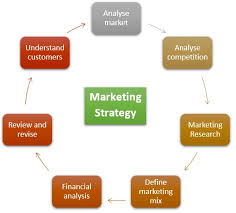
marketing strategy

Crafting an Effective Marketing Strategy for Business Growth

The Importance of a Strong Marketing Strategy

The Importance of a Strong Marketing Strategy

In today’s competitive business environment, a well-defined marketing strategy is essential for the success of any company. A marketing strategy outlines the approach a business will take to promote its products or services to its target audience effectively. It serves as a roadmap that guides all marketing efforts and helps achieve specific business objectives.

Key Components of a Marketing Strategy

A robust marketing strategy typically includes the following key components:

  • Market Research: Understanding the market landscape, including competitors, customer needs, and industry trends.
  • Target Audience: Identifying and defining the ideal customer segments that the company aims to reach.
  • Unique Selling Proposition (USP): Communicating what sets the company’s products or services apart from competitors.
  • Messaging and Positioning: Crafting compelling messages that resonate with the target audience and positioning the brand effectively in the market.
  • Marketing Channels: Determining the most effective channels (such as social media, email, SEO, etc.) to reach and engage with customers.
  • Budget and Timeline: Allocating resources efficiently and setting clear timelines for implementation.

The Benefits of an Effective Marketing Strategy

An effective marketing strategy offers numerous benefits to a business, including:

  • Increased Brand Awareness: A well-crafted strategy helps raise brand visibility and recognition among target audiences.
  • Customer Engagement: Engaging marketing campaigns foster stronger relationships with customers and encourage loyalty.
  • Sales Growth: A targeted approach can lead to increased sales conversions and revenue generation.
  • Competitive Advantage: By differentiating itself in the market, a company can gain a competitive edge over rivals.
  • Data-Driven Decisions: Regular monitoring and analysis of marketing performance allow for data-driven decision-making and continuous improvement.

In Conclusion

A strong marketing strategy is not just a plan; it is a vital tool for businesses looking to thrive in today’s dynamic marketplace. By investing time and resources into developing a comprehensive strategy tailored to their unique goals and audience, companies can position themselves for long-term success and growth.


Essential Insights into Crafting and Understanding Effective Marketing Strategies

  1. What is a marketing strategy and why is it important?
  2. How do you develop an effective marketing strategy?
  3. What are the key components of a successful marketing strategy?
  4. How can market research help in shaping a marketing strategy?
  5. What role does digital marketing play in a modern marketing strategy?

What is a marketing strategy and why is it important?

A marketing strategy is a comprehensive plan that outlines how a business will promote its products or services to its target audience effectively. It serves as a roadmap guiding all marketing efforts and plays a crucial role in achieving specific business goals. A well-defined marketing strategy helps businesses identify their target market, differentiate themselves from competitors, and communicate their unique value proposition to customers. By outlining the tactics and channels to be used, setting clear objectives, and allocating resources efficiently, a strong marketing strategy can drive brand awareness, customer engagement, and ultimately lead to increased sales and business growth. In essence, a solid marketing strategy is essential for businesses looking to establish a strong market presence and achieve sustainable success in today’s competitive landscape.

How do you develop an effective marketing strategy?

Developing an effective marketing strategy involves a systematic approach that begins with thorough market research to understand the target audience, competitors, and industry trends. It is essential to define clear objectives and goals that align with the overall business vision. Crafting a unique selling proposition (USP) that differentiates the brand from competitors is crucial. Tailoring messaging and positioning to resonate with the target audience helps in creating impactful marketing campaigns. Selecting the most suitable marketing channels and allocating resources effectively are key steps in implementing the strategy. Regular monitoring, analysis, and adaptation based on performance data are necessary for continuous improvement and success in achieving desired outcomes.

What are the key components of a successful marketing strategy?

When considering the key components of a successful marketing strategy, several crucial elements come to light. Market research plays a fundamental role in understanding the competitive landscape, customer needs, and industry trends. Identifying and defining the target audience is paramount for tailored messaging and effective engagement. A clear Unique Selling Proposition (USP) helps differentiate the brand from competitors. Crafting compelling messaging, selecting appropriate marketing channels, allocating resources efficiently, and setting clear timelines are all essential components that collectively contribute to the success of a well-rounded marketing strategy.

How can market research help in shaping a marketing strategy?

Market research plays a crucial role in shaping a marketing strategy by providing valuable insights into the market landscape, consumer behaviour, and competitor activities. By conducting thorough market research, businesses can gain a deeper understanding of their target audience’s needs, preferences, and pain points. This information enables companies to tailor their marketing strategies to effectively reach and engage with their customers. Moreover, market research helps identify emerging trends, assess the competitive environment, and uncover new opportunities for growth. Ultimately, leveraging the findings from market research allows businesses to make informed decisions, refine their messaging, and develop strategies that resonate with their target market, leading to more successful marketing campaigns and overall business success.

What role does digital marketing play in a modern marketing strategy?

In the realm of modern marketing strategy, digital marketing plays a pivotal role in shaping the way businesses connect with their target audience. With the increasing reliance on digital platforms and technologies, incorporating digital marketing into a comprehensive strategy has become essential for reaching and engaging customers effectively. Through channels such as social media, email campaigns, search engine optimisation (SEO), and online advertising, businesses can enhance brand visibility, drive customer engagement, and generate leads in a cost-effective manner. Digital marketing enables companies to leverage data analytics to track performance metrics, refine strategies based on insights, and stay agile in responding to market trends swiftly. Embracing digital marketing as a core component of a modern marketing strategy empowers businesses to adapt to the ever-evolving landscape and connect with consumers in meaningful ways that drive growth and success.

digital marketing strategy

Mastering the Art of Crafting a Digital Marketing Strategy for Success

The Power of a Strong Digital Marketing Strategy

The Power of a Strong Digital Marketing Strategy

In today’s fast-paced digital world, having a well-defined digital marketing strategy is essential for businesses looking to succeed online. A digital marketing strategy outlines how a company will use various online channels to reach its target audience, engage with customers, and achieve its marketing goals.

Key Components of a Digital Marketing Strategy

A successful digital marketing strategy typically includes the following key components:

  • Target Audience Analysis: Understanding your target audience is crucial for creating relevant and engaging content that resonates with them.
  • Goal Setting: Clearly defining your marketing objectives helps you measure the success of your campaigns and make data-driven decisions.
  • Content Strategy: Developing high-quality content that adds value to your audience and supports your overall marketing goals.
  • SEO and SEM: Optimising your website for search engines (SEO) and running targeted search engine marketing (SEM) campaigns to increase visibility and drive traffic.
  • Social Media Marketing: Leveraging social media platforms to connect with your audience, build brand awareness, and drive engagement.
  • Email Marketing: Utilising email campaigns to nurture leads, promote products or services, and maintain customer relationships.
  • Data Analytics: Monitoring and analysing key performance indicators (KPIs) to track the effectiveness of your digital marketing efforts and make informed decisions for future strategies.

The Benefits of an Effective Digital Marketing Strategy

An effective digital marketing strategy can provide numerous benefits for businesses, including:

  • Increased Brand Awareness: By reaching a wider audience online, businesses can enhance their brand visibility and recognition.
  • Better Customer Engagement: Engaging with customers through various digital channels allows businesses to build stronger relationships and foster customer loyalty.
  • Higher Conversion Rates: Targeted digital marketing efforts can lead to higher conversion rates as they reach audiences more likely to be interested in the products or services offered.
  • Data-Driven Decisions: Access to real-time data analytics enables businesses to track performance metrics accurately and adjust their strategies based on insights gained from the data.

In Conclusion

A well-crafted digital marketing strategy is not just an option but a necessity in today’s competitive landscape. By investing time and resources into developing a comprehensive strategy that aligns with your business goals, you can unlock the full potential of digital marketing and drive sustainable growth for your business.


Essential FAQs on Crafting and Implementing a Successful Digital Marketing Strategy

  1. What is a digital marketing strategy and why is it important?
  2. How do you develop an effective digital marketing strategy?
  3. What are the key components of a successful digital marketing strategy?
  4. How can social media be integrated into a digital marketing strategy?
  5. What role does content play in a digital marketing strategy?
  6. How do you measure the success of a digital marketing strategy?
  7. What are some common challenges businesses face when implementing a digital marketing strategy?

What is a digital marketing strategy and why is it important?

A digital marketing strategy is a comprehensive plan that outlines how a business will leverage various online channels to achieve its marketing objectives and connect with its target audience. It involves defining goals, identifying target audiences, selecting appropriate digital platforms, creating engaging content, and measuring performance to drive successful outcomes. Having a well-defined digital marketing strategy is crucial for businesses in today’s digital age as it helps increase brand visibility, engage with customers effectively, drive website traffic, generate leads, and ultimately boost sales. By aligning digital marketing efforts with overall business goals, companies can stay competitive, build brand loyalty, and adapt to the evolving online landscape to maximise their success.

How do you develop an effective digital marketing strategy?

Developing an effective digital marketing strategy involves a strategic approach that begins with a deep understanding of your target audience and business goals. Start by conducting thorough research to identify your target market, their preferences, and online behaviours. Define clear and measurable objectives that align with your overall marketing goals. Next, select the most appropriate digital channels to reach your audience, such as social media, SEO, email marketing, and content marketing. Create engaging and relevant content that resonates with your audience while maintaining consistency across all channels. Regularly monitor and analyse key performance indicators to evaluate the success of your strategy and make necessary adjustments for continuous improvement. By following these steps and staying agile in response to market trends, you can develop a robust digital marketing strategy that drives results for your business.

What are the key components of a successful digital marketing strategy?

When it comes to crafting a successful digital marketing strategy, understanding the key components is crucial. These components typically include target audience analysis to tailor content effectively, goal setting to measure campaign success, content strategy for engaging material, SEO and SEM for optimal online visibility, social media marketing for audience connection, email marketing for lead nurturing, and data analytics for performance evaluation. By integrating these essential elements into a cohesive strategy, businesses can enhance brand awareness, drive customer engagement, boost conversion rates, and make informed decisions based on actionable insights.

How can social media be integrated into a digital marketing strategy?

Integrating social media into a digital marketing strategy can significantly enhance a company’s online presence and engagement with its target audience. By leveraging various social media platforms such as Facebook, Instagram, Twitter, and LinkedIn, businesses can connect with customers in real-time, share valuable content, run targeted advertising campaigns, and build a community around their brand. Social media integration allows businesses to humanise their brand, foster customer relationships, drive website traffic, and ultimately increase brand awareness and loyalty. By strategically incorporating social media into their digital marketing strategy, companies can create a cohesive and impactful online presence that resonates with their audience.

What role does content play in a digital marketing strategy?

Content plays a pivotal role in a digital marketing strategy as it serves as the foundation for engaging and connecting with the target audience. High-quality and relevant content not only attracts potential customers but also educates, informs, and entertains them. In the digital landscape, where competition is fierce, compelling content can differentiate a brand from its competitors and establish credibility and authority in the industry. Whether it’s blog posts, videos, social media updates, or email newsletters, well-crafted content is essential for driving traffic to websites, increasing brand awareness, enhancing customer engagement, and ultimately converting leads into loyal customers.

How do you measure the success of a digital marketing strategy?

Measuring the success of a digital marketing strategy is essential to determine its effectiveness and make informed decisions for future campaigns. Key performance indicators (KPIs) such as website traffic, conversion rates, click-through rates, social media engagement, and return on investment (ROI) are commonly used to evaluate the performance of digital marketing efforts. By tracking and analysing these metrics, businesses can gain valuable insights into the impact of their strategies, identify areas for improvement, and refine their approach to achieve their marketing goals efficiently.

What are some common challenges businesses face when implementing a digital marketing strategy?

When implementing a digital marketing strategy, businesses often encounter several common challenges that can impact the success of their efforts. One prevalent challenge is the rapidly evolving digital landscape, which requires businesses to stay updated with the latest trends and technologies to remain competitive. Another challenge is the abundance of data available, making it essential for businesses to effectively analyse and interpret data to make informed decisions. Additionally, resource constraints, such as budget limitations and lack of skilled personnel, can hinder the execution of a comprehensive digital marketing strategy. Overcoming these challenges requires careful planning, flexibility, and a proactive approach to adapt to changes in the digital marketing environment.