digital branding

Mastering the Art of Digital Branding: A Guide to Online Success

The Power of Digital Branding

The Power of Digital Branding

In today’s digital age, establishing a strong brand presence online is essential for businesses looking to succeed and stand out in a crowded marketplace. Digital branding goes beyond just having a logo or a website – it encompasses the entire digital experience that customers have with your brand.

One of the key benefits of digital branding is the ability to reach a wider audience. With the rise of social media and online platforms, businesses can connect with customers from all around the world in real-time. This allows for greater visibility and engagement, ultimately leading to increased brand awareness and loyalty.

Moreover, digital branding offers businesses the opportunity to create a consistent and cohesive brand identity across various digital channels. From website design to social media content, every touchpoint with your audience is an opportunity to reinforce your brand values and messaging.

Another advantage of digital branding is the ability to track and measure your brand’s performance online. Through analytics tools, businesses can gain valuable insights into customer behaviour, preferences, and trends. This data-driven approach enables brands to make informed decisions and optimise their digital strategies for better results.

Furthermore, digital branding allows for greater flexibility and agility in adapting to changing market conditions. With the ability to quickly update content, respond to customer feedback, and launch targeted campaigns, businesses can stay relevant and competitive in today’s dynamic business environment.

In conclusion, digital branding is not just about creating a visual identity – it is about building meaningful connections with your audience, driving engagement, and ultimately driving business growth. By investing in a strong digital branding strategy, businesses can position themselves for success in the ever-evolving digital landscape.


Mastering Digital Branding: 8 Essential Tips for Building a Strong Online Presence

  1. 1. Define your brand identity clearly to maintain consistency across all digital platforms.
  2. 2. Create a visually appealing and professional logo that represents your brand effectively.
  3. 3. Develop a strong online presence through social media channels relevant to your target audience.
  4. 4. Consistently engage with your audience by sharing valuable content and responding to comments and messages.
  5. 5. Utilize search engine optimization (SEO) techniques to improve visibility and reach online audiences.
  6. 6. Collaborate with influencers or other brands to increase brand awareness and credibility.
  7. 7. Monitor online feedback and reviews to address any issues promptly and maintain a positive reputation.
  8. 8. Analyse data regularly to track the performance of your digital branding efforts and make informed decisions for improvement.

1. Define your brand identity clearly to maintain consistency across all digital platforms.

To ensure a strong digital branding strategy, it is crucial to define your brand identity clearly and maintain consistency across all digital platforms. By establishing clear brand guidelines, including visual elements, tone of voice, and messaging, you can create a cohesive and recognisable brand image that resonates with your target audience. Consistency in branding helps build trust and credibility with customers, reinforces brand values, and enhances brand recall. Whether it’s your website, social media profiles, or email marketing campaigns, maintaining a unified brand identity across all digital touchpoints is key to creating a memorable and impactful online presence.

2. Create a visually appealing and professional logo that represents your brand effectively.

Creating a visually appealing and professional logo is a crucial aspect of digital branding. Your logo serves as the visual representation of your brand and is often the first thing that customers associate with your business. A well-designed logo that effectively communicates your brand’s values and identity can leave a lasting impression on your audience, helping to build recognition and trust. By investing in a high-quality logo that reflects the essence of your brand, you can enhance your overall digital presence and establish a strong foundation for successful branding efforts.

3. Develop a strong online presence through social media channels relevant to your target audience.

To enhance your digital branding efforts, it is crucial to develop a robust online presence by utilising social media channels that resonate with your target audience. By identifying and engaging with the platforms where your potential customers are most active, you can establish meaningful connections, share valuable content, and build brand awareness. Consistent and strategic use of social media can help you foster relationships, drive engagement, and ultimately strengthen your brand’s position in the digital landscape.

4. Consistently engage with your audience by sharing valuable content and responding to comments and messages.

To effectively enhance your digital branding strategy, it is crucial to consistently engage with your audience by sharing valuable content and actively responding to comments and messages. By providing relevant and informative content, you not only establish yourself as an authority in your industry but also build trust and loyalty with your audience. Additionally, engaging with comments and messages shows that you value customer feedback and are committed to fostering meaningful interactions, which can lead to increased brand awareness and customer satisfaction. By prioritising consistent engagement, you can strengthen your brand presence online and create a positive impact on your target audience.

5. Utilize search engine optimization (SEO) techniques to improve visibility and reach online audiences.

To enhance your digital branding efforts, it is crucial to leverage search engine optimization (SEO) techniques effectively. By implementing SEO strategies, such as keyword research, on-page optimization, and link building, you can improve your brand’s visibility in search engine results and reach a wider online audience. Optimising your website and content for search engines not only increases organic traffic but also enhances your brand’s credibility and authority in the digital space. Embracing SEO best practices is key to ensuring that your brand remains competitive and relevant in today’s digital landscape.

6. Collaborate with influencers or other brands to increase brand awareness and credibility.

Collaborating with influencers or other brands can be a powerful strategy to boost brand awareness and credibility in the digital realm. By partnering with individuals or companies that have a strong online presence and a loyal following, businesses can tap into new audiences and leverage the trust and authority that these influencers or brands have built. This collaborative approach not only helps in expanding reach but also enhances the brand’s credibility by association, ultimately strengthening its position in the competitive digital landscape.

7. Monitor online feedback and reviews to address any issues promptly and maintain a positive reputation.

Monitoring online feedback and reviews is a crucial aspect of digital branding. By staying attentive to what customers are saying about your brand online, businesses can address any issues promptly and effectively. This proactive approach not only helps in resolving customer concerns but also demonstrates a commitment to customer satisfaction. By actively managing online feedback, businesses can maintain a positive reputation, build trust with their audience, and ultimately strengthen their brand presence in the digital landscape.

8. Analyse data regularly to track the performance of your digital branding efforts and make informed decisions for improvement.

Analyse data regularly to track the performance of your digital branding efforts and make informed decisions for improvement. By monitoring key metrics such as website traffic, social media engagement, and conversion rates, you can gain valuable insights into the effectiveness of your branding strategies. This data-driven approach allows you to identify areas of strength and opportunities for enhancement, enabling you to optimise your digital branding efforts and achieve better results. Regular analysis of data ensures that you stay on top of trends, understand customer behaviour, and make informed decisions to continually enhance your brand’s online presence.

marketing strategy

Crafting an Effective Marketing Strategy for Business Growth

The Importance of a Strong Marketing Strategy

The Importance of a Strong Marketing Strategy

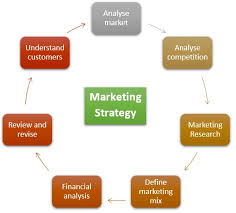
In today’s competitive business environment, a well-defined marketing strategy is essential for the success of any company. A marketing strategy outlines the approach a business will take to promote its products or services to its target audience effectively. It serves as a roadmap that guides all marketing efforts and helps achieve specific business objectives.

Key Components of a Marketing Strategy

A robust marketing strategy typically includes the following key components:

  • Market Research: Understanding the market landscape, including competitors, customer needs, and industry trends.
  • Target Audience: Identifying and defining the ideal customer segments that the company aims to reach.
  • Unique Selling Proposition (USP): Communicating what sets the company’s products or services apart from competitors.
  • Messaging and Positioning: Crafting compelling messages that resonate with the target audience and positioning the brand effectively in the market.
  • Marketing Channels: Determining the most effective channels (such as social media, email, SEO, etc.) to reach and engage with customers.
  • Budget and Timeline: Allocating resources efficiently and setting clear timelines for implementation.

The Benefits of an Effective Marketing Strategy

An effective marketing strategy offers numerous benefits to a business, including:

  • Increased Brand Awareness: A well-crafted strategy helps raise brand visibility and recognition among target audiences.
  • Customer Engagement: Engaging marketing campaigns foster stronger relationships with customers and encourage loyalty.
  • Sales Growth: A targeted approach can lead to increased sales conversions and revenue generation.
  • Competitive Advantage: By differentiating itself in the market, a company can gain a competitive edge over rivals.
  • Data-Driven Decisions: Regular monitoring and analysis of marketing performance allow for data-driven decision-making and continuous improvement.

In Conclusion

A strong marketing strategy is not just a plan; it is a vital tool for businesses looking to thrive in today’s dynamic marketplace. By investing time and resources into developing a comprehensive strategy tailored to their unique goals and audience, companies can position themselves for long-term success and growth.


Essential Insights into Crafting and Understanding Effective Marketing Strategies

  1. What is a marketing strategy and why is it important?
  2. How do you develop an effective marketing strategy?
  3. What are the key components of a successful marketing strategy?
  4. How can market research help in shaping a marketing strategy?
  5. What role does digital marketing play in a modern marketing strategy?

What is a marketing strategy and why is it important?

A marketing strategy is a comprehensive plan that outlines how a business will promote its products or services to its target audience effectively. It serves as a roadmap guiding all marketing efforts and plays a crucial role in achieving specific business goals. A well-defined marketing strategy helps businesses identify their target market, differentiate themselves from competitors, and communicate their unique value proposition to customers. By outlining the tactics and channels to be used, setting clear objectives, and allocating resources efficiently, a strong marketing strategy can drive brand awareness, customer engagement, and ultimately lead to increased sales and business growth. In essence, a solid marketing strategy is essential for businesses looking to establish a strong market presence and achieve sustainable success in today’s competitive landscape.

How do you develop an effective marketing strategy?

Developing an effective marketing strategy involves a systematic approach that begins with thorough market research to understand the target audience, competitors, and industry trends. It is essential to define clear objectives and goals that align with the overall business vision. Crafting a unique selling proposition (USP) that differentiates the brand from competitors is crucial. Tailoring messaging and positioning to resonate with the target audience helps in creating impactful marketing campaigns. Selecting the most suitable marketing channels and allocating resources effectively are key steps in implementing the strategy. Regular monitoring, analysis, and adaptation based on performance data are necessary for continuous improvement and success in achieving desired outcomes.

What are the key components of a successful marketing strategy?

When considering the key components of a successful marketing strategy, several crucial elements come to light. Market research plays a fundamental role in understanding the competitive landscape, customer needs, and industry trends. Identifying and defining the target audience is paramount for tailored messaging and effective engagement. A clear Unique Selling Proposition (USP) helps differentiate the brand from competitors. Crafting compelling messaging, selecting appropriate marketing channels, allocating resources efficiently, and setting clear timelines are all essential components that collectively contribute to the success of a well-rounded marketing strategy.

How can market research help in shaping a marketing strategy?

Market research plays a crucial role in shaping a marketing strategy by providing valuable insights into the market landscape, consumer behaviour, and competitor activities. By conducting thorough market research, businesses can gain a deeper understanding of their target audience’s needs, preferences, and pain points. This information enables companies to tailor their marketing strategies to effectively reach and engage with their customers. Moreover, market research helps identify emerging trends, assess the competitive environment, and uncover new opportunities for growth. Ultimately, leveraging the findings from market research allows businesses to make informed decisions, refine their messaging, and develop strategies that resonate with their target market, leading to more successful marketing campaigns and overall business success.

What role does digital marketing play in a modern marketing strategy?

In the realm of modern marketing strategy, digital marketing plays a pivotal role in shaping the way businesses connect with their target audience. With the increasing reliance on digital platforms and technologies, incorporating digital marketing into a comprehensive strategy has become essential for reaching and engaging customers effectively. Through channels such as social media, email campaigns, search engine optimisation (SEO), and online advertising, businesses can enhance brand visibility, drive customer engagement, and generate leads in a cost-effective manner. Digital marketing enables companies to leverage data analytics to track performance metrics, refine strategies based on insights, and stay agile in responding to market trends swiftly. Embracing digital marketing as a core component of a modern marketing strategy empowers businesses to adapt to the ever-evolving landscape and connect with consumers in meaningful ways that drive growth and success.

advertisements

Unleashing the Potential of Effective Advertisements in the Digital Age

The Power of Advertisements

The Power of Advertisements

Advertisements play a crucial role in today’s highly competitive business environment. They are a powerful tool used by companies to promote their products or services, build brand awareness, and attract new customers. In a world inundated with information, advertisements help businesses cut through the noise and connect with their target audience.

Effective advertising not only informs consumers about a product or service but also persuades them to make a purchase. Through compelling visuals, catchy slogans, and strategic placement, advertisements have the ability to influence consumer behaviour and drive sales.

Moreover, advertisements have the potential to shape societal values and perceptions. They can reflect cultural trends, challenge stereotypes, and spark important conversations. Advertisements have the power to inspire change and create a lasting impact on society.

With the rise of digital marketing, advertisements have evolved beyond traditional mediums such as print and television. Online advertising offers businesses the opportunity to reach a global audience in real-time through social media platforms, search engines, and targeted display ads.

However, amidst the proliferation of advertisements in the digital space, consumers have become more discerning than ever. They demand authenticity, relevance, and value from brands. Successful advertisers understand the importance of creating meaningful connections with their audience by delivering engaging content that resonates with their needs and aspirations.

In conclusion, advertisements are not just about selling products; they are about storytelling, building relationships, and shaping culture. When done right, advertisements have the power to captivate hearts and minds, driving positive outcomes for both businesses and society as a whole.


Top 7 Tips for Crafting Effective Advertisements

  1. Clearly define your target audience
  2. Create compelling and engaging content
  3. Use high-quality images or videos
  4. Include a strong call to action
  5. Test different ad formats and placements
  6. Monitor and analyse ad performance regularly
  7. Stay updated on advertising trends and best practices

Clearly define your target audience

Clearly defining your target audience is a fundamental tip in creating effective advertisements. By understanding the demographics, interests, and behaviours of your target market, you can tailor your messaging and visuals to resonate with them on a deeper level. This targeted approach not only increases the relevance of your ads but also enhances the likelihood of engaging potential customers and driving conversions. Identifying and segmenting your audience allows you to craft compelling advertisements that speak directly to their needs and preferences, ultimately maximising the impact of your advertising efforts.

Create compelling and engaging content

Creating compelling and engaging content is essential in the realm of advertisements. Capturing the attention of your audience and holding their interest is key to conveying your message effectively. By crafting content that resonates with your target demographic, you can establish a meaningful connection that drives engagement and encourages action. Whether through captivating visuals, persuasive storytelling, or interactive elements, compelling content has the power to leave a lasting impression and inspire positive responses from viewers.

Use high-quality images or videos

Utilising high-quality images or videos in advertisements can significantly enhance their impact and effectiveness. Clear, crisp visuals not only grab the viewer’s attention but also convey professionalism and credibility. By investing in visually appealing content, businesses can create a lasting impression on their audience and increase engagement levels. High-quality visuals have the power to evoke emotions, tell a compelling story, and ultimately drive conversions. In today’s visually-driven world, using top-notch images or videos is a key strategy to make advertisements stand out and resonate with viewers.

Include a strong call to action

In the realm of advertisements, incorporating a compelling call to action is paramount. A strong call to action serves as a guiding beacon for the audience, prompting them to take a specific desired action, whether it be making a purchase, signing up for a newsletter, or visiting a website. By clearly outlining what steps the viewer should take next, a well-crafted call to action not only enhances engagement but also increases the likelihood of converting interest into tangible results. In essence, a strong call to action acts as the catalyst that propels viewers towards meaningful interaction with the advertisement’s message and ultimately drives desired outcomes for the advertiser.

Test different ad formats and placements

Testing different ad formats and placements is a crucial tip for maximising the effectiveness of advertisements. By experimenting with various formats such as images, videos, or interactive content, and testing different placements across platforms like social media, websites, or search engines, businesses can gain valuable insights into what resonates best with their target audience. This iterative approach not only helps in identifying the most successful ad strategies but also allows for continuous improvement and optimisation to drive better results and engagement.

Monitor and analyse ad performance regularly

Monitoring and analysing ad performance regularly is a crucial tip for any successful advertising campaign. By tracking key metrics such as click-through rates, conversion rates, and return on investment, advertisers can gain valuable insights into the effectiveness of their ads. This data allows them to identify what is working well and what needs improvement, enabling them to make informed decisions to optimise their advertising strategy for better results. Regular monitoring and analysis ensure that advertisers stay agile and responsive in an ever-changing digital landscape, ultimately maximising the impact of their advertisements.

Staying updated on advertising trends and best practices is essential for businesses looking to stay ahead in the competitive world of marketing. By keeping abreast of the latest developments in the advertising industry, companies can adapt their strategies to resonate with evolving consumer preferences and behaviour. Embracing innovative approaches and incorporating best practices ensures that advertisements remain relevant, engaging, and effective in reaching target audiences. Continuous learning and implementation of new trends can give businesses a competitive edge and drive success in their advertising campaigns.

marketing campaign

Unlocking Success: The Art of Crafting a Winning Marketing Campaign

The Power of a Successful Marketing Campaign

The Power of a Successful Marketing Campaign

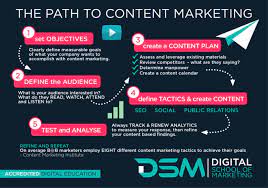
In today’s competitive business landscape, a well-executed marketing campaign can make all the difference between success and obscurity. A marketing campaign is a strategic effort to promote a product or service through various channels to reach and engage with target audiences.

Key Components of a Marketing Campaign

A successful marketing campaign requires careful planning and execution. Key components include:

  • Clear Objectives: Define specific goals for the campaign, whether it’s increasing brand awareness, driving sales, or launching a new product.
  • Target Audience: Identify and understand your target audience to tailor your messaging and tactics effectively.
  • Compelling Message: Craft a compelling message that resonates with your audience and sets you apart from competitors.
  • Multichannel Approach: Utilise various channels such as social media, email marketing, SEO, and paid advertising to reach your audience wherever they are.
  • Measurement and Analysis: Monitor key metrics to track the success of the campaign and make data-driven decisions for future improvements.

The Impact of a Successful Marketing Campaign

A successful marketing campaign can have a profound impact on your business, including:

  • Increased Brand Awareness: Reach new audiences and strengthen brand recognition among existing customers.
  • Boosted Sales: Drive conversions and generate revenue through targeted promotional efforts.
  • Cultivated Customer Relationships: Engage with customers on a personal level, building loyalty and trust in your brand.
  • Elevated Market Positioning: Differentiate yourself from competitors and establish yourself as a leader in your industry.

In Conclusion

A well-planned and executed marketing campaign has the potential to transform your business by connecting you with your target audience, driving engagement, and ultimately achieving your business objectives. By investing time and resources into developing an effective marketing strategy, you can propel your brand to new heights in today’s competitive marketplace.


9 Essential Tips for Crafting a Successful Marketing Campaign

  1. Define clear goals and objectives for your campaign.
  2. Understand your target audience and tailor your message to resonate with them.
  3. Utilise various marketing channels to reach a wider audience.
  4. Create compelling and engaging content that grabs attention.
  5. Monitor and analyse the performance of your campaign regularly.
  6. Stay consistent with your branding across all marketing materials.
  7. Incorporate feedback from customers to improve future campaigns.
  8. Consider using influencers or partnerships to expand reach.
  9. Don’t forget to measure the ROI of your campaign to determine its success.

Define clear goals and objectives for your campaign.

To maximise the effectiveness of your marketing campaign, it is essential to define clear goals and objectives from the outset. By establishing specific targets such as increasing brand awareness, driving website traffic, or boosting sales, you provide a roadmap for your campaign’s direction and success. Clear goals not only keep your team focused but also enable you to measure the impact of your efforts and make informed decisions to optimise performance throughout the campaign.

Understand your target audience and tailor your message to resonate with them.

To maximise the effectiveness of your marketing campaign, it is crucial to thoroughly understand your target audience and tailor your message to resonate with their needs, preferences, and behaviours. By crafting a message that speaks directly to the desires and pain points of your audience, you can establish a meaningful connection that drives engagement and conversion. Personalising your communication strategy based on audience insights not only enhances the relevance of your campaign but also cultivates trust and loyalty among potential customers.

Utilise various marketing channels to reach a wider audience.

To maximise the reach and impact of your marketing campaign, it is essential to leverage a variety of marketing channels to connect with a broader audience. By utilising multiple channels such as social media, email marketing, search engine optimisation (SEO), and online advertising, you can effectively engage with diverse demographics and increase brand visibility. This multi-channel approach not only expands your reach but also enhances brand awareness and drives conversions by reaching potential customers through their preferred platforms.

Create compelling and engaging content that grabs attention.

To maximise the impact of your marketing campaign, it is crucial to create compelling and engaging content that captivates your audience’s attention from the outset. By crafting content that is both informative and entertaining, you can effectively communicate your message and differentiate your brand in a crowded digital landscape. Whether through captivating visuals, thought-provoking storytelling, or interactive elements, engaging content plays a pivotal role in capturing and retaining the interest of your target audience, ultimately driving the success of your campaign.

Monitor and analyse the performance of your campaign regularly.

To ensure the success of your marketing campaign, it is crucial to monitor and analyse its performance regularly. By tracking key metrics and analysing data, you can gain valuable insights into what is working well and where improvements are needed. This ongoing evaluation allows you to make informed decisions, refine your strategies, and maximise the effectiveness of your campaign in reaching and engaging with your target audience.

Stay consistent with your branding across all marketing materials.

It is crucial to maintain consistency in your branding across all marketing materials to establish a strong and recognisable identity for your brand. By ensuring that your logo, colours, fonts, and messaging remain consistent across various channels such as social media, print materials, and website, you create a cohesive brand image that builds trust and familiarity with your audience. Consistency in branding helps reinforce your brand’s values and personality, making it easier for customers to recognise and connect with your brand wherever they encounter it.

Incorporate feedback from customers to improve future campaigns.

Incorporating feedback from customers is a valuable tip to enhance the effectiveness of future marketing campaigns. By listening to and analysing customer feedback, businesses can gain valuable insights into what resonates with their target audience and what areas need improvement. This customer-centric approach not only helps in refining messaging and strategies but also fosters stronger relationships with customers by showing that their opinions are valued. Implementing feedback-driven adjustments can lead to more targeted and impactful campaigns that drive better results and ultimately contribute to long-term success in the ever-evolving marketing landscape.

Consider using influencers or partnerships to expand reach.

Consider leveraging influencers or forming strategic partnerships to broaden the reach of your marketing campaign. Collaborating with influencers who have a strong following in your target market can help amplify your message and connect with a wider audience authentically. Similarly, partnering with complementary brands or businesses can create synergies that benefit both parties and expand your campaign’s visibility. By tapping into the networks of influencers or partners, you can extend the reach of your campaign and increase its impact significantly.

Don’t forget to measure the ROI of your campaign to determine its success.

It is crucial not to overlook the importance of measuring the Return on Investment (ROI) of your marketing campaign to assess its effectiveness and success. By analysing the ROI, you can gain valuable insights into the impact of your campaign on revenue generation and overall business performance. Tracking and evaluating the ROI allows you to make informed decisions, optimise future campaigns, and allocate resources efficiently to achieve maximum results.

advertising agency

Unlocking Success: The Vital Role of Your Advertising Agency

The Role of an Advertising Agency in Today’s Marketing Landscape

The Role of an Advertising Agency in Today’s Marketing Landscape

Advertising agencies play a crucial role in helping businesses promote their products and services effectively in today’s competitive market. These agencies are dedicated to creating and executing strategic advertising campaigns that resonate with target audiences and drive results.

Services Offered by Advertising Agencies

Advertising agencies offer a wide range of services to meet the diverse needs of their clients. These services may include:

  • Creative Development: Crafting compelling ad concepts, visuals, and messaging that capture the attention of consumers.
  • Media Planning and Buying: Strategically selecting the most appropriate channels to reach the target audience and negotiating media placements.
  • Digital Marketing: Managing online advertising campaigns across various digital platforms, such as social media, search engines, and websites.
  • Market Research: Conducting research to understand consumer behaviour, market trends, and competitor strategies to inform advertising strategies.
  • Branding: Developing brand identities, logos, and messaging that differentiate a business from its competitors.

The Benefits of Working with an Advertising Agency

Collaborating with an advertising agency offers several advantages for businesses looking to enhance their marketing efforts:

  • Expertise: Agencies have specialised knowledge and experience in creating effective advertising campaigns that deliver results.
  • Creative Resources: Access to talented creatives who can bring fresh ideas and innovative concepts to campaigns.
  • Cost-Effective Solutions: Agencies can leverage their industry connections to negotiate better rates for media placements and production services.
  • Data-Driven Strategies: Utilising data analytics and market insights to optimise campaign performance and maximise ROI.

In Conclusion

In today’s fast-paced marketing landscape, partnering with an advertising agency can provide businesses with the expertise, resources, and strategic guidance needed to stand out amidst the competition. By harnessing the power of creative storytelling, data-driven insights, and targeted messaging, businesses can effectively reach their target audience and drive growth through impactful advertising campaigns.


Mastering Advertising: 6 Essential Tips for Agency Success

  1. Understand your client’s brand and target audience thoroughly.
  2. Stay updated with the latest trends in advertising and marketing.
  3. Create innovative and eye-catching campaigns to grab attention.
  4. Focus on building strong relationships with clients for long-term partnerships.
  5. Track and analyse the performance of your campaigns to make data-driven decisions.
  6. Collaborate with a talented team of creatives, strategists, and marketers for successful outcomes.

Understand your client’s brand and target audience thoroughly.

To create successful advertising campaigns, it is essential for an advertising agency to have a deep understanding of their client’s brand identity and target audience. By thoroughly comprehending the client’s brand values, messaging, and unique selling points, the agency can develop tailored strategies that resonate with the intended audience. Understanding the target audience’s demographics, preferences, and behaviours enables the agency to craft messages that are relevant and engaging, ultimately leading to more effective communication and better results for the client’s marketing efforts.

It is essential for advertising agencies to stay updated with the latest trends in advertising and marketing to remain competitive and relevant in today’s dynamic industry. By keeping abreast of emerging technologies, consumer behaviours, and innovative strategies, agencies can adapt their approaches to meet the evolving needs of clients and target audiences. Being proactive in monitoring trends allows agencies to offer fresh and effective solutions that resonate with consumers, drive engagement, and deliver measurable results for their clients.

Create innovative and eye-catching campaigns to grab attention.

To maximise impact and engagement, it is essential for advertising agencies to create innovative and eye-catching campaigns that captivate audiences’ attention. By pushing the boundaries of creativity and design, agencies can differentiate their clients’ brands in a crowded marketplace, leaving a lasting impression on consumers. Crafting campaigns that are not only visually appealing but also emotionally resonant can drive brand awareness, spark interest, and ultimately lead to increased customer engagement and loyalty.

Focus on building strong relationships with clients for long-term partnerships.

Fostering strong relationships with clients is a fundamental tip for advertising agencies looking to establish long-term partnerships. By prioritising open communication, understanding client needs, and delivering exceptional results, agencies can build trust and loyalty that extends beyond individual projects. Investing in client relationships not only enhances collaboration and creativity but also paves the way for continued success and mutual growth. Building a solid foundation based on trust and respect is key to sustaining fruitful partnerships that benefit both the agency and its clients in the long run.

Track and analyse the performance of your campaigns to make data-driven decisions.

Tracking and analysing the performance of your advertising campaigns is essential for making informed, data-driven decisions. By closely monitoring key metrics such as engagement rates, conversion rates, and ROI, you can gain valuable insights into the effectiveness of your campaigns and identify areas for improvement. This data-driven approach allows advertising agencies to optimise strategies, allocate resources more efficiently, and ultimately achieve better results for their clients in today’s dynamic marketing landscape.

Collaborate with a talented team of creatives, strategists, and marketers for successful outcomes.

Collaborating with a talented team of creatives, strategists, and marketers is essential for achieving successful outcomes in the realm of advertising. By bringing together individuals with diverse skill sets and perspectives, businesses can tap into a wealth of creativity, strategic thinking, and market expertise. This collaborative approach not only fosters innovation and fresh ideas but also ensures that advertising campaigns are well-rounded, impactful, and tailored to resonate with target audiences. Working with a cohesive team that is dedicated to achieving shared goals can lead to the development of compelling campaigns that drive results and elevate brand visibility in a competitive landscape.