digital ad agencies

Navigating the Digital Landscape: The Role of Expert Digital Ad Agencies

The Role of Digital Ad Agencies in Today’s Marketing Landscape

The Role of Digital Ad Agencies in Today’s Marketing Landscape

In the ever-evolving world of marketing, digital advertising has become a crucial component for businesses looking to reach their target audiences effectively. This shift towards digital platforms has led to the rise of specialised agencies that focus on creating and managing online advertising campaigns. These agencies, known as digital ad agencies, play a vital role in helping brands navigate the complex digital landscape and achieve their marketing goals.

What Do Digital Ad Agencies Do?

Digital ad agencies are experts in leveraging various online channels to promote products and services, increase brand awareness, drive website traffic, and generate leads. They work closely with clients to develop tailored strategies that align with their objectives and target audience. From creating compelling ad creatives to monitoring campaign performance, digital ad agencies handle every aspect of online advertising to maximise results.

The Benefits of Working with a Digital Ad Agency

Collaborating with a digital ad agency offers numerous benefits for businesses seeking to enhance their online presence:

  • Expertise: Digital ad agencies have a team of specialists with in-depth knowledge of digital marketing trends and best practices.
  • Time-Saving: Outsourcing digital advertising allows businesses to focus on core activities while experts manage their online campaigns.
  • Data-Driven Approach: Digital ad agencies use data analytics to track campaign performance and make informed decisions for optimisation.
  • Creative Solutions: With a creative team on board, digital ad agencies develop engaging content that resonates with the target audience.

The Future of Digital Advertising

As technology continues to advance and consumer behaviour evolves, the role of digital ad agencies will only grow in importance. From social media advertising to programmatic display ads, these agencies will continue to adapt to emerging trends and technologies to deliver impactful results for their clients.

In conclusion, digital ad agencies play a pivotal role in shaping the success of modern marketing strategies. By harnessing the power of digital platforms and leveraging expert knowledge, these agencies help businesses stay competitive in an increasingly digitised world.


Understanding Digital Ad Agencies: Key Questions and Insights

  1. What services do digital ad agencies offer?
  2. How do digital ad agencies help businesses increase their online presence?
  3. What are the benefits of hiring a digital ad agency for advertising campaigns?
  4. How do digital ad agencies measure the success of online advertising campaigns?
  5. What is the typical process of working with a digital ad agency?
  6. Do digital ad agencies specialise in specific industries or sectors?
  7. Can small businesses benefit from partnering with a digital ad agency?
  8. What sets apart top-performing digital ad agencies from others in the industry?
  9. Are there any trends or innovations that are shaping the future of digital advertising agencies?

What services do digital ad agencies offer?

Digital ad agencies offer a wide range of services to help businesses effectively promote their products and services online. These services typically include strategic planning, campaign creation and management, ad placement across various digital platforms such as social media, search engines, and websites, performance tracking and analysis, audience targeting, creative design for ad content, A/B testing for optimisation, and ongoing support to ensure the success of online advertising efforts. By providing a comprehensive suite of services tailored to meet the specific needs of each client, digital ad agencies play a crucial role in driving brand visibility, engagement, and conversions in the competitive digital landscape.

How do digital ad agencies help businesses increase their online presence?

Digital ad agencies play a crucial role in helping businesses enhance their online presence through targeted strategies and effective execution. These agencies utilise their expertise in digital marketing to create compelling ad campaigns that reach the right audience at the right time. By leveraging various online channels such as social media, search engines, and display networks, digital ad agencies can increase brand visibility, drive website traffic, and engage potential customers. Through data-driven insights and continuous optimisation, these agencies ensure that businesses not only establish a strong online presence but also achieve measurable results that contribute to their overall growth and success in the digital landscape.

What are the benefits of hiring a digital ad agency for advertising campaigns?

Hiring a digital ad agency for advertising campaigns offers a range of benefits that can significantly impact the success of your marketing efforts. These agencies bring expertise in digital marketing trends and strategies, allowing businesses to tap into specialised knowledge and stay ahead of the competition. By outsourcing digital advertising, companies can save time and resources, focusing on core activities while professionals manage their online campaigns effectively. Additionally, digital ad agencies employ a data-driven approach, using analytics to track performance and make informed decisions for campaign optimisation. Overall, collaborating with a digital ad agency provides access to creative solutions, expert guidance, and measurable results that can elevate your brand’s online presence and drive meaningful engagement with your target audience.

How do digital ad agencies measure the success of online advertising campaigns?

Digital ad agencies employ various metrics and key performance indicators (KPIs) to measure the success of online advertising campaigns. These may include click-through rates (CTR), conversion rates, return on ad spend (ROAS), cost per acquisition (CPA), and overall return on investment (ROI). By analysing these data points, digital ad agencies can assess the effectiveness of a campaign in reaching its objectives, whether it be driving website traffic, generating leads, or increasing sales. Additionally, tracking user engagement, such as time spent on site and bounce rates, provides valuable insights into campaign performance and audience behaviour. Through continuous monitoring and analysis of these metrics, digital ad agencies can refine strategies and optimise campaigns to maximise results for their clients.

What is the typical process of working with a digital ad agency?

When partnering with a digital ad agency, the typical process involves initial consultations to understand the client’s goals, target audience, and budget. The agency then formulates a tailored digital advertising strategy encompassing platforms, ad formats, and key performance indicators. Creative development follows, where engaging ad content is crafted to resonate with the target audience. Once campaigns are launched, the agency continuously monitors and analyses performance metrics to optimise for better results. Regular reporting and feedback sessions ensure transparency and alignment with client objectives throughout the collaboration.

Do digital ad agencies specialise in specific industries or sectors?

Digital ad agencies often specialise in serving specific industries or sectors to provide targeted and tailored marketing solutions. While some agencies offer a broad range of services across various industries, many choose to focus their expertise on particular sectors such as technology, healthcare, fashion, or finance. By honing their knowledge and skills in a specific niche, digital ad agencies can better understand the unique challenges and opportunities within that industry, allowing them to deliver more effective and impactful campaigns for their clients. This specialised approach enables digital ad agencies to stay ahead of industry trends and deliver results that are specifically tailored to meet the needs of businesses operating within those sectors.

Can small businesses benefit from partnering with a digital ad agency?

Small businesses can greatly benefit from partnering with a digital ad agency. These agencies offer expertise in navigating the complex digital marketing landscape, providing tailored strategies to help small businesses reach their target audience effectively. By outsourcing their online advertising efforts to professionals, small businesses can save time and resources while maximising the impact of their marketing campaigns. Digital ad agencies bring a wealth of knowledge in areas such as social media advertising, search engine optimisation, and pay-per-click advertising, enabling small businesses to compete with larger competitors and grow their online presence successfully.

What sets apart top-performing digital ad agencies from others in the industry?

When considering what sets apart top-performing digital ad agencies from others in the industry, several key factors come into play. These leading agencies often demonstrate a deep understanding of the latest digital marketing trends and technologies, allowing them to create innovative and effective strategies for their clients. Moreover, their ability to deliver measurable results and a strong return on investment sets them apart, showcasing their proficiency in driving success for businesses. Top-performing digital ad agencies also excel in communication and collaboration, working closely with clients to understand their unique needs and tailor solutions that align with their goals. Overall, a combination of expertise, creativity, data-driven approach, and client-focused mindset distinguishes these agencies as industry leaders in the competitive digital advertising landscape.

The future of digital advertising agencies is being shaped by a myriad of trends and innovations that are revolutionising the industry. From the increasing emphasis on personalisation and targeted advertising to the rise of artificial intelligence and machine learning in optimising campaigns, agencies are constantly evolving to stay ahead in the competitive digital landscape. Additionally, the growing importance of data privacy and transparency is driving agencies to adopt more ethical practices in their advertising strategies. As technology continues to advance at a rapid pace, digital ad agencies are embracing these trends to deliver more effective and engaging campaigns that resonate with audiences in new and innovative ways.

best online marketing companies

Discover the Top-Rated Best Online Marketing Companies for Your Business

Best Online Marketing Companies

The Top Online Marketing Companies Setting the Standard for Success

In today’s digital age, online marketing has become essential for businesses looking to reach their target audience effectively. With numerous online marketing companies vying for attention, it can be challenging to identify the best ones that truly deliver results. Here are some of the top online marketing companies that are setting the standard for success:

Digital Giants

Digital Giants is a powerhouse in the online marketing industry, known for its innovative strategies and cutting-edge campaigns. They specialise in SEO, social media marketing, and pay-per-click advertising, helping businesses of all sizes increase their online visibility and drive conversions.

Web Wizards

Web Wizards is renowned for its creative approach to online marketing. Their team of experts excels in website design, content creation, and email marketing, offering comprehensive solutions to enhance brand presence and engage audiences effectively.

Social Savvy

Social Savvy is a leader in social media marketing, helping businesses leverage platforms like Facebook, Instagram, and Twitter to connect with customers and build relationships. Their strategic campaigns drive engagement and foster brand loyalty in a competitive digital landscape.

Search Masters

Search Masters specialises in search engine optimisation (SEO), empowering businesses to rank higher on search engine results pages and attract organic traffic. With a data-driven approach and proven techniques, they help clients achieve long-term success in the ever-evolving world of online marketing.

Content Creators Co.

Content Creators Co. is dedicated to crafting compelling content that resonates with target audiences across various digital platforms. From blog posts to videos to infographics, their creative team delivers engaging content that drives traffic, boosts brand awareness, and generates leads for clients.

These top online marketing companies are at the forefront of driving digital success for businesses worldwide. Whether you’re looking to increase your online visibility, engage with your audience on social media, or improve your search engine rankings, partnering with one of these industry leaders can help you achieve your goals effectively.


Essential FAQs for Selecting the Best Online Marketing Company

  1. 1. How do I choose the best online marketing company for my business?
  2. 2. What services do top online marketing companies typically offer?
  3. 3. How can online marketing benefit my business in today’s digital landscape?
  4. 4. What criteria should I consider when evaluating online marketing companies?
  5. 5. Are there any case studies or success stories from businesses that have worked with top online marketing companies?
  6. 6. What are the key trends shaping the future of online marketing and how can a reputable company help me stay ahead?

1. How do I choose the best online marketing company for my business?

When selecting the best online marketing company for your business, it is crucial to consider several key factors. Firstly, assess the company’s track record and experience in the industry. Look for a firm that has a proven history of delivering successful online marketing campaigns for businesses similar to yours. Secondly, evaluate the range of services offered by the company and ensure they align with your specific marketing goals and needs. Additionally, consider the team’s expertise and creativity in devising innovative strategies tailored to your brand. Lastly, prioritize clear communication and transparency throughout the partnership to ensure alignment on objectives and expectations. By carefully evaluating these aspects, you can choose an online marketing company that will effectively promote your business and drive growth in the digital landscape.

2. What services do top online marketing companies typically offer?

Top online marketing companies typically offer a wide range of services designed to help businesses enhance their online presence and achieve their marketing goals effectively. These services often include search engine optimisation (SEO) to improve website visibility on search engines, social media marketing to engage with target audiences on platforms like Facebook and Instagram, pay-per-click (PPC) advertising for targeted online advertising campaigns, content creation to drive engagement and brand awareness, email marketing for direct communication with customers, and website design and development to create user-friendly and visually appealing online platforms. By providing a comprehensive suite of services, top online marketing companies can tailor their strategies to meet the unique needs of each client and deliver measurable results in the competitive digital landscape.

3. How can online marketing benefit my business in today’s digital landscape?

In today’s digital landscape, online marketing can significantly benefit your business by increasing brand visibility, reaching a wider audience, and driving targeted traffic to your website. Through strategic online marketing efforts such as search engine optimisation (SEO), social media marketing, and pay-per-click advertising, businesses can enhance their online presence and connect with potential customers in a more personalised way. Online marketing also allows for precise tracking and analysis of campaign performance, enabling businesses to make data-driven decisions and optimise their strategies for maximum impact. Embracing online marketing in today’s digital world is essential for staying competitive, building brand authority, and ultimately driving growth for your business.

4. What criteria should I consider when evaluating online marketing companies?

When evaluating online marketing companies, there are several key criteria to consider to ensure you choose the best fit for your business needs. Firstly, look at the company’s track record and experience in the industry. A proven history of successful campaigns and satisfied clients can indicate their expertise and reliability. Secondly, consider their range of services and whether they align with your specific goals, whether it’s SEO, social media marketing, or content creation. Thirdly, assess their communication and transparency – a good online marketing company should keep you informed throughout the process and be responsive to your queries. Lastly, don’t forget to review their pricing structure to ensure it fits within your budget while still offering quality services that drive results for your business.

5. Are there any case studies or success stories from businesses that have worked with top online marketing companies?

Businesses that have collaborated with top online marketing companies often showcase their success stories and case studies to highlight the tangible results achieved through strategic digital campaigns. These case studies provide valuable insights into how businesses have leveraged the expertise of online marketing firms to increase brand awareness, drive website traffic, boost conversions, and ultimately grow their bottom line. By sharing real-world examples of successful partnerships with top online marketing companies, businesses can demonstrate the effectiveness of working with industry leaders in achieving their digital marketing objectives.

In response to the frequently asked question about the key trends shaping the future of online marketing, it is crucial to recognise that the digital landscape is continually evolving. Some key trends that are shaping the future of online marketing include the rise of artificial intelligence, personalisation strategies, video content dominance, voice search optimisation, and the increasing importance of mobile marketing. A reputable online marketing company can help you stay ahead by staying abreast of these trends and implementing innovative strategies tailored to your business needs. They can provide expertise in leveraging emerging technologies, creating engaging content, optimising for voice search, and developing mobile-friendly campaigns to ensure that your brand remains competitive and relevant in a rapidly changing digital environment.

best digital marketing campaigns 2017

Exploring the Top Digital Marketing Campaigns of 2017: The Best in Innovation and Impact

Best Digital Marketing Campaigns of 2017

The Best Digital Marketing Campaigns of 2017

In the fast-paced world of digital marketing, creativity and innovation are key to capturing the attention of audiences and driving engagement. The year 2017 saw some remarkable campaigns that stood out for their impact and effectiveness. Let’s take a look at some of the best digital marketing campaigns that made waves in 2017:

Airbnb’s “We Accept” Campaign

Airbnb’s “We Accept” campaign was a powerful response to the global refugee crisis. The campaign featured a Super Bowl ad highlighting Airbnb’s commitment to diversity and acceptance, resonating with audiences worldwide and showcasing the brand’s values in a meaningful way.

Nike’s “Equality” Campaign

Nike’s “Equality” campaign celebrated diversity and inclusion, featuring prominent athletes and advocating for equality both on and off the field. The campaign generated widespread praise for its powerful message and impactful storytelling, solidifying Nike’s position as a socially conscious brand.

Burger King’s “Google Home Whopper” Campaign

Burger King’s innovative “Google Home Whopper” campaign took advantage of voice-activated technology to engage consumers in a unique way. By triggering Google Home devices to read out information about Burger King burgers, the campaign sparked conversation and showcased Burger King’s creativity in leveraging emerging technologies.

Heineken’s “Worlds Apart” Campaign

Heineken’s “Worlds Apart” campaign brought together individuals with differing perspectives on social issues for an experiment in understanding and empathy. The campaign highlighted Heineken’s commitment to fostering meaningful connections and promoting open dialogue, earning praise for its thought-provoking approach.

Coca-Cola’s “Share a Coke” Campaign

Coca-Cola continued its successful “Share a Coke” campaign in 2017, personalising bottles with popular names and encouraging consumers to share moments of happiness with loved ones. The campaign resonated with audiences globally, driving engagement and reinforcing Coca-Cola’s reputation as a brand that celebrates connection and joy.

These are just a few examples of the standout digital marketing campaigns that made an impact in 2017, demonstrating the power of creativity, storytelling, and purpose-driven messaging in capturing audience attention and building brand loyalty.


Exploring the Success of 2017’s Top Digital Marketing Campaigns: Strategies, Innovations, and Trends

  1. What were some of the most successful digital marketing campaigns in 2017?
  2. How did companies leverage digital marketing to achieve success in 2017?
  3. Which brands stood out for their innovative digital marketing strategies in 2017?
  4. What impact did digital marketing campaigns have on consumer behaviour in 2017?
  5. Were there any trends or patterns observed in the best digital marketing campaigns of 2017?
  6. How did social media play a role in the success of digital marketing campaigns in 2017?

What were some of the most successful digital marketing campaigns in 2017?

In 2017, the digital marketing landscape witnessed the emergence of several highly successful campaigns that left a lasting impact on audiences worldwide. Brands such as Airbnb, Nike, Burger King, Heineken, and Coca-Cola stood out for their innovative approaches to storytelling and engagement. From Airbnb’s “We Accept” campaign promoting diversity to Nike’s “Equality” campaign advocating for social justice, these brands leveraged digital platforms to connect with consumers on a deeper level. Burger King’s playful use of voice-activated technology in the “Google Home Whopper” campaign and Heineken’s thought-provoking “Worlds Apart” experiment showcased the power of creativity and empathy in marketing. Coca-Cola’s continued success with the “Share a Coke” campaign demonstrated the enduring appeal of personalisation and emotional connection in driving brand loyalty. These campaigns exemplified the best practices in digital marketing in 2017, setting new standards for creativity and impact in the industry.

How did companies leverage digital marketing to achieve success in 2017?

In 2017, companies leveraged digital marketing strategies to achieve remarkable success by embracing creativity, innovation, and targeted audience engagement. Through a combination of compelling storytelling, data-driven insights, and strategic use of social media platforms, businesses were able to connect with their customers on a deeper level and drive meaningful interactions. By personalising content, adopting emerging technologies, and focusing on delivering value to consumers, companies effectively captured attention in the crowded digital landscape and built strong brand loyalty. The key to success for many businesses in 2017 lay in their ability to adapt to changing consumer behaviours and preferences while staying true to their brand identity through impactful digital marketing campaigns.

Which brands stood out for their innovative digital marketing strategies in 2017?

In 2017, several brands distinguished themselves for their innovative digital marketing strategies that captivated audiences and set new standards in the industry. From Airbnb’s powerful “We Accept” campaign promoting diversity to Nike’s impactful “Equality” campaign advocating for social change, these brands showcased a commitment to meaningful storytelling and engagement. Burger King’s creative use of voice-activated technology in the “Google Home Whopper” campaign and Heineken’s thought-provoking “Worlds Apart” experiment in empathy further demonstrated the power of innovative approaches in digital marketing. Coca-Cola’s continued success with the “Share a Coke” campaign highlighted the importance of personalisation and connection in building brand loyalty. These brands truly stood out for their forward-thinking strategies that resonated with consumers on a profound level.

What impact did digital marketing campaigns have on consumer behaviour in 2017?

In 2017, the best digital marketing campaigns had a profound impact on consumer behaviour, shaping how individuals interacted with brands and made purchasing decisions. These campaigns leveraged innovative strategies such as personalisation, storytelling, and interactive content to engage audiences on a deeper level. By creating memorable experiences and fostering emotional connections, digital marketing campaigns influenced consumers’ perceptions, preferences, and purchase intentions. Brands that successfully captured attention and resonated with their target audience saw increased brand loyalty, higher engagement levels, and ultimately drove conversions. The transformative effect of these campaigns highlighted the significant role that digital marketing plays in shaping consumer behaviour and driving business success in the digital age.

In reviewing the best digital marketing campaigns of 2017, several trends and patterns emerged that contributed to their success. One notable trend was the emphasis on storytelling and creating meaningful narratives that resonated with audiences on a deeper level. Many campaigns focused on social issues, diversity, and inclusion, reflecting a shift towards purpose-driven marketing. Additionally, the use of innovative technologies such as voice activation and personalised experiences played a significant role in engaging consumers in new and exciting ways. Collaboration with influencers and leveraging user-generated content were also common strategies seen across top campaigns, highlighting the importance of authenticity and building genuine connections with target audiences. Overall, these trends underscored the evolving landscape of digital marketing in 2017 towards more interactive, socially conscious, and immersive experiences for consumers.

How did social media play a role in the success of digital marketing campaigns in 2017?

Social media played a pivotal role in the success of digital marketing campaigns in 2017 by providing a powerful platform for brands to engage with their target audiences on a personal level. Through social media channels such as Facebook, Twitter, Instagram, and LinkedIn, brands were able to reach a wider audience, create meaningful interactions, and generate buzz around their campaigns. The viral nature of social media allowed campaigns to quickly gain traction and visibility, leading to increased brand awareness and engagement. Moreover, social media analytics provided valuable insights into audience preferences and behaviour, enabling brands to refine their strategies for maximum impact. Overall, social media served as a catalyst for the success of digital marketing campaigns in 2017 by amplifying reach, fostering engagement, and driving results.

digital marketing expert

Unlocking Success: The Essential Role of a Digital Marketing Expert

The Role of a Digital Marketing Expert in Today’s Business Landscape

In the fast-paced world of digital marketing, the role of a digital marketing expert has become increasingly crucial for businesses looking to thrive in the online sphere. A digital marketing expert is a skilled professional who possesses a deep understanding of digital channels, strategies, and tools to help companies reach their target audience effectively.

Key Responsibilities of a Digital Marketing Expert

A digital marketing expert is tasked with developing and implementing comprehensive digital marketing strategies tailored to the specific goals and needs of a business. This includes:

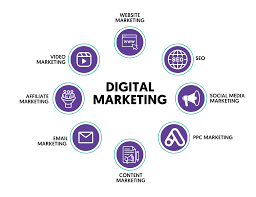
  • Search Engine Optimization (SEO): Optimising website content and structure to improve search engine rankings and increase organic traffic.
  • Pay-Per-Click (PPC) Advertising: Creating and managing targeted online advertising campaigns to drive traffic and conversions.
  • Social Media Marketing: Developing engaging social media campaigns to build brand awareness, engage with customers, and drive website traffic.
  • Email Marketing: Crafting effective email campaigns to nurture leads, retain customers, and drive sales.
  • Data Analysis: Monitoring key performance metrics, analysing data trends, and making data-driven decisions to optimise marketing efforts.

The Importance of Digital Marketing in Today’s Business World

In an era where consumers are increasingly turning to online channels for information and purchases, having a strong digital presence is essential for businesses to stay competitive. A digital marketing expert plays a pivotal role in helping companies navigate the complexities of the digital landscape and connect with their target audience in meaningful ways.

By leveraging their expertise in various digital marketing techniques, tools, and platforms, a digital marketing expert can help businesses enhance brand visibility, generate leads, increase conversions, and ultimately drive revenue growth. Their strategic insights and creative approaches can make a significant impact on the success of a company’s overall marketing efforts.

Conclusion

In conclusion, the role of a digital marketing expert is indispensable in today’s business environment. By staying abreast of industry trends, leveraging cutting-edge technologies, and implementing innovative strategies, these professionals are instrumental in helping businesses achieve their marketing objectives and stay ahead of the competition in the ever-evolving digital landscape.
If you are looking to elevate your brand’s online presence and maximise your digital marketing efforts, partnering with a skilled digital marketing expert can be the key to unlocking new opportunities for growth and success.


Top 5 Benefits of Hiring a Digital Marketing Expert for Your Business

  1. Expertise in leveraging digital channels to reach a wider audience
  2. Ability to craft targeted and personalised marketing campaigns for specific demographics
  3. Proficiency in analysing data and measuring the effectiveness of marketing strategies
  4. Stay updated on the latest trends and technologies in the digital marketing landscape
  5. Help businesses increase brand visibility, generate leads, and drive revenue growth through online channels


Challenges of Hiring a Digital Marketing Expert: High Costs, Skill Variability, Time Demands, and Market Saturation

  1. Costly Investment
  2. Skill Variability
  3. Time-Intensive
  4. Market Saturation

Expertise in leveraging digital channels to reach a wider audience

With expertise in leveraging digital channels to reach a wider audience, a digital marketing expert possesses the knowledge and skills necessary to expand a company’s online reach and visibility. By utilising various digital platforms and strategies effectively, such as social media, search engine optimisation, and email marketing, they can target specific demographics and engage with a broader audience base. This ability not only increases brand awareness but also drives traffic, leads, and conversions, ultimately contributing to the overall growth and success of the business in the competitive digital landscape.

Ability to craft targeted and personalised marketing campaigns for specific demographics

One of the key advantages of a digital marketing expert is their ability to craft targeted and personalised marketing campaigns tailored to specific demographics. By leveraging data-driven insights and sophisticated targeting tools, these experts can create highly relevant and engaging content that resonates with different audience segments. This personalised approach not only enhances brand loyalty and engagement but also increases the likelihood of conversion, as it speaks directly to the unique needs and preferences of each demographic group.

Proficiency in analysing data and measuring the effectiveness of marketing strategies

A notable advantage of a digital marketing expert is their proficiency in analysing data and measuring the effectiveness of marketing strategies. By leveraging data analytics tools and techniques, these professionals can gather valuable insights into the performance of various digital marketing campaigns. This data-driven approach allows them to identify trends, track key performance indicators, and make informed decisions to optimise marketing efforts for maximum impact and ROI. Through meticulous analysis and measurement, digital marketing experts can continuously refine strategies, target the right audience, and drive tangible results for businesses in today’s competitive online landscape.

Staying updated on the latest trends and technologies in the digital marketing landscape is a key advantage of working with a digital marketing expert. By continuously monitoring industry developments and emerging tools, these professionals can leverage cutting-edge strategies to keep your business ahead of the curve. Whether it’s implementing new social media algorithms, utilising innovative advertising platforms, or adopting data-driven approaches, a digital marketing expert’s commitment to staying informed ensures that your marketing efforts remain relevant, effective, and competitive in today’s rapidly evolving digital world.

Help businesses increase brand visibility, generate leads, and drive revenue growth through online channels

A digital marketing expert brings invaluable expertise to help businesses increase brand visibility, generate leads, and drive revenue growth through online channels. By crafting targeted strategies and leveraging various digital marketing tools and techniques, they can enhance a company’s online presence, attract potential customers, and ultimately boost sales. Their ability to navigate the complexities of the digital landscape enables businesses to reach their target audience effectively and achieve tangible results in terms of brand recognition, lead generation, and revenue expansion.

Costly Investment

For smaller businesses with constrained budgets, investing in a digital marketing expert can pose a significant financial challenge. The cost of hiring a skilled professional in this field may exceed the allocated resources, making it a daunting prospect for companies operating on limited funds. This financial barrier can impede smaller businesses from accessing the expertise and guidance needed to effectively navigate the digital marketing landscape and compete with larger enterprises. As a result, finding cost-effective solutions or alternative strategies becomes essential for these businesses to maximise their online presence and reach their target audience without overspending on digital marketing services.

Skill Variability

Skill variability is a notable con when it comes to digital marketing experts. While some professionals excel in certain areas of digital marketing, they may lack expertise in others, creating potential gaps in knowledge and skills. This variability can impact the overall effectiveness of a digital marketing strategy, as it requires a diverse set of skills to cover all aspects comprehensively. Businesses must carefully assess the skill set of a digital marketing expert to ensure they have the necessary expertise in key areas to deliver successful outcomes and maximise the impact of their digital marketing efforts.

Time-Intensive

One significant drawback of being a digital marketing expert is the time-intensive nature of developing and implementing effective strategies. The process of crafting and executing successful digital marketing campaigns demands meticulous attention to detail, continuous monitoring of performance metrics, and making timely adjustments to optimise results. This constant need for monitoring and refinement can be demanding, often requiring long hours and a high level of dedication to ensure that the desired outcomes are achieved. Balancing the time-consuming nature of digital marketing efforts with other responsibilities can be a challenge for professionals in this field.

Market Saturation

Market saturation is a significant con of the digital marketing expert industry. With the rising number of professionals in this field, businesses are faced with intense competition, making it increasingly difficult to differentiate and select the most suitable expert for their unique requirements. This saturation can create challenges for companies seeking to stand out in a crowded market and find a digital marketing partner who truly understands their goals and can deliver effective strategies tailored to their specific needs.

digital media campaign

Unlocking Success: The Art of Crafting a Strategic Digital Media Campaign

The Power of a Digital Media Campaign

In today’s fast-paced digital world, the importance of a well-executed digital media campaign cannot be overstated. With more and more consumers turning to the internet for information and entertainment, businesses have a unique opportunity to reach their target audience through various online channels.

A digital media campaign encompasses a range of strategies and tactics aimed at promoting a brand, product, or service across digital platforms such as social media, websites, search engines, and mobile apps. By leveraging the power of digital technology, businesses can engage with their audience in meaningful ways and drive desired outcomes.

Key Benefits of a Digital Media Campaign:

  • Increased Reach: With billions of people active on social media and browsing the web daily, a well-planned digital media campaign can help businesses reach a vast audience that traditional marketing methods may struggle to reach.
  • Targeted Advertising: Digital media campaigns allow for precise targeting based on demographics, interests, behaviour, and more. This targeted approach ensures that your message reaches the right people at the right time.
  • Measurable Results: Unlike traditional advertising methods where results can be difficult to track accurately, digital media campaigns provide detailed analytics that allow businesses to measure the effectiveness of their efforts in real-time.
  • Cost-Effective: Digital media campaigns often offer better ROI compared to traditional advertising methods. Businesses can allocate their budget strategically and adjust their campaigns based on performance data.
  • Engagement and Interaction: Through interactive content such as videos, polls, contests, and live streams, businesses can create meaningful connections with their audience and foster engagement that goes beyond passive viewing.

The Elements of a Successful Digital Media Campaign:

A successful digital media campaign typically includes elements such as compelling content creation, strategic distribution across relevant channels, engaging visuals and multimedia assets, targeted advertising tactics, continuous monitoring and optimisation based on performance metrics.

By harnessing the power of data-driven insights and creative storytelling, businesses can create impactful digital media campaigns that resonate with their audience and drive desired actions such as brand awareness, lead generation, website traffic, sales conversions, or customer loyalty.

In conclusion, in an increasingly digitised world where online presence is crucial for business success, investing in a well-planned digital media campaign is not just an option but a necessity. By embracing the opportunities offered by digital technology and adopting innovative strategies tailored to your goals and target audience, you can elevate your brand’s visibility and relevance in the competitive digital landscape.


Essential FAQs on Digital Media Campaigns: Understanding, Implementing, and Optimising for Success

  1. What is a digital media campaign?
  2. Why is a digital media campaign important for businesses?
  3. How can a business benefit from a digital media campaign?
  4. What are the key components of a successful digital media campaign?
  5. How can I measure the success of my digital media campaign?
  6. What platforms can be used in a digital media campaign?
  7. How much does it cost to run a digital media campaign?
  8. What are some best practices for creating engaging content in a digital media campaign?
  9. How often should I update or refresh my digital media campaign?

What is a digital media campaign?

A digital media campaign is a strategic marketing initiative that utilises various online platforms and channels to promote a brand, product, or service to a specific target audience. It involves the creation and distribution of digital content such as advertisements, videos, social media posts, and email campaigns with the goal of achieving specific business objectives. By leveraging the reach and interactivity of digital technology, businesses can engage with their audience in a more personalised and measurable way compared to traditional marketing methods. Digital media campaigns are designed to increase brand visibility, drive website traffic, generate leads, boost sales, or enhance customer engagement through tailored messaging and targeted advertising strategies across digital channels.

Why is a digital media campaign important for businesses?

A digital media campaign is crucial for businesses in today’s digital age due to its ability to reach and engage with a vast online audience. By leveraging digital platforms such as social media, websites, search engines, and mobile apps, businesses can connect with their target demographic in a more targeted and measurable way compared to traditional marketing methods. This targeted approach allows businesses to increase brand visibility, drive website traffic, generate leads, boost sales conversions, and foster customer loyalty. Additionally, the real-time analytics provided by digital media campaigns enable businesses to track performance metrics accurately and make data-driven decisions for continuous improvement and success in the competitive online landscape.

How can a business benefit from a digital media campaign?

A business can benefit significantly from a digital media campaign in numerous ways. Firstly, a well-executed campaign can help increase brand visibility and awareness by reaching a wider online audience that traditional marketing methods may not reach. Secondly, digital media campaigns allow for precise targeting, enabling businesses to tailor their message to specific demographics, interests, and behaviours, resulting in higher engagement and conversion rates. Additionally, the measurable nature of digital media campaigns provides businesses with valuable insights into the effectiveness of their strategies, allowing for real-time adjustments to optimise performance and maximise return on investment. Overall, embracing digital media campaigns can enhance a business’s online presence, drive customer engagement, and ultimately lead to increased sales and business growth.

What are the key components of a successful digital media campaign?

A successful digital media campaign comprises several key components that work together to achieve desired outcomes. First and foremost, defining clear objectives and target audience is essential for effective campaign planning. Compelling and relevant content tailored to the audience’s preferences and needs plays a crucial role in capturing attention and driving engagement. Strategic distribution across various digital channels, including social media, websites, email, and search engines, ensures maximum reach and visibility. Utilising data analytics to track performance metrics allows for continuous monitoring and optimisation of the campaign for improved results. Additionally, incorporating innovative visuals, interactive elements, and targeted advertising tactics can enhance the overall impact of the campaign and drive meaningful interactions with the audience.

How can I measure the success of my digital media campaign?

Measuring the success of a digital media campaign is essential to understanding its impact and effectiveness. Key performance indicators (KPIs) such as website traffic, click-through rates, conversion rates, engagement metrics (likes, shares, comments), lead generation, and return on investment (ROI) can provide valuable insights into the campaign’s performance. By analysing these metrics against predetermined goals and objectives, businesses can evaluate the success of their digital media campaign and make informed decisions on future strategies and optimizations. Additionally, tools like Google Analytics, social media analytics platforms, and email marketing software can help track and measure the various aspects of a campaign to ensure it is delivering the desired results.

What platforms can be used in a digital media campaign?

In a digital media campaign, businesses have a wide array of platforms at their disposal to engage with their target audience effectively. Some popular platforms commonly used in digital media campaigns include social media channels such as Facebook, Instagram, Twitter, LinkedIn, and TikTok. These platforms allow businesses to reach a diverse audience and create engaging content tailored to each platform’s unique features. Additionally, websites and blogs serve as essential platforms for sharing in-depth information and driving traffic to specific landing pages. Email marketing platforms enable businesses to deliver personalised messages directly to their subscribers’ inboxes. Search engines like Google offer opportunities for targeted advertising through pay-per-click campaigns. Each platform offers its own benefits and can be strategically leveraged to maximise the impact of a digital media campaign.

How much does it cost to run a digital media campaign?

The cost of running a digital media campaign can vary significantly depending on various factors such as the scope of the campaign, target audience, chosen channels, duration, and objectives. Digital media campaigns can be tailored to suit different budgets, ranging from small-scale initiatives to large-scale, multi-channel campaigns. Costs may include expenses for content creation, graphic design, ad placements, social media management, analytics tools, and more. It is essential for businesses to define their goals clearly and work with digital marketing experts to develop a strategy that aligns with their budget while maximising the campaign’s effectiveness and return on investment.

What are some best practices for creating engaging content in a digital media campaign?

Creating engaging content is essential for the success of a digital media campaign. Some best practices to consider include understanding your target audience to tailor content that resonates with their interests and needs, incorporating compelling visuals such as images and videos to capture attention, maintaining a consistent brand voice and tone across all platforms, leveraging storytelling techniques to create a narrative that connects with your audience emotionally, encouraging interaction through polls, quizzes, and user-generated content, and analysing performance data to continuously refine and optimise your content strategy for maximum engagement and impact. By following these best practices, businesses can create content that not only attracts attention but also fosters meaningful relationships with their audience in the digital landscape.

How often should I update or refresh my digital media campaign?

When it comes to updating or refreshing your digital media campaign, there is no one-size-fits-all answer as the frequency largely depends on various factors such as your industry, target audience, campaign goals, and performance metrics. However, it is generally recommended to regularly review and assess your campaign’s performance to determine if any updates or refreshes are needed. Keeping up with industry trends, changes in consumer behaviour, and competitor activities can also guide the timing of updates. Striking a balance between consistency and adaptability is key – while maintaining a consistent brand voice and messaging is important, being agile and responsive to market dynamics can help keep your digital media campaign relevant and effective in capturing audience attention.

media agency

Navigating the Modern Marketing Landscape with a Trusted Media Agency

The Role of a Media Agency in Today’s Digital Landscape

In the ever-evolving world of marketing and advertising, media agencies play a crucial role in helping businesses navigate the complex landscape of media planning and buying. A media agency acts as a strategic partner, working with clients to develop effective campaigns that reach and engage target audiences across various channels.

Understanding the Role of a Media Agency

Media agencies are experts in understanding consumer behaviour, market trends, and media consumption patterns. They utilise this knowledge to create data-driven strategies that maximise the impact of advertising efforts. From traditional media such as television, radio, and print to digital platforms like social media, search engines, and programmatic advertising, media agencies have the expertise to leverage a wide range of channels to deliver results for their clients.

The Benefits of Working with a Media Agency

Collaborating with a media agency offers several advantages for businesses looking to enhance their marketing efforts:

  • Expertise: Media agencies have specialised knowledge and experience in planning and executing successful advertising campaigns.
  • Data-Driven Insights: By leveraging data analytics and market research, media agencies can identify opportunities for targeting specific audience segments effectively.
  • Cost Efficiency: Media agencies help optimise ad spend by ensuring that resources are allocated strategically across different channels for maximum impact.
  • Creative Solutions: Media agencies work closely with creative teams to develop compelling messaging and visuals that resonate with target audiences.

The Future of Media Agencies

In an increasingly digital world where consumer behaviour is constantly evolving, the role of media agencies continues to evolve as well. With the rise of new technologies such as artificial intelligence, machine learning, and automation, media agencies are adapting their strategies to stay ahead of the curve and deliver innovative solutions for their clients.

As businesses strive to connect with consumers in meaningful ways across multiple touchpoints, the expertise and strategic guidance provided by media agencies will remain invaluable in driving successful marketing campaigns and achieving business objectives in today’s competitive marketplace.


Exploring Media Agencies: Key Questions and Insights for Businesses

  1. What services does a media agency offer?
  2. How can a media agency help my business reach its target audience?
  3. What is the difference between a media agency and an advertising agency?
  4. How do media agencies determine the most effective channels for advertising?
  5. What factors should I consider when choosing a media agency to work with?
  6. Can a media agency help with both traditional and digital advertising strategies?
  7. How do media agencies stay up-to-date with the latest trends in the industry?

What services does a media agency offer?

A media agency offers a comprehensive range of services aimed at helping businesses effectively plan, execute, and optimise their advertising and marketing campaigns across various channels. Some common services provided by media agencies include media planning and buying, audience research and targeting, campaign strategy development, creative production support, performance tracking and analysis, as well as negotiation with media vendors to secure the best rates for ad placements. By leveraging their expertise in media landscape trends and consumer behaviour insights, media agencies play a vital role in driving brand visibility, engagement, and ultimately, achieving campaign objectives for their clients.

How can a media agency help my business reach its target audience?

A media agency can help your business reach its target audience by leveraging its expertise in media planning and buying to develop targeted strategies that effectively reach and engage the right consumers. Through in-depth market research, data analysis, and consumer insights, a media agency can identify the most relevant channels and platforms to deliver your message to the right people at the right time. By optimising ad placements, targeting specific demographics, and monitoring campaign performance, a media agency can maximise the impact of your advertising efforts and help you connect with your target audience in a meaningful way that drives results for your business.

What is the difference between a media agency and an advertising agency?

A common question that arises in the realm of marketing and advertising is the distinction between a media agency and an advertising agency. While both play integral roles in promoting brands and reaching target audiences, they serve different functions within the industry. An advertising agency is primarily focused on creating and developing creative concepts, messaging, and visuals for campaigns. On the other hand, a media agency specialises in strategic planning and buying media space across various channels to ensure that the advertising messages reach the right audience at the right time. In essence, while an advertising agency handles the creative aspects of campaigns, a media agency focuses on the placement and distribution of those creatives to maximise their impact and effectiveness.

How do media agencies determine the most effective channels for advertising?

Media agencies determine the most effective channels for advertising through a strategic and data-driven approach. They begin by conducting thorough market research and analysing consumer behaviour to understand where target audiences are most active. By leveraging data analytics and insights, media agencies can identify the channels that offer the highest potential for reaching and engaging with the desired demographic. Factors such as audience demographics, media consumption habits, campaign objectives, and budget considerations all play a crucial role in determining the optimal mix of channels for advertising campaigns. Through continuous monitoring, testing, and optimisation, media agencies ensure that advertising efforts are directed towards channels that deliver the best results and maximise return on investment for their clients.

What factors should I consider when choosing a media agency to work with?

When selecting a media agency to collaborate with, several key factors should be taken into consideration to ensure a successful partnership. Firstly, it is essential to assess the agency’s expertise and track record in the industry. Look for a media agency with a proven history of delivering effective campaigns and achieving results for clients. Additionally, consider the agency’s understanding of your target audience and market dynamics, as this will influence the relevance and impact of your advertising efforts. Transparency, communication, and alignment with your business goals are also crucial factors to evaluate when choosing a media agency to work with. By carefully considering these aspects, you can make an informed decision that leads to a productive and mutually beneficial relationship with the chosen agency.

Can a media agency help with both traditional and digital advertising strategies?

A media agency can indeed help businesses with both traditional and digital advertising strategies. Media agencies are well-equipped to develop comprehensive marketing plans that incorporate a mix of traditional channels such as television, radio, and print, as well as digital platforms like social media, search engines, and online display advertising. By leveraging their expertise in both traditional and digital media, media agencies can create integrated campaigns that reach target audiences across various touchpoints, ensuring a cohesive brand message and maximising the impact of advertising efforts. Whether it’s raising brand awareness through a TV commercial or driving online conversions through targeted digital ads, a skilled media agency can tailor strategies to meet the specific needs and goals of each client effectively.

Media agencies stay up-to-date with the latest trends in the industry through a combination of proactive research, continuous monitoring of market developments, and active participation in industry events and conferences. By investing in ongoing training and professional development for their teams, media agencies ensure that their staff are equipped with the knowledge and skills needed to navigate the rapidly changing landscape of advertising and marketing. Additionally, leveraging technology tools and data analytics allows media agencies to analyse trends, consumer behaviour, and emerging technologies to inform their strategies and stay ahead of the curve. This commitment to staying informed and adaptable enables media agencies to provide cutting-edge solutions that drive results for their clients in a dynamic and competitive environment.

video content marketing agency

Unlocking Success: The Role of a Video Content Marketing Agency

Article: Video Content Marketing Agency

The Power of Video Content Marketing Agencies

In today’s digital age, video content has become a powerful tool for businesses to engage with their audience and drive conversions. As the demand for high-quality video content continues to rise, the role of video content marketing agencies has become increasingly crucial.

What is a Video Content Marketing Agency?

A video content marketing agency is a specialised firm that helps businesses create, distribute, and promote video content to reach their target audience effectively. These agencies combine creative storytelling with strategic marketing techniques to deliver compelling videos that resonate with viewers.

The Benefits of Working with a Video Content Marketing Agency

Professional Expertise: Video content marketing agencies have a team of skilled professionals who understand the nuances of creating engaging videos that drive results.

Strategic Approach: These agencies develop tailored strategies to ensure that your video content aligns with your marketing goals and resonates with your target audience.

Creative Excellence: From scriptwriting to production and editing, video content marketing agencies excel in delivering visually appealing and impactful videos that capture attention.

Increased Visibility: By leveraging the expertise of a video content marketing agency, businesses can enhance their online presence and reach a wider audience through various digital platforms.

Conclusion

Video content marketing agencies play a vital role in helping businesses leverage the power of video to connect with their audience in meaningful ways. By partnering with these agencies, businesses can elevate their brand presence, drive engagement, and achieve their marketing objectives through compelling visual storytelling.


Top 5 Tips for Effective Video Content Marketing: Engaging Your Audience and Boosting Visibility

  1. Understand your target audience to create relevant and engaging video content.
  2. Focus on storytelling to connect with viewers on an emotional level.
  3. Maintain a consistent brand voice and style across all video content.
  4. Utilize SEO techniques to optimize video titles, descriptions, and tags for better visibility.
  5. Engage with your audience through comments, polls, and interactive elements in your videos.

Understand your target audience to create relevant and engaging video content.

To maximise the impact of your video content marketing strategy, it is essential to have a deep understanding of your target audience. By identifying their preferences, interests, and behaviours, you can tailor your video content to resonate with them effectively. Creating relevant and engaging videos that address the specific needs and desires of your audience will not only capture their attention but also foster a stronger connection with your brand. This personalised approach is key to driving engagement and achieving success in your video content marketing efforts.

Focus on storytelling to connect with viewers on an emotional level.

To effectively engage with viewers and establish a lasting connection, it is essential for video content marketing agencies to focus on storytelling. By crafting narratives that resonate on an emotional level, agencies can capture the audience’s attention and create a meaningful impact. Emotions have the power to drive action and foster a sense of connection, making storytelling a powerful tool in building brand loyalty and driving conversions. Through compelling storytelling, video content marketing agencies can create memorable experiences that leave a lasting impression on viewers, leading to increased engagement and brand awareness.

Maintain a consistent brand voice and style across all video content.

Maintaining a consistent brand voice and style across all video content is essential for building a strong and recognisable brand identity. By ensuring that your videos convey a cohesive message and reflect your brand values consistently, you can establish trust and credibility with your audience. Consistency in brand voice and style helps to reinforce brand recall and create a unified experience for viewers, enhancing brand loyalty and engagement. Whether it’s the tone of voice, visual elements, or overall messaging, aligning your video content with your brand guidelines can help strengthen your brand presence and make a lasting impression on your target audience.

Utilize SEO techniques to optimize video titles, descriptions, and tags for better visibility.

To enhance the visibility of your video content and reach a wider audience, it is essential to incorporate SEO techniques into your video titles, descriptions, and tags. By optimising these elements with relevant keywords and phrases, you can improve the chances of your videos appearing in search engine results and attracting more viewers. Effective SEO practices not only increase the discoverability of your videos but also contribute to building a strong online presence for your brand through strategic video content marketing efforts.

Engage with your audience through comments, polls, and interactive elements in your videos.

To maximise the impact of your video content marketing strategy, it is essential to actively engage with your audience by incorporating interactive elements such as comments, polls, and other engaging features within your videos. By encouraging viewers to participate and share their thoughts, you can foster a sense of community, gather valuable feedback, and create a more immersive viewing experience. This interactive approach not only strengthens the connection with your audience but also enhances the overall effectiveness of your video content in driving engagement and building brand loyalty.

paid digital advertising

Unlocking the Potential of Paid Digital Advertising: Strategies for Success

The Power of Paid Digital Advertising

In today’s digital age, businesses are constantly seeking ways to reach their target audience effectively and efficiently. One powerful tool that has revolutionised the marketing landscape is paid digital advertising. This form of online advertising allows businesses to promote their products or services through various digital channels by paying for ad space.

Benefits of Paid Digital Advertising

One of the key advantages of paid digital advertising is its ability to target specific audiences with precision. Through advanced targeting options, businesses can tailor their ads based on demographics, interests, behaviour, and more. This targeted approach ensures that ads are shown to the right people at the right time, increasing the likelihood of conversion.

Furthermore, paid digital advertising offers measurable results. Unlike traditional forms of advertising, digital ads provide detailed analytics and insights into campaign performance. Businesses can track metrics such as click-through rates, conversions, and return on investment, allowing them to optimise their campaigns for better results.

Types of Paid Digital Advertising

There are various types of paid digital advertising channels available to businesses, including:

  • Search Engine Marketing (SEM): Ads displayed on search engine results pages based on specific keywords.
  • Social Media Advertising: Ads displayed on social media platforms such as Facebook, Instagram, Twitter, and LinkedIn.
  • Display Advertising: Banner ads displayed on websites across the internet.
  • Video Advertising: Ads shown before or during online video content.
  • Native Advertising: Sponsored content that blends seamlessly with a website’s editorial content.

Best Practices for Paid Digital Advertising

To maximise the effectiveness of paid digital advertising campaigns, businesses should consider the following best practices:

  • Set Clear Objectives: Define specific goals for your campaign, whether it’s increasing brand awareness, driving website traffic, or generating leads.
  • Create Compelling Ad Creative: Design visually appealing and engaging ad creatives that resonate with your target audience.
  • Optimise Landing Pages: Ensure that your landing pages are relevant to your ads and provide a seamless user experience.
  • Monitor and Adjust: Regularly monitor campaign performance metrics and make adjustments based on data insights to improve results over time.

In Conclusion

Paid digital advertising has become an essential component of modern marketing strategies due to its effectiveness in reaching target audiences and driving measurable results. By leveraging the power of paid digital advertising channels and implementing best practices, businesses can enhance their online presence, increase brand visibility, and ultimately achieve their marketing objectives in today’s competitive digital landscape.


Understanding Paid Digital Advertising: Key Questions and Answers

  1. What is paid digital advertising?
  2. How does paid digital advertising work?
  3. What are the benefits of paid digital advertising?
  4. Which platforms can I use for paid digital advertising?
  5. How much does paid digital advertising cost?
  6. What are the best practices for successful paid digital advertising campaigns?

What is paid digital advertising?

Paid digital advertising refers to the practice of promoting products or services through online channels by paying for ad space. This form of advertising allows businesses to reach their target audience effectively by displaying ads on various digital platforms such as search engines, social media, websites, and more. Paid digital advertising offers businesses the opportunity to target specific demographics, interests, and behaviours, ensuring that ads are shown to the right audience at the right time. With measurable results and advanced targeting options, paid digital advertising has become a powerful tool for businesses looking to enhance their online presence and drive conversions in today’s competitive digital landscape.

How does paid digital advertising work?

Paid digital advertising works by allowing businesses to promote their products or services through online channels by paying for ad space. When a business invests in paid digital advertising, they create ads that are displayed to target audiences based on specific criteria such as demographics, interests, and online behaviour. These ads can appear on search engine results pages, social media platforms, websites, or within online videos. By strategically targeting the right audience and optimising ad campaigns for performance, businesses can drive traffic to their websites, increase brand awareness, generate leads, and ultimately achieve their marketing goals in the digital realm.

What are the benefits of paid digital advertising?

Paid digital advertising offers a multitude of benefits for businesses looking to enhance their online presence and reach their target audience effectively. One key advantage is the ability to precisely target specific demographics, interests, and behaviours, ensuring that ads are shown to the right people at the right time. Additionally, paid digital advertising provides measurable results through detailed analytics, allowing businesses to track performance metrics such as click-through rates and conversions. This data-driven approach enables businesses to optimise their campaigns for better results and achieve a higher return on investment compared to traditional forms of advertising.

Which platforms can I use for paid digital advertising?

When considering paid digital advertising, businesses have a wide range of platforms to choose from to reach their target audience effectively. Some popular platforms for paid digital advertising include search engines like Google through Search Engine Marketing (SEM), social media platforms such as Facebook, Instagram, Twitter, and LinkedIn for Social Media Advertising, display networks for Display Advertising, video hosting sites like YouTube for Video Advertising, and websites offering Native Advertising opportunities. Each platform offers unique targeting options and ad formats tailored to suit different marketing objectives, allowing businesses to select the most suitable platforms based on their specific goals and target audience demographics.

How much does paid digital advertising cost?

The cost of paid digital advertising can vary significantly depending on various factors such as the advertising platform, ad format, targeting options, competition, and campaign objectives. Businesses have the flexibility to set their budgets based on their financial capabilities and marketing goals. While some platforms offer cost-effective options like pay-per-click (PPC) or cost-per-thousand impressions (CPM), others may require a higher investment for greater reach and visibility. It’s essential for businesses to carefully plan their budget allocation and monitor campaign performance to ensure optimal return on investment from paid digital advertising efforts.

What are the best practices for successful paid digital advertising campaigns?

When it comes to successful paid digital advertising campaigns, implementing best practices is crucial for achieving optimal results. Some key practices include setting clear campaign objectives to guide your strategy, creating compelling and relevant ad creatives that resonate with your target audience, ensuring seamless user experience by optimising landing pages, and regularly monitoring campaign performance metrics to make data-driven adjustments for continuous improvement. By following these best practices, businesses can maximise the effectiveness of their paid digital advertising efforts and drive meaningful engagement and conversions with their target audience.

digital marketing strategy

Mastering the Art of Crafting a Digital Marketing Strategy for Success

The Power of a Strong Digital Marketing Strategy

The Power of a Strong Digital Marketing Strategy

In today’s fast-paced digital world, having a well-defined digital marketing strategy is essential for businesses looking to succeed online. A digital marketing strategy outlines how a company will use various online channels to reach its target audience, engage with customers, and achieve its marketing goals.

Key Components of a Digital Marketing Strategy

A successful digital marketing strategy typically includes the following key components:

  • Target Audience Analysis: Understanding your target audience is crucial for creating relevant and engaging content that resonates with them.
  • Goal Setting: Clearly defining your marketing objectives helps you measure the success of your campaigns and make data-driven decisions.
  • Content Strategy: Developing high-quality content that adds value to your audience and supports your overall marketing goals.
  • SEO and SEM: Optimising your website for search engines (SEO) and running targeted search engine marketing (SEM) campaigns to increase visibility and drive traffic.
  • Social Media Marketing: Leveraging social media platforms to connect with your audience, build brand awareness, and drive engagement.
  • Email Marketing: Utilising email campaigns to nurture leads, promote products or services, and maintain customer relationships.
  • Data Analytics: Monitoring and analysing key performance indicators (KPIs) to track the effectiveness of your digital marketing efforts and make informed decisions for future strategies.

The Benefits of an Effective Digital Marketing Strategy

An effective digital marketing strategy can provide numerous benefits for businesses, including:

  • Increased Brand Awareness: By reaching a wider audience online, businesses can enhance their brand visibility and recognition.
  • Better Customer Engagement: Engaging with customers through various digital channels allows businesses to build stronger relationships and foster customer loyalty.
  • Higher Conversion Rates: Targeted digital marketing efforts can lead to higher conversion rates as they reach audiences more likely to be interested in the products or services offered.
  • Data-Driven Decisions: Access to real-time data analytics enables businesses to track performance metrics accurately and adjust their strategies based on insights gained from the data.

In Conclusion

A well-crafted digital marketing strategy is not just an option but a necessity in today’s competitive landscape. By investing time and resources into developing a comprehensive strategy that aligns with your business goals, you can unlock the full potential of digital marketing and drive sustainable growth for your business.


Essential FAQs on Crafting and Implementing a Successful Digital Marketing Strategy

  1. What is a digital marketing strategy and why is it important?
  2. How do you develop an effective digital marketing strategy?
  3. What are the key components of a successful digital marketing strategy?
  4. How can social media be integrated into a digital marketing strategy?
  5. What role does content play in a digital marketing strategy?
  6. How do you measure the success of a digital marketing strategy?
  7. What are some common challenges businesses face when implementing a digital marketing strategy?

What is a digital marketing strategy and why is it important?

A digital marketing strategy is a comprehensive plan that outlines how a business will leverage various online channels to achieve its marketing objectives and connect with its target audience. It involves defining goals, identifying target audiences, selecting appropriate digital platforms, creating engaging content, and measuring performance to drive successful outcomes. Having a well-defined digital marketing strategy is crucial for businesses in today’s digital age as it helps increase brand visibility, engage with customers effectively, drive website traffic, generate leads, and ultimately boost sales. By aligning digital marketing efforts with overall business goals, companies can stay competitive, build brand loyalty, and adapt to the evolving online landscape to maximise their success.

How do you develop an effective digital marketing strategy?

Developing an effective digital marketing strategy involves a strategic approach that begins with a deep understanding of your target audience and business goals. Start by conducting thorough research to identify your target market, their preferences, and online behaviours. Define clear and measurable objectives that align with your overall marketing goals. Next, select the most appropriate digital channels to reach your audience, such as social media, SEO, email marketing, and content marketing. Create engaging and relevant content that resonates with your audience while maintaining consistency across all channels. Regularly monitor and analyse key performance indicators to evaluate the success of your strategy and make necessary adjustments for continuous improvement. By following these steps and staying agile in response to market trends, you can develop a robust digital marketing strategy that drives results for your business.

What are the key components of a successful digital marketing strategy?

When it comes to crafting a successful digital marketing strategy, understanding the key components is crucial. These components typically include target audience analysis to tailor content effectively, goal setting to measure campaign success, content strategy for engaging material, SEO and SEM for optimal online visibility, social media marketing for audience connection, email marketing for lead nurturing, and data analytics for performance evaluation. By integrating these essential elements into a cohesive strategy, businesses can enhance brand awareness, drive customer engagement, boost conversion rates, and make informed decisions based on actionable insights.

How can social media be integrated into a digital marketing strategy?

Integrating social media into a digital marketing strategy can significantly enhance a company’s online presence and engagement with its target audience. By leveraging various social media platforms such as Facebook, Instagram, Twitter, and LinkedIn, businesses can connect with customers in real-time, share valuable content, run targeted advertising campaigns, and build a community around their brand. Social media integration allows businesses to humanise their brand, foster customer relationships, drive website traffic, and ultimately increase brand awareness and loyalty. By strategically incorporating social media into their digital marketing strategy, companies can create a cohesive and impactful online presence that resonates with their audience.

What role does content play in a digital marketing strategy?

Content plays a pivotal role in a digital marketing strategy as it serves as the foundation for engaging and connecting with the target audience. High-quality and relevant content not only attracts potential customers but also educates, informs, and entertains them. In the digital landscape, where competition is fierce, compelling content can differentiate a brand from its competitors and establish credibility and authority in the industry. Whether it’s blog posts, videos, social media updates, or email newsletters, well-crafted content is essential for driving traffic to websites, increasing brand awareness, enhancing customer engagement, and ultimately converting leads into loyal customers.

How do you measure the success of a digital marketing strategy?

Measuring the success of a digital marketing strategy is essential to determine its effectiveness and make informed decisions for future campaigns. Key performance indicators (KPIs) such as website traffic, conversion rates, click-through rates, social media engagement, and return on investment (ROI) are commonly used to evaluate the performance of digital marketing efforts. By tracking and analysing these metrics, businesses can gain valuable insights into the impact of their strategies, identify areas for improvement, and refine their approach to achieve their marketing goals efficiently.

What are some common challenges businesses face when implementing a digital marketing strategy?

When implementing a digital marketing strategy, businesses often encounter several common challenges that can impact the success of their efforts. One prevalent challenge is the rapidly evolving digital landscape, which requires businesses to stay updated with the latest trends and technologies to remain competitive. Another challenge is the abundance of data available, making it essential for businesses to effectively analyse and interpret data to make informed decisions. Additionally, resource constraints, such as budget limitations and lack of skilled personnel, can hinder the execution of a comprehensive digital marketing strategy. Overcoming these challenges requires careful planning, flexibility, and a proactive approach to adapt to changes in the digital marketing environment.

online advertising

Unlocking Success: The Impact of Online Advertising Strategies in the Digital Age

The Power of Online Advertising

The Power of Online Advertising

In today’s digital age, online advertising has revolutionised the way businesses promote their products and services. With the vast reach of the internet, companies can connect with their target audience in ways never before possible.

Targeted Marketing

One of the key advantages of online advertising is its ability to target specific demographics and interests. Through data analytics and user behaviour tracking, businesses can tailor their ads to reach the most relevant audience, increasing the likelihood of conversion.

Cost-Effective Solutions

Compared to traditional forms of advertising such as print or TV, online advertising offers cost-effective solutions for businesses of all sizes. With pay-per-click (PPC) models, companies only pay when users interact with their ads, making it a measurable and efficient way to allocate marketing budgets.

Real-Time Performance Tracking

Online advertising provides real-time performance tracking tools that allow businesses to monitor the effectiveness of their campaigns instantly. By analysing metrics such as click-through rates, conversion rates, and engagement levels, companies can adjust their strategies on the fly to maximise results.

Global Reach

Through online advertising, businesses can reach a global audience without geographical limitations. Whether targeting local customers or expanding into new markets abroad, digital platforms offer unparalleled access to potential customers around the world.

Interactive Engagement

Interactive formats such as video ads, social media promotions, and immersive experiences enable businesses to engage with their audience in dynamic ways. By creating compelling content that resonates with users, companies can build brand loyalty and drive customer retention.

In conclusion, online advertising has transformed the marketing landscape by providing targeted, cost-effective, and measurable solutions for businesses seeking to connect with their audience in meaningful ways. Embracing digital platforms opens up a world of opportunities for companies looking to grow their brand presence and drive success in today’s competitive marketplace.


Essential FAQs on Online Advertising: Understanding, Benefits, and Best Practices

  1. What is online advertising?
  2. How does online advertising work?
  3. What are the benefits of online advertising?
  4. What are the different types of online advertising?
  5. How can businesses measure the effectiveness of online advertising campaigns?
  6. What is retargeting in online advertising?
  7. What are some best practices for creating successful online ads?
  8. How can businesses target specific audiences with online advertising?

What is online advertising?

Online advertising refers to the practice of promoting products, services, or brands on digital platforms such as websites, social media, search engines, and mobile apps. It encompasses various formats including display ads, video ads, sponsored content, and social media promotions. Online advertising allows businesses to reach their target audience in a more targeted and measurable way compared to traditional forms of advertising. By leveraging data analytics and user behaviour tracking, companies can tailor their ad campaigns to specific demographics and interests, ultimately driving engagement, conversions, and brand awareness in the digital realm.

How does online advertising work?

Online advertising operates through a variety of channels and strategies to reach target audiences on the internet. It typically involves businesses creating ads that are displayed on websites, search engines, social media platforms, or mobile apps. These ads can take various forms, such as banner ads, sponsored content, or video promotions. The key mechanism behind online advertising is targeting – using data analytics and user behaviour tracking to deliver relevant ads to specific demographics or interests. Through pay-per-click (PPC) models, businesses only pay when users interact with their ads, making it a cost-effective and measurable way to drive traffic and conversions. Overall, online advertising works by leveraging digital platforms to connect businesses with their desired audience and drive engagement with their products or services.

What are the benefits of online advertising?

Online advertising offers a multitude of benefits for businesses looking to enhance their marketing strategies. One key advantage is the ability to target specific demographics and interests, ensuring that ads reach the most relevant audience for increased conversion rates. Additionally, online advertising provides cost-effective solutions through pay-per-click models, allowing companies to allocate their marketing budgets efficiently. Real-time performance tracking tools enable businesses to monitor campaign effectiveness instantly and make adjustments for optimal results. With a global reach and interactive engagement opportunities, online advertising empowers businesses to connect with a vast audience and build brand loyalty in today’s digital landscape.

What are the different types of online advertising?

When exploring the realm of online advertising, it’s common to ponder about the various types available to businesses. Online advertising encompasses a diverse range of formats and strategies, including display ads, search engine marketing (SEM), social media advertising, video ads, influencer partnerships, email marketing, and native advertising. Each type offers unique benefits and caters to different goals, whether it’s increasing brand awareness, driving website traffic, or boosting conversions. Understanding the nuances of these different online advertising avenues can empower businesses to craft targeted campaigns that resonate with their target audience and yield optimal results in the digital landscape.

How can businesses measure the effectiveness of online advertising campaigns?

Businesses can measure the effectiveness of online advertising campaigns through a variety of key performance indicators (KPIs) that provide valuable insights into the impact and success of their digital strategies. Metrics such as click-through rates, conversion rates, return on investment (ROI), cost per acquisition (CPA), and engagement levels help businesses evaluate the performance of their ads and assess the overall effectiveness of their campaigns. By tracking these KPIs in real-time and analysing the data collected, businesses can make informed decisions, optimise their marketing efforts, and achieve measurable results that align with their objectives.

What is retargeting in online advertising?

Retargeting in online advertising is a powerful strategy that involves targeting users who have previously interacted with a brand’s website or products. This technique allows businesses to display tailored ads to these users as they browse the internet, reminding them of their interest and encouraging them to revisit the site or complete a desired action. By keeping their brand top of mind and re-engaging with potential customers, retargeting helps businesses increase conversion rates and drive meaningful engagement with their target audience.

What are some best practices for creating successful online ads?

When it comes to creating successful online ads, several best practices can help maximise their effectiveness. Firstly, it is crucial to clearly define the target audience and tailor the ad content to resonate with their interests and needs. Compelling visuals and concise, engaging copy are essential to capture users’ attention in the competitive digital landscape. Utilising strong calls-to-action that prompt immediate action can drive conversions. Regularly testing and optimising ad performance based on data analytics ensures continuous improvement. Lastly, maintaining consistency across all elements of the ad campaign, from messaging to branding, contributes to building a strong and recognisable online presence that resonates with the audience. By following these best practices, businesses can create online ads that stand out and deliver measurable results.

How can businesses target specific audiences with online advertising?

Businesses can target specific audiences with online advertising through a variety of sophisticated targeting options available on digital platforms. By leveraging data analytics and user behaviour tracking, businesses can define their target audience based on demographics, interests, online activities, and purchasing behaviour. Utilising tools such as geotargeting, device targeting, and retargeting, businesses can tailor their ads to reach the most relevant audience segments. Additionally, platforms like social media and search engines offer advanced targeting features that allow businesses to refine their audience selection based on factors such as age, gender, location, and even specific interests or behaviours. By utilising these targeted advertising capabilities effectively, businesses can maximise the impact of their campaigns and improve the likelihood of engaging with the right audience for their products or services.