
The Power of Online Digital Marketing
In today’s digital age, online marketing has become a crucial tool for businesses looking to reach and engage with their target audience. With the increasing number of internet users worldwide, the opportunities for businesses to connect with potential customers online are endless. Online digital marketing encompasses a wide range of strategies and tactics that can help businesses build brand awareness, drive traffic to their websites, and ultimately increase sales.
Key Components of Online Digital Marketing
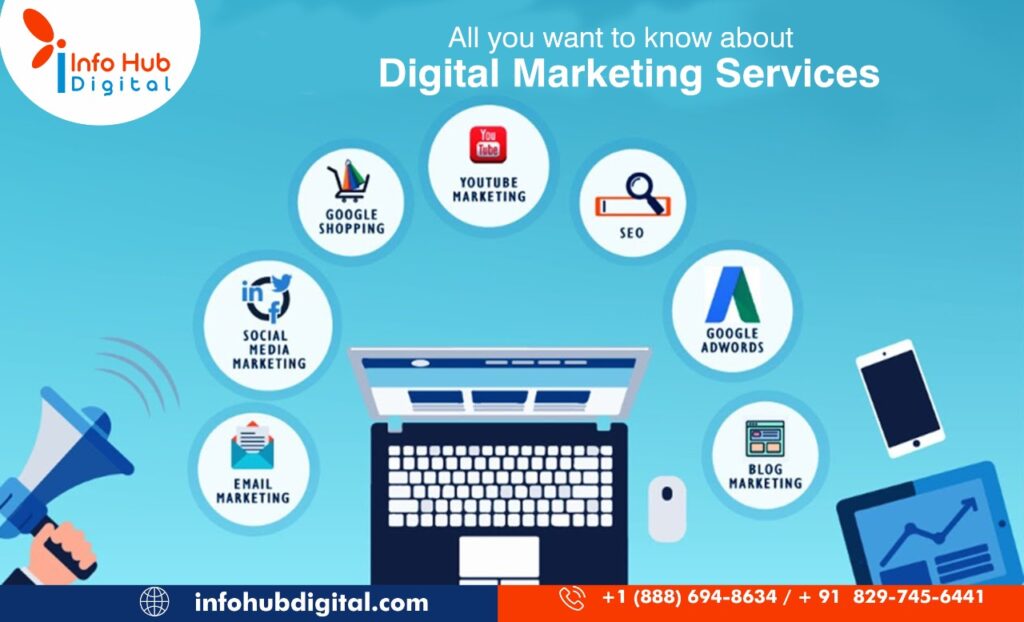
Online digital marketing includes various components such as search engine optimisation (SEO), pay-per-click (PPC) advertising, social media marketing, email marketing, content marketing, and more. Each component plays a unique role in helping businesses achieve their marketing goals.
Search Engine Optimisation (SEO)
SEO is the practice of optimising your website to rank higher in search engine results pages. By improving your website’s visibility in search engines like Google, you can attract more organic traffic and increase your chances of reaching potential customers who are actively searching for products or services related to your business.
Pay-Per-Click (PPC) Advertising
PPC advertising involves placing ads on search engines or other platforms and paying a fee each time someone clicks on your ad. This form of advertising allows businesses to target specific keywords or demographics and drive targeted traffic to their websites quickly.
Social Media Marketing
Social media has become a powerful tool for businesses to connect with their audience, build relationships, and promote their products or services. Platforms like Facebook, Instagram, Twitter, and LinkedIn offer various advertising options that allow businesses to reach their target audience effectively.
Email Marketing
Email marketing involves sending commercial messages to a group of people via email. This form of marketing is highly effective for nurturing leads, promoting new products or services, and keeping customers engaged with your brand over time.
The Benefits of Online Digital Marketing
There are numerous benefits to incorporating online digital marketing into your overall marketing strategy. Some key advantages include:
- Increased Brand Visibility: By implementing online digital marketing strategies, you can enhance your brand’s visibility and reach a wider audience online.
- Targeted Advertising: Online digital marketing allows you to target specific demographics or interests, ensuring that your message reaches the right people at the right time.
- Measurable Results: With online digital marketing tools like analytics and tracking software, you can measure the success of your campaigns in real-time and make data-driven decisions to improve performance.
- Cost-Effective: Compared to traditional forms of advertising, online digital marketing is often more cost-effective and offers a higher return on investment (ROI).
In Conclusion
Online digital marketing has revolutionised the way businesses promote their products and services in the digital age. By leveraging the power of SEO, PPC advertising, social media marketing, email campaigns, and other strategies, businesses can connect with their audience in meaningful ways and drive tangible results for their bottom line. Embracing online digital marketing is essential for staying competitive in today’s fast-paced business environment.
Understanding Online Digital Marketing: Key Strategies, Platforms, and Success Metrics for Businesses
- What is online digital marketing and why is it important for businesses?
- What are the key components of online digital marketing strategies?
- How can search engine optimisation (SEO) benefit my business’s online presence?
- What social media platforms are most effective for online digital marketing?
- How can businesses measure the success of their online digital marketing campaigns?
What is online digital marketing and why is it important for businesses?
Online digital marketing refers to the use of various online channels and strategies to promote products or services, engage with target audiences, and drive business growth. It encompasses a wide range of tactics such as search engine optimisation (SEO), pay-per-click (PPC) advertising, social media marketing, email campaigns, content creation, and more. Online digital marketing is crucial for businesses in today’s digital landscape as it allows them to reach a larger audience, increase brand visibility, generate leads, and ultimately boost sales. By leveraging the power of online platforms and tools, businesses can connect with their target customers in a more targeted and cost-effective manner compared to traditional marketing methods. Embracing online digital marketing is essential for staying competitive and relevant in an increasingly digital world.
What are the key components of online digital marketing strategies?
When it comes to online digital marketing strategies, understanding the key components is essential for success. The primary components include search engine optimisation (SEO), pay-per-click (PPC) advertising, social media marketing, email marketing, content marketing, and data analytics. SEO focuses on improving website visibility in search engine results, while PPC advertising involves paid ads to drive targeted traffic. Social media marketing leverages platforms like Facebook and Instagram to engage with audiences. Email marketing involves sending commercial messages via email to nurture leads. Content marketing aims to create valuable content for the target audience. Lastly, data analytics helps measure and optimise campaign performance for better results in online digital marketing efforts.
How can search engine optimisation (SEO) benefit my business’s online presence?
Search engine optimisation (SEO) plays a crucial role in enhancing your business’s online presence by improving your website’s visibility in search engine results pages. By implementing SEO best practices such as keyword optimisation, quality content creation, and technical enhancements, your website is more likely to rank higher for relevant search queries. This increased visibility not only drives organic traffic to your site but also boosts brand credibility and trust among users. Ultimately, a strong SEO strategy can lead to increased website traffic, higher conversion rates, and long-term success for your business in the competitive online landscape.
What social media platforms are most effective for online digital marketing?
When it comes to online digital marketing, businesses often wonder which social media platforms are most effective for reaching their target audience. The choice of social media platforms depends on various factors such as the nature of the business, target demographics, and marketing goals. However, some of the most commonly effective platforms for online digital marketing include Facebook, Instagram, Twitter, LinkedIn, and Pinterest. Each platform offers unique features and audience demographics that can be leveraged to create engaging content, build brand awareness, drive website traffic, and generate leads. It is essential for businesses to understand their target audience and choose the social media platforms that align best with their marketing objectives to maximise their online presence and engagement.
How can businesses measure the success of their online digital marketing campaigns?
Businesses can measure the success of their online digital marketing campaigns through various key performance indicators (KPIs) that provide valuable insights into campaign performance and effectiveness. Metrics such as website traffic, conversion rates, click-through rates, engagement levels on social media platforms, email open rates, and return on investment (ROI) are commonly used to evaluate the impact of digital marketing efforts. By tracking and analysing these KPIs, businesses can assess the reach, engagement, and conversion rates of their campaigns, allowing them to make data-driven decisions to optimise future strategies and maximise results.