
The Power of SEM: Search Engine Marketing
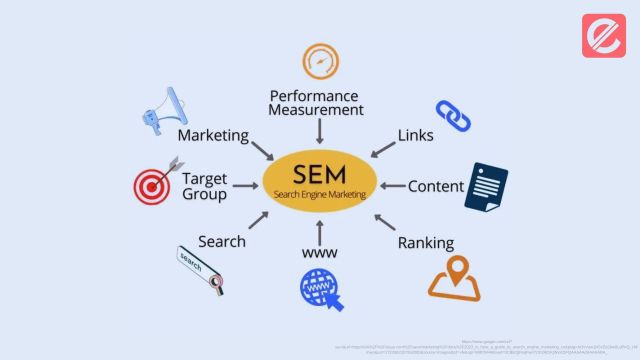
Search Engine Marketing (SEM) is a powerful digital marketing strategy that involves promoting websites by increasing their visibility in search engine results pages through paid advertising. SEM encompasses various tactics such as pay-per-click (PPC) advertising, search engine optimisation (SEO), and other techniques to drive targeted traffic to websites.
Key Components of SEM
Pay-Per-Click (PPC) Advertising: PPC ads are a fundamental aspect of SEM where advertisers pay a fee each time their ad is clicked. This model allows businesses to reach their target audience effectively and drive immediate traffic to their websites.
Search Engine Optimisation (SEO): While PPC focuses on paid advertising, SEO aims to improve a website’s organic search rankings. By optimising website content, meta tags, and other elements, businesses can enhance their visibility in search engine results pages without paying for clicks.
The Benefits of SEM
Increased Visibility: SEM helps businesses increase their online visibility and reach a wider audience by appearing at the top of search engine results pages.
Targeted Advertising: With SEM, businesses can target specific keywords and demographics to ensure that their ads are seen by relevant audiences likely to convert into customers.
Measurable Results: SEM provides detailed analytics and tracking tools that allow businesses to measure the performance of their campaigns accurately. This data helps in refining strategies for better results.
Conclusion
In conclusion, Search Engine Marketing is a valuable tool for businesses looking to enhance their online presence and drive targeted traffic to their websites. By leveraging the power of SEM through PPC advertising, SEO strategies, and other tactics, businesses can achieve measurable results and grow their online success.
8 Essential Tips for Successful Search Engine Marketing (SEM) Campaigns
- 1. Conduct keyword research to target relevant search terms.
- 2. Create compelling and relevant ad copy for your SEM campaigns.
- 3. Utilize ad extensions to provide additional information in your ads.
- 4. Monitor and analyse campaign performance regularly to make data-driven decisions.
- 5. Optimize landing pages for better user experience and higher conversion rates.
- 6. Test different ad variations to identify what resonates best with your audience.
- 7. Set clear goals and KPIs to track the success of your SEM efforts.
- 8. Stay updated on industry trends and algorithm changes to adapt your strategies accordingly.
1. Conduct keyword research to target relevant search terms.
To maximise the effectiveness of your Search Engine Marketing (SEM) strategy, it is crucial to conduct thorough keyword research to target relevant search terms. By identifying and focusing on the keywords that are most relevant to your business or industry, you can ensure that your ads reach the right audience. Understanding the search terms that potential customers use can help you tailor your SEM campaigns to attract qualified leads and drive meaningful traffic to your website. Conducting keyword research is a foundational step in SEM that can significantly impact the success of your digital marketing efforts.
2. Create compelling and relevant ad copy for your SEM campaigns.
Creating compelling and relevant ad copy is a crucial tip for successful Search Engine Marketing (SEM) campaigns. Engaging ad copy that resonates with your target audience can significantly impact click-through rates and conversions. By crafting persuasive and tailored messages that highlight the unique selling points of your products or services, you can attract the attention of potential customers and drive them to take action. Remember, in the competitive landscape of SEM, well-crafted ad copy can make all the difference in capturing the interest of users and ultimately achieving your marketing goals.
3. Utilize ad extensions to provide additional information in your ads.
When implementing Search Engine Marketing (SEM), it is essential to utilise ad extensions to enhance the effectiveness of your ads. By incorporating ad extensions, businesses can provide additional information such as contact details, location, links to specific pages, and more within their ads. This not only makes the ads more informative and engaging but also increases the chances of attracting potential customers who are seeking specific information related to the products or services being advertised. Ad extensions play a crucial role in improving ad visibility and driving higher click-through rates, ultimately contributing to the overall success of SEM campaigns.
4. Monitor and analyse campaign performance regularly to make data-driven decisions.
Monitoring and analysing campaign performance regularly is a crucial tip in Search Engine Marketing (SEM). By consistently reviewing the data and metrics of SEM campaigns, businesses can make informed, data-driven decisions to optimise their strategies effectively. This practice allows for the identification of trends, areas for improvement, and opportunities for growth, ultimately leading to more successful and efficient SEM campaigns.
5. Optimize landing pages for better user experience and higher conversion rates.
When implementing Search Engine Marketing (SEM) strategies, it is crucial to optimise landing pages for improved user experience and increased conversion rates. By ensuring that landing pages are relevant, engaging, and easy to navigate, businesses can enhance the overall user experience and encourage visitors to take desired actions, such as making a purchase or filling out a contact form. Optimised landing pages not only help in capturing the attention of potential customers but also play a significant role in converting leads into valuable conversions, ultimately maximising the effectiveness of SEM campaigns.
6. Test different ad variations to identify what resonates best with your audience.
When implementing Search Engine Marketing (SEM), it is crucial to test different ad variations to determine which resonates best with your target audience. By conducting A/B testing and experimenting with various ad copy, visuals, and calls-to-action, businesses can gain valuable insights into what drives engagement and conversions. This iterative approach allows for continuous improvement and refinement of SEM campaigns to maximise their effectiveness in reaching and appealing to the desired audience.
7. Set clear goals and KPIs to track the success of your SEM efforts.
Setting clear goals and Key Performance Indicators (KPIs) is essential when implementing Search Engine Marketing (SEM) strategies. By defining specific objectives and measurable metrics, businesses can effectively track the success of their SEM efforts. Whether the goal is to increase website traffic, boost conversions, or improve brand awareness, having clear goals and KPIs in place enables businesses to evaluate performance accurately and make informed decisions to optimise their SEM campaigns for maximum impact.
8. Stay updated on industry trends and algorithm changes to adapt your strategies accordingly.
Staying updated on industry trends and algorithm changes is crucial when implementing Search Engine Marketing strategies. By keeping abreast of the latest developments in the digital marketing landscape, businesses can adapt their SEM tactics to align with current best practices and algorithm updates. This proactive approach ensures that campaigns remain effective and relevant, ultimately leading to improved performance and success in reaching target audiences online.