search marketing

Unlocking the Potential of Search Marketing: A Guide to Success

The Power of Search Marketing

The Power of Search Marketing

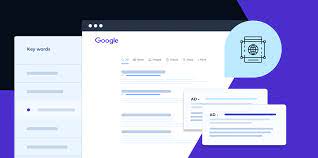
Search marketing, also known as search engine marketing (SEM), is a powerful digital marketing strategy that aims to increase a website’s visibility in search engine results pages (SERPs) through paid advertising and search engine optimization (SEO). It encompasses both pay-per-click (PPC) advertising and organic search tactics to drive targeted traffic to a website.

Key Components of Search Marketing:

Pay-Per-Click (PPC) Advertising: PPC ads are paid advertisements that appear at the top or bottom of search engine results pages. Advertisers bid on keywords relevant to their target audience, and they pay a fee each time their ad is clicked. PPC campaigns can be highly targeted and offer instant visibility for businesses.

Search Engine Optimization (SEO): SEO involves optimizing a website’s content, structure, and technical aspects to improve its ranking in organic search results. By using relevant keywords, creating high-quality content, and building backlinks from reputable sites, businesses can enhance their online presence and attract organic traffic.

The Benefits of Search Marketing:

Increased Visibility: By implementing search marketing strategies, businesses can improve their visibility in search engines and reach a wider audience of potential customers.

Targeted Traffic: Search marketing allows businesses to target specific demographics, locations, and interests, ensuring that their ads are seen by users who are most likely to convert.

Measurable Results: With tools like Google Analytics and ad platforms’ built-in analytics, businesses can track the performance of their search marketing campaigns in real-time and make data-driven decisions to optimize their strategies.

In Conclusion

Search marketing is a dynamic and essential component of any digital marketing strategy. By combining PPC advertising with SEO techniques, businesses can increase their online visibility, drive targeted traffic to their websites, and ultimately achieve their marketing goals.


Mastering Search Marketing: 7 Essential Tips for Success

  1. 1. Conduct keyword research to understand what terms your target audience is searching for.
  2. 2. Optimise your website and content for search engines by including relevant keywords and meta tags.
  3. 3. Create high-quality, engaging content that provides value to users and encourages them to stay on your site.
  4. 4. Utilise pay-per-click (PPC) advertising to target specific keywords and drive traffic to your site quickly.
  5. 5. Monitor and analyse your search marketing efforts using tools like Google Analytics to make data-driven decisions.
  6. 6. Build quality backlinks from reputable websites to improve your site’s authority and search engine rankings.
  7. 7. Stay updated on search engine algorithms and trends to adapt your strategy for better results.

1. Conduct keyword research to understand what terms your target audience is searching for.

Conducting thorough keyword research is a fundamental step in effective search marketing. By understanding the specific terms and phrases that your target audience is using to search for products or services, you can tailor your content and advertising strategies to align with their needs and preferences. This insight not only improves your website’s visibility in search engine results but also helps you attract qualified traffic that is more likely to convert into customers. Keyword research forms the foundation of a successful search marketing campaign, guiding your efforts towards reaching and engaging with the right audience effectively.

2. Optimise your website and content for search engines by including relevant keywords and meta tags.

To enhance your search marketing efforts, it is crucial to optimise your website and content for search engines by incorporating relevant keywords and meta tags. By strategically placing keywords that align with your target audience’s search queries within your website’s content and meta tags, you can improve your site’s visibility in search engine results pages. Meta tags, such as meta titles and descriptions, provide search engines with valuable information about your web pages, helping them understand the relevance of your content to users’ searches. This optimisation strategy not only boosts your site’s ranking but also enhances its overall discoverability and click-through rates.

3. Create high-quality, engaging content that provides value to users and encourages them to stay on your site.

Creating high-quality, engaging content is a crucial tip in search marketing. By offering valuable information that resonates with users and keeps them interested, businesses can enhance their website’s performance in search engine rankings. Compelling content not only attracts visitors but also encourages them to explore further, increasing the chances of conversion and building brand loyalty. Ultimately, prioritising quality content that adds value to users’ experience can significantly impact a website’s visibility and success in the competitive digital landscape.

4. Utilise pay-per-click (PPC) advertising to target specific keywords and drive traffic to your site quickly.

Utilising pay-per-click (PPC) advertising is a highly effective tip in search marketing. By targeting specific keywords through PPC campaigns, businesses can drive traffic to their websites quickly and efficiently. With PPC, advertisers bid on relevant keywords to display their ads at the top of search engine results pages, ensuring visibility to users actively searching for products or services. This targeted approach not only increases website traffic but also enhances the likelihood of attracting qualified leads and potential customers, making PPC an invaluable tool in achieving marketing objectives swiftly.

5. Monitor and analyse your search marketing efforts using tools like Google Analytics to make data-driven decisions.

To enhance the effectiveness of your search marketing campaigns, it is crucial to monitor and analyse your efforts using tools such as Google Analytics. By leveraging these tools, you can gain valuable insights into the performance of your campaigns, track key metrics like website traffic and conversion rates, and make informed, data-driven decisions to optimise your strategies. Monitoring and analysing your search marketing efforts allows you to identify areas for improvement, refine your targeting tactics, and ultimately maximise the return on investment for your digital marketing initiatives.

To enhance your site’s authority and boost its visibility in search engine rankings, it is crucial to focus on building quality backlinks from reputable websites. By obtaining backlinks from trusted sources, you establish credibility and trustworthiness in the eyes of search engines. These inbound links act as signals of endorsement, indicating to search algorithms that your content is valuable and relevant. Investing time and effort in securing high-quality backlinks can significantly impact your site’s SEO performance, helping you climb the ranks and attract more organic traffic to your website.

To maximise the effectiveness of your search marketing efforts, it is crucial to stay informed about the latest search engine algorithms and trends. By staying updated on these developments, you can adapt your strategy accordingly to align with current best practices and optimise your online presence for improved results. Search engine algorithms are constantly evolving, and by keeping abreast of these changes, you can ensure that your marketing efforts remain relevant and effective in reaching your target audience.

Unlocking the Potential of Digital Marketing with Google

The Power of Google in Digital Marketing

The Power of Google in Digital Marketing

In the realm of digital marketing, Google stands as a colossus, wielding immense influence and offering a plethora of tools and platforms that can help businesses reach their target audiences effectively. From search engine marketing to display advertising, Google has revolutionised the way brands connect with consumers online.

Search Engine Marketing (SEM)

Google’s search engine is the most widely used platform for online searches, making it a crucial channel for businesses to advertise their products or services. With Google Ads, businesses can create targeted campaigns that appear at the top of search results when users enter relevant keywords. This form of SEM allows businesses to reach potential customers at the exact moment they are searching for what they offer.

Display Advertising

Google Display Network offers a vast reach across millions of websites, allowing businesses to showcase their ads in various formats such as banners, videos, and interactive media. This form of display advertising helps businesses increase brand visibility and engage with their target audience through visually appealing content.

Google Analytics

Understanding the performance of digital marketing efforts is essential for optimising strategies and maximising ROI. Google Analytics provides valuable insights into website traffic, user behaviour, and campaign effectiveness. By analysing this data, businesses can make informed decisions to improve their online presence and drive better results.

YouTube Advertising

As one of the largest video platforms globally, YouTube offers a prime opportunity for businesses to reach audiences through video advertising. With options such as TrueView ads and bumper ads, businesses can create engaging video content that captivates viewers and drives brand awareness.

Conclusion

In conclusion, Google plays a pivotal role in digital marketing by offering a diverse range of tools and platforms that empower businesses to connect with their target audience effectively. By leveraging Google’s capabilities in SEM, display advertising, analytics, and video marketing, businesses can enhance their online visibility and achieve their marketing objectives with precision.


Top 5 Google Strategies for Effective Digital Marketing Success

  1. Optimize your website for search engines to improve your Google ranking.
  2. Use Google Ads to reach a larger audience and increase brand visibility.
  3. Create engaging and relevant content to attract and retain customers through Google search results.
  4. Utilize Google Analytics to track website traffic, user behaviour, and campaign performance for data-driven decisions.
  5. Regularly update your Google My Business profile with accurate information to enhance local SEO.

Optimize your website for search engines to improve your Google ranking.

Optimising your website for search engines is a fundamental strategy to enhance your Google ranking and increase visibility online. By implementing SEO best practices such as using relevant keywords, creating high-quality content, and improving site speed and user experience, you can make your website more appealing to search engines like Google. This not only helps drive organic traffic to your site but also boosts your chances of appearing higher in search results, ultimately attracting more potential customers and improving overall digital marketing performance.

Use Google Ads to reach a larger audience and increase brand visibility.

By utilising Google Ads, businesses can expand their reach and enhance brand visibility significantly in the digital landscape. With targeted campaigns that appear prominently in Google search results, companies can connect with a broader audience base precisely when they are actively seeking relevant products or services. This strategic use of Google Ads not only increases brand exposure but also boosts engagement and drives traffic to the business website, ultimately leading to improved conversions and business growth.

Create engaging and relevant content to attract and retain customers through Google search results.

Creating engaging and relevant content is a fundamental tip in digital marketing, especially when utilising Google search results to attract and retain customers. By crafting content that resonates with your target audience’s needs and interests, you can not only capture their attention but also establish credibility and trust. When users find valuable information that meets their queries or solves their problems in Google search results, they are more likely to engage with your brand and return for future interactions, ultimately leading to increased customer loyalty and conversions.

Utilize Google Analytics to track website traffic, user behaviour, and campaign performance for data-driven decisions.

By utilising Google Analytics, businesses can gain valuable insights into their website traffic, user behaviour, and campaign performance. This data-driven approach allows companies to make informed decisions based on real-time information, ultimately leading to more effective digital marketing strategies. By tracking key metrics and analysing user interactions, businesses can optimise their online presence, improve customer engagement, and achieve better results in their marketing efforts.

Regularly update your Google My Business profile with accurate information to enhance local SEO.

Regularly updating your Google My Business profile with accurate information is a crucial tip in digital marketing, particularly for enhancing local SEO. By ensuring that your business details, such as address, phone number, business hours, and services offered, are up-to-date and consistent across all online platforms, you can improve your local search visibility on Google. This practice not only helps potential customers find and contact your business easily but also signals to search engines that your business is active and relevant in the local area, ultimately boosting your local SEO rankings.

sem search engine marketing

Unlocking the Potential of SEM: Search Engine Marketing Strategies for Success

The Power of SEM: Search Engine Marketing

The Power of SEM: Search Engine Marketing

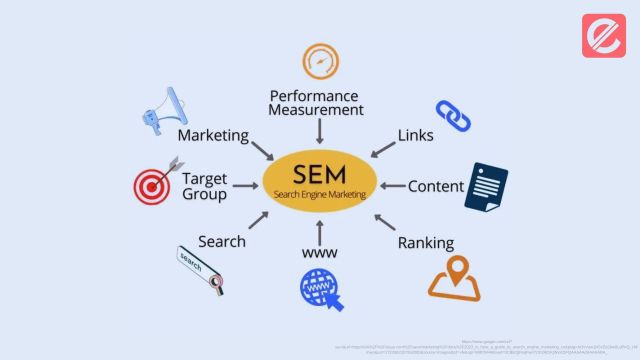
Search Engine Marketing (SEM) is a powerful digital marketing strategy that involves promoting websites by increasing their visibility in search engine results pages through paid advertising. SEM encompasses various tactics such as pay-per-click (PPC) advertising, search engine optimisation (SEO), and other techniques to drive targeted traffic to websites.

Key Components of SEM

Pay-Per-Click (PPC) Advertising: PPC ads are a fundamental aspect of SEM where advertisers pay a fee each time their ad is clicked. This model allows businesses to reach their target audience effectively and drive immediate traffic to their websites.

Search Engine Optimisation (SEO): While PPC focuses on paid advertising, SEO aims to improve a website’s organic search rankings. By optimising website content, meta tags, and other elements, businesses can enhance their visibility in search engine results pages without paying for clicks.

The Benefits of SEM

Increased Visibility: SEM helps businesses increase their online visibility and reach a wider audience by appearing at the top of search engine results pages.

Targeted Advertising: With SEM, businesses can target specific keywords and demographics to ensure that their ads are seen by relevant audiences likely to convert into customers.

Measurable Results: SEM provides detailed analytics and tracking tools that allow businesses to measure the performance of their campaigns accurately. This data helps in refining strategies for better results.

Conclusion

In conclusion, Search Engine Marketing is a valuable tool for businesses looking to enhance their online presence and drive targeted traffic to their websites. By leveraging the power of SEM through PPC advertising, SEO strategies, and other tactics, businesses can achieve measurable results and grow their online success.


8 Essential Tips for Successful Search Engine Marketing (SEM) Campaigns

  1. 1. Conduct keyword research to target relevant search terms.
  2. 2. Create compelling and relevant ad copy for your SEM campaigns.
  3. 3. Utilize ad extensions to provide additional information in your ads.
  4. 4. Monitor and analyse campaign performance regularly to make data-driven decisions.
  5. 5. Optimize landing pages for better user experience and higher conversion rates.
  6. 6. Test different ad variations to identify what resonates best with your audience.
  7. 7. Set clear goals and KPIs to track the success of your SEM efforts.
  8. 8. Stay updated on industry trends and algorithm changes to adapt your strategies accordingly.

1. Conduct keyword research to target relevant search terms.

To maximise the effectiveness of your Search Engine Marketing (SEM) strategy, it is crucial to conduct thorough keyword research to target relevant search terms. By identifying and focusing on the keywords that are most relevant to your business or industry, you can ensure that your ads reach the right audience. Understanding the search terms that potential customers use can help you tailor your SEM campaigns to attract qualified leads and drive meaningful traffic to your website. Conducting keyword research is a foundational step in SEM that can significantly impact the success of your digital marketing efforts.

2. Create compelling and relevant ad copy for your SEM campaigns.

Creating compelling and relevant ad copy is a crucial tip for successful Search Engine Marketing (SEM) campaigns. Engaging ad copy that resonates with your target audience can significantly impact click-through rates and conversions. By crafting persuasive and tailored messages that highlight the unique selling points of your products or services, you can attract the attention of potential customers and drive them to take action. Remember, in the competitive landscape of SEM, well-crafted ad copy can make all the difference in capturing the interest of users and ultimately achieving your marketing goals.

3. Utilize ad extensions to provide additional information in your ads.

When implementing Search Engine Marketing (SEM), it is essential to utilise ad extensions to enhance the effectiveness of your ads. By incorporating ad extensions, businesses can provide additional information such as contact details, location, links to specific pages, and more within their ads. This not only makes the ads more informative and engaging but also increases the chances of attracting potential customers who are seeking specific information related to the products or services being advertised. Ad extensions play a crucial role in improving ad visibility and driving higher click-through rates, ultimately contributing to the overall success of SEM campaigns.

4. Monitor and analyse campaign performance regularly to make data-driven decisions.

Monitoring and analysing campaign performance regularly is a crucial tip in Search Engine Marketing (SEM). By consistently reviewing the data and metrics of SEM campaigns, businesses can make informed, data-driven decisions to optimise their strategies effectively. This practice allows for the identification of trends, areas for improvement, and opportunities for growth, ultimately leading to more successful and efficient SEM campaigns.

5. Optimize landing pages for better user experience and higher conversion rates.

When implementing Search Engine Marketing (SEM) strategies, it is crucial to optimise landing pages for improved user experience and increased conversion rates. By ensuring that landing pages are relevant, engaging, and easy to navigate, businesses can enhance the overall user experience and encourage visitors to take desired actions, such as making a purchase or filling out a contact form. Optimised landing pages not only help in capturing the attention of potential customers but also play a significant role in converting leads into valuable conversions, ultimately maximising the effectiveness of SEM campaigns.

6. Test different ad variations to identify what resonates best with your audience.

When implementing Search Engine Marketing (SEM), it is crucial to test different ad variations to determine which resonates best with your target audience. By conducting A/B testing and experimenting with various ad copy, visuals, and calls-to-action, businesses can gain valuable insights into what drives engagement and conversions. This iterative approach allows for continuous improvement and refinement of SEM campaigns to maximise their effectiveness in reaching and appealing to the desired audience.

7. Set clear goals and KPIs to track the success of your SEM efforts.

Setting clear goals and Key Performance Indicators (KPIs) is essential when implementing Search Engine Marketing (SEM) strategies. By defining specific objectives and measurable metrics, businesses can effectively track the success of their SEM efforts. Whether the goal is to increase website traffic, boost conversions, or improve brand awareness, having clear goals and KPIs in place enables businesses to evaluate performance accurately and make informed decisions to optimise their SEM campaigns for maximum impact.

Staying updated on industry trends and algorithm changes is crucial when implementing Search Engine Marketing strategies. By keeping abreast of the latest developments in the digital marketing landscape, businesses can adapt their SEM tactics to align with current best practices and algorithm updates. This proactive approach ensures that campaigns remain effective and relevant, ultimately leading to improved performance and success in reaching target audiences online.

seo sem marketing

Unlocking the Potential: SEO and SEM Strategies for Effective Marketing

The Power of SEO and SEM Marketing

The Power of SEO and SEM Marketing

In the digital age, having a strong online presence is crucial for businesses looking to reach their target audience and drive growth. Search Engine Optimization (SEO) and Search Engine Marketing (SEM) are two powerful tools that can help businesses improve their visibility and attract more customers.

Search Engine Optimization (SEO)

SEO is the process of optimizing your website to rank higher in search engine results pages organically. By using relevant keywords, creating high-quality content, and improving website performance, businesses can increase their chances of appearing at the top of search engine results for relevant queries. This not only drives more traffic to their website but also enhances brand credibility and trust among users.

Search Engine Marketing (SEM)

SEM involves paid advertising efforts to promote a website’s visibility in search engine results pages. Through tools like Google Ads, businesses can create targeted ads that appear at the top of search results for specific keywords. SEM allows businesses to reach a wider audience quickly and generate immediate traffic to their websites. By carefully managing ad campaigns and monitoring performance metrics, businesses can maximise their return on investment through SEM.

The Benefits of SEO and SEM

Both SEO and SEM play complementary roles in enhancing a business’s online presence:

  • Increased Visibility: By appearing at the top of search engine results, businesses can attract more clicks and visits to their websites.
  • Targeted Traffic: SEO helps attract organic traffic from users actively searching for relevant information, while SEM allows businesses to target specific demographics with paid ads.
  • Improved Brand Awareness: Consistent visibility in search results boosts brand recognition and trust among potential customers.
  • Measurable Results: Both SEO and SEM provide valuable data on user behaviour, allowing businesses to track performance metrics and adjust strategies accordingly.

In Conclusion

SEO and SEM are essential components of a successful digital marketing strategy. By leveraging these tools effectively, businesses can enhance their online visibility, attract more customers, and ultimately drive growth in today’s competitive digital landscape.


18 Common Questions About SEO and SEM Marketing Explained

  1. What is SEO and SEM?
  2. What is SEM in marketing?
  3. Is SEO or SEM paid?
  4. What is an SEO in marketing?
  5. What is SEO in digital marketing?
  6. What is SEM used for in marketing?
  7. What is a SEO in marketing?
  8. What does SEO SEM means?
  9. What is SEO vs SEM vs SMO?
  10. What is SEM and SEO in digital marketing?
  11. What is SEM mean in marketing?
  12. What is the role of SEO and SEM in a marketing campaign?
  13. How to do marketing on SEO and SEM?
  14. Which is better SEO or SEM?
  15. Are SEM and SEO the same?
  16. Is SEO or SEM better?
  17. What does SEO and SEM do?
  18. Is Google Ads SEO or SEM?

What is SEO and SEM?

Search Engine Optimization (SEO) and Search Engine Marketing (SEM) are two fundamental pillars of digital marketing that play a crucial role in enhancing a business’s online visibility and driving traffic to its website. SEO involves optimising a website’s content, structure, and performance to rank higher in organic search results, thereby attracting more relevant traffic. On the other hand, SEM focuses on paid advertising strategies to promote a website through targeted ads that appear at the top of search engine results for specific keywords. Both SEO and SEM are essential tools for businesses looking to increase their online presence, attract potential customers, and achieve success in the competitive digital landscape.

What is SEM in marketing?

In the realm of digital marketing, SEM, which stands for Search Engine Marketing, plays a pivotal role in enhancing a company’s online visibility and driving targeted traffic to its website. SEM involves the strategic use of paid advertising campaigns to promote a business’s presence in search engine results pages. By utilising tools like Google Ads, businesses can create tailored ads that appear prominently when users search for specific keywords related to their products or services. This proactive approach allows companies to reach their target audience effectively and generate immediate traffic, making SEM an indispensable component of a comprehensive digital marketing strategy.

Is SEO or SEM paid?

In the realm of digital marketing, it is important to distinguish between Search Engine Optimization (SEO) and Search Engine Marketing (SEM) in terms of payment structure. SEO focuses on organic strategies to improve a website’s visibility in search engine results without direct payment to search engines. On the other hand, SEM involves paid advertising efforts, such as pay-per-click (PPC) campaigns, where businesses pay for their ads to appear in prominent positions on search engine results pages. While SEO does not involve direct payments for placement, SEM requires businesses to allocate a budget for ad placements and clicks. Both SEO and SEM are valuable tools in enhancing online presence, with each offering distinct advantages based on the business goals and budget considerations.

What is an SEO in marketing?

In the realm of marketing, SEO, which stands for Search Engine Optimization, plays a pivotal role in enhancing a website’s visibility and organic traffic through strategic techniques. Essentially, SEO in marketing involves the process of optimising various elements of a website to improve its ranking on search engine results pages. By focusing on factors such as keyword research, content quality, and user experience, businesses can tailor their online presence to meet the criteria set by search engines like Google. This concerted effort not only boosts a website’s chances of appearing higher in search results but also contributes to building credibility and trust with users seeking relevant information or products online.

What is SEO in digital marketing?

In the realm of digital marketing, SEO, which stands for Search Engine Optimization, plays a pivotal role in enhancing a website’s visibility and ranking on search engine results pages. SEO involves a strategic approach to optimizing various elements of a website, such as content, keywords, and user experience, with the goal of improving organic traffic from search engines. By understanding and implementing SEO best practices, businesses can increase their online presence, attract more relevant visitors to their site, and ultimately achieve higher conversion rates. In essence, SEO is the cornerstone of successful digital marketing efforts that aim to drive sustainable growth and establish a strong online presence in today’s competitive landscape.

What is SEM used for in marketing?

Search Engine Marketing (SEM) plays a crucial role in marketing by providing businesses with a powerful tool to enhance their online visibility and reach their target audience effectively. SEM is primarily used to promote websites through paid advertising efforts on search engines like Google. By creating targeted ads that appear at the top of search results for specific keywords, businesses can increase their online presence, drive traffic to their websites, and generate leads or sales. SEM allows businesses to reach a wider audience quickly and measurably, making it an essential component of any comprehensive digital marketing strategy aiming to achieve tangible results in today’s competitive online landscape.

What is a SEO in marketing?

In the realm of marketing, SEO, which stands for Search Engine Optimization, plays a vital role in enhancing a company’s online visibility and reach. SEO involves implementing strategies to improve a website’s ranking on search engine results pages organically. By focusing on relevant keywords, high-quality content creation, and technical optimization, businesses can increase their chances of appearing at the top of search results for specific queries. Ultimately, SEO helps businesses attract more organic traffic, build brand credibility, and connect with their target audience effectively in the digital landscape.

What does SEO SEM means?

Search Engine Optimization (SEO) and Search Engine Marketing (SEM) are two crucial components of digital marketing strategies aimed at improving a website’s visibility and driving traffic. SEO focuses on optimising a website to rank higher in organic search results, while SEM involves paid advertising efforts to enhance visibility in search engine results pages. In essence, SEO aims to attract organic traffic through content optimisation and keyword targeting, while SEM utilises paid ads to target specific audiences and drive immediate traffic to a website. Together, SEO and SEM play complementary roles in boosting online presence and achieving marketing objectives effectively.

What is SEO vs SEM vs SMO?

When it comes to digital marketing strategies, understanding the differences between SEO, SEM, and SMO is crucial for businesses aiming to enhance their online presence. Search Engine Optimization (SEO) focuses on improving a website’s organic visibility in search engine results by optimising content and website structure. Search Engine Marketing (SEM), on the other hand, involves paid advertising to drive immediate traffic and increase visibility through targeted ads. Social Media Optimization (SMO) aims to boost a brand’s presence on social media platforms by engaging with users and creating shareable content. Each of these strategies plays a unique role in driving traffic, improving brand awareness, and reaching target audiences effectively in the competitive online landscape.

What is SEM and SEO in digital marketing?

In the realm of digital marketing, Search Engine Marketing (SEM) and Search Engine Optimization (SEO) are two key strategies that businesses employ to enhance their online visibility and attract potential customers. SEM involves paid advertising efforts to promote a website’s visibility in search engine results pages, while SEO focuses on optimising a website’s content and structure to improve organic search rankings. Both SEM and SEO play vital roles in driving traffic to websites, increasing brand awareness, and ultimately boosting business growth in the competitive digital landscape. By understanding the nuances of SEM and SEO, businesses can craft comprehensive digital marketing strategies that effectively reach their target audience and achieve their marketing goals.

What is SEM mean in marketing?

In the realm of marketing, SEM stands for Search Engine Marketing. SEM encompasses paid advertising efforts that businesses undertake to enhance their online visibility in search engine results pages. Through the strategic use of tools like Google Ads, businesses can create targeted ads that appear prominently in search results for specific keywords relevant to their products or services. SEM allows companies to reach a broader audience quickly and generate immediate traffic to their websites, ultimately driving brand awareness and customer engagement in the competitive digital landscape.

What is the role of SEO and SEM in a marketing campaign?

In a marketing campaign, the roles of Search Engine Optimization (SEO) and Search Engine Marketing (SEM) are crucial for enhancing online visibility and driving targeted traffic to a business’s website. SEO focuses on optimising website content and structure to improve organic search engine rankings, thereby increasing visibility among users searching for relevant information. On the other hand, SEM involves paid advertising strategies to place ads at the top of search engine results pages, allowing businesses to reach a wider audience and generate immediate traffic. Together, SEO and SEM work hand in hand to boost brand awareness, attract potential customers, and achieve measurable results that contribute to the overall success of a marketing campaign.

How to do marketing on SEO and SEM?

When it comes to marketing through SEO and SEM, the key lies in understanding the unique strategies and techniques that each method offers. For SEO marketing, businesses should focus on optimising their website with relevant keywords, creating high-quality content, and improving user experience to enhance organic visibility in search engine results. On the other hand, SEM marketing involves setting up targeted ad campaigns through platforms like Google Ads to reach a specific audience quickly. By combining both SEO and SEM efforts strategically, businesses can maximise their online presence, attract more traffic, and ultimately achieve their marketing goals effectively in the digital landscape.

Which is better SEO or SEM?

When considering the question of whether SEO or SEM is better for your digital marketing strategy, it’s important to understand that both SEO and SEM serve distinct purposes and can complement each other effectively. SEO focuses on improving organic search visibility over time through strategies like keyword optimization and content creation, while SEM involves paid advertising to generate immediate traffic and leads. The choice between SEO and SEM depends on your specific goals, timeline, and budget. For long-term sustainable growth, investing in SEO can help establish a strong online presence. On the other hand, if you seek quick results and are willing to allocate a budget for advertising, SEM can provide immediate visibility. Ultimately, a combination of both SEO and SEM tailored to your business objectives is often the most effective approach in maximising online visibility and driving results.

Are SEM and SEO the same?

When it comes to digital marketing, a common question that arises is whether Search Engine Marketing (SEM) and Search Engine Optimization (SEO) are the same. While both SEM and SEO aim to improve a website’s visibility in search engine results, they differ in their approaches. SEO focuses on optimizing a website’s content and structure to rank organically in search results, while SEM involves paid advertising efforts to promote a website’s visibility through targeted ads. In essence, SEO is about enhancing organic search traffic over time, while SEM provides immediate visibility through paid campaigns. Understanding the nuances between SEM and SEO is essential for businesses looking to develop a comprehensive digital marketing strategy that maximises their online presence effectively.

Is SEO or SEM better?

When considering whether SEO or SEM is better for your digital marketing strategy, it’s essential to understand their distinct roles and benefits. SEO focuses on improving organic search visibility by optimising website content and structure, helping businesses rank higher in search engine results over time. On the other hand, SEM involves paid advertising to instantly boost visibility and drive targeted traffic to a website. The choice between SEO and SEM depends on your specific goals, timeline, and budget. While SEO offers long-term benefits and credibility, SEM provides immediate results and precise targeting options. Ultimately, a combination of both strategies can maximise your online presence and deliver optimal results for your business objectives.

What does SEO and SEM do?

SEO (Search Engine Optimization) and SEM (Search Engine Marketing) play crucial roles in enhancing a business’s online visibility and driving traffic to their website. SEO focuses on improving a website’s organic search rankings by using relevant keywords, creating quality content, and enhancing user experience. On the other hand, SEM involves paid advertising efforts to promote a website’s visibility in search engine results pages through targeted ads. Both SEO and SEM work together to increase a business’s online presence, attract more visitors, and ultimately boost brand awareness and customer engagement in the competitive digital landscape.

Is Google Ads SEO or SEM?

When considering the question “Is Google Ads SEO or SEM?”, it’s important to understand the distinction between the two. Google Ads, formerly known as Google AdWords, falls under the category of Search Engine Marketing (SEM). SEM involves paid advertising efforts to promote a website’s visibility in search engine results pages. Google Ads allows businesses to create targeted ads that appear at the top of search results for specific keywords, helping them reach a wider audience and generate immediate traffic. On the other hand, Search Engine Optimization (SEO) focuses on optimising a website to rank higher in search engine results organically. While both SEO and SEM are crucial for enhancing online visibility, Google Ads specifically aligns with SEM strategies by providing a platform for paid advertising campaigns.

sem in digital marketing

Unlocking the Power of SEM in Digital Marketing Strategies

Search Engine Marketing in Digital Marketing

The Role of Search Engine Marketing in Digital Marketing

Search Engine Marketing (SEM) is a crucial component of any comprehensive digital marketing strategy. It involves promoting websites by increasing their visibility in search engine results pages through paid advertising methods such as pay-per-click (PPC) campaigns.

Key Aspects of SEM:

Pay-Per-Click Advertising (PPC): PPC campaigns allow businesses to bid on specific keywords relevant to their target audience. When users search for these keywords, the ads appear at the top of the search results, driving targeted traffic to the website.

Ad Extensions: SEM also includes ad extensions that provide additional information to users, such as contact details, location, and links to specific pages on the website. These extensions enhance the visibility and relevance of ads.

Benefits of SEM:

Increased Visibility: By investing in SEM, businesses can ensure that their ads appear prominently in search results, increasing brand visibility and attracting potential customers.

Targeted Advertising: SEM allows for precise targeting based on factors like location, device type, and user behaviour. This targeted approach ensures that ads reach the right audience at the right time.

SEM Best Practices:

  • Keyword Research: Conduct thorough keyword research to identify relevant terms that your target audience is searching for.
  • Landing Page Optimization: Ensure that landing pages are well-designed and optimized for conversion to maximise the impact of your SEM campaigns.
  • A/B Testing: Test different ad creatives, keywords, and landing page elements to refine your SEM strategy and improve performance over time.

In conclusion, Search Engine Marketing plays a vital role in driving targeted traffic to websites and achieving marketing objectives effectively. By implementing SEM best practices and staying abreast of industry trends, businesses can harness the power of search engines to enhance their online presence and reach a wider audience.


Understanding SEM in Digital Marketing: 12 Frequently Asked Questions

  1. What is SEM and types?
  2. What is difference between SEM and SEO?
  3. What are the three types of SEM?
  4. What is SEO vs SEM?
  5. What is SEM with an example?
  6. Which is paid, SEO or SEM?
  7. What is the concept of SEM?
  8. Is SEM or SEO better?
  9. How do you explain SEM?
  10. What is difference between SEO and SEM?
  11. What is SEM and PPC?
  12. What is SEM marketing for?

What is SEM and types?

Search Engine Marketing (SEM) is a fundamental aspect of digital marketing that revolves around enhancing a website’s visibility in search engine results pages through paid advertising strategies. SEM encompasses various types, with the most common being Pay-Per-Click (PPC) advertising, where businesses bid on keywords to display their ads at the top of search results. Other types of SEM include display advertising, remarketing, and shopping ads. Each type serves a unique purpose in targeting and engaging specific audiences to drive traffic and conversions for businesses online. Understanding the different types of SEM allows marketers to tailor their strategies effectively to achieve desired outcomes in the competitive digital landscape.

What is difference between SEM and SEO?

In the realm of digital marketing, a common query often arises regarding the distinction between Search Engine Marketing (SEM) and Search Engine Optimisation (SEO). While both SEM and SEO aim to enhance a website’s visibility in search engine results, they employ different strategies to achieve this goal. SEM involves paid advertising methods like pay-per-click campaigns to drive immediate traffic to a website, while SEO focuses on improving organic search rankings through content optimisation, keyword research, and other techniques. In essence, SEM offers quick results through paid promotions, whereas SEO focuses on long-term strategies to boost organic visibility and attract relevant traffic over time.

What are the three types of SEM?

In the realm of Search Engine Marketing (SEM) in digital marketing, one frequently asked question is about the three main types of SEM. The three primary types of SEM are Search Engine Advertising, Paid Placement Advertising, and Contextual Advertising. Search Engine Advertising involves bidding on keywords to display ads in search engine results pages. Paid Placement Advertising focuses on paying for ad placement on specific websites or platforms. Contextual Advertising targets users based on the content they are viewing online. Understanding these different types of SEM can help businesses tailor their strategies to effectively reach their target audience and achieve their marketing goals.

What is SEO vs SEM?

In the realm of digital marketing, a common query often arises regarding the distinction between SEO (Search Engine Optimization) and SEM (Search Engine Marketing). While both strategies aim to enhance a website’s visibility in search engine results, they differ in their approaches. SEO focuses on organic methods to improve a site’s ranking, such as optimizing content and meta tags, while SEM encompasses paid advertising tactics like PPC campaigns to drive immediate traffic. Understanding the nuances between SEO and SEM is crucial for businesses looking to develop a comprehensive online marketing strategy that effectively targets both organic and paid search opportunities.

What is SEM with an example?

Search Engine Marketing (SEM) is a digital marketing strategy that involves promoting websites by increasing their visibility in search engine results pages through paid advertising methods. A common example of SEM is running a pay-per-click (PPC) campaign on Google Ads. For instance, a company selling fitness equipment may bid on keywords like “best home gym equipment” to have their ads displayed at the top of Google search results when users search for those terms. Through SEM, businesses can target specific keywords relevant to their products or services, drive targeted traffic to their websites, and ultimately increase brand awareness and conversions.

Which is paid, SEO or SEM?

In digital marketing, the distinction between paid search engine marketing (SEM) and organic search engine optimisation (SEO) is often a common query. While SEO focuses on improving a website’s visibility in search engine results through organic means without direct payment for clicks, SEM involves paid advertising methods like pay-per-click (PPC) campaigns to increase a website’s visibility. Therefore, SEM is the paid component of digital marketing, whereas SEO primarily relies on optimising content and website structure to improve ranking organically in search engine results pages. Understanding the difference between these two strategies is essential for businesses looking to enhance their online presence effectively.

What is the concept of SEM?

The concept of Search Engine Marketing (SEM) in digital marketing revolves around the strategic use of paid advertising to increase a website’s visibility in search engine results pages. SEM involves techniques such as pay-per-click (PPC) campaigns and ad extensions to target specific keywords and attract relevant traffic to a website. By leveraging SEM effectively, businesses can enhance their online presence, reach a targeted audience, and drive conversions. SEM is a dynamic and essential component of digital marketing that enables organisations to boost their visibility on search engines and achieve their marketing goals efficiently.

Is SEM or SEO better?

In the realm of digital marketing, the question of whether Search Engine Marketing (SEM) or Search Engine Optimization (SEO) is better often arises. While both SEM and SEO are essential strategies for improving a website’s visibility in search engine results, they serve different purposes. SEM involves paid advertising to drive immediate traffic to a website, offering quick results but requiring ongoing investment. On the other hand, SEO focuses on organic methods to improve a website’s ranking over time, providing long-term benefits without the need for continuous ad spend. Ultimately, the choice between SEM and SEO depends on specific goals, budget considerations, and the desired timeline for achieving results in a digital marketing strategy.

How do you explain SEM?

When asked to explain SEM in the context of digital marketing, it refers to Search Engine Marketing, a strategic approach that involves promoting websites by enhancing their visibility in search engine results pages through paid advertising methods. SEM encompasses techniques such as pay-per-click (PPC) campaigns and ad extensions to drive targeted traffic to websites. By utilising SEM effectively, businesses can increase brand visibility, reach their target audience with precision, and achieve specific marketing goals through strategic online advertising efforts.

What is difference between SEO and SEM?

In the realm of digital marketing, a common question that arises is the distinction between Search Engine Optimization (SEO) and Search Engine Marketing (SEM). While both strategies aim to enhance a website’s visibility in search engine results, they differ in their approaches. SEO focuses on organic methods to improve a site’s ranking through content optimization, keyword research, and link building. On the other hand, SEM involves paid advertising efforts, such as pay-per-click campaigns, to increase a website’s visibility in search results. Essentially, SEO is about improving organic search rankings over time, while SEM provides immediate visibility through paid advertisements. Understanding the nuances between SEO and SEM is crucial for developing a well-rounded digital marketing strategy that effectively targets both organic and paid search channels.

What is SEM and PPC?

In the realm of digital marketing, Search Engine Marketing (SEM) encompasses various strategies aimed at enhancing a website’s visibility in search engine results pages. One key aspect of SEM is Pay-Per-Click (PPC) advertising, where businesses bid on specific keywords to display their ads at the top of search results. With PPC campaigns, companies pay only when users click on their ads, allowing for targeted and cost-effective marketing efforts. SEM and PPC are integral tools for driving traffic to websites, increasing brand awareness, and ultimately achieving marketing goals in the competitive online landscape.

What is SEM marketing for?

Search Engine Marketing (SEM) serves a crucial purpose in digital marketing by helping businesses increase their online visibility and attract targeted traffic to their websites. SEM marketing aims to drive relevant users to a website through paid advertising methods like pay-per-click (PPC) campaigns. By bidding on specific keywords related to their products or services, businesses can ensure that their ads appear prominently in search engine results pages, reaching potential customers at the moment they are actively searching for relevant information. Ultimately, SEM marketing is instrumental in boosting brand awareness, generating leads, and ultimately driving conversions for businesses looking to succeed in the competitive online landscape.

digital marketing concepts

Unveiling Essential Digital Marketing Concepts for Success

Digital Marketing Concepts

The Fundamentals of Digital Marketing Concepts

In today’s digital age, understanding key concepts in digital marketing is essential for businesses looking to reach and engage with their target audience effectively. From search engine optimisation (SEO) to social media marketing, here are some fundamental concepts that every marketer should be familiar with:

SEO (Search Engine Optimisation)

SEO is the practice of improving a website’s visibility on search engine results pages through organic (non-paid) methods. By optimising website content and structure, businesses can increase their chances of ranking higher in search engine results, driving more organic traffic to their site.

SEM (Search Engine Marketing)

SEM involves using paid advertising to appear in search engine results pages. This includes pay-per-click (PPC) campaigns that allow businesses to bid on keywords relevant to their products or services and pay when users click on their ads.

Social Media Marketing

Social media marketing involves using social platforms such as Facebook, Instagram, Twitter, and LinkedIn to promote products or services. It includes creating engaging content, running targeted ads, and interacting with followers to build brand awareness and drive conversions.

Content Marketing

Content marketing focuses on creating valuable and relevant content to attract and engage a specific target audience. This can include blog posts, videos, infographics, whitepapers, and more. By providing valuable information, businesses can establish themselves as industry experts and build trust with their audience.

Email Marketing

Email marketing involves sending targeted messages to a list of subscribers with the goal of driving engagement and conversions. This can include promotional offers, newsletters, product updates, and more. Effective email marketing campaigns are personalised, relevant, and provide value to recipients.

Analytics

Analytics is the process of measuring and analysing data from digital marketing efforts to track performance and make informed decisions. By monitoring key metrics such as website traffic, conversion rates, click-through rates, and more, businesses can optimise their strategies for better results.

By understanding these fundamental digital marketing concepts and incorporating them into your overall strategy, you can drive growth for your business online and connect with your target audience in meaningful ways.


Five Essential Tips for Mastering Digital Marketing Strategies

  1. Utilize social media platforms to engage with your audience and promote your brand.
  2. Create high-quality and relevant content to attract and retain customers.
  3. Optimize your website for search engines to improve visibility and drive organic traffic.
  4. Use email marketing campaigns to nurture leads and build relationships with customers.
  5. Track and analyze key performance indicators (KPIs) to measure the success of your digital marketing efforts.

Utilize social media platforms to engage with your audience and promote your brand.

To maximise your digital marketing efforts, it is crucial to leverage social media platforms as powerful tools to interact with your audience and raise awareness of your brand. By engaging with users through compelling content, responding to comments and messages, and running targeted advertising campaigns, you can cultivate a loyal following and drive conversions. Social media provides a direct line of communication with your target market, allowing you to build relationships, showcase your brand’s personality, and ultimately boost your online presence.

Create high-quality and relevant content to attract and retain customers.

Creating high-quality and relevant content is a crucial tip in digital marketing concepts. By producing content that is valuable, informative, and tailored to the needs of your target audience, you can attract and retain customers effectively. Engaging content not only helps in building brand credibility and trust but also encourages customer loyalty and repeat business. Whether it’s through blog posts, videos, social media updates, or email newsletters, delivering content that resonates with your audience can drive engagement, increase brand awareness, and ultimately lead to conversions.

Optimize your website for search engines to improve visibility and drive organic traffic.

To enhance your online presence and attract more visitors, it is crucial to optimise your website for search engines. By implementing effective search engine optimisation (SEO) strategies, you can improve your site’s visibility in search engine results pages and drive organic traffic to your website. This involves enhancing your website’s content, structure, and performance to ensure that it ranks higher in relevant searches, ultimately increasing the likelihood of attracting potential customers who are actively seeking the products or services you offer. By focusing on SEO as a key digital marketing concept, you can boost your online visibility and reach a wider audience in a cost-effective manner.

Use email marketing campaigns to nurture leads and build relationships with customers.

Utilising email marketing campaigns is a powerful strategy in digital marketing to nurture leads and cultivate lasting relationships with customers. By delivering targeted and personalised content directly to subscribers’ inboxes, businesses can engage with their audience on a more intimate level, providing valuable information, promotions, and updates that cater to their specific needs and interests. This proactive approach not only helps in converting leads into customers but also fosters loyalty and trust, ultimately leading to long-term customer relationships built on mutual value and engagement.

Track and analyze key performance indicators (KPIs) to measure the success of your digital marketing efforts.

Tracking and analysing key performance indicators (KPIs) is crucial for evaluating the effectiveness of your digital marketing strategies. By monitoring metrics such as website traffic, conversion rates, click-through rates, and engagement levels, you can gain valuable insights into what is working well and where improvements are needed. These KPIs provide quantifiable data that allows you to make informed decisions, refine your approach, and ultimately maximise the success of your digital marketing campaigns.

b2b digital marketing strategy

Unlocking Success: The Essential Guide to B2B Digital Marketing Strategy

The Power of B2B Digital Marketing Strategy

In the dynamic world of business-to-business (B2B) marketing, having a well-defined digital strategy is essential for success. With the rise of digital technologies and online platforms, B2B companies have more opportunities than ever to reach and engage with their target audience in a meaningful way.

Understanding B2B Digital Marketing

B2B digital marketing involves the use of online channels and tactics to promote products or services to other businesses. Unlike business-to-consumer (B2C) marketing, B2B marketing often focuses on building relationships, providing valuable information, and addressing the specific needs of other businesses.

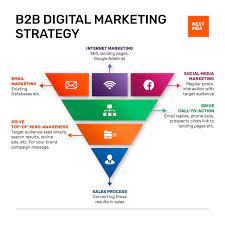
The Key Elements of a Successful B2B Digital Marketing Strategy:

  1. Targeted Content: Creating high-quality, relevant content that addresses the pain points and challenges of your target audience is crucial in B2B marketing. This can include blog posts, whitepapers, case studies, and more.
  2. SEO and SEM: Optimising your website for search engines (SEO) and using search engine marketing (SEM) tactics such as pay-per-click advertising can help increase your visibility online and drive targeted traffic to your site.
  3. Social Media Marketing: Utilising social media platforms like LinkedIn, Twitter, and Facebook to share content, engage with prospects, and build relationships with key stakeholders in the industry.
  4. Email Marketing: Sending targeted email campaigns to nurture leads, provide valuable information, and keep your audience engaged with your brand over time.
  5. Data Analysis: Monitoring key performance indicators (KPIs) such as website traffic, conversion rates, lead generation metrics, and more to track the effectiveness of your digital marketing efforts and make data-driven decisions for future strategies.

The Benefits of a Strong B2B Digital Marketing Strategy

A well-executed B2B digital marketing strategy can offer numerous benefits for businesses looking to grow their customer base and increase revenue. Some key advantages include:

  • Increased Brand Awareness: By establishing a strong online presence through targeted digital marketing efforts, you can enhance brand visibility among potential customers in your industry.
  • Lead Generation: Effective digital marketing tactics such as content marketing and SEO can help attract qualified leads to your website who are more likely to convert into customers.
  • Improved Customer Engagement: Engaging with prospects through social media, email campaigns, and other channels allows you to build relationships with potential clients over time and nurture them through the sales funnel.
  • Metric-Driven Results: Digital marketing provides valuable data insights that allow you to measure the success of your campaigns in real-time and make adjustments as needed to optimise performance.

In conclusion, developing a robust B2B digital marketing strategy is essential for businesses looking to stay competitive in today’s digital landscape. By leveraging the power of online channels effectively, B2B companies can reach their target audience more efficiently, drive lead generation efforts, build lasting relationships with clients, and ultimately achieve their business goals.


Top 5 Benefits of a B2B Digital Marketing Strategy: Boost Visibility, Generate Leads, Engage Customers, Gain Insights, and Save Costs

  1. Increased brand visibility among target B2B audience
  2. Effective lead generation through targeted digital tactics
  3. Enhanced customer engagement and relationship building
  4. Access to valuable data insights for informed decision-making
  5. Cost-effective compared to traditional B2B marketing methods


Challenges in B2B Digital Marketing: Navigating High Competition, Prolonged Sales Cycles, and Resource Demands

  1. High Competition
  2. Longer Sales Cycles
  3. Resource Intensive

Increased brand visibility among target B2B audience

One significant advantage of implementing a B2B digital marketing strategy is the increased brand visibility among the target B2B audience. By strategically leveraging online channels and tailored content, businesses can enhance their presence in front of key decision-makers and industry professionals. This heightened visibility not only helps to establish brand authority and credibility but also increases the likelihood of being top-of-mind when potential clients are seeking solutions within the industry. Ultimately, greater brand visibility among the target B2B audience can lead to enhanced recognition, trust, and engagement, paving the way for meaningful business relationships and opportunities.

Effective lead generation through targeted digital tactics

One of the key advantages of a B2B digital marketing strategy is its ability to drive effective lead generation through targeted digital tactics. By utilising channels such as content marketing, SEO, social media, and email campaigns, businesses can reach their specific target audience with tailored messages that address their needs and pain points. This targeted approach not only attracts qualified leads to the business but also increases the likelihood of converting these leads into valuable customers. Ultimately, effective lead generation through targeted digital tactics allows B2B companies to maximise their marketing efforts and achieve tangible results in terms of acquiring new business opportunities.

Enhanced customer engagement and relationship building

An important advantage of implementing a B2B digital marketing strategy is the ability to enhance customer engagement and build strong relationships with clients. By leveraging various online channels such as social media, email campaigns, and targeted content, businesses can interact with their audience on a more personal level, providing valuable information and addressing their specific needs. This proactive approach not only fosters trust and loyalty but also allows companies to better understand their customers’ preferences and tailor their offerings accordingly, ultimately leading to long-term relationships and repeat business.

Access to valuable data insights for informed decision-making

One significant advantage of implementing a B2B digital marketing strategy is the access to valuable data insights that can guide informed decision-making. By analysing key performance indicators such as website traffic, conversion rates, and lead generation metrics, businesses can gain a deeper understanding of their target audience’s behaviour and preferences. This data-driven approach enables companies to make strategic adjustments to their marketing efforts, optimise campaign performance, and ultimately achieve better results. With actionable insights derived from digital analytics, businesses can make informed decisions that drive growth and success in the competitive B2B landscape.

Cost-effective compared to traditional B2B marketing methods

One significant advantage of a B2B digital marketing strategy is its cost-effectiveness when compared to traditional B2B marketing methods. By leveraging online channels such as social media, email campaigns, and search engine marketing, businesses can reach a larger audience at a fraction of the cost of traditional print or TV advertising. Digital marketing allows for targeted campaigns that focus on specific demographics or industries, reducing wastage and ensuring that marketing budgets are allocated efficiently. This cost-effective approach not only helps businesses save money but also provides a higher return on investment by reaching the right audience with tailored messaging.

High Competition

In the realm of B2B digital marketing, one significant drawback is the intense competition that businesses face. With numerous companies all striving to capture the attention of the same target audience, standing out in a crowded digital landscape can be a daunting task. The high level of competition means that businesses must work even harder to differentiate themselves, craft compelling messaging, and deliver valuable content that resonates with their audience to effectively cut through the noise and make a lasting impact.

Longer Sales Cycles

One significant drawback of B2B digital marketing strategy is the longer sales cycles involved. Unlike in B2C marketing, where transactions can be more immediate, B2B sales cycles tend to be extended and intricate. This means that businesses need to invest a considerable amount of effort and resources into nurturing leads over an extended period to guide them through the complex buying process. The prolonged nature of these sales cycles can pose challenges in terms of maintaining momentum, managing expectations, and ensuring consistent engagement with potential clients throughout the decision-making journey.

Resource Intensive

One significant drawback of implementing a comprehensive B2B digital marketing strategy is its resource-intensive nature. To execute such a strategy effectively, businesses need to allocate substantial time, expertise, and financial resources. This can pose a challenge for some companies, especially smaller businesses or those with limited budgets, as the investment required may be beyond their means. The need for skilled professionals, advanced tools and technologies, and ongoing monitoring and optimisation can make it difficult for some businesses to fully embrace the potential benefits of B2B digital marketing.