innovative digital marketing

Innovative Digital Marketing: Strategies to Grow Your Business

Innovative Digital Marketing: Transforming the Business Landscape

In today’s fast-paced digital world, businesses must continuously adapt to stay relevant and competitive. Innovative digital marketing strategies are at the forefront of this transformation, offering companies new ways to engage with their audiences, build brand loyalty, and drive growth.

The Rise of Digital Marketing

The advent of the internet has revolutionised how businesses connect with consumers. Traditional marketing methods are no longer sufficient in an era where people spend a significant portion of their day online. Digital marketing encompasses a range of strategies that leverage online platforms to reach potential customers effectively.

Key Innovations in Digital Marketing

Personalisation

Personalisation has become a cornerstone of successful digital marketing campaigns. By using data analytics and consumer insights, businesses can tailor their messages to individual preferences and behaviours. This approach not only enhances user experience but also increases conversion rates.

Artificial Intelligence (AI)

AI is transforming digital marketing by automating processes and providing valuable insights into consumer behaviour. From chatbots that offer real-time customer support to AI-driven content creation, these technologies enable marketers to operate more efficiently and make data-driven decisions.

Influencer Marketing

The power of social media influencers continues to grow as brands collaborate with individuals who have significant online followings. Influencer marketing allows companies to tap into niche markets and build trust through authentic endorsements from popular figures.

Video Marketing

Video content remains one of the most engaging forms of digital media. With platforms like YouTube, TikTok, and Instagram Reels gaining popularity, businesses are investing in creative video campaigns to capture attention and convey their brand message effectively.

The Impact on Businesses

Innovative digital marketing strategies have levelled the playing field for businesses of all sizes. Start-ups can now compete with established brands by leveraging cost-effective online channels to reach global audiences. Moreover, the ability to measure campaign performance in real-time allows for agile adjustments that maximise return on investment.

The Future of Digital Marketing

The future promises even more innovation as technology continues to evolve. Augmented reality (AR) and virtual reality (VR) are set to provide immersive experiences for consumers, while advancements in machine learning will further refine targeting capabilities.

As we look ahead, one thing is certain: companies that embrace innovative digital marketing will be better positioned to thrive in an increasingly connected world.


This article explores how innovative digital marketing strategies are reshaping business practices globally by enhancing personalisation, leveraging AI technologies, utilising influencer partnerships, and embracing video content creation.


Top 5 FAQs on Innovative Digital Marketing: Strategies, AI Integration, and Future Trends

  1. What is innovative digital marketing?
  2. Which innovative digital marketing strategies are most effective for small businesses?
  3. How can artificial intelligence improve digital marketing campaigns?
  4. How can businesses measure the success of innovative digital marketing?
  5. What digital marketing trends should businesses focus on in 2026?

What is innovative digital marketing?

Innovative digital marketing uses creative ideas, emerging technologies and data to reach audiences in more relevant and engaging ways. It can include personalised campaigns, interactive content, artificial intelligence and new social media formats. The aim is to improve how businesses connect with customers, while measuring results and adapting strategies to achieve their goals.

Which innovative digital marketing strategies are most effective for small businesses?

For small businesses, the most effective innovative digital marketing strategies often focus on leveraging cost-efficient and highly targeted approaches. Social media marketing is a powerful tool, allowing small businesses to connect with local and niche audiences through platforms like Facebook, Instagram, and LinkedIn. Utilising content marketing, such as blogs and videos, can also help establish authority and engage potential customers without significant expenditure. Email marketing remains a valuable strategy for nurturing customer relationships and promoting offers directly to a targeted audience. Additionally, search engine optimisation (SEO) is crucial for enhancing online visibility and driving organic traffic to websites. By combining these strategies with data analytics to understand customer behaviour better, small businesses can maximise their reach and impact in the digital marketplace.

How can artificial intelligence improve digital marketing campaigns?

Artificial intelligence (AI) can significantly enhance digital marketing campaigns by providing deeper insights into consumer behaviour and automating various processes. AI algorithms can analyse vast amounts of data to identify patterns and trends, allowing marketers to tailor their strategies more effectively to target specific audiences. This personalisation leads to higher engagement rates and improved customer satisfaction. Additionally, AI-powered tools such as chatbots can facilitate real-time customer interactions, offering instant support and increasing conversion rates. By automating repetitive tasks, AI frees up marketers to focus on creative strategy development, ultimately leading to more efficient and impactful campaigns.

How can businesses measure the success of innovative digital marketing?

Businesses can measure the success of innovative digital marketing by setting clear objectives and tracking relevant key performance indicators (KPIs). These might include website visits, engagement, lead generation, conversion rates, customer acquisition costs, sales and return on investment. Analytics tools can show how audiences respond across different channels, while attribution models help identify which activities contribute to results. Regularly comparing performance with targets—and using A/B testing to refine campaigns—helps businesses understand what is working and where to improve.

As businesses look ahead to 2026, several digital marketing trends are poised to shape the landscape. Firstly, the integration of artificial intelligence and machine learning will become even more sophisticated, enabling hyper-personalised customer experiences and predictive analytics. Additionally, the rise of voice search and smart speakers will necessitate optimising content for voice queries, altering SEO strategies significantly. Augmented reality (AR) and virtual reality (VR) will gain traction, offering immersive brand experiences that engage customers in novel ways. Furthermore, sustainability and ethical marketing practices will be at the forefront as consumers increasingly favour brands with a strong social responsibility ethos. Finally, leveraging data privacy as a competitive advantage will be crucial; businesses that prioritise transparent data practices will build greater trust with their audiences. Embracing these trends will be essential for companies aiming to maintain a competitive edge in the evolving digital landscape.

affordable digital marketing agency

How to Choose an Affordable Digital Marketing Agency for Your Business

How to Choose an Affordable Digital Marketing Agency

Digital marketing can help businesses reach new customers, build brand awareness and grow sales. But for small businesses and start-ups, the cost of getting started can feel daunting. The good news is that working with an affordable digital marketing agency does not have to mean settling for poor-quality work. With the right approach, you can find a partner that fits your budget and focuses on the results that matter to your business.

What does “affordable” really mean?

An affordable agency is not necessarily the one with the lowest price. It is one that offers a clear, relevant service at a cost your business can sustain, and can explain how that work supports your goals.

Marketing needs vary. A local business may benefit most from improving its visibility in local search, while an online retailer might prioritise paid advertising, email marketing or product-page optimisation. Paying for services you do not need can be just as wasteful as choosing a package that is too limited to make a difference.

Start with your business goals

Before approaching agencies, think about what you want your marketing to achieve. For example, you may want to:

  • Increase relevant traffic to your website
  • Generate more enquiries or sales
  • Improve your visibility in search results
  • Reach a specific audience on social media
  • Encourage existing customers to return

Clear goals help an agency recommend the right services and give you a more useful way to assess progress. “More followers” or “more traffic” can be useful indicators, but they should connect to a wider business objective.

Choose services that match your priorities

Digital marketing covers a range of activities, and not every business needs them all at once. A focused plan might include:

  • Search engine optimisation (SEO): Improving your website and content so potential customers can find you through search engines.
  • Paid search and social advertising: Promoting your business to selected audiences through paid campaigns.
  • Content marketing: Creating useful articles, guides and other content that answers customers’ questions.
  • Social media marketing: Building awareness and engaging with customers on relevant platforms.
  • Email marketing: Sharing useful updates and offers with people who have chosen to hear from you.
  • Website optimisation: Making your website clearer, easier to use and better at encouraging visitors to take action.

A good agency should be willing to explain why it recommends particular services, how they work together and what can reasonably be achieved within your budget.

Look for transparency and clear reporting

Before you agree to work together, ask what is included in the fee. Find out how often the agency will communicate with you, who will carry out the work and how results will be reported. Make sure you understand any additional costs, such as advertising spend, software or website development.

Reports should be understandable and relevant to your goals. Rather than relying only on impressive-looking figures, look for an explanation of what has changed, what the agency has learned and what it plans to do next.

Check the agency’s approach, not just its price

When comparing agencies, consider how well they understand your business and customers. A useful first conversation should include questions about your aims, audience, previous marketing and available budget. Be cautious of anyone promising guaranteed rankings, instant success or a fixed number of sales. Digital marketing takes time, and outcomes depend on factors such as competition, your offer, your website and the quality of your data.

Ask for relevant examples of previous work, but remember that past results do not guarantee future performance. Look for a thoughtful process, realistic expectations and a willingness to adapt the strategy as evidence comes in.

Make the most of a limited budget

You do not need to do everything at once. Start with the activity most closely connected to your immediate business needs, then review the results before expanding your plan. You can also make your budget go further by:

  • Sharing your business priorities and knowledge of your customers with the agency
  • Making sure your website is ready to turn visitors into enquiries or customers
  • Reusing strong content across relevant channels
  • Agreeing a manageable scope of work and reviewing it regularly
  • Tracking meaningful outcomes, such as qualified enquiries, sales or repeat purchases

Good collaboration can save time and help an agency make better-informed decisions. You remain the expert on your business; the agency brings the specialist skills and structured approach to help communicate its value.

Questions to ask a digital marketing agency

  • What would you prioritise for a business like mine, and why?
  • What is included in your fee, and what costs extra?
  • How will we measure progress?
  • Who will manage the work and be my main point of contact?
  • How often will we review the strategy and results?
  • Will I retain access to my website, advertising accounts and marketing data?
  • Are there minimum terms or cancellation requirements?

Find an affordable digital marketing agency that fits

The right affordable digital marketing agency should offer more than a low monthly fee. It should understand your objectives, recommend a practical plan and be open about the work, costs and expected timescales. By focusing on the services your business needs most and reviewing progress regularly, you can invest in digital marketing with greater confidence.

Take time to compare your options, ask clear questions and choose a partner whose approach feels suited to your business. A sensible, well-managed plan can provide a strong foundation for sustainable growth.


Affordable Digital Marketing Agencies: 7 Benefits for Small Businesses

  1. Fits smaller business budgets.
  2. Provides access to specialist expertise.
  3. Helps reach more potential customers.
  4. Offers flexible services to suit your needs.
  5. Supports measurable marketing goals.
  6. Can improve online visibility over time.
  7. Lets you focus on running your business.


Considerations When Choosing an Affordable Digital Marketing Agency: Limited Services, Slower Progress, and Hidden Costs

  1. Lower-cost packages may offer a limited range of services.
  2. Smaller budgets can mean slower progress or fewer campaign tests.
  3. Check for extra fees, minimum terms and unclear reporting.

Fits smaller business budgets.

An affordable digital marketing agency can make professional marketing support accessible to smaller businesses without putting too much pressure on cash flow. By offering flexible packages or prioritising the services your business needs most, it helps you make better use of your budget while building your online presence and reaching potential customers.

Provides access to specialist expertise.

An affordable digital marketing agency gives your business access to specialist expertise without the cost of building a full in-house team. From SEO and paid advertising to content and social media, experienced professionals can bring the right skills to your campaigns and help you make informed decisions. This means you can benefit from specialist knowledge while keeping your marketing costs manageable.

Helps reach more potential customers.

An affordable digital marketing agency can help your business reach more potential customers without stretching your budget. By using channels such as search engines, social media and email, the agency can help put your products or services in front of people who are more likely to be interested. This wider, more targeted reach can build awareness, attract relevant visitors to your website and create more opportunities to win new customers.

Offers flexible services to suit your needs.

An affordable digital marketing agency can offer flexible services that adapt to your business’s needs, goals and budget. Rather than paying for a fixed package of services you may not use, you can focus on the areas that matter most right now—whether that’s SEO, social media, paid advertising or content creation. As your business grows or priorities change, your marketing support can evolve with it, helping you make the most of your budget at every stage.

Supports measurable marketing goals.

An affordable digital marketing agency can help your business set clear, measurable marketing goals without stretching your budget. By tracking relevant results such as website visits, qualified enquiries, sales or email sign-ups, the agency can show what is working and where improvements are needed. This makes it easier to focus your investment on activity that supports your business objectives and review progress over time.

Can improve online visibility over time.

An affordable digital marketing agency can help improve your online visibility over time by building a consistent strategy around channels such as search engine optimisation, useful content and social media. Rather than relying on costly, short-term campaigns, steady work can help more potential customers discover your business, strengthen your presence in search results and build recognition with your target audience. Results may take time, but regular reviews and adjustments can help ensure your budget is focused on activity that supports lasting growth.

Lets you focus on running your business.

Working with an affordable digital marketing agency gives you more time to focus on running your business. Instead of managing campaigns, updating your website and keeping up with changing online trends yourself, you can leave the marketing work to experienced professionals. This frees you to concentrate on serving customers, supporting your team and handling day-to-day operations, while keeping your marketing moving forward within a budget that works for you.

Lower-cost packages may offer a limited range of services.

Lower-cost digital marketing packages may cover only a limited range of services, such as basic social media posting or occasional SEO work. If your business needs a broader strategy, you may have to pay extra for services such as content creation, paid advertising or detailed reporting. This can make it harder to coordinate your marketing and may mean the package does not fully address your goals, so check exactly what is included before signing up.

Smaller budgets can mean slower progress or fewer campaign tests.

A smaller budget can mean slower progress, as there may be less time or resource available to build, optimise and expand campaigns. It can also limit how many ideas an agency can test at once, making it harder to quickly identify which messages, audiences or channels perform best. This does not mean an affordable campaign cannot deliver results, but it may require realistic timescales, clear priorities and a gradual approach to testing.

Check for extra fees, minimum terms and unclear reporting.

One potential drawback of an affordable digital marketing agency is that the headline price may not tell the whole story. Check whether services such as advertising spend, content creation or website updates cost extra, and make sure you understand any minimum contract term or cancellation fees. Reporting should also be clear and easy to understand, showing what work has been completed and how it relates to your goals. Before signing, ask for all costs, terms and reporting arrangements in writing so you know exactly what to expect.

internet marketing agency near me

How to Choose the Right Internet Marketing Agency Near Me

Looking for an Internet Marketing Agency Near Me?

Searching for an “internet marketing agency near me” is a good first step towards finding support with your online growth. Whether you run a local shop, a growing service business or an established company, the right agency can help you reach more of the people who are looking for what you offer.

But choosing an agency involves more than finding one nearby. You’ll want a team that understands your goals, communicates clearly and can show how its work will contribute to your business.

What does an internet marketing agency do?

An internet marketing agency helps businesses attract and convert customers online. Depending on your needs, its services may include:

  • Search engine optimisation (SEO): improving your website’s visibility in search results.
  • Pay-per-click advertising (PPC): managing paid campaigns on platforms such as Google Ads.
  • Social media marketing: planning content and campaigns to connect with audiences on social platforms.
  • Content marketing: creating useful articles, landing pages and other content for your customers.
  • Website design and development: building or improving a website so it works well for visitors and supports your goals.
  • Email marketing: developing campaigns that help you build relationships with customers and encourage repeat business.
  • Analytics and reporting: measuring performance and using the results to guide future activity.

Some agencies offer a broad range of services, while others specialise in areas such as SEO or paid advertising. The best fit depends on what your business needs most.

Why work with a local agency?

A nearby agency may offer the opportunity to meet in person and develop a closer working relationship. It may also have experience working with businesses in your area and understand local audiences, competitors and search behaviour.

However, location is only one factor. Many agencies work effectively with clients across the UK through video calls and online project tools. Consider the agency’s expertise, communication style and approach alongside its location.

How to choose the right agency

Start with your goals

Be clear about what you want to achieve. You might be looking to increase relevant website traffic, generate more enquiries, improve online sales or raise awareness in a particular area. Clear goals make it easier to assess whether an agency’s recommendations are right for you.

Look for relevant experience

Ask whether the agency has worked with businesses facing similar challenges. Case studies and examples can help you understand its approach, but look beyond impressive-sounding claims. Ask what the agency did, how success was measured and what the results meant for the client.

Ask how results will be measured

A trustworthy agency should explain which measures matter and how often it will report on progress. Depending on your goals, useful measures could include qualified enquiries, sales, conversion rates or visibility for relevant searches. Website visits alone may not tell you whether marketing is helping your business.

Understand what is included

Before signing an agreement, check exactly what the proposed service covers. Ask about fees, timescales, reporting, account ownership and any additional costs. Make sure you understand who will do the work and how you’ll communicate with them.

Choose clear communication

Good marketing depends on collaboration. Look for a team that listens to your priorities, explains its recommendations in plain English and is realistic about what can be achieved. Be cautious of guaranteed rankings or promises of instant results, as outcomes depend on many factors and often take time.

Questions to ask before you get started

  • Which services do you recommend for my business, and why?
  • How will you tailor your approach to my audience and objectives?
  • Who will manage my account and carry out the work?
  • How will you report on progress?
  • What will you need from my team?
  • How long might it take to see meaningful results?
  • What happens if my priorities change?

Find an agency that fits your business

Searching for an internet marketing agency near you can help you build a shortlist, but the right choice is the agency that understands your business and can provide a clear, considered plan. Take time to compare expertise, communication and value before making a decision.

With the right support, your online marketing can become a more focused part of your business growth. Start with your goals, ask thoughtful questions and choose a team you can work with confidently.


Advantages of Choosing a Local Internet Marketing Agency: Harnessing Local Expertise and Building Stronger Connections

  1. Local market knowledge
  2. Face-to-face meetings
  3. Faster communication
  4. Tailored marketing strategies
  5. Support for local SEO
  6. Closer working relationships


Potential Drawbacks of Choosing a Local Internet Marketing Agency

  1. A nearby agency may charge higher fees.
  2. Local options may have limited specialist skills.
  3. Proximity doesn’t guarantee better results.
  4. Some agencies may lack experience in your sector.
  5. Small local teams may have limited capacity.
  6. Travel and meetings can add time and cost.
  7. Marketing results can take time to appear.

Local market knowledge

Local market knowledge is a valuable benefit of working with an internet marketing agency near you. A local team may have a better understanding of the area’s customers, competitors, events and regional search habits, helping shape campaigns that feel relevant to your audience. This insight can support more targeted messaging and help your business stand out in the local market.

Face-to-face meetings

Face-to-face meetings: Working with a nearby internet marketing agency makes it easier to meet in person, discuss your goals and build a strong working relationship. A face-to-face conversation can help you explain your business in detail, review ideas together and make sure everyone is clear on the next steps. While many projects can be managed online, having the option to meet locally can make collaboration feel more personal and straightforward.

Faster communication

Faster communication

Working with an internet marketing agency near you can make communication quicker and more straightforward. Being in a similar time zone makes it easier to arrange calls, get timely answers and resolve questions without long delays. If needed, you may also be able to meet face to face to discuss priorities, review campaign progress or make decisions together, helping projects keep moving smoothly.

Tailored marketing strategies

A local internet marketing agency can create tailored marketing strategies around your business goals, audience and local market. Rather than relying on a one-size-fits-all plan, the team can consider what makes your business distinctive, which channels are most relevant and how local customers search for your services. This helps ensure your marketing budget is focused on activities that suit your needs and can be adjusted as your business grows.

Support for local SEO

A nearby internet marketing agency can help your business improve its visibility in local search results. With knowledge of your area and audience, the team can support tasks such as optimising your Google Business Profile, targeting location-specific keywords and building consistent local listings. This can make it easier for nearby customers to find your business when they’re searching for relevant products or services.

Closer working relationships

Closer working relationships

Working with an internet marketing agency near you can make it easier to build a strong, collaborative relationship. Being in the same area may allow for face-to-face meetings, quicker conversations and a better understanding of your local market. Regular, straightforward communication helps the agency get to know your business, respond to changing priorities and shape its marketing support around your goals.

A nearby agency may charge higher fees.

A nearby internet marketing agency may charge higher fees than a provider based further afield, particularly if it has higher operating costs or strong demand for its services. Location alone does not guarantee better value, so compare quotes, check exactly what each package includes and consider the agency’s experience and likely contribution to your business goals. A remote agency could offer similar expertise at a lower cost, while still providing regular support online.

Local options may have limited specialist skills.

One drawback of choosing an internet marketing agency near you is that local options may have limited specialist skills. A nearby agency might offer a convenient, face-to-face service but lack experience in a particular area, such as technical SEO, paid social advertising or marketing automation. Before deciding, check that the team has the expertise your business needs, and consider agencies outside your area if they offer a stronger specialist fit.

Proximity doesn’t guarantee better results.

Choosing an internet marketing agency nearby can make meetings more convenient, but proximity doesn’t guarantee better results. What matters most is the agency’s expertise, understanding of your audience, quality of its strategy and ability to measure progress. A local provider may not be the right fit if its experience or services don’t match your goals, so compare its track record and approach with those of agencies further afield before making a decision.

Some agencies may lack experience in your sector.

A nearby internet marketing agency may not have experience in your sector, even if it understands the local market. This can mean it takes time to learn about your customers, competitors and industry-specific requirements, potentially slowing progress or leading to strategies that don’t quite fit. Before choosing an agency, ask about its experience with businesses like yours and how it would adapt its approach to your sector.

Small local teams may have limited capacity.

A potential drawback of choosing a nearby internet marketing agency is that a small local team may have limited capacity. If several clients need support at the same time, delivery can be slower, and the agency may have fewer specialists available for areas such as SEO, paid advertising or content creation. Before committing, ask who will work on your account, how the team manages busy periods and whether it has the resources to meet your needs as your business grows.

Travel and meetings can add time and cost.

Choosing an internet marketing agency near you can make face-to-face collaboration easier, but travel and in-person meetings may add time and cost for both sides. Regular trips can take time away from day-to-day work, while travel expenses may be reflected in the agency’s fees. Before committing, consider whether meetings need to be held in person or whether video calls and shared online tools could keep communication efficient and costs manageable.

Marketing results can take time to appear.

One potential drawback of working with an internet marketing agency near you is that results can take time to appear. Strategies such as SEO and content marketing often need several months to build momentum, while paid campaigns also require testing and refinement before they perform well. This means your business may not see an immediate increase in enquiries or sales, so it’s important to set realistic expectations, agree on clear progress measures and give the strategy time to develop.

digital media marketing services

Digital Media Marketing Services: A Guide to Growing Your Business Online

Digital Media Marketing Services: Helping Your Business Get Noticed Online

People discover and engage with businesses across a growing range of digital channels. A clear, consistent marketing approach can help your business reach the right audience, build trust and turn interest into action. Digital media marketing services bring these channels together to support your business goals.

What are digital media marketing services?

Digital media marketing covers the ways businesses use online platforms and content to connect with customers. Depending on your needs, a strategy may include social media, paid advertising, content creation, email marketing, search engine optimisation (SEO) and performance analysis.

These services work best when they form part of a joined-up plan. Rather than treating each channel in isolation, a digital marketing strategy considers how customers find your business, what information they need and what might encourage them to take the next step.

Key digital marketing services

Social media marketing

Social media gives businesses a way to share updates, showcase their work and take part in conversations with their audience. Effective social media marketing starts with choosing platforms that suit your customers and setting a realistic plan for what to publish. Content might include helpful advice, product information, company news or behind-the-scenes updates.

Paid social campaigns can also help put specific messages in front of carefully selected audiences. Clear objectives and regular monitoring help keep campaigns focused.

Content marketing

Useful content can help answer customer questions and demonstrate your expertise. This could include articles, guides, videos, case studies or downloadable resources. Content marketing is most effective when it is relevant to your audience, easy to understand and connected to a wider business objective.

Search engine optimisation

SEO helps improve the visibility of your website in organic search results. It can involve researching the terms your customers use, improving website content and structure, and addressing technical issues that affect how search engines access your site. SEO takes time, but a considered approach can help attract people who are actively looking for information, products or services like yours.

Paid digital advertising

Paid advertising can help businesses reach potential customers through search engines, social networks and other online platforms. Campaigns may be designed to increase awareness, generate enquiries or promote a particular offer. Strong campaigns use relevant targeting and landing pages, with results reviewed against agreed objectives.

Email marketing

Email remains a practical way to keep in touch with people who have chosen to hear from your business. Newsletters, updates and automated messages can share useful information and encourage repeat engagement. Emails should be relevant, well written and sent in line with applicable data protection and marketing rules.

Analytics and reporting

Measurement helps show whether marketing activity is supporting your goals. Depending on the campaign, useful indicators might include website visits, engagement, enquiries, sales or the cost of acquiring a customer. Regular reporting can reveal what is working, where improvements may be needed and how to make informed decisions about future activity.

Why take an integrated approach?

Customers may encounter your business through several channels before making a decision. A coordinated approach helps create a more consistent experience, from a social media post or search result to the information on your website and the follow-up they receive.

Digital marketing can also provide valuable insight into audience behaviour. By reviewing performance and listening to customer feedback, businesses can refine their messaging and focus their resources on the activities most relevant to their goals.

Choosing the right digital marketing support

Before selecting a provider, consider what you want to achieve and which audiences you need to reach. Ask how the proposed services will support those objectives, what success will look like and how progress will be reported. It is also important to understand who will manage the work, how communication will happen and what is included in the service.

Look for a practical strategy rather than a list of channels. The right approach should reflect your business, your customers and your available budget, with room to adapt as you learn more about what works.

Make your next move with confidence

Digital media marketing services can help your business build visibility, communicate its value and create stronger connections with customers. With clear goals, relevant content and regular measurement, online activity can become a more purposeful part of your wider growth plan.


Maximise Business Growth with Digital Media Marketing: 6 Key Advantages

  1. Reach more potential customers online.
  2. Target audiences with greater precision.
  3. Build brand awareness consistently.
  4. Measure results and refine campaigns.
  5. Engage customers across multiple channels.
  6. Support enquiries, sales and business growth.


Challenges of Digital Media Marketing: Delayed Results, Rising Costs, Platform Changes, and Complex ROI Measurement

  1. Results can take time to appear.
  2. Costs may rise without careful budgeting.
  3. Platform changes can disrupt campaigns.
  4. Measuring return on investment can be complex.

Reach more potential customers online.

Digital media marketing services help your business reach more potential customers online by making it easier to connect with people across search engines, social media and other digital platforms. With targeted campaigns and relevant content, you can put your products or services in front of audiences who are more likely to be interested, wherever they are in the UK.

Target audiences with greater precision.

Digital media marketing services can help businesses reach the people most likely to be interested in their products or services. By using factors such as location, interests, online behaviour and demographics, campaigns can be tailored to specific audience groups rather than broadcast widely. This greater precision can make marketing more relevant to potential customers, while helping businesses use their budgets more effectively and measure which messages perform best.

Build brand awareness consistently.

Digital media marketing services help build brand awareness consistently by keeping your business visible across the online channels your audience uses. Regular, relevant content and coordinated campaigns reinforce your message over time, helping people recognise your brand, understand what you offer and remember you when they’re ready to buy.

Measure results and refine campaigns.

Digital media marketing services make it easier to track how campaigns are performing, from website visits and social media engagement to enquiries and sales. By reviewing this data, businesses can see which messages and channels are working well, identify areas for improvement and adjust their campaigns accordingly. This ongoing process helps make better use of marketing budgets and keeps activity aligned with changing customer needs and business goals.

Engage customers across multiple channels.

Digital media marketing services help your business engage customers across the channels they use every day, from search engines and social media to email and your website. By sharing consistent, relevant messages across these platforms, you can meet people at different stages of their journey, make it easier for them to interact with your brand and build stronger, lasting relationships.

Support enquiries, sales and business growth.

Digital media marketing services can help turn online interest into meaningful business results. By reaching relevant audiences with clear, engaging messages and making it easy for them to enquire or buy, your business can generate more opportunities and support sales. Tracking campaign performance also helps identify what works, so you can refine your approach and invest in activities that contribute to sustainable growth.

Results can take time to appear.

One drawback of digital media marketing is that results can take time to appear. Activities such as SEO, content marketing and building an engaged social media following often need consistent effort before they lead to noticeable growth in visibility, enquiries or sales. This means businesses should set realistic expectations, monitor progress over time and avoid judging a strategy too early.

Costs may rise without careful budgeting.

Digital media marketing costs can rise quickly without careful budgeting. Paid advertising, content creation and specialist support may all require ongoing investment, and spending can increase before results become clear. Set a realistic budget, agree priorities and review performance regularly to help keep costs under control and focus investment on the channels that deliver value.

Platform changes can disrupt campaigns.

Platform changes can disrupt digital media marketing campaigns with little warning. Updates to algorithms, advertising rules, targeting options or fees may reduce a campaign’s reach or effectiveness, even when it has been performing well. Businesses can limit the impact by keeping up to date with platform changes, reviewing results regularly and avoiding over-reliance on a single channel.

Measuring return on investment can be complex.

Measuring the return on investment (ROI) of digital media marketing services can be complex because customers often interact with several channels before making a purchase. A campaign may build awareness or encourage repeat visits without leading to an immediate sale, making its contribution harder to isolate. Results can also be affected by factors such as seasonality, changes in demand and the accuracy of tracking tools. Setting clear objectives and using consistent measurement methods can help businesses assess performance, though it may take time to understand the full value of their marketing activity.

hotel internet marketing

Hotel Internet Marketing: A Practical Guide to Attracting More Guests

Hotel Internet Marketing: A Practical Guide to Attracting More Guests

Hotel internet marketing is the way a hotel uses online channels to reach potential guests, build trust and encourage bookings. It covers everything from a well-designed website and search engine visibility to social media, email and online reviews.

A strong marketing plan helps a hotel stand out in a crowded market. It can also encourage more guests to book directly, while supporting visibility on online travel agencies (OTAs) and other booking platforms. The key is to make each part of the online experience useful, consistent and easy to act on.

Build a website that turns visits into bookings

A hotel website is often the first place a potential guest goes after discovering a property. It should quickly answer the questions that matter: where the hotel is, what the rooms are like, what facilities are available and how much a stay might cost.

Make sure the website:

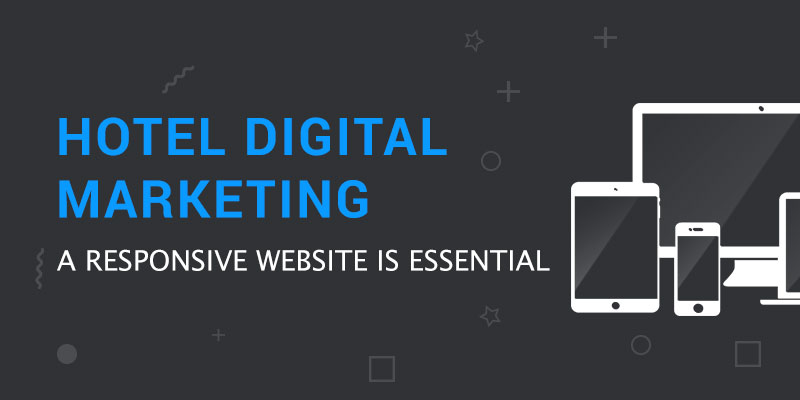
  • Works smoothly on mobile phones, tablets and desktop computers.
  • Displays clear, up-to-date room descriptions, photographs and facilities.
  • Makes rates, availability and booking options easy to find.
  • Explains the hotel’s location, transport links and nearby attractions.
  • Includes clear contact details and answers to common questions.
  • Loads quickly and offers a straightforward, secure booking process.

Strong photography can help guests imagine their stay, but it should accurately represent the property. Clear information and an uncomplicated booking journey build confidence and reduce the chance that a visitor will leave to look elsewhere.

Improve visibility in search engines

Search engine optimisation (SEO) helps a hotel appear when people search for relevant accommodation. That might include searches for a hotel in a particular town, a place to stay near a venue, or accommodation with specific facilities.

Start by identifying the phrases prospective guests are likely to use. Create useful pages around the hotel’s location, rooms, facilities and guest needs. For example, a hotel could provide practical information about parking, family stays, accessible rooms or nearby event venues—where these are genuinely relevant.

Local SEO is especially important for hotels. Keep the hotel’s name, address and telephone number consistent across its website and business listings. Complete and maintain its Google Business Profile, including opening information, photographs and a link to the official website. Encourage guests to leave honest reviews and respond to them professionally.

SEO takes time. Focus on accurate information and helpful content rather than trying to repeat keywords unnaturally or promising instant results.

Use online travel agencies strategically

OTAs can introduce a hotel to people who may not otherwise have discovered it. They can be particularly useful for reaching international travellers and guests comparing several properties. However, bookings through third-party platforms may involve commission and give the hotel less control over the guest relationship.

Rather than treating OTAs and direct bookings as an either-or choice, consider how they can work together. Keep listings accurate, use compelling imagery and monitor performance by channel. Make the hotel’s own website an attractive option too, with clear information, a reliable booking experience and benefits that are genuinely available to direct customers.

Any direct-booking offer should be clear and easy to understand. Depending on the hotel, this could include a flexible rate, a small added extra or a package tailored to a particular type of stay. Check the terms of third-party agreements before advertising rate comparisons or exclusive offers.

Make reviews part of the marketing plan

Reviews influence how prospective guests assess a hotel. They also offer useful insight into what guests value and where the experience could improve.

Invite guests to share feedback after their stay without pressuring them to leave a positive review. Reply to reviews in a timely, considered way. Thank guests for positive feedback and address criticism calmly, acknowledging the concern and explaining any appropriate next steps. Avoid sharing personal or booking details in a public response.

Patterns in reviews can be valuable. If guests repeatedly mention a particular strength, consider featuring it in relevant marketing. If they raise the same concern, work with the team to address the underlying issue rather than relying on a response alone.

Share the hotel’s story on social media

Social media can help a hotel showcase its atmosphere, people and surroundings. Useful content might include room and restaurant photography, local recommendations, seasonal events, behind-the-scenes moments and updates about facilities.

Choose platforms that suit the hotel and its audience instead of trying to post everywhere. A consistent schedule is more useful than a burst of activity followed by long periods of silence. Use captions that provide context, check image permissions and respond to genuine questions and comments.

Social media is not only a sales channel. It can help potential guests understand what makes the hotel distinctive and give past guests a reason to stay connected.

Use email to encourage repeat stays

Email marketing can keep a hotel in touch with past guests and people who have chosen to receive updates. Messages could include seasonal packages, local events, new facilities or ideas for a return visit.

Keep emails relevant and focused. Use clear subject lines, make the main offer easy to understand and include a direct route to find out more or book. Follow UK data protection and electronic marketing rules, including obtaining the appropriate consent and providing a simple way to unsubscribe.

Where possible, tailor messages to guests’ interests or previous stays, while using personal information responsibly. A thoughtful, occasional email is more likely to be welcomed than frequent messages with little value.

Consider paid search and social advertising

Paid advertising can help a hotel reach people who are actively looking for accommodation or are likely to be interested in a particular type of stay. Search adverts may be useful for location-based searches, while social advertising can promote packages, facilities or seasonal campaigns.

Set a clear objective before spending money. Decide whether the campaign is intended to generate bookings, promote an event or increase awareness of a new offer. Use relevant landing pages, define a budget and track what happens after someone clicks. Review performance regularly and adjust targeting, creative and spend based on results.

Measure what matters

Website visits alone do not show whether marketing is working. Choose measures that connect to business goals, such as:

  • Website enquiries and completed direct bookings.
  • Conversion rates and booking abandonment.
  • Revenue and average booking value by marketing channel.
  • Performance of specific offers or campaigns.
  • Review volume, ratings and common feedback themes.
  • Repeat bookings and email engagement.

Use analytics and booking-system data to understand how guests discover the hotel and what helps them make a decision. Ensure tracking is set up appropriately and respects privacy requirements. Comparing results over time can reveal which activities deserve more attention and which need to change.

Bring the guest experience and marketing together

The most effective hotel internet marketing reflects the real experience of staying at the property. Promises in adverts, website copy and social posts should match what guests find on arrival. When marketing and service are aligned, it is easier to earn positive feedback, repeat visits and recommendations.

Begin with the basics: a helpful website, accurate listings, a considered review process and a clear way to measure bookings. Then build on those foundations with relevant content, email and carefully managed advertising. A consistent approach can help a hotel reach the right guests, communicate what makes it special and turn online interest into a rewarding stay.


8 Essential Tips for Enhancing Hotel Internet Marketing Success

  1. Optimise the hotel website for mobile bookings.
  2. Use local keywords to improve search visibility.
  3. Keep room rates and availability up to date.
  4. Showcase guest reviews across key channels.
  5. Post fresh photos and offers on social media.
  6. Make booking simple with clear calls to action.
  7. Use email campaigns to encourage repeat stays.
  8. Track campaign results and adjust your approach.

Optimise the hotel website for mobile bookings.

Optimise the hotel website for mobile bookings by making it fast, easy to navigate and simple to use on a smaller screen. Keep room details, prices and availability clear, and make the booking button easy to find without excessive scrolling. Use short forms, mobile-friendly payment options and clear confirmation messages to reduce friction at every step. Regularly test the full booking journey on different devices so guests can reserve a stay quickly and confidently, wherever they are.

Use local keywords to improve search visibility.

Use local keywords to help your hotel appear in searches from people planning a stay in your area. Include your town, neighbourhood and nearby landmarks naturally in your website copy, page titles and descriptions—for example, “boutique hotel in Bath” or “accommodation near Edinburgh Waverley Station”. Focus on phrases that reflect what guests are actually looking for, and make sure the information is accurate and useful rather than simply repeating place names.

Keep room rates and availability up to date.

Keep room rates and availability up to date across your website and booking platforms so guests can see accurate information and book with confidence. Check that prices, room types, restrictions and availability match across channels, and update them promptly when circumstances change. Inconsistencies can frustrate potential guests, lead to abandoned bookings or create avoidable problems after a reservation is made.

Showcase guest reviews across key channels.

Showcase genuine guest reviews across your website, social media and other relevant marketing channels to help prospective visitors feel confident about booking. Choose recent, representative feedback that reflects what makes your hotel special, and always present it accurately and with permission where required. Respond to reviews professionally, including constructive criticism, to show that you value guest feedback and are committed to improving the experience.

Post fresh photos and offers on social media.

Post fresh photos and offers on social media to give potential guests a timely glimpse of what makes your hotel worth visiting. Share authentic images of rooms, dining, facilities and nearby attractions, alongside seasonal packages or special events. Keep details accurate, make the offer easy to understand and include a clear link to find out more or book. Regular, relevant updates help keep your hotel visible and give followers a reason to engage.

Make booking simple with clear calls to action.

Make booking simple by showing guests exactly what to do next. Use clear, visible calls to action such as “Check availability” or “Book your stay”, and place them where visitors are likely to need them, including on room pages and mobile screens. Keep the booking process straightforward, with as few steps as possible and no unexpected costs, so guests can move from browsing to confirming their stay with confidence.

Use email campaigns to encourage repeat stays.

Use email campaigns to keep your hotel in touch with past guests and encourage them to book again. Send occasional, relevant updates featuring seasonal offers, local events or experiences that suit their interests, with a clear link to your booking page. Make each message useful rather than overly sales-focused, and ensure recipients have agreed to receive marketing emails and can unsubscribe easily.

Track campaign results and adjust your approach.

Track the results of each marketing campaign to understand what is attracting guests and generating bookings. Monitor useful measures such as website visits, enquiries, booking conversions and revenue, and compare performance across channels. Use these insights to refine your approach: invest more in activities that deliver results, improve underperforming campaigns and test changes to messaging, offers or targeting. Regular reviews help ensure your marketing stays relevant and makes the best use of your budget.

web agency marketing

Mastering the Art of Web Agency Marketing: Strategies for Online Success

The Power of Web Agency Marketing

The Power of Web Agency Marketing

In today’s digital age, having a strong online presence is crucial for businesses to succeed. This is where web agency marketing plays a vital role in helping companies stand out in the competitive online landscape.

What is Web Agency Marketing?

A web agency marketing strategy involves promoting a business’s products or services through various online channels such as websites, social media, email campaigns, and search engine optimization (SEO). Web agencies specialise in creating and implementing these strategies to help businesses reach their target audience and achieve their marketing goals.

The Benefits of Web Agency Marketing

Increased Visibility: A well-executed web agency marketing campaign can significantly boost a business’s visibility online, making it easier for potential customers to find and engage with the brand.

Targeted Reach: Web agencies have the expertise to target specific demographics and audiences, ensuring that marketing efforts are directed towards those most likely to convert into customers.

Brand Building: Consistent and strategic online marketing helps build brand awareness and credibility, establishing trust with consumers and differentiating the business from competitors.

Choosing the Right Web Agency

When selecting a web agency for your marketing needs, it’s essential to consider their experience, track record, and approach to digital marketing. Look for agencies that understand your industry and have a proven history of delivering successful campaigns for clients.

In Conclusion

Web agency marketing plays a crucial role in helping businesses thrive in the digital world. By partnering with a reputable web agency, companies can enhance their online presence, attract new customers, and achieve sustainable growth in today’s competitive market.


Essential FAQs on Web Agency Marketing: A Guide to Boosting Your Business Online

  1. What is web agency marketing?
  2. Why is web agency marketing important for businesses?
  3. How can a web agency help improve my online presence?
  4. What services do web agencies offer in terms of marketing?
  5. How does SEO play a role in web agency marketing strategies?
  6. What are the benefits of social media marketing through a web agency?
  7. How can email campaigns benefit my business through a web agency?
  8. What should I look for when choosing a web agency for marketing services?
  9. How can web agency marketing help my business stand out from competitors?

What is web agency marketing?

Web agency marketing encompasses the strategic promotion of a business’s products or services through various online channels, such as websites, social media platforms, email campaigns, and search engine optimisation (SEO). This specialised form of marketing is designed and implemented by web agencies to help businesses enhance their online visibility, engage with their target audience effectively, and achieve their marketing objectives in the digital realm. By leveraging the expertise of web agencies in crafting tailored marketing strategies, businesses can establish a strong online presence, drive traffic to their platforms, and ultimately boost their brand awareness and customer engagement levels.

Why is web agency marketing important for businesses?

In the digital age, web agency marketing is essential for businesses to thrive and stay competitive. A strong online presence not only enhances brand visibility but also allows companies to reach their target audience effectively. Web agency marketing strategies help businesses connect with potential customers, build brand credibility, and drive engagement. By leveraging the expertise of web agencies, businesses can navigate the complex online landscape, stand out from competitors, and ultimately achieve their marketing goals in a cost-effective and measurable way.

How can a web agency help improve my online presence?

A web agency can significantly enhance your online presence by leveraging their expertise in digital marketing strategies and technologies. Through a comprehensive approach that may include website design and development, search engine optimisation (SEO), social media marketing, content creation, and online advertising, a web agency can help increase your visibility, attract more traffic to your website, engage with your target audience effectively, and ultimately drive conversions. By understanding your business goals and target market, a web agency can tailor bespoke solutions to improve your online presence and ensure that your brand stands out in the competitive digital landscape.

What services do web agencies offer in terms of marketing?

Web agencies offer a wide range of marketing services to help businesses establish and enhance their online presence. These services typically include website design and development, search engine optimisation (SEO), social media marketing, pay-per-click (PPC) advertising, content creation, email marketing, and digital strategy consulting. Web agencies tailor their services to meet the specific needs of each client, aiming to drive traffic, increase conversions, and ultimately boost the client’s online visibility and success. By leveraging these comprehensive marketing services, businesses can effectively reach their target audience and achieve their marketing objectives in the competitive digital landscape.

How does SEO play a role in web agency marketing strategies?

Search Engine Optimization (SEO) plays a crucial role in web agency marketing strategies by enhancing a website’s visibility and ranking on search engine results pages. A well-executed SEO strategy can help drive organic traffic to a website, increase brand awareness, and improve online credibility. Web agencies leverage SEO techniques such as keyword research, on-page optimization, link building, and content creation to ensure that their clients’ websites are easily discoverable by users searching for relevant products or services. By incorporating SEO into their marketing strategies, web agencies can effectively reach their target audience and achieve sustainable growth for their clients in the competitive digital landscape.

What are the benefits of social media marketing through a web agency?

Social media marketing through a web agency offers a range of benefits for businesses looking to enhance their online presence. By leveraging the expertise of a web agency, companies can tap into the power of social media platforms to increase brand visibility, engage with their target audience, and drive website traffic. A web agency can develop tailored social media strategies that align with business goals, ensuring that content is relevant and compelling to attract and retain followers. Additionally, social media marketing through a web agency allows businesses to track performance metrics, analyse data insights, and make data-driven decisions to optimise their social media campaigns for maximum impact and return on investment.

How can email campaigns benefit my business through a web agency?

Email campaigns are a powerful tool that can greatly benefit your business when implemented through a web agency. By leveraging the expertise of a web agency, you can create targeted and engaging email campaigns that reach your audience effectively. These campaigns can help nurture leads, drive traffic to your website, promote new products or services, and ultimately increase conversions. With the strategic guidance and technical support of a web agency, your email campaigns can be optimised for maximum impact, leading to improved brand awareness and customer engagement.

What should I look for when choosing a web agency for marketing services?

When considering a web agency for marketing services, it is essential to look for several key factors to ensure you make the right choice. Firstly, evaluate the agency’s experience and expertise in digital marketing, including their track record of successful campaigns and client testimonials. Secondly, consider their understanding of your industry and target audience to ensure they can create tailored strategies that resonate with your customers. Additionally, assess the agency’s communication style, transparency in processes, and ability to meet deadlines effectively. By prioritising these aspects when selecting a web agency, you can partner with a team that aligns with your goals and helps you achieve marketing success.

How can web agency marketing help my business stand out from competitors?

In the competitive landscape of today’s digital world, web agency marketing can be a game-changer for businesses looking to differentiate themselves from competitors. By leveraging strategic online tactics such as targeted advertising, engaging content creation, and search engine optimisation (SEO), a web agency can help your business stand out by increasing visibility, building brand awareness, and reaching your target audience effectively. Through tailored marketing strategies and innovative approaches, a web agency can position your brand uniquely in the market, setting you apart from competitors and driving sustainable growth for your business.

internet marketing experts

Mastering Online Success: The Role of Internet Marketing Experts

The Role of Internet Marketing Experts in Driving Online Success

In today’s digital age, the importance of internet marketing experts cannot be overstated. With the vast and ever-evolving landscape of online marketing, businesses rely on these experts to navigate the complexities and drive success in the digital realm.

What Do Internet Marketing Experts Do?

Internet marketing experts are professionals who specialise in promoting businesses, products, or services online. They possess a deep understanding of various online marketing strategies, tools, and platforms to help businesses reach their target audience effectively.

These experts utilise a range of techniques such as search engine optimisation (SEO), pay-per-click (PPC) advertising, social media marketing, email marketing, content creation, and more to enhance a company’s online visibility and attract potential customers.

The Benefits of Hiring Internet Marketing Experts

Businesses that enlist the services of internet marketing experts stand to gain numerous benefits, including:

  • Expertise: Internet marketing experts bring specialised knowledge and skills to the table, ensuring that your online campaigns are executed effectively.
  • Targeted Strategies: These professionals develop tailored strategies based on your business goals and target audience, maximising your online reach and engagement.
  • Optimisation: By constantly monitoring and analysing campaign performance, internet marketing experts can make data-driven adjustments to optimise results and ROI.
  • Stay Ahead of Trends: Keeping up-to-date with the latest trends and technologies in digital marketing is crucial for success online. Internet marketing experts ensure that your strategies remain relevant and competitive.

The Future of Internet Marketing

As technology continues to advance and consumer behaviour evolves, the role of internet marketing experts will only become more critical. Businesses must adapt to changing trends and embrace innovative strategies to stay ahead in the digital landscape.

In conclusion, internet marketing experts play a vital role in driving online success for businesses. Their expertise, targeted strategies, optimisation efforts, and trend awareness are invaluable assets in achieving growth and visibility in the competitive world of digital marketing.


Top 20 FAQs About Leading Internet Marketing Experts

  1. Who is the best Internet marketer in the world?
  2. What is online marketing specialist?
  3. Who is the best Internet marketing guru?
  4. Who is the best marketing expert?
  5. Who is the expert of digital marketing?
  6. What does an internet marketing specialist do?
  7. Who is the top digital marketer?
  8. What is the 3 3 3 rule in marketing?
  9. What is a marketing expert called?
  10. What are the 6 areas of Internet marketing?
  11. Who is the digital marketing expert in the world?
  12. Who is the No 1 digital marketer in the world?
  13. Who is the most famous digital marketer?
  14. Who is the father of Internet marketing?
  15. Who is the best digital marketing expert?
  16. What is an online marketing expert?
  17. Who are the marketing experts?
  18. What is a internet marketing Specialist?
  19. Who is an online marketing expert?
  20. Who is the No 1 digital marketer?

Who is the best Internet marketer in the world?

The question of who the best Internet marketer in the world is a subjective one, as expertise and success in internet marketing can vary based on individual goals, industries, and regions. There are several renowned figures in the digital marketing industry who have achieved significant success and recognition for their innovative strategies and impactful campaigns. However, determining the “best” Internet marketer ultimately depends on specific criteria such as industry focus, target audience, campaign objectives, and overall impact on the digital landscape. It is essential to consider that what works best for one business may not necessarily be suitable for another, highlighting the diversity and complexity of internet marketing expertise.

What is online marketing specialist?

An online marketing specialist is a professional with expertise in various digital marketing strategies and tools aimed at promoting businesses, products, or services on the internet. These specialists possess a deep understanding of online platforms such as search engines, social media, email, and websites to drive targeted traffic and engagement. Their role involves developing and implementing tailored online marketing campaigns to increase brand visibility, attract potential customers, and ultimately achieve business objectives. Online marketing specialists stay abreast of industry trends and analytics to continuously refine their strategies for optimal results in the dynamic landscape of digital marketing.

Who is the best Internet marketing guru?

When it comes to identifying the best Internet marketing guru, the answer may vary depending on individual perspectives and needs. The term “guru” implies a high level of expertise and influence in the field of Internet marketing. Different experts may excel in specific areas such as SEO, social media marketing, content creation, or email marketing. It is essential for businesses to research and identify an Internet marketing guru who aligns with their goals, values, and requirements to achieve the desired results in their online marketing efforts.

Who is the best marketing expert?

When it comes to determining the “best” marketing expert, it is essential to consider that expertise in marketing is subjective and can vary based on individual needs and preferences. The best marketing expert for one business may not necessarily be the best for another. Factors such as industry experience, track record of success, innovative strategies, and alignment with specific business goals all play a crucial role in identifying the most suitable marketing expert. It is recommended to research and evaluate different experts based on their qualifications, past achievements, and compatibility with your business objectives to find the right fit for your marketing needs.

Who is the expert of digital marketing?

The title of “expert in digital marketing” is not held by a single individual, but rather by professionals who have demonstrated in-depth knowledge and experience in various aspects of digital marketing. These experts typically possess a strong understanding of online strategies, tools, and platforms, allowing them to effectively promote businesses and drive success in the digital realm. They stay updated on industry trends, continuously refine their skills, and adapt to the ever-changing landscape of digital marketing to deliver optimal results for their clients. The expertise of a digital marketing expert is characterised by a combination of practical experience, strategic thinking, creativity, and a data-driven approach to achieving online goals.

What does an internet marketing specialist do?

An internet marketing specialist plays a crucial role in helping businesses thrive in the digital realm. These professionals are adept at developing and implementing strategic online marketing campaigns to enhance a company’s visibility, attract potential customers, and drive conversions. From search engine optimisation (SEO) to social media marketing, email campaigns, and pay-per-click (PPC) advertising, an internet marketing specialist utilises a range of tools and techniques to reach target audiences effectively. By analysing data, monitoring campaign performance, and staying abreast of industry trends, these specialists ensure that businesses stay competitive and achieve their online marketing goals.

Who is the top digital marketer?

The question “Who is the top digital marketer?” is a common query in the realm of internet marketing. The answer to this question can vary depending on individual perspectives and criteria for evaluating digital marketers. In the fast-paced and dynamic world of digital marketing, there are numerous talented professionals who have made significant contributions to the field. From industry influencers and thought leaders to innovative strategists and creative minds, identifying the top digital marketer is subjective and often depends on specific expertise, achievements, and impact within the industry.

What is the 3 3 3 rule in marketing?

The 3 3 3 rule in marketing refers to a strategic approach that involves sending three emails a week, posting on social media platforms three times a day, and updating your website with new content three times a week. This rule emphasises consistency and frequency in engaging with your audience across different online channels to maintain visibility, build relationships, and drive traffic to your business. By following the 3 3 3 rule, businesses can establish a strong online presence and stay top-of-mind with their target audience, ultimately leading to increased brand awareness and customer engagement.

What is a marketing expert called?

A marketing expert is commonly referred to as a “marketing specialist” or a “marketing professional.” These individuals possess in-depth knowledge and expertise in various marketing strategies and techniques, allowing them to develop and execute effective campaigns to promote products, services, or businesses. Marketing experts play a crucial role in helping companies reach their target audience, increase brand awareness, and drive sales through innovative and data-driven marketing initiatives. Their skills and insights are instrumental in navigating the dynamic landscape of digital marketing and achieving success in today’s competitive market environment.

What are the 6 areas of Internet marketing?

In the realm of internet marketing, there are six key areas that experts focus on to drive successful online campaigns. These areas include search engine optimisation (SEO), which involves enhancing a website’s visibility in search engine results; pay-per-click (PPC) advertising, where businesses pay for ad placements based on user clicks; social media marketing, utilising platforms like Facebook and Instagram to engage with audiences; content marketing, creating valuable and relevant content to attract and retain customers; email marketing, sending targeted messages to subscribers for promotional purposes; and analytics, measuring and analysing data to track campaign performance and make informed decisions for future strategies. Internet marketing experts leverage these areas strategically to maximise online presence and achieve business objectives effectively.

Who is the digital marketing expert in the world?

The question of who is the ultimate digital marketing expert in the world is a subjective one, as the field of digital marketing is vast and continually evolving. There are numerous highly skilled professionals and thought leaders in the industry who have made significant contributions and achieved remarkable success. From renowned experts like Neil Patel and Rand Fishkin to emerging talents breaking new ground, the digital marketing landscape is rich with expertise and innovation. Ultimately, the title of “digital marketing expert” may vary depending on individual perspectives, experiences, and areas of specialisation within this dynamic and competitive field.

Who is the No 1 digital marketer in the world?

The question “Who is the No 1 digital marketer in the world?” is a common query that often sparks debate and curiosity within the digital marketing community. With the dynamic and ever-changing nature of the digital landscape, identifying a definitive No 1 digital marketer can be subjective and challenging. Many industry leaders and influencers have made significant contributions to the field, each excelling in different aspects of digital marketing such as SEO, social media, content creation, or email marketing. Ultimately, the title of the No 1 digital marketer may vary depending on individual perspectives and criteria used to evaluate expertise and impact in the industry.

Who is the most famous digital marketer?

The question “Who is the most famous digital marketer?” often sparks curiosity among those seeking inspiration and guidance in the realm of internet marketing. While there are several prominent figures in the digital marketing industry who have made significant contributions and garnered widespread recognition, it is challenging to pinpoint a single individual as the most famous. Digital marketing experts such as Neil Patel, Gary Vaynerchuk, Rand Fishkin, and Seth Godin are renowned for their expertise, innovative strategies, and thought leadership in the field. Each of these professionals has carved a distinct path to success, leaving a lasting impact on the digital marketing landscape and inspiring aspiring marketers worldwide.

Who is the father of Internet marketing?

The title of “father of Internet marketing” is often attributed to Gary Thuerk, who is known for sending the first unsolicited mass email in 1978. This event marked the beginning of email marketing as a powerful tool for reaching potential customers online. While Thuerk’s actions were controversial at the time, they paved the way for the development of modern internet marketing strategies and techniques that continue to shape the digital landscape today.

Who is the best digital marketing expert?

The question of who is the best digital marketing expert is subjective and can vary depending on specific criteria and individual preferences. In the ever-evolving field of digital marketing, there are numerous experts who excel in different aspects of online promotion, such as SEO, social media, content marketing, and more. The best digital marketing expert for one business may not necessarily be the best fit for another, as success in digital marketing often depends on aligning expertise with the unique needs and goals of a particular company. It is essential to research and consider factors such as experience, track record, industry knowledge, and client testimonials when determining the most suitable digital marketing expert for your specific requirements.

What is an online marketing expert?

An online marketing expert is a professional with specialised knowledge and skills in promoting businesses, products, or services on digital platforms. These experts are well-versed in a variety of online marketing strategies, such as search engine optimisation (SEO), pay-per-click (PPC) advertising, social media marketing, email campaigns, content creation, and more. Their primary role is to develop and implement tailored marketing strategies to enhance a company’s online presence, attract targeted audiences, and ultimately drive conversions and business growth. Online marketing experts stay abreast of industry trends and best practices to ensure their clients achieve maximum visibility and success in the competitive online landscape.

Who are the marketing experts?

Marketing experts are professionals with a deep understanding of the intricacies of promoting businesses, products, or services to target audiences effectively. They possess a wealth of knowledge in various marketing strategies, tools, and platforms that enable them to craft tailored solutions to meet the unique needs of their clients. Marketing experts excel in areas such as market research, branding, advertising, digital marketing, and consumer behaviour analysis. Their expertise lies in developing comprehensive marketing plans that drive brand awareness, engagement, and ultimately, business growth in today’s competitive online landscape.

What is a internet marketing Specialist?

An internet marketing specialist is a professional who specialises in leveraging various online marketing strategies and tools to promote businesses, products, or services on the internet. These specialists possess a deep understanding of digital marketing techniques such as search engine optimisation (SEO), pay-per-click (PPC) advertising, social media marketing, email marketing, content creation, and more. Their expertise lies in developing targeted campaigns that resonate with the target audience, driving online visibility and engagement for their clients. Internet marketing specialists play a crucial role in helping businesses navigate the complex digital landscape and achieve their online goals effectively.

Who is an online marketing expert?

An online marketing expert is a professional with specialised knowledge and skills in promoting businesses, products, or services effectively in the digital realm. These experts possess a deep understanding of various online marketing strategies, tools, and platforms such as SEO, PPC advertising, social media marketing, email campaigns, and content creation. They leverage their expertise to develop targeted strategies tailored to a business’s goals and target audience, driving online visibility and engagement. With a keen eye on data analysis and trend awareness, online marketing experts continually optimise campaigns to deliver tangible results and maximise return on investment in the fast-paced world of digital marketing.

Who is the No 1 digital marketer?

The question of who is the No 1 digital marketer is a subjective one, as the field of digital marketing is vast and diverse, with many talented professionals excelling in different areas. While there may not be a definitive answer to this question, several individuals have gained recognition for their expertise and contributions to the industry. Digital marketers such as Neil Patel, Rand Fishkin, and Ann Handley are often regarded highly for their knowledge, experience, and innovative approaches to online marketing. Ultimately, determining the “No 1” digital marketer depends on individual perspectives and criteria for success in this dynamic field.

digital seo agency

Unlocking Online Success: The Power of a Digital SEO Agency

The Role of a Digital SEO Agency in Boosting Online Visibility

The Role of a Digital SEO Agency in Boosting Online Visibility

In today’s digital age, having a strong online presence is crucial for businesses looking to reach their target audience and stay ahead of the competition. Search Engine Optimization (SEO) plays a vital role in improving a website’s visibility on search engine results pages, driving organic traffic, and ultimately increasing conversions.

For many businesses, navigating the complex world of SEO can be challenging. This is where a digital SEO agency comes in. These agencies specialise in developing and implementing strategies to enhance a website’s search engine ranking and overall online visibility.

Key Services Offered by Digital SEO Agencies:

  • Keyword Research: Identifying relevant keywords that potential customers are searching for to optimise website content.
  • On-Page Optimization: Enhancing various on-page elements such as meta tags, headings, and internal links to improve search engine visibility.
  • Off-Page Optimization: Building high-quality backlinks from reputable websites to boost domain authority and credibility.
  • Content Creation: Developing engaging and informative content that resonates with both users and search engines.
  • Technical SEO: Ensuring that the website is technically sound and meets search engine guidelines for optimal crawling and indexing.

A digital SEO agency works closely with clients to understand their business goals, target audience, and competitive landscape. By conducting thorough audits and analysis, they can tailor bespoke strategies that align with the client’s objectives and deliver measurable results.

The Benefits of Hiring a Digital SEO Agency:

Expertise: Digital SEO agencies have specialists with in-depth knowledge of search engine algorithms and best practices.

Saves Time: Outsourcing SEO efforts allows businesses to focus on their core activities while experts handle the technical aspects of optimisation.

Data-Driven Approach: Agencies utilise data analytics tools to track performance metrics and make informed decisions for continuous improvement.

Sustainable Results: Effective SEO strategies can lead to long-term benefits by establishing a strong online presence that attracts organic traffic over time.

In conclusion, partnering with a digital SEO agency can be instrumental in enhancing your online visibility, attracting quality traffic, and achieving your business objectives in the competitive digital landscape.


Top 7 Essential Tips for Enhancing Your Digital SEO Agency’s Success

  1. Understand your target audience and their search behaviour.
  2. Create high-quality, relevant content for your website.
  3. Optimise on-page elements such as title tags, meta descriptions, and headings.
  4. Build quality backlinks from reputable websites in your industry.
  5. Regularly monitor and analyse your website’s performance using SEO tools.
  6. Stay updated with the latest SEO trends and algorithm changes.
  7. Consider hiring an experienced SEO agency for expert guidance and support.

Understand your target audience and their search behaviour.

To maximise the effectiveness of your SEO efforts, it is essential to understand your target audience and their search behaviour. By gaining insights into the demographics, preferences, and online habits of your audience, you can tailor your SEO strategy to meet their specific needs and expectations. This knowledge allows you to create targeted content, select relevant keywords, and optimise your website to align with how your audience searches for information online. Ultimately, by understanding your target audience and their search behaviour, you can enhance the visibility of your website and attract valuable organic traffic that is more likely to convert into customers.

Create high-quality, relevant content for your website.

Creating high-quality, relevant content for your website is a fundamental aspect of effective SEO strategy. Search engines value fresh, engaging content that provides value to users. By crafting content that resonates with your target audience and incorporates relevant keywords naturally, you can improve your website’s search engine ranking and attract organic traffic. Consistent creation of valuable content not only enhances your online visibility but also establishes your authority in your industry, ultimately driving more conversions and fostering long-term success for your business.

Optimise on-page elements such as title tags, meta descriptions, and headings.

To improve your website’s search engine visibility and user experience, it is essential to optimise on-page elements such as title tags, meta descriptions, and headings. By crafting compelling and relevant title tags, you can effectively communicate the content of each webpage to search engines and potential visitors. Meta descriptions provide a concise summary of the page’s content, enticing users to click through from search results. Additionally, structuring headings with relevant keywords not only enhances readability but also signals the importance of content to search engines. Optimising these on-page elements plays a crucial role in boosting your website’s SEO performance and driving organic traffic.

Building quality backlinks from reputable websites within your industry is a crucial aspect of an effective SEO strategy. These backlinks not only improve your website’s authority and credibility in the eyes of search engines but also drive relevant traffic to your site. By establishing connections with trustworthy sources in your niche, you can enhance your online visibility and strengthen your position in search engine results pages. Quality backlinks serve as endorsements of your content and can significantly impact your website’s ranking, making it essential to focus on building a diverse and natural link profile for long-term SEO success.

Regularly monitor and analyse your website’s performance using SEO tools.

To maximise the effectiveness of your digital SEO agency partnership, it is essential to regularly monitor and analyse your website’s performance using SEO tools. By tracking key performance indicators such as organic traffic, keyword rankings, and conversion rates, you can gain valuable insights into the effectiveness of your SEO strategies. This data-driven approach allows you to identify areas for improvement, make informed decisions, and continuously optimise your website to enhance its visibility and drive sustainable results in the competitive online landscape.

To maximise the effectiveness of your digital SEO agency partnership, it is essential to stay updated with the latest SEO trends and algorithm changes. Search engines continuously evolve their algorithms, and being aware of these updates allows you to adapt your strategies accordingly. By staying informed, you can ensure that your website remains optimised for search engines, stays competitive in the online landscape, and continues to attract valuable organic traffic.

Consider hiring an experienced SEO agency for expert guidance and support.

When delving into the realm of Search Engine Optimization (SEO), it is advisable to consider enlisting the services of an experienced SEO agency for expert guidance and support. By partnering with a seasoned agency, businesses can leverage the expertise and industry knowledge of professionals who are well-versed in the latest SEO trends and strategies. This collaboration can lead to more effective SEO campaigns, improved online visibility, and ultimately, better results in reaching target audiences and achieving business goals.

paid online marketing

Unlocking Success: The Impact of Paid Online Marketing Strategies

The Power of Paid Online Marketing

The Power of Paid Online Marketing

In today’s digital age, paid online marketing has become a crucial strategy for businesses looking to reach their target audience and drive conversions. With the vast number of users spending hours online every day, leveraging paid online marketing can significantly boost brand visibility and engagement.

Benefits of Paid Online Marketing

Targeted Reach: Paid online marketing allows businesses to target specific demographics, interests, and behaviours of their audience, ensuring that their ads are seen by the right people at the right time.

Instant Results: Unlike organic marketing efforts that take time to gain traction, paid online marketing delivers instant results in terms of website traffic, leads, and sales.

Measurable ROI: With tools like Google Analytics and social media insights, businesses can track the performance of their paid campaigns in real-time and measure the return on investment accurately.

Types of Paid Online Marketing

Search Engine Marketing (SEM): This involves placing ads on search engine result pages based on specific keywords relevant to your business. Google Ads is a popular SEM platform.

Social Media Advertising: Platforms like Facebook, Instagram, Twitter, and LinkedIn offer robust advertising options to target users based on their demographics, interests, and online behaviour.

Display Advertising: Banner ads placed on websites or mobile apps can help increase brand awareness and drive traffic to your website through visual content.

Tips for Successful Paid Online Marketing Campaigns

To make the most out of your paid online marketing efforts, consider the following tips:

  • Set Clear Goals: Define your objectives – whether it’s increasing website traffic, generating leads, or boosting sales – to tailor your campaigns accordingly.
  • Create Compelling Ad Copy: Craft engaging ad copy with strong calls-to-action that resonate with your target audience.
  • A/B Testing: Experiment with different ad creatives, targeting options, and landing pages to identify what works best for your audience.
  • Monitor Performance: Regularly monitor key metrics like click-through rates (CTR), conversion rates, and cost per acquisition (CPA) to optimise your campaigns for better results.

In Conclusion

Paid online marketing offers businesses a powerful way to amplify their online presence and drive meaningful results in a competitive digital landscape. By leveraging targeted strategies across various platforms, businesses can connect with their audience effectively and achieve their marketing goals efficiently.


Understanding Paid Online Marketing: Answers to 8 Common Questions

  1. What is paid online marketing?
  2. How does paid online marketing differ from organic marketing?
  3. What are the benefits of investing in paid online marketing?
  4. Which platforms offer paid online marketing opportunities?
  5. How can businesses measure the effectiveness of their paid online marketing campaigns?
  6. What budget should businesses allocate for paid online marketing?
  7. Are there any best practices to follow when running a paid online marketing campaign?
  8. Can businesses target specific audiences with paid online marketing?

What is paid online marketing?

Paid online marketing refers to the practice of promoting products or services on digital platforms through paid advertising methods. This form of marketing involves businesses investing in online ads to reach their target audience and drive desired actions, such as website visits, lead generation, or sales. Paid online marketing encompasses various channels, including search engine marketing (SEM), social media advertising, display advertising, and more. By allocating budget towards paid campaigns, businesses can enhance their online visibility, engage with potential customers effectively, and achieve measurable results in terms of brand awareness and conversions.

How does paid online marketing differ from organic marketing?

Paid online marketing differs from organic marketing in the way it involves paid advertising to promote products or services on digital platforms. While organic marketing focuses on building a brand’s online presence through content creation, SEO, and social media engagement without direct payment for visibility, paid online marketing relies on investing in targeted ads to reach specific audiences quickly. Paid strategies offer immediate results and precise targeting options, allowing businesses to control their messaging and reach a broader audience effectively. In contrast, organic marketing requires time and consistent effort to build credibility and visibility through non-paid channels. Both approaches complement each other in a comprehensive digital marketing strategy, with paid online marketing providing a more immediate impact and organic efforts fostering long-term growth and brand loyalty.

What are the benefits of investing in paid online marketing?

Investing in paid online marketing offers a multitude of benefits for businesses seeking to enhance their digital presence and drive results. One key advantage is the ability to target specific demographics, interests, and behaviours of the audience, ensuring that ads reach the right people at the right time. Paid online marketing also provides instant results in terms of increased website traffic, leads, and sales, unlike organic efforts that may take time to yield outcomes. Furthermore, businesses can measure the return on investment accurately through tools like Google Analytics and social media insights, enabling them to track performance in real-time and make data-driven decisions for future campaigns.

Which platforms offer paid online marketing opportunities?

Various digital platforms provide paid online marketing opportunities for businesses to reach their target audience effectively. Some popular platforms include Google Ads, which offers search engine marketing (SEM) options to display ads on Google search result pages, and social media platforms like Facebook, Instagram, Twitter, and LinkedIn that provide robust advertising solutions to target users based on their demographics and interests. Additionally, display advertising on websites and mobile apps can also be utilised to increase brand visibility through visual content. By leveraging the diverse opportunities offered by these platforms, businesses can enhance their online presence and drive conversions through strategic paid marketing campaigns.

How can businesses measure the effectiveness of their paid online marketing campaigns?

Businesses can measure the effectiveness of their paid online marketing campaigns through various key performance indicators (KPIs) that provide valuable insights into the campaign’s performance. Metrics such as click-through rates (CTR), conversion rates, return on ad spend (ROAS), cost per acquisition (CPA), and overall return on investment (ROI) allow businesses to track and analyse the impact of their campaigns. By monitoring these KPIs closely and using tools like Google Analytics or social media insights, businesses can assess the success of their paid online marketing efforts, make data-driven decisions for optimisation, and ultimately achieve their marketing objectives efficiently.

What budget should businesses allocate for paid online marketing?

When it comes to determining the budget for paid online marketing, businesses should consider several factors such as their industry, target audience, marketing goals, and the competitiveness of the digital landscape. There is no one-size-fits-all answer to this question as budgets can vary significantly depending on the specific needs and objectives of each business. It is advisable for businesses to conduct thorough research, analyse past performance data, and set clear objectives to determine an appropriate budget that aligns with their overall marketing strategy and expected ROI. Additionally, businesses should be prepared to adjust their budget based on campaign performance and market dynamics to maximise the effectiveness of their paid online marketing efforts.

Are there any best practices to follow when running a paid online marketing campaign?

When running a paid online marketing campaign, it is essential to follow best practices to maximise its effectiveness. Some key guidelines include setting clear and measurable goals, conducting thorough audience research to target the right demographics, creating compelling ad copy with strong calls-to-action, continuously monitoring and analysing campaign performance metrics, and regularly optimising based on data-driven insights. By adhering to these best practices, businesses can enhance the success of their paid online marketing campaigns and achieve their desired outcomes efficiently.

Can businesses target specific audiences with paid online marketing?

In the realm of paid online marketing, businesses have the valuable capability to target specific audiences with precision and efficiency. By utilising advanced targeting tools and data analytics offered by platforms such as Google Ads and social media advertising channels, businesses can tailor their marketing campaigns to reach audiences based on demographics, interests, behaviours, and even online interactions. This targeted approach not only enhances the relevance of ads but also increases the likelihood of engaging with potential customers who are more likely to convert. Ultimately, the ability to target specific audiences is a key advantage of paid online marketing that empowers businesses to maximise their reach and impact in today’s digital landscape.

internet marketing services

Elevate Your Business with Expert Internet Marketing Services

Internet Marketing Services

The Power of Internet Marketing Services

In today’s digital age, having a strong online presence is crucial for businesses looking to reach their target audience effectively. Internet marketing services play a vital role in helping companies promote their products or services, engage with customers, and drive growth.

What Are Internet Marketing Services?

Internet marketing services encompass a wide range of strategies and techniques aimed at promoting a business online. This includes search engine optimisation (SEO), pay-per-click advertising (PPC), social media marketing, email marketing, content marketing, and more. These services are designed to increase brand visibility, attract website traffic, generate leads, and ultimately boost sales.

The Benefits of Internet Marketing Services

Utilising internet marketing services offers several advantages for businesses:

  • Increased Online Visibility: By implementing SEO strategies and engaging in online advertising, businesses can improve their visibility in search engine results and reach a larger audience.
  • Targeted Advertising: Internet marketing allows businesses to target specific demographics, interests, and behaviours of potential customers, ensuring that marketing efforts are focused on the right audience.
  • Cost-Effective Solutions: Compared to traditional forms of advertising, internet marketing services often provide a more cost-effective way to promote products and services while delivering measurable results.
  • Data-Driven Insights: With internet marketing tools and analytics, businesses can track the performance of their campaigns in real-time, gather valuable data on customer behaviour, and make informed decisions to optimise their strategies.
  • Improved Customer Engagement: Through social media platforms and email marketing campaigns, businesses can interact with customers directly, build relationships, and foster brand loyalty.

Choosing the Right Internet Marketing Service Provider

When selecting an internet marketing service provider for your business, it’s essential to consider their expertise, experience, track record of success, and alignment with your business goals. A reputable provider will work closely with you to develop a customised strategy that meets your needs and helps you achieve your online marketing objectives.

In conclusion, internet marketing services offer businesses valuable opportunities to enhance their online presence, connect with customers on a deeper level, drive traffic to their websites, and ultimately increase revenue. By leveraging the power of internet marketing strategies effectively, businesses can stay competitive in today’s digital landscape.


Essential Tips for Effective Internet Marketing: Strategies to Boost Your Online Presence

  1. 1. Define your target audience clearly to tailor your internet marketing strategies effectively.
  2. 2. Create a user-friendly website that is easy to navigate and provides valuable content.
  3. 3. Utilize search engine optimization (SEO) techniques to improve your website’s visibility on search engines.
  4. 4. Engage with your audience through social media platforms to build relationships and increase brand awareness.
  5. 5. Invest in online advertising campaigns, such as pay-per-click (PPC) ads, to reach a wider audience.
  6. 6. Monitor and analyse key metrics, such as website traffic and conversion rates, to measure the success of your campaigns.
  7. 7. Implement email marketing campaigns to nurture leads and maintain communication with existing customers.
  8. 8. Stay updated on industry trends and changes in algorithms to adapt your strategies accordingly.
  9. 9. Test different approaches and strategies regularly to identify what works best for your business.

1. Define your target audience clearly to tailor your internet marketing strategies effectively.

Defining your target audience clearly is a crucial tip in internet marketing services as it allows businesses to tailor their strategies effectively. By understanding the demographics, preferences, and behaviours of their target customers, companies can create personalised and targeted marketing campaigns that resonate with their audience. This approach not only increases the chances of reaching the right people but also enhances engagement and conversion rates, ultimately leading to a more successful online marketing effort.

2. Create a user-friendly website that is easy to navigate and provides valuable content.

To maximise the effectiveness of internet marketing services, it is essential to create a user-friendly website that offers a seamless navigation experience and valuable content to visitors. A well-designed website that is easy to navigate not only enhances user engagement but also improves search engine visibility. By providing valuable and relevant content, businesses can establish credibility, attract and retain customers, and ultimately drive conversions. Prioritising user experience through a user-friendly website can significantly impact the success of online marketing efforts.

3. Utilize search engine optimization (SEO) techniques to improve your website’s visibility on search engines.

To enhance your online presence and attract more potential customers, it is essential to utilise search engine optimisation (SEO) techniques. By implementing SEO strategies effectively, you can improve your website’s visibility on search engines like Google, making it easier for users to find your business when searching for relevant keywords. Optimising your website’s content, meta tags, and backlinks can help boost your search engine rankings and drive organic traffic to your site, ultimately increasing your chances of reaching a wider audience and achieving online success.

4. Engage with your audience through social media platforms to build relationships and increase brand awareness.

Engaging with your audience through social media platforms is a crucial tip in internet marketing services. By actively interacting with your followers, responding to comments, and sharing valuable content, you can build strong relationships with your audience. This engagement not only helps foster brand loyalty but also increases brand awareness as satisfied customers are likely to share their positive experiences with others. Social media provides a platform for businesses to humanise their brand, showcase their personality, and create a sense of community among their followers, ultimately leading to higher engagement and long-term customer relationships.

5. Invest in online advertising campaigns, such as pay-per-click (PPC) ads, to reach a wider audience.

To enhance your online visibility and attract a broader audience, consider investing in online advertising campaigns, such as pay-per-click (PPC) ads. By utilising PPC advertising, businesses have the opportunity to target specific demographics, interests, and behaviours of potential customers effectively. This strategy not only increases brand exposure but also drives relevant traffic to your website, ultimately leading to potential conversions and business growth.

6. Monitor and analyse key metrics, such as website traffic and conversion rates, to measure the success of your campaigns.

To ensure the effectiveness of your internet marketing campaigns, it is essential to monitor and analyse key metrics such as website traffic and conversion rates. By tracking these metrics closely, you can gain valuable insights into the performance of your campaigns and determine their impact on your business goals. Monitoring website traffic helps you understand how users interact with your site, while analysing conversion rates provides valuable data on the effectiveness of your marketing strategies in converting visitors into customers. By regularly assessing these key metrics, you can make informed decisions to optimise your campaigns and maximise their success in reaching and engaging your target audience.

7. Implement email marketing campaigns to nurture leads and maintain communication with existing customers.

Implementing email marketing campaigns is a strategic approach to nurturing leads and fostering lasting relationships with current customers. By sending targeted and personalised emails, businesses can engage with their audience, provide valuable content, promote products or services, and drive conversions. Through consistent communication via email, companies can stay top-of-mind with potential leads and encourage repeat business from existing customers. Email marketing campaigns serve as a powerful tool in building brand loyalty and generating long-term customer engagement in the competitive landscape of internet marketing services.

To succeed in internet marketing services, it is crucial to stay informed about industry trends and keep abreast of changes in algorithms. By staying updated, businesses can adapt their strategies effectively to align with the latest developments. This proactive approach not only helps businesses remain competitive but also ensures that their marketing efforts are relevant and impactful in reaching their target audience. Embracing change and staying ahead of the curve are key factors in achieving success in the dynamic world of online marketing.

9. Test different approaches and strategies regularly to identify what works best for your business.

To maximise the effectiveness of your internet marketing efforts, it is crucial to regularly test different approaches and strategies. By experimenting with various techniques, you can gain valuable insights into what resonates most with your target audience and drives the best results for your business. Continuous testing allows you to refine your marketing tactics, optimise performance, and ultimately identify the strategies that work best in achieving your goals. Embracing a culture of experimentation and adaptation can lead to significant improvements in your online marketing campaigns and help you stay ahead in the ever-evolving digital landscape.