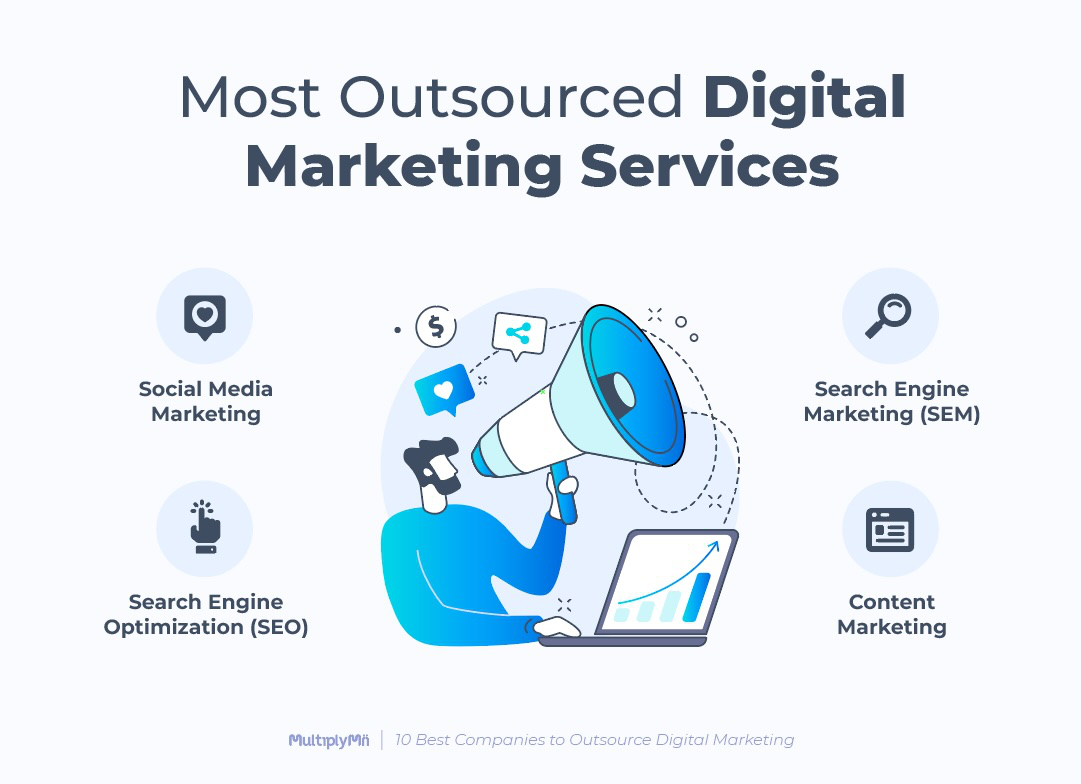
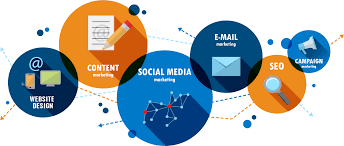
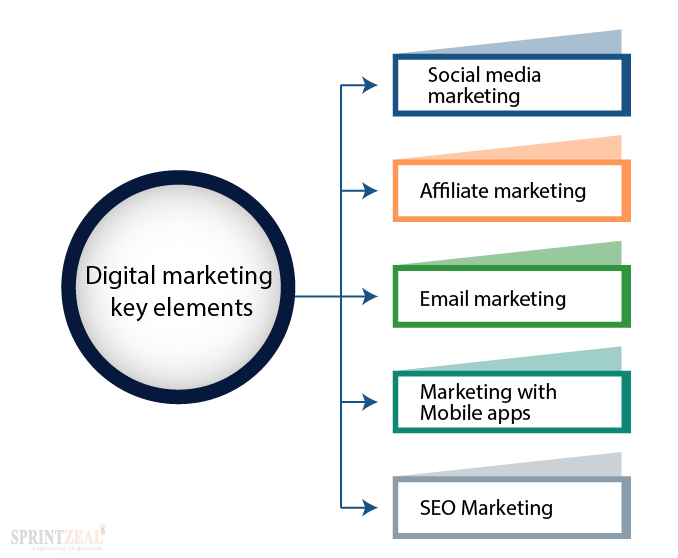
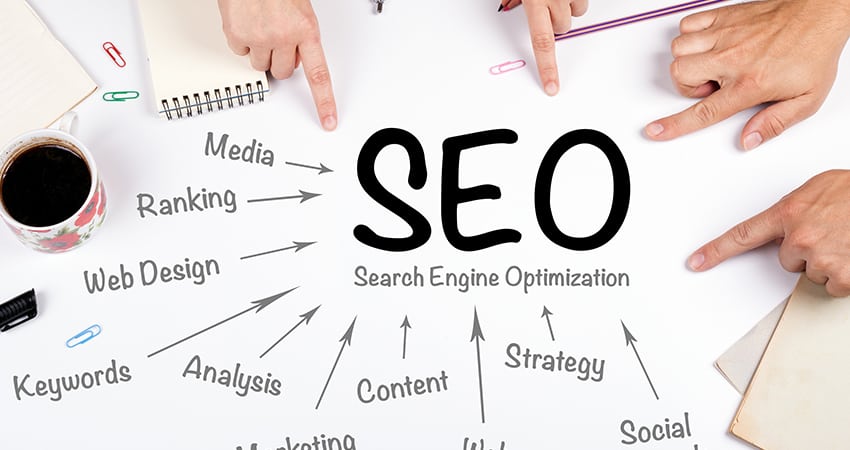
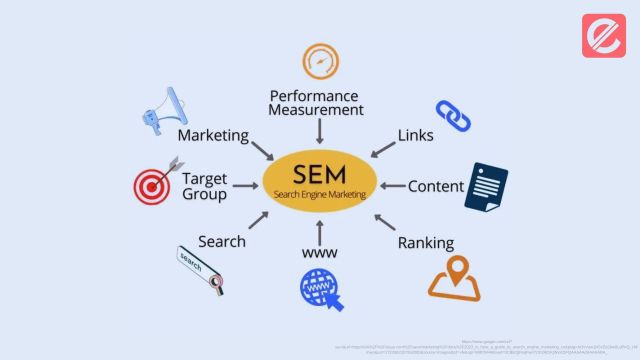
digital marketing google

Unlocking Success: Harnessing the Power of Google in Digital Marketing

Digital Marketing with Google

The Power of Digital Marketing with Google

In today’s digital age, Google has become synonymous with online search and digital marketing. With its suite of tools and platforms, Google offers businesses a powerful way to reach their target audience and drive growth through effective digital marketing strategies.

Google Ads

Google Ads, formerly known as Google AdWords, is Google’s online advertising platform that allows businesses to create ads that appear on Google’s search engine results pages and across its vast network of partner websites. With Google Ads, businesses can target specific keywords, demographics, and locations to reach potential customers at the right moment.

Google Analytics

Google Analytics is a powerful tool that provides valuable insights into website traffic and user behaviour. By tracking metrics such as website visits, page views, bounce rates, and conversion rates, businesses can gain a deeper understanding of their online performance and make data-driven decisions to optimise their digital marketing efforts.

Google My Business

Google My Business is a free tool that allows businesses to manage their online presence across Google’s platforms, including Search and Maps. By creating a Google My Business profile, businesses can provide essential information such as their address, phone number, business hours, and customer reviews to help potential customers find them easily online.

Google Search Console

Google Search Console is a web service provided by Google that allows website owners to monitor and optimise the visibility of their websites in Google search results. By submitting sitemaps, identifying indexing issues, and monitoring search performance data, businesses can improve their website’s organic search presence and attract more organic traffic.

In Conclusion

From advertising with Google Ads to analysing website performance with Google Analytics and enhancing online visibility with tools like Google My Business and Search Console, leveraging the power of Google in digital marketing can help businesses connect with their target audience effectively and achieve measurable results in the competitive online landscape.


Six Essential Tips for Mastering Digital Marketing on Google

  1. Optimize your website for search engines to improve visibility on Google.
  2. Use Google Ads to reach your target audience through paid advertising.
  3. Create high-quality and engaging content to attract and retain customers.
  4. Utilize Google Analytics to track and analyse user behaviour on your website.
  5. Engage with your audience through social media platforms that align with your brand.
  6. Stay updated with the latest trends and algorithm changes in digital marketing to remain competitive.

Optimize your website for search engines to improve visibility on Google.

To enhance your online presence and increase visibility on Google, it is essential to optimise your website for search engines. By implementing search engine optimisation (SEO) best practices such as using relevant keywords, creating high-quality content, improving site speed, and enhancing user experience, you can improve your website’s ranking in Google search results. Optimising your website for search engines not only helps attract organic traffic but also increases the likelihood of reaching and engaging with your target audience effectively.

Use Google Ads to reach your target audience through paid advertising.

Utilise Google Ads to effectively connect with your desired audience through paid advertising. By leveraging Google’s powerful advertising platform, businesses can strategically target specific demographics, locations, and keywords to reach potential customers at the right moment. This targeted approach not only increases visibility but also enhances the chances of engaging with users who are actively searching for products or services related to your business, ultimately driving valuable traffic and conversions.

Create high-quality and engaging content to attract and retain customers.

Creating high-quality and engaging content is a fundamental tip in digital marketing with Google. By producing content that is valuable, relevant, and captivating, businesses can attract the attention of their target audience and keep them engaged. Whether it’s informative blog posts, visually appealing infographics, or entertaining videos, compelling content not only helps to attract new customers but also plays a crucial role in retaining existing ones. With Google’s emphasis on quality content for search rankings, businesses that invest in creating engaging material are more likely to stand out online and build lasting relationships with their customers.

Utilize Google Analytics to track and analyse user behaviour on your website.

By utilising Google Analytics to track and analyse user behaviour on your website, you can gain valuable insights into how visitors interact with your site. Understanding metrics such as page views, bounce rates, and conversion rates allows you to make informed decisions to enhance user experience and optimise your digital marketing strategies. With this data-driven approach, you can identify trends, pinpoint areas for improvement, and ultimately drive meaningful results for your online presence.

Engage with your audience through social media platforms that align with your brand.

To maximise the impact of your digital marketing efforts on Google, it is essential to engage with your audience through social media platforms that resonate with your brand identity. By choosing social media channels that align with your brand’s values and target demographic, you can foster meaningful connections, share relevant content, and drive engagement. Building a strong presence on platforms such as Facebook, Instagram, Twitter, or LinkedIn allows you to interact with your audience in real-time, showcase your brand personality, and create a community of loyal followers who are more likely to convert into customers.

Staying updated with the latest trends and algorithm changes in digital marketing is crucial to maintaining a competitive edge in today’s dynamic online landscape. By keeping abreast of industry developments, businesses can adapt their strategies to align with current best practices and leverage new opportunities for reaching their target audience effectively. Continuous learning and staying informed about digital marketing updates ensure that businesses stay ahead of the curve, drive engagement, and achieve sustainable growth in the ever-evolving digital realm.

seo and internet marketing services

Maximising Your Online Presence with SEO and Internet Marketing Services

SEO and Internet Marketing Services

The Power of SEO and Internet Marketing Services

In today’s digital age, having a strong online presence is essential for businesses to succeed. Search Engine Optimization (SEO) and Internet Marketing services play a crucial role in helping businesses improve their visibility, attract more traffic to their websites, and ultimately increase sales and conversions.

What is SEO?

SEO is the practice of optimizing your website to rank higher in search engine results pages (SERPs). By incorporating relevant keywords, creating high-quality content, and improving website performance, SEO helps your website appear more prominently when potential customers search for products or services related to your business.

The Benefits of SEO

Effective SEO strategies can have a significant impact on your online presence and business growth. Some key benefits of SEO include:

  • Increased Visibility: By ranking higher in search results, your website becomes more visible to potential customers.
  • Targeted Traffic: SEO helps attract relevant traffic to your website, increasing the likelihood of converting visitors into customers.
  • Brand Credibility: A strong online presence built through SEO establishes credibility and trust with your target audience.
  • Long-Term Results: While it takes time to see the full effects of SEO efforts, the results are long-lasting and sustainable over time.

Internet Marketing Services

In addition to SEO, Internet Marketing services encompass a range of strategies aimed at promoting your brand online. These services may include:

  • Pay-Per-Click (PPC) Advertising: Targeted advertising campaigns that drive traffic to your website through paid ads.
  • Social Media Marketing: Engaging with your audience on social media platforms to increase brand awareness and customer engagement.
  • Email Marketing: Sending targeted emails to nurture leads, promote products or services, and build customer relationships.
  • Content Marketing: Creating valuable content that attracts and engages your target audience while enhancing your brand’s authority in the industry.

The Importance of Integration

To maximise the impact of your digital marketing efforts, it is crucial to integrate SEO with other Internet Marketing services. A cohesive strategy that combines various tactics can help you reach a wider audience, drive more traffic to your website, and ultimately achieve greater success online.

If you’re looking to enhance your online presence and grow your business through effective digital marketing strategies, investing in professional SEO and Internet Marketing services can be a game-changer. Get started today and watch your business thrive in the competitive digital landscape!


Maximise Your Business Success: 5 Key Benefits of SEO and Internet Marketing Services

  1. Increased online visibility for your business
  2. Targeted traffic generation to your website
  3. Enhanced brand credibility and trust among customers
  4. Long-lasting results that yield sustainable growth over time
  5. Integration of various digital marketing strategies for maximum impact


Challenges of SEO and Internet Marketing Services: Time, Cost, Competition, Algorithm Shifts, and Unpredictable Outcomes

  1. 1. Time-Consuming
  2. 2. Costly Investment
  3. 3. Competitive Landscape
  4. 4. Algorithm Changes
  5. 5. Uncertain Results

Increased online visibility for your business

Achieving increased online visibility for your business through SEO and Internet Marketing services is a game-changer in the digital landscape. By implementing effective strategies, such as optimising keywords, creating quality content, and utilising targeted marketing campaigns, you can enhance your website’s visibility and attract a larger audience of potential customers. This heightened visibility not only drives more traffic to your site but also boosts brand recognition and credibility, ultimately leading to increased opportunities for engagement and conversions. With a strong online presence, your business can stand out among competitors and reach new heights of success in the digital realm.

Targeted traffic generation to your website

One significant benefit of utilising SEO and Internet Marketing services is the ability to generate targeted traffic to your website. By implementing strategic SEO tactics and engaging in various online marketing activities, businesses can attract visitors who are specifically interested in their products or services. This targeted approach not only increases the chances of converting visitors into customers but also enhances the overall quality of website traffic, leading to improved engagement and higher conversion rates.

Enhanced brand credibility and trust among customers

One significant benefit of utilising SEO and Internet Marketing services is the enhancement of brand credibility and trust among customers. By implementing effective strategies that improve online visibility, engage with target audiences, and provide valuable content, businesses can establish themselves as reputable authorities in their industry. This increased credibility not only fosters trust with existing customers but also attracts new ones who are more likely to choose a brand they perceive as trustworthy and reliable. Ultimately, building a strong brand reputation through SEO and Internet Marketing services can lead to long-term customer loyalty and business success.

Long-lasting results that yield sustainable growth over time

One significant advantage of SEO and Internet Marketing services is their ability to deliver long-lasting results that lead to sustainable growth over time. By implementing effective strategies and consistently improving online visibility, businesses can experience continuous growth and increased success in the digital landscape. This approach not only helps in achieving immediate results but also establishes a strong foundation for long-term success, ensuring that the benefits of SEO and Internet Marketing efforts endure and contribute to the ongoing growth of the business.

Integration of various digital marketing strategies for maximum impact

The integration of various digital marketing strategies, including SEO and Internet Marketing services, is a powerful approach that can significantly enhance the impact of your online presence. By combining tactics such as targeted SEO efforts, engaging social media campaigns, effective PPC advertising, and valuable content marketing, businesses can reach a wider audience, drive more traffic to their websites, and ultimately achieve greater success in the competitive digital landscape. This holistic approach ensures that each component works together synergistically to maximise results and deliver a comprehensive online marketing strategy that resonates with your target audience.

1. Time-Consuming

SEO and Internet Marketing services can be time-consuming, requiring continuous effort and investment to yield significant results. This aspect may pose a challenge for businesses seeking immediate solutions or quick fixes to boost their online presence. The gradual nature of SEO strategies means that patience and persistence are essential to achieve long-term success in improving search engine rankings and driving targeted traffic to websites. Businesses should consider the time commitment involved in implementing and maintaining effective SEO and Internet Marketing campaigns to set realistic expectations and align their goals with the timeline for seeing tangible outcomes.

2. Costly Investment

One significant drawback of utilising SEO and Internet Marketing services is the substantial cost involved. For small businesses operating on tight budgets, investing in professionals or agencies to manage these aspects of their online presence can be financially burdensome. The expenses associated with hiring experts to handle SEO and Internet Marketing may outweigh the potential benefits for businesses with limited financial resources, making it a challenging decision when considering the return on investment in relation to the upfront costs.

3. Competitive Landscape

In the realm of SEO and Internet marketing services, one significant drawback is the highly competitive landscape that businesses face. The online market is saturated with competitors all striving for visibility and top rankings, creating a challenging environment to distinguish oneself and capture the attention of target audiences. Standing out amidst the crowd and gaining a competitive edge requires strategic planning, continuous effort, and innovative approaches to overcome the fierce competition in the digital space.

4. Algorithm Changes

One significant drawback of SEO and Internet marketing services is the challenge posed by algorithm changes in search engines. These algorithms undergo frequent updates, necessitating continuous adjustments to strategies in order to preserve visibility and rankings. The dynamic nature of these changes can make it difficult for businesses to stay ahead and maintain their online presence effectively. Adapting to new algorithms can be time-consuming and resource-intensive, highlighting the ongoing need for flexibility and agility in digital marketing efforts.

5. Uncertain Results

One significant drawback of SEO and Internet Marketing services is the uncertainty surrounding the results. Despite implementing best practices and strategies, there is no assurance of immediate or consistent success. This unpredictability can create challenges in determining the Return on Investment (ROI) for businesses investing in these services, as outcomes may vary over time and depend on various factors beyond direct control.

seo internet marketing services

Unlocking the Potential of SEO Internet Marketing Services for Your Business

SEO Internet Marketing Services

The Power of SEO Internet Marketing Services

In today’s digital age, having a strong online presence is crucial for businesses looking to succeed in the competitive market. Search Engine Optimization (SEO) plays a vital role in improving a website’s visibility and driving organic traffic. This is where SEO internet marketing services come into play.

What are SEO Internet Marketing Services?

SEO internet marketing services encompass a range of strategies and techniques aimed at enhancing a website’s search engine rankings. These services focus on improving the website’s content, structure, and performance to make it more appealing to search engines like Google.

The Benefits of SEO Internet Marketing Services

Increased Visibility: By optimising your website for relevant keywords, SEO internet marketing services can help improve your site’s visibility in search engine results pages.

Targeted Traffic: By targeting specific keywords related to your business, you can attract high-quality traffic that is more likely to convert into leads or sales.

Improved User Experience: SEO services focus on creating a user-friendly website that loads quickly and provides valuable information to visitors, enhancing their overall experience.

Choosing the Right SEO Internet Marketing Service Provider

When selecting an SEO internet marketing service provider, it is essential to consider their experience, track record, and approach to SEO. Look for a provider that offers customised solutions tailored to your business goals and objectives.

In Conclusion

SEO internet marketing services are essential for businesses looking to establish a strong online presence and reach their target audience effectively. By investing in quality SEO services, you can improve your website’s visibility, attract targeted traffic, and ultimately achieve your business objectives in the digital realm.


Comprehensive Guide to Frequently Asked Questions About SEO Internet Marketing Services

  1. What is SEO and how it works?
  2. What are examples of SEO services?
  3. What are the services of SEO?
  4. What is SEO Marketing Service?
  5. What are the 3 types of SEO?
  6. What are the SEO services?
  7. What is SEO services and how does it work?
  8. What is SEO marketing with example?
  9. What is SEO and its services?
  10. What are basic SEO services?
  11. What is SEO marketing services?
  12. What are the 3 types of SEO services?
  13. What does an SEO service do?
  14. What is the best SEO service?
  15. What are examples of SEO marketing?
  16. What are SEO services?
  17. What is a SEO company?
  18. How much does it cost for SEO services?

What is SEO and how it works?

Search Engine Optimization (SEO) is a fundamental aspect of internet marketing services that focuses on improving a website’s visibility in search engine results pages. SEO works by optimising various elements of a website, including content, keywords, meta tags, and backlinks, to make it more relevant and authoritative in the eyes of search engines like Google. By implementing SEO strategies effectively, websites can rank higher in search results for specific keywords related to their business, driving organic traffic and increasing online visibility. Ultimately, SEO aims to enhance user experience and provide valuable information to visitors while meeting the criteria set by search engine algorithms for better ranking outcomes.

What are examples of SEO services?

When considering SEO internet marketing services, it is important to understand the various strategies and techniques that fall under this umbrella. Examples of SEO services include keyword research and analysis, on-page optimisation (such as meta tags, headings, and content optimisation), off-page optimisation (including link building and social media marketing), technical SEO (improving site speed, mobile-friendliness, and site structure), local SEO (optimising for local search results), and regular performance tracking and reporting. These services work together to improve a website’s visibility in search engine results pages and drive organic traffic to the site.

What are the services of SEO?

When it comes to SEO (Search Engine Optimization), the services offered typically revolve around improving a website’s visibility and ranking on search engine results pages. Some common SEO services include keyword research and optimization, on-page and off-page optimization, content creation and optimization, technical SEO audits, link building, local SEO strategies, and performance tracking and reporting. These services are designed to enhance a website’s online presence, attract organic traffic, and ultimately drive conversions for businesses looking to succeed in the digital landscape.

What is SEO Marketing Service?

SEO marketing services, also known as Search Engine Optimization marketing services, refer to strategies and techniques aimed at improving a website’s visibility in search engine results pages. These services involve optimizing various aspects of a website, such as content, keywords, and backlinks, to rank higher in search engine listings. By enhancing a website’s SEO, businesses can attract more organic traffic from search engines like Google, ultimately leading to increased online visibility, brand awareness, and potential customer engagement. SEO marketing services play a crucial role in helping businesses reach their target audience and achieve their digital marketing goals effectively.

What are the 3 types of SEO?

When it comes to SEO internet marketing services, understanding the three main types of SEO is crucial for implementing an effective strategy. The three types of SEO are on-page SEO, off-page SEO, and technical SEO. On-page SEO focuses on optimizing individual web pages to improve their search engine rankings and attract organic traffic. Off-page SEO involves activities outside the website, such as link building and social media marketing, to enhance the site’s authority and relevance. Technical SEO deals with the backend elements of a website, ensuring that it is technically optimized for search engines to crawl and index efficiently. By incorporating these three types of SEO into your digital marketing efforts, you can enhance your online visibility and drive meaningful results for your business.

What are the SEO services?

SEO services encompass a range of strategies and techniques aimed at improving a website’s visibility and search engine rankings. These services typically include keyword research, on-page optimization, content creation, link building, and technical SEO enhancements. SEO experts work to ensure that a website is easily discoverable by search engines like Google, resulting in increased organic traffic and better online visibility. By implementing effective SEO services, businesses can enhance their online presence, attract targeted traffic, and ultimately drive growth and success in the digital landscape.

What is SEO services and how does it work?

Search Engine Optimization (SEO) services are a set of strategies and techniques aimed at improving a website’s visibility in search engine results pages. SEO works by optimising various aspects of a website, including its content, structure, and performance, to make it more attractive to search engines like Google. This involves keyword research, on-page optimization, link building, and other tactics to help the website rank higher for relevant search queries. Ultimately, SEO services aim to drive organic traffic to a website and improve its online presence, leading to increased visibility, targeted traffic, and better user experience.

What is SEO marketing with example?

SEO marketing, also known as Search Engine Optimization marketing, is a digital marketing strategy focused on improving a website’s visibility in search engine results pages. By optimising various elements such as content, keywords, and backlinks, SEO marketing aims to attract organic traffic and enhance online presence. An example of SEO marketing in action is when a local bakery implements keyword-optimised content on its website to rank higher in search results for terms like “best cakes in [city].” This strategy helps the bakery attract more customers looking for baked goods in their area by appearing prominently in relevant search queries. Ultimately, SEO marketing helps businesses connect with their target audience effectively and drive quality traffic to their websites.

What is SEO and its services?

Search Engine Optimization (SEO) is a fundamental aspect of digital marketing that focuses on improving a website’s visibility in search engine results pages. SEO services encompass a variety of strategies and techniques aimed at enhancing a website’s organic search rankings. These services typically include keyword research, on-page optimization, link building, content creation, and technical SEO enhancements. By implementing effective SEO practices, businesses can increase their online presence, attract targeted traffic, and ultimately drive conversions.

What are basic SEO services?

Basic SEO services typically include fundamental strategies aimed at improving a website’s search engine visibility and ranking. These services often involve keyword research to identify relevant terms for targeting, on-page optimization to enhance the website’s content and structure, and technical SEO to ensure the site is easily accessible and indexable by search engines. Additionally, basic SEO services may encompass tasks such as meta tag optimization, internal linking, and regular monitoring of performance metrics to track progress and make necessary adjustments. By implementing these foundational SEO techniques, businesses can lay a solid groundwork for enhancing their online presence and attracting organic traffic to their website.

What is SEO marketing services?

SEO marketing services, often referred to as Search Engine Optimization marketing services, encompass a range of strategies and techniques aimed at enhancing a website’s visibility and search engine rankings. These services focus on improving the content, structure, and performance of a website to make it more appealing to search engines like Google. By targeting specific keywords related to a business, SEO marketing services help drive organic traffic to the website, ultimately increasing its online presence and attracting potential customers who are actively searching for products or services offered by the business.

What are the 3 types of SEO services?

When it comes to SEO internet marketing services, there are three main types that businesses often consider: on-page SEO, off-page SEO, and technical SEO. On-page SEO involves optimising the content and structure of a website to improve its search engine rankings. Off-page SEO focuses on building external links and enhancing the website’s authority in the online domain. Technical SEO deals with the backend aspects of a website, such as site speed, mobile-friendliness, and indexing issues. Each type of SEO service plays a crucial role in enhancing a website’s visibility and performance in search engine results pages.

What does an SEO service do?

An SEO service plays a crucial role in enhancing a website’s visibility and performance on search engines like Google. SEO services involve a range of strategies and techniques aimed at optimising various aspects of a website, including content, structure, and technical elements. By conducting keyword research, on-page optimisation, link building, and other SEO practices, an SEO service helps improve a website’s search engine rankings, driving organic traffic and increasing its online presence. Ultimately, the goal of an SEO service is to attract quality traffic to the website, enhance user experience, and boost overall business growth in the digital landscape.

What is the best SEO service?

When it comes to the question of “What is the best SEO service?”, the answer may vary depending on the specific needs and goals of a business. The best SEO service is one that is tailored to meet the unique requirements of a website, considering factors such as industry competition, target audience, and desired outcomes. It should encompass a comprehensive strategy that includes keyword research, on-page optimization, link building, content creation, and performance tracking. Ultimately, the best SEO service is one that delivers tangible results in terms of improved search engine rankings, increased organic traffic, and enhanced online visibility.

What are examples of SEO marketing?

When exploring the realm of SEO internet marketing services, it is common to ponder over the question: “What are examples of SEO marketing?” Examples of SEO marketing include keyword research and optimisation, on-page SEO strategies such as meta tags and content optimisation, off-page SEO techniques like link building and social media engagement, local SEO practices to target specific geographic areas, and technical SEO improvements such as site speed optimisation and mobile responsiveness. These examples showcase the diverse range of strategies that fall under the umbrella of SEO marketing, all aimed at enhancing a website’s visibility and driving organic traffic from search engines.

What are SEO services?

SEO services, short for Search Engine Optimization services, are a range of strategies and techniques aimed at improving a website’s visibility on search engine results pages. These services involve optimising various aspects of a website, such as its content, structure, and performance, to make it more appealing to search engines like Google. By targeting specific keywords related to the business or industry, SEO services help increase organic traffic to the website and enhance its chances of ranking higher in search engine results. Overall, SEO services play a crucial role in enhancing online visibility, attracting targeted traffic, and ultimately driving business growth in the digital landscape.

What is a SEO company?

A SEO company, or Search Engine Optimization company, is a professional service provider that specialises in improving a website’s visibility and search engine rankings through strategic techniques and practices. SEO companies employ experts who analyse website content, structure, and performance to enhance its relevance to specific search queries. By implementing tailored SEO strategies, a SEO company helps businesses attract organic traffic, increase online visibility, and ultimately drive conversions. Partnering with a reputable SEO company can significantly boost a website’s online presence and contribute to its overall digital marketing success.

How much does it cost for SEO services?

When it comes to the cost of SEO services, pricing can vary depending on several factors such as the scope of work, the competitiveness of the industry, and the experience of the service provider. Typically, SEO services are offered as monthly retainers or one-time project fees. It is essential to consider that investing in quality SEO services can yield long-term benefits for your online presence and business growth. To determine the most suitable pricing for your specific needs, it is recommended to consult with reputable SEO service providers who can offer customised solutions tailored to your goals and budget.

search marketing

Unlocking the Potential of Search Marketing: A Guide to Success

The Power of Search Marketing

The Power of Search Marketing

Search marketing, also known as search engine marketing (SEM), is a powerful digital marketing strategy that aims to increase a website’s visibility in search engine results pages (SERPs) through paid advertising and search engine optimization (SEO). It encompasses both pay-per-click (PPC) advertising and organic search tactics to drive targeted traffic to a website.

Key Components of Search Marketing:

Pay-Per-Click (PPC) Advertising: PPC ads are paid advertisements that appear at the top or bottom of search engine results pages. Advertisers bid on keywords relevant to their target audience, and they pay a fee each time their ad is clicked. PPC campaigns can be highly targeted and offer instant visibility for businesses.

Search Engine Optimization (SEO): SEO involves optimizing a website’s content, structure, and technical aspects to improve its ranking in organic search results. By using relevant keywords, creating high-quality content, and building backlinks from reputable sites, businesses can enhance their online presence and attract organic traffic.

The Benefits of Search Marketing:

Increased Visibility: By implementing search marketing strategies, businesses can improve their visibility in search engines and reach a wider audience of potential customers.

Targeted Traffic: Search marketing allows businesses to target specific demographics, locations, and interests, ensuring that their ads are seen by users who are most likely to convert.

Measurable Results: With tools like Google Analytics and ad platforms’ built-in analytics, businesses can track the performance of their search marketing campaigns in real-time and make data-driven decisions to optimize their strategies.

In Conclusion

Search marketing is a dynamic and essential component of any digital marketing strategy. By combining PPC advertising with SEO techniques, businesses can increase their online visibility, drive targeted traffic to their websites, and ultimately achieve their marketing goals.


Mastering Search Marketing: 7 Essential Tips for Success

  1. 1. Conduct keyword research to understand what terms your target audience is searching for.
  2. 2. Optimise your website and content for search engines by including relevant keywords and meta tags.
  3. 3. Create high-quality, engaging content that provides value to users and encourages them to stay on your site.
  4. 4. Utilise pay-per-click (PPC) advertising to target specific keywords and drive traffic to your site quickly.
  5. 5. Monitor and analyse your search marketing efforts using tools like Google Analytics to make data-driven decisions.
  6. 6. Build quality backlinks from reputable websites to improve your site’s authority and search engine rankings.
  7. 7. Stay updated on search engine algorithms and trends to adapt your strategy for better results.

1. Conduct keyword research to understand what terms your target audience is searching for.

Conducting thorough keyword research is a fundamental step in effective search marketing. By understanding the specific terms and phrases that your target audience is using to search for products or services, you can tailor your content and advertising strategies to align with their needs and preferences. This insight not only improves your website’s visibility in search engine results but also helps you attract qualified traffic that is more likely to convert into customers. Keyword research forms the foundation of a successful search marketing campaign, guiding your efforts towards reaching and engaging with the right audience effectively.

2. Optimise your website and content for search engines by including relevant keywords and meta tags.

To enhance your search marketing efforts, it is crucial to optimise your website and content for search engines by incorporating relevant keywords and meta tags. By strategically placing keywords that align with your target audience’s search queries within your website’s content and meta tags, you can improve your site’s visibility in search engine results pages. Meta tags, such as meta titles and descriptions, provide search engines with valuable information about your web pages, helping them understand the relevance of your content to users’ searches. This optimisation strategy not only boosts your site’s ranking but also enhances its overall discoverability and click-through rates.

3. Create high-quality, engaging content that provides value to users and encourages them to stay on your site.

Creating high-quality, engaging content is a crucial tip in search marketing. By offering valuable information that resonates with users and keeps them interested, businesses can enhance their website’s performance in search engine rankings. Compelling content not only attracts visitors but also encourages them to explore further, increasing the chances of conversion and building brand loyalty. Ultimately, prioritising quality content that adds value to users’ experience can significantly impact a website’s visibility and success in the competitive digital landscape.

4. Utilise pay-per-click (PPC) advertising to target specific keywords and drive traffic to your site quickly.

Utilising pay-per-click (PPC) advertising is a highly effective tip in search marketing. By targeting specific keywords through PPC campaigns, businesses can drive traffic to their websites quickly and efficiently. With PPC, advertisers bid on relevant keywords to display their ads at the top of search engine results pages, ensuring visibility to users actively searching for products or services. This targeted approach not only increases website traffic but also enhances the likelihood of attracting qualified leads and potential customers, making PPC an invaluable tool in achieving marketing objectives swiftly.

5. Monitor and analyse your search marketing efforts using tools like Google Analytics to make data-driven decisions.

To enhance the effectiveness of your search marketing campaigns, it is crucial to monitor and analyse your efforts using tools such as Google Analytics. By leveraging these tools, you can gain valuable insights into the performance of your campaigns, track key metrics like website traffic and conversion rates, and make informed, data-driven decisions to optimise your strategies. Monitoring and analysing your search marketing efforts allows you to identify areas for improvement, refine your targeting tactics, and ultimately maximise the return on investment for your digital marketing initiatives.

To enhance your site’s authority and boost its visibility in search engine rankings, it is crucial to focus on building quality backlinks from reputable websites. By obtaining backlinks from trusted sources, you establish credibility and trustworthiness in the eyes of search engines. These inbound links act as signals of endorsement, indicating to search algorithms that your content is valuable and relevant. Investing time and effort in securing high-quality backlinks can significantly impact your site’s SEO performance, helping you climb the ranks and attract more organic traffic to your website.

To maximise the effectiveness of your search marketing efforts, it is crucial to stay informed about the latest search engine algorithms and trends. By staying updated on these developments, you can adapt your strategy accordingly to align with current best practices and optimise your online presence for improved results. Search engine algorithms are constantly evolving, and by keeping abreast of these changes, you can ensure that your marketing efforts remain relevant and effective in reaching your target audience.

marketing digital seo

Unlocking the Secrets of SEO in Digital Marketing Strategy

The Power of SEO in Digital Marketing

The Power of SEO in Digital Marketing

In the fast-paced world of digital marketing, Search Engine Optimization (SEO) plays a crucial role in helping businesses improve their online visibility and reach their target audience effectively. SEO is the practice of optimizing a website to rank higher in search engine results pages, driving organic traffic and increasing brand awareness.

Key Benefits of SEO in Digital Marketing:

  • Increased Website Traffic: By implementing SEO strategies, businesses can attract more visitors to their websites through improved search engine rankings.
  • Enhanced User Experience: SEO focuses on creating a seamless user experience by optimizing website structure, content, and navigation, leading to higher engagement and conversions.
  • Build Credibility and Trust: Websites that appear at the top of search results are perceived as more trustworthy by users, establishing credibility for the brand.
  • Cost-Effective Marketing: Compared to traditional advertising methods, SEO offers a cost-effective way to drive long-term results and generate high-quality leads.
  • Targeted Audience Reach: Through keyword optimization and content strategy, businesses can target specific audiences interested in their products or services, increasing conversion rates.

Best Practices for Successful SEO Implementation:

To leverage the full potential of SEO in digital marketing, businesses should consider the following best practices:

  1. Keyword Research: Identify relevant keywords that align with your business goals and target audience search queries.
  2. Optimized Content: Create high-quality, engaging content that incorporates targeted keywords and provides value to users.
  3. On-Page Optimization: Optimise meta tags, headings, images, and internal links to improve website visibility and user experience.
  4. Mobile-Friendly Design: Ensure your website is responsive and mobile-friendly to cater to the growing number of mobile users.
  5. Link Building: Build quality backlinks from reputable websites to enhance your site’s authority and credibility in search engines.

In conclusion, SEO is an essential component of digital marketing that can significantly impact a business’s online success. By implementing effective SEO strategies and staying updated with industry trends, businesses can stay ahead of the competition and achieve sustainable growth in the digital landscape.


Understanding Digital Marketing and SEO: Key Questions Answered

  1. What is digital marketing in SEO?
  2. Is SEO same as digital marketing?
  3. What are the 4 types of SEO?
  4. What is digital marketing SEO?
  5. What is SEO in digital marketing?
  6. Can I do SEO myself?
  7. What is SEO job salary?

What is digital marketing in SEO?

Digital marketing in SEO refers to the strategic use of various online marketing techniques and channels to enhance a website’s search engine visibility and drive organic traffic. In essence, digital marketing within the realm of SEO involves leveraging tools such as content creation, keyword optimization, link building, and social media promotion to improve a website’s online presence and attract relevant visitors. By integrating digital marketing practices with SEO strategies, businesses can effectively reach their target audience, increase brand awareness, and ultimately achieve higher rankings in search engine results pages.

Is SEO same as digital marketing?

In the realm of digital marketing, a common question that often arises is whether SEO is the same as digital marketing. While SEO (Search Engine Optimization) is indeed a vital component of digital marketing, it is not synonymous with the broader concept of digital marketing. SEO specifically focuses on optimizing a website to improve its visibility in search engine results, driving organic traffic and enhancing online presence. On the other hand, digital marketing encompasses a wider range of strategies and channels beyond SEO, including social media marketing, email marketing, content marketing, paid advertising, and more. While SEO plays a crucial role in digital marketing efforts, it is just one piece of the larger puzzle that makes up a comprehensive digital marketing strategy aimed at achieving business objectives and reaching target audiences effectively.

What are the 4 types of SEO?

In the realm of digital marketing and SEO, understanding the different types of SEO is essential for developing a comprehensive strategy to improve online visibility. The four main types of SEO include on-page SEO, off-page SEO, technical SEO, and local SEO. On-page SEO focuses on optimizing individual web pages with relevant content and keywords to enhance search engine rankings. Off-page SEO involves building quality backlinks from external sources to increase domain authority and credibility. Technical SEO deals with website infrastructure and performance optimization for better crawling and indexation by search engines. Local SEO targets local search results by optimising business listings and citations to attract nearby customers. By incorporating these diverse approaches, businesses can strengthen their online presence and attract targeted traffic effectively.

What is digital marketing SEO?

Digital marketing SEO, often referred to as Search Engine Optimization, is a fundamental aspect of online marketing that focuses on enhancing a website’s visibility in search engine results pages. In simple terms, SEO involves implementing strategies and techniques to improve a website’s ranking for relevant keywords, thereby driving organic traffic and increasing online presence. By optimising various elements such as content, meta tags, and site structure, digital marketing SEO aims to attract target audiences, boost website performance, and ultimately achieve business objectives in the competitive digital landscape.

What is SEO in digital marketing?

Search Engine Optimization (SEO) in digital marketing refers to the practice of optimising a website’s content, structure, and technical elements to improve its visibility in search engine results pages. By strategically incorporating relevant keywords, creating high-quality content, and enhancing user experience, SEO aims to increase organic traffic to a website and attract targeted audiences. SEO plays a crucial role in helping businesses rank higher in search engine listings, ultimately driving brand awareness, credibility, and online success.

Can I do SEO myself?

For the frequently asked question “Can I do SEO myself?” in the realm of digital marketing, the answer is yes, individuals can certainly undertake SEO efforts on their own. However, it is crucial to recognise that Search Engine Optimization (SEO) is a complex and ever-evolving field that requires a deep understanding of search engine algorithms, keyword research, on-page and off-page optimization techniques, and content strategy. While some basic SEO tasks can be managed independently, achieving significant results often necessitates professional expertise and ongoing monitoring to stay abreast of industry trends and algorithm updates. Collaborating with experienced professionals or investing in SEO training can help individuals navigate the intricacies of SEO effectively and maximise their online visibility and success.

What is SEO job salary?

When it comes to the frequently asked question, “What is SEO job salary?”, the salary range for SEO professionals can vary depending on factors such as experience, skill level, location, and company size. In the field of digital marketing, SEO specialists typically earn competitive salaries, with junior roles starting at around £20,000 to £30,000 per year and senior positions reaching upwards of £50,000 or more. Salaries may also include additional benefits such as bonuses, commissions, and opportunities for career advancement based on performance and expertise in search engine optimisation strategies.

seo and online marketing

Mastering the Art of SEO and Online Marketing: A Guide to Digital Success

SEO and Online Marketing

The Power of SEO and Online Marketing

In today’s digital age, having a strong online presence is crucial for businesses to succeed. Search Engine Optimization (SEO) and online marketing play key roles in helping businesses reach their target audience, increase visibility, and drive traffic to their websites.

SEO: Enhancing Visibility

SEO is the practice of optimizing your website to rank higher in search engine results pages (SERPs). By using relevant keywords, creating high-quality content, and improving website performance, businesses can improve their visibility online. This increased visibility not only drives more organic traffic to the website but also builds credibility and trust with potential customers.

Online Marketing: Reaching Your Audience

Online marketing encompasses various strategies such as social media marketing, email marketing, pay-per-click advertising, and content marketing. These techniques help businesses connect with their target audience on different digital platforms. By creating engaging content and targeted campaigns, businesses can effectively reach potential customers and drive conversions.

The Synergy of SEO and Online Marketing

When combined, SEO and online marketing create a powerful synergy that maximizes results for businesses. SEO helps improve website visibility and organic traffic, while online marketing strategies amplify this visibility through targeted campaigns on social media and other platforms. This integrated approach not only boosts brand awareness but also drives lead generation and sales.

Conclusion

In conclusion, SEO and online marketing are essential components of a successful digital strategy. By investing in these practices, businesses can enhance their online presence, attract more customers, and ultimately grow their revenue. Embracing the power of SEO and online marketing is key to staying competitive in today’s digital landscape.


Essential FAQs on SEO and Online Marketing: Strategies, Impact, and Measurement

  1. What is SEO and why is it important for online marketing?
  2. How can I improve my website’s SEO?
  3. What are the key elements of a successful SEO strategy?
  4. What is the difference between organic and paid search results?
  5. How does social media marketing impact SEO?
  6. What role does content marketing play in online marketing?
  7. How can email marketing contribute to an effective digital strategy?
  8. What are the benefits of investing in pay-per-click (PPC) advertising?
  9. How can businesses measure the success of their SEO and online marketing efforts?

What is SEO and why is it important for online marketing?

Search Engine Optimization (SEO) is a fundamental aspect of online marketing that focuses on improving a website’s visibility and ranking in search engine results pages. By strategically using relevant keywords, optimizing website content, and enhancing user experience, SEO helps businesses attract organic traffic and reach their target audience more effectively. In the competitive digital landscape, having a strong SEO strategy is crucial for businesses to increase online visibility, build credibility, and drive conversions. Ultimately, SEO plays a vital role in ensuring that businesses can maximise their online presence and achieve long-term success in the ever-evolving world of digital marketing.

How can I improve my website’s SEO?

To enhance your website’s SEO, it is essential to focus on several key areas. Firstly, conducting thorough keyword research and strategically incorporating relevant keywords into your website’s content can improve its visibility in search engine results. Additionally, optimizing meta tags, headers, and image alt text with targeted keywords can further boost your site’s SEO performance. Creating high-quality, engaging content that is valuable to your audience not only improves user experience but also increases the likelihood of earning backlinks from reputable sites. Regularly monitoring and analysing your website’s performance through tools like Google Analytics can help identify areas for improvement and track the effectiveness of your SEO efforts. By implementing these strategies consistently and staying up-to-date with SEO best practices, you can enhance your website’s SEO and drive more organic traffic to your site.

What are the key elements of a successful SEO strategy?

When it comes to developing a successful SEO strategy, several key elements are essential for achieving optimal results. Firstly, thorough keyword research is crucial to identify relevant search terms that align with your target audience’s intent. Creating high-quality, engaging content that incorporates these keywords naturally is another vital element. Additionally, ensuring your website is technically sound, mobile-friendly, and user-friendly plays a significant role in improving search engine rankings. Building high-quality backlinks from reputable sources and regularly monitoring and analysing performance metrics are also critical components of a successful SEO strategy. By integrating these key elements effectively, businesses can enhance their online visibility, attract more organic traffic, and ultimately drive meaningful results in their digital marketing efforts.

What is the difference between organic and paid search results?

When it comes to SEO and online marketing, understanding the difference between organic and paid search results is crucial. Organic search results are listings that appear naturally on search engine results pages (SERPs) based on their relevance to the user’s query. These results are not influenced by payment and are earned through effective SEO practices such as keyword optimization and quality content creation. On the other hand, paid search results are advertisements that appear at the top or bottom of SERPs, marked as “Ad.” Advertisers pay for these placements based on specific keywords or targeting criteria. While organic results provide long-term visibility and credibility, paid results offer immediate visibility and can be a valuable part of a comprehensive online marketing strategy. Understanding how to leverage both organic and paid search results can help businesses effectively reach their target audience and achieve their marketing goals.

How does social media marketing impact SEO?

Social media marketing plays a significant role in impacting SEO by enhancing brand visibility, driving website traffic, and increasing engagement. When businesses actively engage with their audience on social media platforms, they create opportunities for users to share their content, which can lead to backlinks and increased referral traffic to their website. Additionally, social signals such as likes, shares, and comments are considered by search engines as indicators of content relevance and popularity, which can positively influence search engine rankings. By incorporating social media marketing strategies into their SEO efforts, businesses can strengthen their online presence and improve their overall digital marketing performance.

What role does content marketing play in online marketing?

Content marketing plays a pivotal role in online marketing by serving as the foundation for engaging and attracting target audiences. Through strategic creation and distribution of valuable, relevant content, businesses can establish credibility, build brand awareness, and foster relationships with their customers. High-quality content not only helps improve search engine rankings through SEO but also drives traffic to websites, increases conversions, and ultimately contributes to the overall success of online marketing efforts. In essence, content marketing acts as a powerful tool in connecting businesses with their audience and driving meaningful engagement in the digital landscape.

How can email marketing contribute to an effective digital strategy?

Email marketing plays a pivotal role in enhancing an effective digital strategy by providing a direct and personalised channel to engage with customers. Through targeted email campaigns, businesses can deliver relevant content, promotions, and updates to their audience, nurturing relationships and driving conversions. By leveraging email marketing tools to segment subscribers based on their preferences and behaviour, businesses can tailor their messaging for maximum impact. This strategic approach not only helps in building brand loyalty but also contributes to increasing website traffic, generating leads, and ultimately boosting sales. Email marketing’s ability to deliver timely and tailored messages makes it a valuable asset in any comprehensive digital strategy.

What are the benefits of investing in pay-per-click (PPC) advertising?

Investing in pay-per-click (PPC) advertising offers a range of benefits for businesses looking to enhance their online marketing efforts. One key advantage of PPC advertising is its ability to deliver immediate results by driving targeted traffic to a website. With PPC, businesses only pay when a user clicks on their ad, making it a cost-effective way to reach potential customers. Additionally, PPC allows for precise targeting, enabling businesses to tailor their ads to specific demographics, locations, and interests. This level of targeting helps increase the likelihood of conversions and maximise return on investment (ROI) for businesses investing in PPC advertising.

How can businesses measure the success of their SEO and online marketing efforts?

Businesses can measure the success of their SEO and online marketing efforts through various key performance indicators (KPIs) such as website traffic, conversion rates, keyword rankings, and return on investment (ROI). Monitoring website traffic allows businesses to track the number of visitors to their site and identify trends over time. Conversion rates indicate how effectively visitors are being converted into customers or leads. Keyword rankings show where the business ranks in search engine results for specific terms, reflecting the effectiveness of SEO strategies. Finally, ROI analysis helps businesses assess the profitability of their online marketing campaigns by comparing the costs incurred with the revenue generated. By regularly evaluating these metrics, businesses can gain valuable insights into the impact of their SEO and online marketing activities and make informed decisions to optimise their strategies for greater success.

digital marketing seo agency

Unlocking Online Success: The Role of a Digital Marketing SEO Agency

The Role of a Digital Marketing SEO Agency in Boosting Online Visibility

In today’s digital age, having a strong online presence is crucial for businesses looking to reach their target audience and stay ahead of the competition. This is where a Digital Marketing SEO Agency plays a vital role in helping businesses improve their visibility and attract more customers through strategic online marketing efforts.

What is SEO?

SEO, or Search Engine Optimisation, is the practice of enhancing a website’s visibility on search engines like Google. By optimising various elements such as keywords, content, and backlinks, SEO helps websites rank higher in search engine results pages (SERPs), making them more likely to be seen by potential customers.

The Benefits of Hiring a Digital Marketing SEO Agency

Expertise and Experience: A reputable SEO agency has a team of professionals with extensive knowledge and experience in implementing effective SEO strategies. They stay up-to-date with the latest trends and algorithms to ensure your website remains competitive.

Customised Strategies: An SEO agency will tailor their approach to suit your specific business goals and target audience. They will conduct thorough research to identify the most relevant keywords and create content that resonates with your target market.

Improved Website Performance: By optimising your website for search engines, an SEO agency can enhance its speed, user experience, and overall performance. This not only improves your search engine rankings but also enhances the user experience for visitors.

Increased Traffic and Conversions: With higher search engine rankings comes increased organic traffic to your website. This targeted traffic is more likely to convert into leads or sales, ultimately boosting your bottom line.

Choosing the Right SEO Agency

When selecting an SEO agency for your business, consider factors such as their track record, client testimonials, and transparency in their processes. Look for an agency that communicates effectively and provides regular reports on the progress of your campaigns.

By partnering with a reputable Digital Marketing SEO Agency, businesses can unlock the full potential of their online presence and reach new heights in the digital landscape.


Top 5 FAQs About Hiring a Digital Marketing SEO Agency

  1. 1. What services does a digital marketing SEO agency offer?
  2. 2. How can an SEO agency help improve my website’s search engine rankings?
  3. 3. What is the typical cost of hiring a digital marketing SEO agency?
  4. 4. How long does it take to see results from SEO efforts with an agency?
  5. 5. What sets a top digital marketing SEO agency apart from others in the industry?

1. What services does a digital marketing SEO agency offer?

A digital marketing SEO agency offers a wide range of services aimed at improving a business’s online visibility and driving organic traffic to their website. These services typically include keyword research, on-page and off-page SEO optimisation, content creation and optimisation, link building, technical SEO audits, local SEO strategies, and performance tracking and reporting. By utilising these services, a digital marketing SEO agency helps businesses enhance their search engine rankings, attract more qualified leads, increase website traffic, and ultimately boost their online presence and revenue potential.

2. How can an SEO agency help improve my website’s search engine rankings?

An SEO agency can help improve your website’s search engine rankings through a variety of strategic techniques and best practices. They conduct in-depth keyword research to identify relevant terms that your target audience is searching for, optimise on-page elements such as meta tags, headings, and content to align with these keywords, and build high-quality backlinks from authoritative websites to increase your site’s authority. Additionally, they may perform technical SEO audits to ensure that your website meets search engine guidelines and is easily crawlable and indexable. By implementing these strategies effectively, an SEO agency can enhance your website’s visibility in search engine results pages and drive organic traffic to your site.

3. What is the typical cost of hiring a digital marketing SEO agency?

When considering the cost of hiring a digital marketing SEO agency, it is essential to understand that pricing can vary depending on several factors. The typical cost of engaging an SEO agency may be influenced by the scope of services required, the size and complexity of the project, as well as the level of expertise and reputation of the agency. Some agencies offer pricing packages based on specific services such as keyword research, content creation, link building, and ongoing maintenance. It is advisable to request quotes from multiple agencies and compare their offerings to find a solution that aligns with your budget and business goals.

4. How long does it take to see results from SEO efforts with an agency?

The timeline for seeing results from SEO efforts with a digital marketing SEO agency can vary depending on various factors such as the competitiveness of your industry, the current state of your website, and the strategies implemented. Typically, it may take a few months to start seeing noticeable improvements in search engine rankings and organic traffic. However, it’s important to understand that SEO is a long-term investment that requires ongoing effort and patience to achieve sustainable results that can drive significant growth for your business over time.

5. What sets a top digital marketing SEO agency apart from others in the industry?

When considering what sets a top digital marketing SEO agency apart from others in the industry, several key factors come into play. Firstly, top agencies demonstrate a deep understanding of the ever-evolving landscape of SEO and digital marketing trends, allowing them to adapt quickly and effectively to changes. They also have a proven track record of delivering tangible results for their clients, showcasing their expertise and commitment to driving success. Additionally, top agencies often offer customised strategies tailored to each client’s unique needs and goals, providing a personalised approach that sets them apart in delivering exceptional value and impact in the competitive digital marketing arena.

internet marketing seo

Unlocking the Power of SEO in Internet Marketing Strategies

The Power of SEO in Internet Marketing

The Power of SEO in Internet Marketing

Search Engine Optimization (SEO) plays a crucial role in the world of internet marketing. It is the practice of enhancing your website’s visibility on search engine results pages to drive organic traffic and improve online presence.

SEO involves a combination of strategies and techniques aimed at improving your website’s ranking for relevant keywords that potential customers are searching for. By optimising your site’s content, structure, and performance, you can attract more visitors and increase your chances of converting them into customers.

Benefits of SEO in Internet Marketing:

  • Increased Visibility: By appearing higher in search engine results, your website is more likely to be seen by users searching for products or services related to your business.
  • Targeted Traffic: SEO helps you reach a specific audience interested in what you offer, increasing the likelihood of generating leads and sales.
  • Builds Credibility: A well-optimised website with high rankings conveys trust and authority to users, establishing your brand as a reputable source in your industry.
  • Cost-Effective Marketing: Compared to traditional advertising methods, SEO offers a cost-effective way to attract quality traffic over the long term.
  • Analytics and Insights: SEO tools provide valuable data on user behaviour, keyword performance, and other metrics that can help you refine your marketing strategy for better results.

Key SEO Strategies for Internet Marketing Success:

To harness the power of SEO effectively, consider implementing the following strategies:

  1. Keyword Research: Identify relevant keywords that reflect what your target audience is searching for online.
  2. On-Page Optimization: Optimise your website’s content, meta tags, headings, and images to align with targeted keywords.
  3. Quality Content Creation: Produce engaging and informative content that resonates with users and encourages them to stay on your site.
  4. Link Building: Acquire high-quality backlinks from reputable websites to boost your site’s authority and credibility.
  5. User Experience (UX) Improvement: Ensure that your website is user-friendly, fast-loading, and mobile-responsive for a positive user experience.

In conclusion, SEO is an essential component of successful internet marketing strategies. By investing time and resources into optimising your website for search engines, you can enhance visibility, attract targeted traffic, build credibility, and achieve long-term growth for your business online.


22 Common Questions About SEO and Its Role in Internet Marketing

  1. What is difference between SEO and online marketing?
  2. What is SEO and how it works?
  3. What is SEO example?
  4. What is a SEO in marketing?
  5. How SEO is done?
  6. Why is SEO important in Internet marketing?
  7. How do I use SEO in digital marketing?
  8. How is SEO used in digital marketing?
  9. What are the 4 types of SEO?
  10. What are the 3 types of SEO?
  11. What is SEO and how it will work?
  12. What is SEO marketing for beginners?
  13. What is SEO role in marketing?
  14. What is SEO marketing and how it works?
  15. What is Internet marketing in SEO?
  16. What are the 4 stages of SEO?
  17. How to use SEO in online marketing?
  18. What are the four types of SEO?
  19. How Internet marketing is different from SEO marketing?
  20. What is an example of an SEO?
  21. How much does SEO cost in the UK?
  22. What is SEO for beginners?

What is difference between SEO and online marketing?

In the realm of internet marketing, a common query often arises regarding the distinction between SEO and online marketing. While SEO (Search Engine Optimization) is a specific subset of online marketing, focusing primarily on improving a website’s visibility in search engine results through organic tactics such as keyword optimization and content enhancement, online marketing encompasses a broader spectrum of strategies aimed at promoting products or services over the internet. Online marketing includes various channels such as social media marketing, email marketing, pay-per-click advertising, and content marketing, all working together to drive traffic, generate leads, and increase conversions. In essence, SEO is a vital component of online marketing that contributes to enhancing a website’s search engine rankings and overall digital presence within the larger framework of online promotional activities.

What is SEO and how it works?

Search Engine Optimization (SEO) is a fundamental aspect of internet marketing that focuses on improving a website’s visibility and ranking on search engine results pages. In essence, SEO involves implementing various strategies and techniques to enhance a website’s relevance and authority in the eyes of search engines like Google. This includes optimising website content, meta tags, images, and other elements to align with targeted keywords that users are likely to search for. By improving these elements and acquiring high-quality backlinks from reputable sources, websites can increase their chances of appearing higher in search results, driving organic traffic and ultimately boosting online visibility and engagement.

What is SEO example?

In the realm of internet marketing, a common query often arises: “What is SEO, and can you provide an example?” Search Engine Optimization (SEO) is the practice of enhancing a website’s visibility on search engine results pages through various strategies. An example of SEO in action would be a business optimising its website with relevant keywords, high-quality content, and user-friendly design to rank higher on search engine results for specific search queries. By implementing SEO techniques effectively, businesses can attract more organic traffic and improve their online presence, ultimately leading to increased visibility and potential customer engagement.

What is a SEO in marketing?

In the realm of internet marketing, SEO, which stands for Search Engine Optimization, plays a pivotal role in enhancing a website’s visibility and attracting organic traffic. SEO in marketing refers to the practice of optimising various elements of a website to improve its ranking on search engine results pages for specific keywords relevant to the business or industry. By strategically implementing SEO techniques such as keyword research, on-page optimization, and link building, marketers aim to increase their website’s chances of being discovered by users searching for related products or services online. Ultimately, SEO in marketing is about driving targeted traffic to a website and improving its overall online presence to achieve business objectives.

How SEO is done?

Search Engine Optimization (SEO) is the process of improving a website’s visibility on search engine results pages through various strategies and techniques. SEO is done by conducting thorough keyword research to identify relevant terms that users are searching for, optimizing on-page elements such as meta tags, headings, and content, building high-quality backlinks from reputable sites, improving website performance and user experience, and regularly monitoring and adjusting strategies based on analytics data. Effective SEO involves a combination of technical expertise, content creation, and continuous refinement to enhance a website’s ranking and attract organic traffic from search engines.

Why is SEO important in Internet marketing?

Search Engine Optimization (SEO) is paramount in Internet marketing due to its pivotal role in enhancing a website’s visibility and driving organic traffic. By strategically optimising a site’s content, structure, and performance, SEO helps businesses rank higher on search engine results pages for relevant keywords. This increased visibility not only attracts more visitors but also targets a specific audience interested in the products or services offered. Ultimately, SEO builds credibility, establishes trust with users, and provides a cost-effective marketing strategy that yields long-term benefits for businesses looking to succeed online.

How do I use SEO in digital marketing?

In digital marketing, utilising SEO involves implementing strategies to enhance a website’s visibility and ranking on search engine results pages. To effectively use SEO in digital marketing, businesses should focus on conducting thorough keyword research to identify relevant terms that their target audience is searching for. Optimising website content, meta tags, and headings with these keywords can help improve organic search performance. Additionally, creating high-quality, engaging content that provides value to users can attract more traffic and increase the chances of conversion. Link building, improving website user experience, and monitoring analytics are also key aspects of integrating SEO into a comprehensive digital marketing strategy.

How is SEO used in digital marketing?

SEO plays a vital role in digital marketing by enhancing a website’s visibility and driving organic traffic through search engine results. By strategically implementing SEO techniques such as keyword research, on-page optimization, and link building, businesses can improve their online presence and attract targeted audiences searching for relevant products or services. SEO not only helps websites rank higher in search engine results pages but also builds credibility, increases brand visibility, and ultimately contributes to the overall success of digital marketing campaigns.

What are the 4 types of SEO?

In the realm of internet marketing SEO, one frequently asked question is, “What are the 4 types of SEO?” The four main types of SEO are on-page SEO, off-page SEO, technical SEO, and local SEO. On-page SEO focuses on optimising individual web pages to improve their search engine rankings and attract organic traffic. Off-page SEO involves activities outside the website to enhance its authority and relevance, such as link building. Technical SEO deals with the backend elements of a website to improve its crawling and indexing by search engines. Lastly, local SEO targets specific geographic locations to help businesses appear in local search results and connect with nearby customers effectively. Understanding these different types of SEO is essential for creating a comprehensive digital marketing strategy that drives online success.

What are the 3 types of SEO?

In the realm of internet marketing SEO, it is common to encounter the frequently asked question: “What are the 3 types of SEO?” The three main types of SEO are on-page SEO, off-page SEO, and technical SEO. On-page SEO focuses on optimising individual web pages to improve their search engine rankings and attract organic traffic. Off-page SEO involves activities outside of your website, such as link building and social media marketing, to enhance your site’s authority and credibility. Technical SEO deals with the backend aspects of a website, including site speed, mobile-friendliness, and structured data markup, to ensure optimal performance and indexing by search engines. Understanding and implementing these three types of SEO strategies are essential for a comprehensive approach to improving your online visibility and driving organic traffic to your website.

What is SEO and how it will work?

Search Engine Optimization (SEO) is a fundamental aspect of internet marketing that focuses on improving a website’s visibility and ranking on search engine results pages. SEO works by implementing various strategies and techniques to enhance a website’s relevance and authority in the eyes of search engines like Google. This involves optimising content, meta tags, keywords, and technical aspects of a site to make it more attractive to search engine algorithms. By following best practices and staying up-to-date with the latest trends in SEO, businesses can increase their online presence, drive organic traffic, and ultimately achieve better visibility and higher rankings on search engines.

What is SEO marketing for beginners?

SEO marketing for beginners is a fundamental aspect of digital marketing that focuses on improving a website’s visibility in search engine results pages. Search Engine Optimization (SEO) involves various strategies and techniques aimed at enhancing a website’s relevance and authority to rank higher for specific keywords. For beginners, SEO marketing entails learning how to optimise website content, structure, and performance to attract organic traffic and improve online presence. By understanding the basics of SEO, beginners can create a solid foundation for implementing effective marketing strategies that drive targeted traffic and boost brand visibility in the competitive online landscape.

What is SEO role in marketing?

Search Engine Optimization (SEO) plays a pivotal role in marketing by enhancing a website’s visibility on search engine results pages. SEO helps businesses attract organic traffic by optimising their online presence for relevant keywords. By improving a website’s ranking, SEO increases the likelihood of reaching a targeted audience interested in the products or services offered. Ultimately, SEO contributes to building credibility, increasing brand awareness, and driving valuable traffic that can lead to conversions and business growth in the competitive digital landscape.

What is SEO marketing and how it works?

SEO marketing, also known as Search Engine Optimization marketing, is a fundamental strategy in the realm of digital marketing. It involves optimising a website to improve its visibility on search engine results pages for specific keywords relevant to the business. By implementing various techniques such as keyword research, on-page optimisation, and link building, SEO aims to increase organic traffic and enhance a website’s ranking in search engine algorithms. Ultimately, SEO marketing works by making a website more attractive and accessible to both search engines and users, leading to higher visibility, targeted traffic, and improved online presence for businesses.

What is Internet marketing in SEO?

Internet marketing in SEO refers to the strategies and techniques used to promote a website or online business through search engine optimisation. It involves enhancing a website’s visibility on search engine results pages by targeting specific keywords relevant to the business and industry. Internet marketing in SEO aims to drive organic traffic to a website, increase its online presence, and improve its ranking on search engines like Google. By implementing effective SEO tactics such as keyword research, on-page optimisation, and link building, businesses can attract more visitors, generate leads, and ultimately boost their online success.

What are the 4 stages of SEO?

Understanding the four stages of SEO is crucial for implementing an effective digital marketing strategy. The first stage is the initial assessment, where thorough research and analysis are conducted to identify target keywords, assess competitors, and evaluate the current state of the website. The second stage involves on-page optimization, focusing on refining website content, meta tags, and internal linking structure to improve search engine visibility. Off-page optimization is the third stage, which entails building quality backlinks from authoritative sources to boost domain authority and enhance online reputation. The final stage is continuous monitoring and adaptation, where performance metrics are tracked, algorithms are updated, and strategies are adjusted to maintain and improve search rankings over time.

How to use SEO in online marketing?

Utilising SEO in online marketing involves implementing a range of strategies to enhance a website’s visibility and attract organic traffic from search engines. To effectively use SEO in online marketing, businesses should focus on conducting thorough keyword research to identify relevant terms that their target audience is searching for. Optimising website content, meta tags, and headings with these keywords is essential for improving search engine rankings. Additionally, building high-quality backlinks, creating engaging content, and ensuring a positive user experience on the website are key factors in leveraging SEO for successful online marketing campaigns. By integrating these tactics strategically, businesses can maximise their online presence and reach their desired audience effectively.

What are the four types of SEO?

In the realm of internet marketing SEO, one frequently asked question is: “What are the four types of SEO?” The four main types of SEO are on-page SEO, off-page SEO, technical SEO, and local SEO. On-page SEO focuses on optimizing individual web pages to improve search engine rankings and attract organic traffic. Off-page SEO involves activities outside your website to enhance its online authority and credibility. Technical SEO deals with the technical aspects of a website to ensure it is easily crawlable and indexable by search engines. Lastly, local SEO targets local search results to help businesses connect with nearby customers effectively. Understanding these four types of SEO is essential for creating a comprehensive digital marketing strategy that drives visibility and engagement online.

How Internet marketing is different from SEO marketing?

Internet marketing and SEO marketing are closely related but distinct concepts in the digital realm. Internet marketing encompasses a broader range of strategies and tactics aimed at promoting products or services online, including SEO as one of its components. SEO marketing, on the other hand, specifically focuses on optimising a website to improve its visibility and ranking in search engine results pages. While internet marketing involves various channels such as social media, email marketing, content marketing, and paid advertising, SEO marketing hones in on organic search traffic through targeted keyword optimisation and website enhancements. Both disciplines play crucial roles in driving online success, with internet marketing serving as the overarching strategy and SEO marketing serving as a key tactic within that strategy.

What is an example of an SEO?

An example of SEO (Search Engine Optimization) in internet marketing is the process of optimising a website’s content, structure, and performance to improve its visibility on search engine results pages. For instance, by conducting keyword research and strategically incorporating relevant keywords into website content, meta tags, and headings, a business can increase its chances of ranking higher for specific search queries. Additionally, implementing on-page optimization techniques such as improving site speed, mobile responsiveness, and user experience can further enhance a website’s SEO performance and attract more organic traffic from search engines.

How much does SEO cost in the UK?

When it comes to the cost of SEO services in the UK, the pricing can vary depending on several factors such as the scope of work, the competitiveness of the industry, and the level of expertise required. Generally, SEO services in the UK can range from a few hundred pounds to several thousand pounds per month. It’s important for businesses to consider their specific goals and budget when determining how much to invest in SEO. Working with a reputable agency that offers transparent pricing and customised strategies tailored to your needs can help ensure you get the best value for your investment in improving your online visibility and driving organic traffic to your website.

What is SEO for beginners?

Search Engine Optimization (SEO) for beginners is a fundamental aspect of digital marketing aimed at improving a website’s visibility on search engine results pages. In simple terms, SEO involves implementing strategies and techniques to enhance a website’s content, structure, and performance in order to rank higher for relevant keywords. For newcomers to the world of SEO, it is essential to understand the basics such as keyword research, on-page optimization, and link building. By mastering these foundational concepts, beginners can start their journey towards increasing organic traffic, attracting targeted audiences, and ultimately achieving online success.

seo's

Unlocking the Potential: Maximising Your SEO’s Impact

The Power of SEO: Boosting Your Online Visibility

The Power of SEO: Boosting Your Online Visibility

In today’s digital age, Search Engine Optimization (SEO) has become a crucial tool for businesses looking to enhance their online presence and reach a wider audience. SEO is the practice of optimizing your website to rank higher in search engine results pages, making it more visible to potential customers searching for relevant keywords.

By implementing effective SEO strategies, businesses can significantly increase their organic traffic and improve their online visibility. Here are some key benefits of investing in SEO:

  • Increased Website Traffic: By improving your website’s search engine ranking, you can attract more visitors who are actively searching for products or services related to your business.
  • Enhanced User Experience: SEO involves optimizing your website’s structure and content to make it more user-friendly, resulting in a better overall experience for visitors.
  • Build Trust and Credibility: Websites that appear at the top of search results are often perceived as more trustworthy and credible by users, leading to increased brand reputation.
  • Cost-Effective Marketing: Compared to traditional advertising methods, SEO offers a cost-effective way to drive targeted traffic to your website over the long term.
  • Stay Ahead of Competition: In today’s competitive online landscape, investing in SEO can give you a competitive edge by helping you outrank competitors in search results.

To harness the full power of SEO, it is essential to stay up-to-date with the latest trends and algorithms used by search engines like Google. Regularly updating your website with high-quality content, optimizing for mobile devices, and building quality backlinks are just a few strategies that can help improve your SEO performance.

In conclusion, SEO plays a vital role in boosting your online visibility and driving valuable traffic to your website. By investing in effective SEO strategies, businesses can position themselves for long-term success in the digital marketplace.


Understanding SEO: Key Questions and Insights for Effective Optimisation

  1. What is SEO and why is it important?
  2. How does SEO work?
  3. What are the key components of a successful SEO strategy?
  4. How long does it take to see results from SEO efforts?
  5. Is SEO better than paid advertising?
  6. What are common mistakes to avoid in SEO?

What is SEO and why is it important?

Search Engine Optimization (SEO) is the practice of optimizing a website to improve its visibility in search engine results pages. It involves various techniques such as keyword research, content optimization, and link building to help a website rank higher in search engine listings. SEO is important because it helps businesses attract organic traffic from users actively searching for products or services related to their industry. By enhancing their online visibility through SEO, businesses can increase website traffic, improve user experience, build credibility, and stay ahead of competitors in the digital landscape. Ultimately, investing in SEO can lead to long-term success and growth for businesses online.

How does SEO work?

Search Engine Optimization (SEO) works by improving a website’s visibility and ranking on search engine results pages through various strategies and techniques. SEO involves optimizing website content, meta tags, images, and backlinks to make it more relevant and valuable to search engines like Google. By targeting specific keywords related to the business or industry, SEO helps websites attract organic traffic from users searching for relevant information or products. Additionally, factors such as website speed, mobile-friendliness, and user experience also play a crucial role in SEO success. Ultimately, the goal of SEO is to enhance a website’s online presence, increase its visibility to potential customers, and drive valuable organic traffic for long-term success.

What are the key components of a successful SEO strategy?

When it comes to crafting a successful SEO strategy, several key components play a crucial role in enhancing a website’s visibility and driving organic traffic. These components include keyword research to identify relevant search terms, on-page optimization to ensure that content is structured and tagged correctly, quality link building to establish authority and credibility, mobile-friendliness for improved user experience on different devices, and regular monitoring and analysis of performance metrics to make informed adjustments. By integrating these essential elements into an SEO strategy, businesses can effectively improve their search engine rankings and attract valuable traffic to their websites.

How long does it take to see results from SEO efforts?

Achieving tangible results from SEO efforts is a common concern for many businesses. The timeline for seeing noticeable outcomes from SEO strategies can vary depending on various factors such as the competitiveness of the industry, the current state of the website, and the effectiveness of the implemented SEO tactics. Generally, it may take several months to start seeing significant improvements in search engine rankings and organic traffic. Consistent and strategic SEO efforts, including content creation, technical optimization, and link building, are essential for long-term success in improving online visibility and driving valuable traffic to a website. Patience and persistence are key when it comes to reaping the benefits of SEO initiatives.

Is SEO better than paid advertising?

When comparing SEO to paid advertising, the choice between the two often depends on the specific goals and budget of a business. SEO, or Search Engine Optimization, focuses on improving organic search visibility and driving sustainable, long-term traffic to a website. While it may take time to see results with SEO, the benefits can be significant in terms of cost-effectiveness and building credibility with users. On the other hand, paid advertising offers more immediate results and allows businesses to target specific audiences through paid placements. Ultimately, a combination of both SEO and paid advertising can be a powerful strategy for maximising online visibility and reaching a diverse range of potential customers.

What are common mistakes to avoid in SEO?

When it comes to SEO, there are several common mistakes that businesses should avoid to ensure the effectiveness of their digital marketing efforts. One key mistake is neglecting the importance of keyword research and targeting. Failing to identify and optimise for relevant keywords can hinder a website’s visibility in search engine results. Another mistake is overlooking the importance of quality content creation. Content that is not engaging, informative, or relevant to the target audience can negatively impact a website’s SEO performance. Additionally, neglecting on-page optimization elements such as meta tags, headings, and image alt text can also hinder a website’s ranking potential. By addressing these common mistakes and implementing best practices in SEO strategy, businesses can improve their online visibility and attract more organic traffic to their websites.

sem search engine marketing

Unlocking the Potential of SEM: Search Engine Marketing Strategies for Success

The Power of SEM: Search Engine Marketing

The Power of SEM: Search Engine Marketing

Search Engine Marketing (SEM) is a powerful digital marketing strategy that involves promoting websites by increasing their visibility in search engine results pages through paid advertising. SEM encompasses various tactics such as pay-per-click (PPC) advertising, search engine optimisation (SEO), and other techniques to drive targeted traffic to websites.

Key Components of SEM

Pay-Per-Click (PPC) Advertising: PPC ads are a fundamental aspect of SEM where advertisers pay a fee each time their ad is clicked. This model allows businesses to reach their target audience effectively and drive immediate traffic to their websites.

Search Engine Optimisation (SEO): While PPC focuses on paid advertising, SEO aims to improve a website’s organic search rankings. By optimising website content, meta tags, and other elements, businesses can enhance their visibility in search engine results pages without paying for clicks.

The Benefits of SEM

Increased Visibility: SEM helps businesses increase their online visibility and reach a wider audience by appearing at the top of search engine results pages.

Targeted Advertising: With SEM, businesses can target specific keywords and demographics to ensure that their ads are seen by relevant audiences likely to convert into customers.

Measurable Results: SEM provides detailed analytics and tracking tools that allow businesses to measure the performance of their campaigns accurately. This data helps in refining strategies for better results.

Conclusion

In conclusion, Search Engine Marketing is a valuable tool for businesses looking to enhance their online presence and drive targeted traffic to their websites. By leveraging the power of SEM through PPC advertising, SEO strategies, and other tactics, businesses can achieve measurable results and grow their online success.


8 Essential Tips for Successful Search Engine Marketing (SEM) Campaigns

  1. 1. Conduct keyword research to target relevant search terms.
  2. 2. Create compelling and relevant ad copy for your SEM campaigns.
  3. 3. Utilize ad extensions to provide additional information in your ads.
  4. 4. Monitor and analyse campaign performance regularly to make data-driven decisions.
  5. 5. Optimize landing pages for better user experience and higher conversion rates.
  6. 6. Test different ad variations to identify what resonates best with your audience.
  7. 7. Set clear goals and KPIs to track the success of your SEM efforts.
  8. 8. Stay updated on industry trends and algorithm changes to adapt your strategies accordingly.

1. Conduct keyword research to target relevant search terms.

To maximise the effectiveness of your Search Engine Marketing (SEM) strategy, it is crucial to conduct thorough keyword research to target relevant search terms. By identifying and focusing on the keywords that are most relevant to your business or industry, you can ensure that your ads reach the right audience. Understanding the search terms that potential customers use can help you tailor your SEM campaigns to attract qualified leads and drive meaningful traffic to your website. Conducting keyword research is a foundational step in SEM that can significantly impact the success of your digital marketing efforts.

2. Create compelling and relevant ad copy for your SEM campaigns.

Creating compelling and relevant ad copy is a crucial tip for successful Search Engine Marketing (SEM) campaigns. Engaging ad copy that resonates with your target audience can significantly impact click-through rates and conversions. By crafting persuasive and tailored messages that highlight the unique selling points of your products or services, you can attract the attention of potential customers and drive them to take action. Remember, in the competitive landscape of SEM, well-crafted ad copy can make all the difference in capturing the interest of users and ultimately achieving your marketing goals.

3. Utilize ad extensions to provide additional information in your ads.

When implementing Search Engine Marketing (SEM), it is essential to utilise ad extensions to enhance the effectiveness of your ads. By incorporating ad extensions, businesses can provide additional information such as contact details, location, links to specific pages, and more within their ads. This not only makes the ads more informative and engaging but also increases the chances of attracting potential customers who are seeking specific information related to the products or services being advertised. Ad extensions play a crucial role in improving ad visibility and driving higher click-through rates, ultimately contributing to the overall success of SEM campaigns.

4. Monitor and analyse campaign performance regularly to make data-driven decisions.

Monitoring and analysing campaign performance regularly is a crucial tip in Search Engine Marketing (SEM). By consistently reviewing the data and metrics of SEM campaigns, businesses can make informed, data-driven decisions to optimise their strategies effectively. This practice allows for the identification of trends, areas for improvement, and opportunities for growth, ultimately leading to more successful and efficient SEM campaigns.

5. Optimize landing pages for better user experience and higher conversion rates.

When implementing Search Engine Marketing (SEM) strategies, it is crucial to optimise landing pages for improved user experience and increased conversion rates. By ensuring that landing pages are relevant, engaging, and easy to navigate, businesses can enhance the overall user experience and encourage visitors to take desired actions, such as making a purchase or filling out a contact form. Optimised landing pages not only help in capturing the attention of potential customers but also play a significant role in converting leads into valuable conversions, ultimately maximising the effectiveness of SEM campaigns.

6. Test different ad variations to identify what resonates best with your audience.

When implementing Search Engine Marketing (SEM), it is crucial to test different ad variations to determine which resonates best with your target audience. By conducting A/B testing and experimenting with various ad copy, visuals, and calls-to-action, businesses can gain valuable insights into what drives engagement and conversions. This iterative approach allows for continuous improvement and refinement of SEM campaigns to maximise their effectiveness in reaching and appealing to the desired audience.

7. Set clear goals and KPIs to track the success of your SEM efforts.

Setting clear goals and Key Performance Indicators (KPIs) is essential when implementing Search Engine Marketing (SEM) strategies. By defining specific objectives and measurable metrics, businesses can effectively track the success of their SEM efforts. Whether the goal is to increase website traffic, boost conversions, or improve brand awareness, having clear goals and KPIs in place enables businesses to evaluate performance accurately and make informed decisions to optimise their SEM campaigns for maximum impact.

Staying updated on industry trends and algorithm changes is crucial when implementing Search Engine Marketing strategies. By keeping abreast of the latest developments in the digital marketing landscape, businesses can adapt their SEM tactics to align with current best practices and algorithm updates. This proactive approach ensures that campaigns remain effective and relevant, ultimately leading to improved performance and success in reaching target audiences online.