
The Power of Digital Marketing in Today’s Business Landscape
In the fast-paced world of business, digital marketing has emerged as a powerful tool for reaching and engaging with audiences in a more targeted and cost-effective manner. With the rise of the internet and social media, businesses now have unprecedented opportunities to connect with consumers on a global scale.
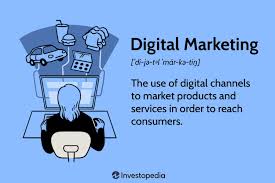
Digital marketing encompasses a wide range of strategies and tactics aimed at promoting products or services through online channels such as websites, social media platforms, search engines, email, and more. This multi-faceted approach allows businesses to reach their target audience where they spend most of their time – online.
Benefits of Digital Marketing
One of the key benefits of digital marketing is its ability to provide measurable results. Unlike traditional marketing methods, digital marketing allows businesses to track and analyse their campaigns in real-time, enabling them to make data-driven decisions and optimise their strategies for better performance.
Another advantage of digital marketing is its cost-effectiveness. With digital channels, businesses can reach a larger audience at a fraction of the cost compared to traditional advertising methods. This level playing field allows small businesses to compete with larger corporations on a more equal footing.
Key Strategies in Digital Marketing
Some key strategies commonly used in digital marketing include:
- Search Engine Optimization (SEO): Optimising website content to improve search engine rankings and increase organic traffic.
- Pay-Per-Click (PPC) Advertising: Running targeted ads on search engines or social media platforms to drive traffic and conversions.
- Social Media Marketing: Engaging with audiences on social media platforms to build brand awareness and drive engagement.
- Email Marketing: Sending targeted emails to nurture leads, promote products/services, and build customer relationships.
The Future of Digital Marketing
As technology continues to evolve at a rapid pace, the future of digital marketing looks promising. Advancements in artificial intelligence, machine learning, data analytics, and automation are reshaping the way businesses interact with consumers online. Personalisation and customisation are becoming increasingly important as consumers seek more tailored experiences from brands.
In conclusion, digital marketing has become an essential component of any successful business strategy in today’s digital age. By leveraging the power of online channels effectively, businesses can reach new audiences, drive engagement, increase brand visibility, and ultimately achieve their business goals in a competitive marketplace.
Exploring the 8 Key Advantages of Digital Marketing: From Cost-Effectiveness to Competitive Edge
- Cost-effective
- Measurable results
- Global reach
- Targeted advertising
- Brand visibility
- Engagement opportunities
- Flexibility
- Competitive advantage
Challenges of Digital Marketing: Navigating Saturation, Ad Fatigue, Privacy, Complexity, and Rapid Change
Cost-effective
Digital marketing offers a significant advantage in terms of cost-effectiveness for businesses, enabling them to expand their reach and engage with a larger audience at a fraction of the cost associated with traditional marketing approaches. By leveraging digital channels such as social media, search engines, and email, businesses can target specific demographics and measure the effectiveness of their campaigns in real-time, ultimately maximising their return on investment and achieving greater results within their budget constraints.
Measurable results
Businesses benefit greatly from the measurable results offered by digital marketing. By tracking and analysing the performance of their campaigns in real-time, companies can make data-driven decisions that lead to more effective strategies and better outcomes. This ability to gather and interpret data allows businesses to optimise their digital marketing efforts, allocate resources efficiently, and ultimately achieve a higher return on investment.
Global reach
With digital marketing, businesses have the advantage of global reach, enabling them to connect with audiences worldwide and transcend geographical boundaries. This capability allows companies to expand their market reach beyond local limitations and tap into new markets, reaching potential customers in different regions and countries. By leveraging digital channels effectively, businesses can establish a strong online presence on a global scale, increasing brand visibility and opening up opportunities for growth and expansion in diverse markets.
Targeted advertising
Digital marketing’s targeted advertising capability is a game-changer in reaching the right audience with precision. By leveraging digital tools and data analytics, businesses can tailor their marketing messages to specific demographics, interests, and behaviours of their target audience. This level of targeting ensures that marketing efforts are directed towards those most likely to be interested in the products or services being offered, resulting in higher engagement rates and better return on investment. The ability to reach the right people at the right time with the right message is a key advantage of digital marketing that can significantly enhance campaign effectiveness and overall success.
Brand visibility
Through various online channels such as social media and search engines, digital marketing plays a crucial role in enhancing brand visibility and awareness. By strategically utilising platforms where consumers spend a significant amount of their time, businesses can effectively showcase their brand to a wider audience. This increased visibility not only helps in attracting new customers but also reinforces brand recognition among existing ones, ultimately contributing to the overall success and growth of the business in the digital landscape.
Engagement opportunities
Engagement opportunities are a key advantage of digital marketing, as interactive features enable businesses to connect with customers on a more personal level. Through comments, messages, polls, and other interactive tools, businesses can actively engage with their audience, gather feedback, and build stronger relationships. This two-way communication not only fosters trust and loyalty but also provides valuable insights that can be used to tailor marketing strategies to better meet the needs and preferences of customers. By creating meaningful interactions through digital channels, businesses can enhance customer engagement and ultimately drive long-term success.
Flexibility
Digital marketing offers a significant advantage in terms of flexibility. Unlike traditional marketing methods, digital marketing strategies can be easily adjusted and optimised based on real-time data insights. By monitoring key performance indicators and metrics, businesses can quickly identify what is working well and what needs improvement. This agility allows for rapid adjustments to campaigns, targeting, messaging, and more, resulting in better performance and results. The ability to adapt on the fly based on data-driven insights is a powerful asset that can help businesses stay ahead in today’s dynamic and competitive digital landscape.
Competitive advantage
In the realm of digital marketing, a significant advantage is the ability for small businesses to compete on a level playing field with larger corporations. By harnessing innovative digital marketing tactics, small businesses can carve out their niche, reach their target audience effectively, and differentiate themselves in the crowded digital space. This competitive advantage allows small businesses to showcase their unique offerings, engage with customers on a more personal level, and establish a strong online presence that resonates with their audience.
1. Saturation
In the realm of digital marketing, one significant drawback is the issue of saturation. As the digital landscape becomes more densely populated with businesses vying for consumer attention, standing out amidst the competition poses a formidable challenge. With countless brands bombarding consumers through various online channels, capturing and retaining the interest of a target audience has become increasingly difficult. This oversaturation can lead to message fatigue among consumers and diminish the effectiveness of marketing efforts, requiring businesses to adopt innovative strategies to cut through the noise and make a lasting impact.
2. Ad Fatigue
Consumers today are inundated with a constant stream of online advertisements, leading to a phenomenon known as ad fatigue. This oversaturation of ads can result in consumers feeling overwhelmed, annoyed, and even developing negative perceptions towards brands that bombard them with too many advertisements. Ad fatigue can diminish the effectiveness of marketing campaigns, as consumers may begin to tune out or actively avoid ads altogether. To combat this challenge, businesses must focus on delivering relevant and engaging content that resonates with their target audience to avoid contributing to ad fatigue and maintain a positive brand image in the digital space.
3. Privacy Concerns
With data collection and tracking being integral to digital marketing strategies, there are growing concerns about privacy violations and data misuse among consumers. The collection of personal information for targeted advertising purposes has raised ethical questions about the extent to which individuals’ online activities are monitored and used without their explicit consent. As data breaches and privacy scandals continue to make headlines, consumers are becoming more wary of sharing their information online, leading to a loss of trust in businesses that engage in intrusive data practices. Balancing the benefits of targeted marketing with the need to respect consumer privacy remains a significant challenge for digital marketers in today’s landscape.
4. Technical Complexity
Implementing effective digital marketing campaigns can be hindered by the technical complexity involved. Businesses without dedicated resources or expertise in the field may find it daunting to navigate the intricacies of digital marketing strategies. From understanding algorithms for search engine optimisation to setting up and monitoring online advertising campaigns, the technical know-how required can act as a barrier for businesses looking to leverage digital marketing effectively. Without the necessary skills and experience, businesses may struggle to implement campaigns that deliver optimal results and reach their target audience efficiently.
5. Rapid Changes
In the realm of digital marketing, one significant drawback is the rapid pace of change. The digital marketing landscape is in a perpetual state of evolution, with new technologies, algorithms, and trends continuously emerging. This dynamic environment necessitates businesses to remain agile and adaptable in order to keep up with the latest developments and maintain competitiveness. The need for constant learning and swift adjustments can pose challenges for businesses seeking to establish long-term strategies amidst the ever-changing digital marketing landscape.