
The Power of Digital Marketing in Today’s Business Landscape
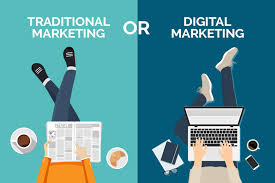
In the fast-paced digital age, traditional marketing strategies are no longer enough to cut through the noise and reach your target audience. This is where digital marketing comes into play, offering businesses a powerful tool to connect with customers, build brand awareness, and drive sales.
What is Digital Marketing?
Digital marketing encompasses a wide range of online tactics and channels aimed at promoting products or services through digital technologies. This can include social media marketing, search engine optimisation (SEO), email marketing, content marketing, pay-per-click advertising, and more. The key advantage of digital marketing lies in its ability to reach a global audience quickly and cost-effectively.
The Benefits of Digital Marketing
One of the major benefits of digital marketing is its measurability. Unlike traditional marketing methods, digital campaigns can be tracked and analysed in real time, allowing businesses to adjust their strategies based on data-driven insights. This level of flexibility enables companies to optimise their campaigns for better results and ROI.
Furthermore, digital marketing offers unparalleled targeting capabilities. Through tools like demographic segmentation and behavioural targeting, businesses can tailor their messages to specific audience segments, ensuring that their marketing efforts resonate with the right people at the right time.
The Future of Marketing
As technology continues to evolve at a rapid pace, so too does the field of digital marketing. Emerging trends such as artificial intelligence, voice search optimisation, and influencer marketing are reshaping the way businesses engage with consumers online. By staying abreast of these trends and embracing innovative strategies, companies can stay ahead of the competition and drive growth in an increasingly competitive marketplace.
Conclusion
In conclusion, digital marketing has become an indispensable tool for businesses looking to thrive in today’s digital-first world. By leveraging the power of online channels and data-driven insights, companies can create targeted campaigns that resonate with their audience and drive tangible results. Embracing digital marketing is not just an option – it’s a necessity for any business looking to succeed in the modern marketplace.
Top 11 Frequently Asked Questions About Digital Marketing
- What is the salary in digital marketing?
- What is digital marketer in marketing?
- Do digital marketers make good money?
- What is digital marketing example?
- What is meant by digital marketing?
- What’s an example of digital marketing?
- What are the seven types of digital marketing?
- What type of marketing is digital marketing?
- What are the 4 types of digital marketing?
- What is digital marketing in marketing?
- Is digital marketing a good career?
What is the salary in digital marketing?
The salary in digital marketing can vary depending on factors such as job role, experience level, location, and the specific industry. Entry-level positions in digital marketing may offer salaries starting from around £20,000 to £30,000 per year, while more senior roles or positions in larger companies can command significantly higher salaries. Digital marketing professionals with specialised skills or certifications, such as SEO specialists or PPC managers, may also earn higher salaries due to the demand for their expertise. Overall, the salary range in digital marketing is broad and offers opportunities for growth and advancement based on individual skills and experience.
What is digital marketer in marketing?
A digital marketer in marketing is a professional who specialises in promoting products or services using various online channels and strategies. Digital marketers are skilled in leveraging digital technologies such as social media, search engines, email, and content marketing to reach target audiences and drive engagement. Their responsibilities may include developing digital marketing campaigns, analysing data to measure campaign performance, and optimising strategies for maximum effectiveness. Digital marketers play a crucial role in helping businesses establish a strong online presence, build brand awareness, and ultimately drive conversions in the ever-evolving digital landscape.
Do digital marketers make good money?
The earning potential for digital marketers can vary depending on factors such as experience, skills, industry, and location. In general, digital marketers have the opportunity to make good money due to the high demand for their expertise in today’s digital-centric business landscape. Those with a strong track record of delivering successful campaigns and staying current with industry trends often command higher salaries and lucrative opportunities. With the right skills and dedication, digital marketers can indeed enjoy a rewarding career with competitive compensation packages.
What is digital marketing example?
Digital marketing encompasses a wide range of strategies and tactics used by businesses to promote their products or services online. An example of digital marketing is social media advertising, where companies leverage platforms like Facebook, Instagram, or LinkedIn to reach their target audience with targeted ads. Another example is search engine optimisation (SEO), which involves optimising a website to rank higher in search engine results pages, increasing visibility and organic traffic. Email marketing is also a common digital marketing example, where businesses send personalised emails to subscribers to promote products, share news, or nurture customer relationships. These examples demonstrate the diverse and effective ways in which digital marketing can be utilised to achieve business goals in the online space.
What is meant by digital marketing?
Digital marketing refers to the use of online channels and digital technologies to promote products or services to a target audience. This encompasses a wide range of tactics such as social media marketing, search engine optimisation (SEO), email marketing, content marketing, pay-per-click advertising, and more. The key advantage of digital marketing lies in its ability to reach a global audience quickly and cost-effectively, allowing businesses to connect with customers in a more targeted and measurable way compared to traditional marketing methods. In essence, digital marketing is about leveraging the power of the internet and technology to engage with consumers, build brand awareness, drive traffic, and ultimately achieve business objectives in the digital realm.
What’s an example of digital marketing?
An example of digital marketing is social media advertising, where businesses leverage platforms like Facebook, Instagram, or LinkedIn to promote their products or services to a targeted audience. Through strategic ad placements and audience segmentation, companies can reach potential customers based on their interests, demographics, and online behaviour. Social media advertising allows businesses to engage with users in a more interactive and personalised way, driving brand awareness, website traffic, and ultimately conversions. This example illustrates how digital marketing utilises online channels to connect with consumers in a cost-effective and measurable manner.
What are the seven types of digital marketing?
In the realm of digital marketing, there are seven key types that businesses often leverage to reach and engage their target audience effectively. These include search engine optimisation (SEO), which focuses on improving a website’s visibility in search engine results; pay-per-click (PPC) advertising, where advertisers pay a fee each time their ad is clicked; social media marketing, which involves promoting products or services on social platforms; content marketing, aimed at creating valuable and relevant content to attract and retain customers; email marketing, utilising email campaigns to communicate with prospects and customers; affiliate marketing, where businesses reward affiliates for driving traffic or sales; and finally, influencer marketing, which involves collaborating with influential individuals to promote products or services. Each type of digital marketing offers unique opportunities for businesses to connect with their audience in meaningful ways and drive results.
What type of marketing is digital marketing?
Digital marketing is a form of marketing that utilises online channels and digital technologies to promote products or services to a target audience. It encompasses a wide range of tactics, including social media marketing, search engine optimisation (SEO), email marketing, content marketing, pay-per-click advertising, and more. Unlike traditional marketing methods, digital marketing leverages the power of the internet to reach a global audience quickly and cost-effectively. With its focus on data-driven insights and measurable results, digital marketing has become an essential tool for businesses looking to engage with consumers in today’s digital-first world.
What are the 4 types of digital marketing?
In the realm of digital marketing, there are four primary types that businesses commonly utilise to reach and engage their target audiences effectively. These include search engine optimisation (SEO), which focuses on improving a website’s visibility in search engine results; social media marketing, where brands leverage platforms like Facebook, Instagram, and Twitter to connect with customers; pay-per-click (PPC) advertising, involving paid ads displayed on search engines and websites; and content marketing, which entails creating valuable and relevant content to attract and retain customers. Each type plays a crucial role in a comprehensive digital marketing strategy, offering unique opportunities for businesses to enhance their online presence and drive success in the digital landscape.
What is digital marketing in marketing?
Digital marketing in marketing refers to the use of online channels and digital technologies to promote products or services to a target audience. It encompasses a wide range of strategies, including social media marketing, search engine optimisation (SEO), email marketing, content marketing, pay-per-click advertising, and more. The goal of digital marketing is to connect with customers in the digital space, build brand awareness, drive website traffic, generate leads, and ultimately increase sales. By leveraging the power of digital platforms and data-driven insights, businesses can create targeted and personalised campaigns that engage consumers effectively in today’s increasingly digital landscape.
Is digital marketing a good career?
The question of whether digital marketing is a good career choice is one that many individuals ponder in today’s digital age. With the increasing importance of online presence and digital strategies for businesses, the demand for skilled digital marketers is on the rise. A career in digital marketing offers diverse opportunities for growth, creativity, and innovation. Professionals in this field have the chance to work across various industries, utilise cutting-edge tools and technologies, and make a significant impact on business outcomes. As the digital landscape continues to evolve, a career in digital marketing presents an exciting and rewarding path for those passionate about leveraging online channels to drive success.