

digital marketing websites

Unlocking Success: The Impact of Digital Marketing Websites

The Power of Digital Marketing Websites

The Power of Digital Marketing Websites

In today’s digital age, having a strong online presence is crucial for businesses to succeed. Digital marketing websites play a vital role in helping companies connect with their target audience, increase brand awareness, and drive sales. These websites serve as powerful tools that enable businesses to effectively promote their products or services in the digital realm.

Benefits of Digital Marketing Websites

There are several key benefits to having a well-designed digital marketing website:

  • Global Reach: With a digital marketing website, businesses can reach a global audience regardless of their physical location. This opens up new opportunities for growth and expansion.
  • 24/7 Accessibility: Unlike traditional brick-and-mortar stores, digital marketing websites are accessible 24/7, allowing customers to engage with the brand at any time of the day.
  • Targeted Marketing: Digital marketing websites enable businesses to target specific demographics and tailor their messaging to different audience segments, increasing the effectiveness of their marketing efforts.
  • Data Analytics: By leveraging analytics tools, businesses can track user behaviour on their website, measure the performance of their campaigns, and make data-driven decisions to optimise their marketing strategies.

Key Elements of an Effective Digital Marketing Website

To ensure the success of a digital marketing website, it is essential to incorporate key elements that enhance user experience and drive conversions:

  1. User-Friendly Design: A visually appealing and easy-to-navigate website design is crucial for engaging visitors and keeping them on the site.
  2. Compelling Content: High-quality content that resonates with the target audience can help build trust and credibility for the brand.
  3. SEO Optimisation: Implementing SEO best practices can improve the website’s visibility in search engine results and attract organic traffic.
  4. Calls-to-Action (CTAs): Clear CTAs prompt visitors to take desired actions such as making a purchase or signing up for a newsletter.

The Future of Digital Marketing Websites

As technology continues to evolve, digital marketing websites will play an increasingly important role in helping businesses stay competitive in the online marketplace. By staying abreast of emerging trends and adopting innovative strategies, companies can leverage the power of digital marketing websites to achieve their business goals and drive sustainable growth.

In conclusion, digital marketing websites are essential tools for modern businesses looking to establish a strong online presence and connect with consumers in meaningful ways. By investing in an effective digital marketing strategy and leveraging the capabilities of a well-designed website, companies can unlock new opportunities for success in the digital landscape.


Top 5 Tips for Enhancing Your Digital Marketing Website’s Performance

  1. Optimize your website for search engines to improve visibility and attract organic traffic.
  2. Create high-quality, engaging content that resonates with your target audience to drive engagement and conversions.
  3. Utilize social media platforms to promote your website and engage with followers to build brand awareness.
  4. Implement clear call-to-action buttons on your website to guide visitors towards desired actions, such as making a purchase or signing up for a newsletter.
  5. Regularly analyse and track key performance metrics, such as traffic sources and conversion rates, to make data-driven decisions for improving your digital marketing strategies.

Optimize your website for search engines to improve visibility and attract organic traffic.

To enhance the visibility of your digital marketing website and attract organic traffic, it is crucial to optimise your website for search engines. By implementing SEO best practices such as using relevant keywords, creating high-quality content, and improving site speed and user experience, you can increase your website’s chances of ranking higher in search engine results. This not only helps potential customers find your website more easily but also establishes credibility and trust with search engines, ultimately driving more organic traffic to your site.

Create high-quality, engaging content that resonates with your target audience to drive engagement and conversions.

Creating high-quality, engaging content that resonates with your target audience is a fundamental tip for successful digital marketing websites. By crafting compelling content that speaks directly to the interests and needs of your audience, you can drive higher levels of engagement and ultimately increase conversions. Whether it’s informative blog posts, captivating videos, or interactive infographics, tailoring your content to resonate with your target demographic can help establish trust, build brand loyalty, and ultimately drive the desired actions from your visitors.

Utilize social media platforms to promote your website and engage with followers to build brand awareness.

To maximise the impact of your digital marketing website, it is essential to leverage social media platforms as powerful tools for promotion and engagement. By actively utilising platforms such as Facebook, Instagram, Twitter, and LinkedIn, businesses can reach a wider audience, drive traffic to their website, and foster meaningful interactions with followers to enhance brand awareness. Engaging with followers through compelling content, responding to comments and messages, and running targeted social media campaigns can help create a strong online presence and establish a loyal community of customers who actively support and advocate for the brand.

Implement clear call-to-action buttons on your website to guide visitors towards desired actions, such as making a purchase or signing up for a newsletter.

To enhance user engagement and drive conversions on your digital marketing website, it is crucial to implement clear call-to-action buttons that guide visitors towards desired actions, such as making a purchase or signing up for a newsletter. These strategically placed buttons serve as prompts for users to take specific steps that align with your business objectives, ultimately improving the effectiveness of your online campaigns and increasing user interactions. By providing clear and compelling CTAs, you can streamline the user journey and encourage visitors to take the desired actions, leading to a more seamless and rewarding online experience for both your audience and your business.

Regularly analyse and track key performance metrics, such as traffic sources and conversion rates, to make data-driven decisions for improving your digital marketing strategies.

Regularly analysing and tracking key performance metrics, such as traffic sources and conversion rates, is essential for making informed, data-driven decisions to enhance your digital marketing strategies. By closely monitoring these metrics, businesses can gain valuable insights into the effectiveness of their online campaigns, identify areas for improvement, and optimise their marketing efforts to drive better results. This analytical approach allows companies to adapt to changing market dynamics and consumer behaviour, ultimately leading to more successful and impactful digital marketing initiatives.
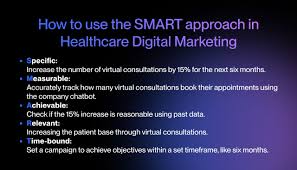
digital marketing for hospitals

Revolutionising Healthcare: The Impact of Digital Marketing for Hospitals

Digital Marketing for Hospitals

The Power of Digital Marketing for Hospitals

In today’s digital age, the healthcare industry is increasingly turning to digital marketing strategies to reach and engage with patients. Hospitals are recognising the importance of establishing a strong online presence to connect with their target audience effectively. Digital marketing offers hospitals a range of tools and techniques to enhance their visibility, build trust, and ultimately drive patient acquisition and retention.

Benefits of Digital Marketing for Hospitals

Increased Reach: Through digital marketing channels such as social media, search engine optimisation (SEO), and email marketing, hospitals can reach a wider audience beyond their local community. This expanded reach allows hospitals to attract patients from different regions or even internationally.

Targeted Advertising: Digital marketing enables hospitals to target specific demographics based on factors such as age, location, interests, and online behaviour. This targeted approach ensures that marketing messages are delivered to the most relevant audience, increasing the likelihood of engagement and conversion.

Enhanced Brand Awareness: By consistently sharing valuable content and engaging with patients on digital platforms, hospitals can strengthen their brand presence and reputation. Building brand awareness through digital marketing helps hospitals stand out in a competitive healthcare landscape.

Key Strategies for Hospital Digital Marketing

Content Marketing: Creating informative and engaging content such as blog posts, articles, videos, and infographics can position hospitals as thought leaders in healthcare. Educational content can help build trust with patients and establish credibility.

Social Media Engagement: Maintaining an active presence on social media platforms allows hospitals to interact with patients in real-time, share updates about services or events, and address patient queries or concerns promptly.

Search Engine Optimisation (SEO): Optimising hospital websites for search engines can improve visibility in search results when potential patients are looking for relevant healthcare services or information online. SEO techniques include keyword research, on-page optimisation, and link building.

The Future of Hospital Digital Marketing

The landscape of digital marketing is constantly evolving, presenting new opportunities for hospitals to connect with patients in meaningful ways. Embracing emerging technologies such as artificial intelligence (AI), chatbots, virtual reality (VR), and telemedicine can further enhance the patient experience and drive engagement.

In conclusion, digital marketing offers hospitals a powerful platform to engage with current and prospective patients effectively. By leveraging the right strategies and tools, hospitals can not only increase their online visibility but also foster lasting relationships with patients based on trust and value.


9 Advantages of Digital Marketing for Hospitals: Expanding Reach and Building Trust

  1. Increased reach to a wider audience beyond local communities.
  2. Targeted advertising based on demographics and online behaviour.
  3. Enhanced brand awareness and reputation building.
  4. Cost-effective compared to traditional marketing methods.
  5. Real-time engagement with patients through social media platforms.
  6. Measurable results through analytics and data tracking.
  7. Improved patient education through informative content marketing.
  8. Enhanced patient trust and credibility with consistent online presence.
  9. Opportunities for innovation with emerging technologies like AI and VR.


Challenges in Digital Marketing for Hospitals: Privacy, Compliance, and Information Overload

  1. Privacy Concerns
  2. Regulatory Compliance
  3. Information Overload

Increased reach to a wider audience beyond local communities.

Digital marketing provides hospitals with a significant advantage by expanding their reach to a broader audience beyond local communities. Through online channels such as social media, search engines, and email campaigns, hospitals can connect with individuals from different regions or even internationally. This increased reach allows hospitals to attract a diverse range of patients, raise awareness about their services, and ultimately drive engagement and patient acquisition on a global scale.

Targeted advertising based on demographics and online behaviour.

Digital marketing for hospitals offers the advantage of targeted advertising based on demographics and online behaviour. By leveraging data on factors such as age, location, interests, and online activity, hospitals can tailor their marketing messages to specific audience segments. This targeted approach ensures that the right content reaches the right people at the right time, increasing the effectiveness of marketing campaigns and ultimately driving patient engagement and conversions. Hospitals can deliver personalised messages that resonate with their target demographic, leading to higher levels of relevance and response from potential patients.

Enhanced brand awareness and reputation building.

Enhanced brand awareness and reputation building are crucial benefits of digital marketing for hospitals. By consistently sharing valuable content, engaging with patients on social media platforms, and showcasing expertise through educational materials, hospitals can strengthen their brand presence in the digital space. This proactive approach not only helps hospitals stand out in a competitive healthcare landscape but also builds trust and credibility among patients, ultimately enhancing their reputation as trusted healthcare providers.

Cost-effective compared to traditional marketing methods.

Digital marketing for hospitals offers a significant advantage in terms of cost-effectiveness when compared to traditional marketing methods. By leveraging digital channels such as social media, email campaigns, and online advertising, hospitals can reach a larger audience at a fraction of the cost of traditional marketing avenues like print ads or TV commercials. This cost-effective approach allows hospitals to allocate their marketing budget more efficiently, targeting specific demographics with precision and maximising the return on investment.

Real-time engagement with patients through social media platforms.

One significant advantage of digital marketing for hospitals is the ability to engage with patients in real-time through social media platforms. By maintaining an active presence on platforms such as Facebook, Twitter, and Instagram, hospitals can interact with patients promptly, address their queries or concerns, share important updates about services or events, and provide valuable health information. This real-time engagement not only fosters a sense of transparency and accessibility but also allows hospitals to build stronger relationships with patients by being responsive and attentive to their needs.

Measurable results through analytics and data tracking.

One significant advantage of digital marketing for hospitals is the ability to obtain measurable results through analytics and data tracking. By leveraging advanced analytics tools, hospitals can track the performance of their digital marketing campaigns in real-time, gaining valuable insights into key metrics such as website traffic, conversion rates, and patient engagement. This data-driven approach allows hospitals to make informed decisions, optimise their marketing strategies, and allocate resources effectively to achieve tangible results and continually improve their online presence.

Improved patient education through informative content marketing.

Digital marketing for hospitals offers a significant advantage in the form of improved patient education through informative content marketing. By creating and sharing valuable content such as articles, blog posts, videos, and infographics, hospitals can educate patients about various health conditions, treatment options, preventive care measures, and overall wellness. This educational approach not only empowers patients to make informed healthcare decisions but also establishes the hospital as a trusted source of reliable information in the eyes of the audience. Patient education through content marketing plays a crucial role in building strong relationships with patients based on transparency, credibility, and support.

Enhanced patient trust and credibility with consistent online presence.

An essential benefit of digital marketing for hospitals is the ability to cultivate enhanced patient trust and credibility through a consistent online presence. By maintaining active engagement on digital platforms and sharing valuable, informative content regularly, hospitals can establish themselves as reliable sources of healthcare information. This consistent online presence not only helps build trust with patients but also reinforces the hospital’s credibility in the eyes of the public, ultimately leading to stronger patient relationships and loyalty.

Opportunities for innovation with emerging technologies like AI and VR.

Digital marketing for hospitals opens up exciting opportunities for innovation through the integration of emerging technologies such as artificial intelligence (AI) and virtual reality (VR). By harnessing the power of AI, hospitals can enhance patient care through personalised interactions, predictive analytics for better treatment outcomes, and streamlined administrative processes. Additionally, VR technology can revolutionise patient education and therapy by offering immersive experiences that aid in understanding complex medical procedures and providing therapeutic interventions. Embracing these cutting-edge technologies in digital marketing allows hospitals to stay at the forefront of healthcare advancements and deliver enhanced services to their patients.

Privacy Concerns

Privacy Concerns: One significant con of digital marketing for hospitals is the potential privacy concerns it may raise among patients. Patients may feel apprehensive about the security and confidentiality of their personal health information shared online through digital marketing channels. The risk of data breaches or misuse of sensitive data can erode trust between patients and healthcare providers, highlighting the importance of robust data protection measures and transparent communication practices in hospital digital marketing efforts.

Regulatory Compliance

Hospitals face a significant challenge in terms of regulatory compliance when it comes to digital marketing. Strict regulations like GDPR and HIPAA impose stringent requirements on how patient data is collected, stored, and used in online marketing efforts. Hospitals must diligently navigate these complex regulations to safeguard patient privacy and maintain compliance, adding an extra layer of complexity to their digital marketing initiatives. Failure to adhere to these regulations can result in severe penalties and damage to the hospital’s reputation, making regulatory compliance a critical con that hospitals must carefully manage in their digital marketing strategies.

Information Overload

In a saturated digital landscape, hospitals face the con of information overload, making it challenging to stand out and engage their target audience effectively. With numerous healthcare providers vying for attention online, hospitals may find it difficult to cut through the noise and deliver their message in a way that resonates with patients. The abundance of information available can lead to confusion and decision fatigue for individuals seeking healthcare services, potentially hindering hospitals’ efforts to attract and retain patients in a competitive digital environment.